(1) Holy Roman Empire / Germany: Political History and Notable Figures
 Call Kai
 Learn
Learn Practice Test
 Spaced Repetition
 Match
Match Flashcards
 Knowt Play
1/90

There's no tags or description
Looks like no tags are added yet.
Name | Mastery | Learn | Test | Matching | Spaced | Call with Kai | Chat |
|---|
No analytics yet
Send a link to your students to track their progress
91 Terms
936 - 1024 - Ottonian Dynasty (All Facts)
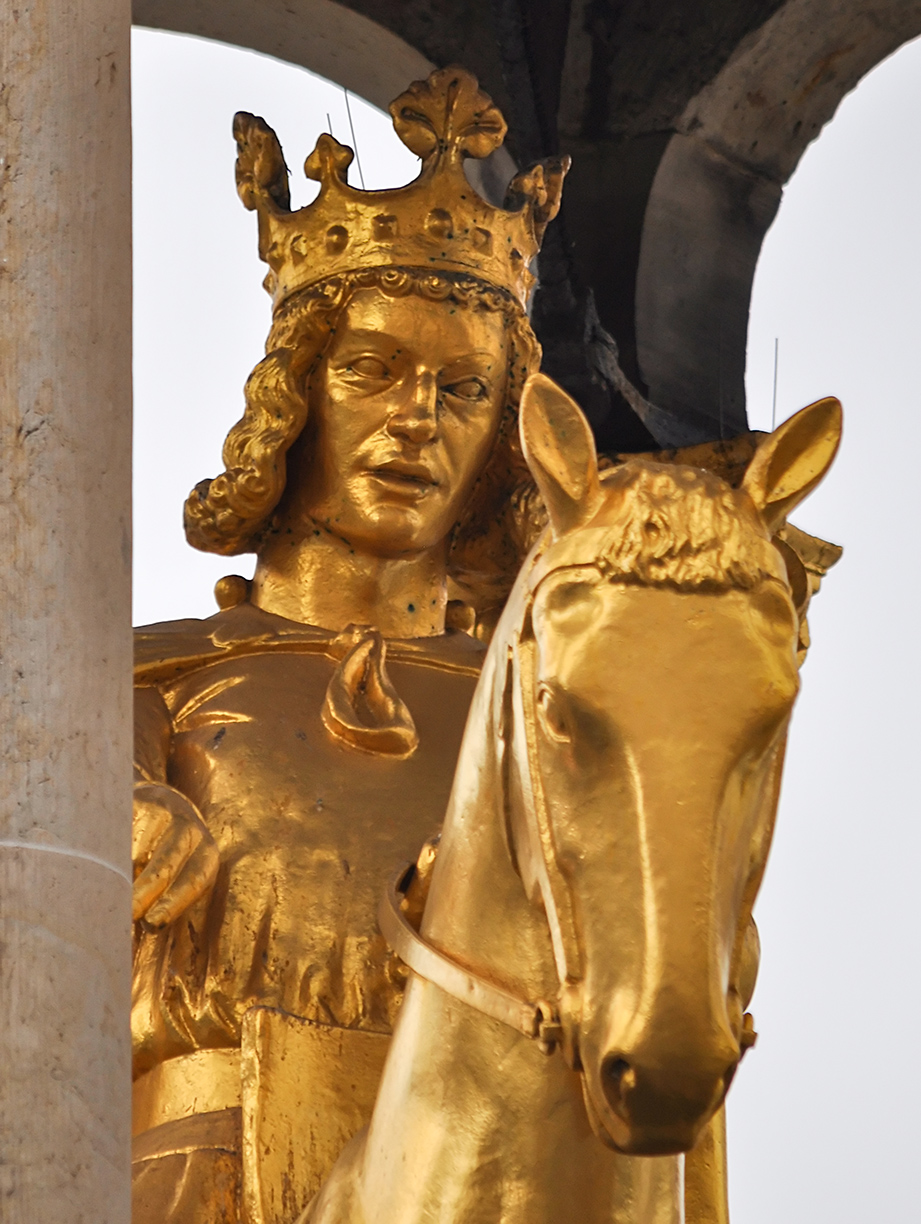
936 - 962 - Otto the Great, as King of Germany (All Facts)
First King and Founder of Germany
Crowed King of Germany at Aachen
He assumed the throne upon the breakup of the Frankish / Francia Empire due to anarchy, foreign invasion, and rivalries of royal pretenders
His rule also represented the reestablishment of a hereditary monarchy in Germany after a period of anarchy and political instability
His rule thus led to Germany being ruled by a single ruler and a single dynasty which asserted itself
To consolidate his own rule, he and his followers defeated Eberhard of Franconia and other rebellious dukes in the Battle of Andernach
The rebellion began when the dukes resented his ambitions to rule not just Saxony but all of Germany
His approach upset Bavarians, Franconians, and even Saxons
His own brother Henry even joined in the rebellion against him
He did this, however, to gather and unite the Saxons (Saxony), Franconians (Francia), and Bavarians (Bavaria) into one German Kingdom
To consolidate his nobles, he and his forces defeated the Magyars once and for all in the Battle of Lechfeld
He drove the Magyars out of Germany permanently, where they retreated to Hungary, finally abandoning the raids that caused Germany / East Francia so much damage
To consolidate his kingdom and eventual empire, he made a shrewd assessment of the political situation in Europe in which he
United the Saxons, Franks, and Bavarians into one German Kingdom after the Battle of Andernach
Subjugated and conquered the lands of the Eastern Slavs
Sought to legitimize his claim to the lands of Lotharingia / Middle Francia (which included Italy, Burgundy, and eastern Gaul at the time) by being crowned emperor in Rome by the Pope, like the previous rulers of the Kingdoms of Lotharingia and Francia
He invaded and took control of Italy after Adelaide of Burgundy was kidnapped by Berengar (his predecessor Holy Roman Emperor)
Adelaide appealed to him, who he rescued and then married
He then had the lands in Italy that he took control of from this annexed to his growing kingdom and the eventual territorial Holy Roman Empire
He invaded and took control of Italy a second time after Pope John XII appealed to him for help against troublemakers in Rome
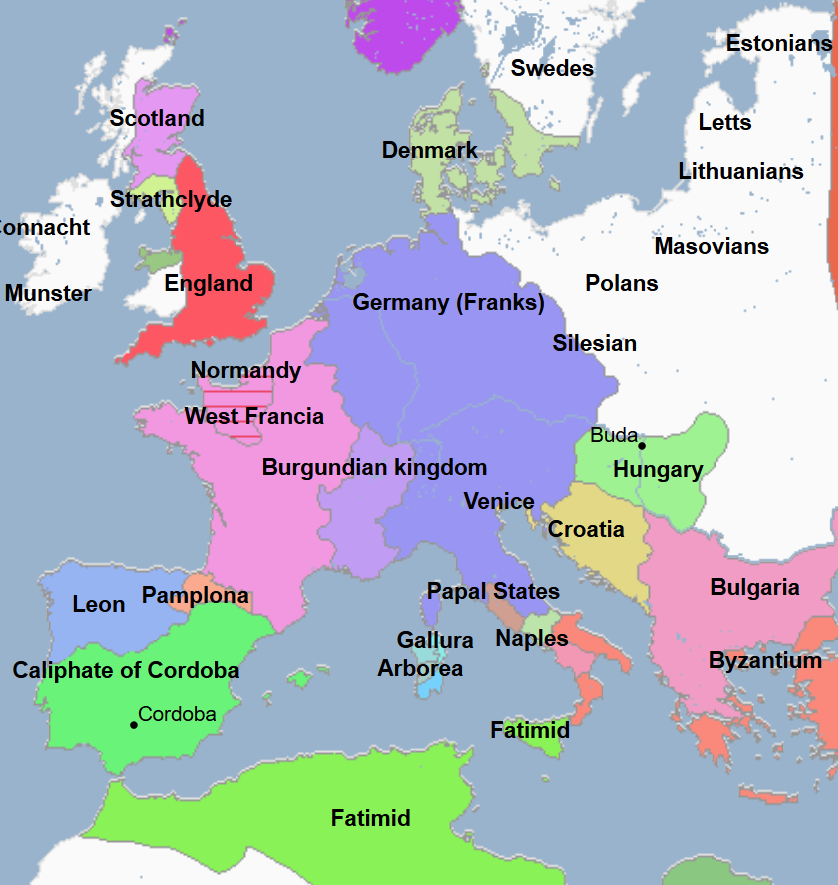
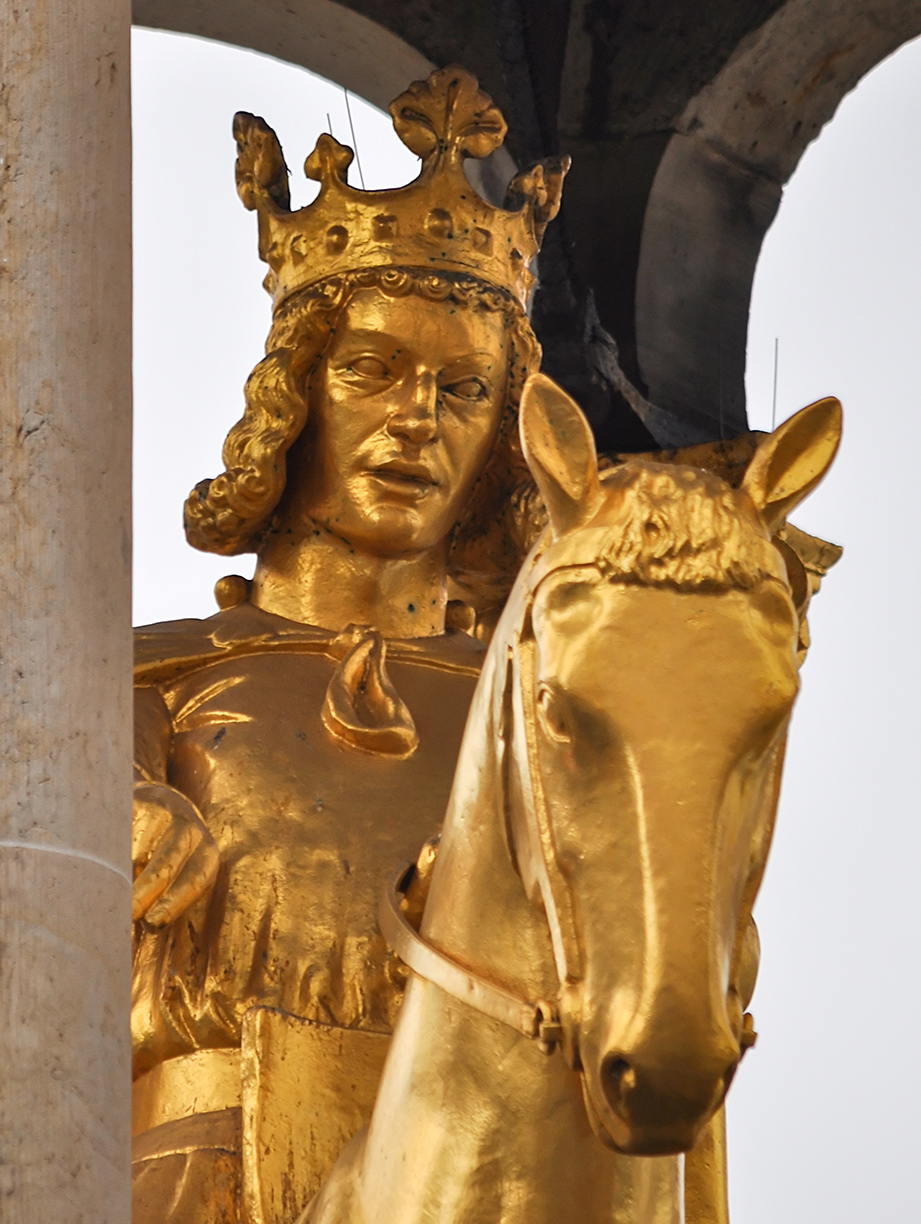
962 - 973 - Otto the Great, as Emperor of the Holy Roman Empire (All Facts)
12th Emperor of the Holy Roman Empire
He was initially the King of Germany, and the first Saxon Holy Roman Emperor
First Emperor and Founder of the territorial / geographic Holy Roman Empire and First Emperor and Founder of his namesake Dynasty of Germany and of the Holy Roman Empire
After an appeal by Pope John XII for aid against King Berengar of Italy, his Holy Roman Emperor predecessor, he invaded Italy a second time and overthrew his Holy Roman Emperor predecessor to become the new Holy Roman Emperor, and by which he was crowned Holy Roman Emperor by Pope John XII in St. Peter’s
He did this to legitimize his claim to the lands of Lotharingia / Middle Francia (which included Italy, Burgundy, and eastern Gaul at the time) by being crowned emperor in Rome by the Pope, like the previous rulers of the Kingdoms of Lotharingia and Francia
He then proceeded to starve Rome into surrender
He declared that in the future no papal election would be valid until an oath of allegiance to the Holy Roman Emperor had been taken
He also determined the outcome of the election of future popes by deposing and exiling Benedict V
He did this in order to reinstate his own nomination for the papal throne, Leo VIII
After Leo VIII died, he nominated and had elected Leo VIII’s papal successor, John XIII
Shortly after this, he was temporarily imprisoned by the Romans who disliked the emperor for his foreign influence on the papacy
However, he was soon released and marched on Rome with an enormous army to reinstate John XIII
His rule proved to be very unpopular, but it laid down the foundations for the Holy Roman Empire and Second Reich of Germany
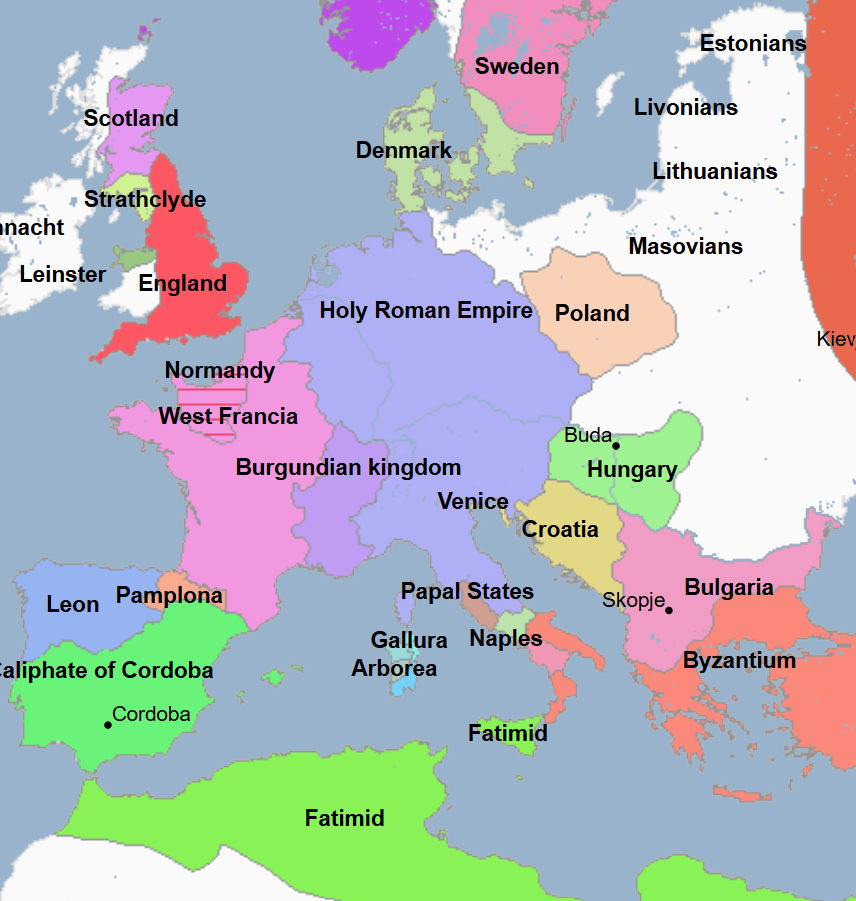
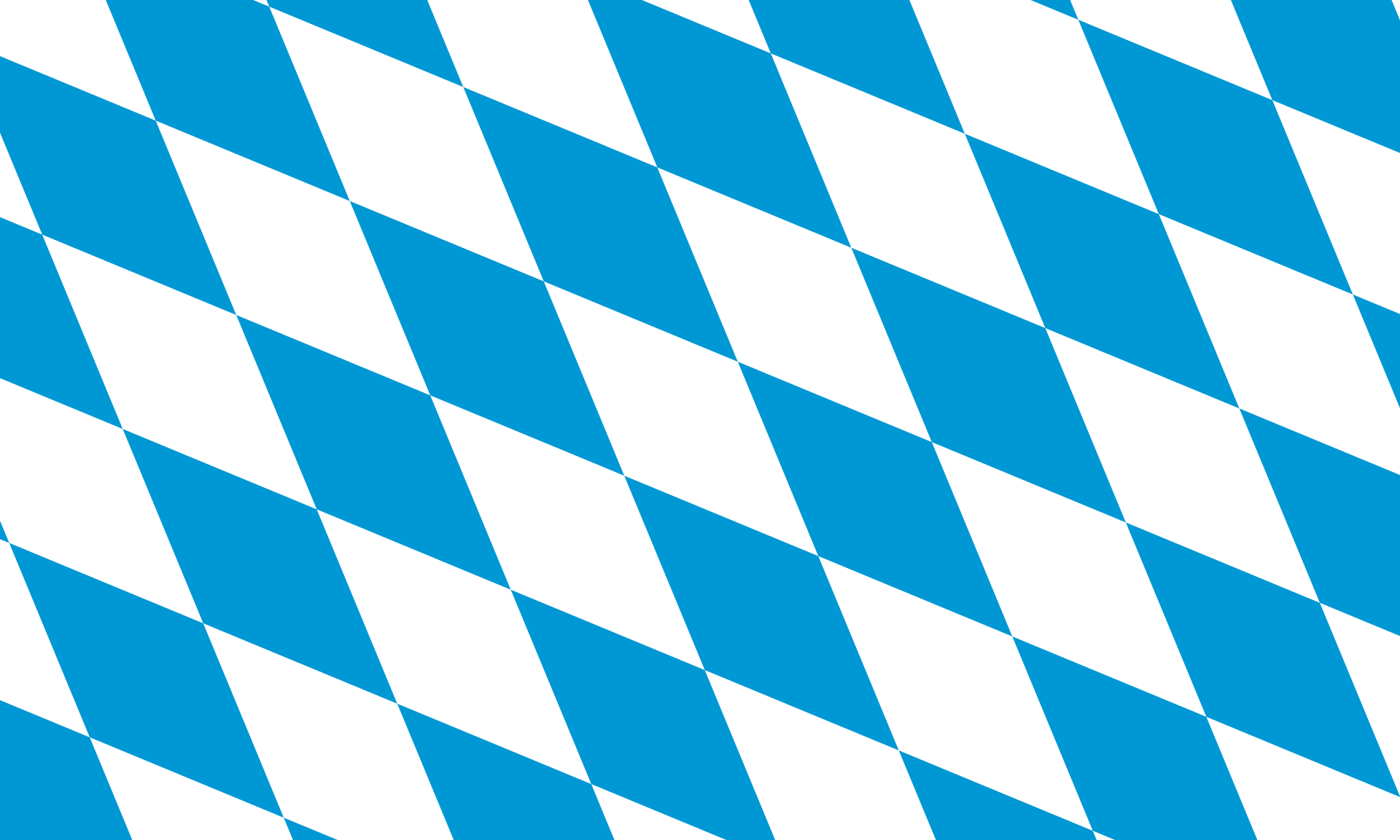
555 / 962 - 1805 - Duchy of Bavaria (All Facts)
Historically, it was (and still is) the Catholic stronghold of Germany
In 1532, the Duke of Bavaria forged an alliance with King Francis of France against the Habsburg Ferdinand
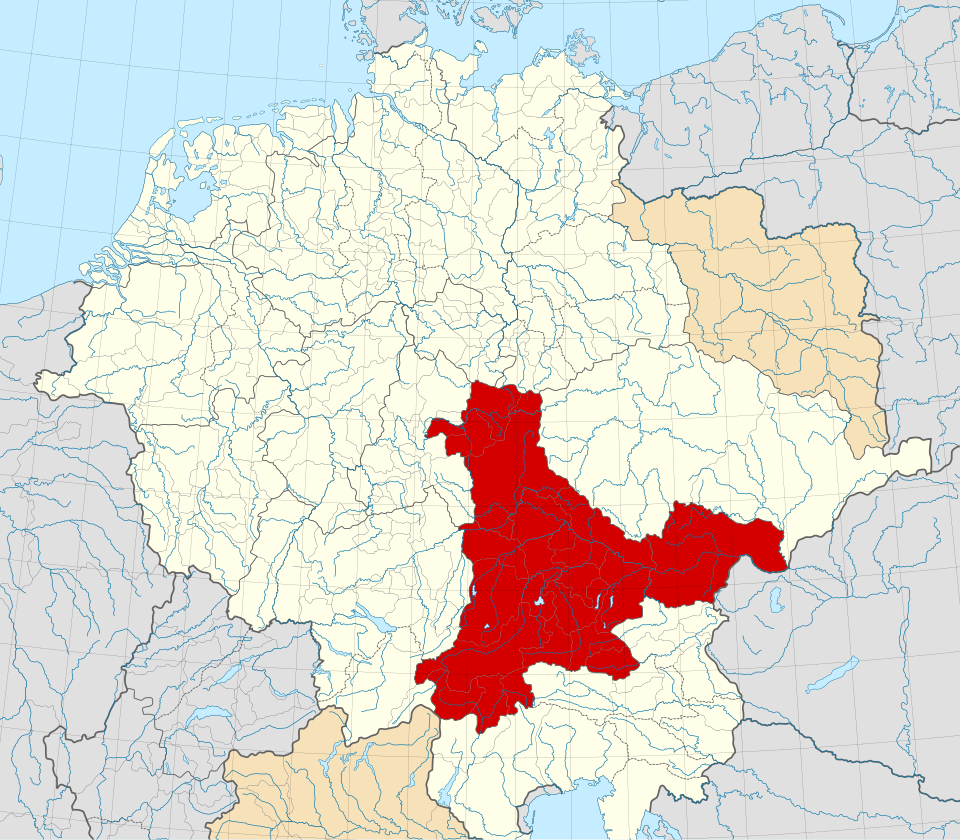
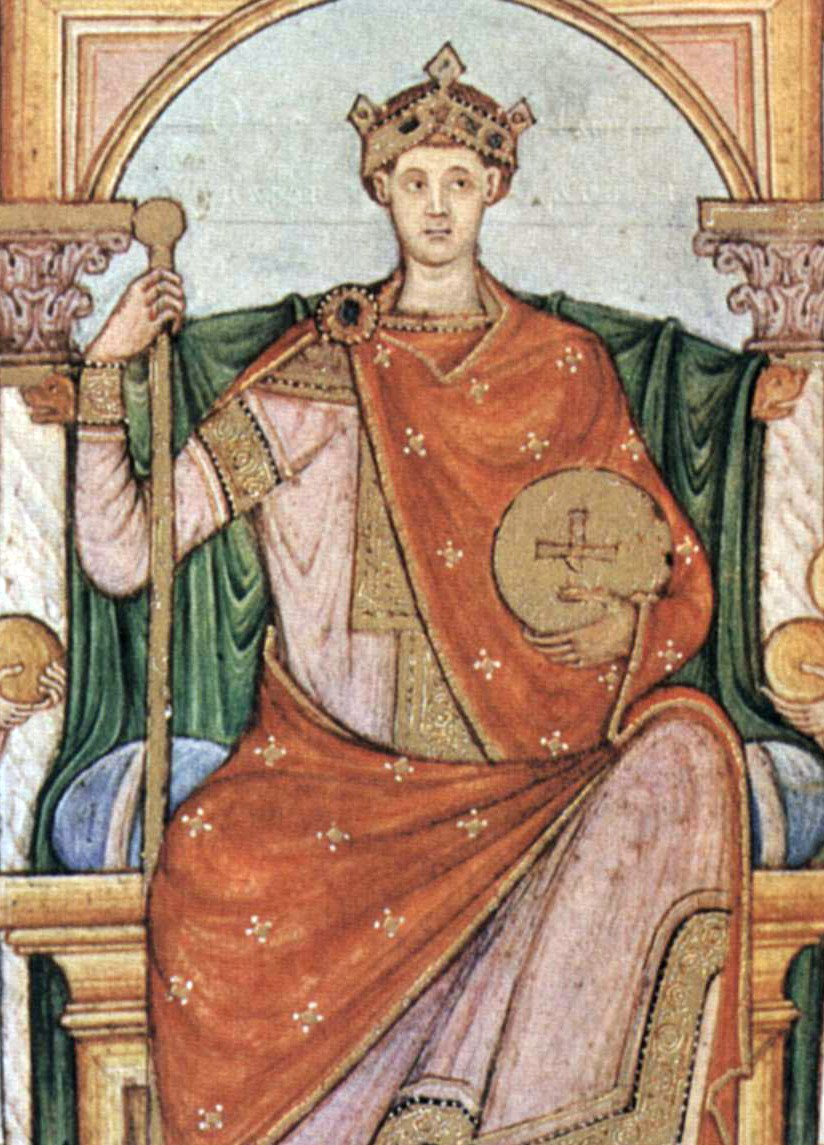
961 - 983 - Otto II (All Facts)
2nd King of Germany and 13th Emperor of the Holy Roman Empire
He was nicknamed “The Red”
He and his forces were defeated by the Fatimid Caliphate in the Battle of Stilo after they had provoked the conflict by calling a Holy War against him and his empire
He
Demanded that Pope Benedict VI, imprisoned by the Roman people after the death of the namesake’s father and predecessor who had installed the pope, be released
Installed Pope Benedict VII to replace the Roman-backed antipope Boniface VII
Installed Pope John XIV once Pope Benedict VII died, without the consultation of the Roman people
He suddenly died of malaria and was succeeded by his infant son
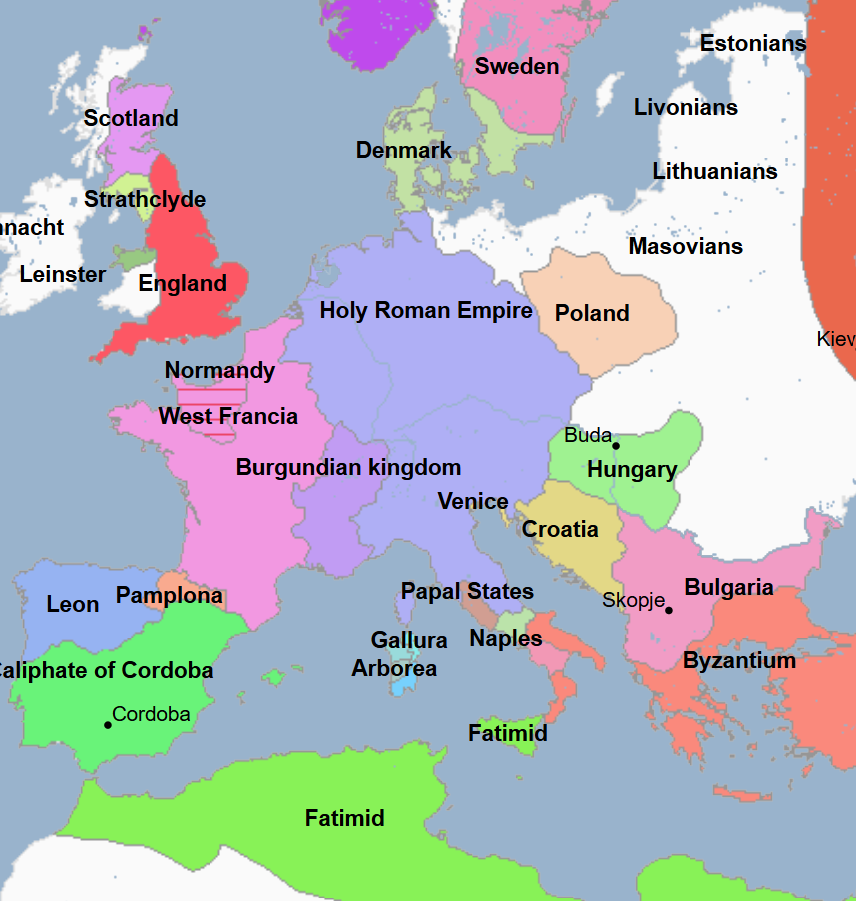
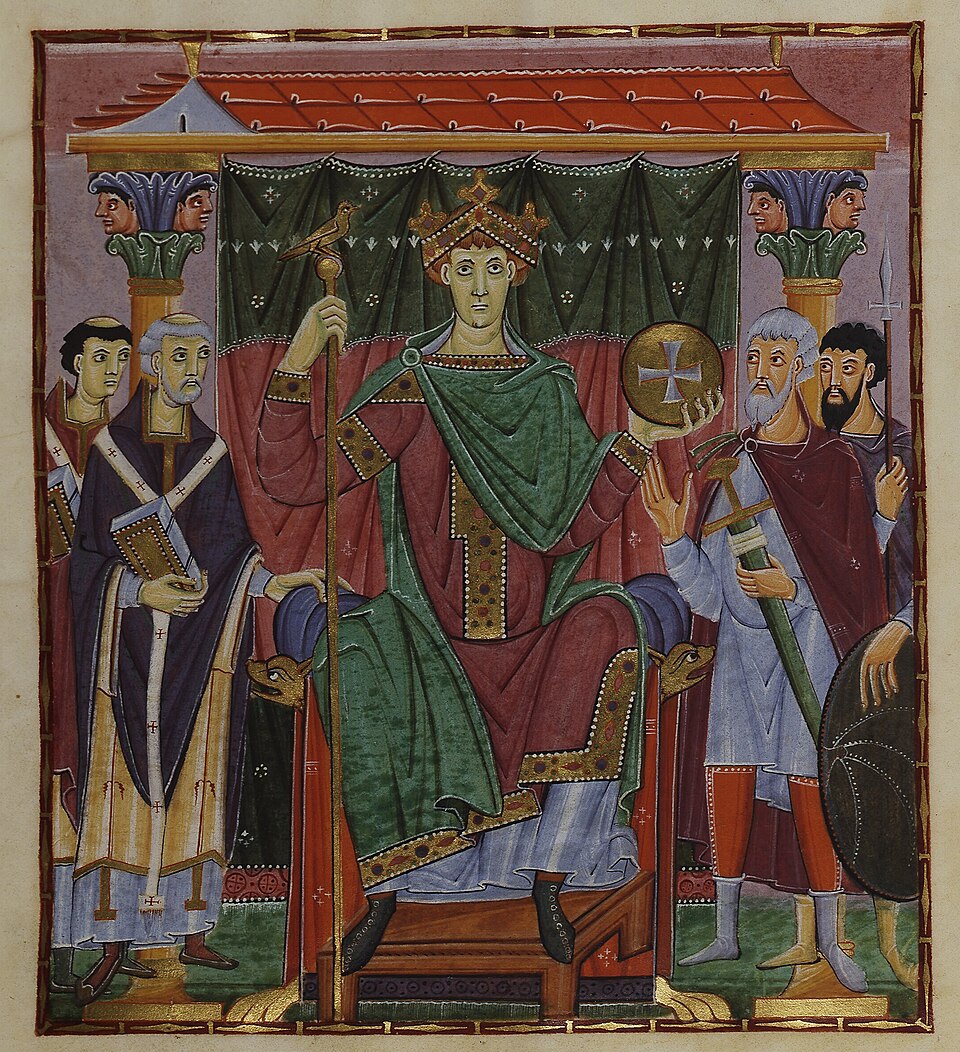
983 - 1002 - Otto III (All Facts)
3rd King of Germany and 14th Emperor of the Holy Roman Empire
As an infant, the empire was ruled by his mother Theophano and his grandmother Adelaide (of Burgundy, also kidnapped by Berengar, King of Italy) as regents, with the help of clerics
He was only three when his father and predecessor died
His succession was disputed by Henry “The Troublemaker,” Duke of Bavaria, who kidnapped him as an infant
Theophano and Adelaide, ruling as regents, forced Henry “The Troublemaker”, Duke of Bavaria, to return the child
Under his reign, there was a power struggle between the magnates
During this power struggle, the East Slavs took advantage of the turmoil and recovered their independence east of the Elbe River
Eventually, at 16 years of age, he was crowned emperor with the dreams of making Rome the capital of a universal empire, at that point in the form of the Holy Roman Empire of Germany and sought to restore the Carolingian Empire of Charlemagne
Interestingly, he was a child of both East and West
His mother Theophano was the niece of Emperor John Tzimiskes of the Byzantine Empire, showing his Eastern side
His father was his predecessor, showing his Western side as a Saxon
He was thus half-Byzantine, half-Saxon
He was schooled by bishops and described as “the wonder of the world”
His visions of grandeur, however, were considered unrealistic, even at the time as his empire, upon his assumption to the throne, lacked an educated ruling class, a bureaucracy, and a network of communication
Like his two direct predecessors of the same name, he faced a struggle to impose unity on strong provincial barons who were hostile to notions of a world empire which would diminish their local power
He was a strong and able leader who inherited from his predecessor grandfather the capacity to form wide political conceptions
He helped rebuild / recreate the old “Roman Empire” in the form of the “Holy Roman Empire” by incorporating Germany as well as the Slavic countries under his kingship
He was responsible for the succession of a number of Popes in the attempt that one would crown him Holy Roman Emperor
Pope John XV died before he could crown the namesake
He installed his cousin Bruno as Pope Gregory V, but after his installment, a band of disgruntled Roman patricians drove him out of the office and replaced him with antipope John XVI
So the namesake marched on Rome and deposed and mutilated antipope John XVI, reinstalling Pope Gregory V, until he died suspiciously shortly afterwards
He then installed his former tutor Gerbert, already the Archbishop of Ravenna, as Pope Sylvester II (a name that was chosen to evoke the grandeur of Ancient Rome as Pope Sylvester I baptized Constantine the Great)
His political restoration of the (Holy) Roman Empire led to a revival of arts and literature
Under his reign, classical texts were translated into (High) German
The deeds of his namesake dynasty up his reign were chronicled in the “Res Gestae Saxionae,” produced during his reign
Under his reign, huge basilicas were built and decorated by artists from the great monasteries
He established friendly relations with Poland when he went to the Polish city of Gniezno and visited the grave of St. Wojciech
He settled in Rome, restored its palaces, and struck seals proclaiming “Renovatio Imperii Romani”
However, the people of Rome revolted against his interference with papal matters
He was besieged in his palace and forced to leave for Paterno
Thus, while preparing to retake his capital of Rome at 22 years old, he died of malaria in the town of Paterno in Italy
He was buried beside Charlemagne, his hero, whose body he had disinterred so that he could pray before it, a truly romantic feat
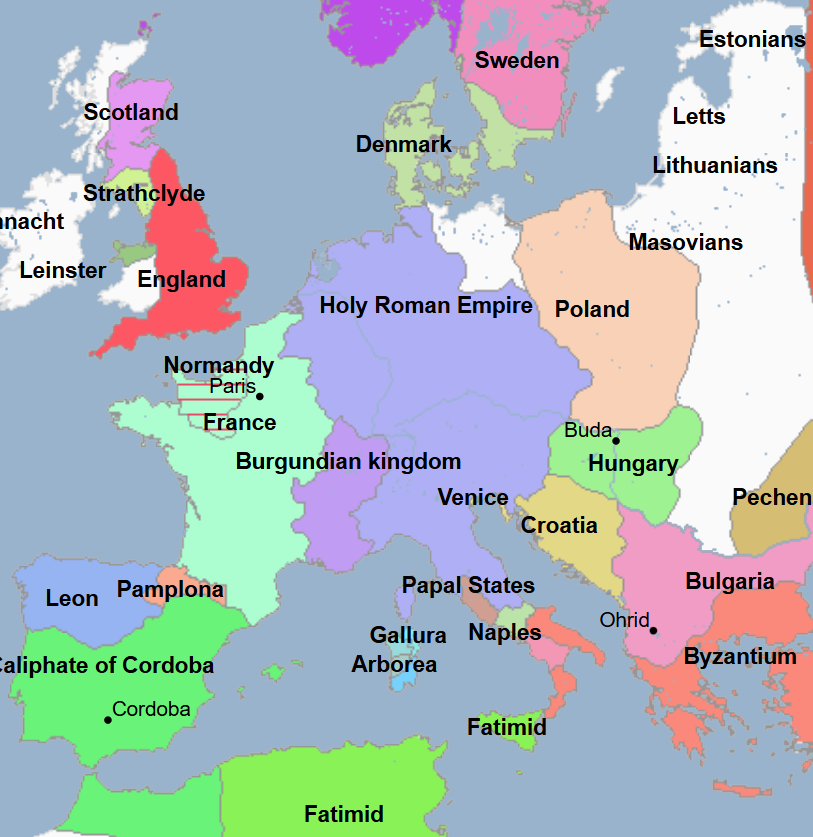
1002 - 1024 - Henry II (All Facts)
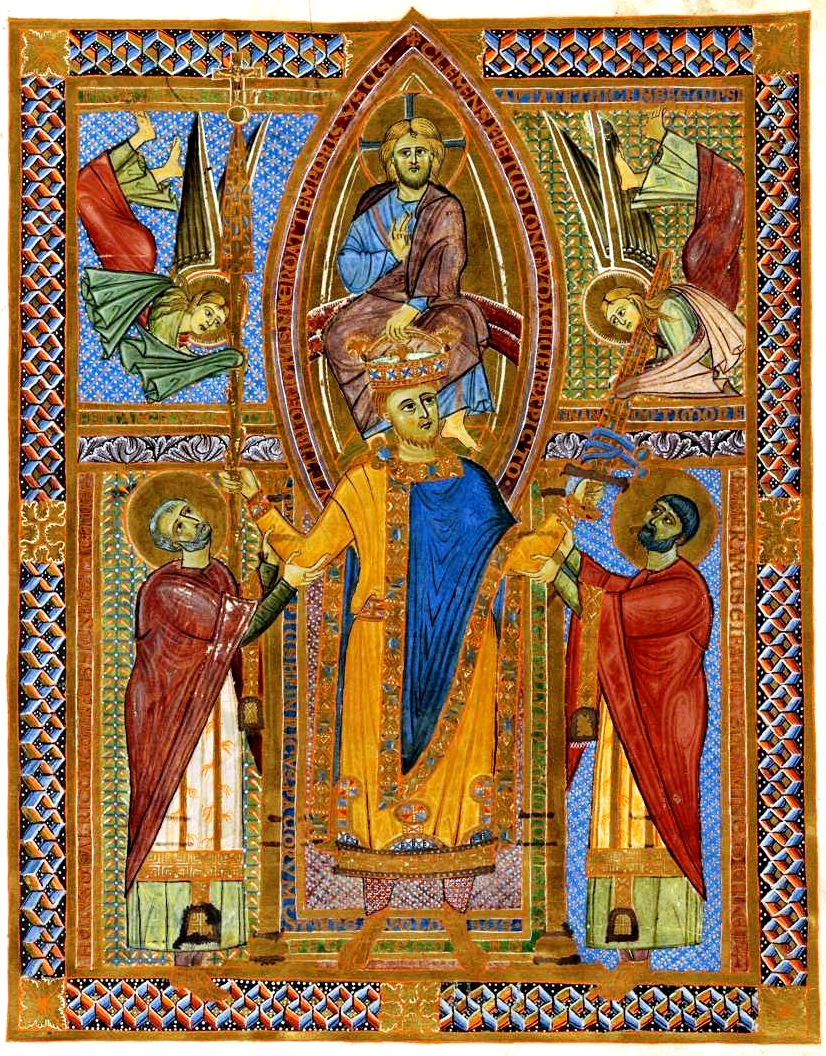
4th King of Germany and 15th Emperor of the Holy Roman Empire, the Final King / Emperor of the Ottonian Dynasty
He was the son of Henry “The Troublemaker,” Duke of Bavaria
He responded to the various threats facing his reign and empire by seeking the support of the Church
He sought to make the Church servants to the Holy Roman Emperors
He granted land and titles to bishops and abbots lavishly to persuade them to submit to the Holy Roman Empire
He travelled to Rome to have himself crowned Holy Roman Emperor on the steps of St. Peter’s by Pope Benedict VIII
The Pope asked him if he would be a faithful defender of the Church, to which he responded in the affirmative
The Pope placed in his hand a golden orb surmounted by a cross, symbolic of his rule over the world’s empire
After his coronation at Pavia, a quarrel developed between the Germans who accompanied him and the people of Pavia, which grew into a full-scale battle in which much of the city of Pavia was burnt and hundreds of citizens were slaughtered
He married Cunigunde, the daughter of the count of Luxembourg
He and his wife were admitted into the church and anointed
He was pious, well-meaning, but had poor health
He was destined for the Church when his predecessor died without children and when the Bavarians and Franks called
When Pope Benedict VIII was deposed by antipope Gregory VI, he had Gregory VI deposed and Pope Benedict VIII reinstated
Upon his assumption to the throne, he faced endless struggles to contain rebellions and feuds by powerful nobles
Via concessions and favors, he won the dubious allegiance of Saxons, Lotharingian, Thuringians, and Swabians
He also faced multiple wars on every frontier in which
Boleslaw of Poland seized lands to his east
This conflict began after he invaded Poland with the hopes of recreating the Frankish Carolingian Empire, backed by his German nobles
However, he was unable to defeat Boleslaw and Poland was forced to sign the unfavorable treaty, the Peace of Bautzen, in which Boleslaw’s gains were consolidated
The Count of Flanders moved to seize Lotharingia
When he died, the Lombards revolted against Germany and the Holy Roman Empire
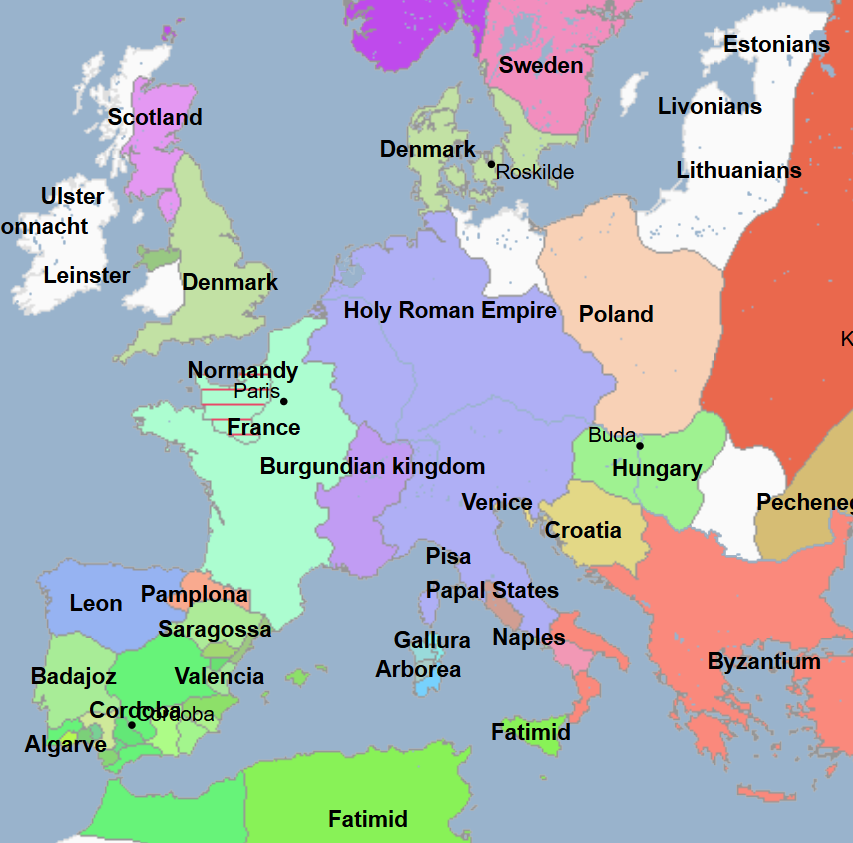
1024 - 1125 - Salian Dynasty (All Facts)
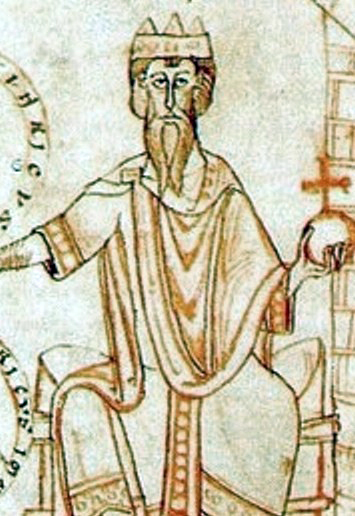
1024 - 1039 - Conrad II (All Facts)
5th King of Germany and 16th Emperor of the Holy Roman Empire, he was the First King and Founder of the Salian Dynasty of Germany and the Holy Roman Empire
He marched onto Italy to claim his rightful crown of Lombardy, coming up against stiff opposition from the inhabitants of
Pavia, who closed the city gates to his army
Ravenna, where his men hacked down people running to safety
He ordered survivors of these conflicts to parade before him in hair shirts, barefoot, with unsheathed swords hung around their necks, and to beg for forgiveness
He was crowned emperors in the presence of two other crowned heads, Rudolf of Burgundy and Canute the Great of England and Denmark (and Norway) amid imperial pomp and religious infighting
During his coronation, two archbishops (of Milan and Ravenna) vied for the honor of leading the king to the altar, exchanging harsh words and even punches in the process outside St. Peter’s
He married Queen Gisela
He incorporated the Kingdom of Burgundy into the Holy Roman Empire upon the death of their heirless King Rudolf III, becoming its first Holy Roman Emperor
He oversaw the construction and completion of the Speyer Cathedral
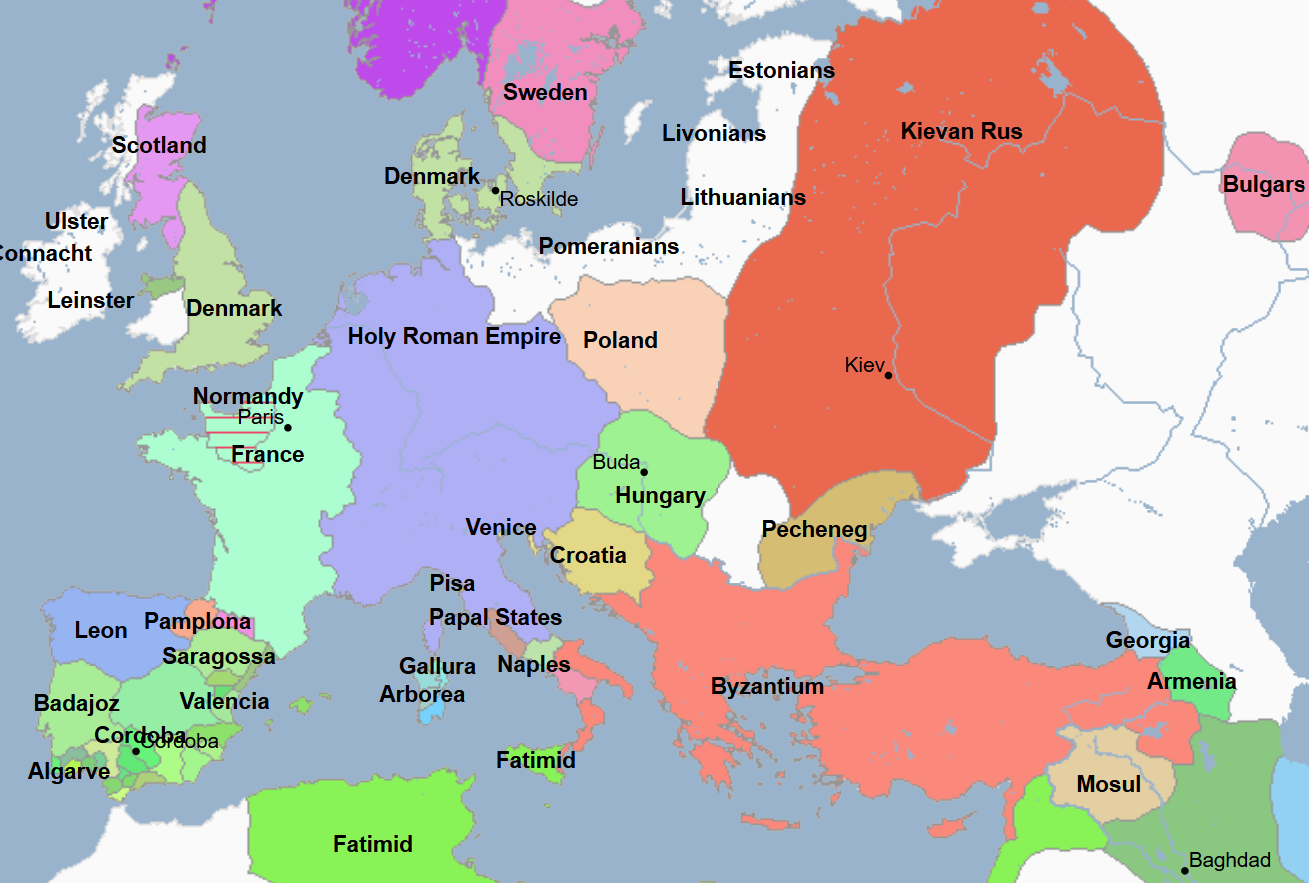
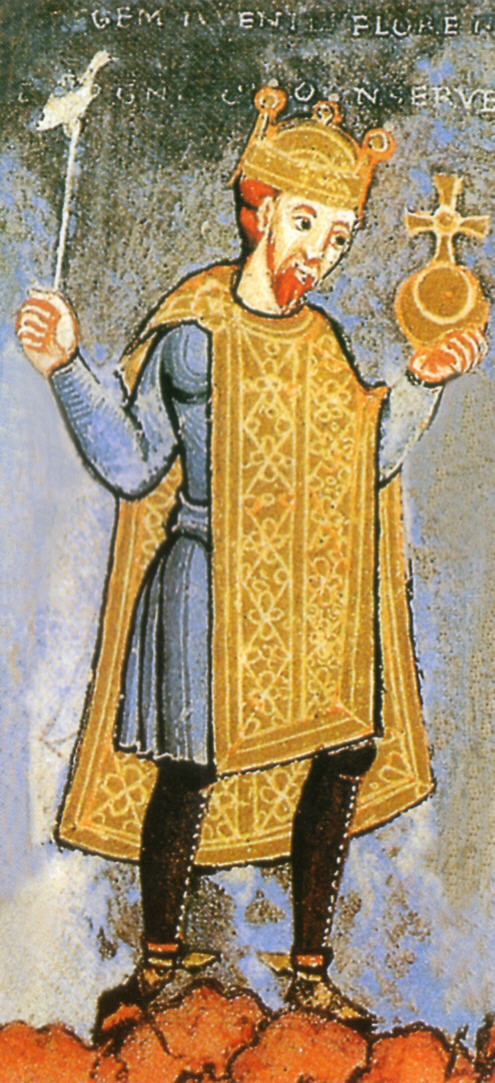
1028 - 1056 - Henry III (All Facts)
6th King of Germany and 17th Emperor of the Holy Roman Empire, he was the 2nd of the Salian Dynasty of Germany and the Holy Roman Empire
He
forced the abdication of Pope Gregory VI on the grounds of simony
confirmed the deposition of Pope Sylvester III and Pope Benedict IX
had installed Pope Clement II after the depositions and abdications of his corrupt papal predecessors
had installed Pope Damasus after he and his Holy Roman forces militaristically drove Pope Benedict IX out of the papal office after ignoring his original deposition against him and serving a third term
He died at Pfalz Bodfeld
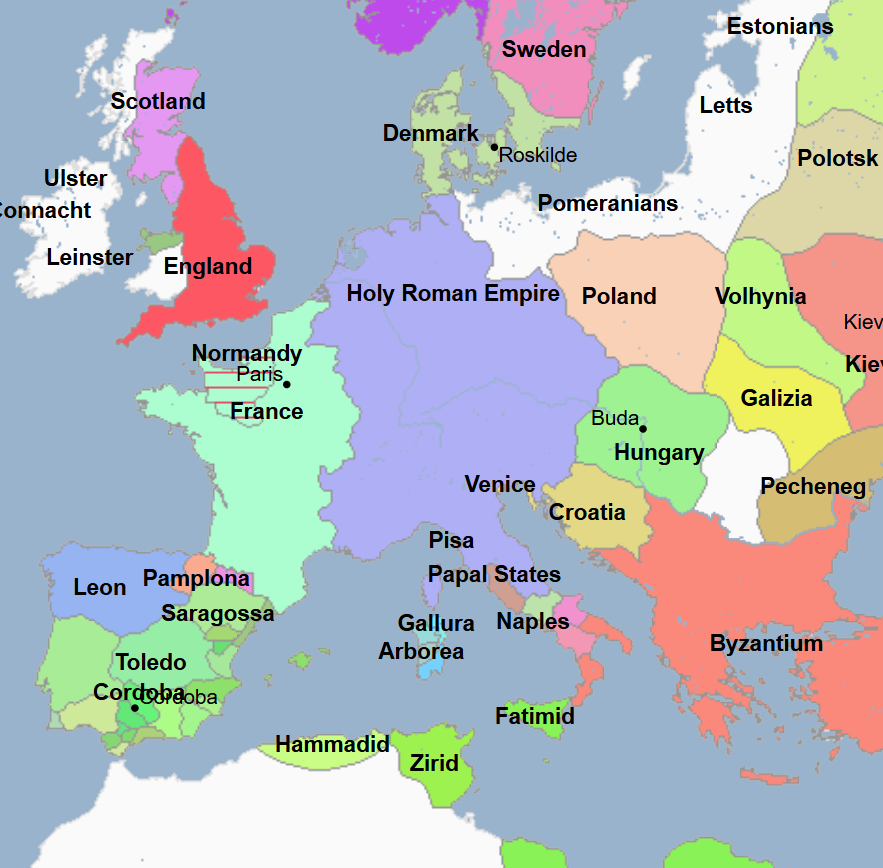
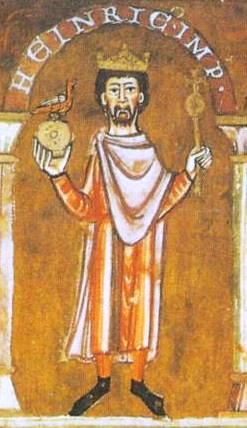
1054 - 1105 - Henry IV (All Facts)
7th King of Germany and 18th Emperor of the Holy Roman Empire, he was the 3rd of the Salian Dynasty of Germany and the Holy Roman Empire
His mother Agnes of Poitou ruled as regent when he assumed the throne at the age of six
Oversaw the beginning of the “Investiture Controversy” with Pope Gregory VII, the first of many popes to curb and eventually eliminate the Holy Roman Emperors from having the power and authority to appoint bishops, abbots, and popes
His reign marked the transition from the Holy Roman Emperors controlling the Popes, to the Popes controlling the Holy Roman Emperors, due in part to Pope Gregory VII’s “Gregorian Reforms” / “Dictatus Papae”
In this clash with Pope Gregory VIII, the namesake was the first Holy Roman Emperor to bow down to the authority of the Pope
He did this by standing barefoot in the snow for three days, penitent in sackcloth, at the gate of the Castle of Canossa in the Alps
As a result, Pope Gregory VII, the pope at the time, chose to pardon him and withdraw the excommunication order imposed on him
This all came after Pope Gregory VII’s decisions via his “Gregorian Reforms” / “Dictatus Papae” which caused a clear power struggle between the papacy and the Holy Roman Empire, since the Pope sought to elevate the papacy’s power and authority above the Holy Roman Empire’s through the Pope’s reforms and philosophy
Thus, he engaged in a difficult power struggle with Pope Gregory VII
He rebelled against the pope by persuading his German bishops to renounce their obedience to the pope in the 1076 Synod of Worms
Pope Gregory VII responded to this by releasing the Pope’s German subjects from their allegiance to the Holy Roman Emperor, which had already been unhappy about the increase in the Holy Roman Emperor’s power since the defeat of the Saxons and territorial establishment of the Holy Roman Empire
This got the German nobles under him to eventually force him to submit to the pope
However, he eventually decided to bow down to his authority after he had released the German nobles from their authority to Henry IV
After all this, his power struggle with Pope Gregory VII continued
After he dealt with his rivals in Germany, he besieged, and conquered a part of Rome as a part of his attack on Pope Gregory VII
However, Pope Gregory VII held out in the Castel Sant’Angelo until he was rescued by Robert Guiscard and the Normans
When he realized he was outnumbered by the Norman invaders, he fled from Rome and took his antipope Clement III with him
Oversaw the expansion of the Speyer Cathedral, making it the tallest in Europe at 107 feet
Defeated his rebellious son Henry V, but was refused a proper burial by Pope Paschal lI, who had him excommunicated
He died at Liege
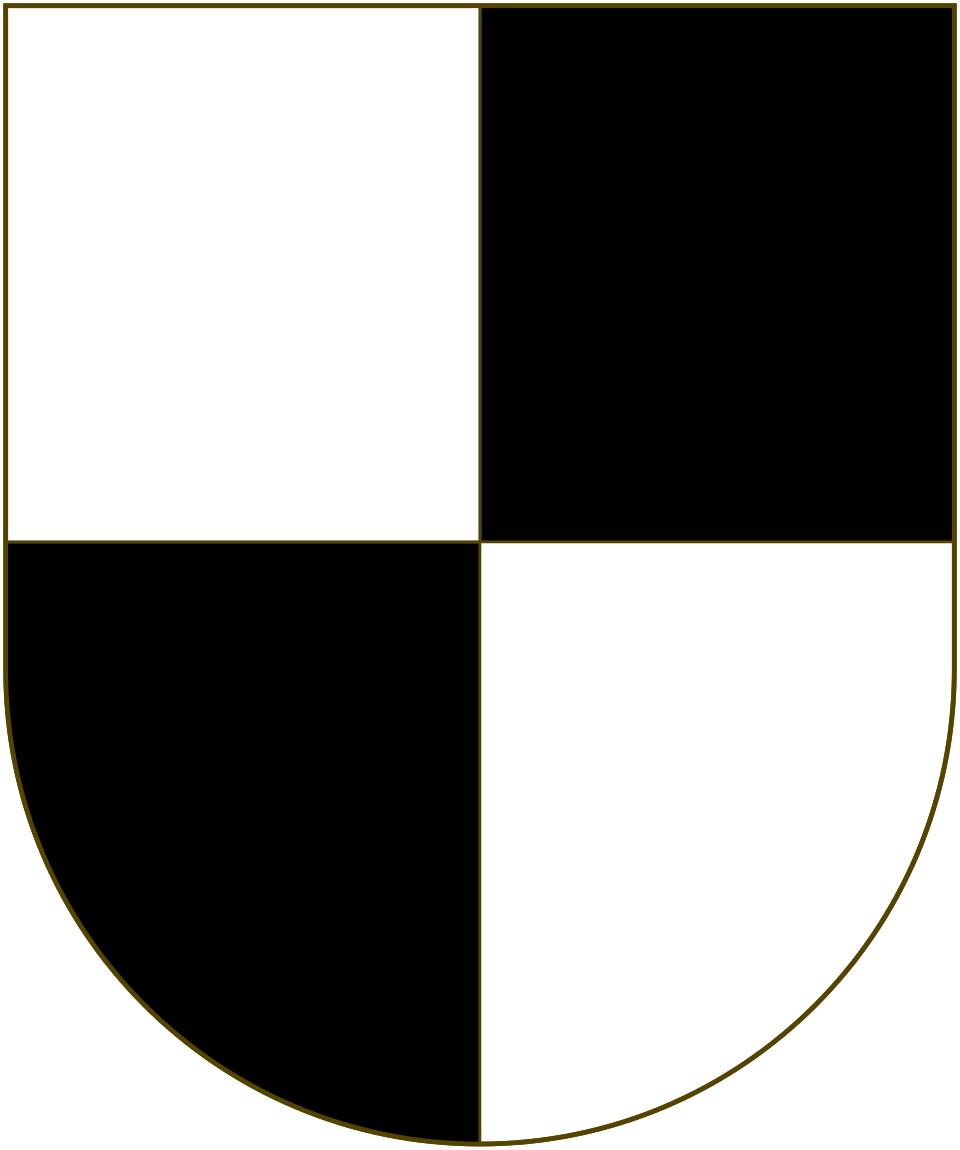
1060 / 1701 - 1918 - House of Hohenzollern (All Facts)
Family which ruled the Duchy and eventual Kingdom of Prussia
1085 - 1803 - Electorate of the Palatinate (All Facts)
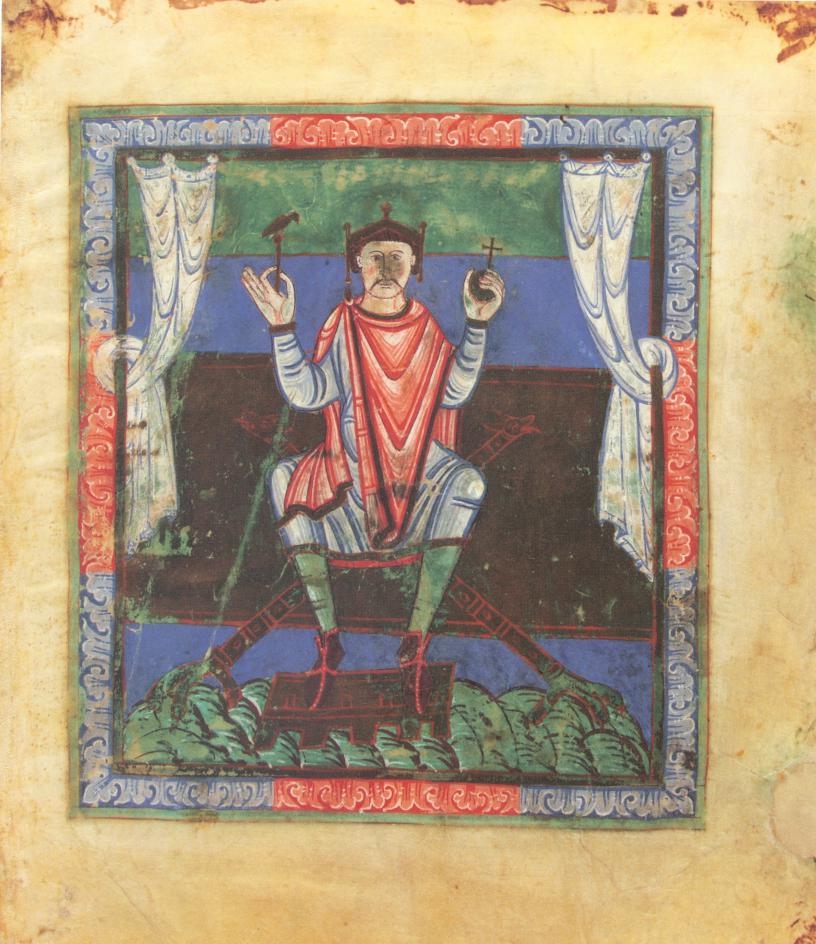
1099 - 1125 - Henry V (All Facts)
8th King of Germany and 19th Emperor of the Holy Roman Empire, he was the 4th and Final King and Emperor of the Salian Dynasty of Germany and the Holy Roman Empire
He presided over the Concordant of Worms, in which he made a compromise with Pope Callixtus II which ended the “Investiture Controversy” between the Roman Catholic Church and the Holy Roman Empire
Died without an heir, leading to a civil war within the Holy Roman Empire

1125 - 1137 - Lothair III (All Facts)
9th King of Germany and 20th Emperor of the Holy Roman Empire, he was the sole ruler of the Supplinburg Dynasty
He was formerly of Saxony
He was crowned Holy Roman Emperor by Pope Innocent II
Upon his assumption to the throne, civil war ensued within the Empire
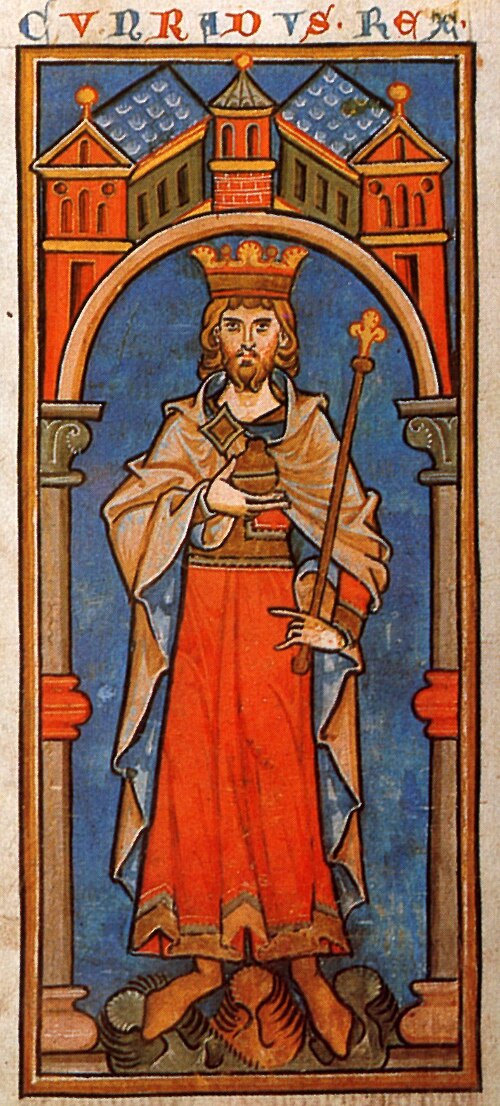
1138 - 1152 - Conrad III (All Facts)
10th King of Germany and First King and Founder of the Hohenstaufen Dynasty, as he was the brother of Frederick Hohenstaufen
When he seized Saxony and Bavaria, civil war ensued
He led the Christian Crusaders in the Second Crusade along with King Louis VII of France
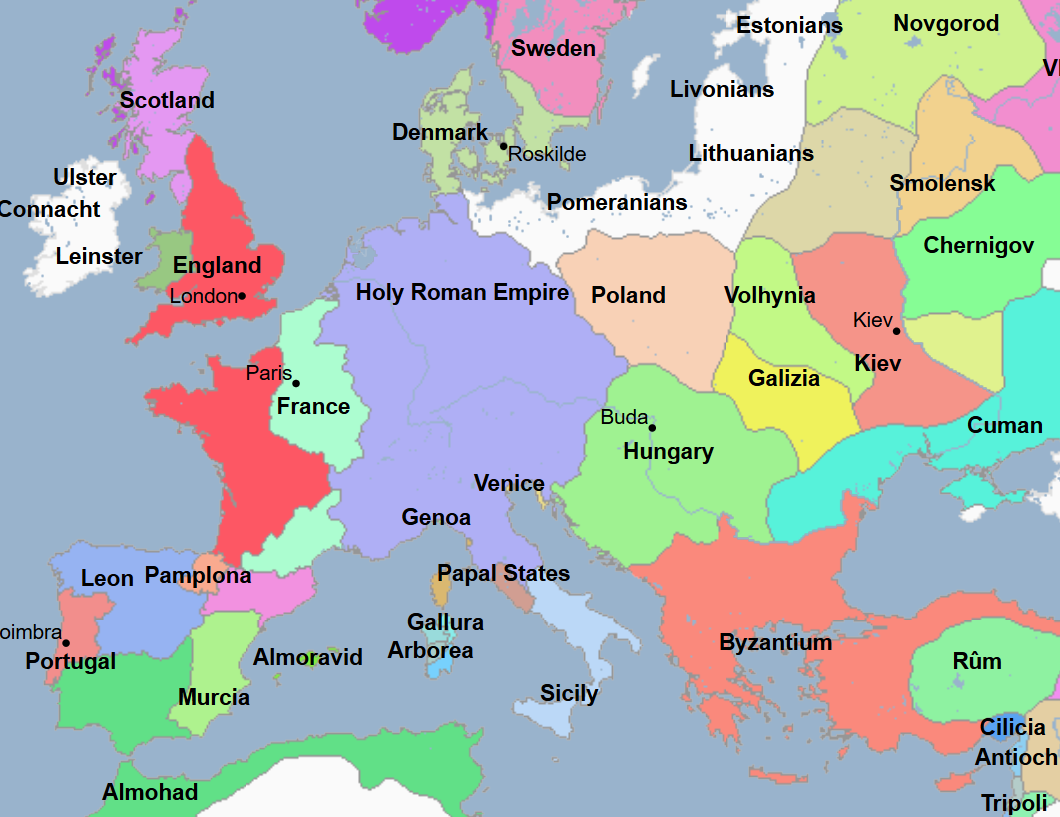
1140 - 1919 - County of Tyrol (All Facts)
It was here that the Fugger family first obtained their monopoly on Silver and Copper mines
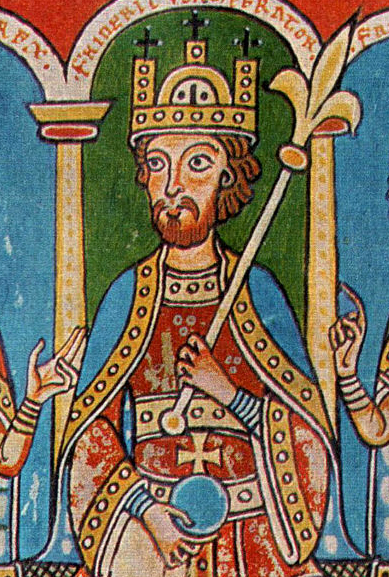
1152 - 1190 - Frederick Barbarossa (All Facts)
21st Emperor of the Holy Roman Empire, 11th King of Germany, First Emperor and Founder of the Hohenstaufen Dynasty of the Holy Roman Empire and 2nd King of the Hohenstaufen Dynasty of Germany
He was the nephew of his predecessor
When he was chosen as emperor, he united the two factions of the empire that emerged after the death of Holy Roman Emperor Henry V
He was crowned by Pope Hadrian IV
However, their relations soured when the namesake refused what he regarded as an act of vassalage, involving the comedic tradition in which the kind held the stirrups on the pope’s horse for as far as he could throw a stone as a mark of respect for the head of the church; and in turn Pope Hadrian IV refused to give the namesake the traditional papal kiss of peace
However, he eventually gave in and duly led the namesake pope for a short distance and holding his stirrup
Upon his coronation,
Rome rebelled against him after their delegation said that they would accept him as Emperor for 15K pounds of silver, which he proceeded to refuse
When he arrived at Rome he found the gates of the city closed to him, so he had to trick his way into the Vatican in which a troop of soldiers entered the city by a secret gate and occupied St. Peter’s Basilica
His imperial coronation took place on a Saturday instead of a Sunday, with the soldiers in the congregation whispering their joy rather than shouting it and letting the Romans know what was going on
However, news got out of what was happening and a riot ensued
Upon his coronation, the Romans revolted and crowds streamed across the Tiber River, killing two German guards on St. Peter’s bridge
As a result, he ordered his army to hack their way out of Rome, killing more than 1,000 Romans
He
signed a charter for the University of Bologna, which secured its privileges from the namesake
He
led the siege of Crema, in which he
sought to end Crema’s status as one of the many powerful independent Italian city-states
cruelly ordered
prisoners, including children, to be tired to huge siege machines and hurled at the walls of Crema
the heads of decapitated prisoners to be thrown around by his troops
the mass hanging of prisoners, only to see his own soldiers swinging from gallows as a result
child hostages to be brought to the front line
his troops to raze the city of Crema to the ground after it had opened its gates
seized and destroyed Milan; its inhabitants were dispersed between four villages
seized Rome, forcing Pope Alexander III to flee
helped assemble troops for the Third Crusade along with Henry II of England and Philip Augustus of France
He organized the Third Crusade on the orders of Pope Gregory VIII in which he
helped assemble troops for the Third Crusade along with Henry II of England and Philip Augustus of France
fought in the Third Crusade and died as he would have wished, on the battlefield on a crusade to save the Latin Kingdom of Jerusalem
During the Third Crusade, his army had been harried by Turkish tribesmen and suffered badly from hunger and intense heat from the moment they left the Dardanelles straits
He
long sought to establish his antipope Victor IV over Pope Alexander III himself, or the antipope successor to Victor IV, Paschal III
He sought support from King Henry II of England and King Louis VII of France
He succeeded in driving Pope Alexander III into exile in Sicily, although he failed in his attempt to win a decisive victory over his forces in Italy
was defeated by the Lombard League in the Battle of Legnano, in which he concluded the terms of the peace treaty at Agnani with Pope Alexander III of whom he kissed the feet to symbolize his acceptance of and submission to papal authority as thousands watched him do so in St. Mark’s Square
He initially defeated the Lombard League
He
once said that “you men of Rome make large demands on our emptied treasury”
He died on the battlefield of the Third Crusade where he was eventually drowned as his body was found on a river bank as a result
His men believed he was thrown from his horse and sunk by his weighty armor
His army approached the port of Seleucia, nearly exhausted after crossing the Taurus mountains, when he died
After he died, his demoralized commanders turned back around, thus the Third Crusade failed
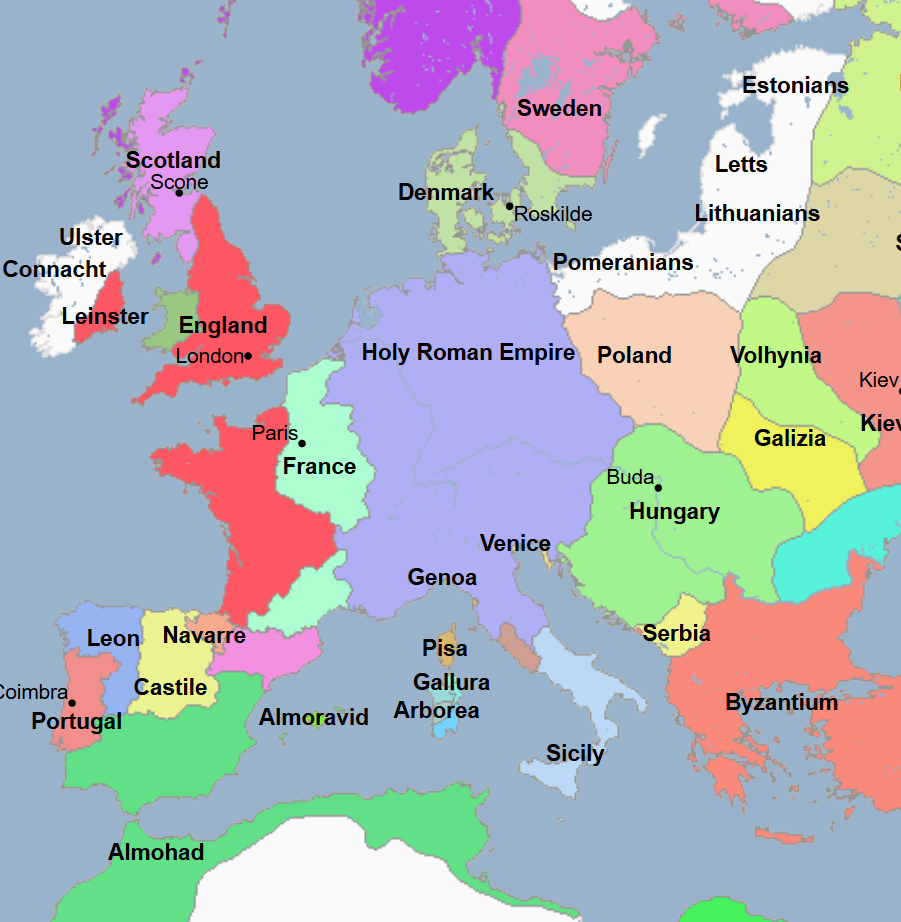
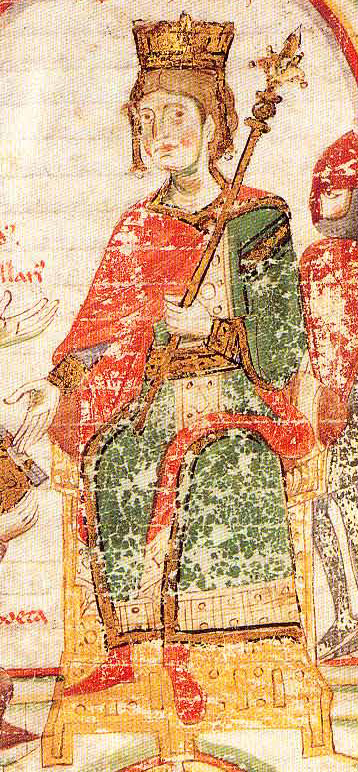
1191 - 1197 - Henry VI (All Facts)
22nd Emperor of the Holy Roman Empire, 12th King of Germany, 2nd Emperor of the Hohenstaufen Dynasty, and 3rd King of the Hohenstaufen Dynasty
He was crowned Holy Roman Emperor by Pope Celestine III at Palermo
He granted wide concessions to win Pope Celestine III’s cooperation in the preservation of the union of the Holy Roman Empire with the Kingdom of Sicily
He imprisoned Richard Lionheart of England after the Third Crusade and demanded a ransom from England of 150K gold for his release, most of which he secured
He was threatened to be excommunicated by Pope Celestine III for this act
He died at Messina
1200s - 1559 - Peasants’ Republic of Dithmarschen (All Facts)
Conquered by King Frederick II of Denmark and Norway
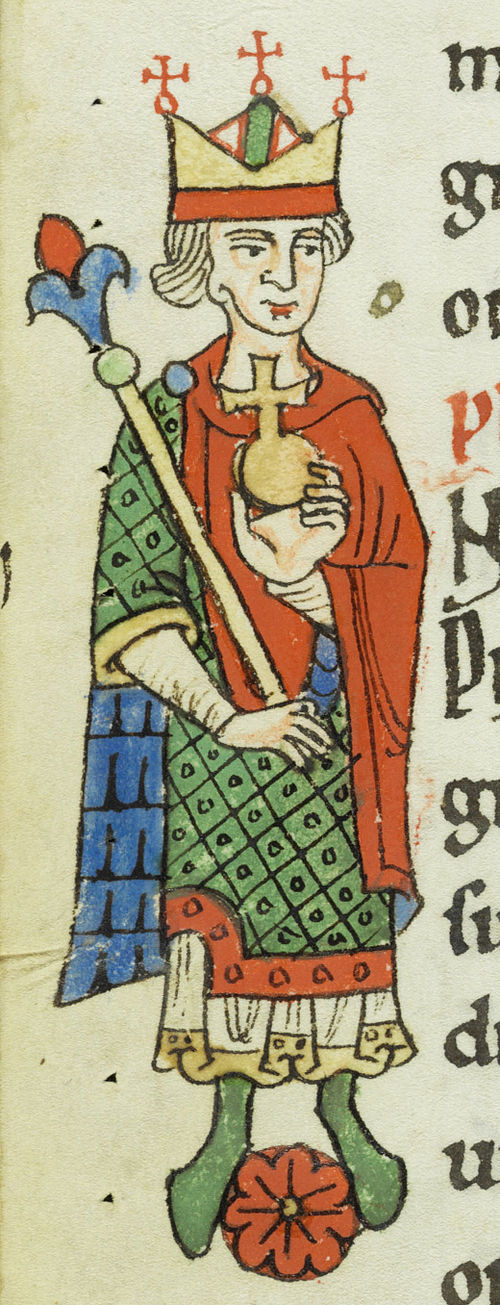
1198 - 1208 - Philip of Swabia (All Facts)
King of Germany during the reign of Otto IV, who fought with him over the throne until the namesake’s assassination
Usurper of the Hohenstaufen Dynasty from his own dynasty
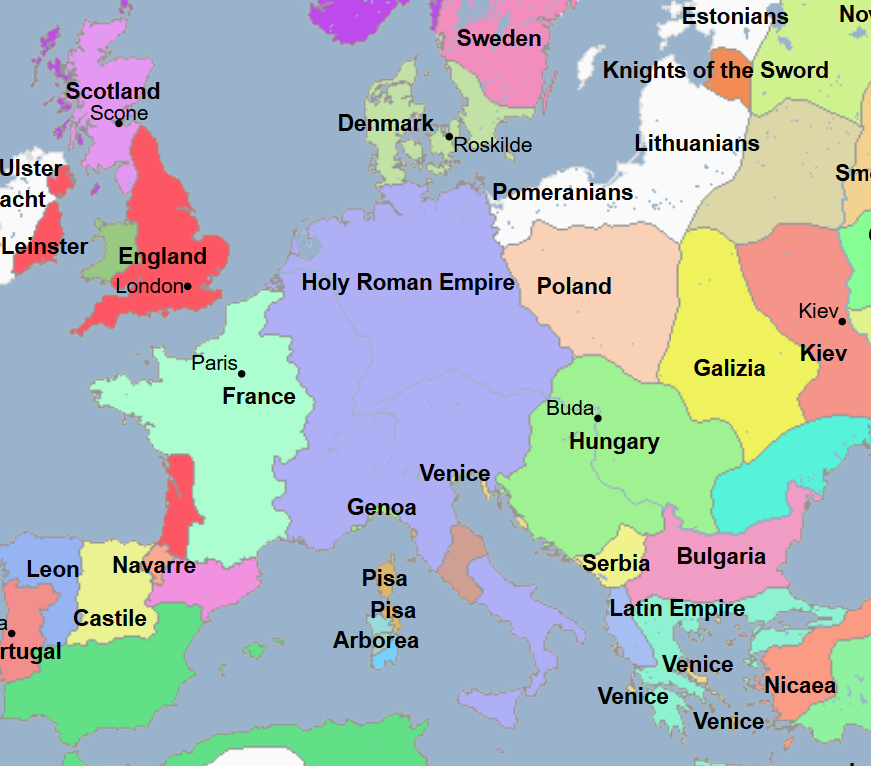
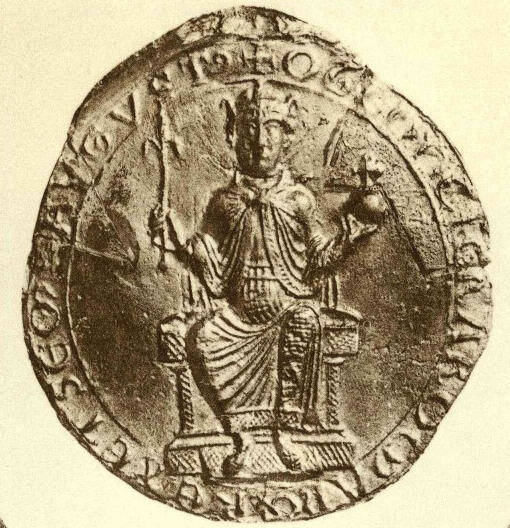
1198 - 1215 - Otto IV (All Facts)
23rd Emperor of the Holy Roman Empire, 13th King of Germany, and sole ruler of the Welf Dynasty
Upon his assumption to the throne, he fought over the throne with Philip of Swabia, the typical Hohenstaufen successor and civil war ensued
He was eventually recognized and crowned as emperor by Pope Innocent III after the murder of his rival Philip of Swabia
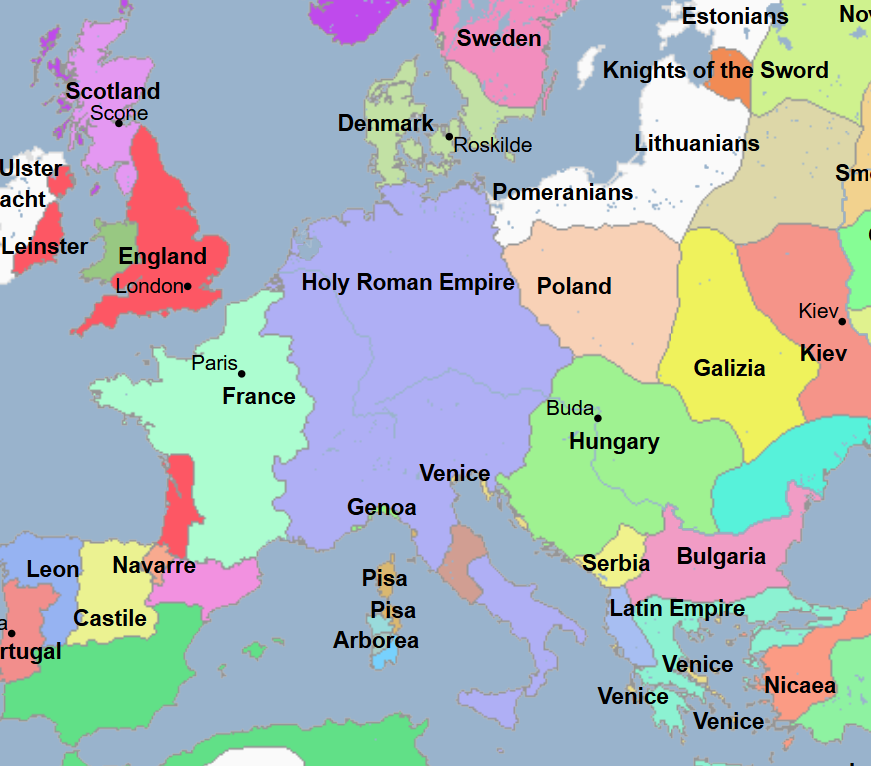
1246 - 1247 - Henry Raspe (All Facts)
15th King of Germany and First King of the House of Thuringia
The landgrave of Thuringia, he was elected anti-king by the Rhenish prelates
He and his forces defeated Conrad IV, the son of the namesake’s predecessor and rightful heir to the throne in the Battle of Nidda
He was supported by Pope Innocent IV
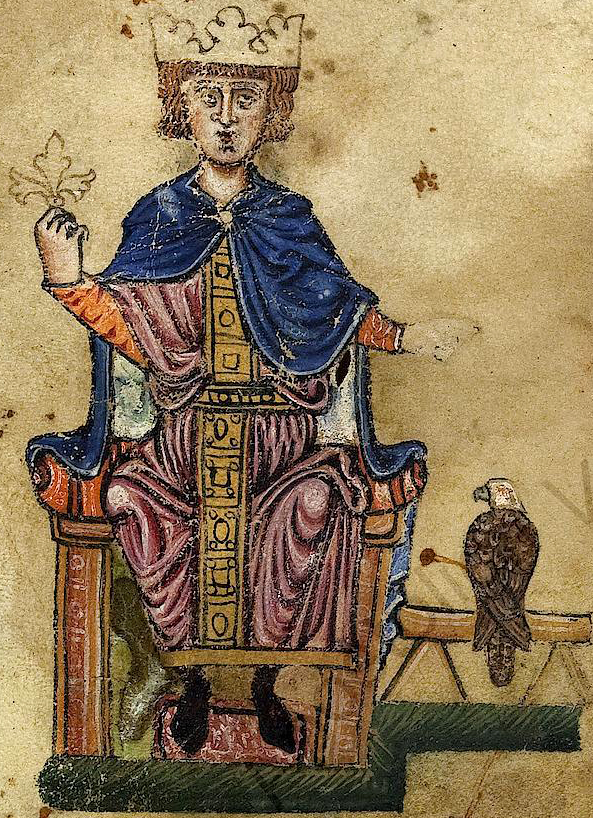
1212 - 1250 - Frederick II (All Facts)
24th Emperor of the Holy Roman Empire, 14th King of Germany, and 3rd King of the Hohenstaufen Dynasty
He was crowned with papal backing by Pope Innocent III
He was officially crowned by Pope Honorius III after he promised to go to the aid of the Fifth Crusade
However, he was excommunicated twice by Pope Honorius III for his delayed crusading
The first time he vowed to fight for the Holy Land, he did not succeed in getting away as expected
The second time he vowed to fight for the Holy Land, he said he would be ready to sail, but then got distracted by domestic problems and the Mongol invasions
This was the first time was excommunicated by Pope Gregory IX
The third time he set a date to fight for the Holy Land, his troops did indeed sail from Brindisi but went without him for he was unwell in Otranto and without him, many of his troops were demoralized
This was the second time he was excommunicated by Pope Gregory IX, for crusading while excommunicated
When he did eventually arrive in Jerusalem for the Sixth Crusade, having arrived in the Christian port of Acre, he did not have much of an army with him
As King of Germany, he paid little to no attention to it, leaving it instead in the hands of the nobles, and thus led to it a period of political instability
He instead concentrated on the reorganization of Sicily and northern Italy, which led the Vatican to suspect that it was his potential target in the middle
His delayed efforts to fight in the Fifth and Sixth Crusades were explained by his clandestine diplomatic contact with the Ayyubid Sultan Al-Kamil, in which he tried to negotiate with the “infidel” to organize a bloodless coup
He had Al-Kamil and the Ayyubid Sultanate sign the Treaty of Jaffa to end the Sixth Crusade, resulting in a bloodless coup, a novelty in the history of the Crusades, whose protagonists usually preferred to do things the hard way
He experienced significant disgrace for his choice to negotiate with Al-Kamil and the Ayyubid Sultanate that culminated in the Treaty of Jaffa
He was publicly denounced as the Antichrist
He was excommunicated a third time for dealing with an infidel
Under his reign
His son and vice-regent of the Holy Roman Empire Henry revolts against him and makes an alliance with the Lombard League
He then had his son and vice-regent Henry deposed and imprisoned
He then defeated the armies of the Lombard League
The University of Padua was founded
The University of Rome was founded
He and his forces fought against and defeated Pope Gregory IX and the Papacy in the War of the Keys
In the (First) Council of Lyon, he was condemned, deposed, and found guilty of sacrilege and suspected of heresy, and a crusade was called against him as a result by Pope Innocent IV
He was a scholarly king with a scientific curiosity and a serious student of natural science
He wrote a treatise on falconry that is a model of natural history for its combined learning and observation
In one experiment he conducted, he raised children in silence in an effort to discover what language was spoken by Adam and Eve
This, of course, was extremely cruel to those children
He died at Castel Fiorentino near Lucera
There were sighs of relief throughout the Vatican afterwards given how much they had to excommunicate him
After his deposition, there was an interregnum of nearly 30 years
He thus left his heirs the task of sorting out a chaotic Europe
Following his death, rebellions broke out in northern Italy against the feudal lords there
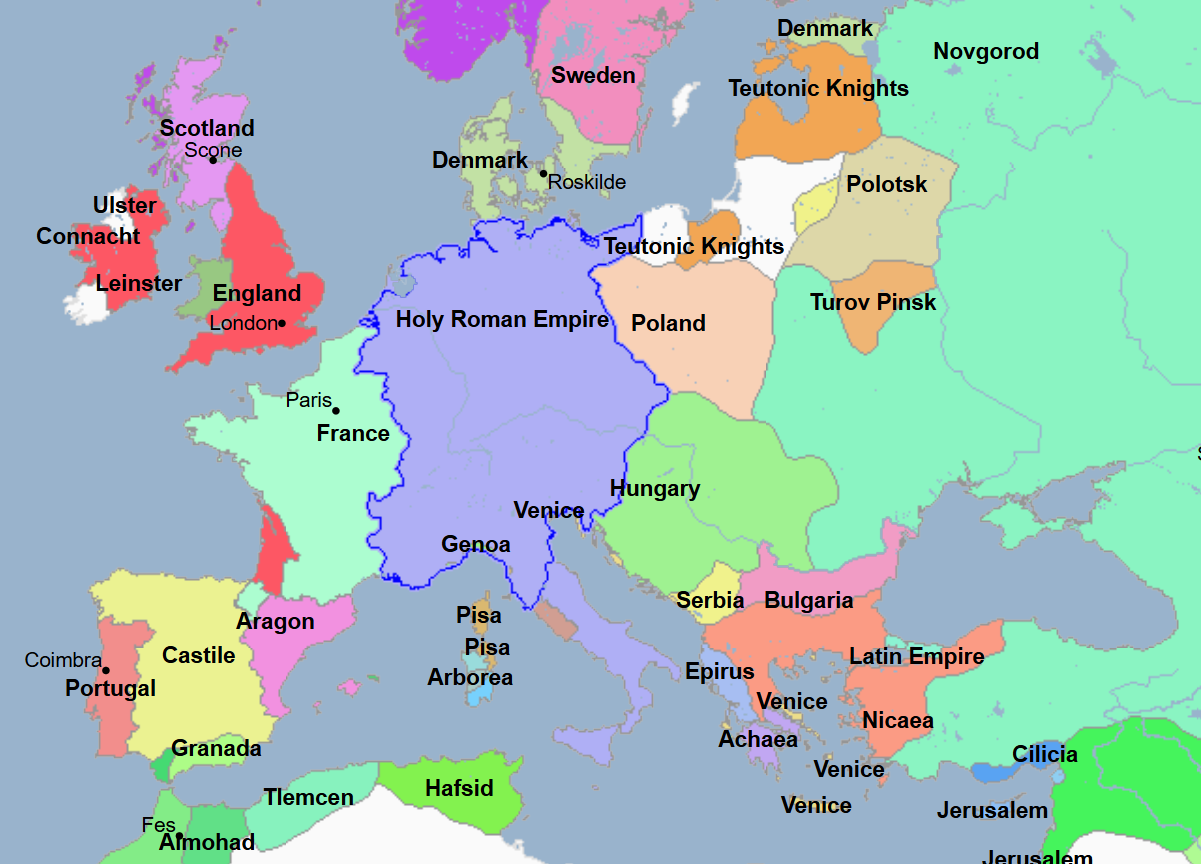
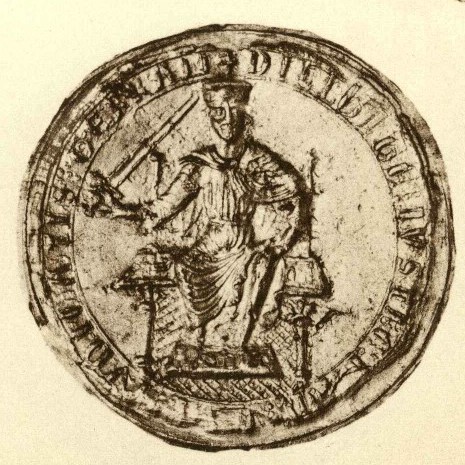
1237 - 1254 - Conrad IV (All Facts)
15th King of Germany and 4th King of the Hohenstaufen Dynasty
He and his forces were defeated by Henry Raspe in the Battle of Nidda
Under his reign,
The University of Siena was founded
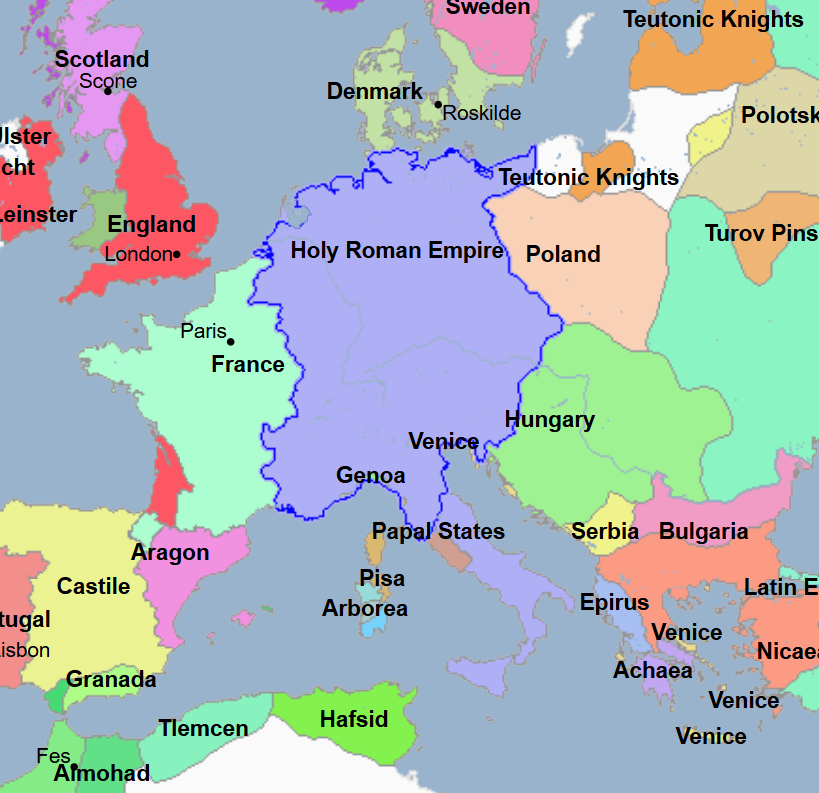
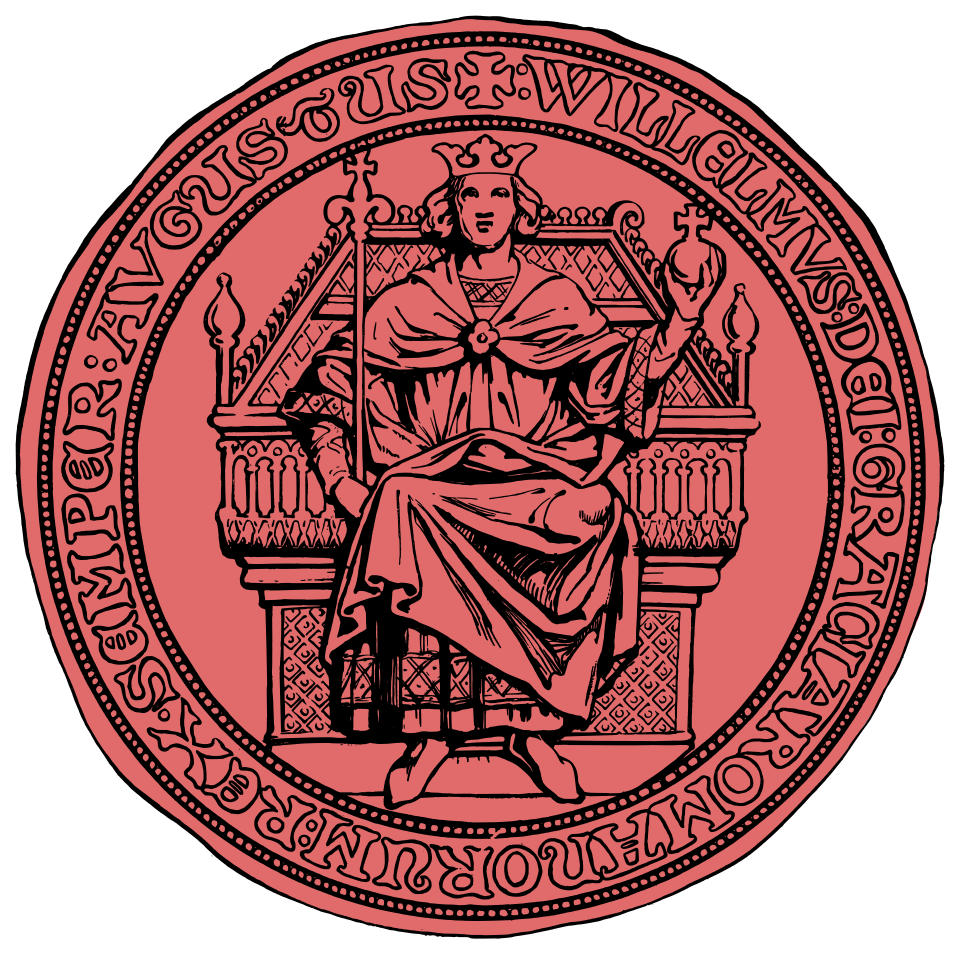
1247 - 1256 - William of Holland (All Facts)
16th King of Germany and 1st of the House of Holland
He was elected anti-king by the Rhenish prelates
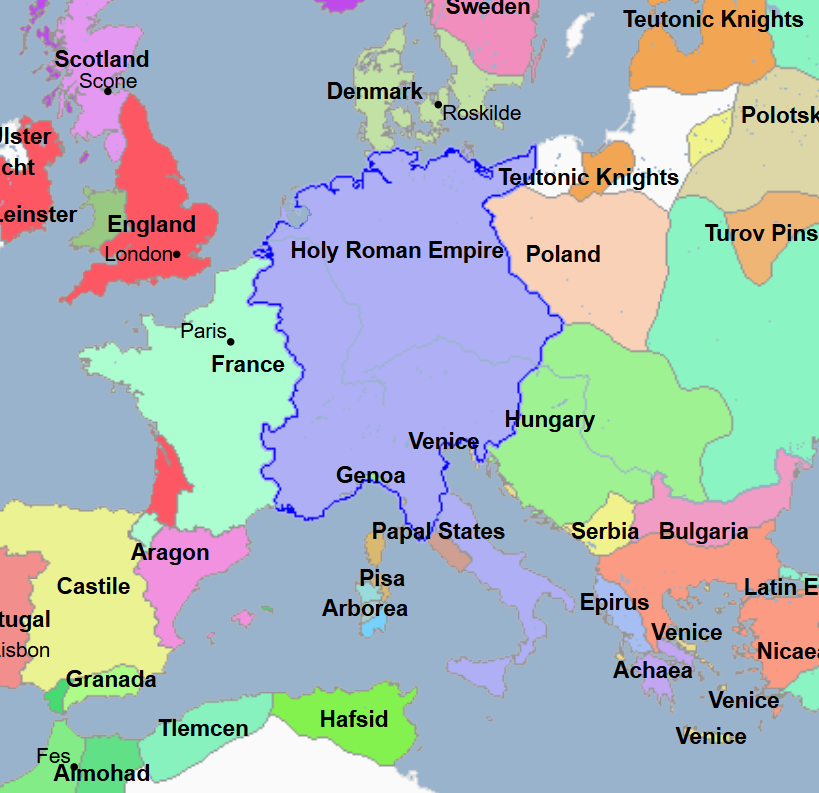
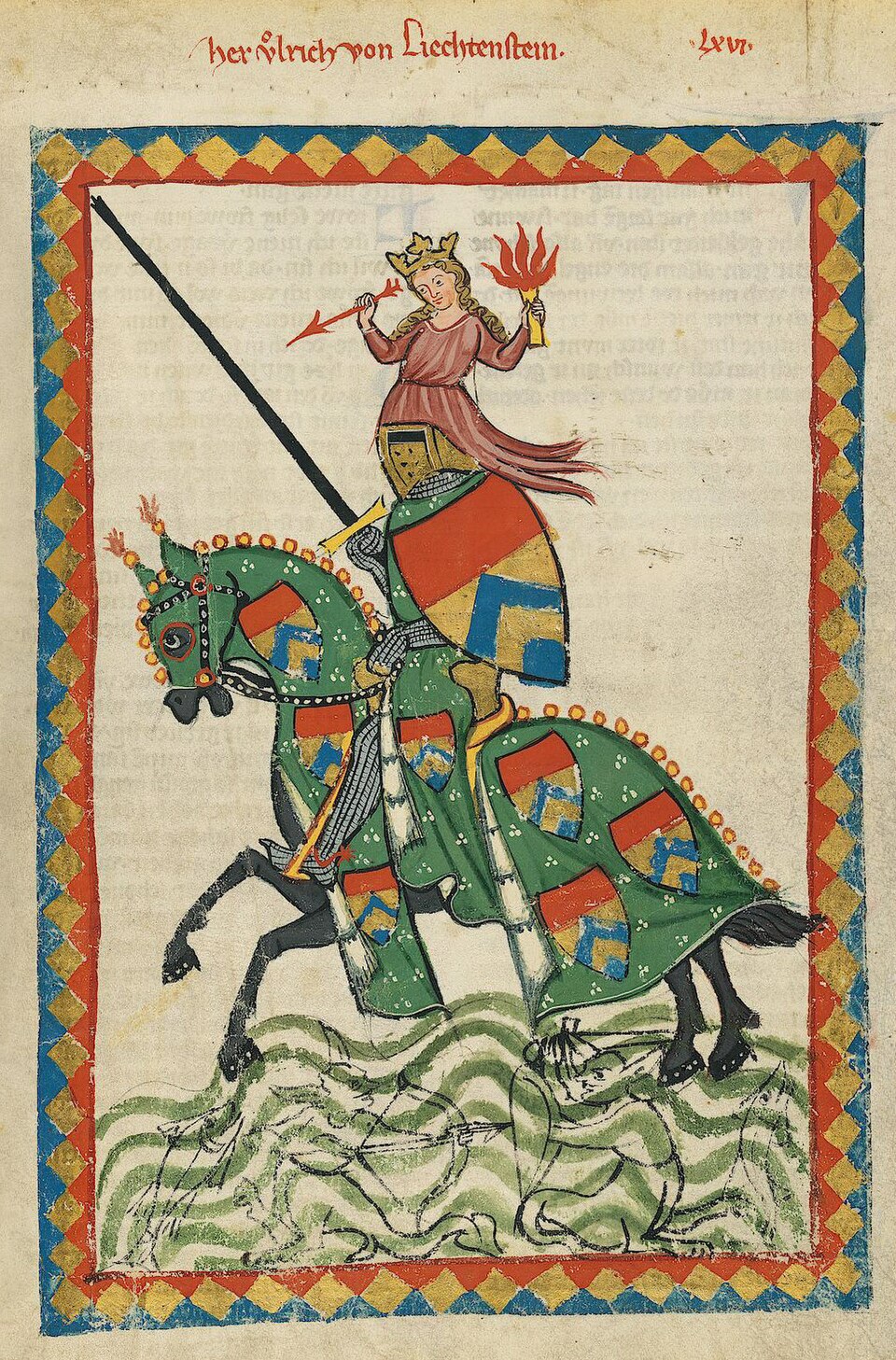
1200 - 1275 - Ulrich von Lichtenstein (All Facts)
Bavarian Knight
He dressed in a long blond wig and a woman’s dress
He toured Europe and won many new supporters for the martial sport of the tournament
He claimed to be fighting for his own lady and all other women in his tour of “Venusfahrt” (Venus Tour)
He offered a gold ring to anyone who could defeat him
He broke 307 spears, gave away 271 rings, and dismounted 4 knights
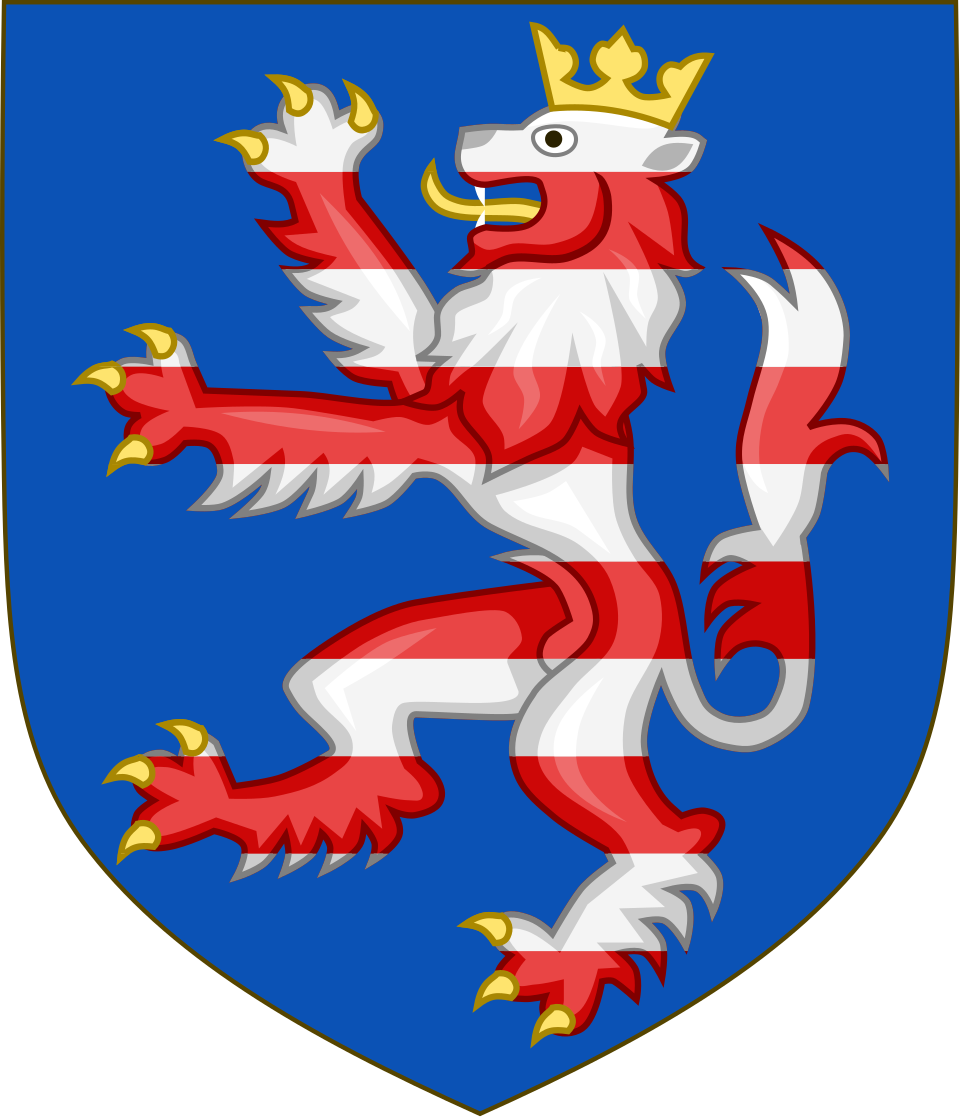
1264 - 1567 - Landgraviate of Hesse (All Facts)
In 1532, it forged an alliance with King Francis of France against the Habsburg Ferdinand
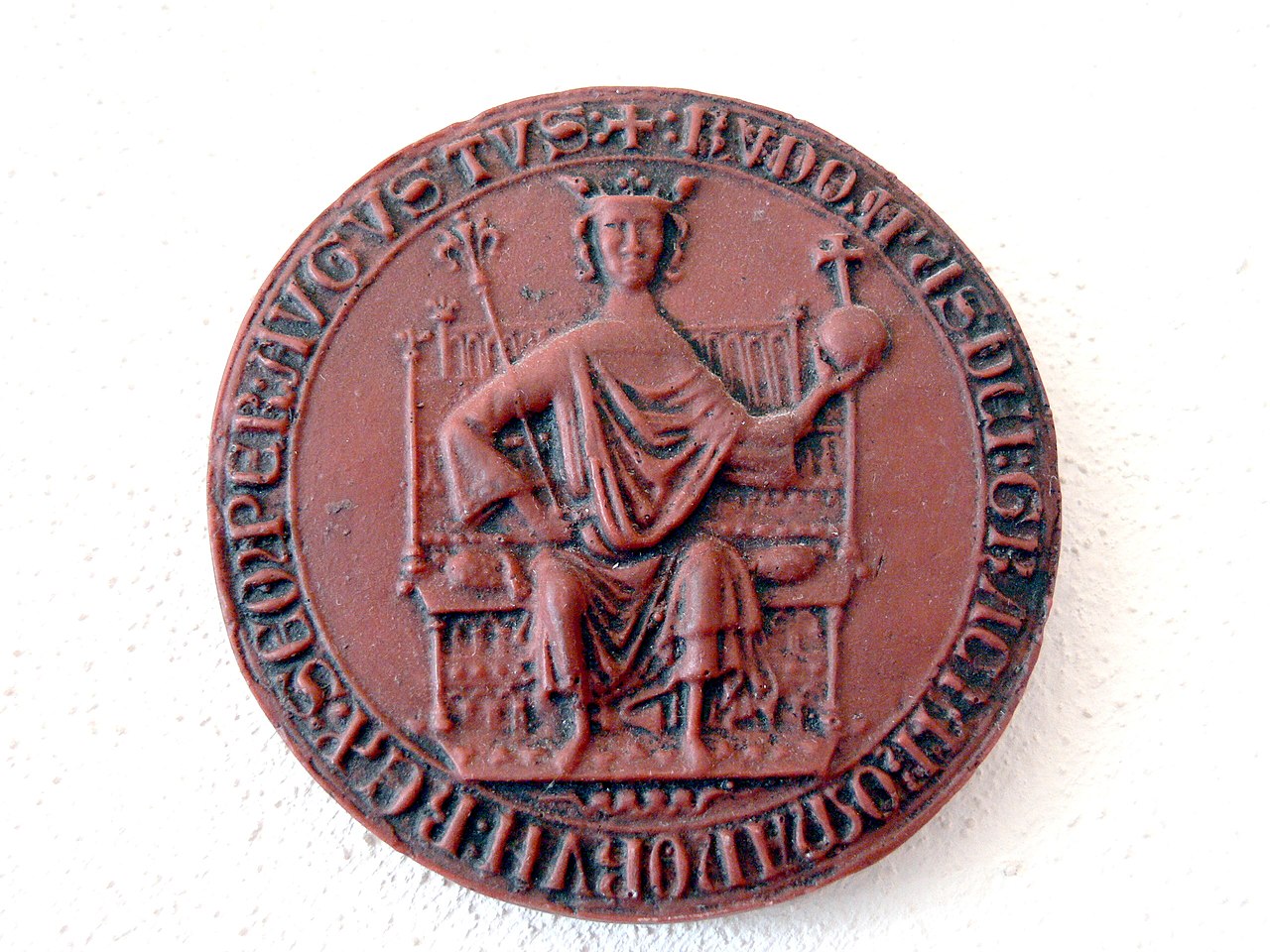
1273 - 1291 - Rudolf (All Facts)
18th King of Germany, the first ruler from the House of Habsburg
He was an elderly Swabian count by the time of his election
He was the first Habsburg to rule Germany (as “King of the Romans”) or the geographical territory that comprised the Holy Roman Empire
He was the effective founder of the Habsburg Monarchy
He reasserted authority in Germany, notably defeating King Ottokar II of Bohemia with the help of Ladislaw of Hungary
He helped secure Habsburg control over Austria, Styria, and Carinthia
He was never crowned emperor by the pope, but he ruled as de-facto emperor, hence why his nominal successor is given the “II” epithet
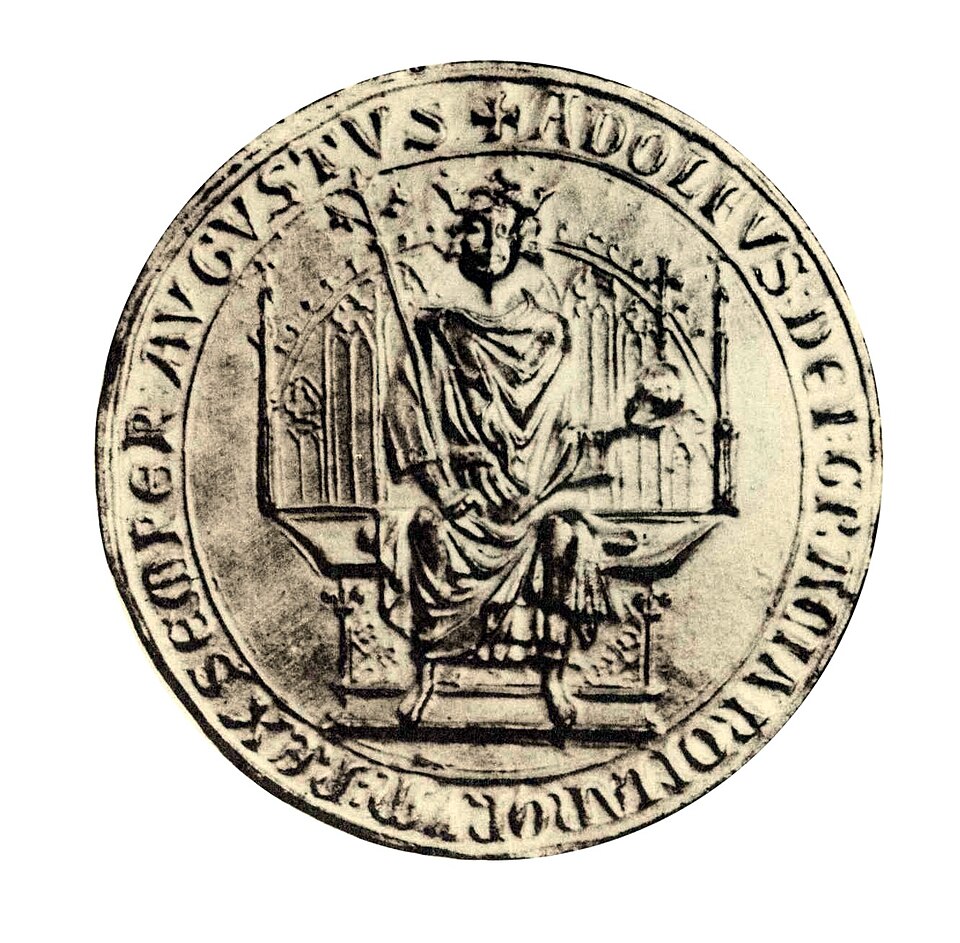
1292 - 1298 - Adolf of Nassau (All Facts)
19th King of Germany, the sole ruler of the House of Nassau
He and his forces were defeated by his rival Albert of Austria and his forces in the Battle of Gollheim, thus being succeeded by him
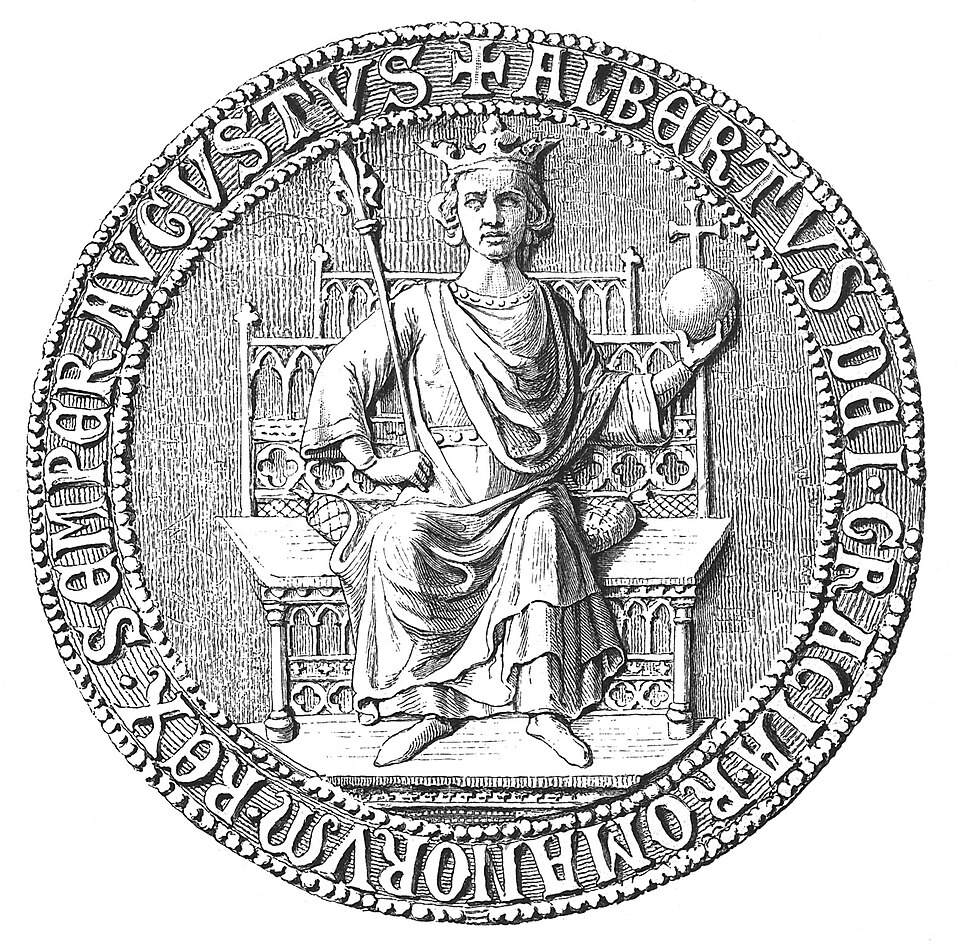
1298 - 1308 - Albert (All Facts)
20th King of Germany, the 2nd ruler from the House of Habsburg
He and his forces defeated his rival Adolf of Nassau and his forces in the Battle of Gollheim, thus succeeding Adolf of Nassau
He was murdered by his nephew John, who was refused his share of the Habsburg lands controlled by the namesake
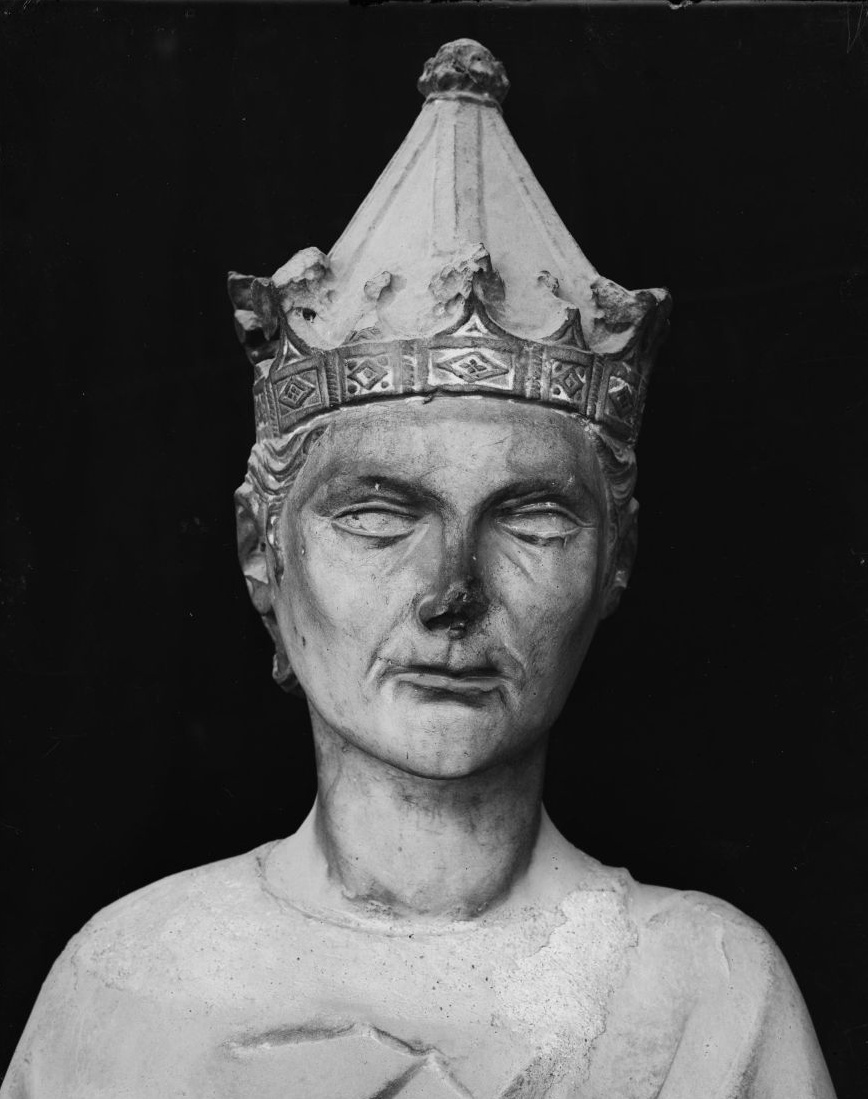
1312 - 1313 - Henry VII (All Facts)
21st King of Germany as “King of the Romans”
25th Emperor of the Holy Roman Empire, from the House of Luxembourg
He died near Siena, not having fulfilled his ambition to revive Holy Roman imperial power in Italy
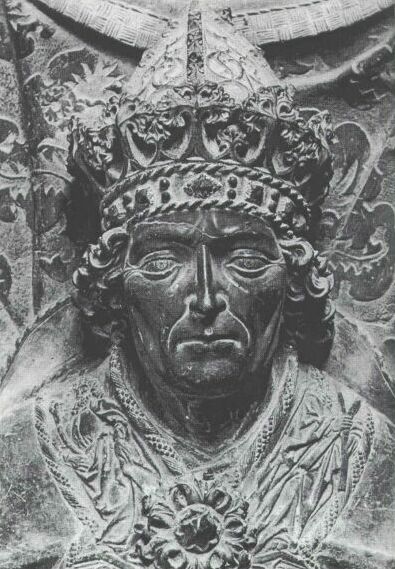
1314 - 1347 - Louis IV of Bavaria (All Facts)
22nd King of Germany, from the House of Wittelsbach
26th Emperor of the Holy Roman Empire, from the House of Wittelsbach
He was “deposed” de facto by Pope Clement VI and replaced by his successor, but kept ruling de jure over most of Germany that supported him
When he was killed in an accident, his successor took full control of the Kingdom of Italy
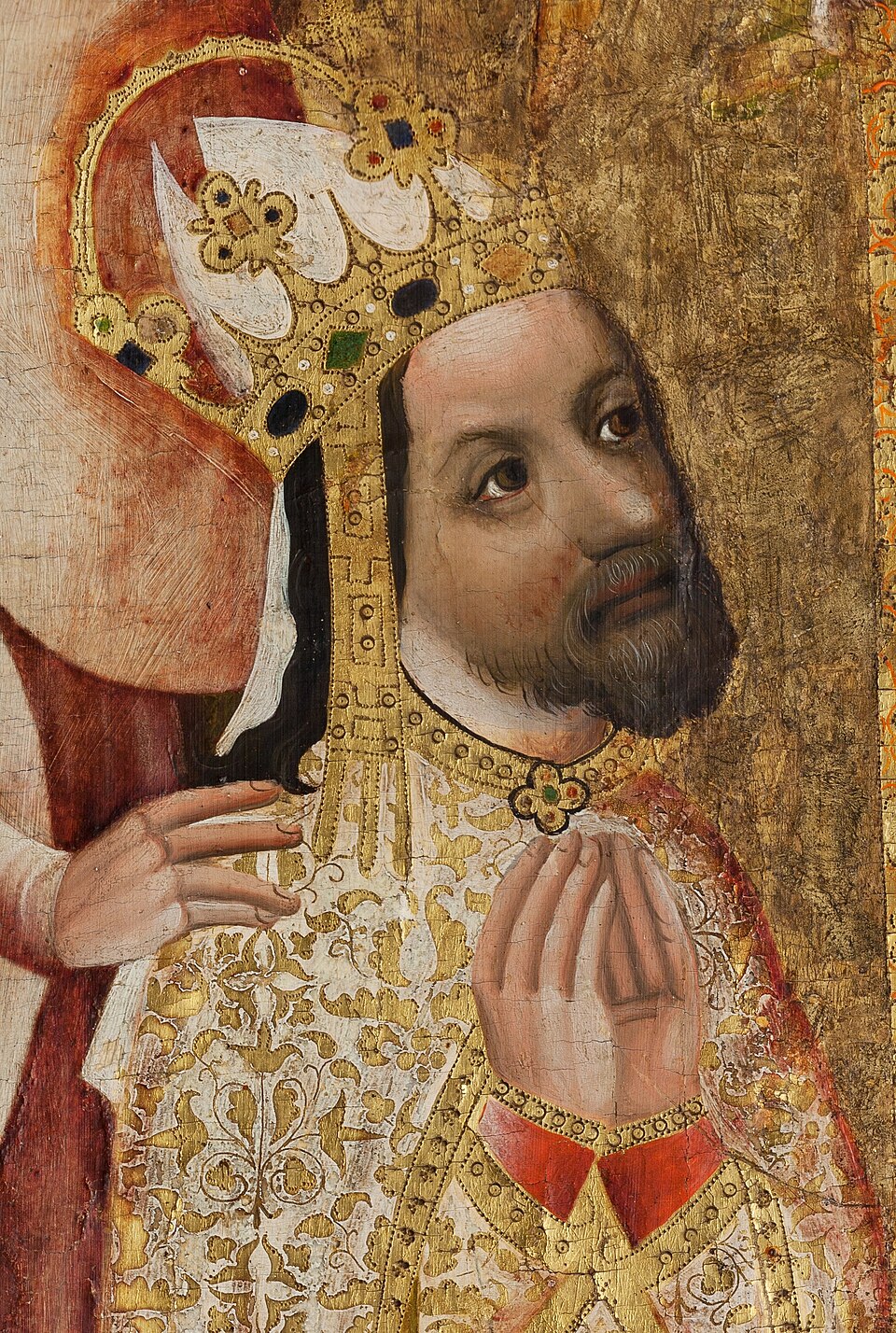
1346 - 1378 - Charles IV (All Facts)
23rd King of Germany, from the House of Luxembourg
27th Emperor of the Holy Roman Empire, from the House of Luxembourg
Elected at the instigation of Pope Clement VI, who “deposed” the namesake’s predecessor
He arrived in and left Rome in one day, crowned Holy Roman Emperor by a papal legate
His haste was mocked by the Italians, demonstrating that he has abandoned any pretensions to real imperial authority in Italy
He issued the “Golden Bull,” which
made it so that the next King of Germany will be elected by an electoral college of seven members, which were the
Archbishop of Trier
Archbishop of Cologne
Archbishop of Mainz
Ruler of Bohemia
Ruler of the Rhine Palatinate
Ruler of Saxe-Wittenburg
Ruler of Brandenburg
made it so that the electoral college purposefully excluded the pope, who had frequently repeated his claim that he should be allowed to confirm whoever is elected, but which was largely ignored by the namesake and the Holy Roman Empire
made it so that the seven electors could only discuss their choice after casting their votes
was designed to end the succession disputes that had been plaguing the Holy Roman Empire
He died and was succeeded by his son
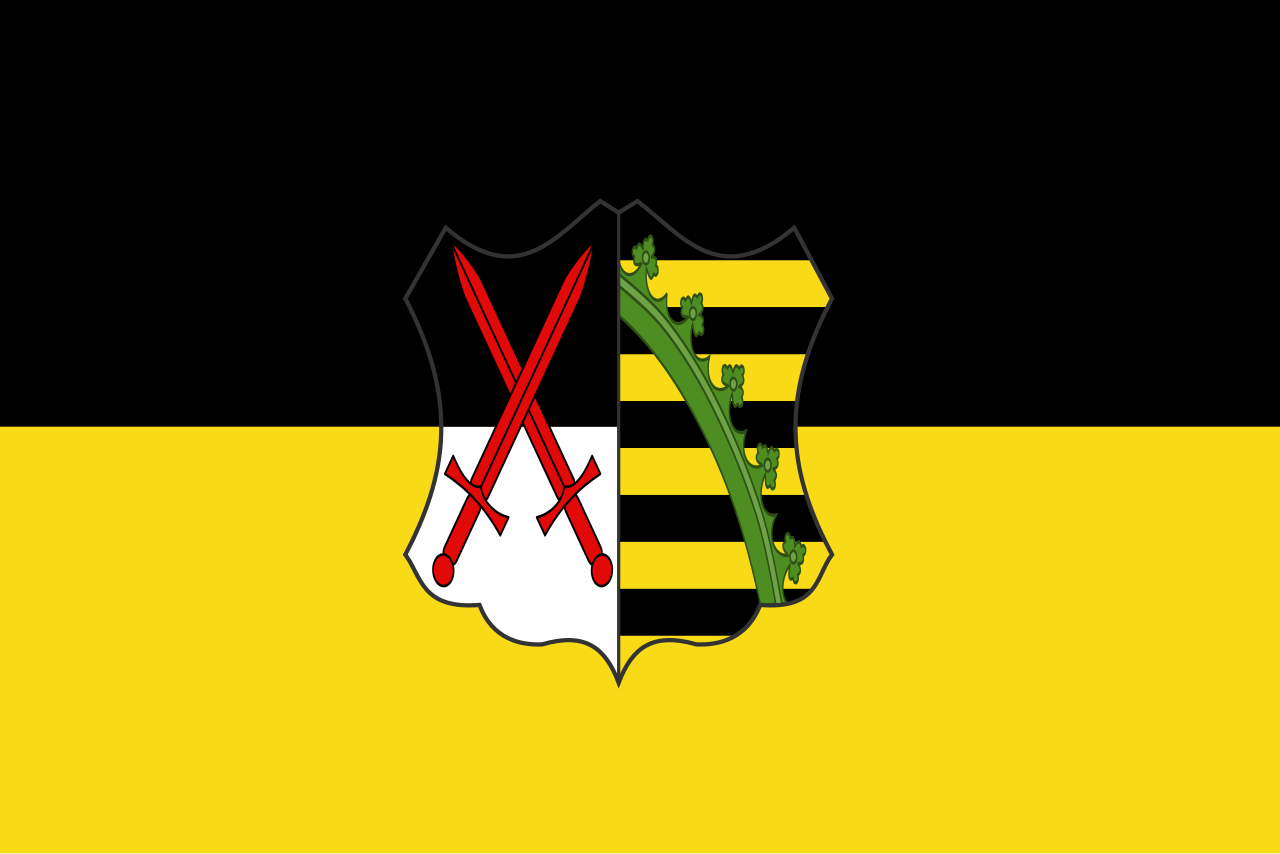
1356 - 1806 - Electorate of Saxony (All Facts)
In 1532, it forged an alliance with King Francis of France against the Habsburg Ferdinand
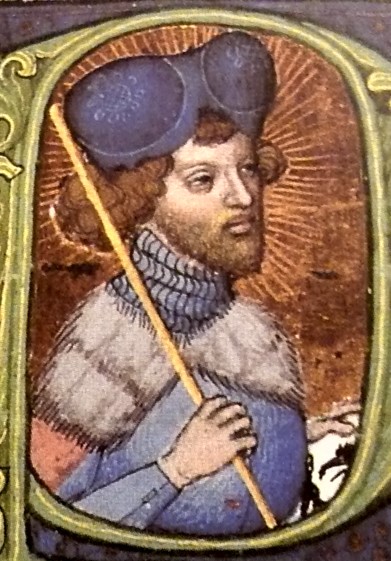
1376 - 1400 - Wenceslaus IV (All Facts)
24th King of Germany, from the House of Luxembourg
He was “King of the Romans” as King of Germany, but he was never crowned Holy Roman Emperor
He was deposed as “King of the Romans” as King of Germany for being an indolent drunkard
When he is overtaken by Germans who chose his successor to succeed him, a schism occurs between him and his supporters and the rest of Germany when they refuse to accept the election of his successor
He retired with a pension
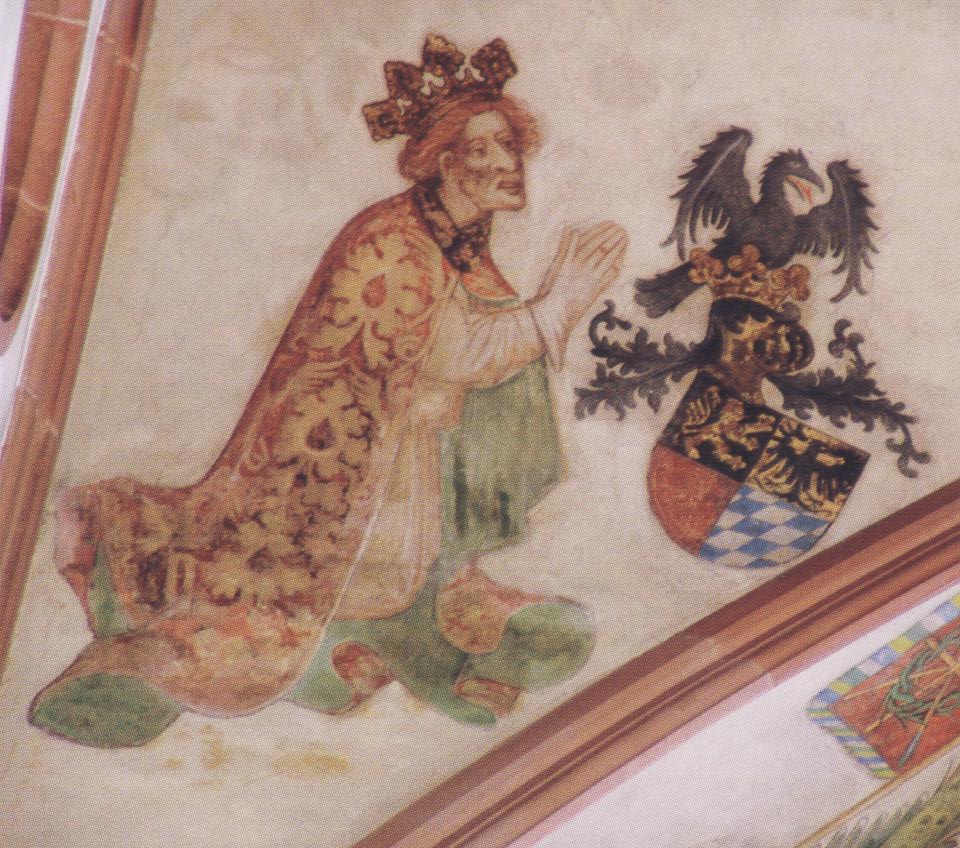
1400 - 1410 - Rupert of the Palatinate (All Facts)
25th King of Germany, from the House of Wittelsbach
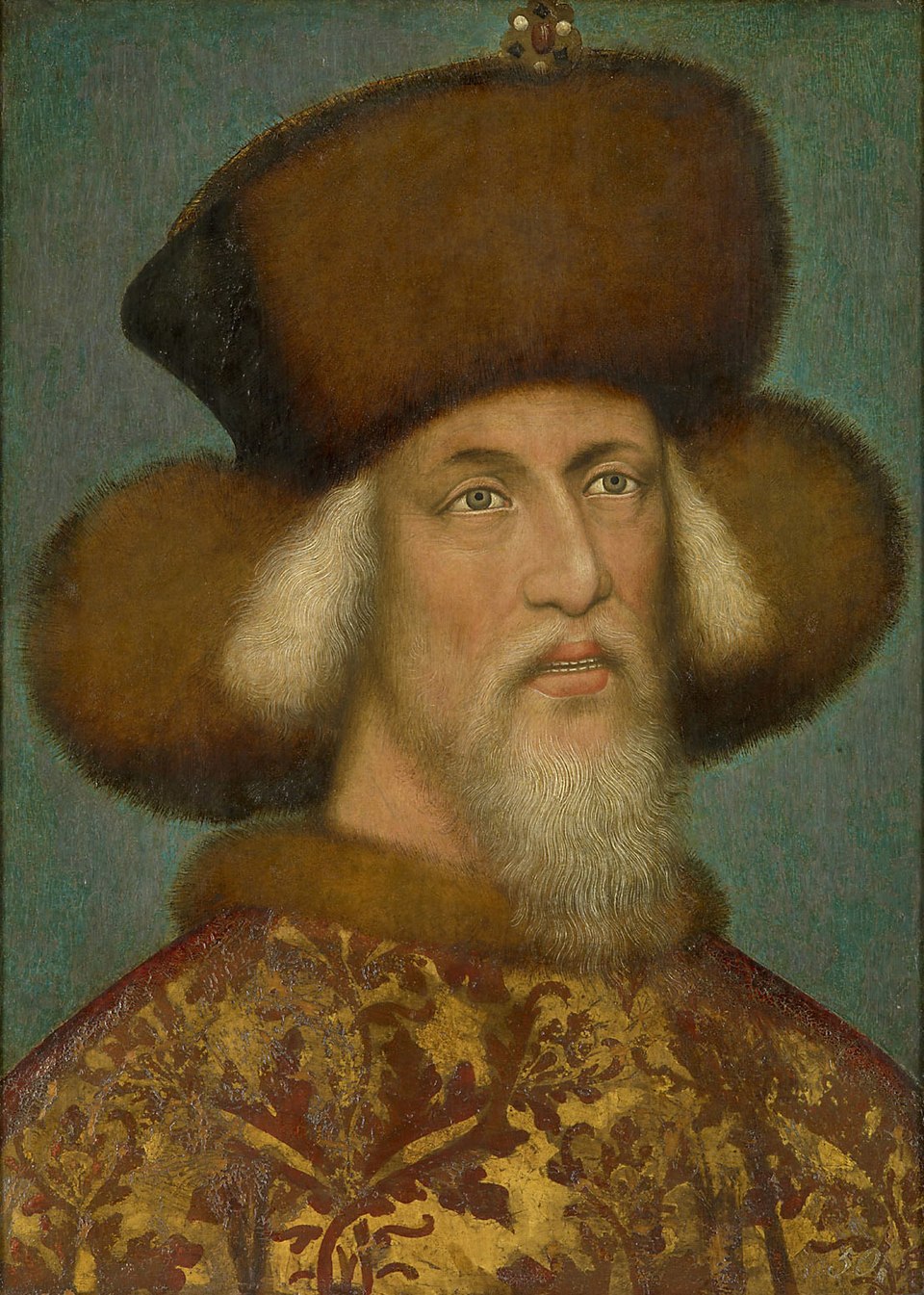
1410 - 1437 - Sigismund (All Facts)
26th King of Germany, from the House of Luxembourg
28th Emperor of the Holy Roman Empire
He was crowned by Pope Eugenius IV
He hoped for the Pope’s support against the Council of Basle
He was the brother of Wenceslaus IV, his predecessor
He helped secure unity amongst the Catholic Church, for political reasons
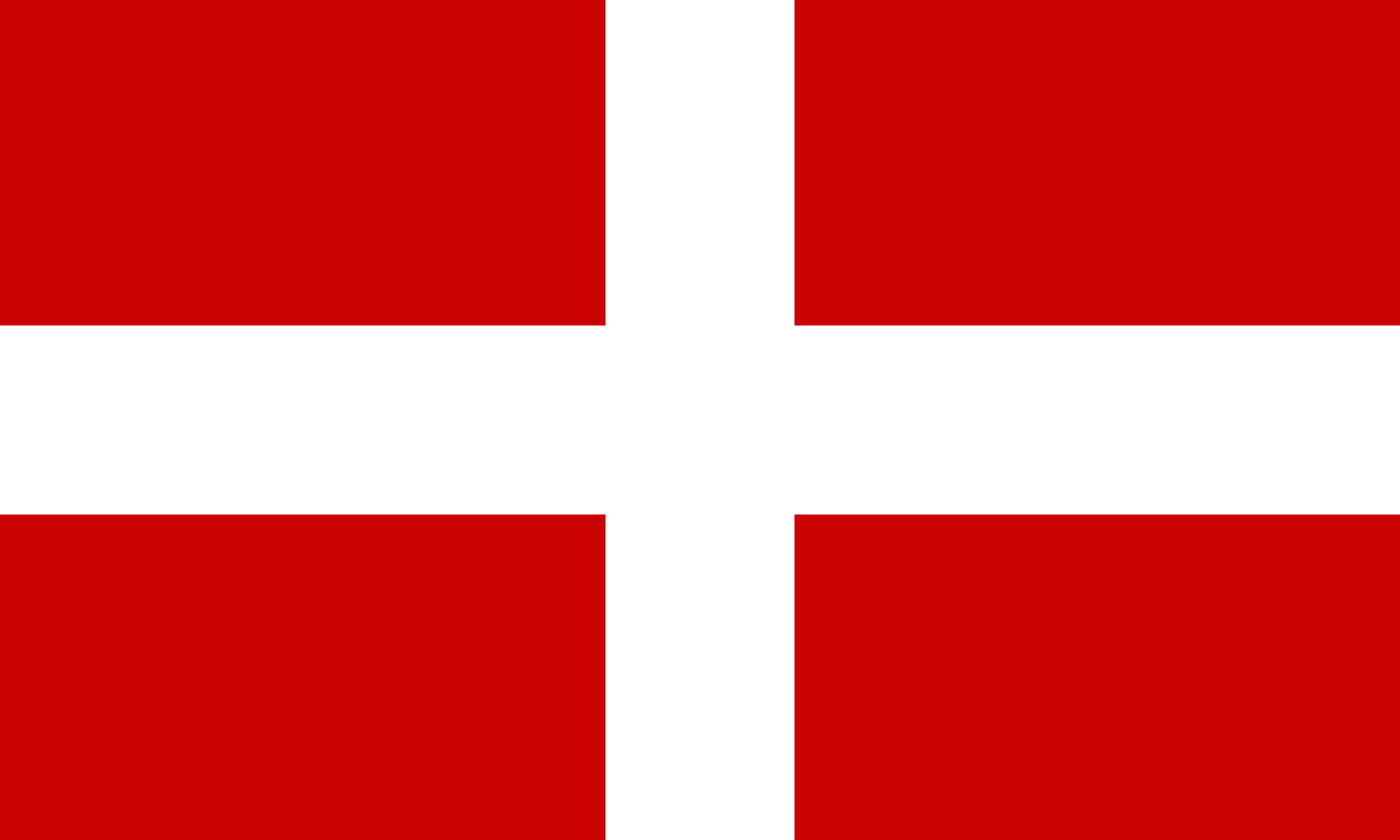
1416 - 1792 - Duchy of Savoy (All Facts)
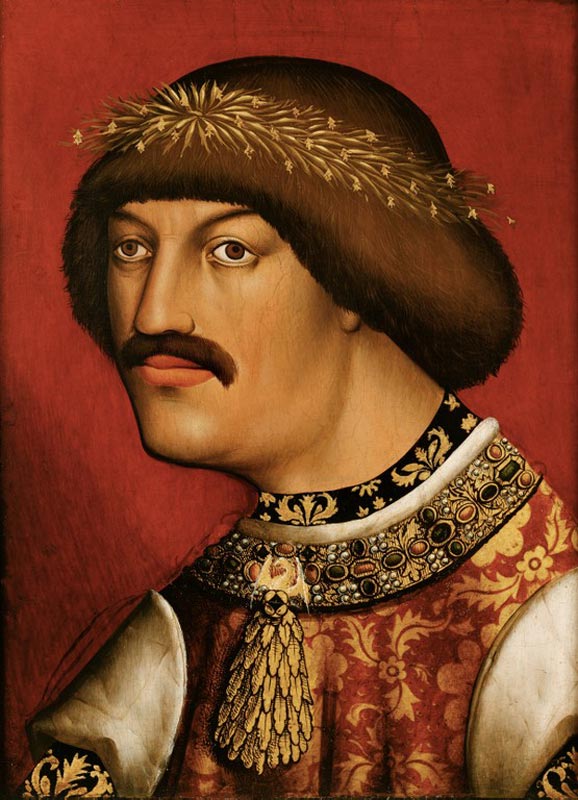
1438 - 1439 - Albert II (All Facts)
27th King of Germany, from the House of Habsburg
He was nicknamed “The Magnanimous”
By the time of his reign, Habsburg control of the Holy Roman Empire became virtually hereditary
By his reign, the Habsburg Monarchy was in control of the throne of the Holy Roman Empire
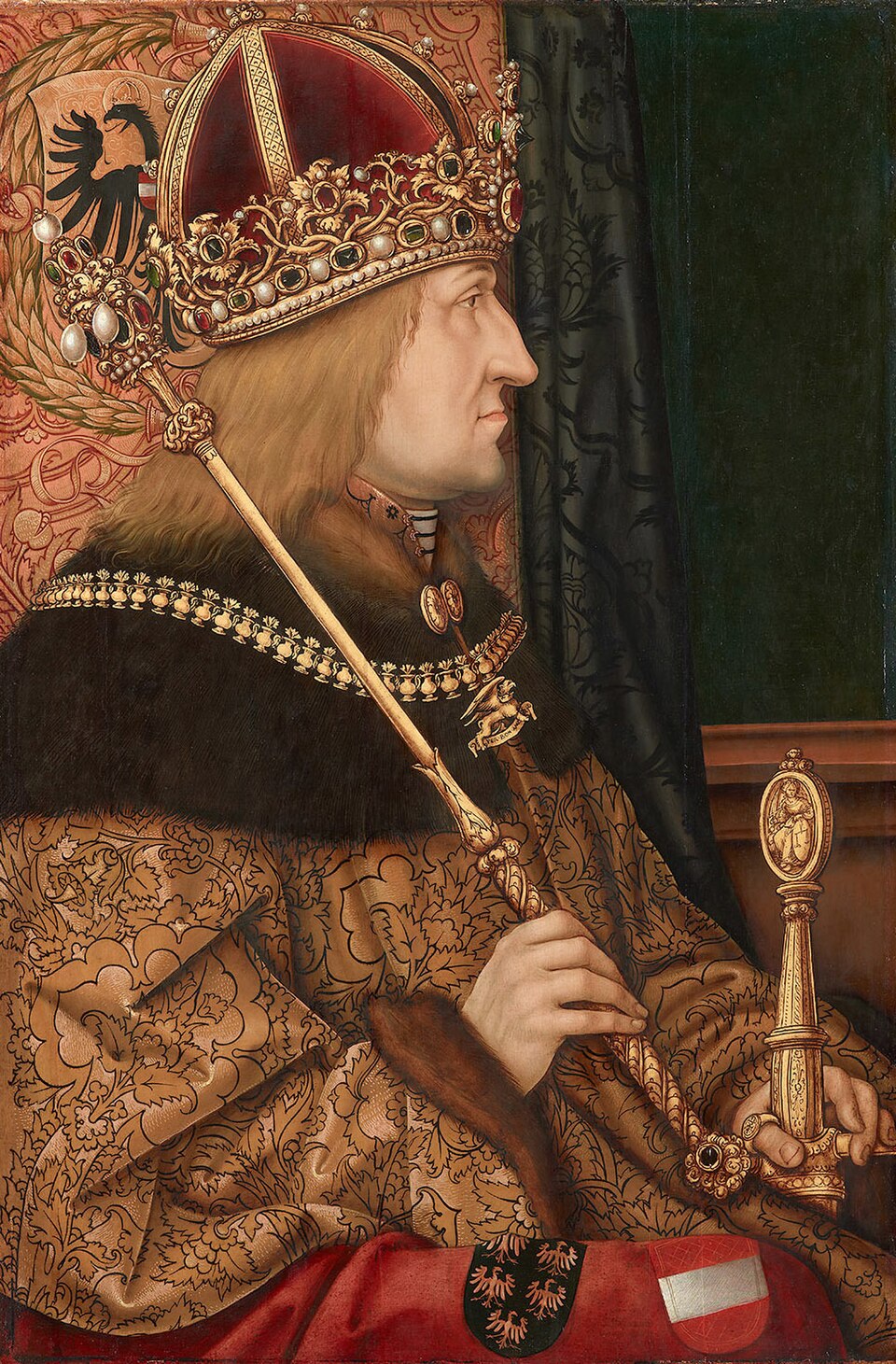
1440 - 1493 - Frederick III (All Facts)
28th King of Germany, from the House of Habsburg
He was elected on the grounds that he was unlikely to infringe on the autonomy of the German princes
29th Emperor of the Holy Roman Empire
Once crowned emperor, he confirmed privileges granted to Austria previously, raising it to an archduchy, led by archdukes
He raised the duchy of Austria up to an archduchy, and eventually became a Duke of Austria himself
He gave King Charles the Bold of Burgundy the “slip,” making King Charles the Bold of Burgundy the laughing stock of Europe
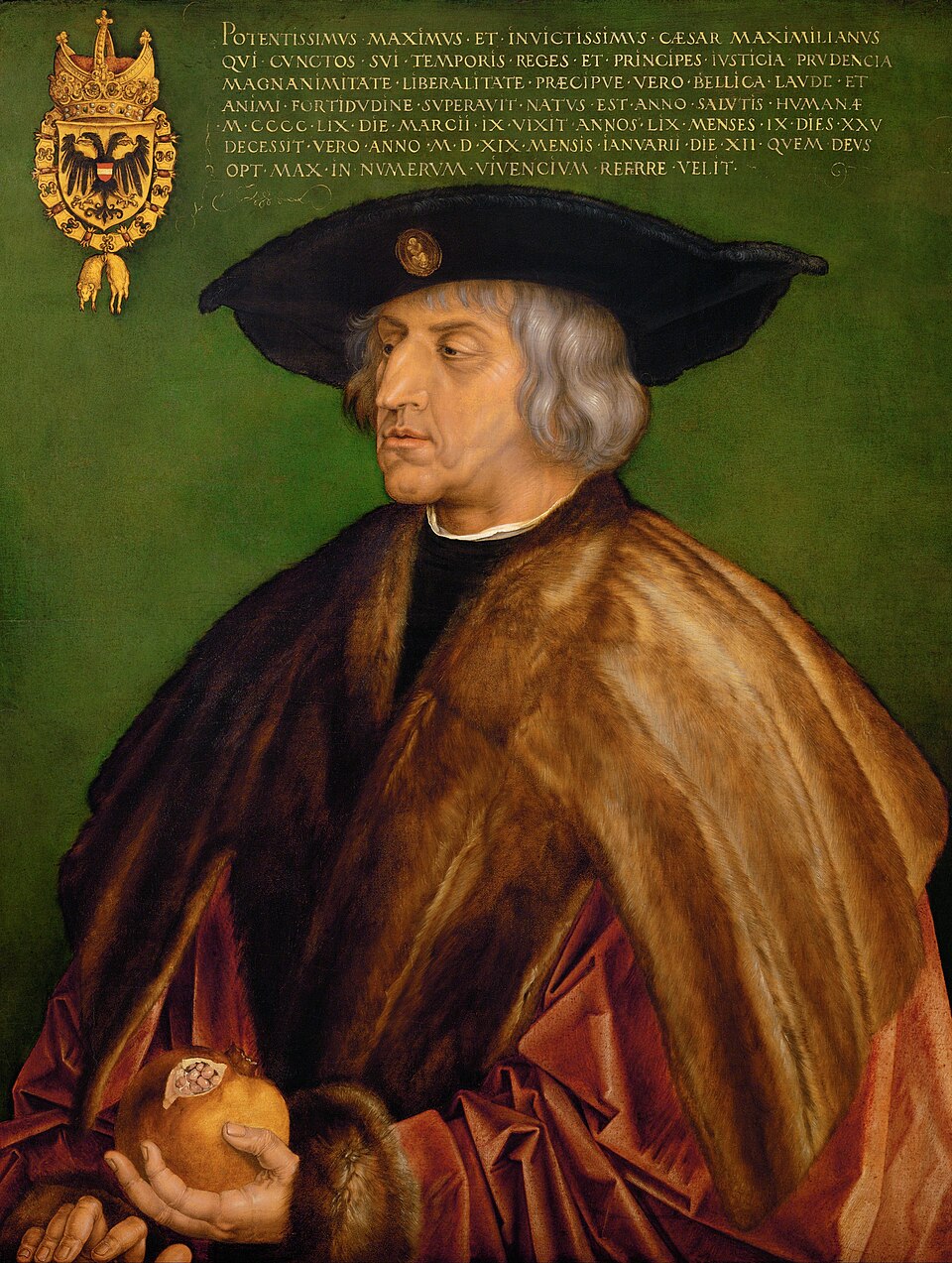
1486 - 1519 - Maximilian (All Facts)
29th King of Germany
He was the son of his predecessor
30th Emperor of the Holy Roman Empire
He succeeded his father
He was eventually elected “King of the Romans”
He helped form the League of Cambrai / Holy League and led the Holy Roman Empire in the Fourth Italian War / War of the League of Cambrai / War of the Holy League
He initially made an alliance with King Louis XII of France against the Republic of Venice, an alliance supported by the Papacy and Spain
He then severed his alliance with King Louis XII of France and formed an alliance with King Henry VII of England
He and King Henry VIII of England and their combined forces defeated France in the Battle of the Spurs
He and King Henry VIII of England and their combined forces defeated France in the Siege of Tournai
After the Concordant of Bologna was signed, he remained King Francis of France’s sole enemy in the war
He attended the First Congress of Vienna, where he
forged an alliance with King Vladislaus II of Bohemia and King of Hungary and King Sigismund of Poland and Grand Duke of Lithuania
made an agreement in which he had his grandchildren Mary and Ferdinand married off to Louis and Anne, the children of King Vladislaus II of Bohemia and King of Hungary
He forged an alliance of defense with Vasily III of Moscow
He authorized Johannes Pfefferkorn to destroy all Hebrew books except for the Bible
He died at Wels Castle

1481 - 1523 - Franz von Sickingen (All Facts)
German Knight
He led the Knights’ War / Knight’s Revolt in Germany against the Holy Roman Empire along with Ulrich von Hutten
He and von Hutten tried to form a military branch for Martin Luther’s revolt against the Church, but Luther rejected them

1488 - 1523 - Ulrich von Hutten (All Facts)
German Knight
He led the Knights’ War / Knight’s Revolt in Germany against the Holy Roman Empire along with Franz von Sickingen
He and von Sickingen tried to form a military branch for Martin Luther’s revolt against the Church, but Luther rejected them

1486 - 1525 - Frederick III of Saxony (All Facts)
Elector of Saxony and Duke of Saxony
He is chiefly remembered for his protection of Martin Luther, whom he “kidnapped” for Luther’s own personal safety after he was about to be tried and executed in the Imperial Diet of Worms by Holy Roman Emperor Charles V
He founded the University of Wittenberg
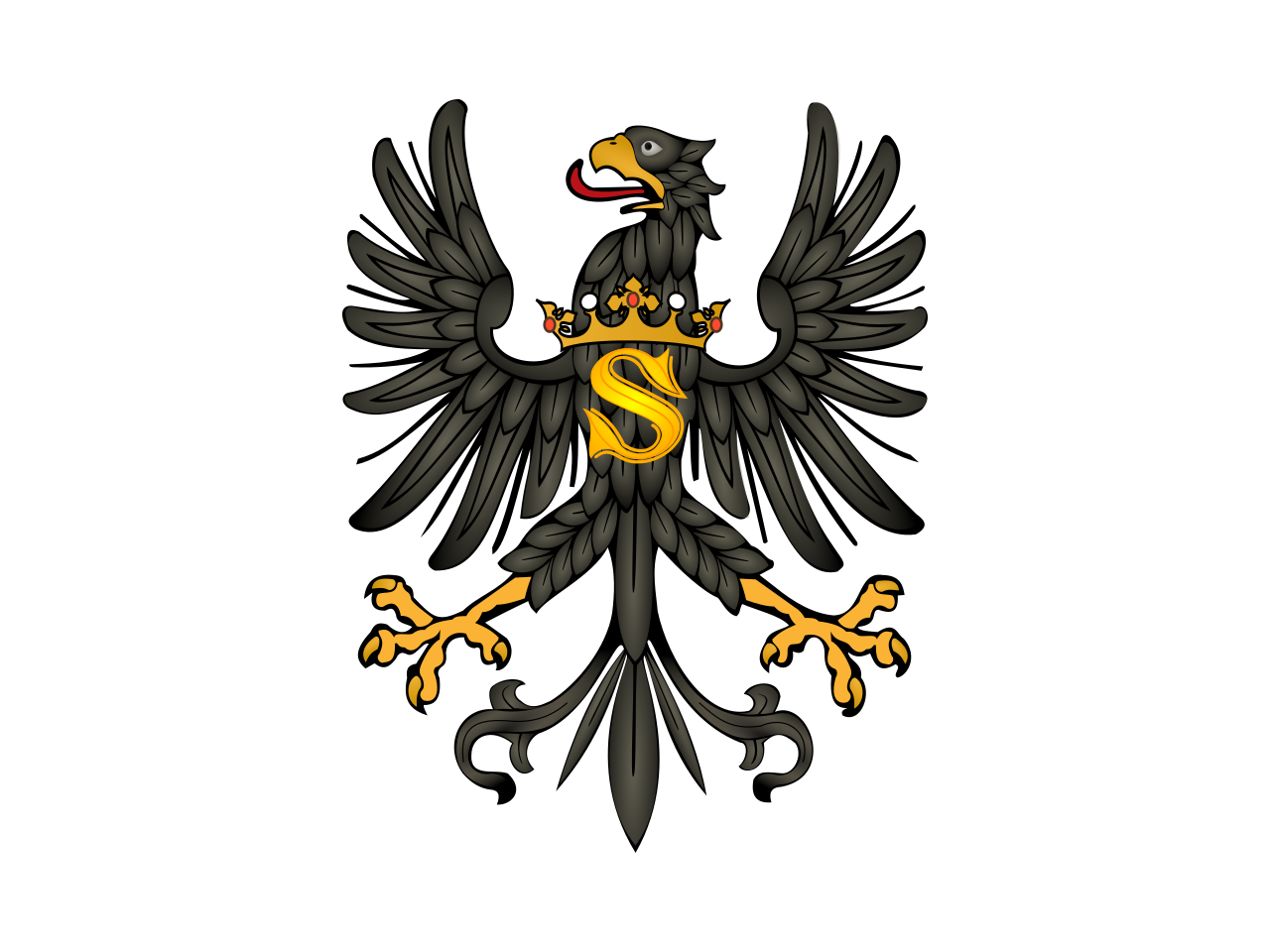
1525 - 1701 - Duchy of Prussia (All Facts)
Founded by Albert
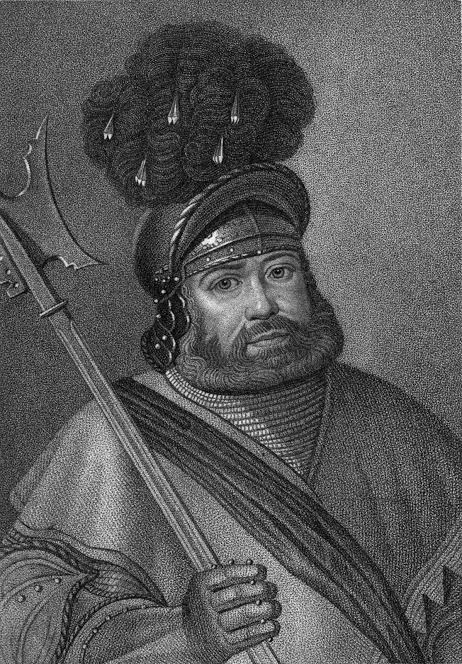
1473 - 1528 - Georg von Frundsberg (All Facts)
German Knight
He commanded the Holy Roman forces that eventually led to the Sack of Rome
After he was badly wounded, he told his men, “I hope soon to make you all rich from the pickings of Rome”
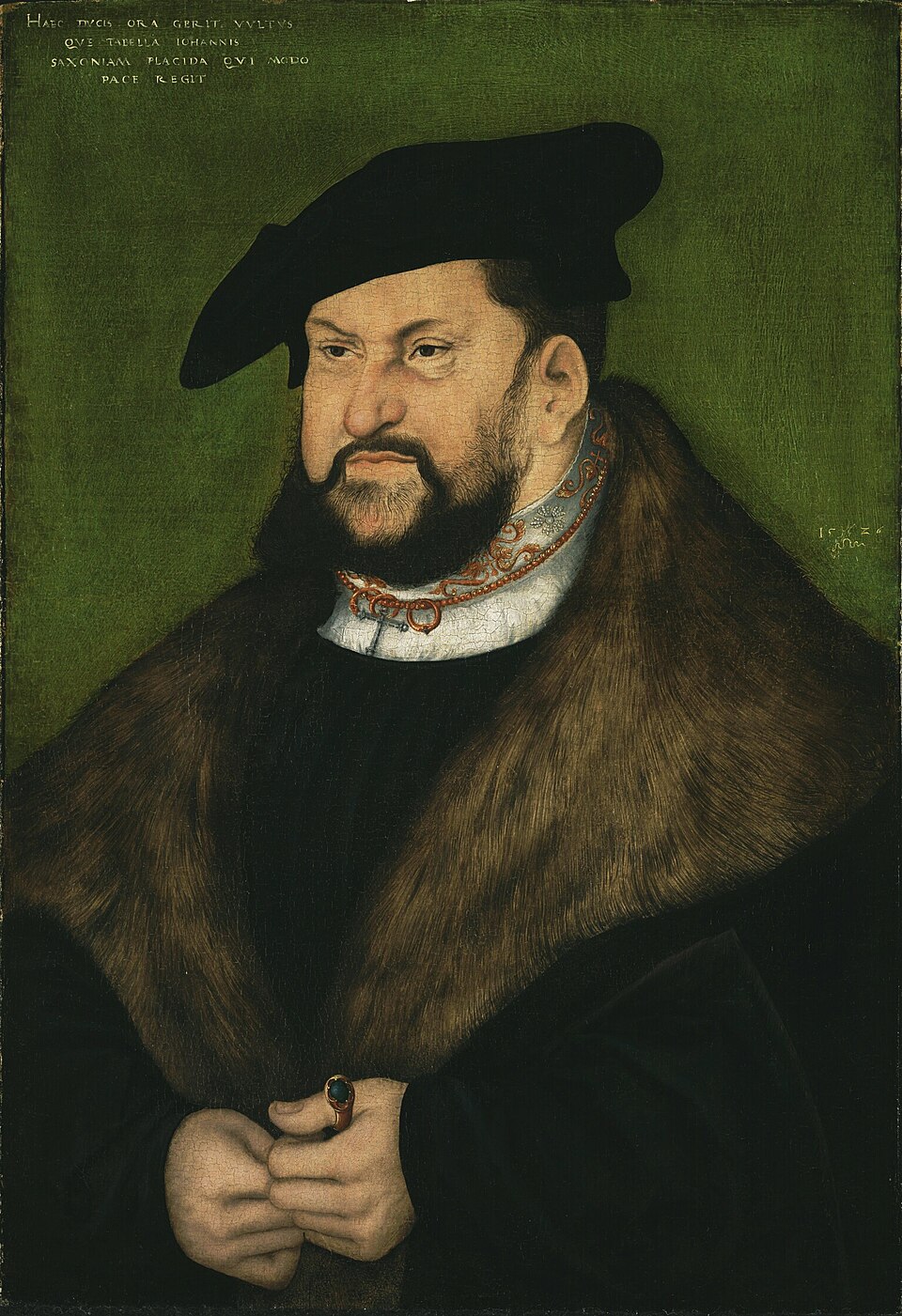
1525 - 1532 - John of Saxony (All Facts)
Elector of Saxony
He helped form the League of Torgau along with Philip of Hesse

1532 - 1547 - John Frederick of Saxony (All Facts)
Elector of Saxony
He helped form the Schmalkaldic League along with Philip of Hesse
He was captured in the Battle of Muhlberg by Holy Roman Emperor Charles V and his troops
Initially sentenced to death in court, he instead served life in prison at the imperial pleasure
He was later released by the German Protestant Princes during the Second Schmalkaldic War, along with Philip of Hesse
He patronized Lucas Cranach the Elder
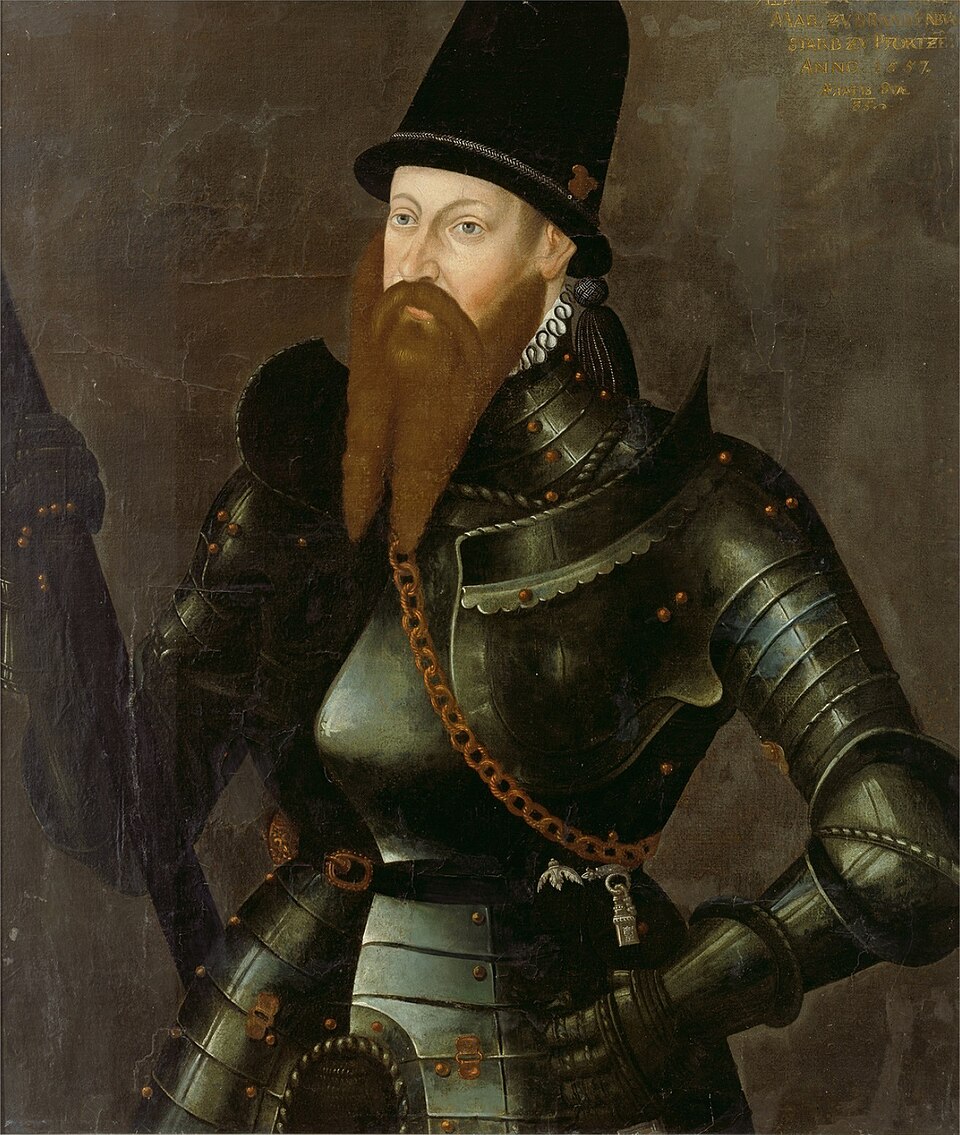
1527 - 1553 - Albert of Brandenburg-Kulmbach (All Facts)
Margrave of Brandenburg-Kulmbach
He instigated the Second Margrave War
He and his forces were defeated by Maurice of Saxony and his forces in the Battle of Silvershausen during the Second Margrave War
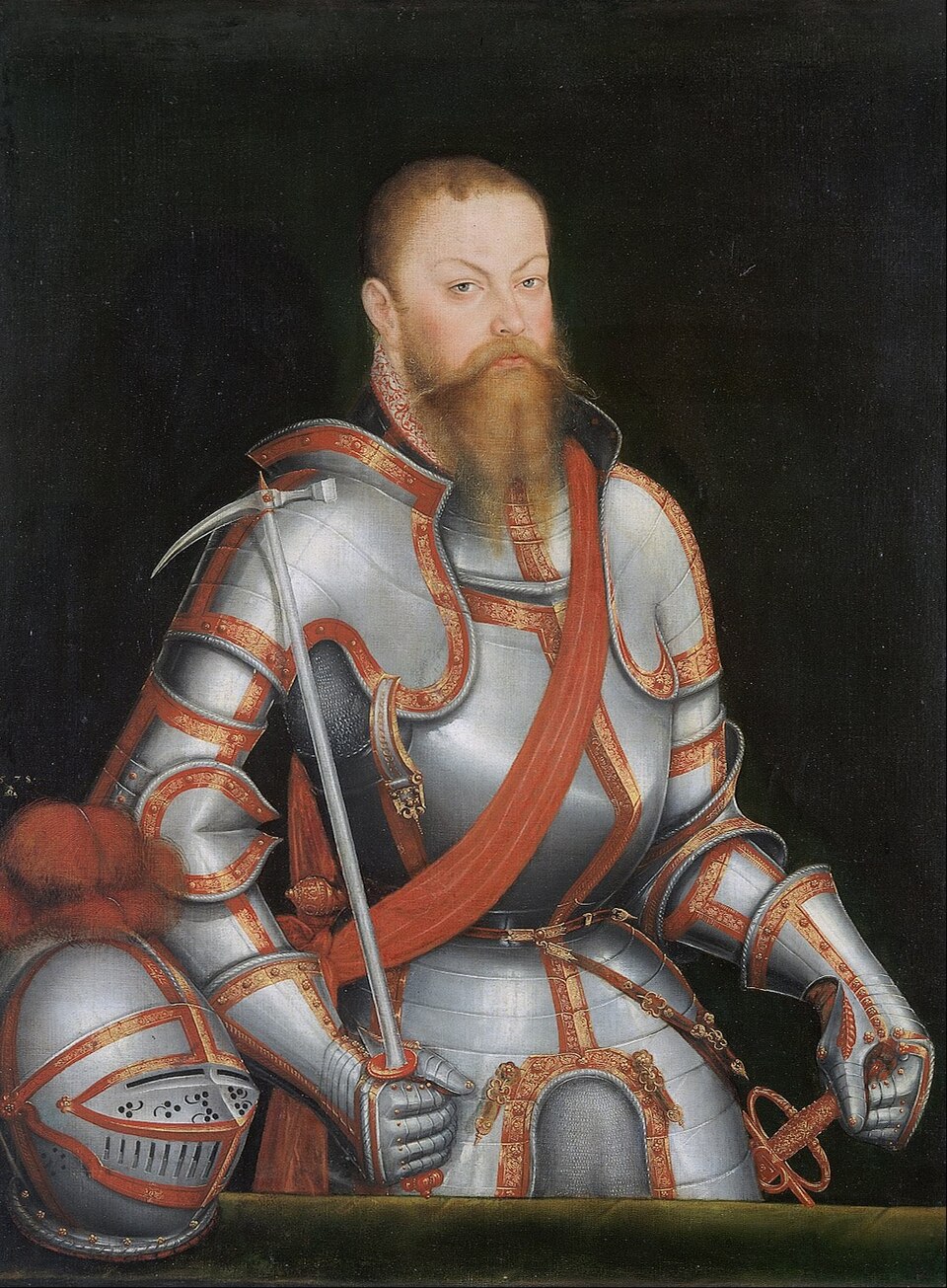
1547 - 1553 - Maurice of Saxony (All Facts)
Elector of Saxony
He formed an alliance with Holy Roman Emperor Charles V against the Schmalkaldic League which culminated in / instigated the Schmalkaldic War and led to the dissolution of the Schmalkaldic League
He was then given control of the Electorate of Saxony following the end of the Schmalkaldic War and Schmalkaldic League by Holy Roman Emperor Charles V
He was then entrusted to enforce the Augsburg Interim by Holy Roman Emperor Charles V
He and his forces then attempted to reinstate the Archbishopric of Magdeburg and take it from the Protestants there by siege
He and his forces, with help from King Henry II of France and his forces, nearly defeated Holy Roman Emperor Charles V and his forces in the Second Schmalkaldic War
He signed the Treaty of Chambord with King Henry II of France
He thus betrayed Holy Roman Emperor Charles V
He sensed that Holy Roman Emperor Charles V’s power was failing and that the Habsburg family was losing its cohesion
He thus proposed a scheme to enter into a defensive league with a number of other German princes and King Henry II, resulting in the treaty
This scheme further allowed King Henry II of France to annex Metz, Verdun, and Toul during the Ninth Italian War
He signed the Peace of Passau with Ferdinand of Habsburg (who was signing on behalf of Holy Roman Emperor Charles V), ending the (Second) Schmalkaldic War
He and his forces defeated Albert of Brandenburg-Kulmpach and his forces in the Battle of Silvershausen during the Second Margrave War
However, he was wounded in the battle and died as a result of his injuries

1519 - 1558 - Charles V (Before Reign and Consolidation of Power)
30th King of Germany, from the House of Habsburg
He was the grandson of his predecessor
31st Emperor of the Holy Roman Empire
He succeeded his father
He was elected “King of the Romans”
He moved swifter than most kings in his age following the death of his grandfather and predecessor
Within days of the news reaching him, courtiers were urgently dispatched to Germany to negotiate with the seven princes, all of whose votes were vital for him to win the election as it was essential he could get hid bid in before his rivals
Once such diplomatic work was underway, he wrote a courteous note to King Francis of France advising him of his intentions to which the French king replied saying “sire, we are both courting the same lady”
He came out as the favorite, particularly when it was known that he had borrowed freely from the Fugger banking family, who backed him in preference to King Francis of France
In exchange for the money he received from the Fugger banking family from which he borrowed freely to secure his election, he gave them the right to exploit Silver and Mercury deposits in the Spanish Empire’s colonies in Central America (as he was already the King of Spain)
He outbribed King Francis of France, King Henry VIII of England, and Duke Frederick of Saxony, all of whom were candidates for the Holy Roman throne
He successfully bribed the princes of Germany to cast their votes for him
It took the courier fewer than nine days to ride breakneck from Frankfurt across Europe to the gates of Barcelona to break the news to the namesake that he won the crucial election that would allow him to occupy the Holy Roman imperial throne as emperor
He was recognized and crowned Holy Roman Emperor by Pope Clement VIII in Bologna in Italy ten years into his official rule as Holy Roman Emperor
He secured the election of his younger brother and successor as King of the Romans (King of Germany) and Holy Roman Emperor

1519 - 1558 - Charles V (Foreign Policy)
He led Germany and the Holy Roman Empire in the
Fifth Italian War / Four Years’ War
He and his Holy Roman forces (Habsburgs) defeated King Francis of France and his forces (Valois)
After the Battle of Bicocca during the Fifth Italian War / Four Years’ War, a doge in the Republic of Genoa was appointed by the Holy Roman imperial army to have supported the namesake
He appointed the High Constable of Bourbon in France to be his lieutenant during the Fifth Italian War / Four Years’ War
Sixth Italian War / War of the League of Cognac
He and his Holy Roman forces (Habsburgs) defeated King Francis of France and his forces (Valois)
Seventh Italian War
He led his Holy Roman forces (Habsburgs) against King Francis of France and his forces (Valois), but this war ended in a stalemate
Eighth Italian War
He led his Holy Roman forces (Habsburgs) against King Francis of France and his forces (Valois), but this war ended in a stalemate
Ninth Italian War
He led his Holy Roman forces (Habsburgs) against King Henry II of France and his forces (Valois), but this war ended in a stalemate
He
signed the Treaty of Madrid (with King Francis of France), ending the Fifth Italian War / Four Years’ War
He held King Francis of France captive for a year
when he released him, King Francis of France declared the treaty null and void
signed the Treaty of Barcelona (with Pope Clement VII of the Papacy)
signed the Peace of Nuremberg (with the Schmalkaldic League)
made the Truce of Nice (with King Francis of France), ending the Seventh Italian War
signed the Treaty of Toledo (with King Francis of France)
signed the Treaty of Frankfurt (with Philip Melanchthon and the German Protestants)
signed the Treaty of Crepy (with King Francis of France), ending the Eighth Italian War
signed the Treaty of Nuremberg (with the Duke of Lorraine)
made the Truce of Adrianople (with Suleiman of the Ottoman Empire)
signed the Peace of Augsburg, ending the Schmalkaldic Wars
made the Truce of Vaucelles (with King Henry II of France), temporarily halting the Ninth Italian War
He
gave the Knights Hospitaller permission to settle on the island of Malta, having been driven out of Rhodes by the Ottoman Turks previously
dreamed to bring the Protestants back into the Catholic Church and secure imperial power over both Protestant and Catholic German Princes
He soon had to admit that his dream was impossible when the Ottoman Empire attacked the eastern flank of the Holy Roman Empire and the namesake was riven by gout
He
made a pact with Pope Paul II, who promised him money and troops in his fight against the German Protestants with the aims of
crushing the independence of the Protestant German states
restoring the German Catholic Church
He and his forces
defeated Hayreddin Barbarossa and his Ottoman forces in the Conquest of Tunis during the Ottoman-Habsburg Wars
were defeated by the Regency of Algiers and their Ottoman forces in the Battle of Algiers during the Ottoman-Habsburg Wars
alongside King Henry VIII of England and his forces defeated France and took the city in the Siege of Saint-Dizier during the Eighth Italian War
Under his reign,
The Treaty of Cambrai / Ladies Peace / “Pax de Daimes” was signed, on his behalf, ending the Sixth Italian War / War of the League of Cognac
This was the only war / treaty in which the namesake gained anything significant for the Holy Roman Empire, that being the control of northern Italy
He suppressed the Revolt of Ghent (in Flanders) against his rule and his excessive taxation of them to fund the Seventh Italian War
He demanded that the leaders and aldermen of the Revolt of Ghent come to beg his pardon with nooses around their necks, having executed around 20 of them
He failed to persuade the Protestant Diets (Parliaments / Governments) to grand aid for the defense of Hungary against the Ottomans during the Hungarian-Ottoman Wars until it was too late, failing to prevent the slaughter of the Hungarians by the Ottomans in the Battle of Mohacs
He supported Andrea Doria, the Doge of Genoa, at the time
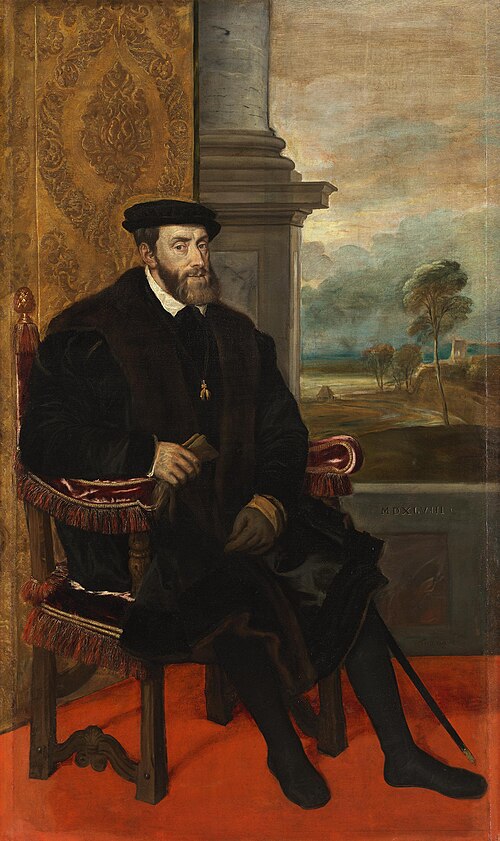
1519 - 1558 - Charles V (All Other Policies)
He issued the
Edict of Worms
He attended the (Second) Diet of Augsburg
He was keen on achieving unity between Catholics and Protestants
He wanted the support of the German Protestant Princes to continue in his struggle against the Ottoman Turks, especially after their Siege of Vienna
However, he failed to gain it after the Augsburg Confession was heard and issued and he declared that the Protestants (Lutherans) must recognize the pope and threatened them with force if (and when) they failed to do so
He instigated the Schmalkaldic War
This occurred when he formed an alliance with Maurice of Saxony against the Schmalkaldic League
He and his Holy Roman forces defeated John Frederick of Saxony and his Protestant forces in the Battle of Muhlberg
This led to the dissolution of the Schmalkaldic League
He then gave the Electorate of Saxony to Maurice of Saxony
He attended the (Third) Diet of Augsburg
He issued
the Augsburg Interim

1519 - 1558 - Charles V (Decline, Death, and Legacy)
He and his forces fled Innsbruck after nearly being captured by Maurice of Saxony during the Second Schmalkaldic War
He made his son his sole heir via a Habsburg family treaty, and thus his successor
He abdicated the sovereignty of the Netherlands to his son and successor before his death
He became broken in health, having gradually been riven by gout, which, along with the Ottoman Empire’s attacks on the eastern flanks of the Holy Roman Empire; forced the namesake to sign the Peace of Augsburg
In signing the Peace of Augsburg, he gave concessions to the Lutherans that would not be won back by the Catholics
He abdicated the Holy Roman and German thrones, as well as empire and kingships, three years prior to his death
He gave the Holy Roman throne and Empire to his younger brother and successor
He gave his kingships to his son Philip
He rode on a gentle mule into Brussels Castle to announce his abdication, dressed entirely in black, except for the red collar he wore representing the Order of the Holy Fleece
He retreated to the Yute monastery from there, which he himself designed
The moment was a moving occasion as the namesake emperor asked for forgiveness for all past errors as his voice broke with effort and the audience “could not restrain their tears and sobs”
He died in Yuste in Spain
He retired to a remote Spanish monastery in Yuste
He lived out the last three years of his life in solitude there
He rejected a grand funeral, having been buried in the chapel there under the high altar as “half his body was to be placed underneath, the other half outside so that the priest will stand over his head and chest”
His last years were spent peacefully enough at Yuste, living in a small villa designed so that he could see the high altar in the monastery from his bed
After the last rites had been administered, he asked for the crucifix which his wife had held on her deathbed and he died to the sound of Psalms
He was a crusader by nature, who lived for the ideal of a huge campaign to drive the Ottoman Turks from the Holy Lands
However, he spent much of his life in a defensive role as Suleiman and his Ottoman forces continually threatened his realms
To achieve a true crusade, he needed a united Europe; but the Holy Roman Empire and Germany were themselves
religiously divided due to the Protestant Reformation (which emerged during much of his rule)
politically divided due to the German Protestant Princes using the Reformation to fight for their own independence
He initially pledged to “exterminate heresy lest it should take root and overturn the state and social order”
However, he was prepared to, and eventually compromised and accepted the alliance of the German Protestant Princes when central Europe was threatened by the Ottoman Turks
He bestrode Europe like a colossus, fighting brilliant battles and travelling huge distances as he sought to hold a great empire together
However, it was in his name, that Rome was destroyed
Thus, ironically, from his successor’s reign forward, the Holy Roman Empire was entirely non-Roman

1556 - Philip (All Facts)
He renounced his claim to the German throne in favor of Maximilian, son of Frederick of Habsburg
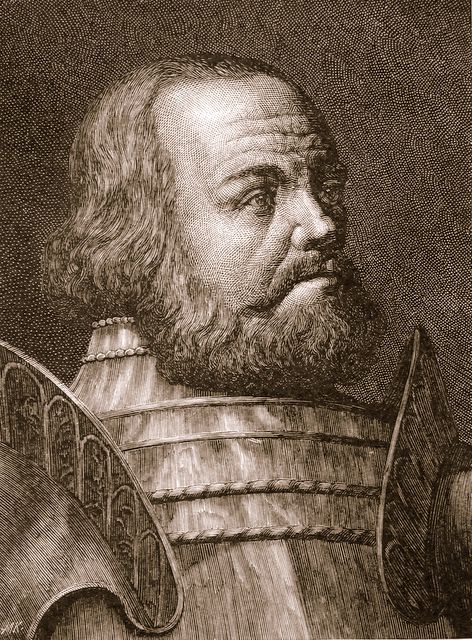
1480 - 1562 - Götz von Berlichingen (All Facts)
German Knight
He was from Franconia (Holy Roman Empire)
He led a group of knights which became bandits following the failure of the Knights’ War / Knights’ Revolt, having terrorized Germany near Nuremberg
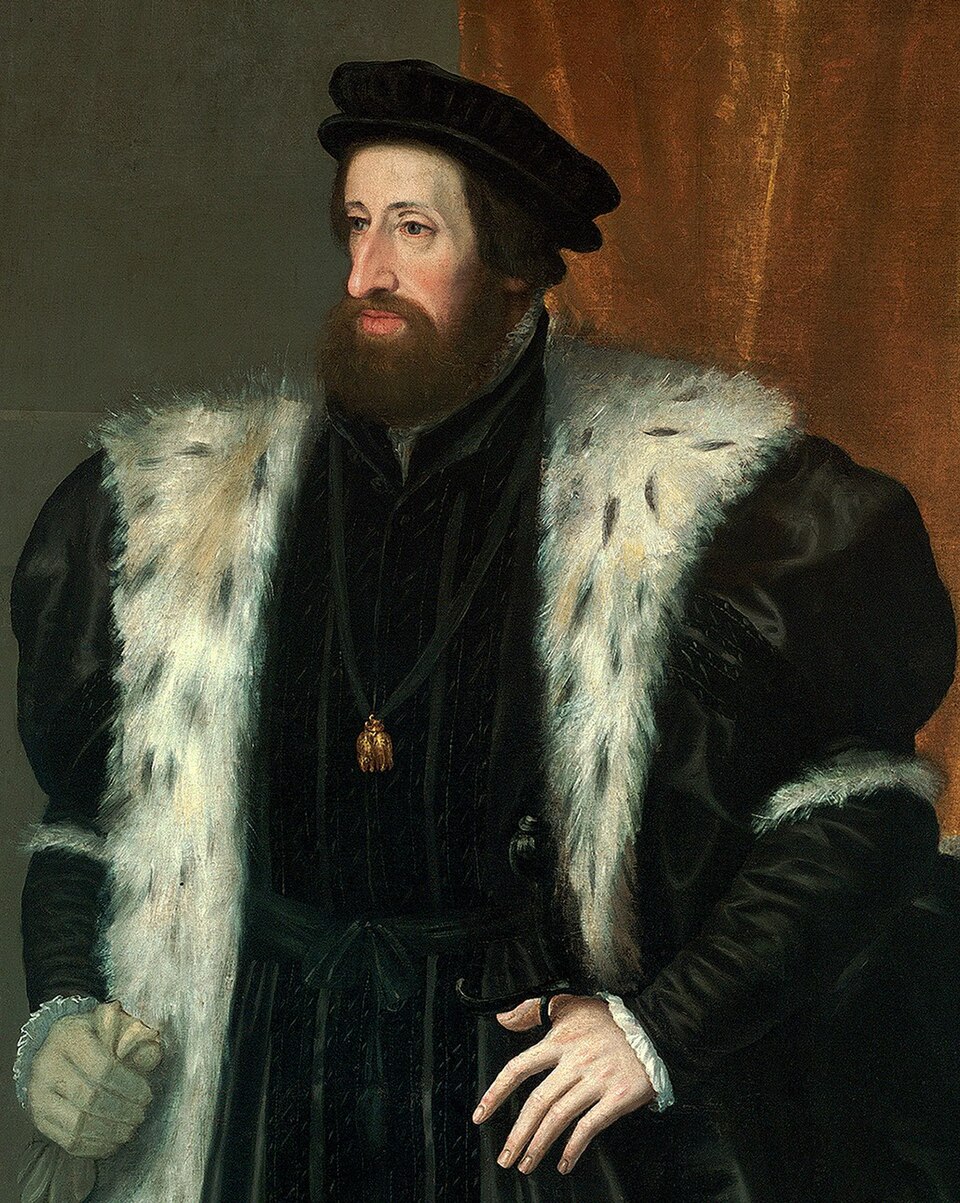
1556 - 1564 - Ferdinand (All Facts)
31st King of Germany, from the House of Habsburg
He was the young brother of his predecessor
32nd Emperor of the Holy Roman Empire
He succeeded his elder brother
He assumed the title of Holy Roman Emperor despite not being crowned by the pope, Pope Paul IV
He founded a military council to govern the German possessions of Habsburg territories
He established the Hamburg Stock Exchange
He and his Holy Roman forces were defeated by
Suleiman and his Ottoman forces in the First Habsburg-Ottoman War
Suleiman and his Ottoman forces in the Third Habsburg-Ottoman War
Under his reign,
The Habsburgs (Holy Roman Empire and Spain) were defeated by Suleiman and his Ottoman forces in the Fourth Habsburg-Ottoman War
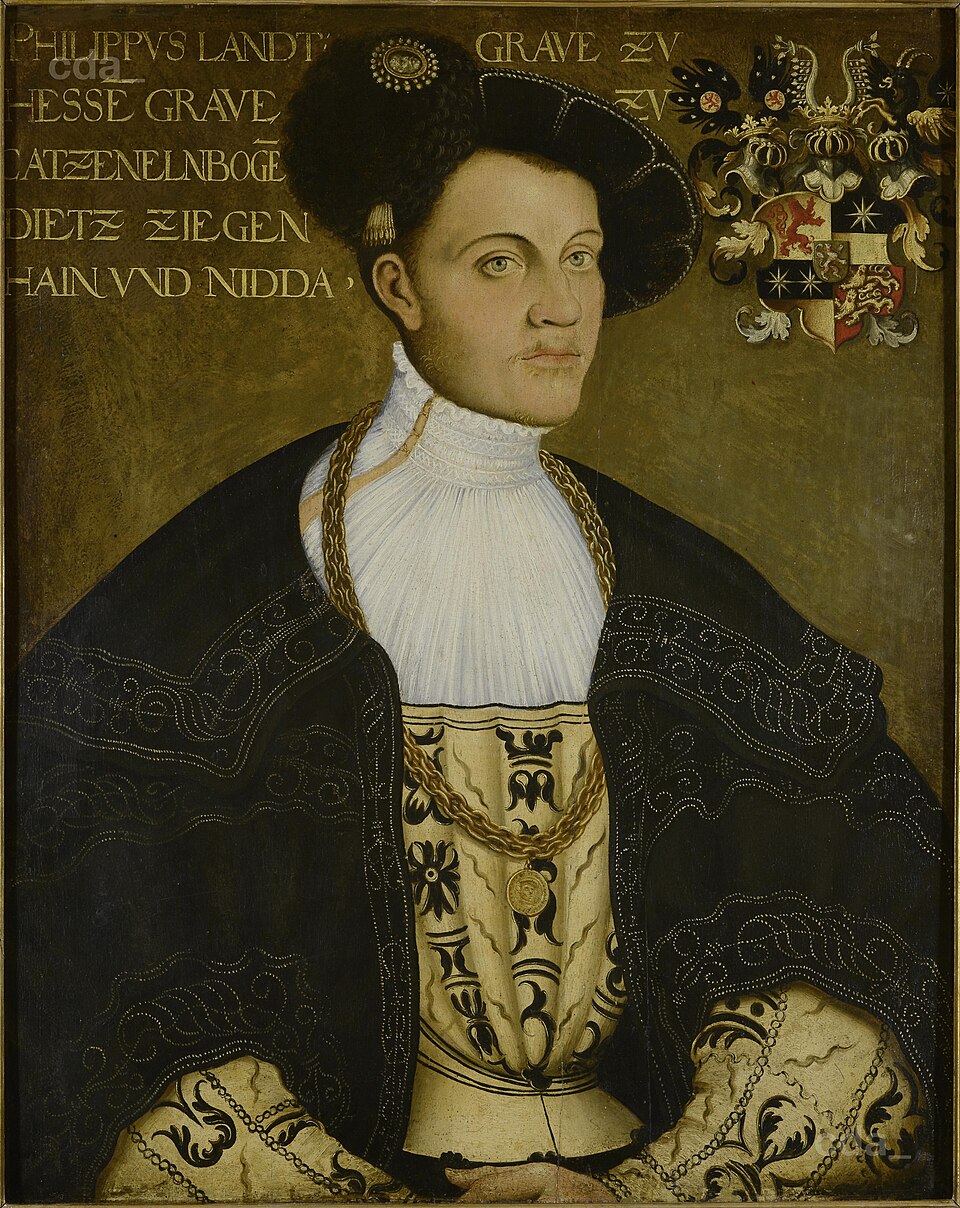
1509 - 1567 - Philip of Hesse (All Facts)
Landgrave of Hesse
He was a German nobleman
He was a champion of the Protestant Reformation
He was one of the most important early Protestant rulers in Germany
He
helped form the League of Torgau along with John Frederick of Saxony
helped organize the Marburg Colloquy, where he had partial success in bridging the emerging theological gaps between the Lutheran and Zwinglian Reformations
helped form the Schmalkaldic League along with John Frederick of Saxony
was imprisoned following the defeat of the Schmalkaldic League in the Schmalkaldic War by Holy Roman Emperor Charles V
was later released by the German Protestant Princes during the Second Schmalkaldic War, along with John Frederick of Saxony

1510 - 1568 - Albert (All Facts)
First Duke and Founder of the Duchy of Prussia
He was from the House of Hohenzollern
He was initially the 37th Grand Master of the Teutonic Knights
He thus assumed the title “Duke of Prussia”
He converted from Catholicism to Lutheranism
He founded the Duchy of Prussia, the secular successor state to the Monastic State of the Teutonic Knights
He thus secularized the prior theocracy that was the Teutonic Knights and converted the administrative organization of the Teutonic Knights from Catholicism to Lutheranism
He was the first European ruler to establish Protestantism, specifically Lutheranism, as the official state religion of his lands
He was instrumental in the political spread of the Protestant Reformation, ruling the lands of the Duchy of Prussia for nearly 60 years
He passed the first laws of the Protestant church

1564 - 1576 - Maximilian II (All Facts)
32nd King of Germany, from the House of Habsburg
He was the young brother of his predecessor
33rd Emperor of the Holy Roman Empire
He succeeded his elder brother
He succeeded on the understanding that he would remain a Catholic
Despite his Catholic upbringing, he favored Lutheranism
He attempted to press his claims to the throne of Poland against Stephen Bathory, with the Polish throne left vacant upon the return of King Henry III (to France), but he was largely unsuccessful
He mediated a conference at Breda (in the modern-day Netherlands) between Luis de Requesens y Zúñiga of Spain and Protestant representatives from Holland and Zeeland, in which Luis de Requesens y Zúñiga and Spain agreed to withdraw their troops and officials from the Netherlands, creating a temporary, three-year peace during the Eighty Years’ War / Dutch Revolt
He ennobled Orlando di Lasso
He died suddenly while attempting to invade Poland
He was succeeded by his son

1550 - 1579 - Albert V (All Facts)
Duke of Bavaria
He was nicknamed “The Magnanimous”
He died in Munich

1576 - 1583 - Louis VI / Ludwig VI (All Facts)
Elector of Palatine
He tried to contain the spread of Calvinism within Germany
He expelled over 500 Calvinist leaders
He agreed to the Formula of Concord

1553 - 1586 - Augustus of Saxony (All Facts)
Elector of Saxony
He agreed to the Formula of Concord
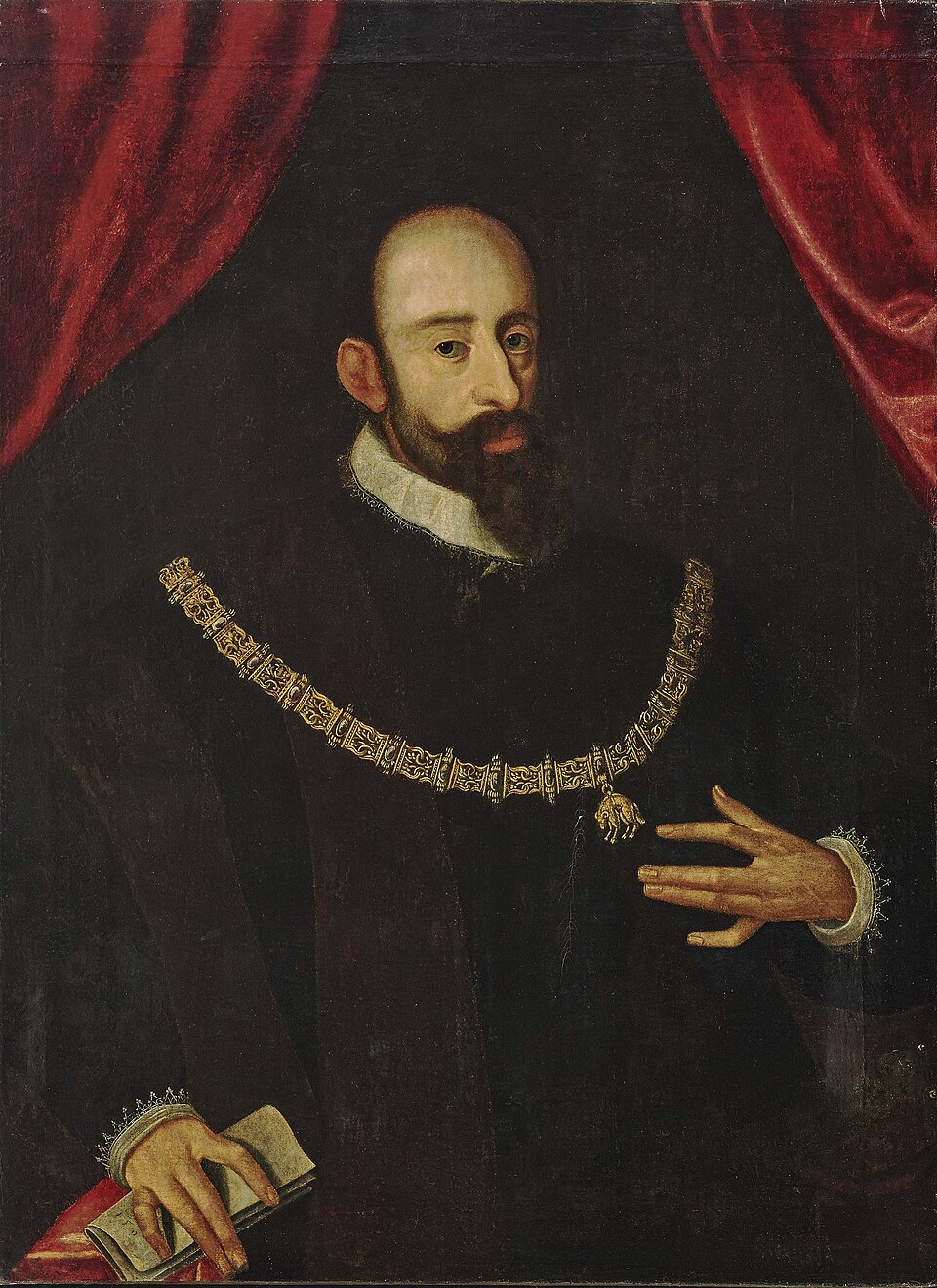
1579 - 1597 - William V (All Facts)
Duke of Bavaria
He was nicknamed “The Pious”
He was a strong supporter of the Jesuit Order / Society of Jesus

1571 - 1598 - John George (All Facts)
Elector of Brandenburg
He agreed to the Formula of Concord

1583 - 1610 - Frederick IV of Palatine (All Facts)
Elector of Palatine
He organized the Protestant Union / Evangelical Union of Lutherans and Calvinists, precipitating the Thirty Years’ War
Initially King James of England declined the namesake’s offer to join, but he eventually got him to agree to join the Protestant Union and in turn, King James encouraged the Union to make similar alliances with the Netherlands (Dutch Republic) and Denmark

1576 - 1612 - Rudolf II (All Facts)
33rd King of Germany, from the House of Habsburg
He was the son of his predecessor
34th Emperor of the Holy Roman Empire
He succeeded his father; like his father, he was committed to the concept of a single religion, despite his encouragement of the astrologers and alchemists in searching at his behest for the elixir for an eternal existence
He surrounded himself with charlatans in his quest for eternal life; despite having brought great scientists to Prague (like Johannes Kepler) and having commissioned work from artists of the stature of Jacopo Bassono
He was a staunch Catholic; his election and coronation helped unite the Protestant factions at the time to some extent including the Lutherans, Calvinists, Brethren of Common Life, Ultraquists, etc.
He bent under pressure from the wealthy Protestant nobles like his father, however, as the price of his election was his acquiescence to the “Bohemian Confession,” a document subscribed to by each of the Protestant churches that were in union against his reign
His court was a haven for eccentrics, astrologers, alchemists, astronomers, and painters including Johannes Kepler, Tycho Brahe, and Giuseppe Arcimboldo
His closest friends, however, defended him, saying that criticism towards him was unfair and that he was following his inclination towards the arts and sciences after 39 years of maintaining the emperorship
They said he preferred the company of artists and learned men like astronomers and alchemists to that of courtiers
He himself preferred Prague to Vienna, having a passionate interest in things from other countries
He built up one of the most outstanding collections of curiosities in all of Europe
During his reign,
He wrote his “Letter of Majesty,” which essentially granted Bohemians the freedom to worship as Catholics or Protestants
During his reign,
He and the Habsburgs (Holy Roman Empire and Spain) and their allies and combined forces fought against Sultans Murad III, Mehmed III, and Ahmed and their Ottoman forces in the Long Turkish War / Thirteen Years’ War / Fifteen Years’ War / Sixth Habsburg-Ottoman War
Under his reign, (Germany / The Holy Roman Empire)
agreed to cooperate in the establishment of a new postal service with France
closed many brothels (“badestuben”) in an attempt to halt the spread of STD’s (venereal disease)
regular newspapers were being published in Strasbourg and Wolfenbuttel
His reign was considered, up to the point of his own death, not just the most eccentric but also the most ineffective as
His brother and successor bullied him into giving him the crown of Bohemia as well as awarding him with Austria, Hungary, and Moravia
His brother and successor had real power rested into him and he, among others, had maneuvered around the throne to strip the namesake of everything but his title
His steady handover of power, fully supported by the rest of the House of Habsburg, reflecting growing concern about the creeping paralysis that had begun to grip the namesake
He was observed by court circles who said that he
appeared increasingly shy, unstable, and deranged
delayed taking decisions
he was as likely to take advice from a valet as a minister

1547 - 1614 - Philip Ludwig (All Facts)
Count Palatine of Neuberg
He signed the Treaty of Xanten, ending the Julich-Cleves War of Succession
He annexed Julich and Berg as a result
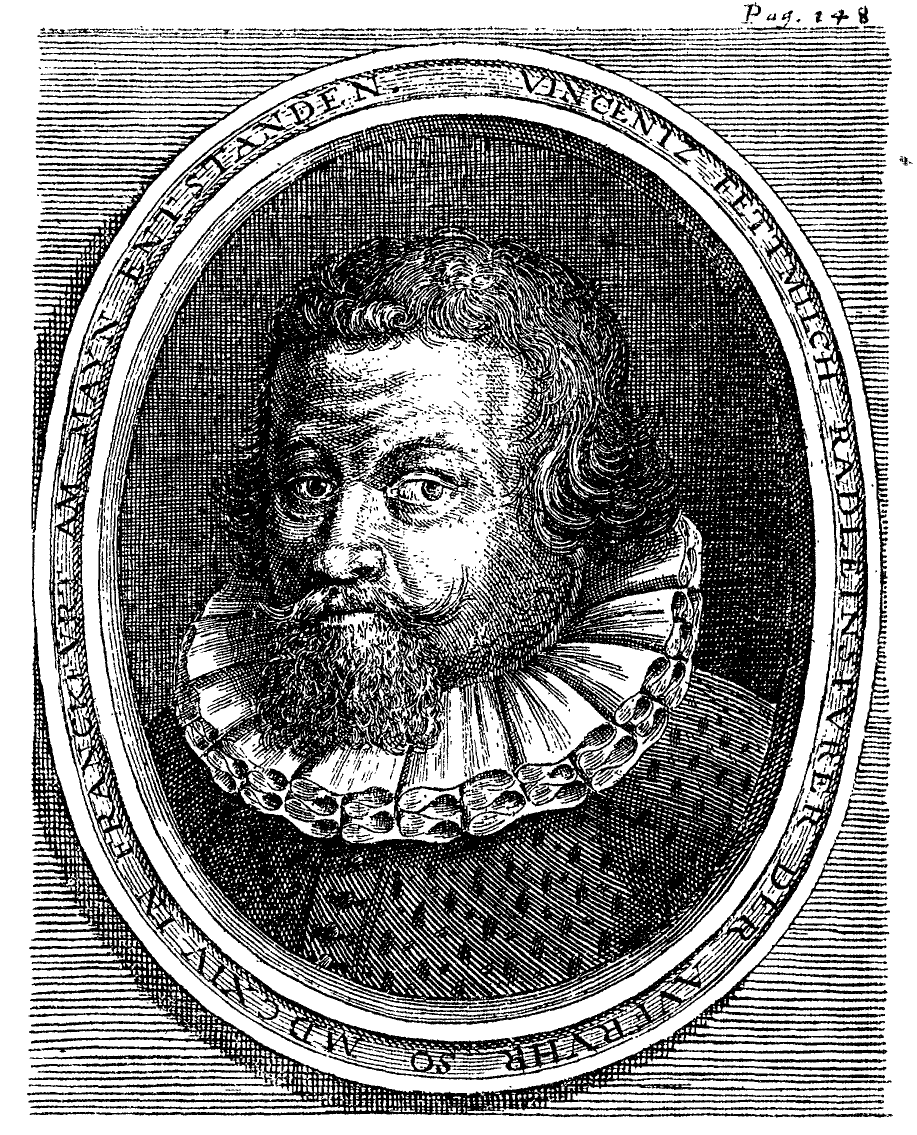
1612 - 1616 - Vincenz Fettmilch (All Facts)
German Agitator who led his namesake uprising against the Jews in Frankfurt
He was beheaded on the orders of Holy Roman Emperor Mathias for his attack

1608 - 1619 - Johann Sigismund (All Facts)
Elector of Brandenburg
He signed the Treaty of Xanten, ending the Julich-Cleves War of Succession
He obtained Cleves and Ravensberg, consolidating his position in the northeast of Germany

1612 - 1619 - Matthias (All Facts)
34th King of Germany, from the House of Habsburg
Prior to his rule, he had himself recognized as heir to his brother and predecessor
35th Emperor of the Holy Roman Empire
Prior to his rule, he was nominated governor of Brussels upon William of Orange making a triumphant entry there and being appointed lieutenant
He had been given the crown of Bohemia from his preceding brother who gave it up to him after he forced it from him
He also awarded himself with control of Austria, Hungary, and Moravia prior to his emperorship
He then was crowned Holy Roman Emperor shortly after
He signed the Peace of Zsitvatorok (with Sultan Ahmed of the Ottoman Empire), ending the Long Turkish War / Thirteen Years’ War / Fifteen Years’ War / Sixth Habsburg-Ottoman War
He made his cousin and successor the King of Bohemia, which directly triggered the Defenestration of Prague and thus the Thirty Years’ War
He ordered the beheading of Vincenz Fettmilch for his Fettmilch Uprising against the Jews in Frankfurt

1610 - 1623 - Frederick V of Palatine (All Facts)
Elector of Palatine
He married Elizabeth, King Charles of England’s sister
He abandoned further military ambitions and asked his father-in-law, King James of England, for help against the Catholics after the Battle of Stadtlohn during the Thirty Years War;’ however, King James of England, although having offered him help before, turned down his request

1599 - 1626 - Christian of Brunswick (All Facts)
He and his forces were defeated by Johann Tserclaes and his forces in the Battle of Stadtlohn during the Thirty Years’ War

1568 - 1630 - Christian of Anhalt-Bernburg (All Facts)
Prince of Anhalt-Bernburg, Governor of the (Upper) Palatinate, Adviser-in-Chief of Frederick IV of Palatine, and General under King Frederick V of Bohemia
He sought alliances with every other Protestant power to combat the growing Catholic revival in Germany
He and his forces were defeated by Johann Tserclaes (Count of Tilly) and his Holy Roman forces in the Battle of White Mountain during the Bohemian Revolt during the Thirty Years’ War
He entered Prague and told King Frederick V of Bohemia that the army had become mutinous during a lengthy artillery barrage and many had regused to fight as they were overwhelmed by Bavarian and Spanish infantry
1580 - 1631 - Dietrich von Falkenberg (All Facts)
Governor of Magdeburg and Army Officer (in the service of Sweden)
He commanded the Defense of Magdeburg during the Sack of Magdeburg during the Thirty Years’ War
His town of Magdeburg failed to help him prepare his defense against the besieging army of Johann Tserclaes of the Holy Roman Empire and Catholic League during the Thirty Years’ War
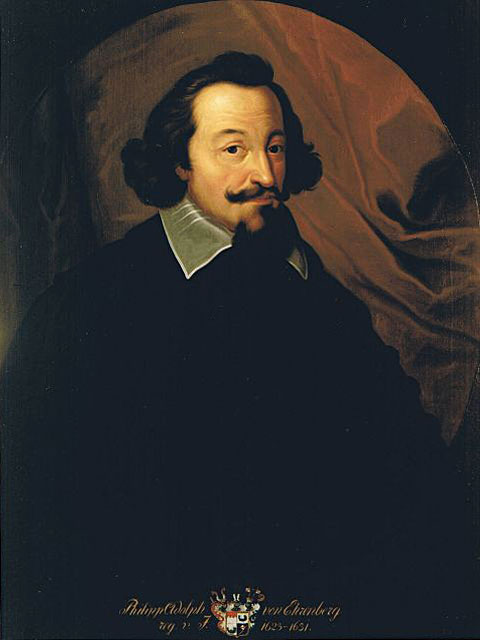
1622 - 1631 - Philipp Adolf von Ehrenberg (All Facts)
(Catholic) Prince-Bishop of Wurzburg
He presided over the Wurzburg Witch Trials

1559 - 1632 - Johann Tserclaes (All Facts)
Count of Tilly
He was Commander in Chief of the Catholic League of Imperial Princes during the Thirty Years’ War
He and his Holy Roman forces and Catholic League
sacked the library of the University of Heidelberg
defeated Christian of Anhalt-Bernburg and his forces in the Battle of White Mountain during the Bohemian Revolt
defeated Christian of Brunswick and his forces in the Battle of Stadtlohn
defeated Christian IV and his Danish forces in the Battle of Lutter
He and his Holy Roman forces and Catholic League
were defeated by Gustavus Adolphus and his Swedish forces and John George of Saxony and his German Lutheran forces in the Battle of Breitenfeld
1618 - 1701 - Brandenburg-Prussia (All Facts)

1623 - 1633 - Johann Georg Fuchs von Dornheim (All Facts)
Prince-Bishop of Bamberg
He presided over the Bamberg Witch Trials

1619 - 1637 - Ferdinand II (All Facts)
35th King of Germany, from the House of Habsburg
He was a staunch defender of Habsburg and Catholic interests during the Thirty Years’ War
36th Emperor of the Holy Roman Empire
He was unanimously elected following the death of his cousin and predecessor
He was staunchly Catholic
During the Thirty Years’ War, he
made an alliance with Maximilian of Bavaria and the Catholic League of Imperial Princes against the Kingdom of Bohemia and the Electorate of the Palatinate, since Bohemia refused to pronounce their loyalty towards him
“fired” Albrecht von Wallenstein as one of his military generals
He was forced to sack him by pressure from German princes who feared Wallenstein’s growing power and the power he had created for the namesake
He ordered Walter Devereux, an Irish Captain, to assassinate Wallenstein by having him stabbed to death in his bedroom in his fortress at Eger after he head learnt of Wallenstein’s secret negotiations against him with the Swedes and other enemies of the Holy Roman Empire and Catholic League
oversaw Habsburg victory over Germany following the Peace of Prague
He
signed the Treaty of Nikolsburg (with Gabriel Bethlen (of Transylvania))
signed the Peace of Prague (with Elector John George of Saxony)
He
issued the Edict of Restitution
Under his reign,
Potatoes were planted in Germany for the first time, brought over from the New World (America)
He died and was succeeded by his son

1604 - 1639 - Bernard of Saxe-Weimar (All Facts)
Duke of Saxe-Weimar and Protestant Military General who served Sweden during the Thirty Years’ War
He and Gustavus Adolphus and their combined Swedish forces defeated Albrecht von Wallenstein and his Holy Roman forces and Catholic League in the Battle of Lutzen during the Thirty Years’ War
He and his Swedish and German Lutheran forces were defeated by the Holy Roman Empire, Catholic League, and Spain in the Battle of Nordlingen during the Thirty Years’ War
He was promised the Duchy of Alsace as a reward for his cooperating with Cardinal Richelieu of France
He and his French forces defeated the Holy Roman Empire and Bavaria in the Battle of Rheinfelden during the Thirty Years’ War
He took Freiburg and the fortified town of Breisach afterwards
Upon his death, his armies and conquered territories were taken over and controlled by France

1619 - 1640 - George William of Brandenburg (All Facts)
Elector of Brandenburg
He was from the House of Hohenzollern

1597 - 1651 - Maximilian of Bavaria (All Facts)
Duke of Bavaria and First Prince Elector and Founder of the Prince Electorate of Bavaria
He was nicknamed “The Great”
He was Catholic as were all Bavarian rulers
He founded the Catholic League of Imperial Princes, precipitating the Thirty Years’ War
He and the Catholic League of Imperial Princes made an alliance with Holy Roman Emperor Ferdinand II

1611 - 1656 - John George (All Facts)
Elector of Saxony
He was Lutheran
He made an alliance with Gustavus Adolphus of Sweden during the Thirty Years’ War
This catalyzed Sweden’s involvement in the Thirty Years’ War
He and his forces, along with Gustavus Adolphus and his Swedish forces, defeated Johann Tserclaes and his Holy Roman forces and Catholic League in the Battle of Breitenfeld during the Thirty Years’ War
He and his Holy Roman and Saxon (German) forces were defeated by the Swedish in the Battle of Wittstock during the Thirty Years’ War
He signed
The Peace of Prague (with Holy Roman Emperor Ferdinand II)

1653 - 1654 - Ferdinand IV (All Facts)
37th King of Germany, from the House of Habsburg
He ruled alongside his father, who was his predecessor and successor, in name only
For the purposes of this flashcard set, he serves to equal out the numbering system of Holy Roman Emperors and German Kings

1637 - 1657 - Ferdinand III (All Facts)
36th King of Germany, from the House of Habsburg
37th Emperor of the Holy Roman Empire
Prior to his rule, he assumed command of the Holy Roman imperial army by the time of the signing of the Peace of Prague
He succeeded his father
He
signed the Peace of Westphalia / Treaty of Westphalia representing the Holy Roman Empire and Spain; with France, Sweden, and their dozens of allies
signed the Treaty of Nuremberg with Sweden following the Peace of Westphalia / Treaty of Westphalia

1640 - 1688 - Frederick William of Brandenburg-Prussia (All Facts)
Elector of Brandenburg / Brandenburg-Prussia
He was nicknamed / is considered “the Great Elector”
He was a staunch Calvinist
He was greatly interested in the arts and using it as a means to promote Brandenburg-Prussia
He took over Brandenburg-Prussia when he was just 20 years old
He came to rule after Brandenburg-Prussia became severely impoverished following the Thirty Years’ War
He initially inherited a scattered group of lands ravaged by the battles of the Thirty Years’ War
He gained more and more territories, including East Pomeria, through his shewed diplomacy
He then consolidated those lands successfully and became a force with which to be reckoned
He took on himself the responsibility of raising and collecting taxes
He dealt firmly with the Imperial Diet
He used this money to build a formidable standing army
He turned a few hundred mercenaries into a standing army of 30K highly trained men which became the envy of his European neighbors
He thus energetically laid down the foundations of what would prove to be military greatness for the region
He improved his state by encouraging industry in which he had
canals built
a postal system developed
He signed the
Peace of Westphalia / Treaty of Westphalia, in which he gained many bishoprics as a result
Treaty of Oliva, which made the Duchy of Brandenburg have sovereignty over the Duchy of Prussia
His rule thus made Brandenburg the heart of the powerful and emerging but not yet-founded Prussian Kingdom
He issued the
Edict of Potsdam
He led the Holy Roman Empire in the Franco-Dutch War, supporting the Dutch against France
His intervention arguably changed the course of the Franco-Dutch War
Observers noted that the French seemed less committed than previously
He and his forces
defeated the Swedes in the Battle of Fehrbellin during the Franco-Dutch War
then went on to invade Sweden’s enclaves in northern Germany including Bremen, Verden, and Western Pomerania
He and his forces
were defeated by Turenne and his French forces in the Battle of Turckheim during the Franco-Dutch War
had conceded Alsace to France
He died in Konigsberg in Brandenburg-Prussia
He unified and empowered the then-Duchy of Prussia
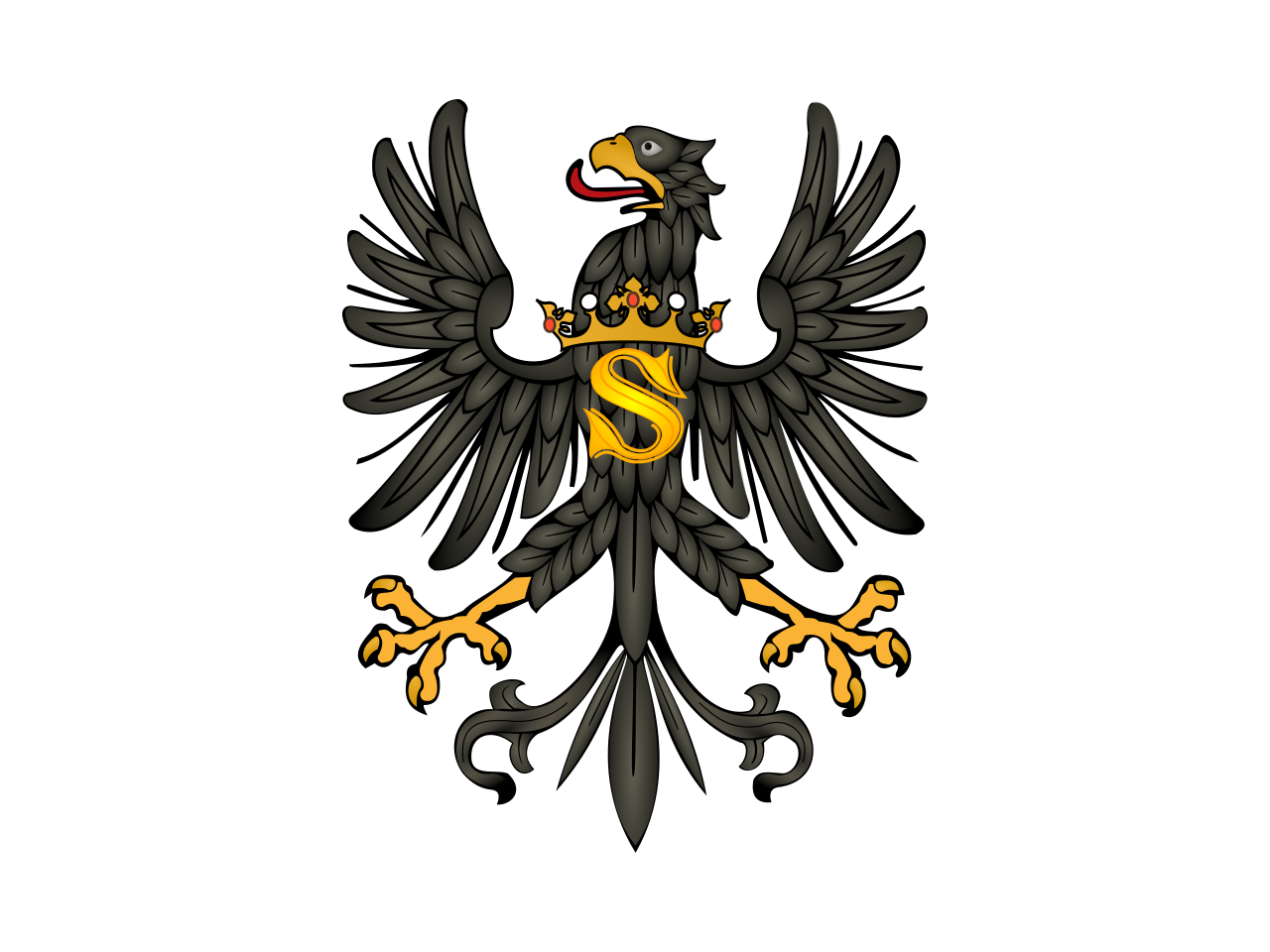
1701 - 1918 - Kingdom of Prussia (All Facts)

1658 - 1705 - Leopold (All Facts)
38th Holy Roman Emperor and King of Germany, from the House of Habsburg
He was Austrian
He
signed
several treaties of alliance or neutrality (with King Louis XIV and France) in the same year
the Truce of Ratisbon (with King Louis XIV of France)
joined the League of Augsburg / Grand Alliance, thus violating the (prior) Truce of Ratisbon he made with King Louis XIV of France
He attended
the Diet of Sopron
During his reign,
He took to activities in the Balkans against the Ottoman Turks, allowing King Louis XIV of France to begin his “undeclared” war against the Holy Roman Empire, in which, under the namesake’s reign, French forces captured the Palatinate, Trier, Mainz, Cologne; and invaded Franconia and Swabia
Under his reign,
The Berlin Royal Library was established