Environmental Science-Chapter 6 TEST- Grassland
 Call Kai
 Learn
Learn Practice Test
 Spaced Repetition
 Match
Match Flashcards
1/15

There's no tags or description
Looks like no tags are added yet.
Name | Mastery | Learn | Test | Matching | Spaced | Call with Kai |
|---|
No analytics yet
Send a link to your students to track their progress
16 Terms
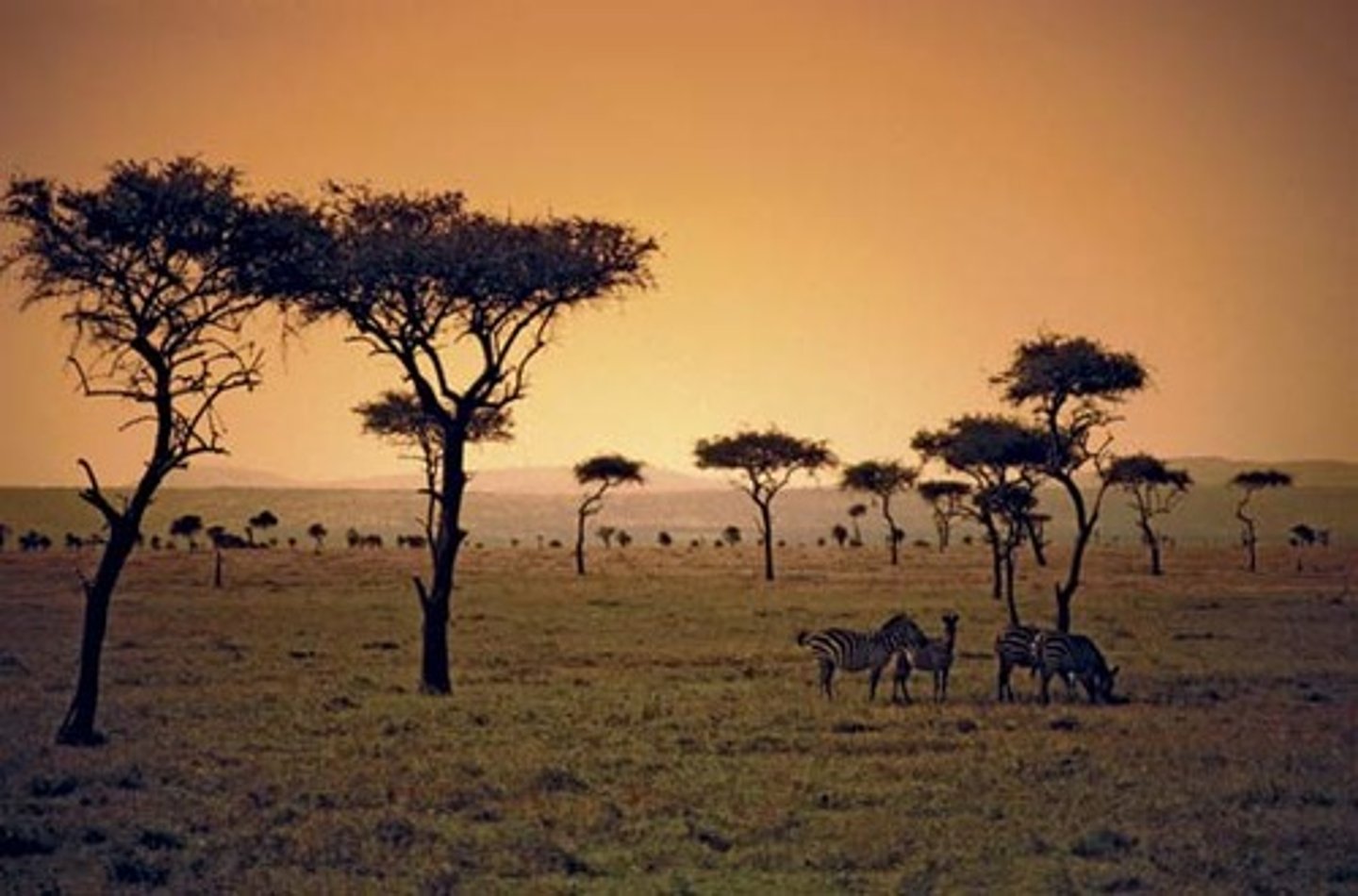
What is a SAVANNA?
A TROPICAL biome dominated by GRASSES, SHRUBS, and SMALL trees.
How long does the WET SEASON last in the SAVANNA?
only a FEW MONTHS
What are characteristics of PLANTS in the SAVANNA?
1. Must survive long periods without water.
2. Grasses: have long, vertical blades which expose less surface area to the sun
3. Many have large, horizontal root systems to draw water from as large of an area as possible
4. Trees and shrubs have protective thorns or sharp leaves
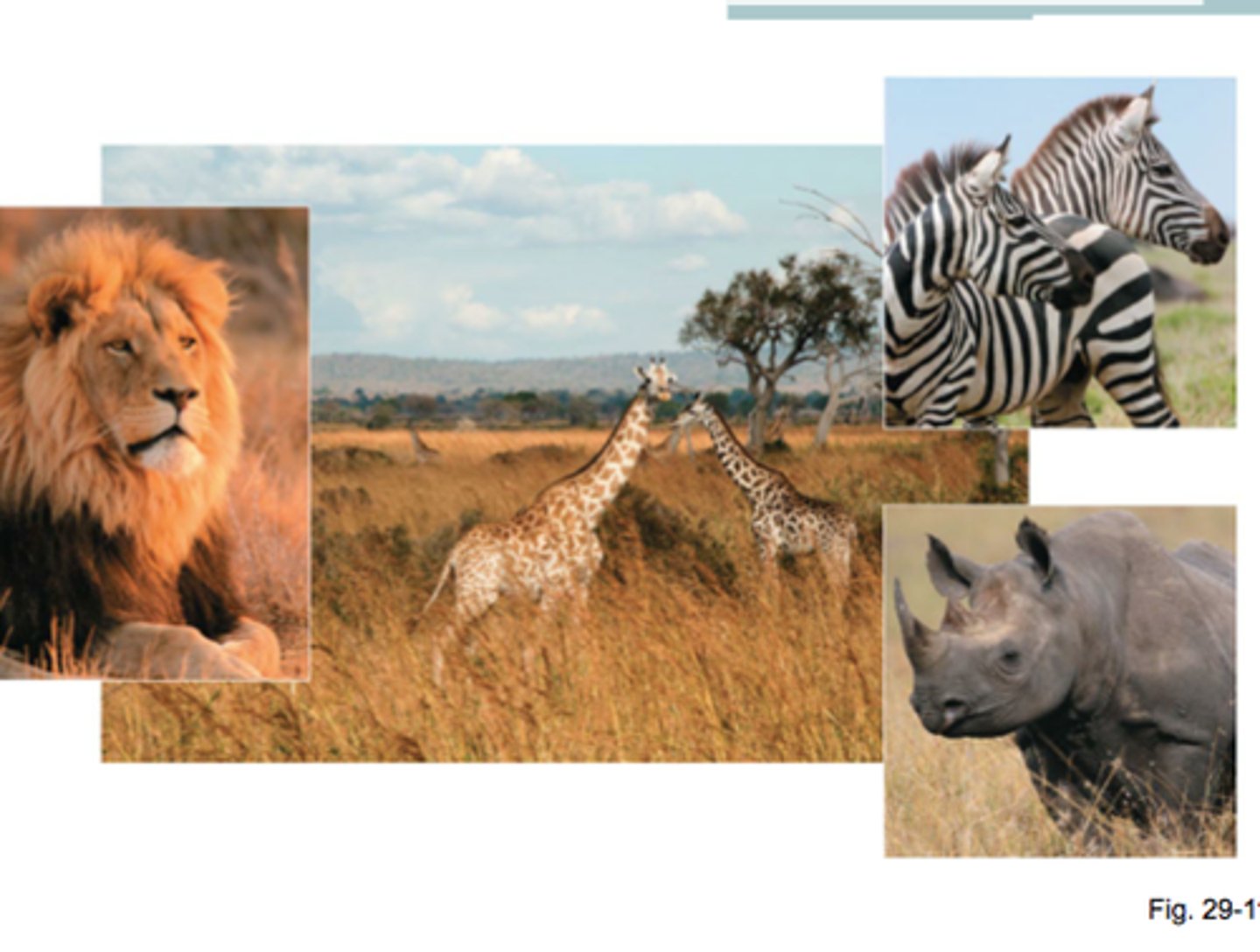
What are characteristics of ANIMALS in the SAVANNA?
1. Variety of herbivores (eat only plants): giraffes, antelopes, elephants
2. Powerful predators: cheetahs, lions, hyenas
3. Most give birth during the rainy season
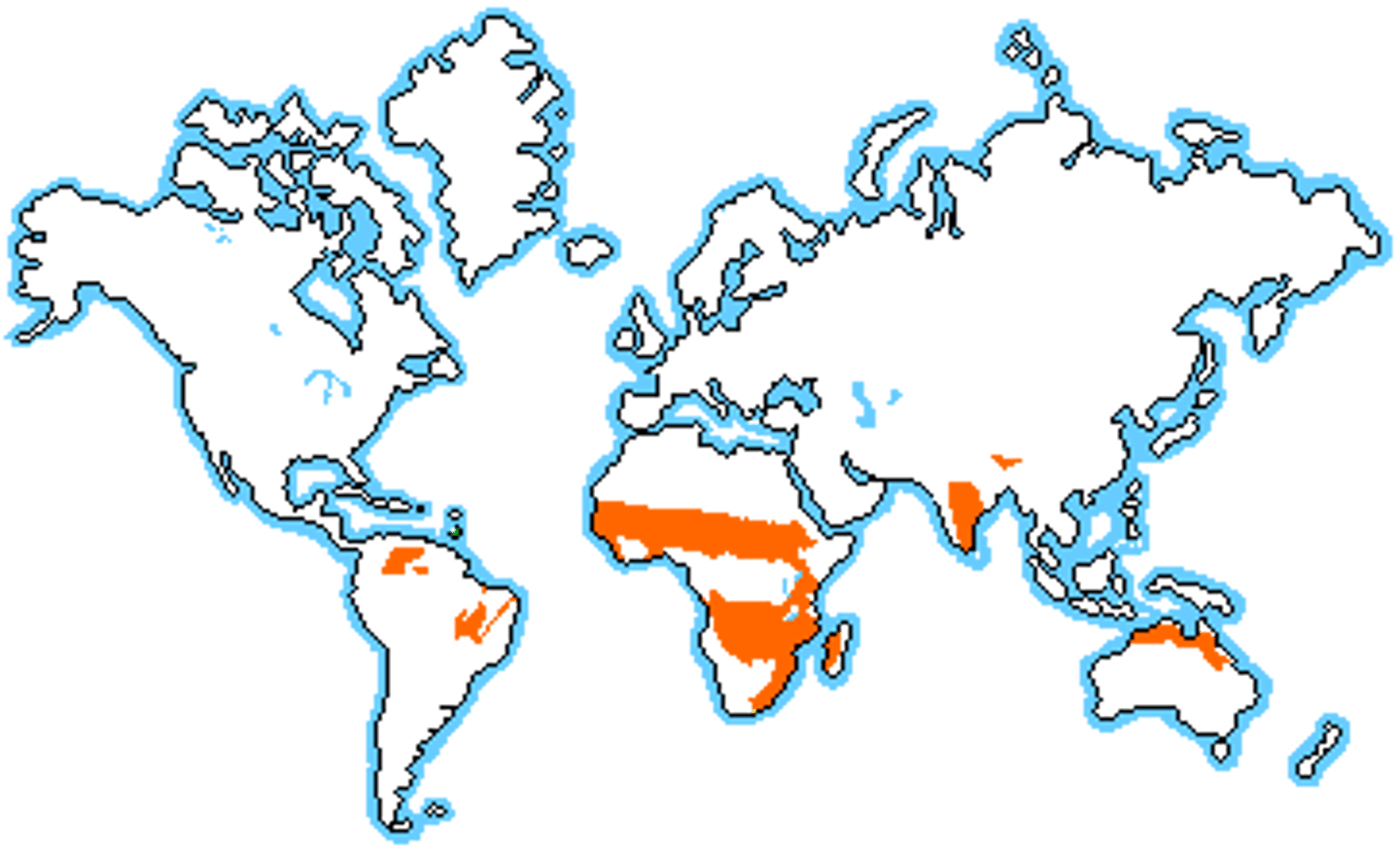
Where are SAVANNAS?
parts of Africa, India, Australia, & South America.
What makes a tropical SEASONAL forest DIFFERENT than a SAVANNA?
1. Larger trees
2. Slightly wetter
3. Less frequent fires
What are characteristics of a TEMPERATE GRASSLAND?
1. Cover large areas of the INTERIOR of continents
2. MODERATE rainfall
3. Seasonal temperatures
4. Periodic Fires
Characteristics of PLANTS in a TEMPERATE GRASSLAND.
1. Experience "drying out" during the summer months
2. Composed of GRASSES and WILDFLOWERS
3. Highly PRODUCTIVE because of the FERTILE SOIL
4. Hot summers; cold winters
5. slow rate of decay yields MOST FERTILE SOIL IN THE WORLD
Characteristics of ANIMALS in temperate grasslands.
1. Some burrow underground: praire dogs & badgers
2. Many have large, flat back teeth for grazing, including BISON and PRONGHORN
Where are temperate grasslands found?
1. North American praires
2. Asian steppes
3. Veldt in South Africa
4. South American pampas
What are THREATS to the temperate grasslands?
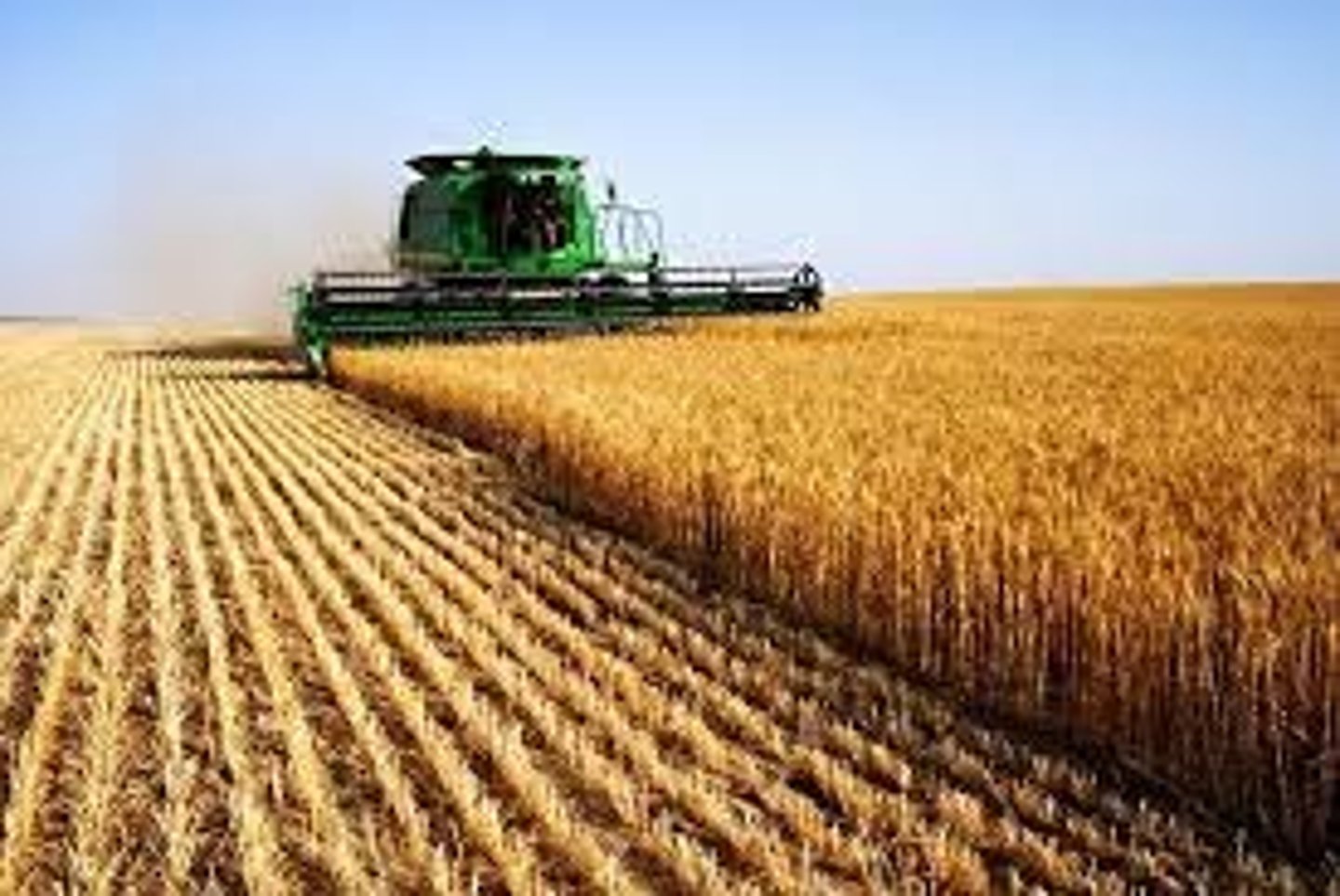
1. FARMING: crops don't hold soil as well as natural grasses; Regular ploughing leads to EROSION; Crop roots are shallow
2. OVERGRAZING: Native grasses have a hard time regenerating.
What is a CHAPARRAL?
A temperate shrubland found about 30 degrees north and 30 degrees south of the equator.
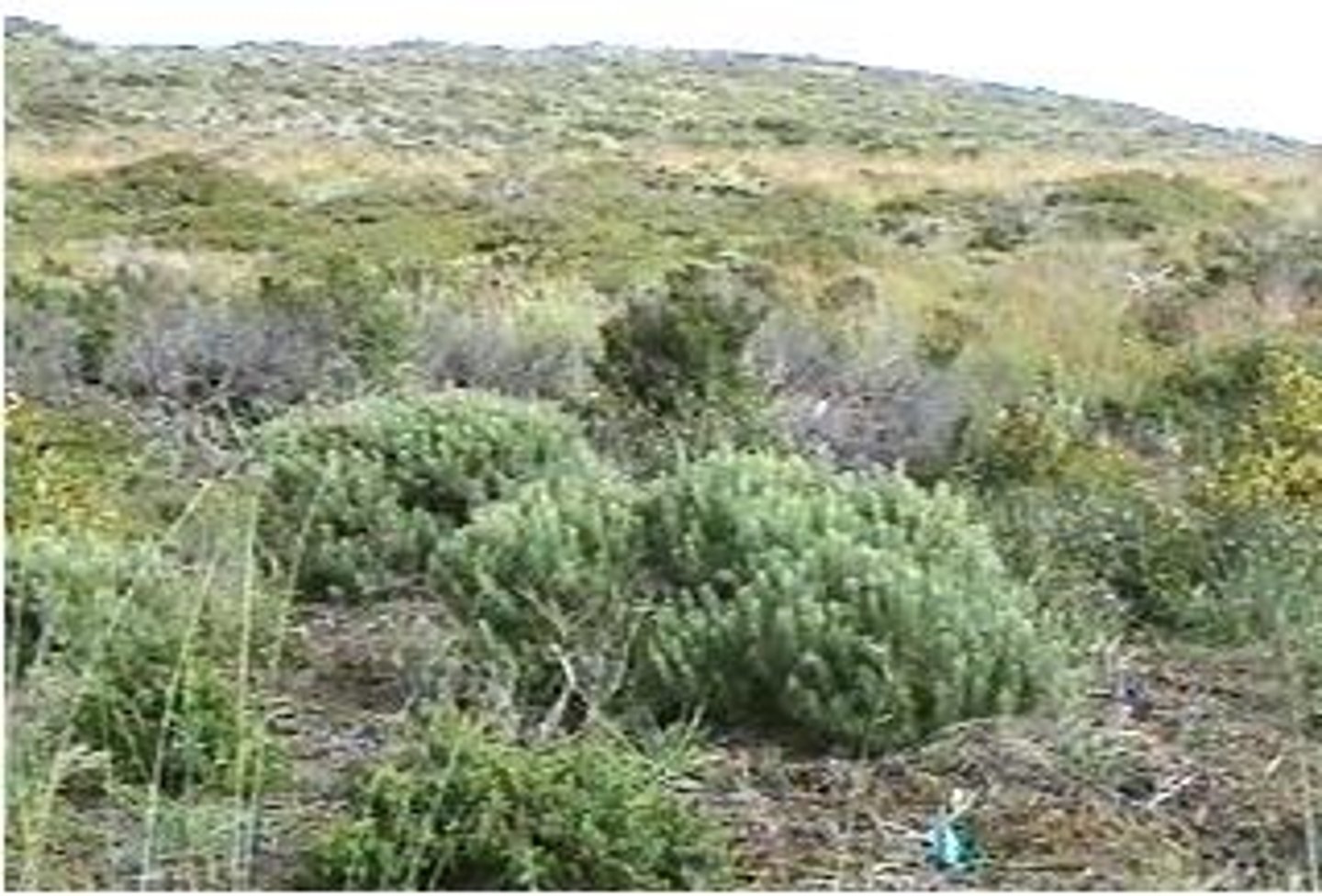
What are characteristics of a CHAPARRAL?
1 Moderately dry, coastal climates (like the MEDITERRANEAN)
2. Little to no rain IN THE SUMMER
3. Like the shrub-covered settings of an OLD WESTERN MOVIE (Hollywood)

What are characteristics of PLANTS in the Chaparral?
1. Low-lying, dense patches of evergreen shrubs and small trees
2. Can resprout from small bits of surviving plant tissue
3. Small, leathery leaves that RETAIN water
What are characteristics of ANIMALS in the Chaparral?
1. Brownish-gray coloring or camouflage
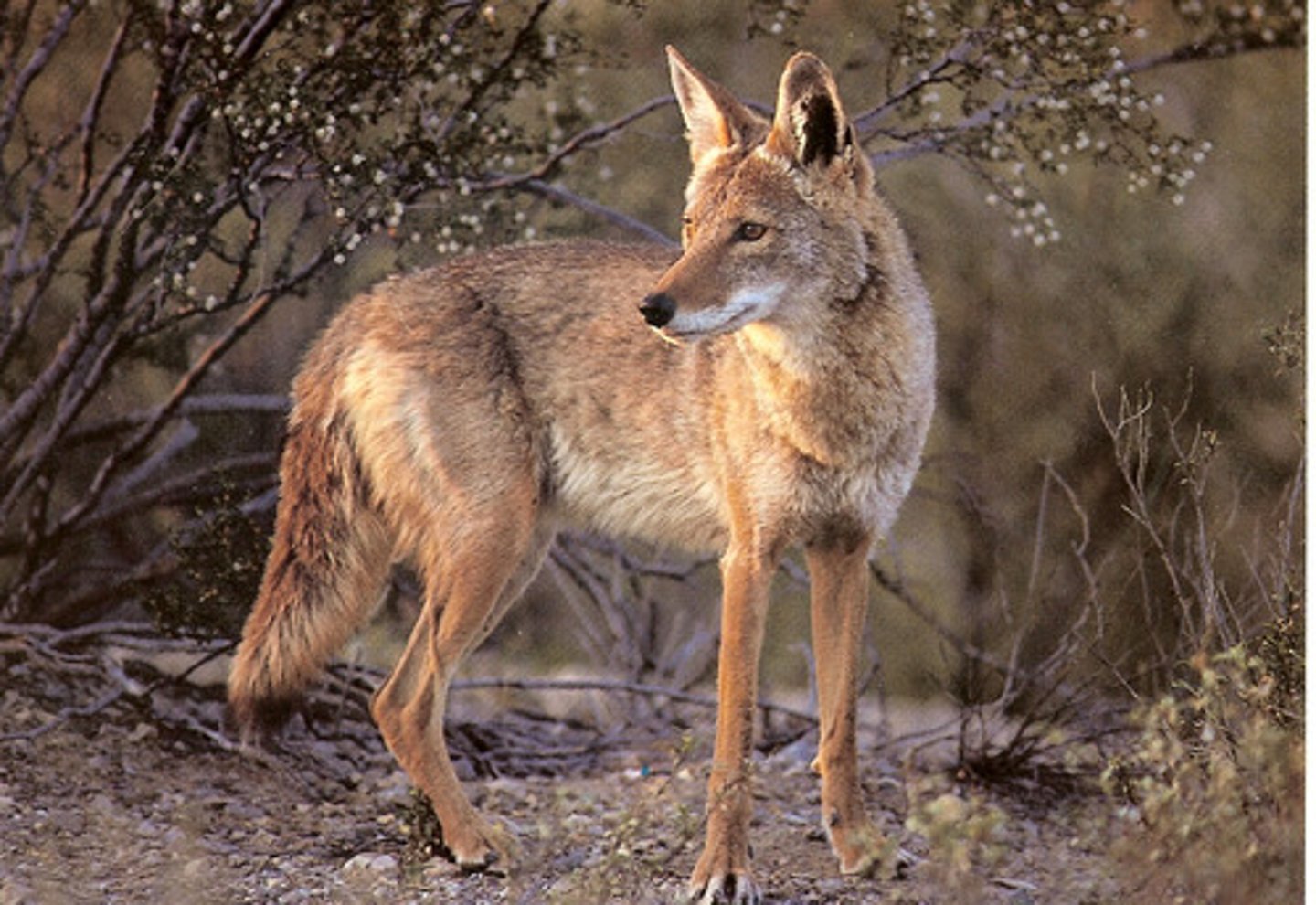
2. Blend in with environment & include: quail, coyotes, mule deer, chipmunks, lizards, rabbits
What is the GREATEST THREAT to Chaparral?
Land Development

