HDFS 3920 Exam 1
5.0(1)
 Studied by 2 people
 Call Kai
 Learn
Learn Practice Test
 Spaced Repetition
 Match
Match Flashcards
 Knowt Play
Card Sorting
1/59

Earn XP
Description and Tags
Last updated 1:11 PM on 2/13/23
Name | Mastery | Learn | Test | Matching | Spaced | Call with Kai |
|---|
No analytics yet
Send a link to your students to track their progress
60 Terms
1
New cards
Stress
Response to stimulus
Changing life events
State of alienation
Anxiety and coping
positive and negative
Changing life events
State of alienation
Anxiety and coping
positive and negative
2
New cards
Subsystems
“Systems Theory”, system is more than the sum of its parts, collective response.
3
New cards
Suprasystems
Family is part of a larger social system, dependent on ecosystem.
4
New cards
Ecosystem
External environment in which families exist.
5
New cards
ABC-X Model
Developed by Reuben Hill, contributed to family strengths/resilience.
6
New cards
A
Stressor event
7
New cards
Normative Stress
Everyday events.
8
New cards
Non-normative Stress
Sudden, unpredictable events.
9
New cards
Accumulation
Level of stress determined by several events, “stress pileup”.
10
New cards
Ambiguous Loss
Person is physically absent and psychologically present or psychologically absent and physically present.
11
New cards
B
Resources, moderates stress. Research suggests that this is the most important component of a family’s reaction to a stressor event.
12
New cards
Family System Resources
Internal strength of the family to cope.
13
New cards
Cohesion
Familial bond.
14
New cards
Adaptation
Ability to change.
15
New cards
C
Definition given to event.
16
New cards
Mastery Orientation
Belief that one’s own abilities can control adverse situations.
17
New cards
Fatalistic Orientation
Belief that everything happens according to a plan and cannot be controlled by one’s own will.
18
New cards
Individualistic
Take action to confront an issue.
19
New cards
Collectivist
Thoughtfulness, harmony, and interdependence.
20
New cards
Crisis
Overwhelming disturbance of equilibrium, dichotomous.
21
New cards
Epistomology
Justified belief (positivist, interpretive, and critical).
22
New cards
Assumption
Idea scholars believe to be true.
23
New cards
Concept
Terms that explain a theory’s framework (based on assumptions).
24
New cards
Proposition
Operationalized as a hypothesis and can be tested through research (relevant, practical, logical, explicit, systematic, contextual).
25
New cards
Hassle
Anticipated or unanticipated daily life occurrence that creates common annoyances.
26
New cards
Daily Inventory of Stressful Events (DISE)
Semi-structured phone interview with open-ended questions for about a week.
27
New cards
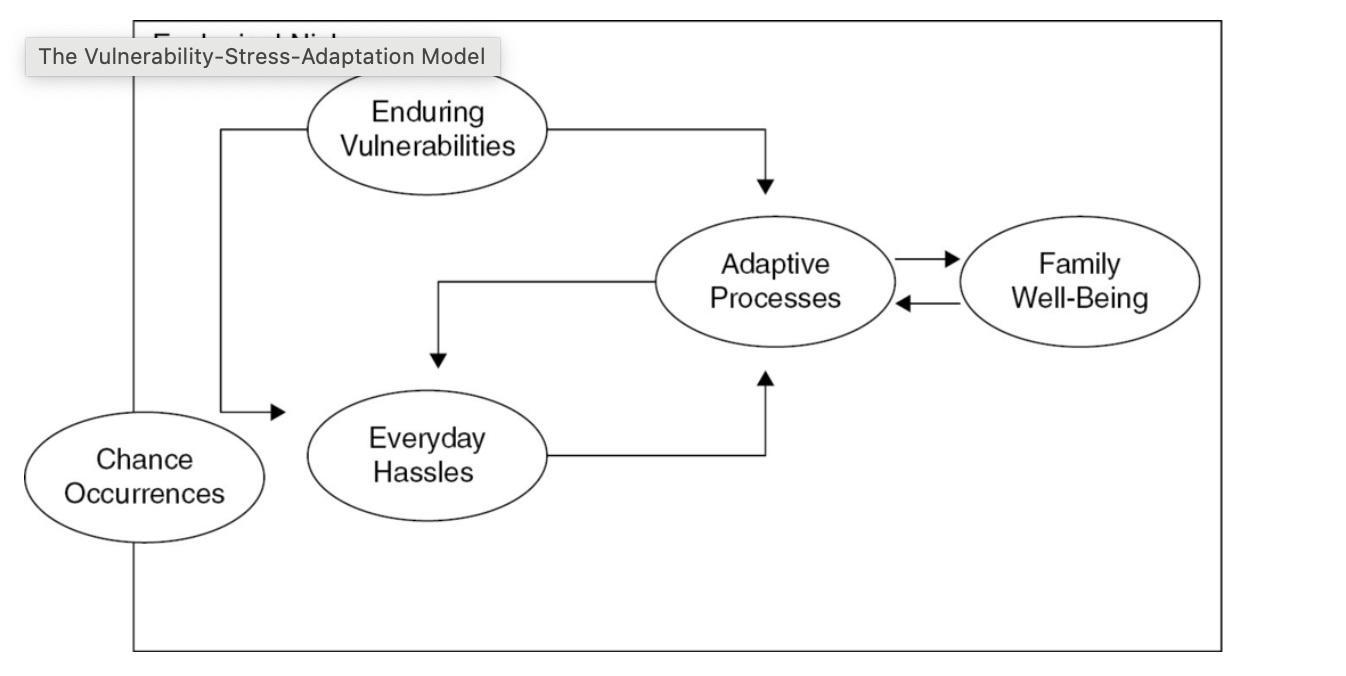
Vulnerability Stress Adaptation Model
Acknowledges adaptive processes and enduring vulnerabilities families utilize to cope.
28
New cards
Buffering
Adaptive strategy to face hassles that is influenced by vulnerabilities, strengths, nature, and communication of the family.
29
New cards
Vulnerability to Endurance
Dependent upon personality traits, stable/resilient traits are desirable.
30
New cards
Cognitive Coping Strategies
Ways in which families associate or disassociate with a stressor, the overall perception towards an event (direct action, intrapsychic, controlling emotions).
31
New cards
Coping
A process, and not an outcome. Can also lead to further stress if it becomes too complex.
32
New cards
Family Adaptation
Long-term, the degree to which the family system alters its internal functions or external reality to achieve a system-environment fit.
33
New cards
Adjustment
Short-term adaptation.
34
New cards
Double A Factor
Stress pileup:
Unresolved stressor
Additional stressor
Results of change
Unresolved stressor
Additional stressor
Results of change
35
New cards
Double B Factor
Inherent or acquired resources.
36
New cards
Double C Factor
Perception of initial and current stressor.
37
New cards
Double x Factor
Original response and consequent adjustments to crisis.
38
New cards
Resiliency
The ability to stretch (like elastic) or flex (like a suspension bridge) in response to the pressures and strains of life.
39
New cards
Family Resilience Model (FRM)
Interaction of family risk with family protection and vulnerability in such ways that result in short-term and long-term family system adaptation.
40
New cards
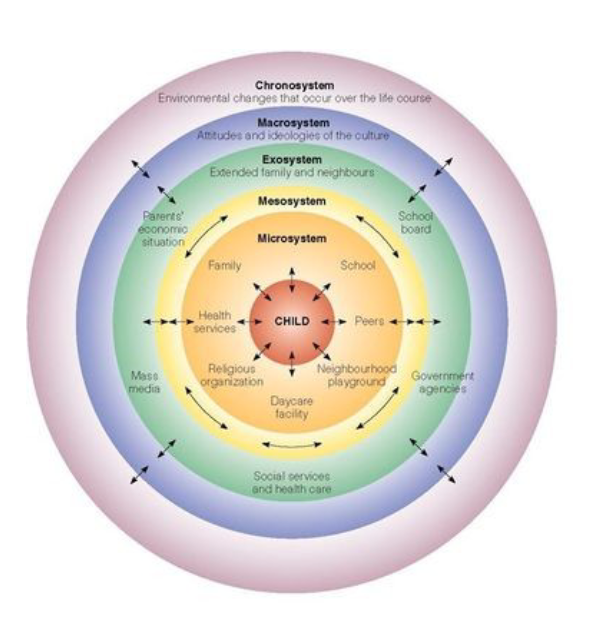
Bioecological Theory
How proximal processes, personal characteristics, context, and time influence stress.
41
New cards
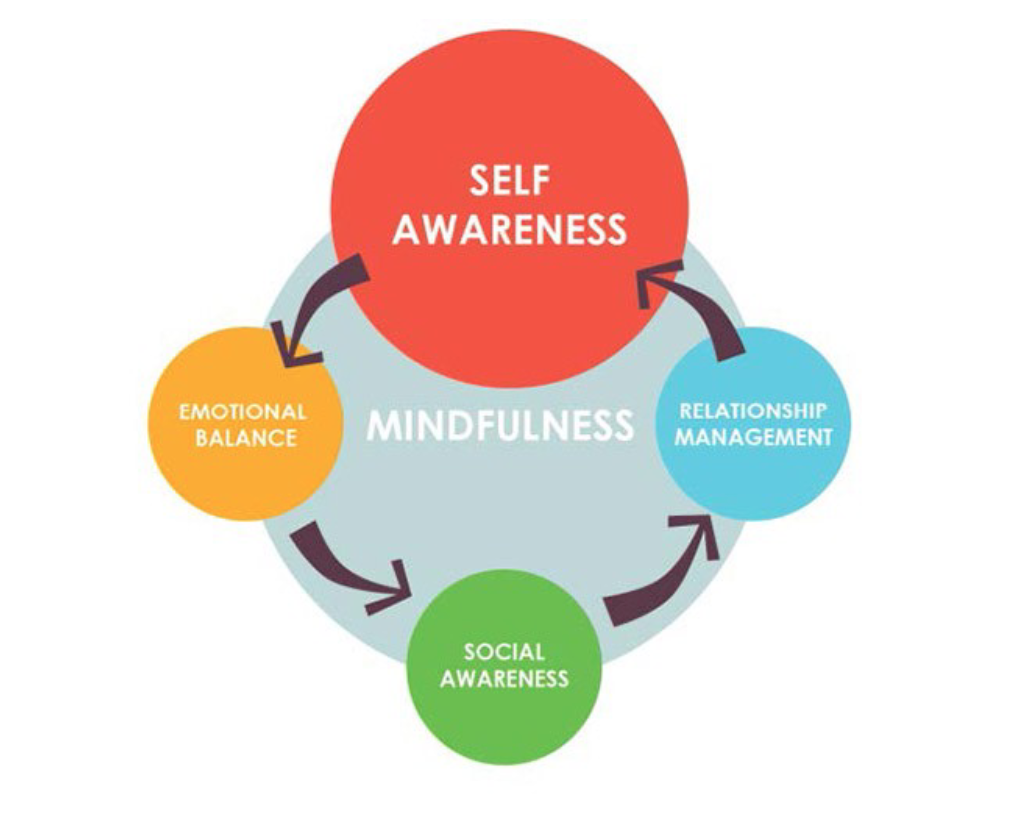
Mindfulness
Attentiveness to the present that has a rich cultural history connected to Eastern and Western religion/philosophies despite being somewhat commercialized.
42
New cards
Mindfulness-Based Stress Reduction
8-week program that acknowledges physical and emotional pain in order to tackle health challenges (most empirically supported).
43
New cards
Dialectical Behavior Therapy
6-12 month intensive skill-based program that utilizes mindfulness, interpersonal effectiveness, emotional regulation, and distress tolerance. Tackles bipolar disorder, trauma, or emotional dysregulation.
44
New cards
Perspective Taking
Impacts the experience of time and shifts emotional appraisal of pain by creating new perspectives.
45
New cards
Pronatalism
Promoting parenthood
46
New cards
Family Stress
A change or disturbance in the steady state of the family system which can have consequences that range along a continuum from very positive to very negative.
47
New cards
Parental Distress
Aversive emotional reaction by an individual parent to the demands of childcare and child socialization. Reciprocal and multidirectional. Tends to spill over systemically into parent–child relationships
48
New cards
Positive Resources
Provides some buffer to defer or bear the negative effects of stress.
49
New cards
Negative Resources
The vulnerabilities or weaknesses of parents or children as well as their relationship. Exposes the family to stress.
50
New cards
Developmental Disabilities
Severe, persistent mental or physical developmental impairments.
51
New cards
Intellectual Disabilities
Significant limitations both in intellectual functioning and adaptive behaviors.
52
New cards
Boundary Ambiguity
The experience of not knowing who is in or out of the family or relationship.
53
New cards
Contextual Model of Family Stress
Boss; elements of the internal and external context surrounding the event.
54
New cards
Father Involvement (FI)
A “matter of choice”, and more varied. Dimensions include availability, engagement, and responsibility.
55
New cards
Experiential Attitudes
Emotional responses to the idea of performing a behavior.
56
New cards
Instrumental Attitudes
Beliefs about the potential outcomes of the behavior.
57
New cards
Injunctive Norms
Influenced by others’ expectations
58
New cards
Descriptive Norms
Influenced by others’ actions
59
New cards
Personal Agency
Degree of confidence in one’s ability to perform a behavior and whether performance can occur in the face of constraints.
60
New cards
Intersectionality
The joining of multiple entities; social constructs, identities, relationships, and all other circumstances intersect and influence one another. These constructs are not mutually exclusive, but coexist.
 Note
Note  Flashcards (52)