Anatomy/Content review for Exam 1
 Studied by 0 people
 Call Kai
 Learn
Learn Practice Test
 Spaced Repetition
 Match
Match Flashcards
 Knowt Play
1/43

There's no tags or description
Looks like no tags are added yet.
Name | Mastery | Learn | Test | Matching | Spaced | Call with Kai |
|---|
No analytics yet
Send a link to your students to track their progress
44 Terms
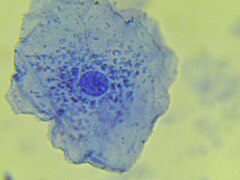
What level of hierarchical structure does the following image belong to?
Cellular level
What is the term for the developmental process that leads to specialized cell types?
Differentiation
Metabolism can be defined as the ________.
sum of all chemicals reactions in an organism
What level of hierarchical structure does the following image belong to?
Chemical or atomic level
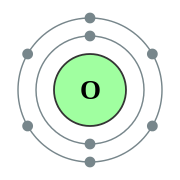
Which of the following statements about nutrients is true?
All classes of nutrients are essential to human survival
Which of the following organ systems has a major function of enclosing internal body structures
integumentary
Which of the following is the part of metabolism that requires energy for synthesizing (making) body structures?
Anabolism
Which concept is the defining feature of the discipline of physiology?
homeostasis
The processes through which humans obtain and use energy from food is called
metabolism
Which of the following is the part of metabolism that releases energy by breaking down bigger molecules such as food?
Catabolism
Which of the following body regions corresponds to the term auris?
Ear
A ___________ is the structure that provides information about a physiological variable.
Sensor
A ___________ is the term for an event that causes a change in a physiological variable.
stimulus
What is the position of the body when it is in the "normal anatomical position?"
standing erect, facing forward, with arms at the sides, palms facing anteriorly (forward), and feet slightly apart, pointing forward.
About 25 of the 92 natural elements are known to be essential to life. Which 4 of these 25 elements make up approximately 96 percent of living matter?
Carbon, hydrogen, nitrogen, oxygen
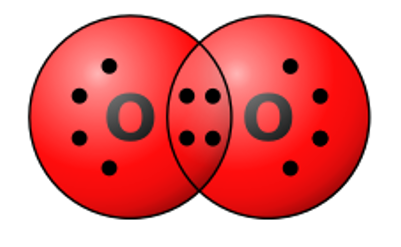
Select all of the following which are true for the molecule pictured below.
-The molecule is a molecule of Oxygen
-The molecular structure includes non polar covalent bonds
-The molecule is non polar
Positive feedback mechanisms in the body are less common than negative feedback mechanisms. What is the purpose of positive feedback?
To amplify the initial stimulus
Which of the following situations best represents a homeostatic mechanism?
After eating a large batch of salty popcorn, levels of salt in the urine increase
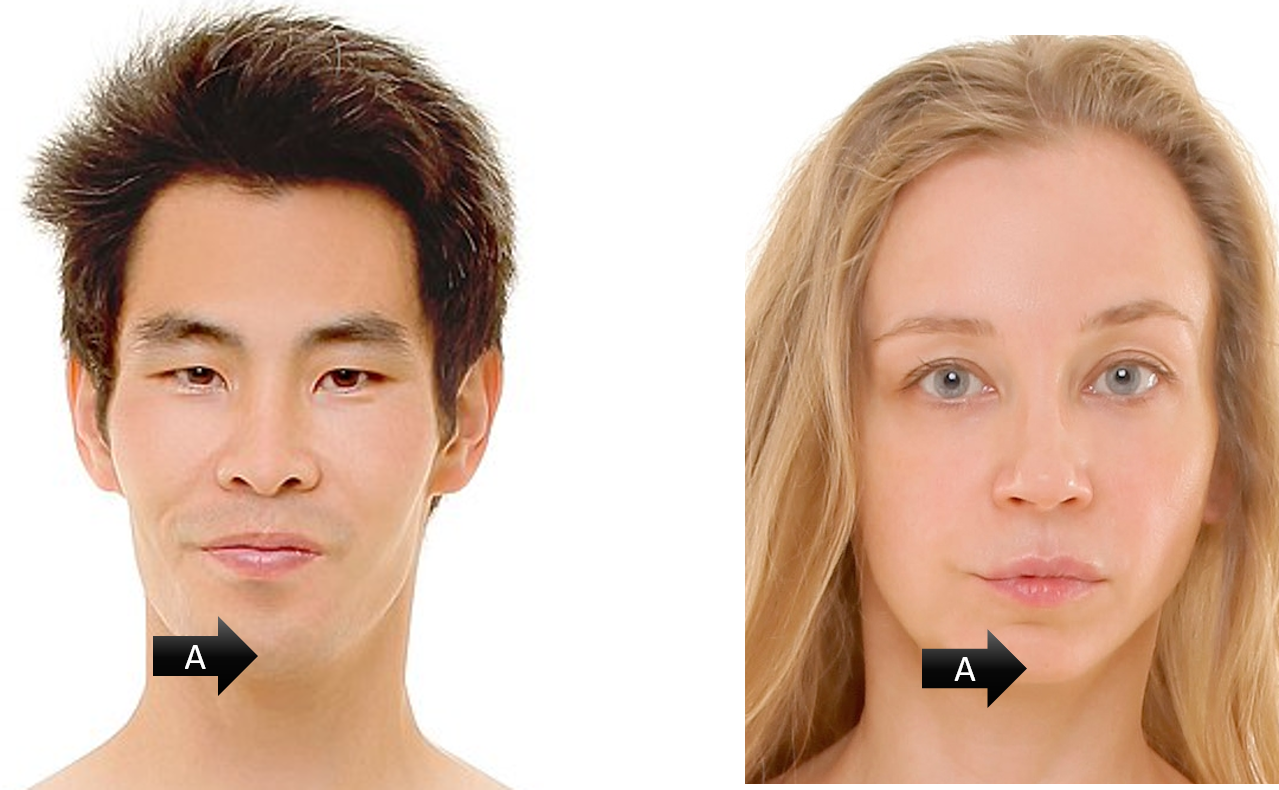
Identify the gross anatomical region labeled A on both models
Mentis
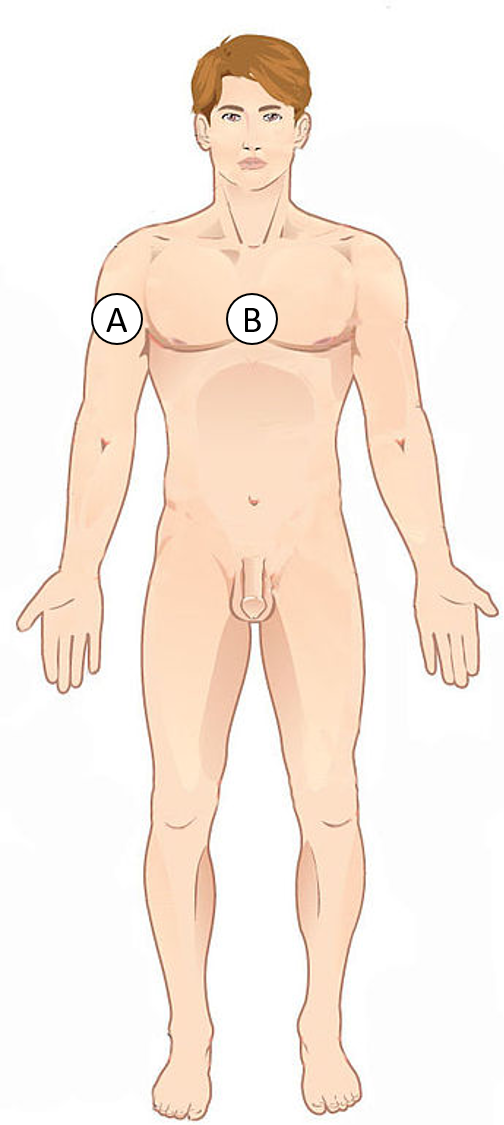
Label B is __________ to label A
medial
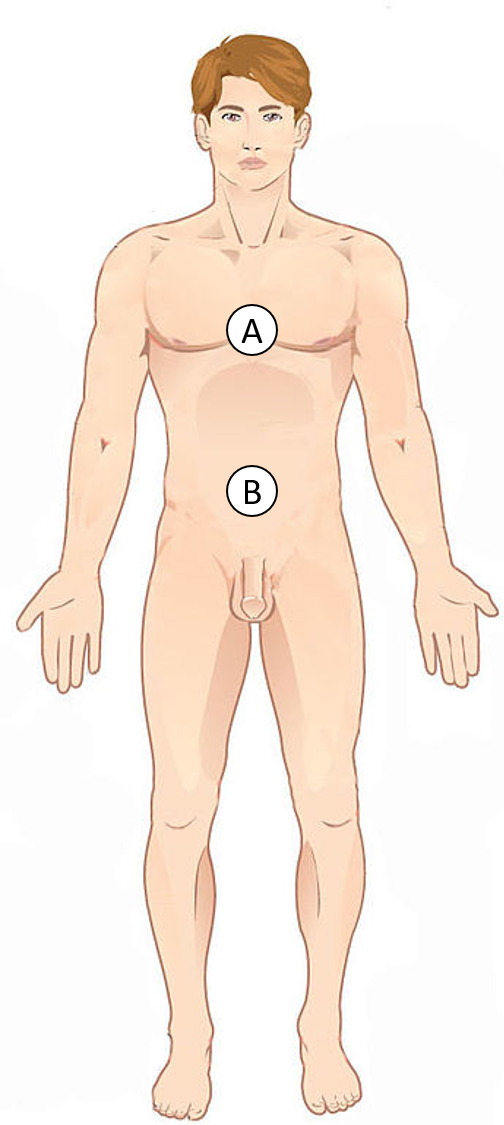
Label B is __________ to label A
Proximal
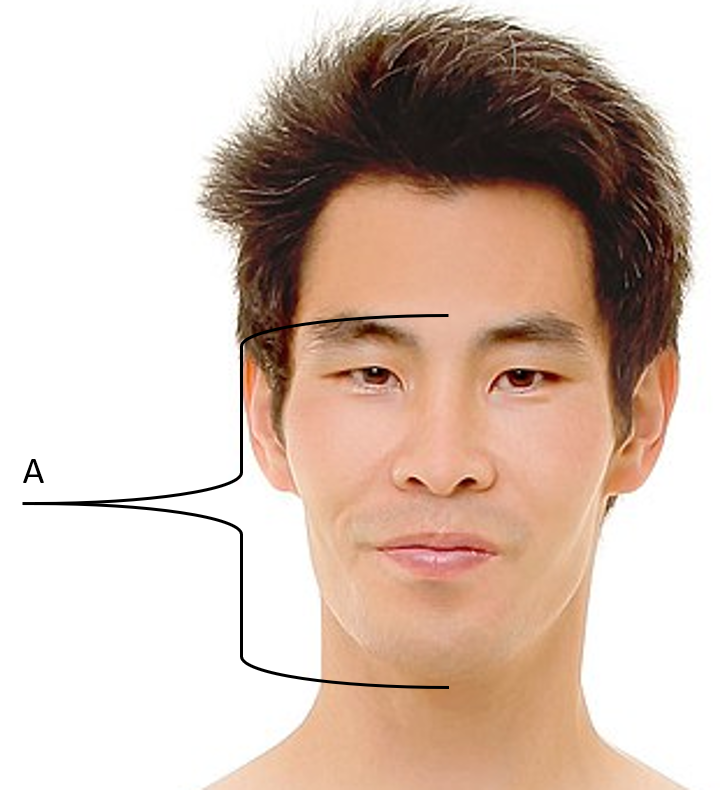
Identify the gross anatomical region labeled A
facies
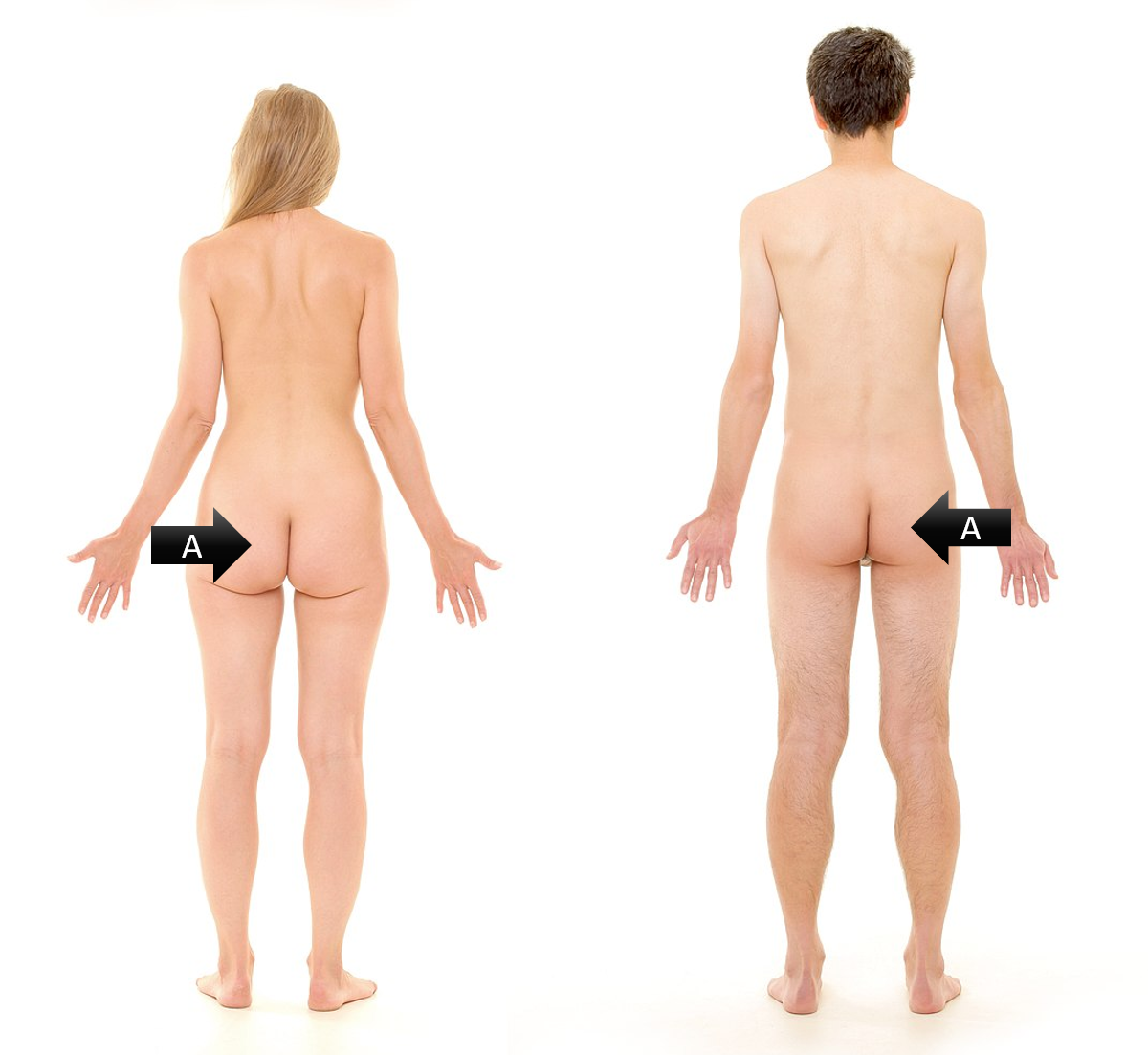
Identify the gross anatomical region labeled A
Gluteus
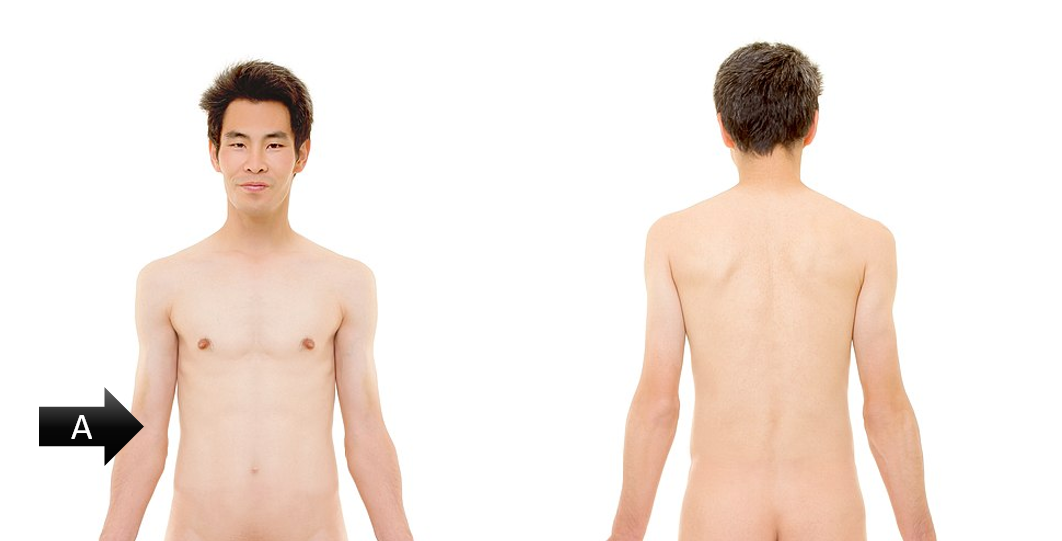
Identify the gross anatomical region labeled A
cubitis
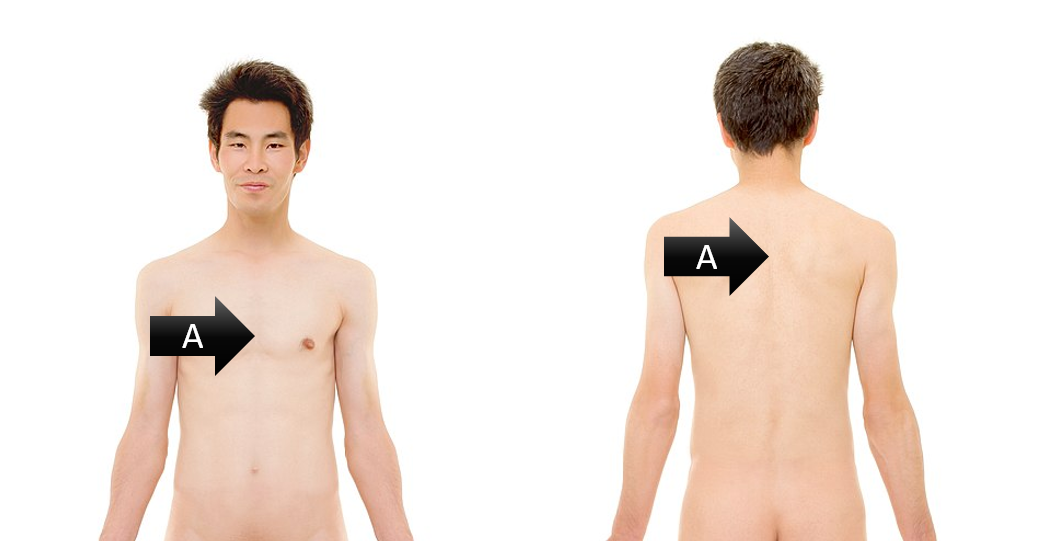
Identify the gross anatomical region labeled A
Thoracis
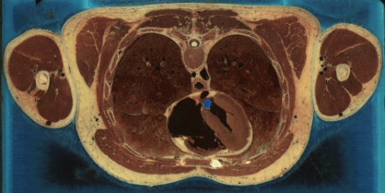
This person shown above is sectioned along the __________ plane.
Sagittal
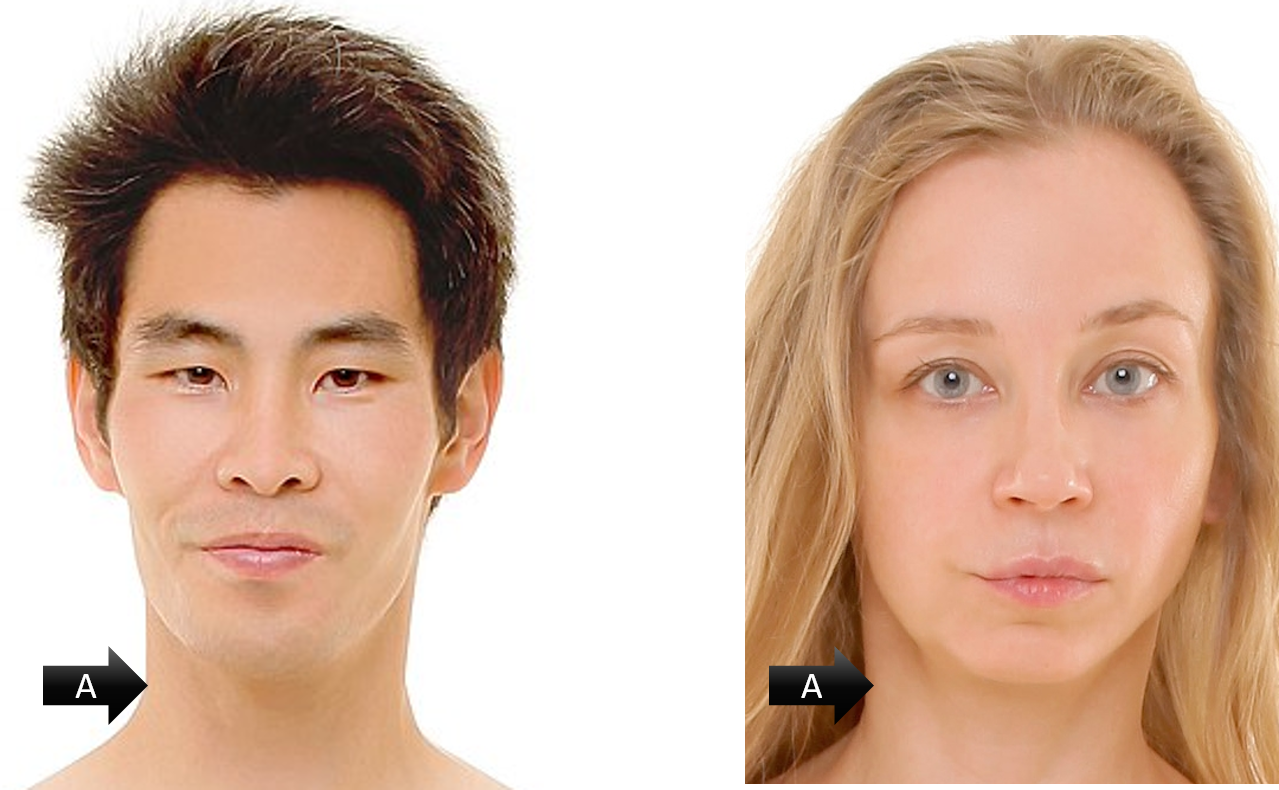
identify the gross anatomical region labeled A on both models
cervicis
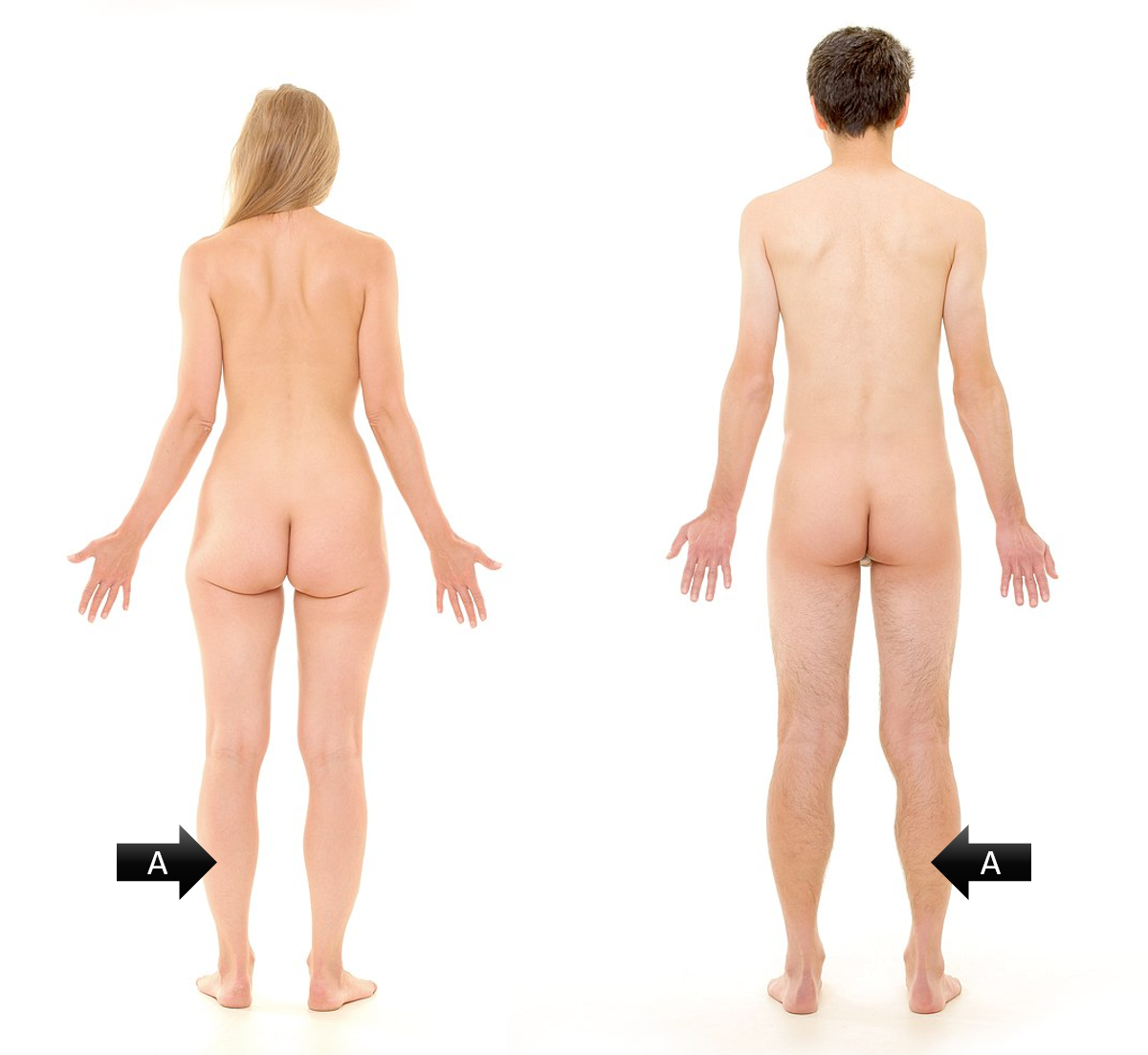
identify the gross anatomical region labeled A
Sura
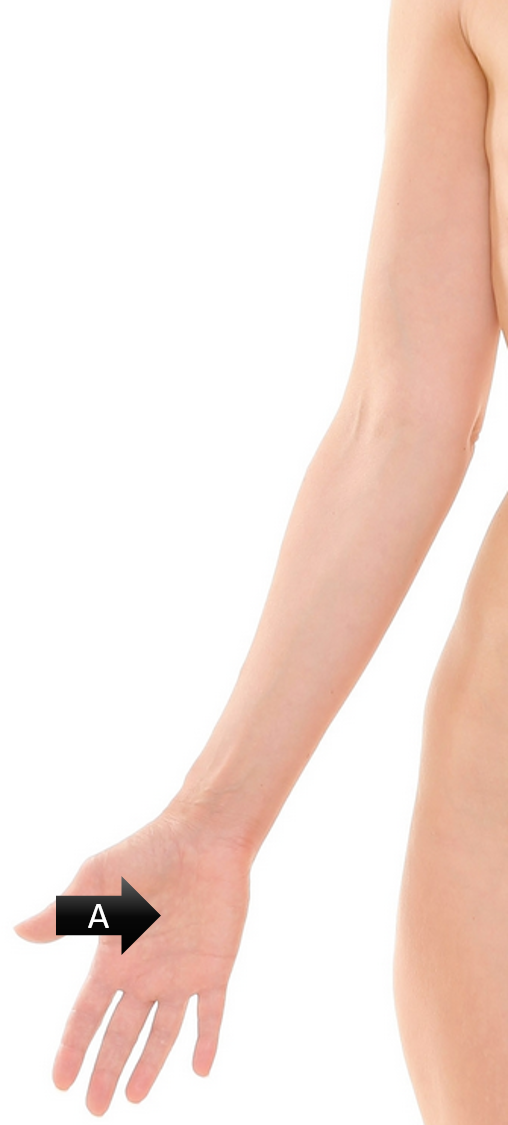
Identify the gross anatomical region labeled A
palma
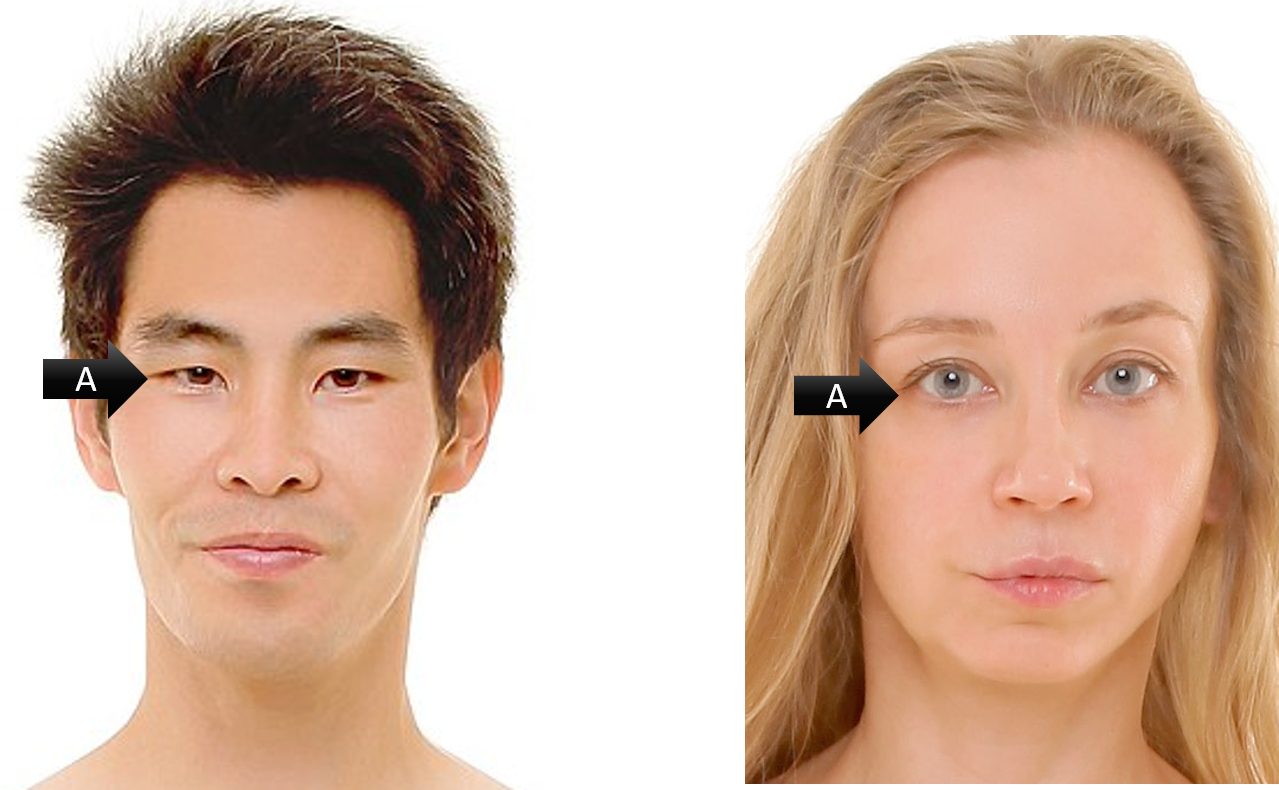
Identify the gross anatomical region labeled A on both models
oculus
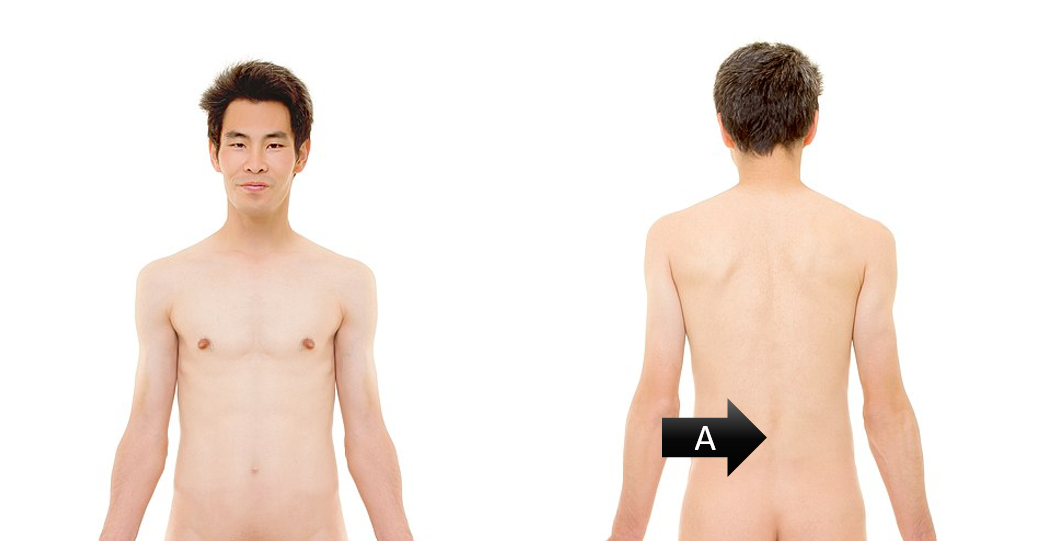
Identify the gross anatomical region labeled A
lumbus
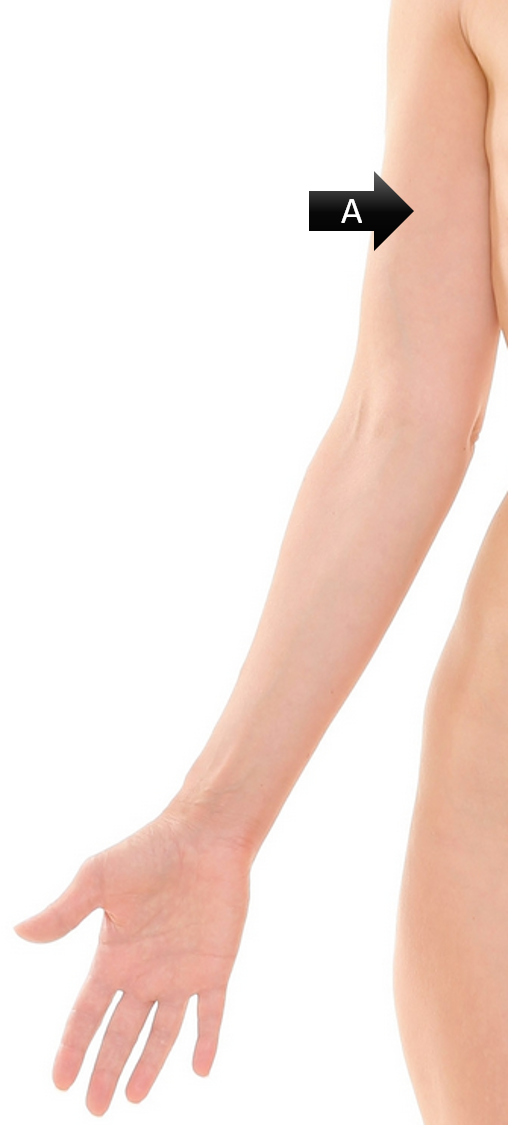
Identify the gross anatomical region labeled A
brachium
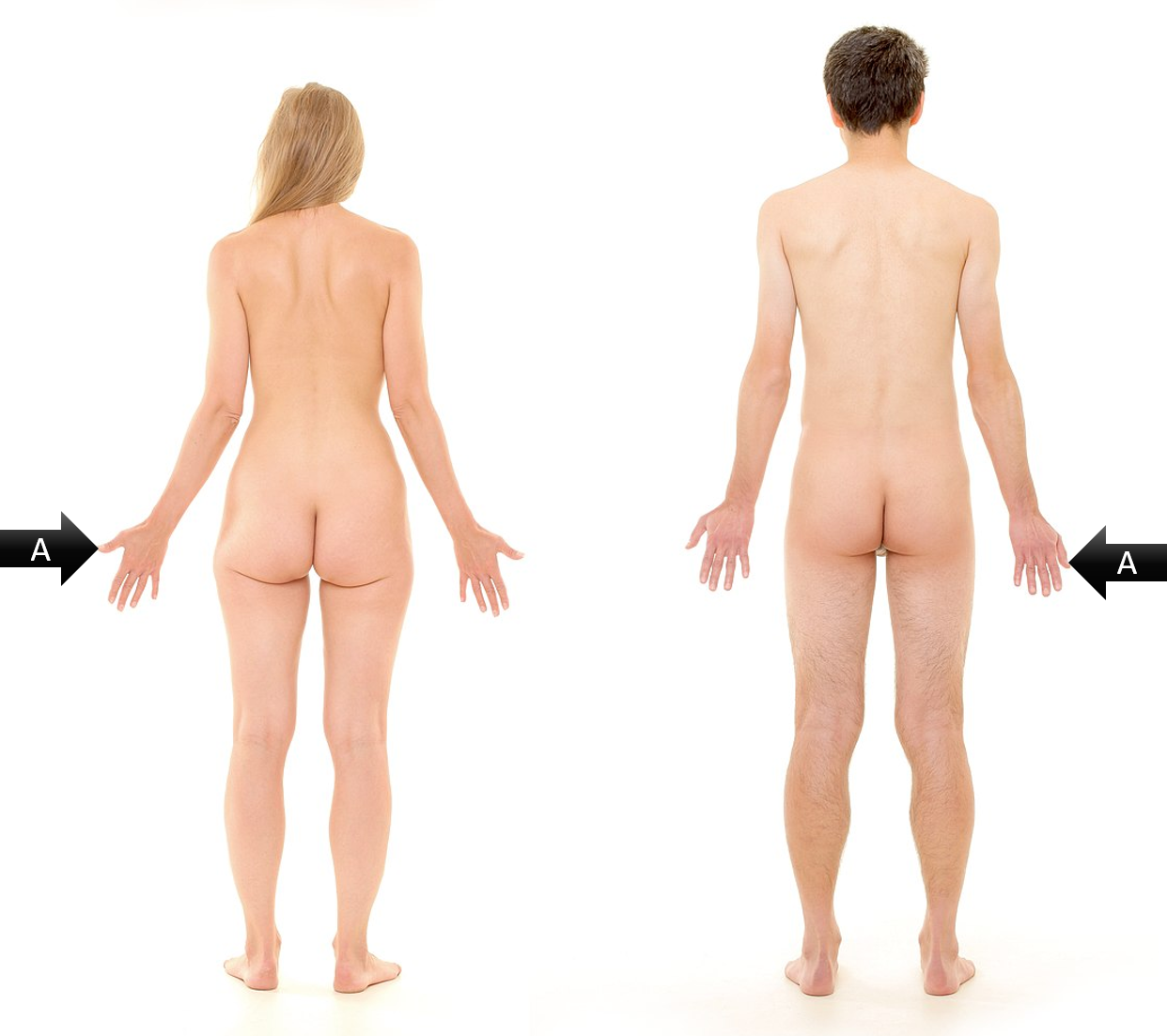
Identify the gross anatomical region labeled A
pollex
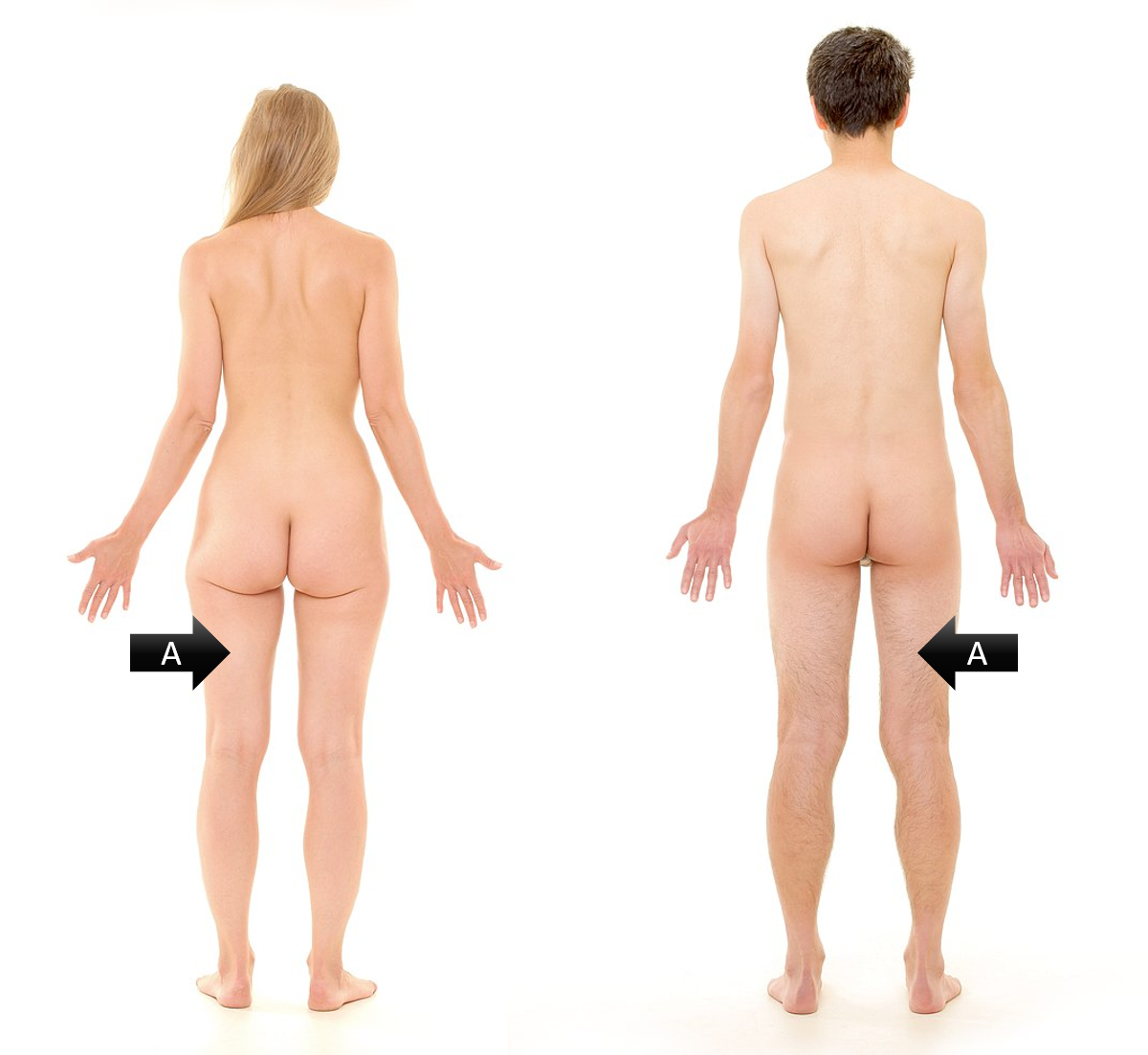
Identify the gross anatomical region labeled A
femur
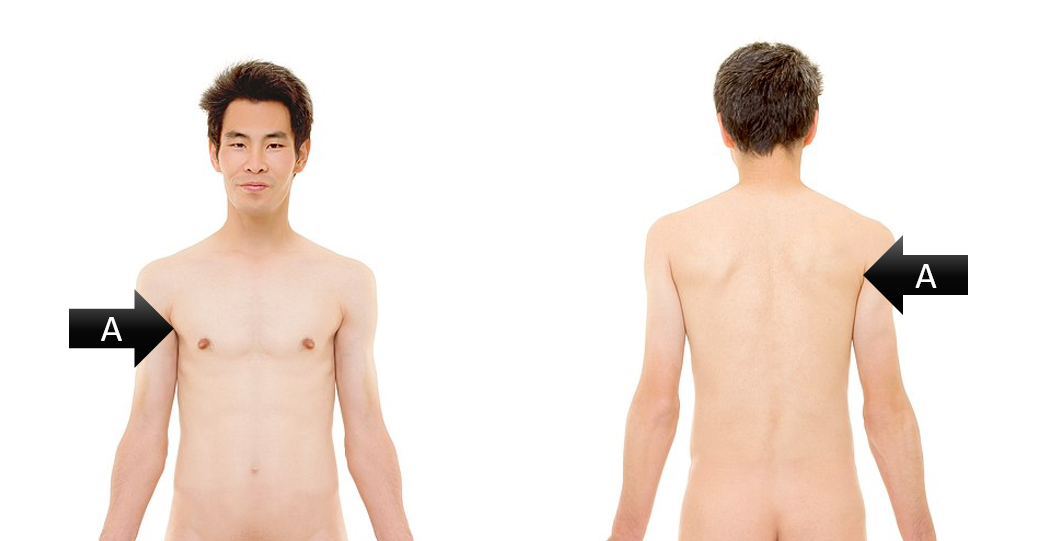
Identify the gross anatomical region labeled A
axilla
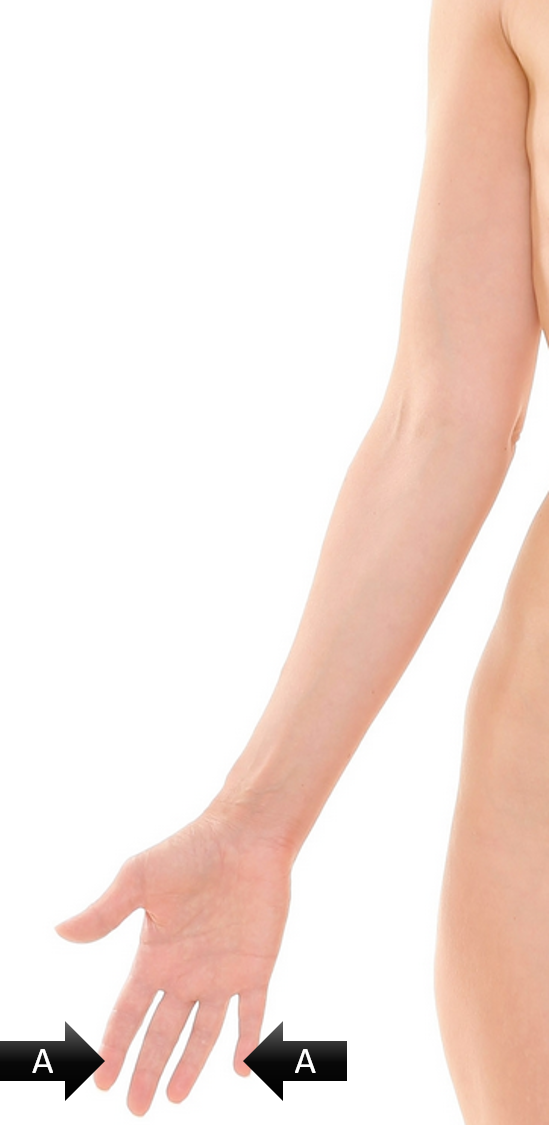
Identify the gross anatomical region labeled A (both labels)
digits
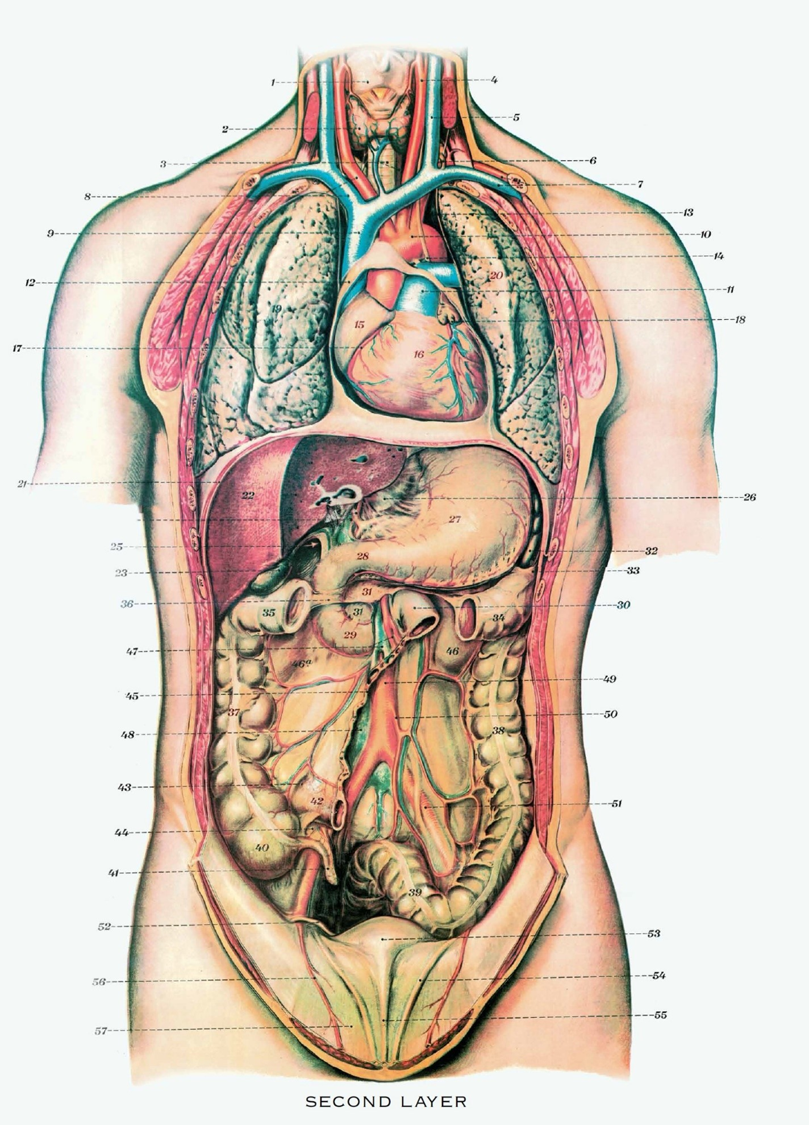
This image shows a person sectioned along the __________ plane.
frontal
A patient is diagnosed with metabolic acidosis, a condition in which the pH of the blood is more acidic than normal. As the blood and interstitial fluid becomes more acidic, chemoreceptors sensitive to hydrogen cation concentration in the medulla oblongata relay this information to the respiratory centers within the medulla oblongata. These respiratory centers then coordinate the activity of inspiratory and expiratory muscles to change the respiratory rate and depth, resulting in an increase in tidal volume. As the volume of air moved increases, the body is able to off-gas more carbon dioxide and increase the pH of the blood.
Which of the following organs would you expect to find in the left hypochondrial region?
A covalent chemical bond is one in which _____
outer-shell (valence) electrons of two atoms are shared so as to satisfactorily fill their respective orbitals
A patient is diagnosed with metabolic acidosis, a condition in which the pH of the blood is more acidic than normal. As the blood and interstitial fluid becomes more acidic, chemoreceptors sensitive to hydrogen cation concentration in the medulla oblongata relay this information to the respiratory centers within the medulla oblongata. These respiratory centers then coordinate the activity of inspiratory and expiratory muscles to change the respiratory rate and depth, resulting in an increase in tidal volume. As the volume of air moved increases, the body is able to off-gas more carbon dioxide and increase the pH of the blood.
CH4 is methane. This compound is
organic
C.J. is stuck in her car during a bitterly cold blizzard. Her body responds to the cold by _____
breaking down stored energy
To make a banana split, you halve a banana into two long, thin, right and left sides along the ________.
midsagittal plane
 Note
Note  Flashcards (115)