[2] PHA 6131 LAB - Activity 1: Material Safety Data Sheet (MSDS)
 Studied by 0 people
 Call Kai
 Learn
Learn Practice Test
 Spaced Repetition
 Match
Match Flashcards
 Knowt Play
1/81

There's no tags or description
Looks like no tags are added yet.
Name | Mastery | Learn | Test | Matching | Spaced | Call with Kai |
|---|
No analytics yet
Send a link to your students to track their progress
82 Terms
MATERIAL SAFETY DATA SHEET (MSDS)
Classified hazards are made known to employers and employees
A technical document which provides detailed and comprehensive information on a controlled product related to health effects, hazard evaluation, protective and emergency measures
MATERIAL SAFETY DATA SHEET (MSDS)
Consistent with
the provisions of the United Nations Globally Harmonized System of Classification and Labelling of Chemicals (GHS), Revision 5
MATERIAL SAFETY DATA SHEET (MSDS)
Must meet the
availability, design and content requirements of WHMIS legislation
TRANSMITTAL OF INFORMATION
Container labelling and other forms of warning, safety data sheets and employee training.
The main purpose of the MSDS is to
transmit information regarding the chemical and the proper training needed so that people will know its proper handling.
MSDS SECTIONS
Section 1 Identification
Section 2 Hazard(s) identification
Section 3 Composition/ information on ingredients
Section 4 First-aid measures
Section 5 Fire-fighting measures
Section 6 Accidental release measures
Section 7 Handling and storage
Section 8 Exposure controls/ personal protection
Section 9 Physical and chemical properties
Section 10 Stability and reactivity
Section 11 Toxicological information
Section 12 Ecological information
Section 13 Disposal considerations
Section 14 Transport information
Section 15 Regulatory information
Section 16 Other information
Section 1
Identification
Section 2
Hazard(s) identification
Section 3
Composition/ information on ingredients
Section 4
First-aid measures
Section 5
Fire-fighting measures
Section 6
Accidental release measures
Section 7
Handling and storage
Section 8
Exposure controls/ personal protection
Section 9
Physical and chemical properties
Section 10
Stability and reactivity
Section 11
Toxicological information
Section 12
Ecological information
Section 13
Disposal considerations
Section 14
Transport information
Section 15
Regulatory information
Section 16
Other information
SECTION 1: IDENTIFICATION
Product identifier
Manufacturer or distributor name, address, phone number
Emergency phone number
Recommended use
Restrictions on use
SECTION 2: HAZARD(S) IDENTIFICATION
Hazards of the chemical and appropriate warning information associated with the hazards
Emergency overview
Regulatory status
Potential health effects

Flame
Flammables
Self reactive: unstable
Pyrophorics: ignite instantly upon exposure to oxygen
Self-heating
Emits flammable gases
Organic peroxides (ROOR)
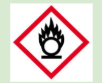
Flame Over Circle
Oxidizing
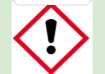
Exclamation mark
Irritant
Dermal sensitizer: allergy
Acute toxicity (harmful)
Narcotic effects
Respiratory tract infection

Corrosion
Corrosives

Glass Cylinder
Gasses under pressure/ Pressurized canister

Health Hazard
Carcinogen
Respiratory sensitizer: hypersensitivity
Reproductive toxicity
Target organ toxicity
Mutagenicity
Aspiration toxicity

Explosive Bomb
Explosives
Self-reactives
Organic peroxides
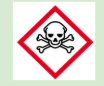
Skull and Crossbones
Upon exposure may cause Acute toxicity (severe)
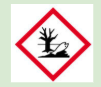
Environmental
Aquatic toxicity
SECTION 3: COMPOSITION/ INFORMATION ON INGREDIENTS
Provides information and amount of each chemical ingredient
Chemical Abstract Service (CAS) numbers for ingredients
Trade secret claims
SECTION 4: FIRST AID MEASURES
What to do in case of accidental exposure
Symptoms/effects: acute and delayed
Initialcare and required treatment
SECTION 5: FIRE-FIGHTING MEASURES
Recommended extinguishing techniques and equipment
Fire hazards associated with the material
Fire-fighting procedures
Fire extinguisher color code
red
water
Fire extinguisher color code
blue
dry powder
Fire extinguisher color code
flesh
foam
Fire extinguisher color code
black
CO2
Fire extinguisher color code
yellow
wet chemical
National Fire Protection Association (NFPA)
blue
health
National Fire Protection Association (NFPA)
red
flammability
National Fire Protection Association (NFPA)
yellow
instability
National Fire Protection Association (NFPA)
white
special
Flammability or Fire Hazard (RED)
0
Will not burn
Flammability or Fire Hazard (RED)
1
Must be preheated to burn
Flammability or Fire Hazard (RED)
2
Ignites when moderately heated
Flammability or Fire Hazard (RED)
3
Ignites at ambient temperatures
Flammability or Fire Hazard (RED)
4
Flammable gases, volatile liquids, pyrophoric materials
Instability Hazard (YELLOW)
0
Normally stable
Instability Hazard (YELLOW)
1
Normally stable, but becomes unstable if heated
Instability Hazard (YELLOW)
2
Violent chemical change possible at elevated temperature and pressure
Instability Hazard (YELLOW)
3
Capable of detonation or explosive decomposition with strong initiating source
Instability Hazard (YELLOW)
4
Capable of detonation or explosive decomposition at ambient conditions
Health Hazard (BLUE)
0
Minimal hazard
Health Hazard (BLUE)
1
Slight hazard
Health Hazard (BLUE)
2
Moderate hazard
Health Hazard (BLUE)
3
Serious hazard
Health Hazard (BLUE)
4
Severe hazard

Radioactive
W
Avoid use of water
OX
Oxidizer
ACID
Acid
ALK
Alkaline
COR
Corrosive
P
Polymerization
SECTION 6: ACCIDENTAL RELEASE MEASURES
Emergency procedures
Protective equipment
Proper methods of containment and cleanup
SECTION 7: HANDLING AND STORAGE
Lists precautions for safe handling and storage, including incompatibilities
SECTION 8: EXPOSURE CONTROLS/ PERSONAL PROTECTION
OSHA - Occupational Safety and Health Administration
OSHA's Permissible Exposure Limits (PELs)
Threshold Limit Values (TLVs)
Appropriate engineering controls
Personal protective equipment (PPE)
Threshold Limit Values (TLV)
Conditions which it is believed that nearly all workers may be repeatedly exposed, day after day, over a working lifetime, without adverse health effects
Time weighted average (TWA)
Average exposure to which workers may be exposed without adverse effect over a period such as in an 9-hour day or 40-hour week (average work shift)
Expressed in units of ppm
Short-term exposure limit (STEL)
Average exposure concentration for a 15-minute work period that must not be exceeded at any time during the work shift
Threshold limit value-ceiling (TLV-C)
Concentration that should not be exceeded during any part of the working exposure
SECTION 9: PHYSICAL AND CHEMICAL PROPERTIES
Physical properties
state and appearance
Chemical properties
SECTION 10: STABILITY AND REACTIVITY
Chemical stability and possibility of hazardous reactions
Reactivity
Chemical stability
Other
SECTION 11: TOXICOLOGICAL INFORMATION
Routes of exposure
Related symptoms: acute and chronic effects
Numerical measures of toxicity
LD50 (Median Lethal Dose): oral or dermal
LC50 (Median Lethal Concentration): inhalational
SECTION 12: ECOLOGICAL INFORMATION
Evaluate environmental impact of the chemical
Toxicity tests on aquatic or terrestrial organisms
For environmental professionals
SECTION 13: DISPOSAL CONSIDERATIONS
Appropriate disposal containers
Proper disposal methods
Any special precautions
SECTION 14: TRANSPORT INFORMATION
Provides information for shipping and transporting hazardous chemicals by air, road, rail (land), or sea
For those responsible for shipping the material
SECTION 15: REGULATORY INFORMATION
Safety, health, and environmental regulations
Regulatory bodies that allow the proper transport and disposal of all chemicals:
OSHA
Department of Transportation (DOTr)
DENR
FDA (Philippines)
Environmental Protection Agency
Consumer Product Safety Commission
For regulatory compliance personnel
SECTION 16: OTHER INFORMATION
Date of preparation or last revision
Supplementary information considered essential
Always less than three years old
 Note
Note  Flashcards (125)