Ethics unit 3
 Call Kai
 Learn
Learn Practice Test
 Spaced Repetition
 Match
Match Flashcards
 Knowt Play
1/6

There's no tags or description
Looks like no tags are added yet.
Name | Mastery | Learn | Test | Matching | Spaced | Call with Kai |
|---|
No analytics yet
Send a link to your students to track their progress
7 Terms
ADL includes
Bathing, toileting, dressing, feeding self
IADL includes
Light housework, meal prep, managing finances, running errands
Purpose of palliative care programs for elderly
Support dignity
Provide access to support staff
Hospital readmissions if needed
Independence in managing chronic illness
Monitor the elderly as they progress in their illness
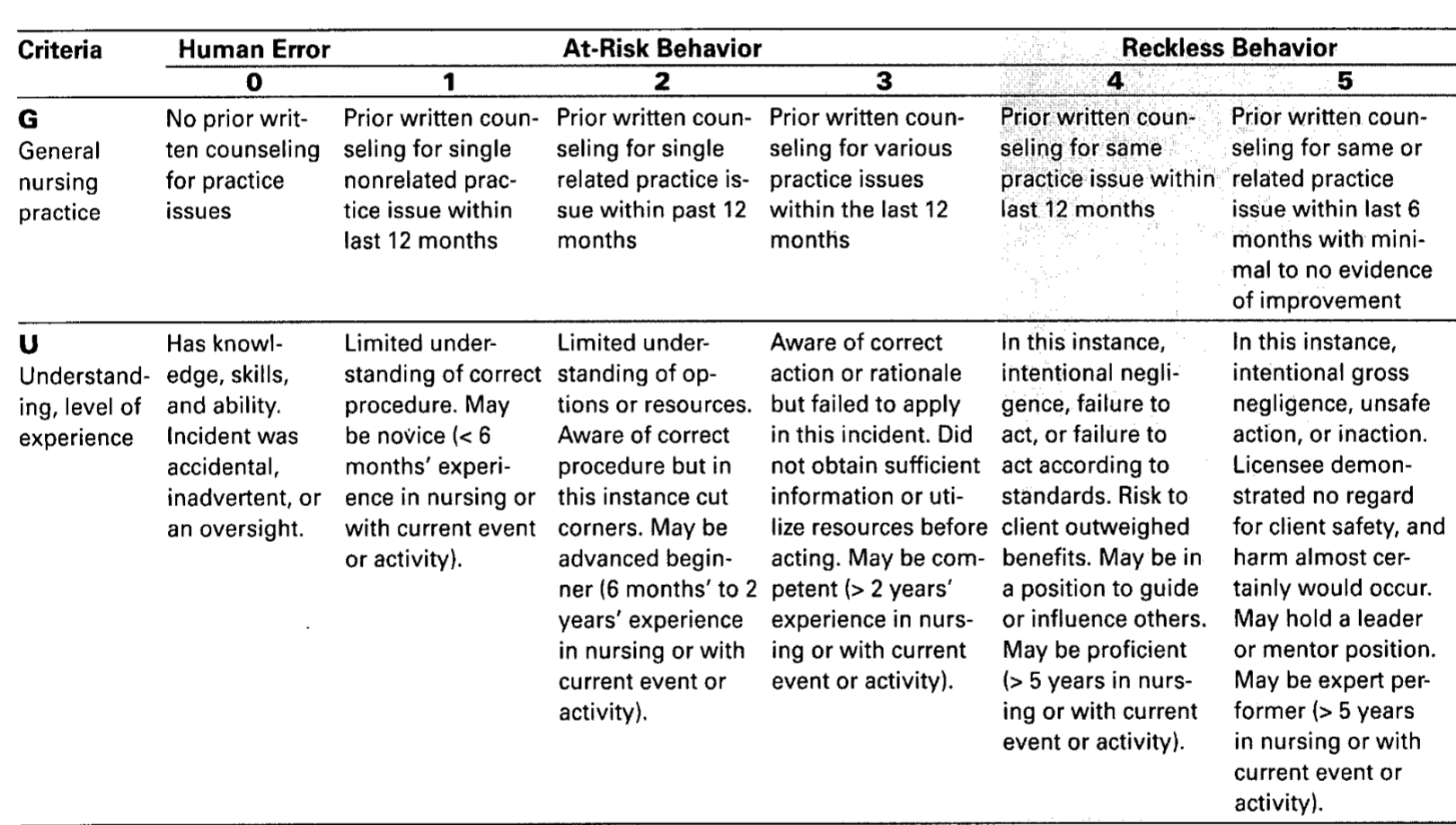
At risk behavior vs reckless behavior
At risk = cutting small corners, aware of correct procedure. E.g. giving all NG meds at once to save time
Reckless behavior = large intentional errors, can lead to harm. E.g. ignoring time-out during OR
Systemic error in healthcare
systemic, preventable breakdowns in facility processes, rather than individual mistakes, that can lead to patient harm
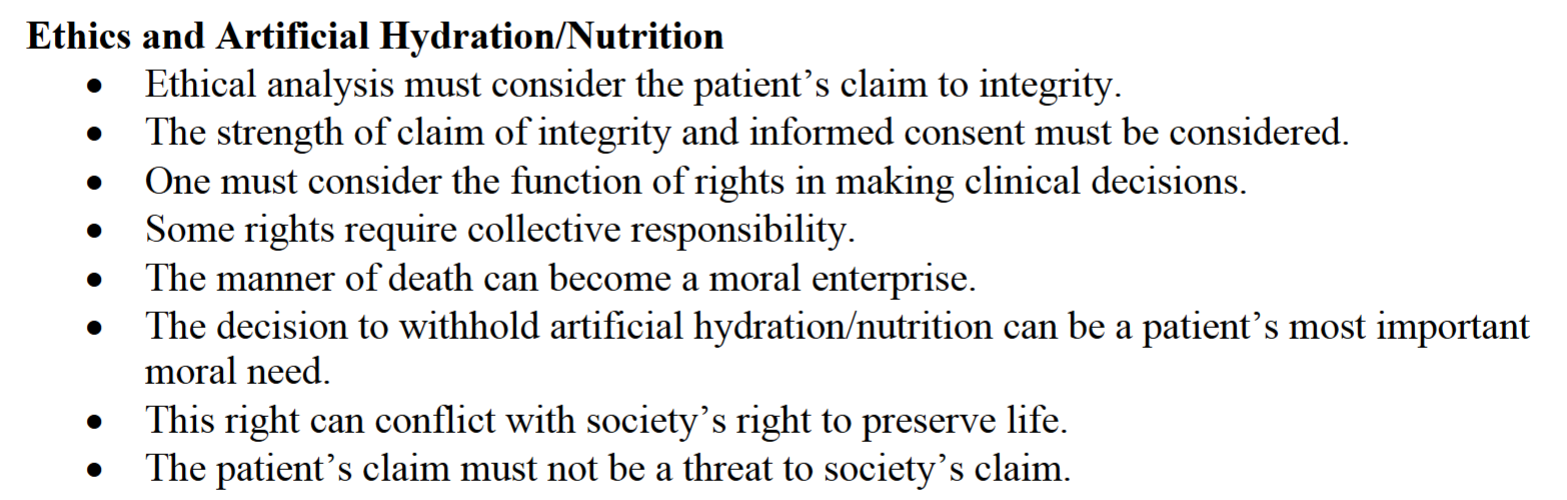
Ethics and artificial nutrition and hydration
Food and fluids End-of-life
• Dehydration eases the discomfort of terminal illness.
• Artificial hydration can add to the discomfort in the long run.
• Tube feeding adds to the discomfort of the dying and does not have evidence for survival in EOL patients
• Food and fluids are often decreased in end stages without thirst or hunger
• Research shows there is no clinical benefit to nutritional support at the end of life for cancer patients

