plants exam 2 301 eccb
 Call Kai
 Learn
Learn Practice Test
 Spaced Repetition
 Match
Match Flashcards
 Knowt Play
1/85

There's no tags or description
Looks like no tags are added yet.
Name | Mastery | Learn | Test | Matching | Spaced | Call with Kai |
|---|
No analytics yet
Send a link to your students to track their progress
86 Terms
What are the relationships and defining features of monocots, dicots, and eudicots? Do they form clades?
Monocots have one cotyledon in their seeds while dicots have two.
Eudicots have tricolpate (pollen grains with three pores) while monocots and dicots are monocolpate
What is monocolpate and tricolpate pollen?
Monocolpate is pollen grains with single pores and tricolpate are pollen grains with three pores
What is ANITA?
A grade (not a clade)
Earliest diverging angiosperms
Amborellales, Nymphaeales, Iliaceae, Trimeniaceae, Austrobaileyaceae
6 traits that are common to all of the ANITA and Magnoliid families
1. Many parts at each whorl
2. Separate, unsealed carpels
3. Follicle fruits (mostly)
4. Laminar stamens
5. Tracheids, no vessel elements
6. Pollen grains single pored, apertured, furrowed; not triaperturate, tricolpate
Where are most ANITA species located, and what are the implications of this for our understanding of the early biogeography of angiosperms?
Most are located in tropical regions especially in the pacific. (New caledonia) This has the implications that these angiosperms originated in the Australia area/southern hemisphere
Why are these lineages dicots but not eudicots?
The pollen grains are single pored, apertured, furrowed, tricolpate in in eudicots only
How are these lineages related to the eudicots?
ANITA are sister group to all other angiosperms like the eudicots
Are all aquatic plants closely related to each other, or do distantly related species show ecological convergence?
There is ecological convergence in the aquatic plants (Nelumbonaceae and Nymphaeaceae) (lotus lily and water lily)
Amborellaceae
Amborellales order
Sister to all other angio
Amborella trichopoda endemic to New Caledonia
dioe everg shrub no vessels
P 5-8, A inf/0, G 0/5-6
perianth of tepals, laminar stamen, apocarp, fruits 1 seeded drupelike
Nymphaeaceae
Nymphaeales order
water lilies, WW, air cav in tissie, lack vessels,
many parts at whorl, laminar stamen, superior syncarpic pistil
Ca 4-inf, CO inf A inf G_inf
Nymphaeceae are sister to
all angiosperms not including Amborella
Magnoliaceae
Magnoliales order
trop/warm tree/shrub large leaves, large solitary flower
P inf, A inf G_inf
fruits of one flower = aggregate of follicles
Magnoliids are sister to
all angiosperms except ANITAs
Aristolochiaceae
Piperales order
wild ginger
climbing/rhizomatous herb, cordate leaves
CA 3, CO 0, A-inf, ^G 4-6 (inferior ovary)
calyx colloid, petals absent, inferior, syncarpic
Ranunculaceae
Ranunculales order
eudicots, buttercup
herbs, woody/herb climber/shrub, poisonous
leaves alt, sheath, basal/cauline, divided, palm lobed, no stipules, apocarp
CA 3+, CO (0)5+ A inf G_3+
Papaveraceae
Ranunculales order
drugs
herb alt latex caducous sepal
CA 2 CO 4-12 A ing G_2-inf
Capsule = dehiscing syncarp fruit
Nelumbonaceae
Proteales
lotus lily
used to be closely related to nymphaeaceae but no more
peltate leaves, solitary flower
spiralled perianth - tepals, filamentous stamens
P inf A inf G_inf
separate superior one seeded carpels in cavities of obcon receptacle
What is nitrogen fixation and why is it important?
Plants cant use nitrogen in its gaseous form so it is fixed as usable nitrate or ammonia and is absorbed by the plants to be fed or add back in soil - important nutrient for plants and soil
Fixed with bacteria or lightning
What is the general floral formula shared by many (not all) rosids that can be used to distinguish from the ANITA/Magnoliids?
CA5 CO5 A10 G (variable)
Violaceae
Malpighiales
basal/cauline, cordate/palmate,divided, stipules well dev
inscect pollinated, zygomorphic, 5mer, petal spurred, 3 fused carp
cleistogamous flowers - capsules self pollination
CA 5 COZ 5 A 5 G_3
Euphorbiaceae
Malpighiales
latex, alt simple palm comp, unisex flowers, spurges, cyathium modified inflorescence
CA 5, CO 0, A inf/0, G/g 0/3
Fabaceae
Fabales order
monocarpic - single superior carpel
legumes
alternate compound leaves
Rosaceae
Rosales
CA 5 Co 5 A inf G vary
hypanthium in all, bracts, commercial fruits, stipules well, gyn vary
Moraceae
Rosales
fig
sister to nettle, latex, palmipinnate veined
CA 4 Co 0 A 4 G_2
uni flowers no petals single seed ovary
many flowers coalesce to form fleshy multiple fruit
synconium key innovation for fig wasp pollination
Fagaceae
Fagales
wind pollinated, uni, flowers in catkins, inferior G 2-3, nut
What is a cyathium, as seen in Euphorbia and Chamaesyce?
Modified inflorescence which a cup structure appears as a single flower but is a cluster of reduced unisexual flowers. It is composed of glands, bracts, male flowers, and 1 female flower
Fabaceaea key terms, including names of unique petals, diadelphous vs monadelphous stamen, etc.
Banner petal = topmost petal sits in front of the 2 lateral / WING petals
diadelphous = 9+1 nine stamens are fused together into a sheath, while one stamen remains separate and free
monadelphous =ten filaments are fused together into a single tube surrounding the style
Rosaceae (vegetative features, floral structure, hypanthium, variable gynoecium structure and fruit types)
alt, always stipules, separate petals, a prominent cup-shaped hypanthium, numerous stamens, and highly variable gynoecium (superior to inferior) and fruit types, including pomes, drupes, and achenes
Geraniaceae
Geraniales
fruit schizocarp
CA 5 Co 5 A 10 G_5
5 mer sup pistil single ovule
Onagraceae
Myrtales
CA 4 Co 4 A 4,8 G^4
4 mer epig well dev hypa, inferior ova
Lythraceae
Myrtales
Ca 4-6 CO 4-6 A 8-12 G_4
4,5,6 mer stamens double sepals
hypath well dev, perigynous (sup pistil)
Anacardiaceae
Sapindales
shrubs compound alternate rashes 5 mer
CA 5 Co 5 A 5,10 G_2-3
disk,drupes
Sapindaceae
Spaindales
maples
trop wood, opposite compouind, drupe/samara
CA 4-5 CO 0/4-5 A 8,10 G_2
unisex flowers by abortion 45mer, nectariferous disk
sup pistil 2 carp 2 exstyl
Malvaceae
Malvales
mallows broadly defined
palm veined, valvate sepal (no overlap), stellate hairs, stamens mondelphous
CA 5 CO 5 A inf G_5-inf
Brassicaceae
Brassicales
mustard
oil herbs - brocbruscaulikale
arabidopsis - genetic/genome model plant species
CA 4 CO 4 A 4+2 G_2
cross flower 4, 6 stam+2 out, 2 fused carpels in gynoe
fruit is a capsule that peels off and expose septum
What is tristyly heterostyly and why it is important?
Tristly heterostyly is a plant reproductive strategy where the plant population has 3 flower morphs where the sets of anthers and styles have different positions. This promotes outcropping(maximum cross pollination) and prevents self fertilization/inbreeding
It’s 2026 and we’re still arguing about what is a species. Why?
There is no one way to define a species. A species concept can not be universally applied to every species.
If species are a problem, why do we still use them?
Species can be used for identification, communication, and scientific reasons.
What are the implications for how we define species?
How we define a species affects the level of care or interest the species will receive. Splitting/lumping can affect whether a species is considered vulnerable or not.
“Species are groups actually or potentially interbreeding natural populations that are reproductively isolated from other such groups.”
-reproduction has to be possible
Biological Species Concept
Biological Species Concept pros/cons
pro - easy to distinguish/test
cons - does not consider hybridization and asexual reproduction
“ A community, or number of related communities, whose distinctive morphological characters are, in the opinion of a competent systematist, sufficiently definite to entitle it, or them, to a specific name.”
-distinct characters
Morphological Species Concept
Morphological Species Concept pros/cons
pros - intuitive/easy to identify
cons - subjective, does not consider relation or convergence
“A number of related populations the members of which compete more with their own kind than with members of other species.” A lineage (or a closely related set of lineages) which occupies an adaptive zone minimally different from that of any other lineage in its range and which evolves separately from all lineages outside its range.”
-niche/function
Ecological Species Concept
Ecological Species Concept pros/cons
pros - based on functions
cons - hard to measure and hard to find a point where you stop splitting
“A diagnosable cluster of individuals within which there is a parental pattern of ancestry and descent, beyond which there is not, and which exhibits a pattern of phylogenetic ancestry and descent of units of like kind.”
-the smallest definable group of organisms that are descended from a common ancestor and share a unique trait
Phylogenetic Species Concept
Phylogenetic Species Concept pros/cons
pros - based on ancestry
cons - does not consider reproduction + convergence
“A lineage of interbreeding organisms, reproductively isolated from other lineages, that has a beginning, an end, and a distinct evolutionary trajectory”
-Emphasis is on adaptive traits and lineages maintaining distinct identity from each other
-beginning/end
Evolutionary Species Concept
Evolutionary Species Concept pros/cons
pros - can prove by testing genes
cons - genetics show different phylogenetic patterns, few lineages maintain distinct identities for long
What are the criteria of a good species concept?
1. They should be universal (i.e., apply to plants and animals)
2. They should be testable (e.g., does a group of organisms comprise a species?)
3. Special case species definitions should fit within its broader logical framework
4. It must deal with species having ‘spatial, temporal, genetic, epigenetic, ecological, physiological, phenetic, and behavior’ traits.
5. It must specify how species can or can not be formed.
Be able to clearly define and defend your preferred species concept.
My preferred species concept Phylogenetic Species Concept because it defines a species by distinct clusters that share a common ancestor. This applies to plants and animals and deals with species traits.
General characteristics of Asterales
- No iridoids
- Latex common
- Inferior gynoecium
- Pollen presentation
- composite
- capitulum
What is secondary pollen presentation?
- anthers fuse forming a tube for pollen release, where it is pushed out by a style that acts as a plunger
- the stigma makes contact with its own pollen (self fertilize) if necessary
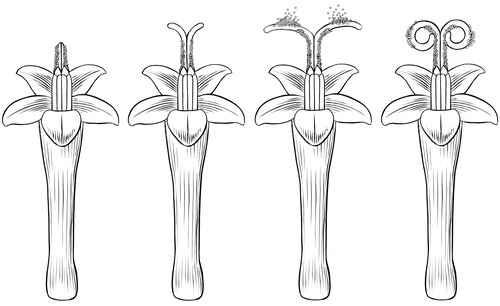
How does secondary pollen presentation promote outcrossing? How does it ensure reproductive success?
It promotes outcrossing by limiting self fertilization which limits inbreeding and increases fitness
It ensures reproductive success by maximizing pollen transfer efficiency
What are the important features thought to be involved in the massive radiation in Asteraceae?
- special inflorescence "head" (capitulum)
- pollination syndromes and presentation
- diverse secondary chemistry (latex, alkaloids, polyacetylenes, sequiterpene lactones- poisonous to sheep)
- whole genome duplication (unique to Asteraceae family)
Know the terms associated with the specialized Asteraceae inflorescence and florets
- capitulum - specialized inflorescence
- radiate head: disk floret in the center, ray florets along the edge
- discoid head: only disk or tubular florets comprise the entire head
- ligulate head: only ligulate florets comprise the entire head
Know the three floret most common floret types (ray, disk, ligule)
- ray floret: usually 3 long fused petals +2 obsolete petals
- disk floret: actinomorphic
- ligule floret: 5 fused petals but split open
Know the three most common arrangements of these florets
- radiate inflorescence
- discoid inflorescence
- ligulate inflorescence
Asteraceae key traits
composite flower head with capitulum, involucre
Be able to discuss the different dimensions of ‘biodiversity’
What are the different ways that we value biodiversity? What are the relative strengths and
weaknesses of these views? Should we value biodiversity for its own sake? Why or why not?
species - species richness the number of species in a defined place - con species are made up and only one aspect of diversity
phylogenetic - diversity of lineages - con many different metrics
functional - determined by functional traits of species in an ecosystem/way of measuring the diversity of how things are con - many traits to measure who cares
We discussed several species that are endangered in Texas. What do they have in common?
What is the primary that causes plant species to be rare in Texas?
- over collection
- habitat loss
- development
- competition with non native species/risk of hybridization
Simple fruits
fruits formed from a single pistil
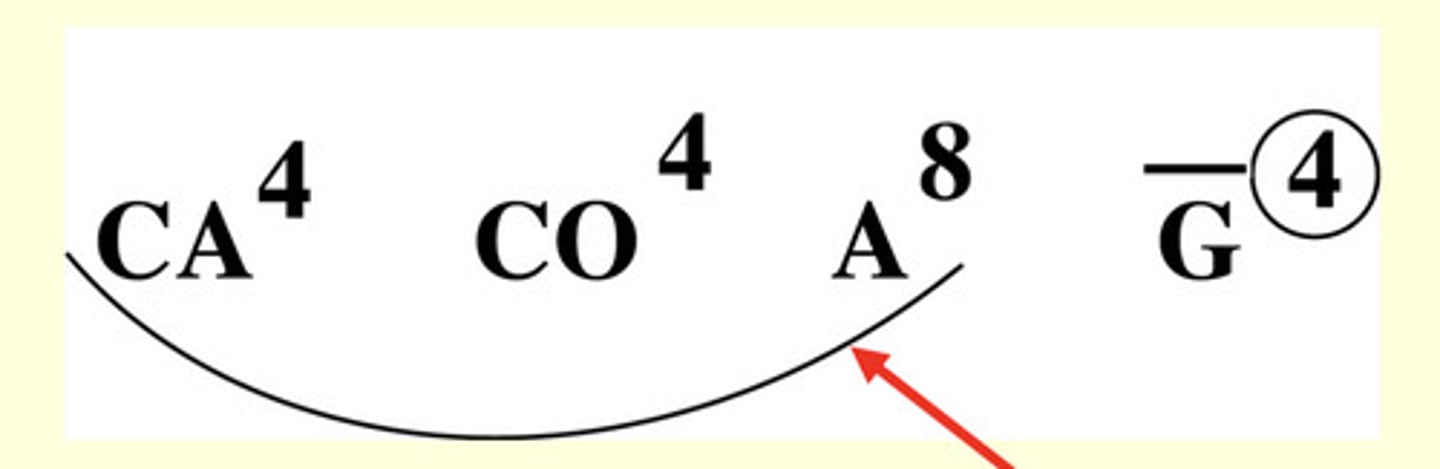
Floral Formula: CA CO A G
- CAlyx (sepals)
- COrolla (petals)
- Androecium (stamens, male)
* if line under above 3 = hypanthium
- Gynoecium (carpels, female)
* if # is circled = carpels fused
* if line above G = ovary inferior
* if line under G = ovary superior
Aggregate fruits
fruits formed by the development of several pistils from the same flower
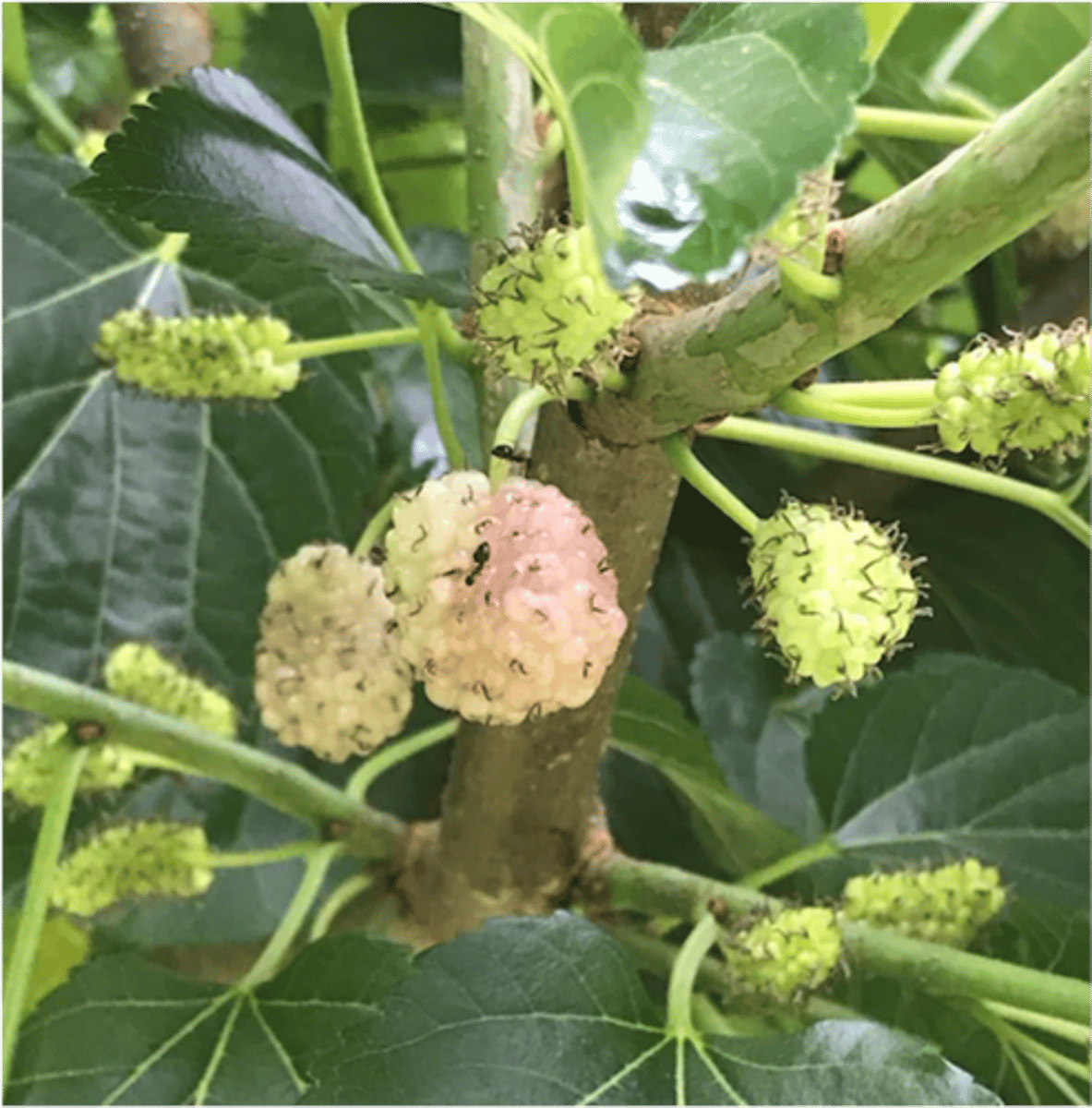
Multiple fruits
fruits formed by the development of pistils from multiple flowers, usually joined together by accessory parts (e.g., pineapple, mulberry)
Dry fruits
(simple fruit)
fruit coat dries at maturity
Fleshy fruit
(simple fruit)
fruit is soft and fleshy as it matures
Dehiscent fruits
(dry, simple)
at maturity, these open by natural means to shed seeds
Indehiscent fruits
(dry, simple)
these do not open at maturity to shed seeds
Legumes fruit
(simple, dry, dehiscent)
developed from 1 carpel, splits along two lines of suture (e.g., peas, beans)
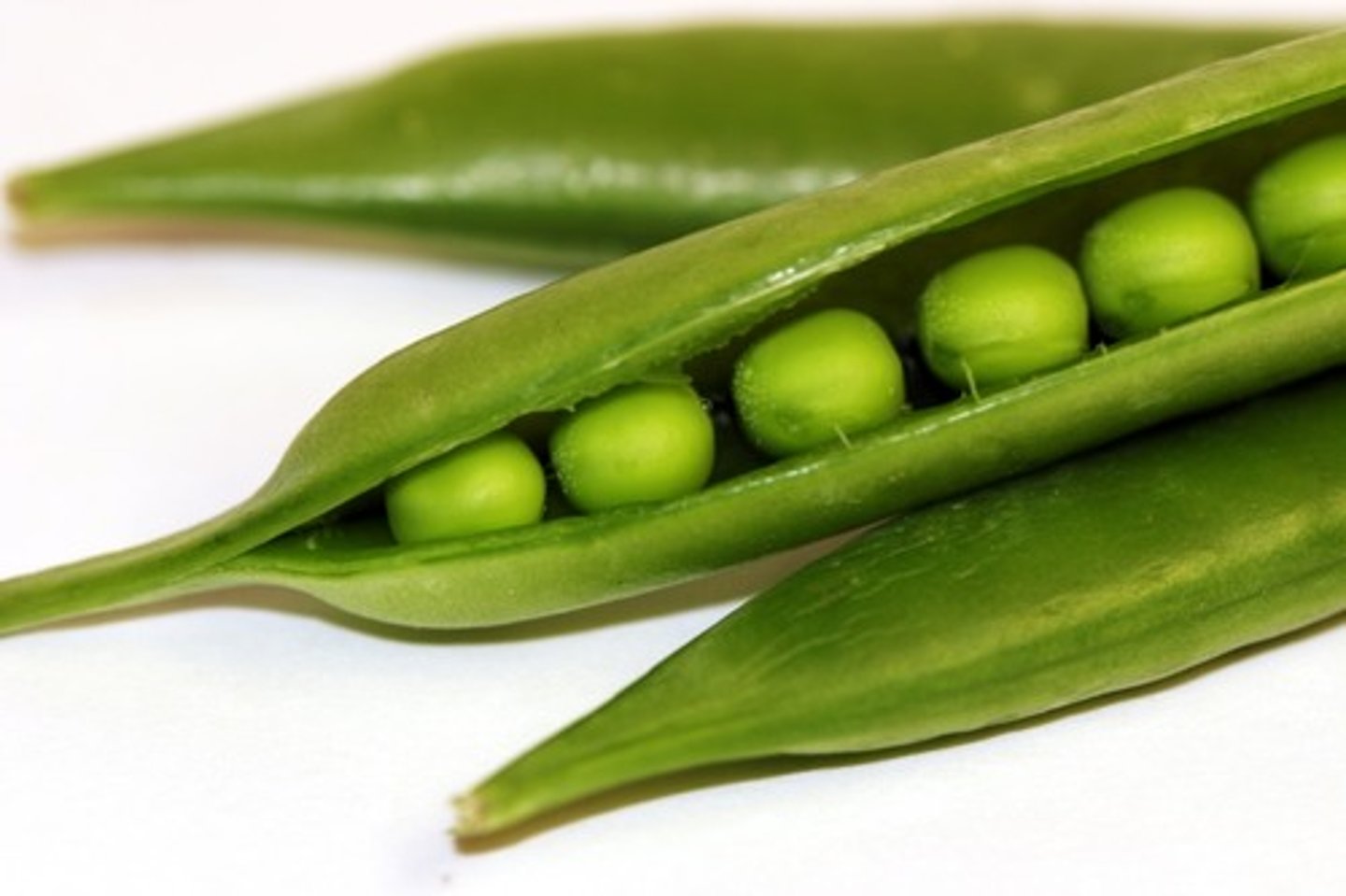
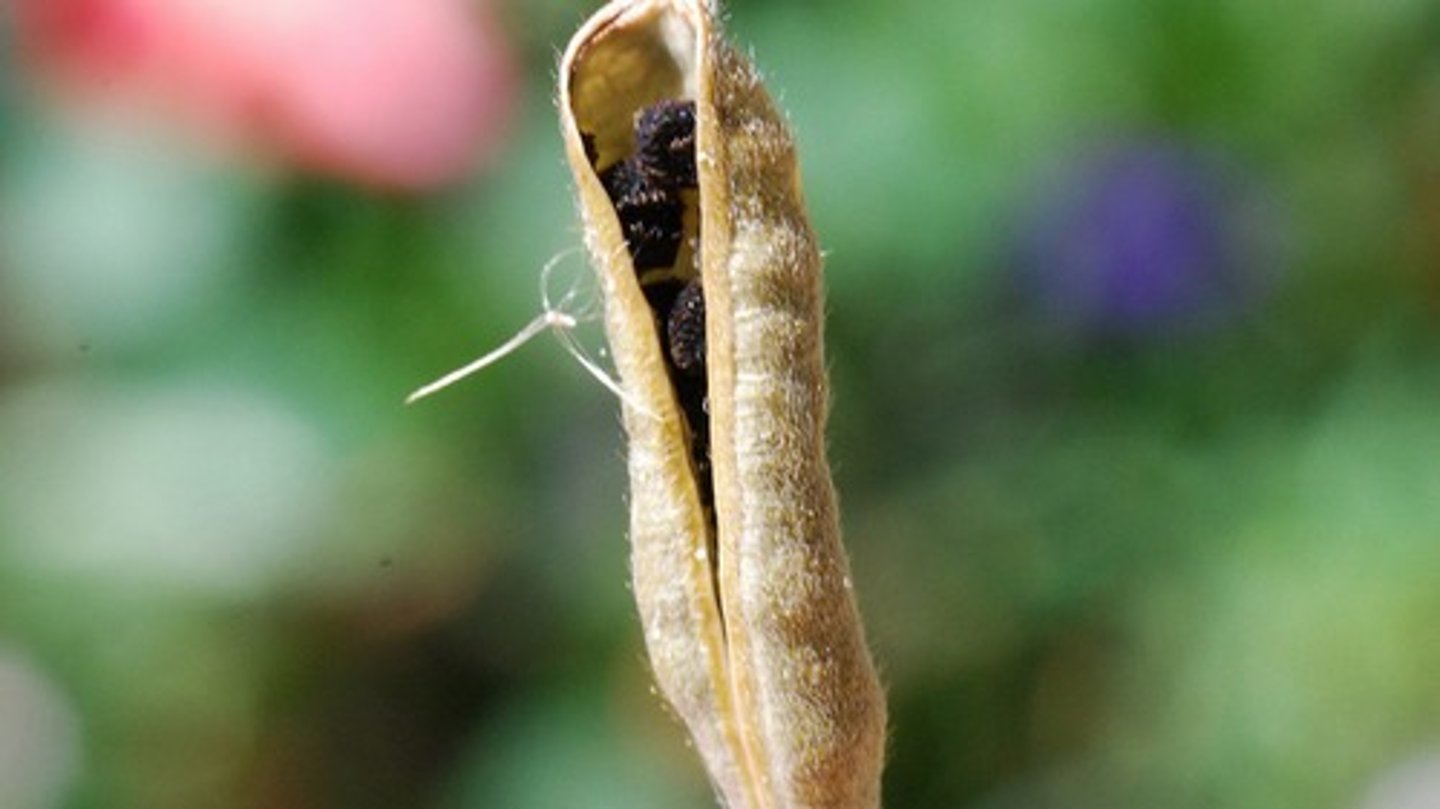
Follicle fruit
(simple, dry, dehiscent)
developed from 1 carpel, splits along only one line of suture (e.g., Columbine, Larkspur)
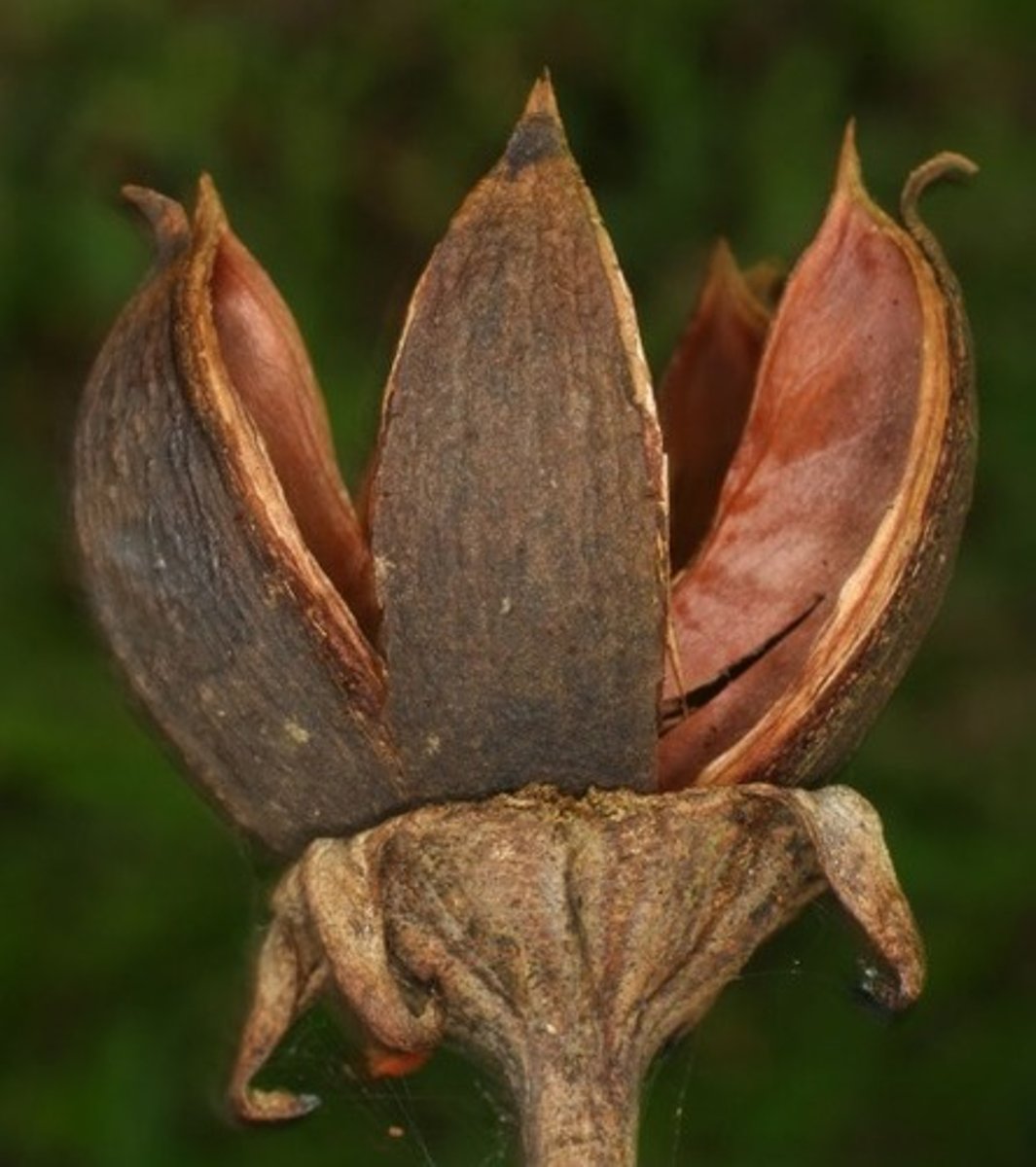
Capsule fruit
(simple, dry, dehiscent)
developed from several carpels, with various numbers of suture types
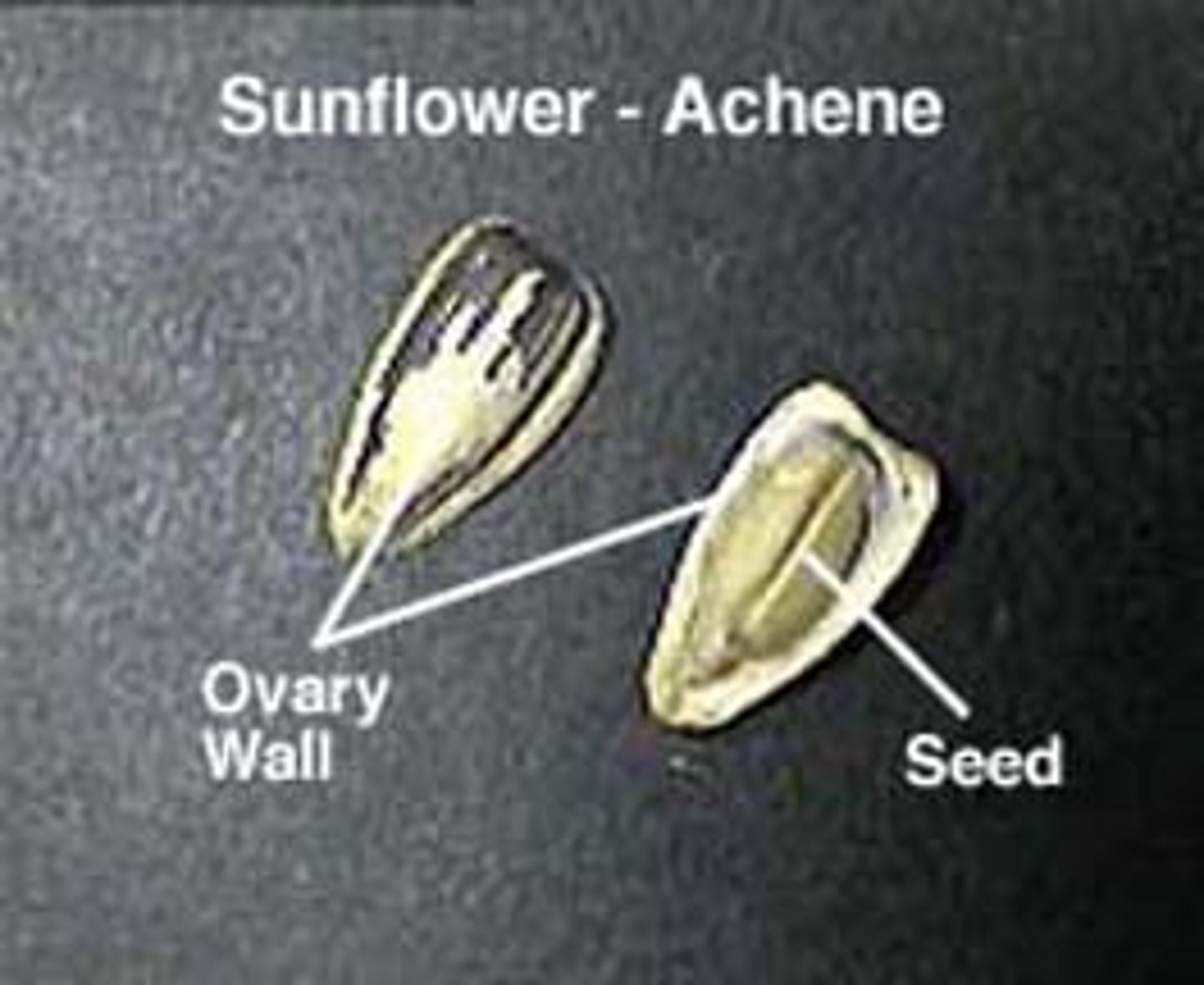
Achene fruit
(simple, dry, indehiscent)
one-seeded, with it attached to fruit wall at single point (e.g., sunflower seeds)
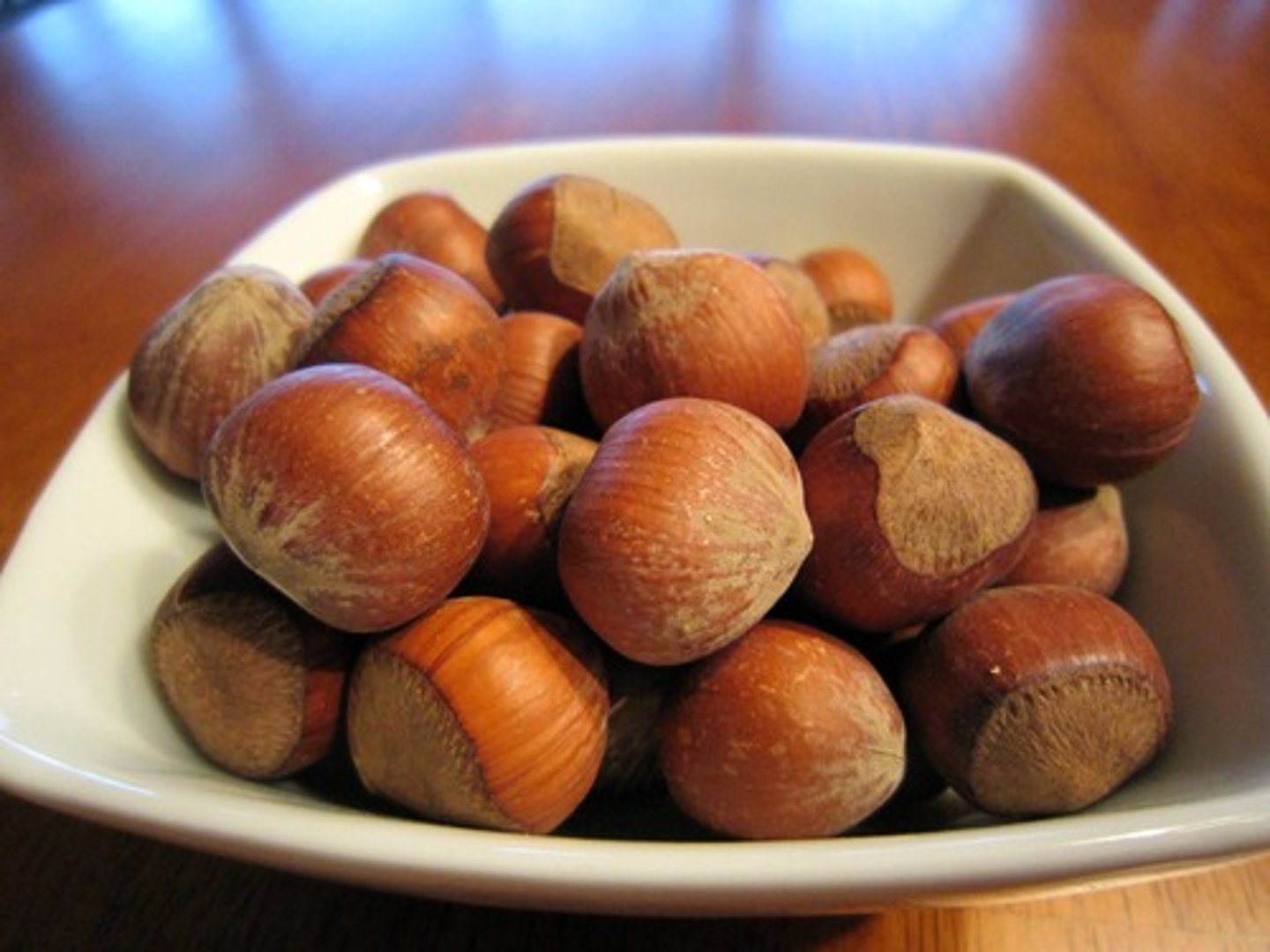
Nut fruit
(simple, dry, indehiscent)
one-seeded, but the fruit wall is thickened and hardened (e.g., chestnut, oak, hickory)
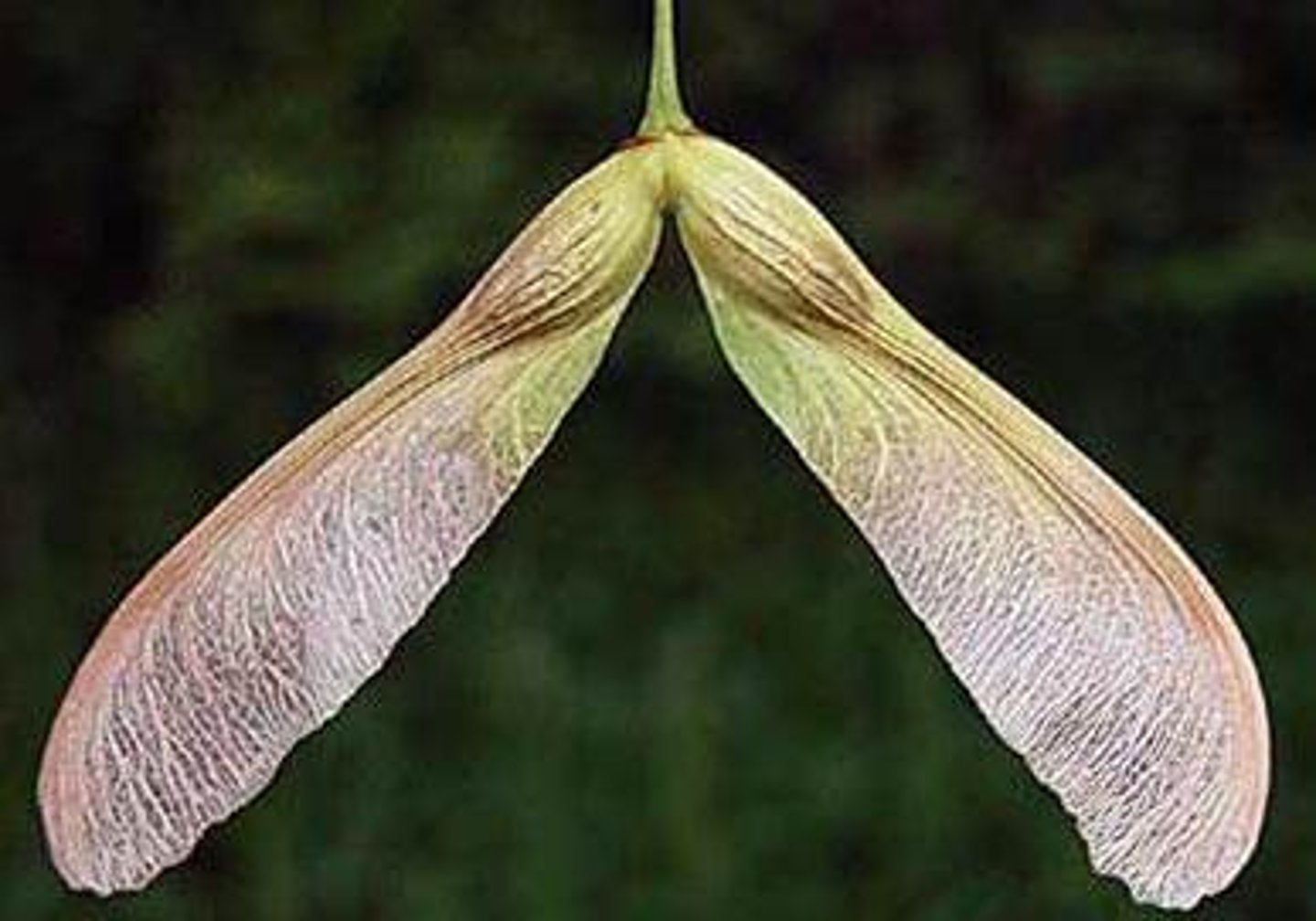
Samara fruit
(simple, dry, indehiscent)
one or two seeded, part of the fruit wall forms a wing (e.g., elm, maple, ash)
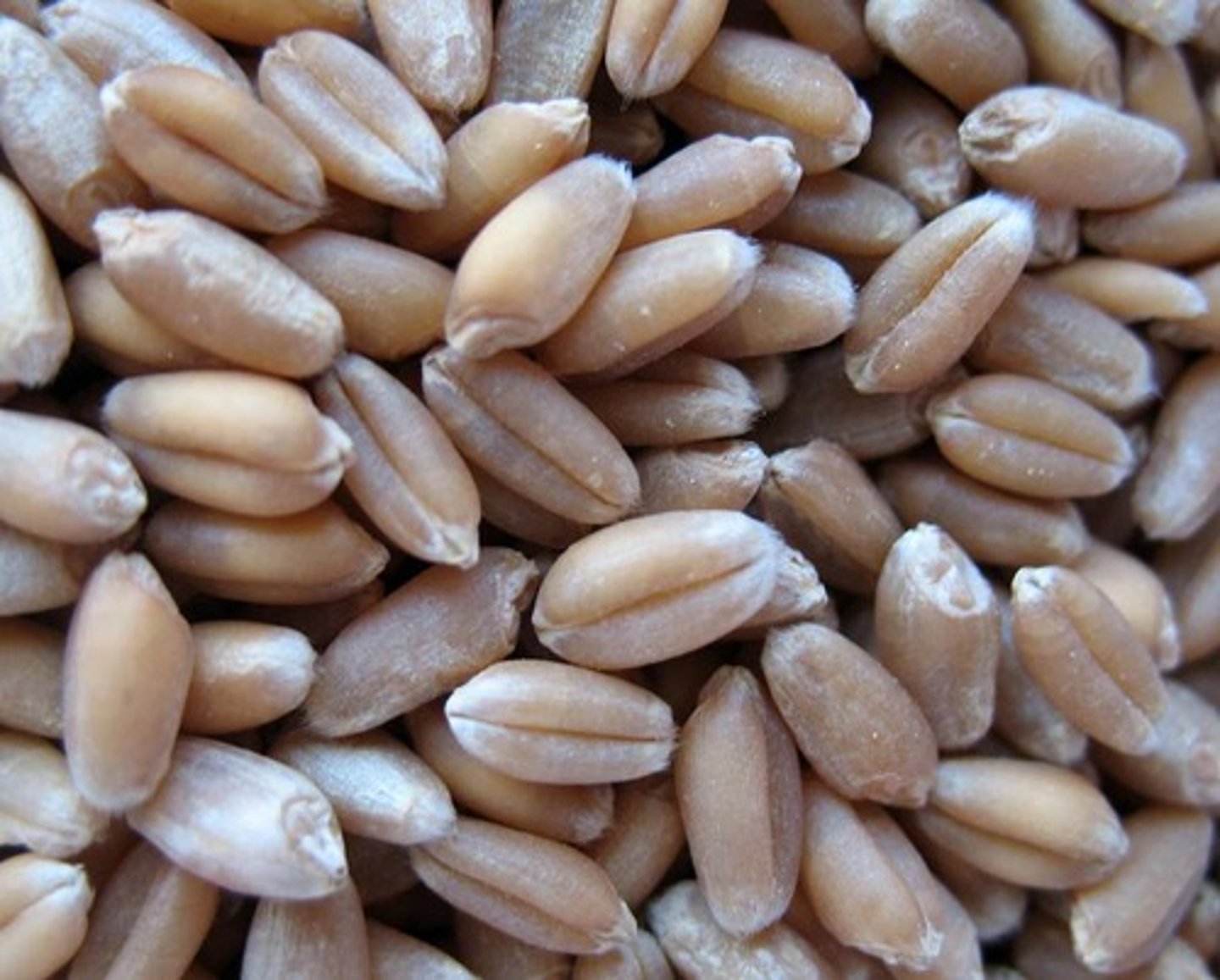
Grain fruit
(simple, dry, indehiscent)
one-seeded, fruit wall and seed coat are fused (e.g., corn, wheat)
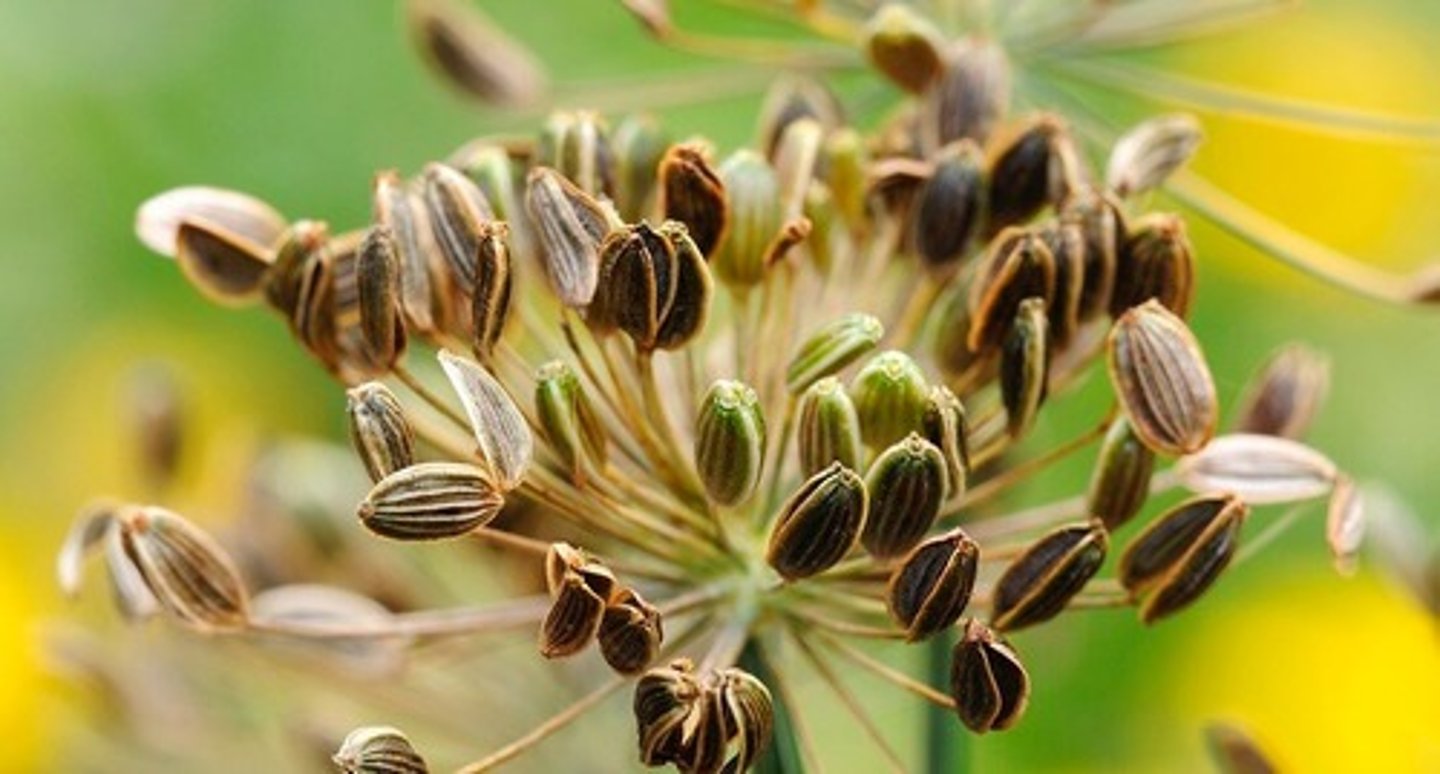
Schizocarp fruit
(simple, dry, indehiscent)
formed from several carpels, each with a single seed, which separate from each other at maturity (e.g., carrots, dill)
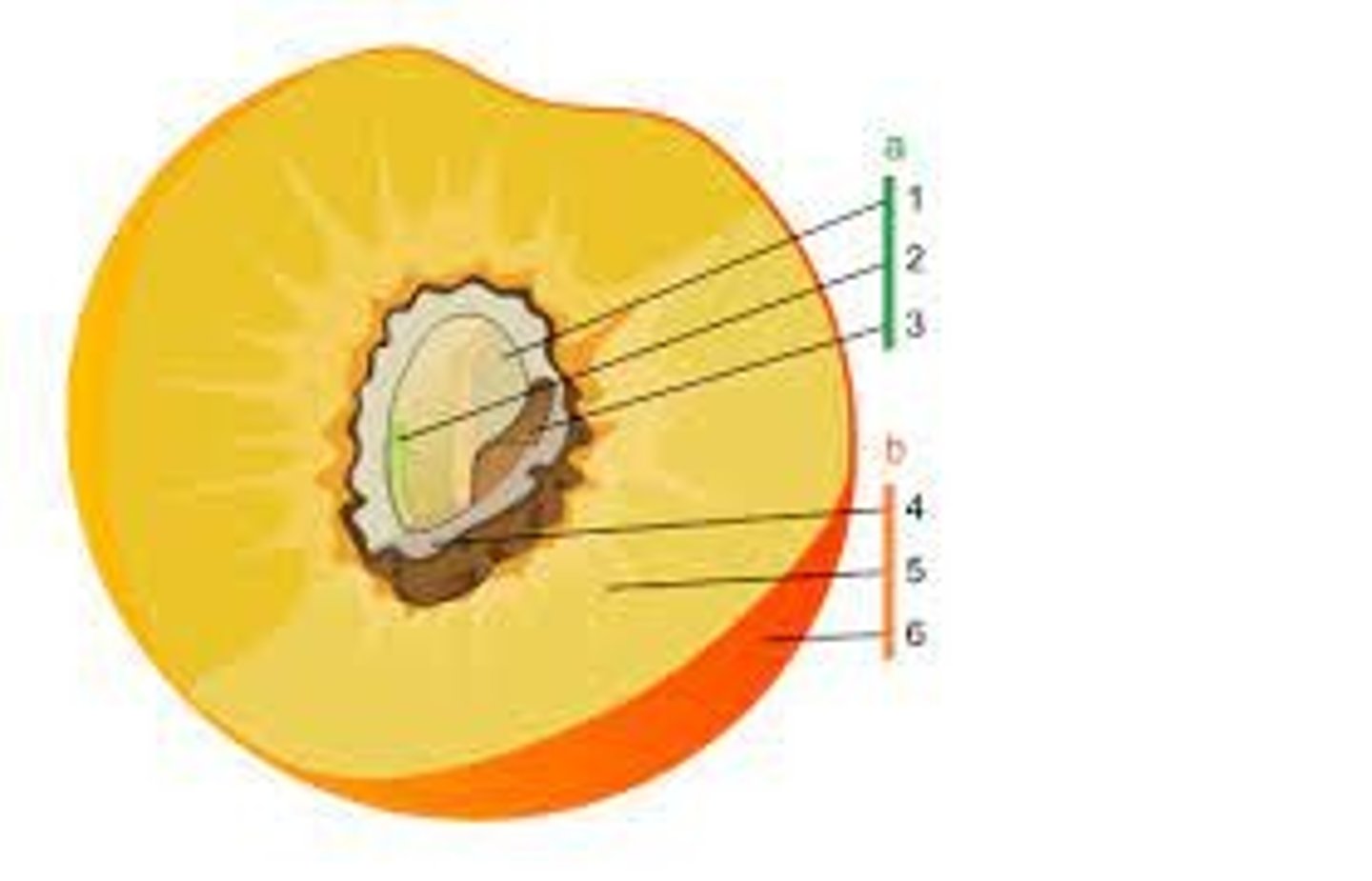
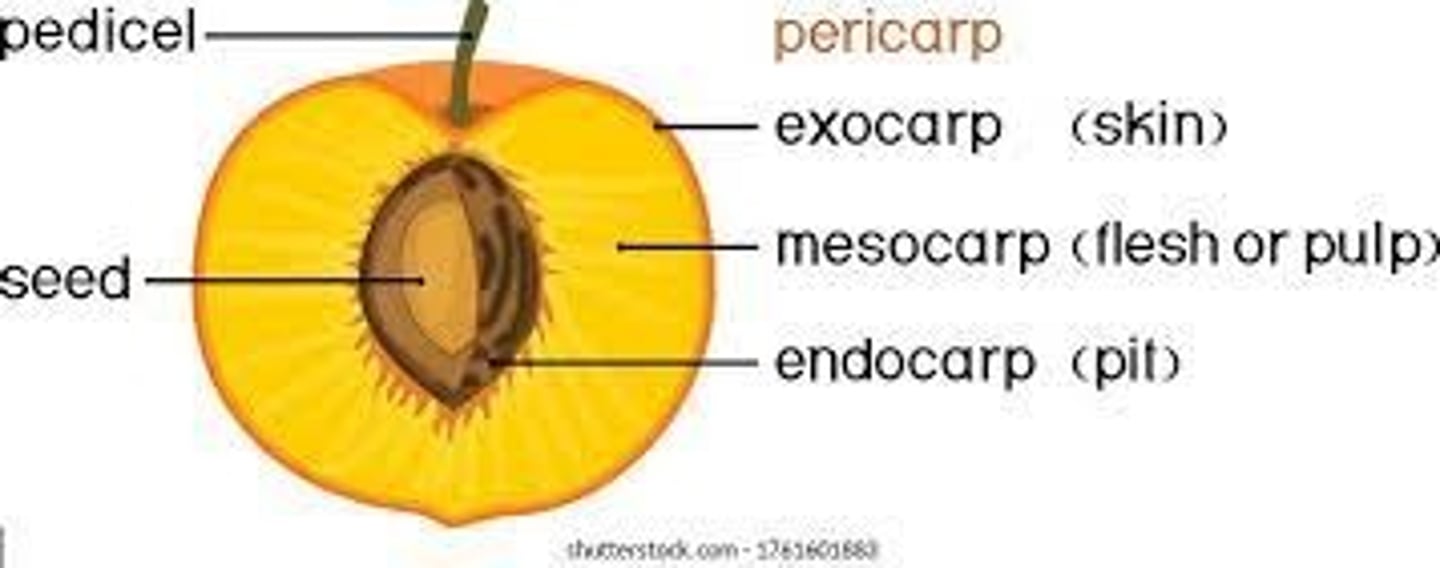
Drupe fruit
(simple, fleshy)
one-seeded fruit from a superior ovary (e.g., cherry, mango, avocado)
- endocarp: becomes hard and stony
- exocarp: becomes relatively thin
- mesocarp: is fleshy
Berry fruit
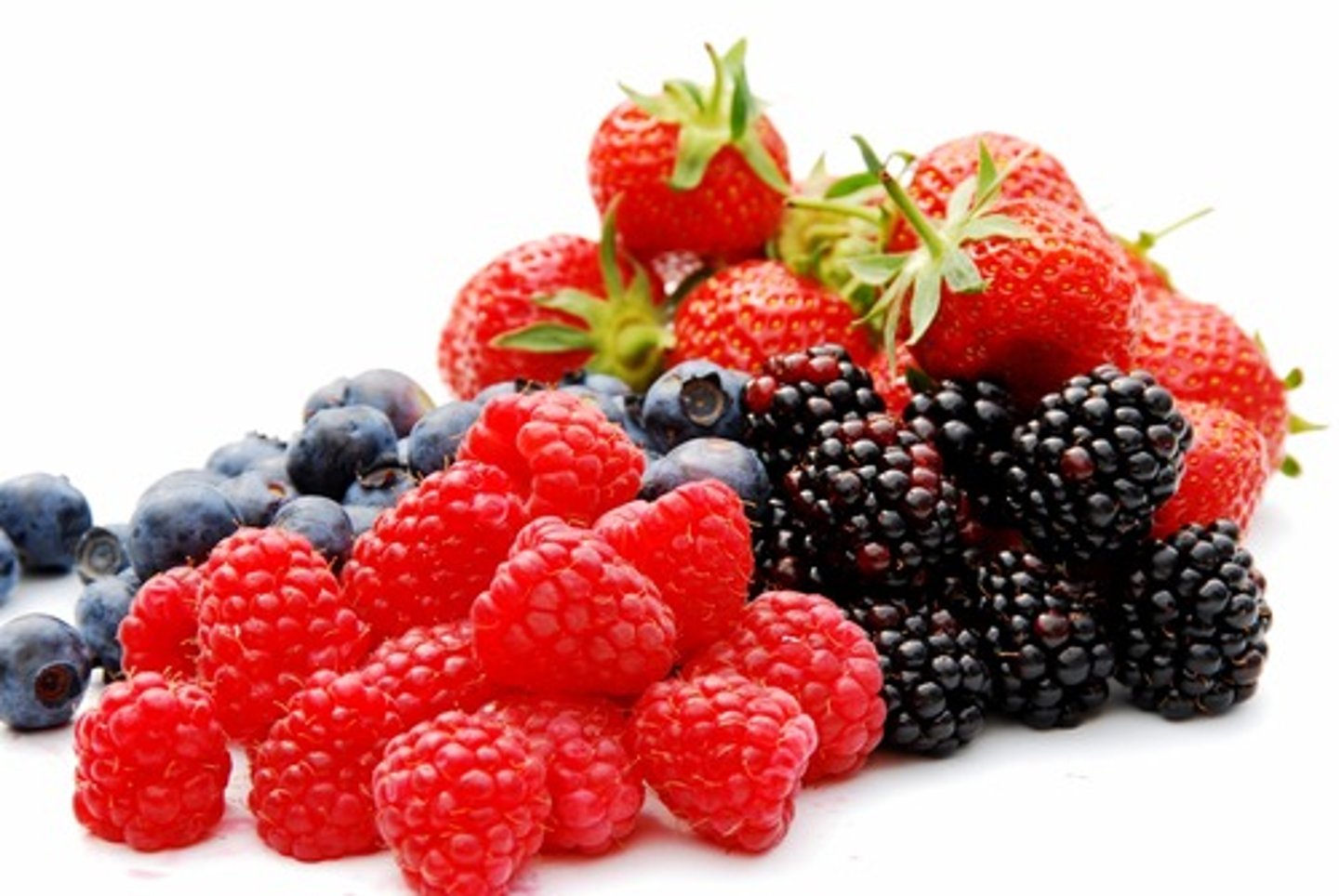
(simple, fleshy)
ovary wall becomes enlarged and juicy (e.g., banana, grape, tomato, bell pepper, blueberry)
2 types: hesperidium & pepo
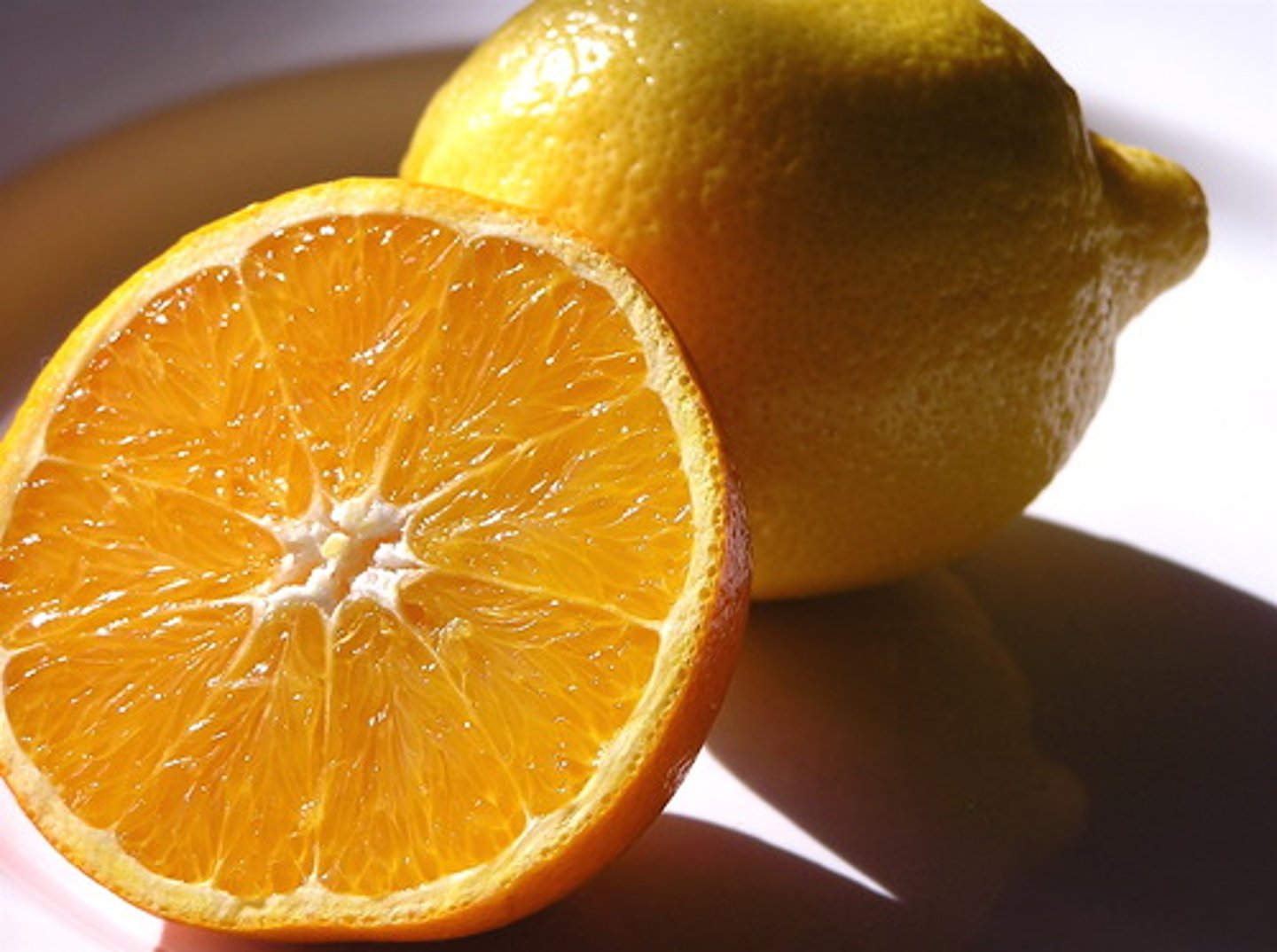
Berry: Hesperidium
berry where the exocarp forms a leathery rind, interior is separated into septa (e.g., lemons, limes, oranges)
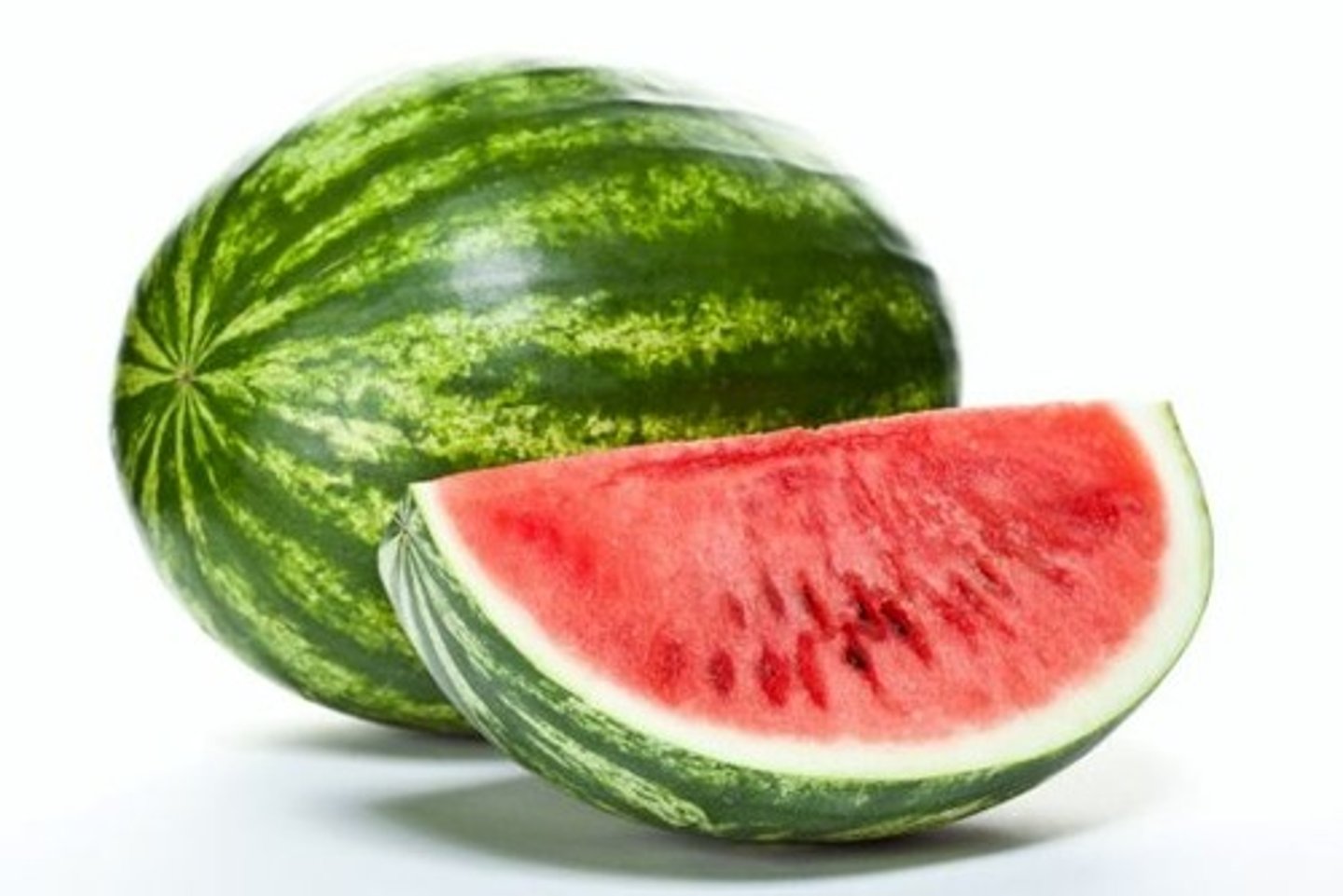
Berry: Pepo
berry where the exocarp forms a hard rind, but the interior is not separated into septa (e.g., cucumber, watermelon, squash, gourds)
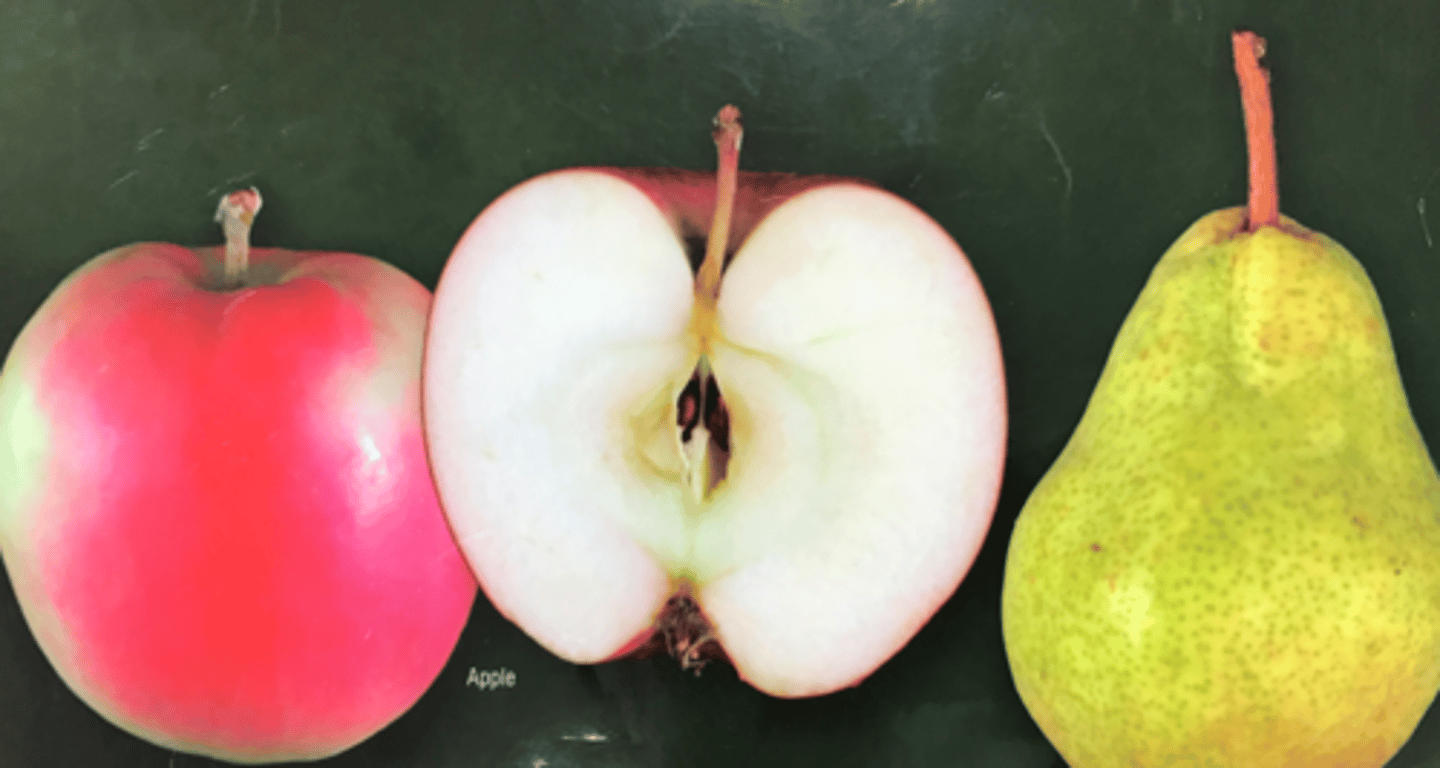
Pome fruit
(simple, fleshy)
an 'accessory fruit' (other floral structures form part of the fruit) comprised of multiple carpels in the same flower (e.g., apple)
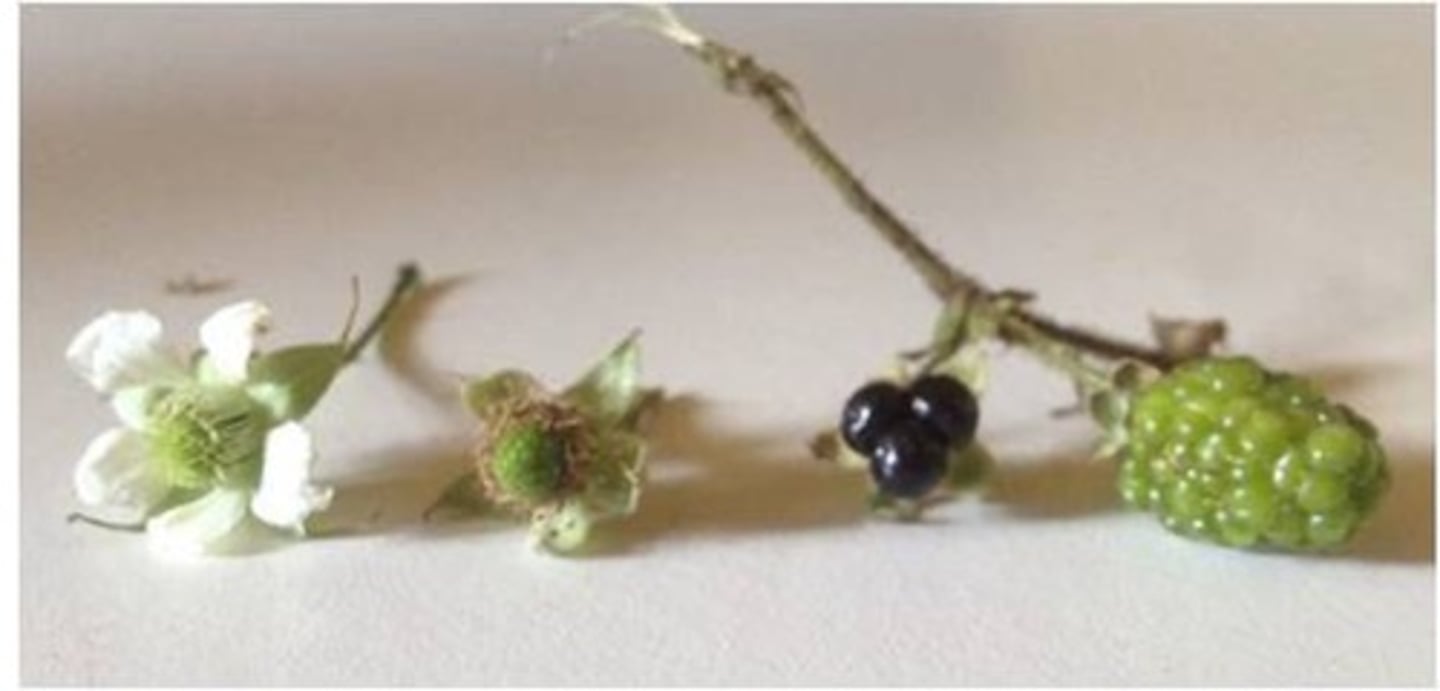
Blackberry fruit
aggregate of drupes
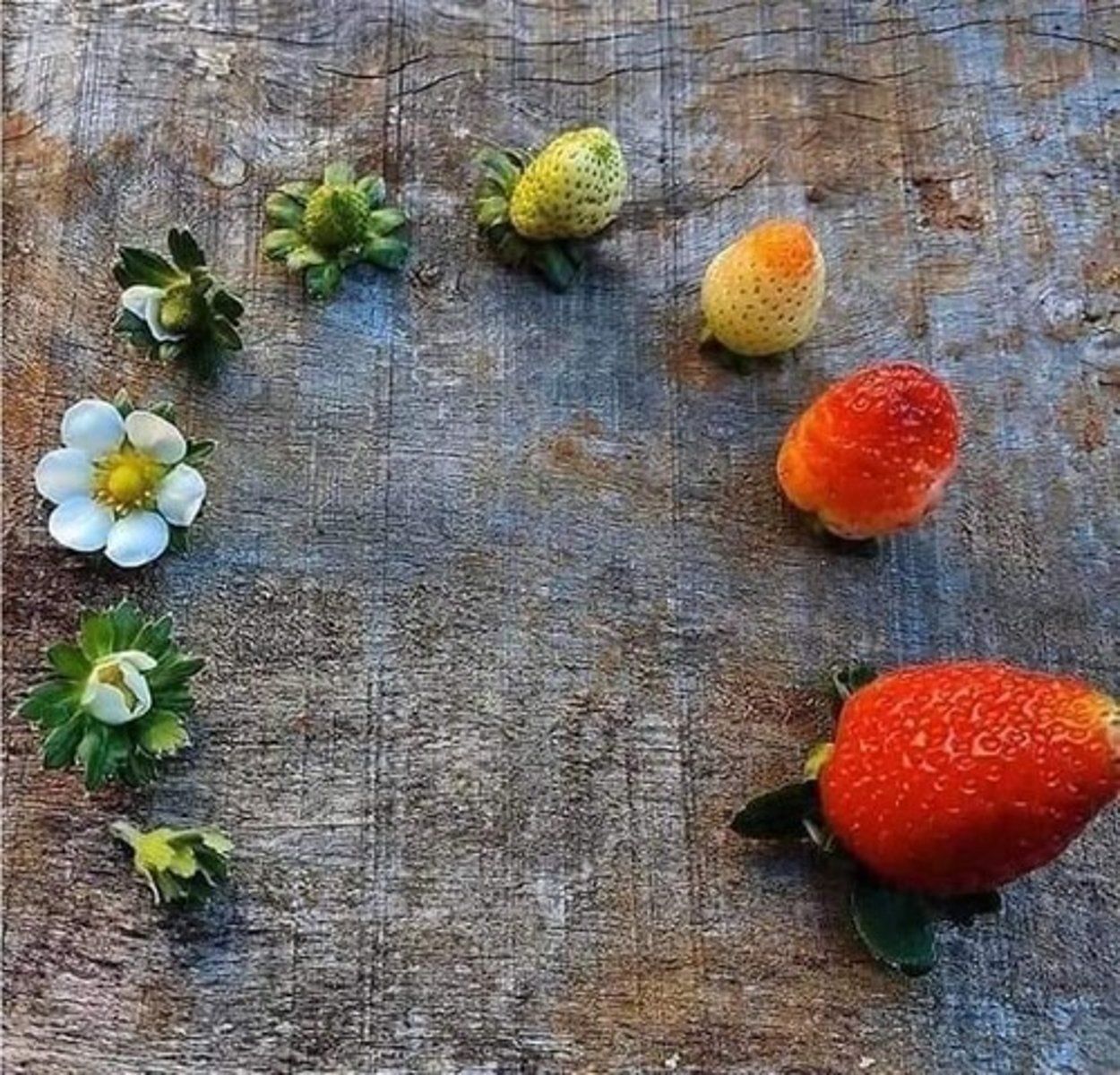
Strawberry fruit
aggregate of achenes
Seed parts
1. endosperm
2. embryo
3. seed coat
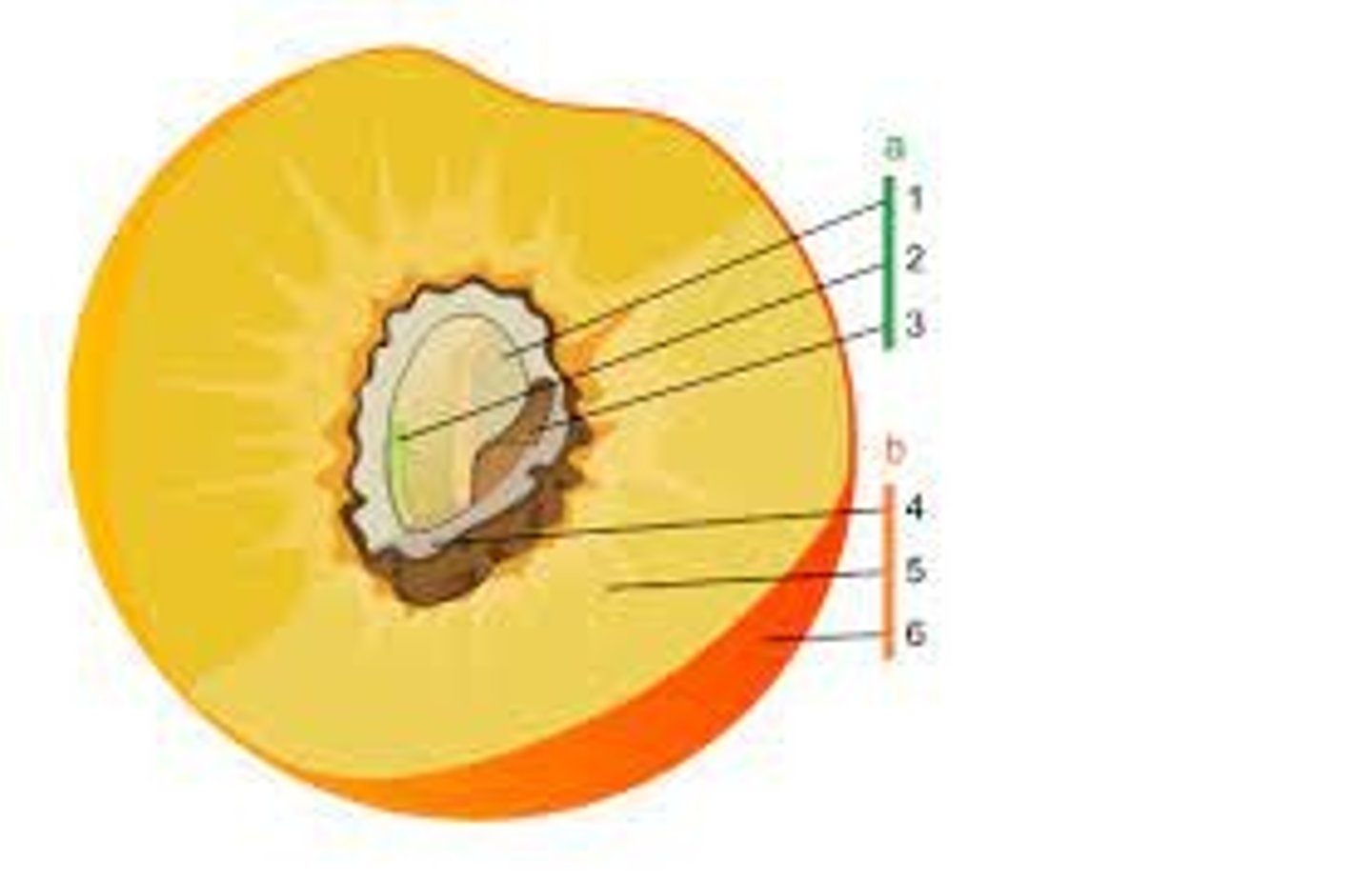
Pericarp parts
4. endocarp
5. mesocarp
6. exocarp