BASIC INSTRUMENTS AND EQUIPMENT USED IN OPTOMETRY
 Studied by 1 person
 Call Kai
 Learn
Learn Practice Test
 Spaced Repetition
 Match
Match Flashcards
 Knowt Play
1/20

There's no tags or description
Looks like no tags are added yet.
Name | Mastery | Learn | Test | Matching | Spaced |
|---|
No study sessions yet.
21 Terms
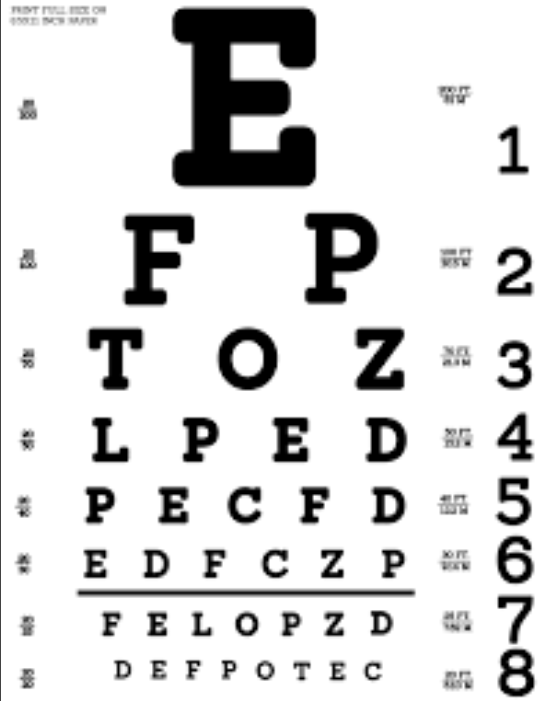
Snellen chart
used in measuring the visual acuity of the patient using letters

phoropter
used to manually determine “refraction” exactly how a lens must be shaped and curved to correct your vision to a normal state
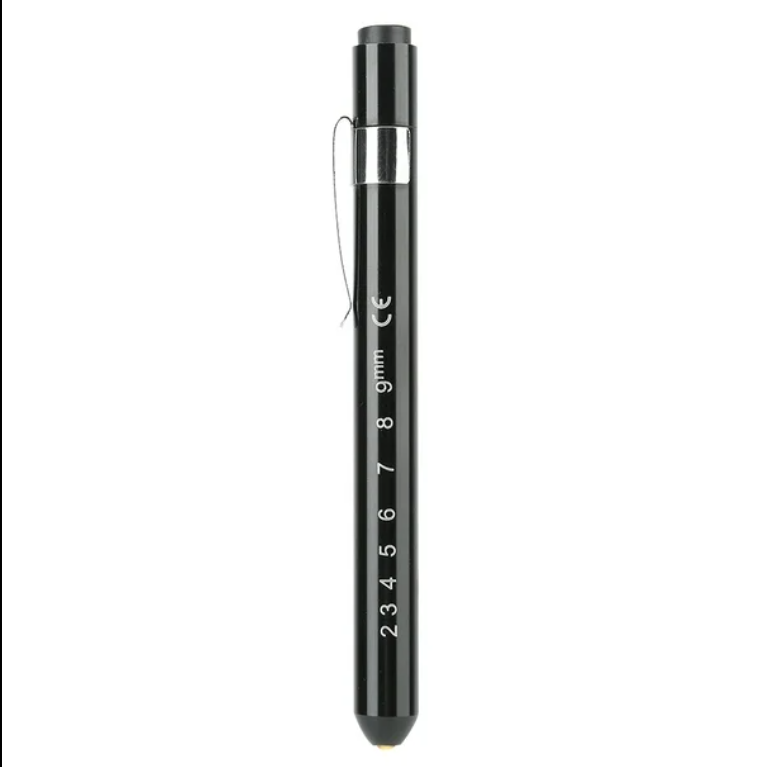
torch light or penlight
used for general eye examinations
to check for pupil’s reaction and eye’s alignment
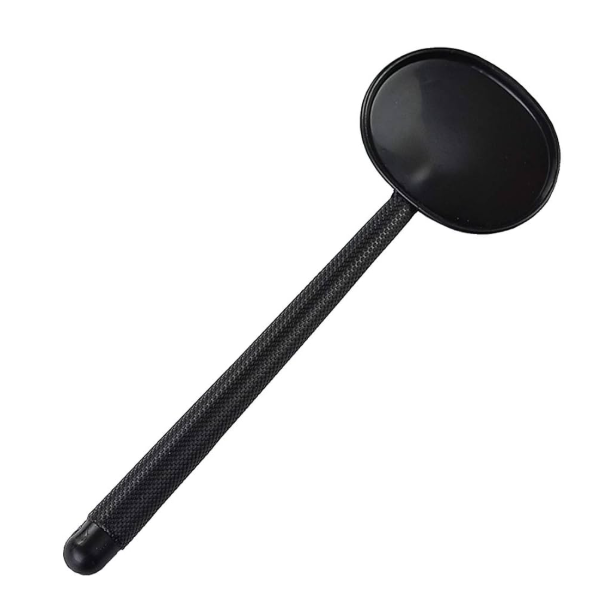
hand held occluder
used to take monocular vision
used in cover / uncover test
right eyes is always covered first
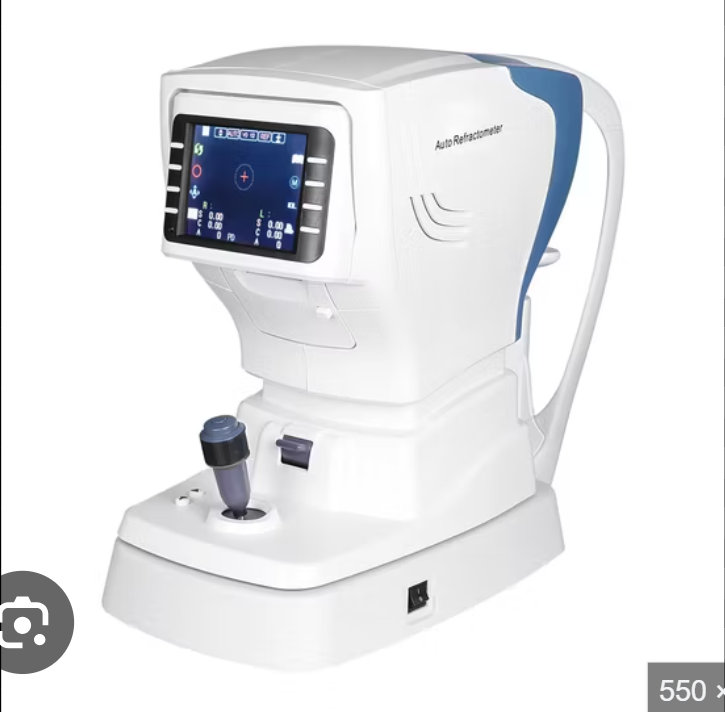
autorefractometer
used to provide starting point for the optometrist in subjective refraction tests
particularly useful when dealing with non communicative people such as young children or those with disabilities
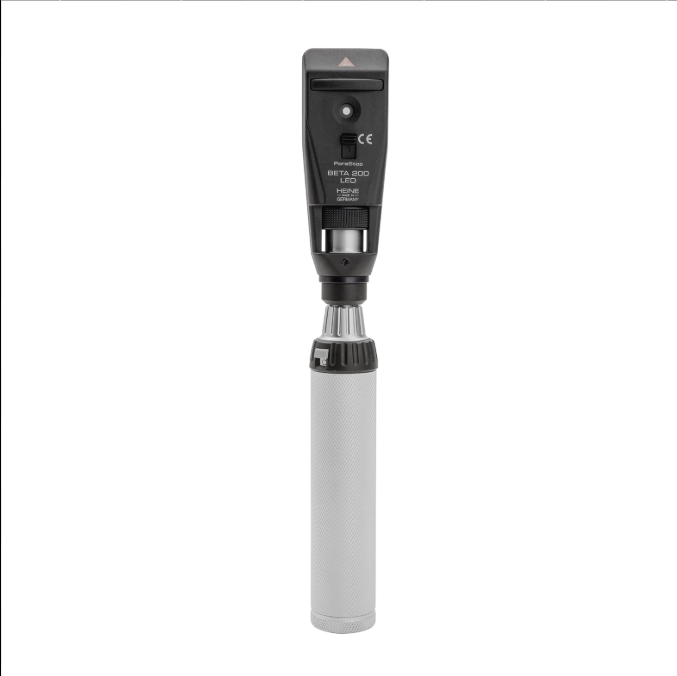
retinoscope
used in obtaining an objective measurement of the refractive error of a patient’s eyes
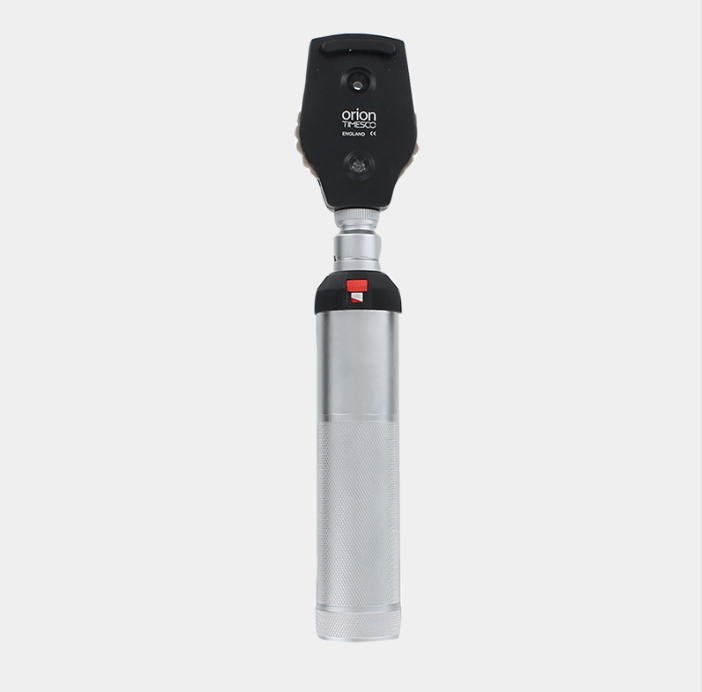
Ophthalmoscope
also called as funduscope
a test that allows a health professional to see inside the fundus of the eye and other structures
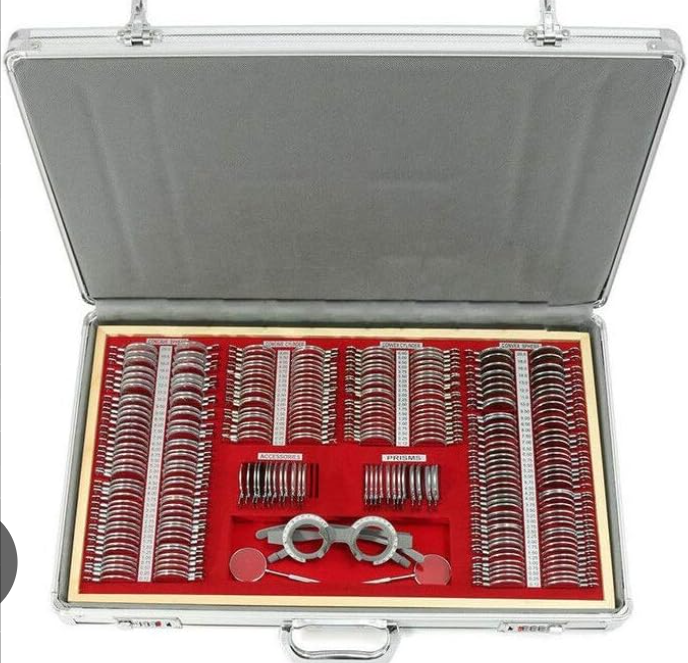
trial box / case
a box containing lenses, arranged in pairs, a trial spectacle frame, and other devices used in testing vision

trial frame
an eyeglass frame designed to permit insertion of different lenses used in correcting refractive errors of vision
has compartments (1, 2, 3, 4)
lightweight
adjustable
it should have a comfortable nose resting
readily adjustable
1st
high powered lens
2nd
spherical lens
3rd
cylindrical lens
4th
accessory lens and prisms
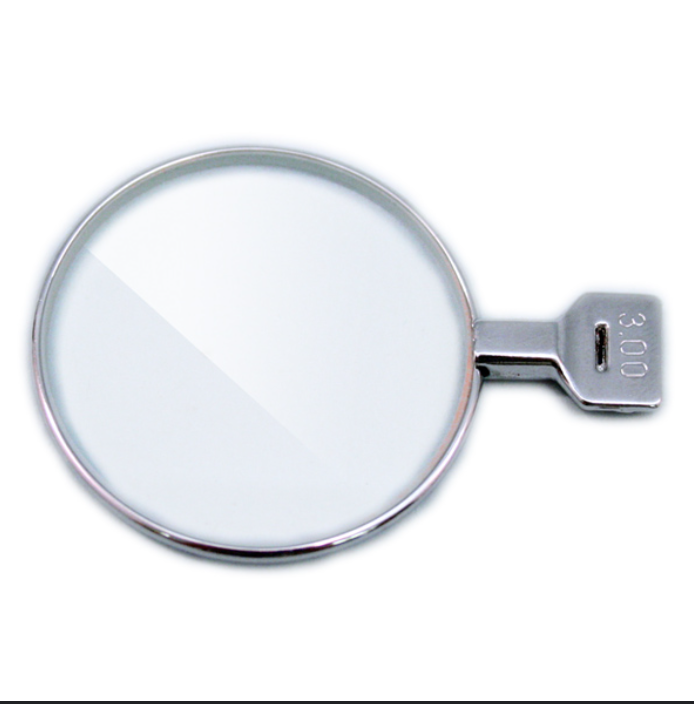
trial lenses
during refraction the practitioner utilize a set of known lenses called ____
used in eye examinations to measure and correct a patient’s vision. It comes in different powers (both plus and minus) and is placed in a trial frame in front of the patient’s eyes.
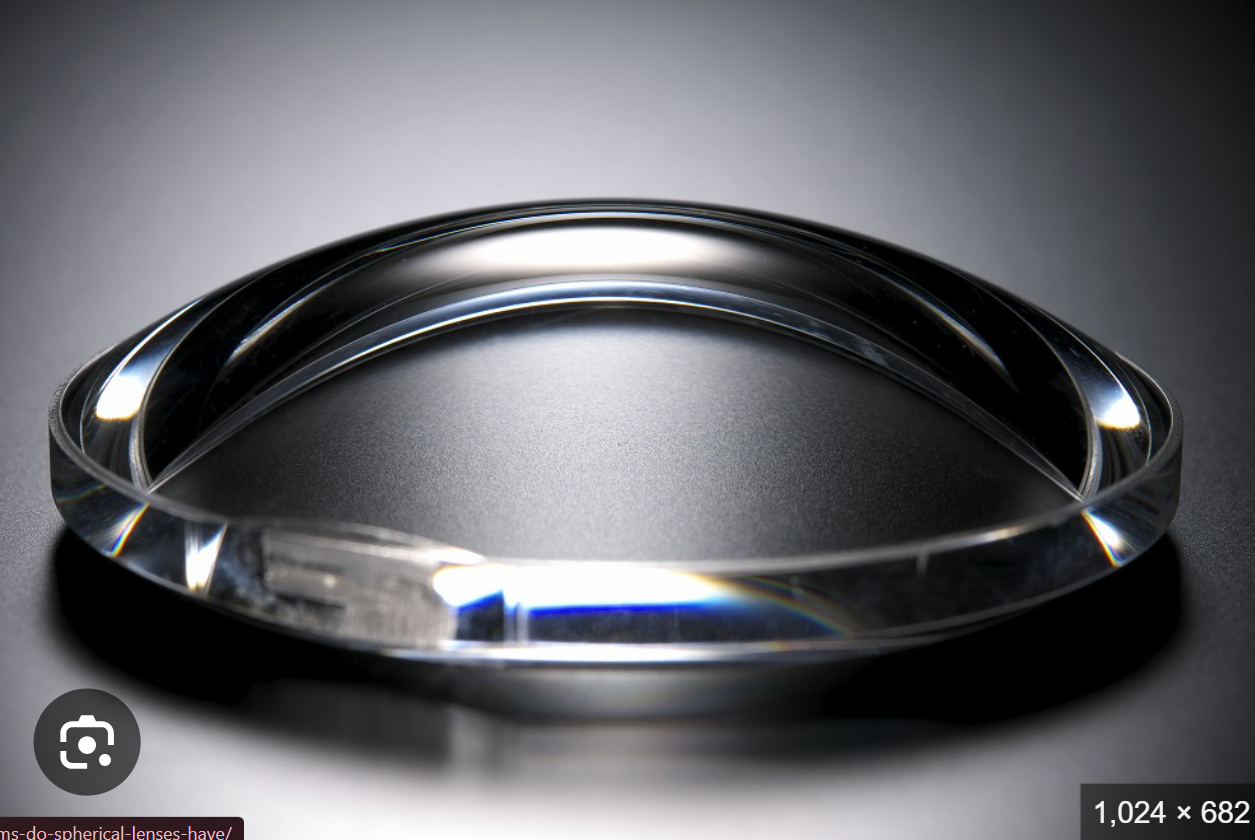
spherical lens
all meridians have same power
there are 32 pairs of ____ in plus and minus power
used for spherical ametropia
for hand neutralization
checking the refracting error
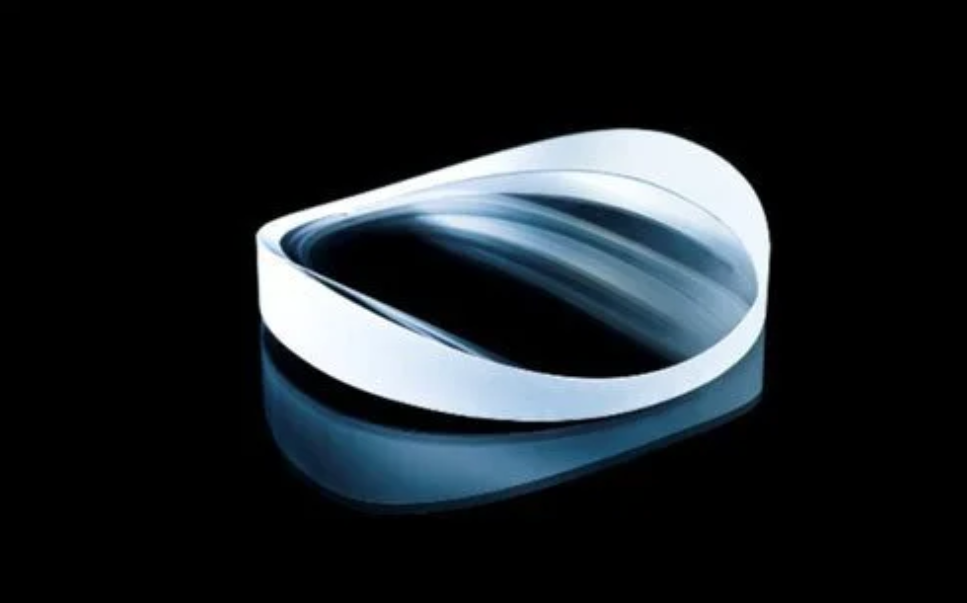
cylindrical lens
power lies in one meridian
axis meridian is marked on rim of the lens
used for correction of astigmatism
for checking the refractive error
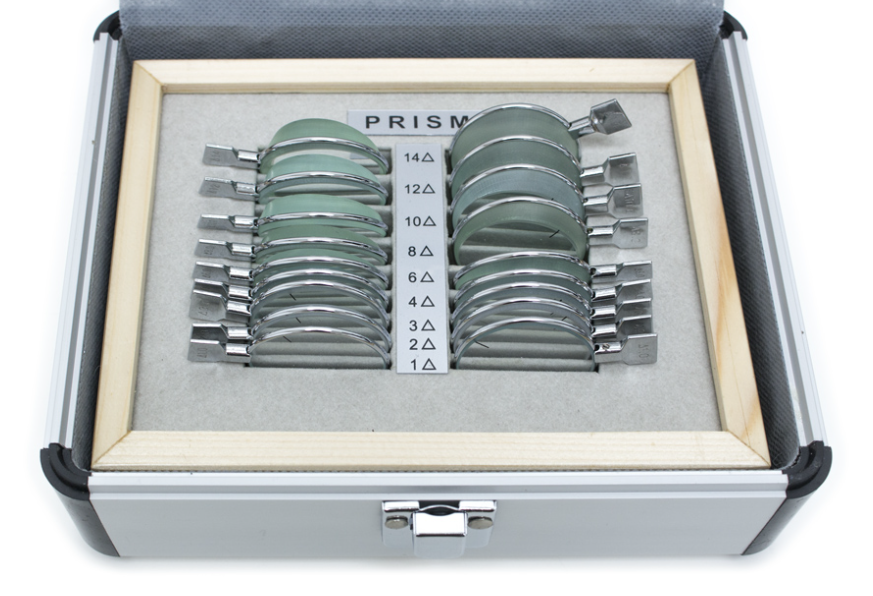
prism
used to correct and measure strabismus, exercising prism, measure the fusional range
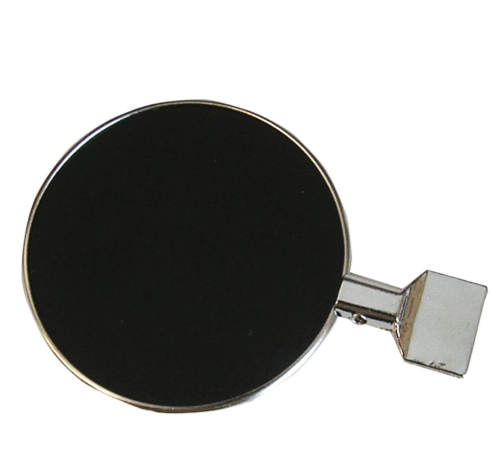
occluder
used to dissociate fusion
used to close one eye while the other eye can be tested for visual acuity
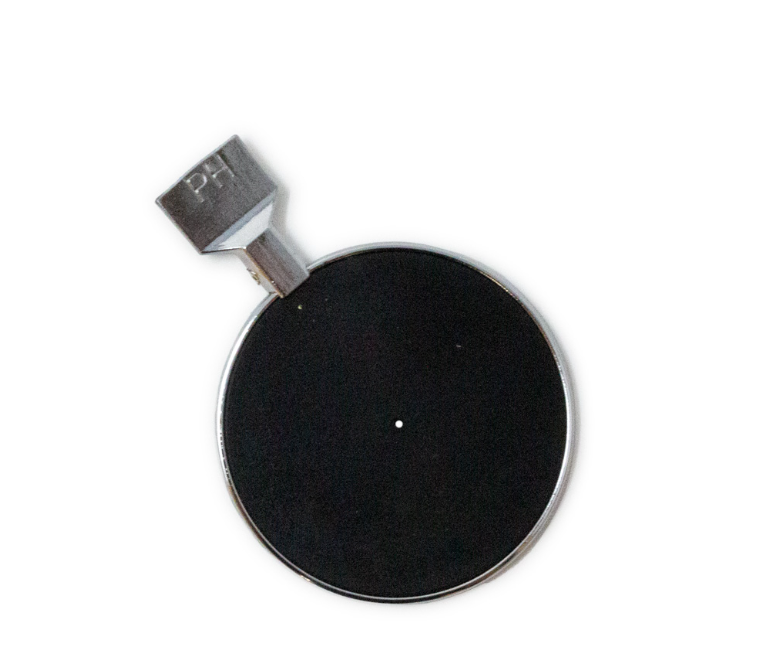
pin hole disc
allows only a pencil of light to pass through the corneas
helps to determine whether eye has refractive error or pathological errors
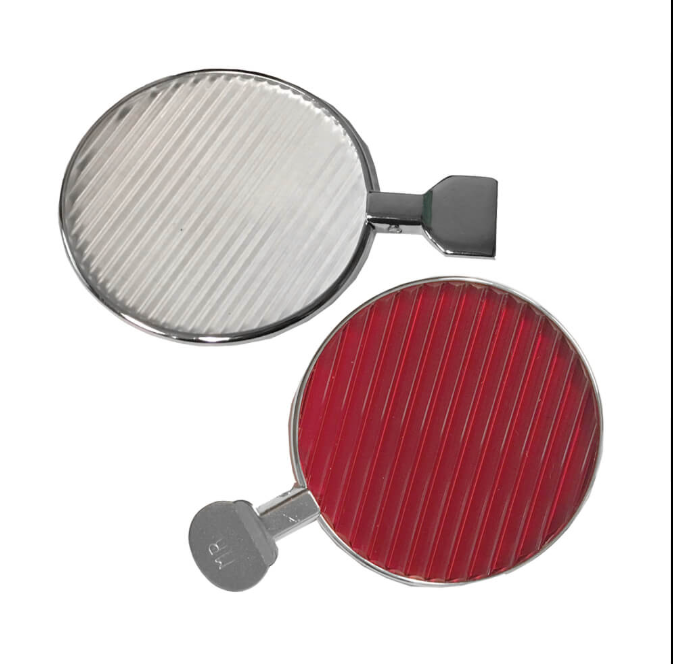
maddox rod
used to detect heterophoria
to detect cyclophoria
to measure the squint deviation
to detect orthophoria
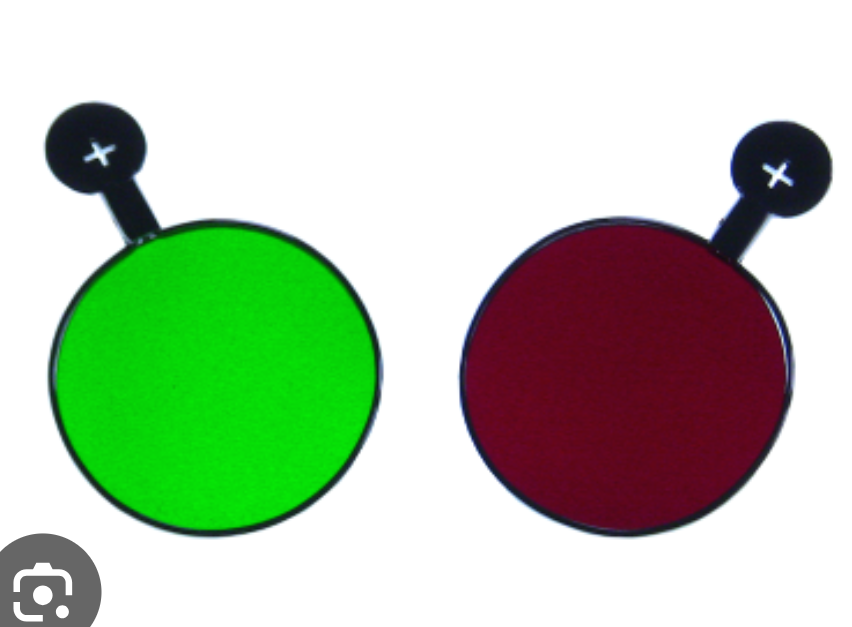
red and green filters
used for color dissociation
used to find out suppression of eyes
to find out diplopia
 Note
Note  Flashcards (43)