AP Psych 4.4-4.8
 Call Kai
 Learn
Learn Practice Test
 Spaced Repetition
 Match
Match Flashcards
 Knowt Play
1/83

There's no tags or description
Looks like no tags are added yet.
Name | Mastery | Learn | Test | Matching | Spaced | Call with Kai |
|---|
No analytics yet
Send a link to your students to track their progress
84 Terms
Personality
A set of enduring characteristics that lead to your typical responses to stimuli
Model of the mind
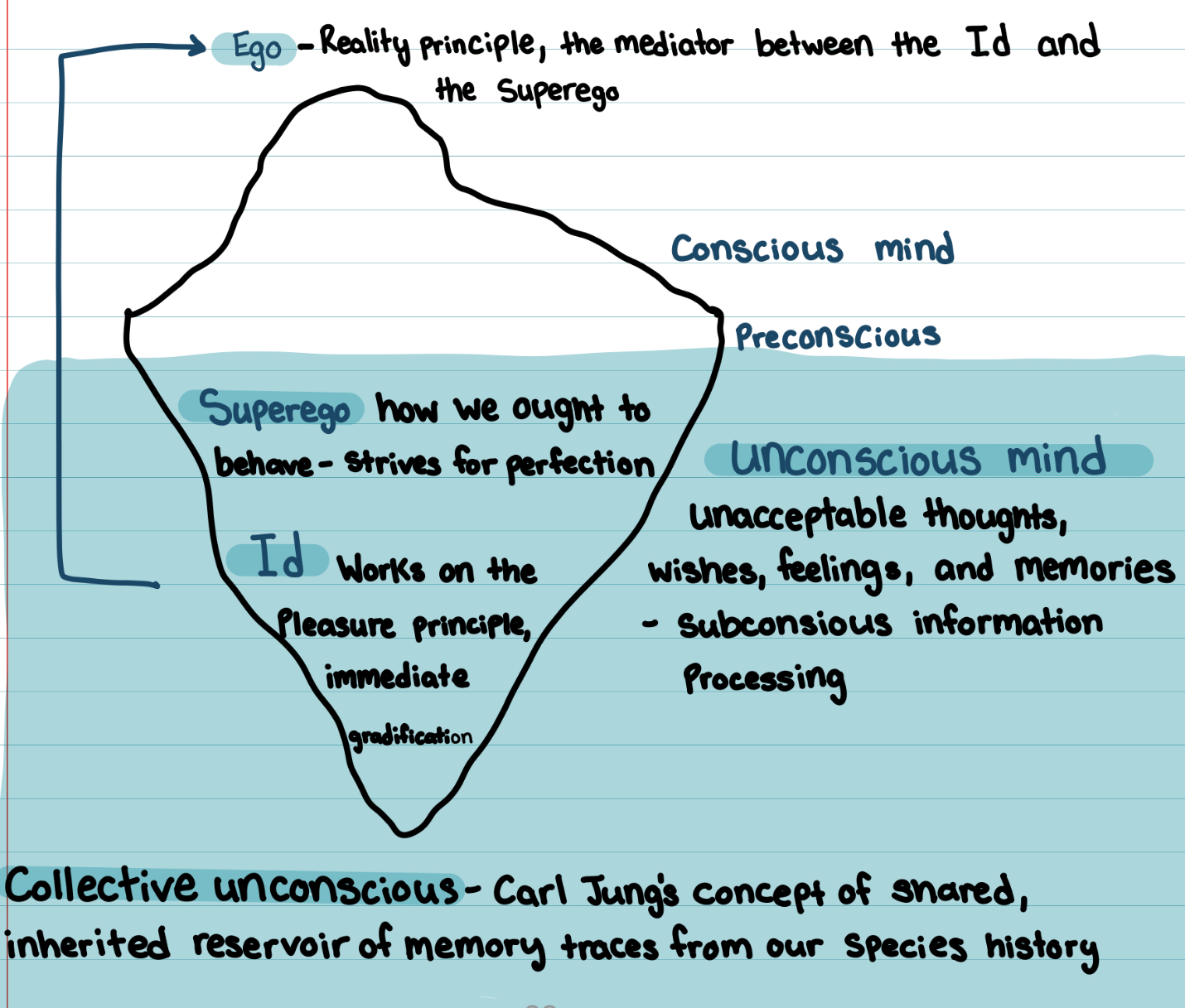
Most of your motivations are hidden “underwater” - you aren’’t even aware of them
from the psychodynamic theory
Psychodynamic theory
Created by Freud, unconscious processes drive your personality
shown by the model of the mind
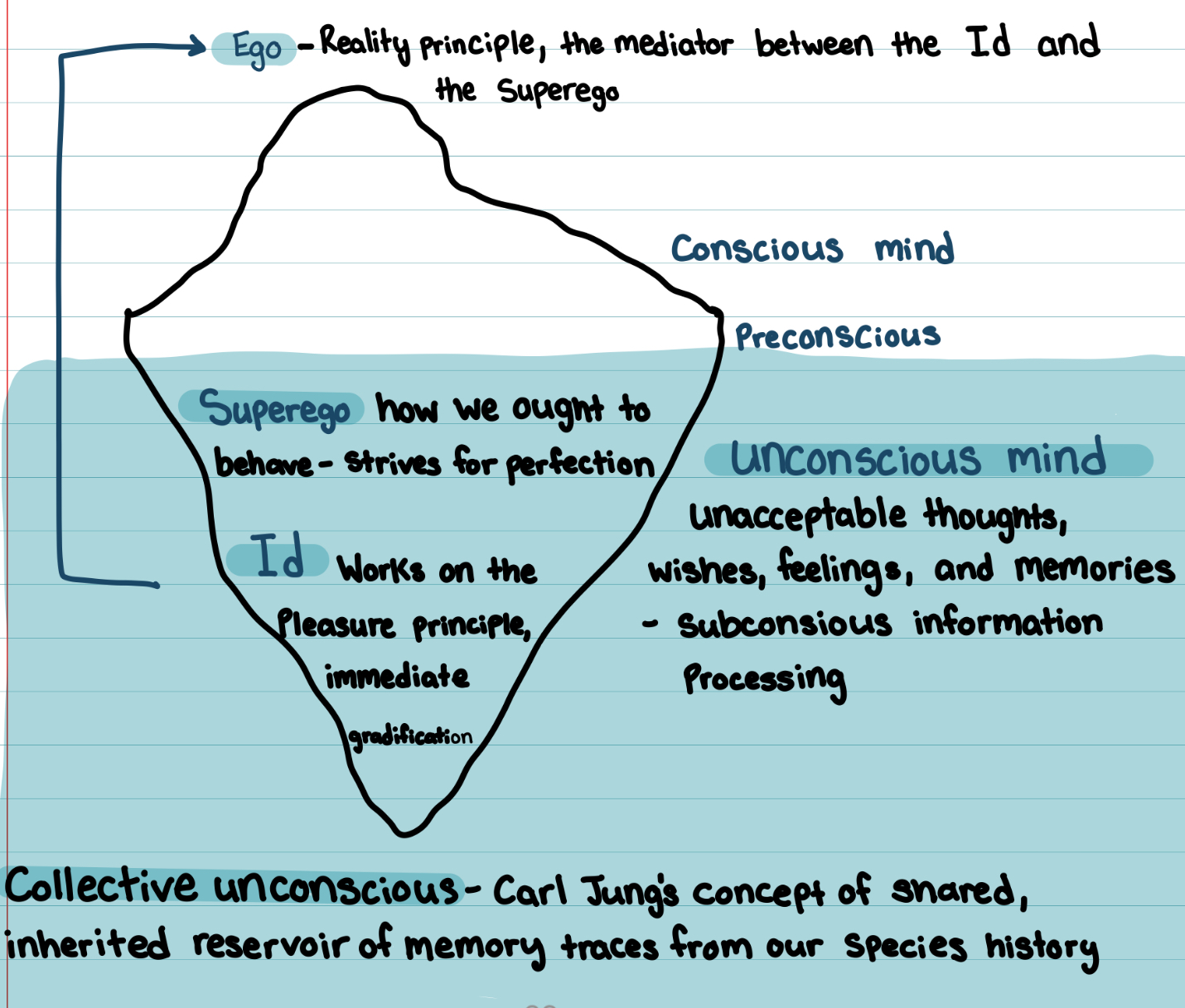
Id
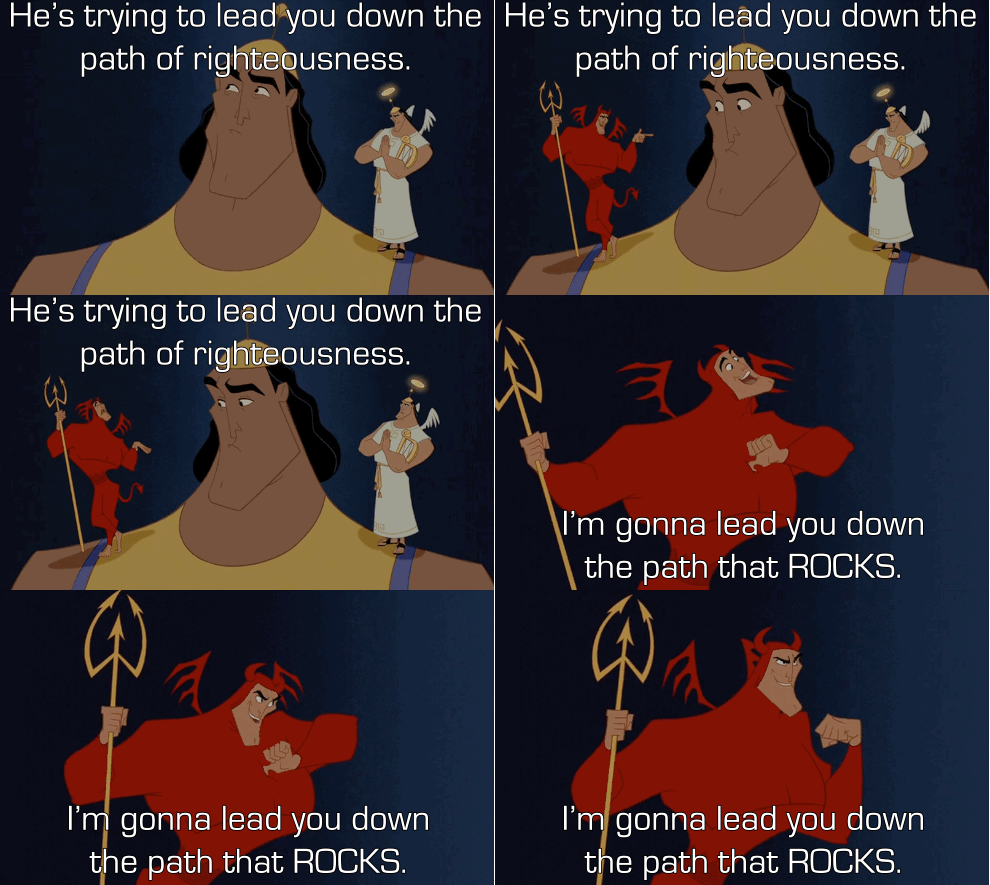
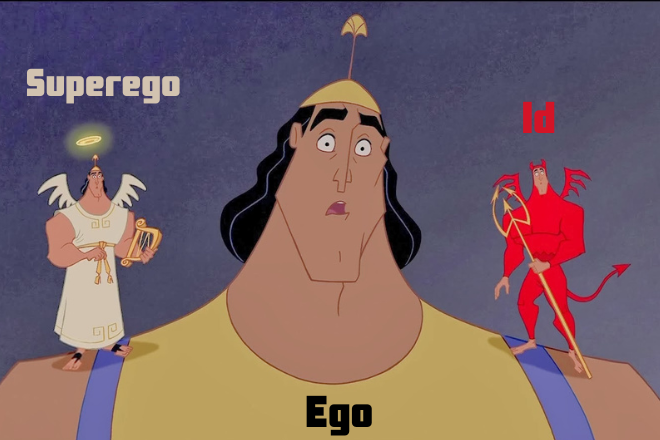
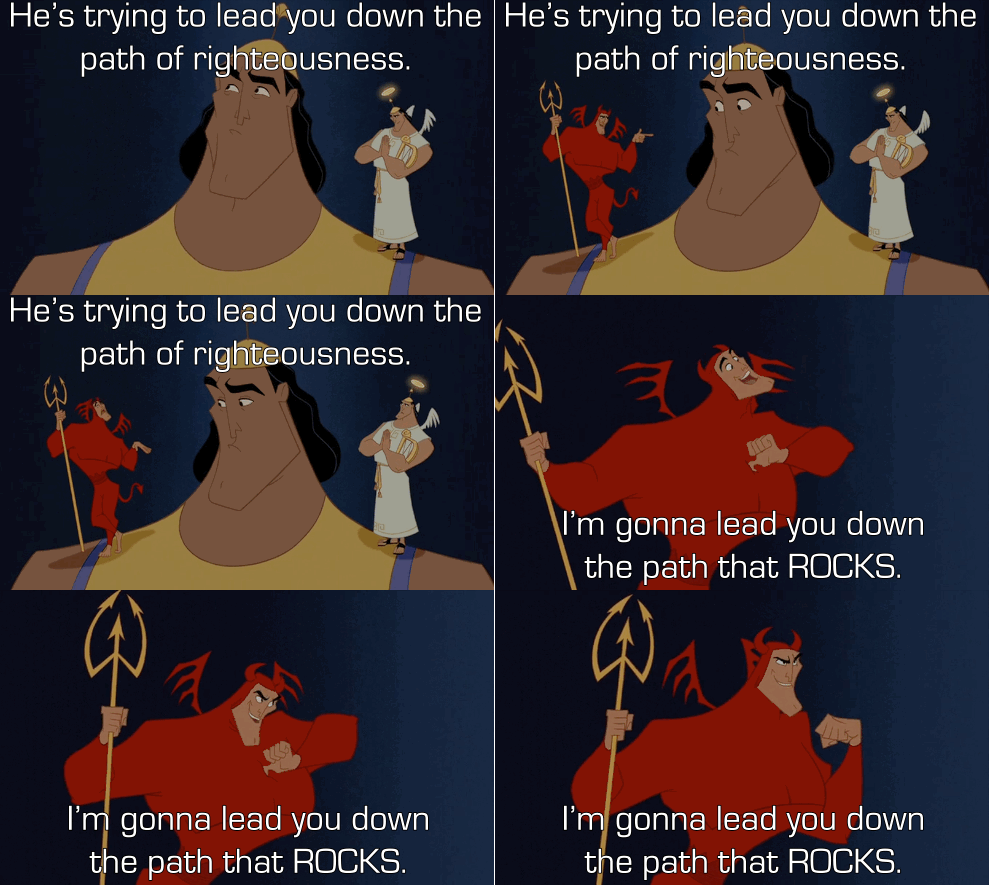
unconsciously strives to satisfy basic sexual and aggressive drives, operating on the pleasure principle. Avoid pain and receive instant gratification.
part of ego
works on the pleasure principle
Ego
Functions as the “executive” decision making component and mediates the demands of the id and superego. Develops after the Id.
Works on the reality principle
Superego
The moral component, provides standards for judgement (the conscience), social standards and future aspirations. Some people can have an irrationally demanding superego that results in excessive feelings of guild- anxiety and perfectionism.
Last to develop
part of ego
What are some of Fruds defense mechanisms?
Denial
Displacement
Projection
Rationalization
Reaction formation
Regression
Repression
Sublimation
Denial
Refusing to acknowledge a painful reality or truth
ex) Insisting you don’t have a phone addiction while your screen time is 12 hours a day
Displacement
Shifting sexual or aggressive impulses toward a more acceptable or less threatening object or person.
ex) Yelling at your younger brother because you are actually mad at your teacher
Projection
Disguising ones own threatening impulses by attributing them to others
ex) accusing your friend of being “jealous” when you are the one who is actually jealous
Rationalization
Offering self-justifying explanations in place of the real, more threatening unconscious reasons for ones actions
ex) I failed the test because the questions where worded weird not because I barely studied
Reaction formation
Switching unacceptable impulses into their opposite
ex) Overly friendly to someone you don’t like
Repression
The basic mechanism that banished anxiety arousing thoughts, feelings, and memories from consciousness.
ex) Forgetting your trama
Regression
Retreating to more infantile or younger psychosexual stage
ex) A teenager slamming the door and crying when not getting their way
Sublimation
Channeling socially unacceptable impulses into socially admirable or constructive activities
ex) Doing football to channel your anger
Psychoanalitics
Freuds theory of personality and the associated treatment techniques
Free association
In Psychoanalisis, a method of exploring the unconscious in which the person relaxes and says whatever comes to mind, no matter how trivial or embersing.
Unconscious mind
Unacceptable thoughts, wishes, feelings, and memories
subconscious information processing
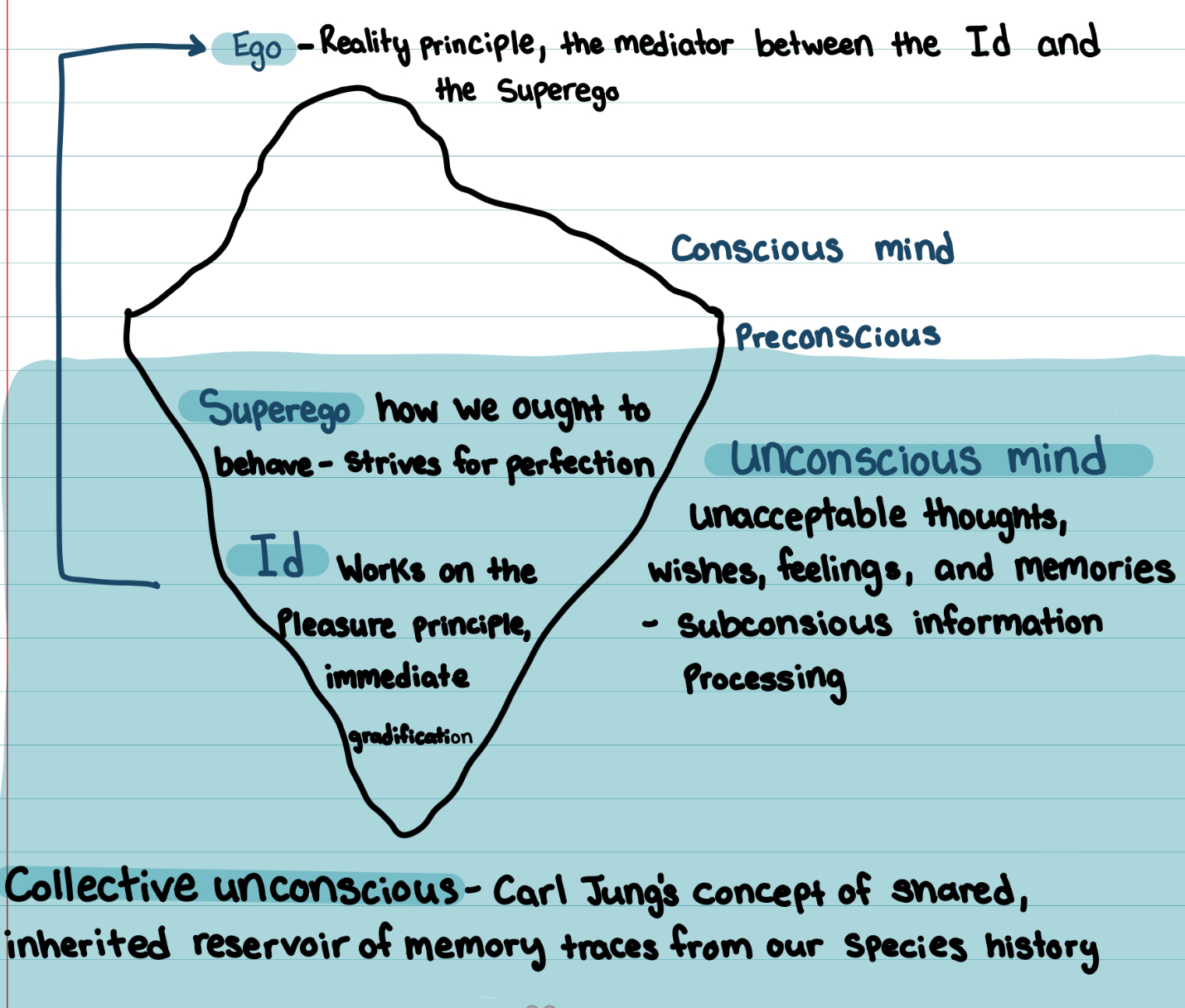
Collective unconscious
Carl Jung’s concept of shared, inherited reservoir of memory traces from our species history
Terror management therory
explores peoples emotional and behavioral responses to reminders of their impending death
Thematic apprehension test (TAT)
A projective test where people express their inner feelings and stories they make up
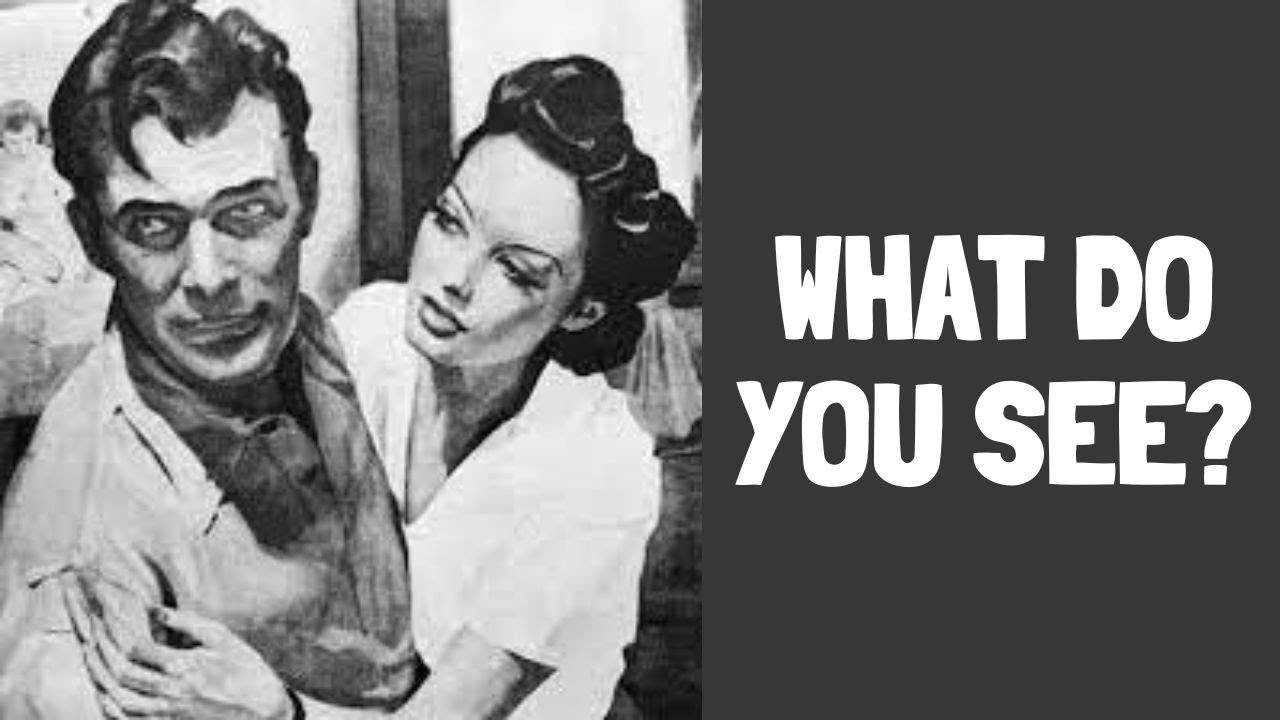
Projective test
Use ambiguous images to reveal unconscious thoughts
very subjective- lack reliability
Rorschach inkblot test
a specific projective test unsing 10 inkblots where people say what they see

What are freud’s psychosexual stages?
Oral- (0-18 months) pleasure centers on the mouth- sucking, biting, chewing
Anal- (18-36 months) pleasure focuses on bowel and blatter elimination- coping with demands for control
Phallic (3-6 years) Pleasure zone is the genitals, coping with incestuous sexual feelings
Latency (6-puberty) A phase of dormant sexual feelings
Genital (puberty on) maturation of sexual interests
Humanistic theorists
view personality with a focus on the potential for healthy personal growth
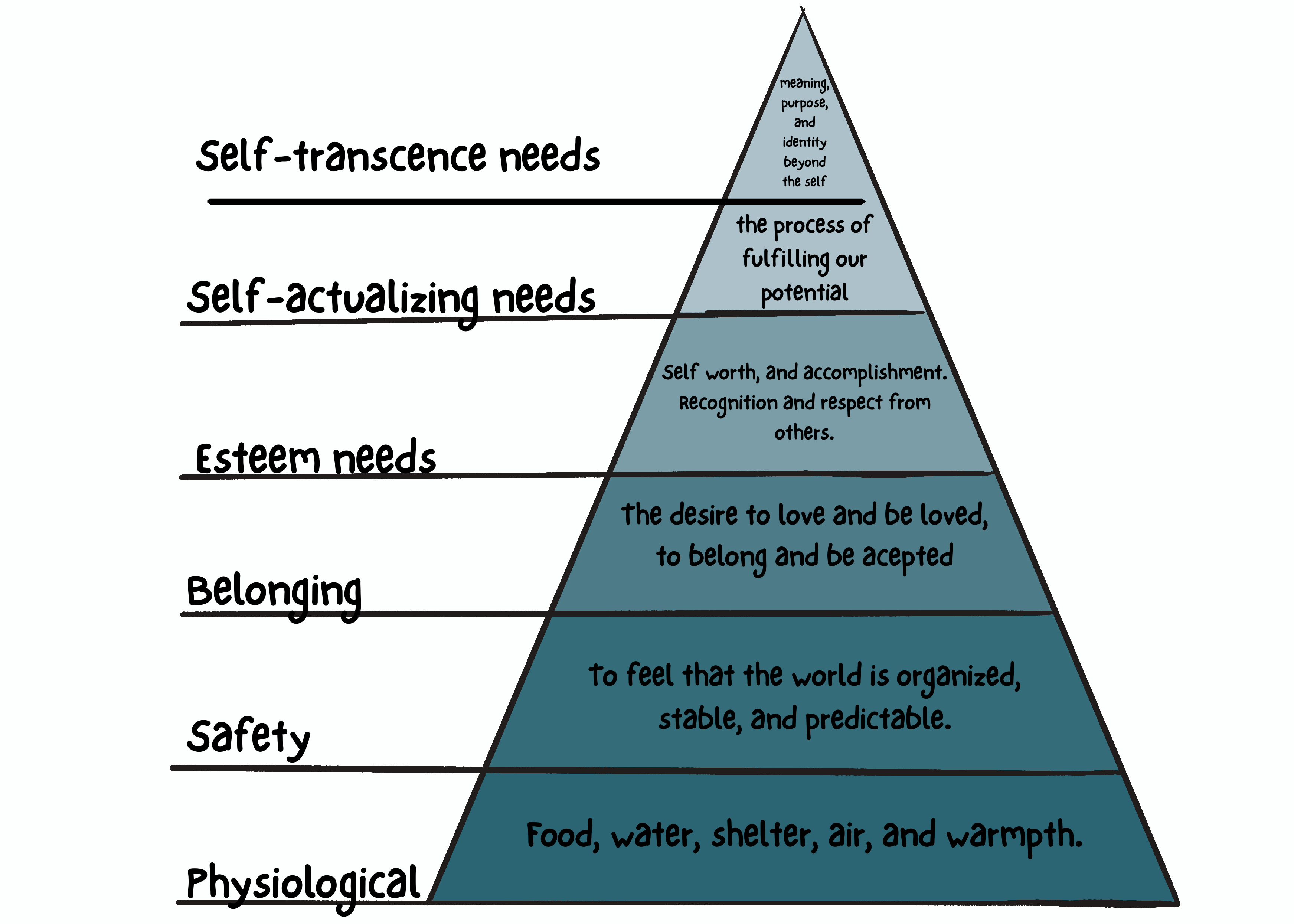
Maslow’s hierarchy of needs
A way of visualizing the levels of basic human needs. With the needs on the base needing to be fulfilled first.
Unconditional positive response
A caring, accepting, non-judgmental attitude which Carl Rodgers believes helps people develop self-awareness and self acceptance
→ Humanism
Self-concept
Answering the question “Who am I?”
Traits
peoples characteristic behaviors and conscious motives
What are some ways people categorize traits?
1) Biology- checking brain arousal
2) Personality inventories
3) Factor analysis
4) Empirically derived
Empirically derived
a test (such as the MMP) created by selecting from a pool of items that discriminate between two groups
Personality inventories
longer questionnaires covering a wide range of feelings and behaviors- asses multiple traits at once
ex) the Minnesota multiphasic personality inventory (MMPI)
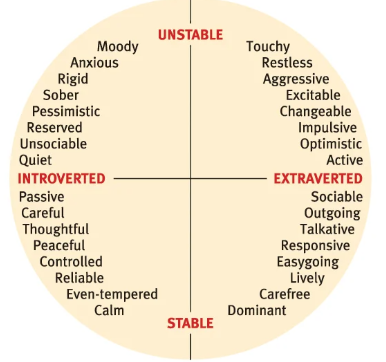
Factor analysis
a statistical procedure that identifies clusters (factors) of test items that tap basic components of a trait
the big 5 factors
What are the big 5 factors?
1) Openness
2) Conscientiousness
3) Extroversion
4) Agreeableness
5) Neuroticism
Think of the acronym ocean
Define openness from the big 5 factors
How much you are into new ideas and trying new things. Are you adventurous and curious or more traditional?
Define conscientiousness from the big 5 factors
how organized and responsible you are. Are you organized and reliable ore messy and impulsive?
Define extroversion from the big 5 factors
how social and energetic you are around people. Do people energize you, or drain you?
Define agreeableness from the big 5 factors
how nice, friendly, and cooperative you are. Are you more compassionate and trusting or competitive and blunt?
Define neuroticism from the big 5 factors
how much you experience negative emotions. Do you get stressed easily or remain pretty calm?
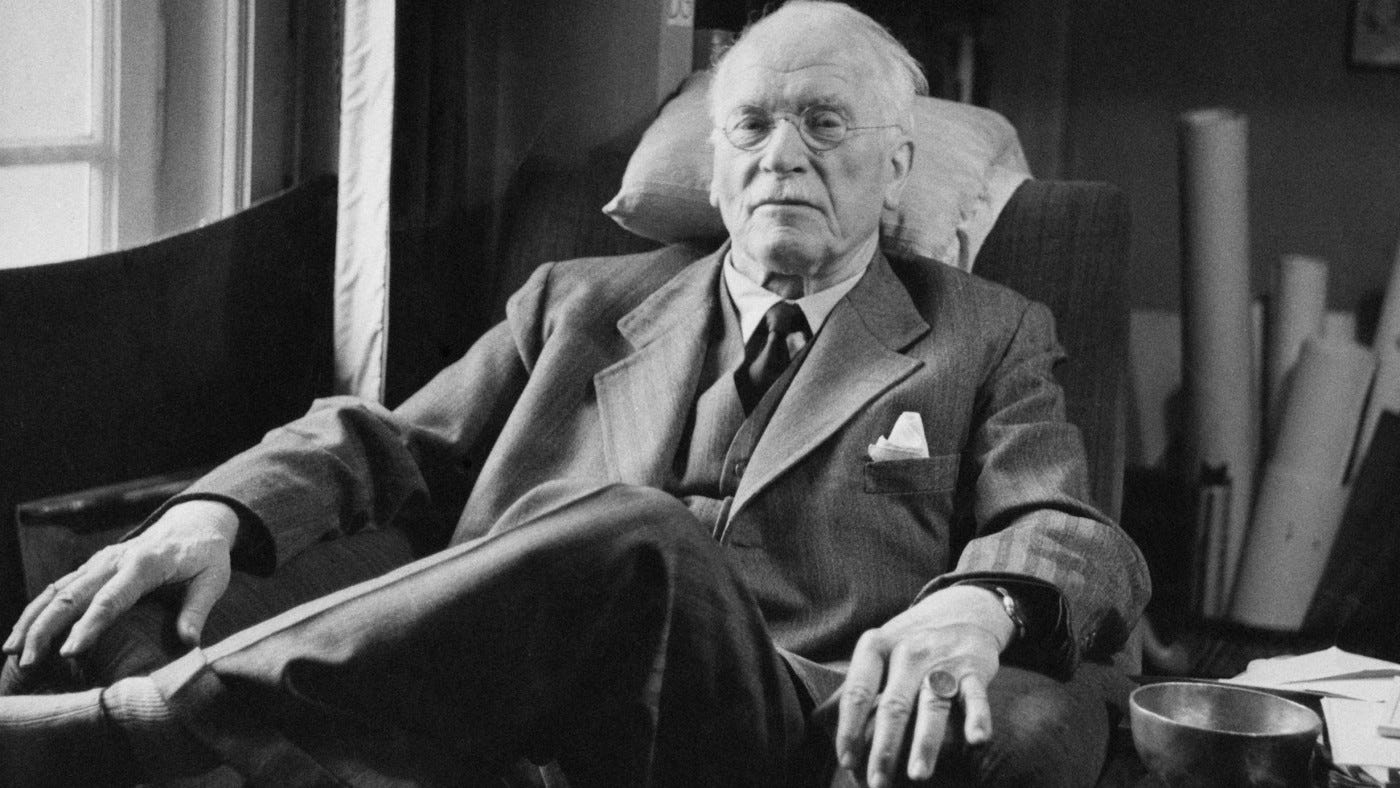
Carl Jung
Psychodynamic perspective
collective unconscious theory
He emphasized personal growth and balance, with the goal of induction.
He also introduced personality types like introversion and extraversion.
His Three Archetypes where Anima (feminine),Animus (masculine), and Persona (public mask)
Alfred Adler
psychodynamic (and psychoanalytic) perspective
believed children work to overcome the feeling of inferiority
“Individual Psychology” Theory, focuses on development being caused by inferiority and the strive to superiority
Believes personality is shaped by social interactions and personal goals
B.F. Skinner
radical behaviorism perspective
“Theory of operant conditioning” → Behavior is shaped, maintained, or extinguished, by its consequences.
Focused on observable behavior
Believed actions are controlled by external factors and past experiences
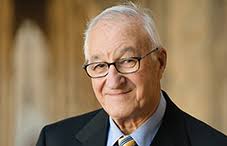
Albert Bandura
social (or behaviorist) perspective
his theory involved the social-cognitive theory. He believed that personality comes from the interaction from your behavior, internal cognition (thoughts, beliefs, attitudes), and environment, which is called reciprocal determinism
Believed people learn by observing others’ behaviors, attitudes, and outcomes
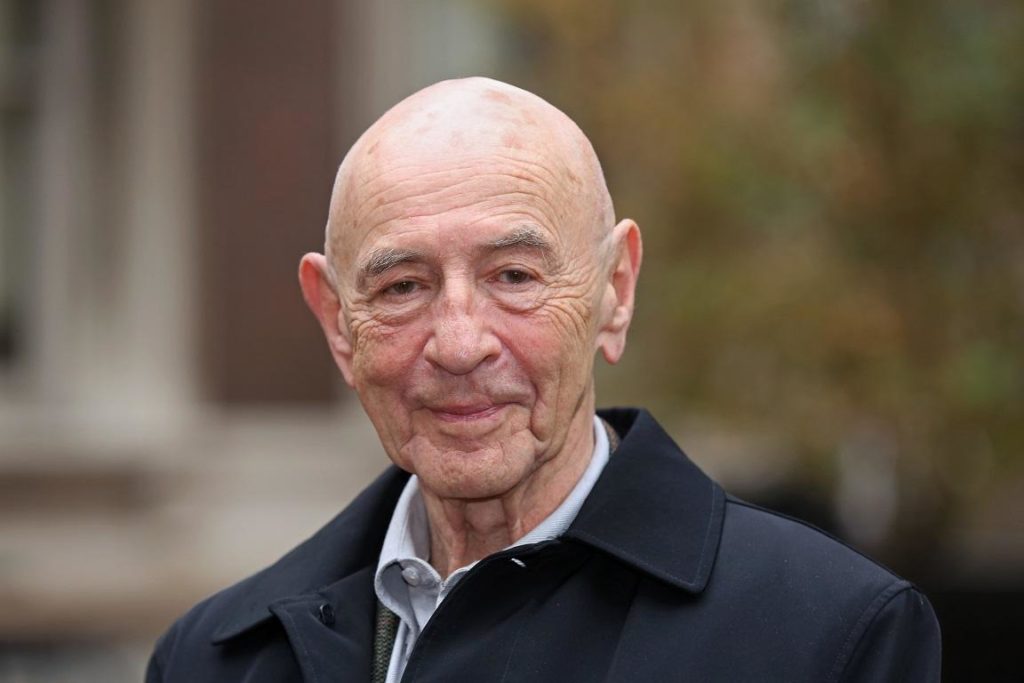
Walter Mischel
social-cognitive perspective
Believed interactions between our environment and past experiences come together to impact how we behave. →Situational and cognitive variables interaction
Behaviors arent fixed, they change with situations
He didn’t believe in personality, just traits
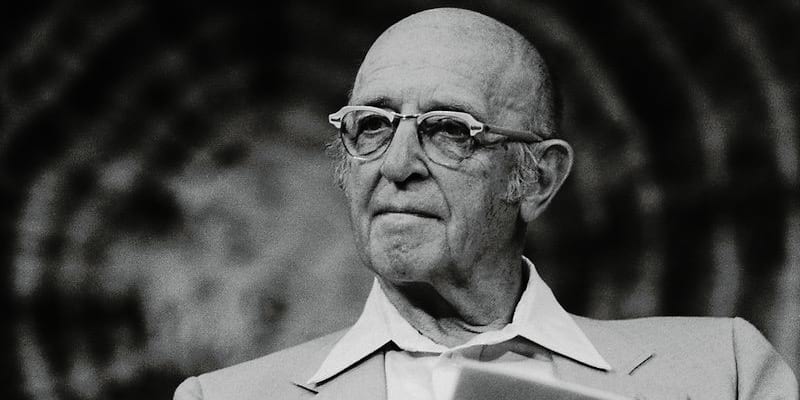
Carl Rogers
humanistic perspective
Believed in self-actualization- people are good and want to grow and reach their fullest potential
Believed that a driving factor of a person's personality was their self-concept.
importance of being in an environment with acceptance, being surrounded by people offering unconditional positive regard, genuineness, when people are open with their feelings, and empathy, when people are understanding of your feelings.
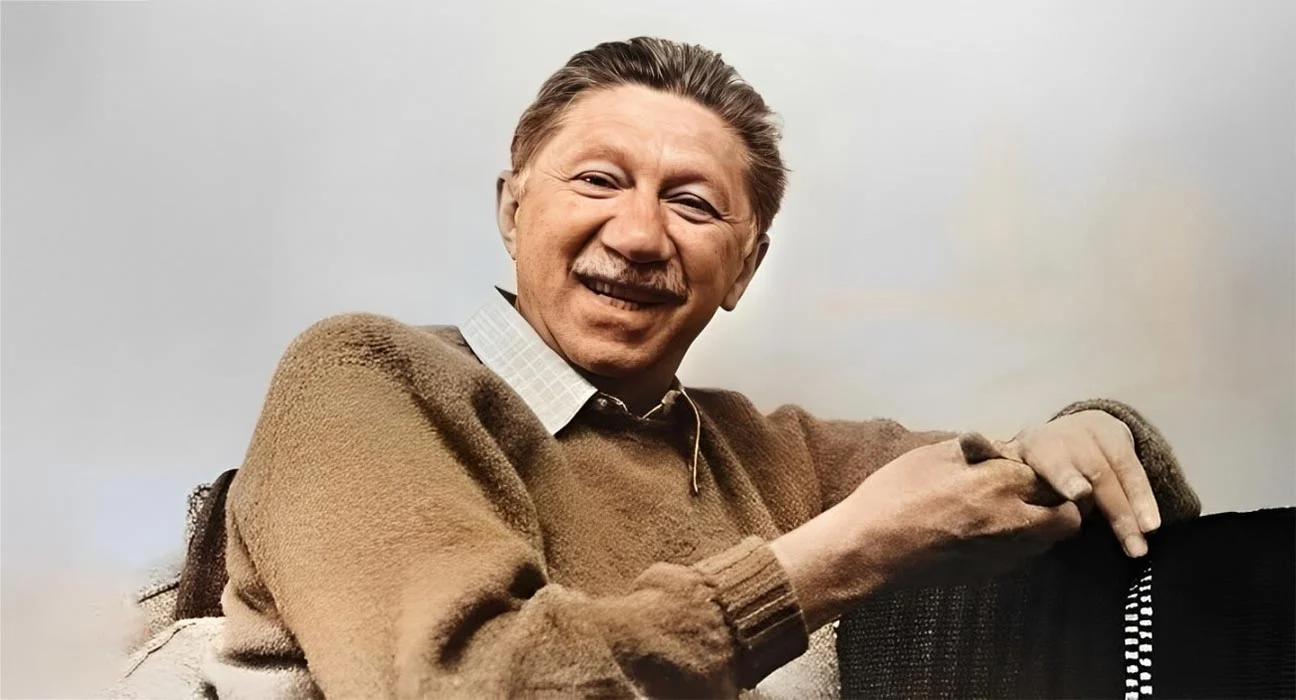
Abraham Maslow
Humanistic perspective
established the hierarchy of needs
He believed that personality develops through his hierarchy of needs and each level shapes how a person acts and thinks.
He believed that personality is caused by a desire to grow. He also believed that everyone can be the best version of themselves.
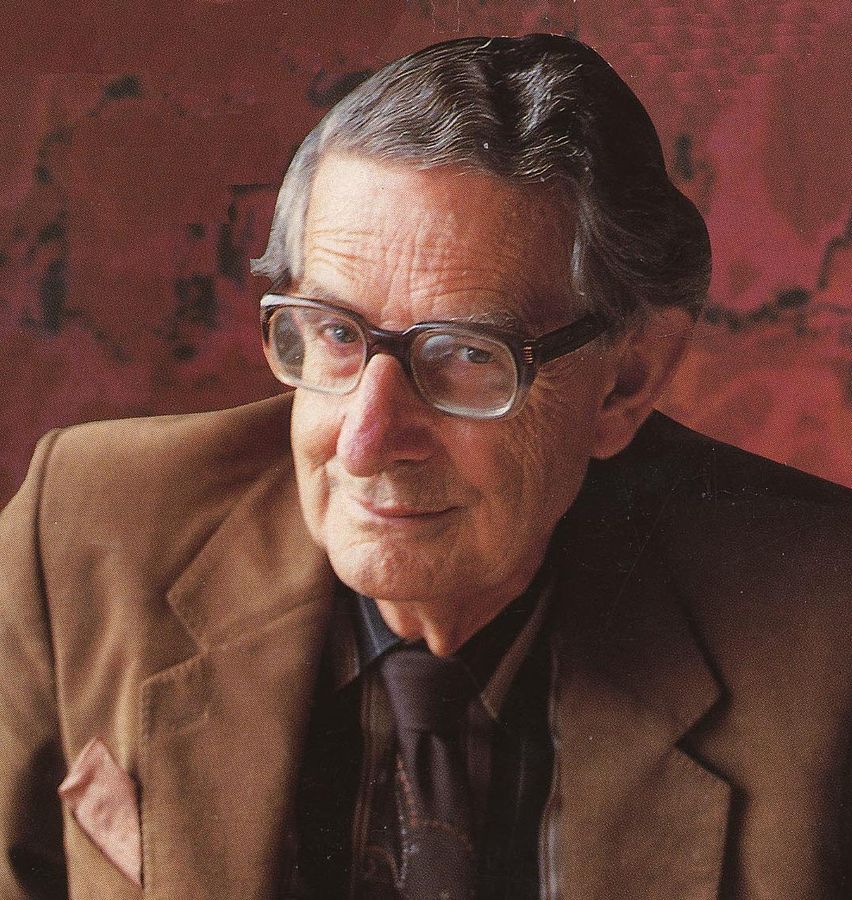
Hans Eysnec
Biological perspective
Personality is based on biology
Structured personality into different categories: using the PEN Model (Psychoticism, extraversion, and neuroticism)
Self
the organizer of our thoughts, feelings, and actions
occupies the center of personality
Possible selves
The versions of yourself you dream or fear of becoming
Spotlight effect
overestimating other’s noticing/ evaluating our appearance, performance, and flaws. We stand out less than we think
ex) everyone notices the stain on my sleeve
Self esteem
or feelings of high or low self worth (defensive vs. secure)
Self efficacy
our sense of competence on a test
Self serving bias
a readiness to perceive ourselves favorably
Narcissim
excessive self love and self absorption.
Humility
no matter your accomplishments, you are not entitled
Motivations
a need or desire that energizes and directs behavior
What are the 4 perspectives of what motivates behavior?
1) Instinct theory/ evolutionary perspective
2) Drive reduction theory
3) Arousal theory
4) Abraham Maslows hierarchy of needs
Instinct
a complex behavior that is rigidly patterned throughout a species and is unlearned
mart of instinct theory/ evolutionary perspective
ex) babies rooting
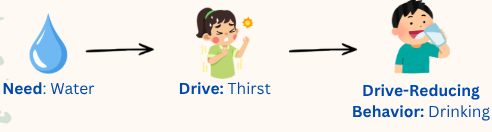
Drive reduction theory
The act to push our body back to its “steady state” or “balance”
Homeostasis
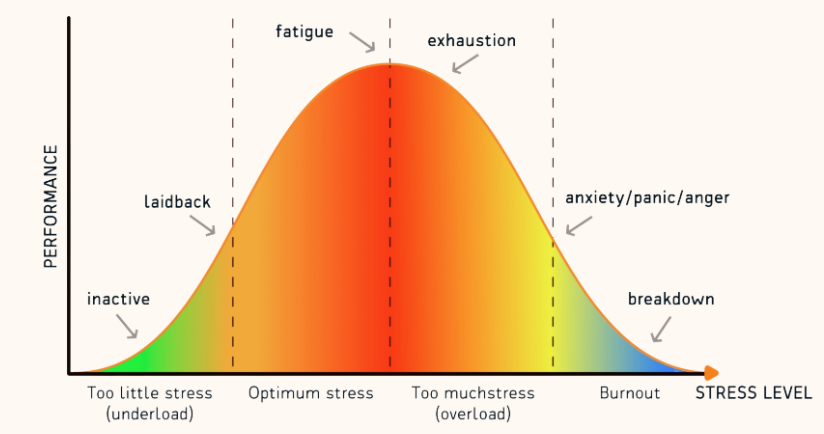
Arousal theory
We don't just want "zero" drive; we want the right amount of excitement.
Yerkes-Dodson law- a principle that performance increases with arousal only up to a point, beyond which performance decreases.
ex) When test taking you want to be alert but not shaking with nervousness
affiliation need
the need to build and maintain relationships and to feel part of a group →needing to belong
Self-determination theory
we feel motivated to satisfy our needs for understanding, personal control , and comunity
Intrinsically motivated
the desire to perform a behavior effectively for its own sake → usually self-determined
ex) I do art because I enjoy it and through art I have found community
Estrinsically motivated
the desire to perform a behavior to receive promised rewards or avoid threatened punishment
ex) I am making art for my art class in hopes I will get a good grade
Self disclosure
shareing yourself- our joys, worries, and weaknesses with others
Achievement motivation
A desire for significant accomplishment for mastery of skills or ideas for control, and for attaining a high standard
Organizational psychologists
Seek ways to engage and motivate ordinary people doing ordinary jobs.
What are situational influences on eating?
who you are eating with (ex eating less on a date)
Serving size
Selection based on options/ what’s available
Environments promoting nutrition
Basal metabolic rate
the bodies resting rate of energy output
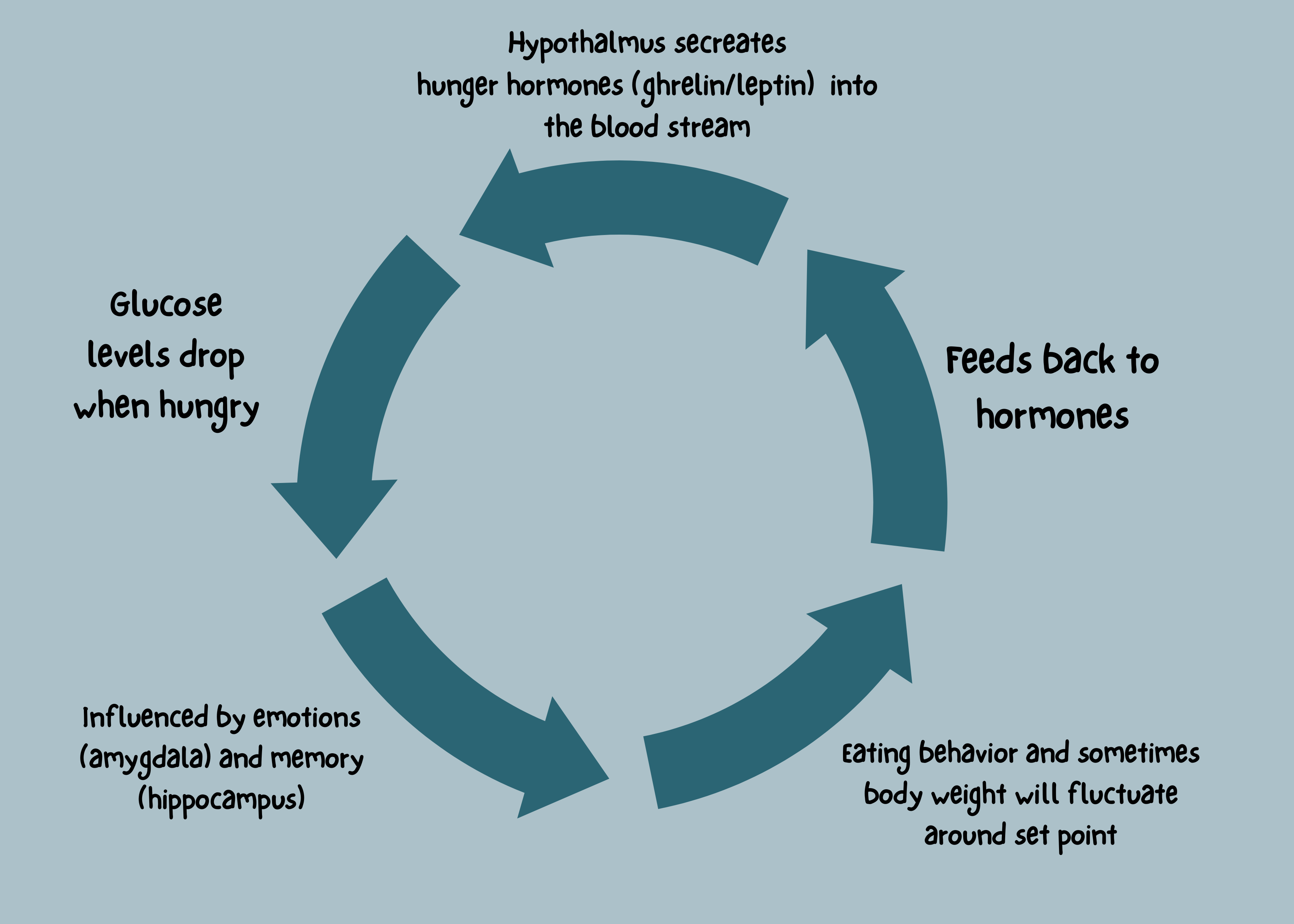
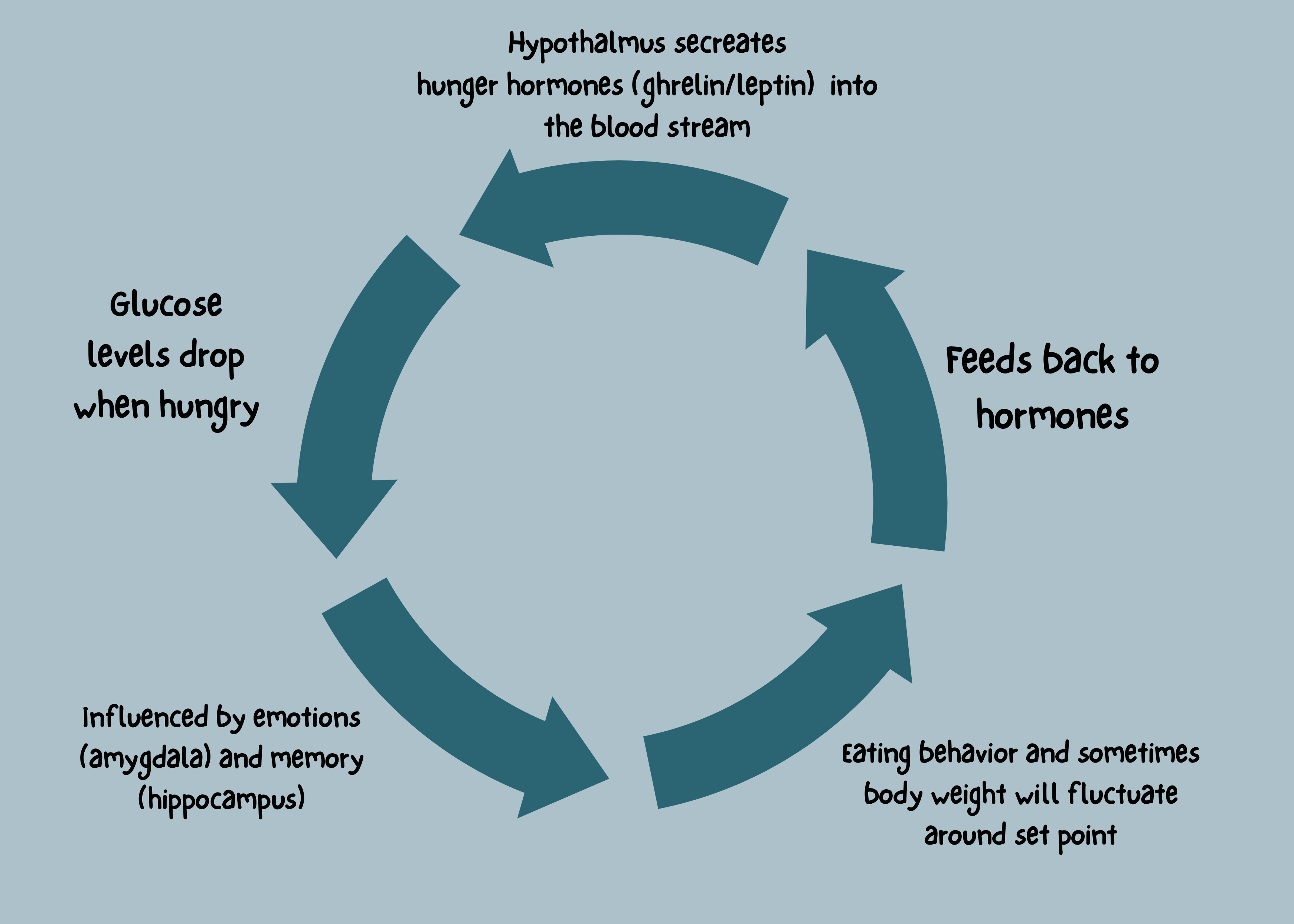
Glucose
the form of sugar that circulates in the blood and provides the major source of energy for body tissues. When it’s level is low, we feel hunger.

Obesity
BMI of 30 or higher
Emotion
a feeling that includes body reactions, outward expressions, and conscious label
What are the 5 theories of emotion?
1) James- lange
2) Cannon- bard
3) Schachtner 2-factor
4) LeDoux
5) Lazarus
James- lange’s emotion theory
stimlus → arousal → emotion
ex) heart races after a threat then we feel afraid
Cannon- bard’s emotion theory
arousal and emotion happen at the same time
ex) our heart races at the same time we feel afraid
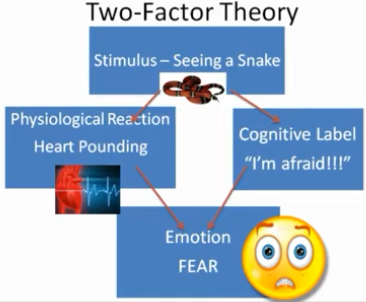
Schachtner 2-factor emotion theory
we may interprate our arousal as fear or excitement, depending on the context
LeDouxs emotion theory
your body reacts before you even have time to thing about it
ex) we automatically feel startled by a sound in the forest before even labeling it as a threat
Lazarus emotional theory
You must interprate (appraise) the situation first, then you feel the emotion
What are the 10 basic human emotions?
1) Joy
2) Sadness
3) Anger
4) Fear
5) Disgust
6) Surprise
7) Contempt
8) Interest
9) Shame
10) Guilt
What is the facial feedback effect?
facial expressions can influence the emotional experience. Goes with the James Lange theory.
ex) Smiling makes you happier
What is the behavior feedback effect?
The tendency of behavior to influence our own and others thoughts, feelings, and actions.
Paul Ekman
Proved that most cultures were able to have a universal recognition of emotions
Display rules
set by the culture, social guidelines that tell an individual when, where, and how it’s ok to feel emotions
ex) a culture shaming men for crying
Elicitors of emotions
Events, situations, or stimuli that trigger and emotional response from an individual.

