Peds Exam 1: Infants
 Studied by 25 people
 Call Kai
 Learn
Learn Practice Test
 Spaced Repetition
 Match
Match Flashcards
 Knowt Play
1/10

There's no tags or description
Looks like no tags are added yet.
Name | Mastery | Learn | Test | Matching | Spaced | Call with Kai |
|---|
No analytics yet
Send a link to your students to track their progress
11 Terms
What are the types of Childrearing styles? (4)
authoritative
parents set clear rules but are supportive and listens to child → confident child
authoritarian
strict rules with little explanation
“because I said so” with punishment instead of discussion → obedient child
permissive
few rules where parent act like friends→ impulsive child
neglectful/uninvolved
little involvement or guidance → poor attachment/ sociopathic child
Whos all a part of a pediatric pt’s interprofessional team? (7)
child life specialist
helps children cope w/ stress, procedures using play and education
speech therapist
assess and treats speech/swallowing problems (developmental delays)
OT
helps with fine motor skills and daily living skills
school/home life
PT
helps gross motor skills, strength
recovery from injury
disability
Social worker
community resources
registered dietitian
RT
breathing treatments
asthma, ventilators
Piaget’s Theory
4 stages
sensorimotor (infant)
babies learns using senses (puts everything in mouth)
learn object performance (things still exist even when not seen)
ex: looks for hidden toy
preoperational (toddler)
they see only from their POV
pretend play
no logical thinking
Ex: believes cartoon character’s real
concrete operational (preschool/school age)
can understand real things
grasps time, numbers, rules
ex: conservation of mass
formal operations (adolescence)
teens think abstractly and hypothetically
plan, reason, understand morals and consequences
ex: teen thinks abt how choices will affect their future
Eriksons Theory Infants
Trust v Mistrust
learn to trust caregivers if needs are met (food)
Infant gross motor skills:
4 mon (2)
6 mon (2)
7 mon (2)
9 mon (3)
12 mon (2)
4 mon:
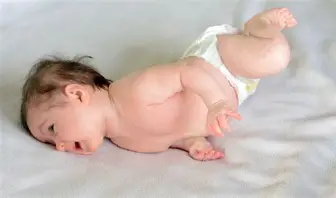
rolls front to back
good head control
6 mon
sits with support (using hands to prop themselves up)
rolls back to stomach and stomach to back
7 mon
sits w/o support
crawls in commando position “army crawl”
9 mon
pulls to stand
cruises
stands on feet/hands
12 mon
stands alone
walks independently
Whats object performance?
What develops as a result?
when does this being?
knowing things still exist even if out of sight (peek a boo)
Stranger and separation anxiety begin
6-12 months
Interventions for Separation anxiety? (3)
remember that its expected
leave infant for short period w/ familiar caregiver and work up to longer times
infant will associate with parent leaving and returning as safe
What language skills does an infant have?
2 mon (1)
6 mon (2)
9 mon (1)
12 mon (3)
2 mon
coos
6 mon
babbles w/ consonant
responds to name
9 mon
mama/dada—nonspecifically
12 mon
can say first word
points to something they want
follows simple command
Injury prevention infants: (4)
sleep on back
sleep by themselves
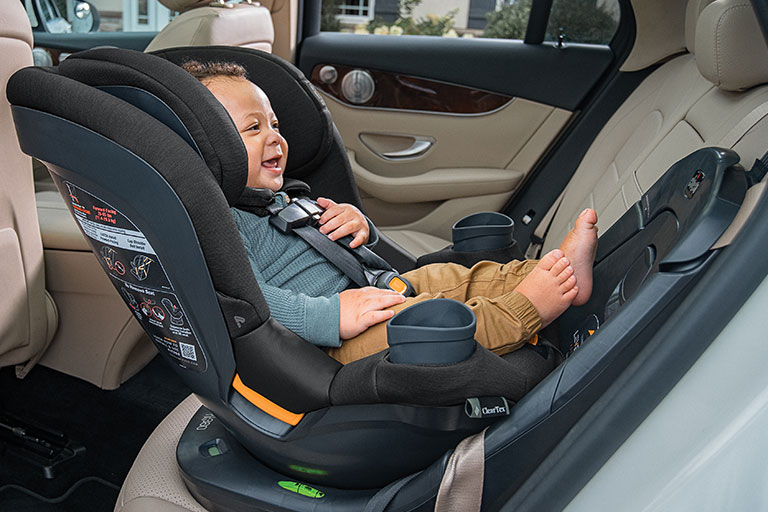
in middle of back seat w/ rear facing car seat
childproof home: cover electrical outlets, lock chemicals, pad sharp edges, baby gates
Infants nutritional needs: (4)
breastmilk/formula 4-6 months!!
> 6 month solids are introduced
introduce new foods q3-5 days (allergies: eggs, milk, nuts)
no cows milk or honey < 1 y/o
Infant Gross motor skills: (5)
Big movements using large muscle groups
head and neck control
rolls
sits
crawls
stand with support
*cephalocaudal
 Note
Note  Flashcards (34)