Unit 2 - Cell structure and function
 Multiple Choice & FRQ
 Call Kai
1/57

Earn XP
Description and Tags
Cell structure and function flashcards, correspond to unit 2 of AP Bio. Includes organelles, transport in/across cells, eukaryotic/prokaryotic cells, & more.
58 Terms
eukaryotic cells have __________ - bound organelles
membrane
Nucleus
Contains genetic info, connects to ER
Smooth ER
Produces lipids, detoxifies substances
Rough ER
Produces proteins through the ribosomes attached
Ribosomes
A particle consisting of RNA and associated proteins, found in large numbers in the cytoplasm of living cells. They bind mRNA and tRNA to synthesize proteins.
ribosomal RNA
a type of non-coding RNA which is the primary component of ribosomes
golgi complex
“package” molecules and proteins, modify, store, & send proteins from rough ER, proteins packaged in vesicles, proteins mature in golgi bodies, cis and trans face, proteins enter via cis and depart via trans
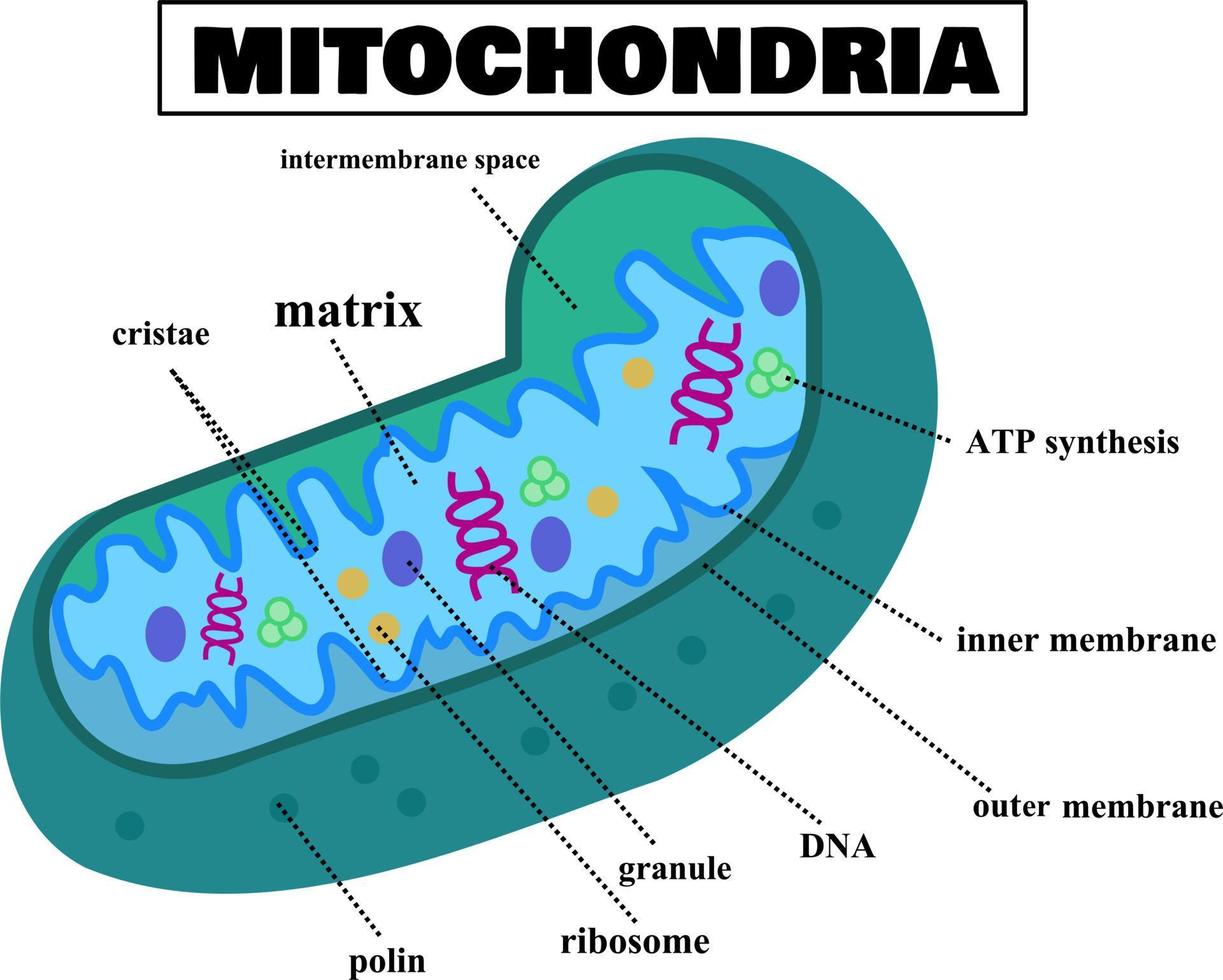
mitochondria
porins allow small molecules like sugar and ions to pass through, folds in inner membrane are called cristae, matrix has high protein concentration - more viscous than cytosol, krebs cycle occurs in matrix, electron transport chain happens along cristae
vacuole
stores nutrients and water, plants generally have a large central vacuole
chloroplast
disc shaped organelles, inner + outer membranes & intermembrane space
thylakoid & grana
thylakoids arranged in interconnected stacks called grana, membrane of a thylakoid contains light-harvesting complexes that include chlorophyll, discs are hollow, space is called thylakoids space/lumen, fluid surrounding thylakoids
Cell surface area
The total area of the outer surface of a cell, including the plasma membrane and any extensions. It is important for cellular processes like nutrient uptake, waste removal, and cell communication.
cell compartmentalization
The process of separating different cellular functions into distinct compartments within a cell. Allows for efficient organization and specialization.
apoptosis
Programmed cell death; a natural process in which cells self-destruct to maintain tissue homeostasis, eliminate damaged or infected cells, and regulate development. It involves a series of tightly regulated molecular events, including cell shrinkage, DNA fragmentation, and formation of apoptotic bodies.
Adenosine triphosphate (ATP)
energy currency of the cell, primary energy source for cell
cellular respiration
Biological fuels are oxidized in the presence of an inorganic electron acceptor, such as oxygen, to drive the production of ATP.
chlorophyll
gives plants their green color and helps them create energy via photosynthesis
Fluid mosaic model
phospholipids are amphipatic
The fluid mosaic model describes the structure of the plasma membrane as a mosaic of components —including phospholipids, cholesterol, proteins, and carbohydrates—that gives the membrane a fluid character.
glycoprotein
A molecule made up of a protein and sugar chains. Important for tasks like cell communication, immune responses, and maintaining tissue structure. Glycoproteins are found on cell surfaces and have diverse functions in the body.
glycolipid
A molecule made of a combination of lipids (fats) and sugar chains. Glycolipids are found in cell membranes and play a role in cell recognition, signaling, and communication. They contribute to the structure and function of cell surfaces.
transport protein
A specialized protein that helps move substances like ions or molecules across cell membranes. These proteins act like gatekeepers, facilitating the passage of specific substances into or out of cells, ensuring proper functioning and balance within the cell.
turgor pressure
The pressure exerted by the fluid (usually water) inside the central vacuole of a plant cell against the cell wall. This pressure provides structural support to the cell, helping it maintain its shape and rigidity. Turgor pressure is essential for processes like cell growth and overall plant structure.
diffusion
The natural movement of molecules from an area of higher concentration to an area of lower concentration through the cell membrane. This passive process doesn't require energy and helps maintain a balance of substances inside and outside the cell.
passive transport
The movement of substances across a cell membrane without the use of energy. This process occurs spontaneously, driven by the concentration gradient, where substances move from areas of higher concentration to areas of lower concentration. Passive transport includes simple diffusion, facilitated diffusion, and osmosis.
active transport
The energy-dependent movement of substances across a cell membrane, usually against their concentration gradient (from an area of lower concentration to an area of higher concentration). This process requires energy, often provided by ATP (adenosine triphosphate), to transport molecules or ions across the membrane using specific transport proteins.
concentration gradient
The difference in the concentration of a particular molecule or ion between two areas, such as inside and outside a cell. Substances tend to move along the concentration gradient, from areas of higher concentration to areas of lower concentration, in processes like diffusion and passive transport.
endocytosis
The process by which a cell engulfs and takes in substances by forming a vesicle around them. The cell membrane surrounds the material, pinches off, and brings it into the cell. This method is used for the intake of large molecules, particles, or even other cells.
exocytosis
The process by which a cell expels substances by enclosing them in a vesicle, which then fuses with the cell membrane, releasing the contents outside the cell. It's like the cell "exposing" or "expelling" material to the external environment. Exocytosis is involved in the secretion of molecules, such as hormones or enzymes, and the removal of waste from the cell.
vesicle
A small, membrane-bound sac inside a cell that can store, transport, or digest cellular materials. Vesicles are involved in processes like endocytosis, where they bring substances into the cell, and exocytosis, where they release substances outside the cell. These structures help compartmentalize and manage cellular activities.
facilitated diffusion
A type of passive transport where molecules move across a cell membrane with the help of specific proteins. These proteins act as facilitators, assisting the movement of substances from areas of higher concentration to areas of lower concentration. Facilitated diffusion does not require energy and is crucial for the transportation of larger or polar molecules that can't easily pass through the lipid bilayer of the cell membrane.
aquaporin
A specialized protein channel in the cell membrane that allows the selective and rapid passage of water molecules. Aquaporins play a crucial role in facilitating the movement of water across cell membranes, ensuring efficient water balance and regulation within cells.
sodium-potassium pump
A molecular machine in the cell membrane that actively transports sodium ions (Na⁺) out of the cell and potassium ions (K⁺) into the cell against their respective concentration gradients. This process requires energy in the form of ATP and is crucial for maintaining the proper balance of sodium and potassium ions inside and outside the cell. The sodium-potassium pump is vital for cell function, including the generation of electrical signals in nerve cells.
osmosis
The movement of water molecules across a selectively permeable membrane from an area of lower solute concentration to an area of higher solute concentration. Osmosis is a type of passive transport and is essential for maintaining proper water balance in cells.
If a cell is placed in a hypertonic solution, water will _____ the cell, and the cell will _____. In an isotonic environment, there is __ net water movement, so there is ___ change in the size of the cell. When a cell is placed in a hypotonic environment, water will _____ the cell, and the cell will ______.
leave, shrink, no, no, enter, swell
water potential
Water potential measures the tendency of water to move from one place to another. Water moves from areas of higher water potential to lower water potential. It is important for plant cells to maintain proper water potential for optimal functioning.
pressure potential
The force exerted by water inside a cell, pushing against the cell wall/membrane. It helps maintain cell shape and supports the structure.
solute potential
The measure of the tendency of water to move from a solution to a pure solvent across a semipermeable membrane, due to the concentration of solute particles.
Water potential equation
Ψ = ΨS + ΨP
Solute potential equation
Ѱs = -iCRT
osmolarity
Measurement of the concentration of solute particles in a solution. It determines the osmotic pressure and influences fluid movement across cell membranes. Osmolarity is expressed in osmoles or milliosmoles per liter (osmol/L or mOsm/L). It helps assess the balance of fluids and electrolytes in the body.
osmoregulation
The process by which organisms regulate the balance of water and solutes in their bodies to maintain internal stability and prevent dehydration or overhydration.
homeostasis
a self-regulating process by which a living organism can maintain internal stability while adjusting to changing external conditions
Prokaryotes vs. Eukaryotes
Prokaryotes are always unicellular, while eukaryotes are often multi-celled organisms. Additionally, eukaryotic cells are more than 100 to 10,000 times larger than prokaryotic cells and are much more complex. The DNA in eukaryotes is stored within the nucleus, while DNA is stored in the cytoplasm of prokaryotes.
endosymbiosis
The theory that explains how eukaryotic cells evolved from prokaryotic cells by engulfing and forming a symbiotic relationship with smaller prokaryotic cells. This process led to the development of organelles such as mitochondria and chloroplasts.
secondary active transport
Transport process that uses the energy from an electrochemical gradient to move molecules across a cell membrane against their concentration gradient.
antiporter
A type of membrane protein that transports two different molecules across a cell membrane in opposite directions simultaneously.
symporter
Protein that transports two different molecules across a cell membrane in the same direction.
cytosol
fluid inside cell
cholesterol role in the cell
acts as a regulator of membrane fluidity - at high temperatures it stabilises the membrane and raises the melting point. - at low temperatures it prevents phospholipids from packing together too close together which would lead to stiffening.
action potential
Rapid change in electrical potential across the membrane of a nerve cell or muscle fiber, allowing for the transmission of signals.
pinocytosis
The cell takes in fluids along with dissolved small molecules, and the cell membrane folds and creates small pockets and captures the dissolved substances.
phagocytosis
Phagocytosis, or “cell eating”, is the process by which a cell engulfs a particle and digests it
cells interact based on _______ and __________.
shape, charge
evidence for endosymbiosis
MADDR-
Membranes - some organelles have double membranes
Antibiotics - susceptible to antibiotics (suggests organelles have bacterial origin)
Division - reproduction occurs with a fission like process
DNA - organelles have own DNA (similar to prokaryotic DNA)
Ribosomes - have ribosomes 70S in size, identical to prokaryotic ribosomes
primary endosymbiosis
A process in which a eukaryotic cell engulfs a free-living prokaryotic cell, forming a stable, symbiotic relationship. This process is believed to be the origin of organelles such as mitochondria and chloroplasts in eukaryotic cells.
secondary endosymbiosis
Secondary endosymbiosis occurs when a eukaryotic cell engulfs a cell that has already undergone primary endosymbiosis. They have more than two sets of membranes surrounding the chloroplasts.
tertiary endosymbiosis
tertiary endosymbiosis, which occurs when a secondary plastid-containing alga is engulfed by a heterotrophic eukaryote.
SA to V ratio significance
As the radius of a cell increases, its surface area increases as the square of its radius, but its volume increases as the cube of its radius (much more rapidly). Therefore, as a cell increases in size, its surface area-to-volume ratio decreases.