tree ID
 Call Kai
 Learn
Learn Practice Test
 Spaced Repetition
 Match
Match Flashcards
 Knowt Play
1/26

There's no tags or description
Looks like no tags are added yet.
Name | Mastery | Learn | Test | Matching | Spaced | Call with Kai |
|---|
No analytics yet
Send a link to your students to track their progress
27 Terms
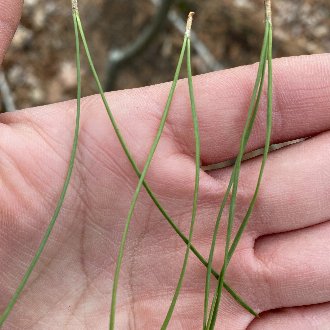
shortleaf pine!
can be in pairs or bundles of three; only one that varies from 2-3 pines per bundle
pines are FAR LONGER than Virginia pines
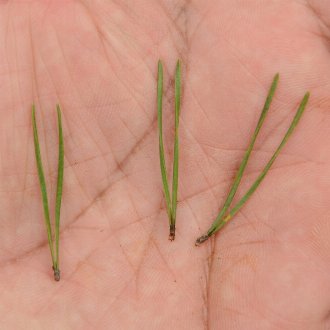
virginia pine!
only forms in pairs
pines much shorter than shortleaf pine
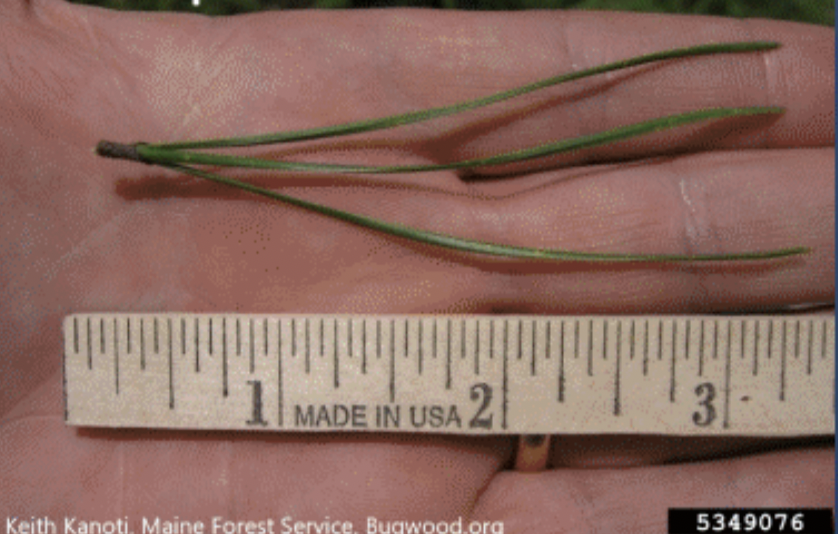
pitch pine!
only forms in bundles of three
differentiate from shortleaf pine by noting needles EXCLUSIVELY in bundles of three; probably won’t happen with shortleaf pine
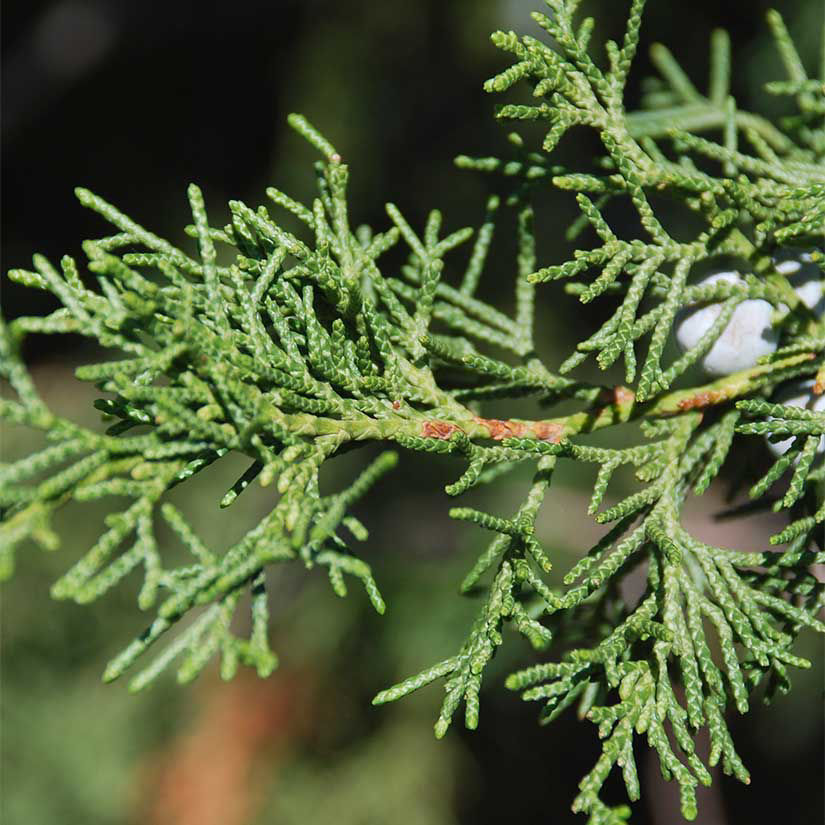
eastern redcedar!
note the “scale-like” nature of the needles; very distinct
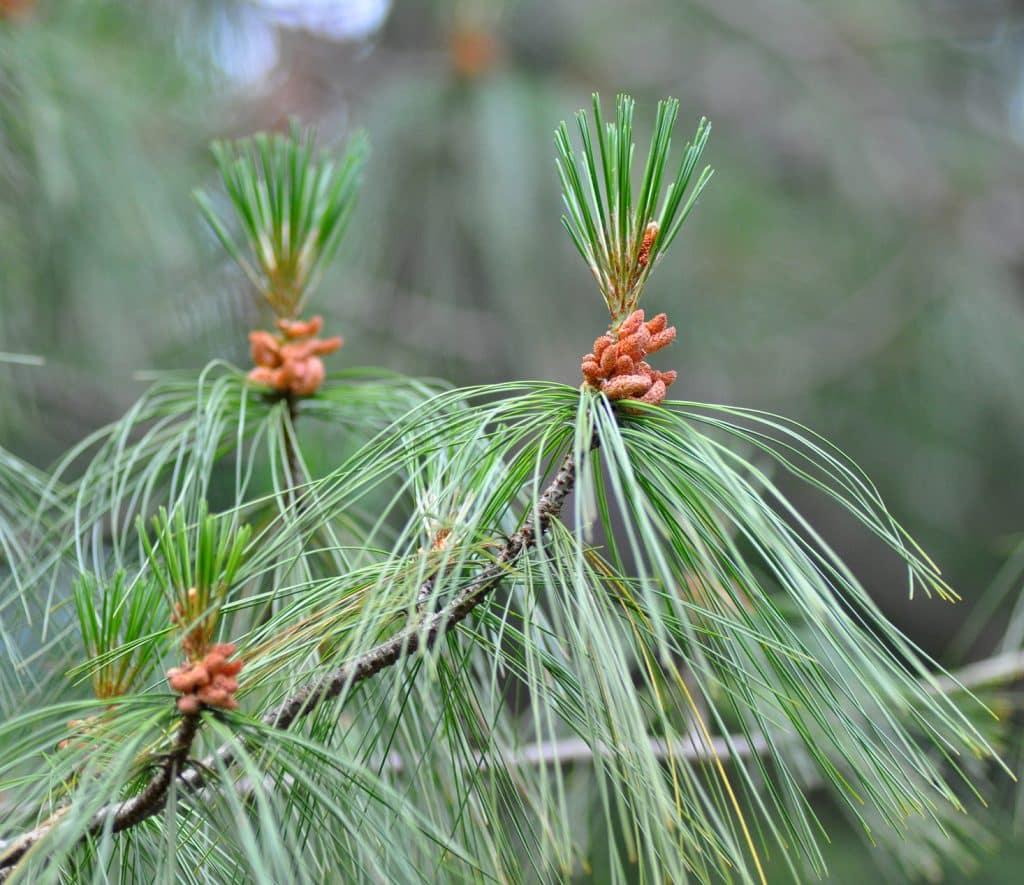
eastern white pine!
look at how many needles there are per bundle; only pine tree with 5 needles per bundle
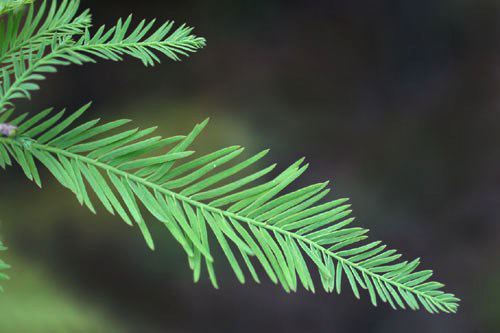
baldcypress!
single needles
needles are brighter & slightly smaller than the eastern hemlock’s
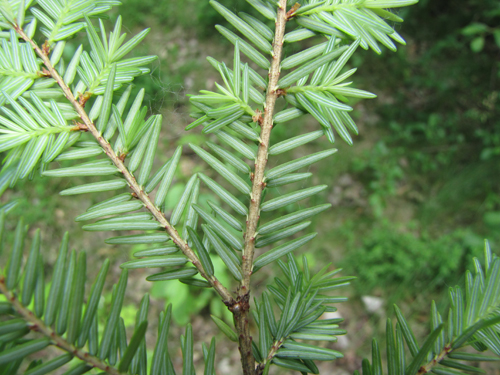
eastern hemlock!
single needle
note how wide & dark the needles are compared to the baldcypress
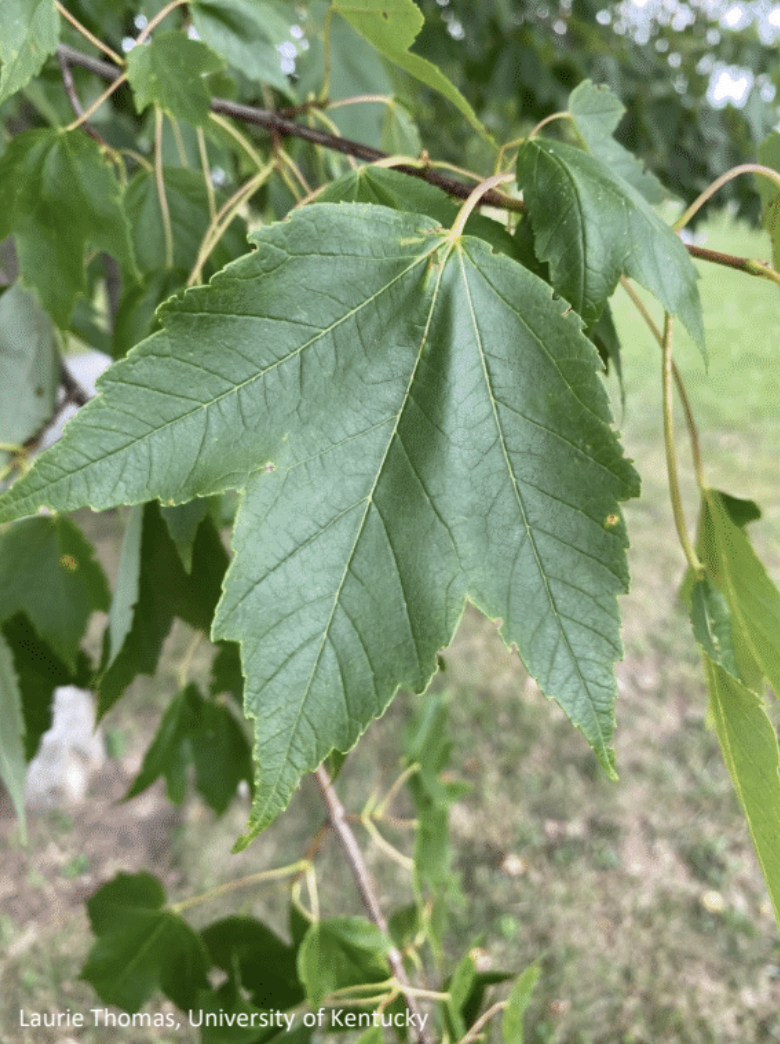
red maple!
process:
oppositely arranged buds; MADBuck
iconic maple shape
v-shaped lobes —> red maple!
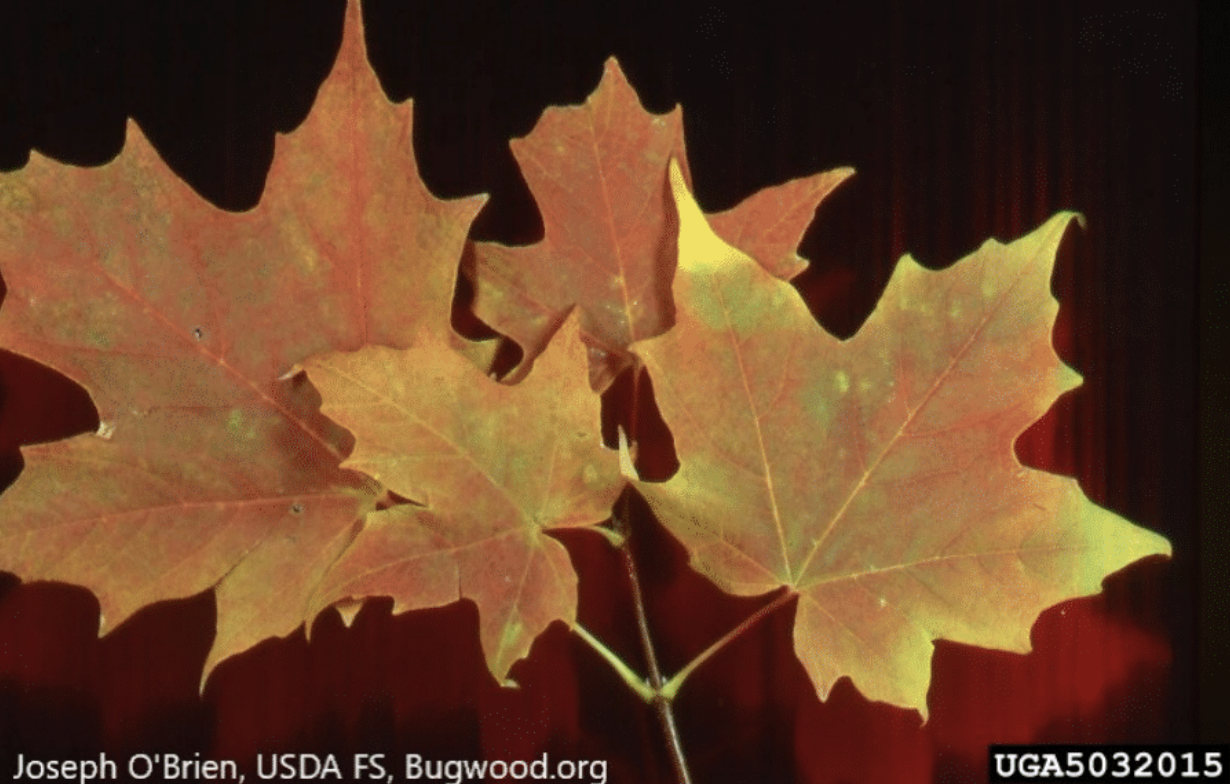
sugar maple!
process:
oppositely arranged buds; MADBuck
iconic maple shape
u-shaped lobes —> sugar maple! (sugar has a u in it, like its u-shaped lobes)
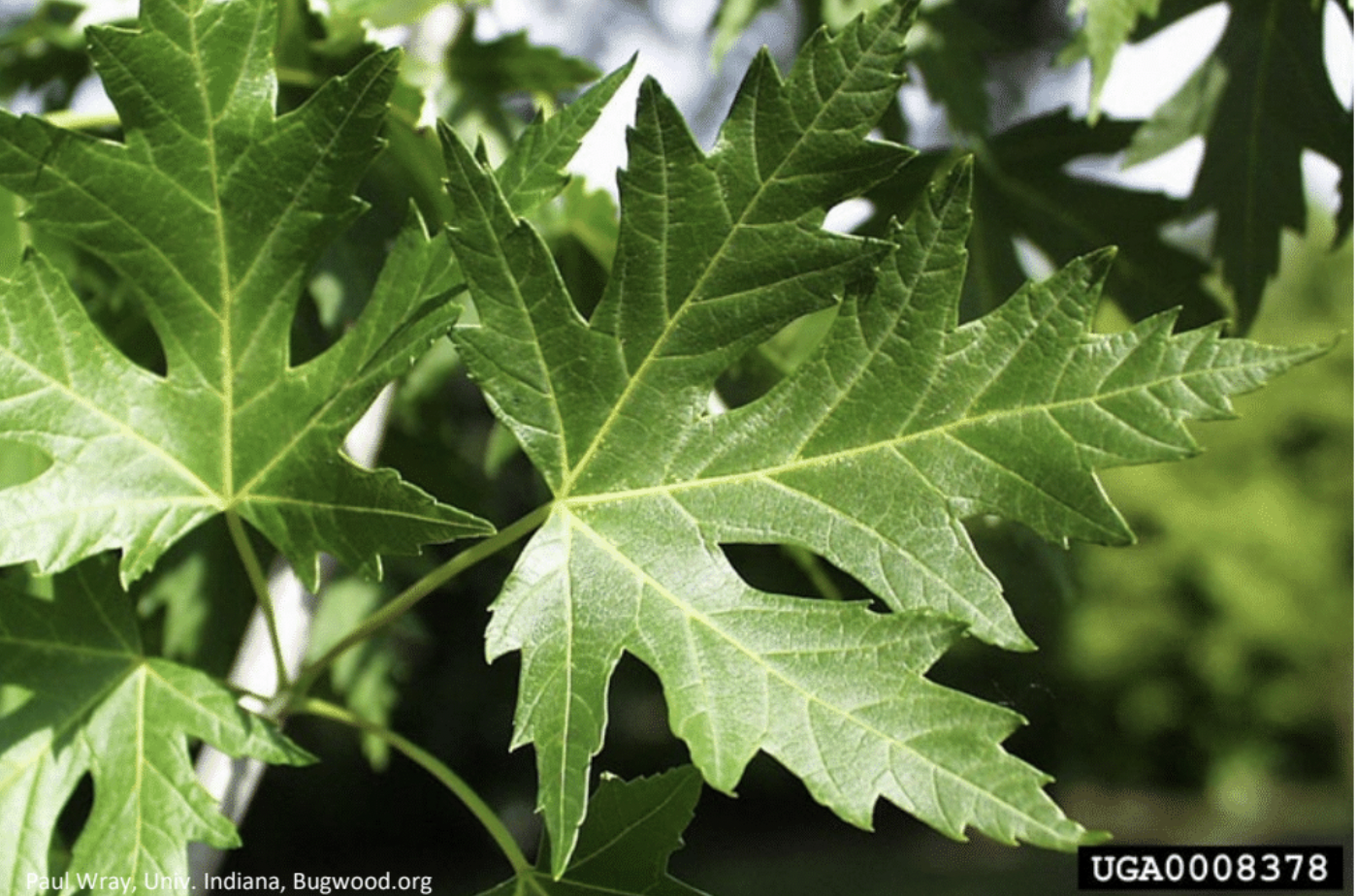
silver maple!
process:
oppositely arranged buds; MADBuck
iconic maple shape
v-shaped lobes with very long, slender shape —> silver maple
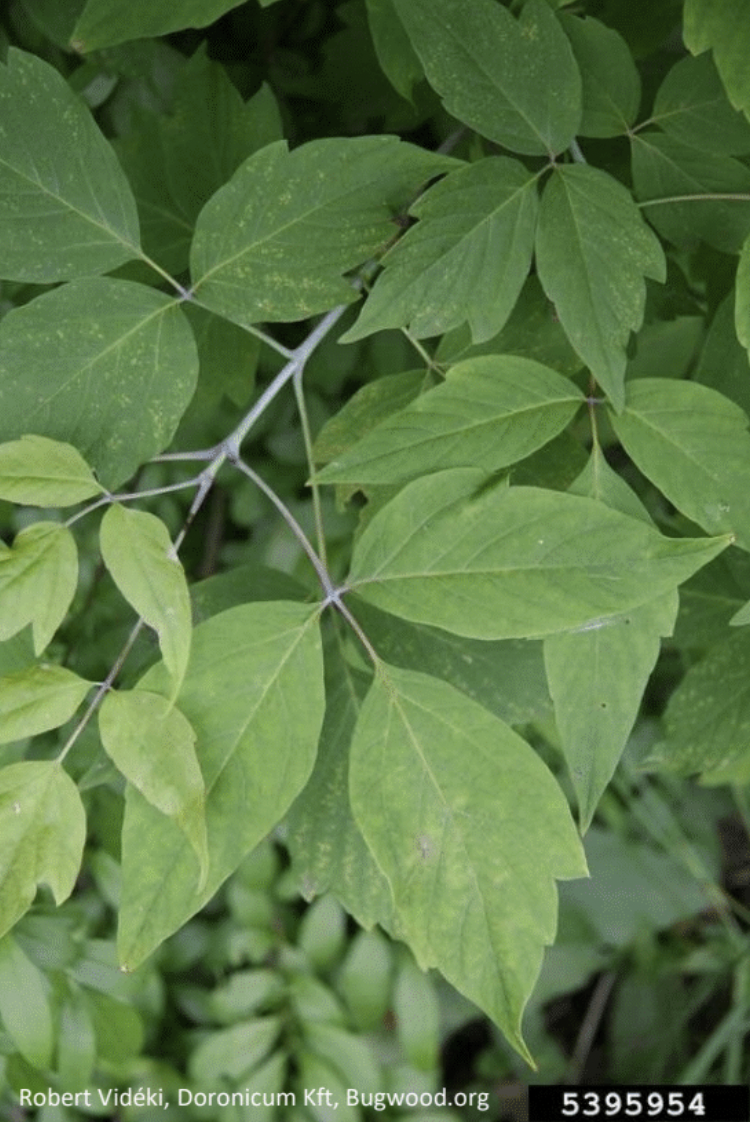
boxelder! (type of maple)
process:
oppositely arranged buds; MADBuck
pinnately compound (eliminates dogwood); less leaves per leaflet than ash trees, not palmately compound —> maple
clearly not any of the normal maples, so it has to be a boxelder
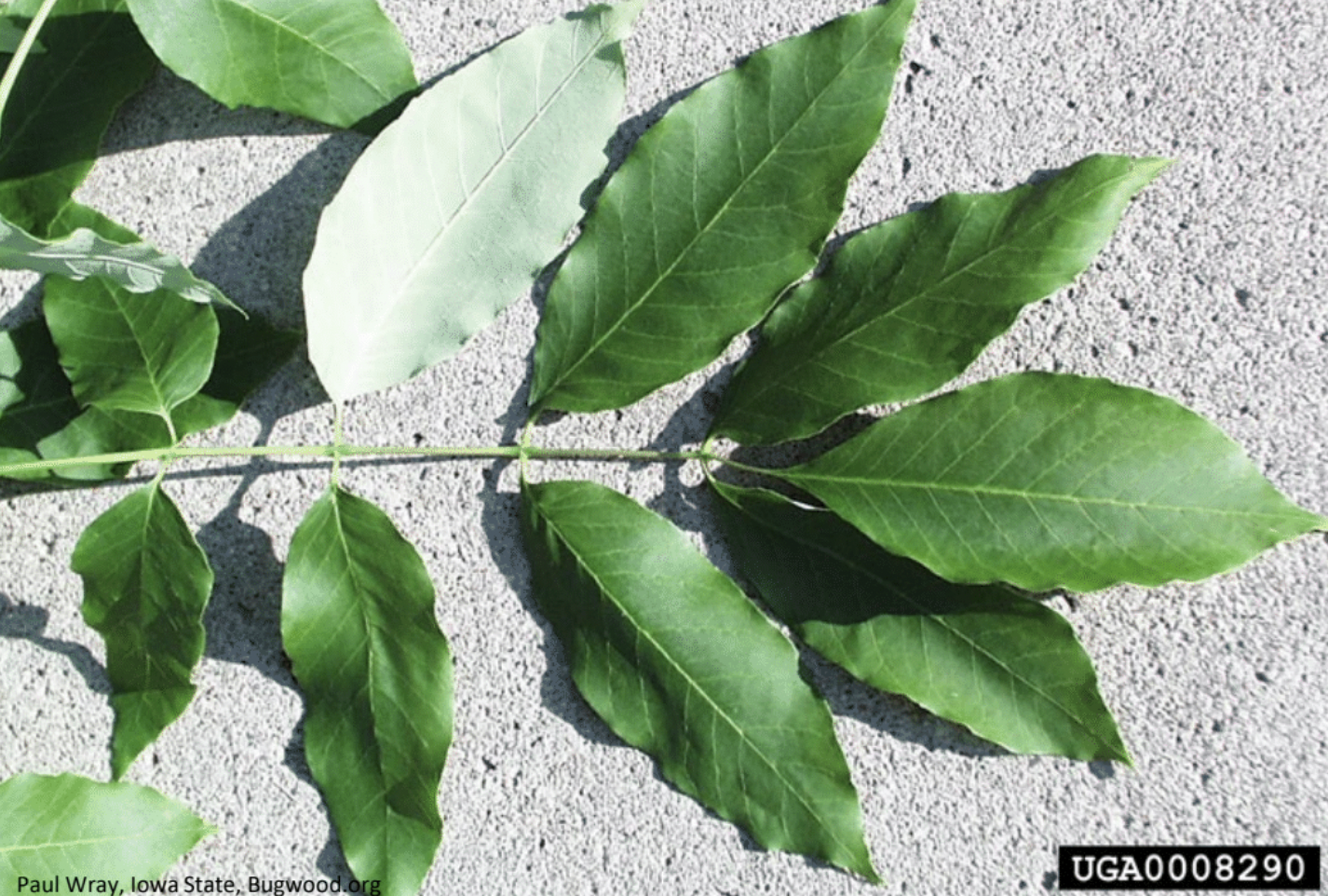
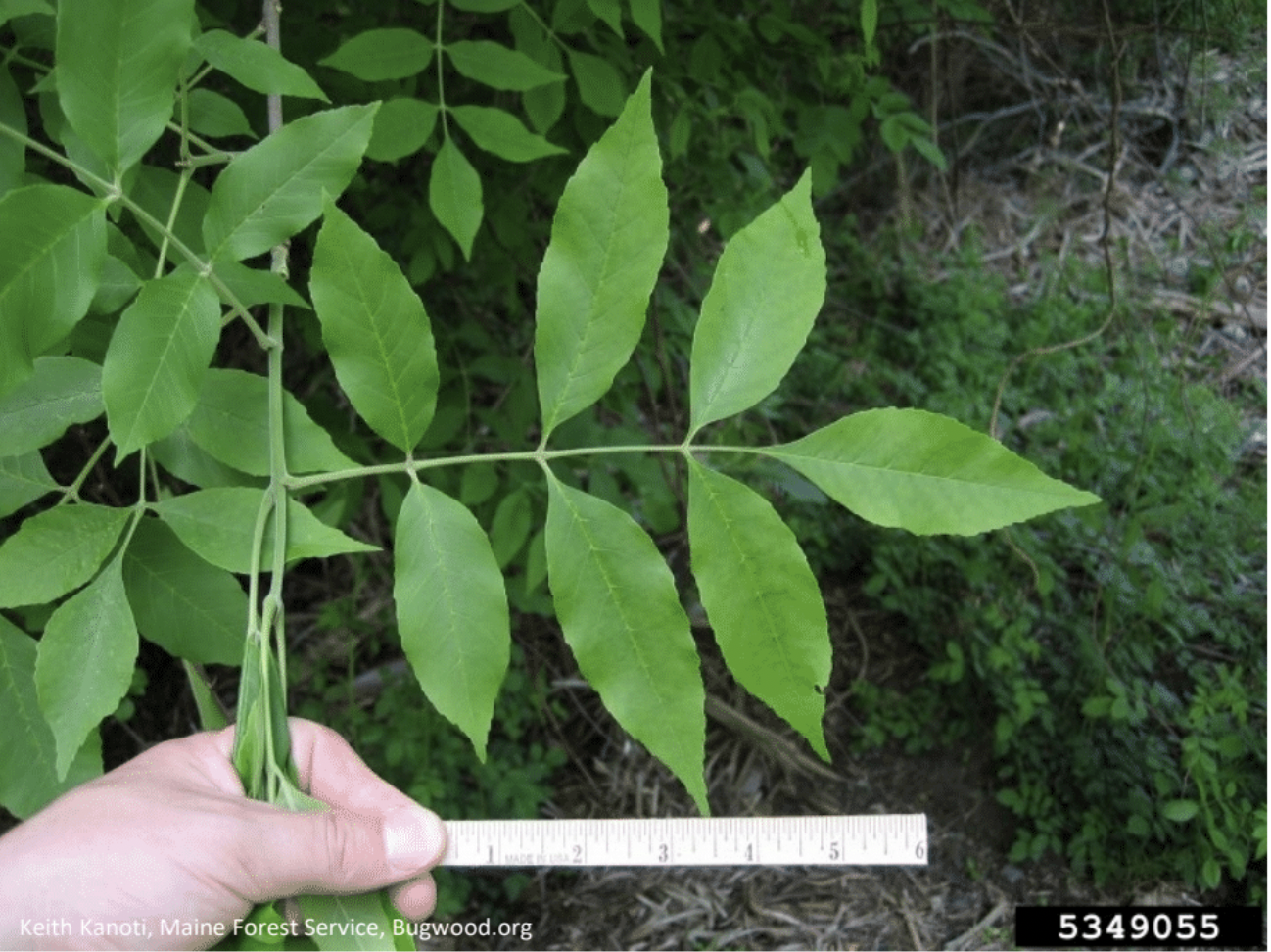
white ash!
process:
oppositely arranged buds (cant see here); MADBuck
unipinnately compound, 7-9 leaflets; ash!
look at the base of each leaf: the base is very well defined here, which is a characteristic of the white ash
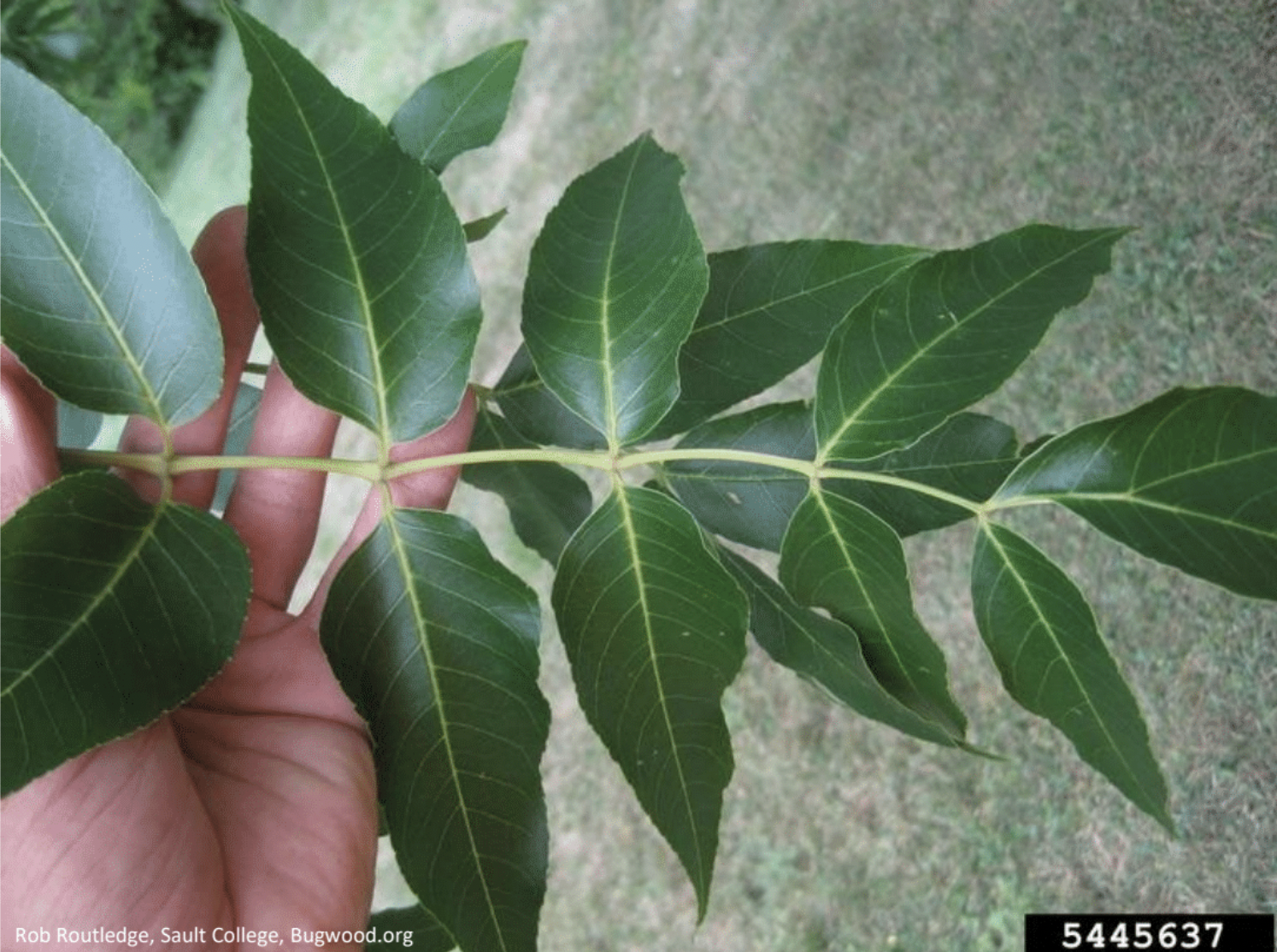
green ash!
process:
oppositely arranged buds; MADBuck
unipinnately compound, 7-9 leaflets → ash
look at the base of each leaf: note how they aren’t well defined, and it almost looks like the leaf sprouts straight from the twig —> green ash
blue ash!
process:
oppositely arranged buds; MADBuck
7-9 leaflets; ash (if it has more than 9 leaflets, it’s immediately a blue ash)
note how square and “corky” the twig looks compared to the other ashes; telltale sign this is a blue ash
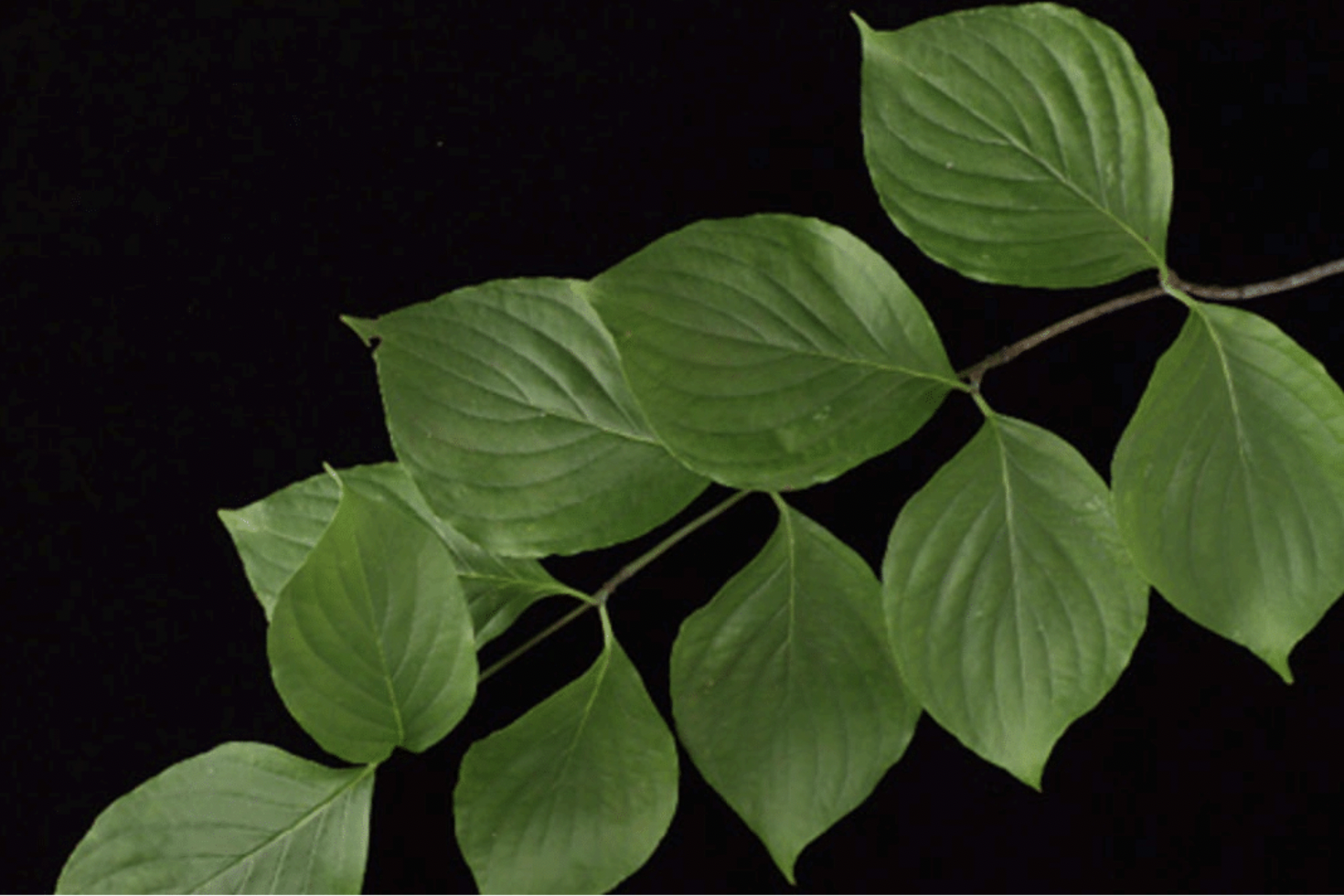
flowering dogwood!
process:
oppositely arranged buds; MADBuck
SIMPLE LEAF —> DOGWOOD, every time!
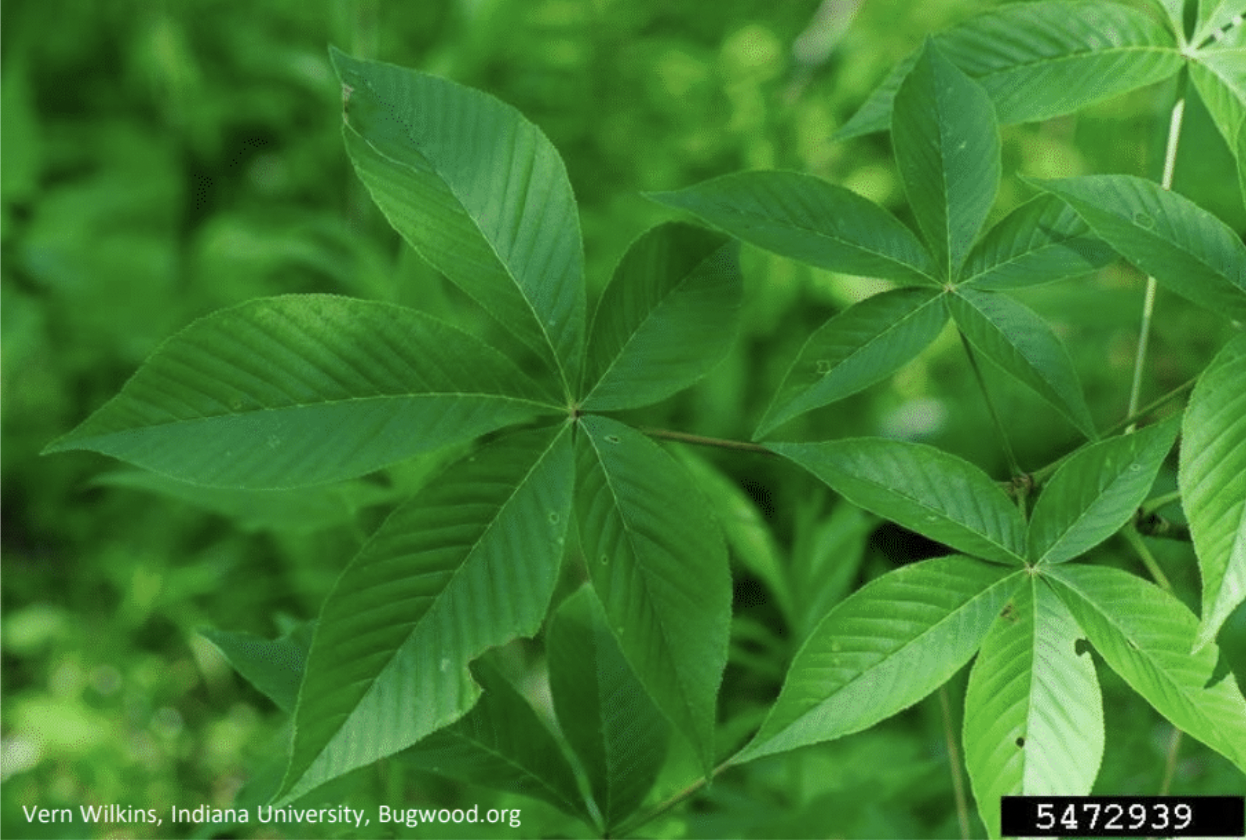
ohio buckeye!
process:
oppositely arranged buds; MADBuck
palmately compound —> buckeye
snap/crush a twig in your hands; if it smells bad, it’s an ohio buckeye!
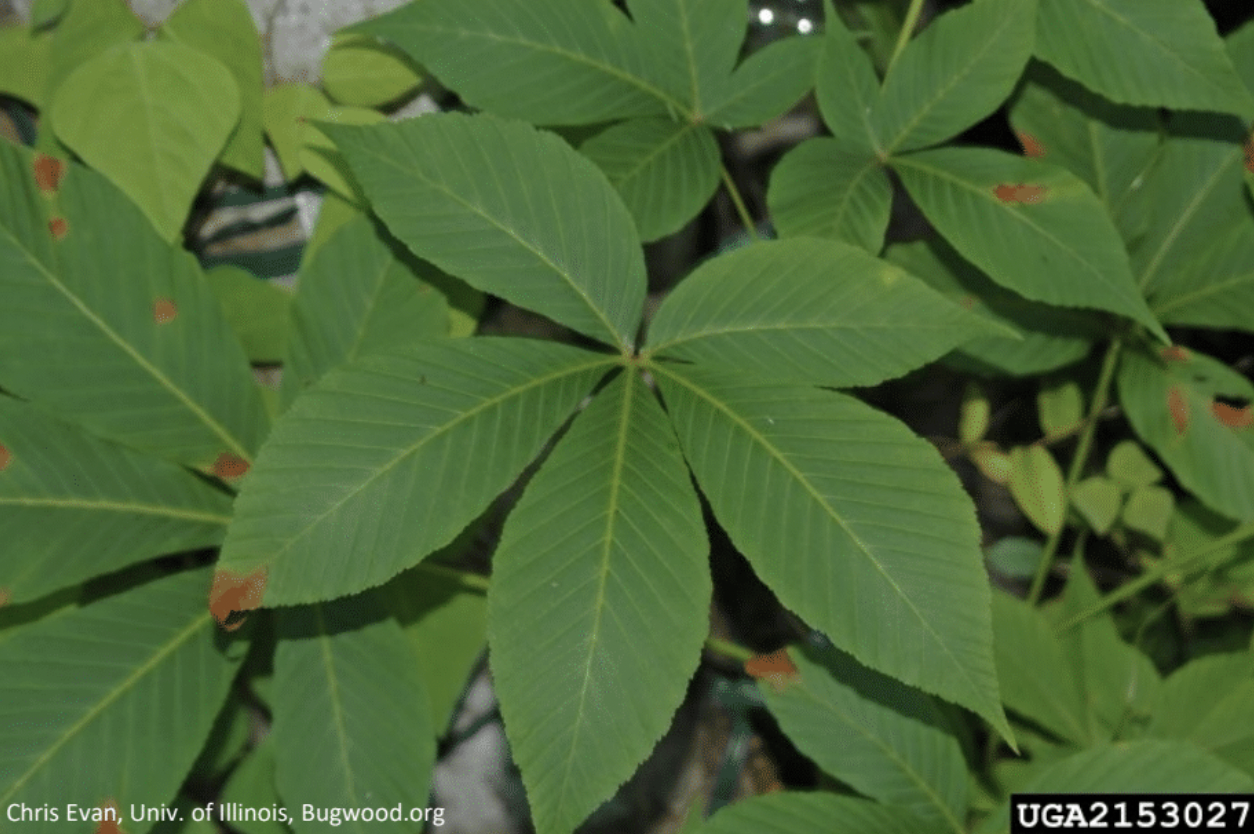
yellow buckeye!
process:
oppositely arranged buds; MADBuck
palmately compound —> buckeye
snap/crush a twig in your hands; if it doesn’t smell bad, it’s a yellow buckeye
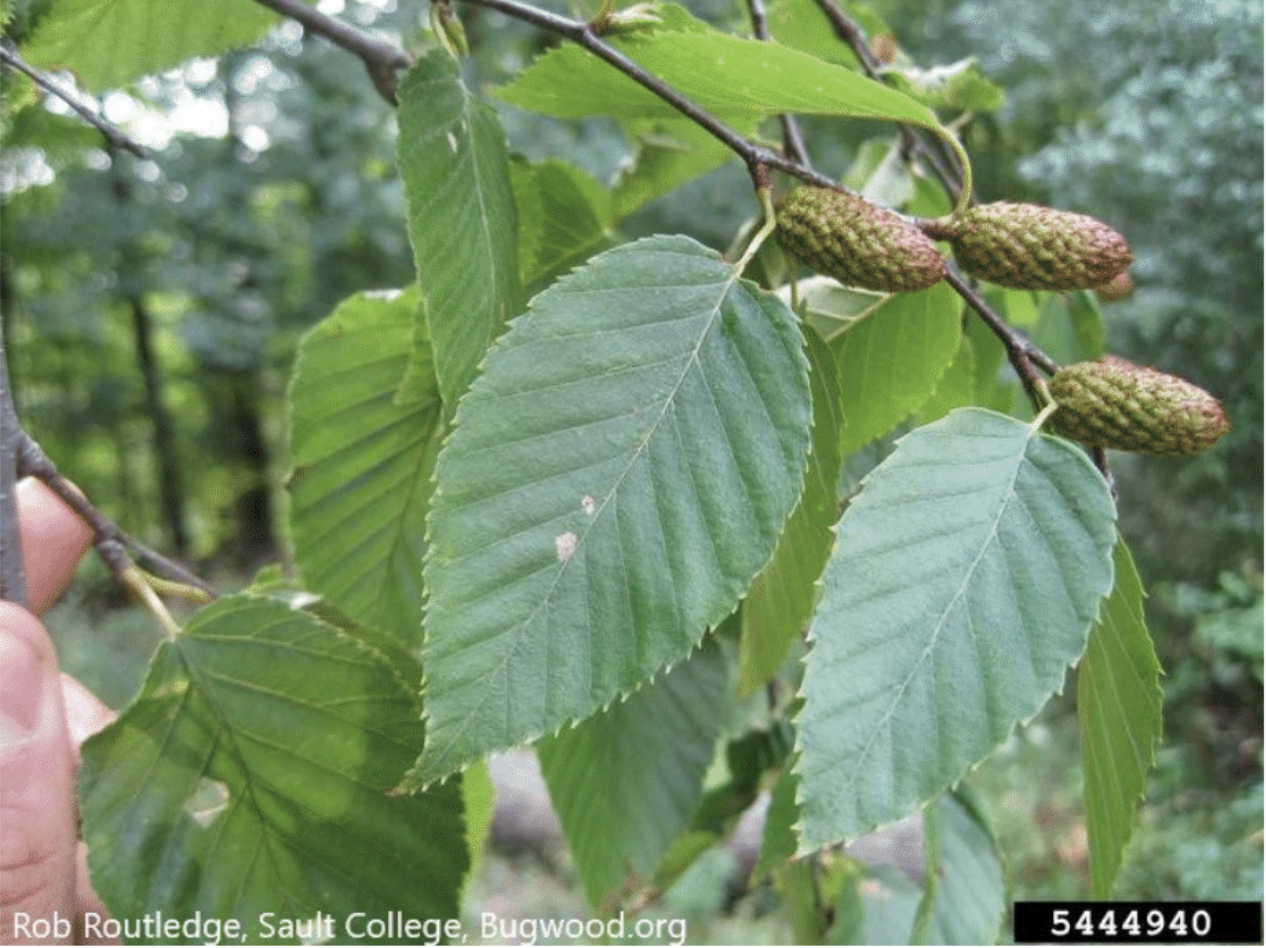
sweet birch!
process:
alternately arranged buds, simple leaves; doesn’t narrow it down much
NOTE HOW SERRATED IT IS, and note how the egg-shaped leaf tapers to a pointed tip; hackberry is the only other tree with the shape & serration of a birch leaf
birch trees, like in this picture, simply have far more serration than hackberries (sometimes they are doubly-serrated), & they have a slightly different shape
the egg-shaped leaf & fine serration tells us this is a sweet birch
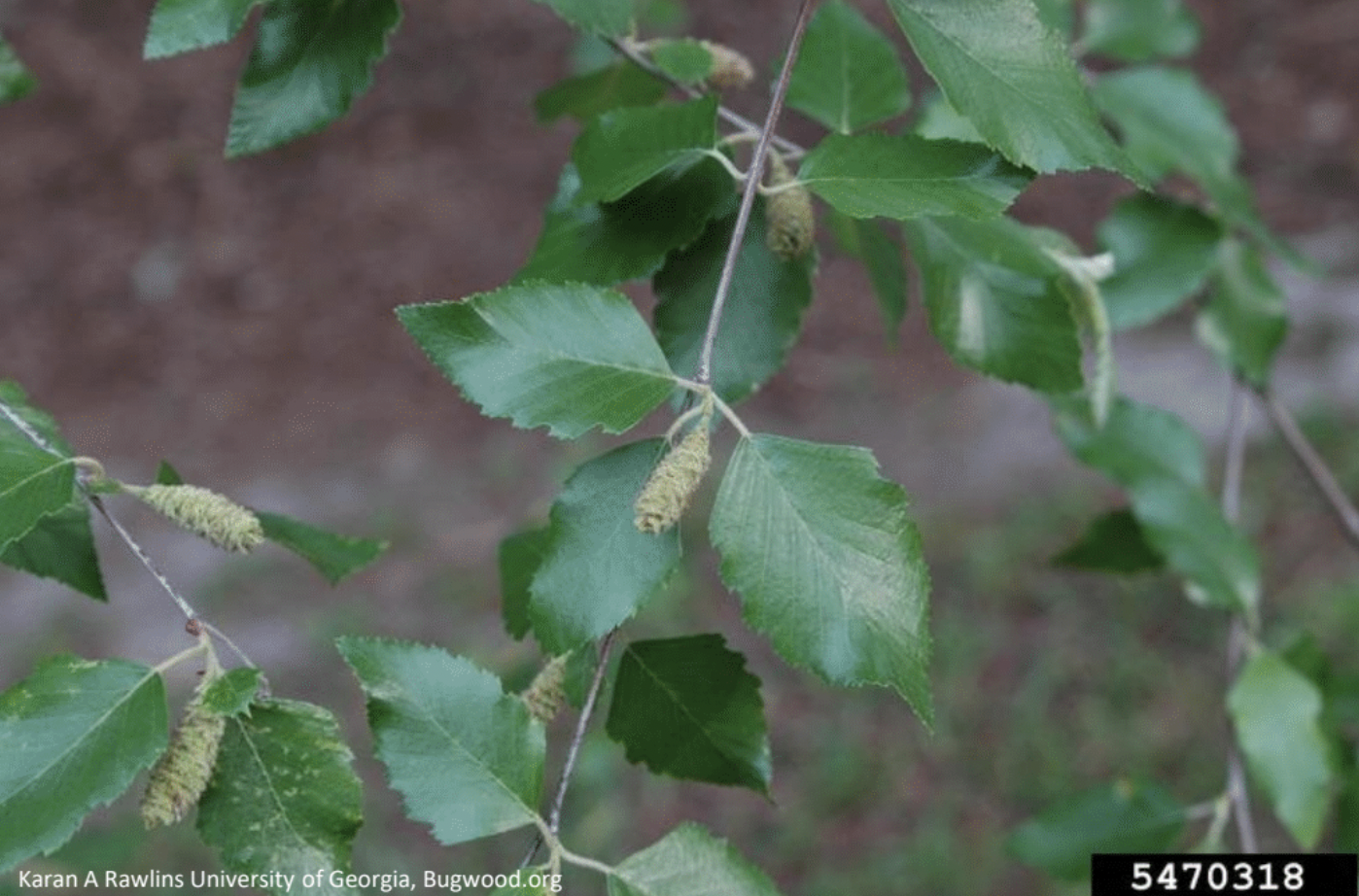
river birch!
process:
alternately arranged, simple leaves
doubly serrated, egg/rhombus shape; this is a birch!
note how deep each serration cuts into the leaf; sweet birch has very fine serration, so this must be a river birch
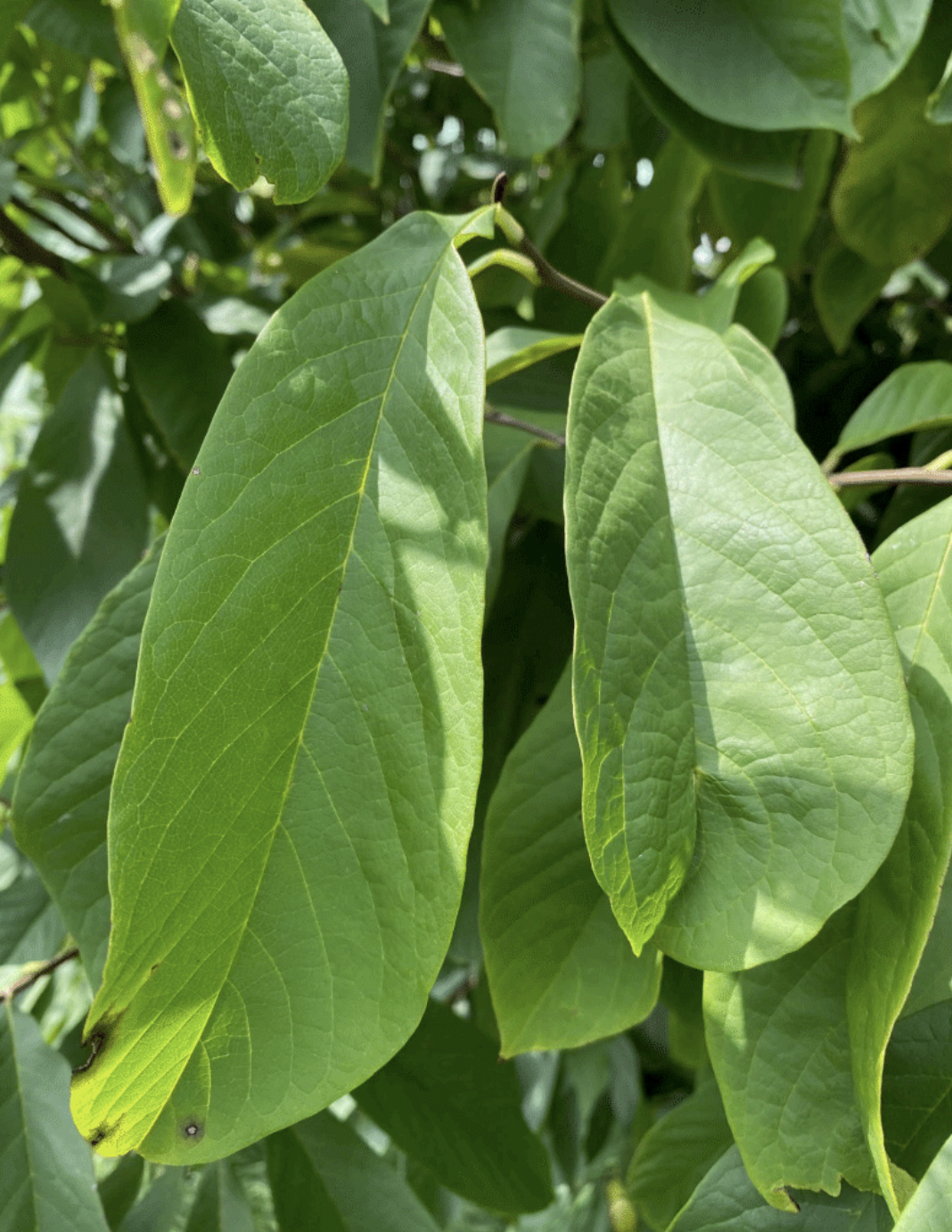
pawpaw!
process:
alternately arranged simple leaves
smooth leaf margins, distinct oblong shape —> pawpaw
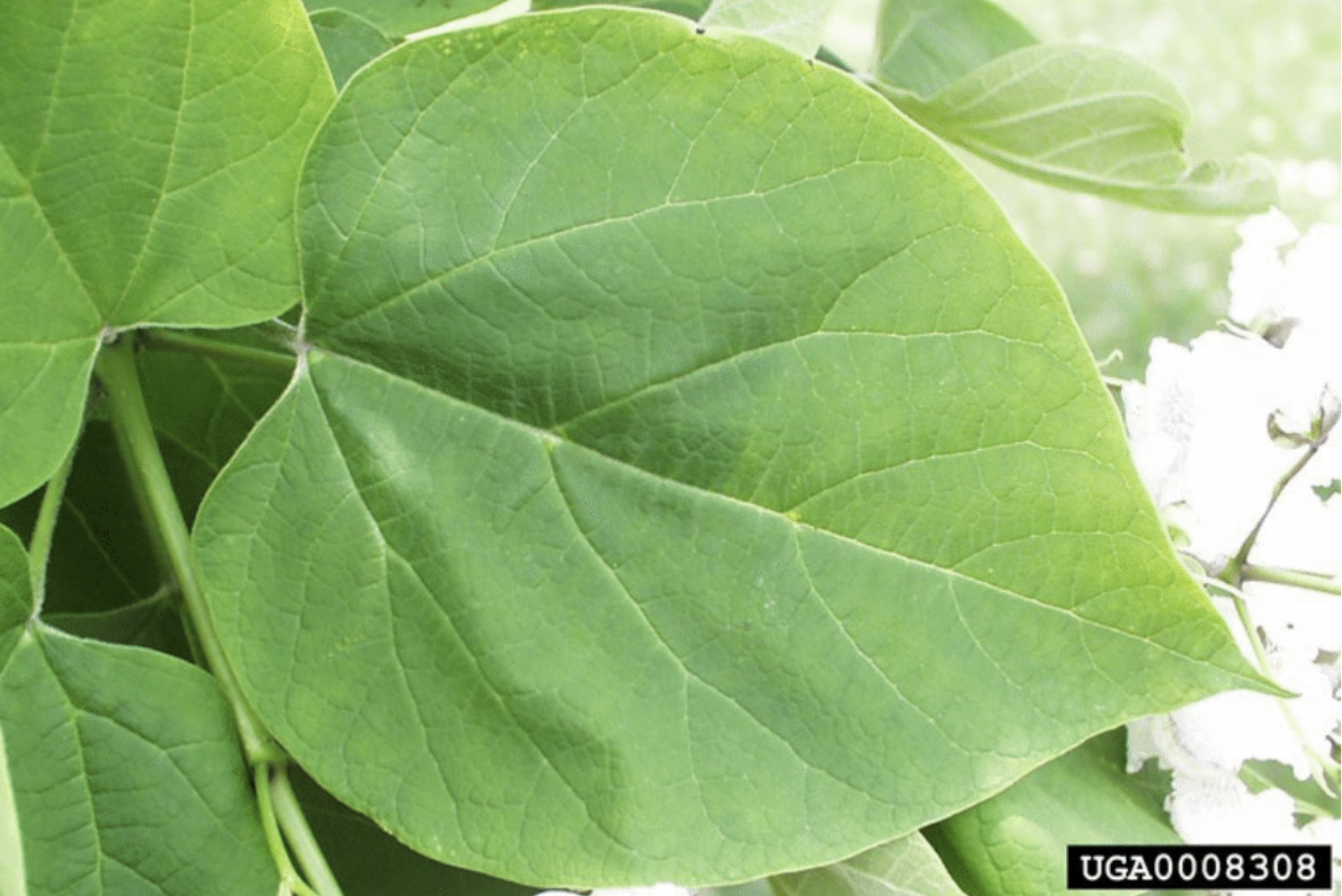
catalpa!
process:
very very large (5” - 12”) leaves resembling “elephant ears”
alternately arranged whorled leaves
only native species with a whorled arrangement is catalpa
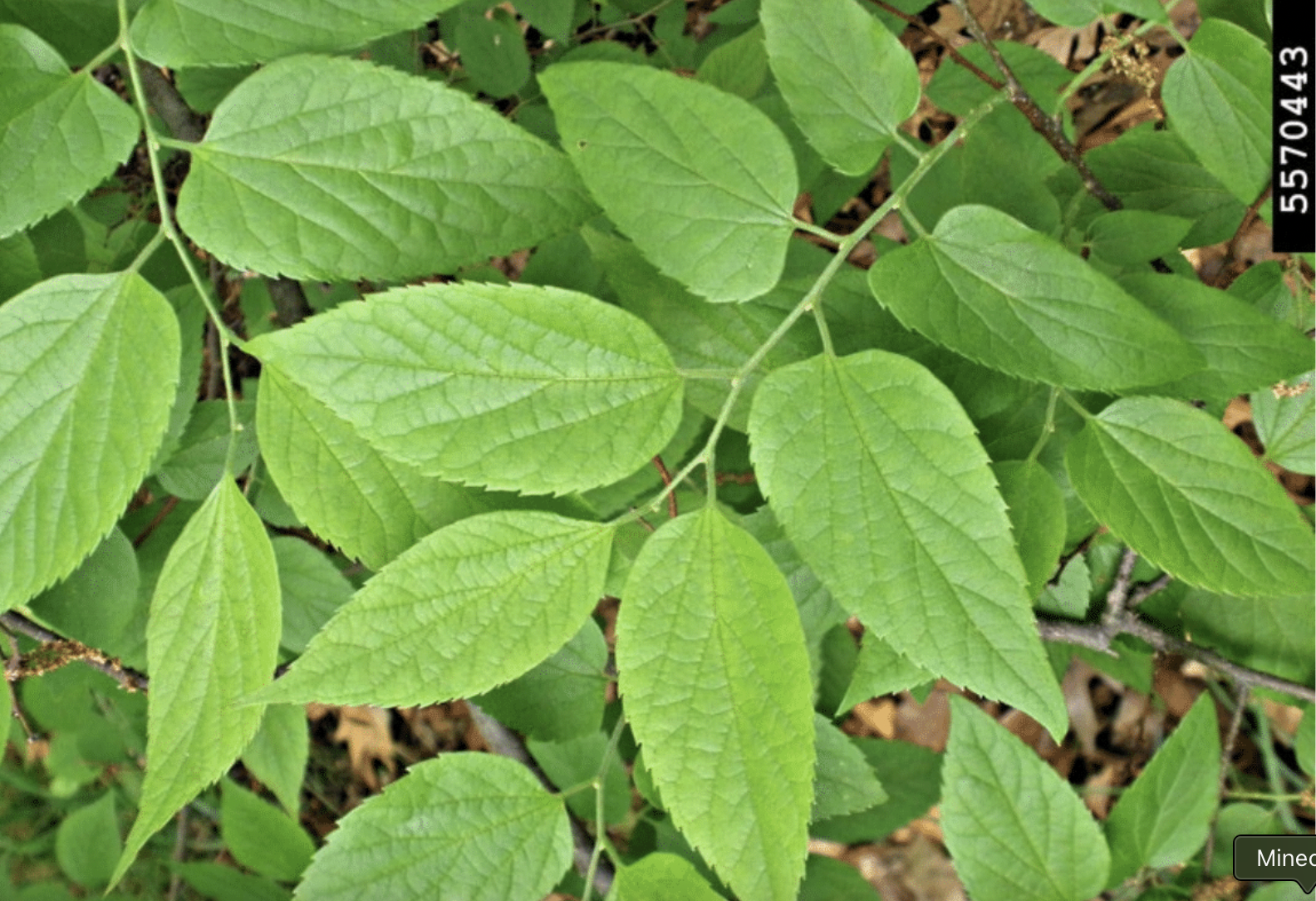
hackberry!
process:
alternately arranged simple leaves
long, coarsely serrated, lopsided leaves (look at how lopsided some of the leaves in the background are)
all telltale signs this is a hackberry
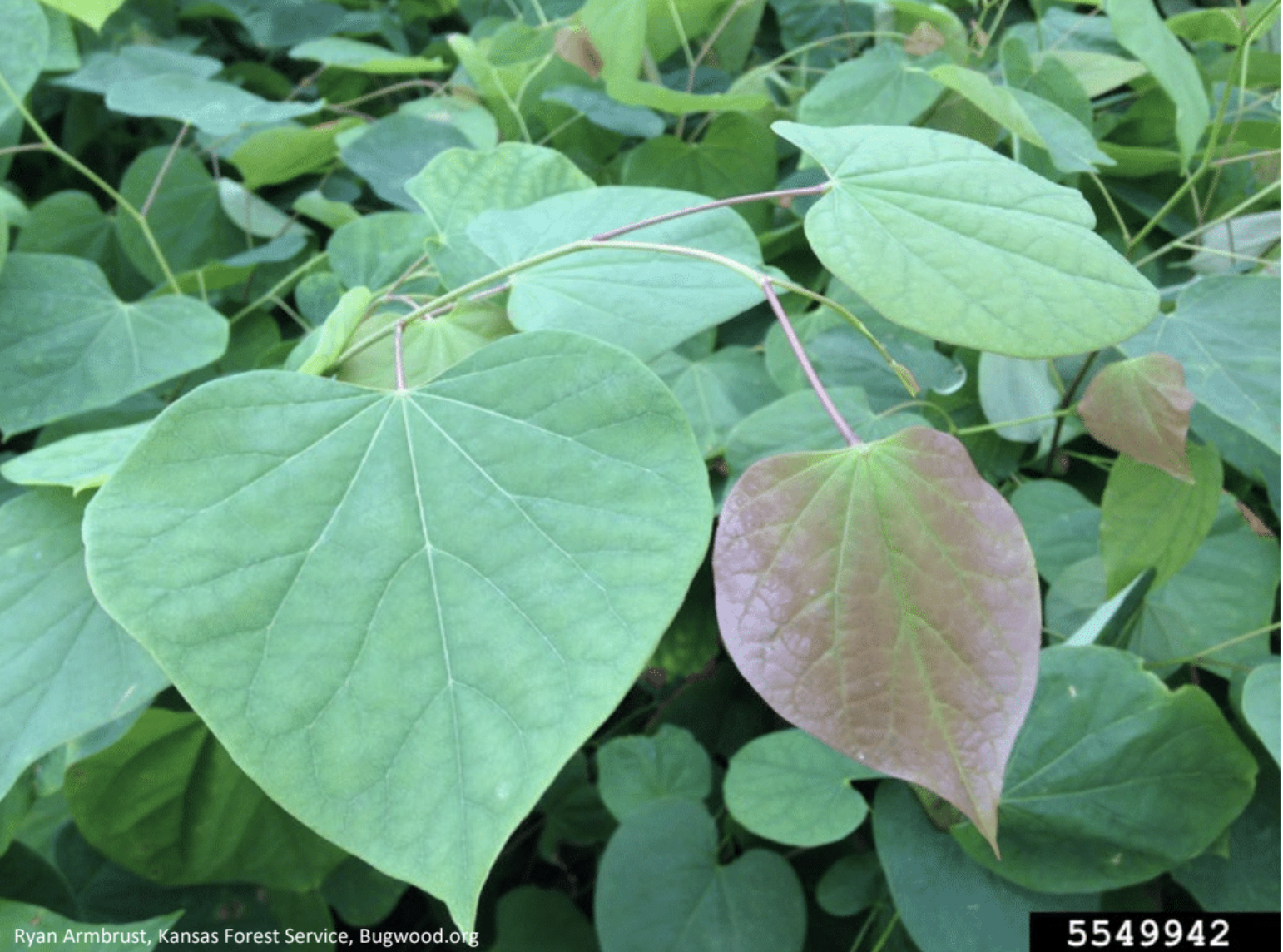
eastern redbud!
process:
alternately arranged simple leaves
note the distinct symmetrical heart shape: tells us this is an eastern redbud!
leaves are also pretty large with smooth margins
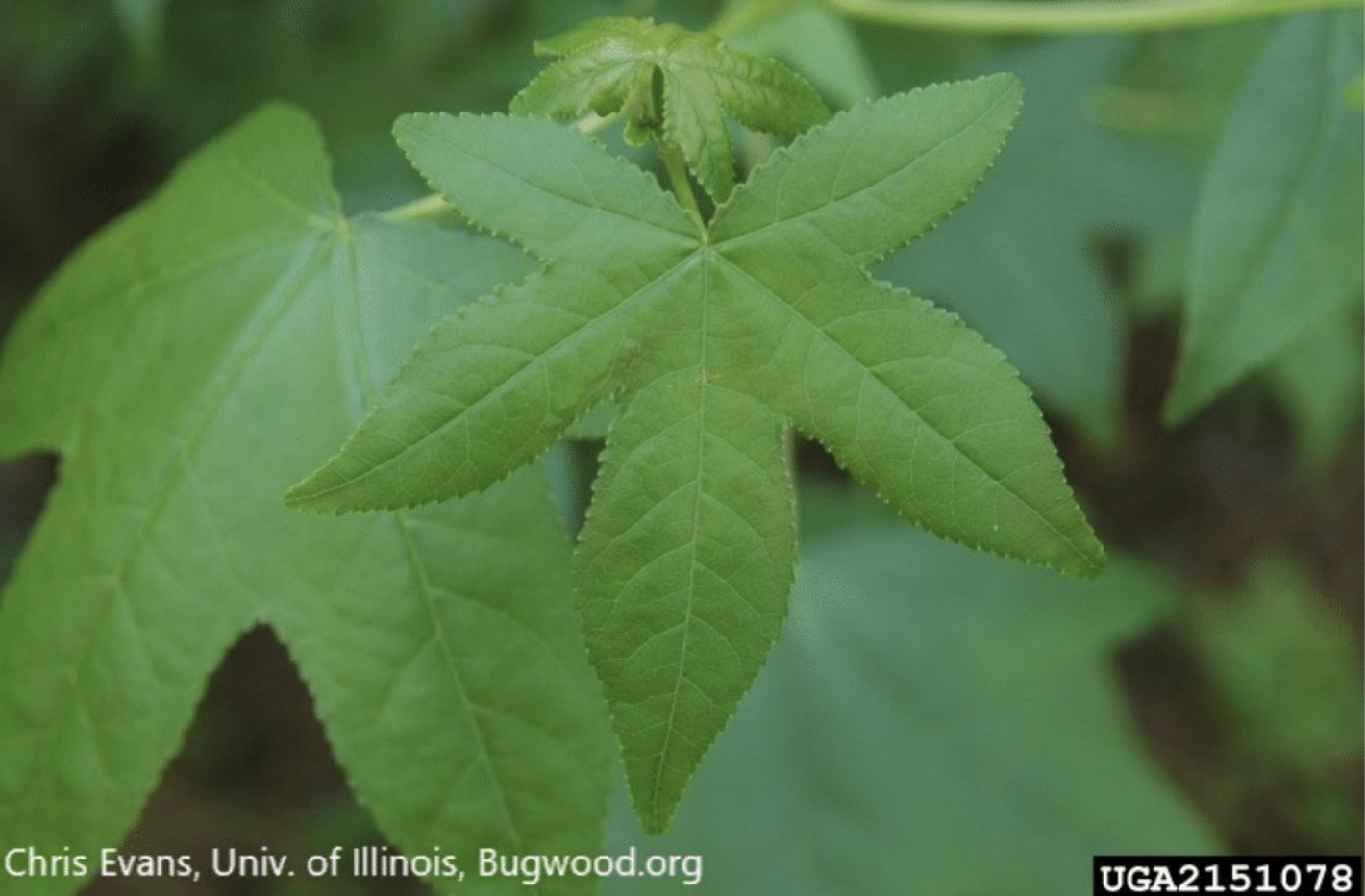
sweetgum!
process:
incredibly distinct star shape; literally no other leaf has this shape, so it must be sweetgum
alternate, simple leaves with serration and 5-7 deep pointed lobes
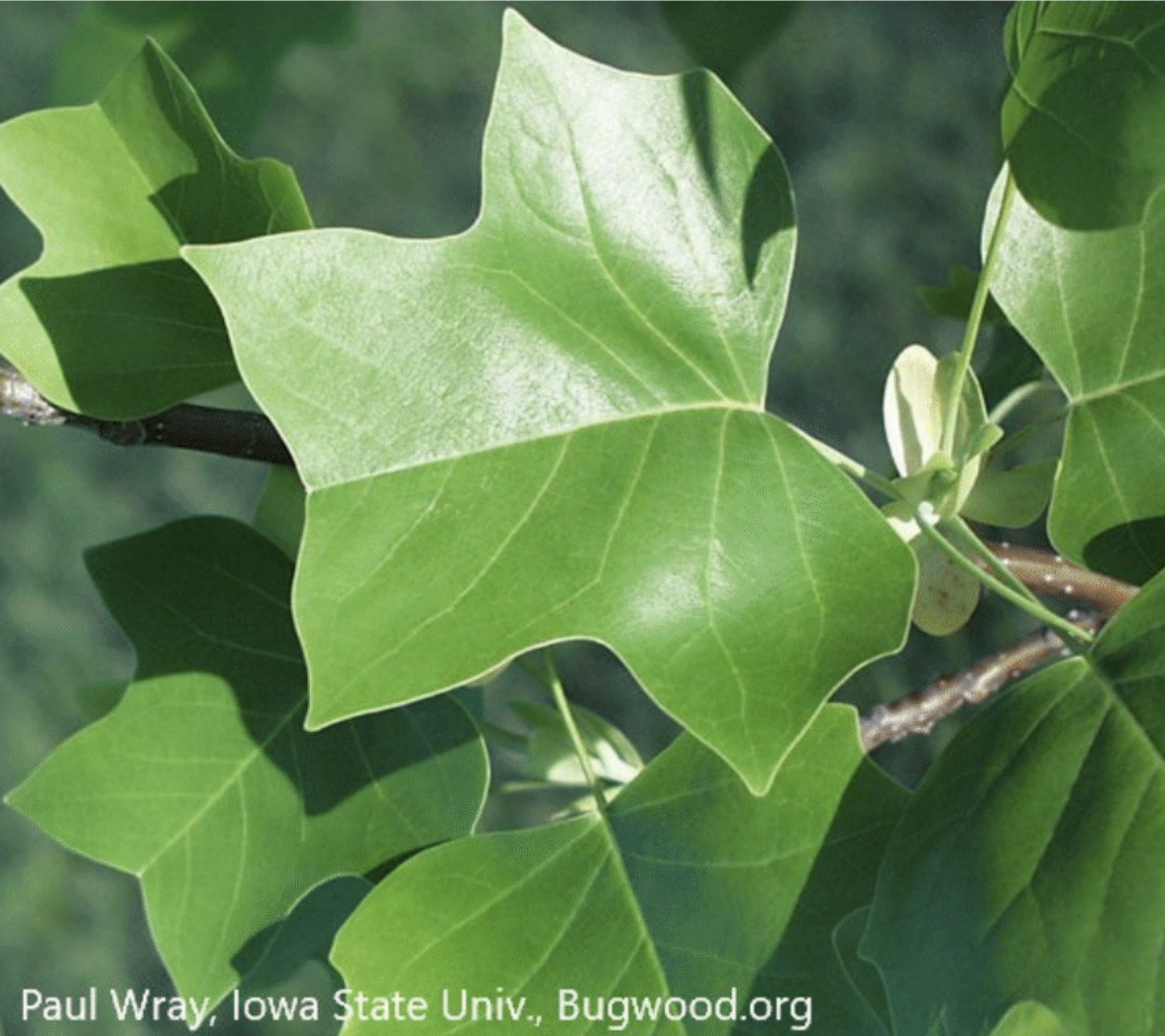
yellow-poplar!
process:
alternately arranged simple leaves
note almost maple-like shape/tulip shape; almost like a square with two “wings” on the top
distint shape tells us this is a yellow poplar!
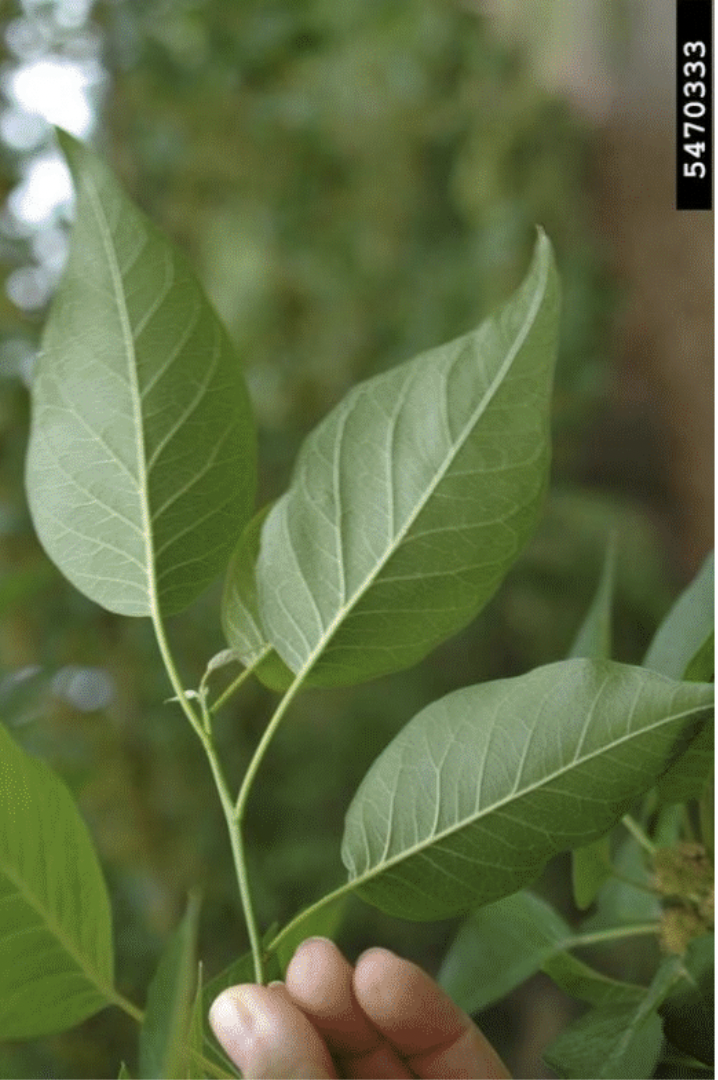
osage-orange!
process:
simple alternate leaves
note the almost birch/hackberry-like shape, but distinctly lacking any serration (full margins); telltale sign this is an osage-orange
also of note:
osage-orange trees have sharp thorns at the base of leaf petiole which are also a unique identier
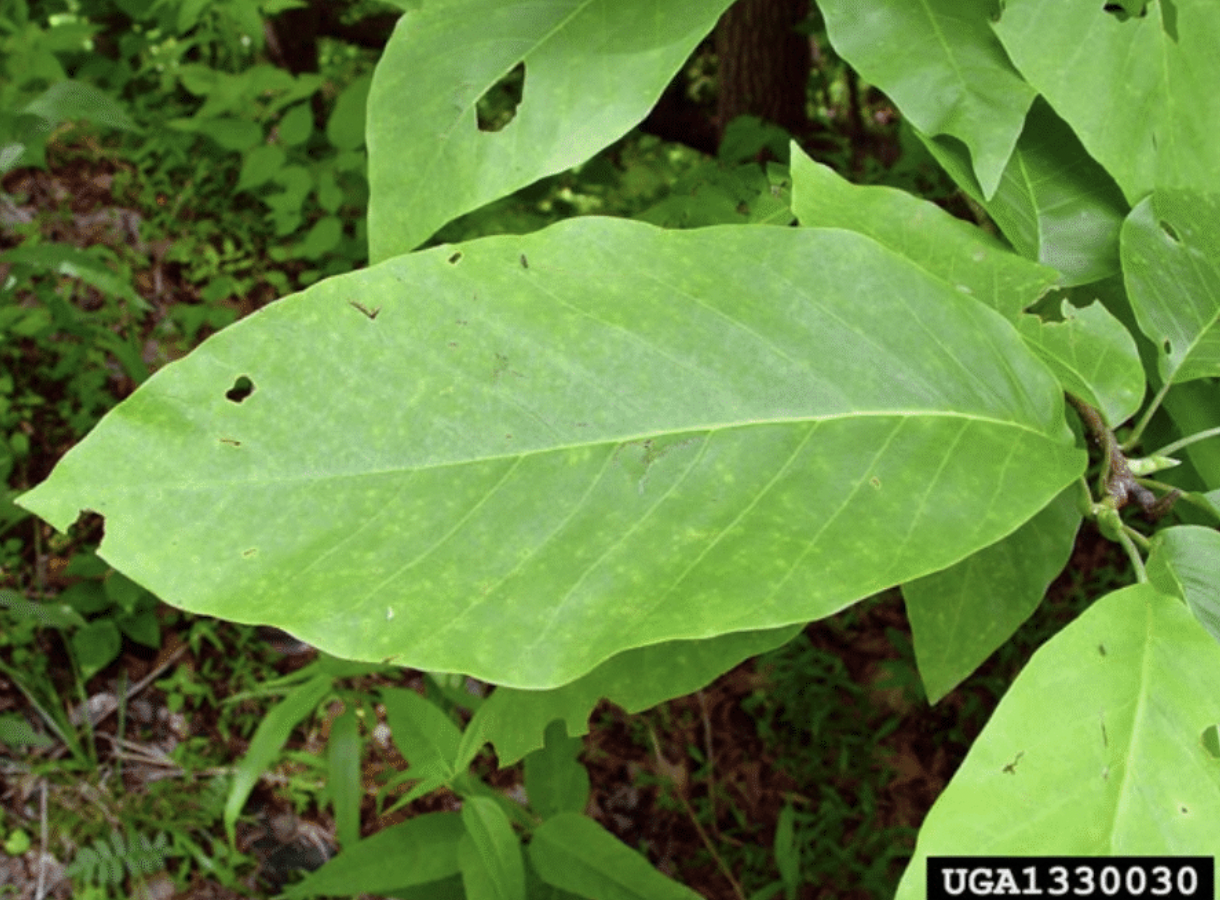
cucumbertree!
process:

