AQA Bio 2.4 Cell Recognition & Immune System
 Studied by 0 people
 Call with Kai
 Learn
Learn Practice Test
 Spaced Repetition
 Match
Match Flashcards
 Knowt Play
1/38

There's no tags or description
Looks like no tags are added yet.
Name | Mastery | Learn | Test | Matching | Spaced | Call with Kai |
|---|
No study sessions yet.
39 Terms
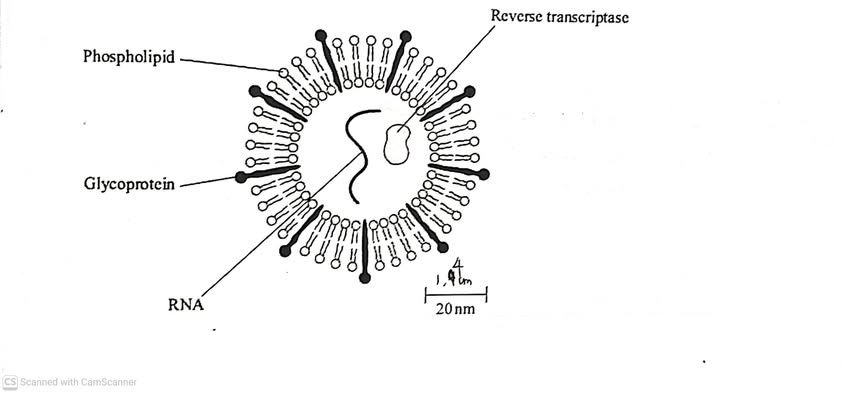
Suggest which labelled component of the virus is most likely to act as an antigen. Give a reason for your answer.
glycoprotein (1)
different shape to body proteins (1)
Describe how B-lymphocytes respond when they are stimulated by antigens (4)
Divide by mitosis (1)
produce plasma cells (1)
secrete antibodies (1)
plasma cells produce memory cells (1)
When a pathogen enters the body it may be destroyed by phagocytosis. Describe how. (4)
phagocyte attracted to foreign antigen (1)
phagocyte membrane engulfs pathogen(1)
vesicle fuses with lysosome (1)
containing digestive enzymes which digest pathogen (1)
Describe how bacteria are destroyed by phagocytes (3)
phagocyte engulfs bacteria to form phagocyte (1)
Lysosome empties contents into vacuole (1)
releasing lysozyme which hydrolyse the bacteria (1)
What is a pathogen?
any microorganism that can cause a disease (1)
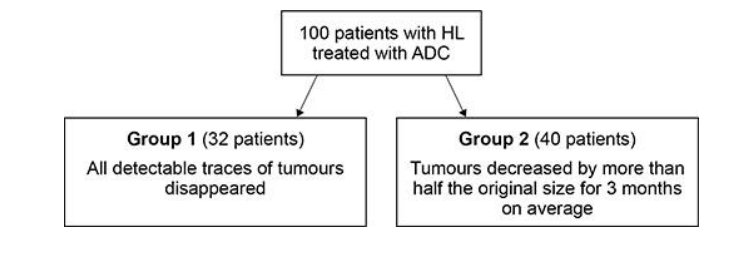
Scientists used a clinical trial to test an ADC designed to treat people diagnosed with the cancer, Hodgkin lymphoma (HL).
In the clinical trial, the patients with HL:
• were selected at random • had tumours of a similar size at the start of the trial
• received identical doses of the ADC.
Figure 2 shows some of the results from the clinical trial.
Use all the information to evaluate the effectiveness of the ADC in treating people with HL. Do not refer to statistical tests in your answer. (4)
(‘Effective’ ideas)
(ADC) removed (tumours) in 32/group 1 (patients) (1)
(ADC) reduced (the size of tumours) in 40/group 2 (1)
(‘Not effective’ ideas)
No placebo (drug used) (1)
Unknown effect (on tumours) after 3 months (1)
A haemocytometer is a special microscope slide that can be used to determine the mean number of red blood cells in 0.004 mm3 of blood.
• A researcher prepared a 10–3 dilution of a sample of blood from an adult.
• Using a haemocytometer, the researcher determined that the mean number of red blood cells in 0.004 mm3 of the diluted blood sample was 21
The volume of blood in the body of the adult was 4.8 dm3
Calculate the total number of red blood cells in the body of this adult. Show your working (2)
Dilution = 21×103 = 2.1×10⁴ (blood was made 1000 times more dilute)
Cells per mm3 = 2.1×10⁴ /0.004= 5.25×10⁶
Total blood volume 4.8 dm3= 4.8×10⁶
Total number of RBCs= 5.25×106 ×4.8×106 = 2.52×10¹³ (2)
The solution used to dilute the blood had to have the same water potential as the blood. Explain why. (2)
Osmosis does not occur (1)
(Red blood) cells do not burst/lyse/shrink (1)
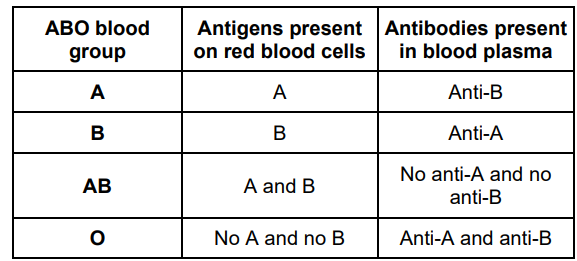
There are four main blood groups in the human ABO blood group system. The table below shows the basis on which each of these blood groups is classified.
A transfusion of blood from a blood group A donor to a blood group B recipient would cause agglutination of the donated red blood cells. Use information in the table above to explain why. (2)
Binding/complex between antigen A and (antibody) anti-A (1)
Causes red blood) cells to join/clump (1)
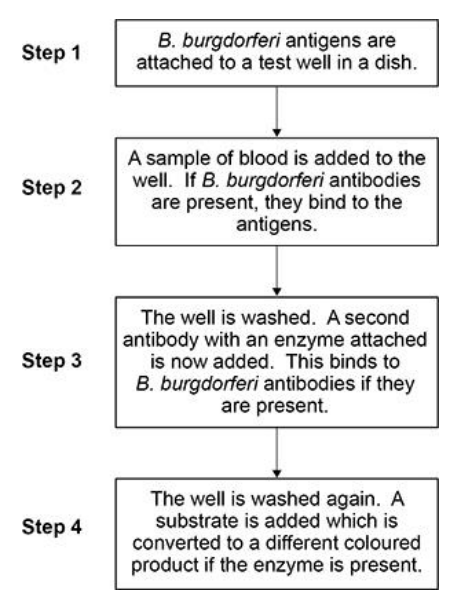
Lyme disease is most frequently caused by the bacterium Borrelia burgdorferi. Lyme disease can be difficult to diagnose. The figure below shows an ELISA test that is used to find out if a person has antibodies to B. burgdorferi.
A false positive in this test is a result which incorrectly indicates that antibodies to B. burgdorferi are present.
Failure to thoroughly wash the well in Step 4 can result in a false positive. Explain why. (2)
(Second antibody with) enzyme remains (1)
(So substrate converted to) coloured product *1(
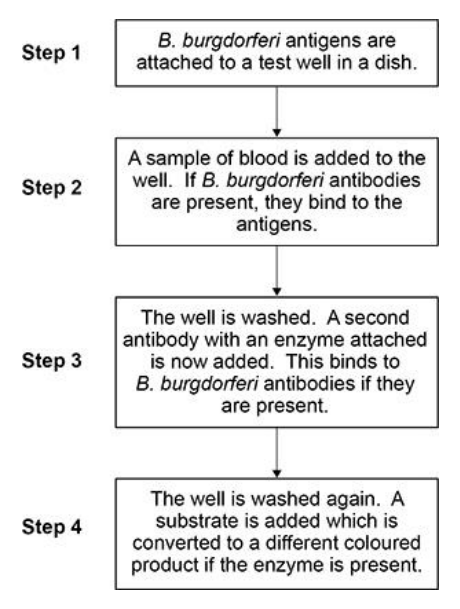
Lyme disease is most frequently caused by the bacterium Borrelia burgdorferi. Lyme disease can be difficult to diagnose. The figure below shows an ELISA test that is used to find out if a person has antibodies to B. burgdorferi.
A false positive can be produced if a person has been infected by another bacterium that causes a disease called syphilis.
Suggest why. (1)
Antibodies (produced against syphilis and B. burgdorferi) are similar (1)
Lyme disease is most frequently caused by the bacterium Borrelia burgdorferi. Lyme disease can be difficult to diagnose. The figure below shows an ELISA test that is used to find out if a person has antibodies to B. burgdorferi.
A false negative in this test is often produced if a person is tested within 2 weeks of being infected with B. burgdorferi. Explain why. (2)
No/little antibody produced (during first two weeks) (1)
by plasma cells (1)
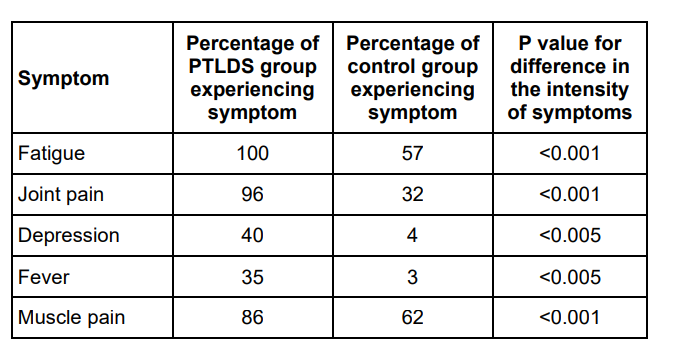
Sometimes, symptoms of Lyme disease can persist for 6 months following antibiotic treatment. This condition is known as Post-Treatment Lyme Disease Syndrome (PTLDS). Scientists investigated the symptoms experienced by a large number of PTLDS patients and a control group.
During a 2-week period, they asked all the participants:
• if they had experienced symptoms of PTLDS
• to record the intensity of these symptoms.
The scientists used a statistical test to determine if there was a difference in the intensity of symptoms of PTLDS between these two groups.
The scientists concluded that more PTLDS patients than the control group experienced:
• symptoms
• greater intensity of symptoms.
Evaluate the scientists’ conclusions (4)
For all symptoms higher percentage in PTLDS group (1)
Significant difference/increase (in intensity of all symptoms) in PTLDS group (1)
Most significant difference/increase (in intensity) in fatigue/joint pain/muscle pain symptoms in PTLDS group (1)
Determining intensity of symptoms is subjective (1)
The DNA-replication enzymes of a human cell make copies of the human papilloma virus genome. Name two enzymes that are involved in replicating the DNA of the human papilloma virus and describe their roles in the replication process.
Name of enzyme 1 ____________________________________________
Role of enzyme 1 _____________________________________________
Name of enzyme 2 ____________________________________________
Role of enzyme 2 _____________________________________________(3)
(DNA) helicase and (DNA) polymerase (1)
(Helicase) breaks hydrogen bonds (to unwind DNA) (1)
(Polymerase) forms phosphodiester bonds between (adjacent) nucleotides (1)
Human papilloma virus (HPV) is transmitted through sexual contact.
More than 95% of cervical cancers (which only affect females) are due to HPV infection. HPV infection of other tissues increases the risk of cancer but this is rare compared with cervical infection.
A vaccine is available that is over 80% effective at preventing HPV infection, if given before the person has been exposed to HPV. There is evidence of herd immunity when more than 50% of the population have been vaccinated.
Evaluate whether 10- to 12-year-old boys should be given the HPV vaccine. (4)
For:
Needs to be given early (age 10-12) before exposure to HPV (1)
Will reduce transmission to girls (for when they are older) (1)
(Need boys) to ensure herd immunity (1)
Against:
Cervical cancer only affects females (1)
May be side effects from vaccine (1)
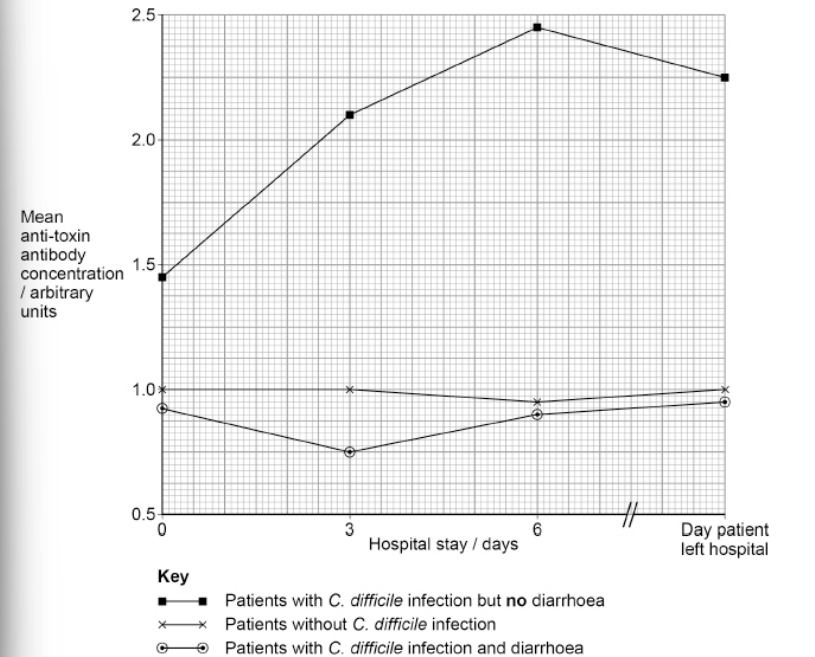
Some hospital patients suffer from diarrhoea caused by infection with the bacterium Clostridium difficile.The C. difficile bacteria release toxins. These toxins cause the diarrhoea.
Not all patients in hospital with C. difficile develop diarrhoea. Scientists measured the anti-toxin antibody concentration in hospital patients with and without C. difficile infection. They measured the anti-toxin antibody concentration four times:
• on admission to hospital (day 0)
• on day 3
• on day 6
• on the day the patient left the hospital.
The figure below shows the scientists’ results.
The scientists suggest that the anti-toxin antibody could be given to some patients as a form of passive immunity. Use the figure above to suggest how this passive immunity would work and which patients should be offered this anti-toxin antibody (3)
Anti-toxins/antibodies cause phagocytosis/ destruction/agglutination/neutralisation (of toxin) (1)
Anti-toxin/antibody prevents/reduces (chance of) diarrhoea (1)
(Offered to) patients with low (concentrations of) anti-toxin/antibody (1)
What is the function of RNA molecules in HIV? (1)
Carries genetic information (1)
Describe how new viruses are produced after HIV has infected a T cell (3)
DNA copy made (of viral RNA) (1)
Inserted into host DNA / chromosomes (1)
(Uses viral DNA to) make viral proteins/particles (1)
Describe how HIV is replicated after it has entered a human cell (4)
Reverse transcriptase uses (HIV) RNA to make DNA copy (1)
DNA fuses with the host cell’s DNA (1)
DNA used to make HIV RNA (1)
Viral protein is made at ribosome (1)
The destruction of T-cells by HIV leads to the death of an infected person. Explain how (2)
Not enough/no T-cells to activate B-cells/lead to antibody production/activate immune system (1)
The person is more prone to (opportunistic) infection (1)
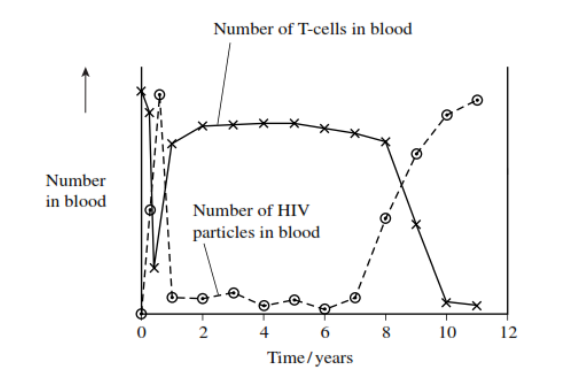
The graph shows changes in the number of T-cells and HIV particles in the blood of a person following infection.
Explain why the number of HIV particles in the blood rises during the first few months after infection (2)
(HIV is) invading cells which make new viruses (1)
Cells release viruses into blood (1)
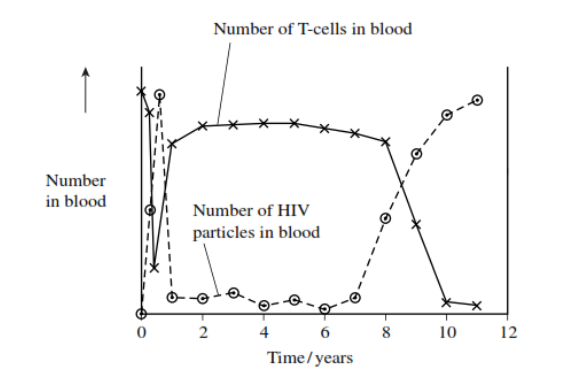
The graph shows changes in the number of T-cells and HIV particles in the blood of a person following infection.
Explain why the number of HIV particles in the blood remains low between 1 and 7 years after infection. (1)
Virus remains dormant/exists as provirus/exists as DNA in host DNA (1)
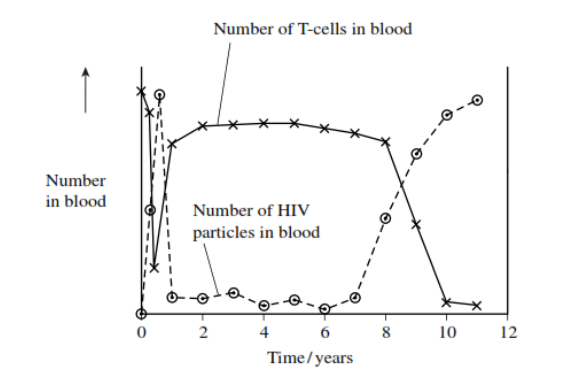
The graph shows changes in the number of T-cells and HIV particles in the blood of a person following infection.
This person developed a large number of infections about 9 years after he first became infected with HIV. Using information from the graph, explain why.(4)
HIV destroys T cells(1)
More (free) viruses produced leads to fall in T-cells (1)
(So fewer) T-cells activate B-cells/memory cells (1)
Immune system not working properly/inability to fight infection (1)
People with AIDS die because they are unable to produce an immune response to pathogens. Explain why this leads to death. (3)
Infected by other pathogens (1)
Pathogens release toxins (1)
Damages cells/tissues/organs (1)
Explain why HIV rapidly enters host cells suggest that a vaccine might not be effective against HIV (2)
(HIV enters cells) before antibodies can bind to / destroy it (1)
Antibodies cannot enter cells (to destroy HIV) / stay in blood (1)
Explain why HIV showing a lot of antigenic variability means that a vaccine might not be effective against HIV (2)
Many different strains of HIV (1)
Not possible to make a vaccine for all antigens / vaccine may not
stimulate an antibody for a particular antigen (1)
Scientists have experimented with different types of vaccine for HIV. One type contains HIV in an inactivated form. A second type contains attenuated HIV which replicates in the body but does not kill host cells. A third type uses a different, non-pathogenic virus to carry genetic information from HIV into the person's cells. This makes the person's cells produce HIV proteins. So far, these types of vaccine have not been considered safe to use in a mass vaccination programme.
So far, these types of vaccine have not been considered safe to use in a mass vaccination programme (lines 14-15). Suggest why they have not been considered safe. (3)
Inactive virus may become active (1)
Non-pathogenic virus may mutate and harm cells (1)
Vaccinated people may develop disease from a different strain to that in the vaccine (1)
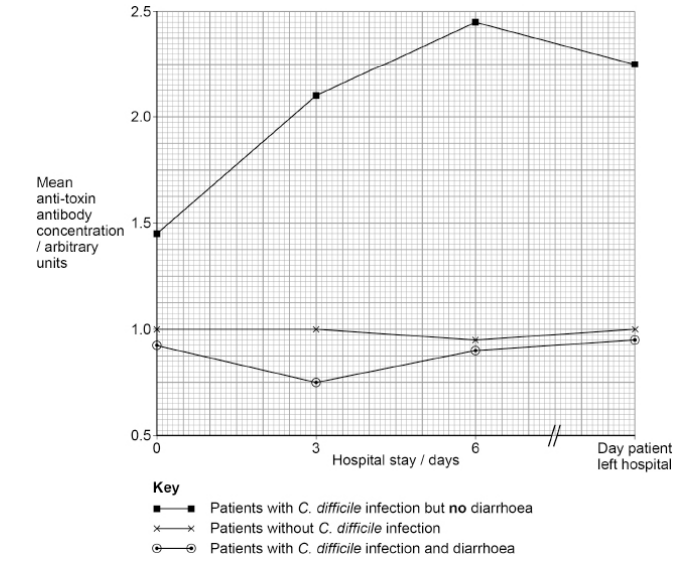
Some hospital patients suffer from diarrhoea caused by infection with the bacterium Clostridium difficile. The C. difficile bacteria release toxins. These toxins cause the diarrhoea.
Not all patients in hospital with C. difficile develop diarrhoea.
Scientists measured the anti-toxin antibody concentration in hospital patients with and without C. difficile infection.
They measured the anti-toxin antibody concentration four times:
• on admission to hospital (day 0)
• on day 3
• on day 6
• on the day the patient left the hospital.
The figure below shows the scientists’ results.
The scientists suggest that the anti-toxin antibody could be given to some patients as a form of passive immunity. Use the figure above to suggest how this passive immunity would work and which patients should be offered this anti-toxin antibody (3)
Anti-toxins/antibodies cause phagocytosis/destruction/agglutination/neutralisation (of toxin) (1)
(C difficile) patients with no diarrhoea have high(est) (concentration of) anti-toxin/antibody (1)
(Offered to C. difficile) patients with diarrhoea (1)
To be used as passive immunity treatment, the anti-toxin antibody would be injected. If it was given by mouth, it would be digested. Describe how the anti-toxin antibody would be digested (3)
Peptide bonds hydrolysed (1)
Endopeptidase(s) break internal (peptide) bonds (1)
Exopeptidase(s) break terminal (peptide) bonds (1)
(Membrane-bound) dipeptidase(s) break dipeptides to amino acids (1)
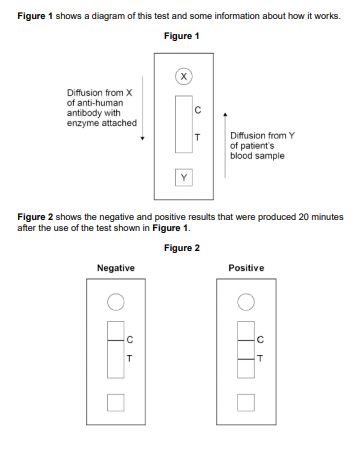
Dengue fever is a human disease caused by the dengue virus. Scientists designed an ELISA test to detect antibodies to the dengue virus in a patient’s blood sample. Figure 1 shows a diagram of this test and some information about how it works.
Figure 2 shows the negative and positive results that were produced 20 minutes after the use of the test shown in Figure 1.
Suggest what is on the test at line T and explain what causes the line to appear in a positive test. (2)
Antigen at T and substrate (1)
Enzyme-substrate complex (produces a line/colour change) (1)
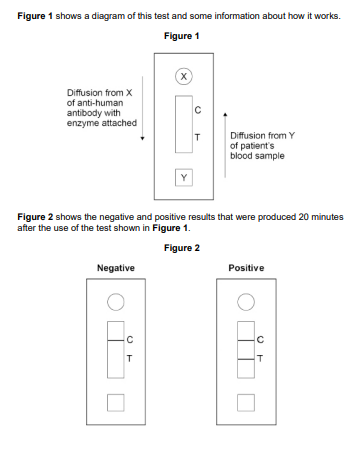
Dengue fever is a human disease caused by the dengue virus. Scientists designed an ELISA test to detect antibodies to the dengue virus in a patient’s blood sample. Figure 1 shows a diagram of this test and some information about how it works.
Figure 2 shows the negative and positive results that were produced 20 minutes after the use of the test shown in Figure 1.
A line at C shows that the test has worked. Suggest one reason why a line at C shows the test has worked (1)
Blood/sample has moved/diffused (above T in the test) (1)
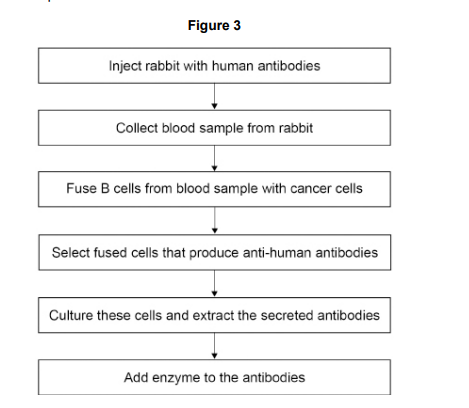
Figure 3 shows a flowchart of how the anti-human antibodies with enzyme attached are produced.
Suggest why the fused cells allow continuous production of monoclonal antibodies. (2)
(Cancer/fused cells) divide/replicate rapidly/uncontrollably (1)
B cells produce (monoclonal) antibody (1)
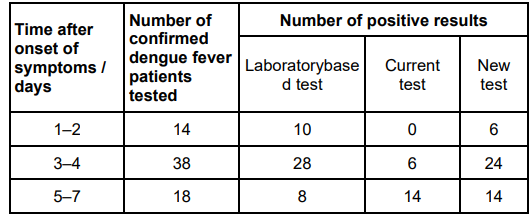
Early identification of dengue fever can be difficult as many other diseases produce the same symptoms. Early identification is important because people suffering with dengue fever can become ill very quickly and may need hospital treatment.
Scientists compared the effectiveness of three diagnostic tests for dengue fever.
• Laboratory-based test – a patient’s blood sample is sent from the doctor’s
clinic to a laboratory for testing.
• Current test used in the doctor’s clinic.
• New test to be used in the doctor’s clinic – the ELISA test shown in
Figures 1 and 2.
The scientists’ results are shown in the table below.
A blood sample from each patient with confirmed dengue fever at each time after
onset of symptoms was tested with all three diagnostic tests.
The scientists recommend that the new test is used for the identification of
dengue fever in all countries around the world.
Discuss this recommendation. Use all the information given. (3)
Better than current at detecting early but not as good as lab-based (1)
New test (likely to be) quicker and cheaper (1)
New/current test better than lab-based from 5 days (1)
Give three types of cell that can stimulate an immune response. (3)
Pathogens (1)
Abnormal body cells (1)
Antigen presenting cells (1)
An autoimmune disease causes the immune system to attack healthy body tissues. Scientists investigated the immune responses of healthy mice and mice with autoimmune disease.
The chemical OXA causes an immune response in mice and can make their skin swell. Mice had olive oil applied to their left ear and OXA in olive oil applied to their right ear.
The immune response was recorded in two ways:
• the cellular response by measuring the mean increase in ear thickness 24 hours after exposure to OXA
• the humoral response by measuring the mean concentration of anti-OXA antibody in blood 14 days after exposure to OXA.
Suggest and explain one reason why olive oil was applied to the left ear of the mice. (1)
As a control (experiment), to show that it is OXA affecting the (immune) response (1)
Some studies have shown that in humans, oestrogen has the opposite effect on two different autoimmune diseases.
Oestrogen:
• accelerates the progression of systemic lupus erythematosus (SLE)
• prevents the progression of rheumatoid arthritis (RA).
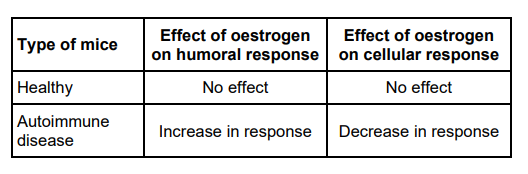
The scientists investigated the effect of oestrogen on the immune response
in healthy mice and mice with autoimmune disease.
Table 2 shows the scientists’ results.
A student studying these data made the following conclusions.
1. In humans, SLE is caused by an overproduction of antibodies.
2. In humans, RA is caused by an overproduction of cytotoxic T cells (TC cells).
Evaluate the student’s conclusions. (4)
Supporting
More antibodies could increase progression of SLE (1)
(Oestrogen) increases the humoral response that produces antibody (1)
Against
Increase in response might mean quicker production of antibody (1)
Increase in response might mean quicker production of antibody (1)
The placenta is a specialised exchange surface.
In the placenta, substances are exchanged between the blood of a fetus and
the blood of its mother. Gas exchange for the fetus occurs in the placenta.
There is also transfer of IgG antibodies in the placenta between the mother’s
blood and fetal blood. These IgG antibodies protect the fetus against the
pathogens that infect its mother during pregnancy. The IgG antibodies can
circulate at high concentration in the mother’s blood for months or years. A
fetus does not produce IgG antibodies.
Explain how a fetus is protected against the pathogens that infect its mother during pregnancy (lines 5–6). Do not give details of an active immune response in the mother. (3)
(IgG) antibodies (from mother) are complementary/bind specifically (1)
To pathogens/antigens crossing the placenta (1)
Giving passive immunity (in fetus) (1)
Tetanus bacteria enter the body through skin wounds. Tetanus bacteria do not 15 spread from infected people. In order to develop good immunity against tetanus, children are given three tetanus vaccinations at regular intervals before they reach their first birthday.
Suggest how vaccinating as many babies as possible protects the UK population against pathogens such as tetanus bacteria (lines 9–11). (1)
Skin wounds are common (in children) (1)
Explain why giving children more than one tetanus vaccination develops good immunity against tetanus (lines 15–17) (2)
(Production of more) memory cells (1)
(So) higher concentration of antibodies (in blood) (1)
 Note
Note  Flashcards (90)