Lecture 5: Yersinia Bordetella Gram - coccobacilli
 Studied by 0 people
 Call Kai
 Learn
Learn Practice Test
 Spaced Repetition
 Match
Match Flashcards
 Knowt Play
1/32

There's no tags or description
Looks like no tags are added yet.
Name | Mastery | Learn | Test | Matching | Spaced | Call with Kai |
|---|
No analytics yet
Send a link to your students to track their progress
33 Terms
Gram (-) coccobacilli
1.Yersinia Y. pestis - black plague
2.Bordetella B. pertussis - whooping cough
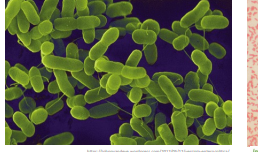
Genus Yersinia
Part of Enterobacteriaceae family - cocco/bacilli, safety pin
Genus Yersinia Characteristics
Non motile, psychrophilic, facultative intracellular anaerobes
Genus Yersinia Species
18 species mostly animal pathogen but 3 are pathogenic to human
Y. entercolitica + Y. pseudotuberculosis - diarrheal GI diseases
Y. pestis - Causative agent of black plague
Yersinia Pestis
Highly virulent pathogen that lives in small rodents and causes plague (black death) which is a life threatening bacterial infection
Black death Plague
Life threatening bacterial infection historically responsible for widespread pandemics with high mortality (>250 million deaths)
Y. Pestis Natural Reservoir and Biological vector
Rodents, in their blood stream and then flea is vector carrying the pathogen to mammals
Y. pestis biolfilms
Blocks the flea’s intestine and then the flea brings the pathogen up to their mouth when they bite the next host
Y. Pestis Transmission
Humans are accidental host transmitted by:
Bite from an infected flea (primary route)
Direct contact of handling dead infected mammals
Eating infected rodent meat
Y. pestis diseases depends
On route of infection
Bubonic plague, Septicemic plague, and Pneumonic plague
Bubonic plague
Y. pestis inoculated into body site of flea bite, it travels thru the lymphatic system and replicates in the lymph, may progress to septicemic plague if untreated
Most common plague
Septicemia plague
Occurs when the infection spreads thru the bloodstream, advanced stages of bubonic plague, and death occurs from gram - septic shock
Pneumonic plague
Most virulent and least common form of plague, caused by spread to lungs from advanced bubonic plague (septicemic)
Only form spread person to person through respiratory droplets
Y. pestis Pathogenesis
Molecular pathogenesis complex due to insect (ambient) and mammalian (35-37°C) environments b/c optimal growth is at 20-28C
Examples of factors induced at shift to 37°C:
a) F1 protein capsule – antiphagocytic
b) Adhesins - Allow attachment to human cells
c) Type III secretion systems - Injection of proteins into host cells; cause cellular death
d) Yops (Yersinia outer proteins) – cytotoxic & down-regulate
Y. pestis Treatment
Rapid diagnosis and initiation treatment with an efficacious antibiotic within 24 hours of symptom onset is critical
– plague is a potentially fatal disease
Y. pestis prevention
Keep free of rodents and fleas, antibiotics, sanitation and hygiene, and insect repellent
Bordetella Pertussis characteristics
Slow growing, aerobic, motile, encapsulated, fastidious coccobacillus, and a strict obligate human respiratory pathogen
Pertussis
Highly contagious respiratory disease (whooping cough) caused by B. pertussis - severe, spasmodic coughing
Bordetella pertussis – Epidemiology
Highly contagious, infecting more than 90% of exposed susceptible persons
-Today >90% of the cases are in developing nations; most deaths are among infants
Bordetella Pertussis transmission
Human to human only by inhalation of infected airborne droplets is the primary mechanism of transmission
Bordetella Pertussis Virulence factors and pathogenesis
Bacteria bind ciliated respiratory epithelium of the upper airway (throat) and lungs, then attachment is mediate by adhesin, pertactin, and FHA, and then exotoxins are produces
Bordetella Pertussis Virulence factors Exotoxins
damage cells, impair cilia, trigger inflammation, increase mucus, immune evasion
• Pertussis toxin (PT) • Tracheal cytotoxin (TCT) • Adenylate cyclase toxin (AC)
Bordetella Pertussis Virulence factors Ciliated cells
Ciliated cells are destroyed causing a denuded mucosa w/o protective and functioning cilia
Leads body to resort severe coughing
Bordetella pertussis – Clinical Disease
Pertussis follows a prolonged course consisting of 3 overlapping stages:
1.Catarrhal, 2.paroxysmal, and 3.convalescent
1.Catarrhal
Non-specific cold-like symptoms develop ~1 week after infection
2.paroxysmal
Peak coughing; worsen symptoms due to progressively thickened mucus and damaged respiratory epithelium; inspiratory “whoop’
3.convalescent
pertussis symptoms gradually fade; secondary pneumonia possible
100 Day cough
Bordetella pertussis – Diagnosis
A. Pertussis symptoms usually diagnostic § Coughing paroxysms, inspiratory "whoop," or post-paroxysm vomiting
B. Isolation of B. pertussis from clinical specimen (Catarrhal stage)
C. Positive NAAT (polymerase chain reaction (PCR)) for B. pertussis
D. Contact with a laboratory-confirmed case of pertussis
Bordetella pertussis Treatment
A. Early antibiotic treatment critical (decreased complications, decreased spread)
B. Supportive care (humidifier, hydration, etc.)
C. Hospitalization may be required (esp. for infants/young children, compromised, elderly)
Bordetella pertussis – Prevention
Vaccination and hygiene
1.Yersinia overview
Focus on yersinia pestis → cause of plague (pestilence) and treated with antibiotics
2.Bordetella overview
Focus in bordetella pertussis → cause of pertussis (whooping cough) and treated with antibiotics or prevented by vaccine
 Note
Note  Flashcards (179)