Lecture 23: Evasion of Immune Response by Pathogens
 Studied by 0 people
 Call Kai
 Learn
Learn Practice Test
 Spaced Repetition
 Match
Match Flashcards
 Knowt Play
1/46

There's no tags or description
Looks like no tags are added yet.
Name | Mastery | Learn | Test | Matching | Spaced | Call with Kai |
|---|
No analytics yet
Send a link to your students to track their progress
47 Terms
how does an invading microorganism become a pathogen?
it invades the body, evades immune defenses, and survives within its host
Toll-like receptors (TLRs)
-A type of PRR
-Recognize PAMPs
-Set in motion a cascade of events inside the cell that amplifies and orchestrates a defense response to the pathogen
how can bacteria interfere with TLR signaling pathways?
redirecting signaling pathways from pro-inflammatory to anti-inflammatory pathways
NF-kappa B
protein complex that controls transcription of DNA, cytokine production, and cell survival
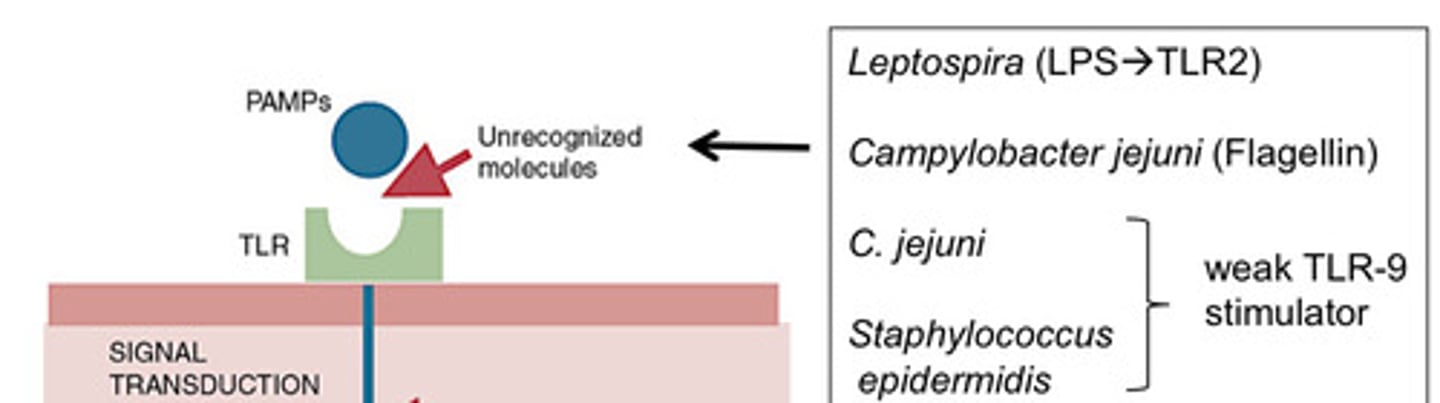
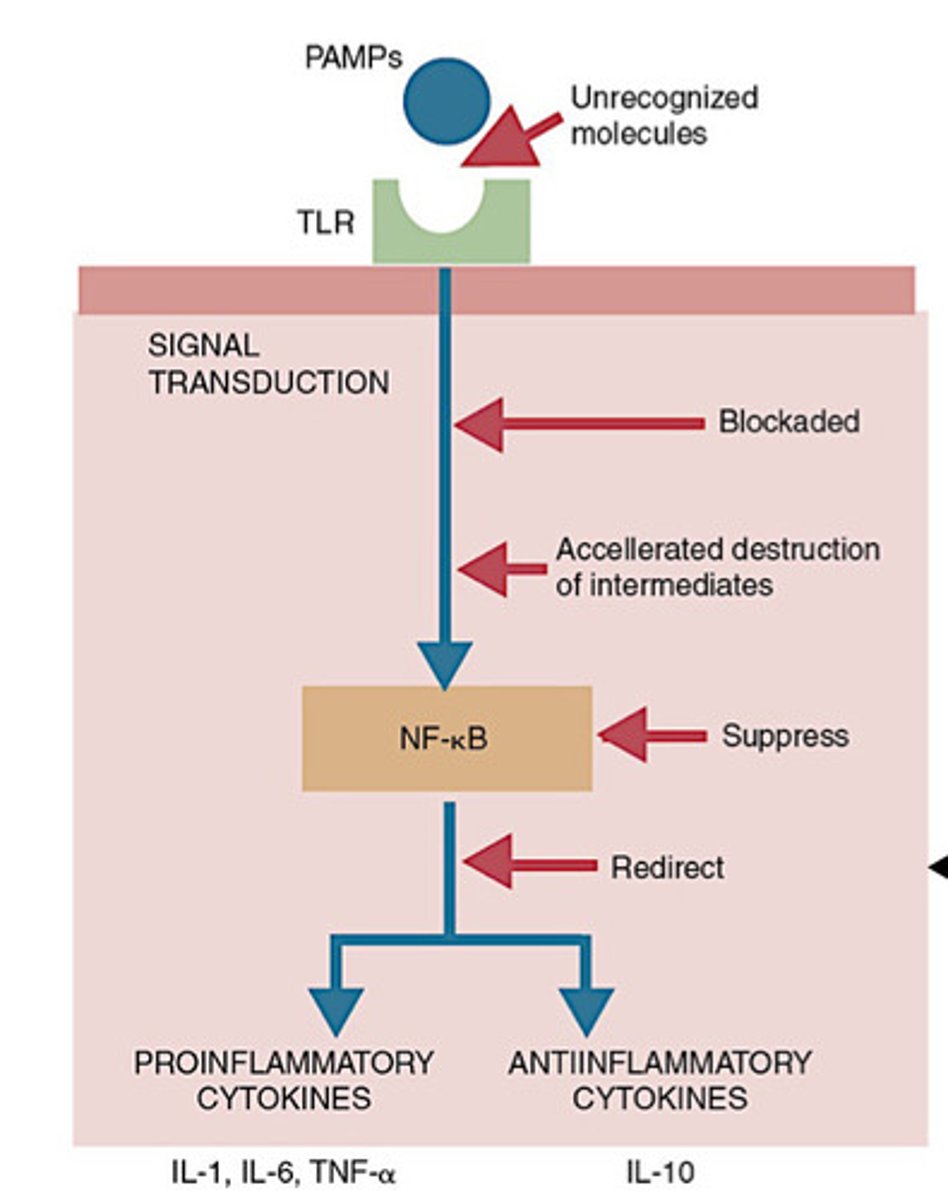
1. Unrecognized molecules like leptospira make modified PAMPs and can bind to ______ but are not recognized so no signal transduction occurs.
TLR-2
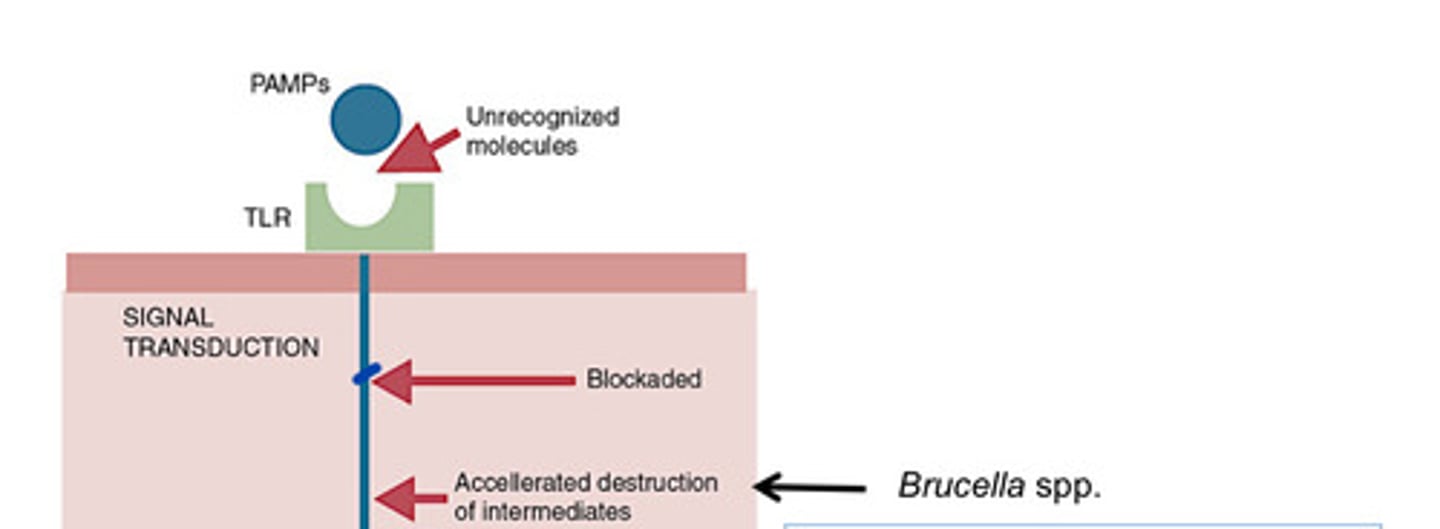
2. Brucella spp. synthesize a protein called ____ that resembles ______ receptor causing accelerated degredation of adaptor protein and blocks TLR signaling pathway
TcpB, IL-1 receptor
What impairs regulation of NK-kappa B?
P. Aeruginosa
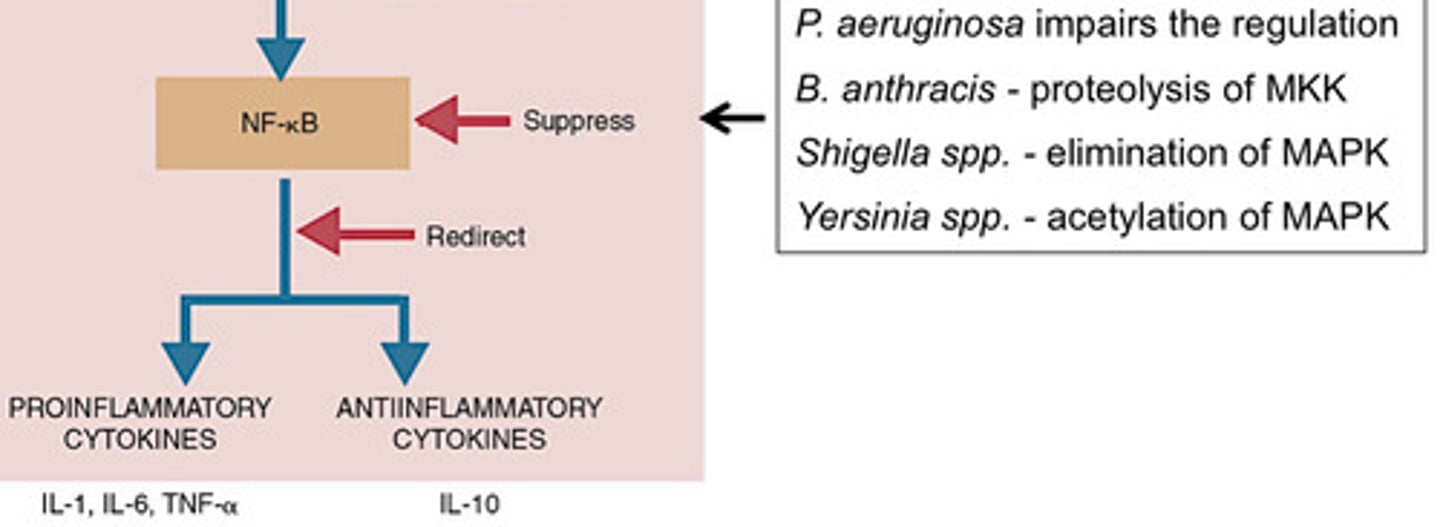
B. anthracis
Proteolytic of MKK
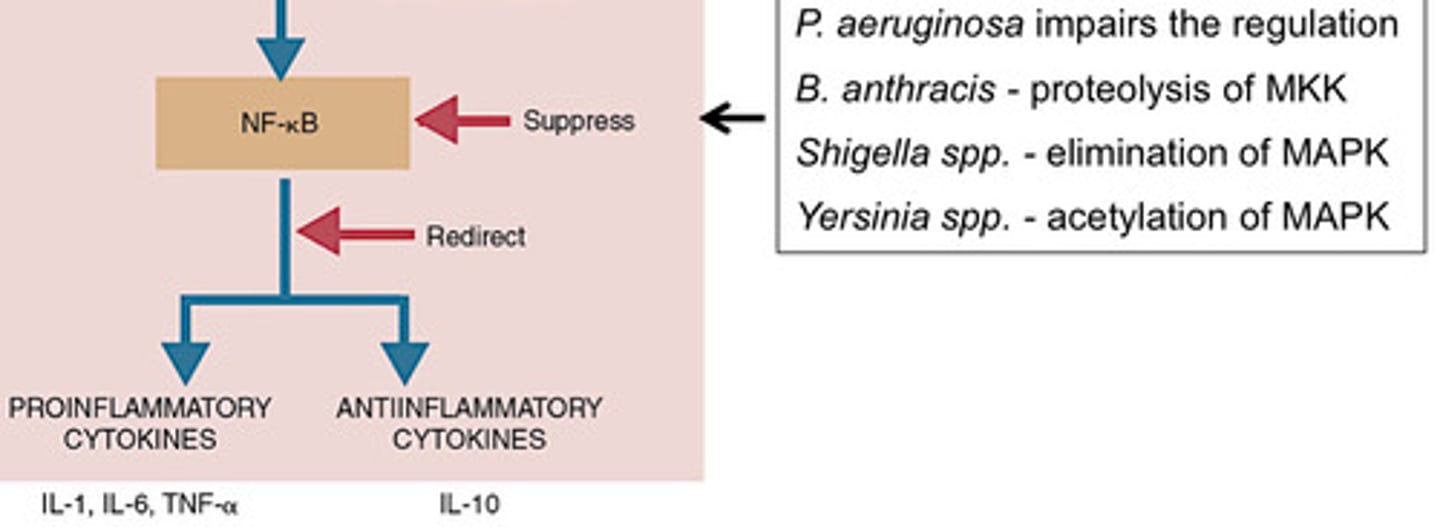
Shigella spp.
Elimination of MAPK
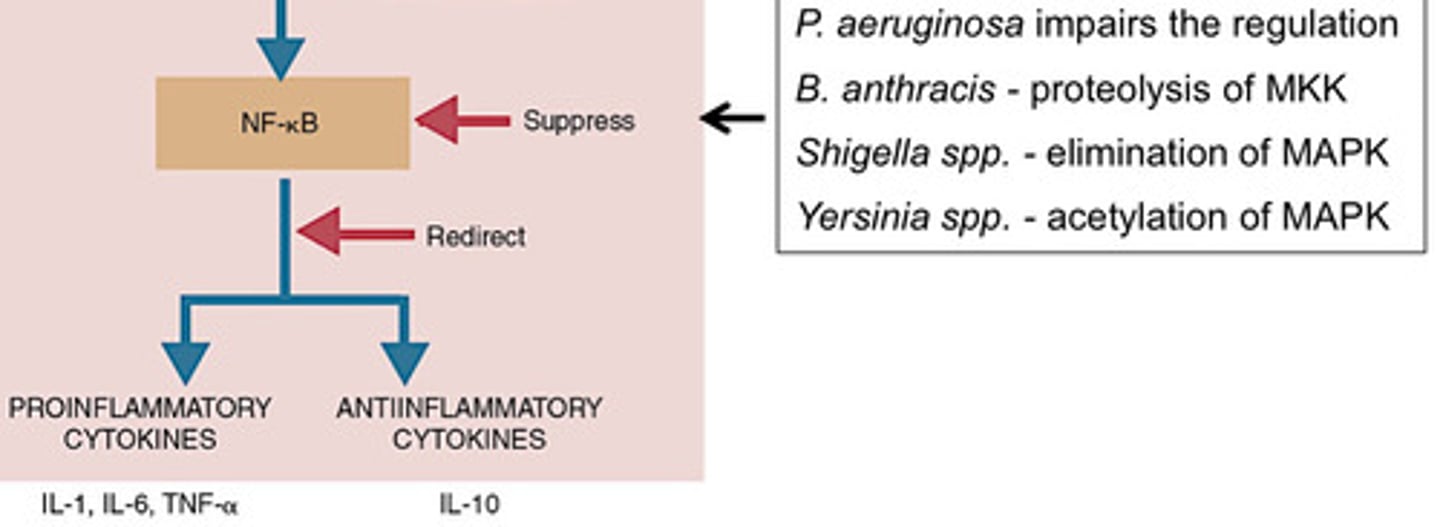
Yersinia spp.
Acetylation of MAPK
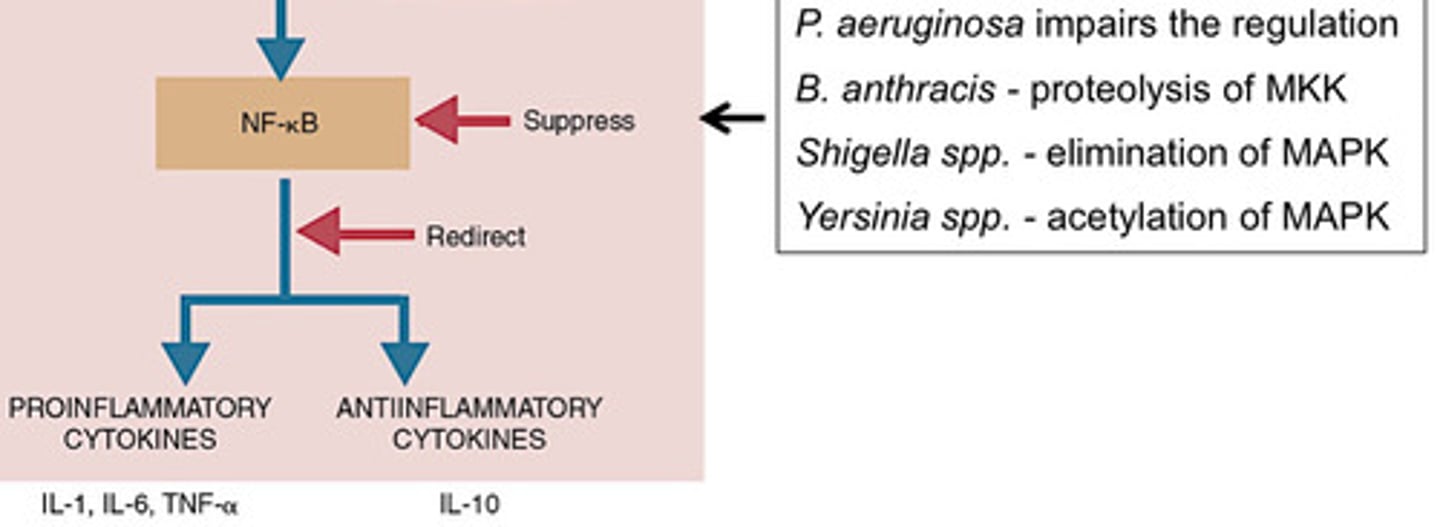
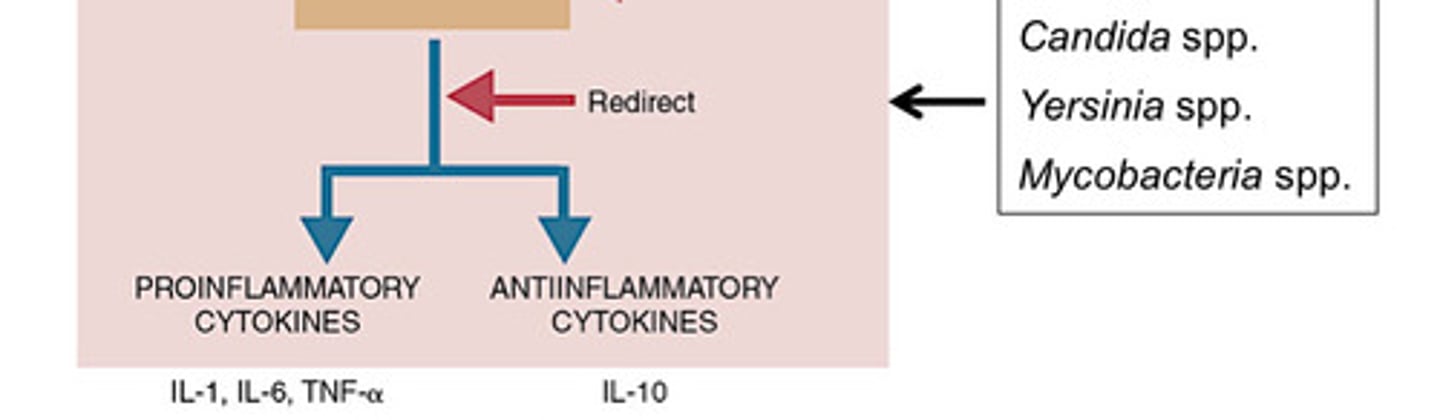
Misdirection of signaling pathways occurs when products from candida, yersinia, or mycobacteria trigger signaling through ___ leading to production of ___.
TLR2, IL-10
Bacterial Interference with TLR Signaling Pathways: Overview
MAPK
-mitogen activated protein kinase
-type of protein kinase that is specific for amino acids serine and threonine
-involved in directing cellular responses to stimuli like mitogens, osmotic stress, HSPs, and proinflammatory cytokines
Staphylokinase from S. Aureus can bind and ___ _____. Staphylococcal enzyme aureolysin ___ _____. Salmonella can bind and decrease ___ ____. Klebsiella pneumoniae capsular polysaccharide blocks beta-defensible expression by airway epithelial cells.
-Neutralize defensins
-destroys cathelicidins
-defensin activity
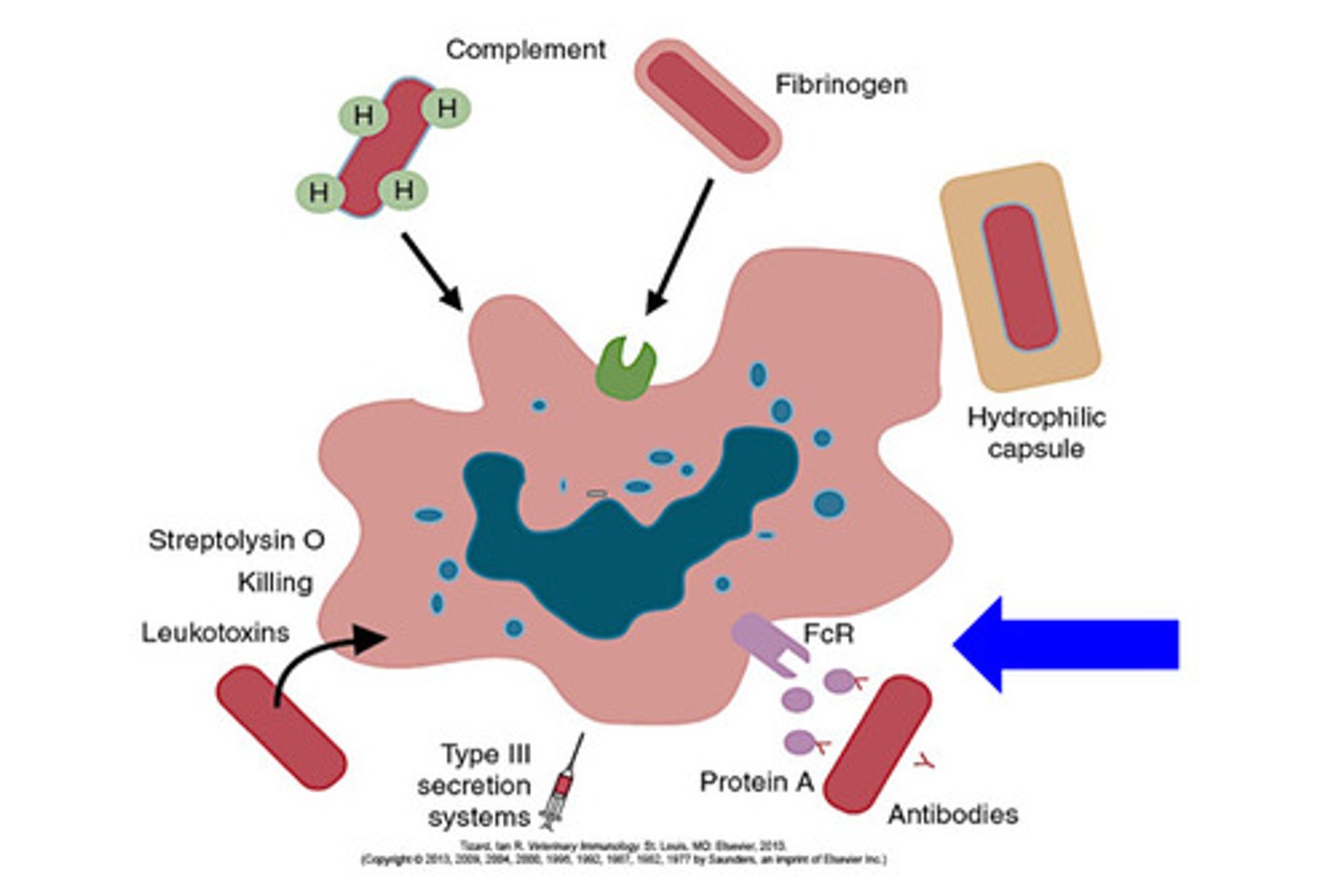
staphylococcus aureus protein A
-specifically binds to the Fc region of IgG
-prevents antibodies to bind to Fc receptor on phagocytic cells or activating classical complement pathway
-promotes immune suppression!
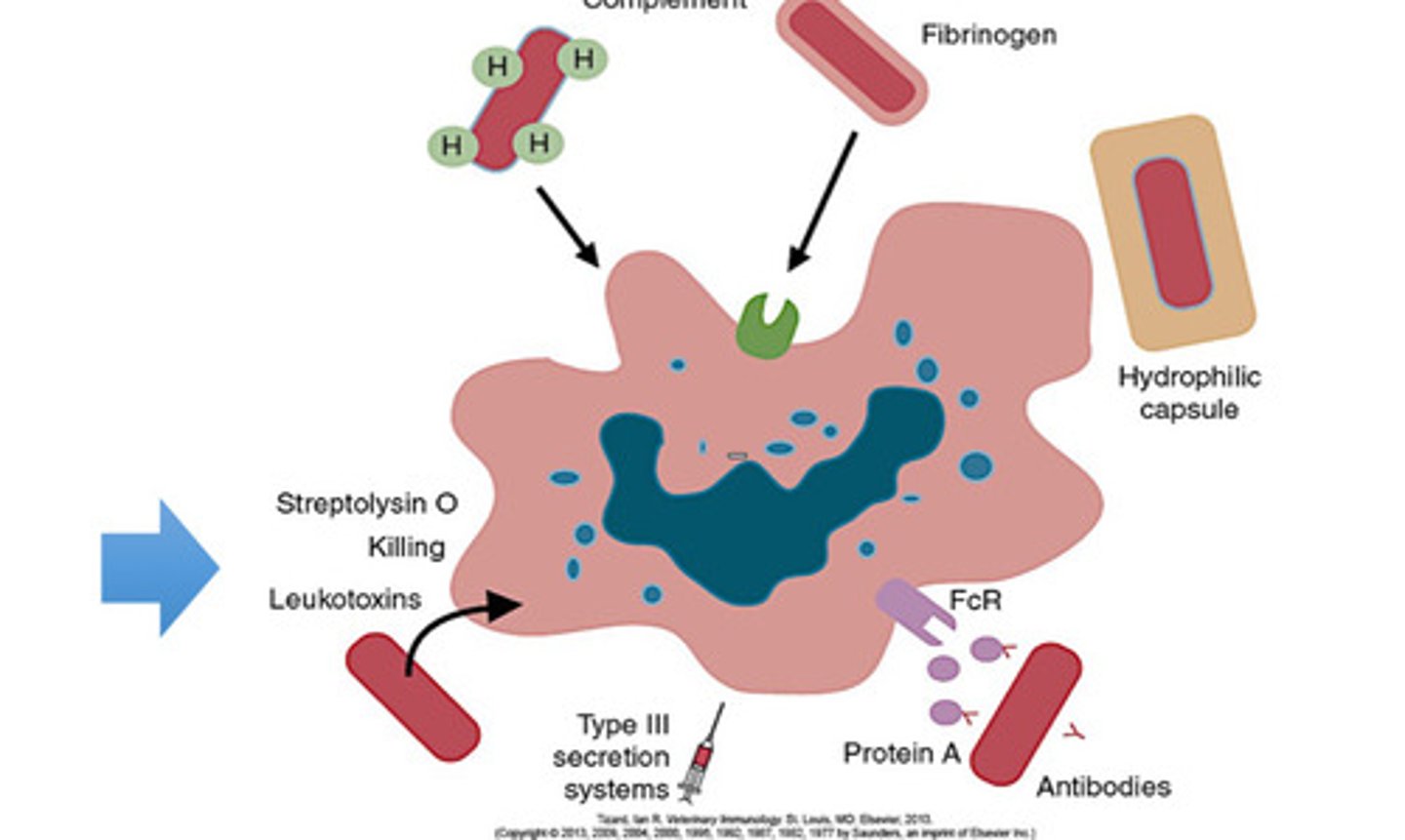
direct killing of phagocytic cells
Several gram-negative bacteria secrete leukotoxins that kill leukocytes, especially granulocytes. RTX proteins are the most important. M. Hemolytica secretes RTX toxin that kills ruminant neutrophils, alveolar macrophages, and lymphocytes.
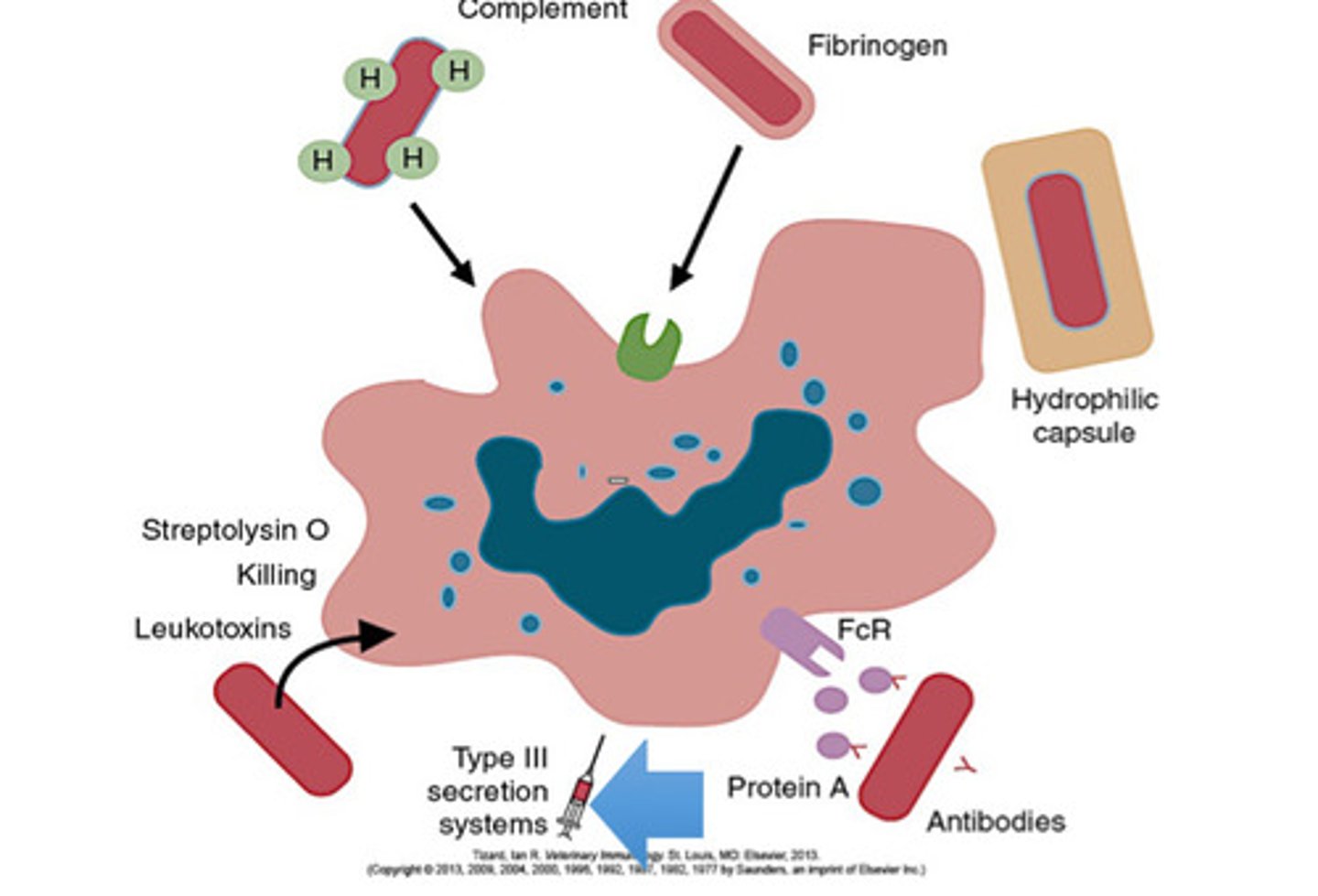
type lll secretion system
-inject toxins into their targets
-gram-negative bacteria like salmonella and pseudomonas species develop this type of system to convey effector molecules into cytosol of effector molecules
-these molecules activate guanosine triphosphatases and disrupt intracellular signaling pathways
-high concentrations= transmembrane pores form and cell necroses
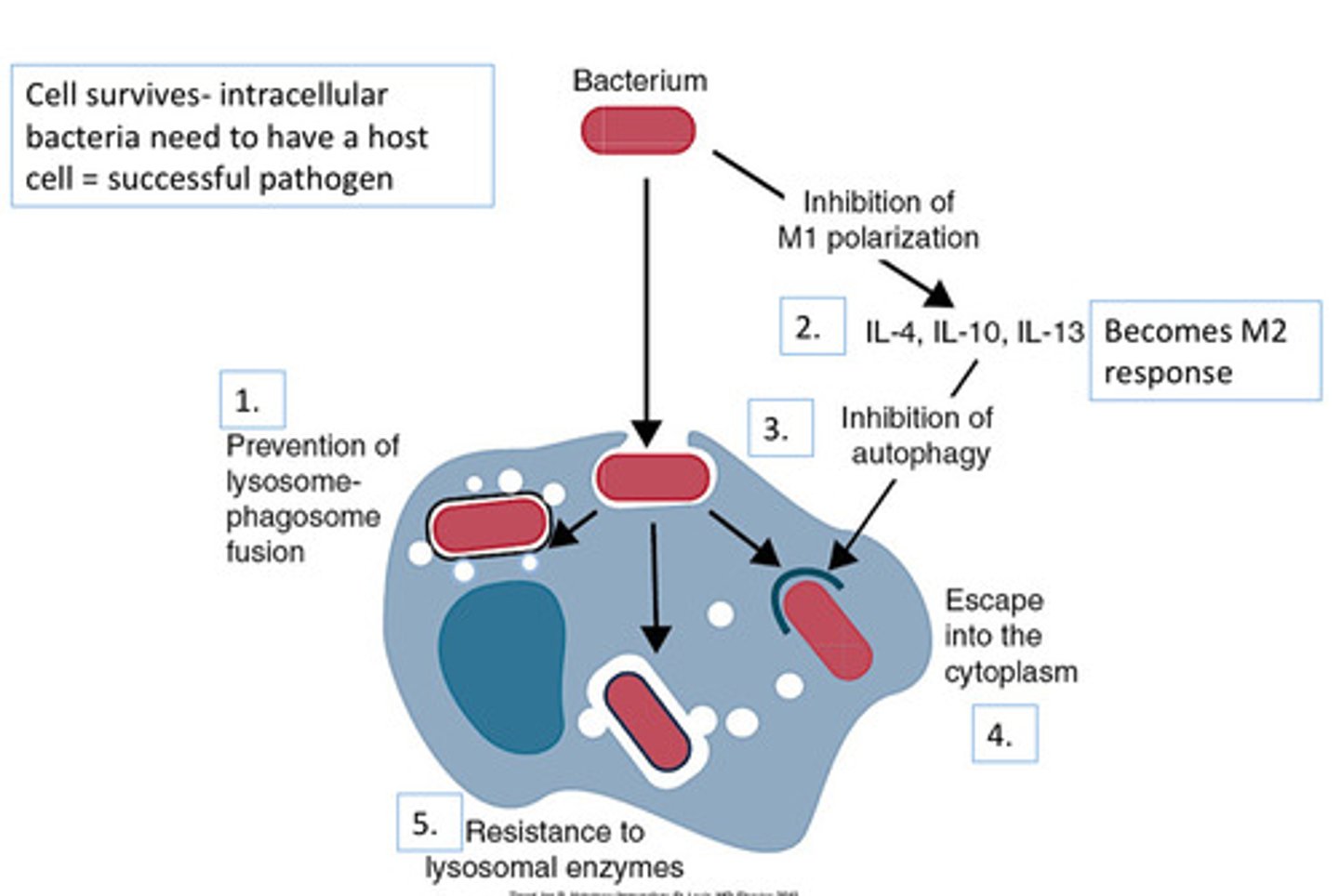
mechanisms of evading intracellular killing
1. Prevent lysosome-phagosome fusion
2. IL-4, IL-10, IL-13 becomes M2 response
3. Autophagy is inhibited
4. Escape into the cytoplasm
5. Resistance to lysosomal enzymes
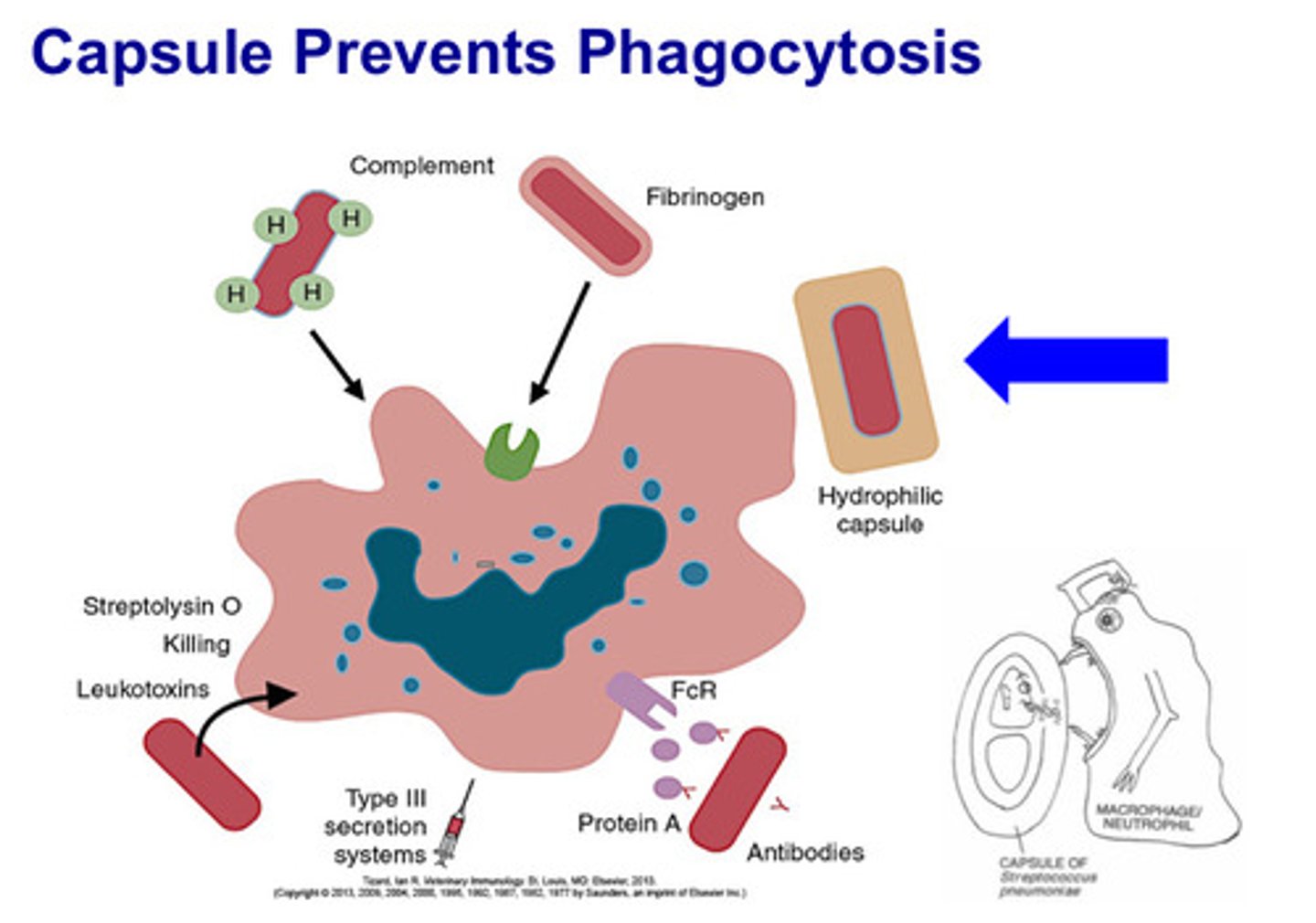
encapsulated bacteria such as pneumococci possess a thick ____ _____ that phagocytes find diffucult to bind to.
hydrophillic capsule
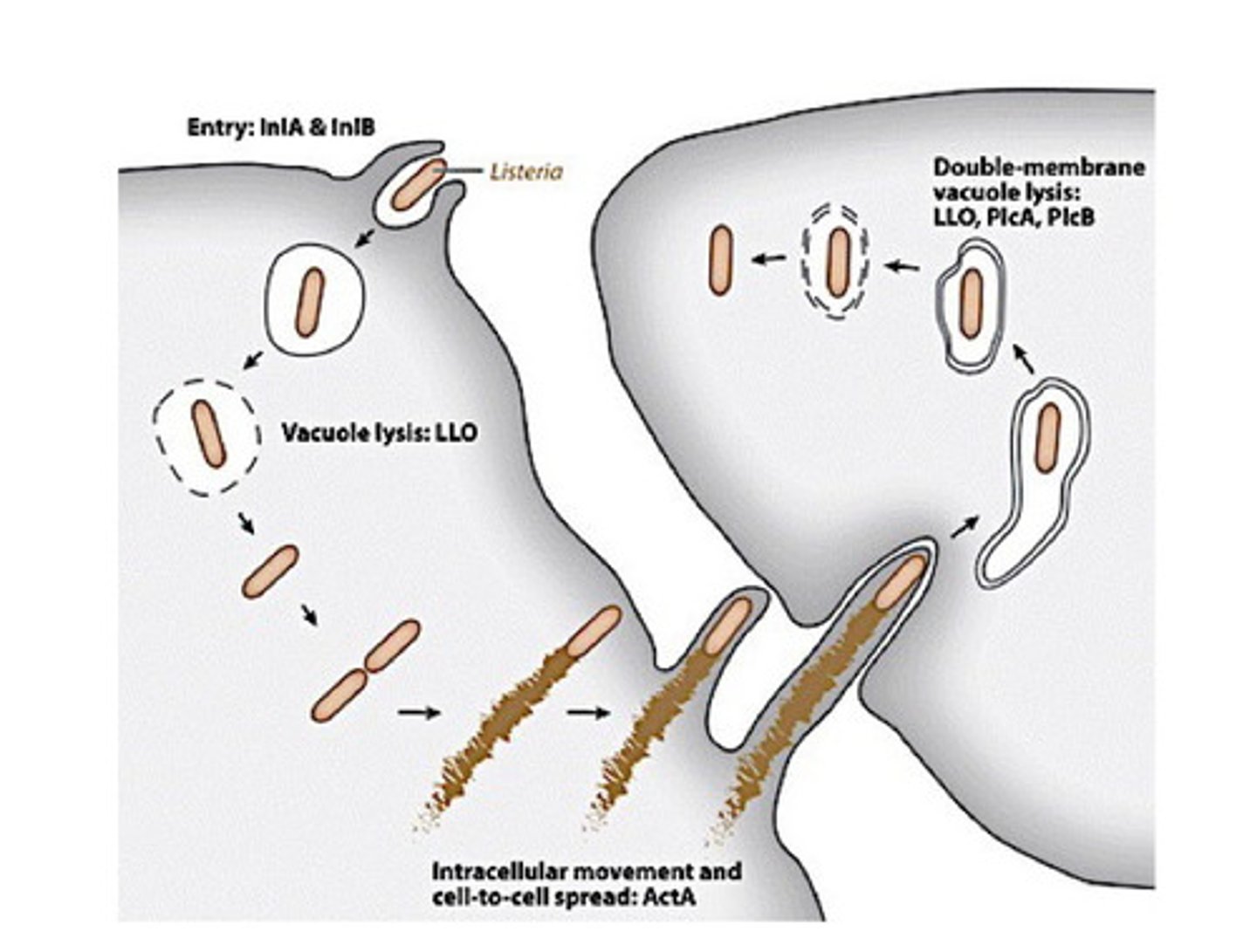
Listeria monocytogenes
1. :. Monocytogenes is taken up by induced phagocytosis mediated by internalin
2. The bacterium multiplies produced listeriolysin (LLO) to escape the phagosome
3. The bacterium multiplies rapidly in the cytoplasm and moves through the cytoplasm to invade adjacent cells by polymerizing actin
4. Long tails are formed
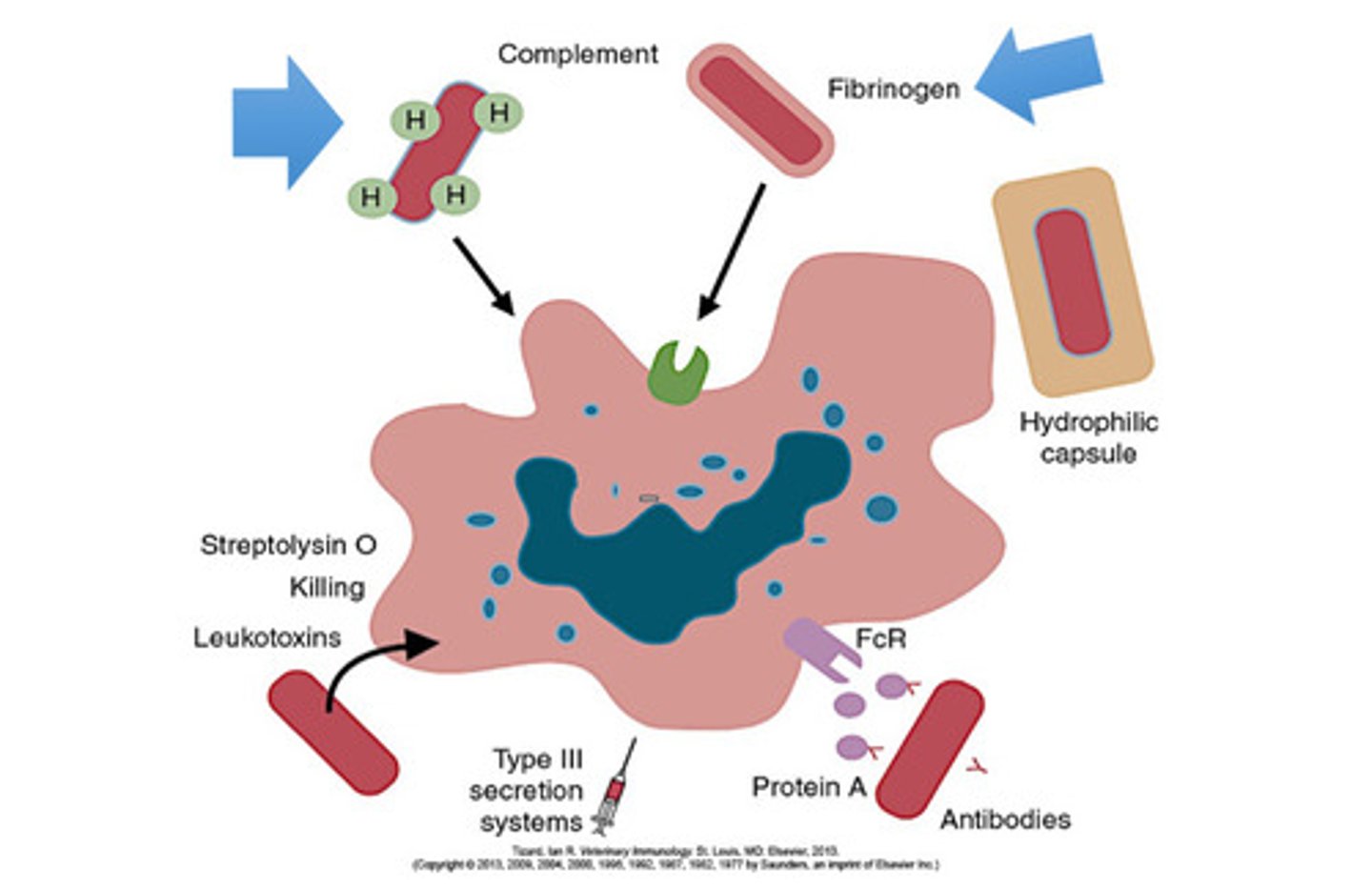
evading opsonization by complement
Strepcocci produce M protein which can bind fibrinogen and masks C3-binding sites. M protein also binds factor H, inactivating bound C3b
antigenic variation
-forces the immunological response to change antigens
-antigens vary or change in the host during an infection OR can exist in nature as multiple antigenic types
-important mechanism used by pathogenic microorganisms for escaping the neutralization of antibodies
-can result from site-specific inversions or gene conversions or gene rearrangements in DNA of microorganisms
-sequence contingency loci can rapidly generate variants during infections started by small numbers of bacteria that are clonal
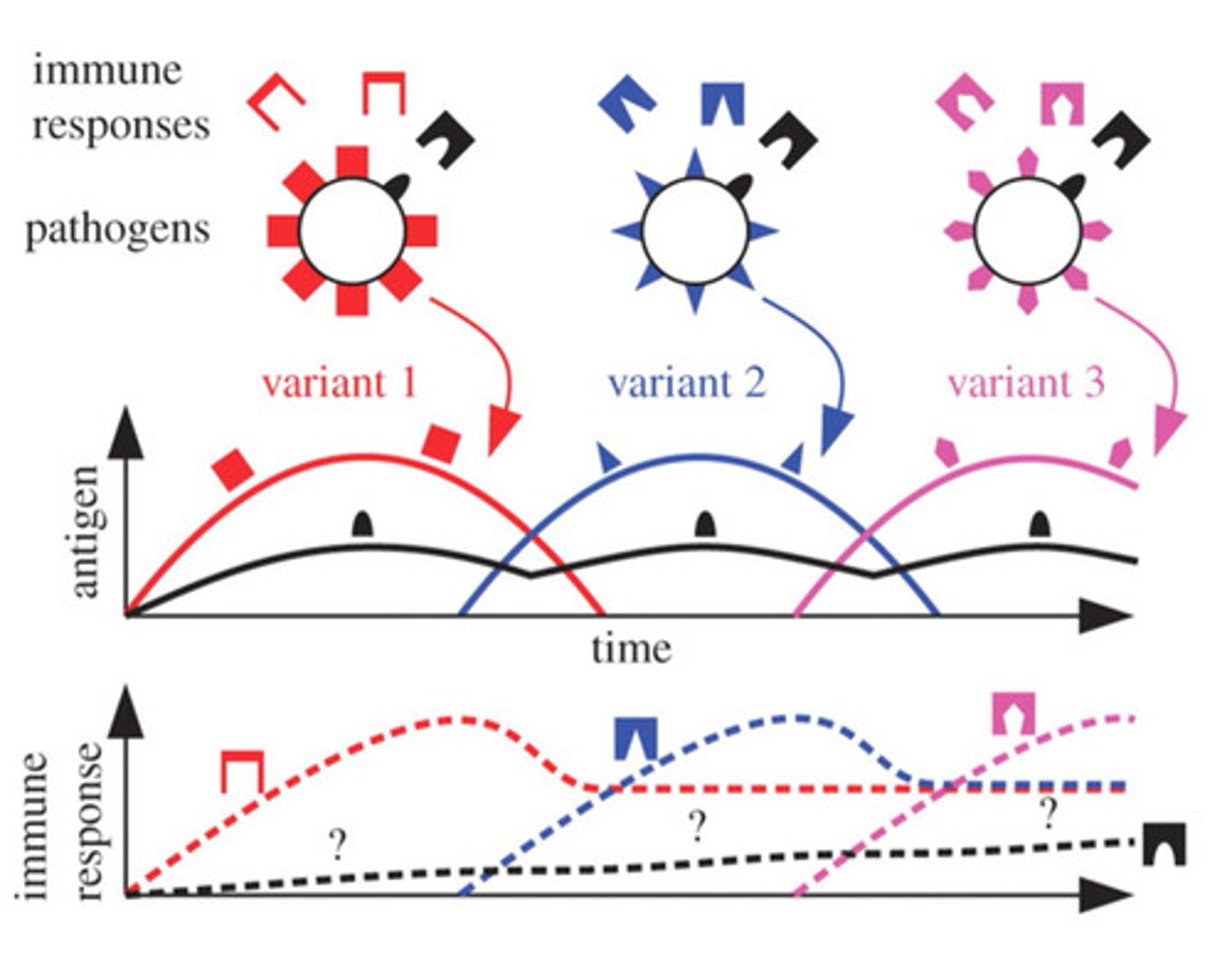
Borrelia recurrentis (relapsing fever)
-results from antigenic variation by the organism
-diseae is characterized by episodes of fever which come and go for periods of weeks or months
-after infection, the bacteria multiply in tissues and cause a febrile illness until the onset of immunological response
-bacteria then disappear from the blood because of antibody mediated phagocytosis, lysis, agglutination
-the fever falls
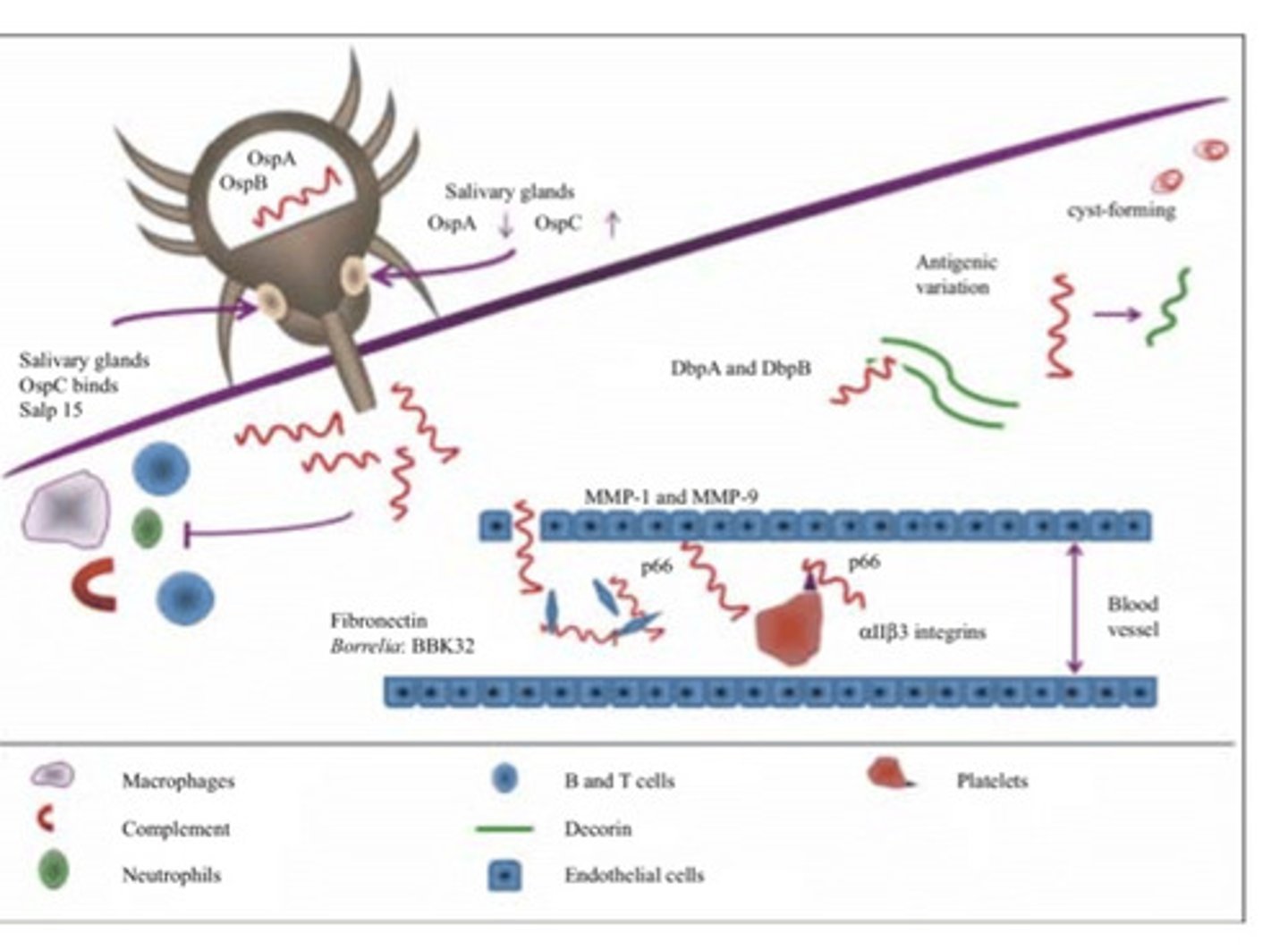
facotor H binding bacterial proteins:
1. borrelia burgdorferi Erp proteins
2. Leptospira interrogans LfhA
(and others)
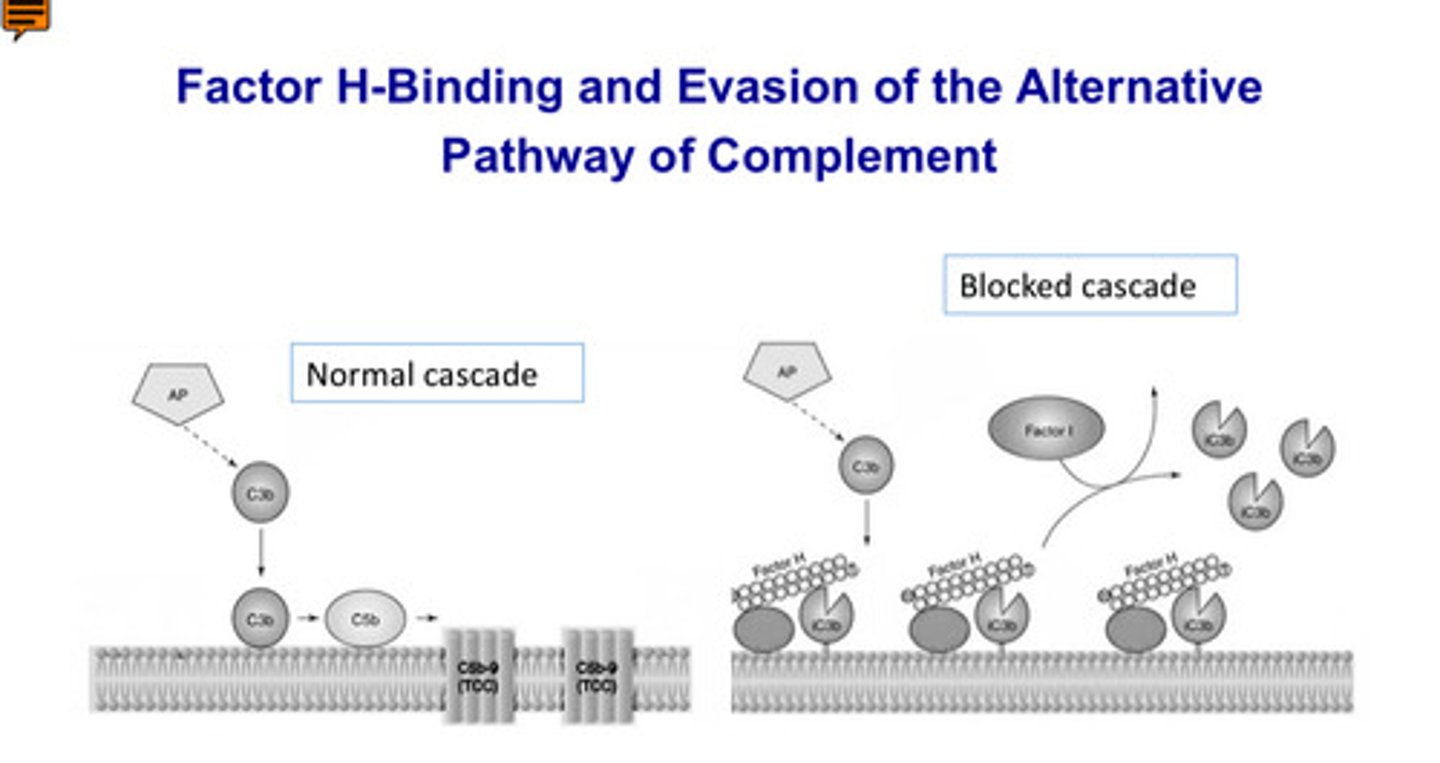
What makes a successful pathogen?
-access to host and appropriate host tissue site
-evasion and/or neutralization of host defenses
-establishment of replication permissive niche
-replication: acquisition of nutrients and the activate molecular mechanisms of replication
-keep host alive long enough to ensure dissemination and transmission to new host
what interleukins are blocked by viruses like hep C that are required for IFN-y production?
IL-12 and IL-18
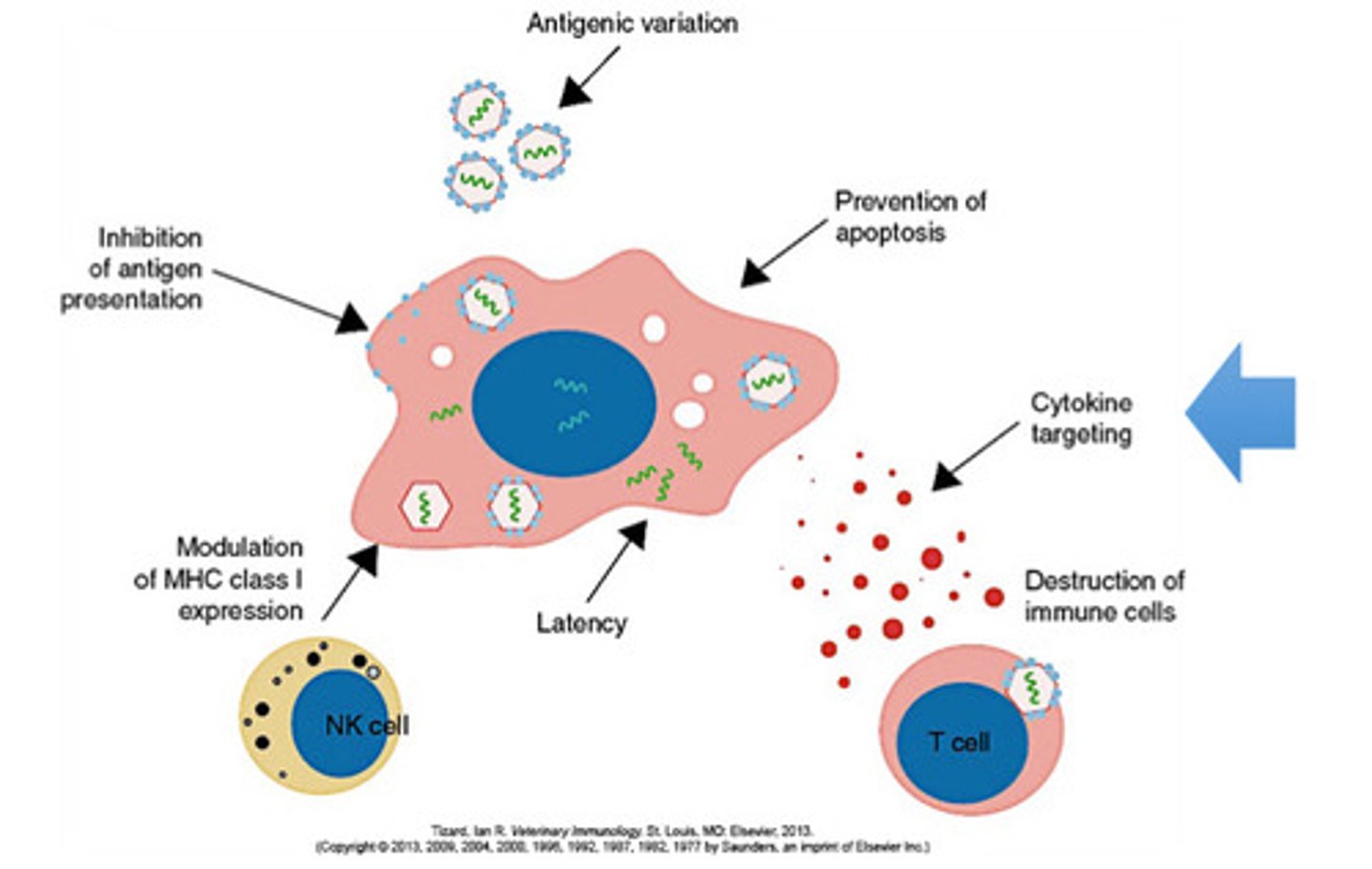
antigenic diversity
-variant strains of the same pathogenic species
-there are multiple serotypes of salmonella based on differences in cell wall antigens and flagellar antigens
-there are 80 million antigenic types of strep based on M-proteins on the cell surface
-there are over one hundred strains of strep pneumoniae
-multiple serotypes of vibrio cholerae, strep aureus, E. Coli, neisseria gonorrhoeae, etc.
-more than 250 serovars of leptospira spp.
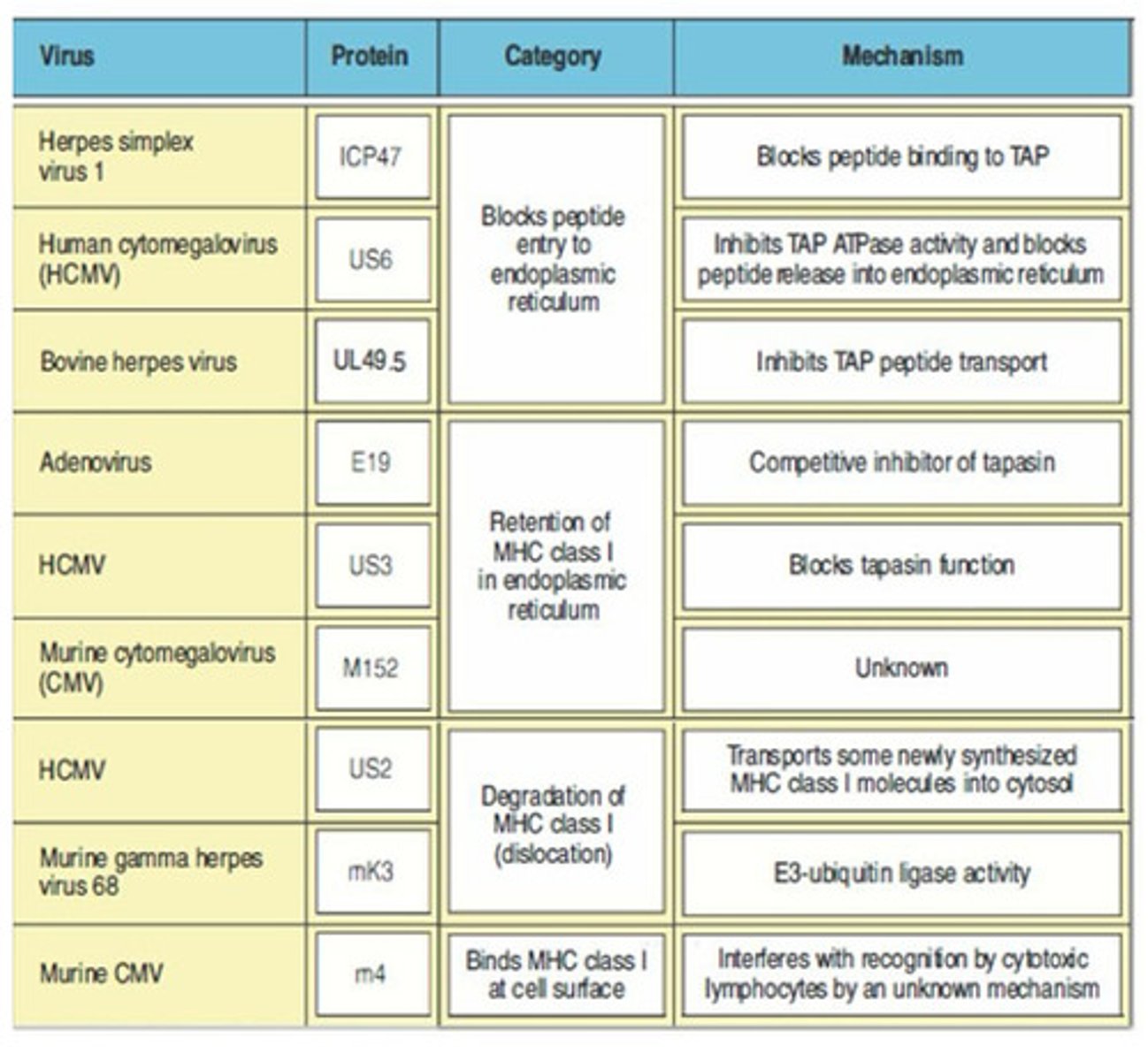
immunoevasins
-produced by viruses, interfere with antigen processing that bind to MHC class l molecules
-made by viruses
RNA viruses
-have small genome
-don't have room to accommodate genes dedicated to suppressing immunity
-their proteins are multifunctional and tend to reply on antigenic variation for immune evasion
what are mechanisms used by viruses to inhibit antigen presentation?
-reduction of transcription of MHC genes
-block TAP function and transport of pepties into ER which inhibits proeosomal degradation of viral proteins
-inhibit intracellular transport of MHC class l alpha chains
-prevent delivery of loaded MHC to cell surface
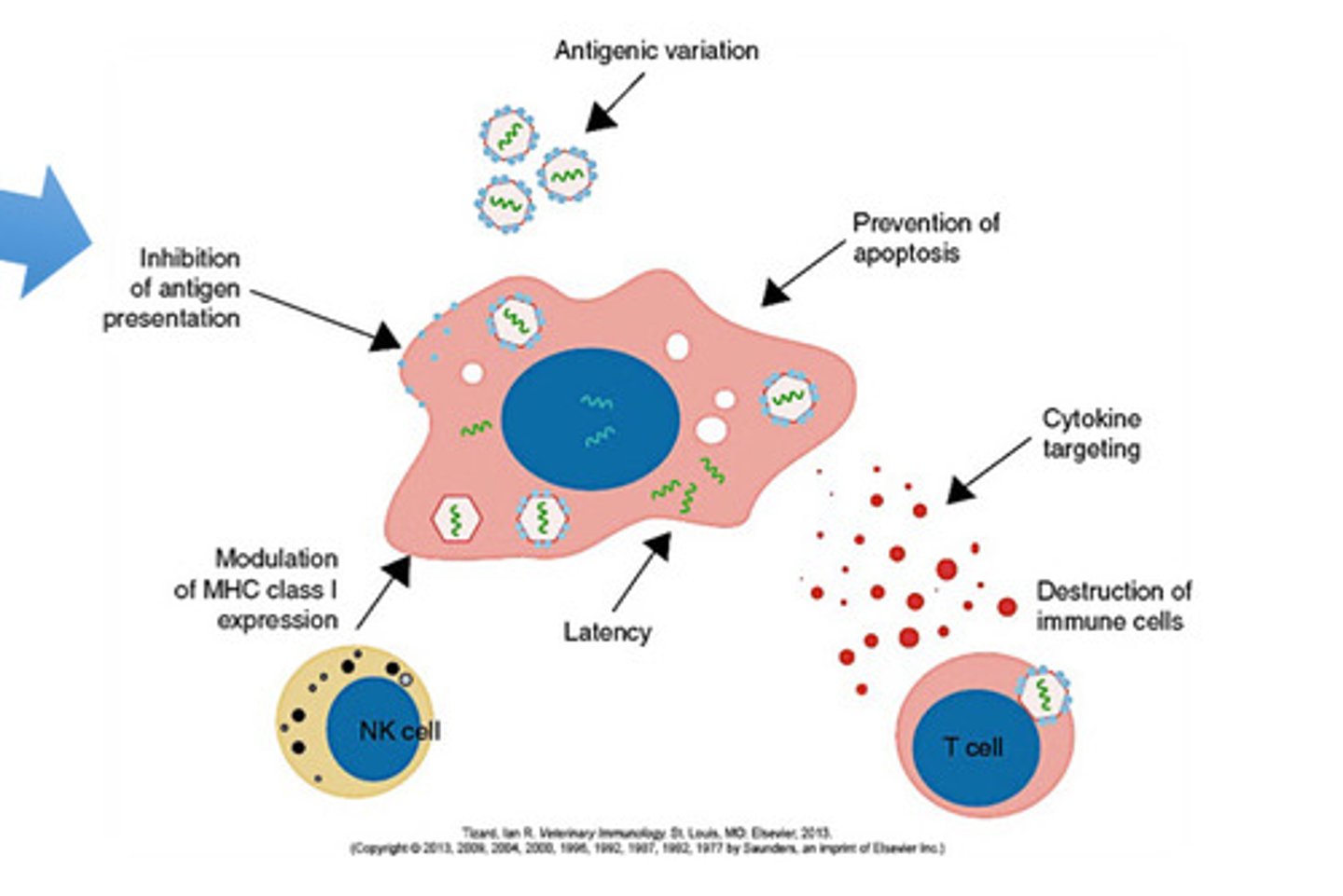
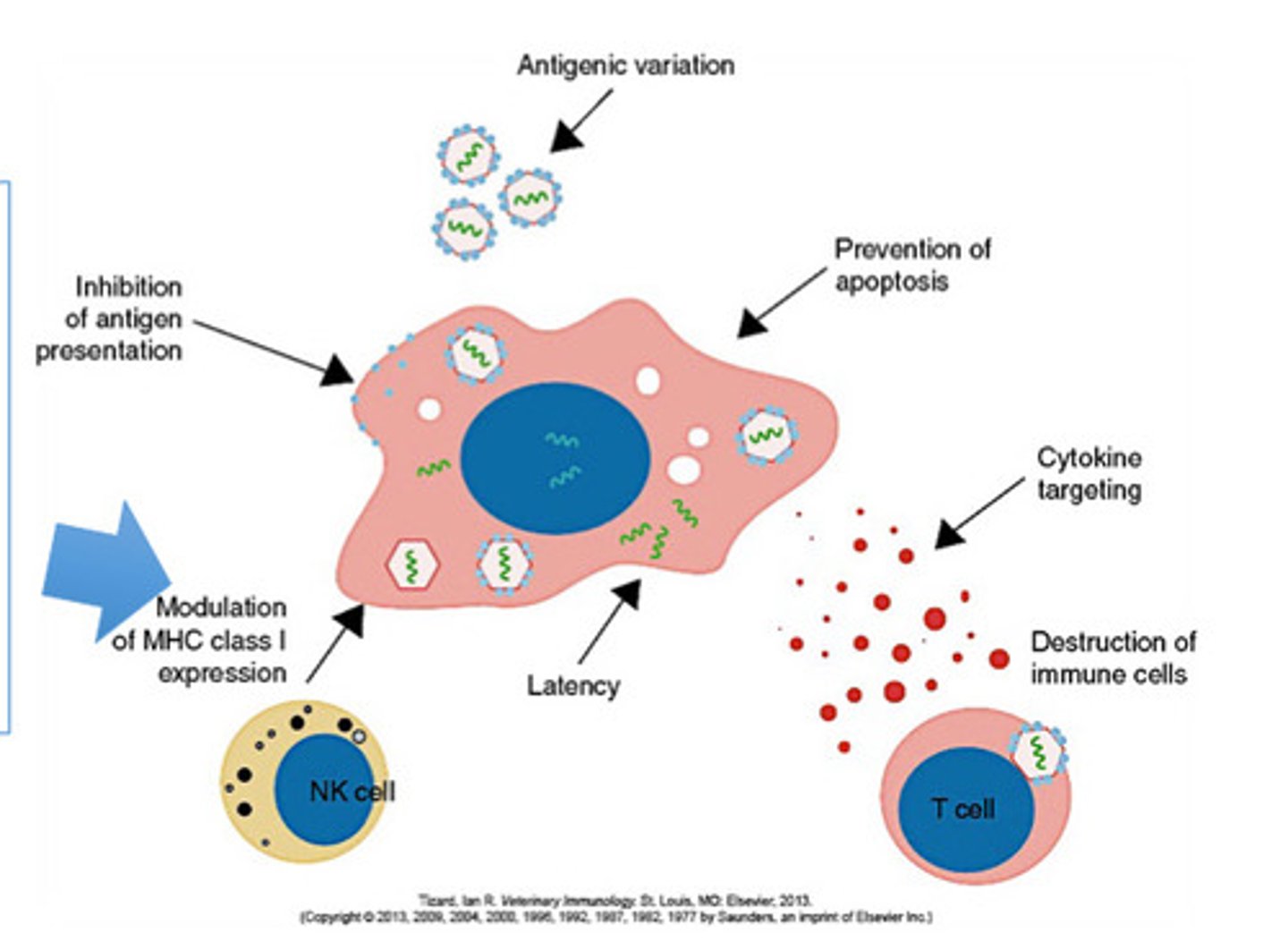
DNA viruses
-large genome
-devote many different genes to immune evasion
-up to half of the total genome may be devoted to immune regulatory genes
why do viruses downregulate MHC l expression?
-to escape detection by T cells
-are still detected by NK cells
-can evade killing by NK cells by decreasing expression of stress-related protein MICB that inhibits NK cell mediated cytotoxicity
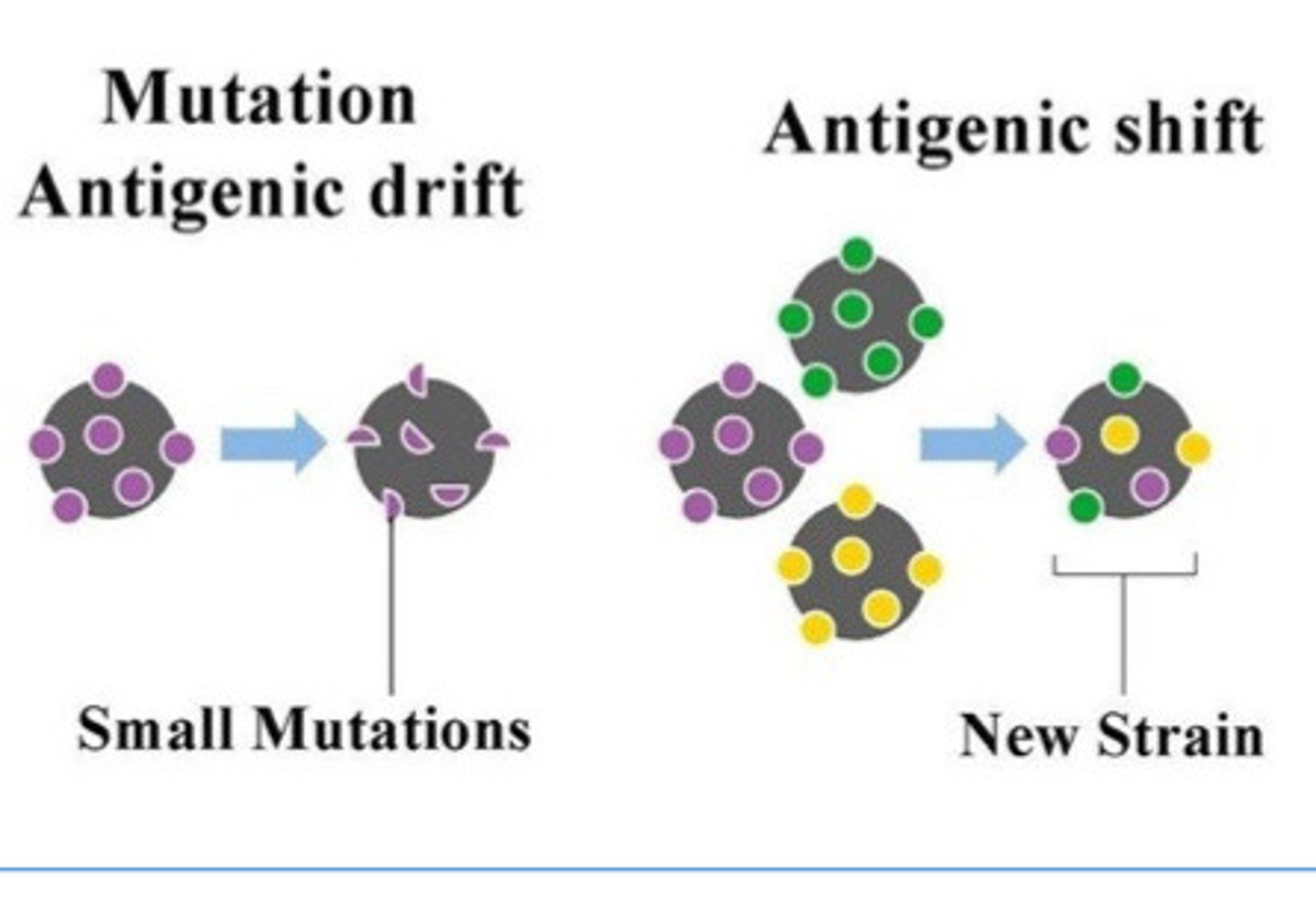
antigenic drift vs antigenic shift
Antigenic drift: mutations within genome
Antigenic shift: Reassortment of new viral genome segments
despite having a small genome size, some viruses encode proteins that interfere with various levels with both _____ and _____ host defenses.
nonspecific, specific
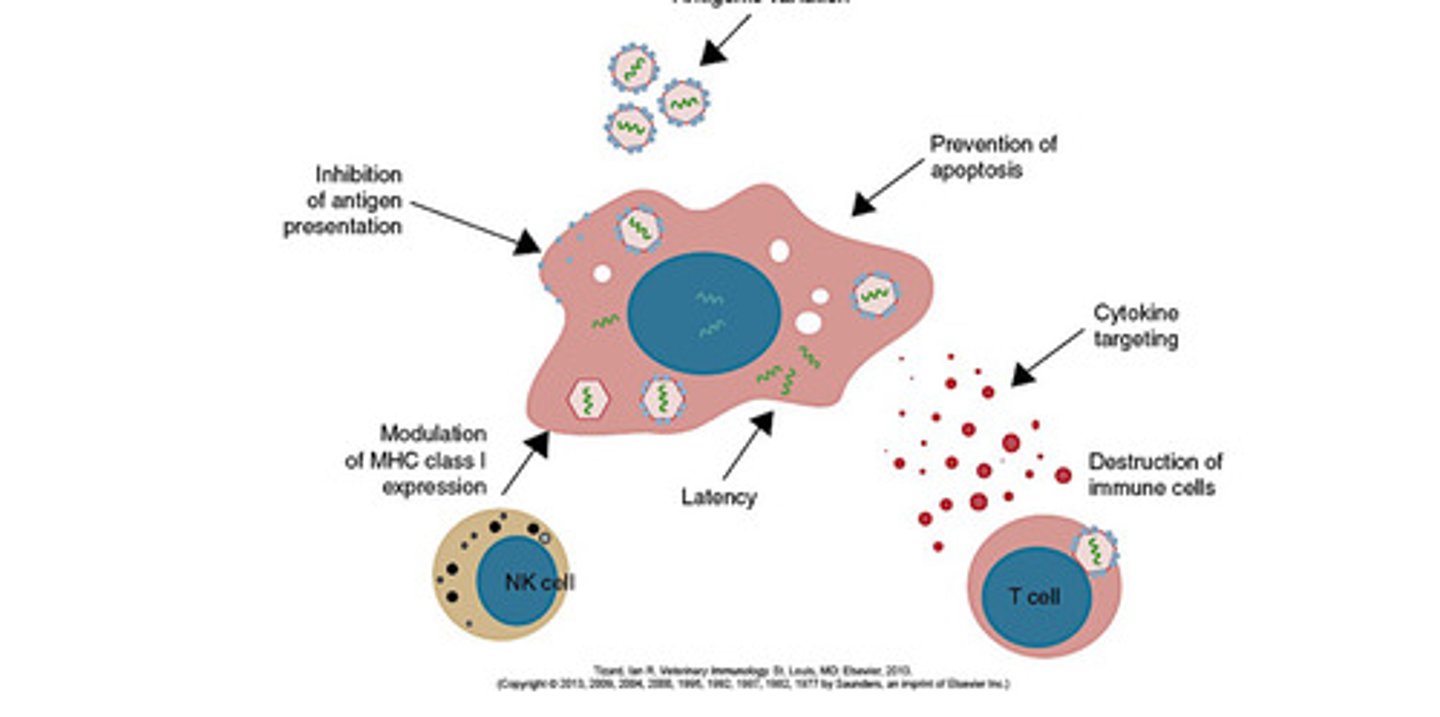
antigen drift
gradual change in the antigenicity of a virus as a result of mutations and selection
antigen shift
a sudden, major genetic change in which a new strain develops as a result of recombination between two virus strains (influenza virus)
some viruses infect lymphocytes and either kill them or impair their ability to function normally like...
HIV, FIV, CDV, FeLV
latency
-a state of reversible nonproductive infection
-consistent feature of herpes virus
-a small number of viral genes are expressed and are not detected by the immune system
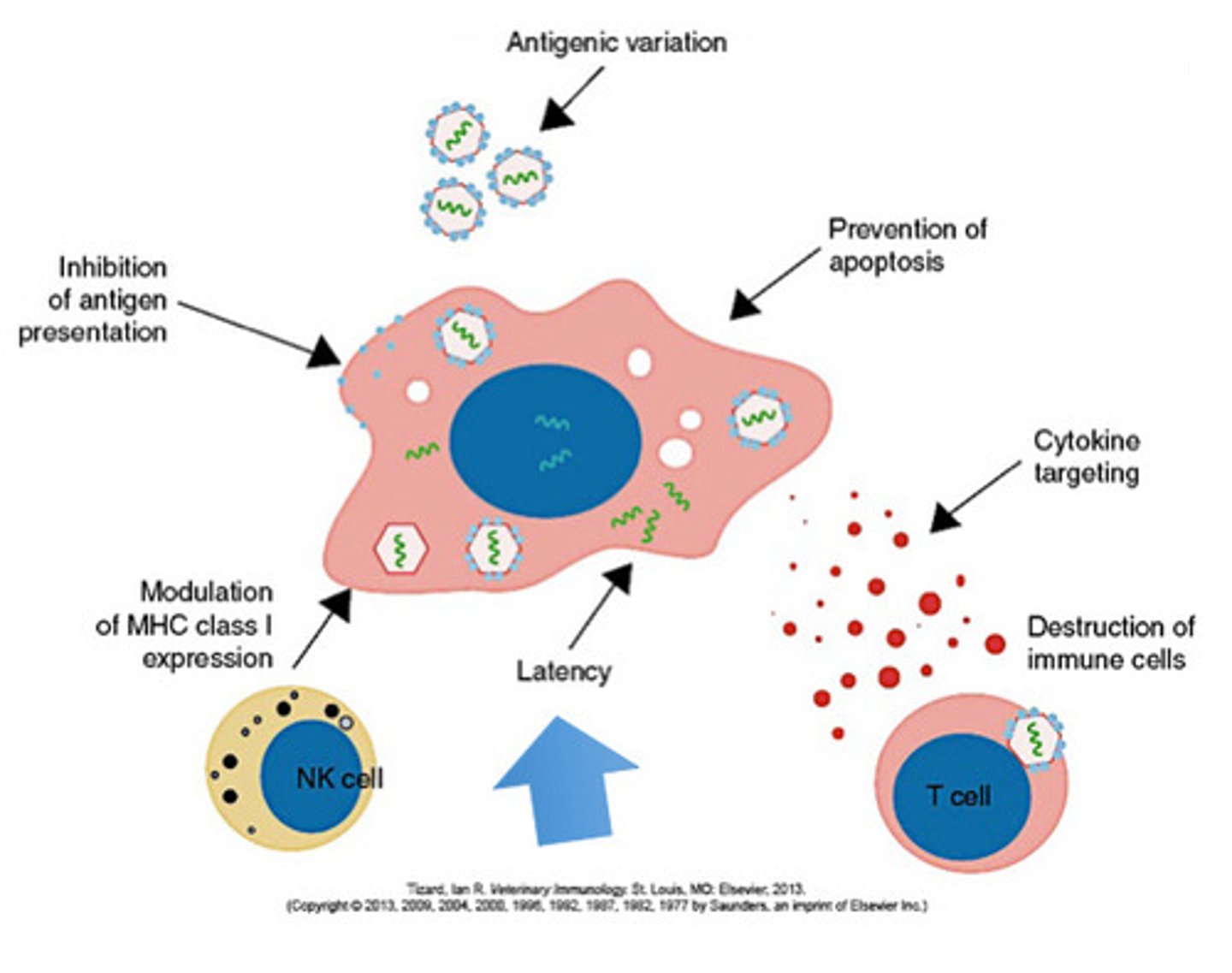
Apoptosis
-programmed cell death
-body's protective response as when the cell dies, virus will also die
-some viruses like pox viruses and herpesviruses produce cascade inhibitors that protect cells against death
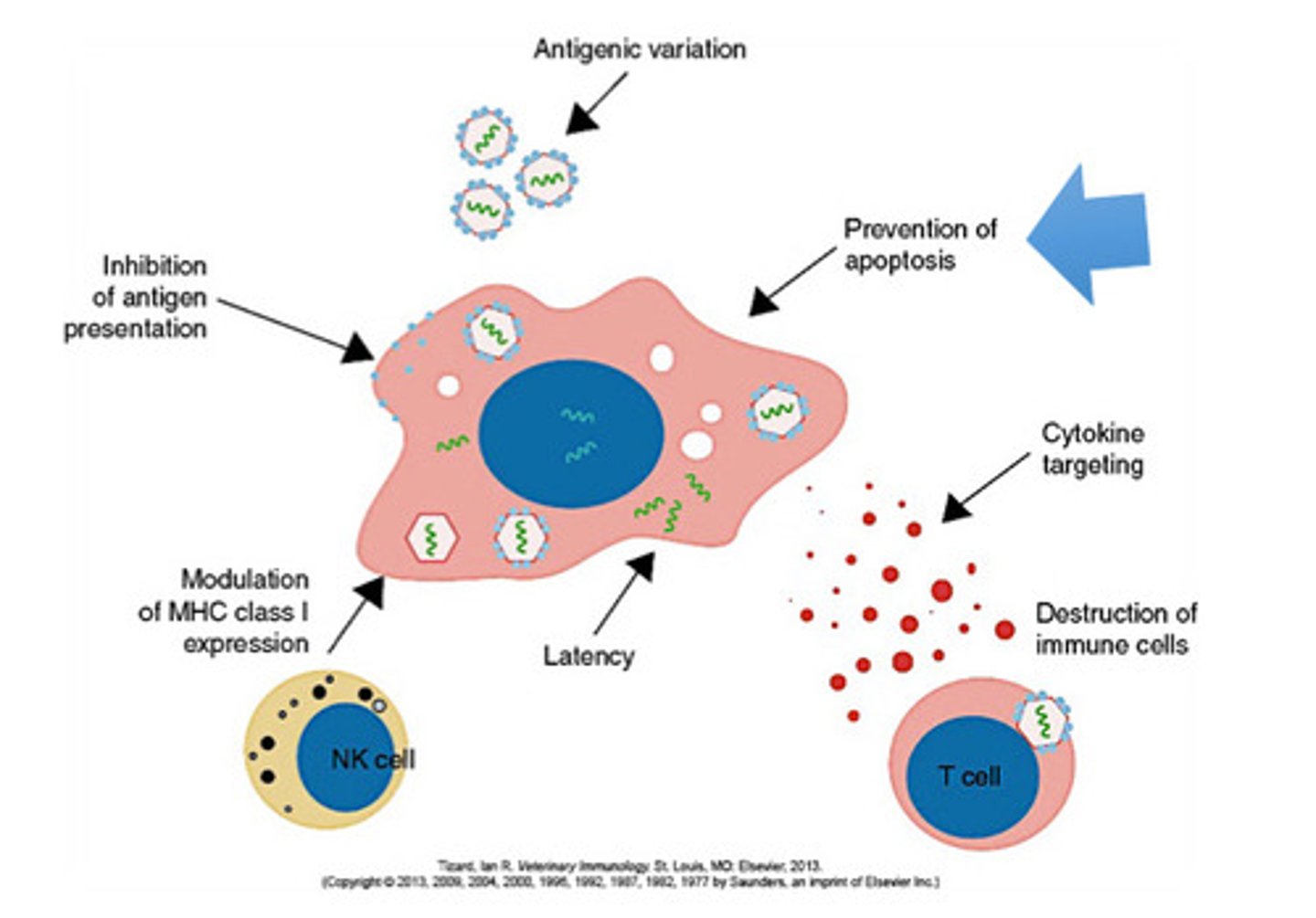
BHV-1 and Mannheimia haemolytica cause _________ _______ in cattle. BHV-1 infection increases expression of an integrin on lung neutrophils, while leukotoxin produced by M. Haemolytica binds to this integrin and kills the neutrophils, permitting growth of invading bacteria.
Respiratory disease
Some successful bacterial pathogens interfere
with TLR signaling pathways:
• Make modified PAMPS
• Produce protein that mimics a pathway
intermediate - degradation of true intermediate
• Suppresses a transcription factor
• Redirect pathway to anti-inflammatory
what viruses produce caspase inhibitors that protect cells against death?
poxviruses and herpesviruses
Some successful bacterial pathogens avoid being
killed by phagocytic cells:
• Resist antibacterial proteins by producing an
enzyme that destroy them
• Stops phagocytosis by producing Protein A or a
thick capsule
• Evade opsonization by blocking C3 binding
sites by fibrinogen or Factor H
Some successful bacterial pathogens live directly
inside phagocytic cells:
• Resist lysosomes
• Prevent phagolysosome
• Change secretion of interleukins to
immunosuppressive
• Inhibition of autophagy
• Escape to cytoplasm
Some successful bacterial pathogens survive by
changing their coat through
• Antigenic variation and
• Antigenic diversity
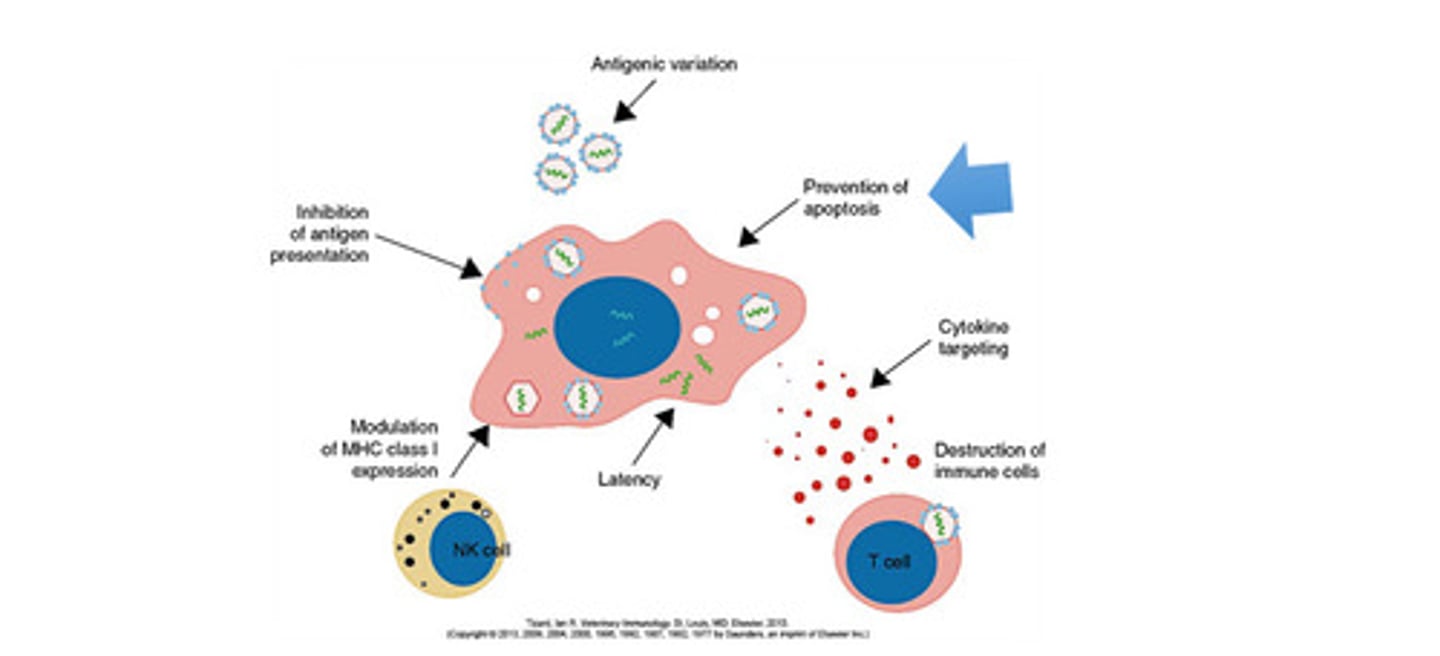
Some viral pathogens survive by:
• Mimicking or block cytokines by producing
virokines
• Suppress MHC1 expression
• Evade NK cells
• Antigenic drift and antigenic shift
• Infect lymphocytes
• Latency
• Prevent apoptosis
When infected with both a bacterial pathogen and
a viral pathogen, such as Mannheimia
haemolytica and BHV1, together they impair the
functions of neutrophils
 Note
Note  Flashcards (169)