Lab Practicum 3
 Call Kai
 Learn
Learn Practice Test
 Spaced Repetition
 Match
Match Flashcards
 Knowt Play
1/78

There's no tags or description
Looks like no tags are added yet.
Name | Mastery | Learn | Test | Matching | Spaced | Call with Kai |
|---|
No analytics yet
Send a link to your students to track their progress
79 Terms
frontalis
raise eyebrows
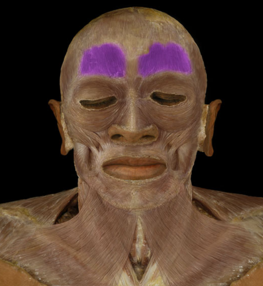
orbicularis oculi
blinks and closes eyes
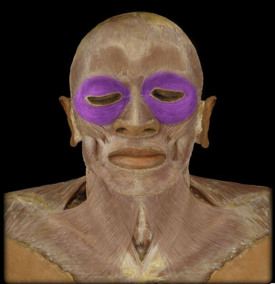
orbicularis oris
closes mouth, protrudes lips
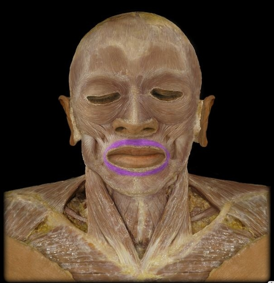
temporalis
elevation and retraction of the mandible
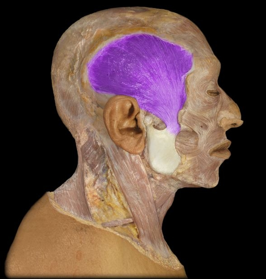
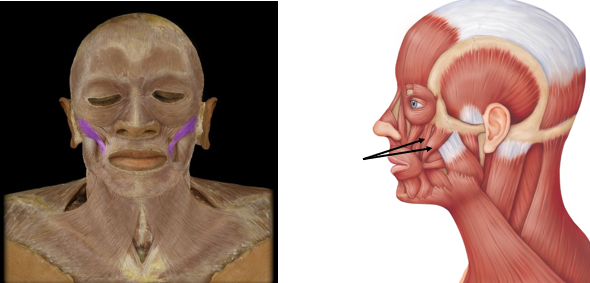
zygomaticus
elevation of corners of mouth when smiling
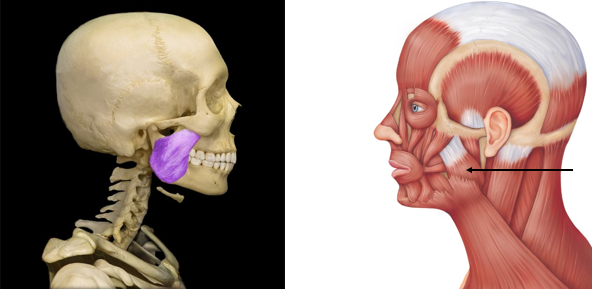
masseter
elevation at the temporomandibular joint for chewing
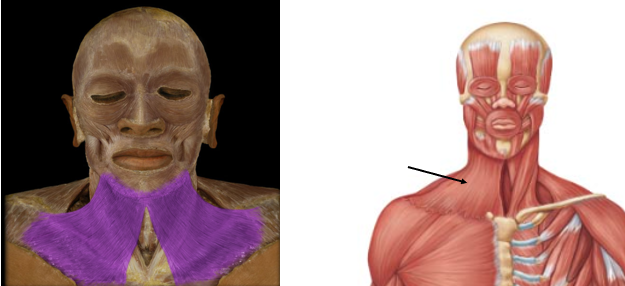
platysma
tenses skin of neck
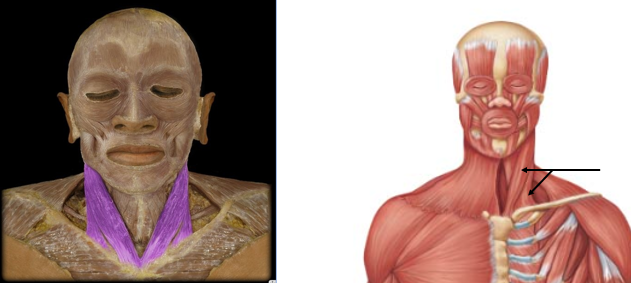
sternocleidomastoid
bilateral flexion of the neck; unilateral rotation of head to opposite side
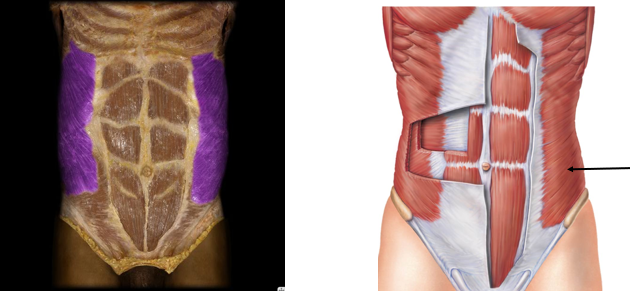
external oblique
bilateral trunk flexion, unilateral flex and rotate the trunk to opposite side
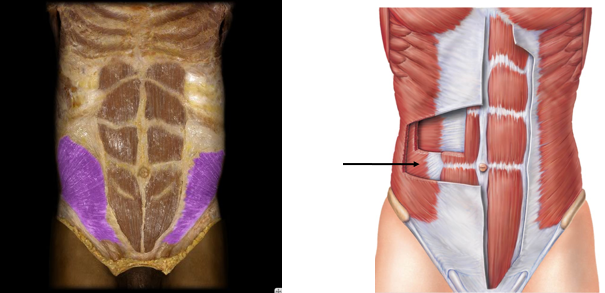
internal oblique
bilateral trunk flexion, unilateral flex and rotate the trunk to the same side
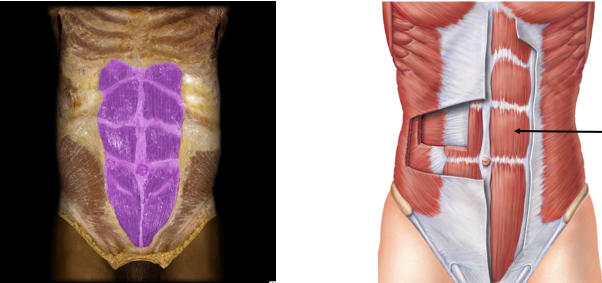
rectus abdominis
trunk flexion
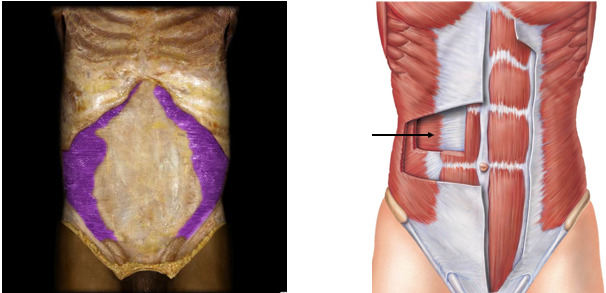
transversie abdonimis
compression of the abdomen
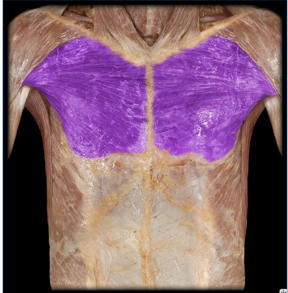
pectoralis major
shoulder adduction, internal rotation, and horizondal adduction
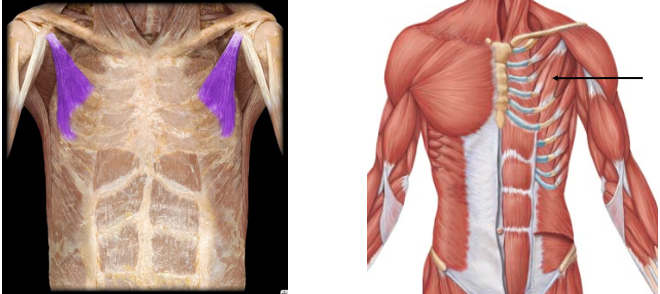
pectoralis minor
scapular protraction and downward rotation, stabilizes the scapula against thoracic wall
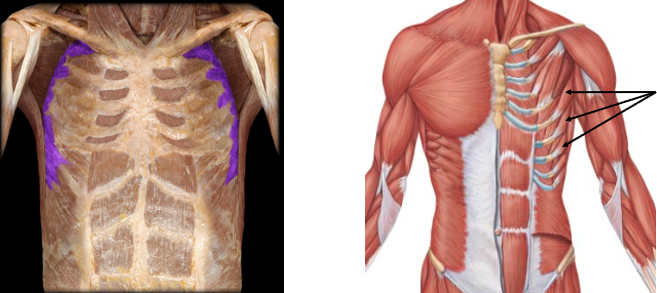
serratus anterior
scapular downward rotation (upper fibers), scapular protraction (middle fibers), scapular upward rotation (lower fibers)
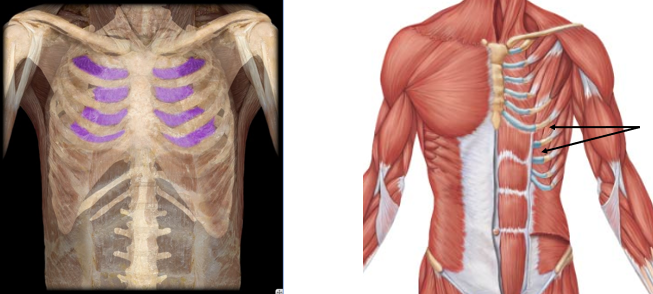
external intercostals
elevation of ribs during inhalation
errector spinae
bilateral trunk extension and maintain posture, unilateral trunk flexion
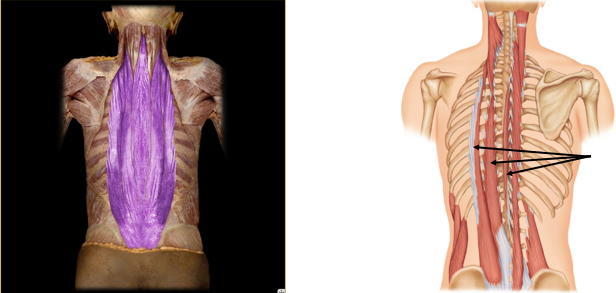
iliocostalis
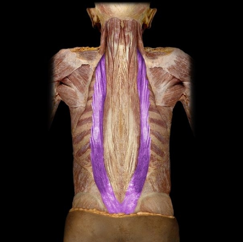
longissimus
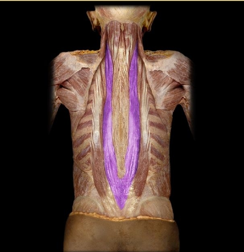
spinalis
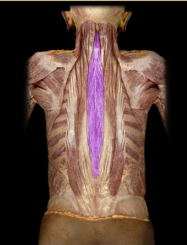
deltoid
shoulder flexion, extension, and abduction
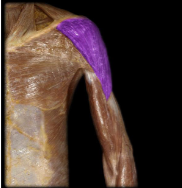
trapezius
bilateral neck extension, unilateral scapular rotation, retraction, and elevation
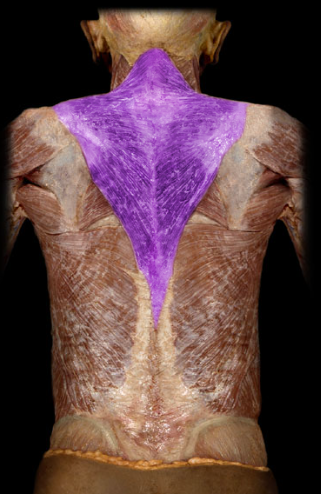
latissimus dorsi
shoulder extension, adduction, and medial/internal rotation
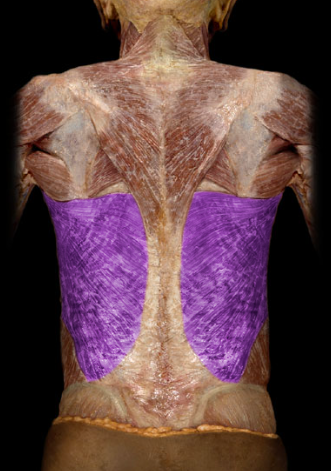
levator scapulae
scapular elevation
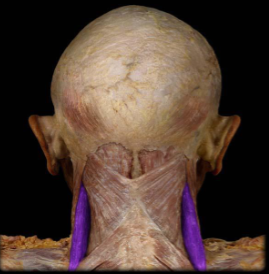
rhomboids major and minor
scapular retraction and stabilizes scapula against thoracic cage
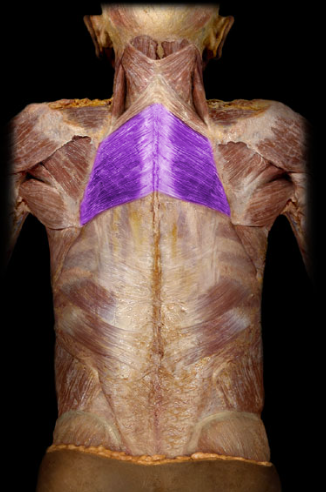
rotator cuff muscles
supraspinatus, infraspinatus, teres minor, subscapularis
spuraspinatus
first 30 degrees of shoulder abduction
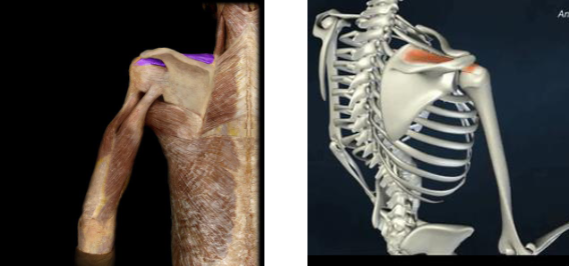
infraspinatus
shoulder external/lateral rotation
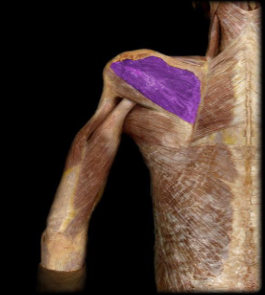
teres minor
shoulder external/lateral rotation
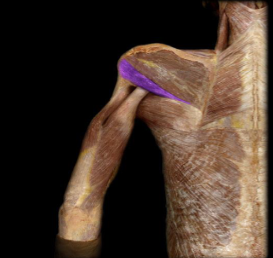
subscapularis
shoulder internal/medial rotation
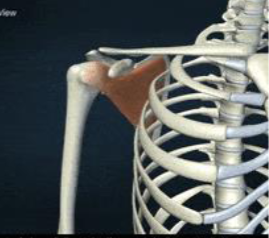
teres major
shoulder extension, internal/medial rotation, and adduction
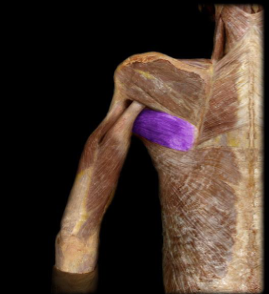
biceps brachii
elbow flexion, forearm supination
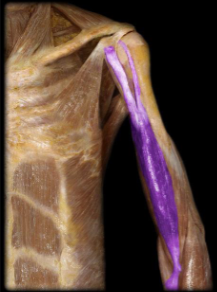
brachialis
elbow flexion, slight forearm pronation
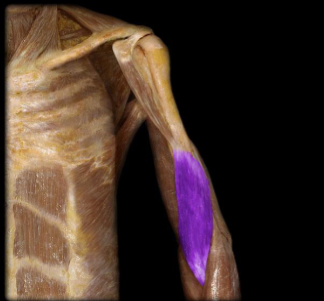
brachioradialis
elbow flexion, slight wrist radial deviation
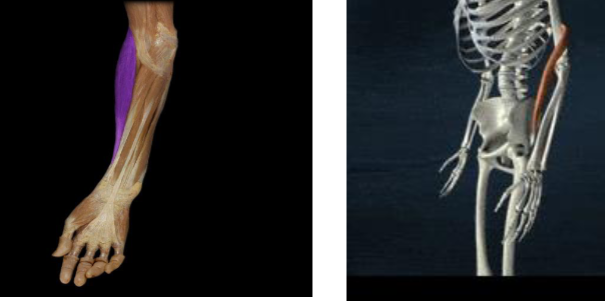
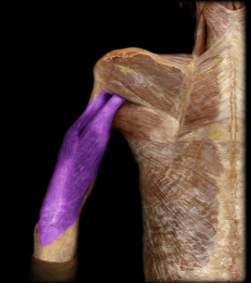
triceps brachii
elbow extension
flexors are found on the _____ side and extensors are found on the ____ side
anterior (front of forearm), posterior (back of forearm)
flexor carpi radialis
wrist flexion and radial deviation
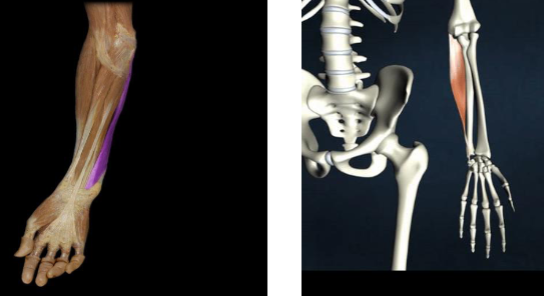
flexor carpi ulnaris
wrist flexion and ulnar deviation
flexor digitorum superficialis
wrist flexion, flexion of proximal interphalangeal joints (2-5)
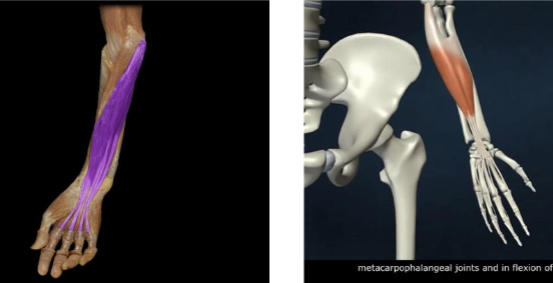
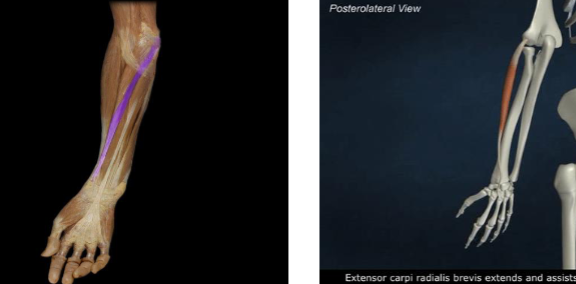
extensor carpi radialis
wrist extension and radial deviation
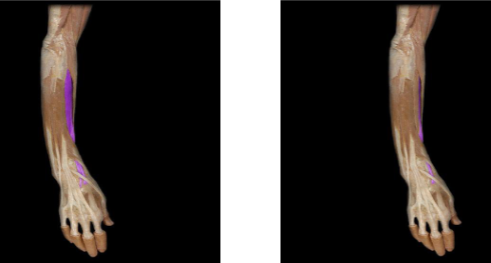
extensor carpi ulnaris
wrist extension and ulnar deviation
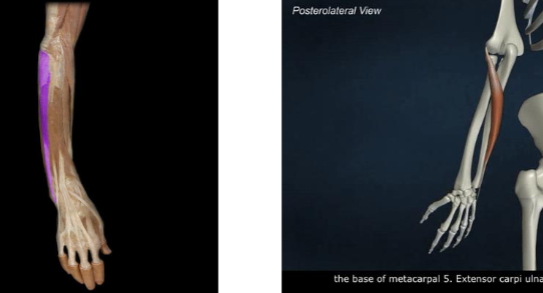
extensor digitorum
wrist extension and extension of the interphalangeal joints (2-5)
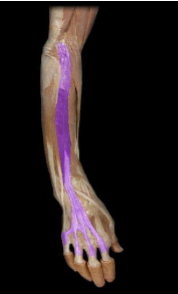
iliopsoas
hip flexion
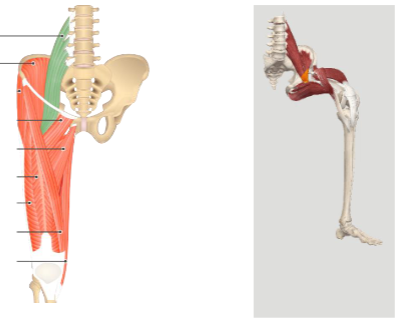
sartorius
hip flexion, abduction, external rotation
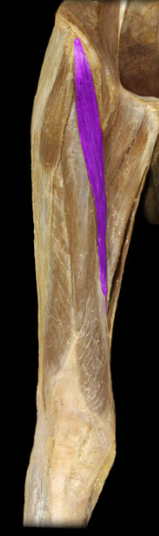
gracilis
hip adduction, internal rotation, flexion
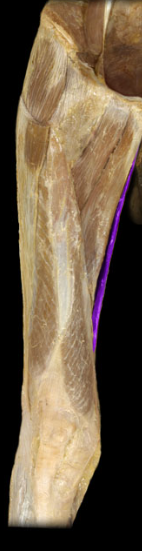
pectineus
hip adduction, internal rotation, flexion
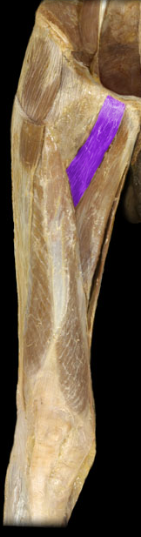
adductor longus
hip adduction, internal rotation
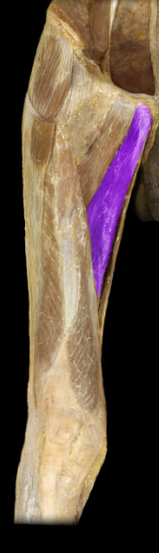
adductor magnus
hip adduction, extension
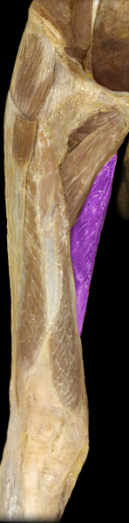
rectus femoris
knee extension, hip flexion
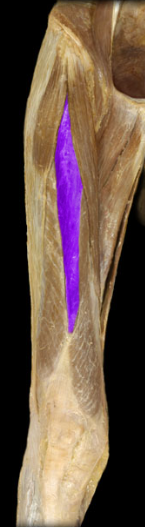
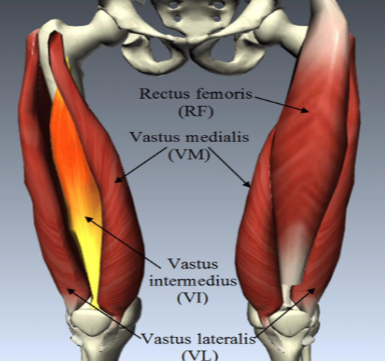
vastus medialis
knee extension
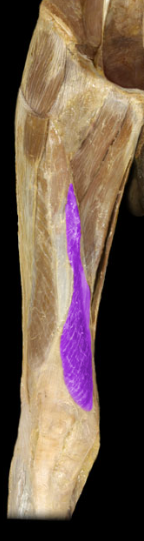
vastus lateralis
knee extension
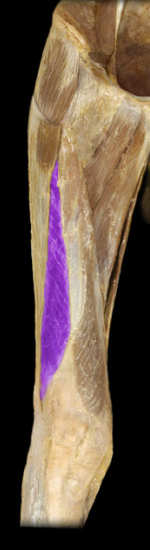
vastus intermedius
knee extension
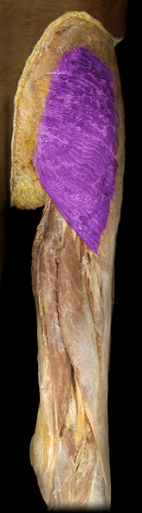
gluteus maximus
hip extension, external rotation, abduction
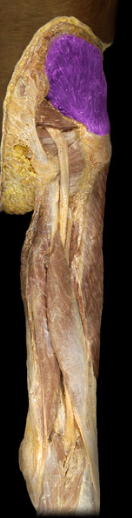
gluteus medius
hip abduction, pelvic drop
biceps femoris
knee flexion, hip extension
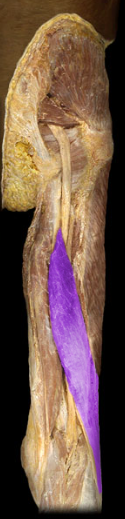
semitendinosus
knee flexion, hip extension
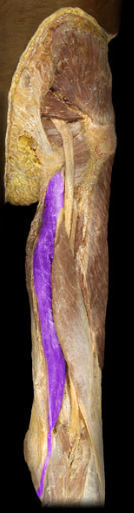
semimembranosus
knee flexion, hip extension
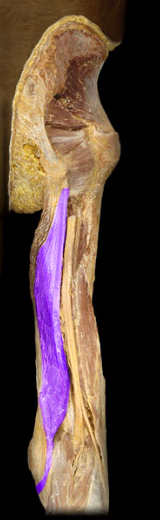
tibialis anterior
ankle dorsiflexion, foot inversion
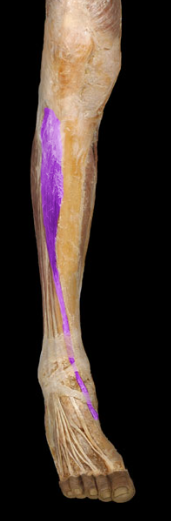
extensor digitorum longus
extension of toes 2-5, ankle dorsiflexion, foot eversion
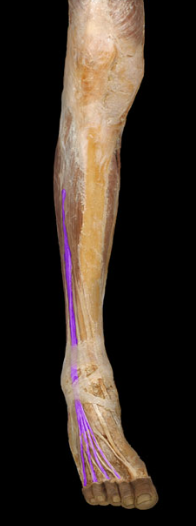
fibularis longus
foot eversion, ankle plantarflexion
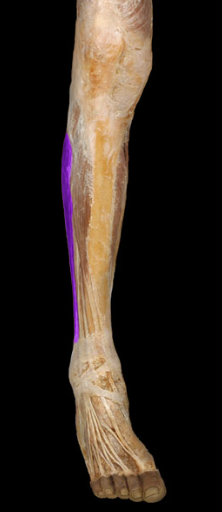
gastrocnemius
ankle plantarflexion, knee flexion
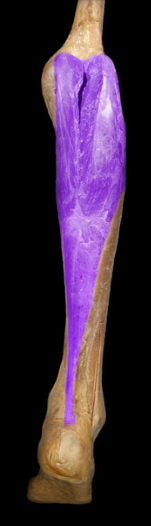
soleus
ankle plantarflexion
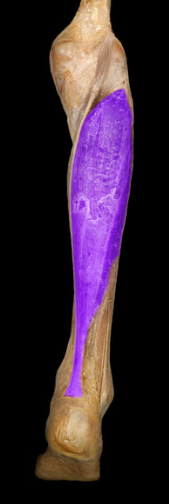
flexor digitorum longus
flexion of toes 2-5, ankle plantarflexion, foot inversion
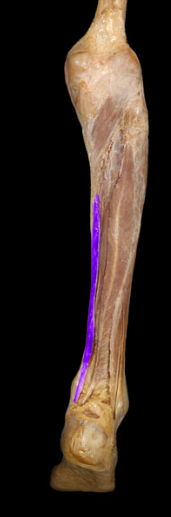
ball and socket joints allow movement across which axis?
in 3 axis, sagittal, frontal, and transverse
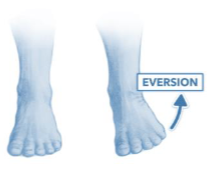
eversion
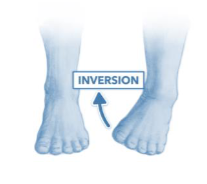
inversion
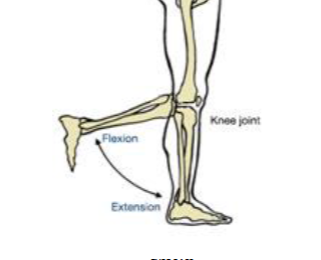
extension
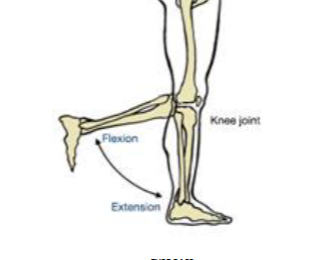
flexion
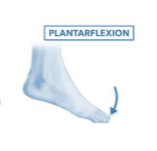
plantarflexion
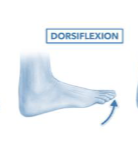
dorsiflexion
fibrous joint
united by collagen fibers
synarthrosis
permits very little or no movement under normal conditions (sutures)
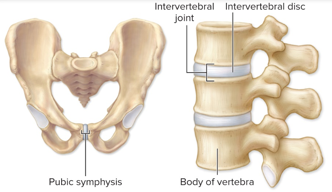
cartilaginous joint
united by cartilage (symphyses like in hip bones or spine)
synovial joint
unites two bones witha synovial membrane (hinge, pivot, planar/gliding, condyloid, sddle, ball and socket)
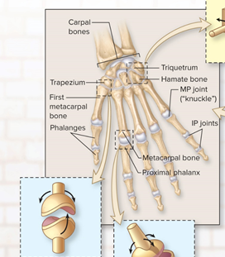
saddle joint
saddle shaped articular surface on one bone closely interfaces with a saddle-shaped surface on another (ex articulation between carple bone and metacarpal)
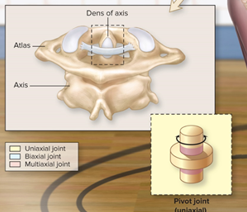
pivot joint
bone with a rounded surface fits into ring formed by a ligament and another bone (atlantoaxial joint)
ball and socket joint
round head of one bone rests within cup-shaped depression in another bone (hip and shoulder)
origin
proximal attachment to bone
insertion
distal attachment to bone

