Ornamental Dendrology
 Studied by 17 people
 Call Kai
 Learn
Learn Practice Test
 Spaced Repetition
 Match
Match Flashcards
 Knowt Play
1/132

There's no tags or description
Looks like no tags are added yet.
Name | Mastery | Learn | Test | Matching | Spaced | Call with Kai |
|---|
No analytics yet
Send a link to your students to track their progress
133 Terms
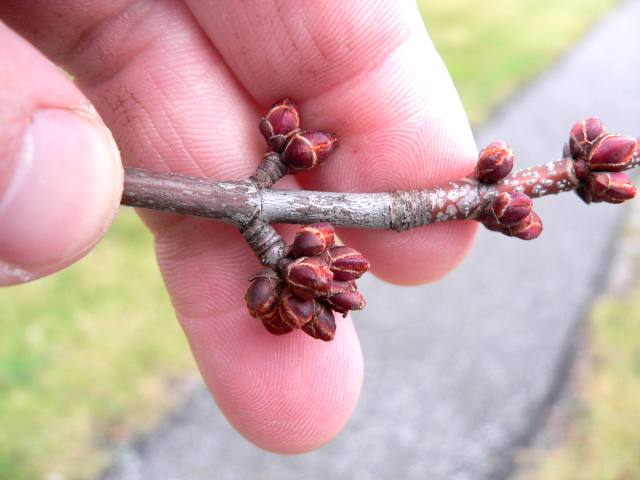
opposite, simple leaf, 3-lobed, serrated
red blunt bud, petiole, and fall color
can be a; street tree, shade tree, and ornamental tree
can tolerate some shade but salt-sensitive
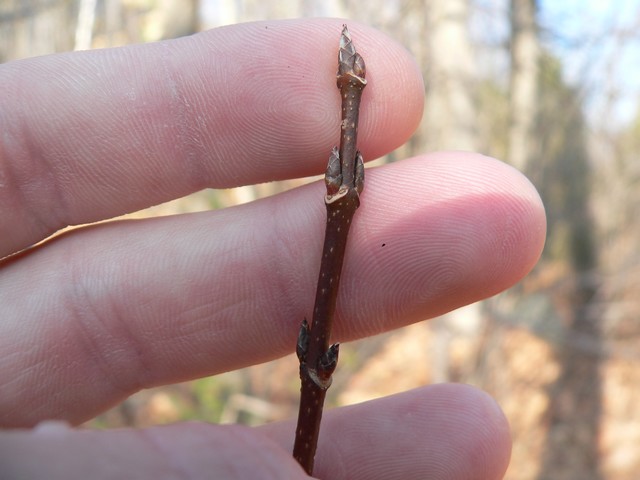
opposite, simple, 5-lobed, entire
sharp brown trident bud, orange/yellow fall color
can be a; shade tree and ornamental tree
shade tolerant, dry soil, VERY salt sensitive
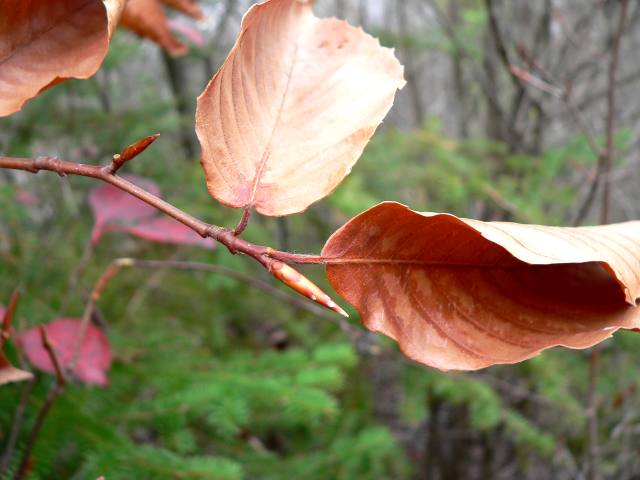
alternate, simple, serrated
largest cigar shaped bud
yellow fall color and keeps leaves longest
shade tolerant but not a urban tree
gets leaf and bark disease badly
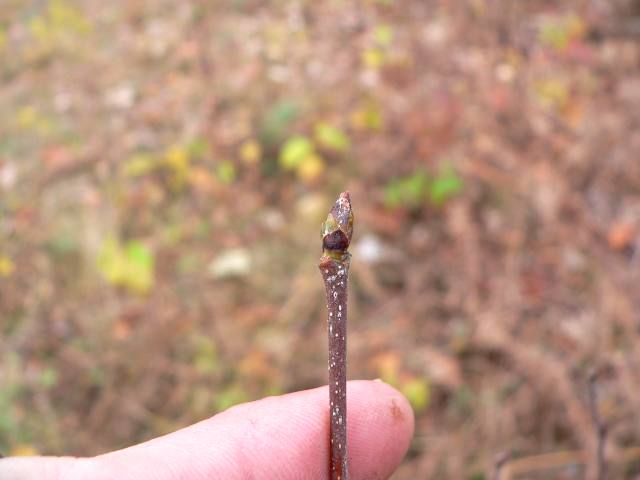
simple, double serrated, alternate, ovate, lenticles
sticky green bud, male and female catkins
yelllow fall color
ornamental tree only
VERY shade intolerant, well-drained soil
lots of pest issues
altnernate, deltoid leaf, smaller leaf, larger teeth serration
bark doesn’t peel and has a weeping form
yellow fall color
very bad tree, dies fast
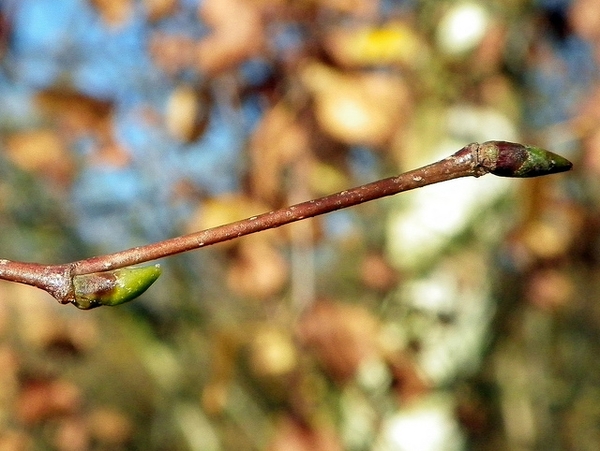
opposite, elongated middle lobe (3 total)
small multi stemmed tree
gentle red fall color, pink/red samara
good for under powerlines
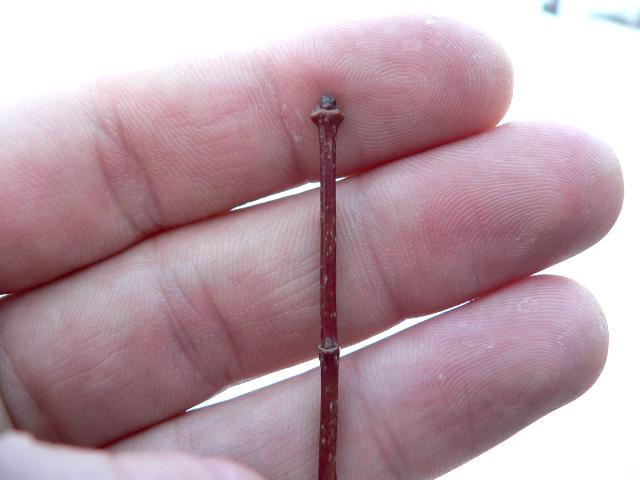
plately orange bark, yellow fall color
10 most planted urban trees; can tolerate compaction and lack of o2
river flood plain tree
leaves filter sunlight and disintegrate when they fall
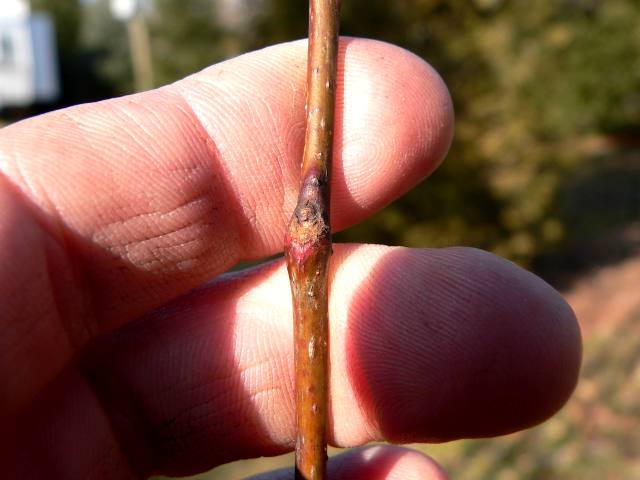
diamond patterned bark
yellow fall color, single winged samara
petiole is non-existent
hard fuzzy bud
can’t be an urban tree
river flood plain tree
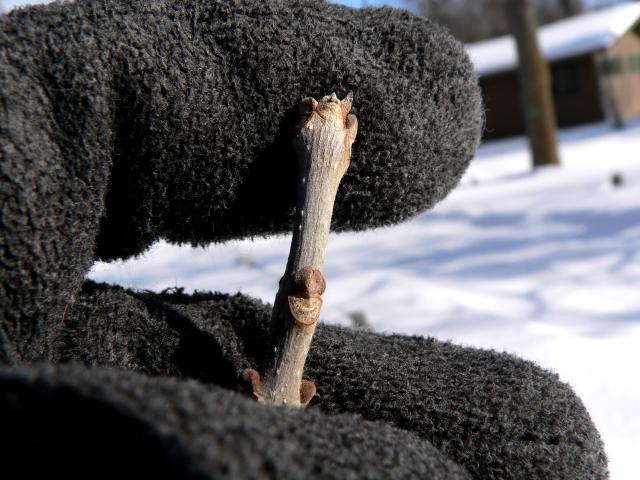
purple fall color
longer petiole
upland species, not great with soil compaction
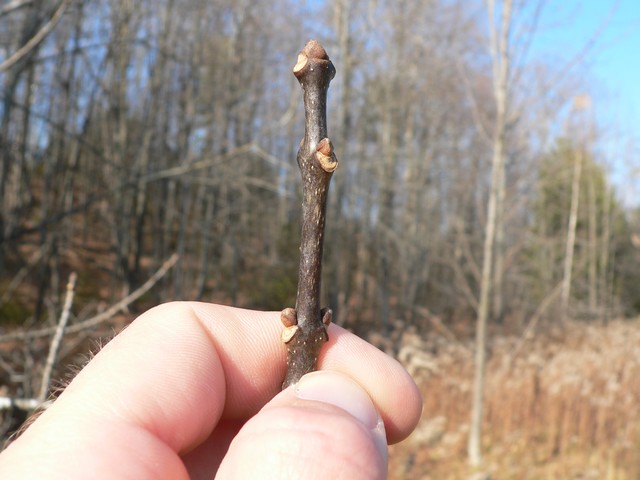
orange pubescent fuzz under leaf, gland on petiole
NOT a street tree
black knot fungus
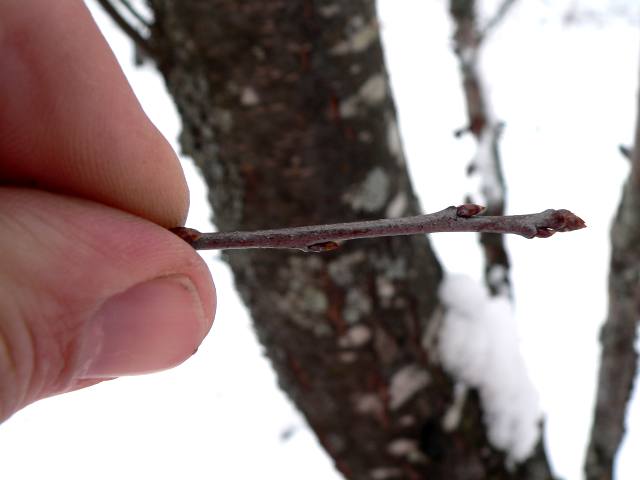
yellow fall color
bark doesn’t peel
stays small and likes wet soils
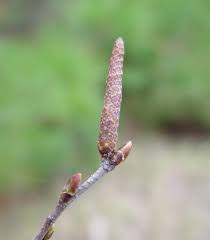
bark is diamond shaped
milky white sap
urban tolerant tree
3 strikes; tar spot, girdling roots, and its invasive
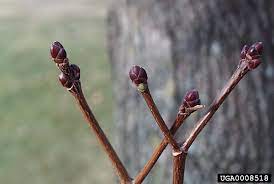
scaled, white peubesant bud
pome fruit
likes full sun and well drained/sandy soil
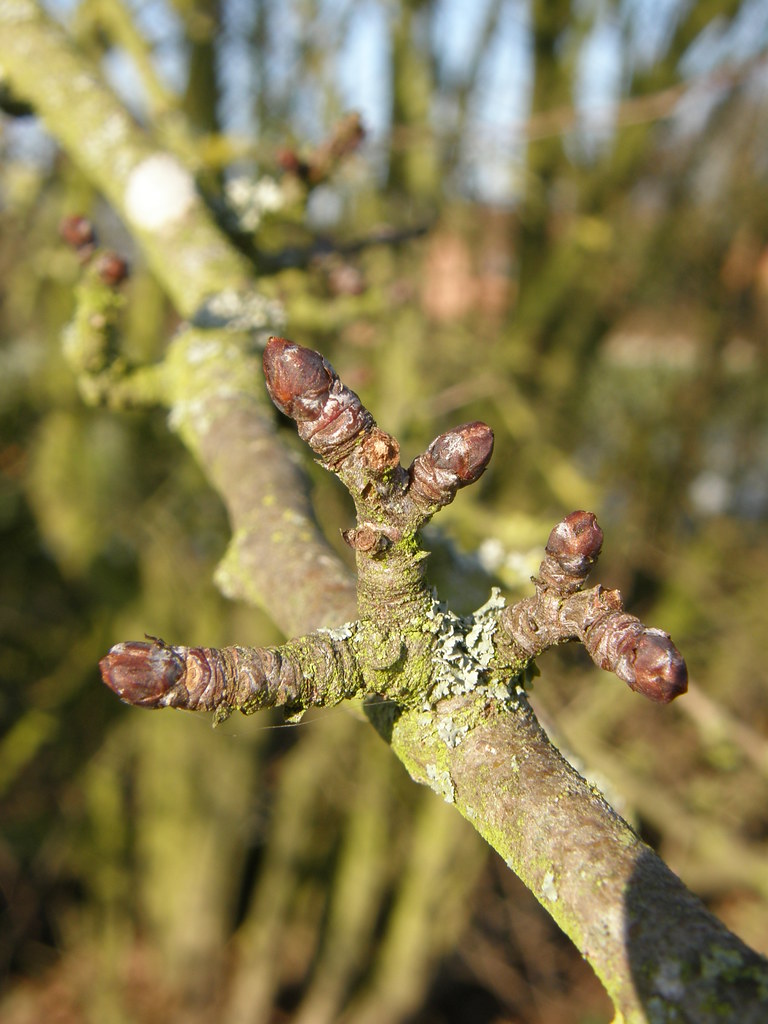
brilliant red color
first to be covered in flowers
has a multi-stemmed form
buds are long and pointed
new bark is smooth
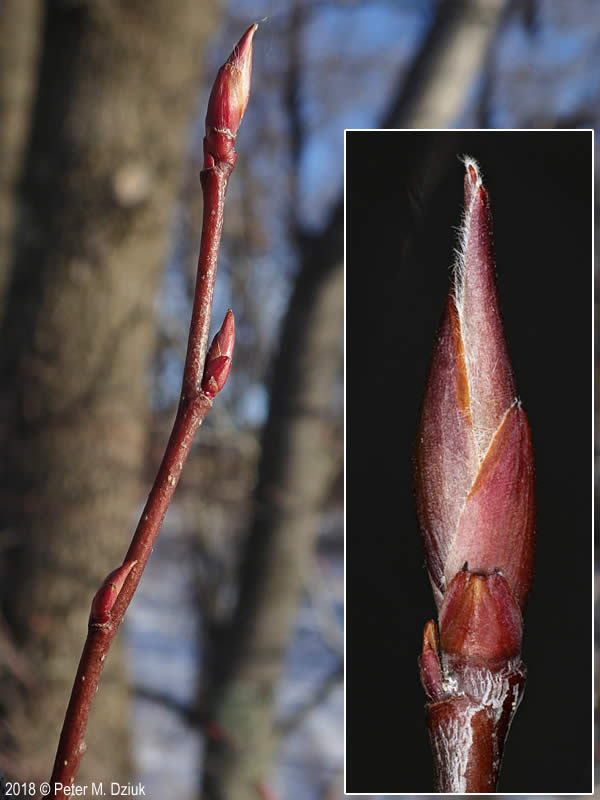
tree is shaped like a heart
asymmetrical bud and yellow fall color
issues; suttee mold, aphids, and v-crotches/included bark
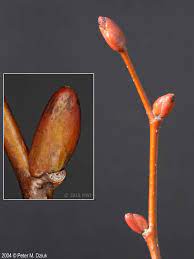
2 terminal buds (a pair)
cold hearty zone 3
beautiful yellow color
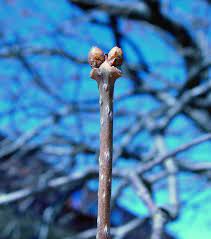
rough underside and squishy bark
can grow up to 100 ft and has an inverted umbrella shape
likes wet sites
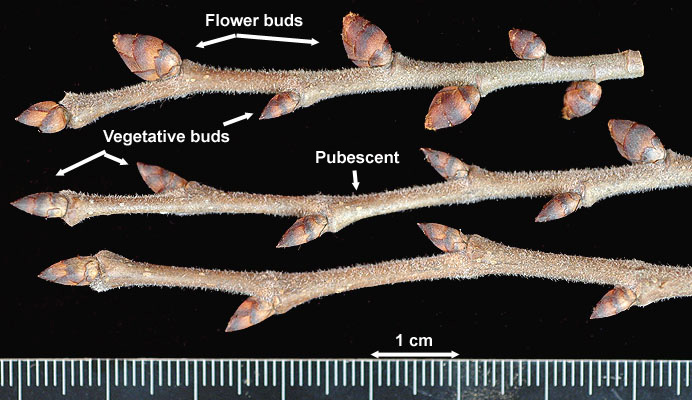
native
‘weed tree’ is very messy
shade intolerant but can grow everywhere (invasive)
white ‘glocus’ coating on younger/smaller branches
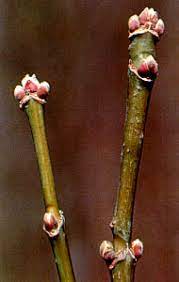
underside is “silver”
very shaggy peeling bark
river flood plain tree
shallow rooted and weak wooded
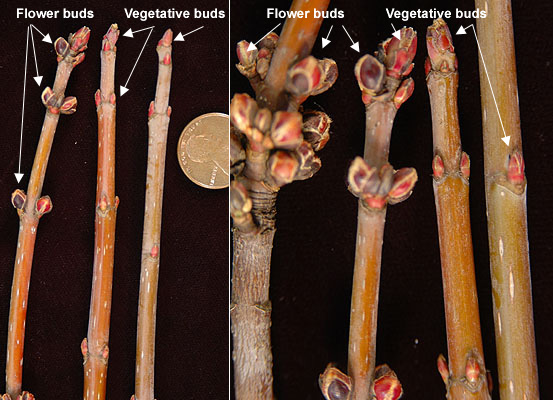
yellow fall color
NOT a street tree
large vertical plates on bark
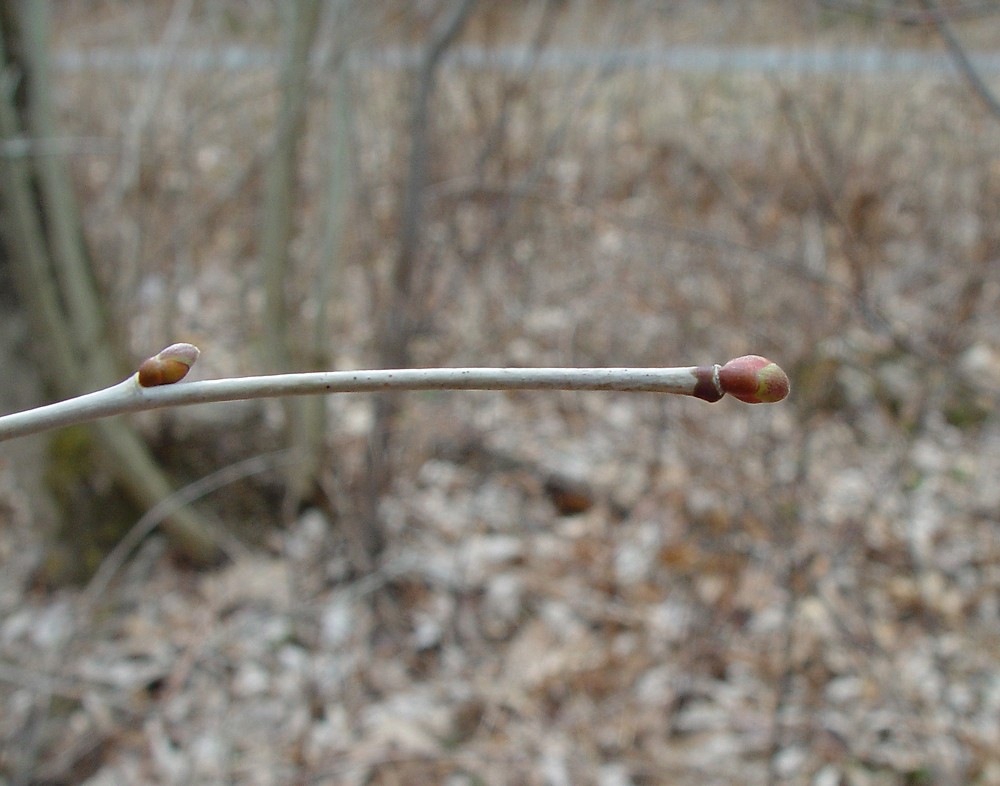
spreads rapidly
‘snow on the mountain’
elliptical and serrated leaf
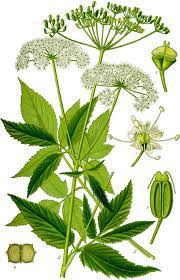
large fuzzy bud
shade intolerant, weak wooded, and short lived
vibrant fruit
commonly seen sapsucker damage and sawfly damage
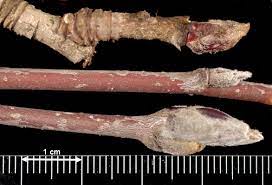
yellow fall color
gets a blight disease that causes cankers with orange pimples
sharp spikey balls with nuts in them
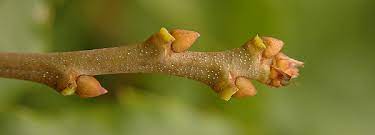
alternate leaf pattern and flat petiole, yellow fall color
large platy bark
river flood plain tree
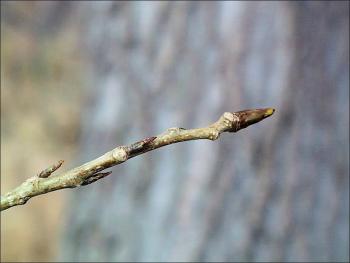
likes water
has showy white flowers
has a larger heart shaped leaf that flat at the base
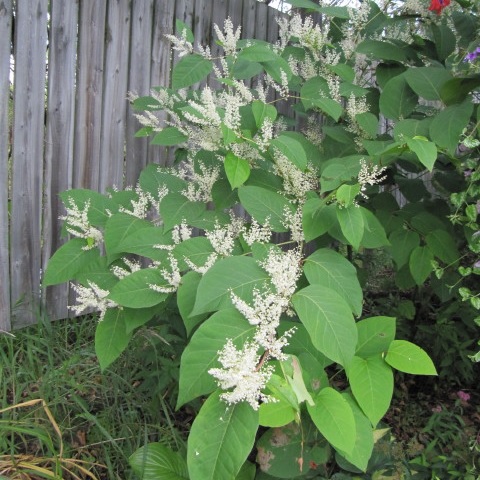
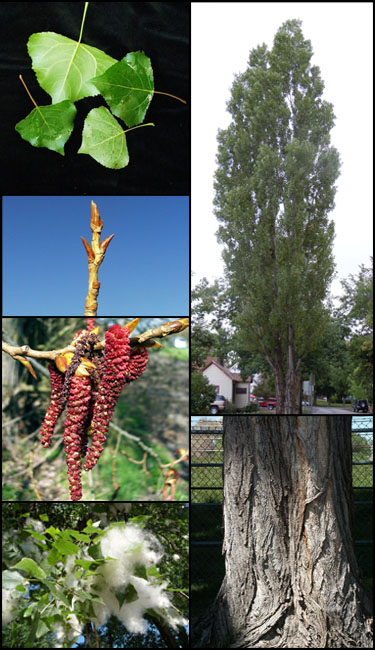
very vertical growth (vistigate)
can grow 3 feet a year
yellow fall color
alternate, simple, serrated leaf
can be a wind break
can have fungal cankers
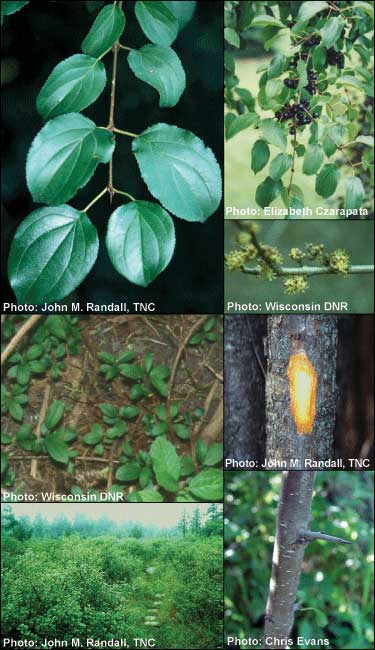
terminal “bud” is a very pointy thorn
very invasive
produces a purple/blue drupe
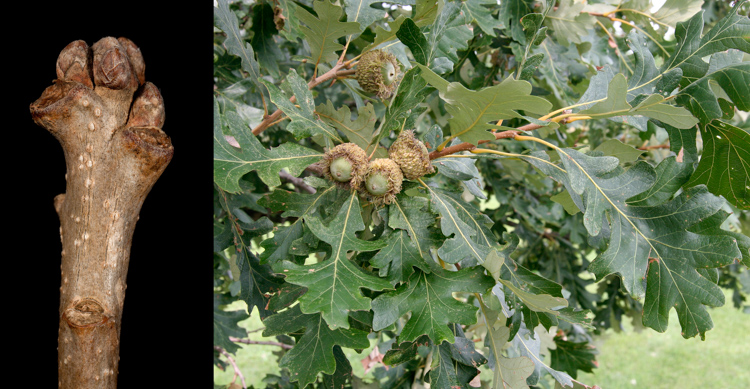
fringed skirt on the acorn
single leaf with all rounded lobes, top part is fanlike
good park tree but bad street tree
very orange large fissured bark
rot resistant wood
not highly desirable
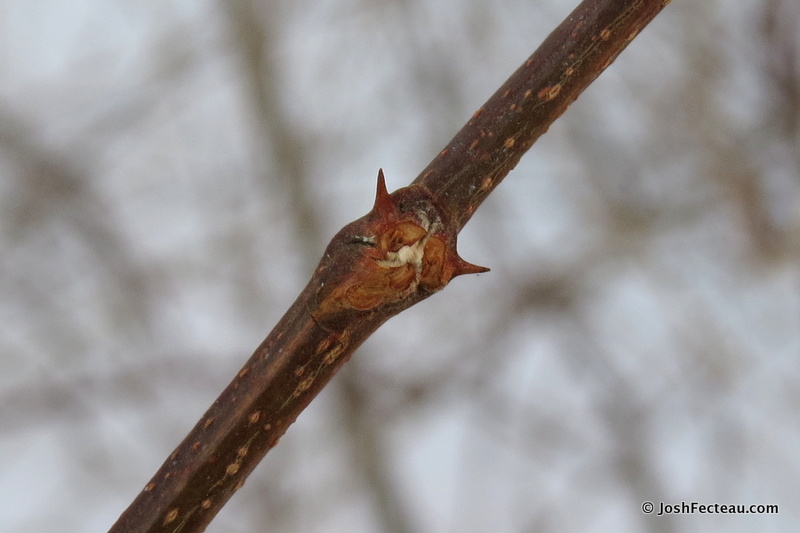
fan shaped leaf
very urban tolerant and no insect or disease problems
female trees have VERY stinky fruits, male are better
non native but may be the oldest tree species
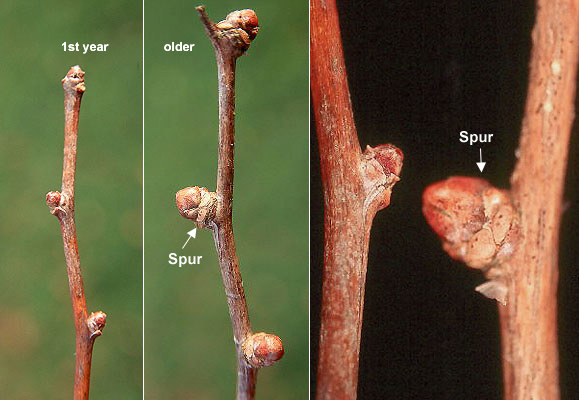
bradford used to be counterpart to this tree but ended up self destructing under snow load
alternate, rounded, and scaled bud
leaves almost look curled or ruffled
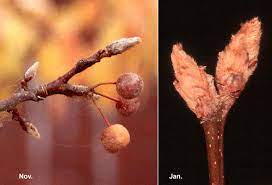
LARGE cordate and velvet leaves
long skinny green pod
prefer full sun
weak wooded and messy
piercing sucking insect
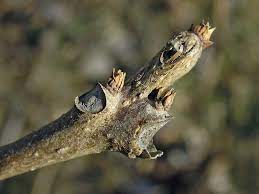
doesn’t get Dutch elm disease
very weak wooded, messy, and scraggly
species has a bug
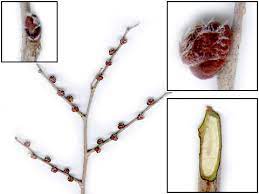
shallow plated orange bark
acorn cap has tightly pressed pattern that only covers 5%
alternate clustered buds that are orange, pointed, and tightly scaled
moist soil
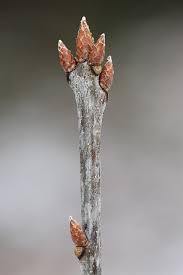
bleeding canker disease very bad
not as serrated but leathery and elliptical purplish leaves
large purple bud
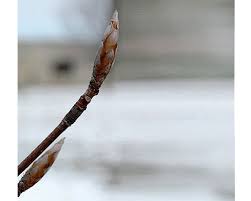
small stature- 20-25 ft
opposite leaf
always twice as expensive
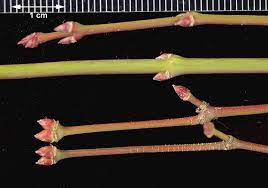
cotton candy flower
hearty to zone 5
15 foot max growth and prefer full sun
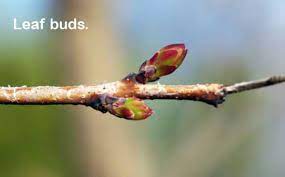
staple excurrent growth
acorns look like small red oak acorns
Midwest street tree but gets chlorosis bad
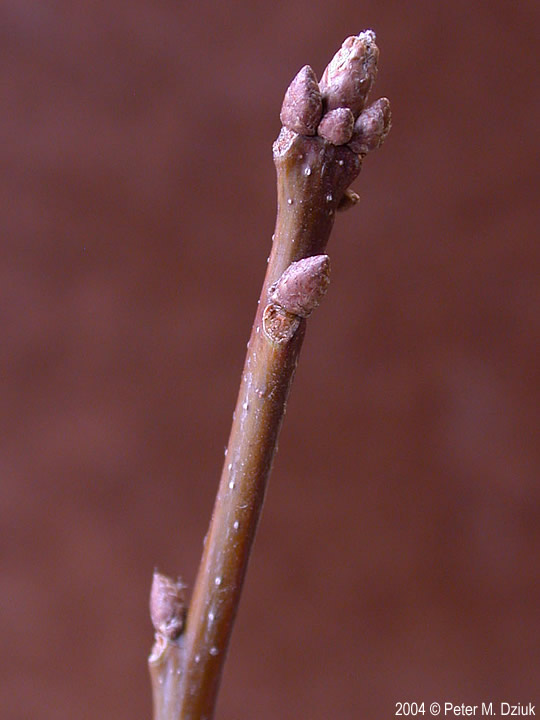
Japanese Barberry (Berberis thunbergii)
spikey spine all along twigs
produces small berry that birds love but is INVASIVE
grows in a bush form with long straight branches
small, circular, simple, entire leaf
purple/red twigs with white streaks
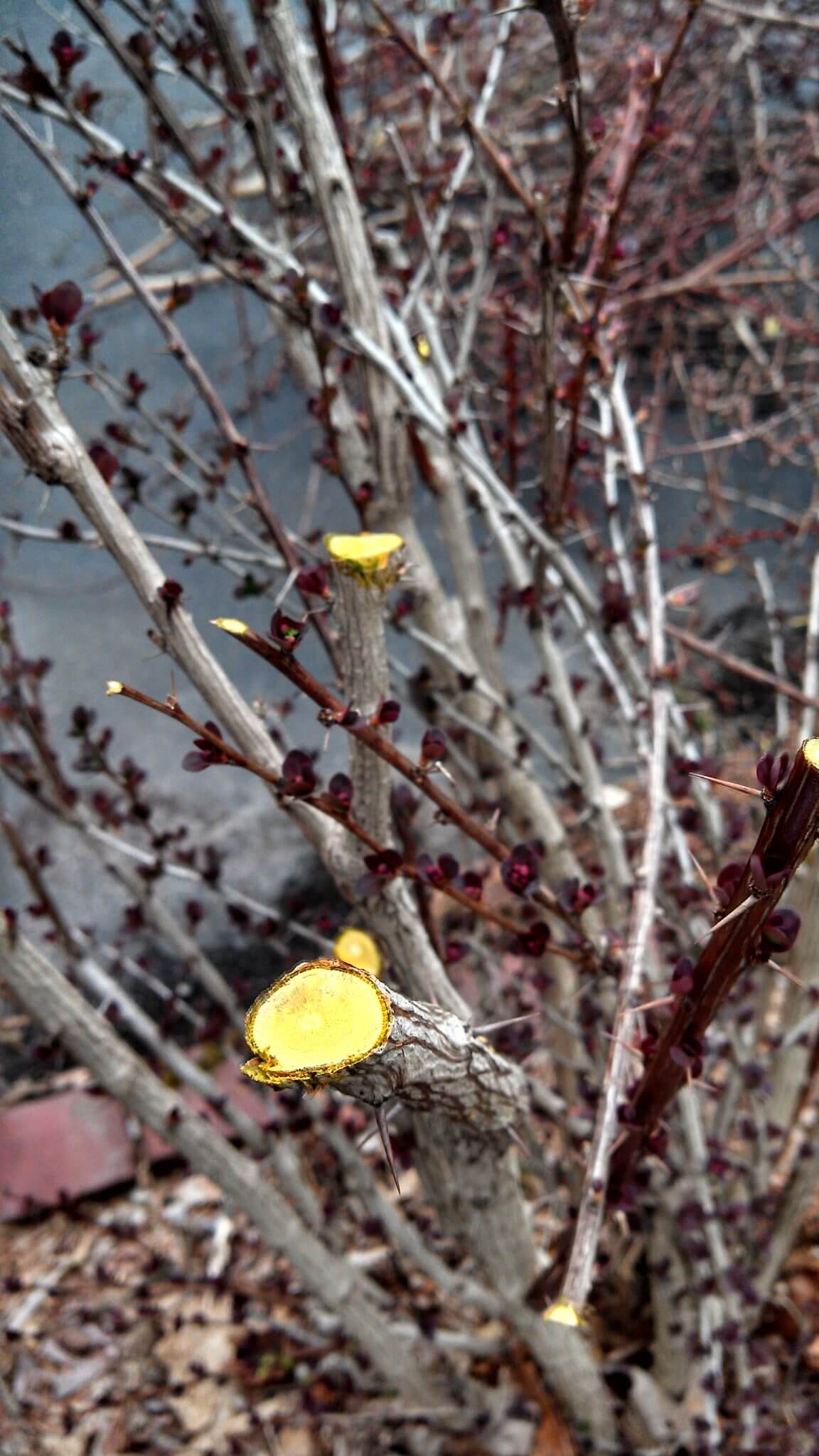
American Hornbeam (Carpinus caroliniana)
simple, double serrated, smooth
bracks w/ nutlet fruit
orange fall color
small stature and slow growing
smooth grey/blue bark that looks “flexed”
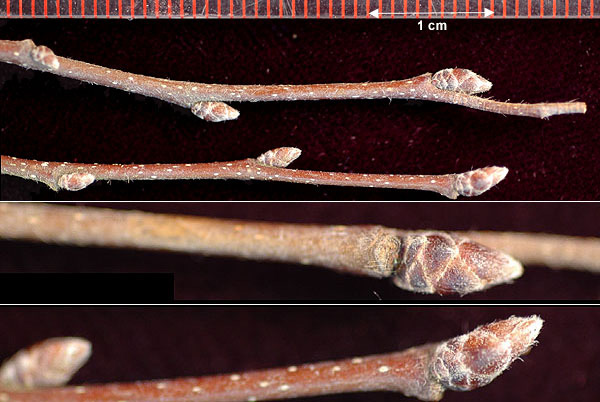
Alternate Leaf Dogwood (Cornus alternifolia)
branches grow “flat” in round growth form
ALTERNATE, ovate, entire leaf
arklike veins of “silk”
duck bill appearance on bud
white showy flower, red/purple fall color
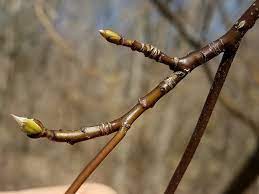
Dogwood (Cornus sp.)
branches will drop if there is no pruning
opposite, ovate, entire leaf
arklike veins of “silk”
red twigs
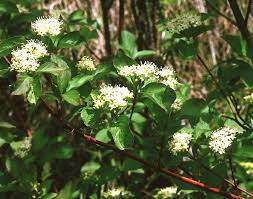
Cotoneaster (Cotoneaster sp.)
red/orange fall color
red or black drupe
glossy, ovate, alternate leaf with wavy margin
can often crawl or droop over planting box
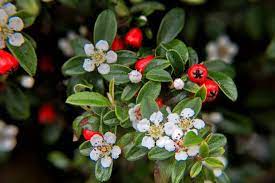
Hawthorn (Crataegus sp.)
1 in long spike (thornless versions)
VERY similar to crab apple, has pome fruit
triangular, large serrated, simple leaf
very dense and flowers profusely; prefers full sun
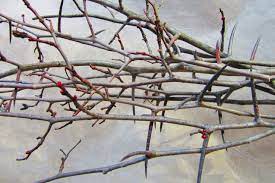
Burning Bush (Euonymus alatus)
Non-Native (INVASIVE) from Asia; banned in NY nurseries
branches and stems have 4 “wings”
leaves look like they are on fire
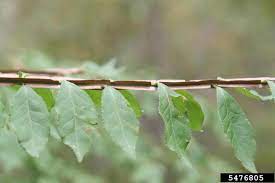
Hydrangea (Hydrangea sp.)
blue color change in some due to high aluminum in soil
fall is the bloom season
bloom on current year growth
can tolerate shade
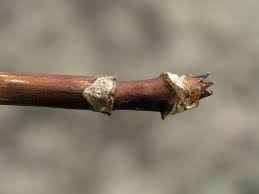
Magnolia (Magnolia sp.)
GIANT fuzzy flower bud
young bark is brown with lenticel dots
obovate, simple, entire leaf
like moist soil and part sun
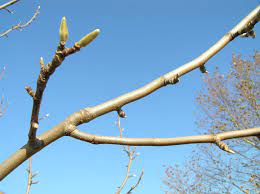
Ironwood (Ostrya virginiana)
ovate, simple, double-serrated, velvety leaf
catkin fruit that looks like hops
slow growing very dense wood
vertical, long, moderately fissured in “furry” bark
native and fairly urban tolerant
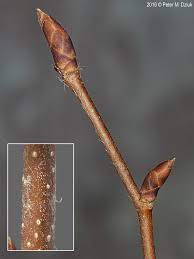
Ninebark (Physocarpus opulifolius)
Hawthorn like leaf but alternate
distinctive fruit that changes color in the fall
have reddish stems but larger bark peels as they grow
hearty to zone 2 and can grow up to 15 inches a year
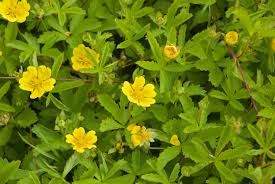
Potentilla (Potentilla fruticosa)
keep yellow color all blooming season
will fill in once planted
small, lanceolate, compound leaf
can grow up to 3 ft; likes full sun
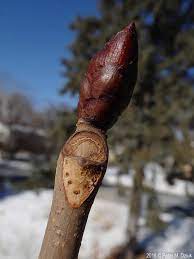
Horsechestnut (Aesculus hippocastanum)
palmately compounded leaf
nut with spikey husk that protects it
BIG dark red/brown sticky bud
BIG white flowers
BIG leaf scars
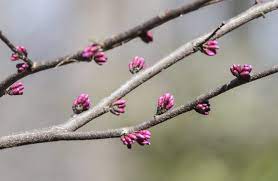
Redbud (Cercis canadensis)
red/purple buds
tree gets flowers before leaves
native, small in stature
heart shaped leaf
Hackberry (Celtis occidentalis)
strongly unequal leaf base
rough, warty bark. The leaves are alternate, simple, 2-5 inches long
strongly unequal bases and a sharply tapering tip
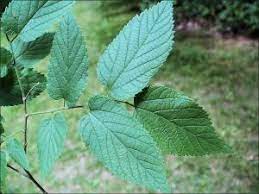
Black Walnut (Juglans nigra)
75-100 feet tall and can have a similarly sized spread
It has compound leaves that have 9-21 long
pointed leaflets with finely toothed margins
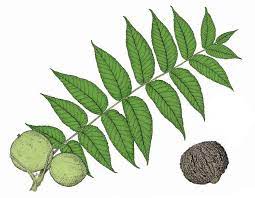
Kentucky Coffeetree (Gymnocladus dioicus)
legume fruit can make (bad) coffee
bipinnately compounded leaf
BIG tree with sprawling branches
NOT a street tree
native, yellow fall color
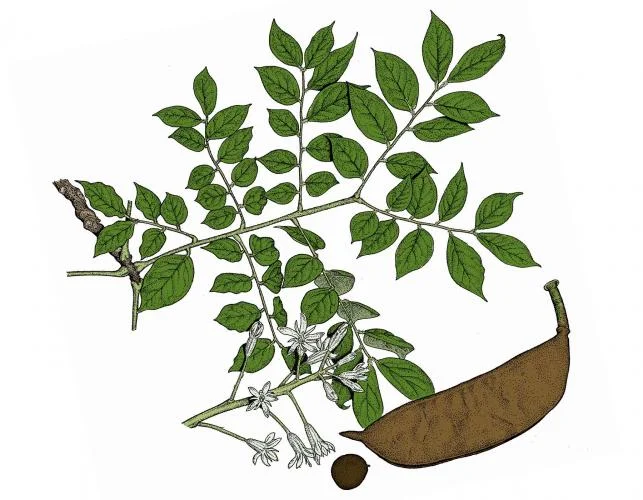
Tulip Poplar (Liriodendron tulipifera)
HUGE tree with a central leader
fast-growing and weak wooded
flowers look like tulips
dark duck billed bud
4 “square” lobed leaf
park tree not a street tree
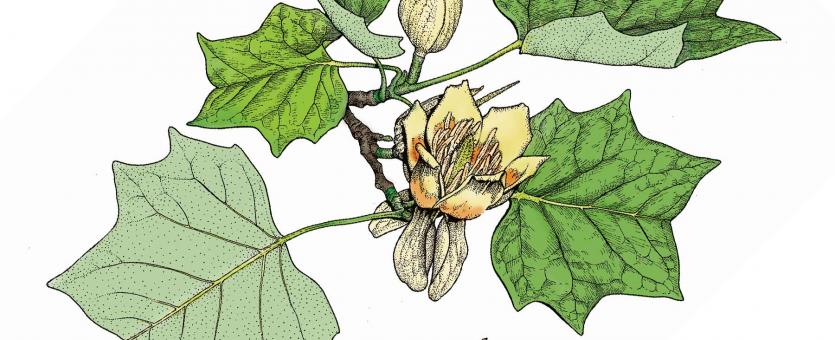
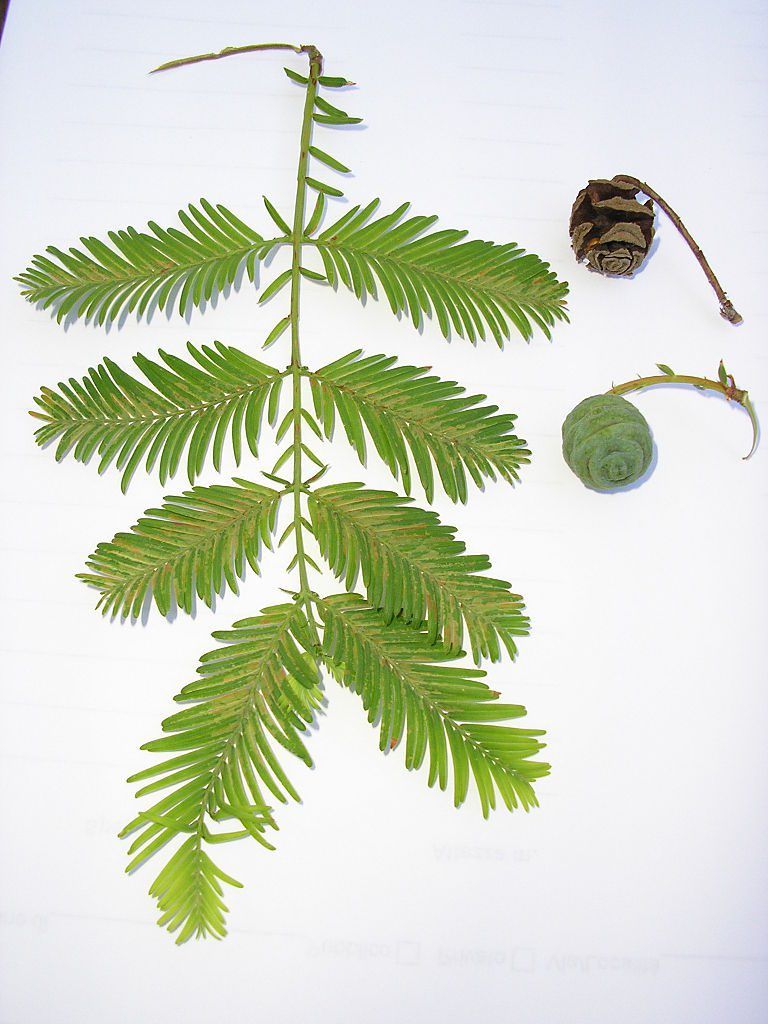
Dawn Redwood (Metasequoia sp)
deciduous conifer, turn yellow in the fall
opposite needle pattern
non native-China
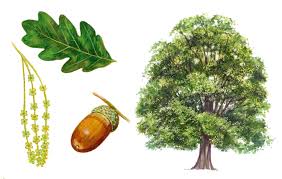
English Oak (Quercus robur)
very upright growth in popular cultivars
strong wooded
leaf looks like bur oak but is much smaller
elongated acorn
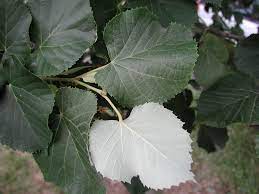
Silver Linden (Tilia tomentosa)
heart shape tree form
heart shaped leaf with asymmetrical base
fuzzy or “silver” underside to leaf
the “best” linden
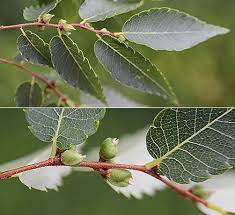
Japanese Zelkova (Zelkova serrata)
nice fall color
in the “elm” family
smaller stature with an upright form
zone 5
alternate branching
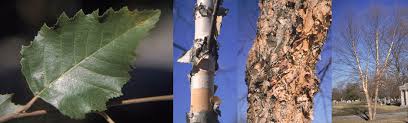
River Birch (Betula nigra)
multi-stemmed; very exfoliated salmon colored bark
larger triangular “birch leaf” with larger serrations
likes moist soil and hearty to zone 3
resistant to BBB
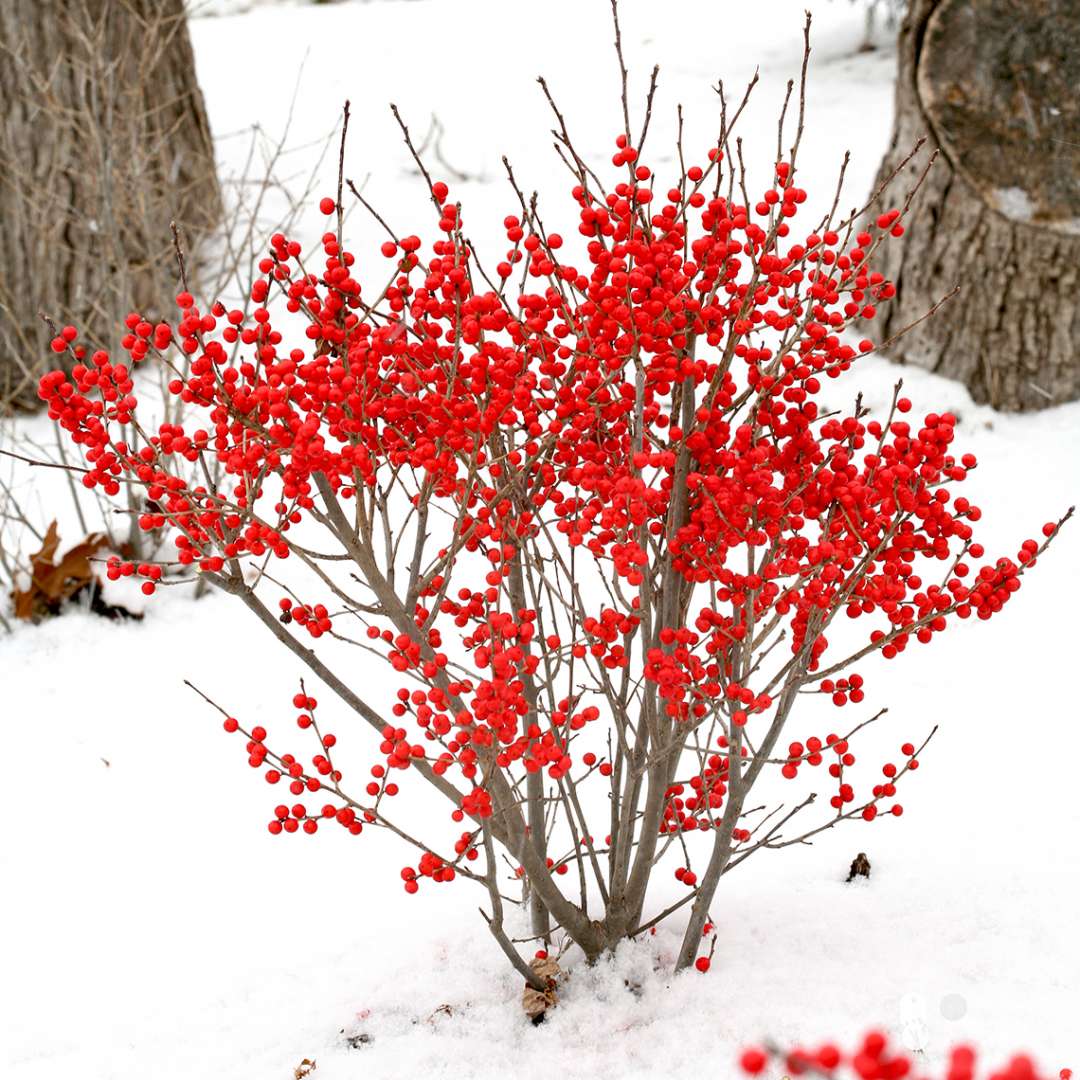
Winterberry (Ilex verticillata)
alternate, acumate tip, elliptical, serrated leaf
native; male+female plants
drupes persist after leaves drop into the winter
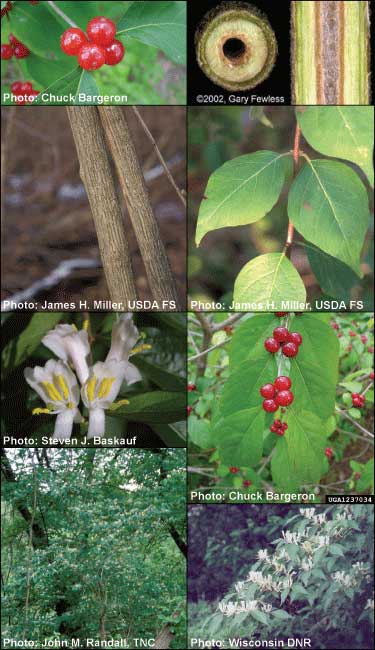
Honeysuckle (Lonicera sp.)
simple, entire, ovate, opposite leaf
fragrant flower; fleshy fruit (red)
hollow pith and multi-stemmed
peeling (honey colored) bark
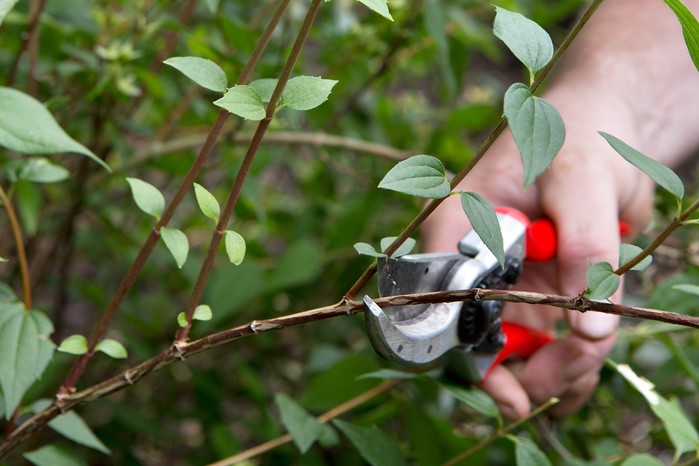
Mock Orange (Philadelphus coronarius)
Deciduous, multi-stemmed shrub with long, arching branches
Grows 4-6 ft., sometimes taller
Abundance of richly fragrant pure white blossoms in the late spring/early summer
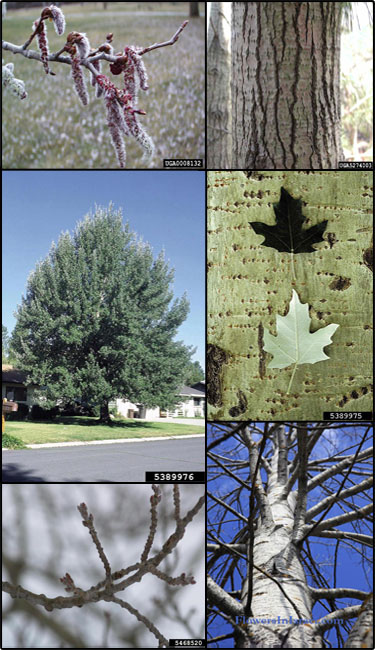
White Poplar (Populus alba)
The bark is pale grey with lines of black diamond-shaped lenticels
Twigs are white, and young twigs have a covering of dense white hair
leaves are three to five lobes, long and almost as long as broad
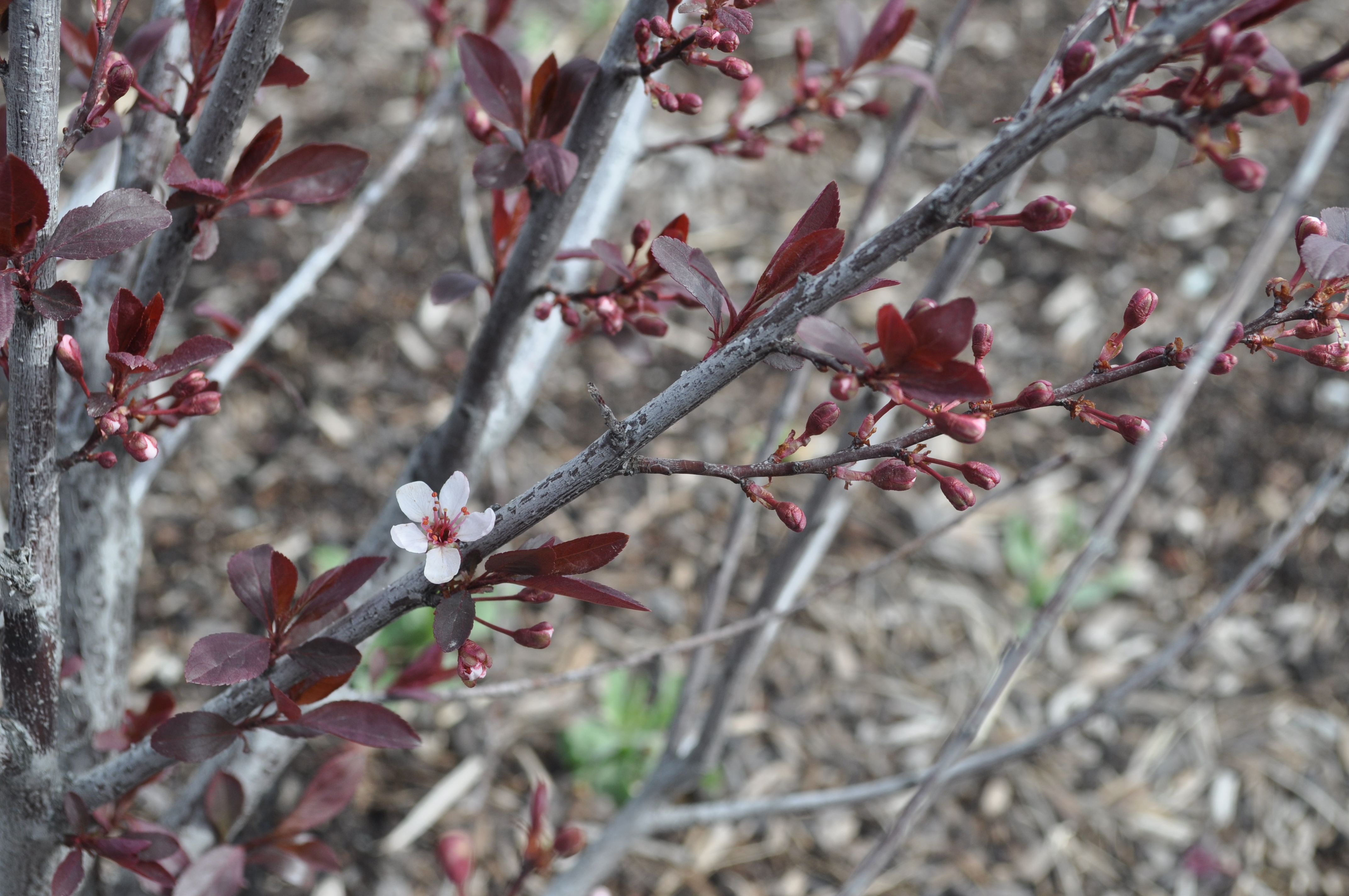
Purple Leaf Sandcherry (Prunus x cistena)
7-10` tall; zone 3 hearty
purple leaf all year; small pink flower
no fruit
likes sandy soils
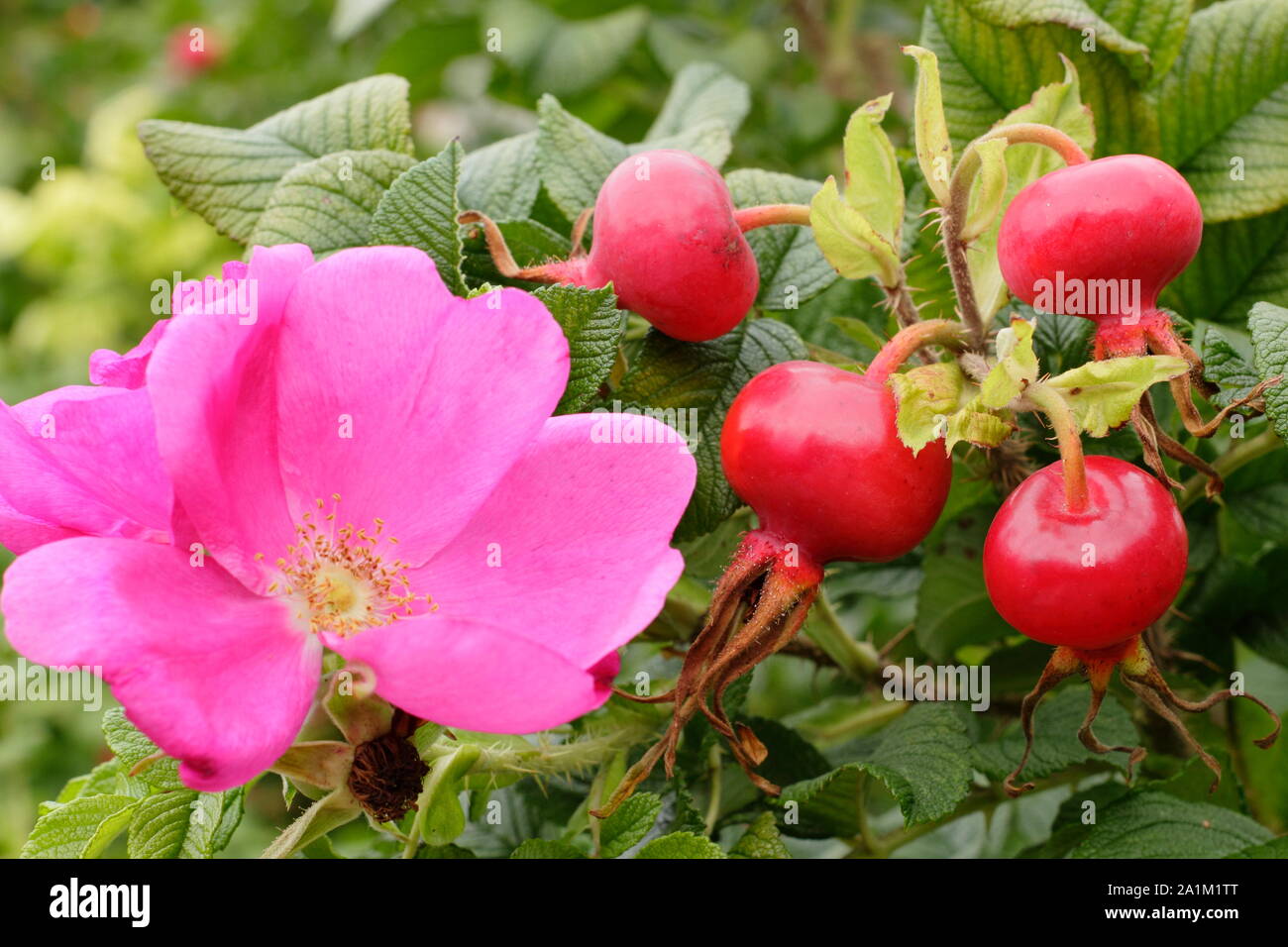
Rugosa Rose (Rosa rugosa)
compound leaf
favorite for Japanese Leaf Beetle
blooms on current years growth
flowers turn to rose hips (pome)
shrub form that gets overgrown (invasive); like full sun
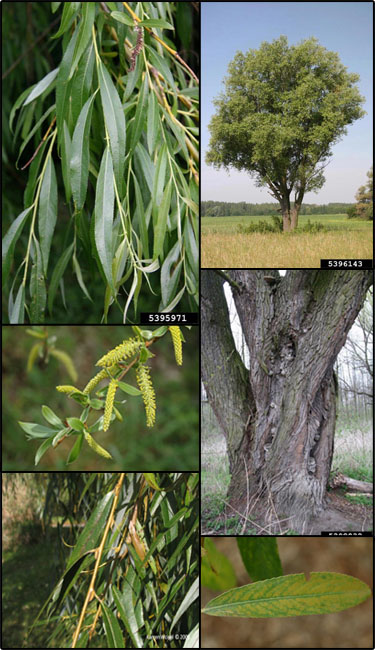
Willow (Salix sp.)
twigs are light-red, slender, and flexible
Buds narrow, conical, orange-brown
leaf scars narrow, crescent-shaped
pith pale brown, small.
The bark is dark gray-brown to nearly blackish, divided into deep fissures separating thick, interlacing, sometimes scaly ridges
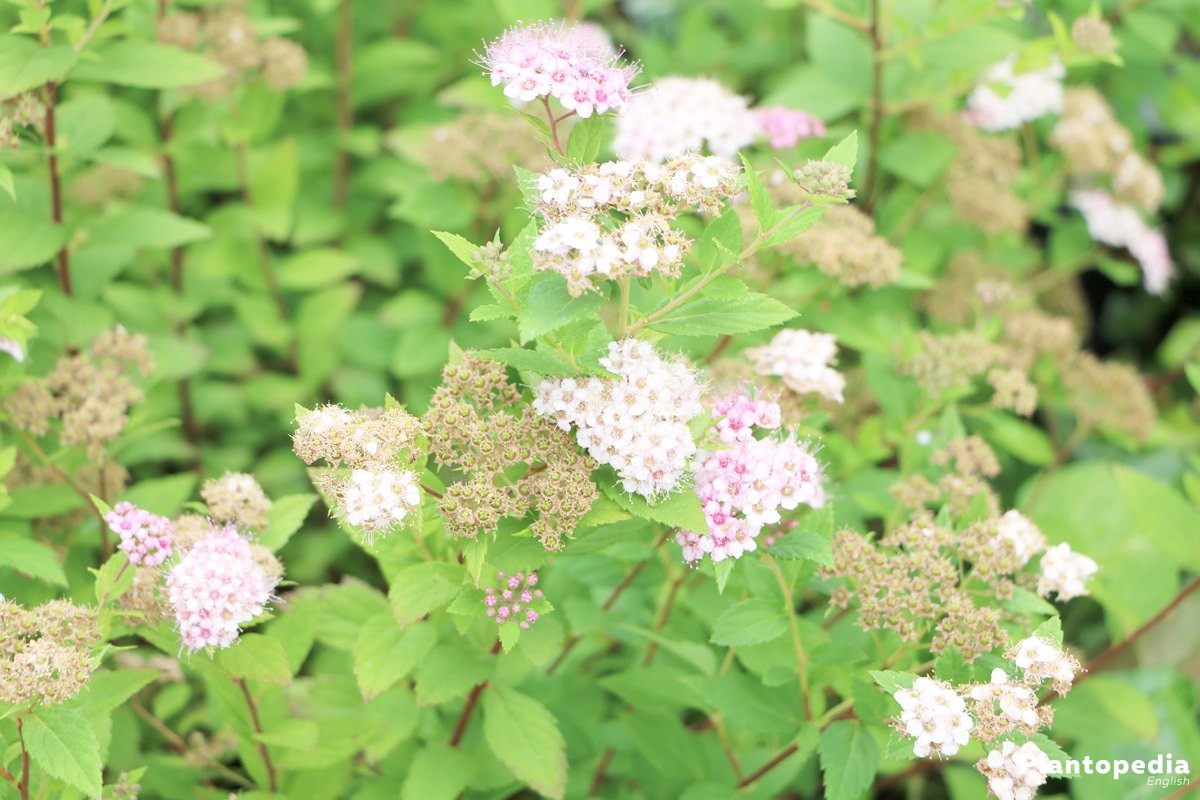
Spirea (Spiraea sp.)
pretty pink flowers
elliptical and serrated (sometimes only ¾) leaves
max 2` tall and 4` wide
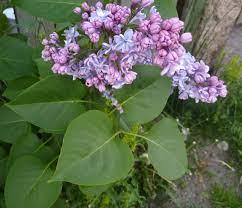
Lilac (Syringa sp.)
purple color bloom, flower are ornamental value
heart shaped leaf
two terminal buds
powdery mildew on shaded leaves
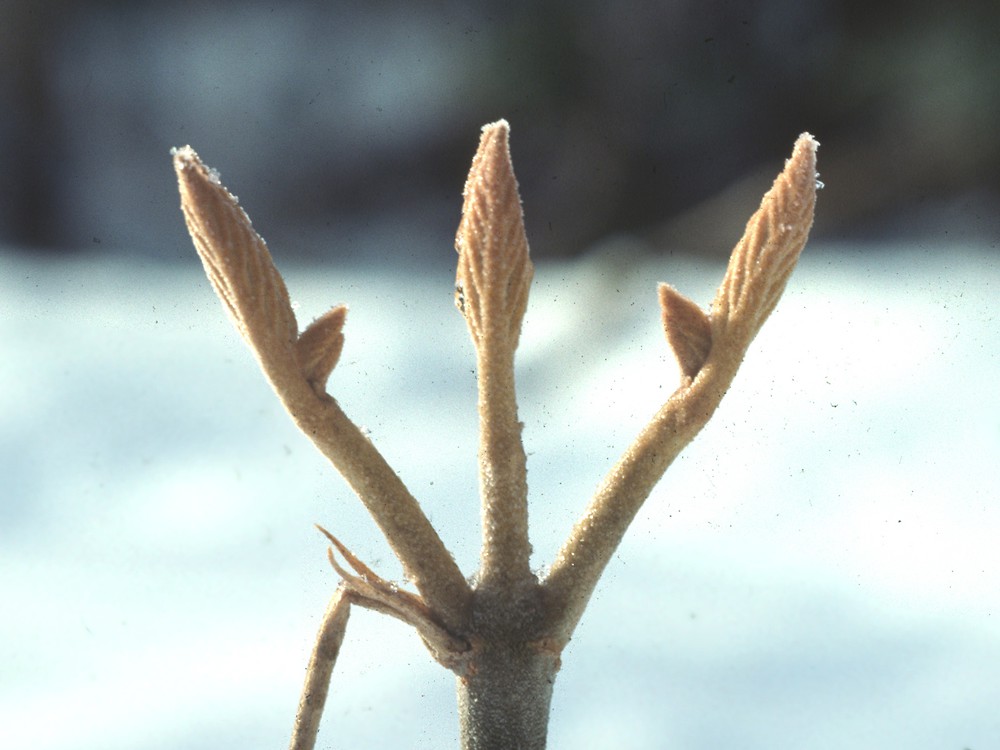
Viburnum (Viburnum sp.)
ovate/elliptical, velvet, opposite leaf
exposed/naked leaf
reddish/purple fall color
whiteish flower and drupe fruit
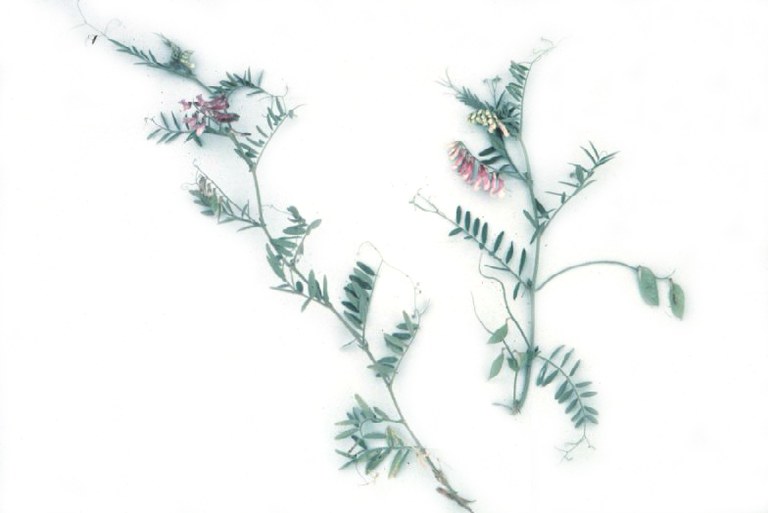
Cow Vetch
sprawling
“compound” leaf
invasive weed; will outcompete desired species
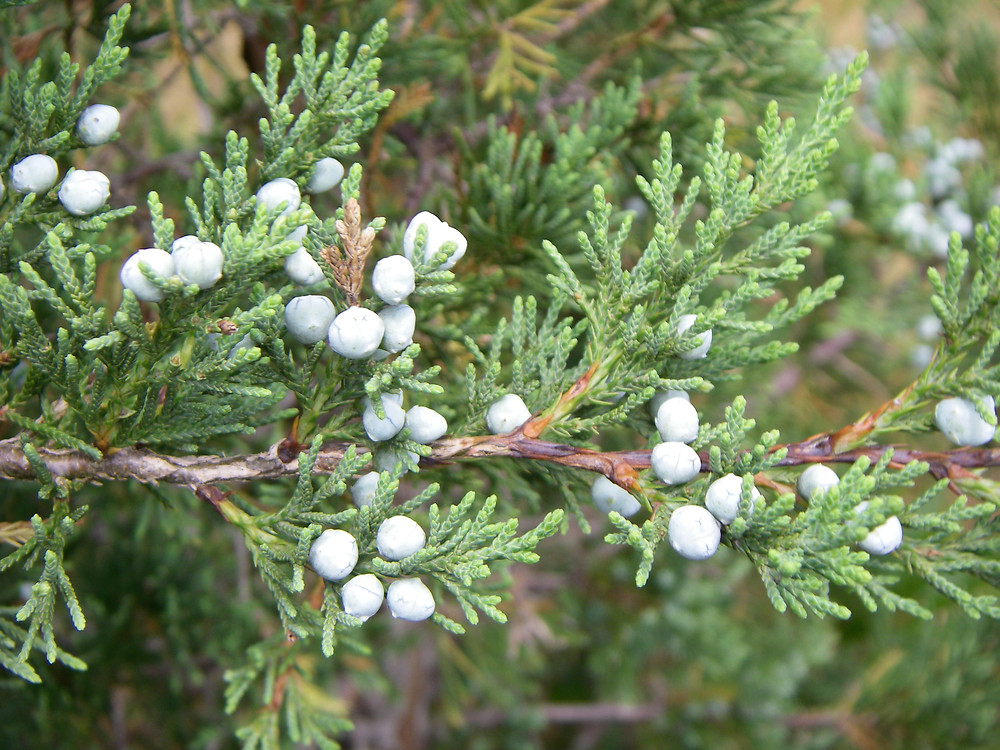
Eastern Red Cedar (Juniperus virginiana)
broadly conical in shape with horizontal branching
cones look like berries
gray to reddish-brown bark exfoliates in thin shreddy strips
awl-shaped evergreen, conifer foliage
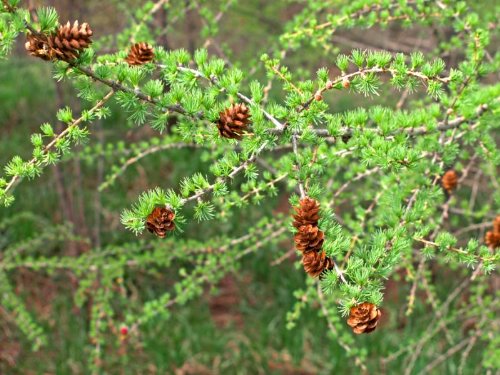
European Larch (Larix decidua)
medium-sized cones
very flexible whorl of soft needles
sap sucker damage is common
a deciduous evergreen with golden fall color
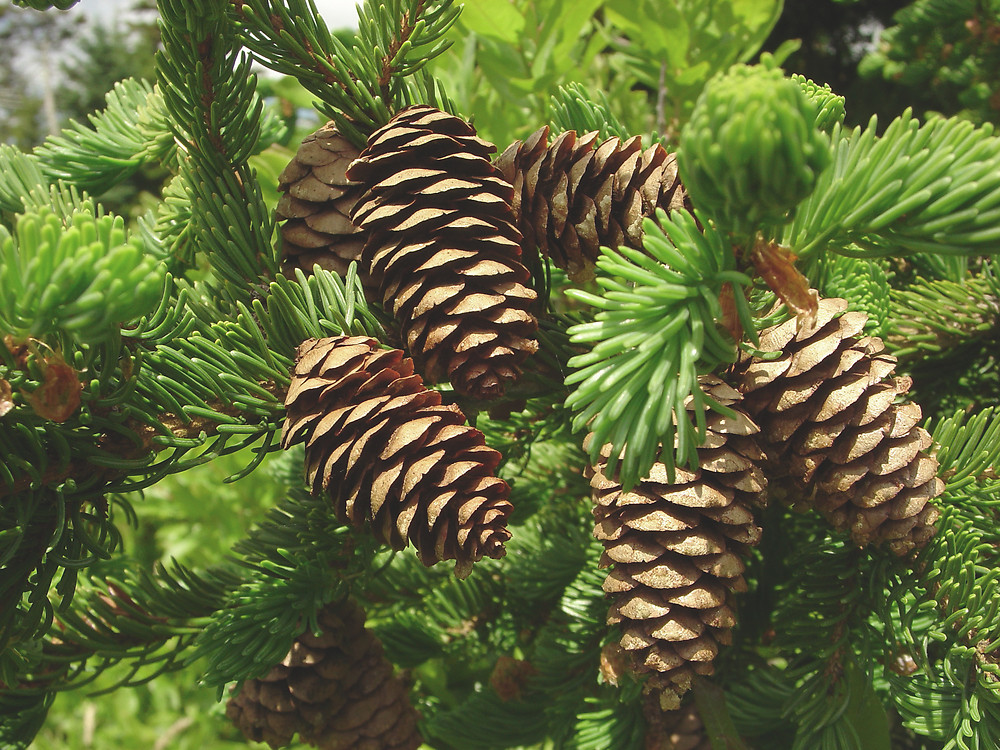
White Spruce (Picea glauca)
single, green-blue, short, stiff needles
small, light brown, “fluffy” cones 1 ½”
low needle retention
no deer problems but suffers from mites and spruce gall adelgid
likes full sun and moist sites, 60’ tall
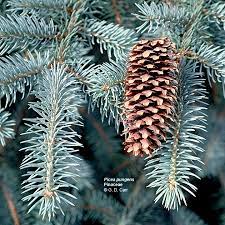
Blue Spruce (Picea pungens)
longer, stiff, blue-green, single needles
suffers from spruce gall adelgid and spider mites
spruce bark
larger, soft, light brown cones
Austrian Pine (Pinus nigra)
2 needles per fascicle, needles that spring back
tolerates salt best out of all conifers
tolerates clay soils
suffers from needle cast disease, dothistroma, and diplodia
a compact pine
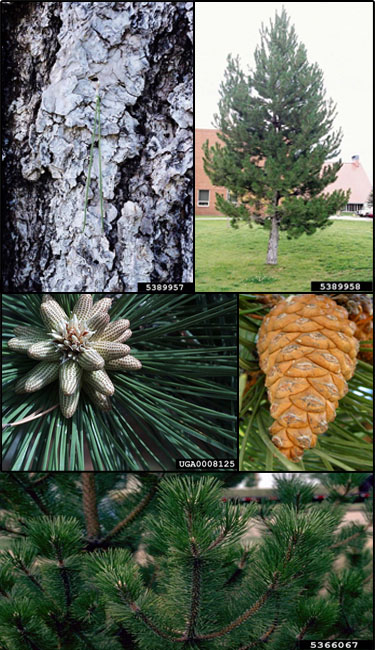
Red Pine (Pinus resinosa)
not strong wooded
likes sandy sites and full sun
reddish plated bark
2 needles per fascicle, stiff, 5-6” long, break if bent
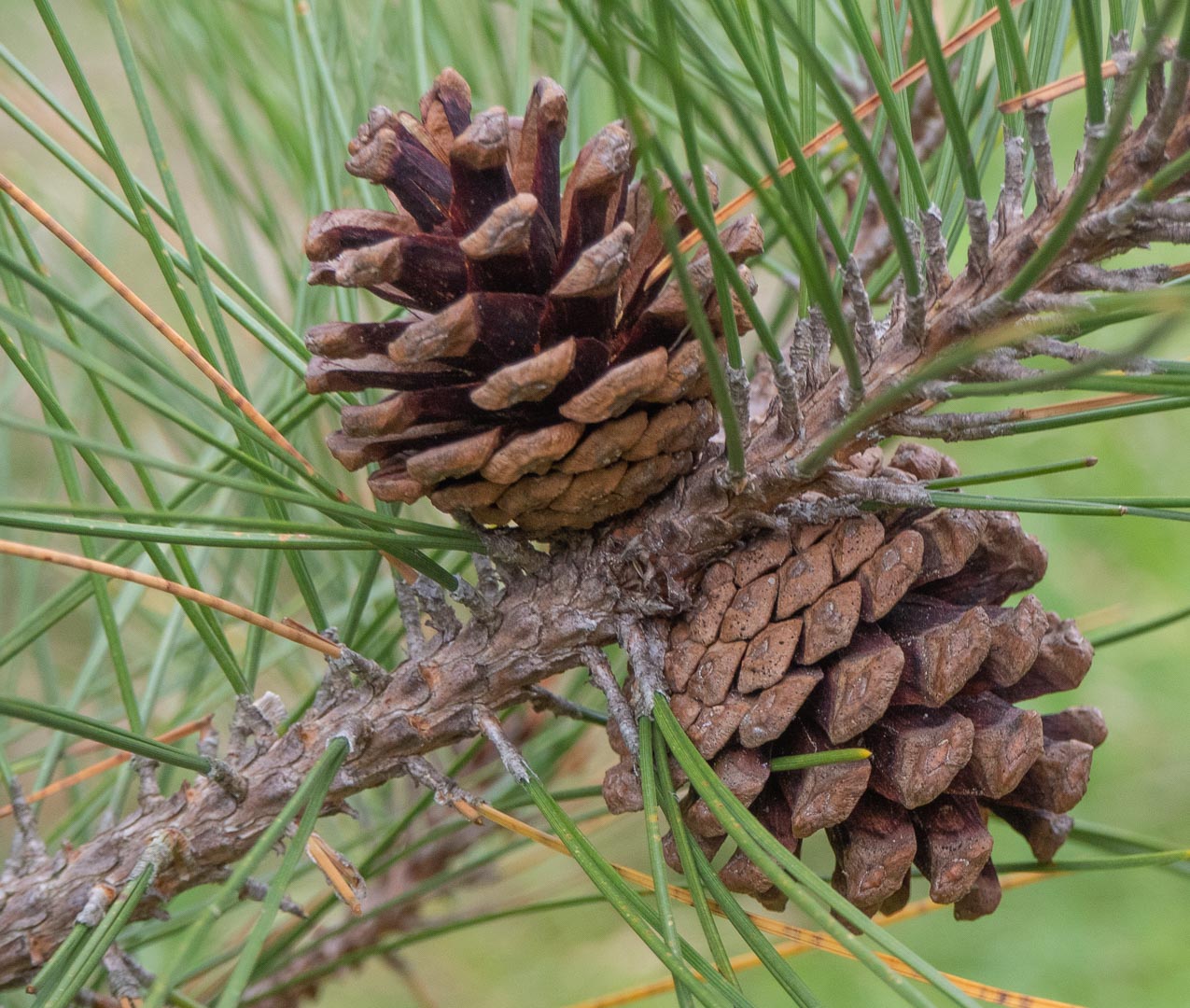
White Pine (Pinus strobus)
greyish, large-plated bark
weak wooded
5 needles per fascicle
long cones
is salt sensitive and suffers from a weevil
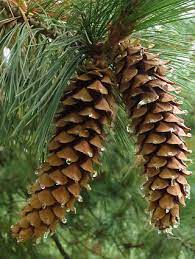
Scotch Pine (Pinus sylvestris)
orange on top
dirty, weak wooded tree
major timber tree in Europe, naturalized in the US
2 needles per fascicle, short and twisted
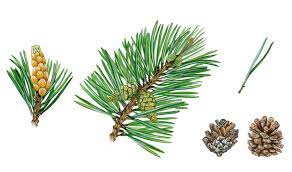
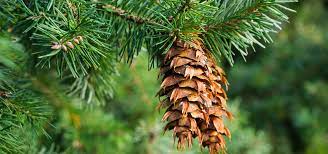
Douglas Fir (Pseudotsuga menziesii)
flat, longer, single needles
medium-sized cone with winged bracts
60-70 ft tall
salt and drought sensitive; also suffers from rhabdocline
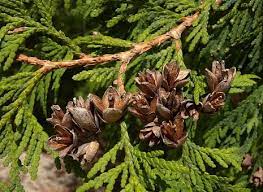
Northern White Cedar (Thuja occidentalis)
fan like foliage
very small “brown tulip” cones
bark is brown and stringy
suffers from bagworms and mites
most cultivars; very popular and versatile landscape tree
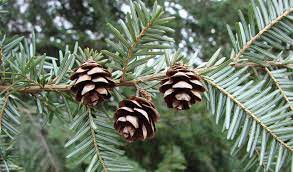
Hemlock (Tsuga canadensis)
flat needles, two white lines underneath, single, and short
shade tolerant, slow growing, and can live LONG
extremely hardy
low sweeping branches used as a windbreak or screen
small brown/grey cones with lots of scales ½”
salt sensitive and suffers from HWA (a piercing sucking insect)
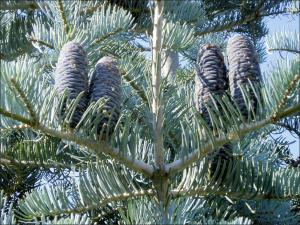
Concolor Fir (Abies concolor)
narrow conical shape
long, flexible, blue/white, needles in groups of two
40-50’ tall but can grow up to 130’
bark is gray with large furrows as it ages
cones grow upwards
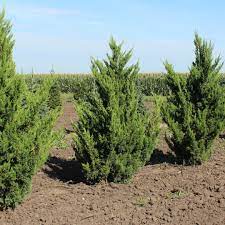
Juniper (Juniperus sp.)
awl-shaped foliage, most popular can have a blue tint
non-native
can grow low and spreading or in “bulbs”
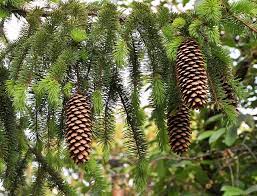
Norway Spruce (Picea abies)
large tree with sweeping/drooping branches
foliage is green, medium-sized, singular needles
cones are large and conical
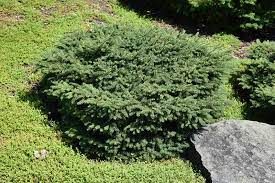
Birds Nest Spruce (Picea abies ‘Nidiformis’)
singular, short, compacted growth needles; light green
dwarf cultivar of Norway Spruce
susceptible to mites
short compacted growth that is often wider than tall
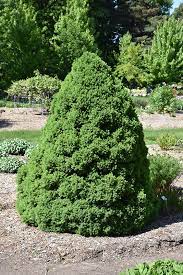
Dwarf Alberta Spruce (Picea glauca ‘Conica’)
conical growth shape that is slow-growing
short, stiff, green needles that rotate around the stem
dwarf cultivar of white spruce, can have shoots that look like white spruce
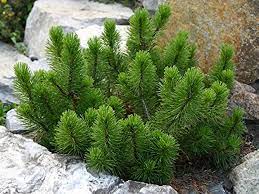
Mugo Pine (Pinus mugo)
has a great variation in height among specimens
two needles per fascicle that don’t snap
have a large sticky bud
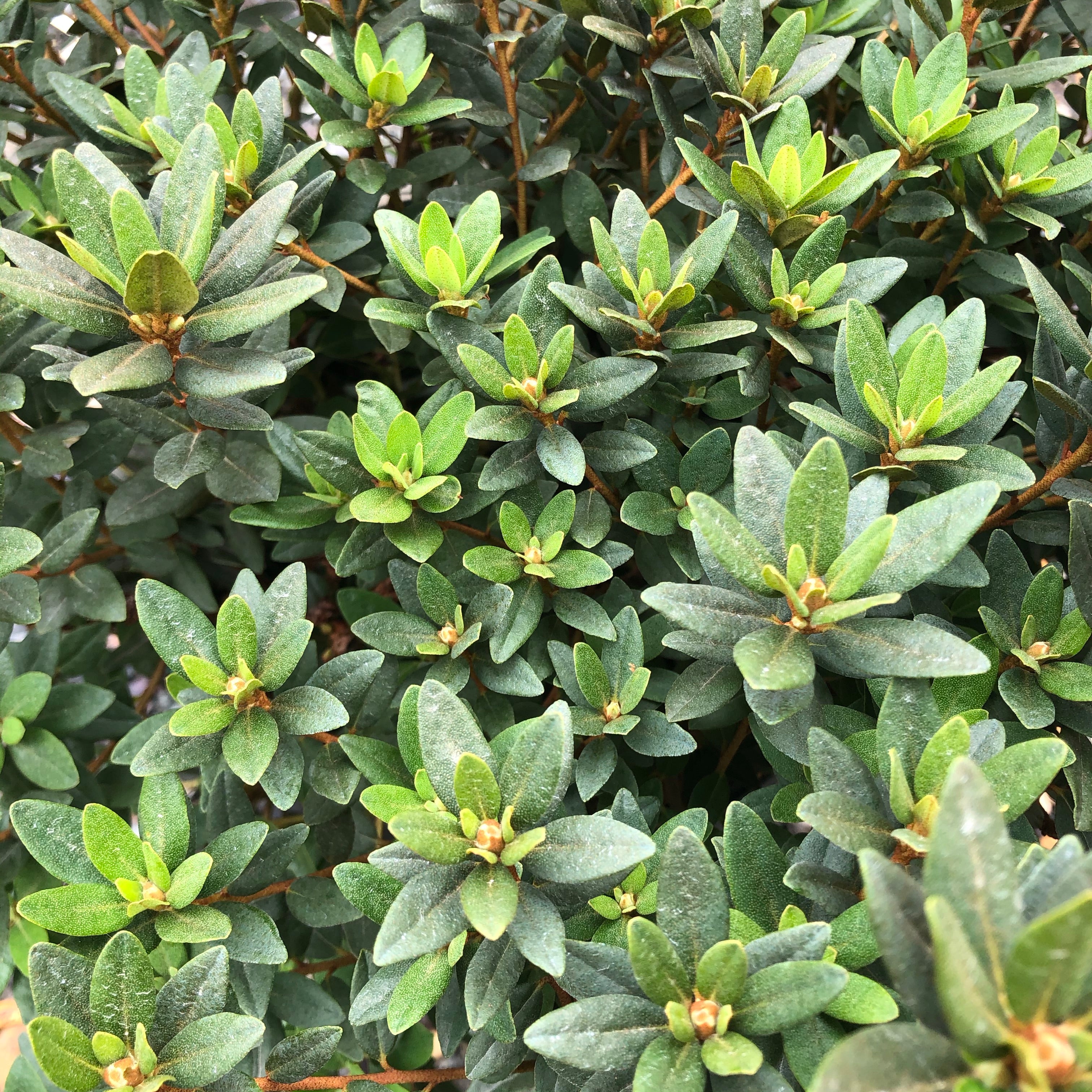
Rhododendron (Rhododendron sp.)
broad leaf evergreens
leaves are thick and leathery
PJM is the most common cultivar
leaves turn purple-red in fall
very large flower bud
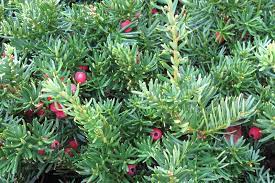
Yew (Taxus sp.)
The bark is thin, scaly, and brown, it comes off in small flakes
Its leaves are dark green, leathery, and narrow with a pointed tip
Yew seeds grow at the tip of a shoot, enclosed in a red, fleshy, cup-like structure called an aril (actually a cone)
Can tolerate shearing but only to young growth
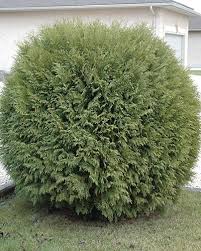
Arborvitae (Thuja occidentalis)
usually pyramidal in habit, with thin, scaling outer bark and fibrous inner bark
horizontal or ascending branches, and characteristically flattened, branchlet systems
Each branchlet has four rows of tiny, scalelike leaves
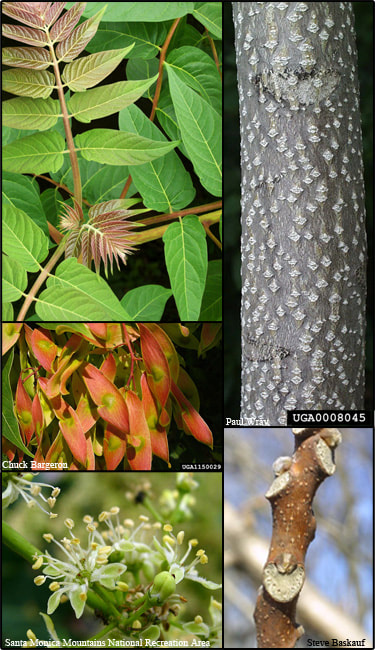
Tree of Heaven (Ailanthus altissima)
non-native from Asia, can be invasive
very fast growing and weak wooded
HUGE compound leaf with 13-25 leaflets
fruit is a winged samara
very environmentally adaptable
breeding ground for Spotted Lantern Fly
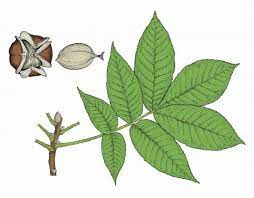
Pignut Hickory (Carya glabra)
slow growing, dense wooded, 50-60` tall
good form and golden fall color
large leaf scar, compound leaf with 5-7 leaflets that are lanceolate
has a nut fruit and is very urban tolerant
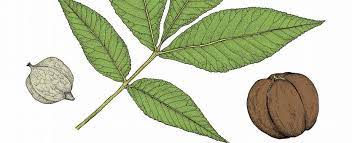
Shagbark Hickory (Carya ovata)
60-80` tall
compound leaf with 5-7 leaflets, obovate shape
bark is very shaggy
likes drier sites
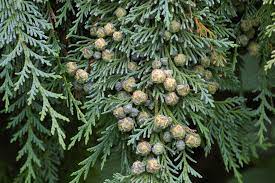
False Cypress (Chamaecyparis sp.)
pelcate cones
foliage is a mix of juniper and cedar; flat juniper
most are conical in shape
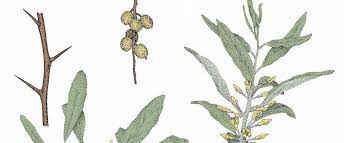
Russian Olive (Elaeagnus angustifolia)
weak wooded, invasive, non-native, and fast-growing
thorny stems with drupe-like fruit
prefer full sun
alternate, simple, elliptical, and silvery leaf
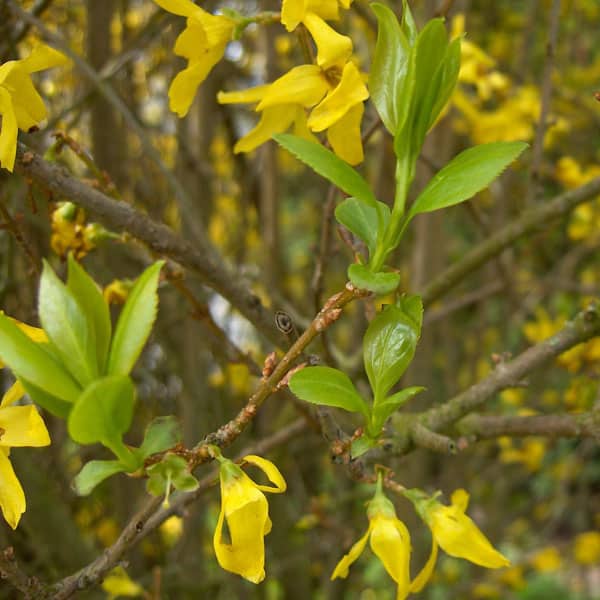
Forsythia (Forsythia sp.)
first to bloom in spring with a vibrant yellow flower
multi-stem with a chambered pith
opposite, single, and small serrations on the leaves
F. x intermedia is a hybrid with many cultivars
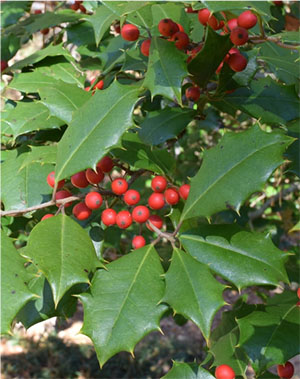
American Holly (Ilex opaca)
broad leaf evergreen, alternate, simple, glossy, and spiney leaves
suffers from holly leaf miner
male and female plants
red drupe fruit
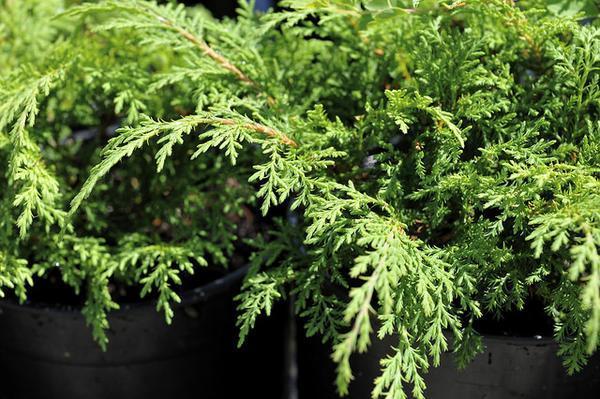
Russian Arborvitae (Microbiota decussata)
extremely hardy
cedar-like foliage that turns purple/brown
grows very wide and is new to landscape designs
could get spider mites
 Note
Note  Flashcards (21)