ANCIENT INDIAN ARCHITECTURE
 Call Kai
 Learn
Learn Practice Test
 Spaced Repetition
 Match
Match Flashcards
 Knowt Play
1/45

There's no tags or description
Looks like no tags are added yet.
Name | Mastery | Learn | Test | Matching | Spaced | Call with Kai |
|---|
No analytics yet
Send a link to your students to track their progress
46 Terms
Indus Valley Civilization
One of the three great river-based civilizations of the 3rd millennium BCE (c. 2500–1900 BCE), located along the Indus River in present-day Pakistan and northwest India; also called the "Harappan" civilization
Harappa
One of the two major cities of the Indus Valley Civilization; namesake of the Harappan culture
Mohenjo-Daro
Major city of the Indus Valley Civilization meaning "Mound of the Dead"; famous for its well-planned street grid, elaborate drainage system, and the Great Bath
Lothal
Harappan site in Gujarat, India, explored in the 1950s by S.R. Rao; featured a citadel for defense against floods and food storage
Citadel
An elevated, heavily fortified central area in Harappan cities built on a mud-brick platform (40ft base), housing important public buildings like granaries and the Great Bath
Lower Town
The larger but lower eastern section of Harappan cities, divided into rectangular sections by wide roads at right angles
Granary
A massive warehouse/storehouse for threshed grain built on a high platform with air ducts to prevent spoilage; served as a "public bank" for the city's food supply
Grid-iron street layout
standardized baked brick
Advanced drainage system
Proportions
Geometric Symmetry
Mathematical Order
Chaitya Hall
7 Characteristic of ANCIENT INDIAN ARCHITECTURE
Stupa
A dome-shaped Buddhist monument serving as a commemorative structure or reliquary; consists of anda (dome), harmika, yashti, and chhatra
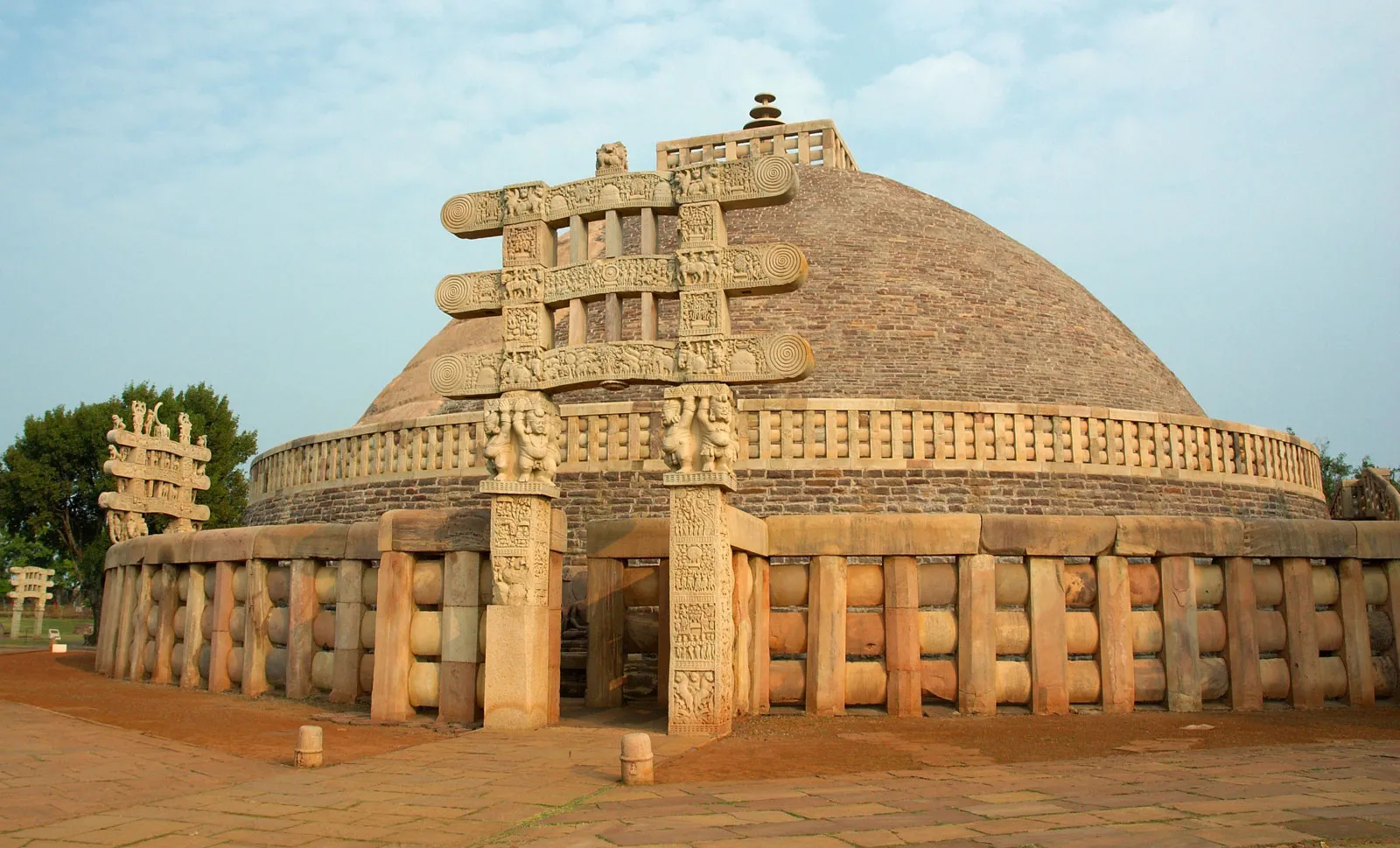
Anda
The massive, solid hemispherical dome of a stupa representing the "Cosmic Egg," infinite sky, and the mind of Buddha
Harmika
A square, balcony-like railing structure at the top of a stupa's dome representing the "abode of the gods" (devas); surrounds the central mast
Yashti
The central mast or spire of a stupa rising from the harmika, supporting the chhatra (umbrella)
Chatra
An umbrella-like stone structure at the apex of a stupa signifying high rank, royalty, and protection for Buddha's relics
Pradakshina Path
A raised or ground-level circular circumambulatory pathway around a stupa's dome; devotees walk clockwise as a sacred ritual
Vedika
The stone railings surrounding a stupa, often elaborately carved
Torana
A ceremonial gateway (often with three lintels) leading to a stupa, decorated with carved Buddhist stories
Chaitya Hall
A Buddhist prayer hall featuring a row of columns leading to a semicircular apse with a stupa; creates linear perspective and order
Vihara
A Buddhist monastery or residential hall for monks, typically with a central courtyard surrounded by small cells; evolved from wooden huts to rock-cut complexes
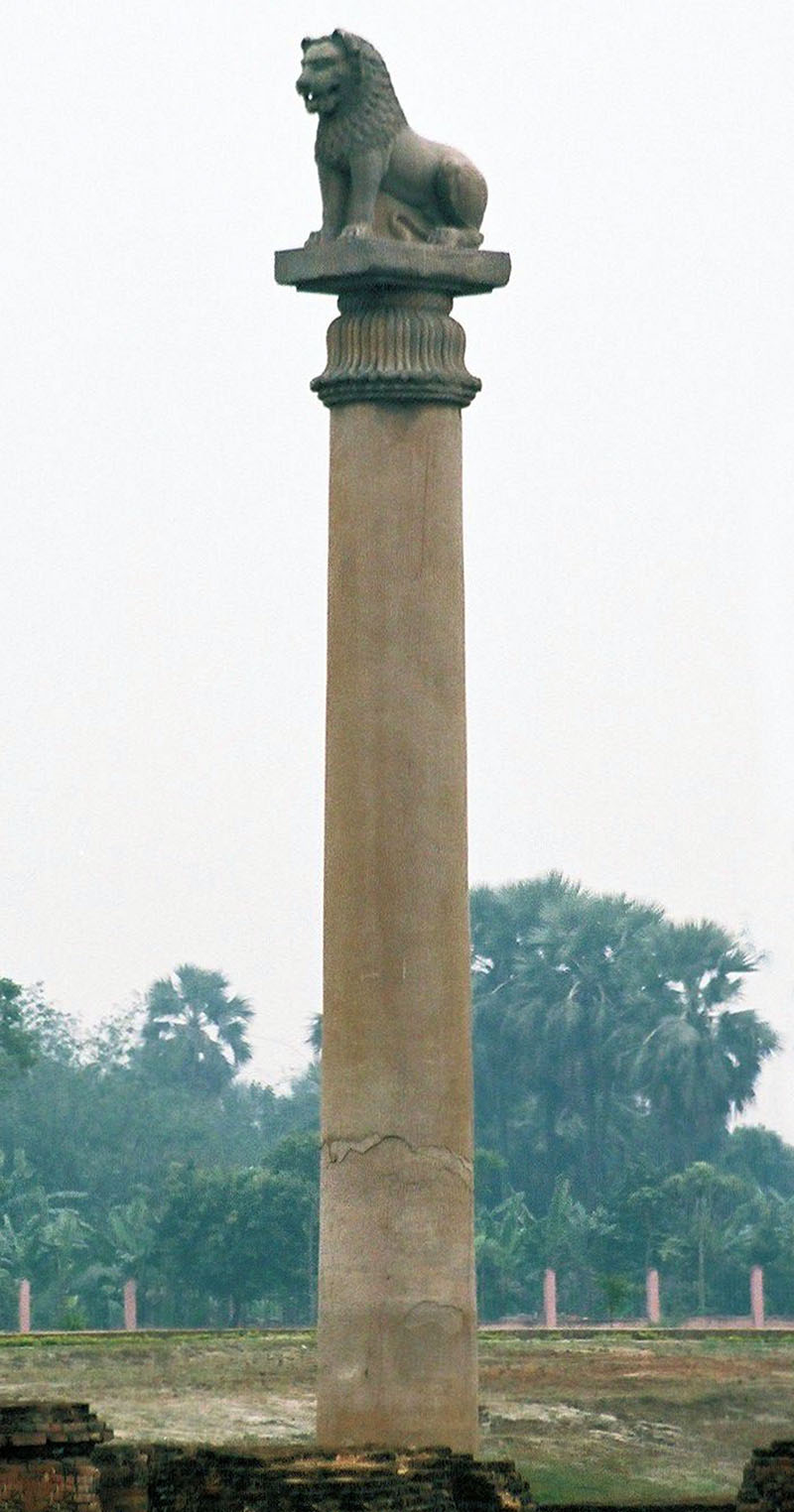
Stambha/Lath
A monolithic, freestanding monumental pillar with an inscribed shaft and decorative capital (inverted lotus, abacus, and animal sculpture)
Ashokan Pillars
40-50 foot tall sandstone columns erected by Emperor Ashoka in the 3rd century BCE to spread Buddhist principles; featured polished shafts and the famous Sarnath lion capital
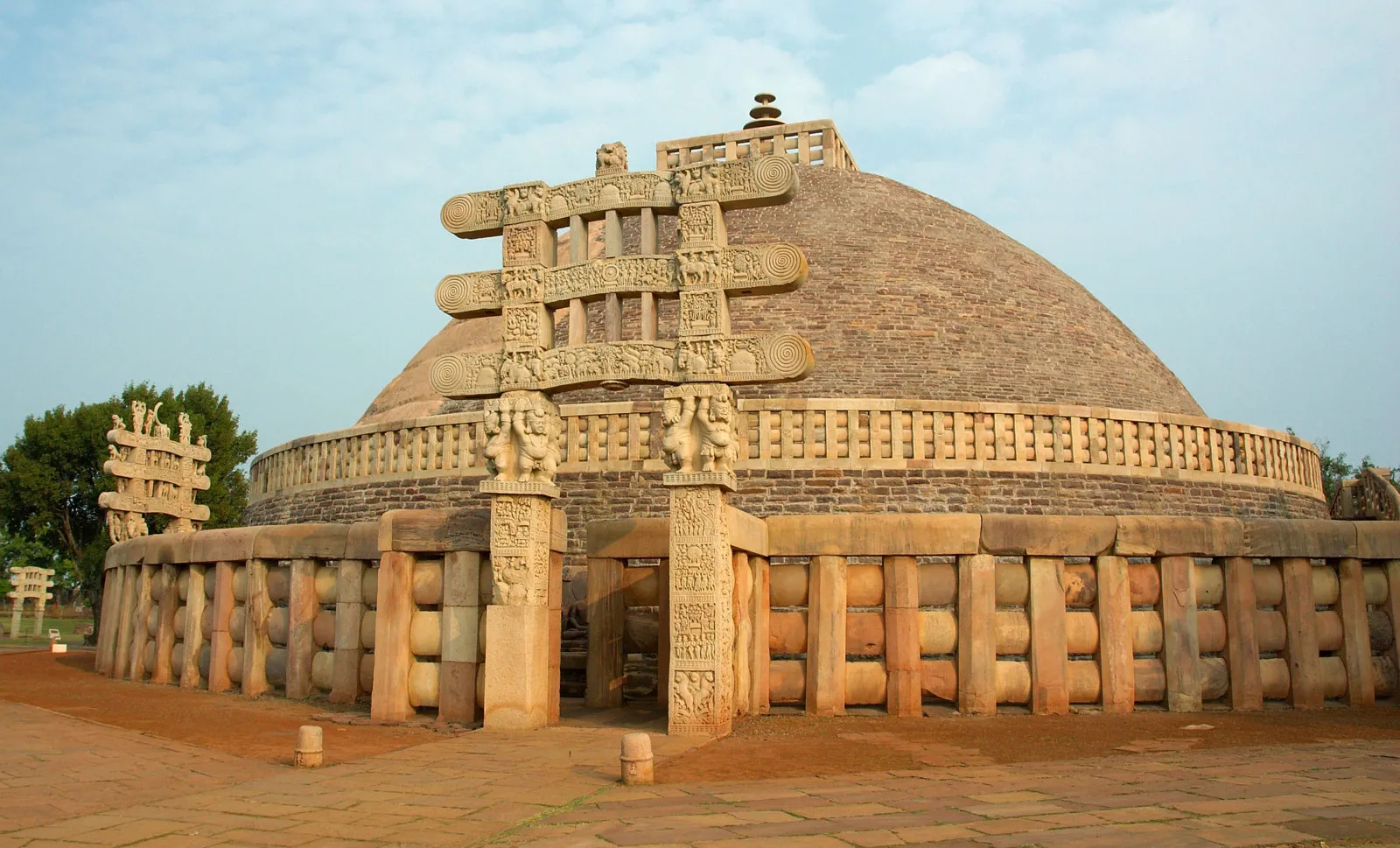
Sanchi Stupa
Famous Buddhist monument in Madhya Pradesh, India, dating to the 3rd century BCE; features elaborate toranas (gateways) and a spherical dome
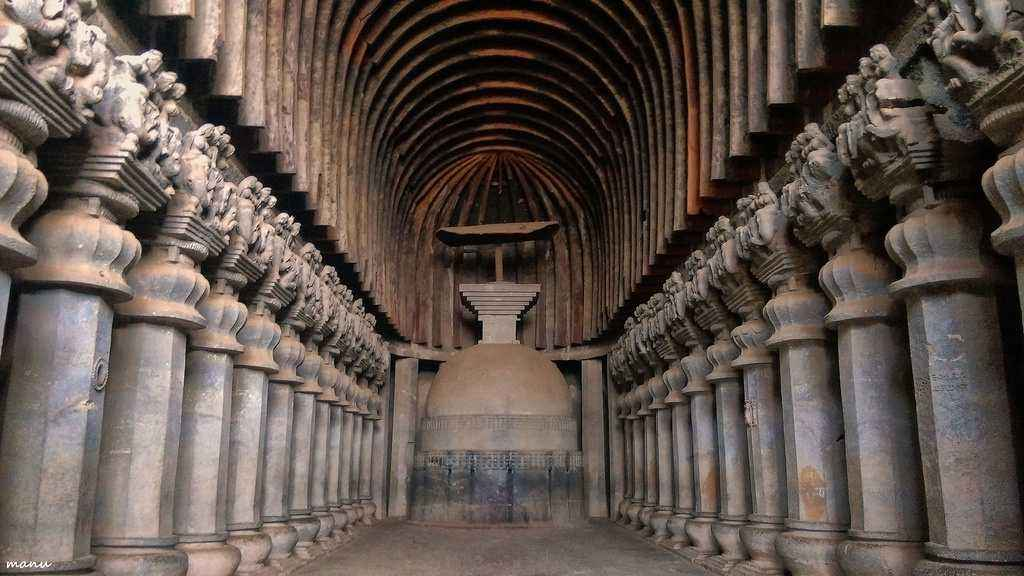
Karle Chaitya
Massive rock-cut prayer hall with a high vaulted ceiling, wooden ribs, 37 carved pillars, and a "sun window" that illuminates the central stupa
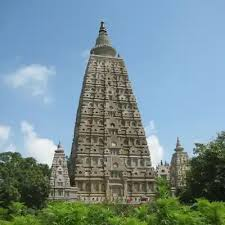
Mahabodhi Temple
Buddhist temple at Bodhgaya, India, marking where Buddha attained enlightenment; early Indian model that influenced Buddhist architecture across Asia
Mohenjo-Daro and Harappa
What were the two major cities of the Indus Valley Civilization?
c. 2500–1900 BCE (about 800 years)
What time period did the Indus Valley Civilization flourish?
1:2:4
What mathematical ratio did the Harappans use for their standardized bricks?
Bitumen
What material did Harappan engineers use to waterproof the Great Bath?
The Citadel and the Lower Town
What were the two main parts of a Harappan city?
Ventilation ducts
What purpose did the triangular holes in Harappan granaries serve?
Magadha kingdom
What was the most powerful kingdom before the Mauryan Empire?
The Mauryan Empire
What empire was established in 300 BCE under King Ashoka?
Stambhas, Stupas, Rails, Chaitya Halls, and Viharas
What are the five main types of Buddhist architectural structures?
Four lions
What animal tops the famous Ashoka Pillar at Sarnath?
Monks' need for seclusion during the monsoon season (Vassa)
What influenced the creation of rock-cut Viharas?
Greco-Buddhist art
What cultural influence affected Buddhist art in Gandhara (Northwest)?
Lumbini, Nepal
Where was Gautama Buddha born?
Jetavanaramaya stupa
What is the tallest ancient stupa mentioned in the document?
A square or circular base
What geometric shape is the Stupa (like Sanchi) set on?
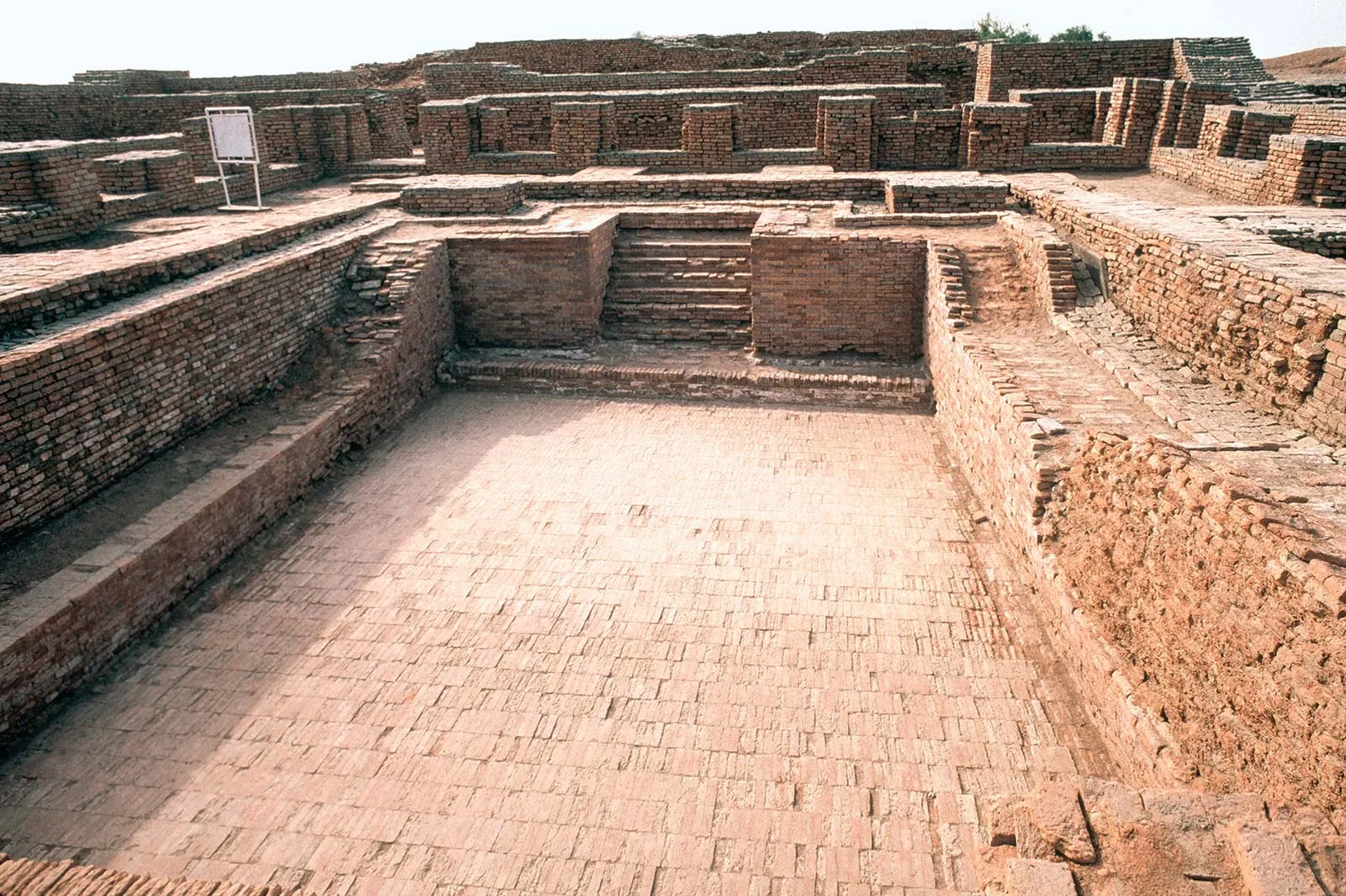
THE GREAT BATH
It is a large brick tank in Mohenjo-daro used for ritual bathing.
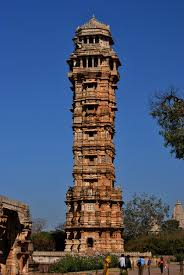
STAMBHA
These pillars are common to all the styles of Indian architecture.; With the Buddhists they were employed to bear inscriptions on their shafts, with emblems or animals on their capitals.
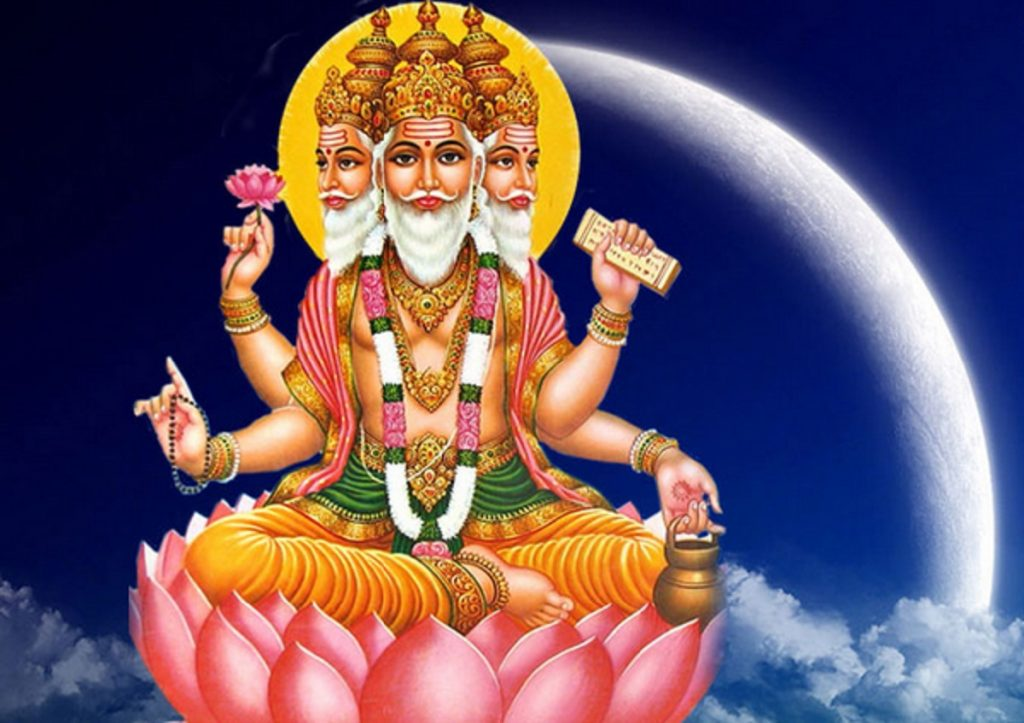
Brahma
It is the hindu chief god, the omnipresent one who is the father of the Brahman Trinity.
Creates, maintains, destroys, and recreates the universe in a never-ending cycle
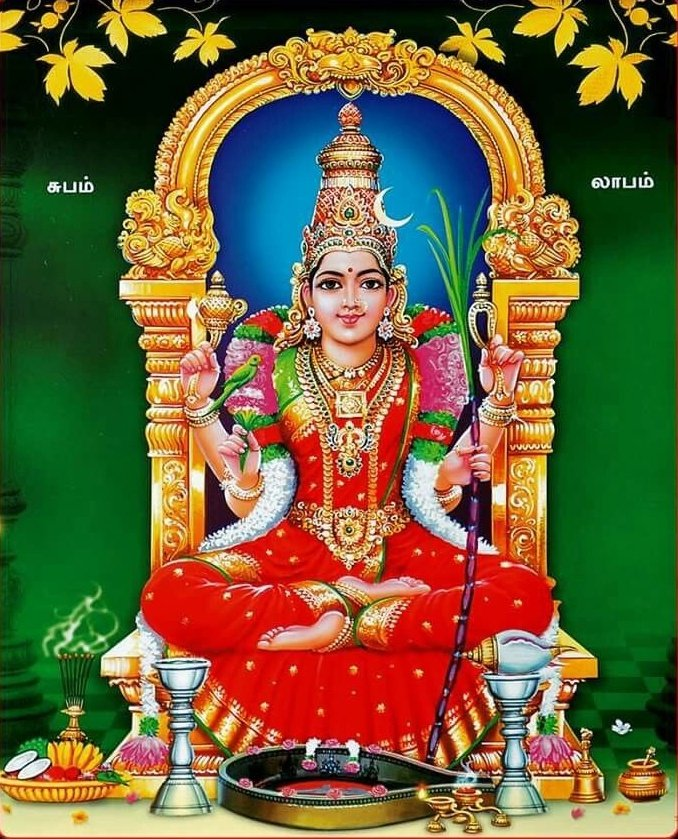
SAKTAS
Mother Goddess of the Hindus
Erotic. sensual imagery. symbolizing her abundant creativity
God Incarnate in female form represents eternal creator, preserver. destroyer
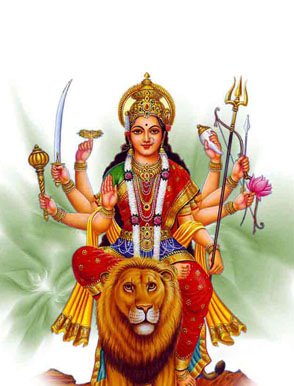
DURGA
beautiful woman with a gentle face. rides a lion with 10 arms holding weapons with which she vanquishes the demons who threaten the dhama.
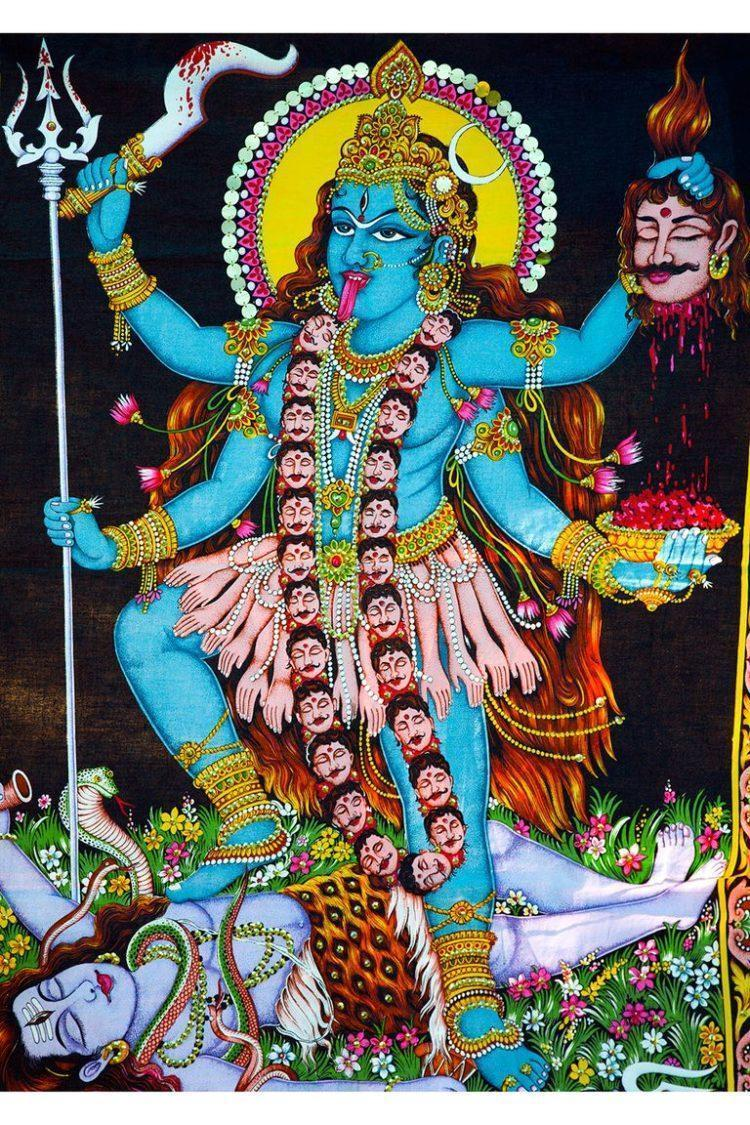
KALI
a goddess portrayed dripping with blood, carrying a sword and a severed head, and wearing a girdle of severed hands and a necklace of skulls symbolizing her aspect as the destroyer of evil which means transformation.
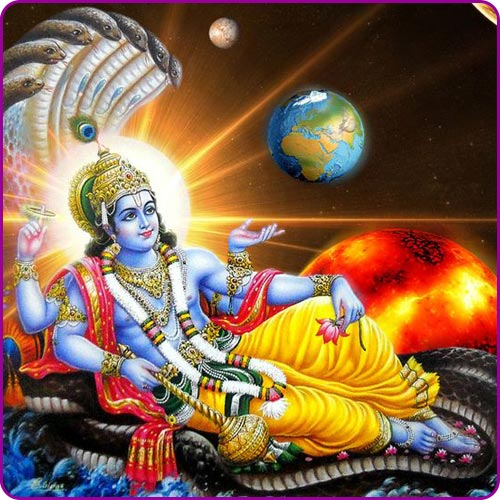
VISHNU
Merciful deity
Has been worshipped since Vedic times and came to be regarded as the Supreme as a person.
Considered to have appeared in many earthly incarnations, some of them animal forms.
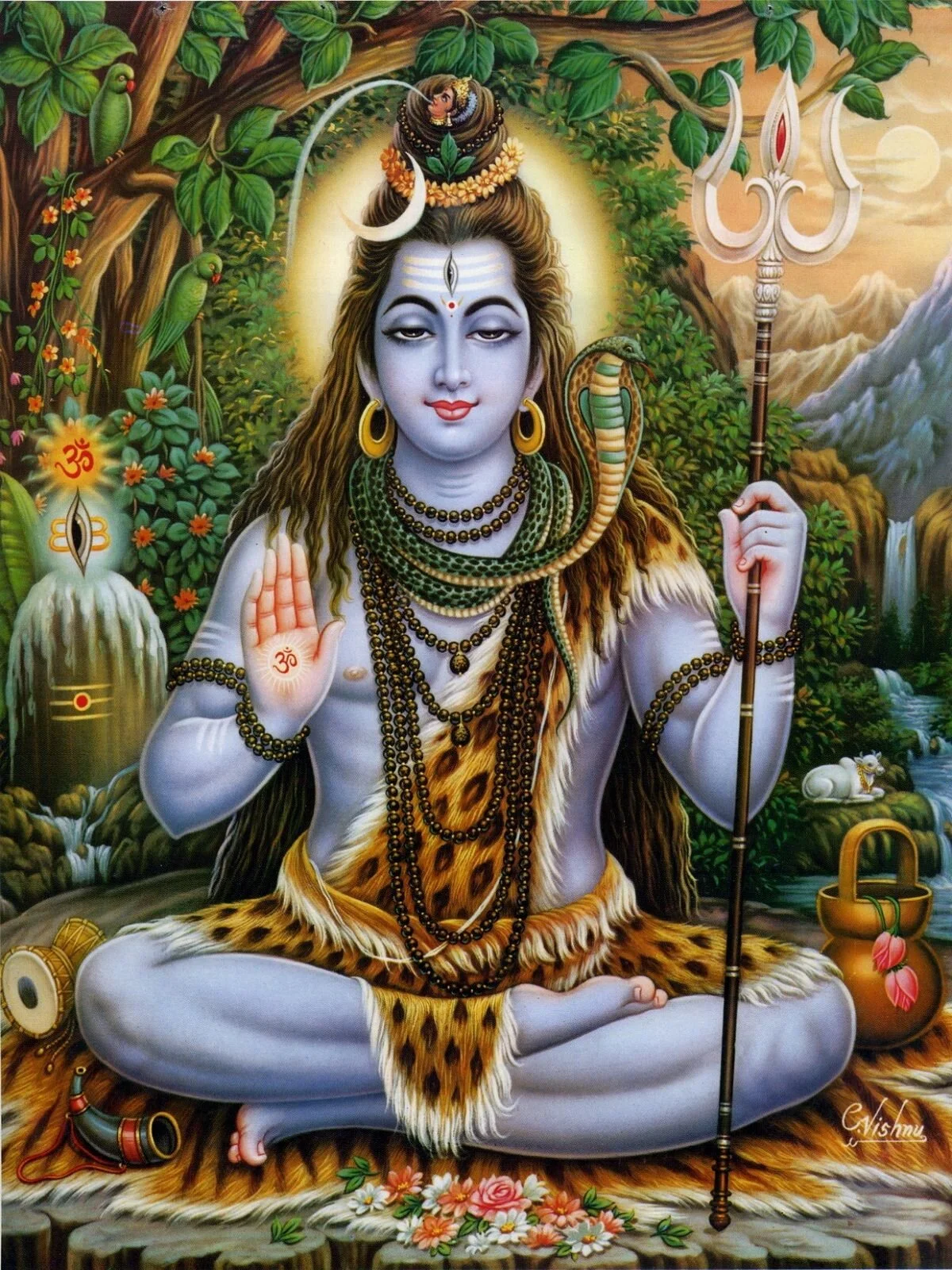
SHIVA
. Creator, preserver. destrover, personal Lord. friend, primal Soul
. Sometimes depicted dancing above the body of the demon he killed, reconciling darkness and light, good and evil, creation and destruction. rest and activity in the eternal dance of life