Digestive System - Anatomy and Physiology
 Call Kai
 Learn
Learn Practice Test
 Spaced Repetition
 Match
Match Flashcards
 Knowt Play
1/55

There's no tags or description
Looks like no tags are added yet.
Name | Mastery | Learn | Test | Matching | Spaced | Call with Kai |
|---|
No analytics yet
Send a link to your students to track their progress
56 Terms
stomach
accepts food contents from the esophagus
duodenum
the first section of the small intenstines
cecum
area of large intestines that ileum empties into
ascending colon
portion of large intenstine thta travels up the right side
descending colon
portion of large intestines that travels down on the left side
rectum
terminal part of large intestines
the rectum
terminal part of large intestines
ilieum
last portion of small intestines; joins with large intestines
pharynx
shared passawage for air and food; connects mouth with esophagus
mouth/oral cavity
entrance to the GI tract
esophagus
food tube leads to the stomach
sigmoid colon
passageway between colon and anal canal
anal canal
S-shaped portion of large intestines
transverse colon
portion of large intestines that travels across abdomen
small intestine
portion of GI tract that specializes in absorption of nutrients
mouth
portion of the GI tract where mechanical digestion begins
stomach
strongest organ of the GI tract that contains 3 layers of muscle
liver
organ that detoxifies harmful substances
pancreas
organ that produces insulin and shuttles glucose to cells
large intestine
portion of the GI tract that specializes in absorption of water.
Carbohydrates (Starch, Disaccharides)
location: mouth, small intestines
enzyme: amylase (pancreatic juice), sucrase, lactase, maltase (intestinal juice)
end product: starch=disaccharides
proteins
location: stomach, small intestines
enzyme: pepsin, trypsin (pancreatic juice), pepitdase (intestinal juice)
end product: amino acids
fats
location: small intestines
enzyme: lipase (pancreatic juice)
end product: fatty acids
villi/microvilli in the small intestine
nutrient absorption
esophagus and smooth muscle
used for transit
peristalsis
automatic, wave-like contraction of smooth muscles in the digestive tract that moves food (bolus) from the esophagus to the rectum
greater omentum
extension of the peritoneum that covers the abdominal organs; stores fat to help insulate, cushion and protect abdominal organs
pepsin
breaks down dietary proteins (meat, eggs, dairy) into smaller peptides and amino acids for absorption
bile
a bitter greenish-brown alkaline fluid that aids digestion and is secreted by the liver and stored in the gallbladder.
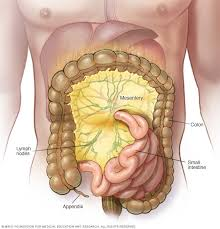
mesentery
attaches the organs to the wall of the abdominal cavity
chyme
a thick, semi-fluid mass of partially digested food and digestive secretions (gastric juices) formed in the stomach
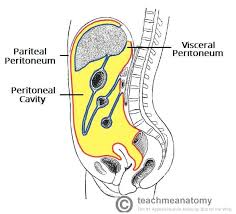
peritoneum
the largest serous membrane in the body, forming a thin, continuous lining of the abdominopelvic cavity and covering most internal abdominal organs
parietal peritoneum
lines the abdominopelvic cavity
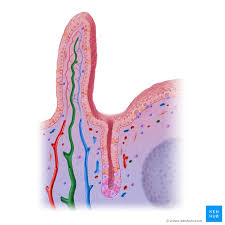
lacteal
specialized lymphatic capillaries located in the villi of the small intestine that absorb dietary fats and fat-soluble vitamins (as chyle) during digestion
mucosa
innermost layer, moister membrane that lines the cavity.
muscularis interna
a thin, continuous layer of smooth muscle that forms the deepest layer of the mucosa in the gastrointestinal (GI) tract. It separates the mucosa (lamina propria) from the underlying submucosa.
palatine tonsils
paired, oval-shaped masses of lymphoid tissue
plicae circulares
circular folds help to increase surface area for maximal absorption
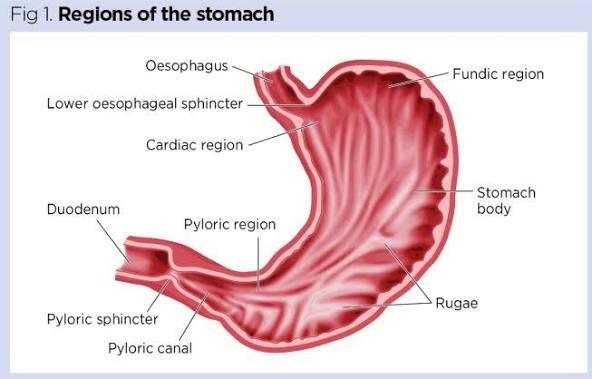
rugae
prominent, highly elastic longitudinal and transverse folds of the mucosa and submucosa in the stomach, specializing in expansion and mechanical digestion
serosa
outermost layer, serious fluid-producing cells. Forms the visceral pertioneum
submucosa
just below mucosa, soft connective tissue containing nerve endings and blood vessels.
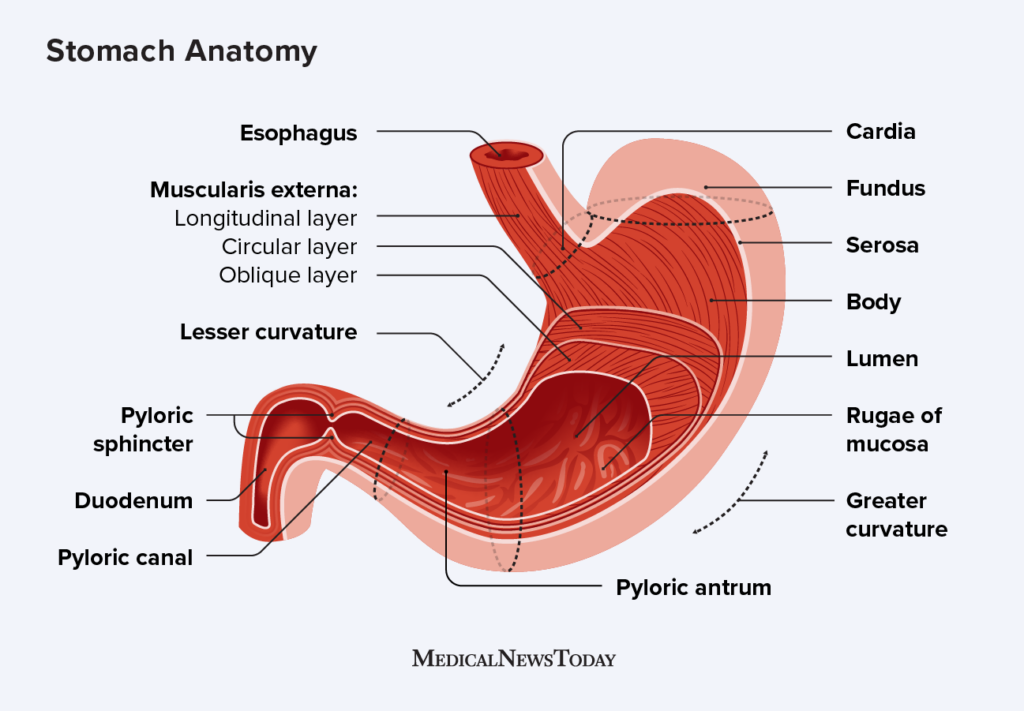
cardioesophageal sphincter
region where food enters the stomach from esophagus
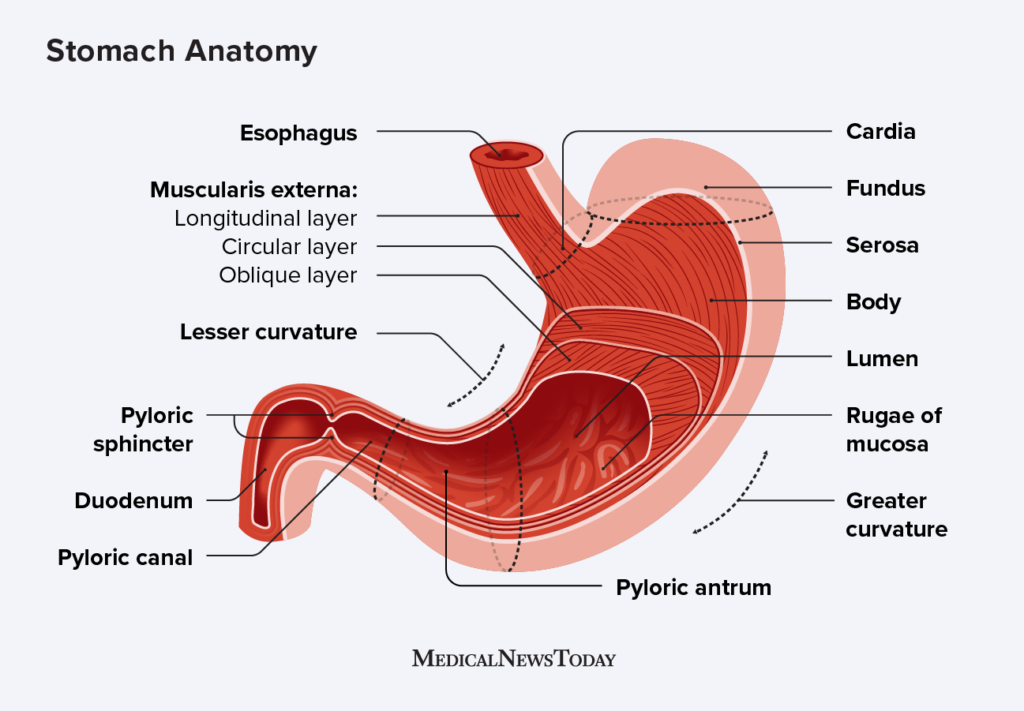
fundus
most superior curved portion of the stomach
body
midportion of body
pyloric sphincter
allows small amounts of chyme into the small intestine at a time.
pylorus
terminal, funnel-shaped portion of stomach
villi
fingerlike projections of the mucosa that absorb nutrients into the blood stream via capillary bed and lacteals
microvilli
tiny projections of the plasma membrane of the mucosa cells that produce ensymes to complpete digestion
external anal sphincter
voluntary skeletal muscle; allows you to “hold” feces
internal anal sphincter
involuntary smooth muscle; when open gives you the “urge” to go
parotid gland
largest; anterior to ears
submandibular gland
floor of mouth
sublingual gland
below tongue
hepatic duct
crucial tubes that drain bile—essential for fat digestion—from the liver
pancreatic duct
transports digestive enzymes and bicarbonate from the pancreas to the duodenum
visceral peritoneum
the outer covering of the alimentary canal

