Biological Systems
 Call Kai
 Learn
Learn Practice Test
 Spaced Repetition
 Match
Match Flashcards
 Knowt Play
1/91

There's no tags or description
Looks like no tags are added yet.
Name | Mastery | Learn | Test | Matching | Spaced | Call with Kai |
|---|
No analytics yet
Send a link to your students to track their progress
92 Terms
Biology
The science of life that aims to understand the living world.
Empiricism
Knowledge derived from experience and sensory evidence, rather than innate ideas.
Hypothesis
A tentative explanation that is testable and falsifiable.
Theory
A general, verifiable principle that explains many observations, broader in scope than a hypothesis.
Emergent Properties
New properties that emerge at each level of biological organization that did not exist at the preceding level.
Abiogenesis
The hypothesis suggesting that life can spontaneously form from non-living material under specific early Earth conditions.
Inorganic molecules → small organic molecules → macromolecules → proto-cell
Miller-Urey Experiment
A 1953 experiment that simulated early Earth conditions and demonstrated that organic molecules could form from inorganic compounds.
Panspermia
The hypothesis that life did not originate on Earth but was brought here from another planet.
Phospholipid
A type of fatty acid that forms the basis of cell membranes, characterized by a hydrophilic head and hydrophobic tails.
RNA
A nucleic acid that likely preceded DNA and has both information storage and catalytic properties.
What is theme 1?
Organisation
Molecule → organelle → cell → tissue → organ → organism → population → community → ecosystem → biosphere
What is theme 2?
Information
DNA stores information that is passed down from adult cell to progeny
What is theme 3?
Energy and matter
Producers and consumers
Chemicals taken from soil and air by plants → transferred to the organisms that eat the plants → decomposers break down
What is theme 4?
Interaction
Everyone has a role that influences others
Parasitism, egg fertilisation, predator vs prey, deforestation
What is theme 5?
Evolution
Descent with modification (genetic variation)
Conditions of Early Earth
Atmosphere of methane, hydrogen, carbon dioxide, water vapour, ammonia, lightning strikes
Four main organic molecules?
Amino acids → protein
Nucleotides → nucleic acid
Simple sugars → carbohydrates
Fatty acids → lipids
Why is reproduction a vital characteristic of life?
All organisms must be able to store + retrieve biological information to make copies of themselves
Steps of making a self-replicating proto-cell?
Enough energy + starting material → small organic molecules
Join into macromolecules like RNA that can self replicate
Wrap in protective phospholipid membrane

The Central Dogma
DNA → RNA → Protein
Transcription
DNA is transcribed to RNA by an enzyme called RNA polymerase which copies the 3’-5’ strand of DNA
Translation
An mRNA molecule associates with a ribosome (rRNA) and codons are interpreted by tRNA which transfers the correct amino acid to the growing polypeptide chain
The Central Dogma to evolution
Changes to protein structure can cause functional changes within cells/organisms. Protein structure is encoded by genes (DNA) which is inherited from parent to offspring, meaning changes at the DNA level are responsible for evolution of organisms
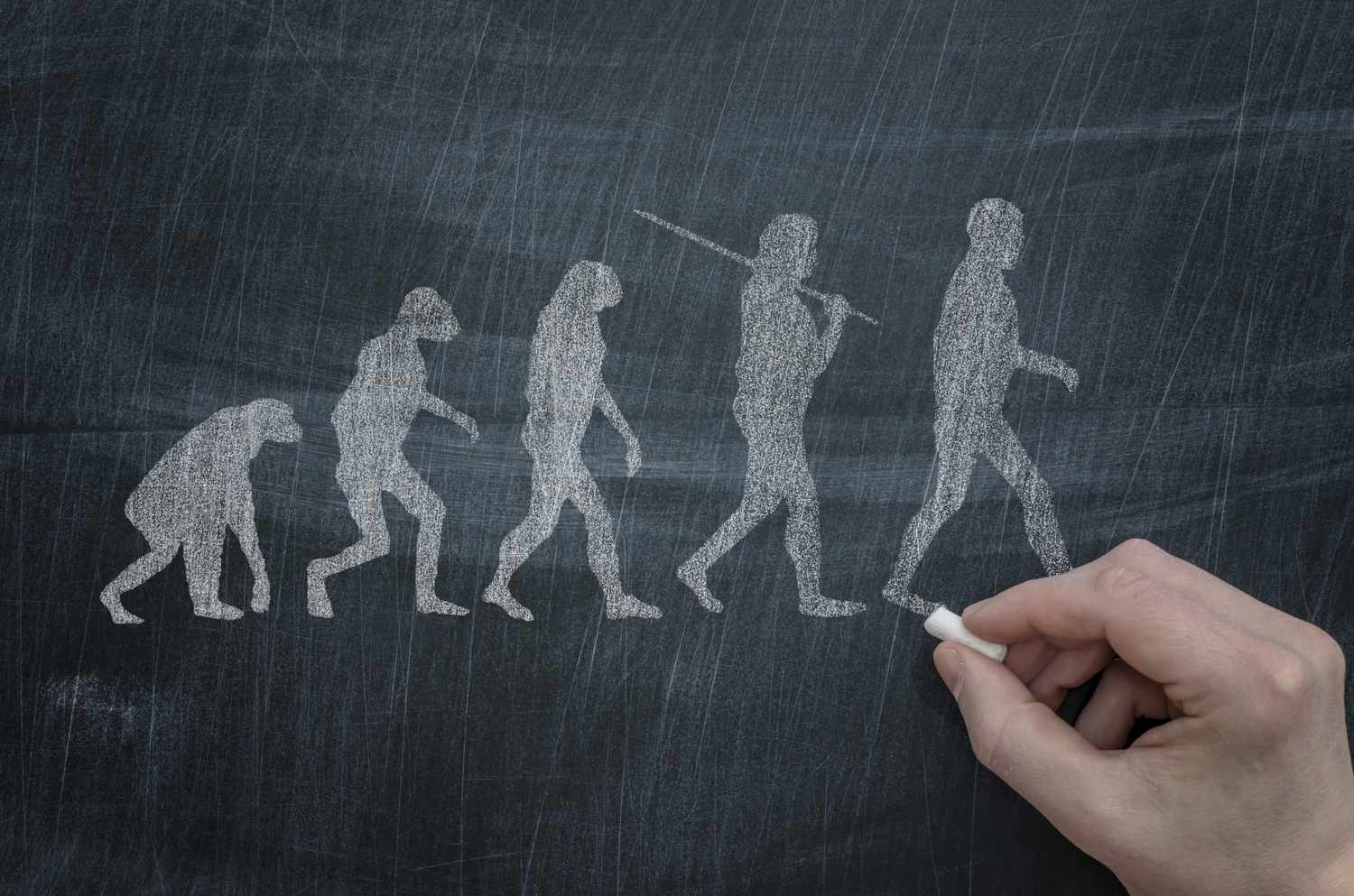
Evolution
A change in allele frequency in a population over time
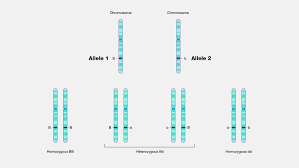
Allele
A variant form of a gene

Natural selection
Individuals that have certain heritable traits survive and reproduce at a higher rate than other individuals because of those traits
Darwin’s observations
Members of a population often vary in their inherited traits
All species produce more offspring than the environment can support + many fail to survive or reproduce
Darwin’s conclusion
Species evolve over time as they adapt to their environment - descent with modification. All life is related and has a common ancestor

Modification at a genetic level
Errors in DNA replication where a single nucleotide base is changed, inserted or deleted from a DNA or RNA sequence of an organism’s genome, causing a mutation
Evidence supporting the Theory of Evolution
Observations
Fossil records
Homology
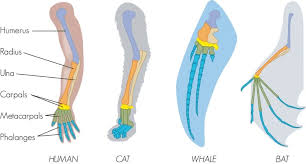
Homology
Shared similarities between species that were inherited from a common ancestor
Natural selection mechanism
Survival of the fittest leading to adaptation
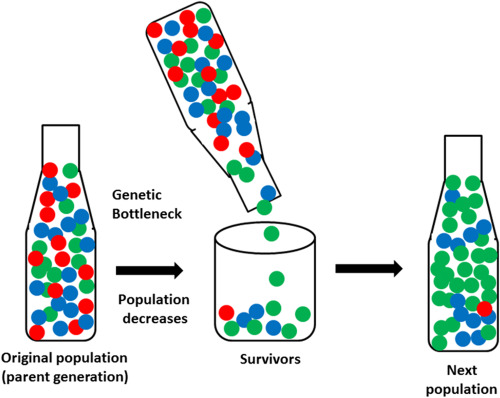
Genetic drift mechanism
Random process or chance events create bottleneck and founder effects
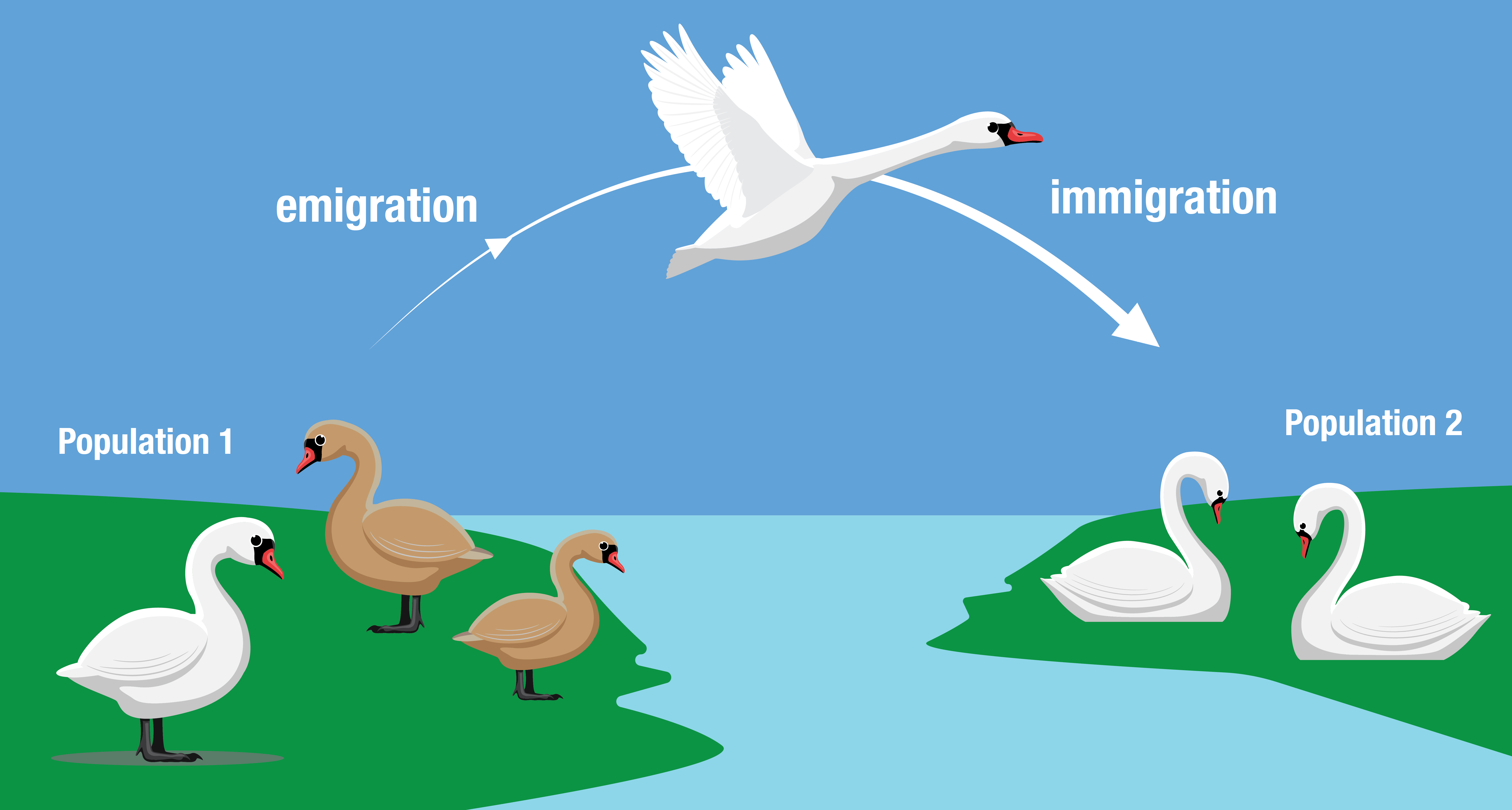
Gene flow
Result of migration / external source
Microevolution
Descent with modification is based on gradual change
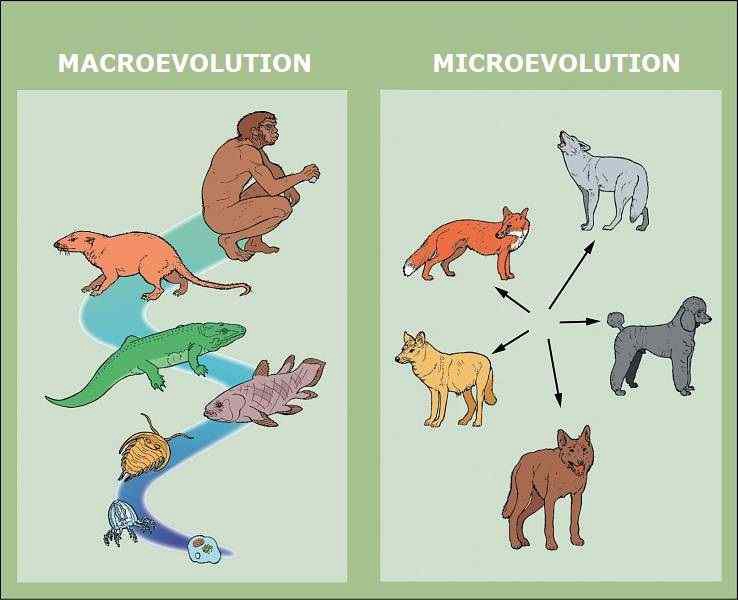
Macroevolution
A set of highly conserved genes organize the body as it develops and mutations that cause changes in the spatial expressions of these genes can cause dramatic changes
3 types of rocks
Igneous
Sedimentary
Metamorphic
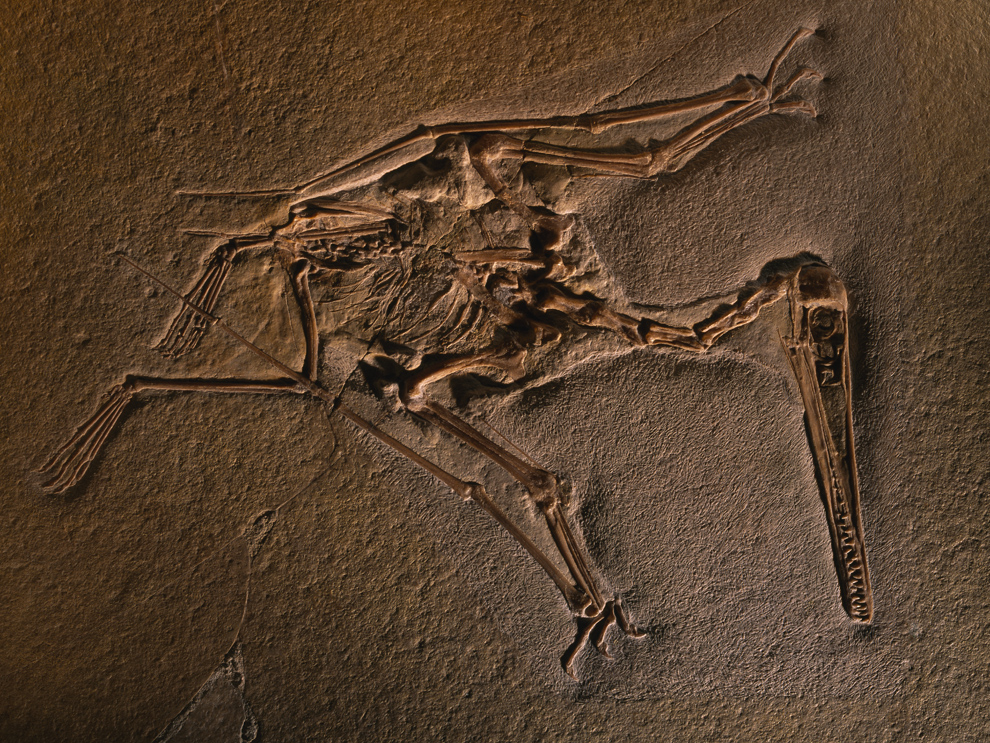
Fossilization
Carcass is buried in mud and silt, soft tissue decomposes and leaves bones and shell, sediment builds up and hardens into rock
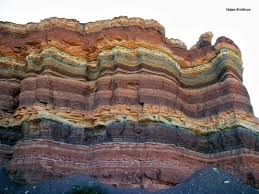
The deeper a fossil is in the strata ..
The older it is
Radiocarbon dating
Amount of time it takes carbon-14 to decay to half the amount a living-organism once had in the body
Fossil record documents
The great changes in the types of organisms on Earth at different points in time and that many were unlike what is alive today and that even though they were once common, are now extinct
4 main eons
Hadean
Archaean
Proterozoic
Phanerozoic
7 key events in the evolution of life on Earth
Prokaryotes
Atmospheric oxygen
Single-cell eukaryotes
Multicellular eukaryotes
Animals
Colonisation of land
Appearance of humans
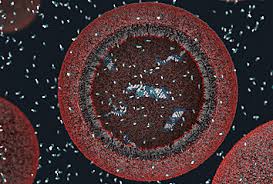
First single-cell organism
Appearance of the first proto-cell 4.1-3.8 billion YA
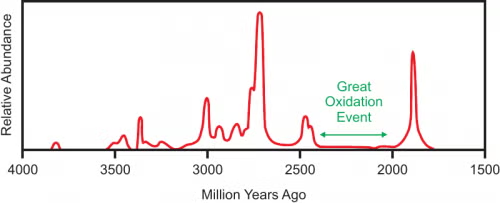
Atmospheric oxygen
Appearance of photosynthesis caused an oxygen holocaust that decimated many bacteria 2.7 - 2.4 billion YA
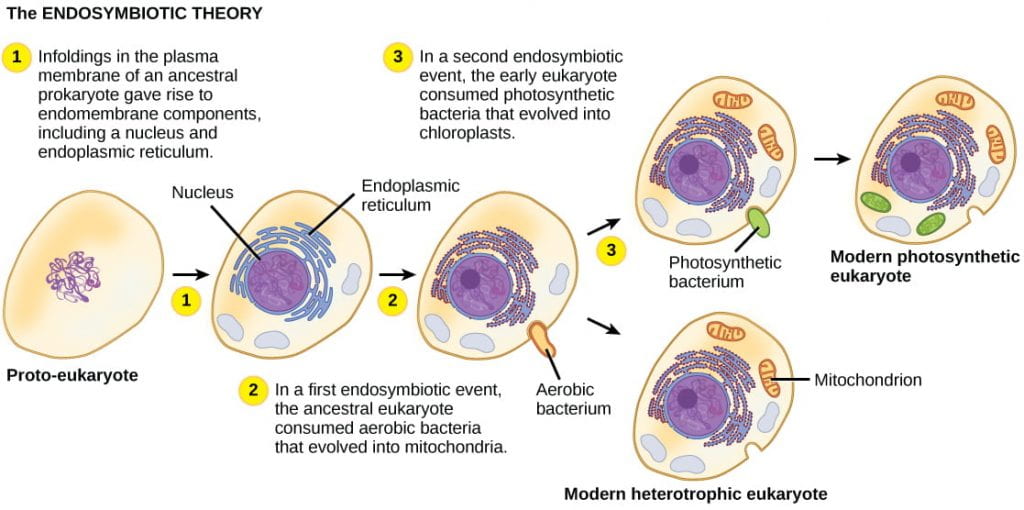
First eukaryotes
Endosymbiosis between bacteria and first cells 1.8 billion YA
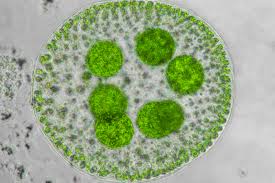
Multicellularity
Larger and more complex cells largely increased diversity and potential 1.8 - 1.2 billion YA
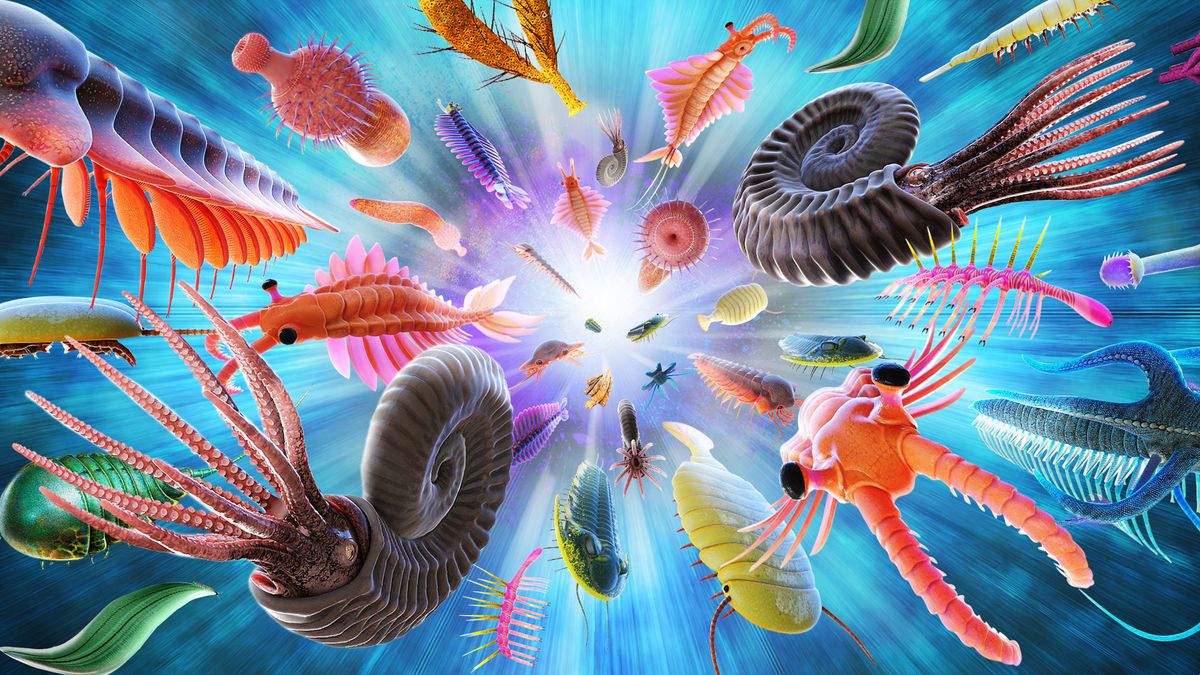
Appearance of animals
Animals like sponges first appeared 700 million YA followed by the Cambrian explosion 540 million YA

Colonisation of land
Small organisms 1 billion YA and then larger organisms like plants, fungi and animals 500 million YA
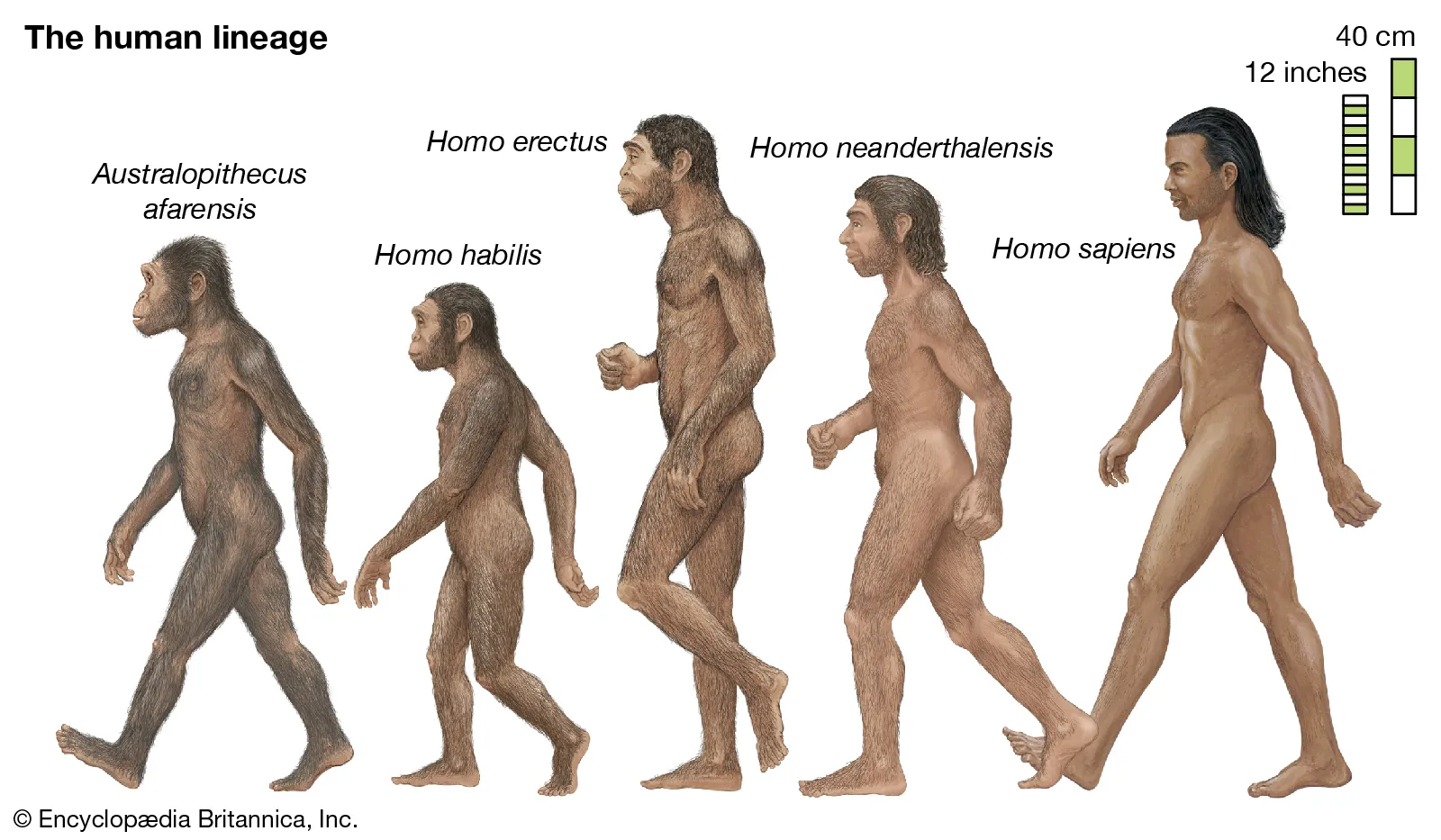
Appearance of humans
Primates > hominidae > homo > h. sapiens 300 000 YA
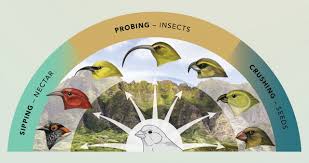
Evolutionary radiations
Many key events associated with increases in taxonomic diversity caused by elevated speciation rates
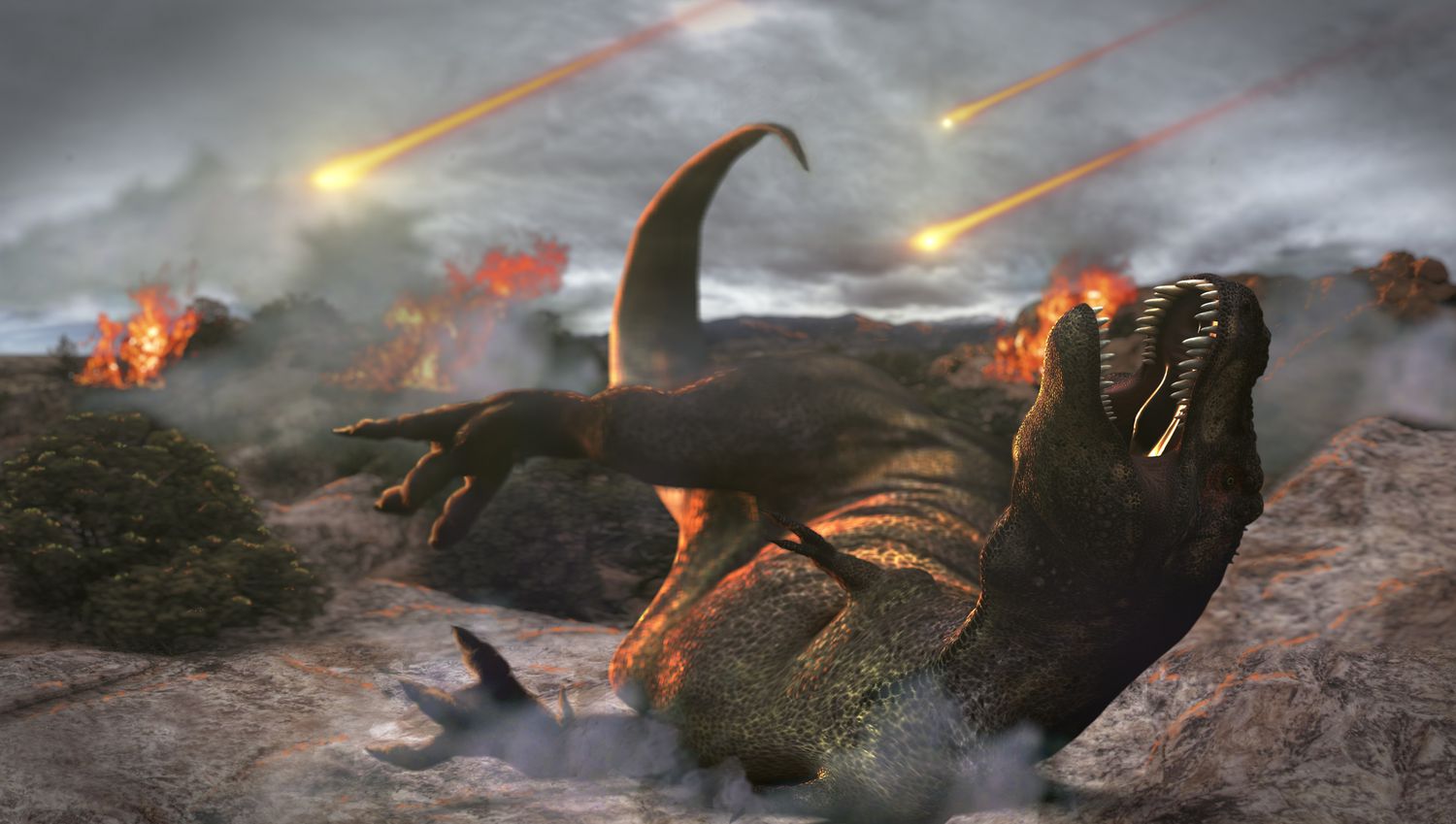
Cretaceous mass extinction
Largest mass extinction event with at least 70% of all life forms eradicated 65 MYA
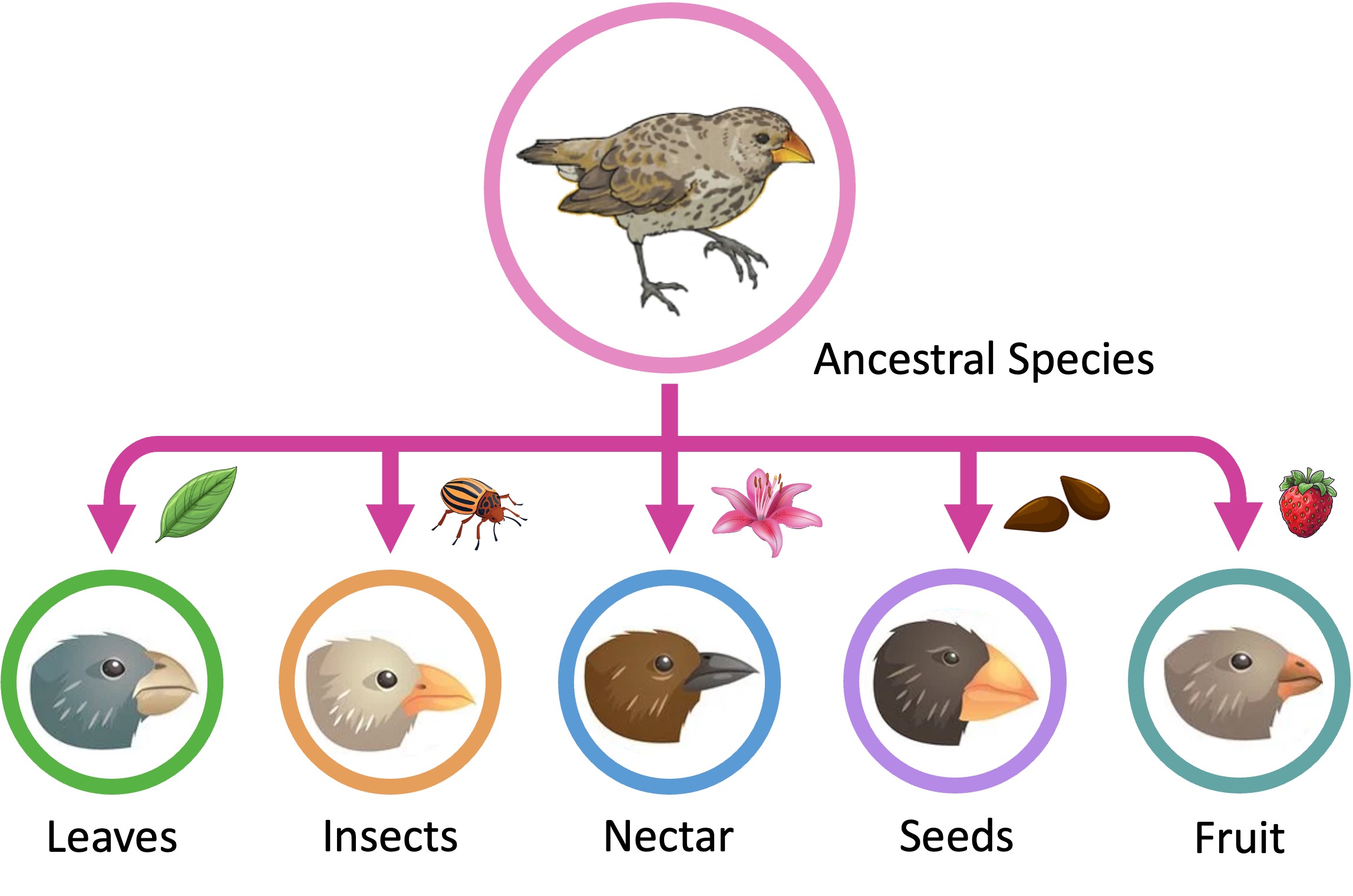
Adaptive radiations
Mass extinctions lead to many available ecological niches that survivors can exploit once conditions stabilise
Four macromolecules
Carbohydrates, proteins, nucleic acids, lipids
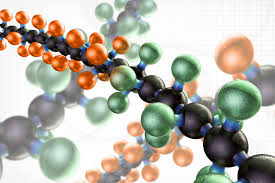
Polymers
Long chains of monomer subunits
Monomer
Molecule that covalently bonds with others to form polymer chain
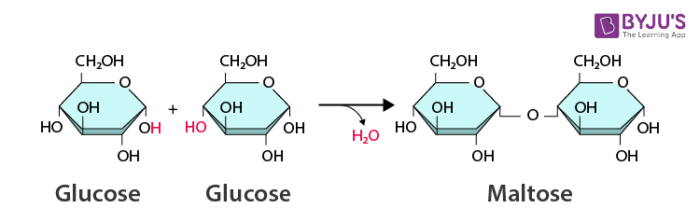
Dehydration reaction
Synthesizing a polymer by removing a water molecule to form a new bond
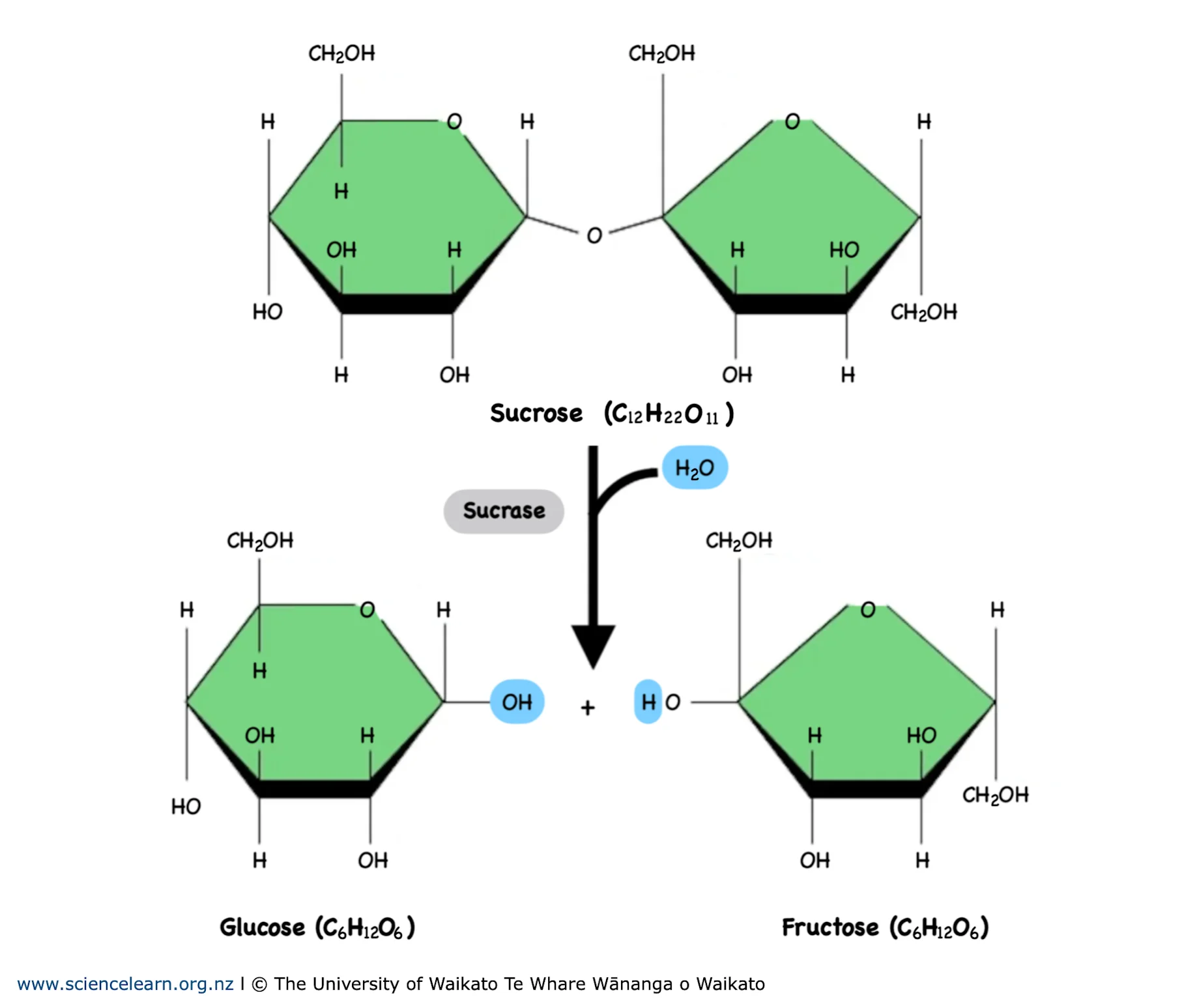
Hydrolysis
Breaking down a polymer by adding a water molecule to break a bond
Carbohydrate types
Monosaccharides and polysaccharides
Lipid types
Fats, phospholipids, steroids
Nucleic acid types
DNA and RNA
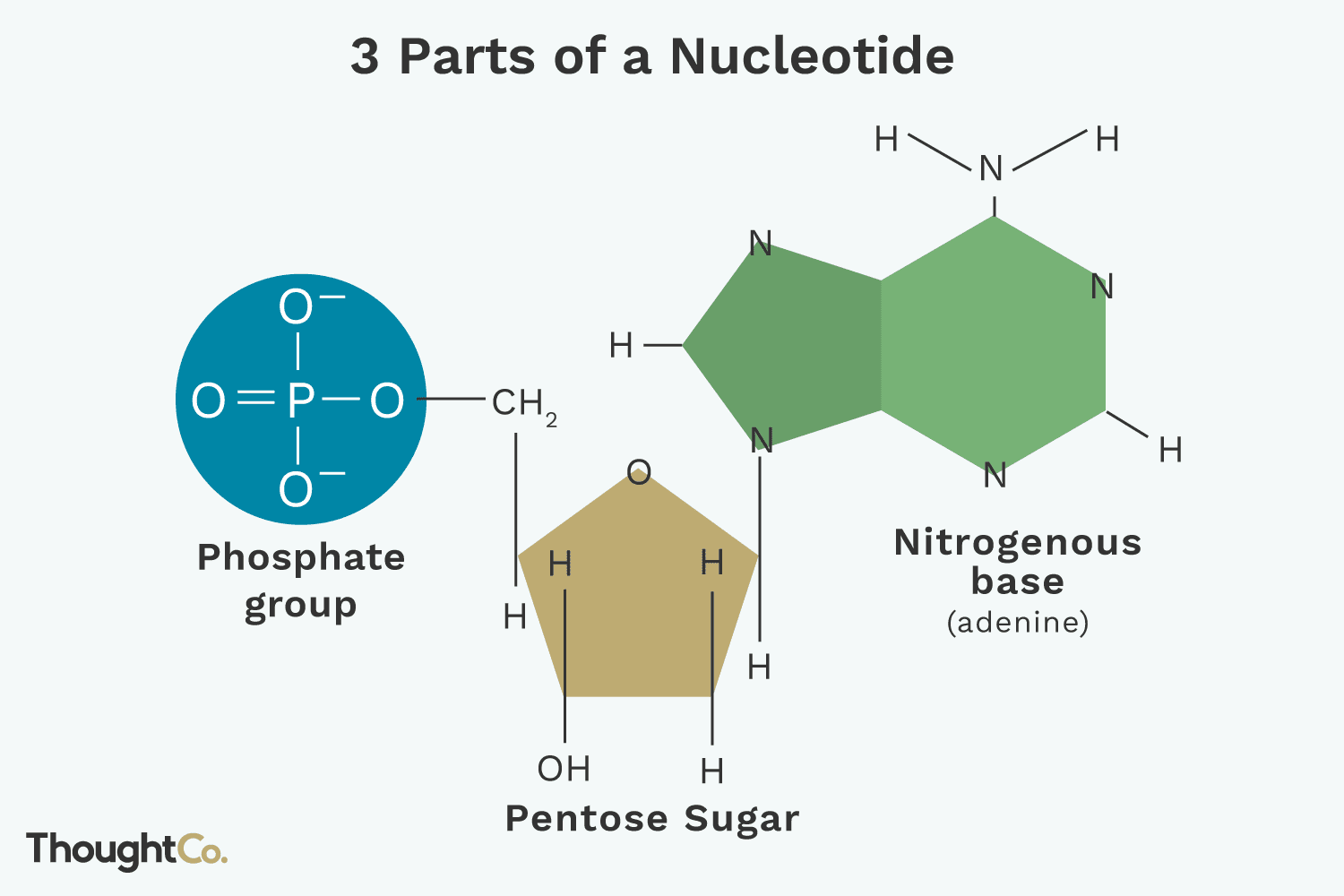
Nucleotide structure
Phosphate group attaches to a sugar and a nitrogenous base
Nucleotide alphabet of bases
DNA: C, T, A, G
RNA: C, U, A , G
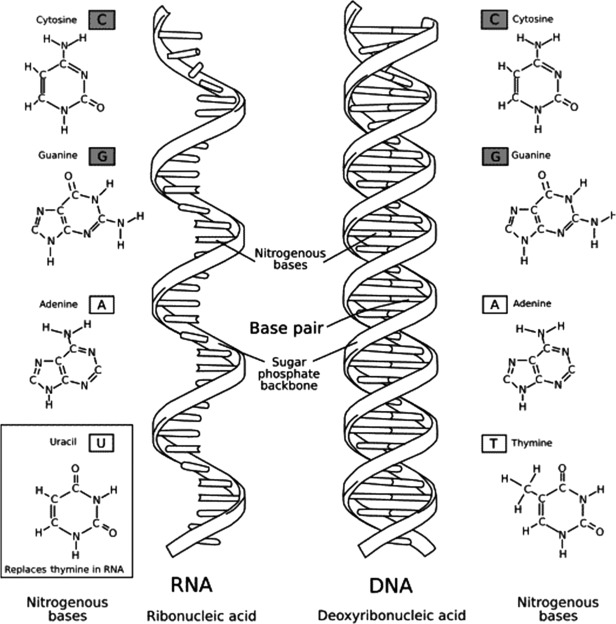
Polynucleotide
Nucleic acids bonded by a phosphodiester bond and attach to a sugar-phosphate backbone
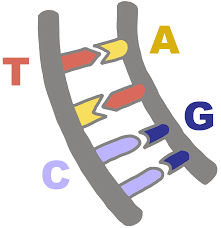
Base complementarity
A-T, G-C : percentage of A-T is the same, likewise G-C
Strand directionality
Two complementary strands run antiparallel: 5’ to 3’ strand of one is opposite to 3’ to 5’ strand
DNA sequence
Linear order of bases in a gene → amino acid sequence of a protein → protein structure → protein function

Chromosomes
Arrangement of copies of all genes in strands
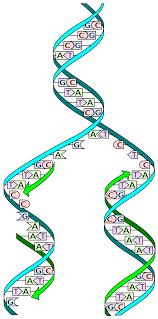
DNA replication
Double helix unravels 2. Free bases bond complementary bases on og template strands 3. Polymerisation connects bases together, forming two new daughter strands
RNA exists as signal strands
Pyrimidines: C, U
Purines: A, G
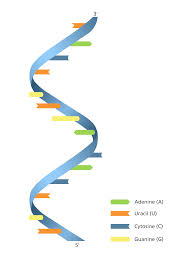
Role of RNA
RNA copies the message of DNA and transports it to the site of protein production by messenger RNA (mRNA)
Protein functions
Enzymes, defense against pathogens, storage, transport across cell membranes, hormones, receptors for cell-signaling, contractile/motor, structure
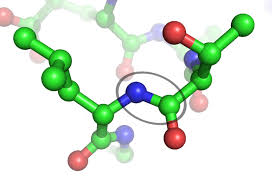
Peptide bond
Bond between two amino acids
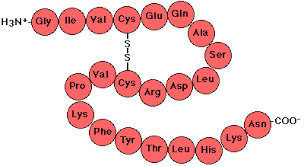
Polypeptides
Chain of amino acids formed of a backbone and side chains
Protein
One or more polypeptides
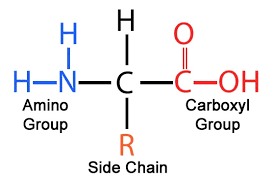
Amino Acid structure
Amino group attached to a side chain (R group) and a carboxyl group by alpha-carbon
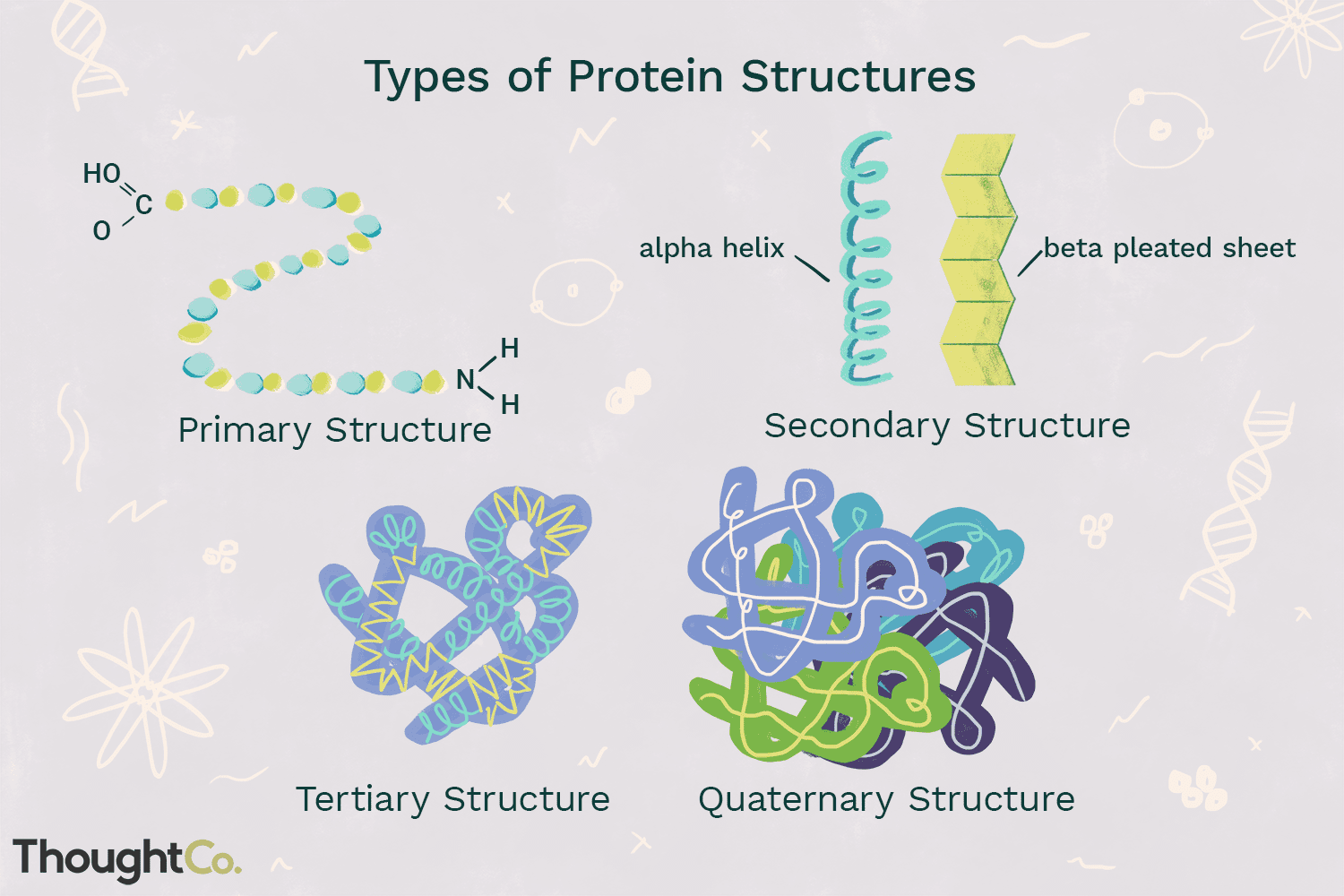
Levels of protein structure
Primary structure: linear polypeptide chain
Secondary structure: a-helix and b-pleated sheets are segments due to hydrogen bonds
Tertiary structure: main 3D shapes from interactions between R-group
Quaternary structure: interaction between protein subunits
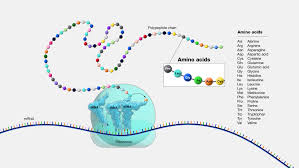
AA sequence ..
Determines structure to determine protein
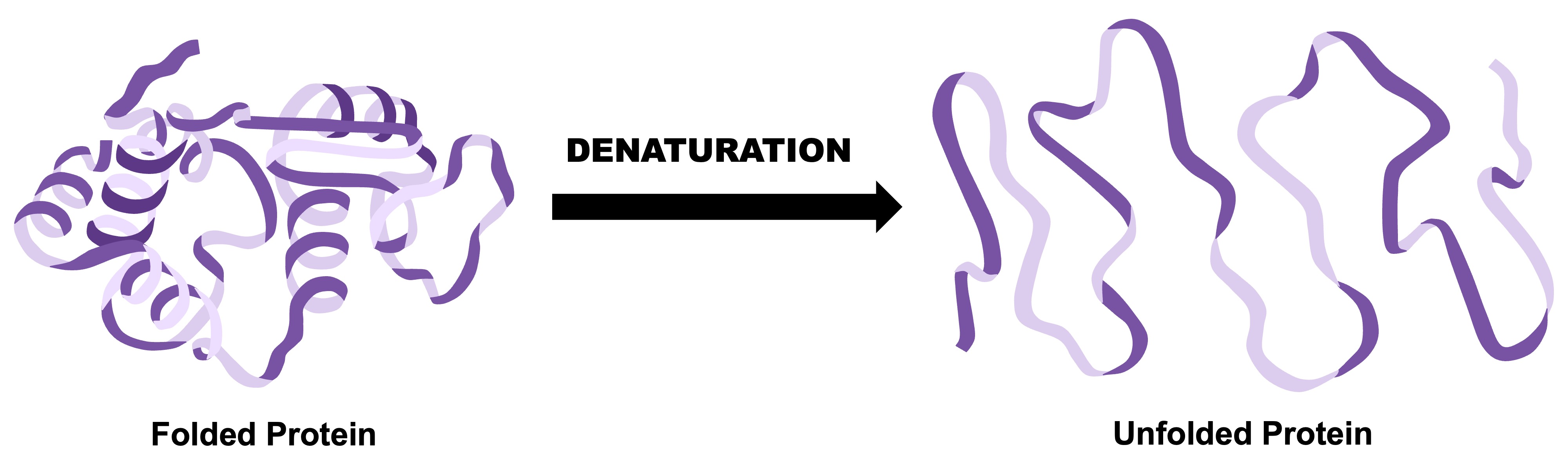
Denaturation
Protein structures can unravel due to extreme environmental conditions leading to loss of structure and therefore function
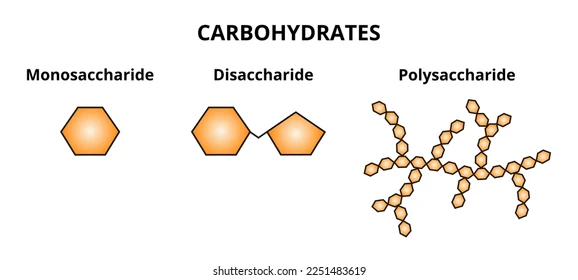
Carbohydrates
Have a carbonyl group and multiple hydroxyl group
Polymers of simple sugars
Energy and structure
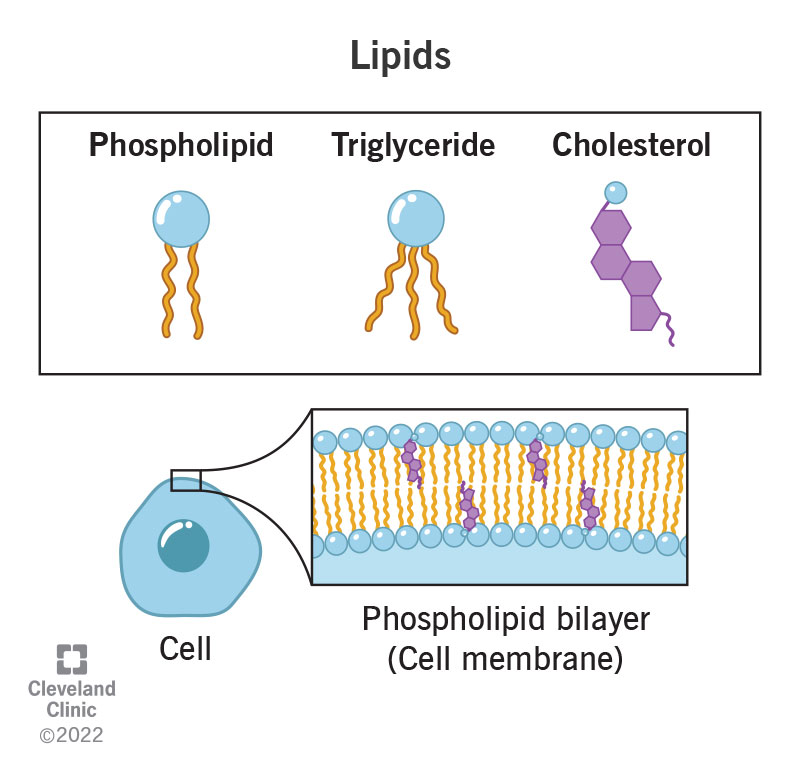
Lipids
Mostly of hydrocarbons, are hydrophobic
Energy storage, membranes, hormones
Phylogeny
Evolutionary history of a species
Systematics
Classification of organisms and the determination of their evolutionary history
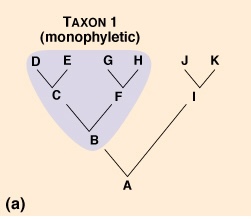
Monophyletic (clade) tree
An ancestral species and all of its descendants
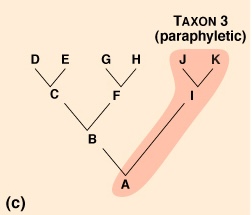
Paraphyletic tree
An ancestral species and some, but not all of its descendants

Polyphyletic tree
Most recent common ancestor is not part of the group
Dear King Phillip Came Over For Good Soup
Domain, Kingdom, Phylum, Class, Order, Family, Genus, Species
Domains of life
Bacteria, Archaea, Eukarya
Kingdoms of Domain Eukarya
Fungi, Plants, Protists, Animalia
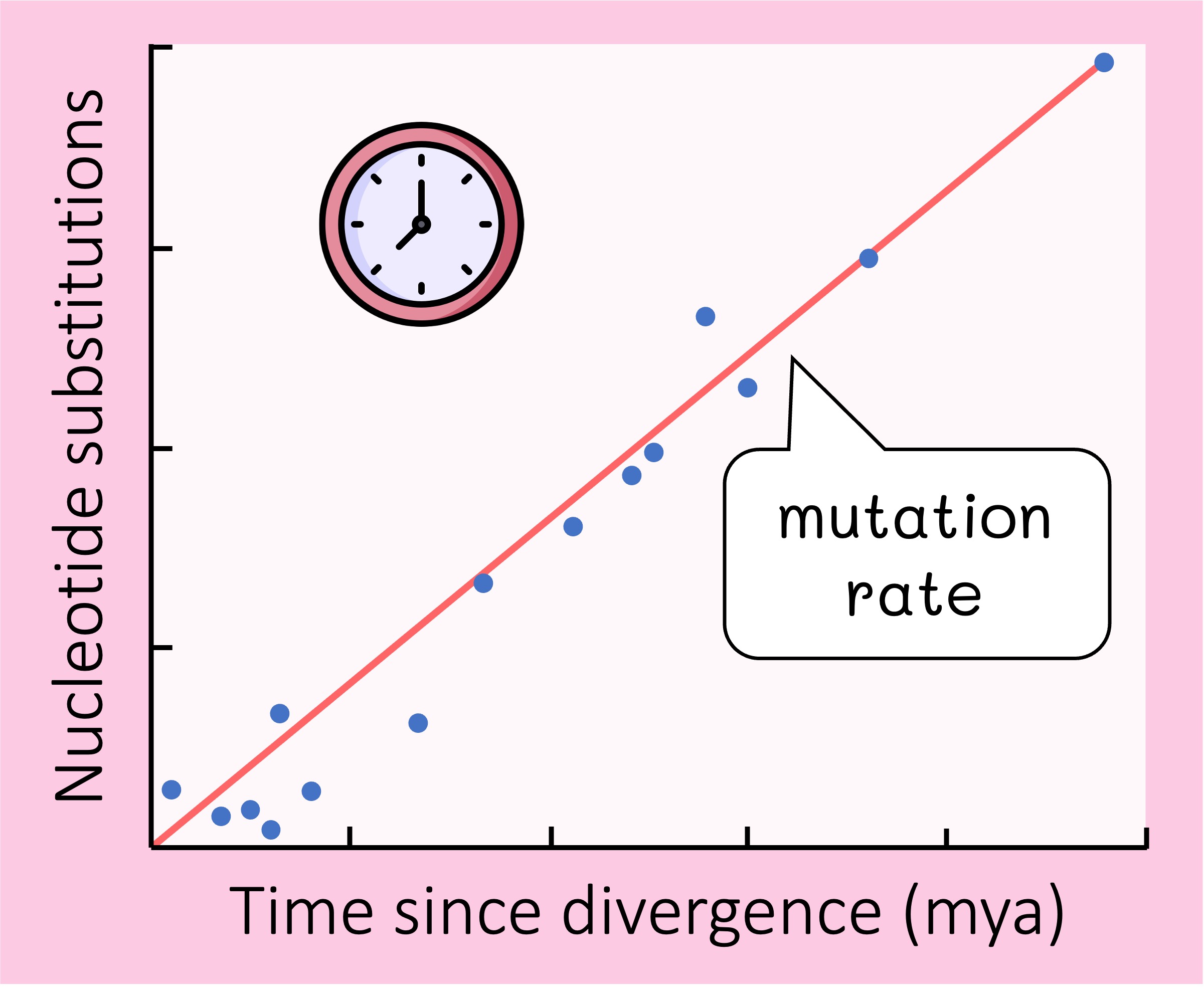
Determining the timespan of a phylogenetic tree
Fossil records and molecular clock
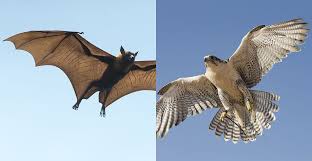
Convergent evolution
Evolution of similar features in species of different lineage due to similar environmental pressures not shared ancestry
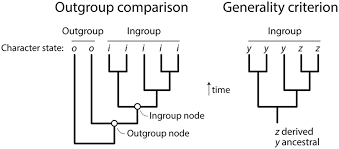
Outgroup
Baseline comparison for the group of interest to determine which traits are ancestral and which are derived
Explore top notes

