AP Human Geography Unit 1
 Studied by 3 people
 Call Kai
 Learn
Learn Practice Test
 Spaced Repetition
 Match
Match Flashcards
 Knowt Play
1/74

There's no tags or description
Looks like no tags are added yet.
Name | Mastery | Learn | Test | Matching | Spaced | Call with Kai |
|---|
No analytics yet
Send a link to your students to track their progress
75 Terms
spatial approach
The way of identifying, explaining, and predicting the human and physical patterns and the connections of various locations.
physical geography
the branch of geography dealing with natural features and processes

human geography
The study of where and why human activities are located where they are
absolute location
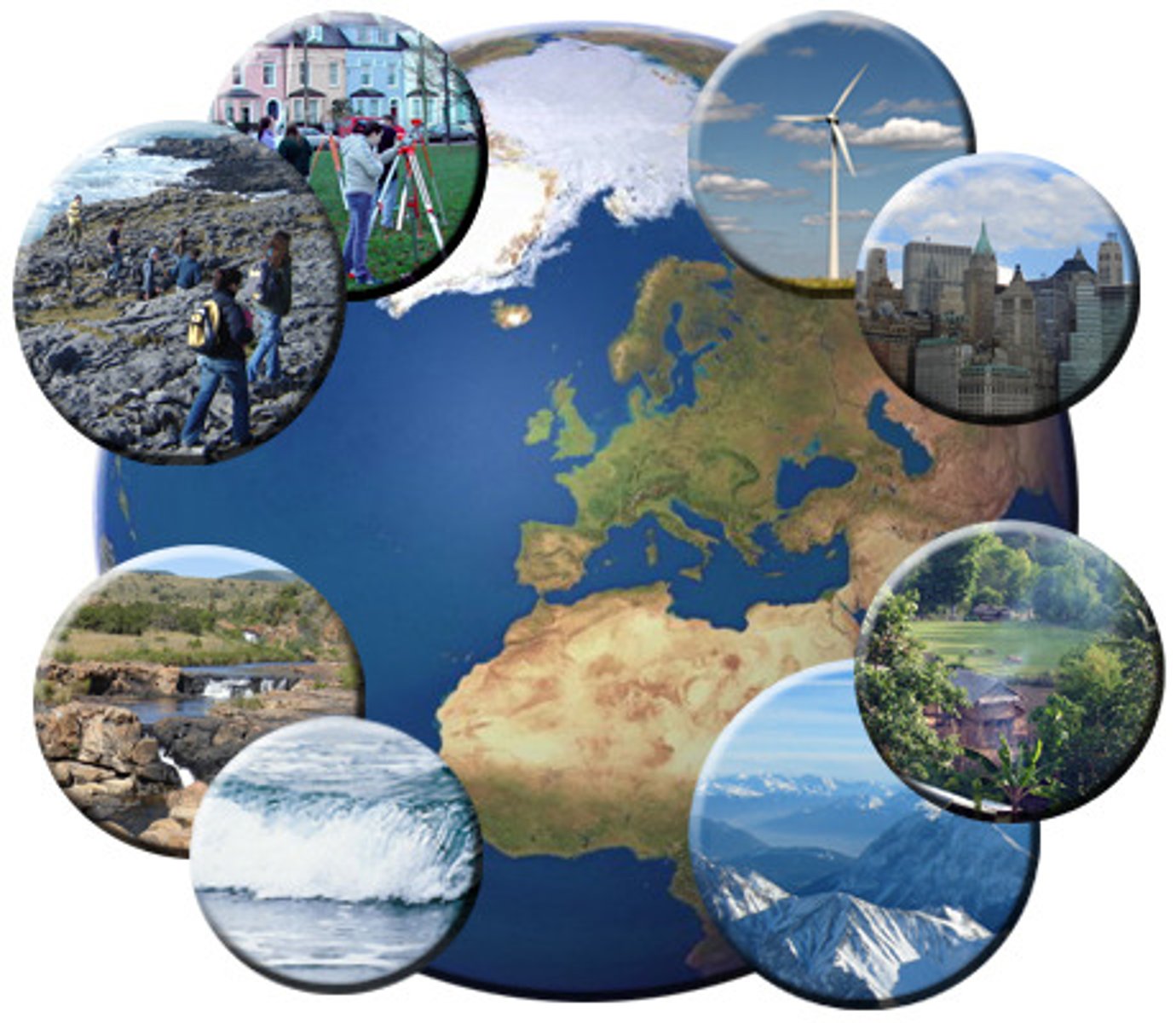
Exact location of a place on the earth described by global coordinates
latitude
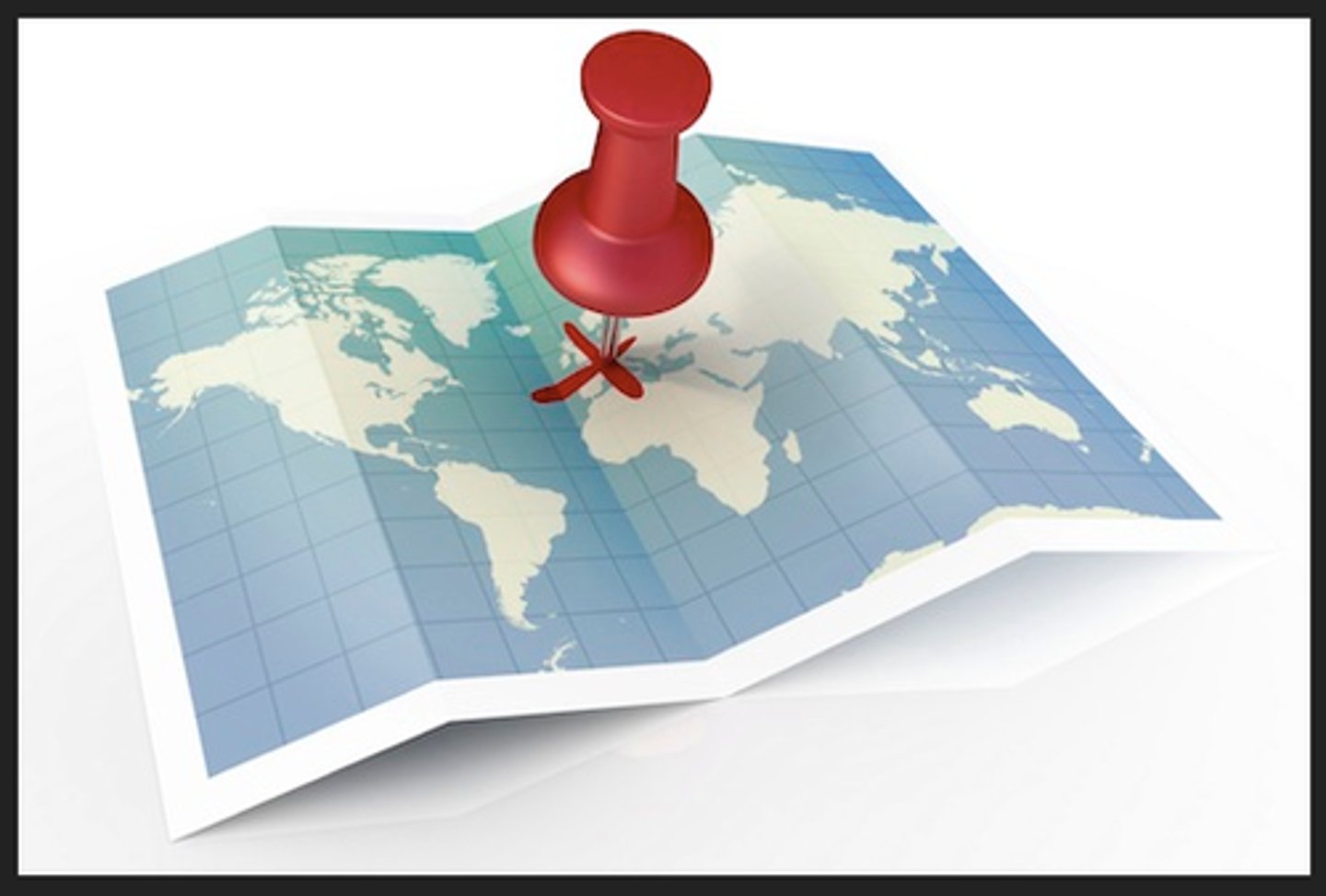
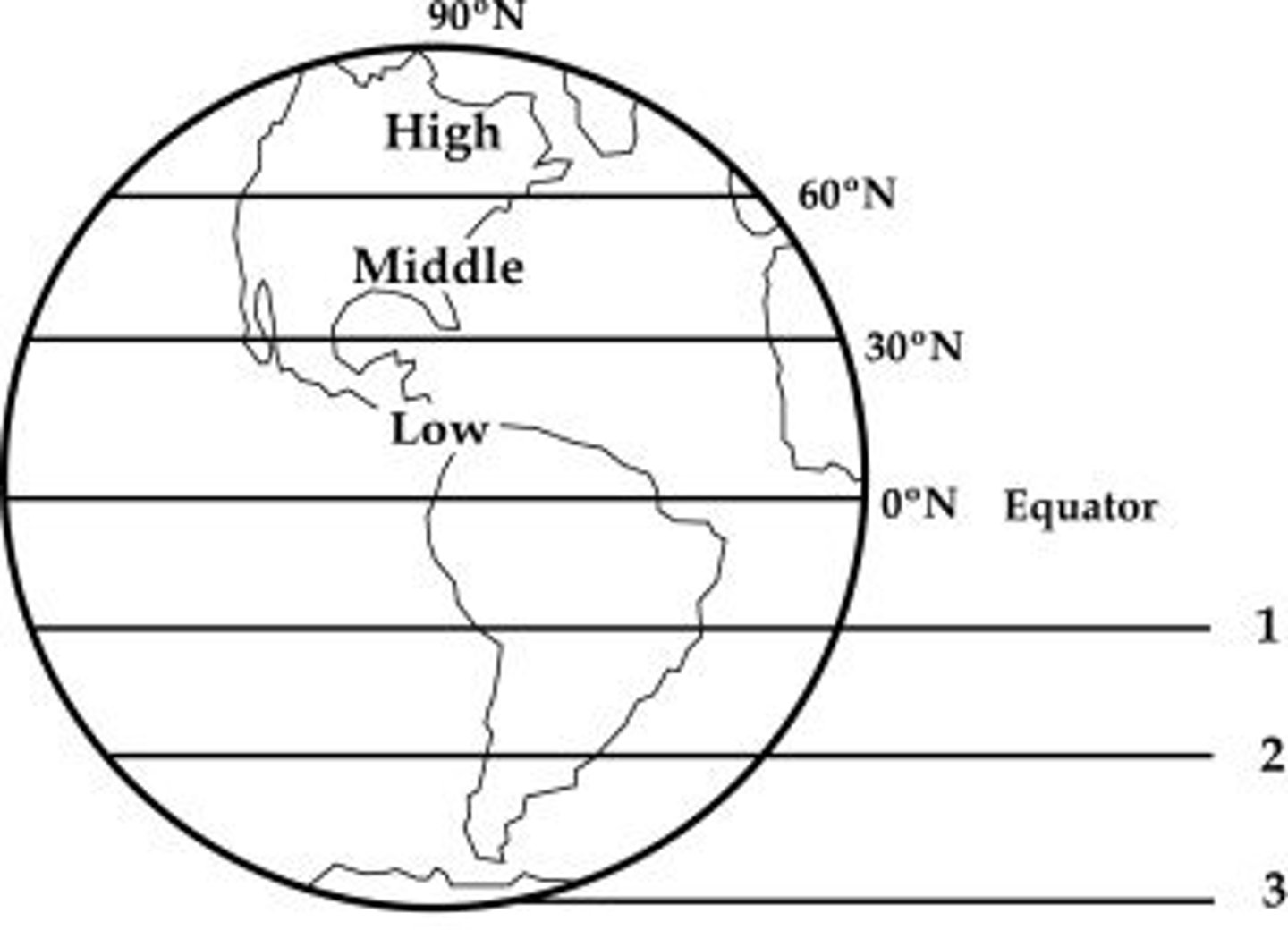
the distance in degrees north or south of the equator
equator
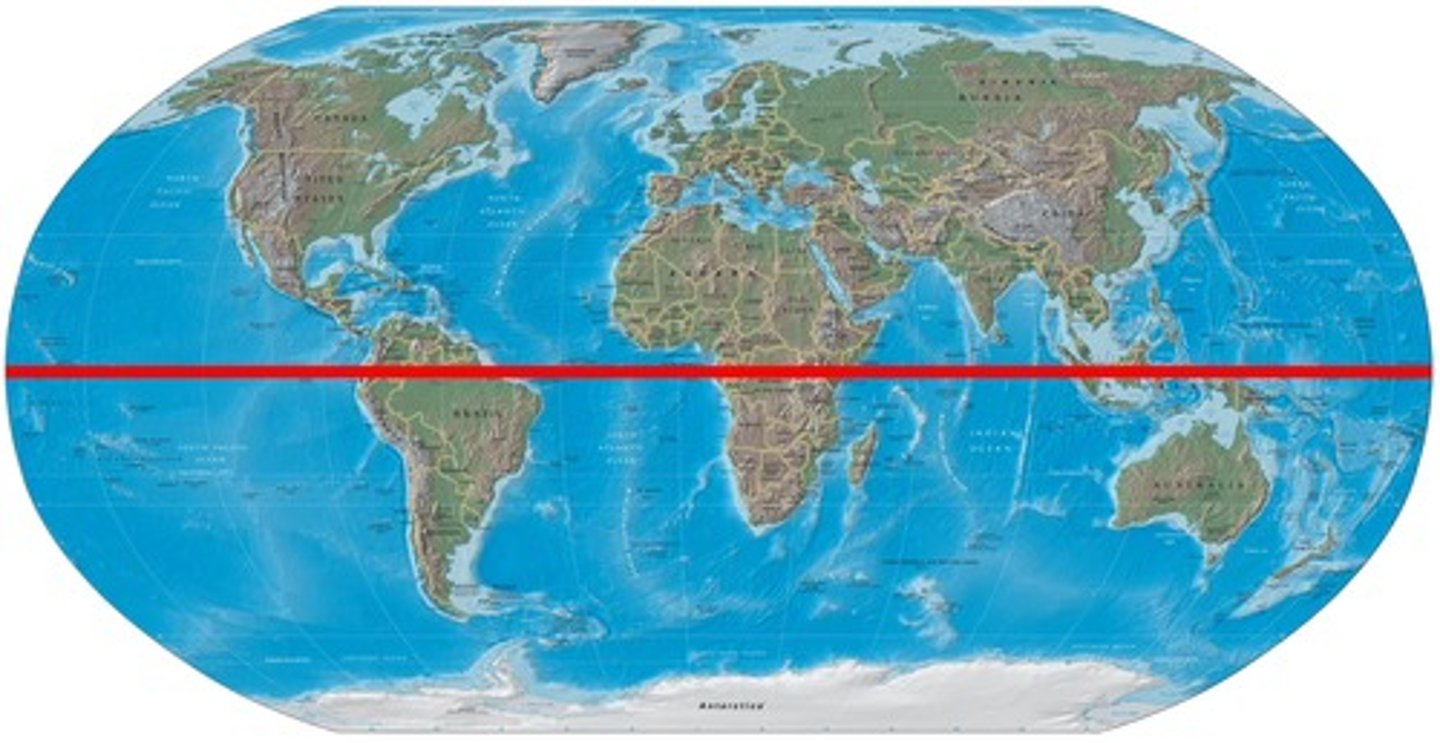
the imaginary center line of latitude that divides the northern and southern hemispheres.
longitude
Distance east or west of the prime meridian, measured in degrees
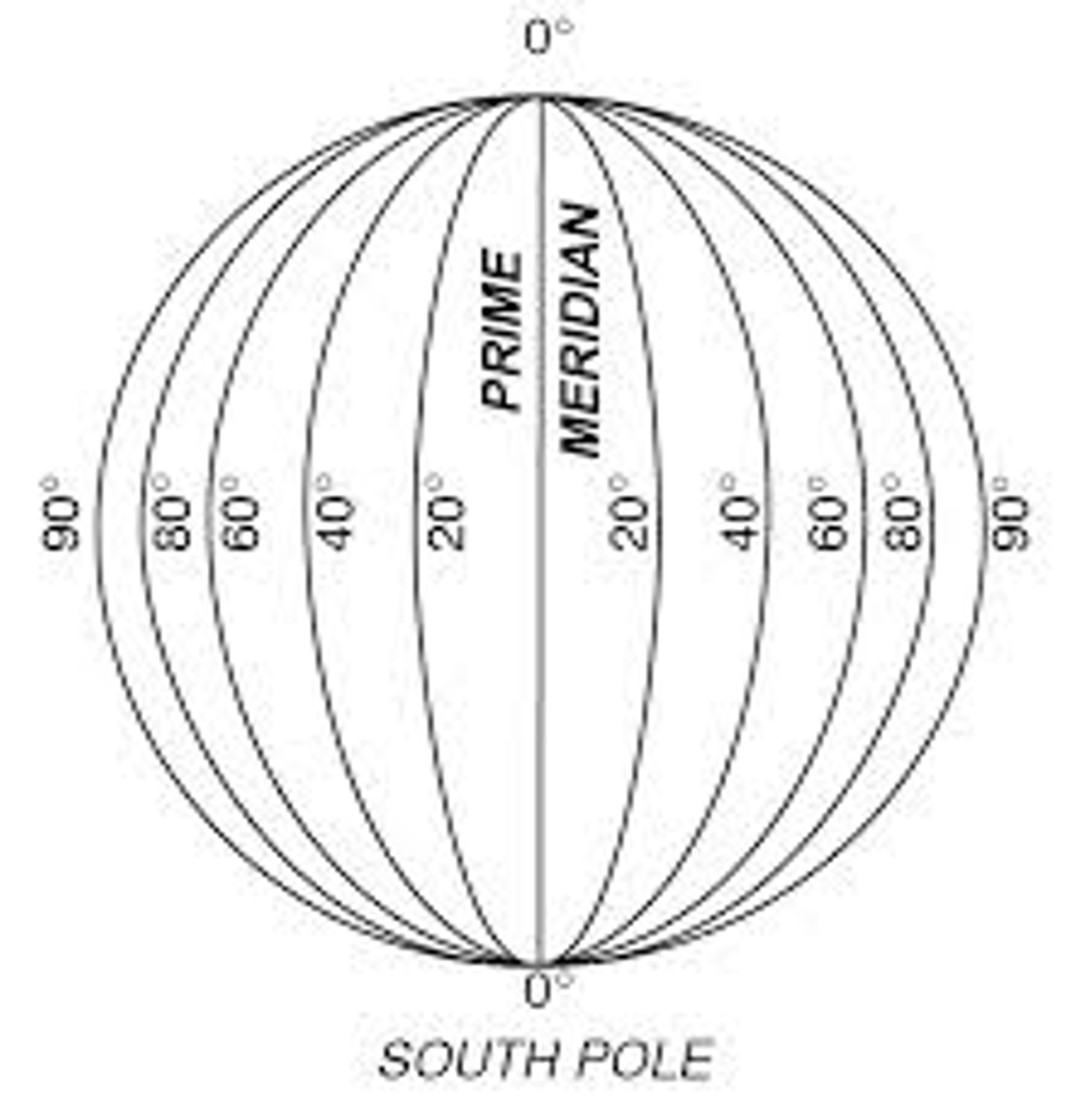
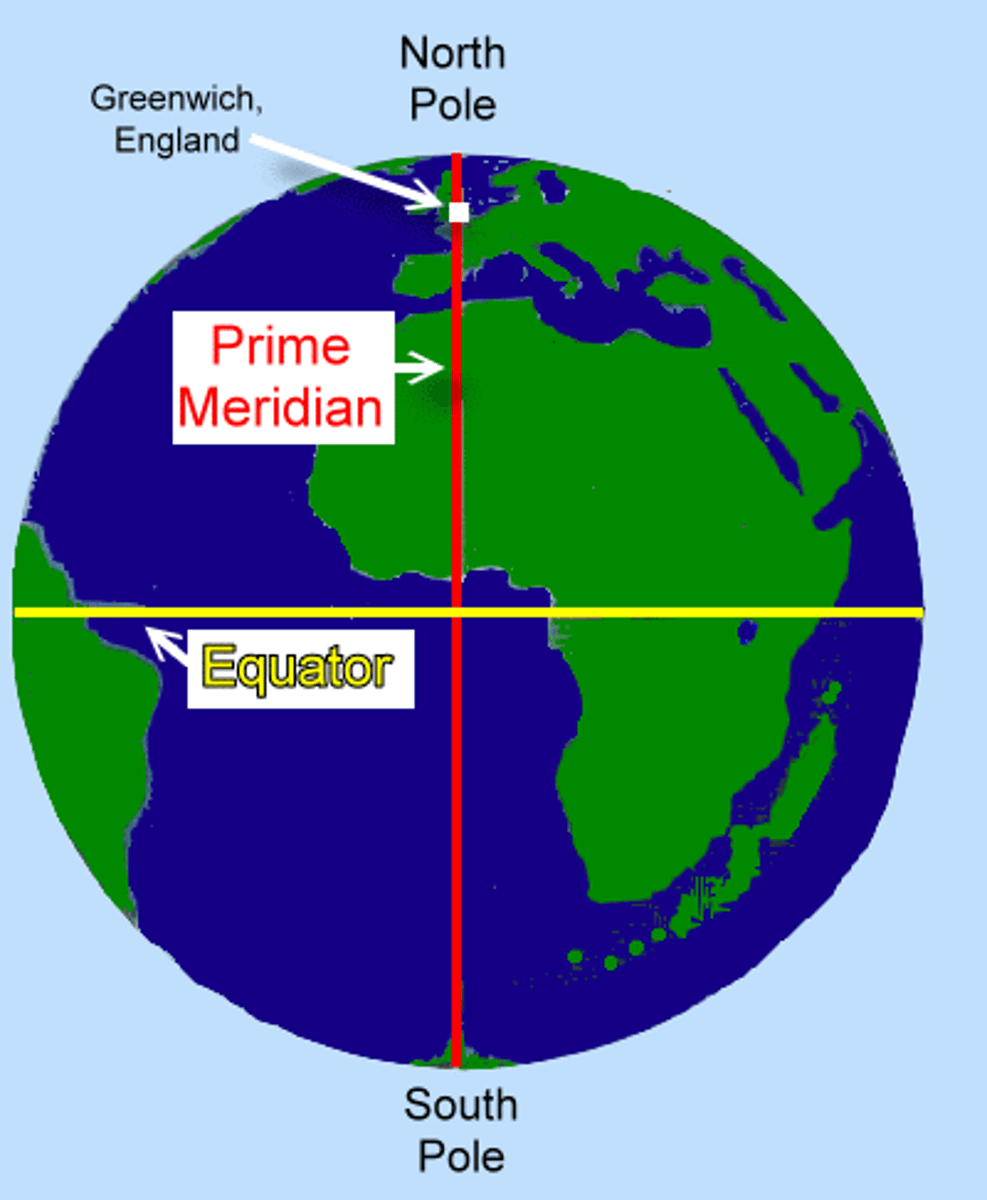
prime meridian
0 degrees longitude - passes through Greenwich, England
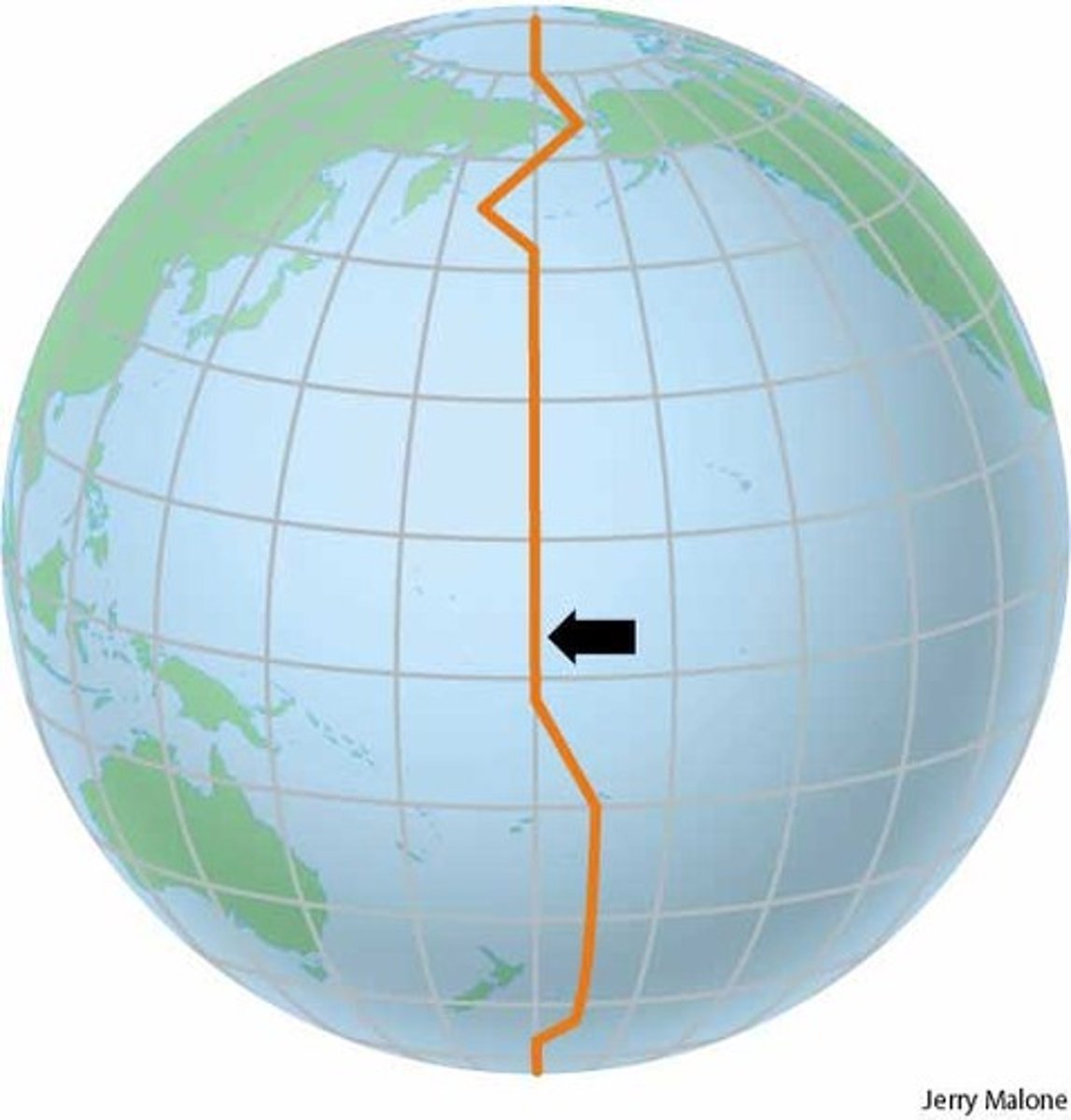
International Date Line
the line of longitude that marks where each new day begins, centered on the 180th meridian
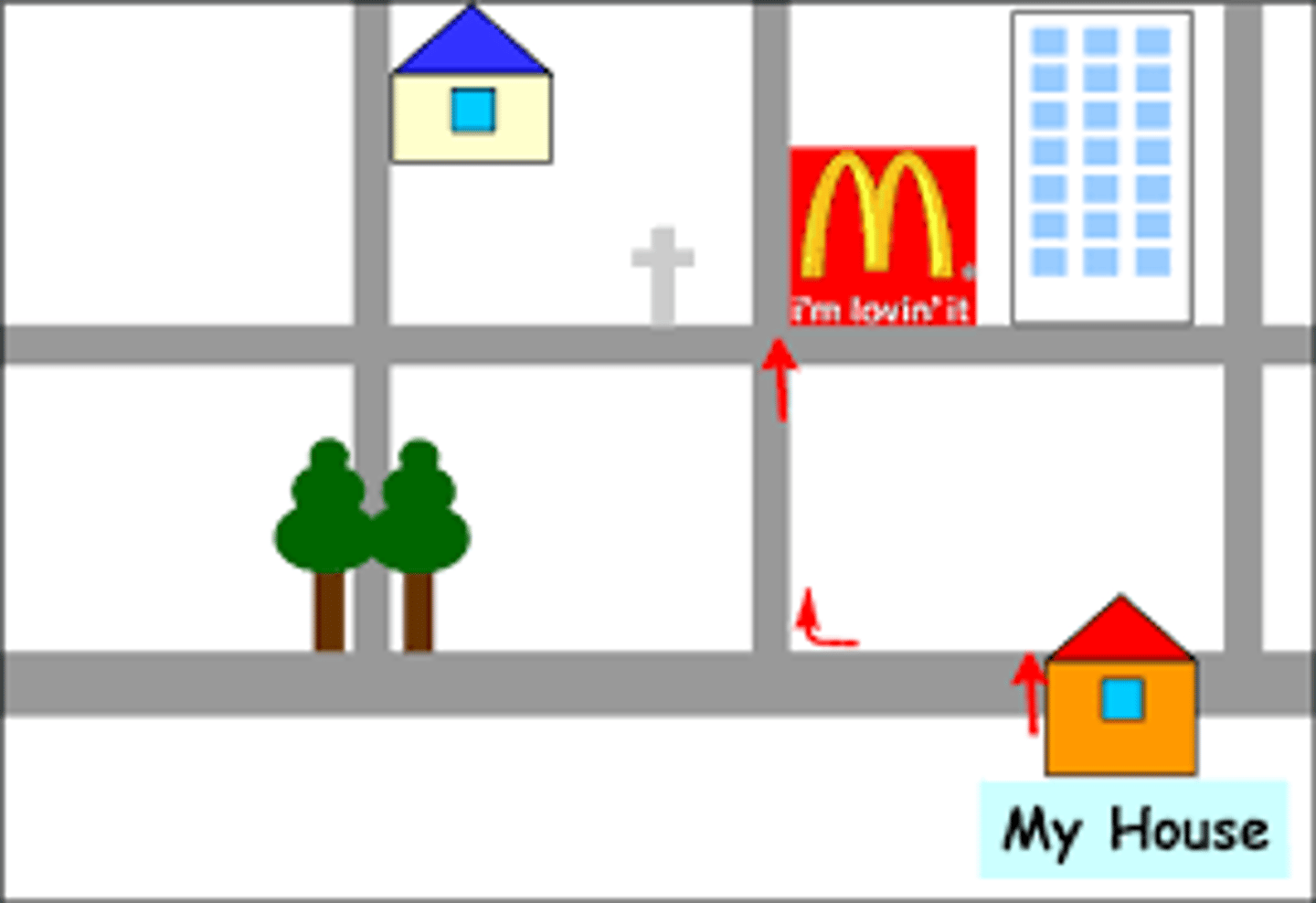
Relative Location
the regional position or situation of a place relative to the position of other places
connectivity
the degree of linkage between locations from one another
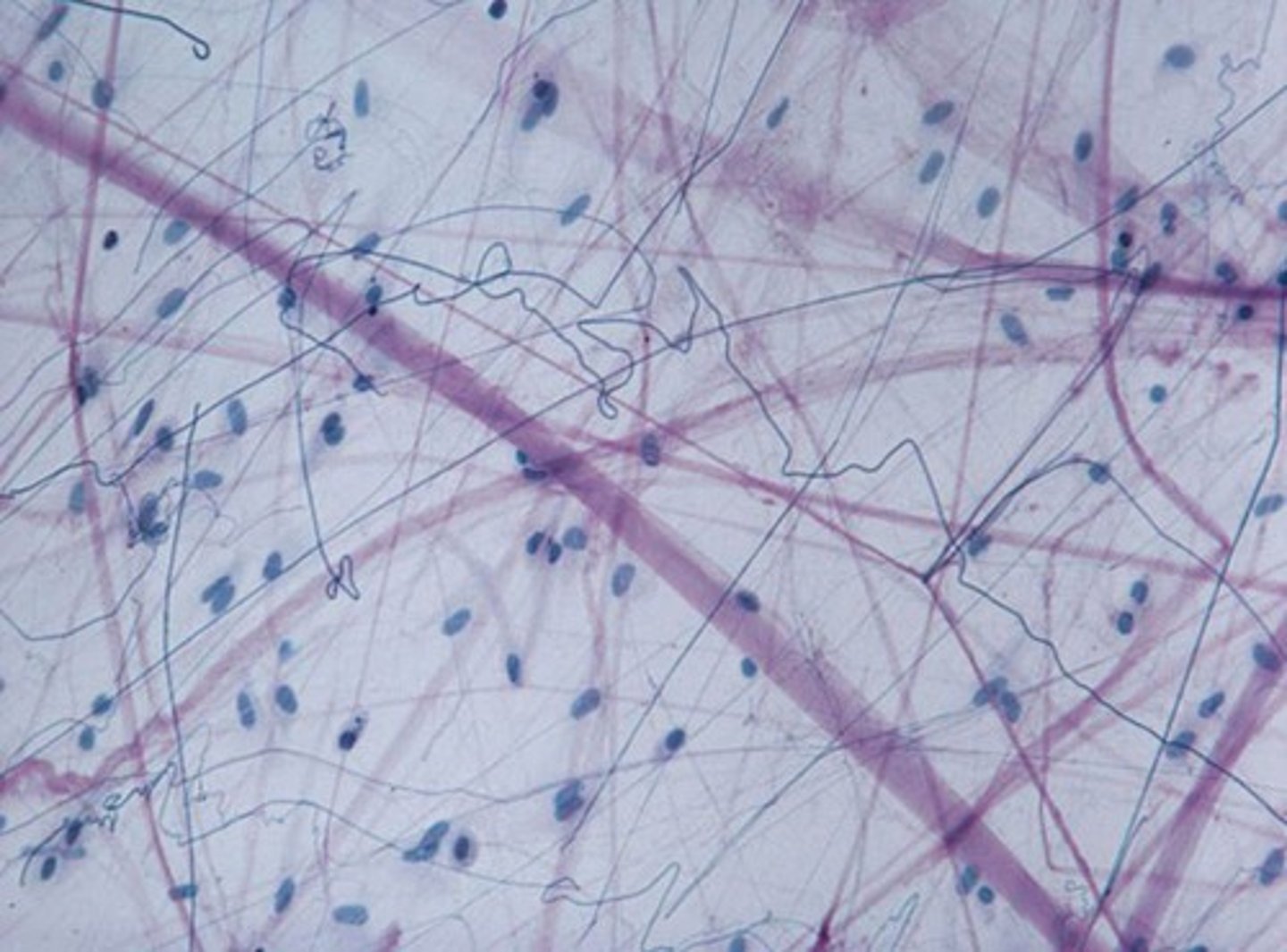
accessibility
the relative ease with which a destination may be reached from some other place

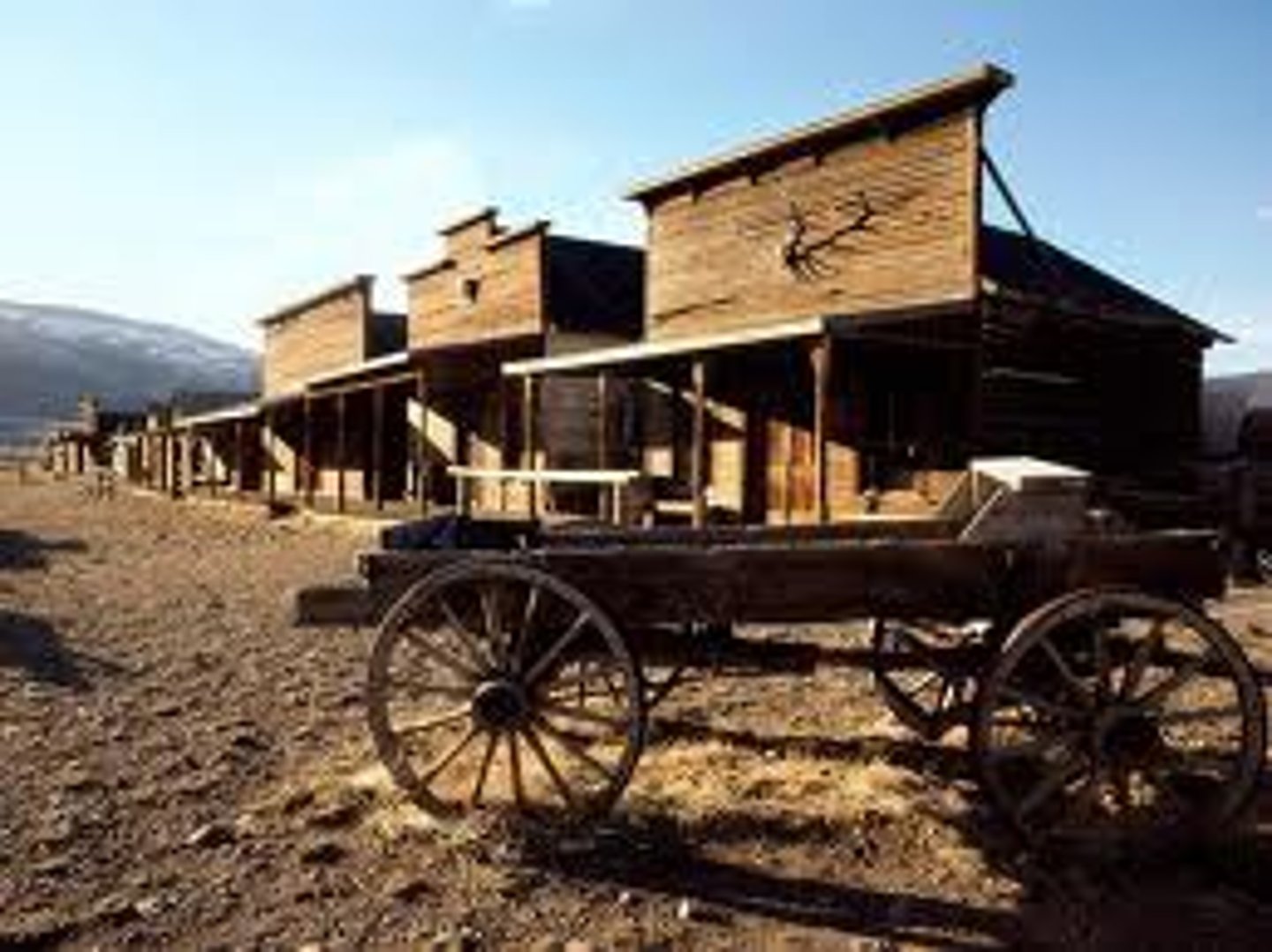
ghost towns
empty, deserted towns left after gold miners had moved on
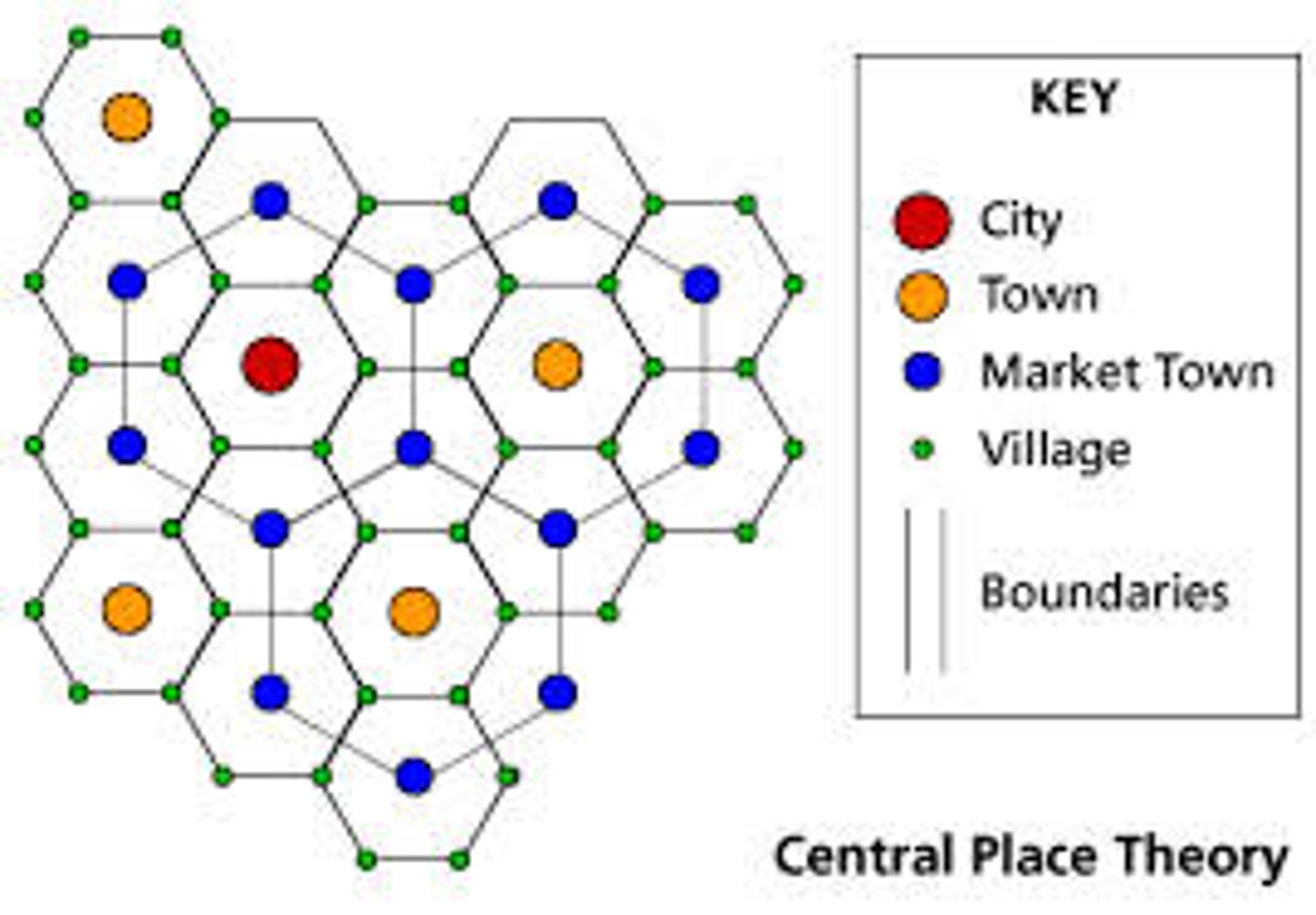
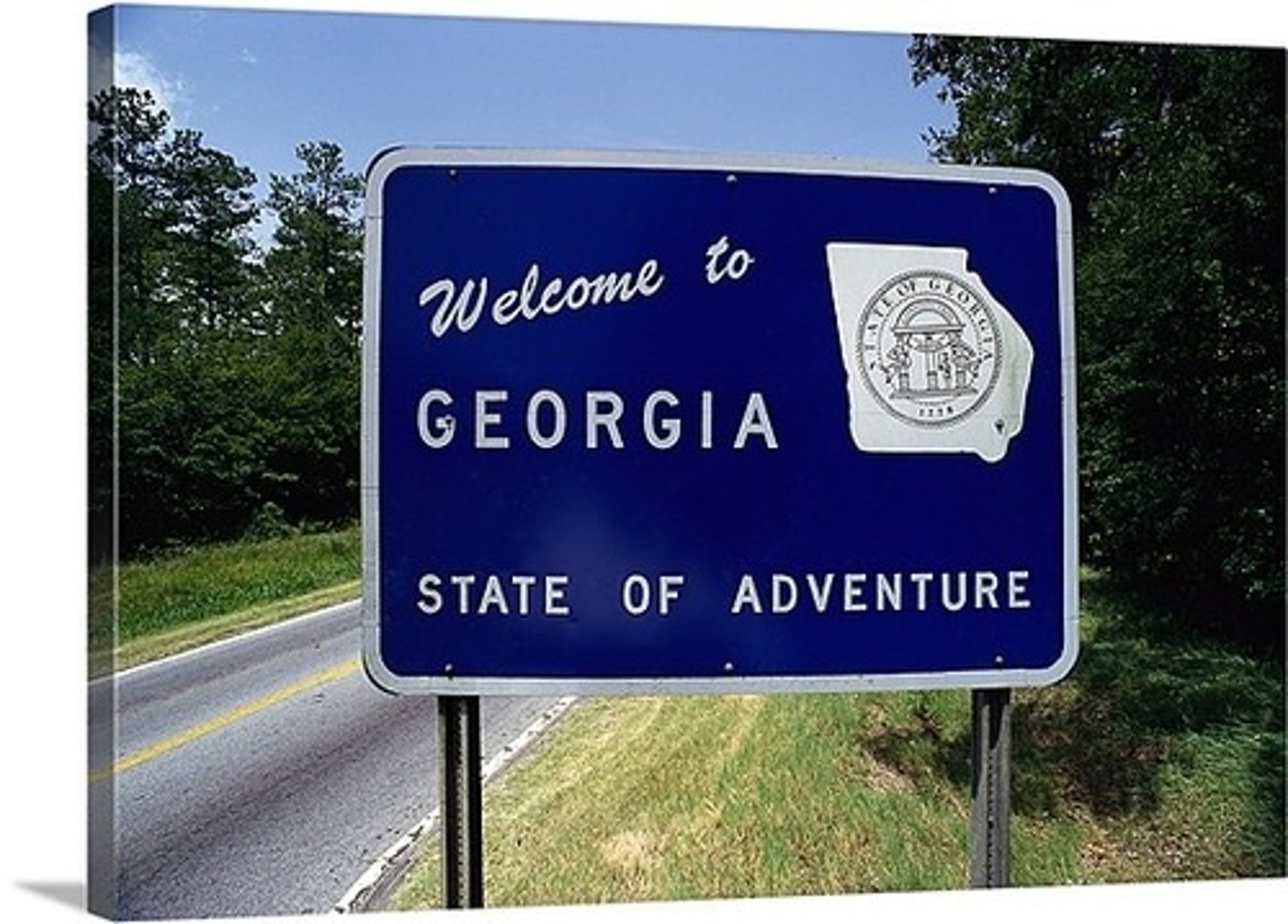
place
A specific point on Earth distinguished by a particular character.
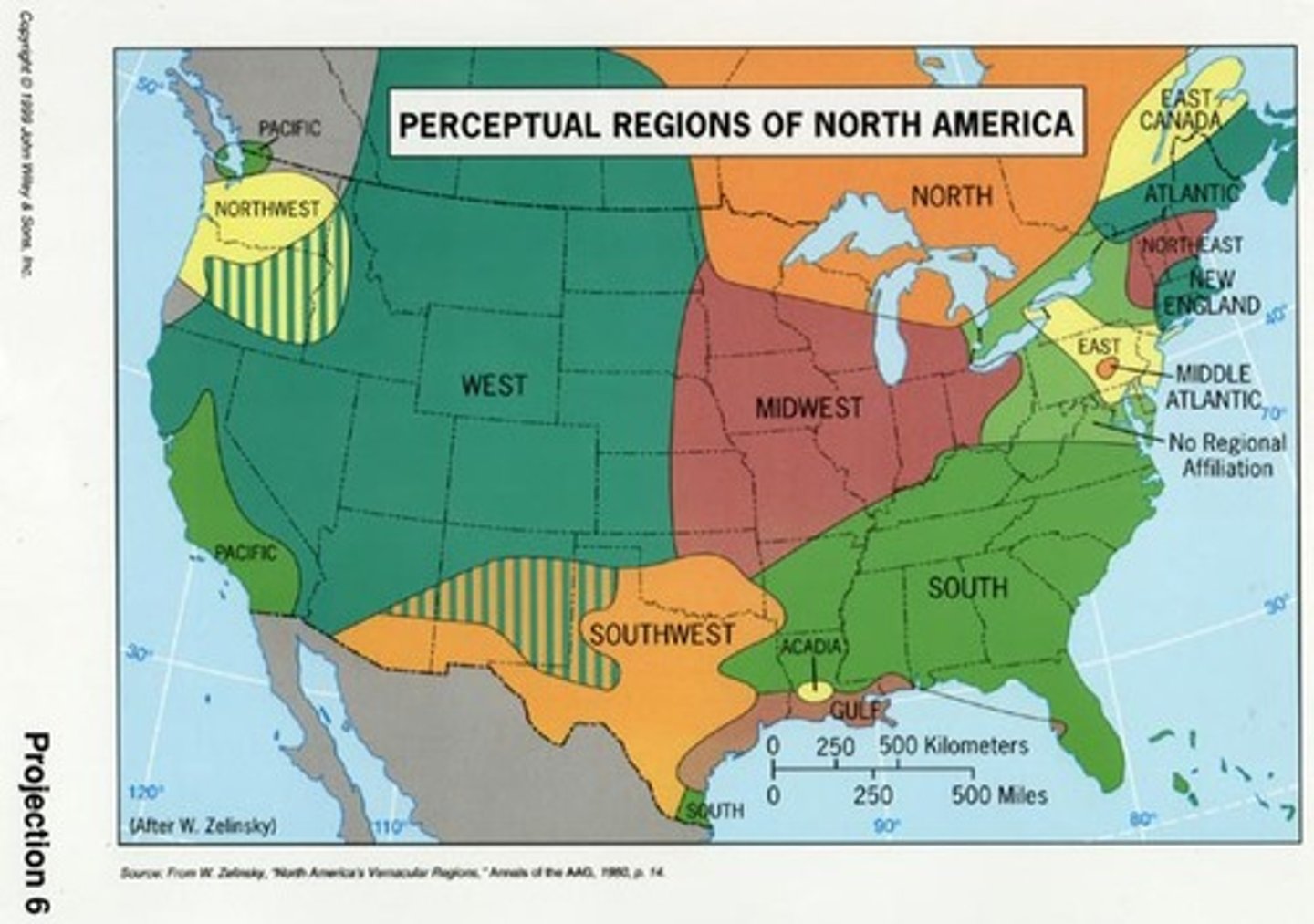
region
An area distinguished by a unique combination of trends or features.
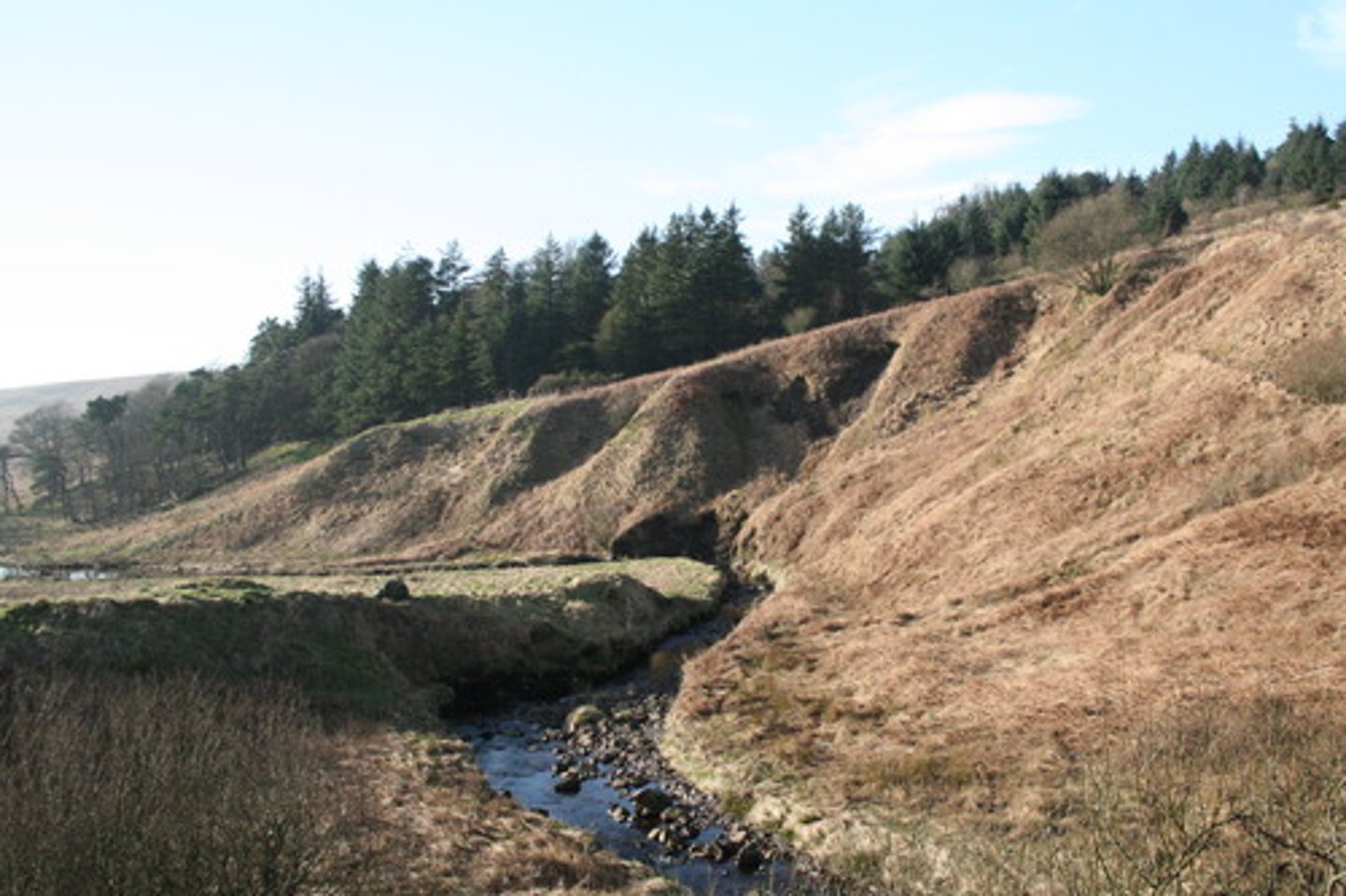
site
The physical character of a place
situation
the location of a place relative to other places

sense of place
The relationship with places expressed in different dimensions of human life, how humans perceive a place.

toponyms
name given to a portion of Earth's surface
distance
The length of a path between two points

proximity
nearness in space, time, or relationship

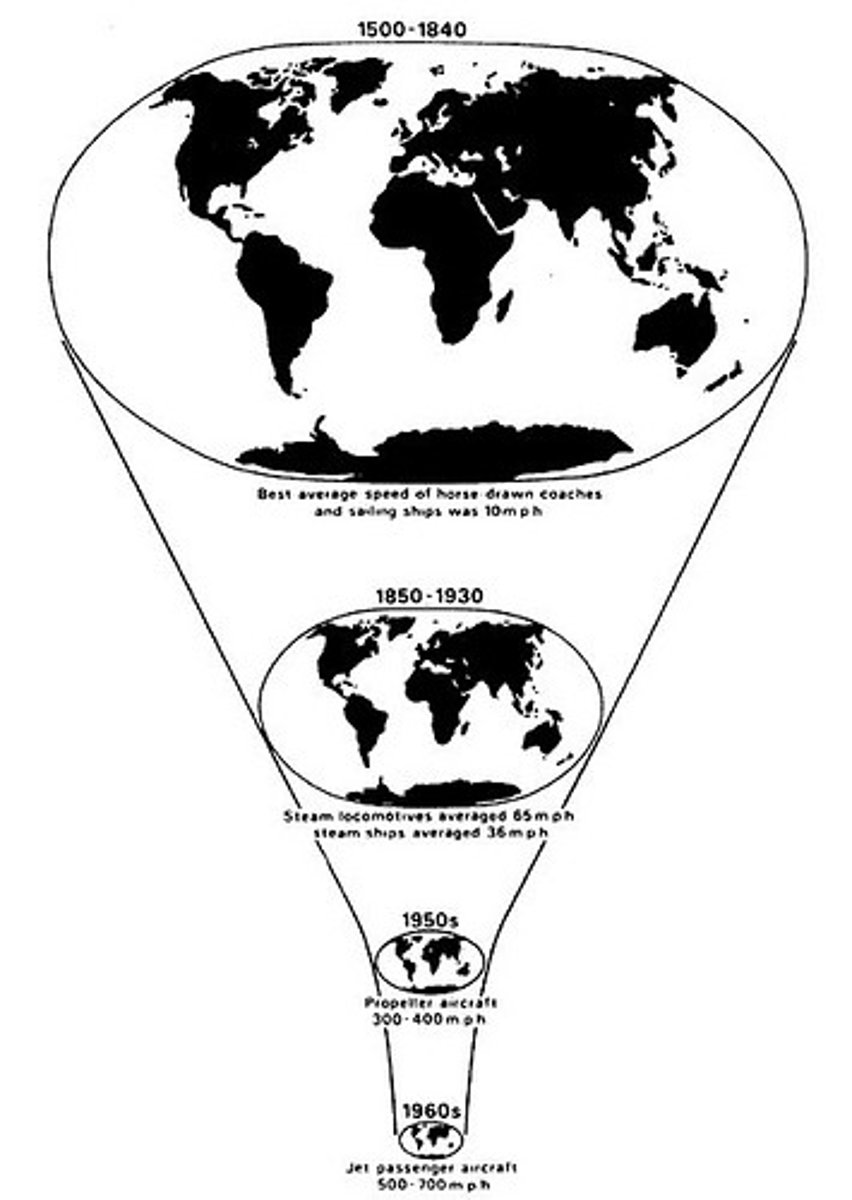
time-space compression
term for the reduction in time it takes for something to diffuse to a distance place
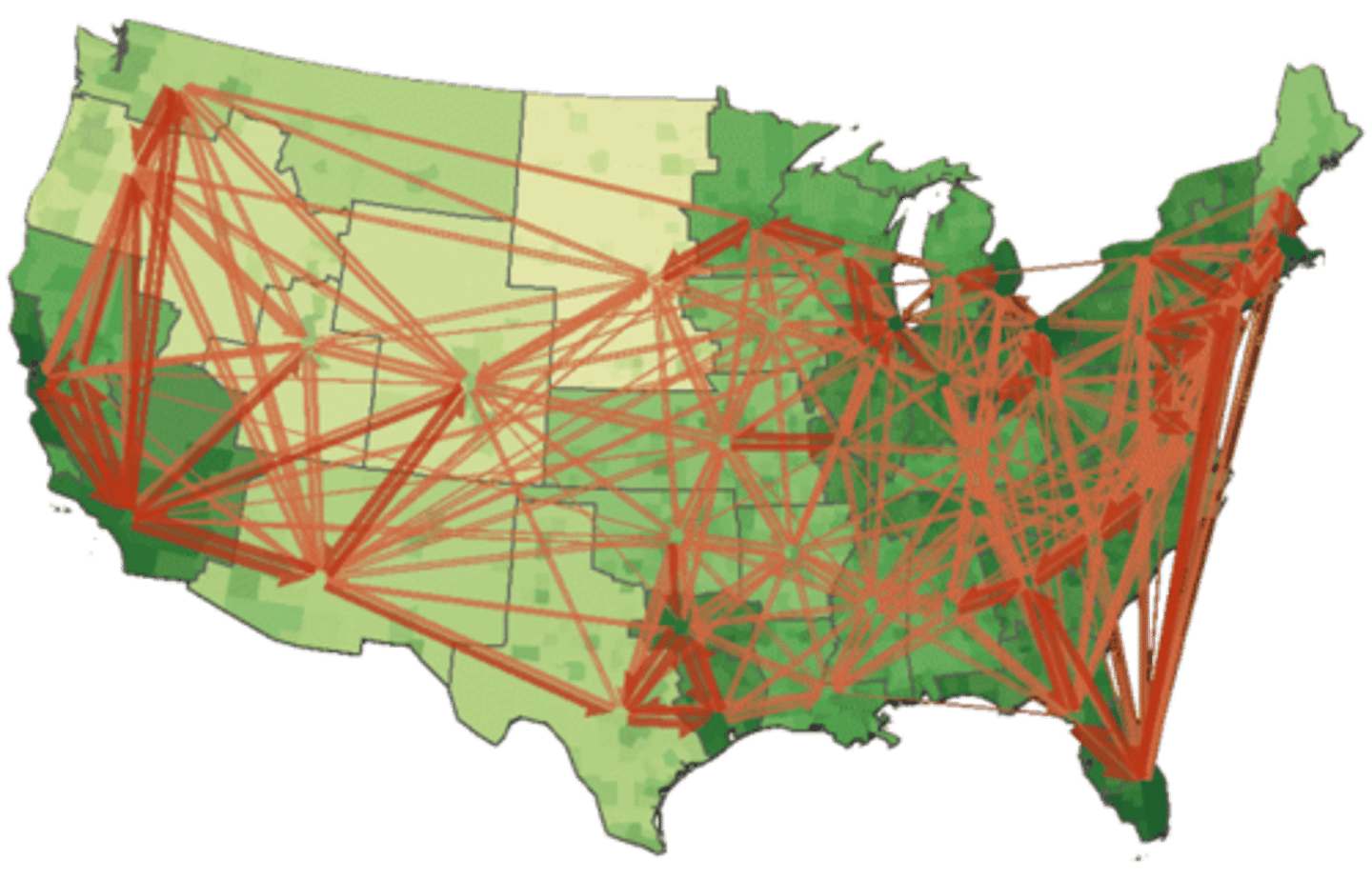
spatial interaction
movement of people, goods, info, etc between different places
friction of distance
the increase in time and cost that usually comes with increasing distance
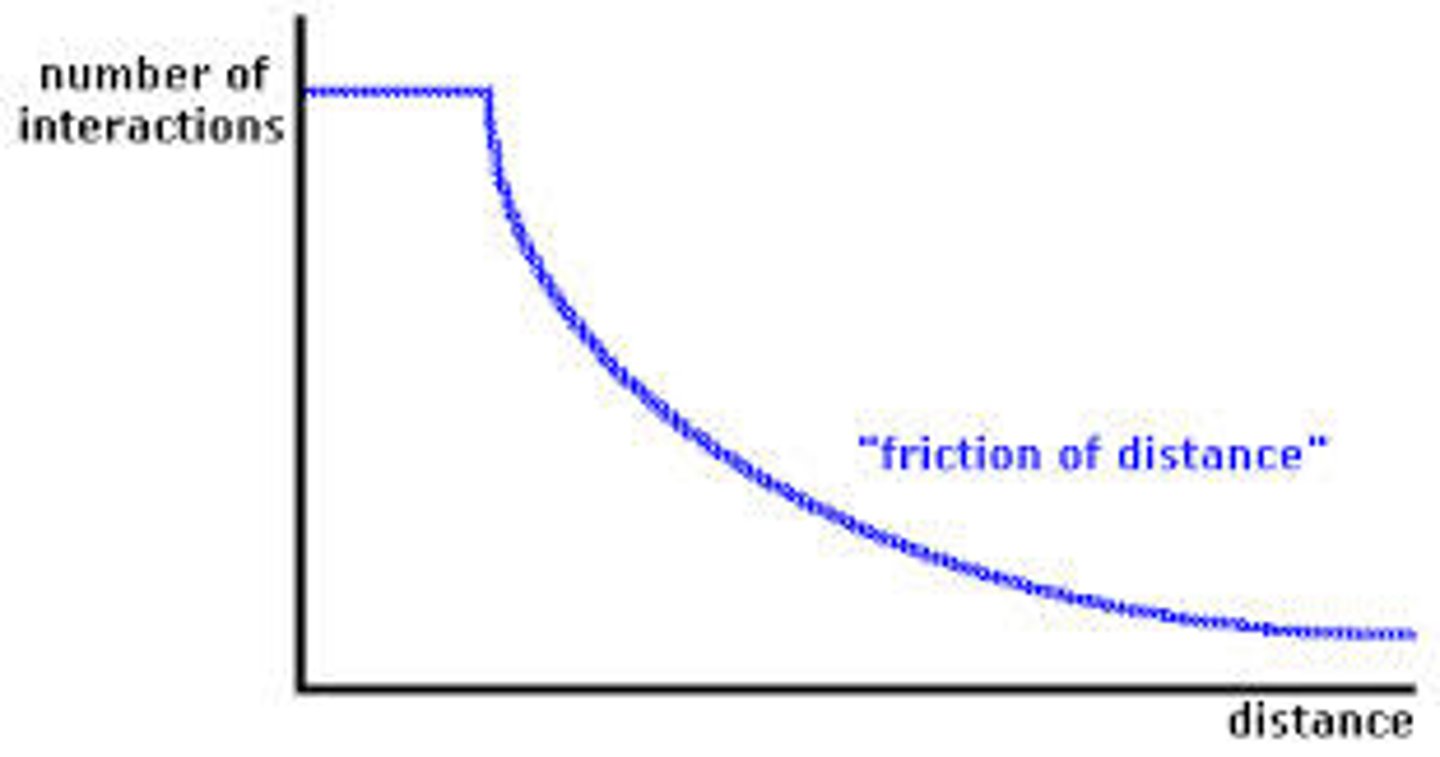
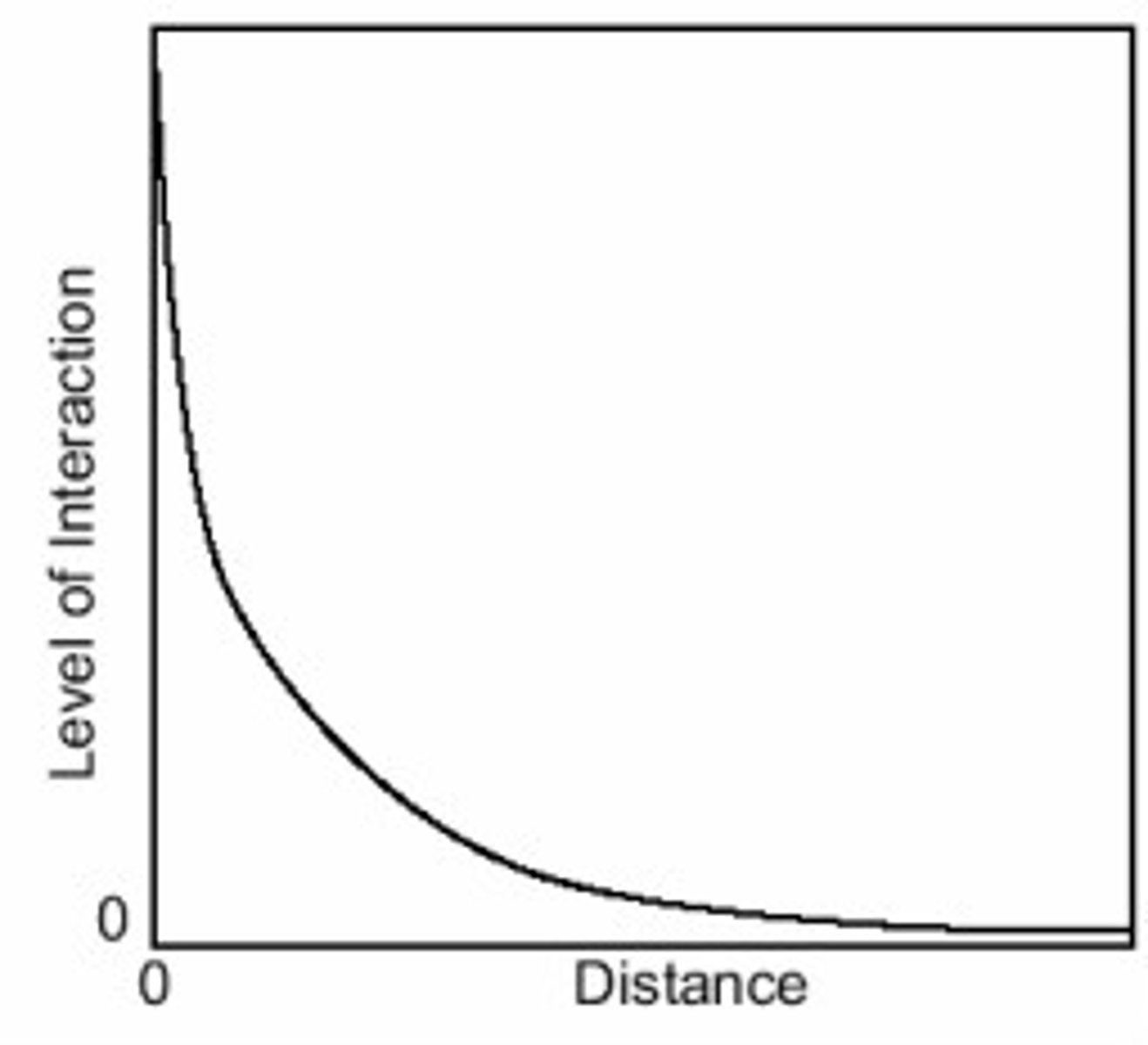
distance-decay
contact diminishing with increasing distance and eventually disappear.
spatial association
the reason why two things are placed where they are

density
The frequency with which something exists within a given unit of area
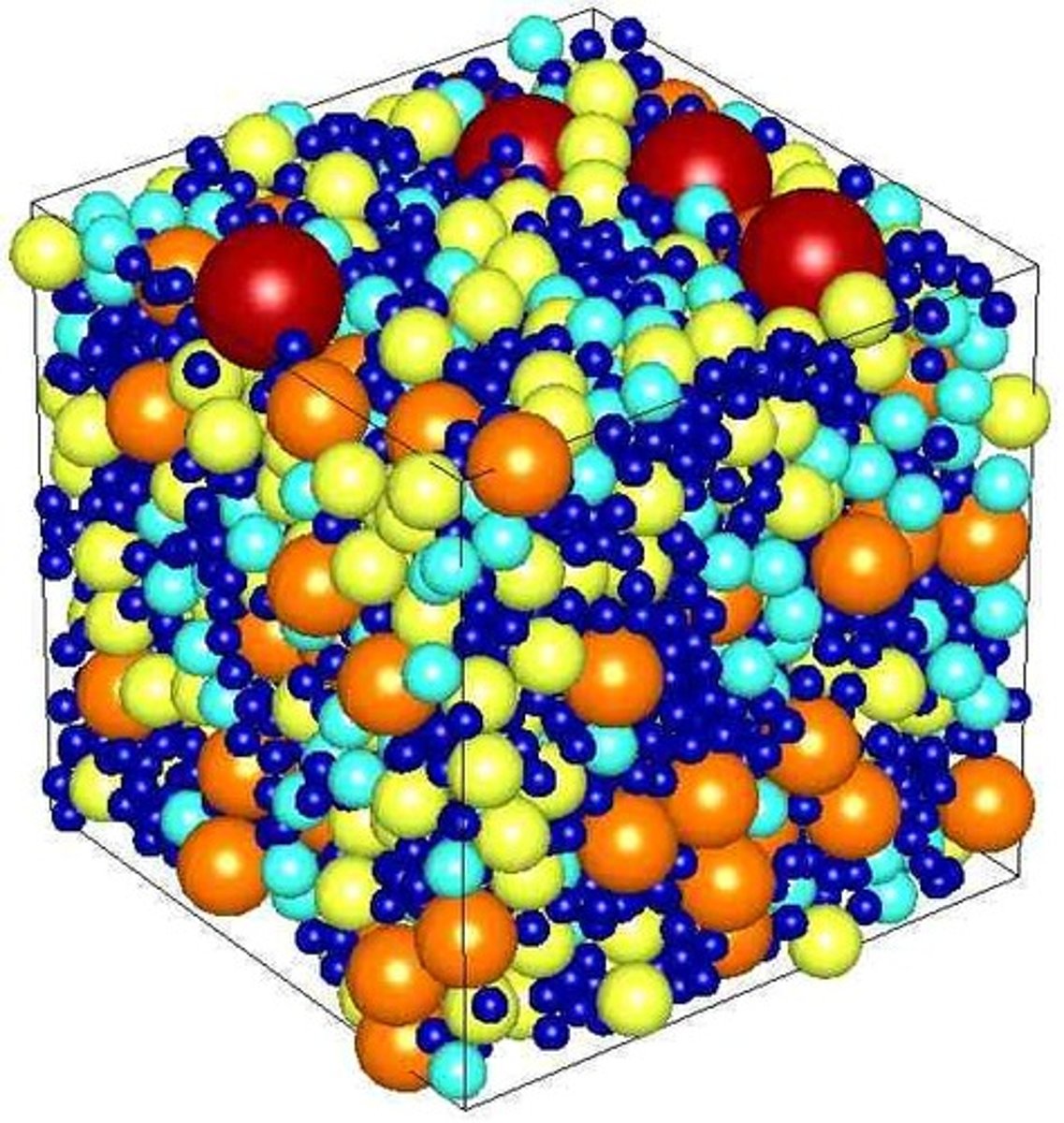
distribution
The arrangement of something across Earth's surface.
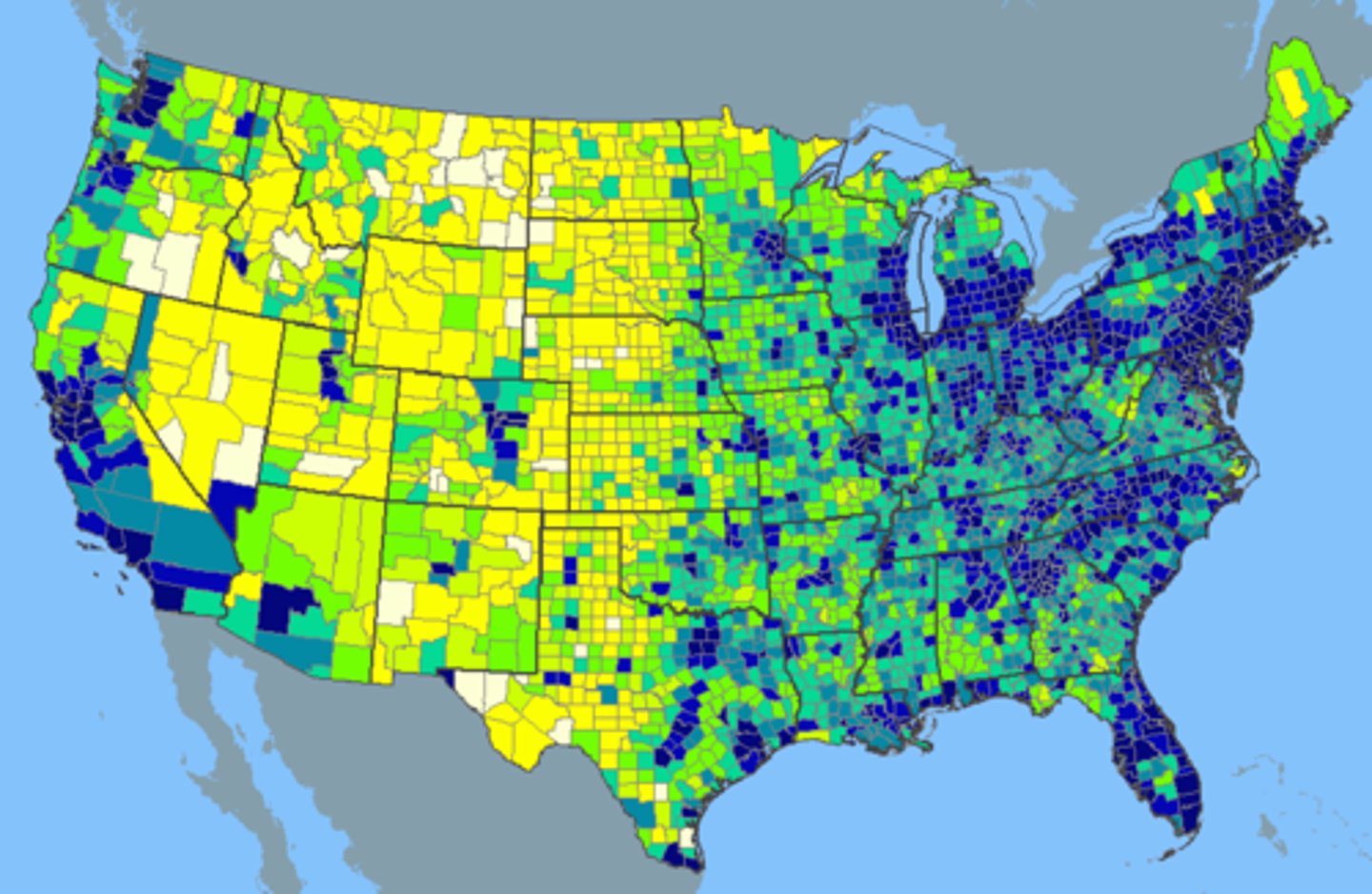
human-environment interaction
The geographic theme that explores how people use, adapt to, and modify the environment
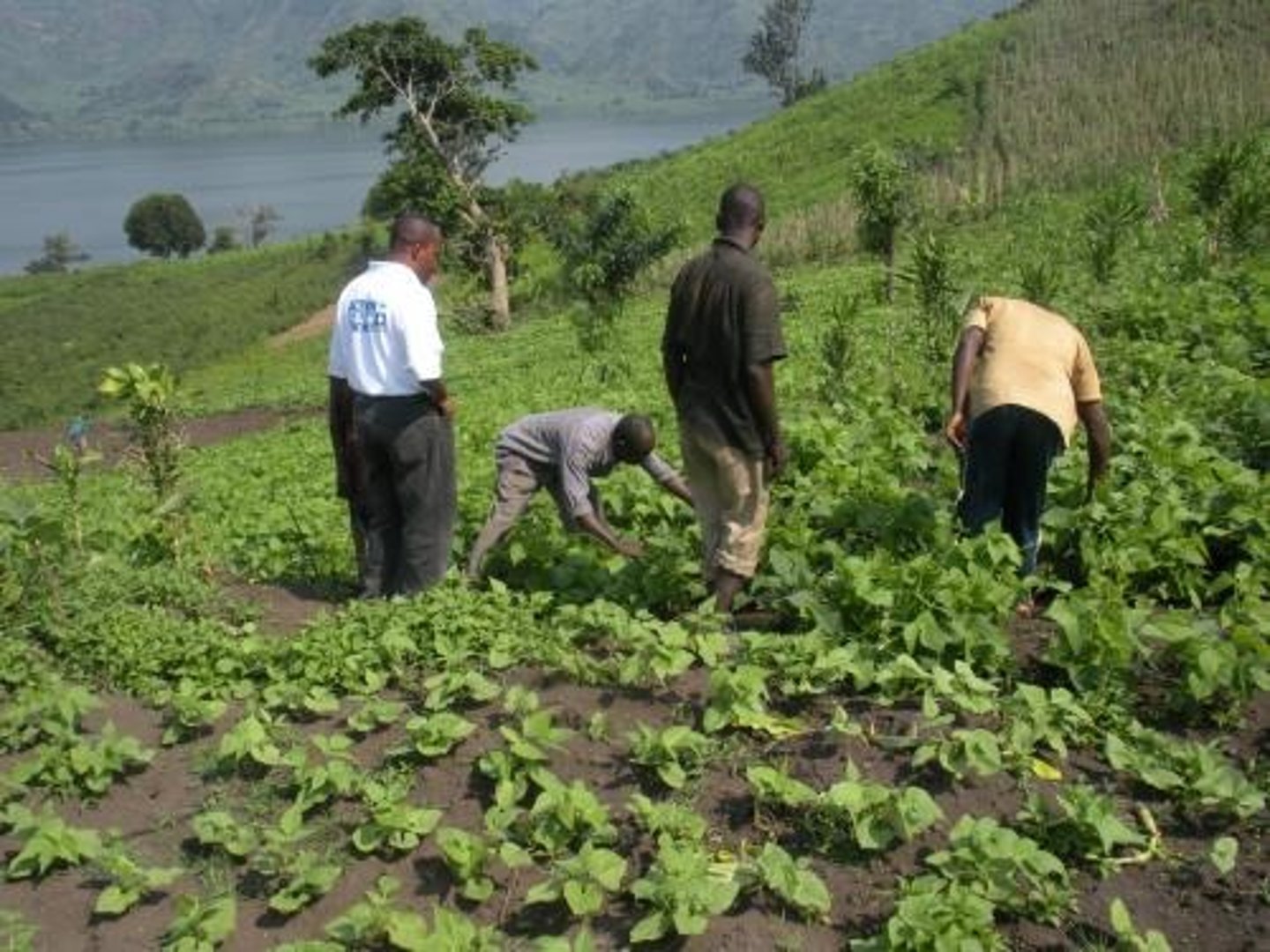
cultural ecology
the geographic study of human-environment relationships

environmental determinism
the idea that human behavior is controlled by the physical environment

environmental possibilism
the idea that some environments offer specific constraints/ opportunities
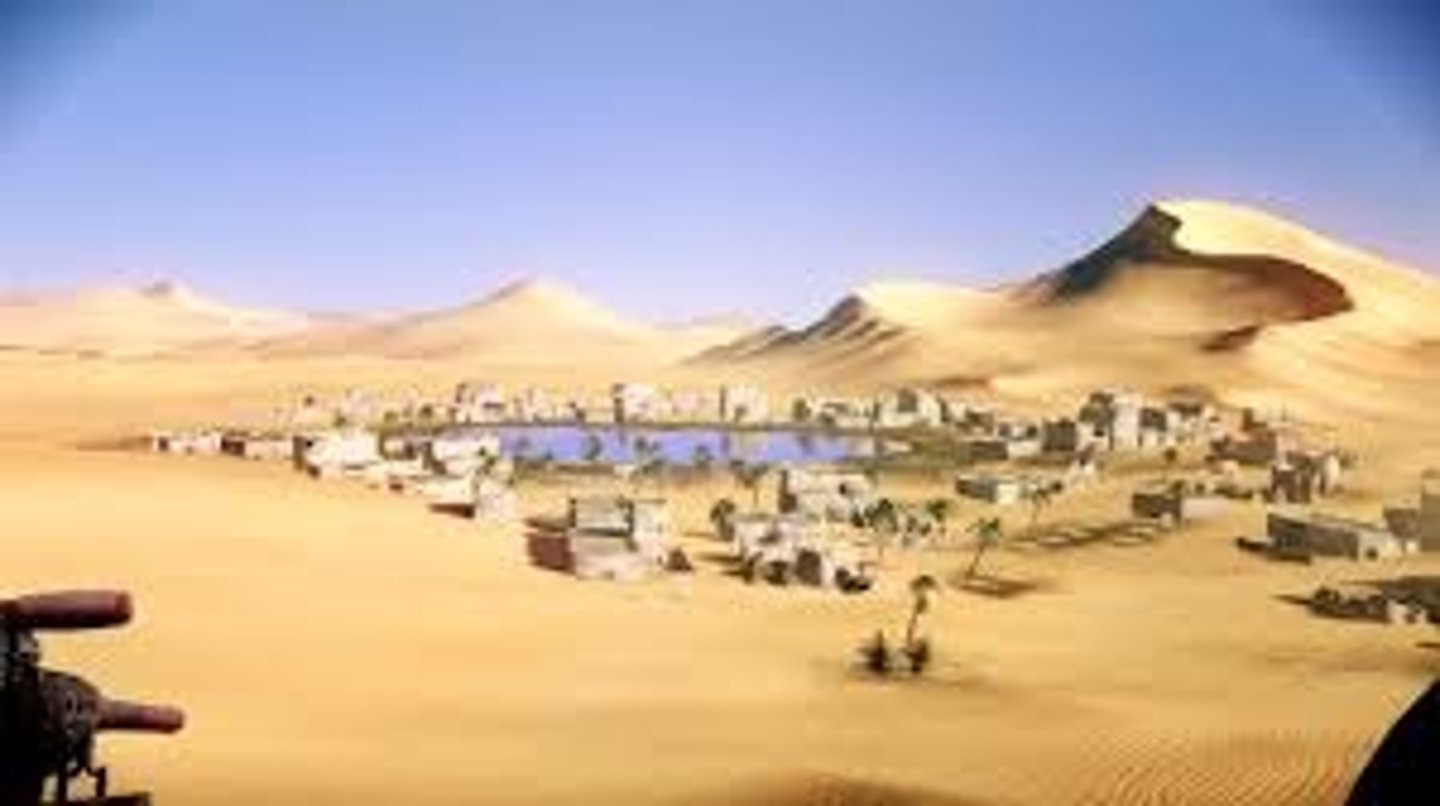
landscape analysis
The process of describing and interpreting the landscape ecology of an area.
field observation
a study of a phenomenon in a natural setting
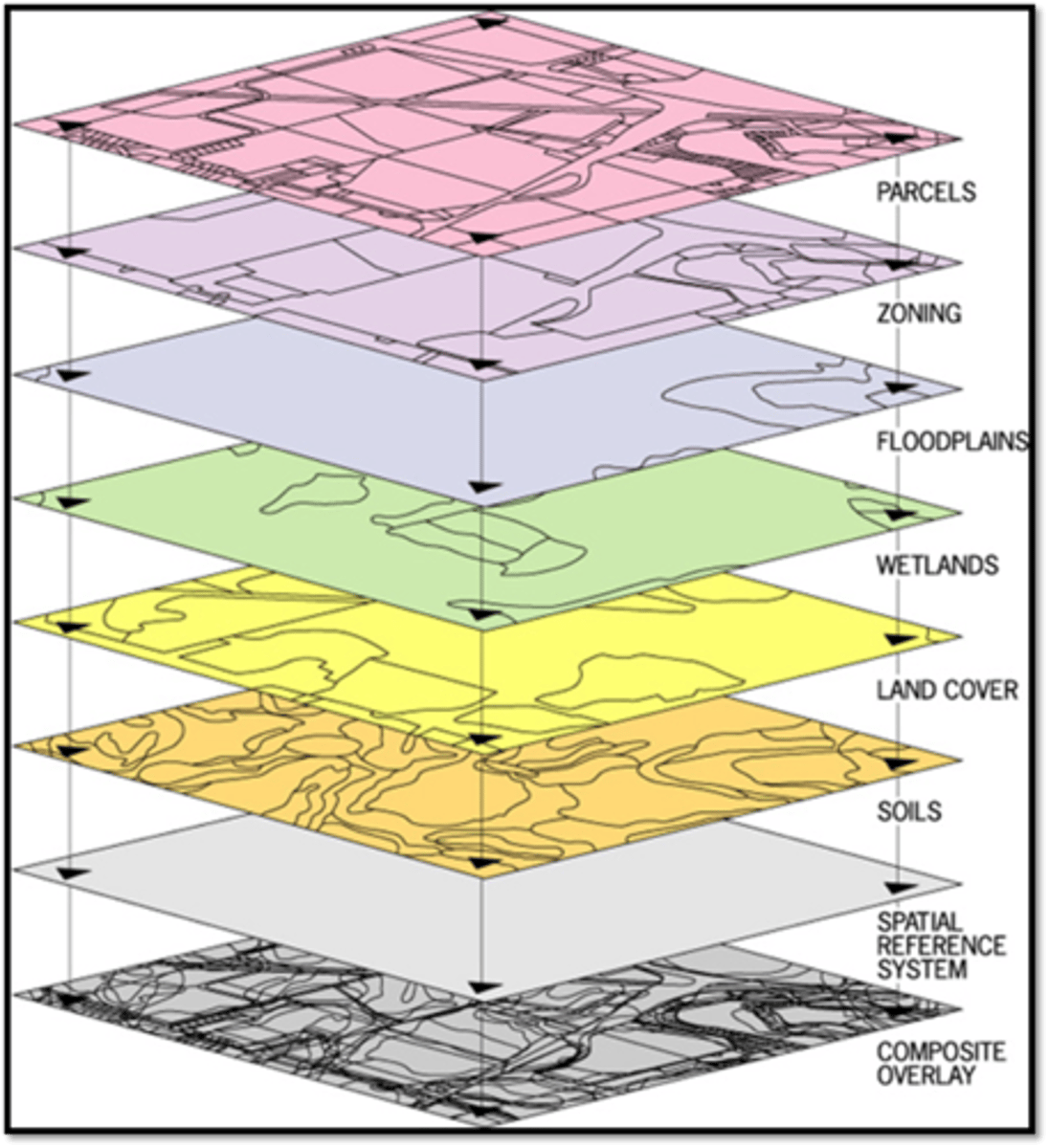
spatial data
refer to the digital representation of space
aerial photography
Taking images of the earth from elevated positions as a means of gathering geographic data
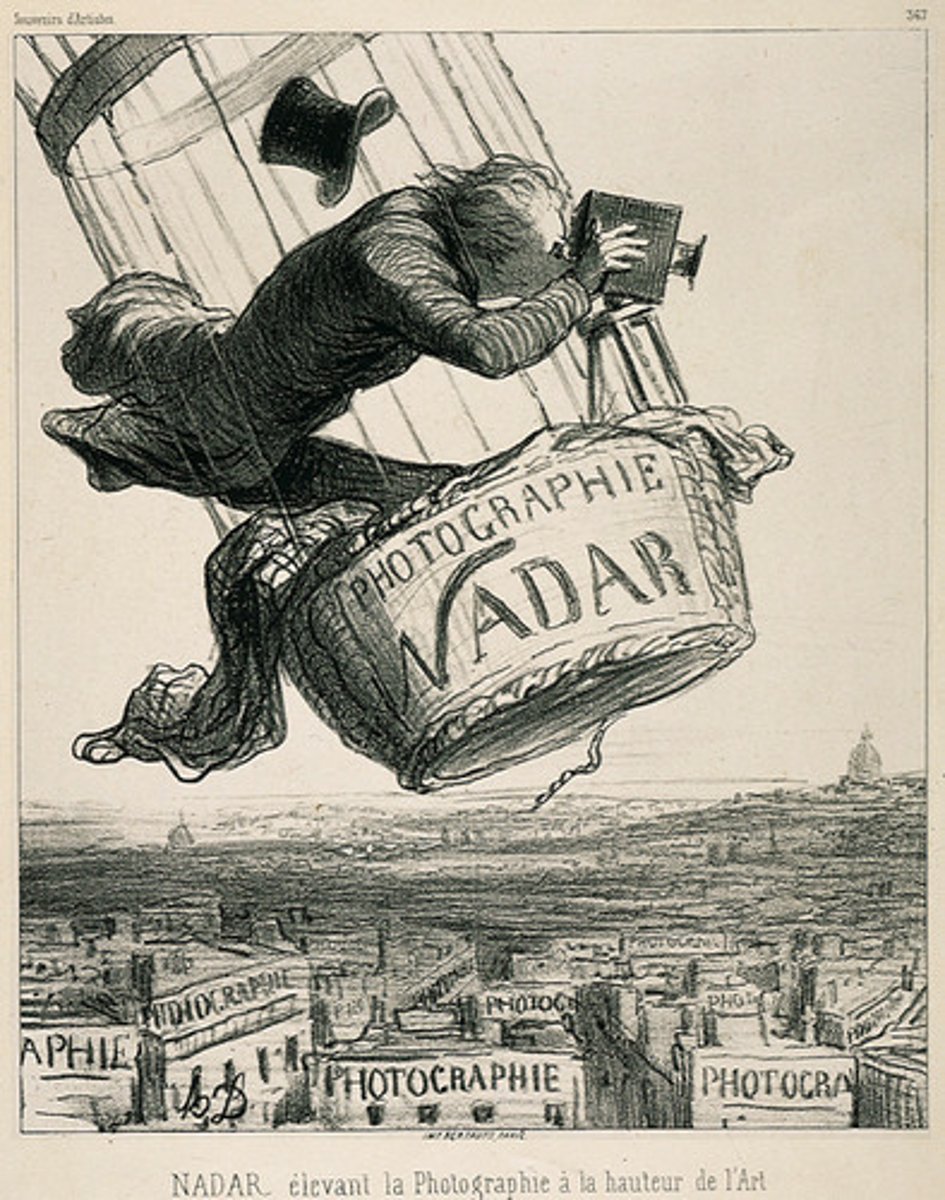
built environment
man-made or constructed parts of a landscape or area
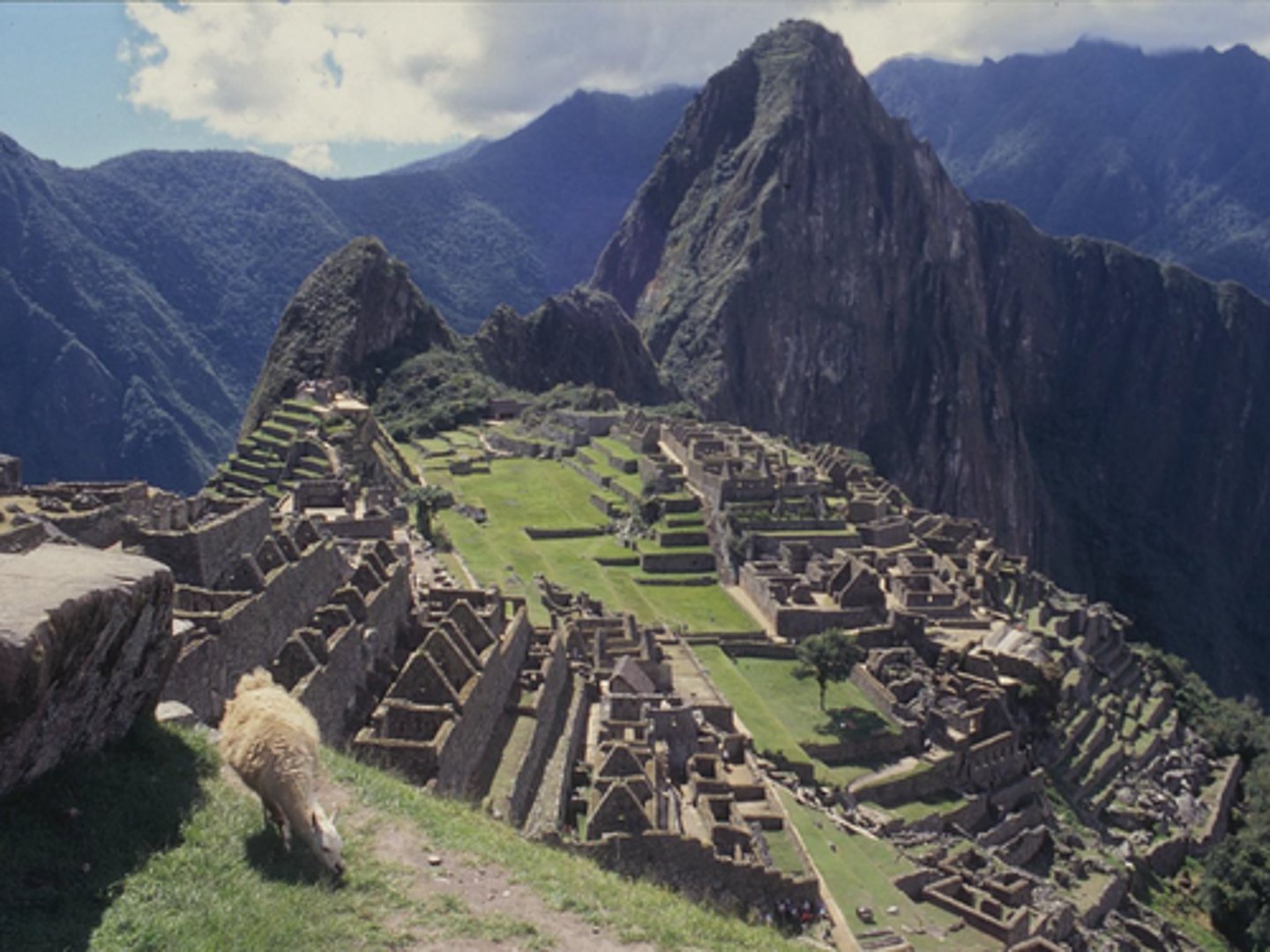
cultural landscape
the visible imprint of human activity and culture on the landscape
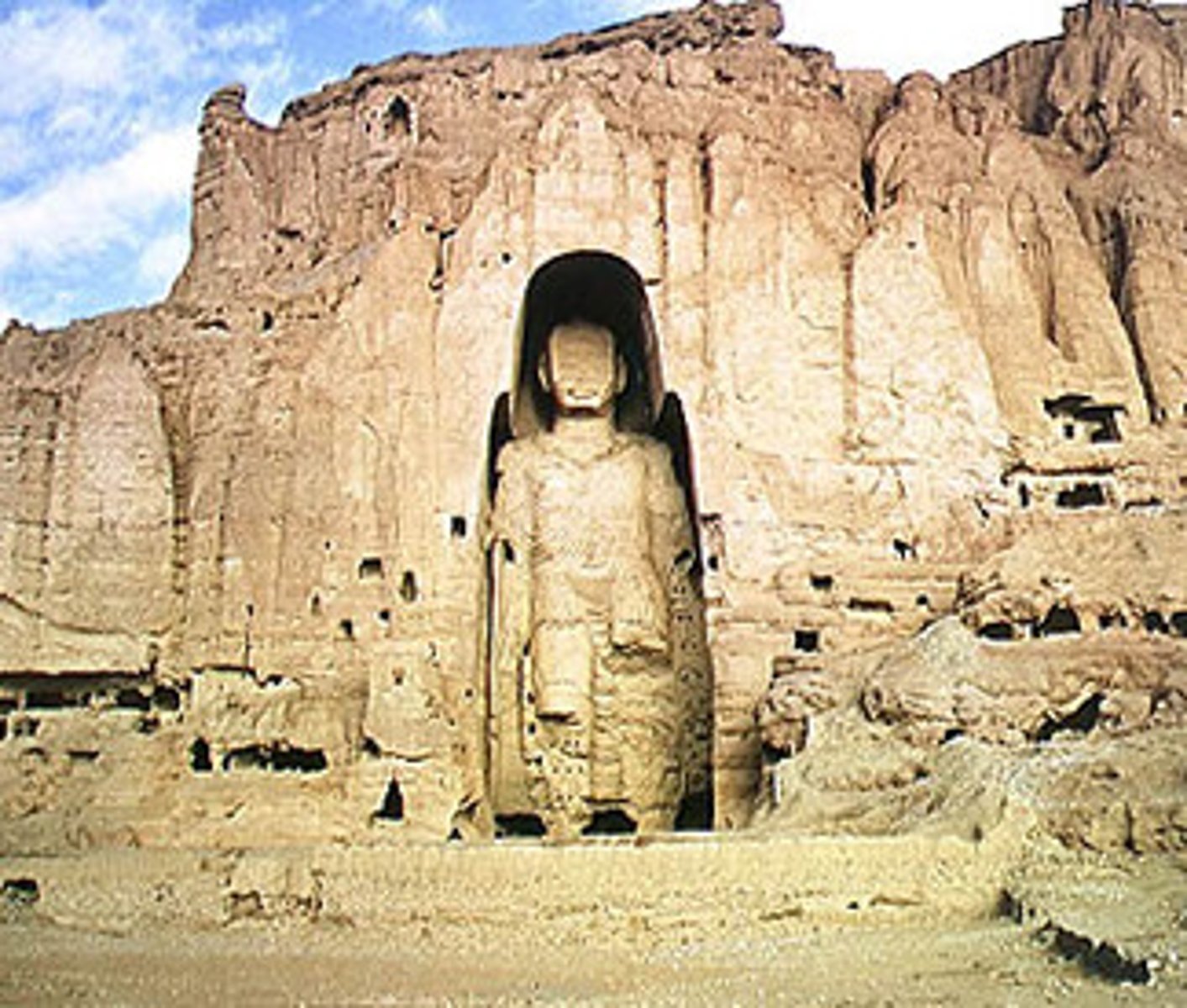
patterns
recurring characteristics or events

processes
the repeated sequences of events
scale
the relationship between the portion of Earth being studied and Earth as a whole
THREE types: cartographic, geographic, scale of data
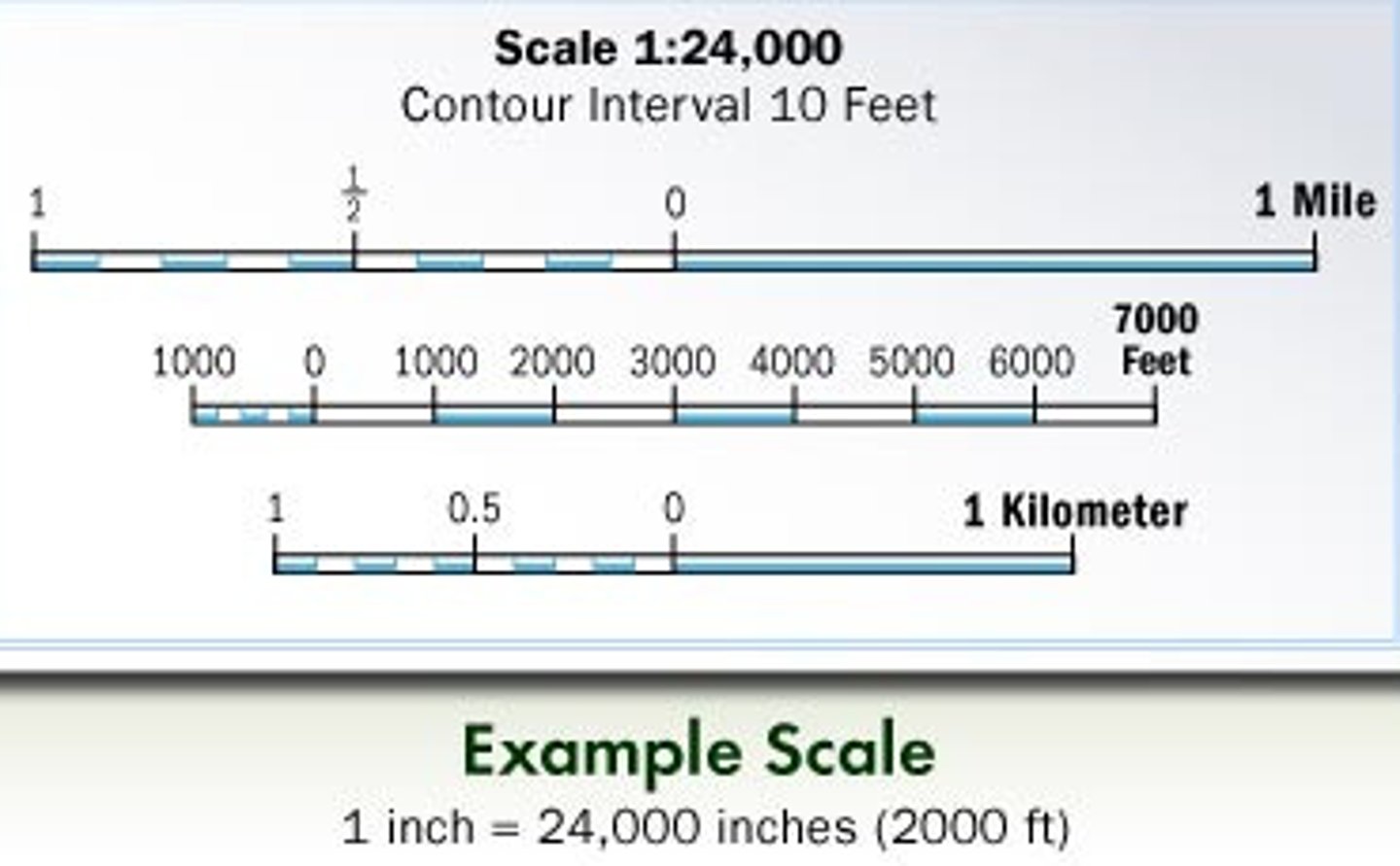
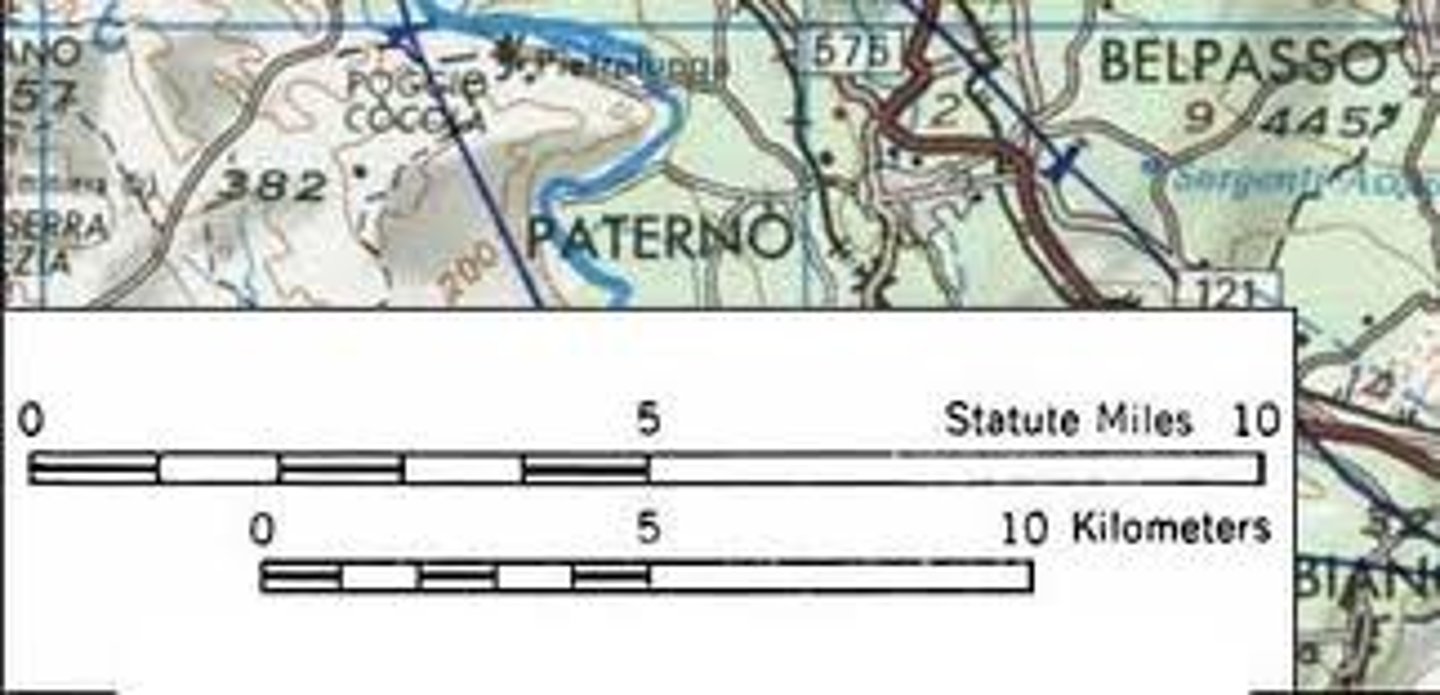
cartographic scale
the way the map communicates the ratio of its size to the size of what it represents
geographic scale
amount of territory that a map represents IE global scale is whole earth, local scale is small region
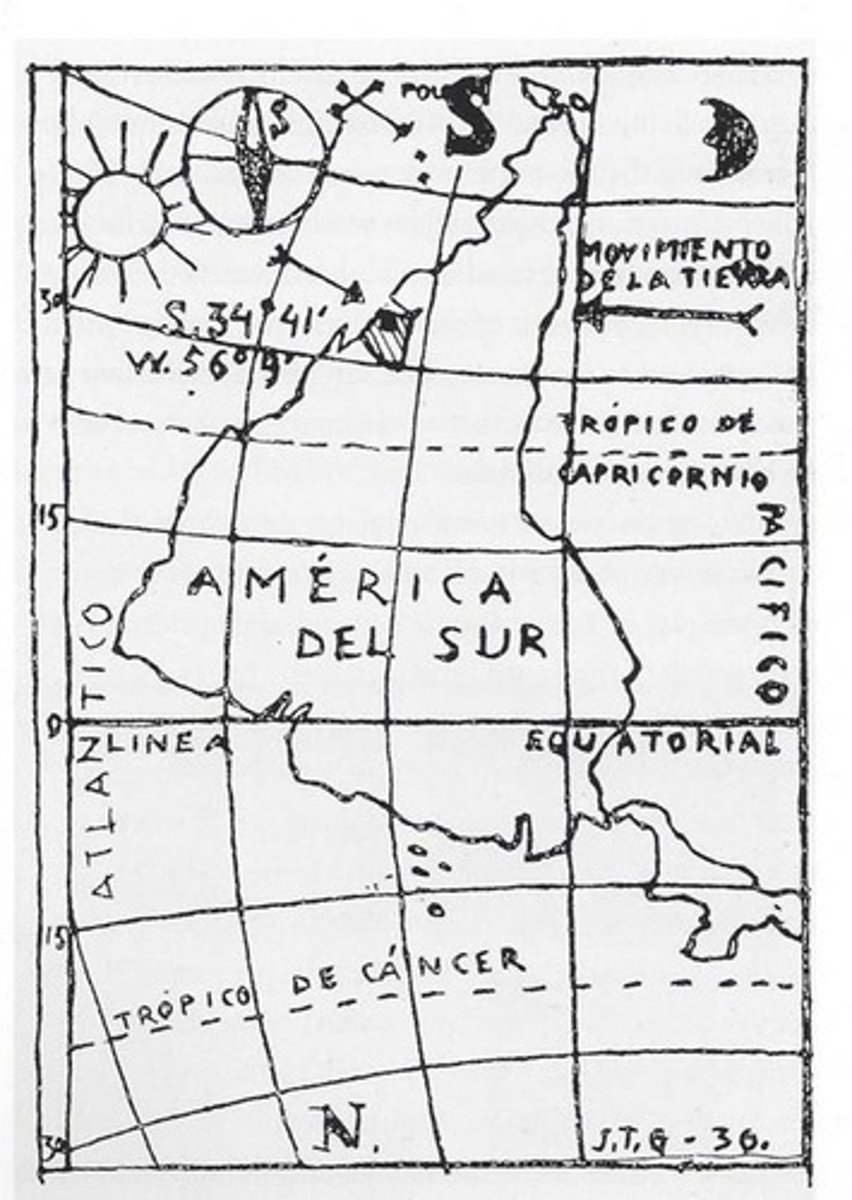
relative scale
A scale relative to something else, like a ratio.
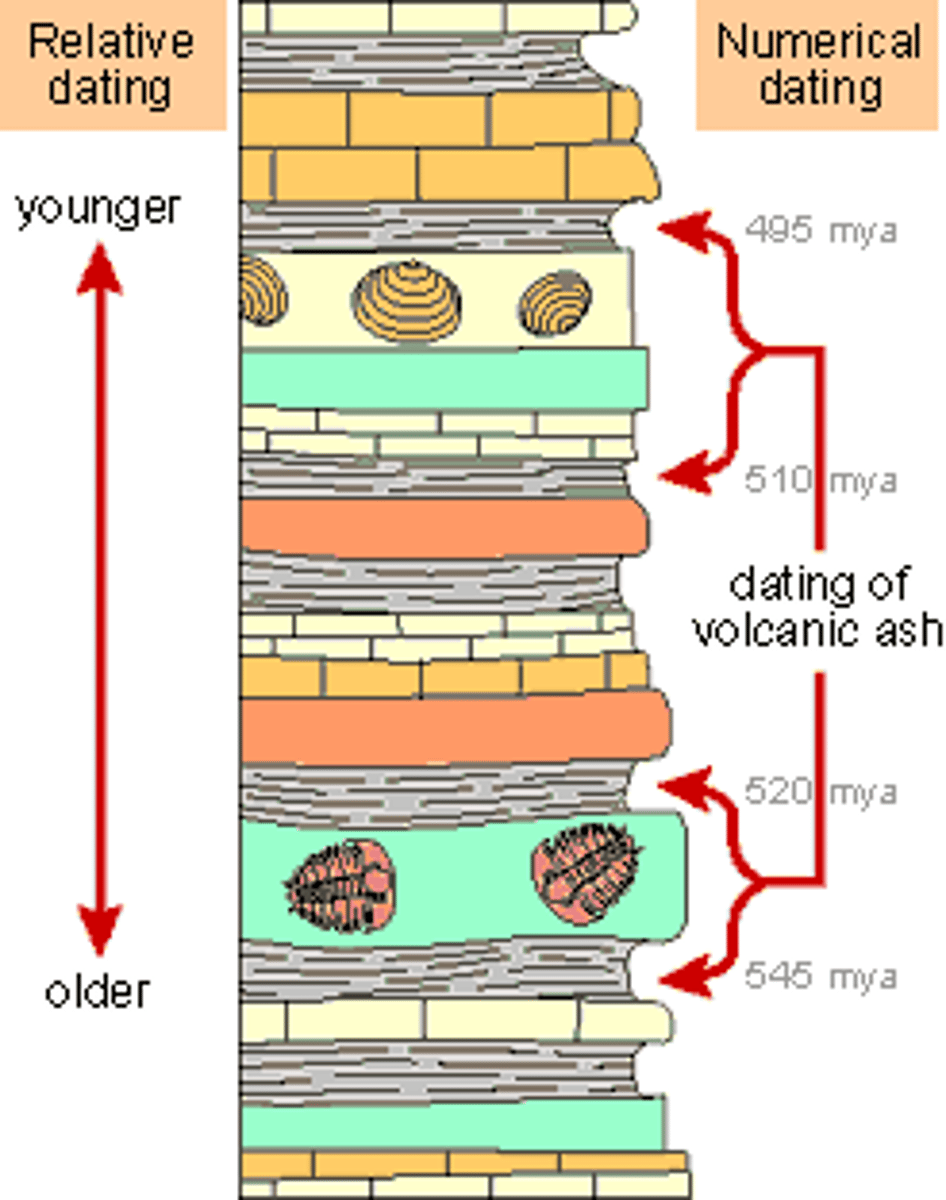
scale of data
scale of map doesn't HAVE to change, but the level of detail in the data would
reference maps
show locations of places and geographic features
absolute locations
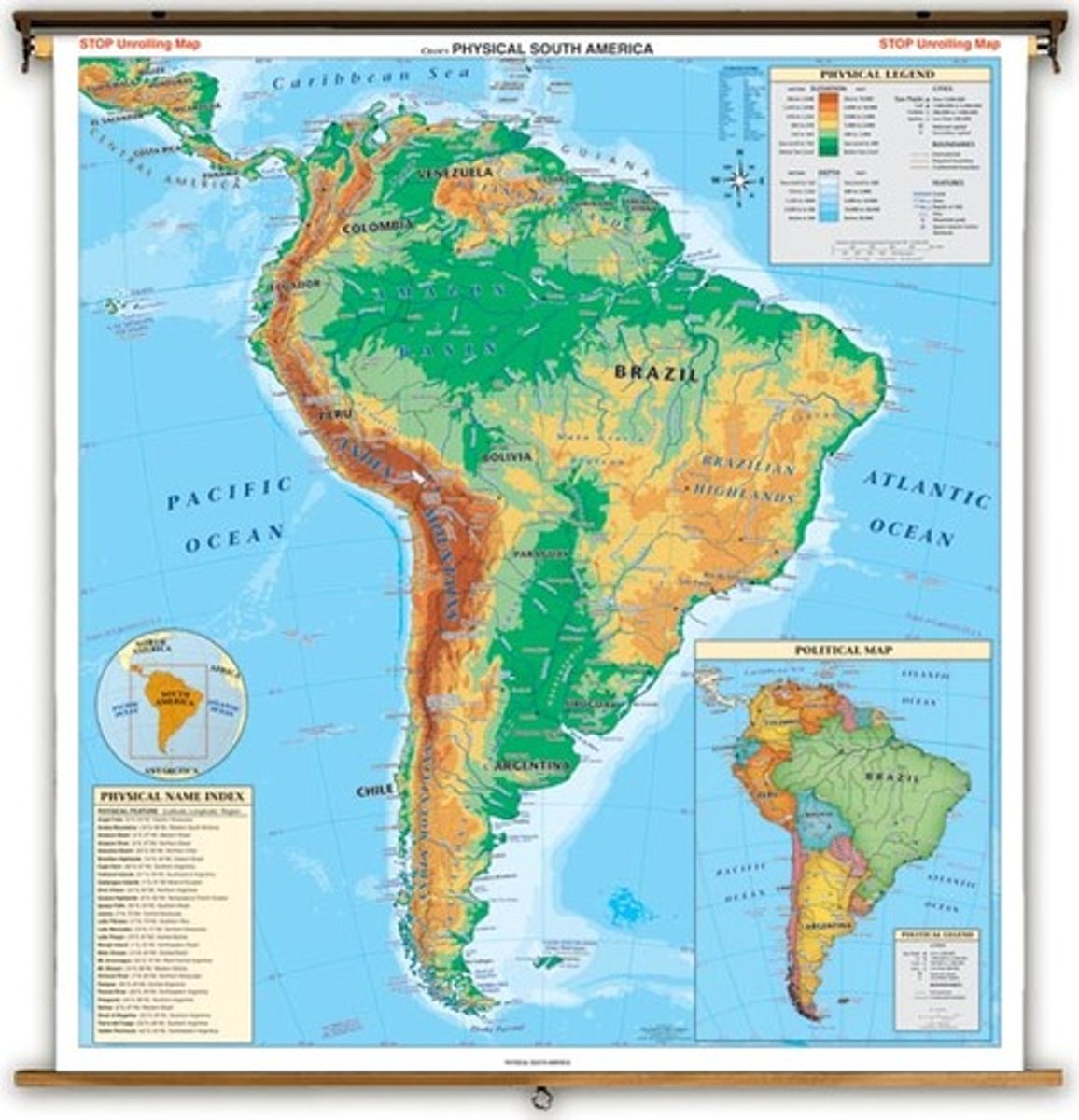
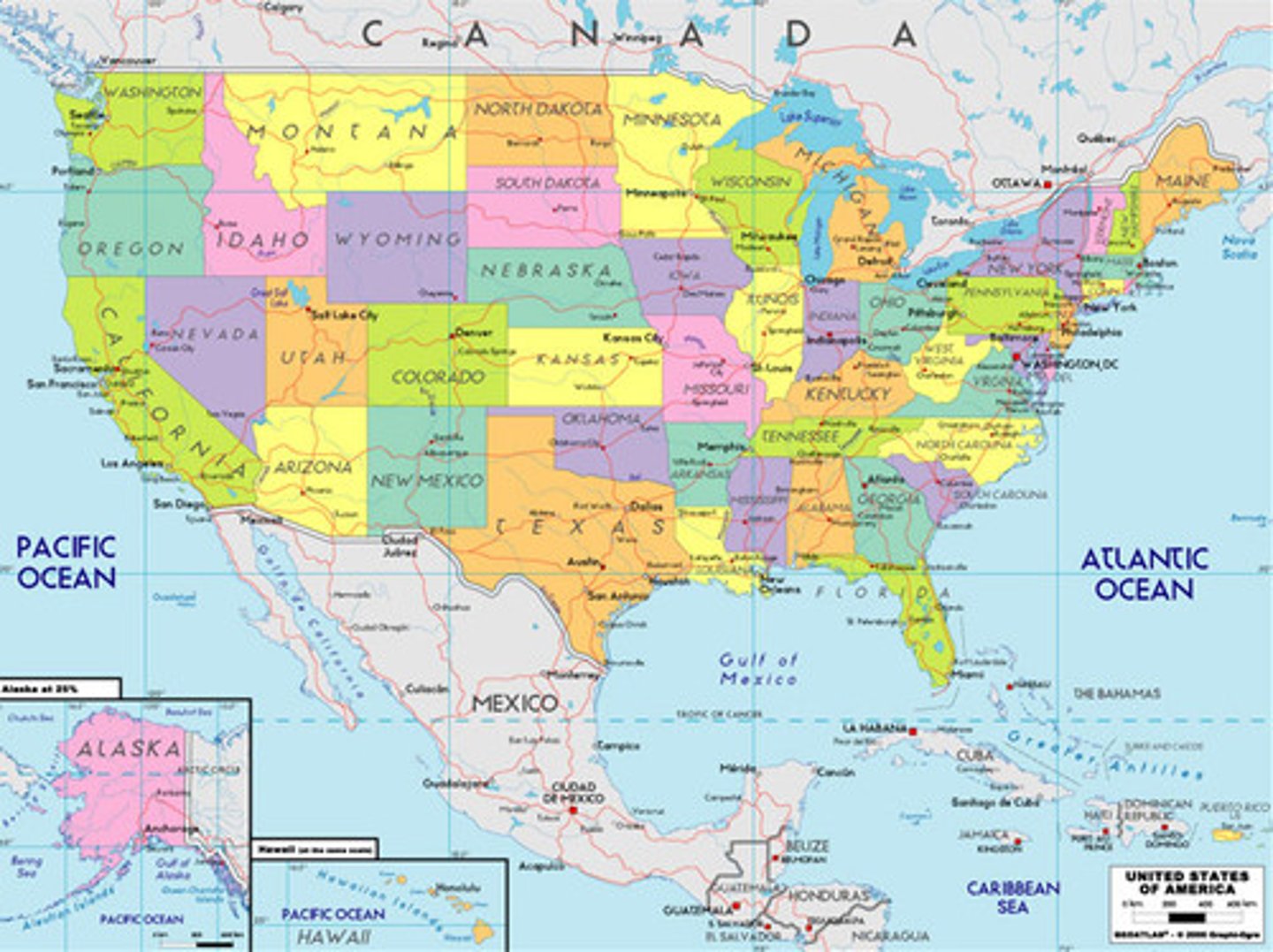
political map
A map showing units such as countries, states, provinces, districts, etc.
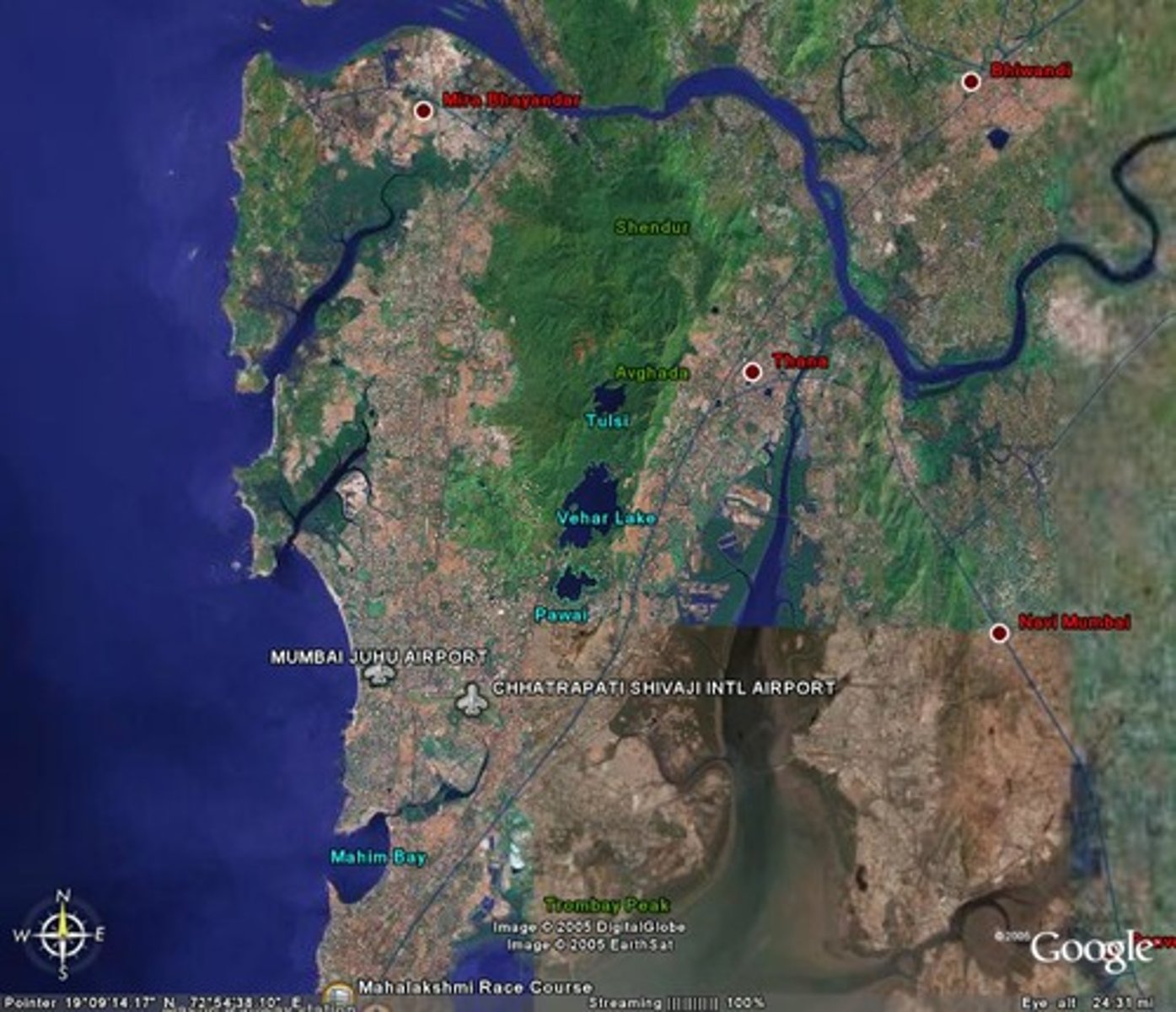
physical map
A map that shows mountains, hills, plains, rivers, lakes, oceans, etc.
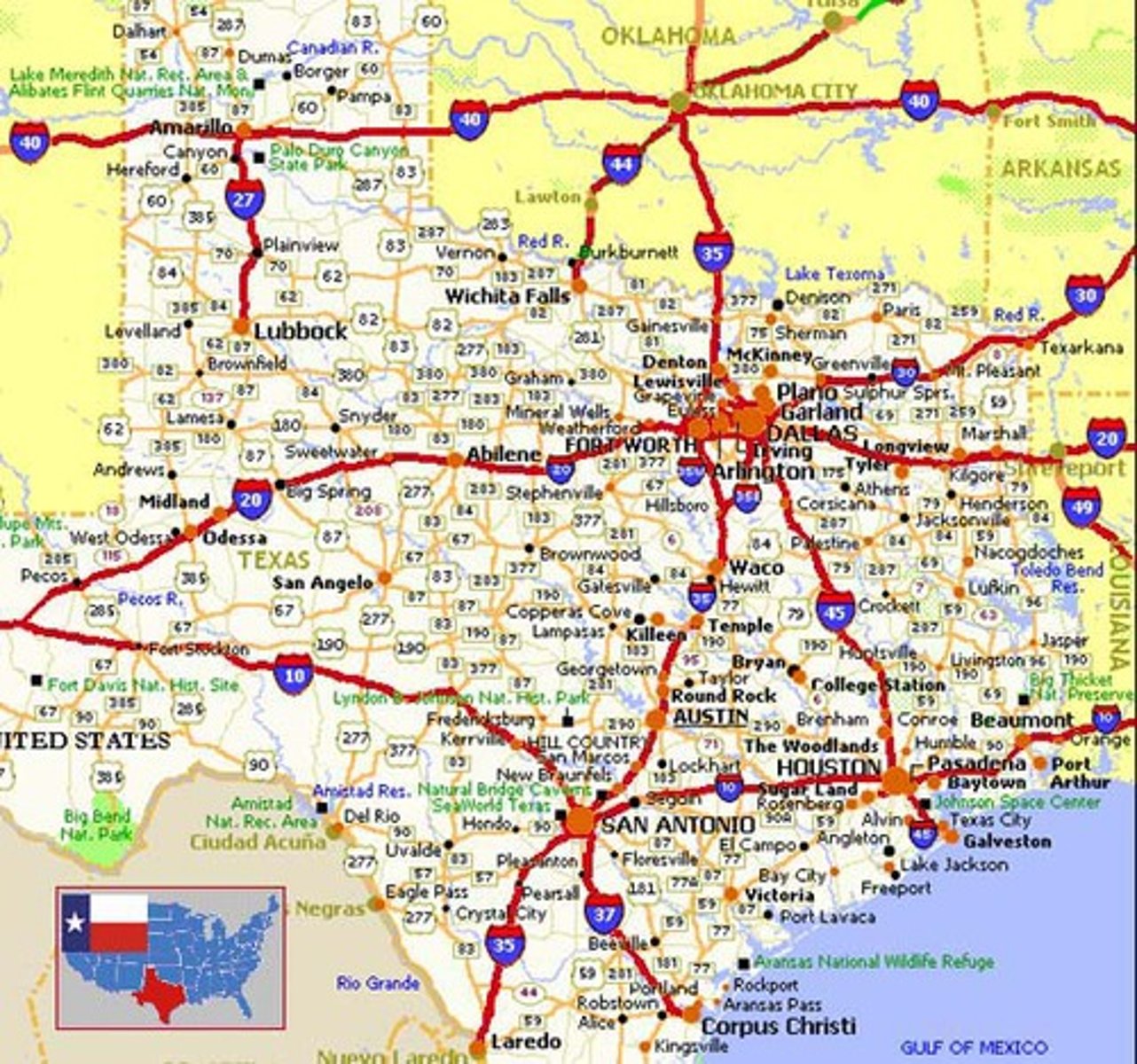
road map
Shows mainly roads, but also major highways, airports, and local points of interest
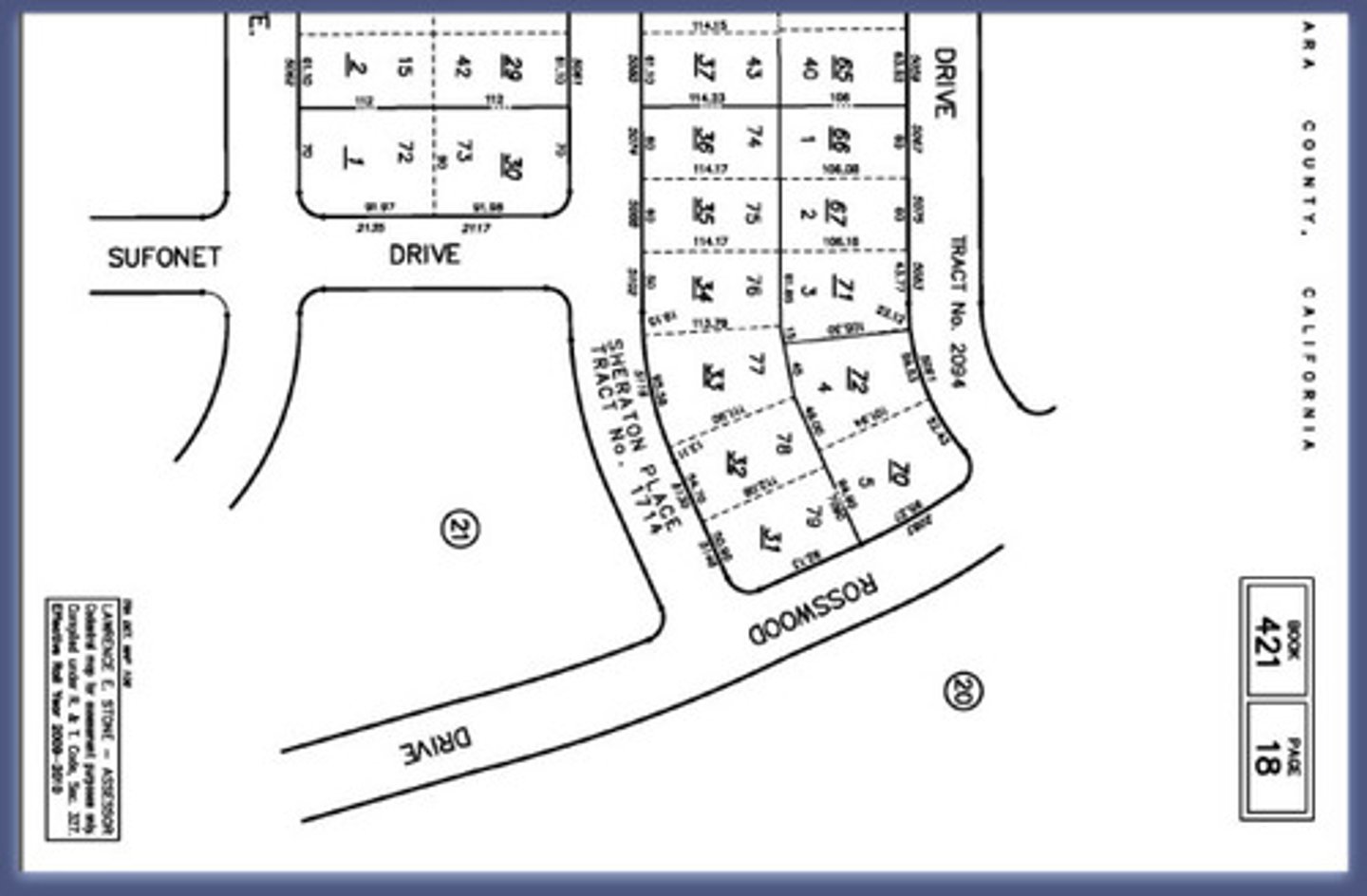
plat map
detailed map illustrating the geographic boundaries of individual lots
locator map
section of a map that shows a larger area than the main map
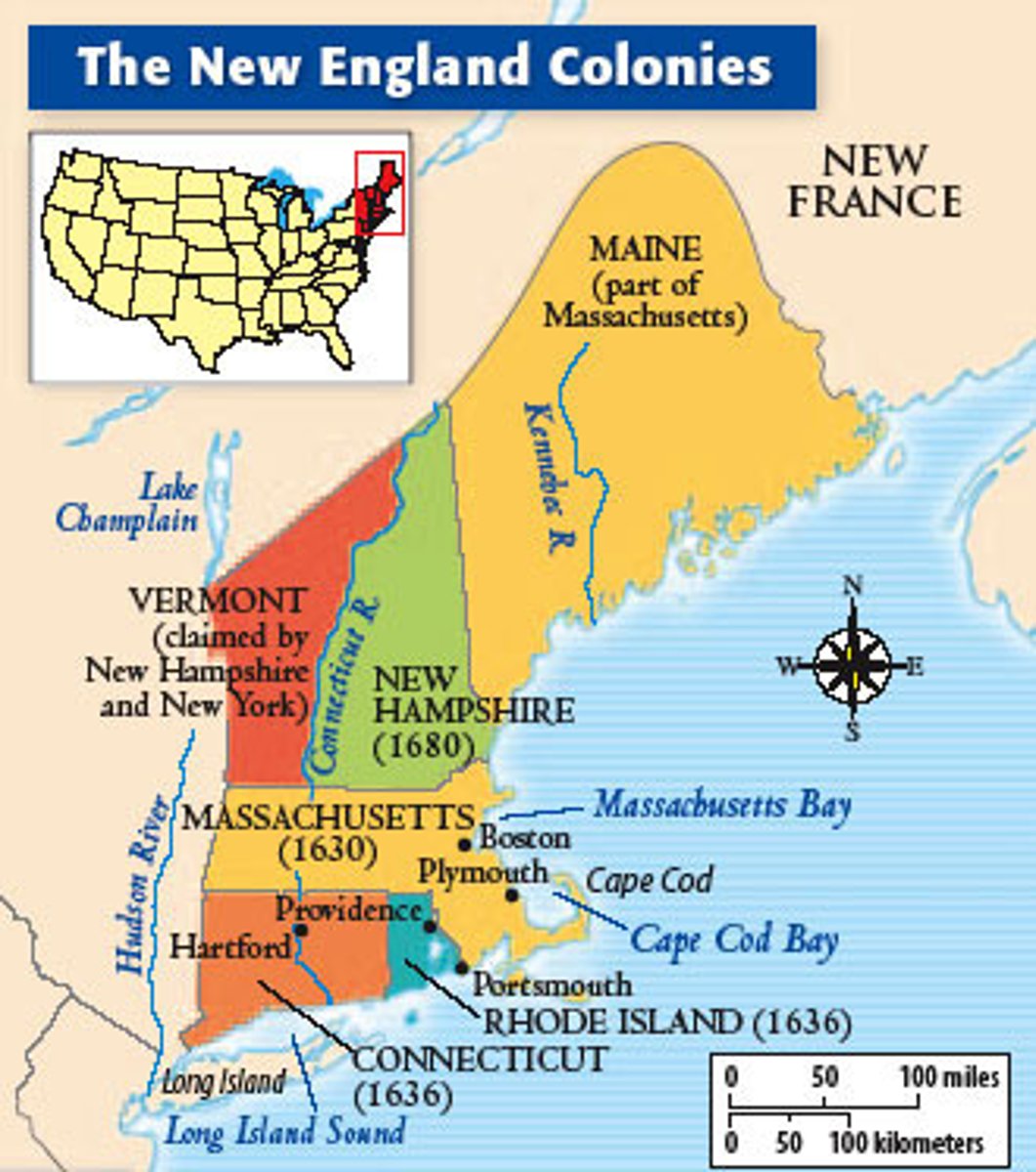
thematic map
A map that shows a particular theme
a map that shows specialized information
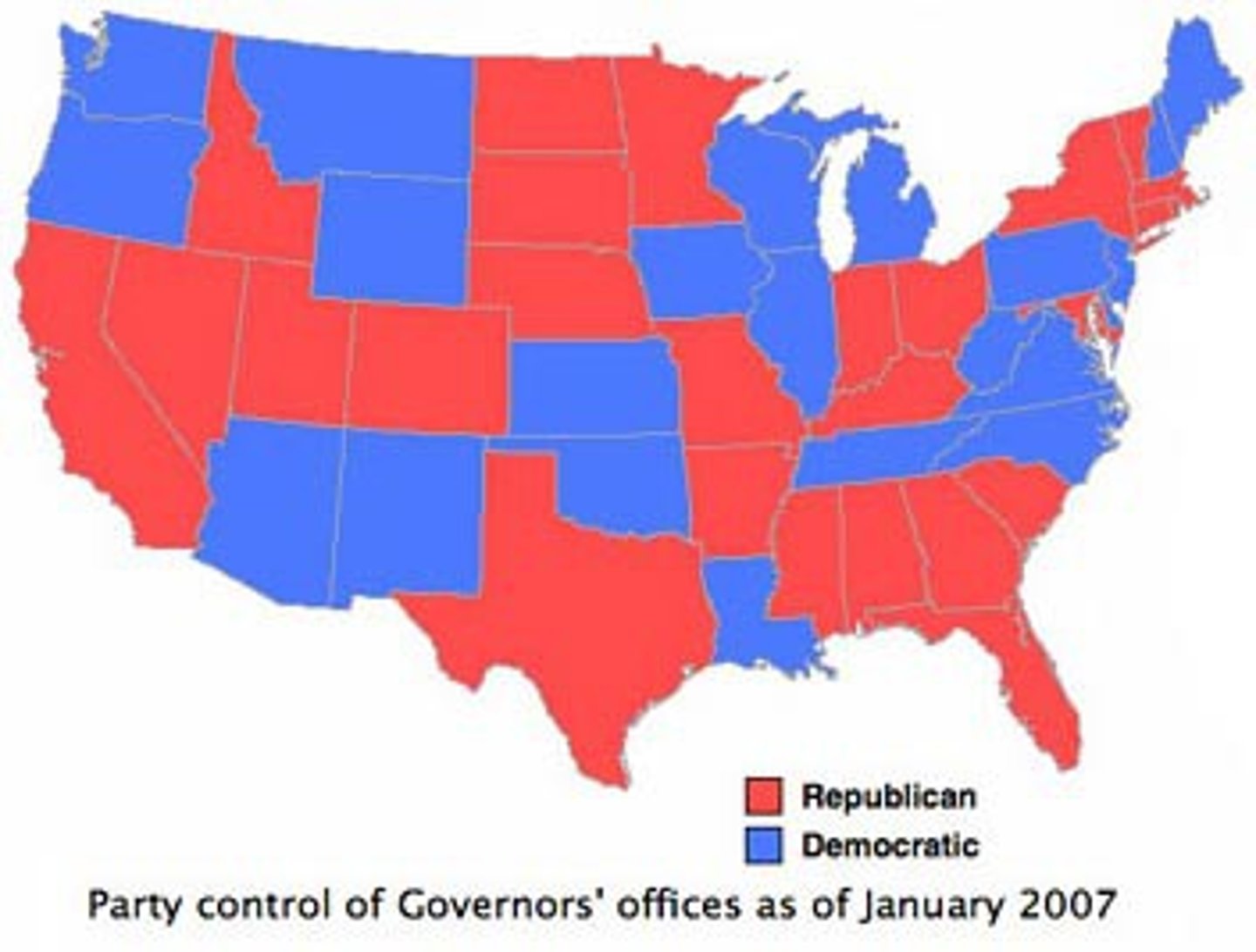
choropleth map
A map that uses differences in shading or coloring to indicate statistical ranges.
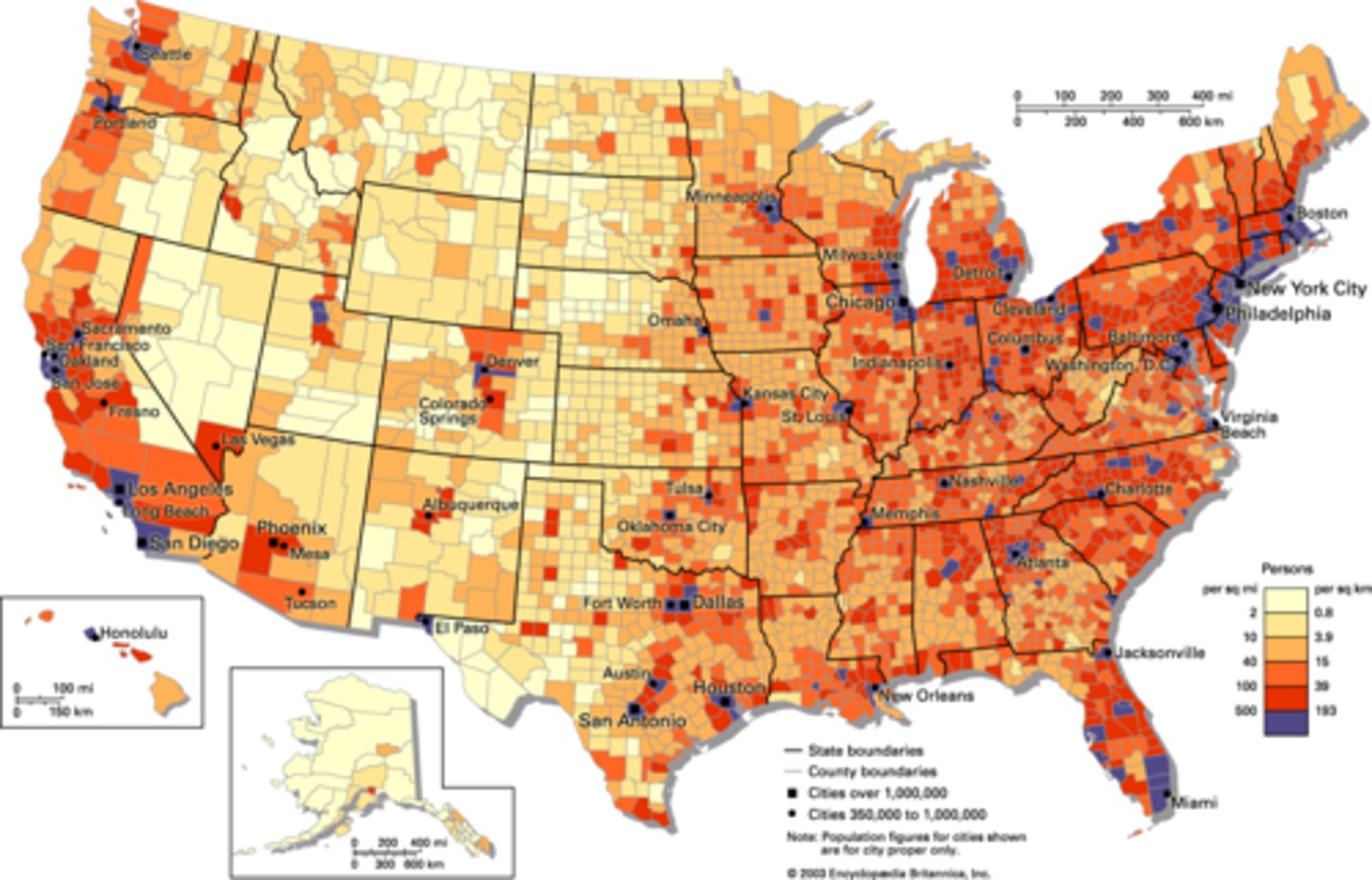
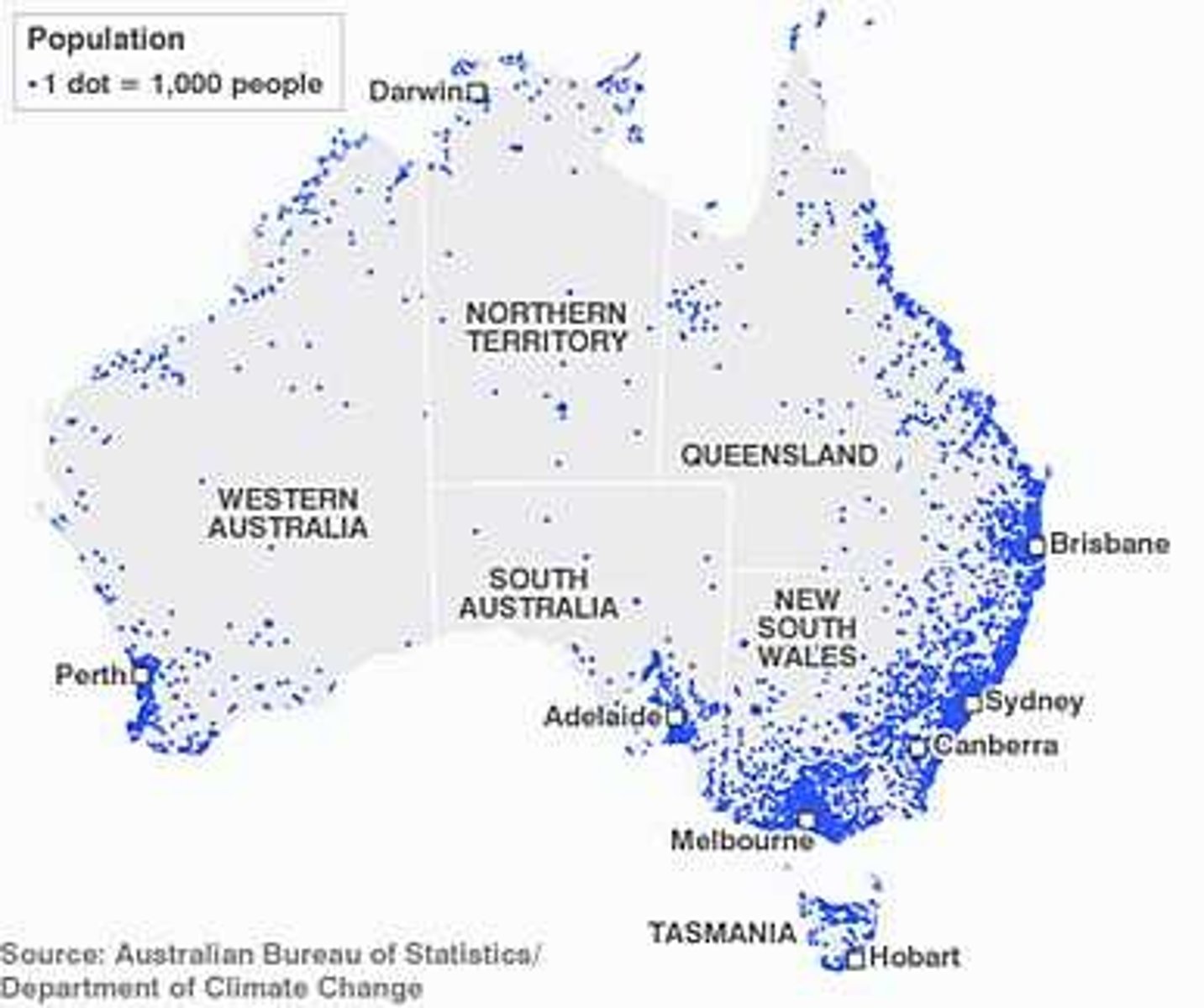
dot distribution map
each dot represents an identical unit and conveys data by amount present
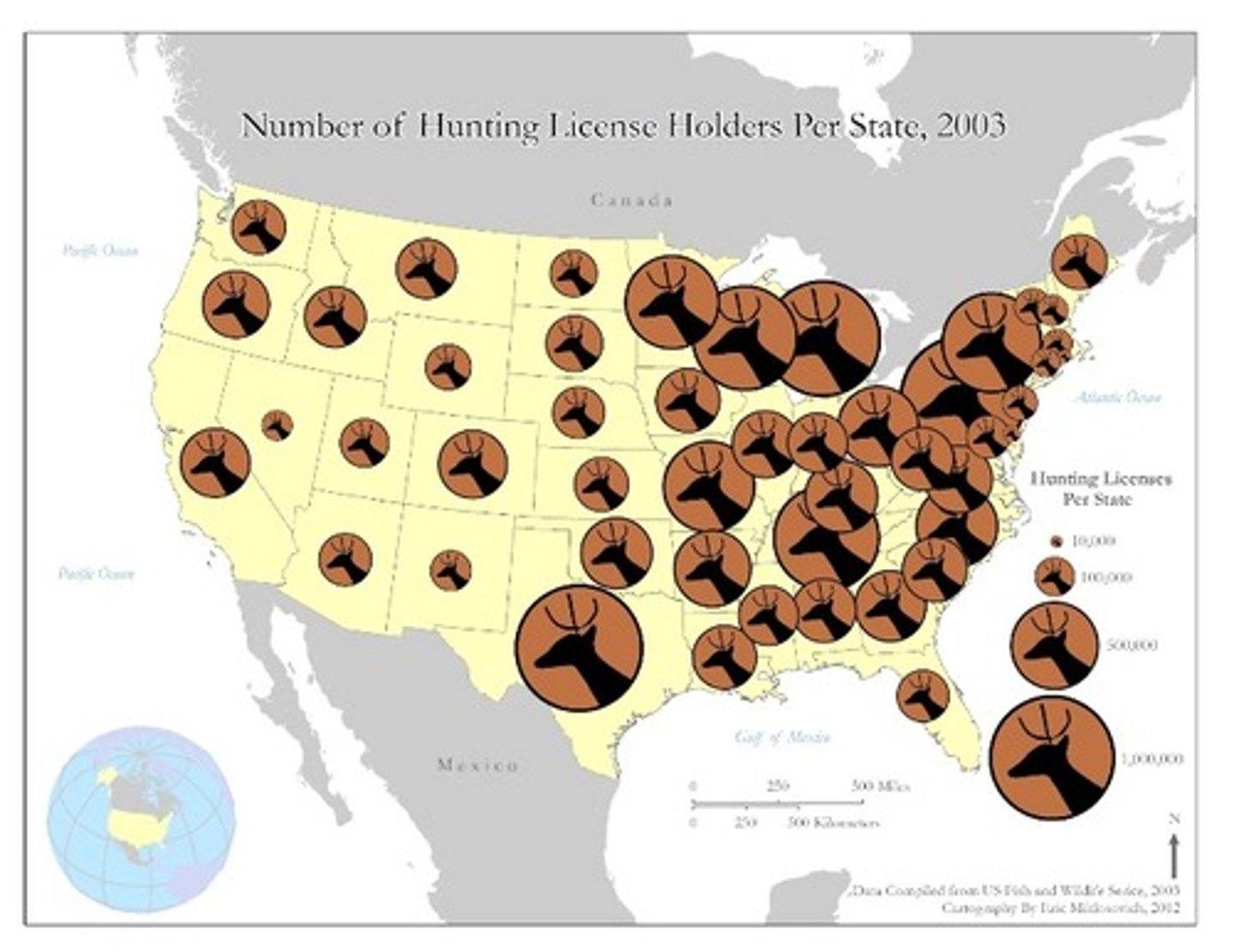
graduated symbol map
Contain symbols varying in size to show relative quantitative values
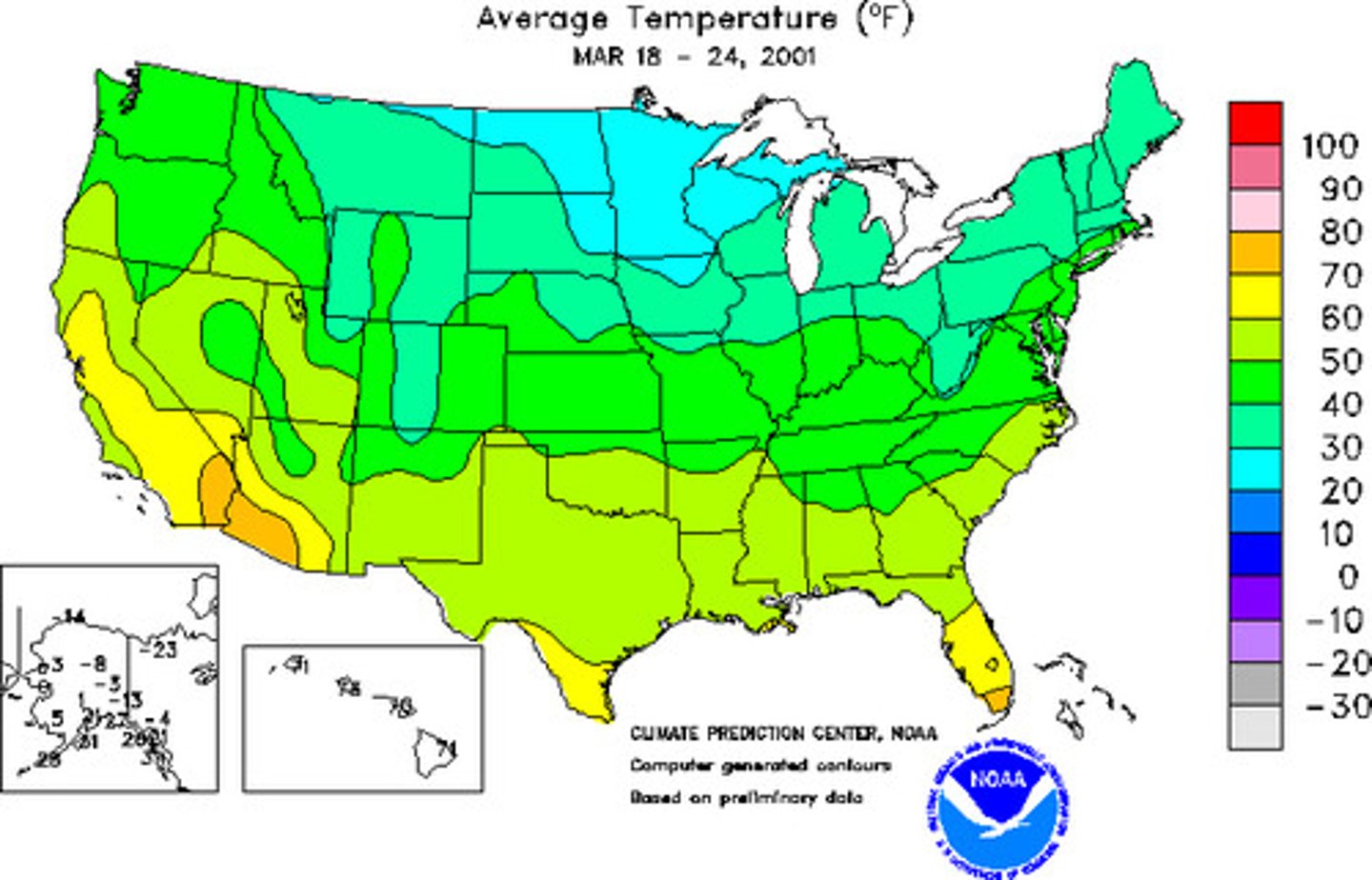
isoline map
map line that connects points of equal or very similar values
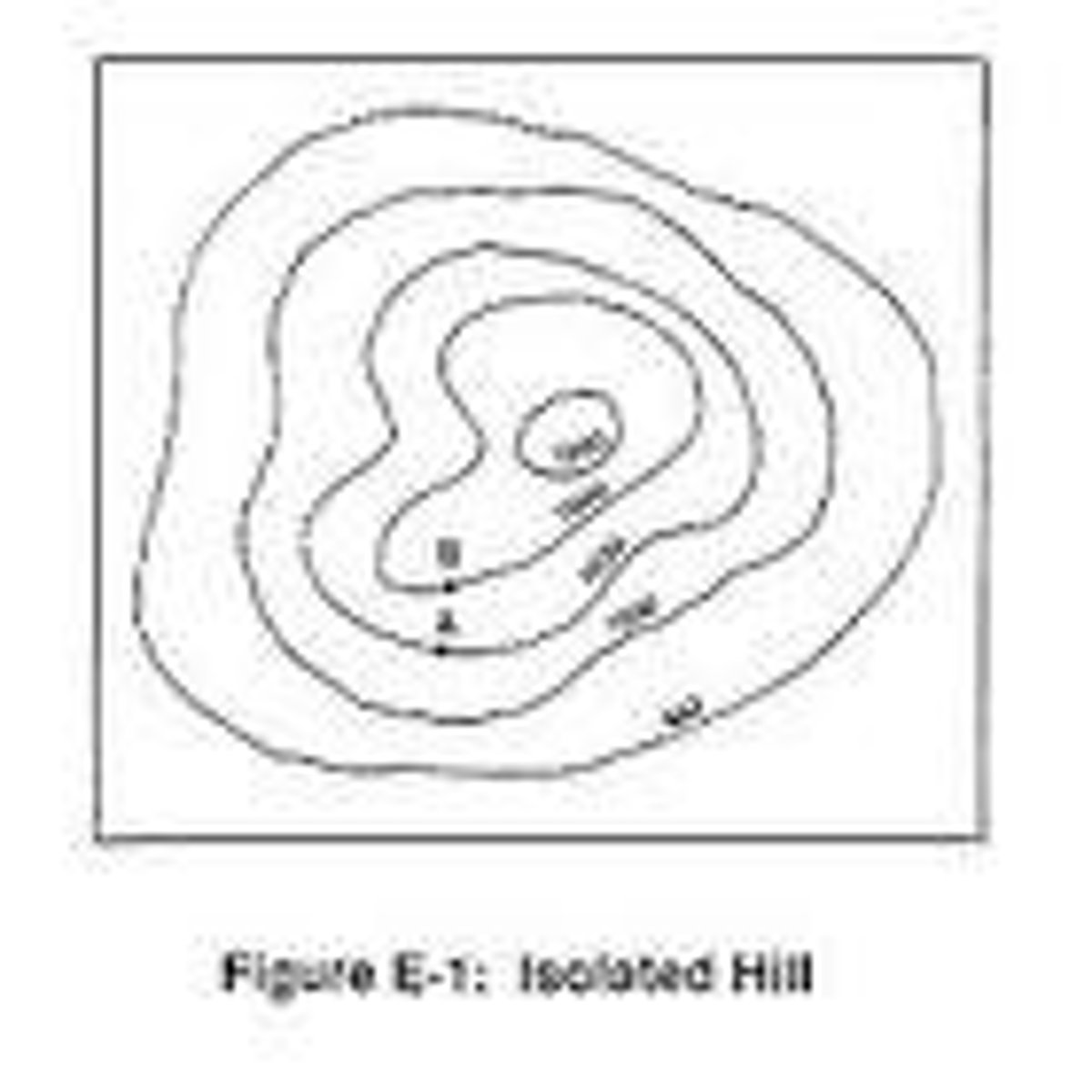
topographic map
A map that shows the surface features of an area.
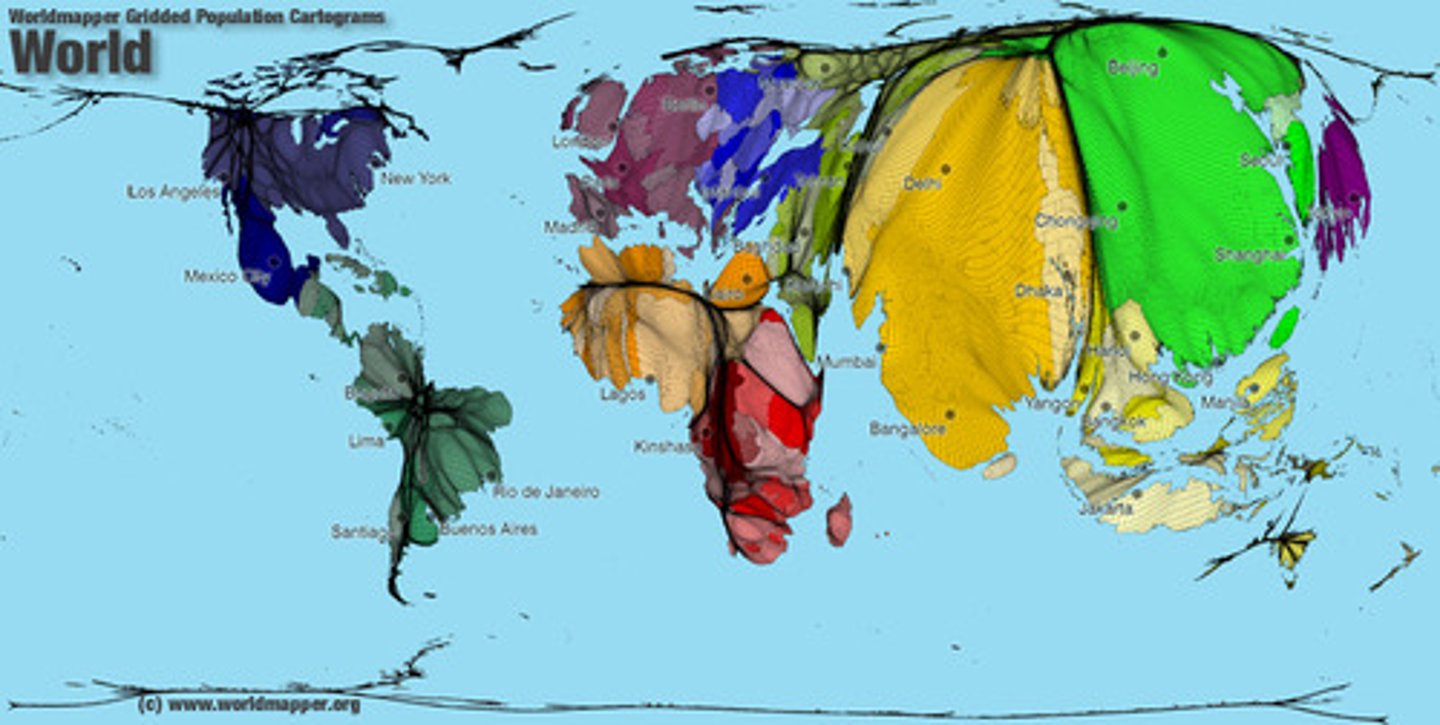
cartogram
a type of map used to present statistical info - stretch
map projection
a way of representing the spherical Earth on a flat surface
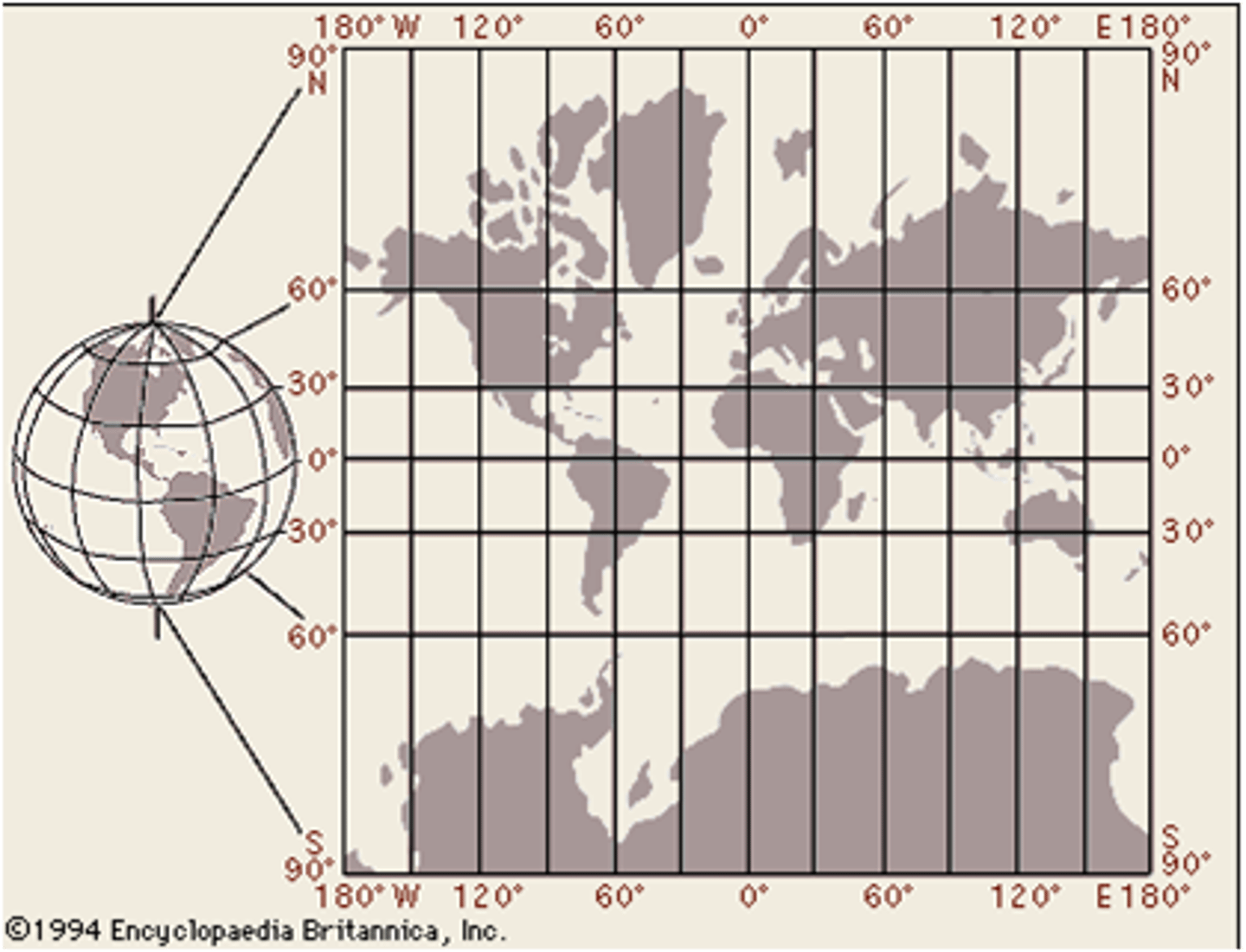
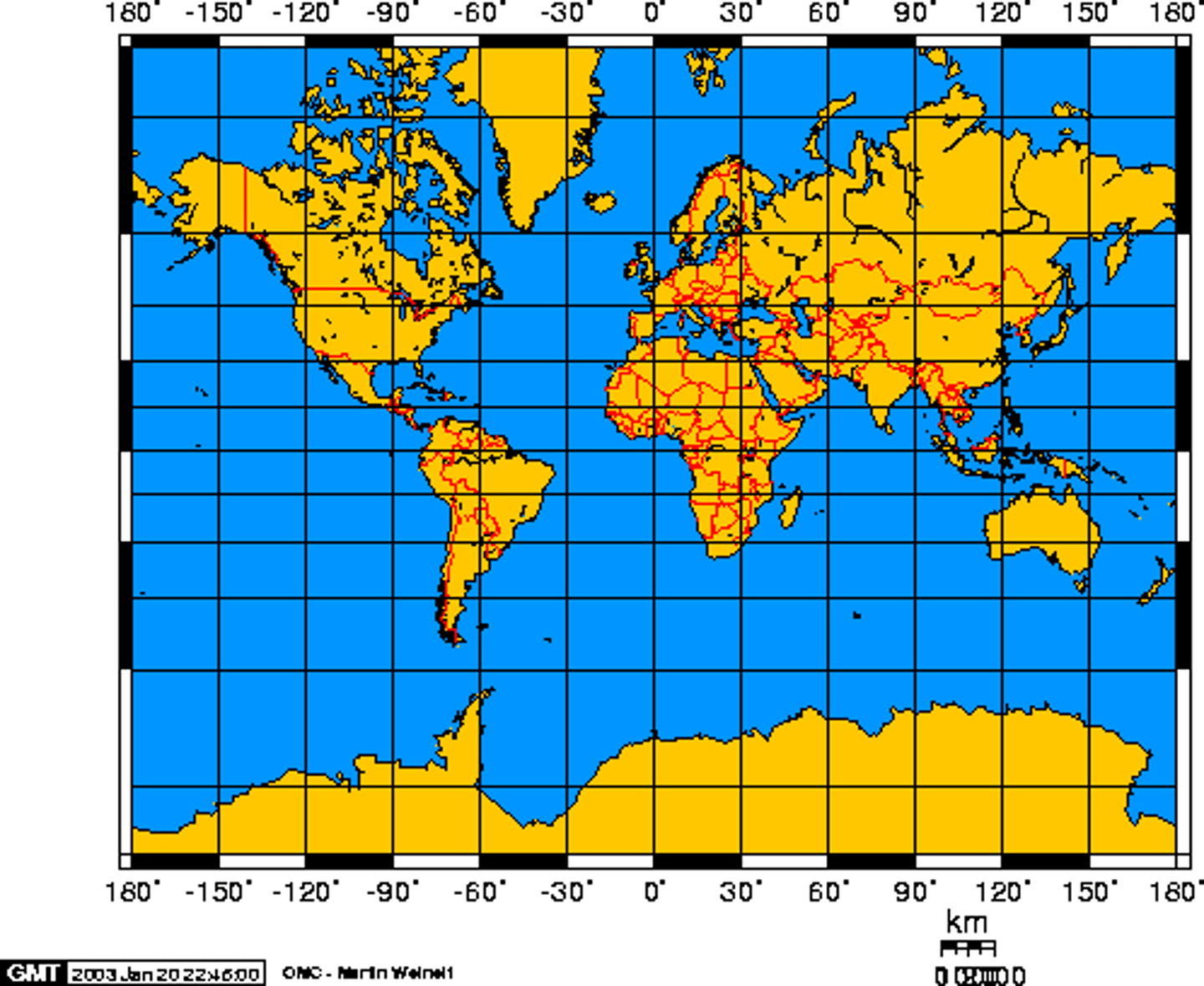
Mercator map projection
accurately shows shape and direction, but distorts distance and size of land masses; used for navigation across and ocean
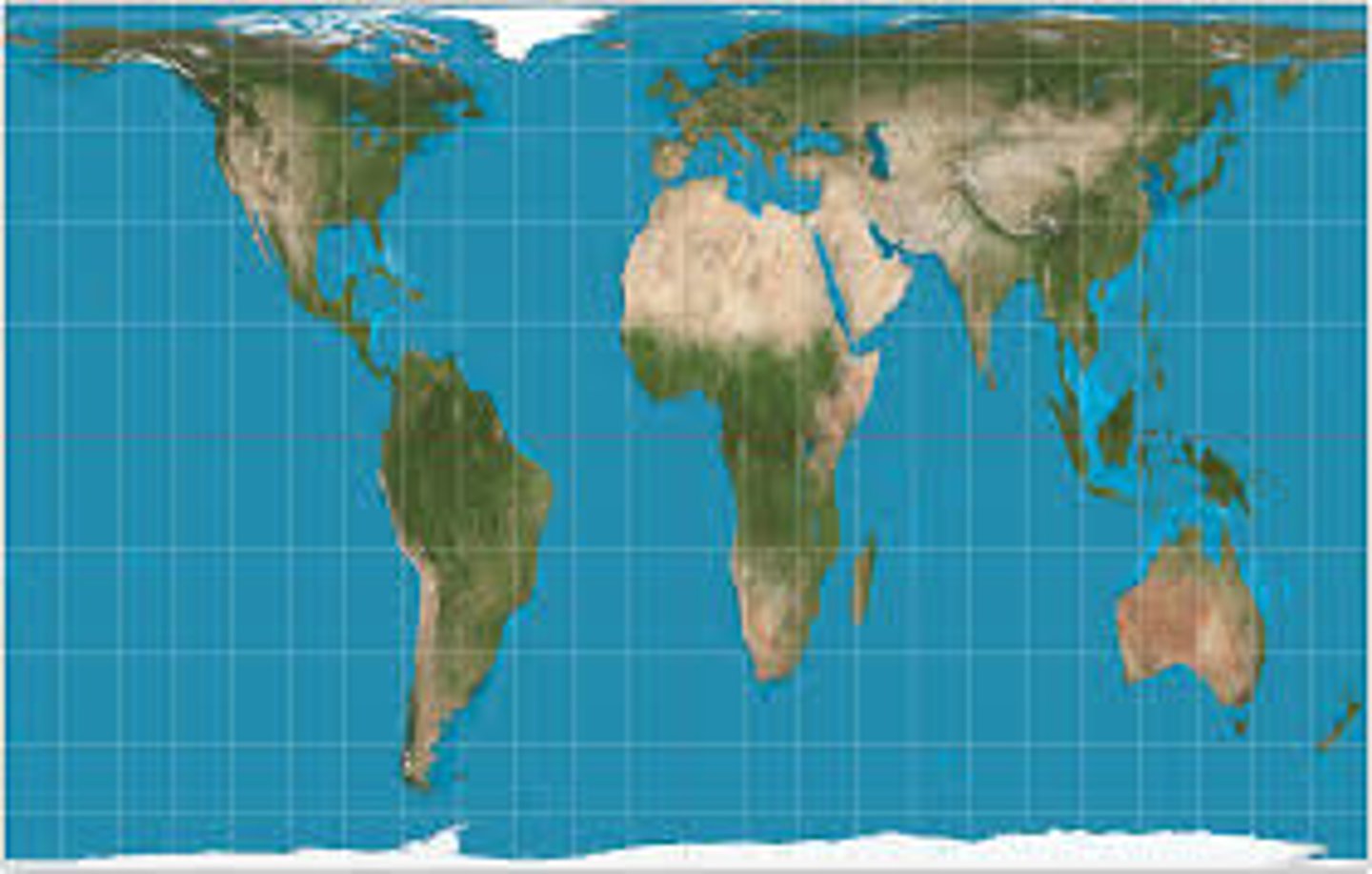
Gall-Peters Projection
equal area projection that distorts the shape of land masses (looks stretched out)
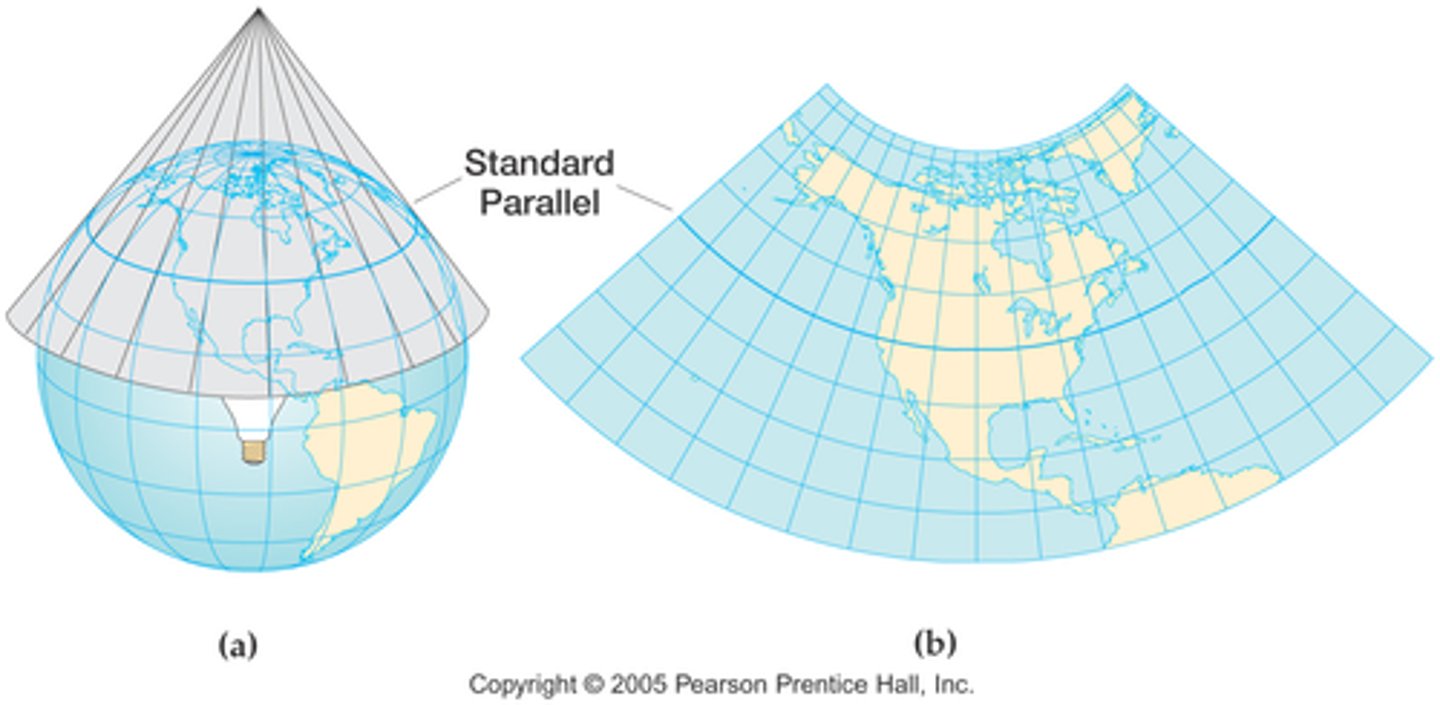
conic projection
map made by projecting points and lines from a globe onto a cone.
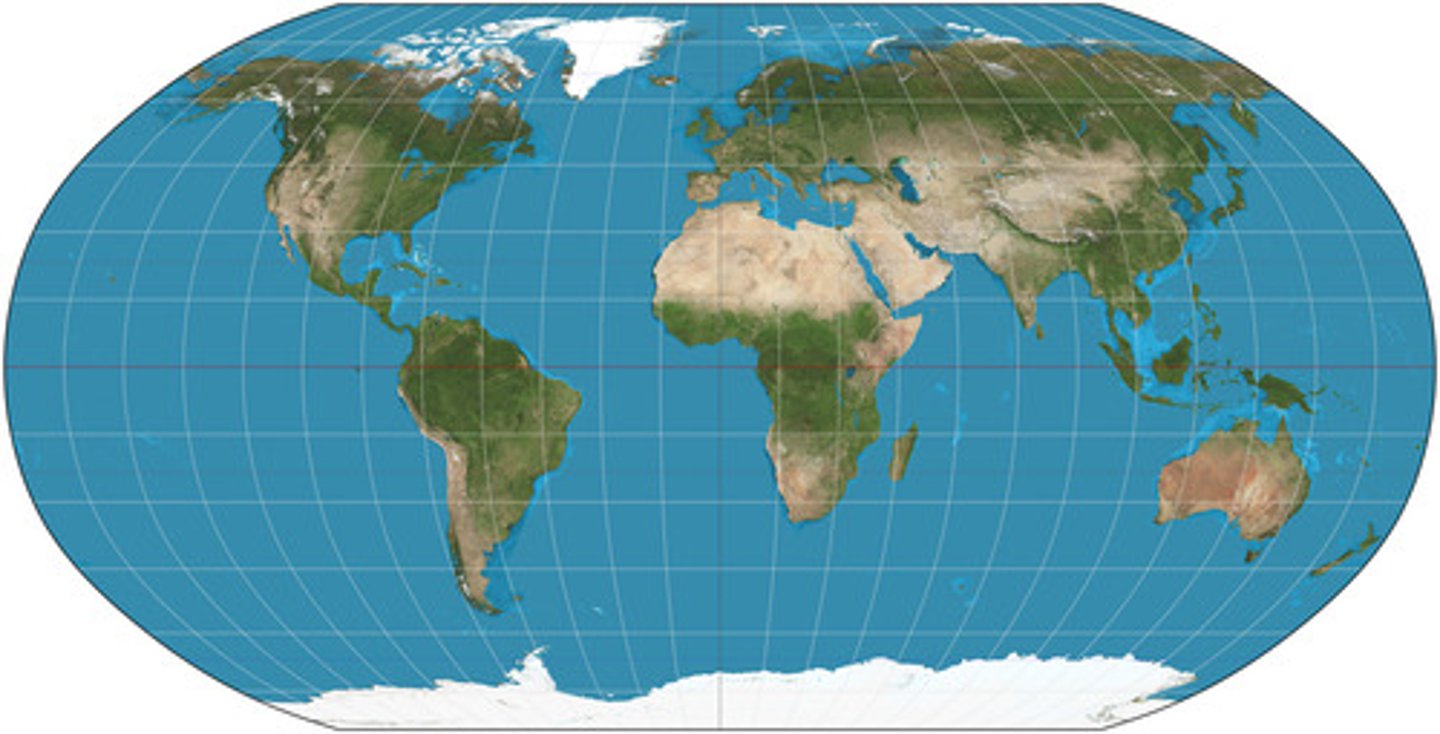
Robinson projection
The lines of latitude and longitude almost intersect at right angles except near edges.
Useful projection for display of oceans but land masses are distorted.
geographic model
A model that represents earths features.
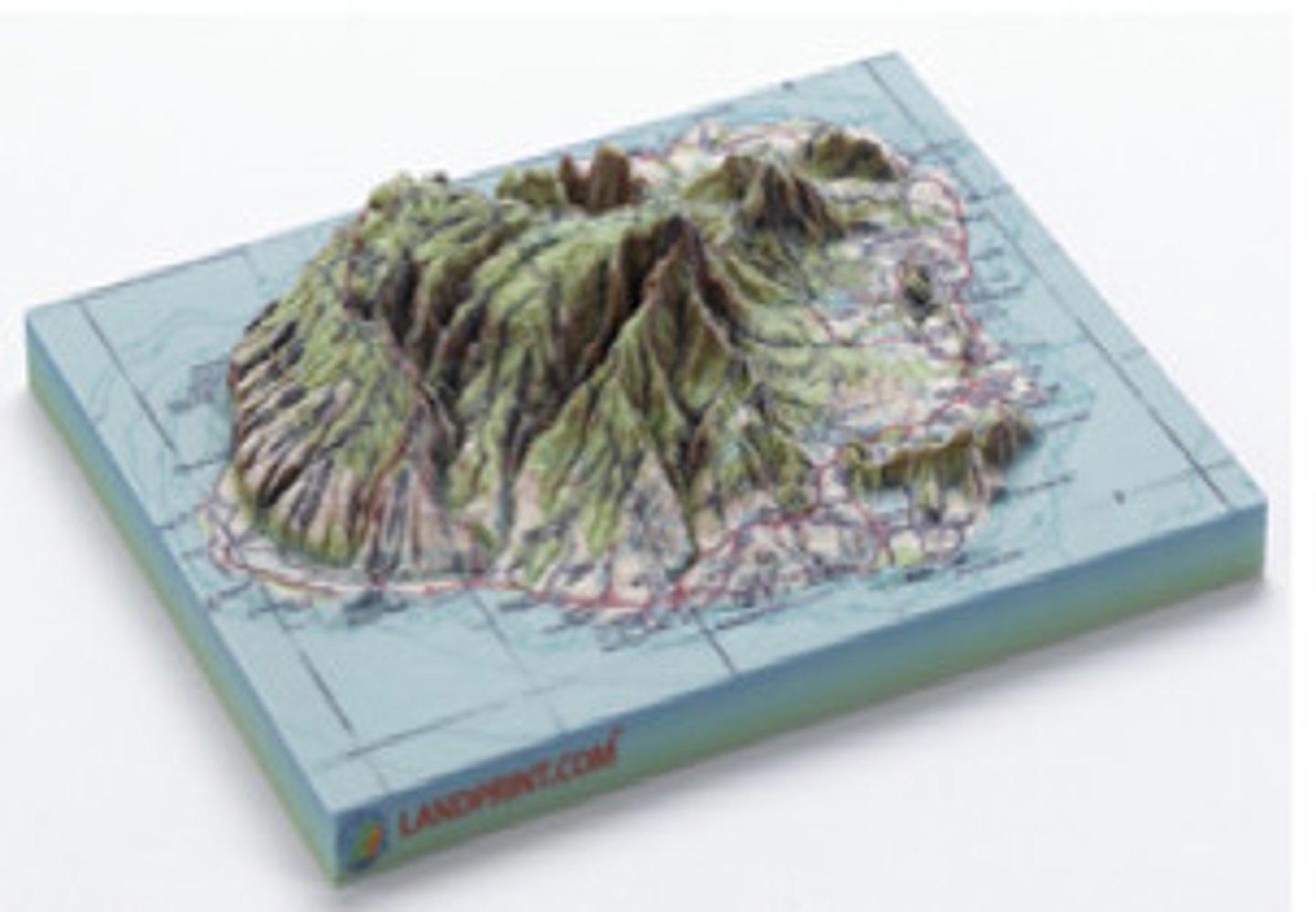
spatial model
stylized map, illustrate theories about spacial distributions
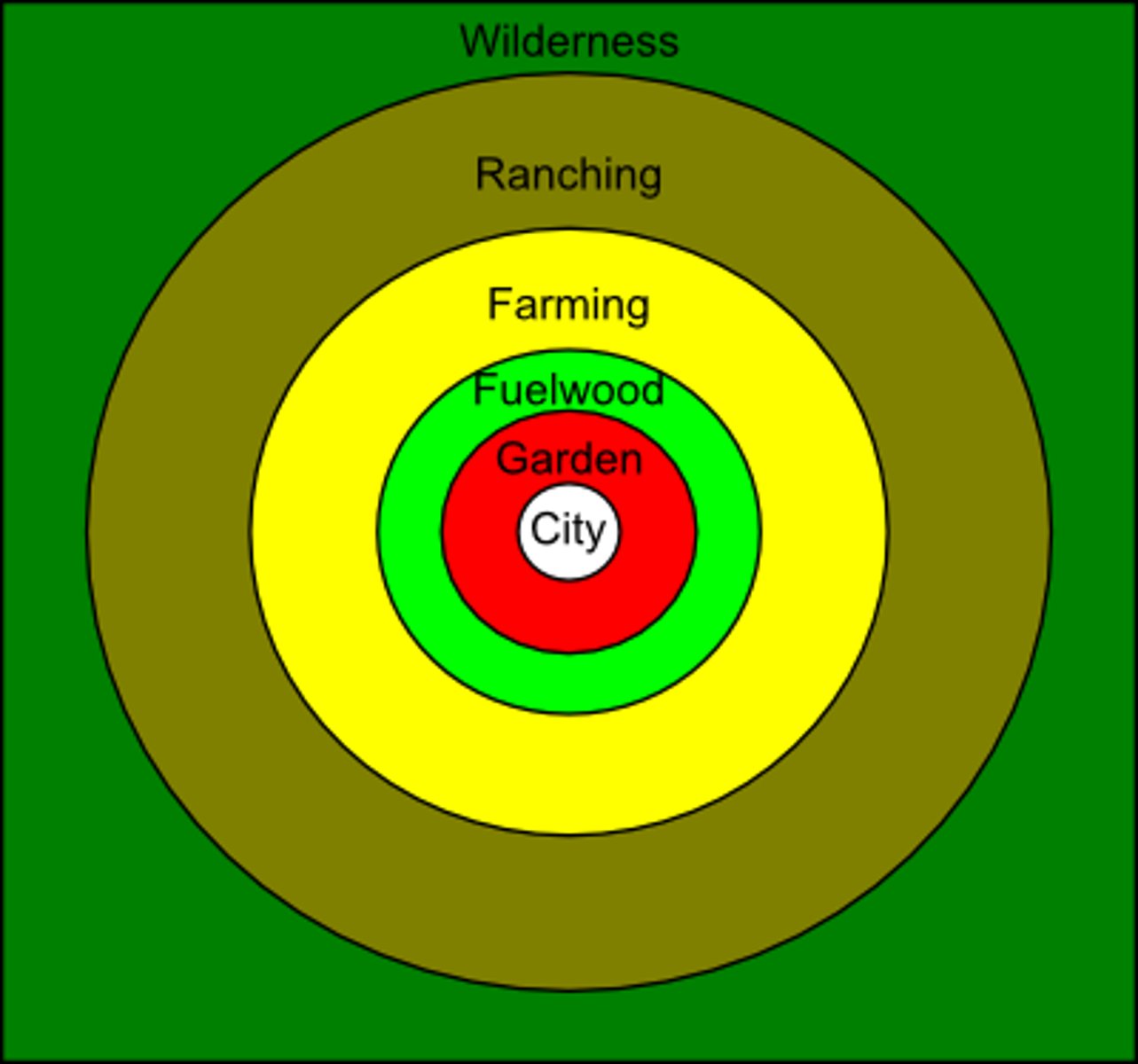
nonspatial model
illustrate theories using words, graphs, and tables; often depict change over time
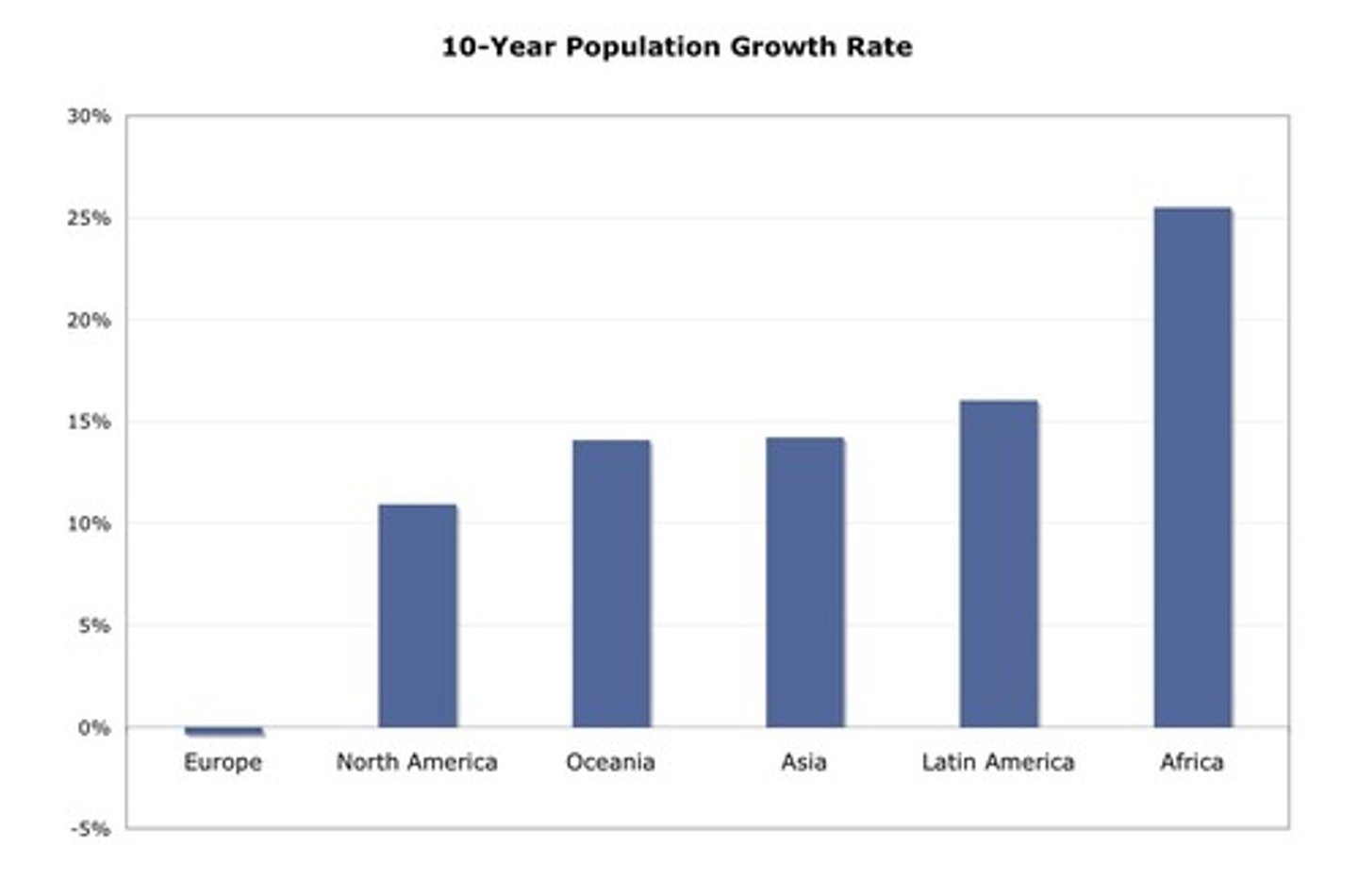
regionalization
The process of dividing an area into smaller segments called regions.
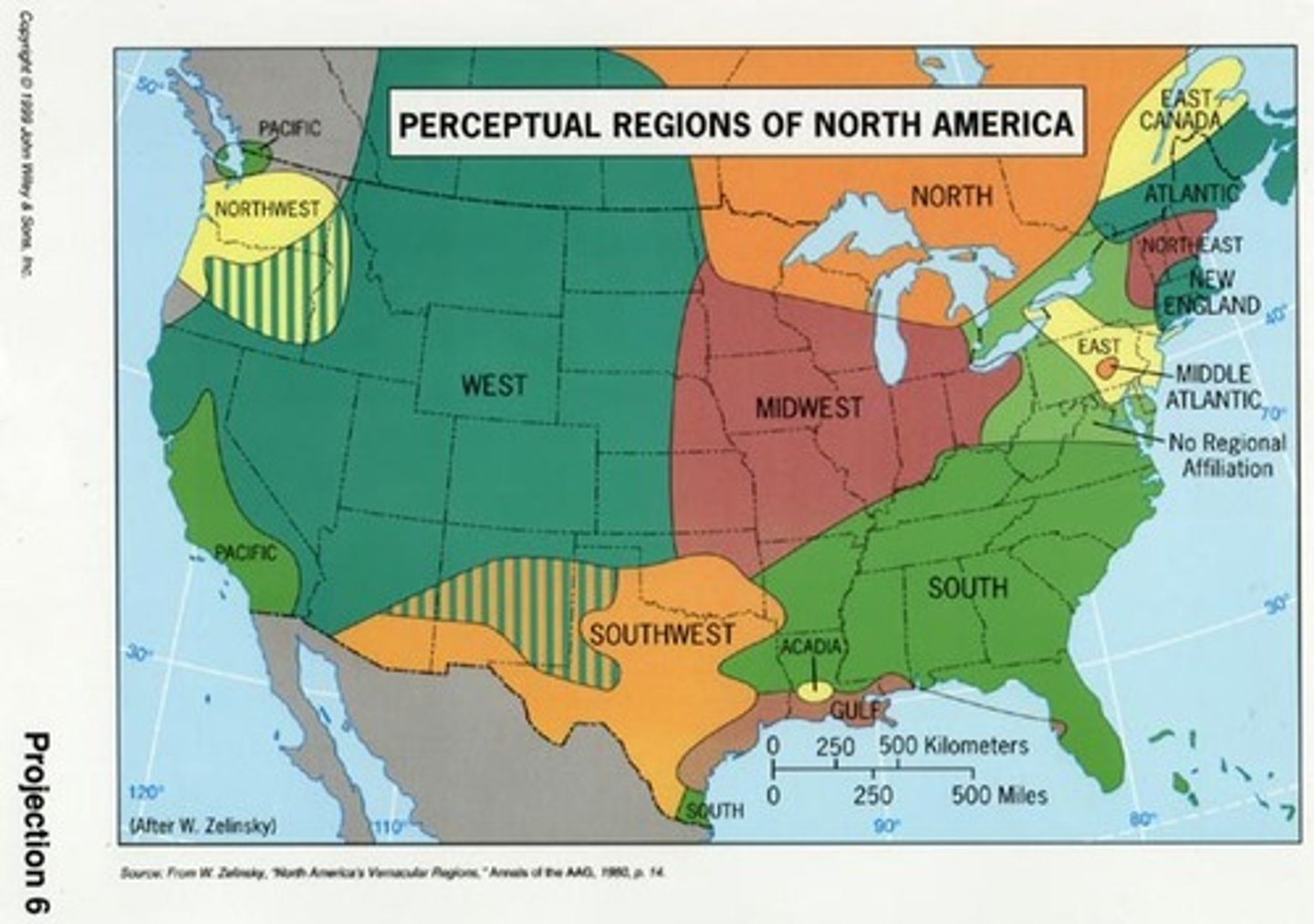
formal region (AKA uniform or homogenous)
a group of places that have similar attributes, for example, a political region
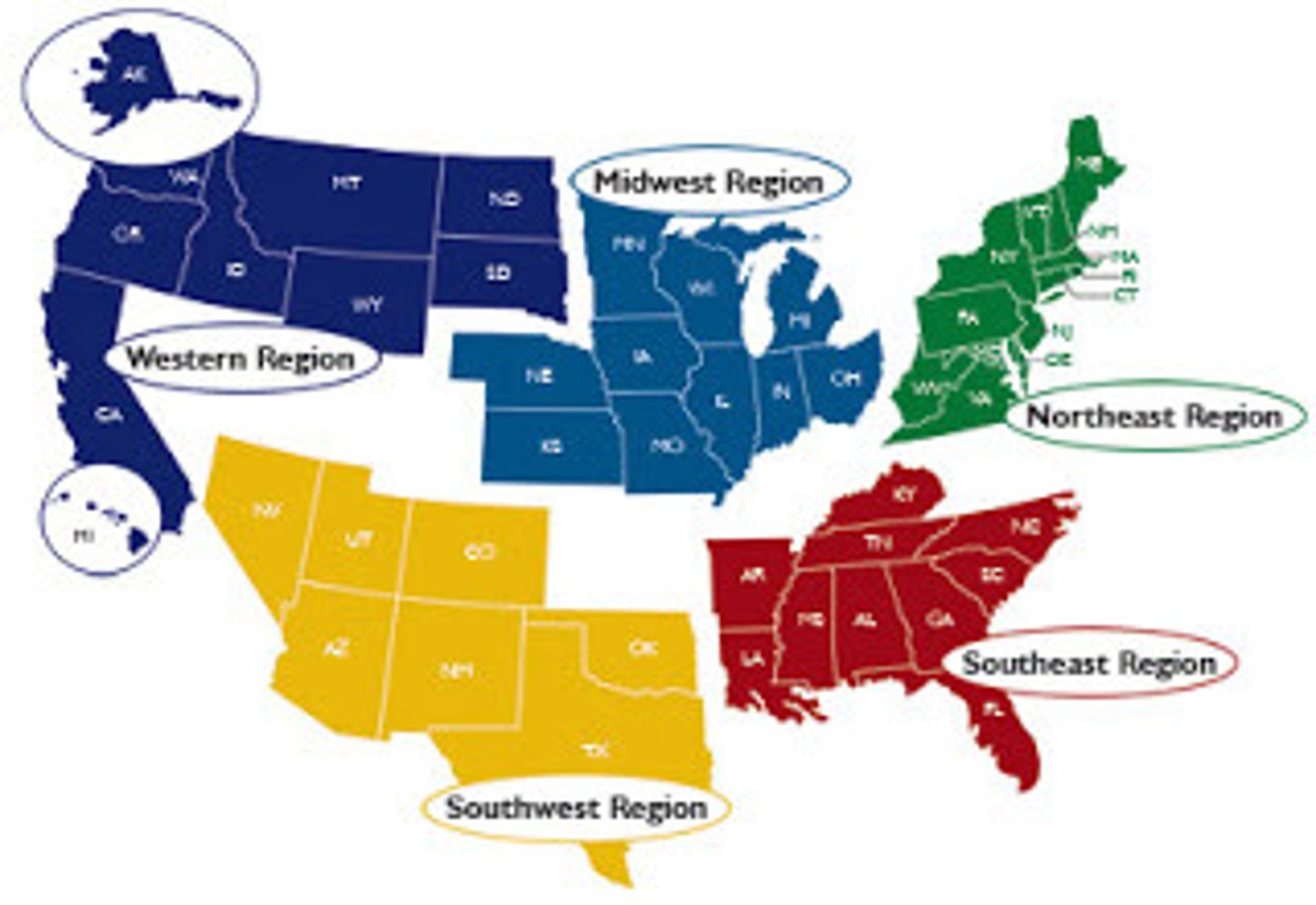
functional (or nodal) region
Consists of a central place and the surrounding places affected by it
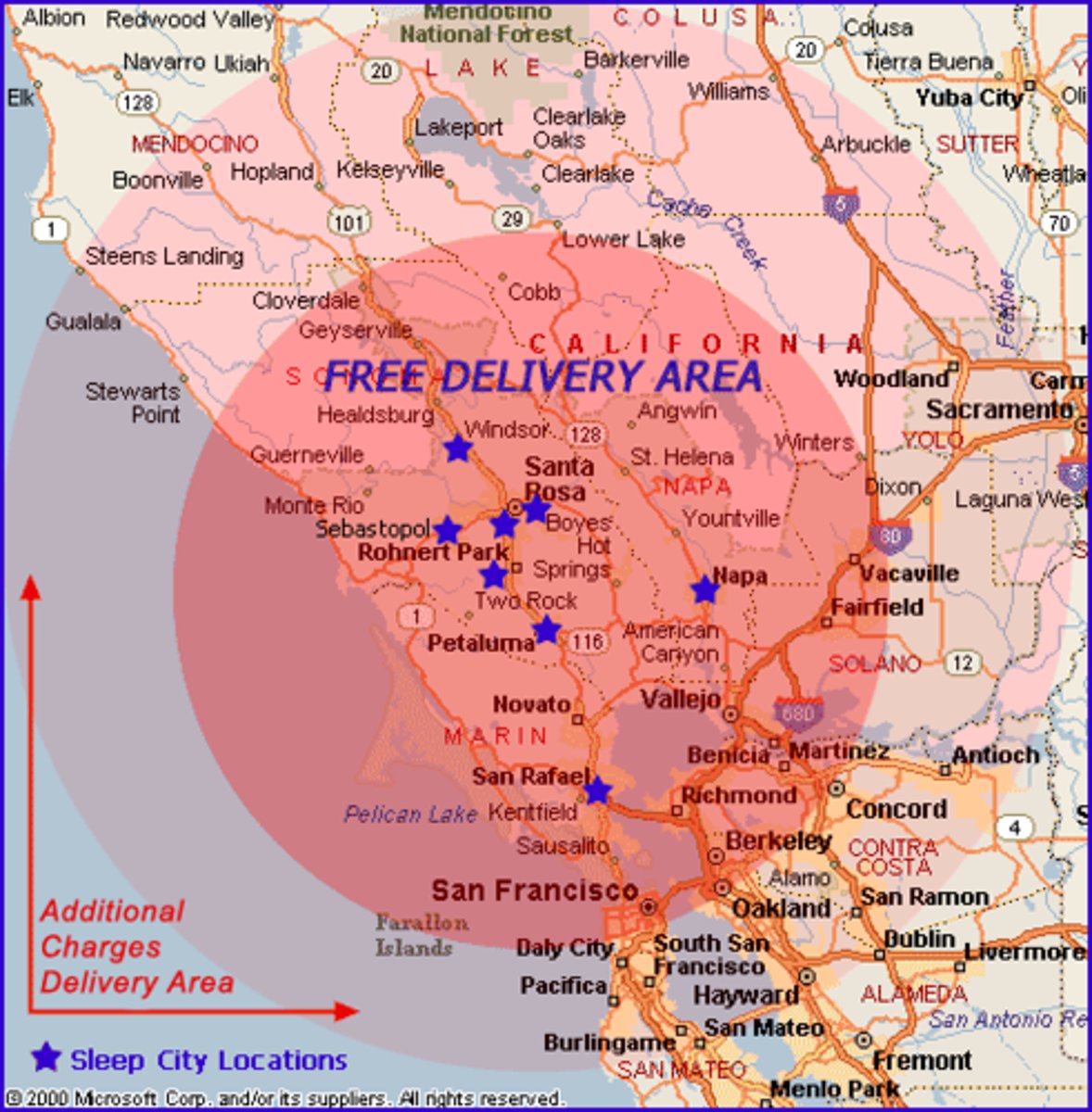
perceptual (or vernacular) region
a region defined by popular feelings and images rather than by objective data.
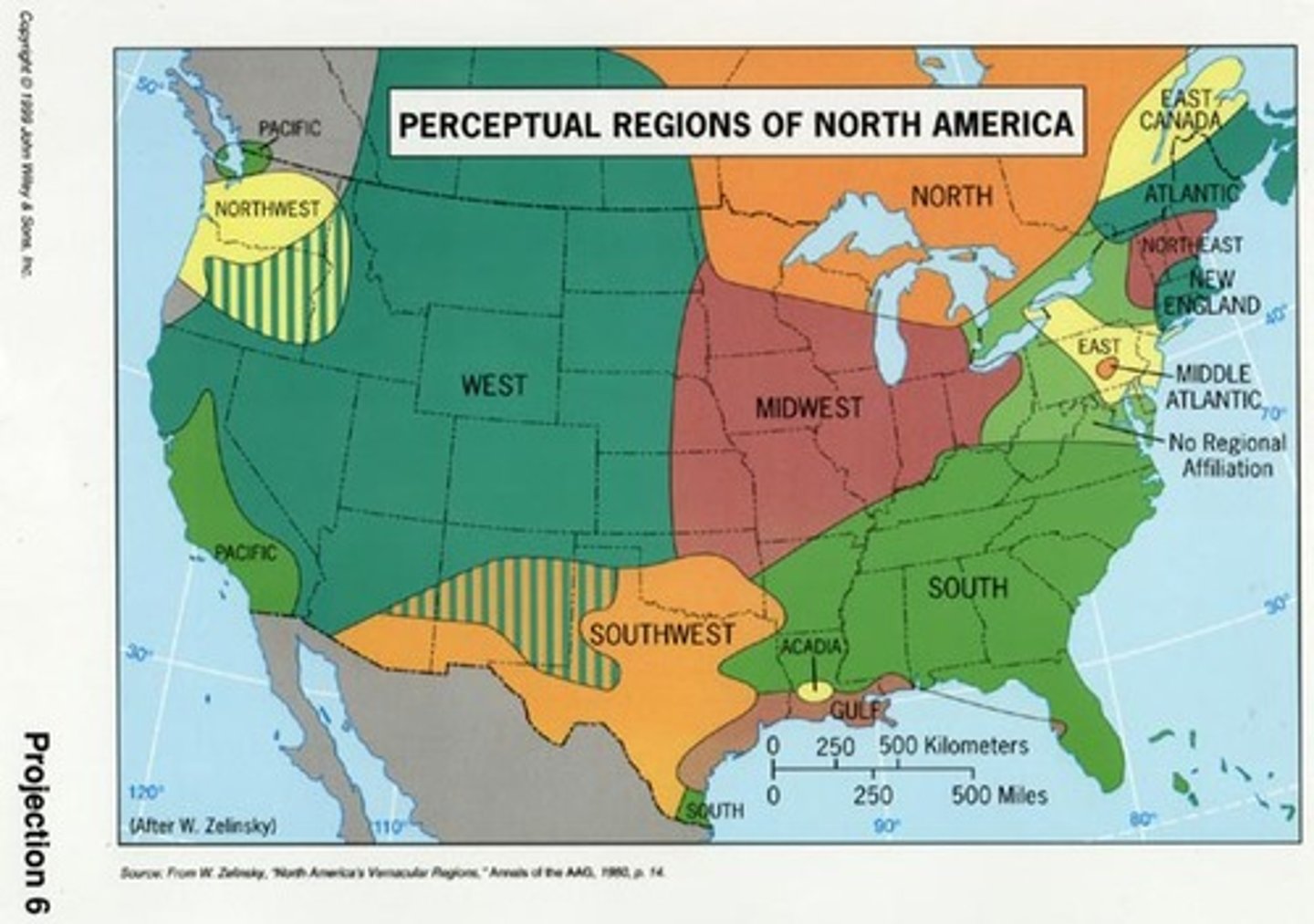
mental map
A map which represents the perceptions and knowledge a person has of an area

subregion
A smaller division of a geographic region.

fieldwork
on-location research
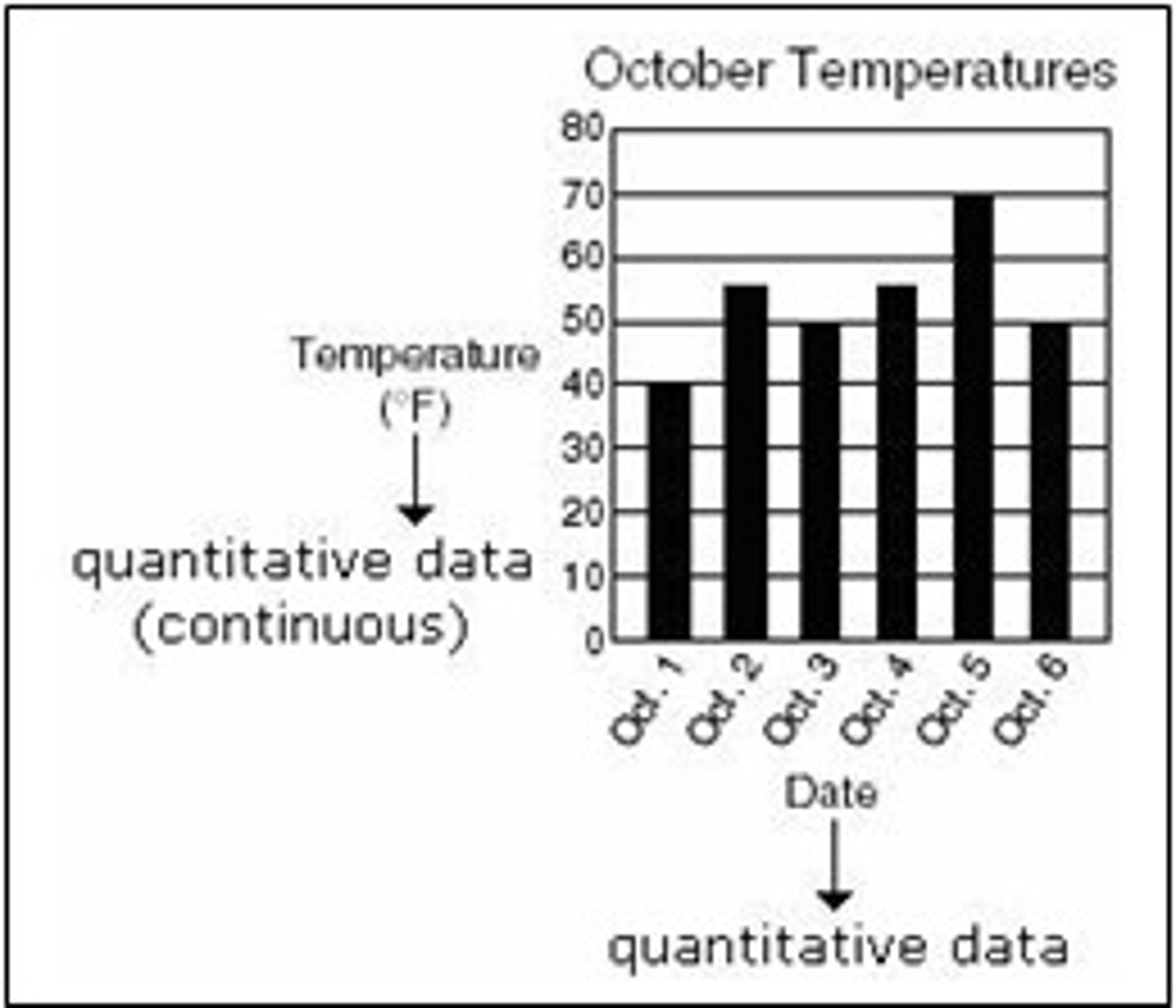
quantitative data
Information obtained by counting or measuring
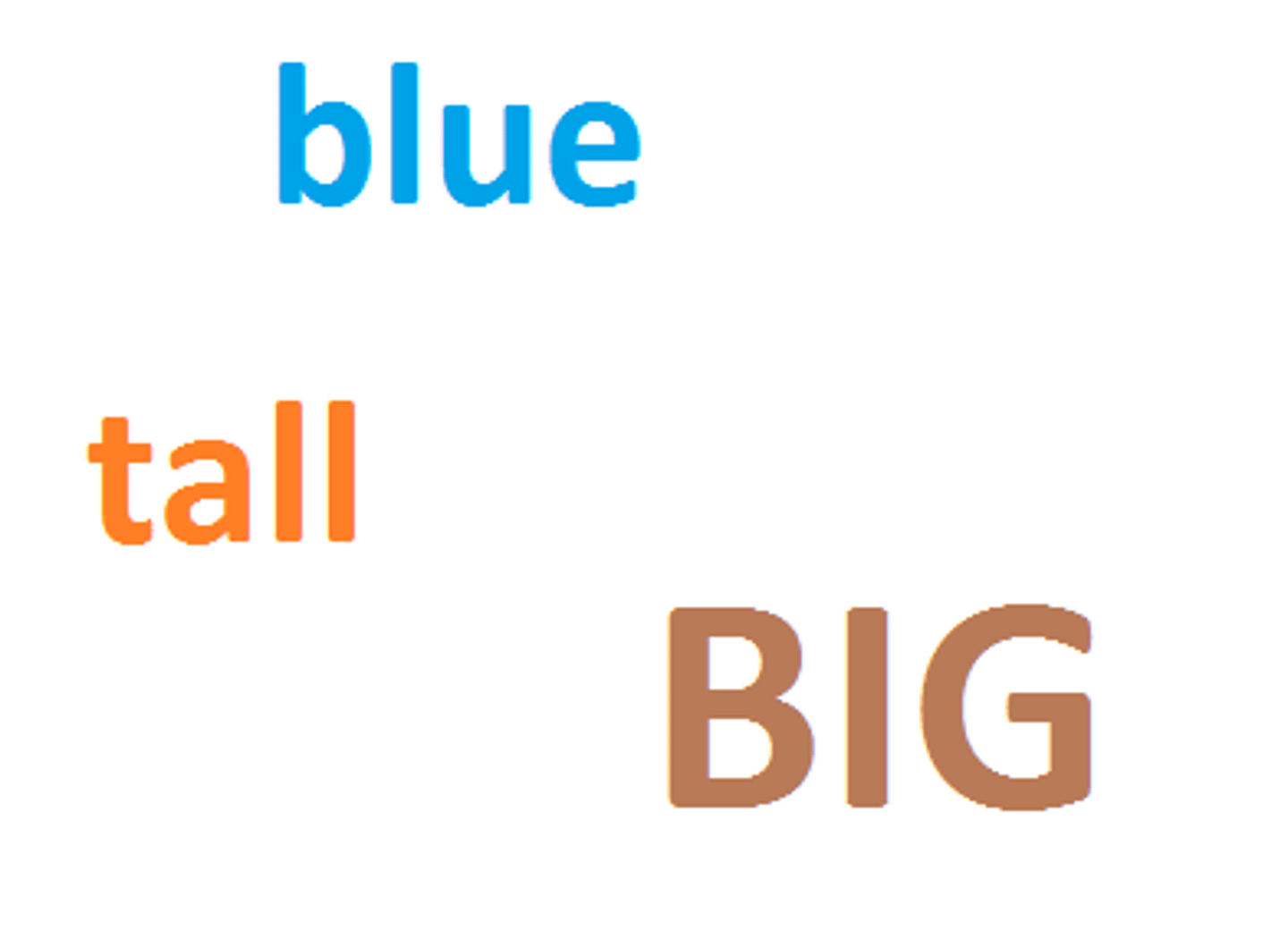
qualitative data
Information describing color, odor, shape, or some other physical characteristic
 Note
Note  Flashcards (21)