A Streetcar Named Desire Context
 Studied by 0 people
 Call Kai
 Learn
Learn Practice Test
 Spaced Repetition
 Match
Match Flashcards
 Knowt Play
1/25

There's no tags or description
Looks like no tags are added yet.
Name | Mastery | Learn | Test | Matching | Spaced | Call with Kai |
|---|
No analytics yet
Send a link to your students to track their progress
26 Terms
'The South'
- The DuBois family wealth would probably have been built on slavery which was abolished in the South in 1865
- The Southern states became poor after losing the Civil war (1861-5) and families like the DuBois declined
- The decline of wealthy Southern families was widely romanticised in literature
'Williams and the South'
Williams was born into a 'well-to-do' Southern family. They moved north and he was often ridiculed for his Southern accent. He returned at the age of 28.
He saw the South as a broken and damaged place within which the decay was a charming "war between romanticism and hostility"
'New Orleans'
- City in Louisiana, southern USA, whose legal system was influenced by the Napoleonic code
- A cultural melting pot where unlike the USA in the 1940s many white and black lived alongside each other
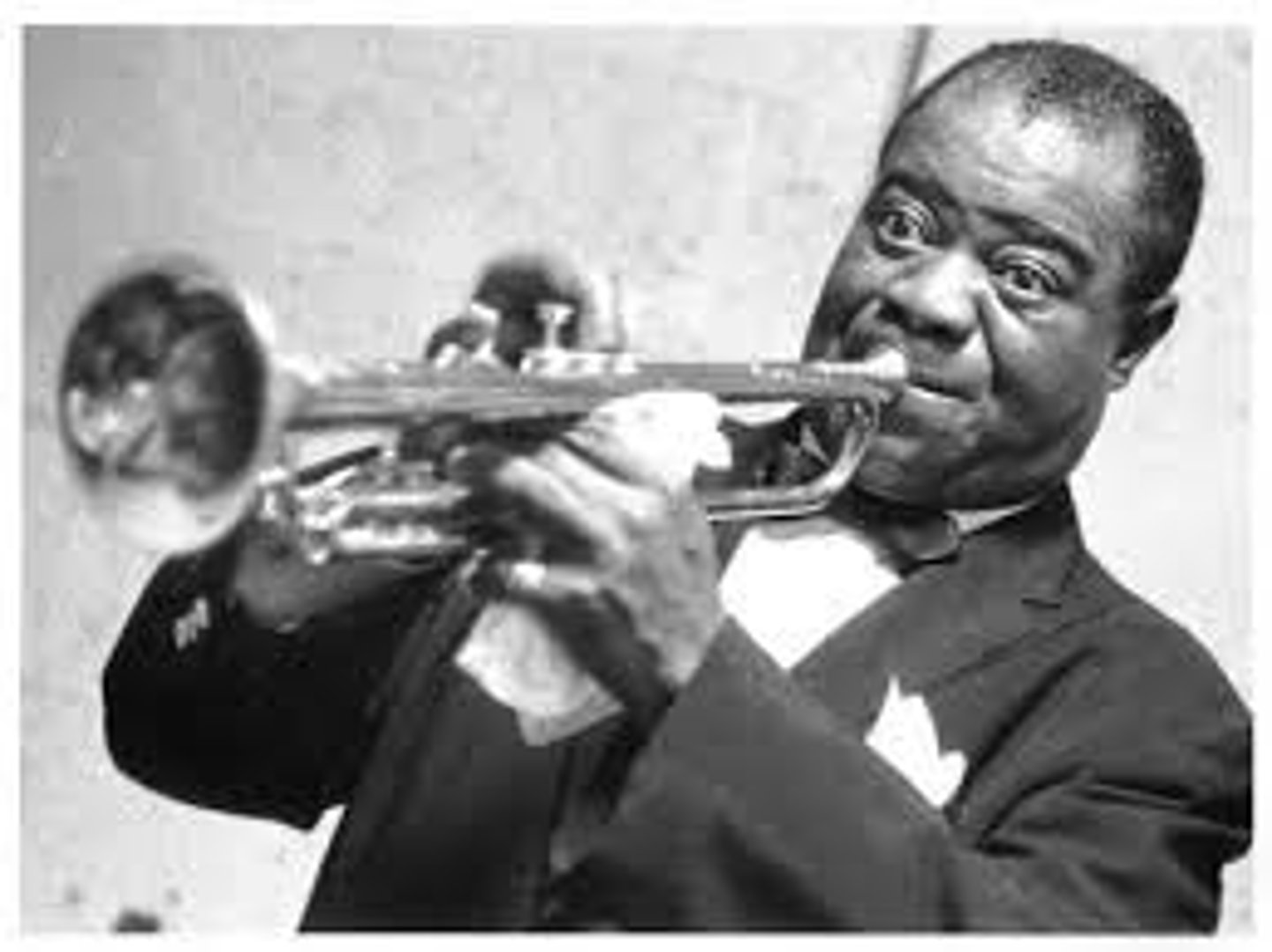
- Strong associations with jazz music and the birthplace of the Blues
'Williams personal life'
- Poor relationship with his father who was supposedly a heavy drinker and often a model for his vulgar male characters
- Closer to his mother who, despite being prone to hysterical attacks, was the model for many strong female characters
- His sister, Rose, has a life of mental instability as a schizophrenic. She had a prefrontal lobotomy against his will and became institutionalised for the remainder of her life
- Struggled with anxiety and depression - became dependent on drugs and alcohol (like Blanche)
- Homosexual in an era it was illegal
- Lifelong fear of death, especially cancer (alluded to give death of Margaret in the loss of Belle Reve)

'World War 2'
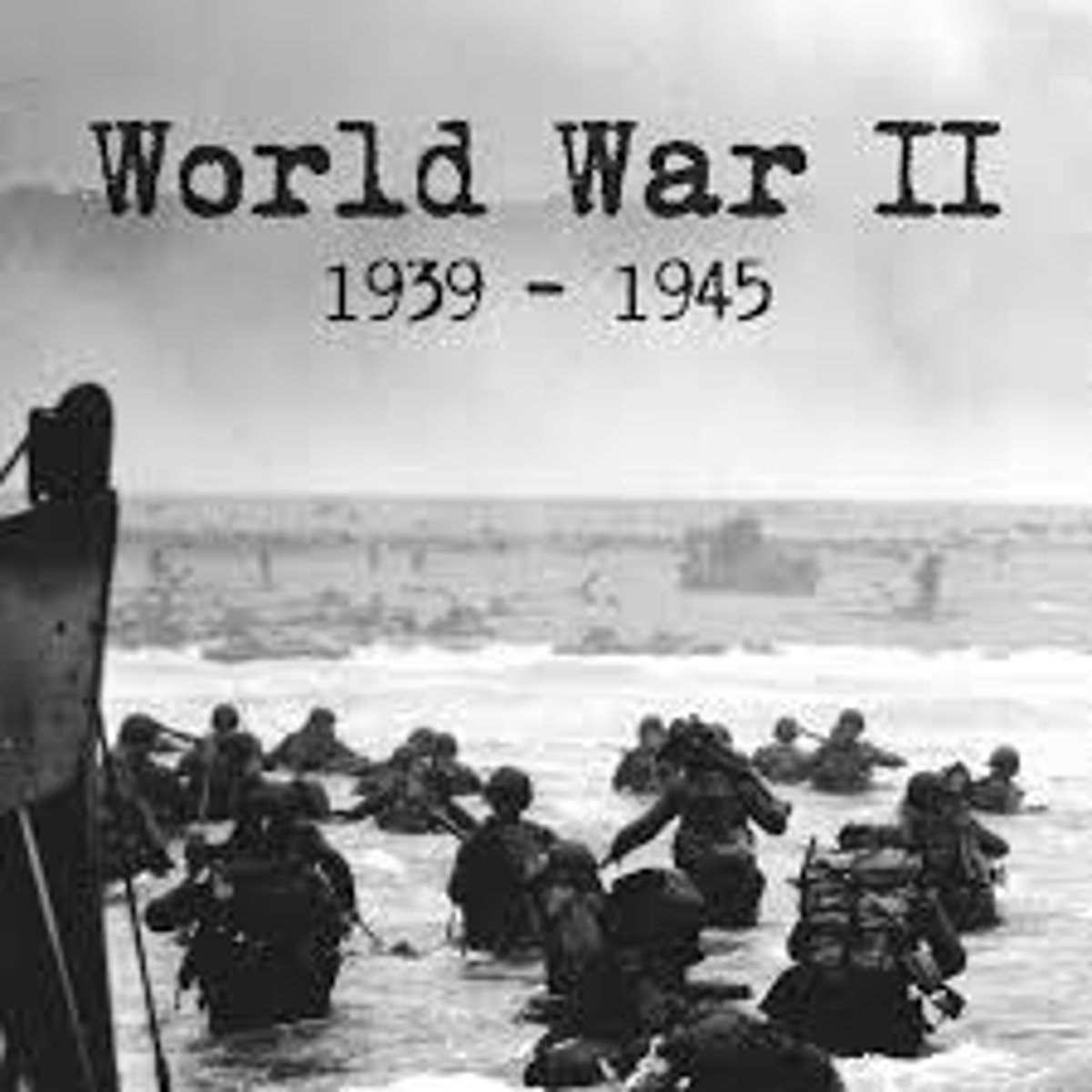
Published in 1947 it directly followed WW2 which ended in 1945. Despite never explicitally referencing the war, there was a key idea that whilst many spheres of life were developing, so was man's capacity for destruction and evil.
The spotlight of heroes focused on the middle and lower class as the true American spirit, with an air of victory and bravado that followed the war
'The Great Depression'
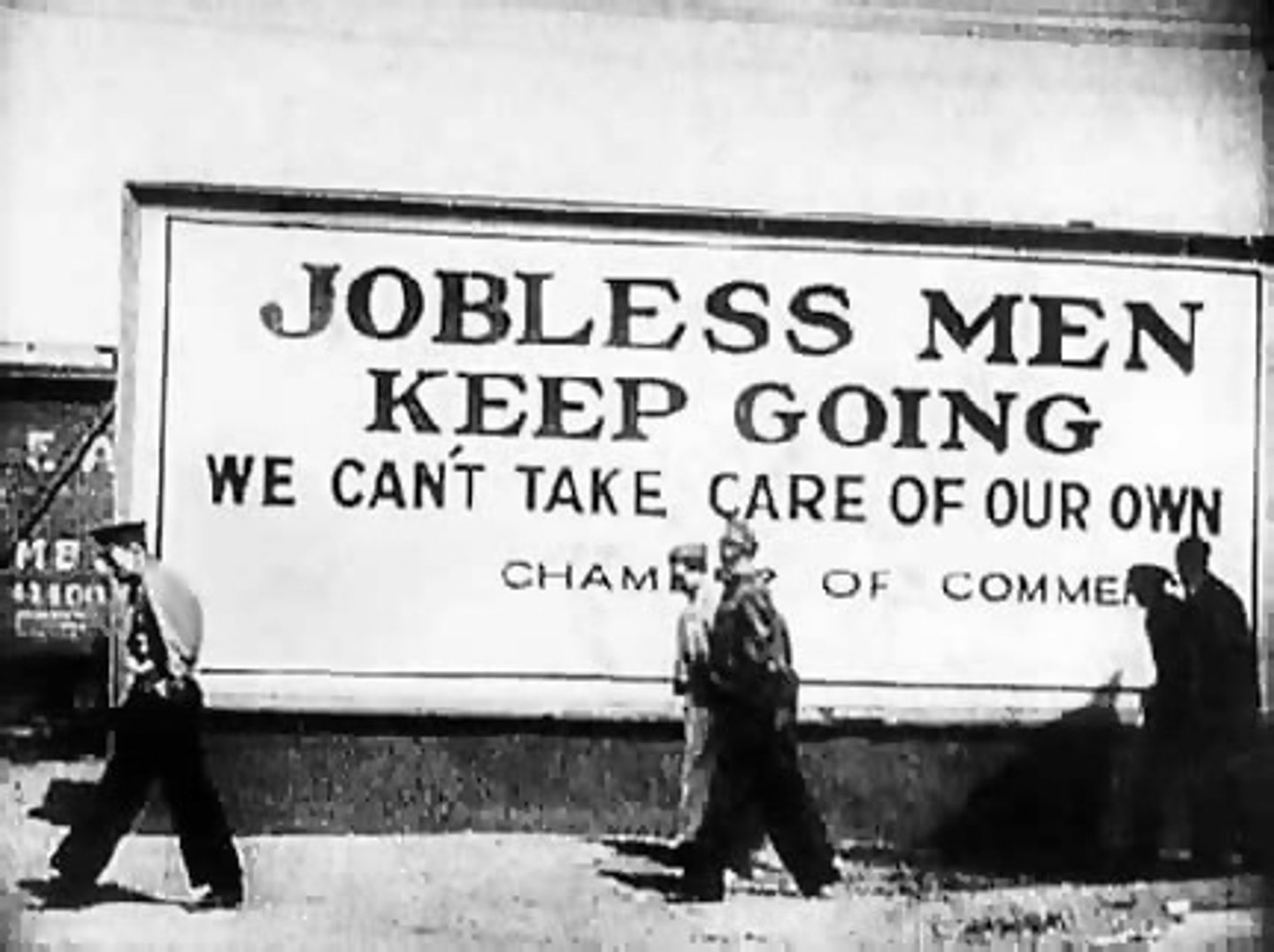
Throughout the 1930s. It destroyed the American dream of democracy, economic prosperity and equality for all. The idea of such a state of perfection was proved to be unrealistic and unobtainable.
'The Old South'
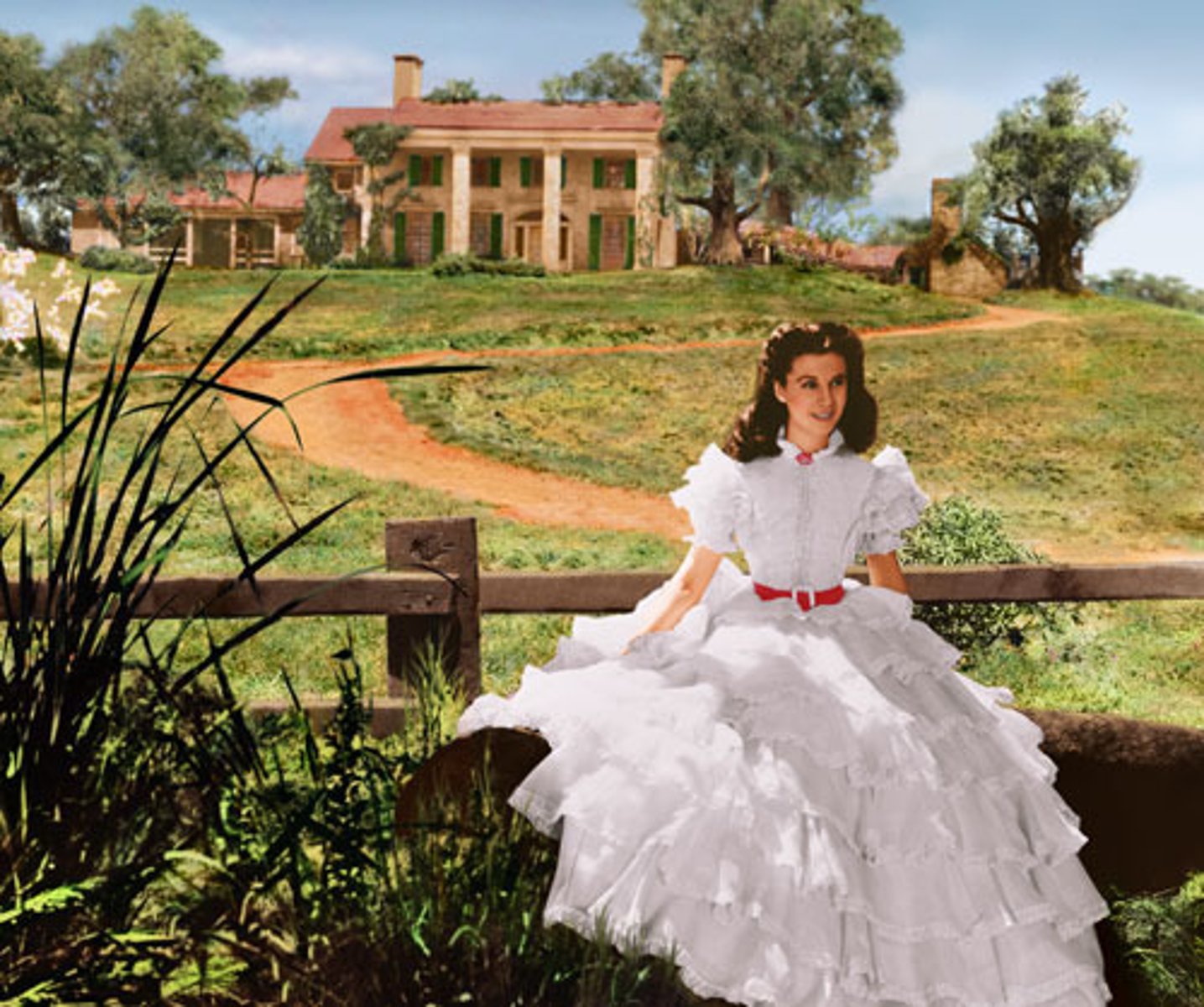
Women were socially symbolic, expected to be passive and chaste. Despite being educated Blanche relies on the Southern expectations of a 'Southern Belle', the idea of having men protect and wait on the lady whilst they remain very pretty and dainty.
A society represented by Blanche in which race and class are still important.
'The American Dream/New World'
Represented by Stanley, a world where all men are born equally.
Stemmed from the declaration of independence, a dream of being able to grow to the fullest no matter who you are.
'Old vs New'
Streetcar emphasises the conflict between an old, traditional aristocratic society and a new, free diverse society.
'Antiquated Idealism vs Burgeoning Materialism'.
'The Napoleonic Code'
Emphasises inheritance law where any property belonging to a spouse prior to marriage is owned by both once married. It means that Blanche's loss of Belle Reve affects both Stella and Stanley. Largely influenced modern laws in the state.
'The French Quarter'
With its streetcars, bars, entertainment and jazz and blues music, The French Quarter provides a rich background for the emotional events of the play and also draws symbolic attention to the changes which were taking place in American society.
'Greek Mythology'
The Elysian Fields, also called Elysium, are a made up paradise reserved for the souls of heroes and the virtuous went to rest.
Blanche's old self 'died' in Laurel, Mississippi so she traveled to find her own Elysian fields.
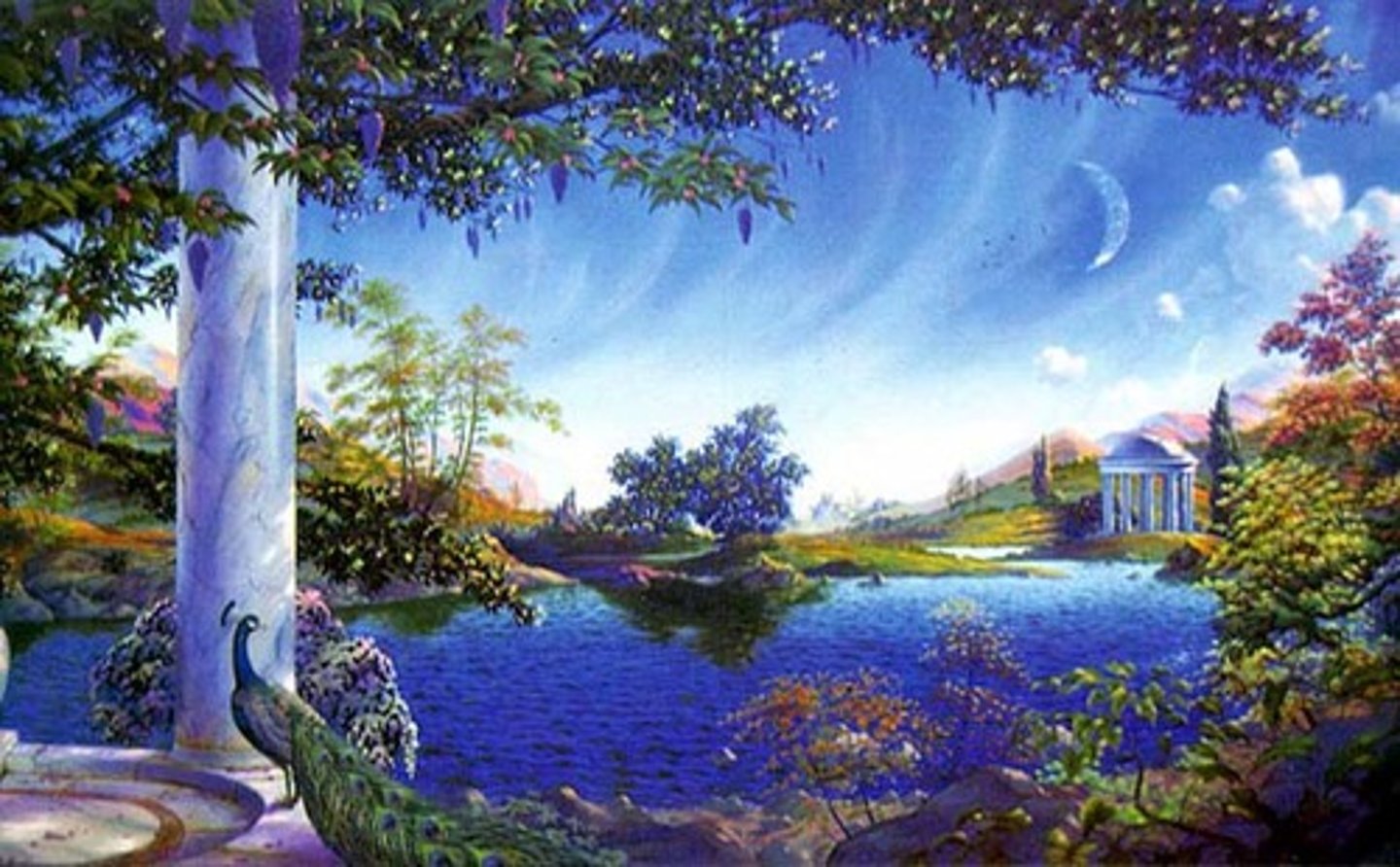
'Blanche representing Williams'
- Williams, like Blanche, was a gentle southern soul who desired love and kindness but was dangerously fascinated by men.
- Williams once said "My heroines always express the climate of my interior world at a time in which those characters were created".
'Stagecraft'
- Plastic Theatre, coined by Williams, is the use of props, noises and/or stage directions to convey a blatant parallel with the characters state of mind. It is symbolic theatre that uses stagecraft to create an experience for the audience that suggests poetic truths.
- Stagecraft elements include Lighting, Costume, Set, Positioning, Stage directions, Music and Background Noise.
- The set is purposefully used so the audience can see all areas, including the interior and exterior.
- Positioning creates dramatic irony, such as in Stanley's character assassination by Blanche.
'Structure'
It covers a period of 5 months, opposing the dramatic unity of time, allowing the audience to witness the process of the cultural and personal disintegration of Blanche.
The condensed nature of time in scenes 7-10 shows the impending fall of Blanche.
'Creole Demographics'
In 1940s New Orleans, there were distinct 'Creole' demographics - native born Louisiana people, descended from inhabitants of colonial Louisiana during the period of French and Spanish rule - Stanley's Polish identity therefore seems more out of place, leading to the brutish ethnic stereotype he faces.
'Polish Ancestry and Stanley'
The name "Stanley" was popular 1940s America due to an increase in families of Slavic descent - the etymology means "someone who is famous due to his estate" fitting with Stanley as he equates space with power (Belle Reve scene 2 and the King speech scene 8).
Most of the action occur on his 'estate' and he bears dominance over everything he owns.
'Polish Ancestry and Blanche'
The Varsouviana polka music is what pushes Blanche further into mental instability. The polish translation is "Female Citizen of Warsaw" linking to Blanche as she is forced to live under the roof of Stanley, metaphorically becoming a resident of Polish culture. It symbolises the plight Blanche faces as she loses her struggle for freedom on 'Stanley's estate'.
'Capitalism'
The political and economic system in which a country's trade and industry are owned by private owners rather than the state. Common characteristics include private ownership (eg - Belle Reve).
An influx of capitalist values form northern states to the south occurred as industrialisation in the cities flourished and the old southern values dissipated.
'Lakoff's 10 features of Women's language'
- Hedges
- Hypercorrect grammar
- Super polite forms
- Avoidance of taboo lexis
- Indirect requests
- Tag questions
- Empty adjectives
- Intonational emphasis
- More apologetic
'Leech's politeness principles'
Involves minimising impolite beliefs to establish community and relationships.
- TACT maxim: maximising the benefits of the interlocuter ('Why don't you sit down')
- GENEROSITY maxim: maximising cost to self ('Eat dinner with us')
- APPROBATION maxim: emphasising positive beliefs to avoid conflict (eg - compliment before request)
- MODESTY maxim: maximising dispraise of self
- AGREEMENT maxim: ('Same, but')
- SYMPATHY maxim: exaggeration of empathy ('so')
'Wareing's types of power'
- Instrumental (law)
- Personal (job)
- Political
- Social (class/gender/age)
- Influential (persuasive)
'Fairclough's theories of power'
- Power IN discourse: methods to show power eg) materials
- Power BEHIND discourse: context
- Epistemic Modality: possibility ("you could")
- Deontic Modality: certainty ("you will")
'Couthard's IRF Model'
I = intonation (more powerful participant initiates conversation)
R = response (less powerful)
F = feedback (more powerful steers conversation)
'Tannen: Men vs Women'
- Status vs Support
- Independence vs Intimacy
- Advise vs Understanding
- Conflict vs Compromise
- Info vs Feelings
- Order vs Proposals
'Goffman, Levinson and Brown FTAs'
- 'Face' is an individuals desired social image, built in interactions and actions
- FTAs threaten this image - Positive face threatens the image itself, Negative face threatens the individual's personal freedom

