EMT Chapter 19 - Respiratory Emergencies
 Call Kai
 Learn
Learn Practice Test
 Spaced Repetition
 Match
Match Flashcards
 Knowt Play
1/17

Earn XP
Description and Tags
Name | Mastery | Learn | Test | Matching | Spaced | Call with Kai |
|---|
No analytics yet
Send a link to your students to track their progress
18 Terms
inspiration
The active process that uses the contraction of several muscles to increase the size of the chest cavity. The expanding size of the chest cavity then causes air to flow into the lungs.
expiration
The relaxation of the rib muscles and diaphragm. This movement causes the chest cavity to decrease in size and causes air to flow out of the lungs.
continuous positive airway pressure (CPAP)
a form of noninvasive positive pressure ventilation (NPPV) consisting of a mask and a means of blowing oxygen or air into the mask to prevent airway collapse or to help alleviate difficulty breathing.
Chronic Obstructive Pulmonary Disease (COPD)
is a group of lung diseases, including emphysema and chronic bronchitis, that block airflow and make breathing difficult
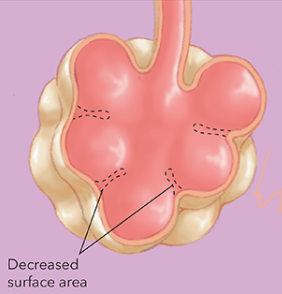
Emphysema
Type of COPD where the alveoli walls break down, reducing the surface area for gas exchange and trapping carbon dioxide in the lungs.
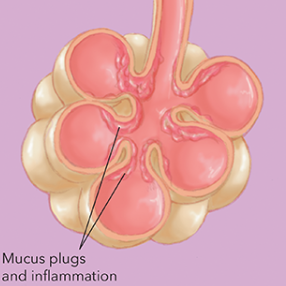
Chronic Bronchitis
Type of COPD where the bronchiole lining becomes inflamed, and excess mucus forms, obstructing airflow. The cilia, which clear mucus, are damaged.
Pulmonary Edema
The buildup of fluid in or around the alveoli of the lungs, often caused by left-sided heart failure.
Pneumonia
an infection of one or both lungs caused by bacteria, viruses, or fungi. It results from the inhalation of certain microbes that then grow in the lungs and cause inflammation.
Spontaneous Pneumothorax
A lung collapse occurring without injury, typically due to the rupture of a weak bleb, leading to air leakage into the thorax.
Pulmonary Embolism
A blockage in a lung artery due to a substance like a blood clot, air, or fat, often originating from veins in the leg or pelvis.
Deep Vein Thrombosis (DVT)
A blood clot in a vein, commonly in the leg or pelvis, often caused by prolonged immobility, active cancer, or limb immobilization, leading to blood pooling.
Epiglottitis
An infection causing inflammation and swelling around the epiglottis, which can obstruct the airway.
Croup
A viral illness causing inflammation of the larynx, trachea, and bronchi leading to airway swelling and restricted air passage, often following a respiratory infection.
Bronchiolitis
Inflammation of small airways due to viral infection, primarily caused by RSV.
Cystic Fibrosis (CF)
A genetic disorder in childhood causing thick mucus buildup in the lungs and digestive system, leading to severe lung infections and digestion issues.
bronchoconstriction
the contraction of smooth muscle that lines the bronchial passages that results in a decreased internal diameter of the airway and increased resistance to airflow.
Small-Volume Nebulizer (SVN)
A device that delivers medication as a mist inhaled into the lungs, commonly used for asthma and respiratory conditions.

