Cade’s rebellion 1450
 Call Kai
 Learn
Learn Practice Test
 Spaced Repetition
 Match
Match Flashcards
 Knowt Play
1/17

There's no tags or description
Looks like no tags are added yet.
Name | Mastery | Learn | Test | Matching | Spaced | Call with Kai |
|---|
No analytics yet
Send a link to your students to track their progress
18 Terms
When was the Cade’s rebellion?
May to July 1450
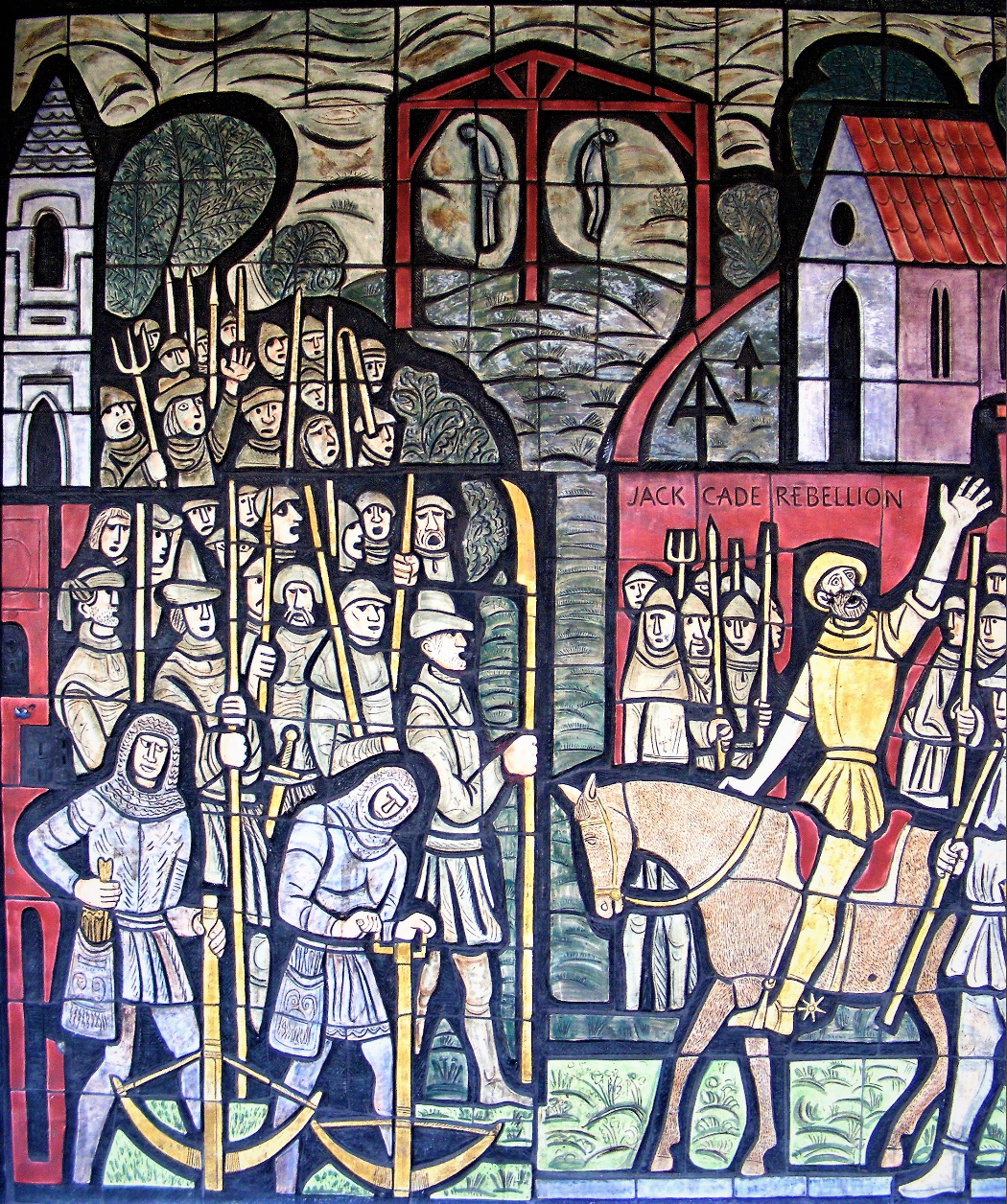
Who led Cade’s rebellion?
A man called Jack Cade, popularly known as ‘the Captain of Kent’.
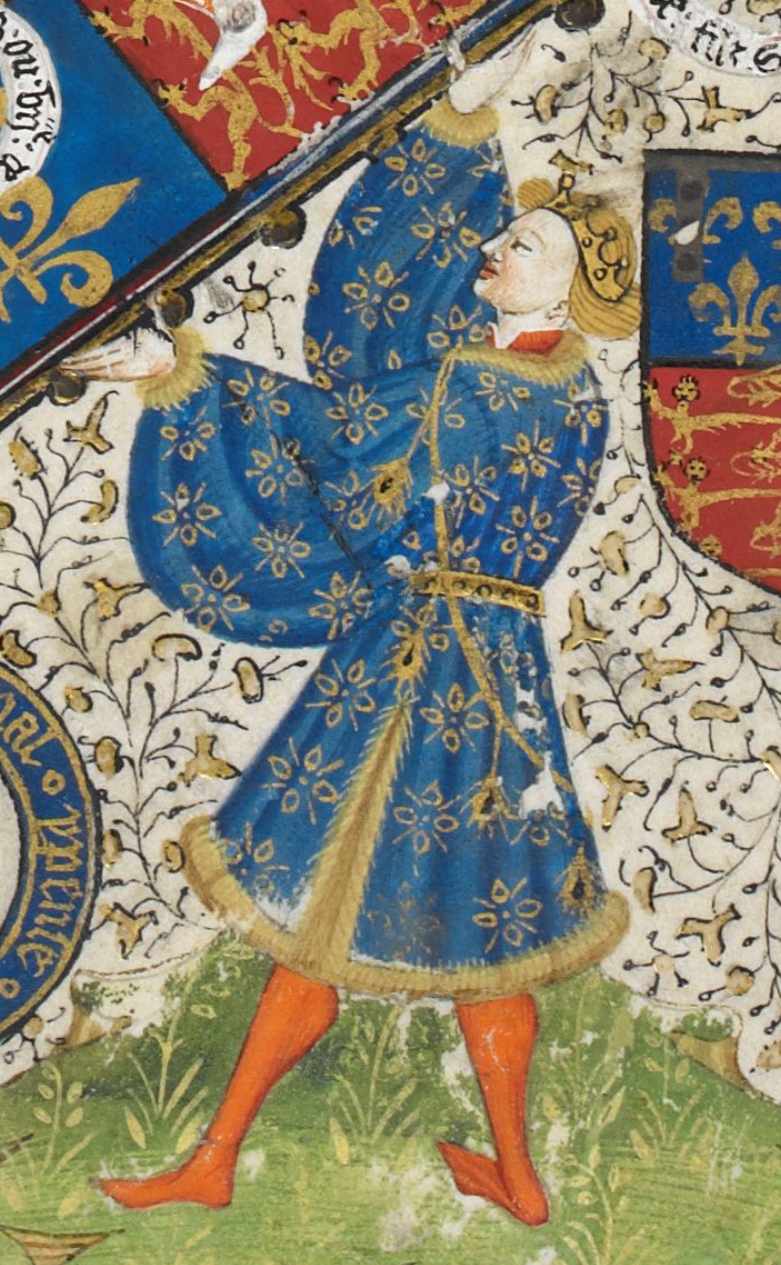
Who did the rebels show support for?
The Duke of York.
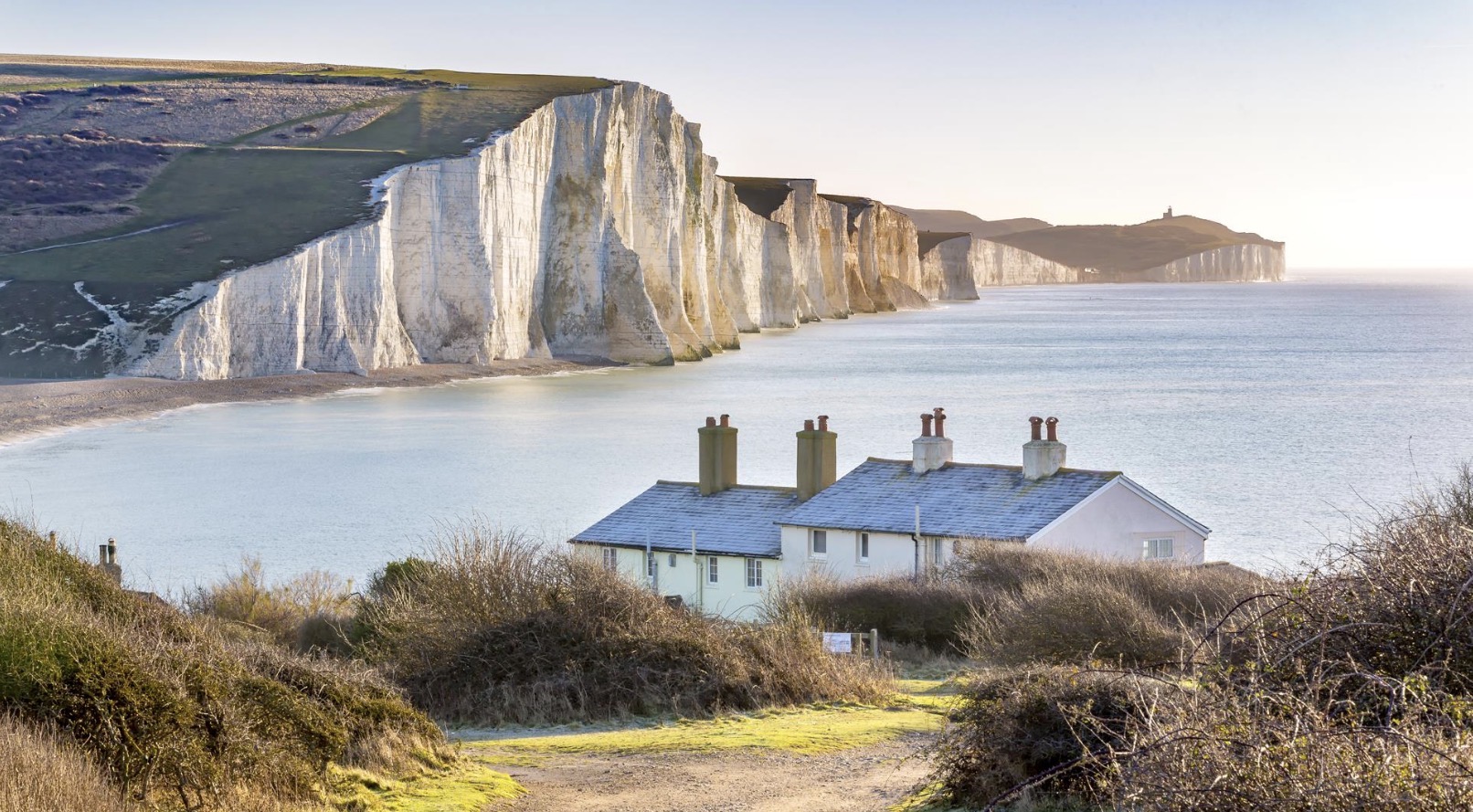
Where did the rebellion start and why?
It started in Kent, partly as a result of local grievances against Lord Saye and William Crowmer.
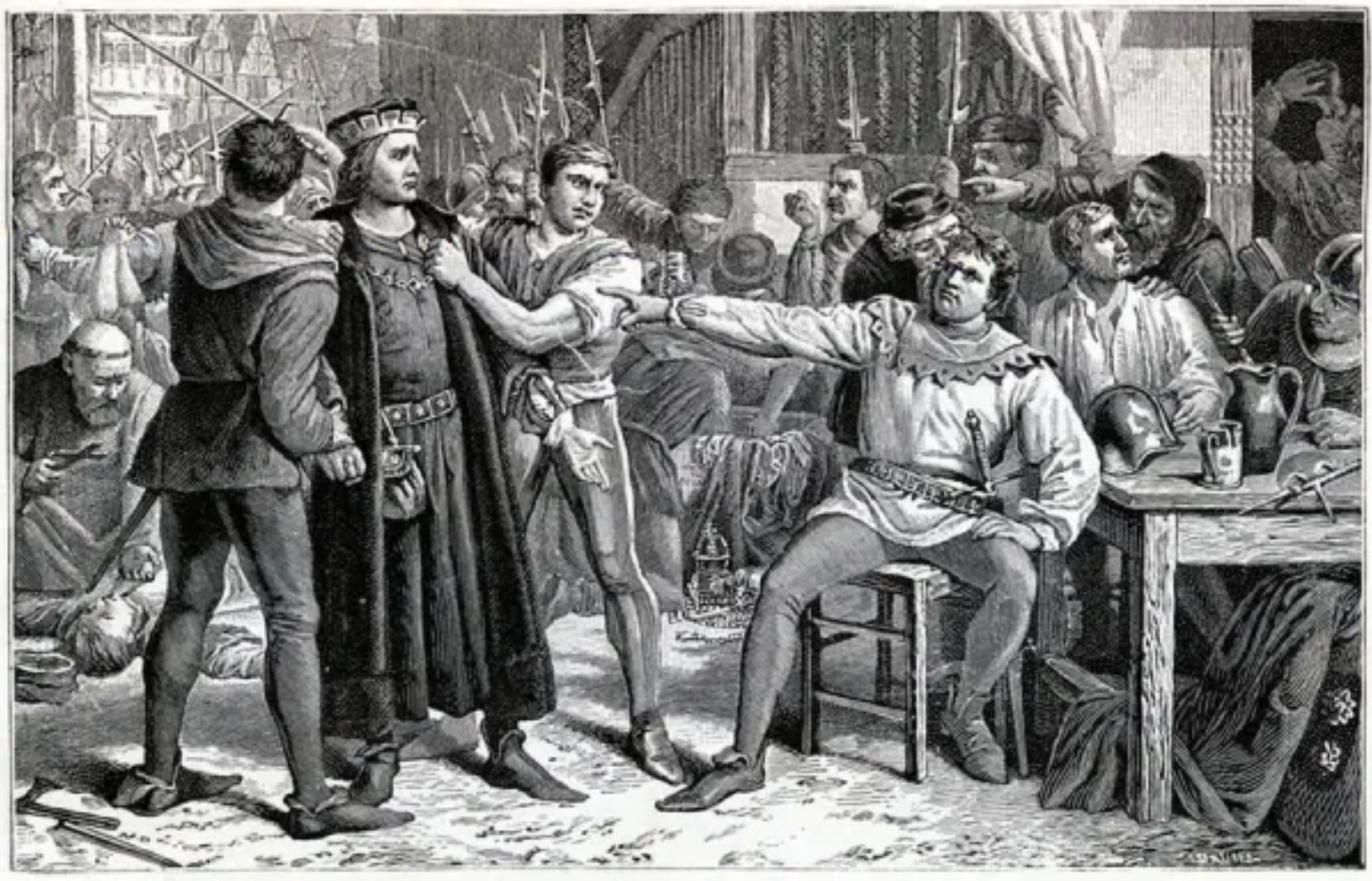
Who was Lord Saye? And who was William Crowmer?
Lord Saye was the king’s treasurer who held a local reputation for violence and avarice.
Crowmer was the local sheriff noted for his corruption.
Why was the mistrust of the law/Henry’s advisors a key trigger for the revolt?
When the corpse of the murdered Duke of Suffolk was washed up on the shore in Kent and there were rumours that Saye and Crowmer had threatened widespread destruction in the region in revenge for the attack.

Where did the uprising spread to?
Surrey, Sussex, Middlesex and Essex.
How did the War in France motivate the rebellion?
Major English defeats in 1449-50 resulted in the loss of Normandy in the summer of 1450 which the public blamed Henry’s government for (particularly Somerset who was in charge of English military operations in France)
What financial issues were caused by the war in France?
High taxation to fund the unsuccessful war angered the people
The kings leading advisors, specifically Somerset and Suffolk were suspected of taking advantage of the king to obtain royal patronage in the form of land, honour and money.
Lord Saye was seen as mismanaging funds intended for the defence of France, thereby contributing to England’s defeat in Normandy
What did the rebels do?
They marched on London and set up camp on 11 June at Blackheath but then fled when the king’s army came.
Which of the king’s men did the rebels kill?
Sir Humphrey Stafford and William Stafford
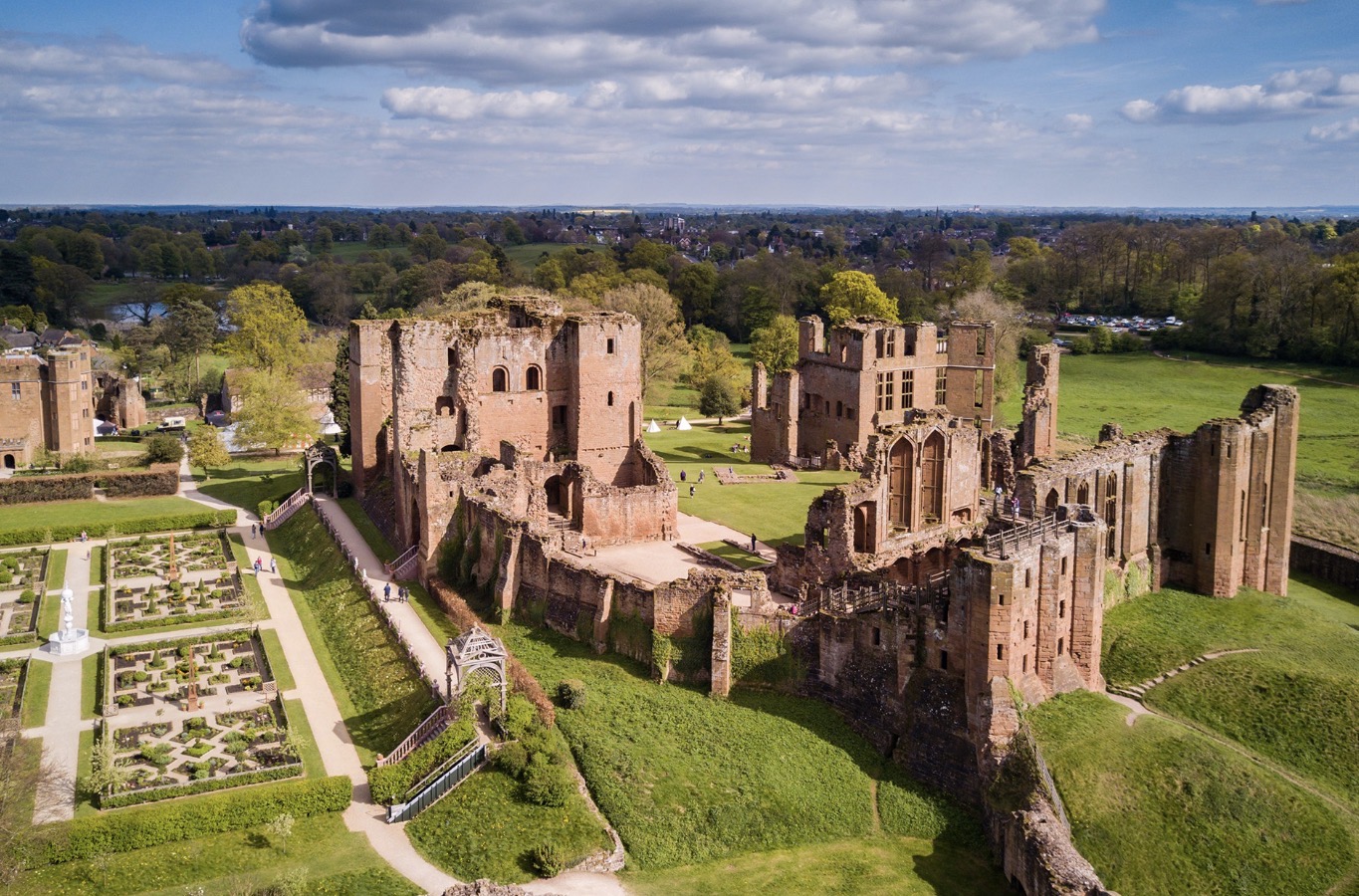
Where did the king flee to when the situation worsened? How did the rebels react?
Kenilworth Castle
The rebels returned to Blackheath and briefly took control of the capital where they ordered the execution of Lord Saye
What were the grievances of the rebels? (Give 5 grievances)
Wanted York, Exeter, Buckingham and Norfolk to be part of council
The king was surrounded by ‘evil councillors’ in particular Lord Saye
There should be access to the king for the purposes of petitioning and obtaining justice
The country was bankrupt and that the government was persisting in financial corruption and mismanagement
Misgovernment and corruption among royal law enforcement officers in Kent especially
What ended the rebellion in the end? When did it happen?
The extreme violence of the rebels lost the support of the Londoners who on the night of 5-6 July fought Cade’s army on London Bridge.
Why was the rebellion significant for Henry VI?
It was politically damaging as it showed a breakdown in law and order and the true cowardice of Henry VI who did not face the rebels.
Where was Richard of York during the uprising?
York was in Ireland
What happened when Richard returned to England and why?
Cade made petitions to the Duke of York during the rebellion so when Richard returned he was greeted with enormous public support.
What did Richard do when he returned to England?
He pledged his loyalty to the king but also criticised the misgovernment of the country.
He presented the king with a list of personal demands regarding payment of monies.