A2 A&P HESI (2025)ACTUAL EXAM Questions And Verified Answers|multiple choices| 100% Passed!!
 Studied by 0 people
 Call Kai
 Learn
Learn Practice Test
 Spaced Repetition
 Match
Match Flashcards
 Knowt Play
1/114

There's no tags or description
Looks like no tags are added yet.
Name | Mastery | Learn | Test | Matching | Spaced |
|---|
No study sessions yet.
115 Terms
Which is an anterior muscle?
A. Gluteus maximus
B. Quadriceps femoris
C. Biceps femoris
D. Adductor magnus
B. An anterior muscle is located near the front of the body. Of those listed, the quadriceps( frontal thigh muscle) is the most anterior.
How might the headrest on a car prevent traumatic injury?
A. By limiting hyperflexion of the neck
B. By limiting hyperextension of the neck
C. By reducing vertebral compression
D. By preventing disc degeneration
B. The headrest prevents the head from moving too far backward, or hyperextending the neck beyond its normal range.
Which might you expect to see in a whiplash injury?
A. Cardiopulmonary problems
B. Side-to-side spinal curvature
C. Eventual herniation of discs
D. Traumatic injury to ligaments
D. Because of the hyperflexion and hyperextension caused by such a collision, it is not uncommon to find tears or stretching of the ligaments of the spine. The injury is front-to-back, making choice B unlikely, and a herniated disc (choice C) is more of a compression injury.
Muscle contractions that normally move food along the human digestive system are known as ________.
A. defecation
B. osmosis
C. peristalsis
D. circulation
C. Defecation(choice A) is the elimination of waste. Osmosis (choice B) is the movement of molecules across a membrane. Circulation (choice D) is the movement of blood through the body. Peristalsis (choice C) is the involuntary, wavelike movement of muscles in the intestine and elsewhere that pushes food along.
Which type of nutrient does not provide the body with energy?
A. Vitamin
B. Carbohydrate
C. Fat
D. Protein
A. Some nutrients supply energy, and others support metabolism. Nutrients in the first set include carbohydrates, proteins, and fats. Those in the secound set include vitamins, minerals, and water.
Where would you be likely to find a Schwann cell?
A. In the digestive system
B. In the nervous system
C. In the skeletal system
D. In the muscular system
B. Schwann cells wrap around the nerve fibers and form the myelin sheath in the peripheral nervous system.
How does the nervous system work with the muscular system?
A. The muscles of the body produce chemicals that feed the nerves.
B. The nervous system tells the muscles how to respond to the environment.
C. The nervous system releases chemicals that remove excess waste from the muscles.
D. The muscular system provides input that allows the nerves to make decisions.
B. The nervous system is made up of the brain, spinal cord, and nerves. It receives and transmits signals from the environment that regulate voluntary and involuntary movement.
Which part of the nervous system includes the femoral , radial, and ulnar nerves?
A. Somatic
B. Autonomic
C. Sympathetic
D. Parasympathetic
A. The symphathetic and parasympathetic systems (choice C and D) are part of the autonomic nervous system (choice B), which controls involuntary actions of the smooth muscles, glands, and heart. The somatic nervous system (choice A) has to do with reception of external stimuli and voluntary control of the muscles.
Where might a herniated lumbar disc be most likely to create pain?
A. Along the radial nerve
B. Within the spinal cord
C. Along the sciatic nerve
D. Along the tibial nerve
C. Damage to a disc in the lower back will most likely cause pain radiating downward along the sciatic nerve.
What is the name of the bone in the human thigh?
A. Ulna
B. Femur
C. Radius
D. Humerus
B. The ulna (choice A), radius (choice C), and humerus (choice D) are arm bones.
The ovaries are part of the ___________.
A. skeletal system
B. nervous system
C. lymphatic system
D. reproductive system
D. The ovaries are the egg-producing reproductive organs.
Of the following processes, which one is a different level of defense from the others?
A. A low pH in the stomach
B. Cilia present in the trachea
C. Body cells recognizing a pathogen
D. Mucus present in the nasal cavity
C. A low pH in the stomach (choice A), cilia in the trachea (choice B), and mucus (D) are primary defenses. Cells recognizing a pathogen (choice C) is a third line of defense.
Which organ system is primarily responsible for regulating muscle growth?
A. The skeletal system
B. The endocrine system
C. The nervous system
D. The reproductive system
B. Hormones from the endocrine system, particularly from the pituitary gland, regulate growth.
Which parts of the heart are separated by the mitral valve?
A. Left atrium and right atrium
B. Right atrium and right extremities
C. Left ventricle and right ventricle
D. Left atrium and left ventricle
D. The mitral valve opens to allow oxygenated blood collected in the left atrium to flow into the left ventricle
How might vitamin D deficiency present?
A. As bleeding gums
B. As swollen extremities
C. As red patches
D. As crooked bones
D. The disease known as rickets is a product of vitamin D deficiency and results in the softening and bending of bones.
How does the lymphatic system work with the circulatory system?
A. The circulatory system produces red blood cells for the lymphatic system.
B. Lymph draws excess fluid from the cells and deposits it into the blood vessels.
C. The heart regulates the production of lymph in the lymph glands.
D. White cells from the lymphatic system eliminate excess red blood cells.
B. One of the jobs of the lymphatic system is to prevent excess fluid from accumulating in tissues by collecting it and moving it into the circulatory system via the brachiocephalic veins.
What is the function of parathyroid hormone?
A. Increasing energy levels
B. Stimulating cell reproduction
C. Speeding up metabolism
D. Activating vitamin D
D. The parathyroid hormone regulates calcium in the body through several means, one of which is increasing the production of activated vitamin D.
Which feature of the ear is most medial?
A. Pinna
B. Tympanic membrane
C. Cochlea
D. Outer canal
C. The most medial feature is the one closest to the middle of the body.
Which of the following are considered normal values for the measure of a person's pulse and blood pressure?
A. 55 beats per minute and 75 over 60 mm Hg
B. 72 beats per minute and 120 over 80 mm Hg
C. 100 beats per minute and 140 over 100 mm Hg
D. 160 beats per minute and 100 over 70 mm Hg
B. The average person in good health has a pulse of about 72 beats per minute and a blood pressure of 120 over 80 mm Hg.
How does a sagittal section divide the body?
A. Into right and left regions
B. Into upper and lower regions
C. Into front and back regions
D. Between the dorsal and ventral cavities
A. A sagittal section occurs along a longitudinal plane, dividing the body into right and left regions.
How is pepsin used by the body?
A. To break down proteins
B. To break down starches
C. To emulsify fats and oils
D. To absorb water and nutrients
A. Pepsin aids chemical digestion in the stomach by breaking down proteins.
The esophagus is part of the __________
A. endocrine system
B. digestive system
C. respiratory system
D. nervous system
B. The esophagus is the passage that connects the pharynx to the stomach.
Which mineral supports the function of the thyroid?
A. Manganese
B. Iodine
C. Phosphorus
D. Zinc
B. Iodine is the key mineral in thyroid hormone production. Iodine deficiency can cause a goiter, swelling of the thyroid gland.
The cheekbones are _________ to the nose.
A. anterior
B. proximal
C. deep
D. lateral
D. The cheeckbones are to the right and left of the nose, meaning that they are lateral to it, or away from the body's midline.
Which organ system is primarily responsible for generating antibodies?
A. The endocrine system
B. The digestive system
C. The lymphatic system
D. The nervous system
C. Antibodies are formed when an antigen stimulates B cells, special lymphocytes, to produce specialized proteins that combat foreign substances or organisms.
The lateral side of the right knee would be ______.
A. the kneecap.
B. closest to the left knee.
C. farthest from the left knee.
D. on the underside of the knee.
C. Something that is lateral is toward the outer side of the body. The side of the right knee farthest from the left knee would fit this description.
In which part of the lungs do nearly all the gaseous exchanges between air and blood take place?
A. Pleura.
B. Trachea.
C. Bronchioles.
D. Alveoli.
D. The alveoli are the tiny air sacs in the lungs where the exchange of oxygen and carbon dioxide takes place.
How do the intercostal muscles between the ribs assist with respiration?
A. By protecting the delicate bronchioles and alveoli.
B. By signaling a decrease in intra-alveolar pressure.
C. By enlarging and reducing the space in the thorax.
D. By maintaining a medial separation between pleurae.
C. The ribs themselves protect the lungs (choice A), but the intercostals are muscles that expand and contract the chest, allowing it to draw in and expel air.
In which organ do muscles push food into the stomach via peristalsis?
A. Mouth.
B. Small intestine.
C. Epiglottis.
D. Esophagus.
D. The esphagus connects the stomach and the oral cavity in the human digestive system.
For the average person, what is true about caloric intake?
A. It should increase with age after age 25.
B. It should decline with age after age 25.
C. It should remain constant over a lifetime.
D. It should decline and then increase with age.
B. The height of calorie intake for healthy, active people is approximately their mid-20s. After that, calorie intake should decline slightly as energy needs decline.
The corpus callosum facilitates communication between _________.
A. the left and right brain.
B. the skeletal and neural systems.
C. the brain and spinal cord.
D. the thalamus and hypothalamus.
A. The corpus callosum is a broad band of nerve fibers that join the two hemispheres of the brain.
How does the integumentary system work with the nervous system?
A. The integumentary system removes heat from the neurons in the nervous system.
B. The nervous system circulates nutrients outward to the integumentary system.
C. Touch input via the integumentary system sends messages to the nervous system.
D. Messages from the nervous system affect the color and texture of the skin.
C. The integumentary system includes the skin, hair, nails, and assorted glands. Receptors embedded in the skin receive information regarding heat, pain, air flow, and so on, which is transported through the nervous system to the brain.
When the pulmonary valve and aortic valves are open, where can blood flow?
A. Between the two ventricles of the heart.
B. From atrium to ventricle within the heart.
C. Between the heart and the rest of the body.
D. Between the atria in the heart.
C. The two valves connect the heart to the pulmonary artery and the aorta, which carry blood from the heart to the rest of the body.
Which might be a result of stenosis, or narrowing of a heart valve?
A. Abdominal pain.
B. Blood clots.
C. Edema (swelling) in organs.
D. Irregular heartbeat.
D. Narrowing of the valves means that blood moves with difficultly out of the heart. Results may include chest pain, edema in the feet or ankles, and irregular heartbeat.
The human skull contains about how many bones?
A. about 5.
B. about 30.
C. about 60.
D. about 210.
B. At birth we have 44separate bony structures in our skulls, but many of those fuse as we age.
The arteries are part of the ___________.
A. nervous system.
B. endocrine system.
C. lymphatic system.
D. cardiovascular system.
D. The arteries carry blood away from the heart as a key feature of the cardiovascular system.
Which is a secondary defense for the body against pathogens?
A. Tears.
B. Urine.
C. Inflammation.
D. Mucus.
C. Tears (choice A), urine (choice B), and mucus (choice D) are all primary lines of defense, because they work to prevent infection. Inflammation (choice C) is an example of a secondary line of defense, because it kicks in once the body has been infected.
Which organ system is primary responsible for storing minerals?
A. The skeleral system.
B. The endocrine system.
C. The lymphatic system.
D. The cardiovascular system.
A. Bone tissue stores a variety of minerals, from calcium to phosphorus, releasing them into the bloodstream as needed.
The vena cavae drain blood from the body into the _______.
A. right atrium.
B. right ventricle.
C. left atrium.
D. left ventricle.
A. Deoxygenated blood first enters the heart via the right atrium.
Beriberi is a disease caused by lack of __________.
A. thiamine.
B. vitamin C.
C. niacin.
D. protein.
A. Thiamine (B1) deficiency is often found in people whoes diet consists largely of polished white rice; in refining the rice, the thiamine-rich husk is removed. Beriberi may affect several systems in the body and may lead to paralysis or death.
How does the endocrine system work with the reproductive system?
A. The reproductive system transforms minerals into useful nutrients.
B. The endocrine system determines the sex of the embryo.
C. The reproductive system controls the growth of secondary sex organs.
D. The endocrine system produces chemicals that regulate sexual function.
D. The hormones produced by the endocrine system are critical in sexual development and reproduction.
Which hormone controls sleep, mood, and appetite?
A. Serotonin.
B. Oxytocin.
C. Cortisol.
D. Aldosterone.
A. Oxytocin (choice B) facilitates birth and breast-feeding. Cortisol (choice C) increases blood sugar and controls some aspects of fat breakdown. Aldosterone (choice D) controls reabsorption of ions and regulates blood pressure. Serotonin (choice A) is a neurotransmitter found in the gut that regulates appetite and sleep as well as some aspects of mood.
Which part of the brain is most posterior?
A. Frontal lobe.
B. Parietal lobe.
C. Temporal lobe.
D. Occipital lobe.
D. The occipital lobe is farthest back in the skull, posterior to the other parts of the brain.
Which of the following is an HDL cholesterol level that might warrant regular testing?
A. 70.
B. 60.
C. 50.
D. 40.
D. HDL ("good") cholesterol levels in healthy adults range from around 40 to 120mh/dL, with the mean being a bit over 53. Smoking, obesity, and a sedentary lifestyle may lead to lower HDL. A level of 40 would indicate the need for regular monitoring.
How does a transverse section divide the body?
A. Into right and left regions.
B. Into upper and lower regions.
C. Into front and back regions.
D. Between the dorsal and ventral cavities.
B. A transverse section is a cross section.
What is the function of amylase?
A. Breaking down starch.
B. Digesting fat.
C. Breaking down protein.
D. Absorbing water.
A. Amylase is present in saliva, where it begins to break down starch into sugar.
The spleen is part of the ___________.
A. nervous system.
B. integumentary system.
C. lymphatic system.
D. urinary system.
C. The spleen uses lymphocytes and macrophages to filter out bacteria, dead tissue, and foreign matter.
Which minaral is important for the formation of red blood cells?
A. Selenium.
B. Calcium.
C. Magnesium.
D. Copper.
D. Although iron is vital for red blood formation, copper is important for proper iron metabolism. A copper deficiency can quickly lead to anemia.
The dorsal body cavity is _________ to the ventral body cavity.
A. medial.
B. deep.
C. posterior.
D. anterior.
C. The dorsal body cavity contains the spinal column, making it posterior, or toward the back of the body, compared to the ventral body cavity, which contains the structures of the chest and abdomen.
Which organ system is primarily responsible for preventing water loss?
A. The nervous system.
B. The integumentary system.
C. The lymphatic system.
D. The urinary system.
B. The integumentary system (the skin and its appendages) waterproofs the body from outside and guards against excess fluid loss from inside.
Which is an anterior feature of the human head?
A. The nose.
B. The ears.
C. The occipital lobe.
D. The temporal lobe.
A. Something that is anterior is toward the front of the body. The nose is the most anterior feature on the list of choices.
What is the primary hormone secreted by the thyroid?
A. Oxytocin.
B. TSH.
C. Adrenaline.
D. T4.
D. Thyroxine (T4) aids in the regulation of metabolism.
Enlargement of the thyroid, commonly known as a goiter, might be expected to affect ________.
A swallowing.
B. insulin levels.
C. sleep.
D. digestion.
A. A goiter may put pressure on the trachea and esophagus, causing difficulty in breathing or swallowing.
Which kinds of muscles are involved in peristalsis?
A. Smooth muscles.
B. Cardiac muscles.
C. Skeletal muscles.
D. Epaxial muscles.
A. Peristalsis is mainly involuntary, taking part in the smooth muscles that line the intestines and other parts of the digestive tract.
Why might certain young people be underweight?
A. They are growing in height faster than they are gaining weight.
B. They eat little protein and too much fat and suger.
C. They eat several meals a day and fail to exercise enough.
D. They seldom eat a meal that contains foods from all food groups.
A. This is a common cause of underweight in adolescents. Choices B and C would be more likely to lead to overweigh.
What might an injury to the parietal lobe affect?
A. Breathing.
B. Attention.
C. Memory.
D. Perception
D. The parietal lobe integrates sensory input and creates a spatial grid from which we perceive the world.
How does the digestive system work with the urinary system?
A. The digestive system controls the function of the ureter.
B. The urinary system removes toxins from the products of digestion.
C. The digestive system manufactures hormones that influence urination.
D. The urinary system eliminates some waste products of digestion.
D. The urinary system eliminates water, urea, and other waste products from the body in the form of urine.
Which gland is located superior to the kidney?
A. Pituitary.
B. Adrenal.
C. Hypothalamus.
D. Pncreas
B. The adrenals sit atop the kidneys and produce a variety of hormones, from cortisol and testosterone to epinephrine (adrenaline) and norepinephrine.
To what two systems might the urethra belong?
A. Reproductive and endocrine.
B. Urinary and reproductive.
C. Endocrine and urinary.
D. Digestive and cardiovascular.
B. In men, the urethra is part of both the reproductive and the urinary systems.
The axial skeletal system contains all of these except ________.
A. the skull.
B. the ribs.
C. the breastbone.
D. the radius.
D. The axial skeletal system is the system of bones in the head and torso, encompassing the skull, spinal column, sternum, and ribs. The radius (choice D) is a bone in the arm.
The gall bladder is part of the __________.
A. endocrine system.
B. urinary system.
C. digestive system.
D. nervous system.
C. The gall bladder stores the fat-digesting bile produced by the liver.
Which is Not an example of a nonspecific immune response?
A. Inflammation.
B. Vasodilation.
C. Releases of histamine.
D. Production of antibodies
D. In nonspecific immunity, the response is immediate and antigen-independent, meaning that the invading organism need not be identified by the body. In specific immunity, the response takes some time and is antigen-dependent, as the production of specific antibodies would be.
Which organ system is primarily responsible for regulating electrolytes?
A. The endocrine system.
B. The urinary system.
C. The lymphatic system.
D. The nervous system.
B. The body's electrolytes must be maintained at very precise concentrations. Excess water dilutes the body's electrolytes, whereas water restriction concentrates them. The kidneys regulate and help maintain the balance of water and electrolytes in the body.
What is the function of the coronary artery?
A. It carries oxygenated blood to the heart.
B. It carries deoxygenated blood to the lungs.
C. It distributes blood to the body.
D. It supplies blood to the heart muscle.
D. Choice A describes the pulmonary vein, and choice B describes the pulmonary artery. Most of the arteries of the body perform the function described in choice C, but the coronary artery's main function is to feed blood to the heart muscle to allow it to pump.
What condition might result from lack of vitamin C?
A. Kwashiorkor.
B. Pellagra.
C. Rickets
D. Scurvy
D. Scurvy was once the disease of sailors because months at sea without fruits and vegetables led to vitamin C deficiency. Without vitamin C, the human body cannot synthesize collagen, leading to spongy tissue and bleeding sores.
How does the muscular system work with the skeletal system?
A. Muscles attached to tendons contract to bend the skeleton at the joints.
B. The hard bones of the skeleton protect the voluntary muscles of the limbs.
C. The cardiac muscles produce calcium that is needed for sturdy bones.
D. Smooth muscles on internal organs leach excess minerals from the bones.
A. Messages from the nervous system tell the muscles to contract, which in turn moves the bones.
Which is Not produced by the pituitary gland?
A. FSH
B. TRH
C. LH
D. ADH
B. FSH (choice A) and LH (choice C) regulate reproduction. ADH (choice D) promotes water retention. TRH (choice B) is produced in the hypothalamus and releases thyroid-stimulating hormone.
The ribs are ________ to the lungs in the human body.
A. medial
B. superior
C. anterior
D. deep
C. The ribs are in front of the lungs in the human body, making them closer to the front of the body, or anterior.
What is the normal pH of human arterial blood?
A. 6.8
B. 7.4
C. 7.9
D. 8.2
B. The range is about 7.35 to 7.45, making blood fairly neutral. Excess carbon dioxide can lead to acidosis, a pH below 7.35.
Which cut is considered a cross section?
A. A sagittal or frontal section.
B. A cut along the coronal plane.
C. A cut along the median plane.
D. A cut through the transverse plane.
D. A transverse section is a cross section; it separates the body horizontally into upper and lower sections.
Which enzyme functions to break down a specific sugar?
A. Catalase.
B. Lipase.
C. Protease.
D. Lactase.
D. Lactase breaks down lactose into simpler sugars.
The hypothalamus is part of the _________.
A. cardiovascular system.
B. endocrine system.
C. respiratory system.
D. lymphatic system.
B. The hypothalamus regulates the body's internal balance, or homeostasis. It also controls the pituitary gland and links the endocrine system to the nervous system.
Which minaral helps to maintain fluid balance in the body?
A. Potassium.
B. Cobalt.
C. Chromium.
D. Sulfur.
A. Fluid balance is connected to electrolyte balance. The key electrolytes in the human body include sodium, potassium, calcium, chloride, and bicarbonate.
The skull is _________ to the spinal cord.
A. anterior.
B. posterior.
C. lateral.
D. superior.
D. The skull sits atop the spinal cord, making it superior in position.
Which organ system is primarily responsible for integrating voluntary movements?
A. Cardiovascular system.
B. Digestive system.
C. Respiratory system.
D. Nervous system.
D. The nervous system controls the voluntary movements of the skeletal system.
What mineral is responsible for muscle contractions?
A. Chloride.
B. Sodium.
C. Calcium.
D. Magnesium.
C.
In which of the following locations would the urinary bladder and internal reproductive organs be found?
A. Thoracic cavity.
B. Mediastinum.
C. Abdominal cavity.
D. Pelvic cavity.
D.
What separates the thoracic cavity from the abdominal cavity?
A. Diaphragm.
B. Mediastinum.
C. Liver.
D. Lungs.
A.
Which of the following epithelial types is correctly matched with its major function?
A. Simple squamous epithelium - secretion or absorption.
B. Stratified squamous epithelium - changes shape when stretched.
C. Stratified squamous epithelium - diffusion.
D. Simple columnar epithelium - secretion or absorption.
D.
A tissue examined under the microscope exhibits the following characteristics: cells found on internal surface of stomach, no extracellular matrix, cells tall and thin, no blood vessels in the tissue. What type of tissue is this?
A. Epithelial.
B. Connective.
C. Muscle.
D. Nervous.
A.
Nerve tissue is composed of neurons and connective tissue cells that are referred to as which of the following?
A. Osteoblasts.
B. Neuroglia.
C. Osteocytes.
D. Arterioles.
B.
Which tissue serves as the framework of the body by providing support and structure for the organs?
A. Epithelial.
B. Connective.
C. Nervous.
D. Muscle.
B.
What is the basic unit of life and the building block of tissues and organs?
A. Atom.
B. Organelle.
C. Cell.
D. DNA.
C.
Which type of cell division takes place in the gonads?
A. Mitosis.
B. Meiosis.
C. Binary fission.
D. Asexual division.
B.
In what area of the body would you expect to find an especially thick stratum corneum?
A. Back of the hand.
B. Heel of the foot.
C. Abdomen.
D. Over the shin.
B.
What are the glands of skin that produce a thin, watery secretion?
A. Sebaceous glands.
B. Eccrine glands.
C. Apocrine glands.
D. Endocrine glands.
B.
Skin aids in maintaining the calcium and phsphate levels of the body by participating in the production of which of the following?
A. Sebum.
B. Keratin.
C. Vitamin A.
D. Vitamin D.
D.
Which of the following are functions of the skeletal system? (select all that apply.)
A. Support the body.
B. Hemopoiesis.
C. Conduct impulses.
D. Provide protection.
A. B. D.
The orthopedic surgeon informs you that you have broken the middle region of the humerus. What is he describing?
A. Epiphysis.
B. Articular cartilage.
C. Perichondrium.
D. Diaphysis.
D. Diaphysis, the portion of a long bone between the ends or extremities, which is usually articular, and wider than the shaft; it consists of a tube of compact bone, enclosing the medullary cavity. Shaft.
You have been given sample of tissue that has open spaces partially filled by an assemblage of needlelike structures. What is the tissue?
A. Spongy bone.
B. Compact bone.
C. Cartilage.
D. Adipose tissue.
A.
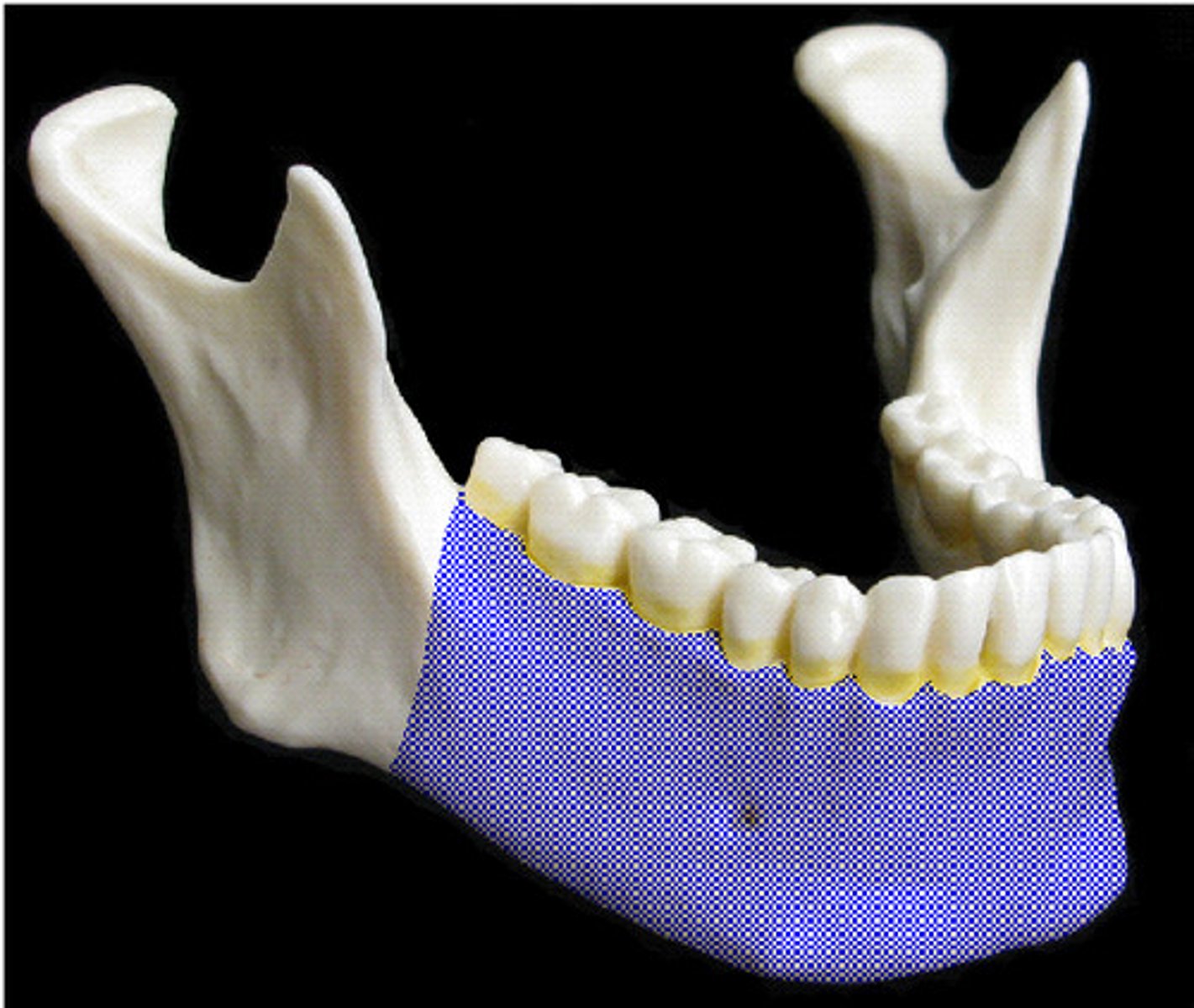
Which of the following bones is the only moveable bone of the skull?
A. Maxilla.
B. Zygomatic.
C. Lacrimal.
D. Mandible.
D.
Which mineral is responsible for regulating fluid in the body?
A. Chloride.
B. Sodium.
C. Calcium.
D. Magnesium.
B.
Why are skeletal muscles also called voluntary musckes?
A. They are under conscious control.
B. They are attached to the skeleton.
C. They are ATP to energize contraction.
D. They are striated in appearance.
A.
All actions of the nervous system depend on the transmission of nerve impulses over which of the following?
A. Neuroglia.
B. Efferent pathways.
C. Afferent pathways.
D. Neurons.
D.
Motor or _______ neurons transmit nerve impulses away from the CNS.
A. Afferent
B. Efferent.
C. Central.
D. Peripheral.
B.
Jeffery has contracted bulbar poliomyelitis, and it has affected the medulla oblongata. The doctors warned the family that his condition is grave and death may be imminent. What functions of the medulla oblongata have warranted such a dire prognosis?
A. The medulla oblongata contains vital centers that control heart action, blood vessel diameter, and respiration.
B. The medulla oblongata contains neural connections of the reticular-activating system.
C. The medulla oblongata contains the pineal gland, which controls the vital centers.
D. The medulla oblongata contains the corpora quadrigemina, which controls the neural transmission of impulses along the spinal cord.
A.
What are chemical messengers that control growth, differentiation, and the metabolism of specific target cells called?
A. Hormones.
B. Neurons.
C. Glands.
D. Second messengers.
A.
Which of the following are tropic hormones? (select all that apply.)
A. Somatotropin.
B. Follicle-stimulating hormone.
C. Antidiuretic hormone.
D. Thyroid-stimulating hormone.
A, B, D.
Which leukocytes are correctly matched with their function or description? (select all that apply.)
A. Monocytes - become macrophages.
B. Basophils - the most common type of WBC.
C. Lymphocytes - important in immune response.
D. Neutrophils - phagocytize.
A, C, D.
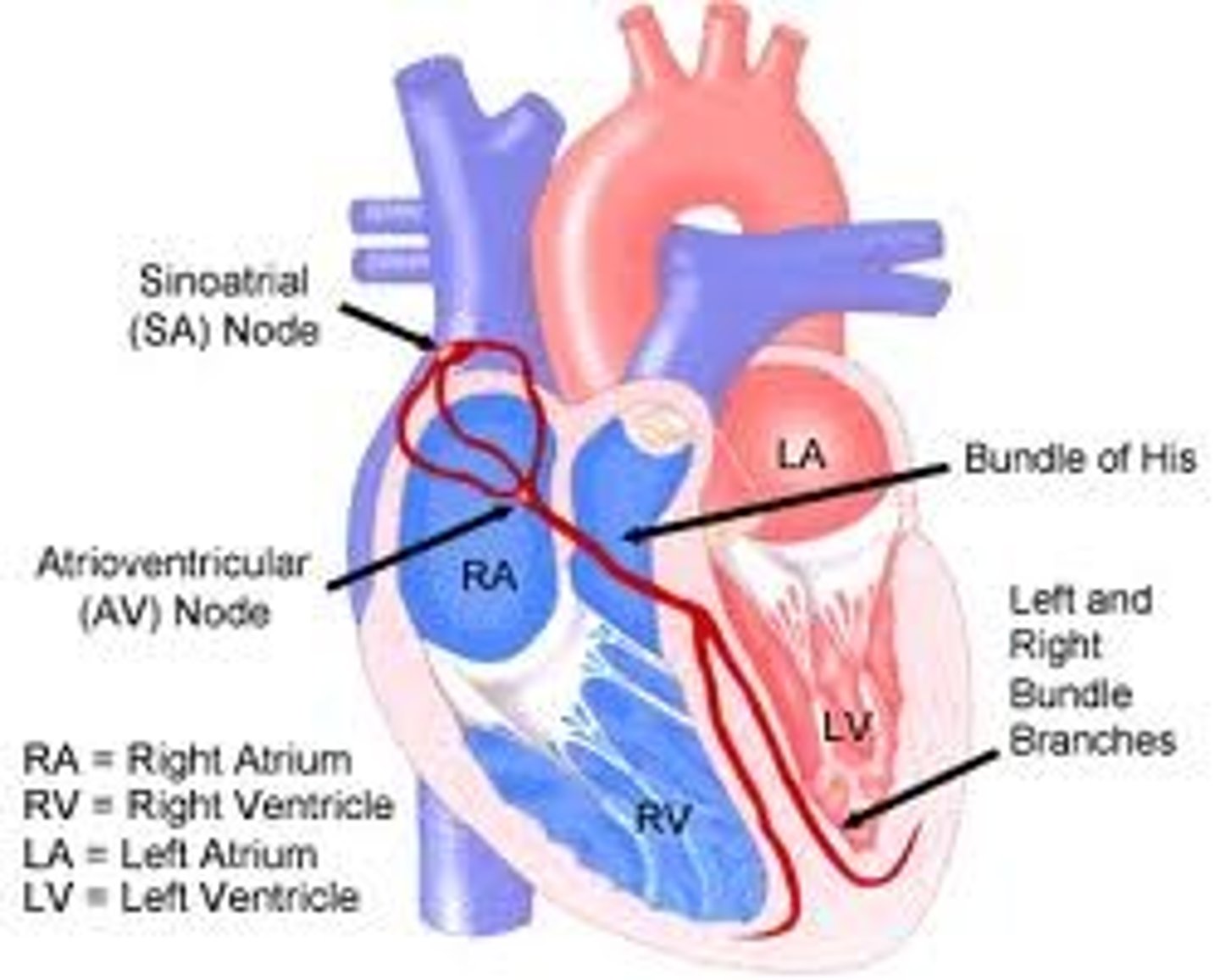
The heart has an intrinsic beat that is initiated by which of the following?
A. Semilunar valve.
B. Bicuspid valve.
C. Tricuspid valve.
D. Sinoatrial node.
D.
 Note
Note  Flashcards (107)