Physics 8A Midterm 2 MCQ
 Call Kai
 Learn
Learn Practice Test
 Spaced Repetition
 Match
Match Flashcards
 Knowt Play
1/16

There's no tags or description
Looks like no tags are added yet.
Name | Mastery | Learn | Test | Matching | Spaced | Call with Kai |
|---|
No analytics yet
Send a link to your students to track their progress
17 Terms
Is it possible for the gravitational potential energy of an object to be negative?
1) yes
2) no
yes
A mass attached to a vertical spring causes the spring to stretch and the mass to move downwards.
What can you say about the spring’s potential energy (PEs) and the gravitational potential energy (PEg) of the mass?
1) both PEs and PEg decrease
2) PEs increases and PEg decreases
3) both PEs and PEg increase
4) PEs decreases and PEg increases
5) PEs increases and PEg is constant
2) PEs increases and PEg decreases
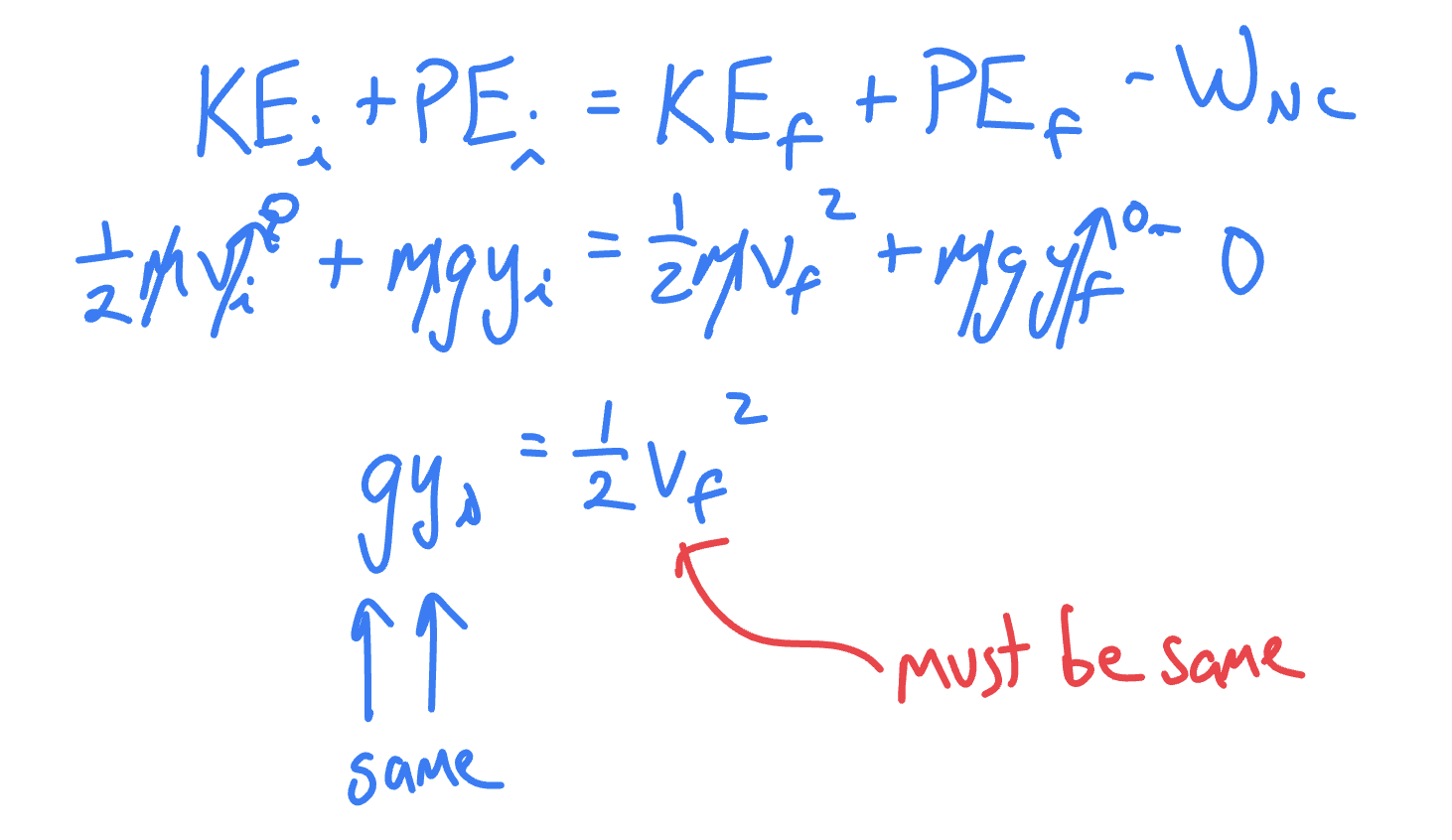
Paul and Kathleen start from rest at the same time on frictionless water
slides with different shapes. At the bottom, whose velocity is greater?
1) paul
2) kathleen
3) both the same
3) both the same
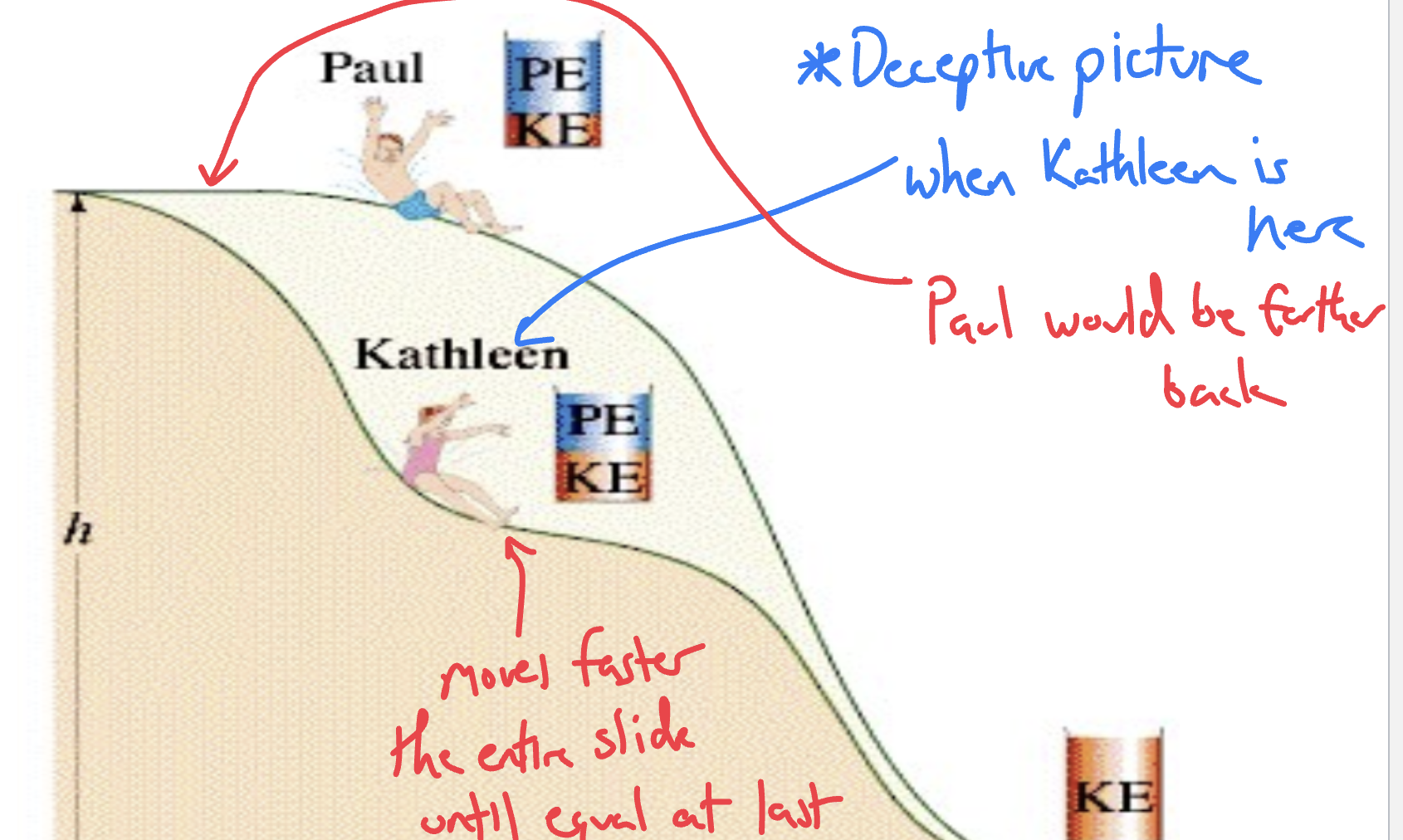
Paul and Kathleen start from rest at the same time on frictionless water
slides with different shapes. Who makes it to the bottom first?
1) paul
2) kathleen
3) both the same
2) kathleen
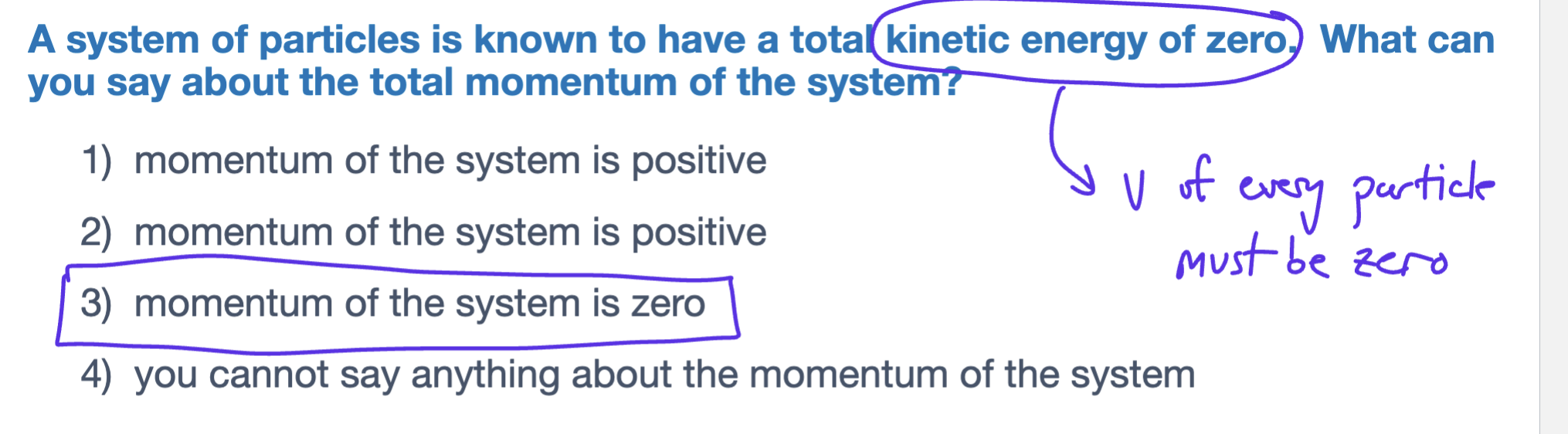
A system of particles is known to have a total kinetic energy of zero. What can you say about the total momentum of the system?
1) momentum of the system is positive
2) momentum of the system is positive
3) momentum of the system is zero
4) you cannot say anything about the momentum of the system
3) momentum of the system is zero
A system of particles is known to have a total momentum of zero. Does it necessarily follow that the total kinetic energy of the system is also zero?
1) yes
2) no
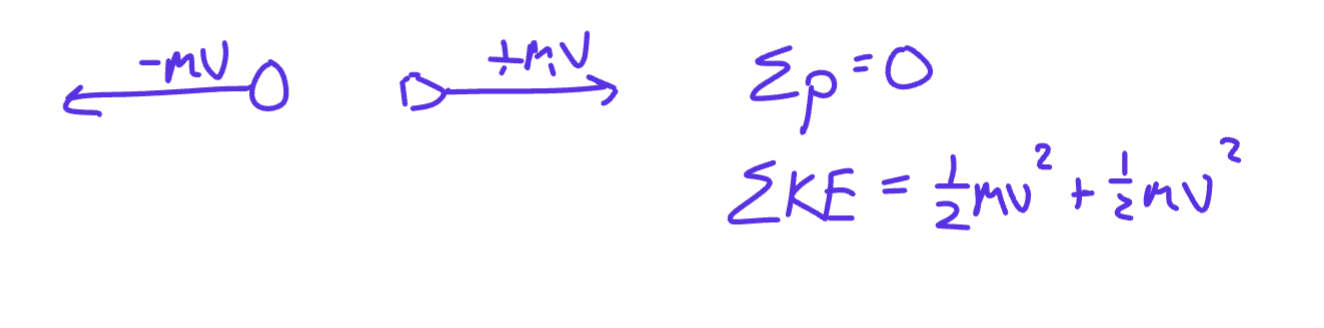
2) no
Two objects are known to have the same momentum. Do these two objects necessarily have the same kinetic energy?
1) yes
2) no
2) no
A net force of 200 N acts on a 100-kg boulder, and a force of the same magnitude acts on a 130-g pebble. How does the rate of change of the boulder’s momentum compare to the rate of change of the pebble’s momentum?
1) greater than
2) less than
3) equal to
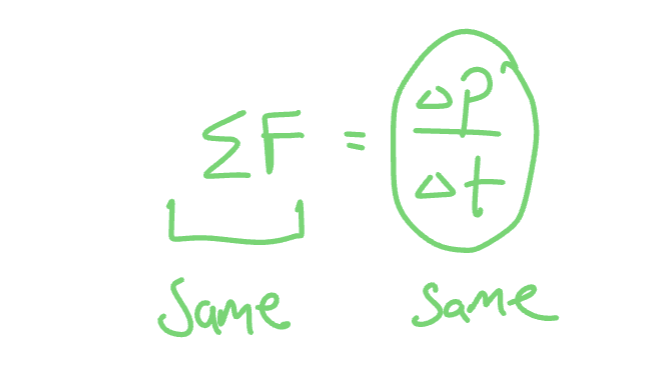
3) equal to
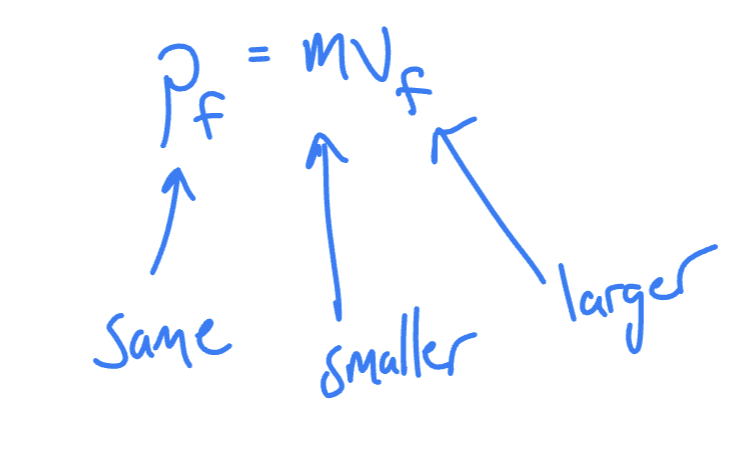
In the previous question, which box has the larger velocity after the force acts?
1) the heavier one
2) the lighter one
3) both the same
2) the lighter one
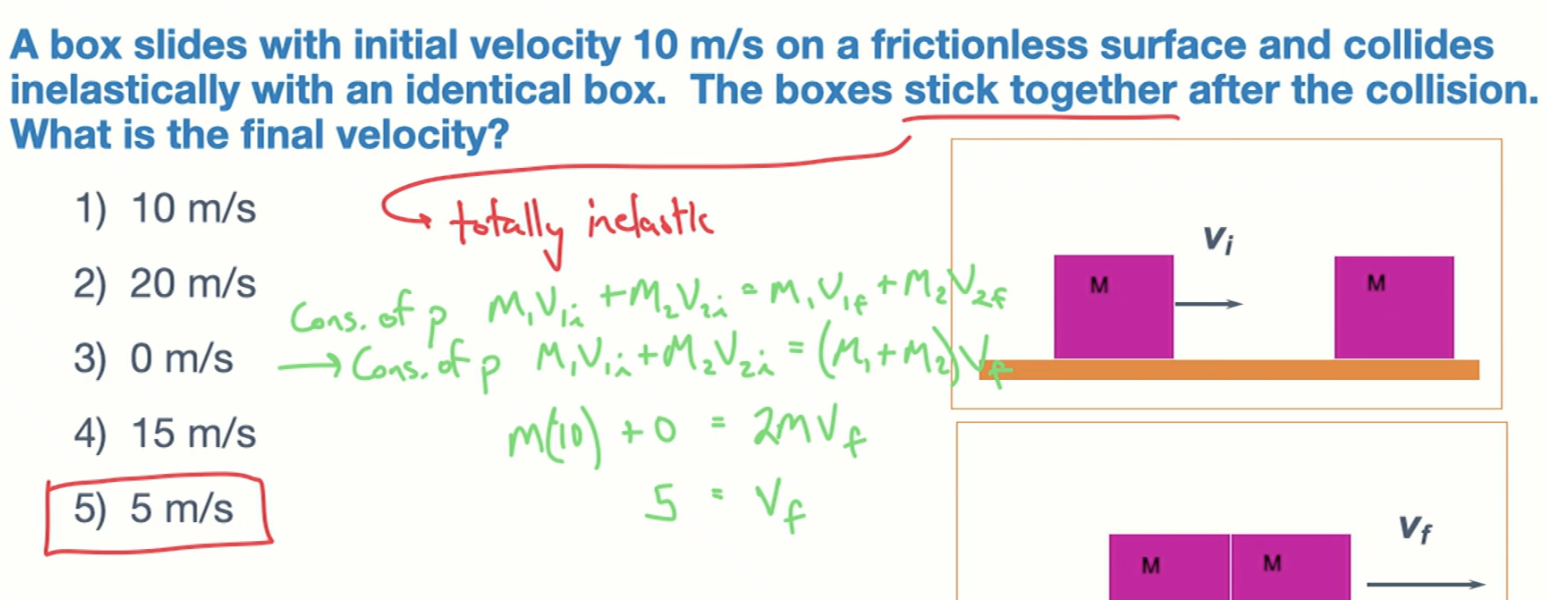
A box slides with initial velocity 10 m/s on a frictionless surface and collides inelastically with an identical box. The boxes stick together after the collision.
What is the final velocity?
1) 10 m/s
2) 20 m/s
3) 0 m/s
4) 15 m/s
5) 5 m/s
5 m/s
A cannon sits on a stationary railroad flatcar with a total mass of 1000 kg.
When a 10-kg cannon ball is fired to the left at a speed of 50 m/s, what is the recoil speed of the flatcar?
1) 0 m/s
2) 0.5 m/s to the right
3) 1 m/s to the right
4) 20 m/s to the right
5) 50 m/s to the right
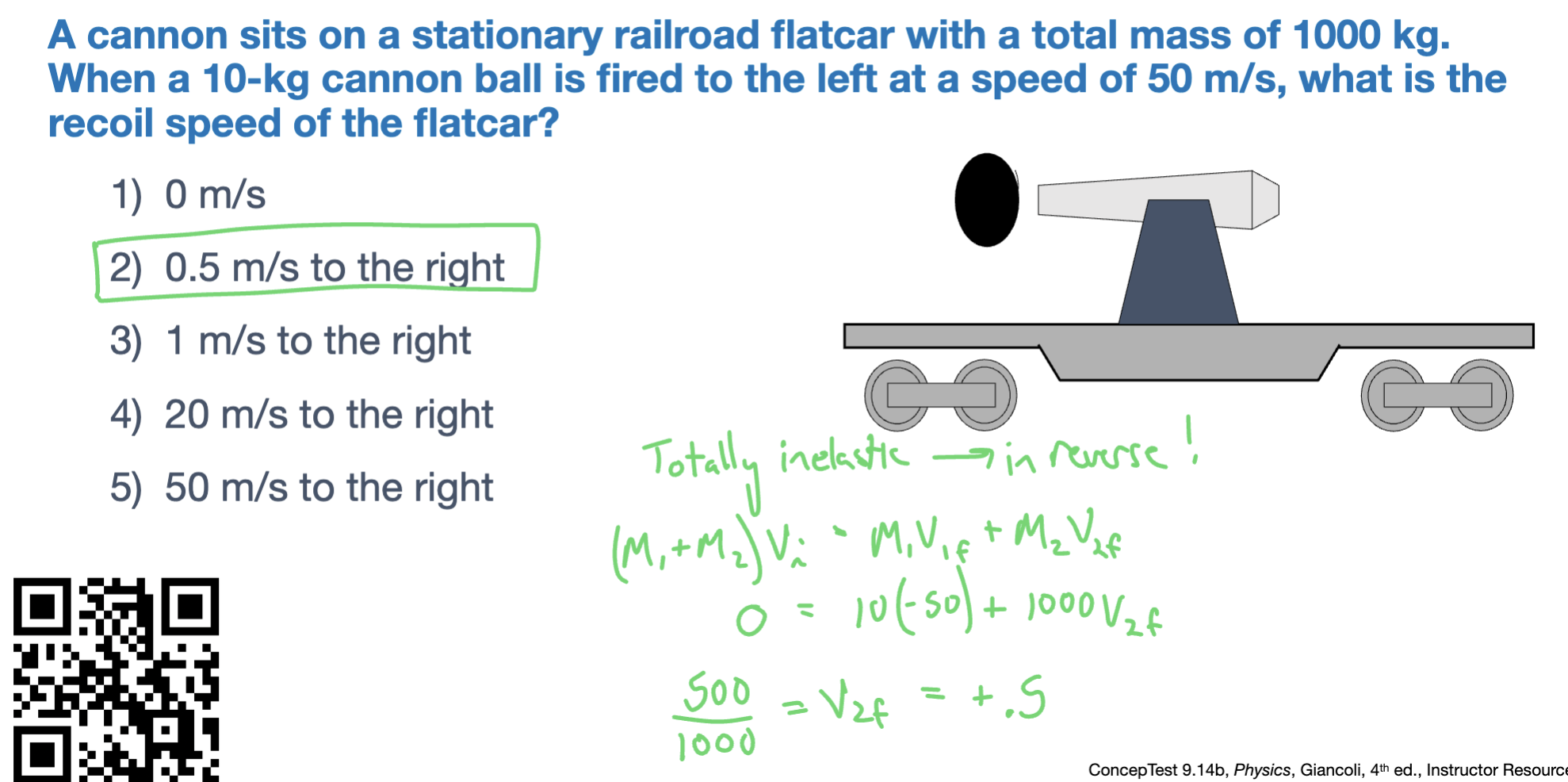
2) 0.5 m/s to the right
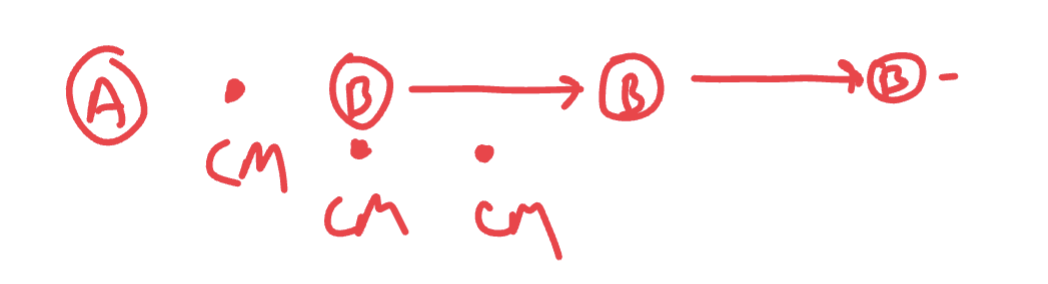
Two equal-mass particles (A and B) are located at some distance from each other. Particle A is held stationary while B is moved away at speed v. What happens to the center of mass of the two-particle system?
1) it does not move
2) it moves away form A with speed v
3) it moves toward A with speed v
4) it moves away from A with speed 1/2 v
5) it moves toward A with speed 1/2 v
4) it moves away from A with speed ½ v
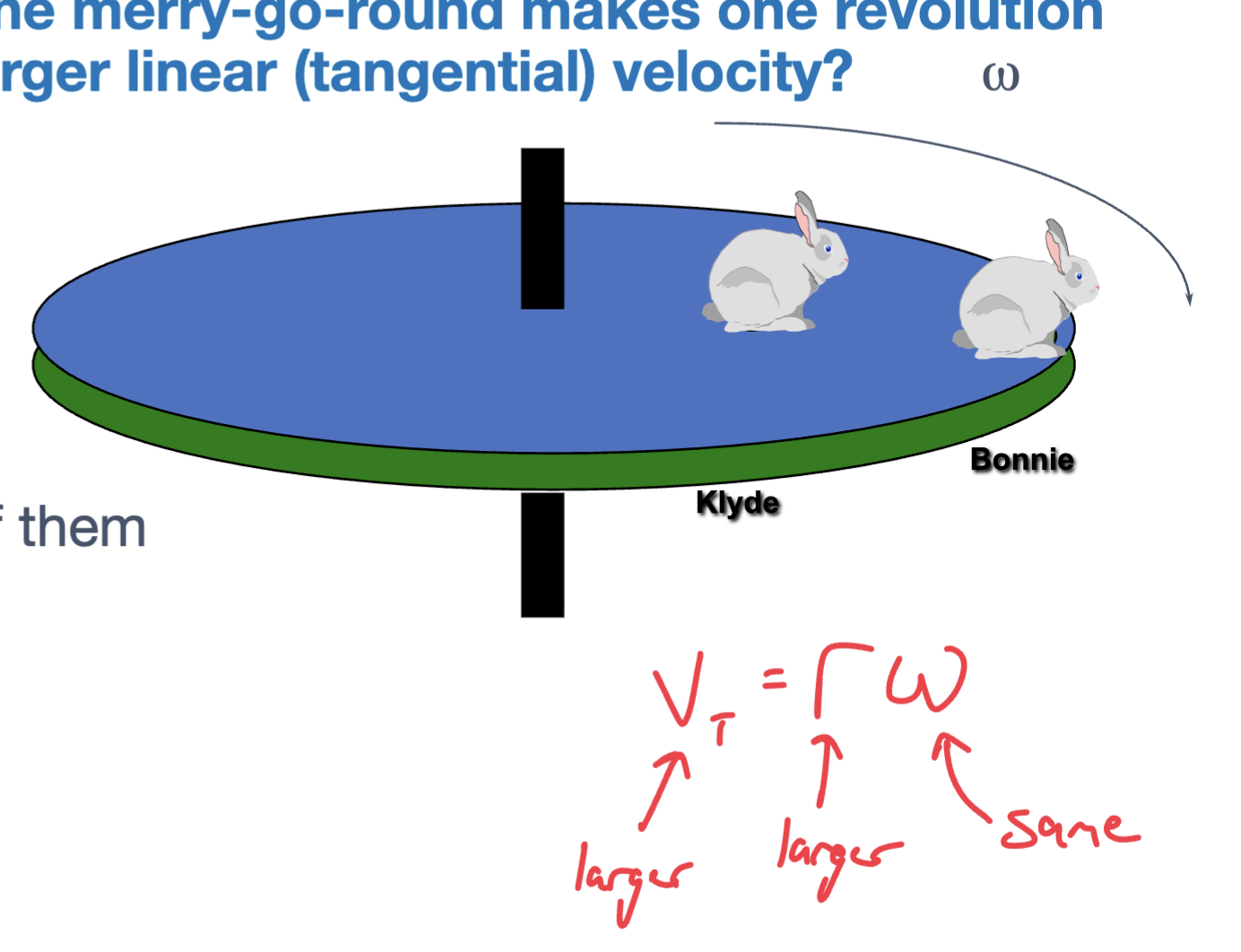
Bonnie sits on the outer rim of a merry-go-round, and Klyde sits midway between the center and the rim. The merry-go-round makes one complete revolution every two seconds.
Klyde’s angular velocity is:
1) same as Bonnie’s
2) twice Bonnie’s
3) half of Bonnie’s
4) 1/4 of Bonnie’s
5) four times Bonnie’s
1) same as Bonnie’s
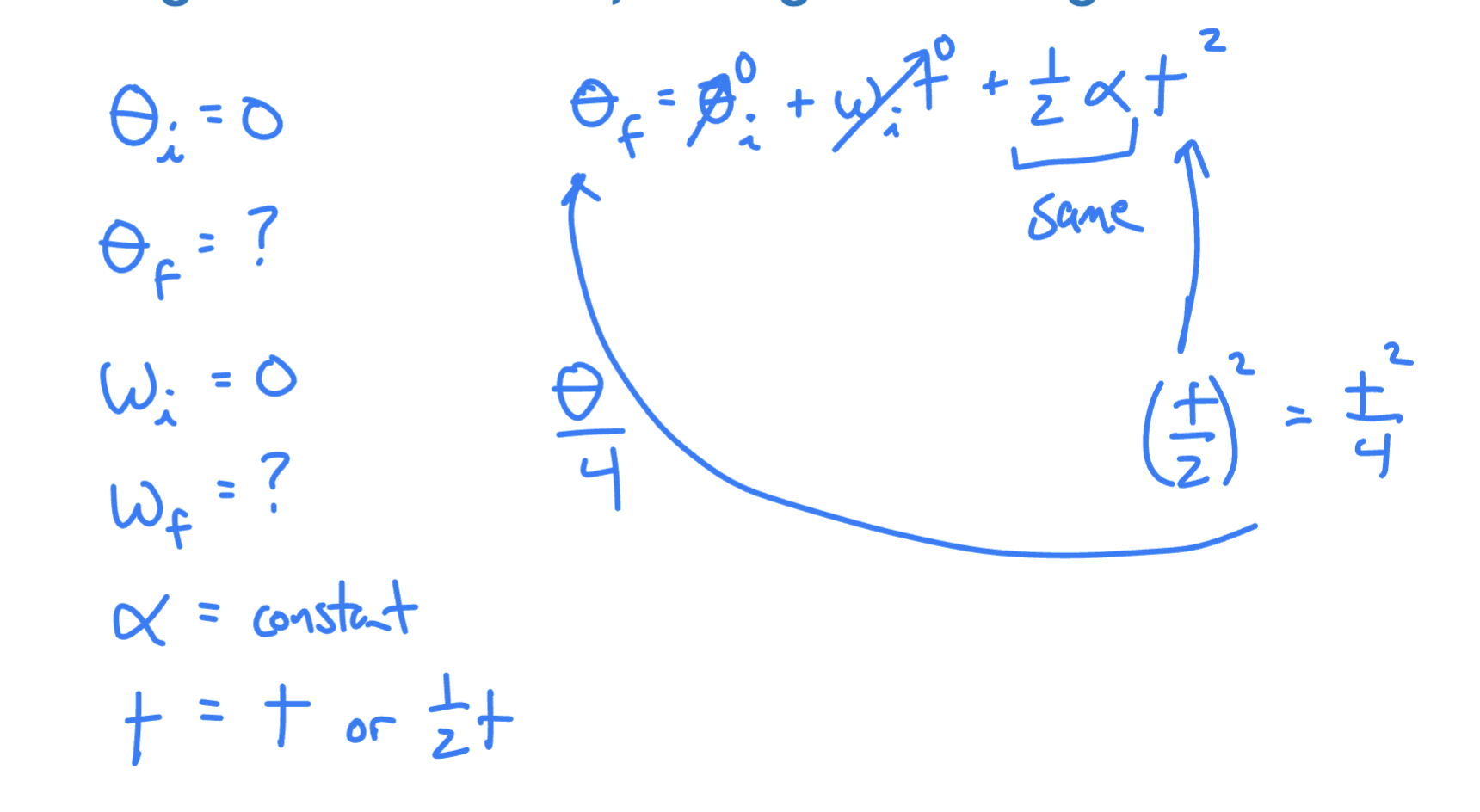
An object at rest begins to rotate with a constant angular acceleration. If this object rotates through an angle θ in the time t, through what angle did it rotate in the time 1/2 t?
1) 1/2 θ
2) 1/4 θ
3) 3/4 θ
4) 2 θ
5) 4 θ
2) 1/4 θ
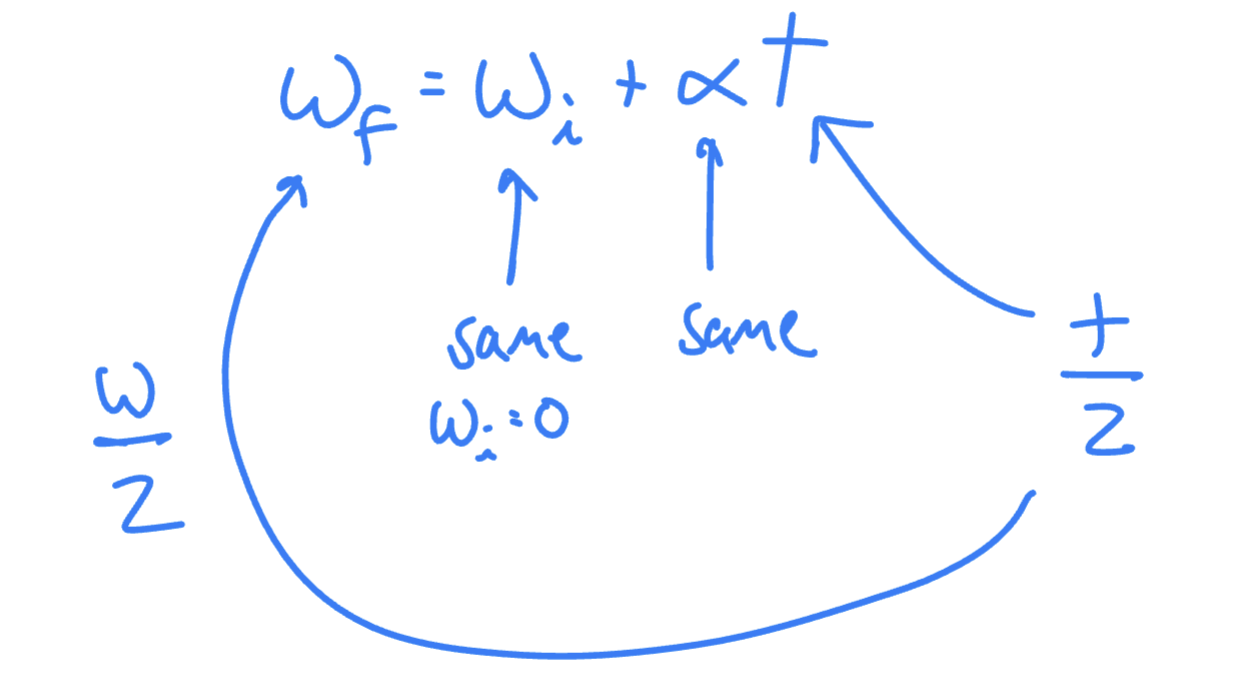
An object at rest begins to rotate with a constant angular acceleration. If this object has angular velocity ω at time t, what was its angular velocity at the time 1/2 t?
1) 1/2 ω
2) 1/4 ω
3) 3/4 ω
4) 2 ω
5) 4 ω
1) 1/2 ω
Bonnie sits on the outer rim of a merry-go-round, and Klyde sits midway between the center and the rim. The merry-go-round makes one revolution every two seconds. Who has the larger linear (tangential) velocity?
1) Klyde
2) Bonnie
3) both the same
4) linear velocity is zero for both of them
2) Bonnie