PHILIPPINE ARCHITECTURE
 Studied by 0 people
 Call Kai
 Learn
Learn Practice Test
 Spaced Repetition
 Match
Match Flashcards
 Knowt Play
1/87

Earn XP
Description and Tags
“Philippine Architecture during the American Period”
Name | Mastery | Learn | Test | Matching | Spaced | Call with Kai |
|---|
No analytics yet
Send a link to your students to track their progress
88 Terms
At the closing of 19th century, the United States became a _________. Victorious in the Spanish American
War, the US annexed the Philippines among its colonial possession.
colonial power
The early years of American
occupation was beleaguered by a
succession of epidemic diseases
attributed to unhygienic domestic
practices of the natives
CUBETA
Ordinances were issued to regulate
and modify vernacular dwellings. The
use of the toilet was introduced in
____ among dwellers of the bahay
kubo in Manila through the pail
conservancy system or cubeta.
1902
The authorities banned the use of
_____ for bathing and washing and
established a new type of communal
architecture that combined the
functions of toilet, bath, and laundry
supplied continuously with clean
water.
esteros
The first public bath and laundry, a
one-storey structure made of
concrete, was built in ____.
1913.
To rebate overcrowding, filth, bad
ventilation and the threat of fire in
light-material districts, the American
introduced in 1908 the neighborhood
concept known as ________
which permitted Nipa housed to be
built on highly regulated blocks of
subdivided lots.
Sanitary Barrios
The colonial ______ & _______ successfully evolved a new
kind of domestic architecture.
architects and sanitary engineers
The __________ the house
crossbred the tropical features of
vernacular buildings with hygienic
structural principles and modern
materials.
TSALET / CHALET
chief of the ____________
Bureau of Architecture, designed set-piece architecture
that mimicked the styles of Spanish colonial buildings –
the Spanish Mission Revival.
Architect Edgar K. Bourne
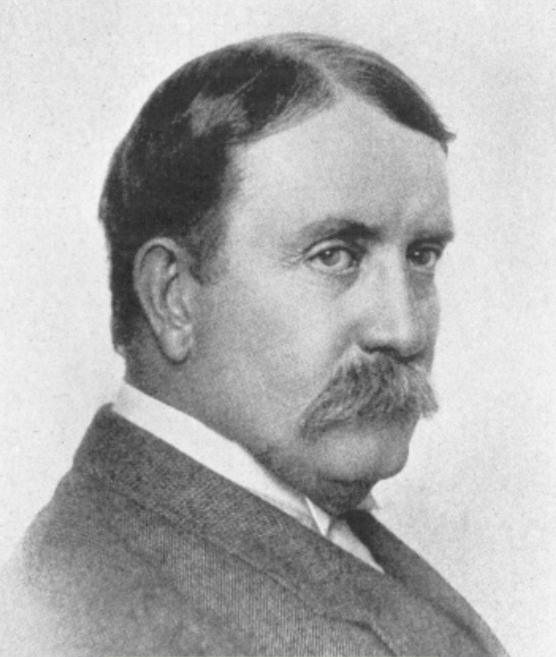
DANIEL BURNHAM
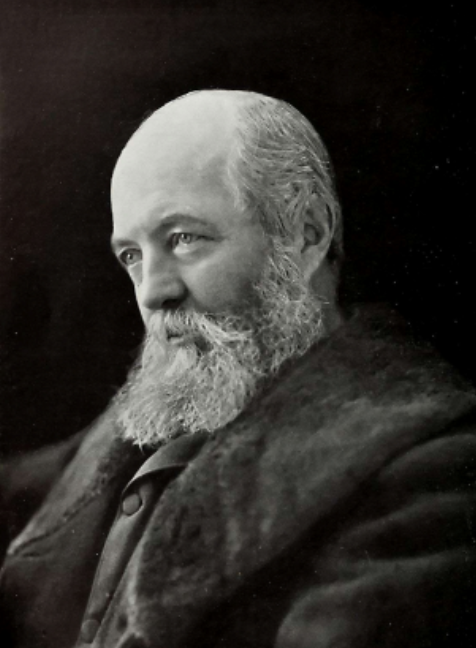
FREDERICK LAW OLMSTED
One of the priorities of the colonial administration was the development of a master plan for Manila and the hill station in Baguio.
• Their aim was to install a sense of the cosmopolitan arrangement to Manila’s chaotic patchwork of communities and create an upland health resort in Baguio.
URBAN PLANNING
_____ work for the 1893 World’s
Columbian Exposition earned him a
reputation as the father of City
Beautiful Movement.
DANIEL BURNHAM
✓Burnham and Anderson found that
Manila had mostly level land with a
surface a few feet above mean high tide,
and the Pasig River running through it. The
population of Manila as of 1903 was
____ and the planners thought the
developments in industry and agriculture
could lead to fast population growth.
223,029
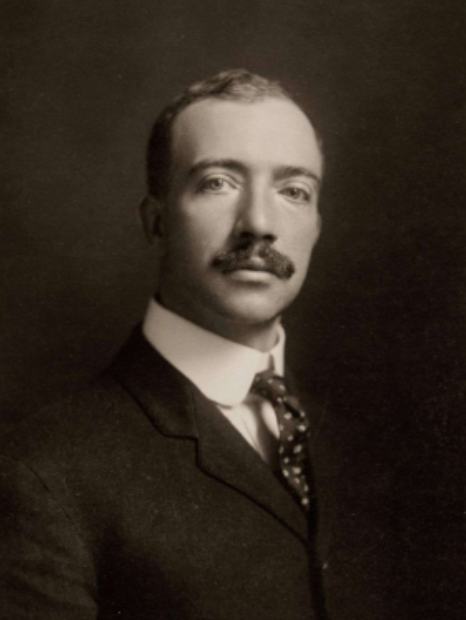
WILLIAM PARSONS
He was tasked to supervise the realization of
the development plans of Daniel Burnham
for the cities of Manila and Baguio
WILLIAM PARSONS
Expresses the academic neoclassical
architectural style taught at the École des
___________ in Paris
BEAUX ART
Aside from Parsons, there were other
American architects like George _____
and Ralph _____ at BPW who contributed
to the propagation of neoclassicism both in
government and private practice
FENHAGEN & DOANE
Best remembered for designing the unbuilt
Capitol Building in Manila, a structure
meant as the centerpiece for Burnham’s
Capitol Center at Luneta. He also designed
one of the first multi-storey concrete
buildings in the Philippines, the Masonic
Temple in the Renaissance style.
GEORGE FANHAGEN
✓He drafted the plans for the Pangasinan
Provincial Capitol, the Malacanang
Executive Building and the preliminary
plans for the Legislative Building.
✓Last Consulting Architect to serve in the
Philippines
RALPH DOANE
✓The influx of American capital
and assimilation of new culture
allowed _________ to
flourish.
New building types
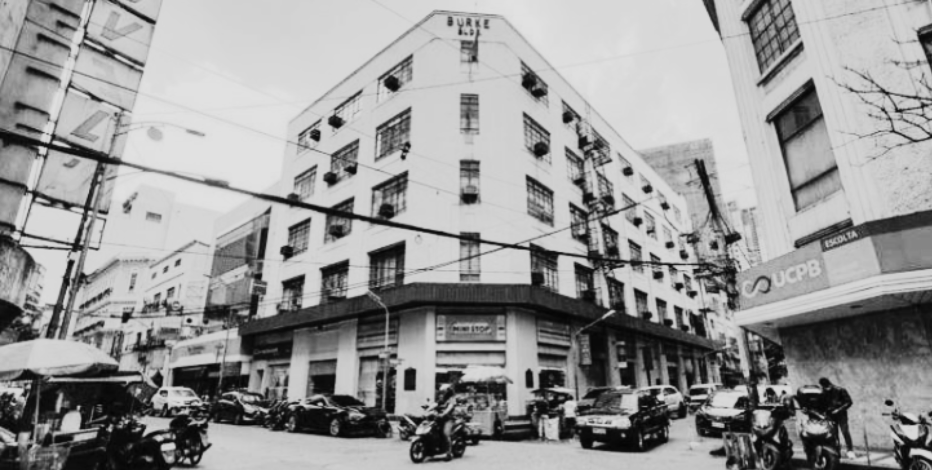
BURKE BUILDING
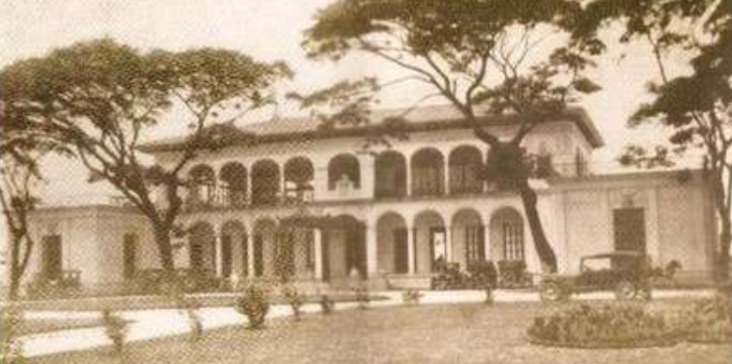
MALACANANG EXECUTIVE BLDG.
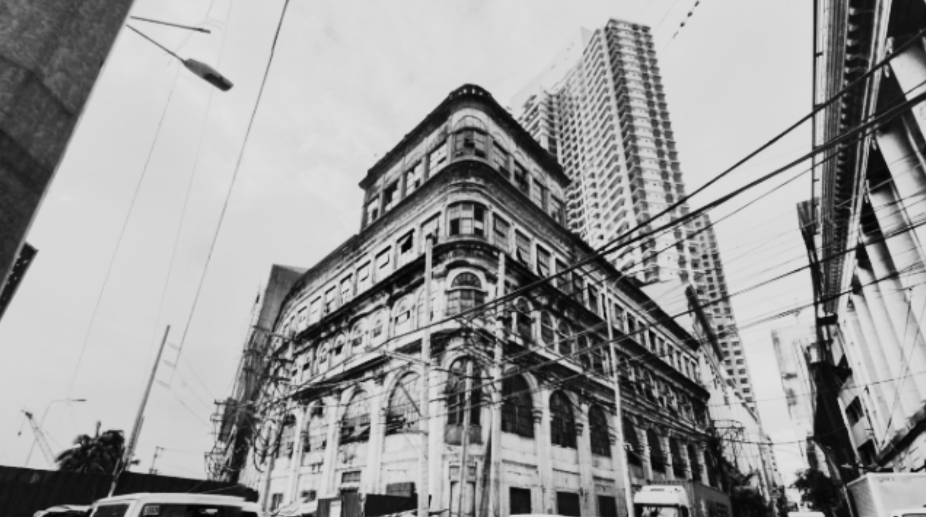
EL HOGAR BUILDING
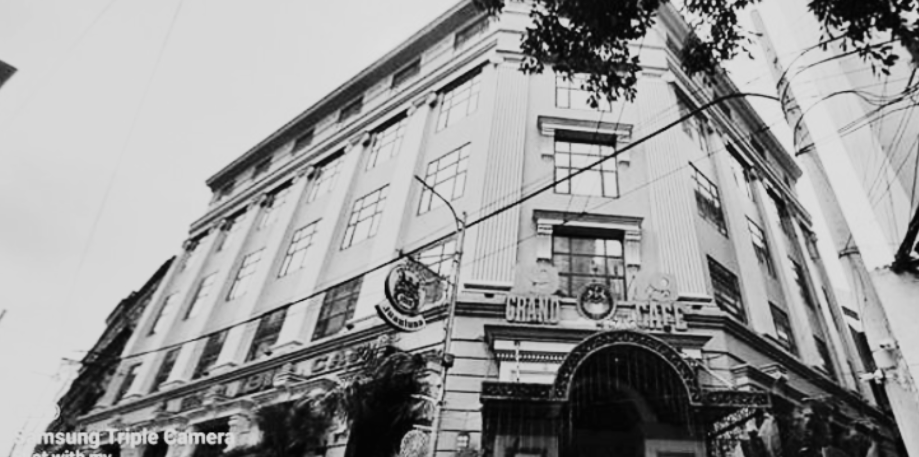
HSBC BUILDING
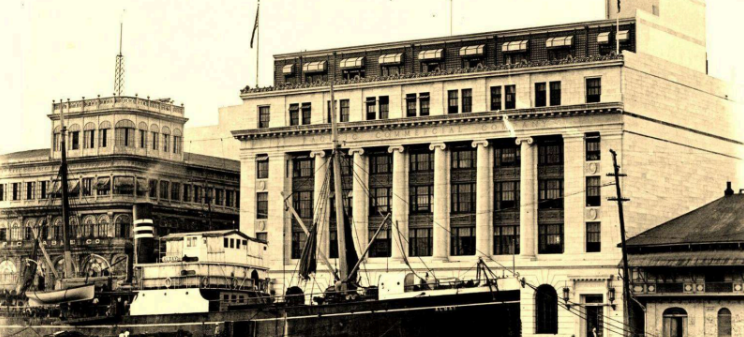
PACIFIC COMMERCIAL COMPANY BLDG
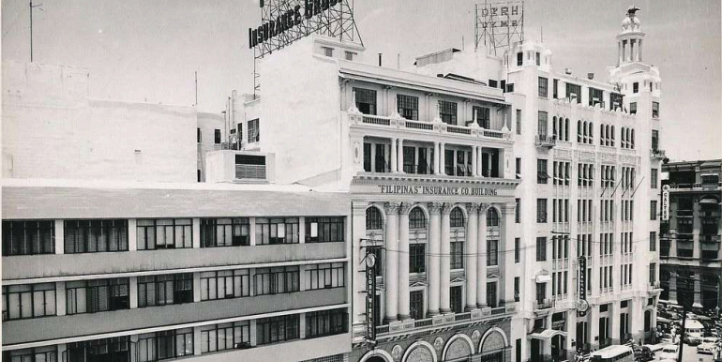
FILIPINAS INSURANCE CO. BUILDING
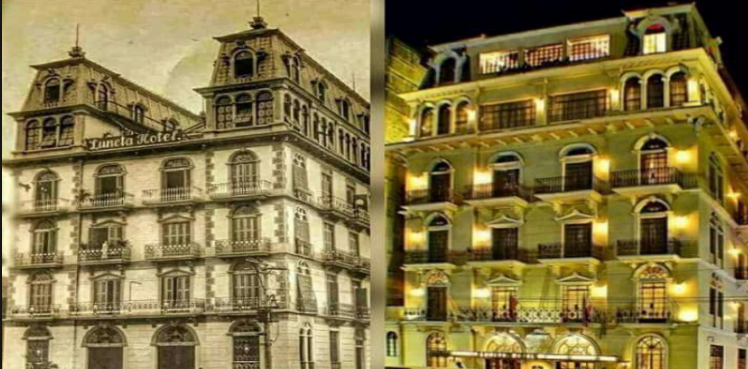
LUNETA HOTEL
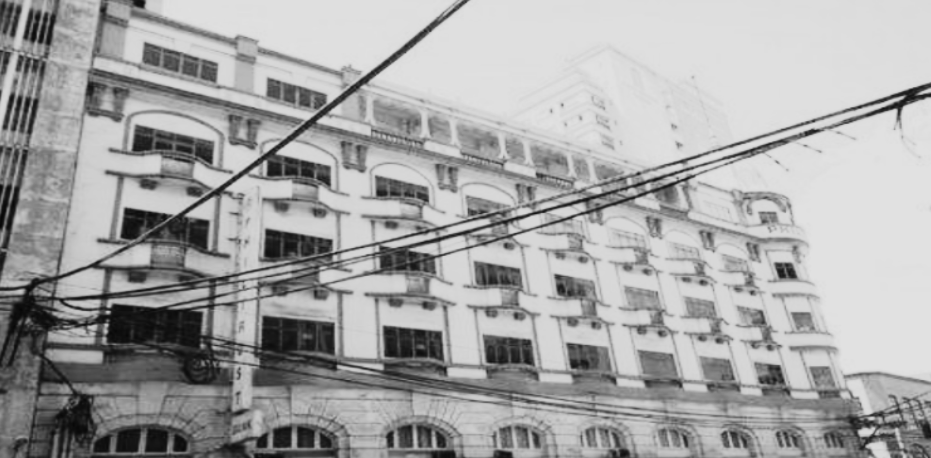
MARIANO UY CHACO BLDG.
The majority of ______ architects received their
academic training from the American East Coast, the bastion of Beaux Arts pedagogy.
pensionado
This batch of architects, together with maestro de
obras like Arcadio Arellano and Tomas Arguelles,
earned a place in the annals of Philippine architecture
as the “_________” architects.
FIRST GENERATION OF PENSIONADO
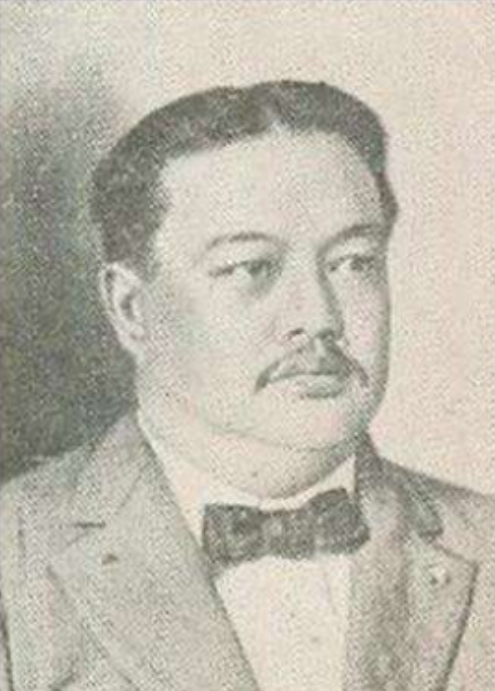
ARCADIO ARELLANO
the first Filipino to be employed
by the Americans as one of their architectural advisors.
His works contained renaissance features (Gota de
Leche Building and El 82 Bazaar); touches of neogothic
style (Hidalgo House); classical elements (mausoleum
of the Veterans of the Revolution); and art nouveau
decorative motifs (Ariston Baustista Lin House)
ARCADIO ARELLANO
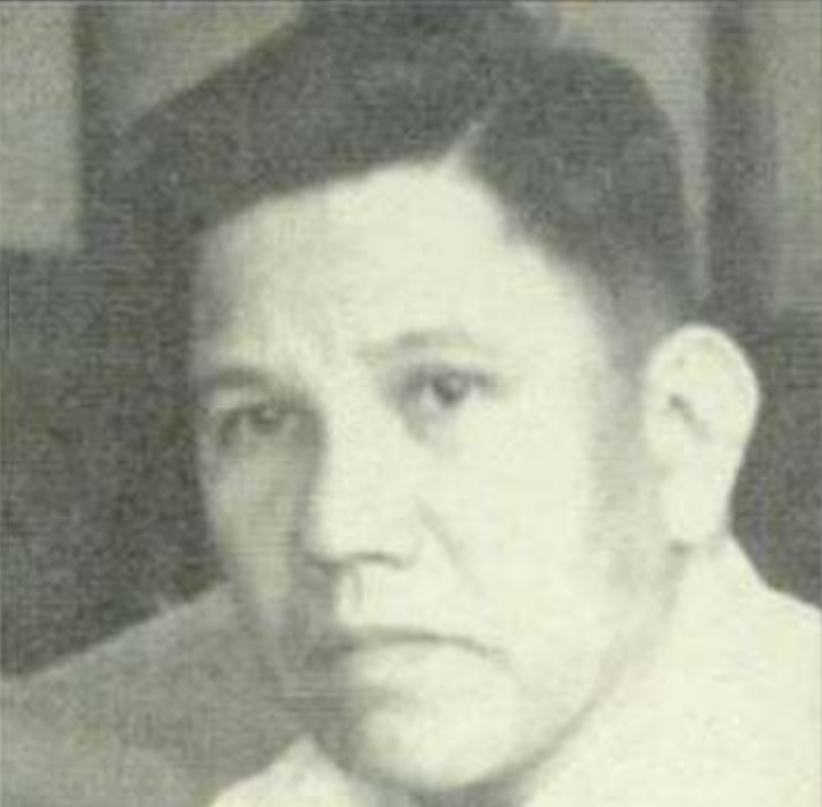
ANTONIO TOLEDO
a master of the neo-classical style,
who designed the grand edifices like the twin
Corinthian buildings in Agri-Fina Circle, Leyte Capitol,
Cebu Capitol, Manila City Hall, and Manila Custom’s
House.
ANTONIO TOLEDO
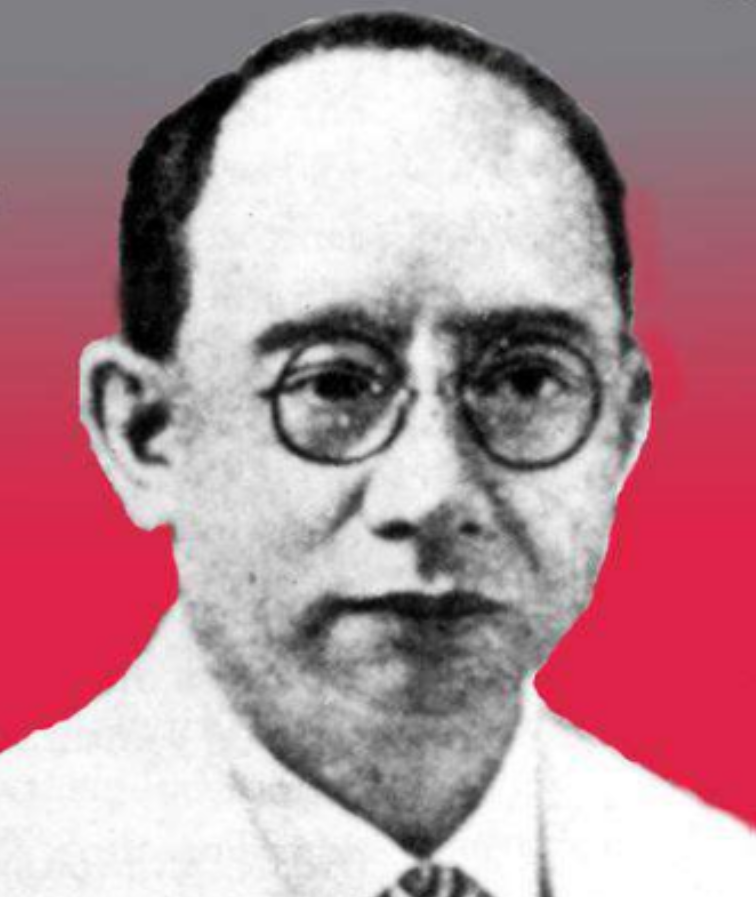
TOMAS MAPUA
was the first registered architect in the
Philippines who established in 1925 the Mapua Institute
of Technology, the architectural school. first The Nurses
Home, De La Salle College and Centro Escolar
University Building were examples of this revivalist bent.
TOMAS MAPUA
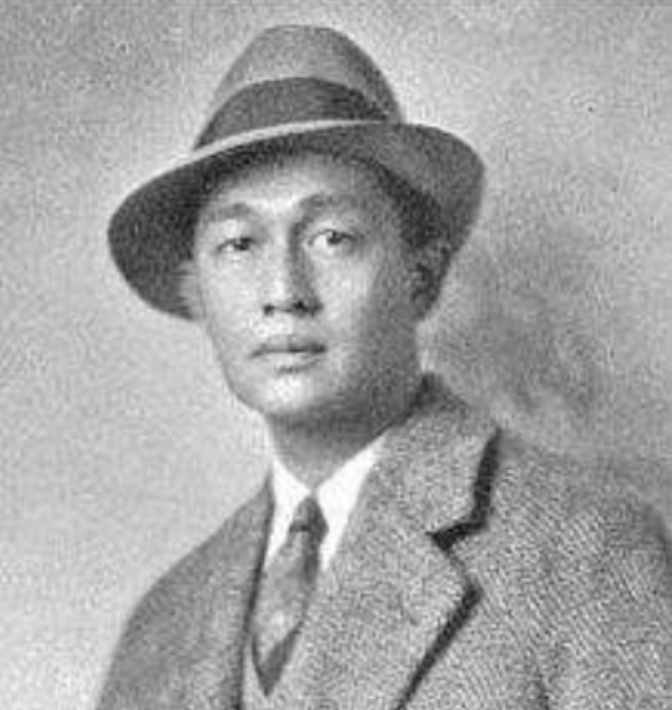
JUAN ARELLANO
The most prolific in the group. ______ mastery of
neoclassicism assumed international stature, receiving world acclaim in a competition held in New York, where he submitted his design for the Bank of the Philippines Islands
JUAN ARELLANO
His monumental works, such as the Legislative Building, the Jones Bridge, and the Post Office, made unerringly palpable the American colonial presence.
JUAN ARELLANO
Though he excelled greatly in the classical style,
Arellano shifted to _____ as most prominently
revealed in the Metropolitan Theater
art deco
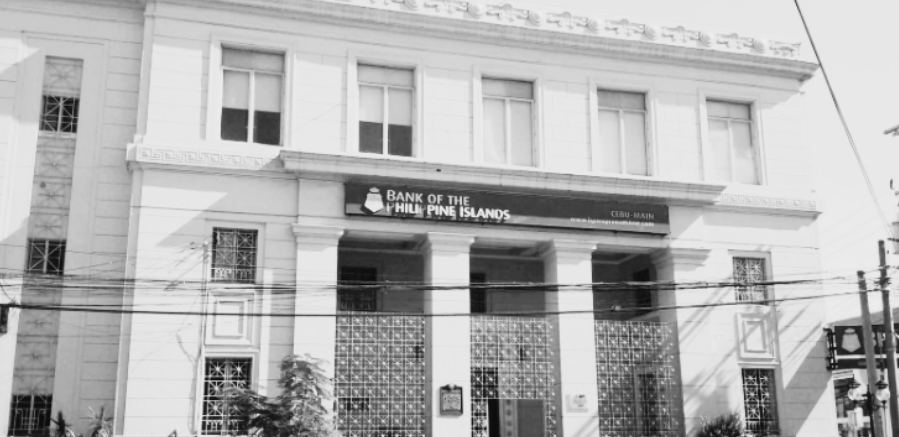
BANK OF PHILIPPINE ISLAND - JUAN ARELLANO
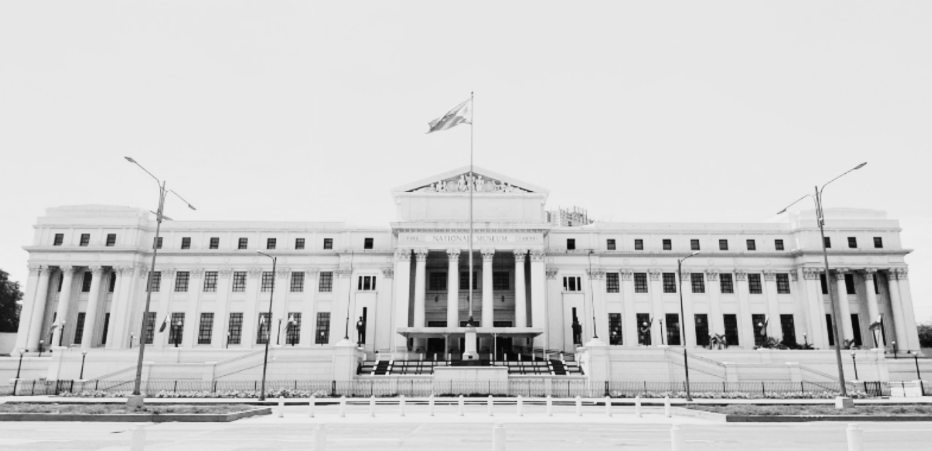
LEGISLATIVE BUILDING - JUAN ARELLANO
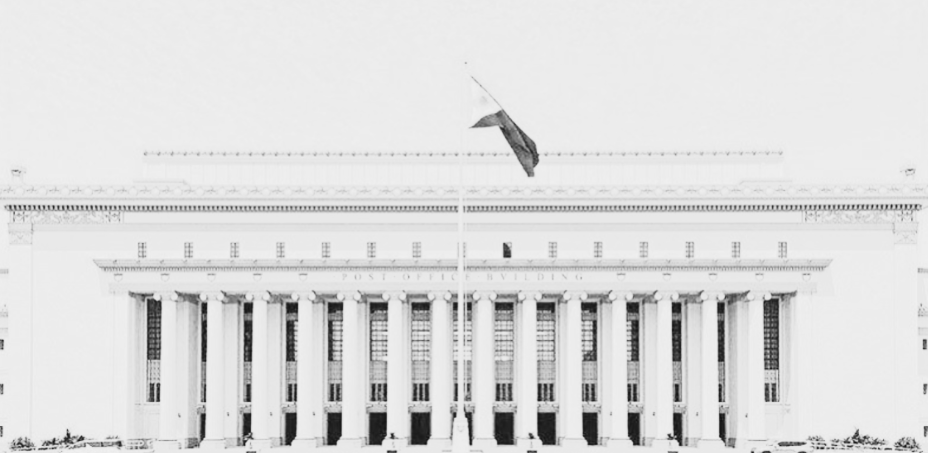
POST OFFICE BUILDING - JUAN ARELLANO
By the late 1920s and 1930s, the dominance of
_____ was challenged by the “second
generation” of Filipino architects who returned from
overseas studies and European trips.
neoclassicism
ART DECO - The leading protagonists in this generation were
Andres Luna de San Pedro,
Fernando Ocampo,
Pablo Antonio
and Juan F. Nakpil.
They introduced innovative ideas and novel ways of
utilizing non-classical ornaments, with steered
Philippine architecture to a new direction
ART DECO
The stepped or zigzag silhouette of _____ was best
captured by the Insular Life Building, Bauan Municipal
Building, and the pylons of the Quezon Bridge.
art deco
✓ Modern and traditional building materials
✓ Ornate, geometric detailing
✓ Consistent detailing
✓ Bold use of contrasting colors
✓ Fragmented shapes
✓ Decorative, geometric windows
✓ Parapets and spires
ART DECO
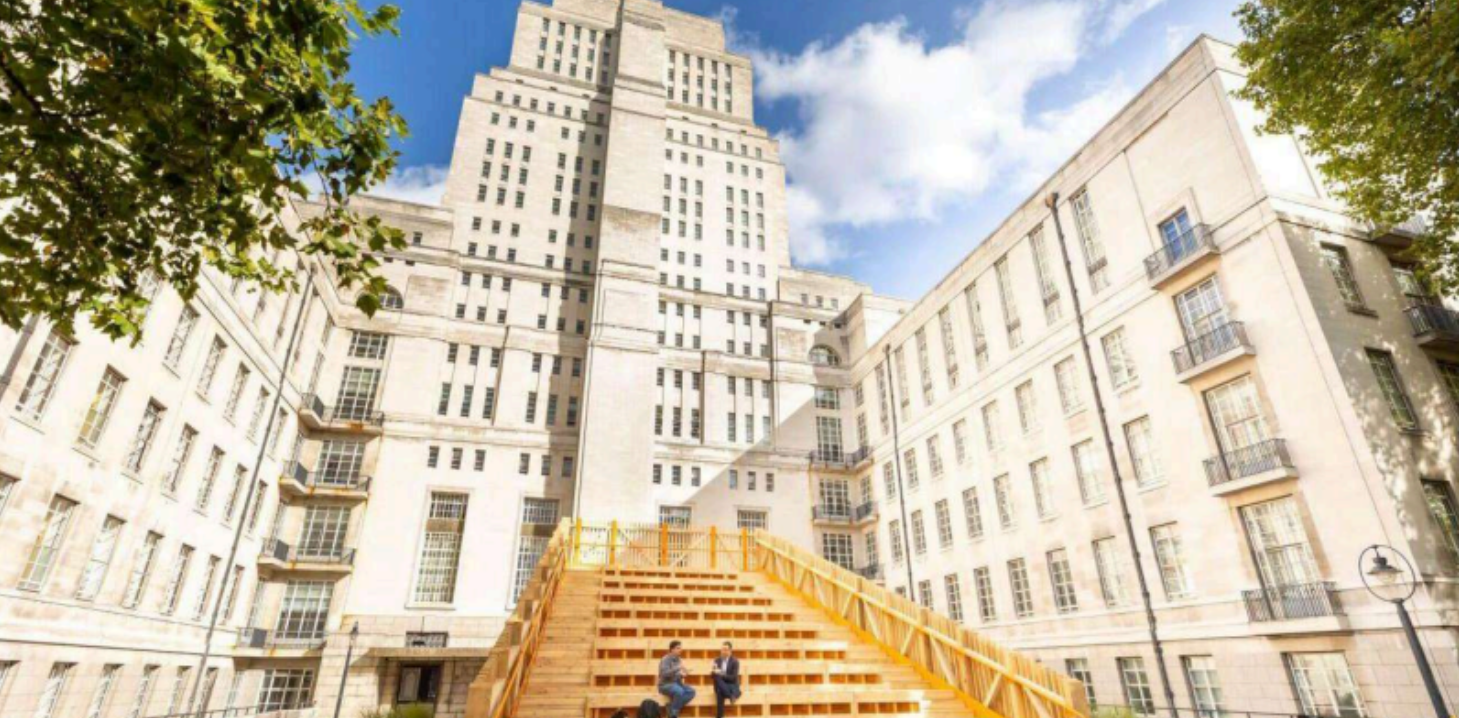
SENATE HOUSE, LONDON

CHRYSLER BUILDING, NY
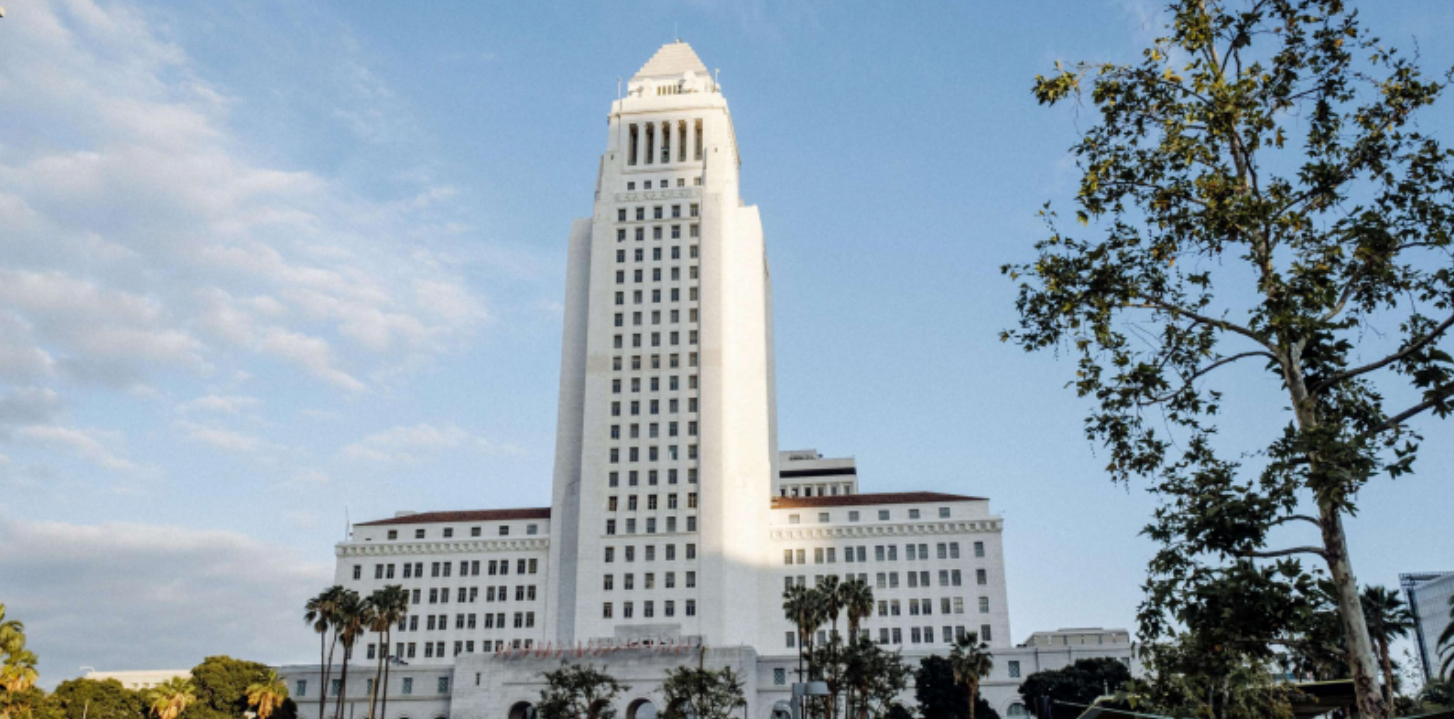
LA CITY HALL, LA
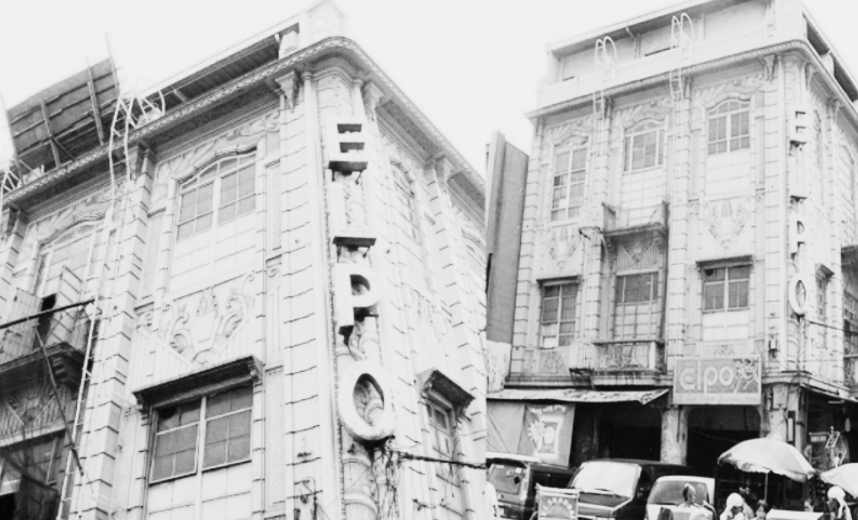
ELPO BUILDING
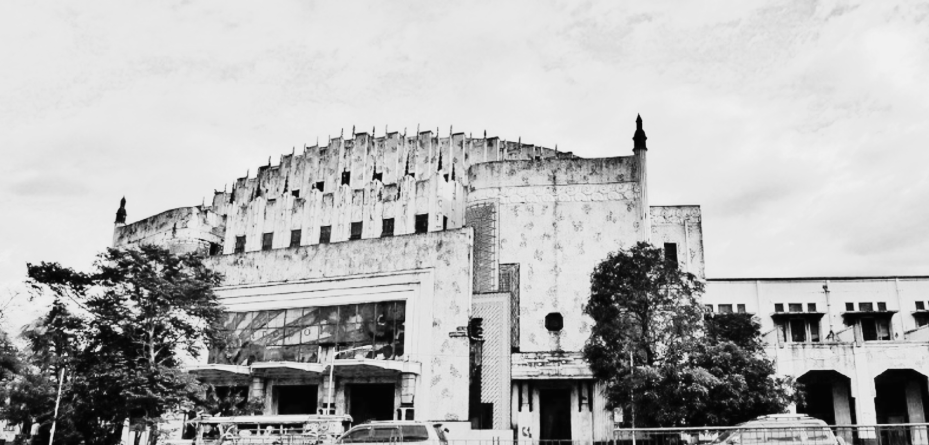
METROPOLITAN THEATER
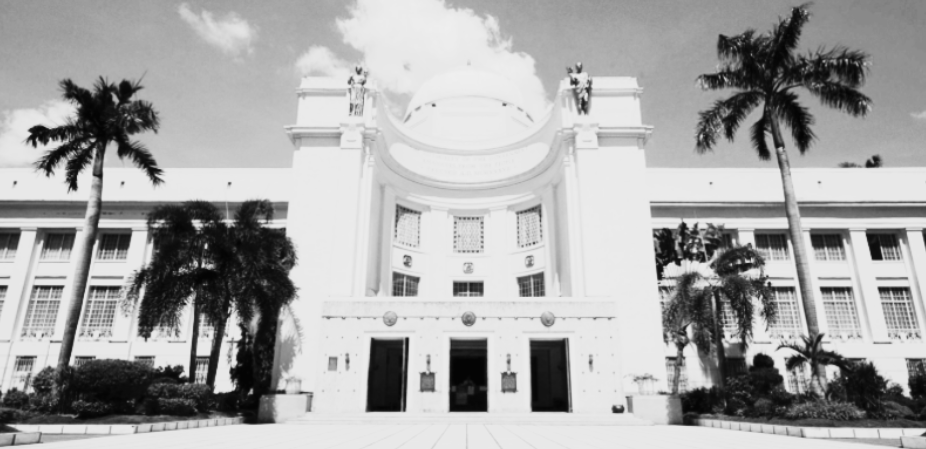
CEBU CAPITOL
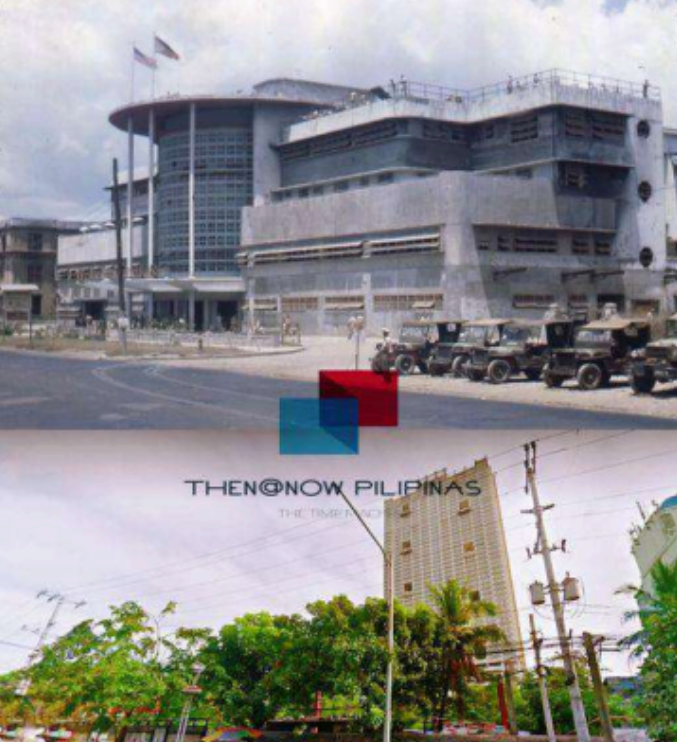
JAI ALAI BUILDING
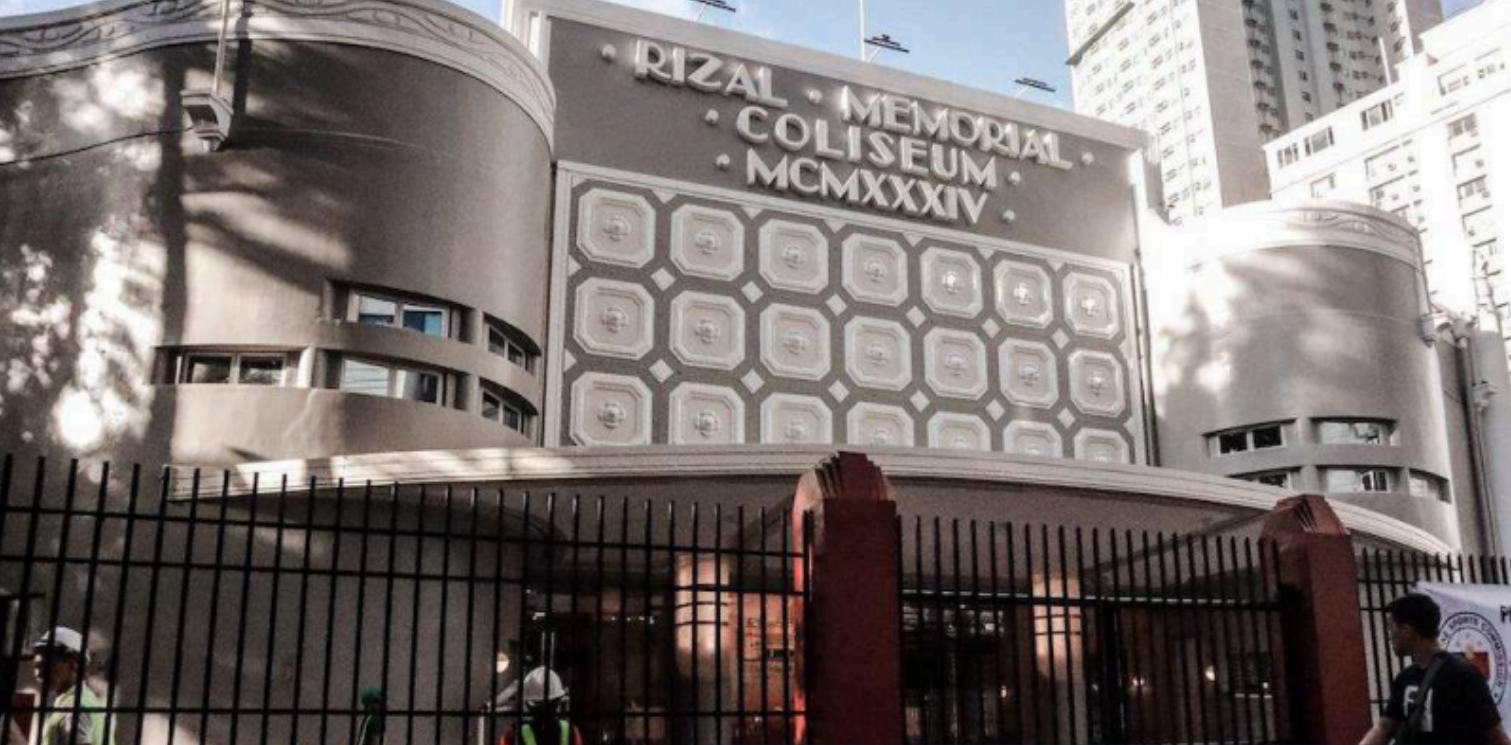
RIZAL MEMORIAL STADIUM
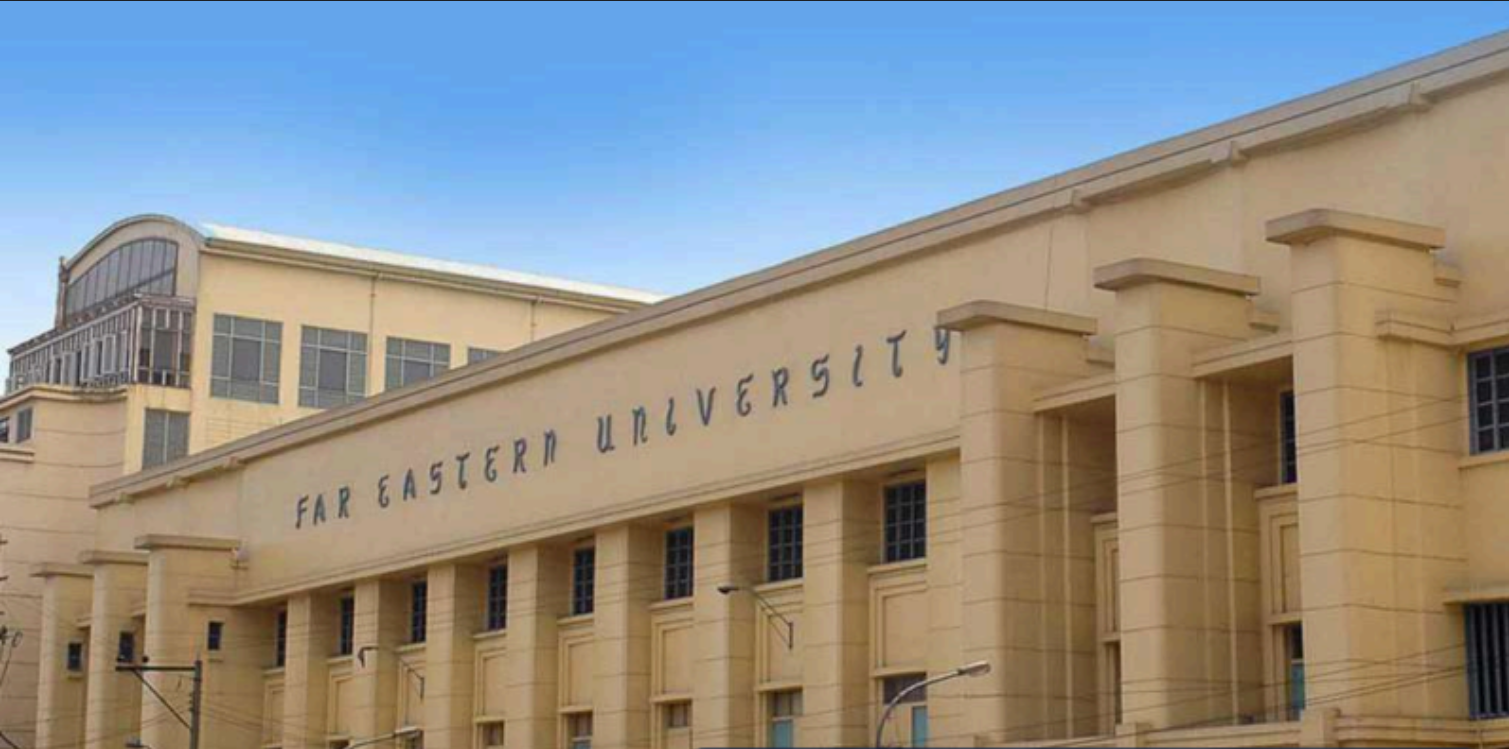
FAR EASTERN UNIVERSITY
________ initially worked in the
revivalist styles like the French Renaissance-
inspired Legarda Elementary School and neo-
Castilian residences, like the Perkins and Zobel
House, then switched to art deco.
ANDRES LUNA DE SAN PEDRO
PIA Gold Medal of Merit Award in 1950
ANDRES LUNA DE SAN PEDRO
His Perez-Samanillo Building used vertical pipe
moldings, canted arches, an octagonal tableau,
precast low-relief medallions and floral urns.
Luna’s most celebrated work, __________,
featured continuous bands of concrete and glass
planes sweeping boldly inward at the central
mall. It was the first structure to introduce a mall-
type commercial space.
the Crystal Arcade
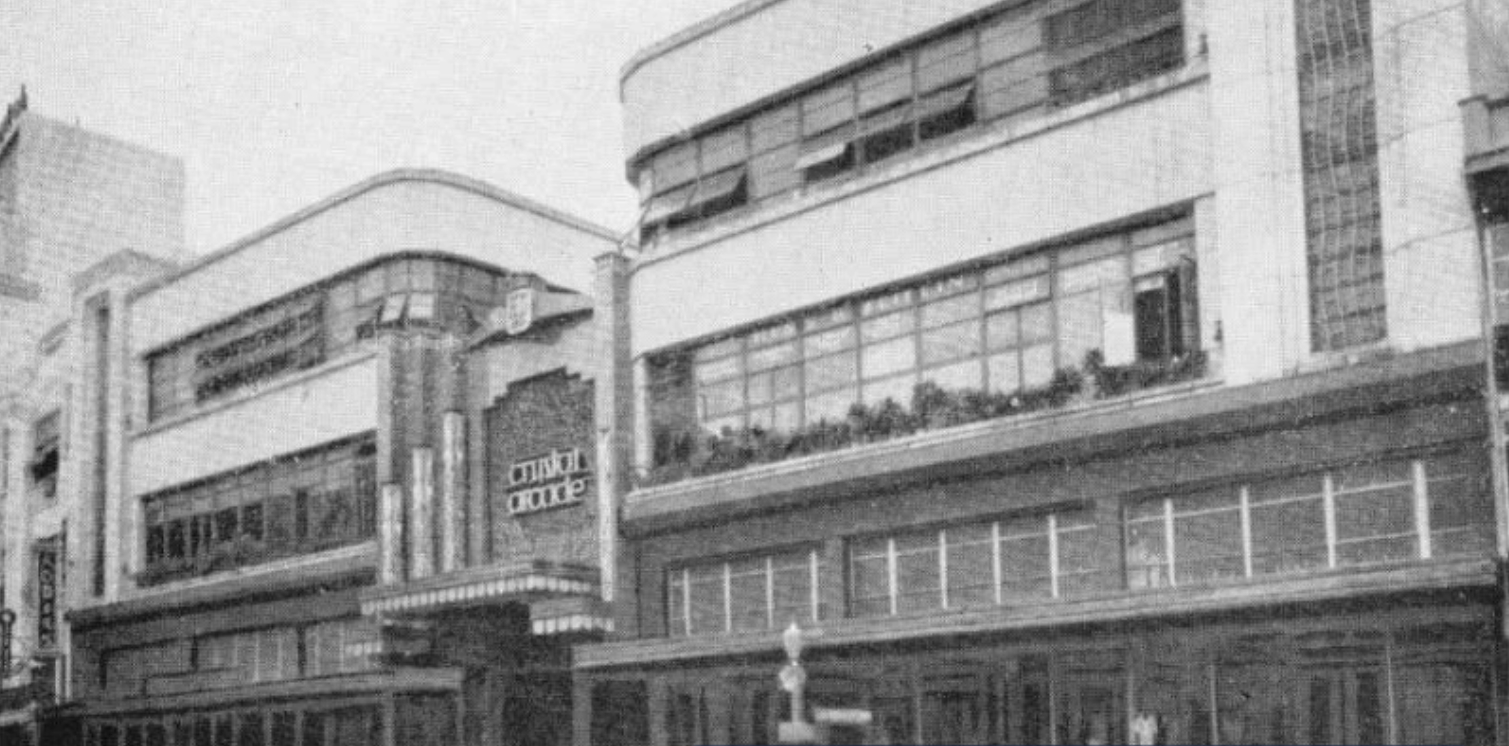
CRYSTAL ARCADE
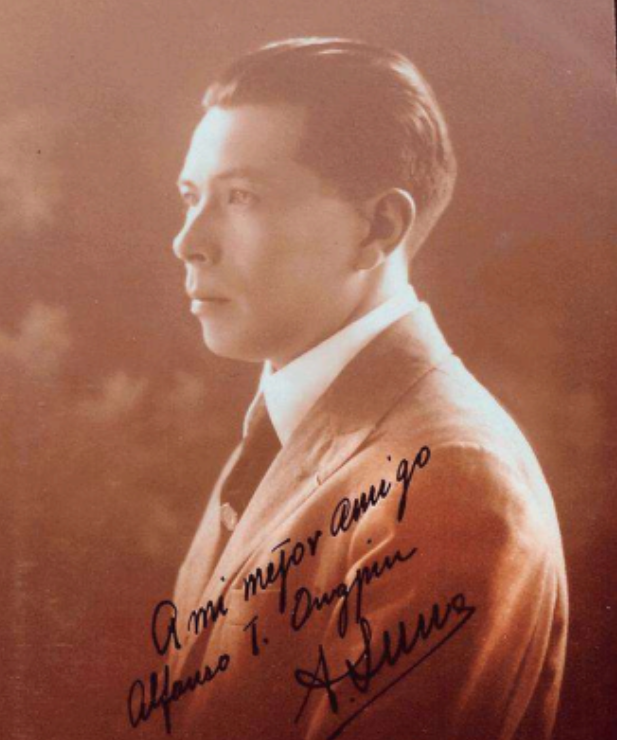
ANDRES LUNA DE SAN PEDRO
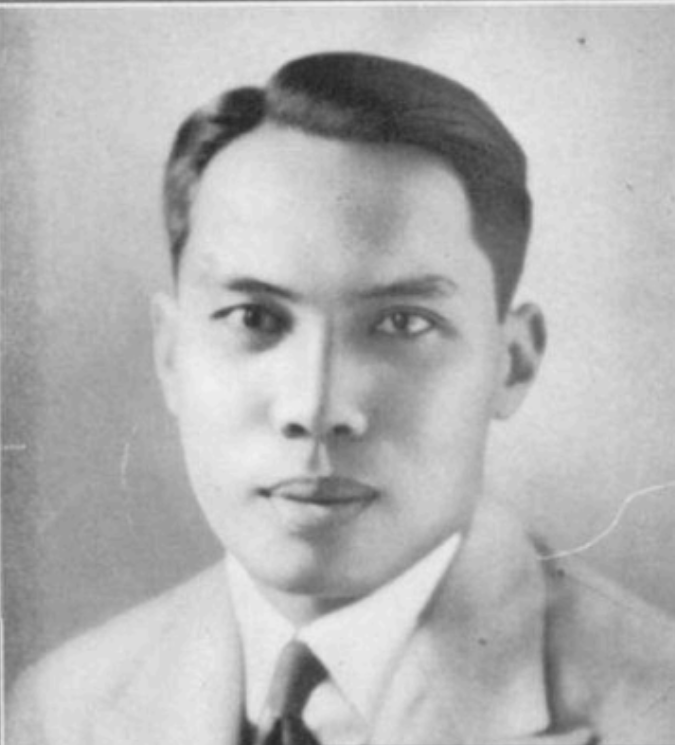
FERNANDO OCAMPO
Some of his renowned works include the reconstruction of the Manila
Cathedral and the San Fernando Metropolitan Cathedral; UST Central
Seminary; Regina Building; Calvo Building; Arguelles building; Paterno
building
FERNANDO OCAMPO
He was also a member of the Board of Examiners for Architects in
Manila (1929-30) and member of the faculty of the School of
Architecture at UST.
FERNANDO OCAMPO
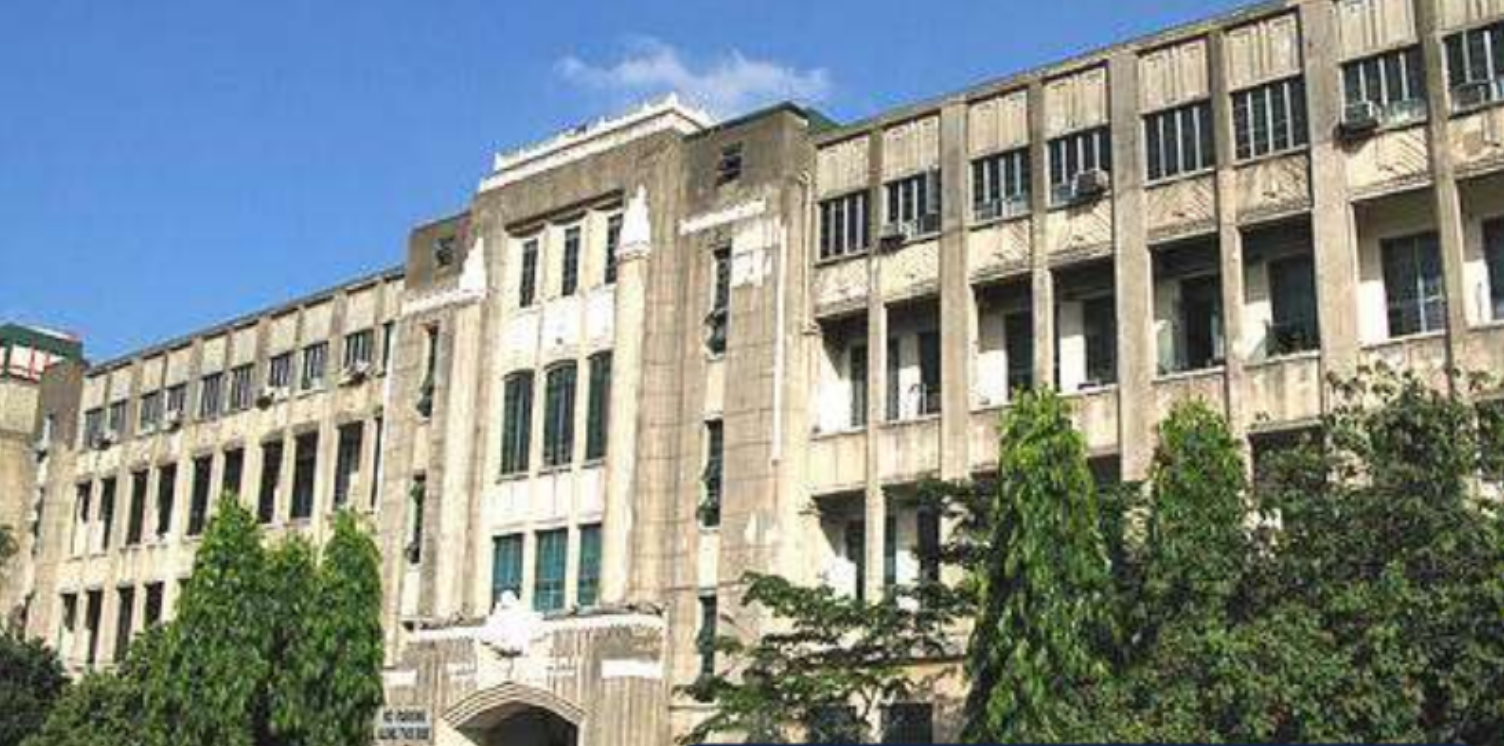
CENTRAL SEMINARY OF UST - FERNANDO OCAMPO
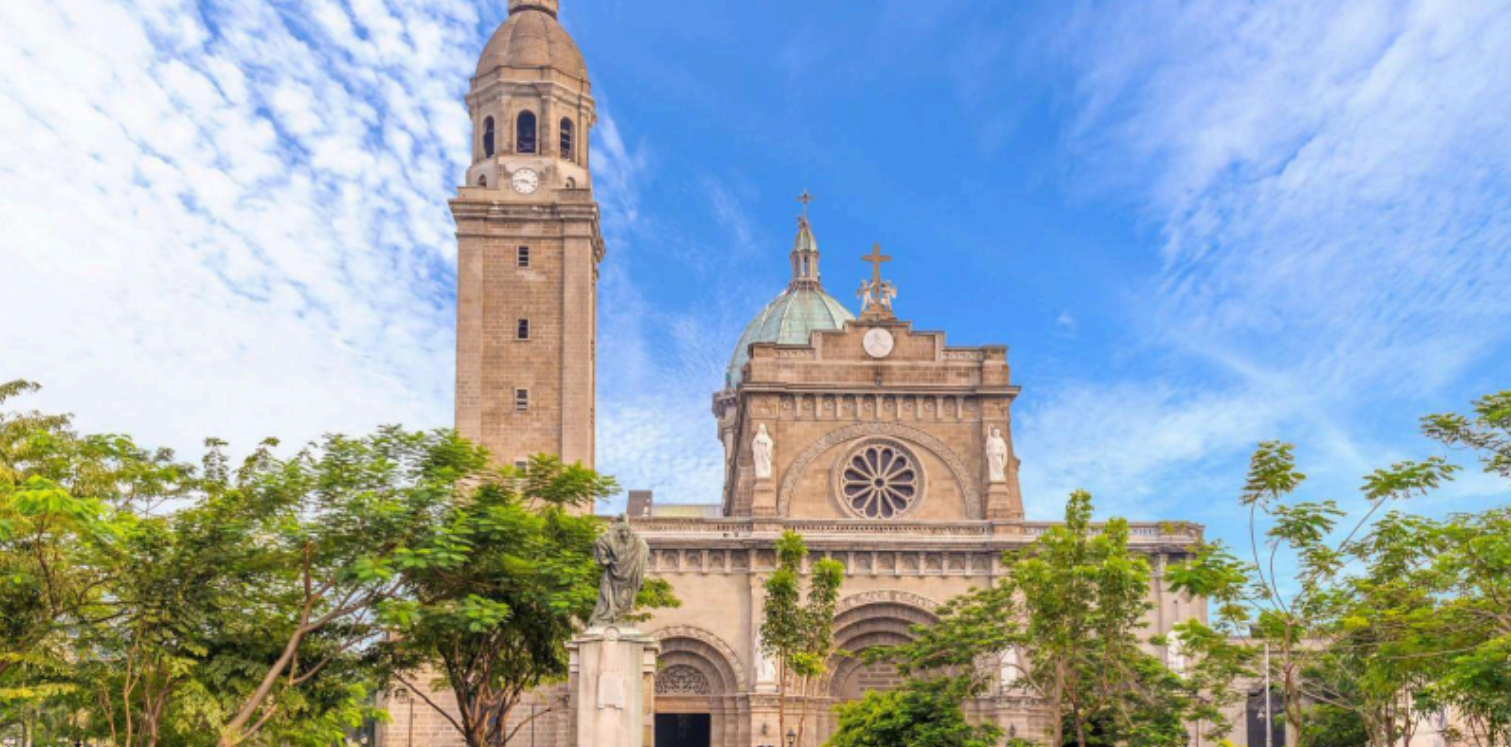
MANILA CATHEDRAL - FERNANDO OCAMPO
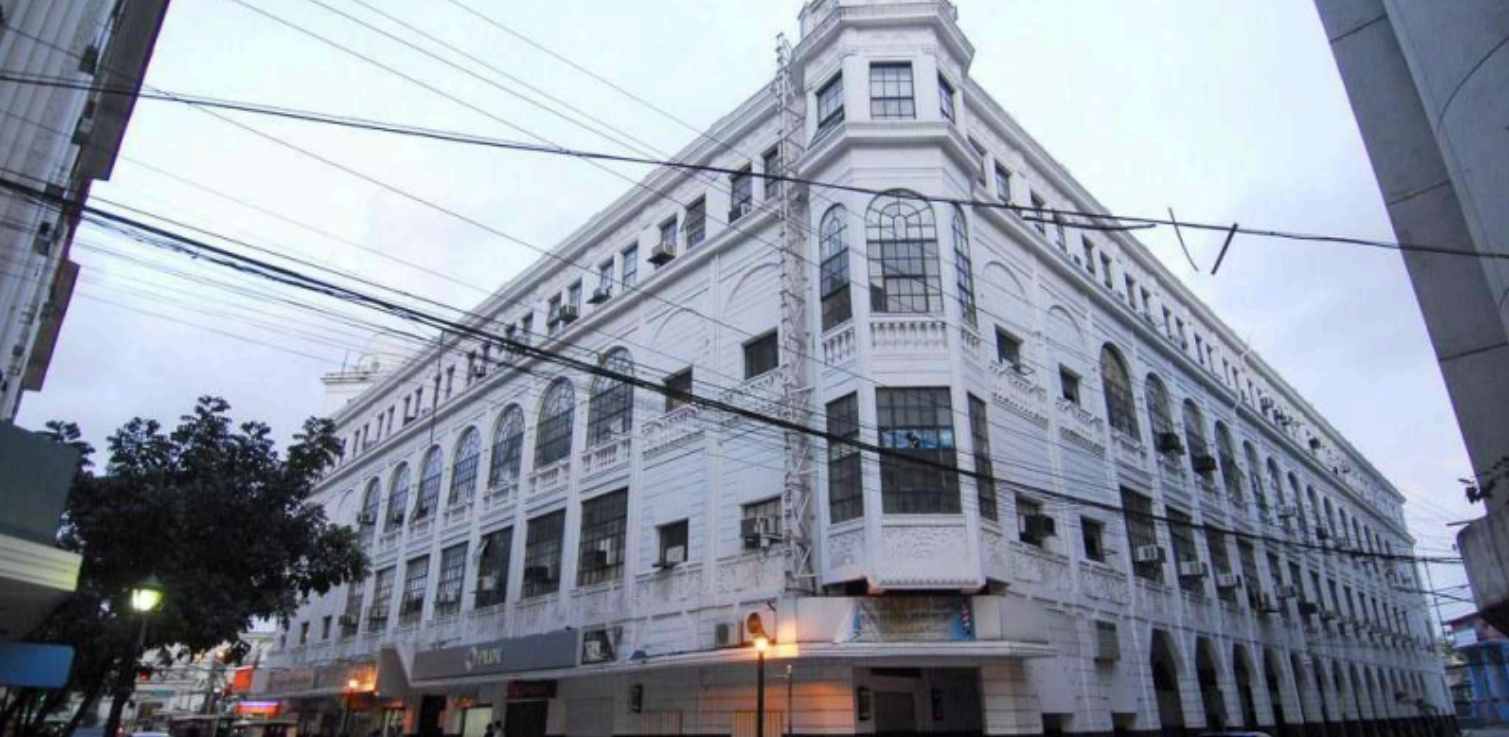
REGINA BUILDING - FERNANDO OCAMPO
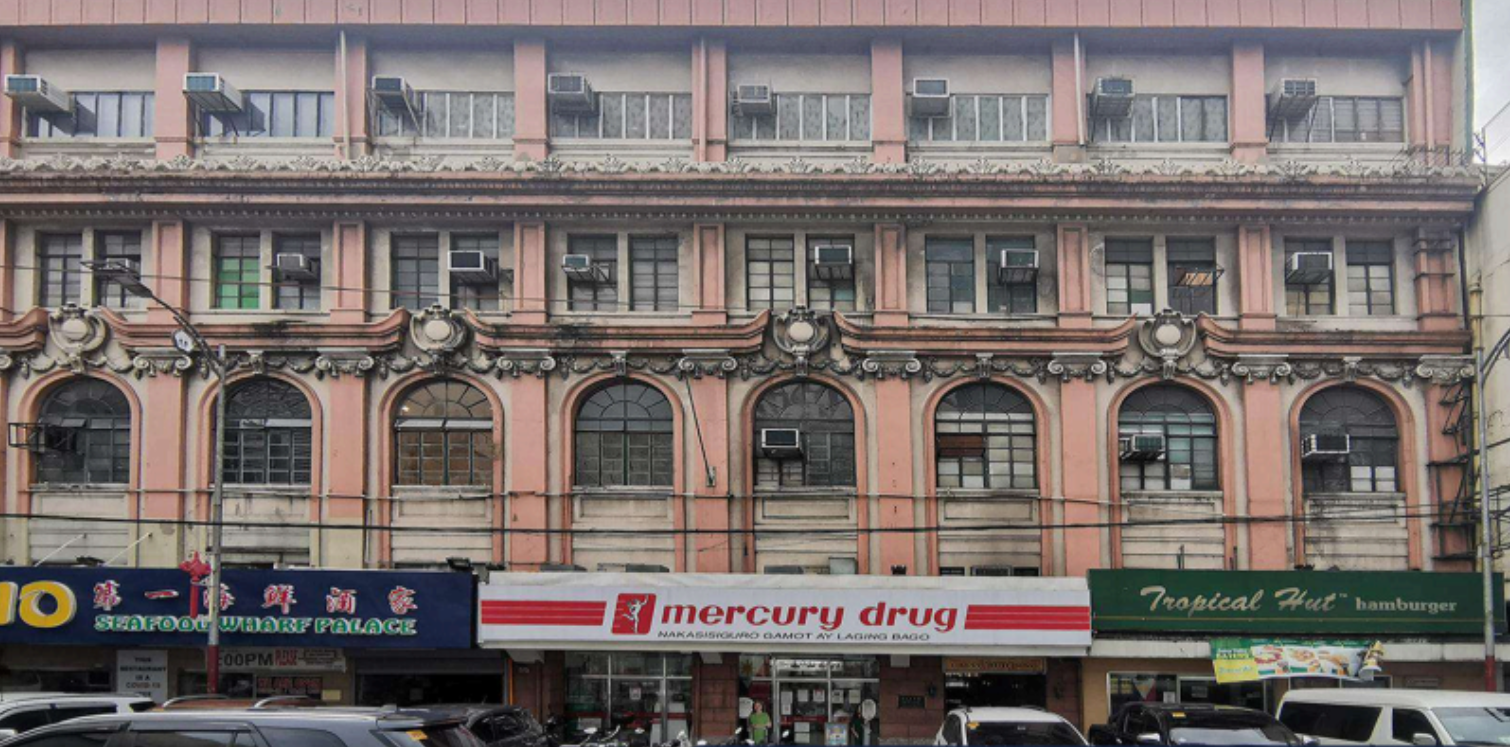
CALVO BUILDING - FERNANDO OCAMPO

PABLO ANTONIO
________ received numerous awards. In 1952, he was
named Architect of the Year by the Philippine Institute of
Architects (PIA). He was also the recipient of the first National
Award of Merit for Architecture, an eight-year award from 1946
to 1954 granted by the Philippine Government.
PABLO ANTONIO
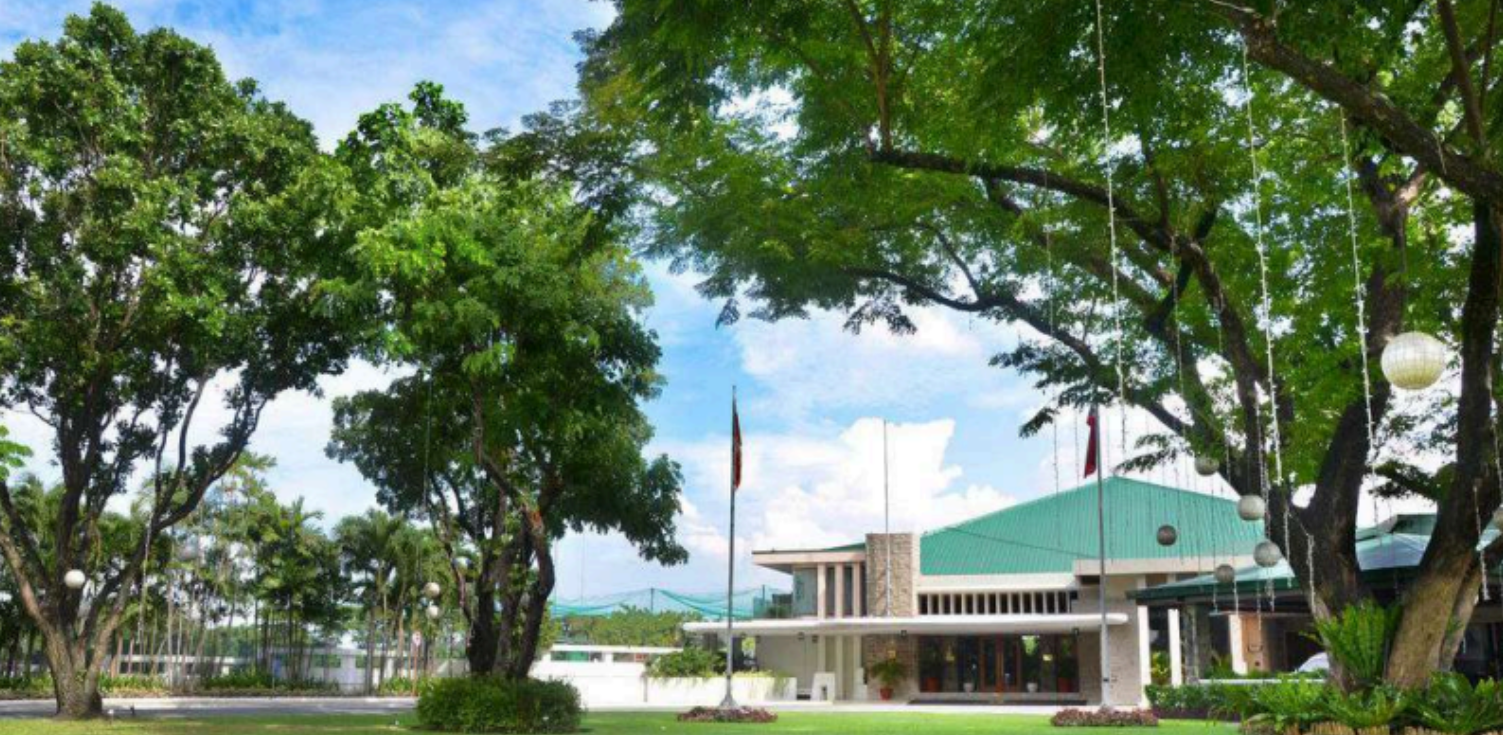
MANILA POLO CLUB - PABLO ANTONIO
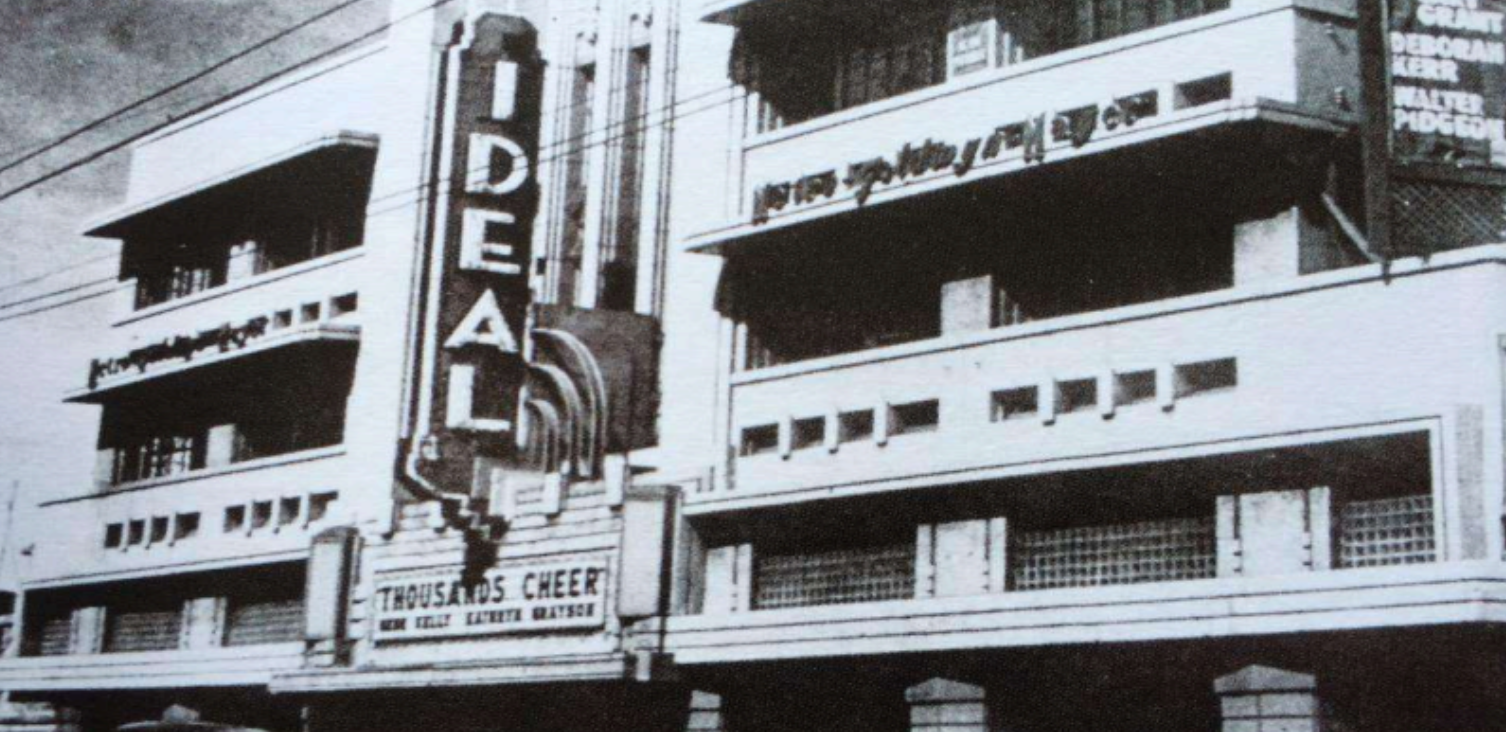
IDEAL THEATER - PABLO ANTONIO

GALAXY THEATER - PABLO ANTONIO
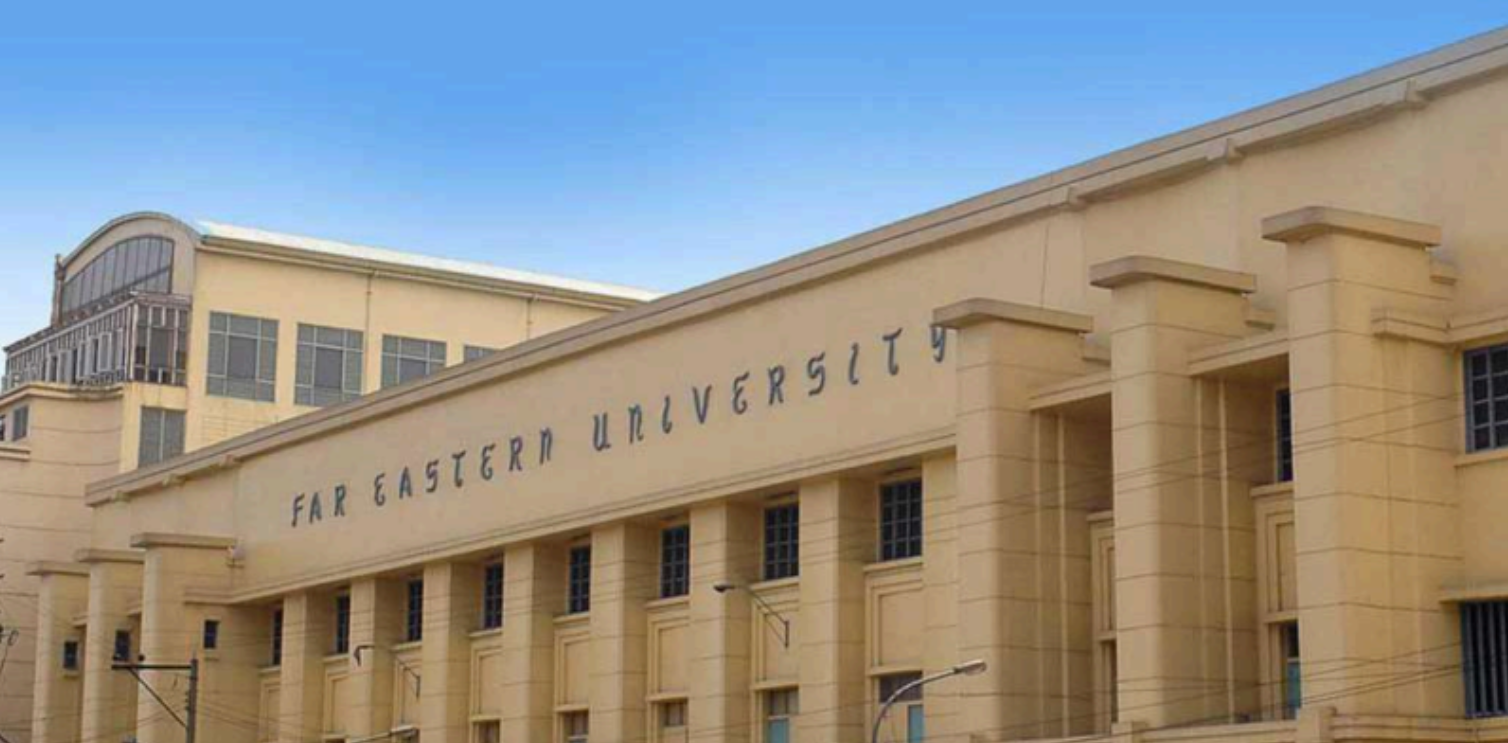
FAR EASTERN UNIVERSITY - PABLO ANTONIO
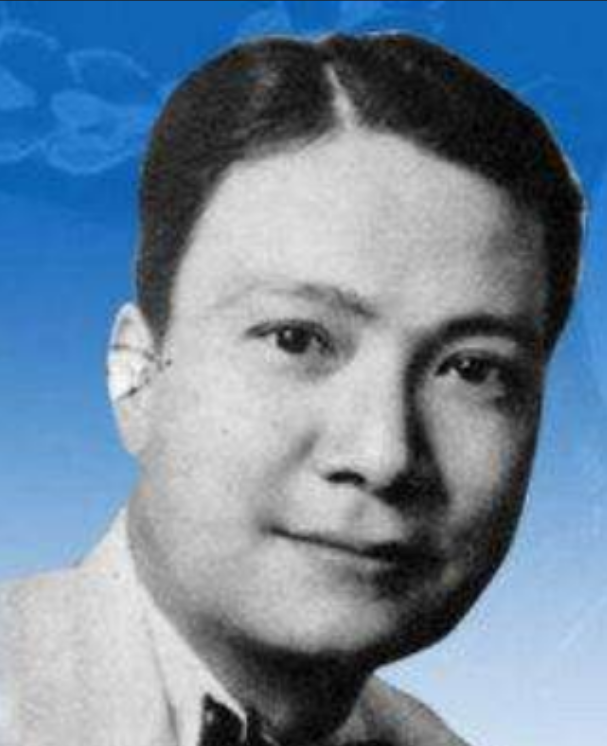
JUAN NAKPIL
______ both an engineer and architect, designed and built the
most number of large structures among the group. Nakpil’s
exemplay works during the pre-war period include the UP
Administration Building, the World Eucharistic Monument of
1937, Quezon Administration Institute Building Pavillions and
and the Manila Jockey Club.
JUAN NAKPIL
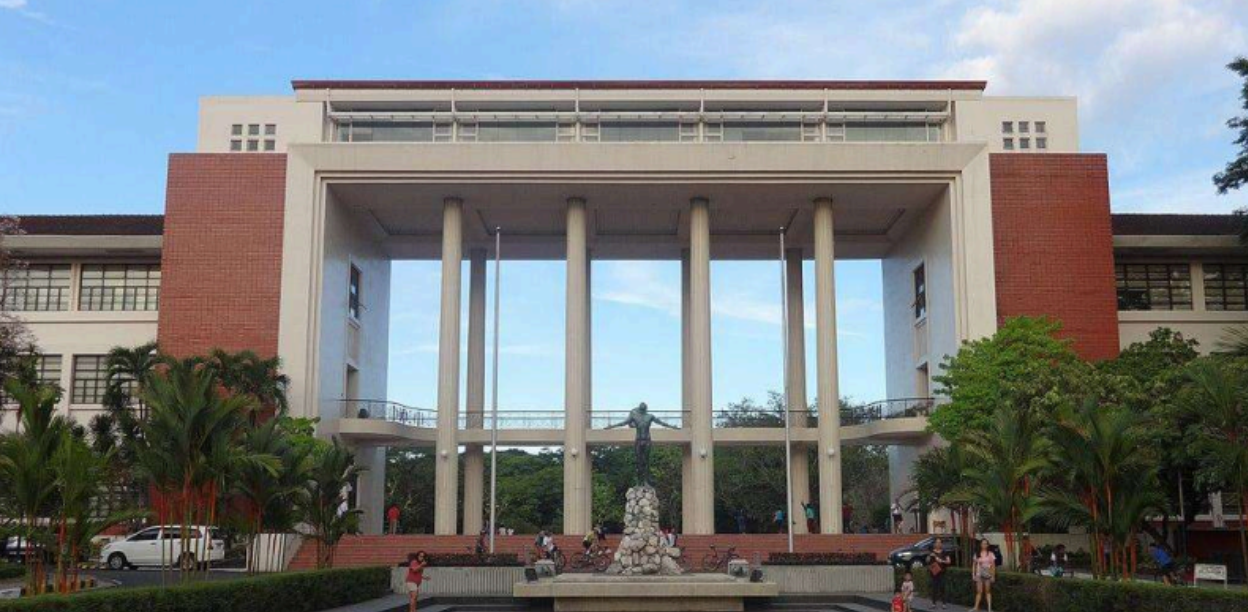
UP ADMIN BUILDING
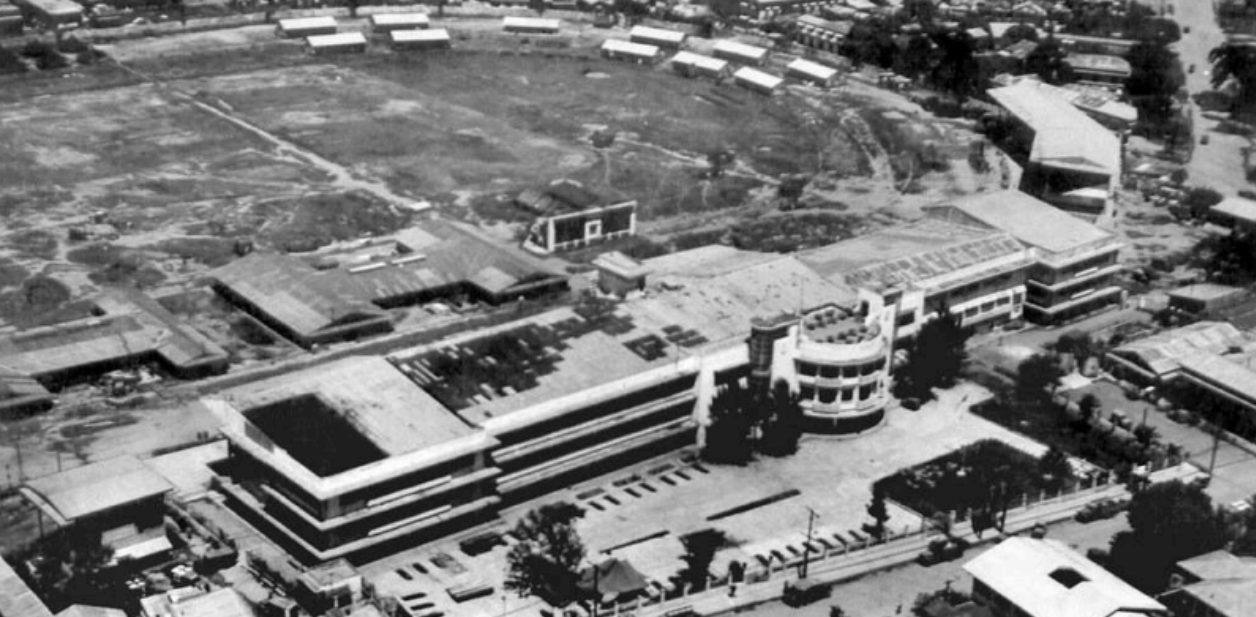
MANILA JOCKEY CLUB
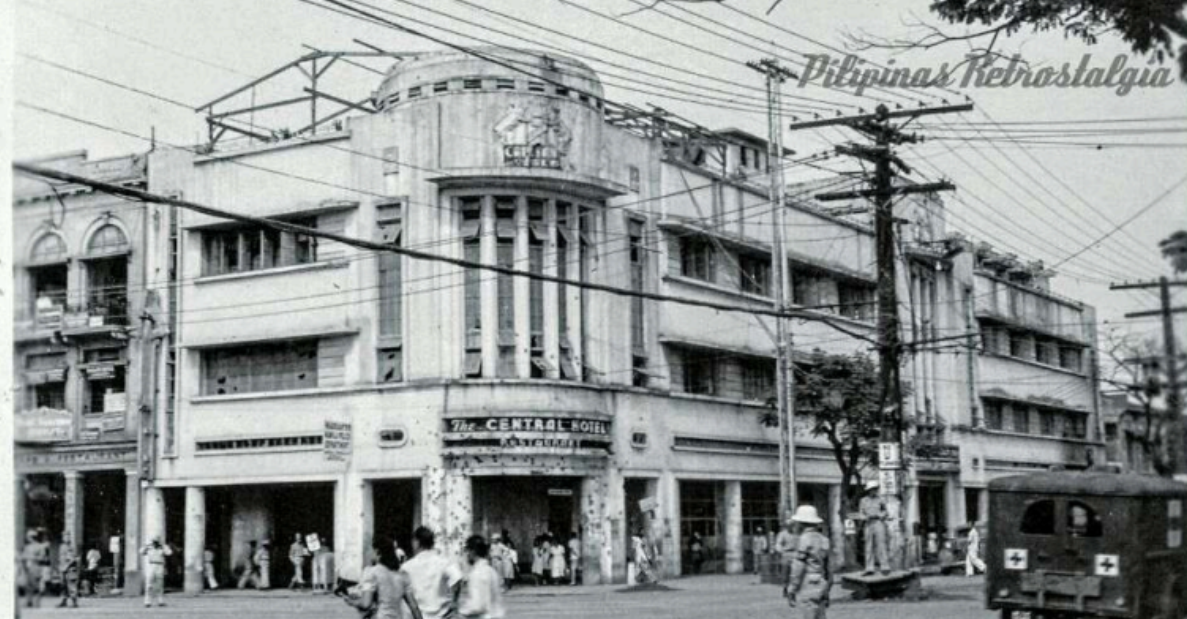
KAPITAN PEPE BUILDING
The ________ or sun breaker, glass walls, pierced
screens and thin concrete shells were staple architectural
elements of the 1950s and 1960s.
brise-soleil
_________ simplified geometries were in accordance with demands of honesty expressed in materials, structure and form; maneuvered in restraint rather than indulgence valuing simplicity over complexity.
Modern architecture’s
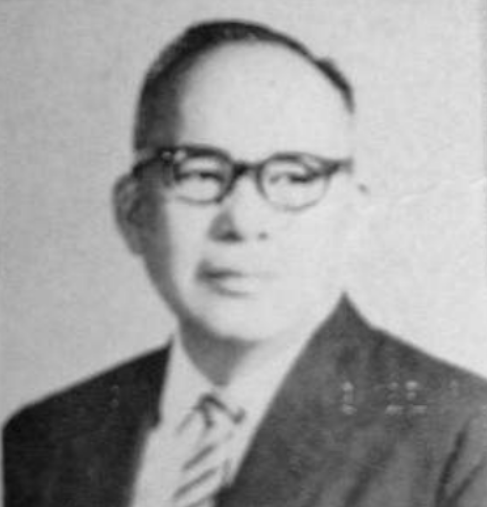
CESAR CONCIO
__________ is the first University Architect of the
University of the Philippines. Cesar Concio, a member of
the delegation later worked as University Architect of
the University of the Philippines, borrowed Niemeyer’s
massing and sun breakers for his Palma and Melchor
Halls, and his saddle-shaped Church of the Risen Lord
was imitative of Niemeyer’s St. Francis Church in
Pampulha, Brazil.
Cesar Concio
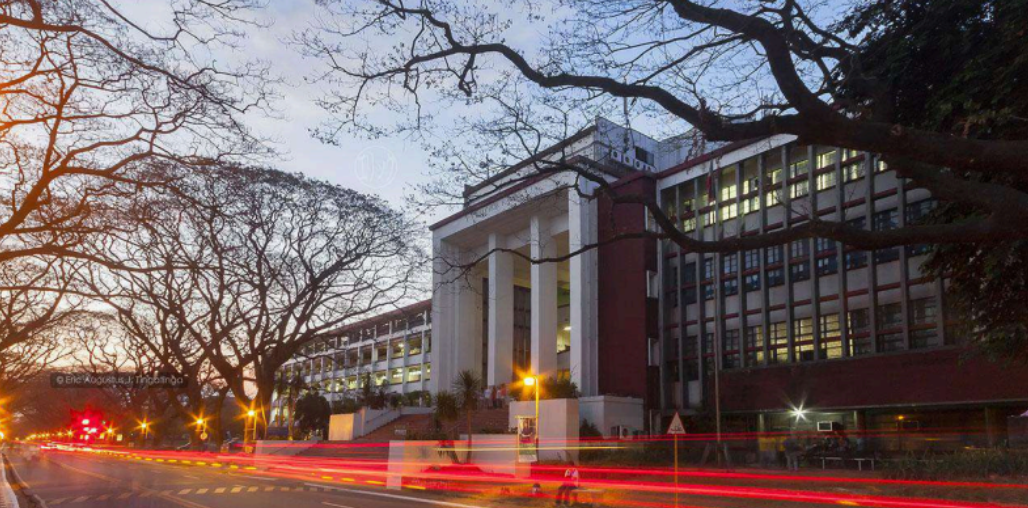
MELCHOR HALL
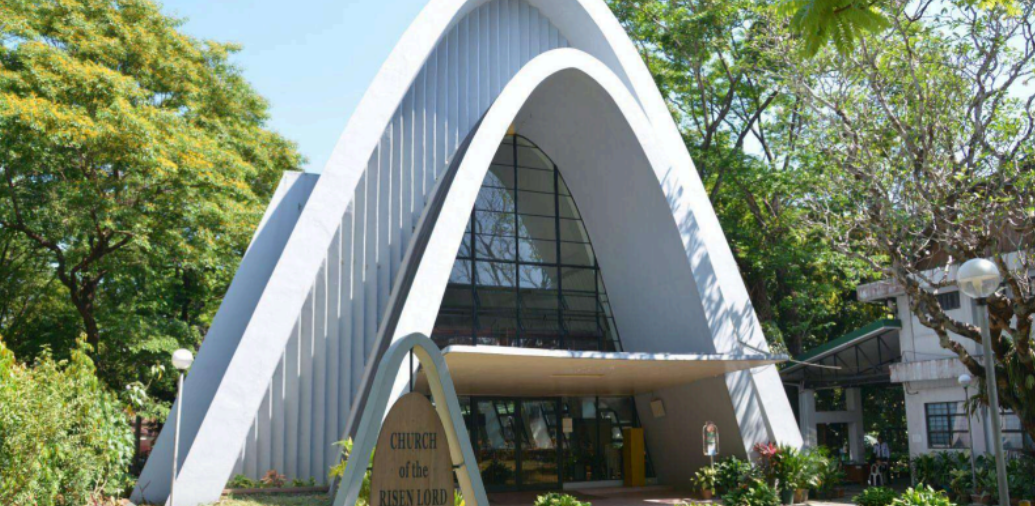
CHURCH OF THE RISEN LORD
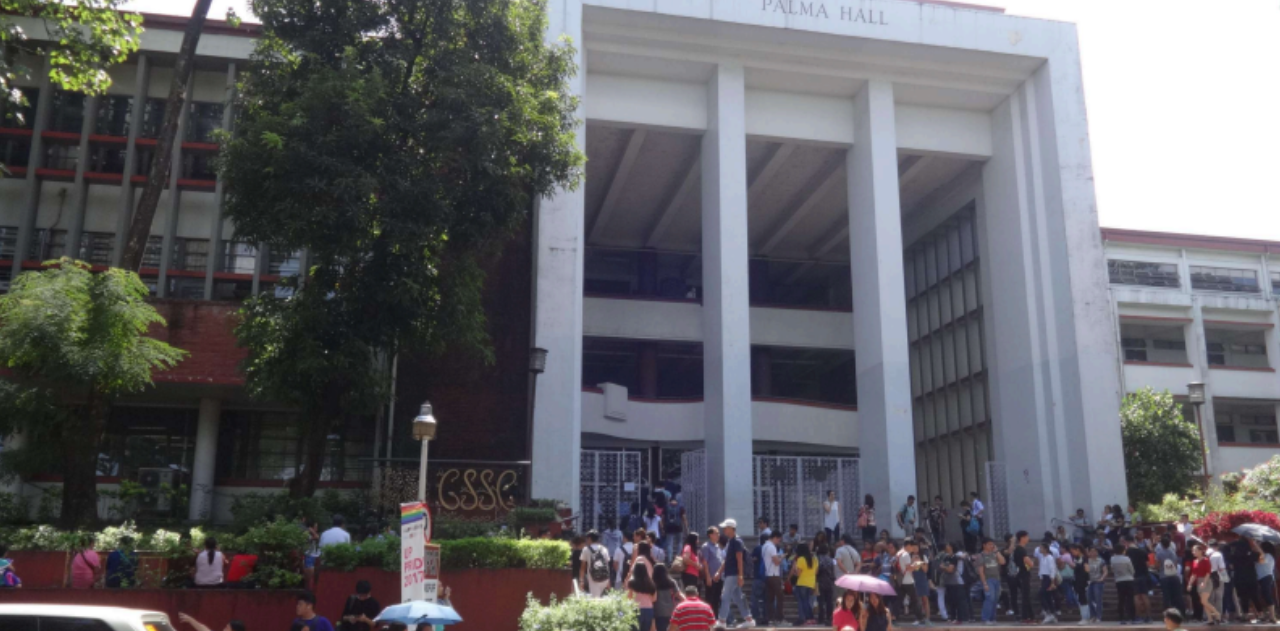
PALMA HALL
 Note
Note  Flashcards (260)