East Asian Art Final
 Studied by 0 people
 Call Kai
 Learn
Learn Practice Test
 Spaced Repetition
 Match
Match Flashcards
 Knowt Play
1/64

There's no tags or description
Looks like no tags are added yet.
Name | Mastery | Learn | Test | Matching | Spaced | Call with Kai |
|---|
No analytics yet
Send a link to your students to track their progress
65 Terms
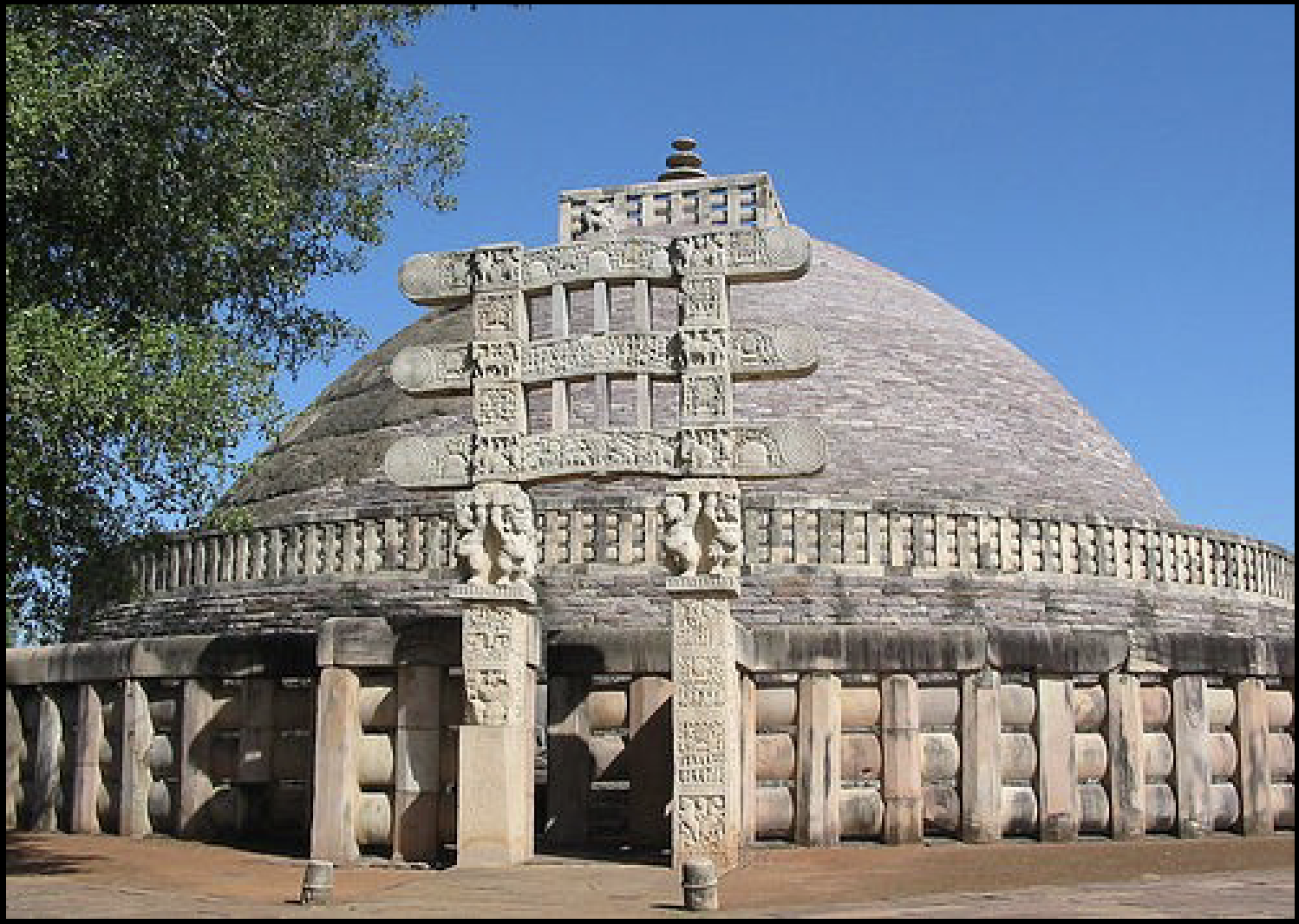
‘The Great Stupa’: Founded ca. 250 BCE, Renovated ca. 50-25 C
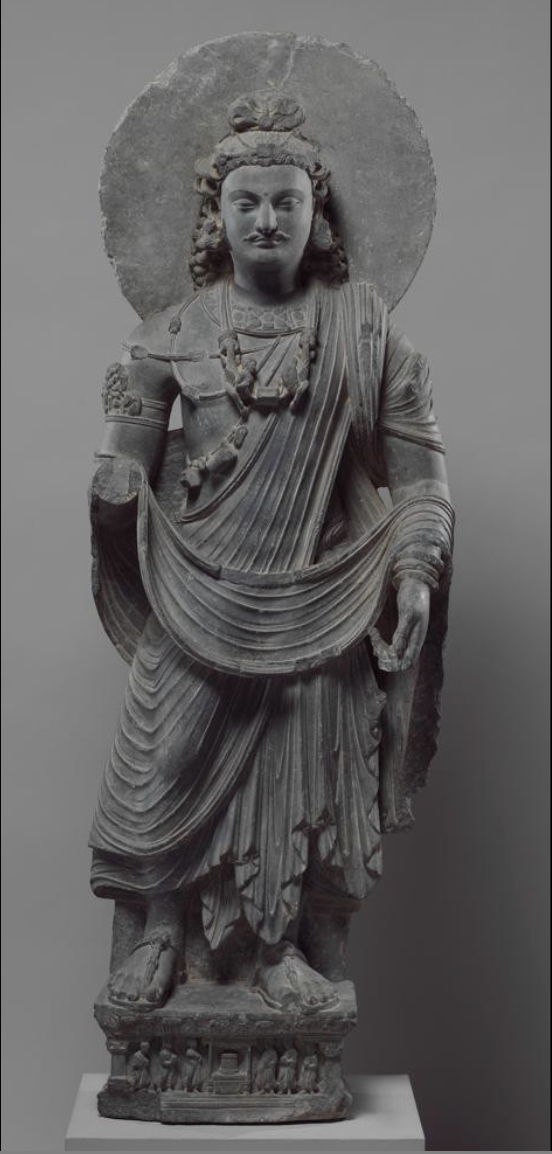
Standing Bodhisattva, Gandhara. 2nd c.,
Schist, h. 31 ¾ in., Metropolitan Museum
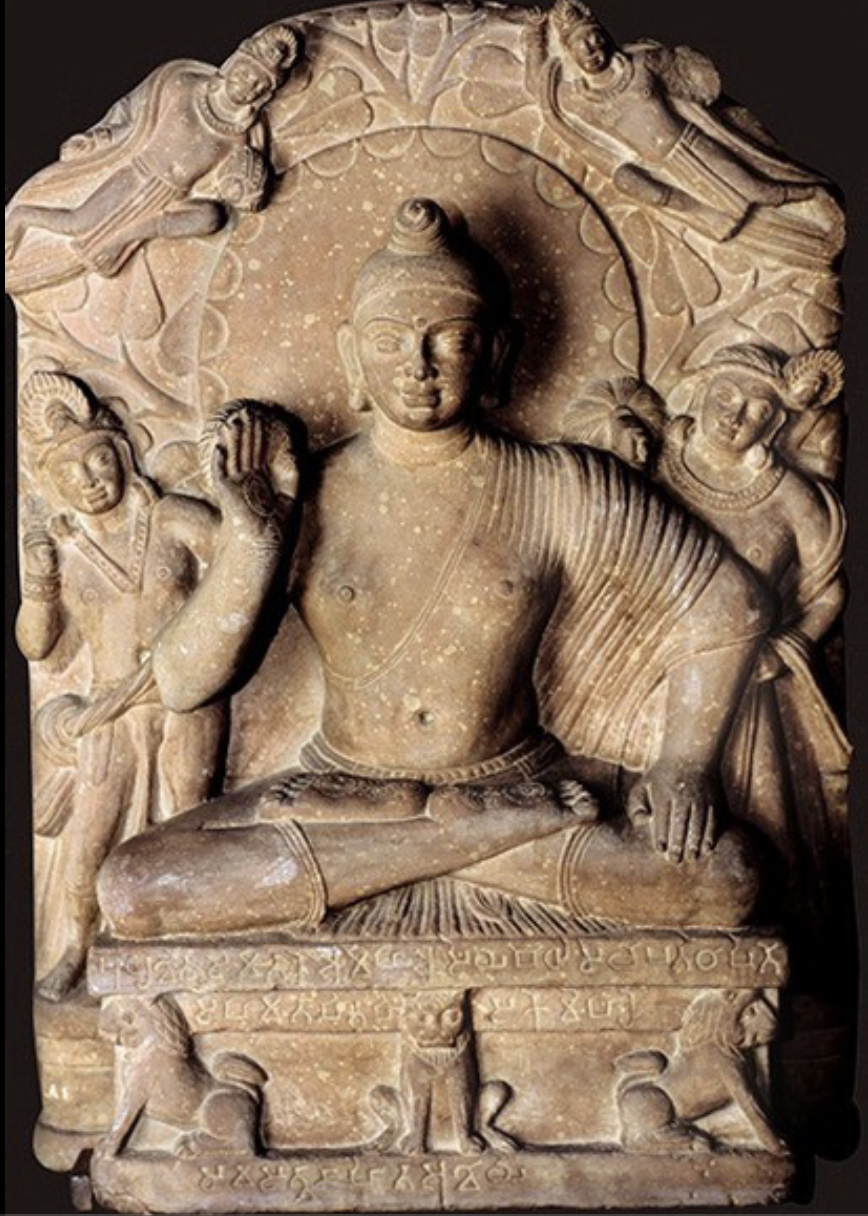
Mathura Style Buddha Seated On a Lion Throne 2nd century Sandstone, Mathura, Archeological Museum
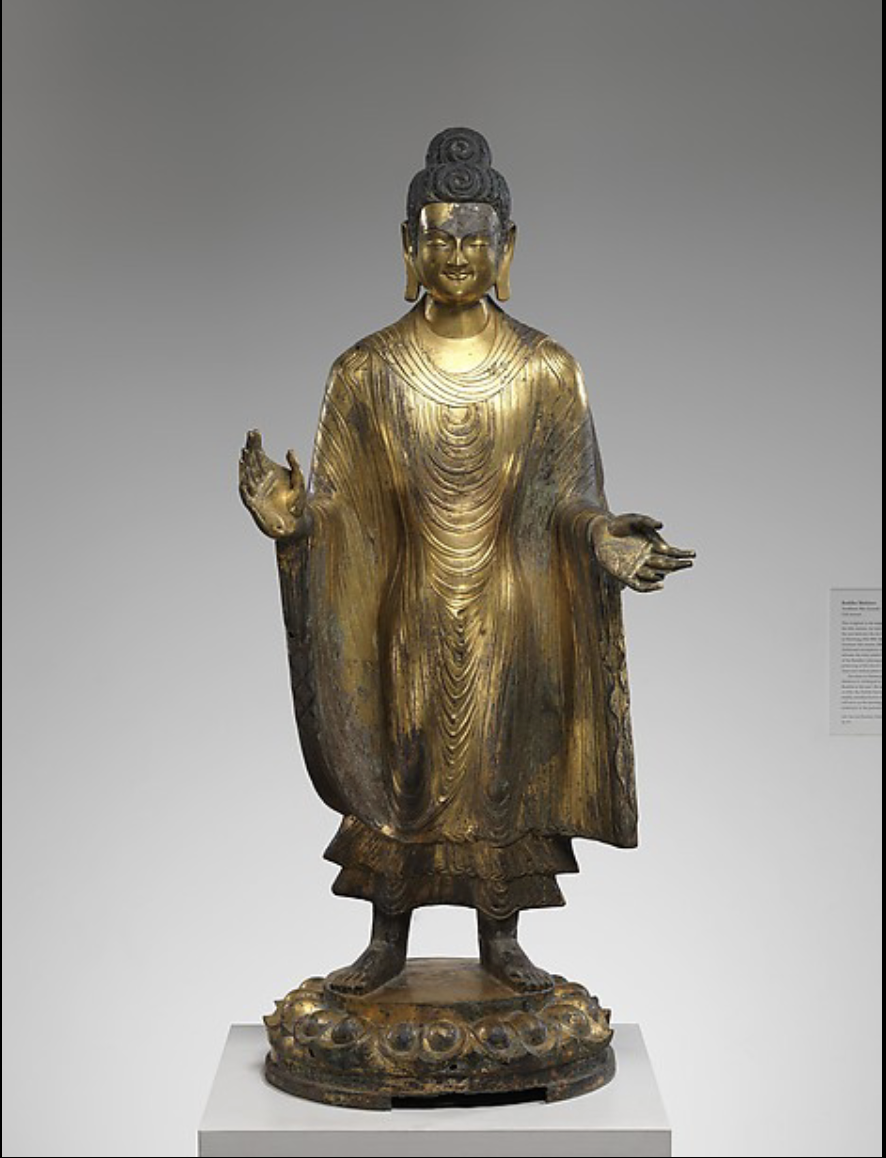
Maitreya, Buddha of the Future, 486 Gilt bronze with traces of pigment, h. 55 ¼ Metropolitan Museum of Art, Northern Wei
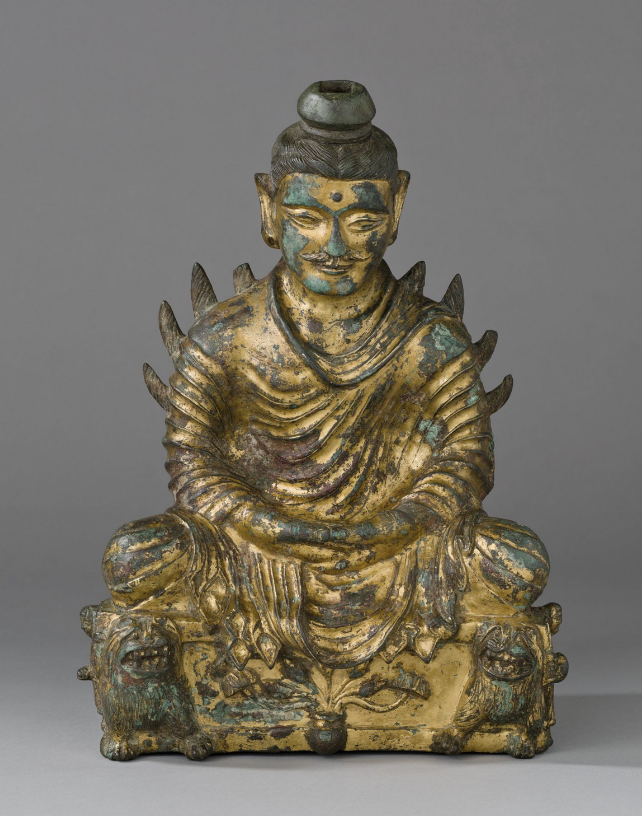
Seated Buddha Sakyamuni in Meditation, 3rd-4th c., gilt bronze, Central Asia
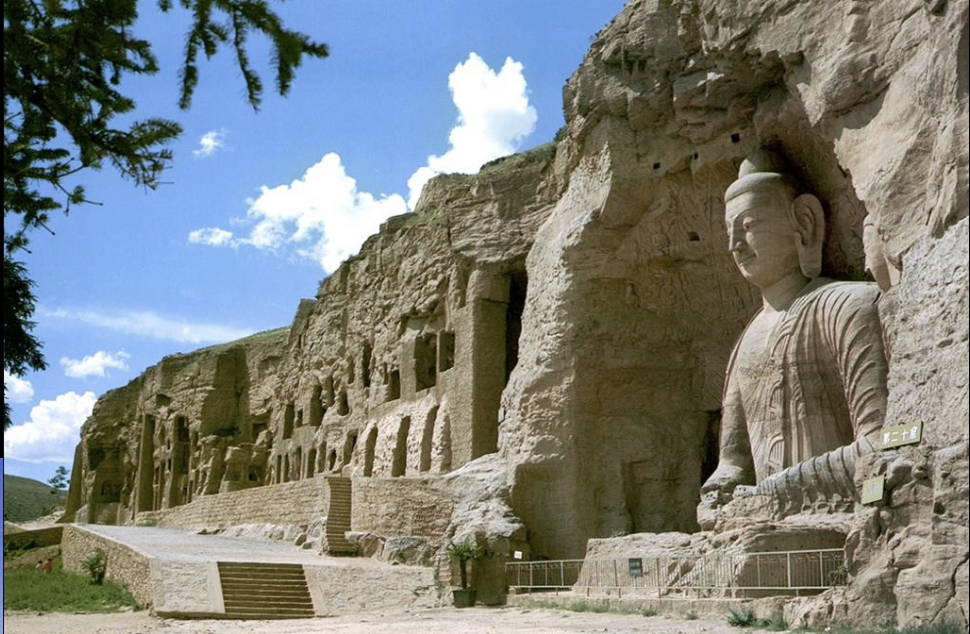
Yungang Caves 雲岡石
窟
c. 460-525
Datong, Shanxi Province
Northern Wei Capita
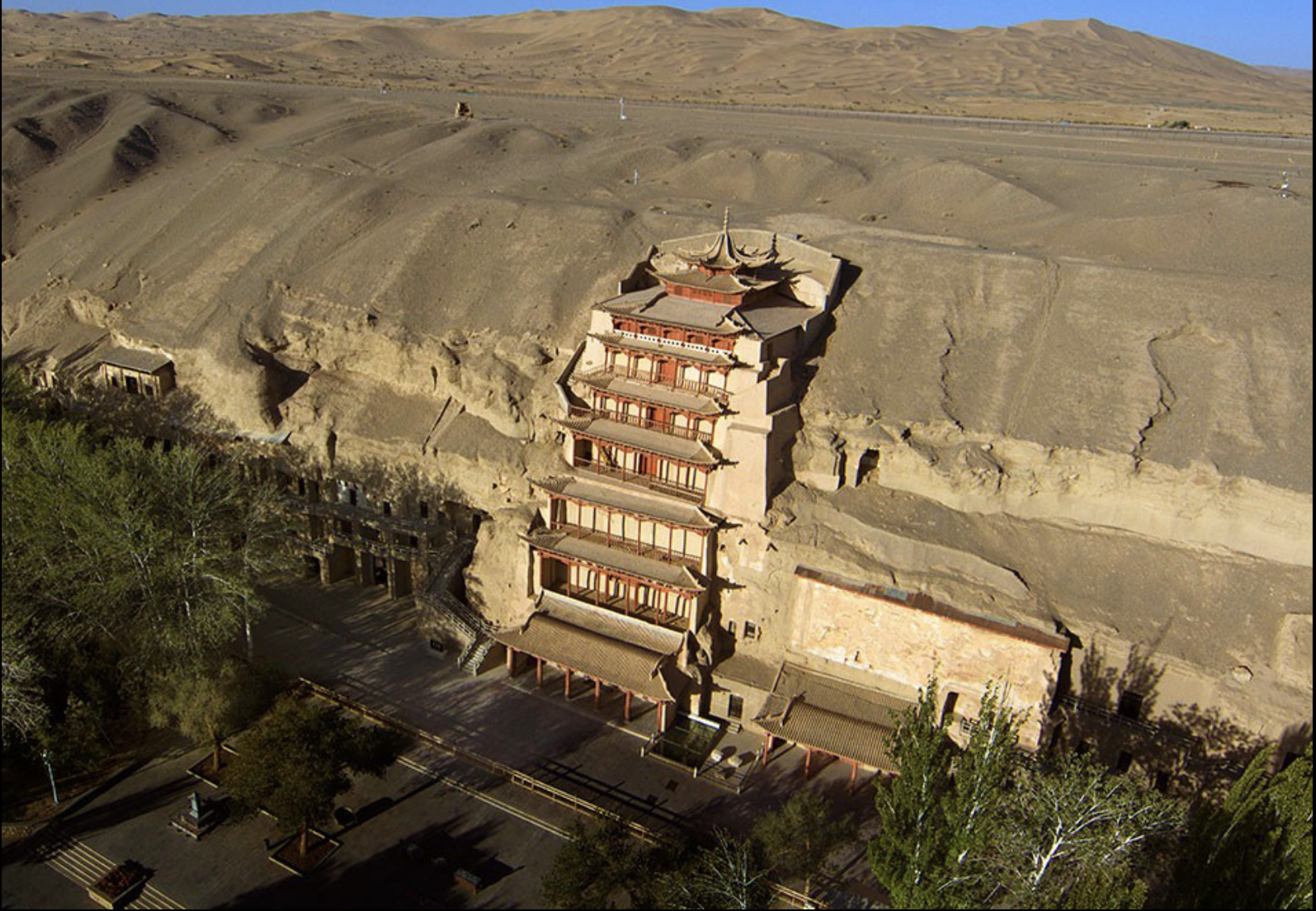
THE MOGAO CAVES, DUNHUANG, GANSU PROVINCES
492 caves (366-14th c.)
FOUNDED IN 366 AFTER A MONK HAD A MIRACULOUS VISION OF A THOUSAND BUDDHAS
PATRONAGE OF LOCAL WEALTHY FAMILIES AND, LATER, IMPERIAL FAMIL
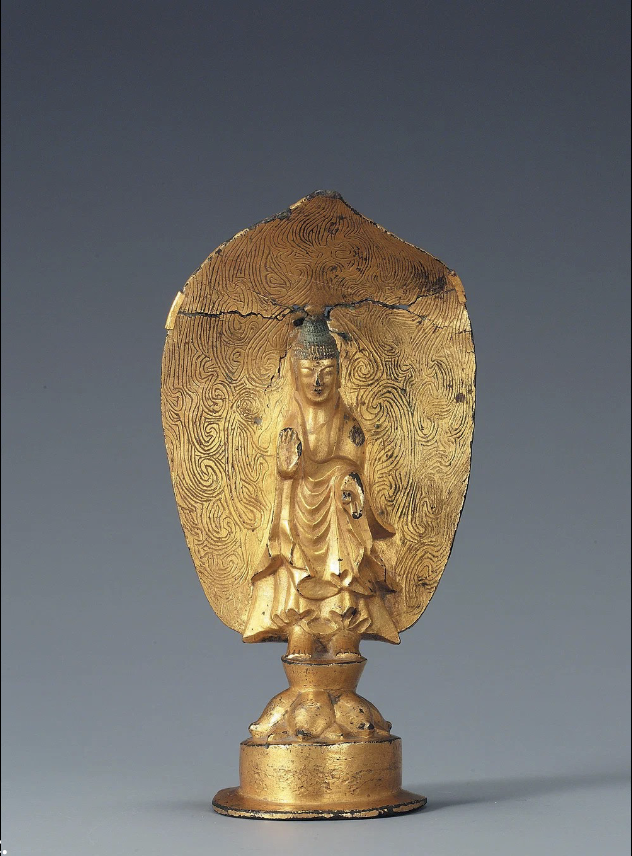
Standing Bodhisattva, Goguryeo, 6th c.
Gilt bronze
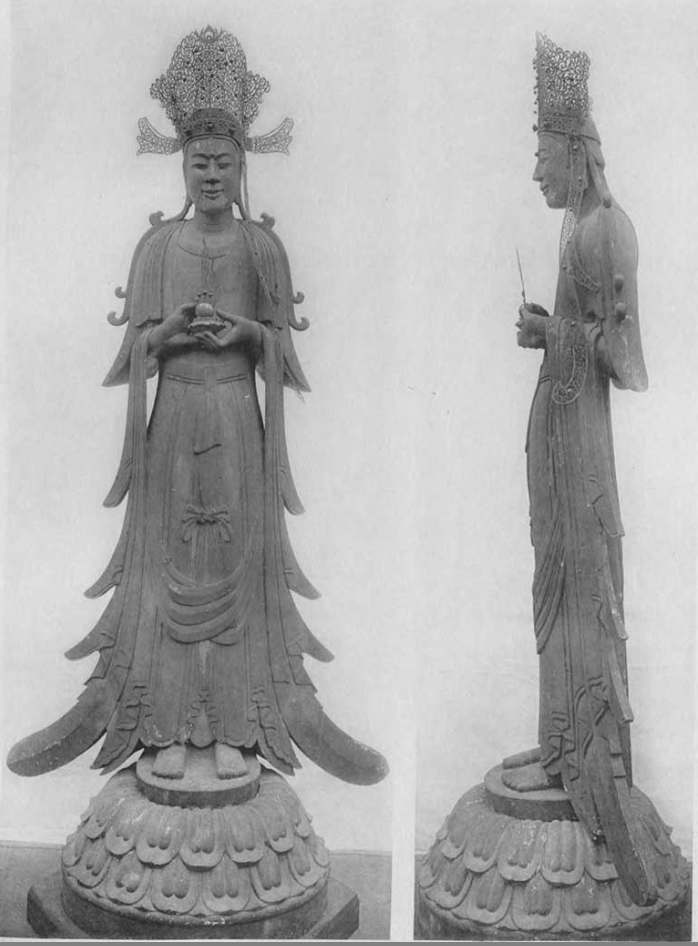
The Guze Bodhisattva
Baekje, early 7th c.
Wood plated with gold
5.9 ft, Horyuji, Nara
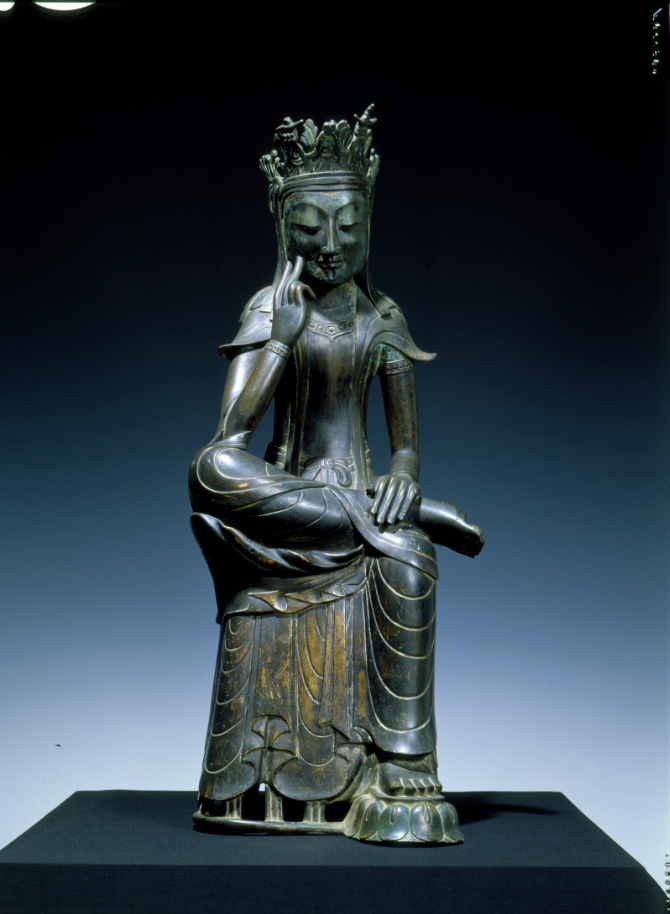
Pensive Bodhisattva
Late 6th c., Three Kingdoms Period,
h. 83.2 cm
Bronze with gilt decoration
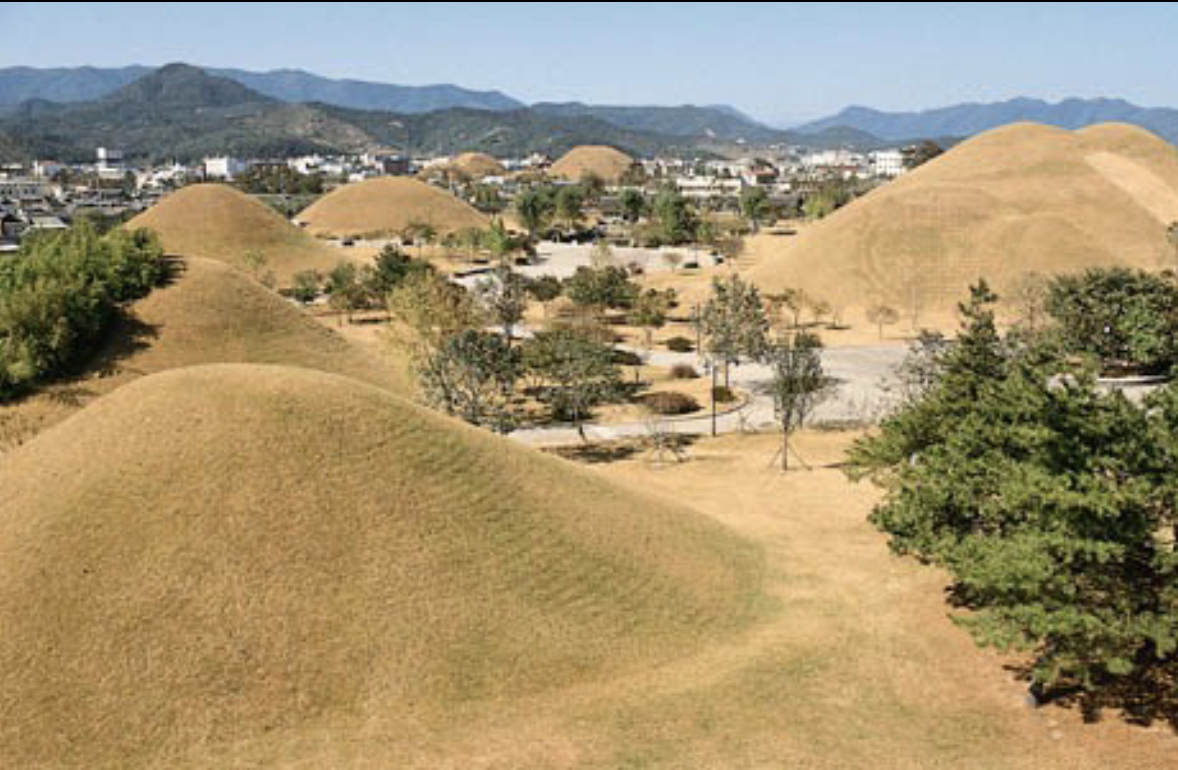
Royal Tombs of Silla, ca. 600s-700s, Gyeongju, South Korea
(excavation, 1973-1975
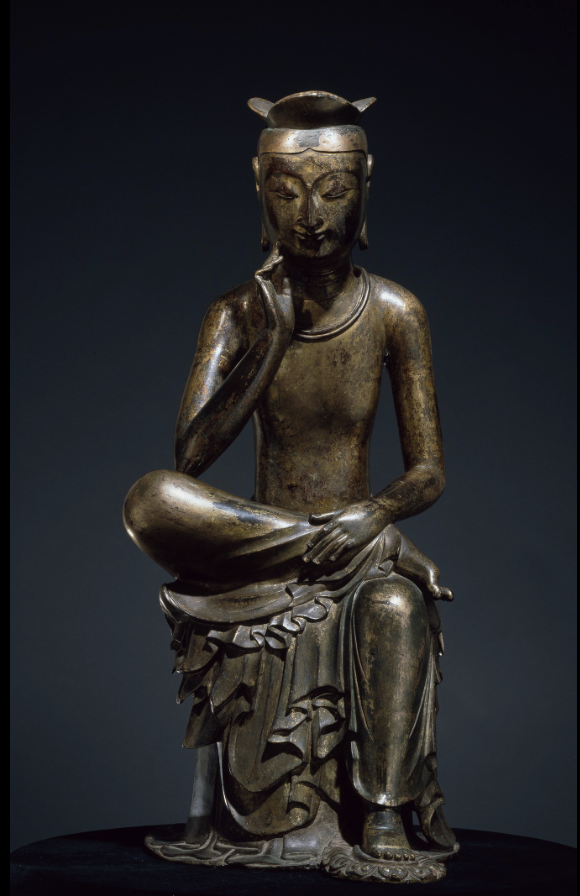
Pensive Bodhisattva, early 7th c., Silla
Gilt bronze,
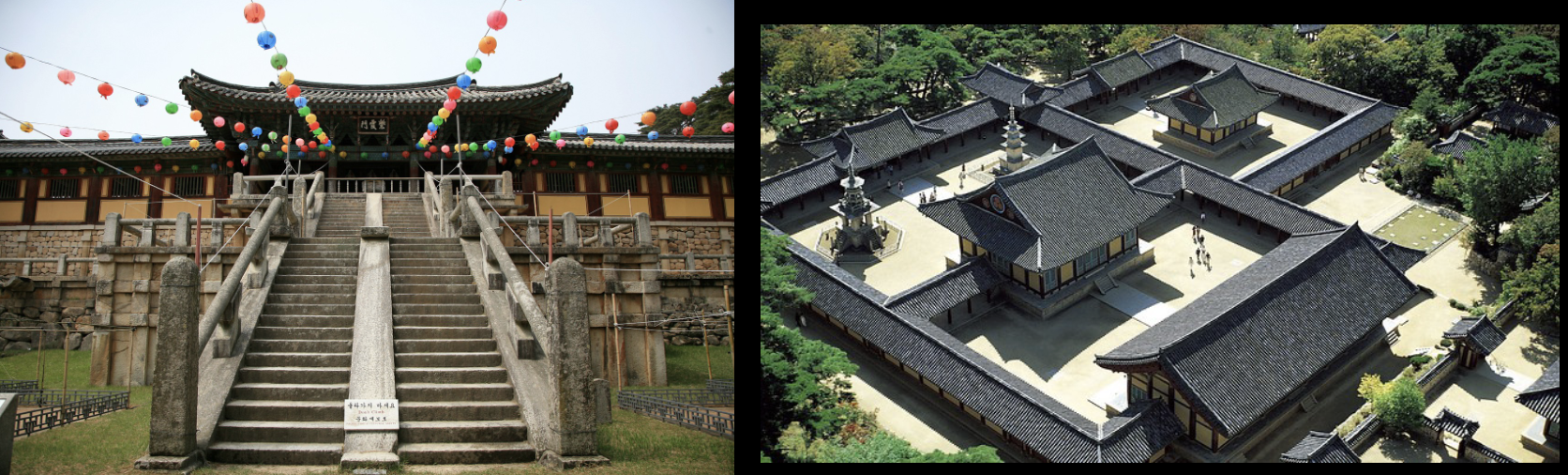
Bulguksa 佛國寺 “ Temple of the Buddha Land”, Mount Toham, Jinheon-dong, South Kore
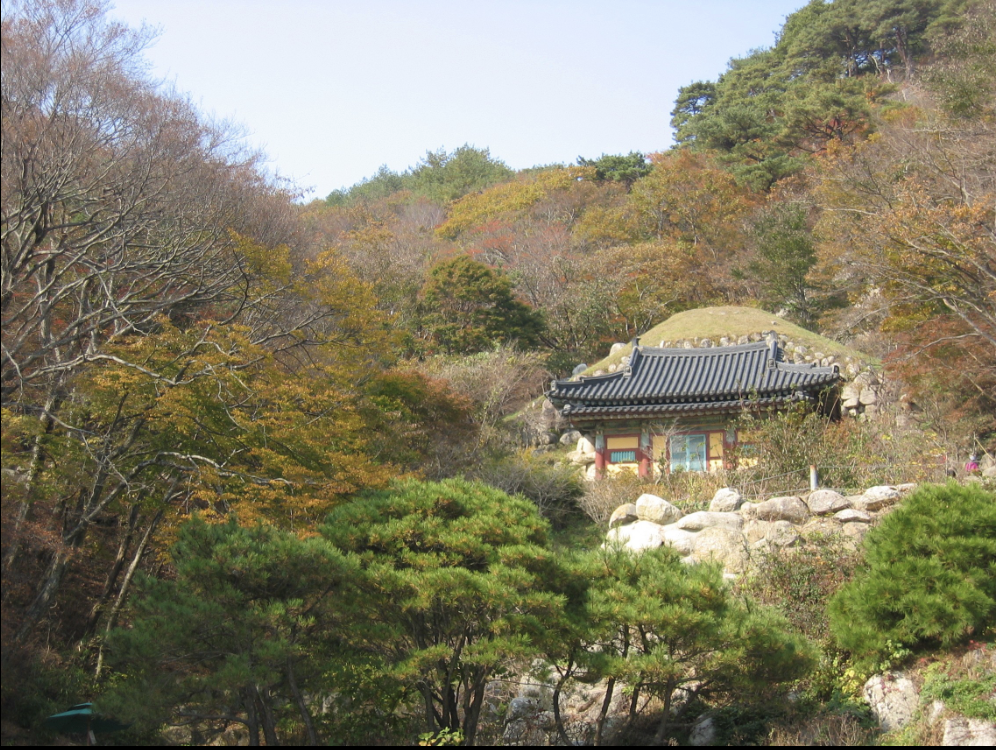
Stone-Grotto Hermitage [Seokguram, 石窟庵 ], 724-772, Mt. Toham
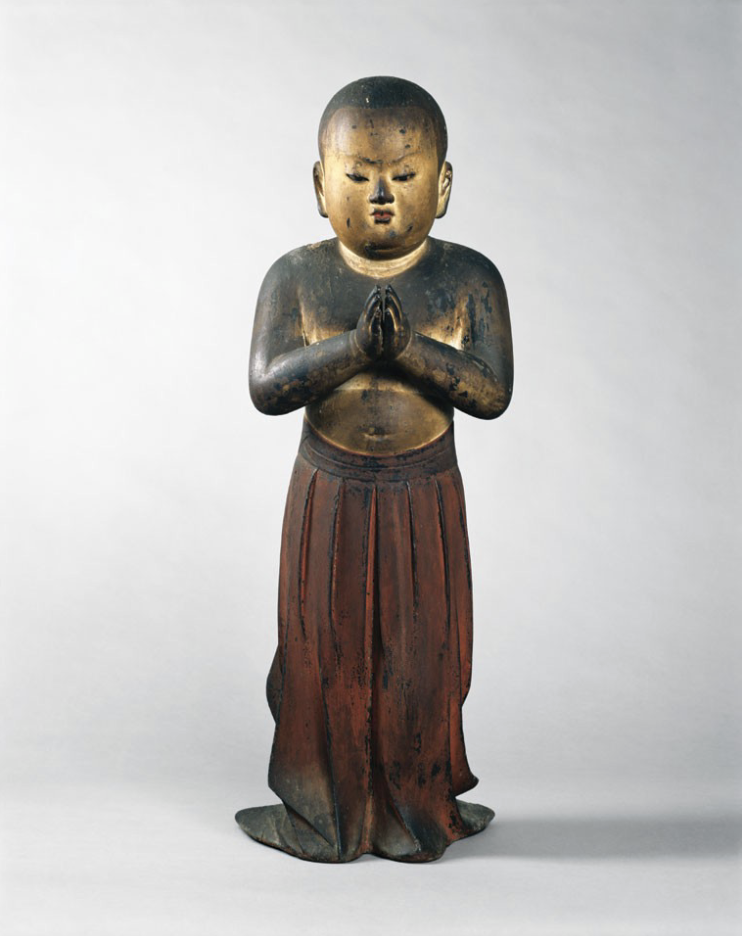
PRINCE SHŌTOKU 聖德太子
(574-622)
Prince Shotoku at Age Two, 1292
Wood with pigment,
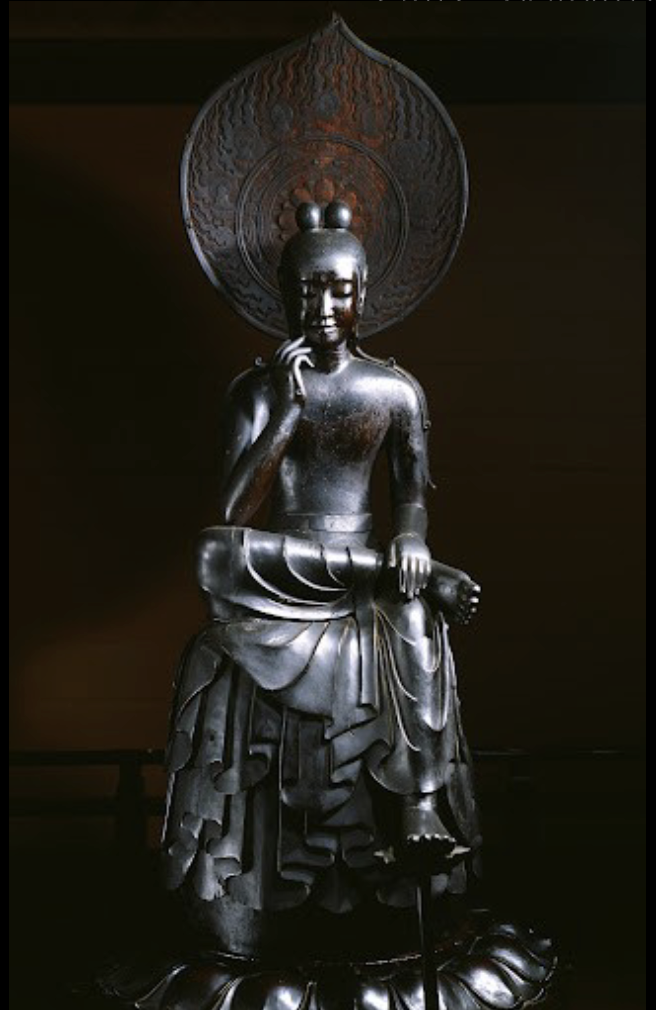
Pensive Bodhisattva, 7th c., camphor wood, h. 52 in., Chūguji Convent, Nara Japan
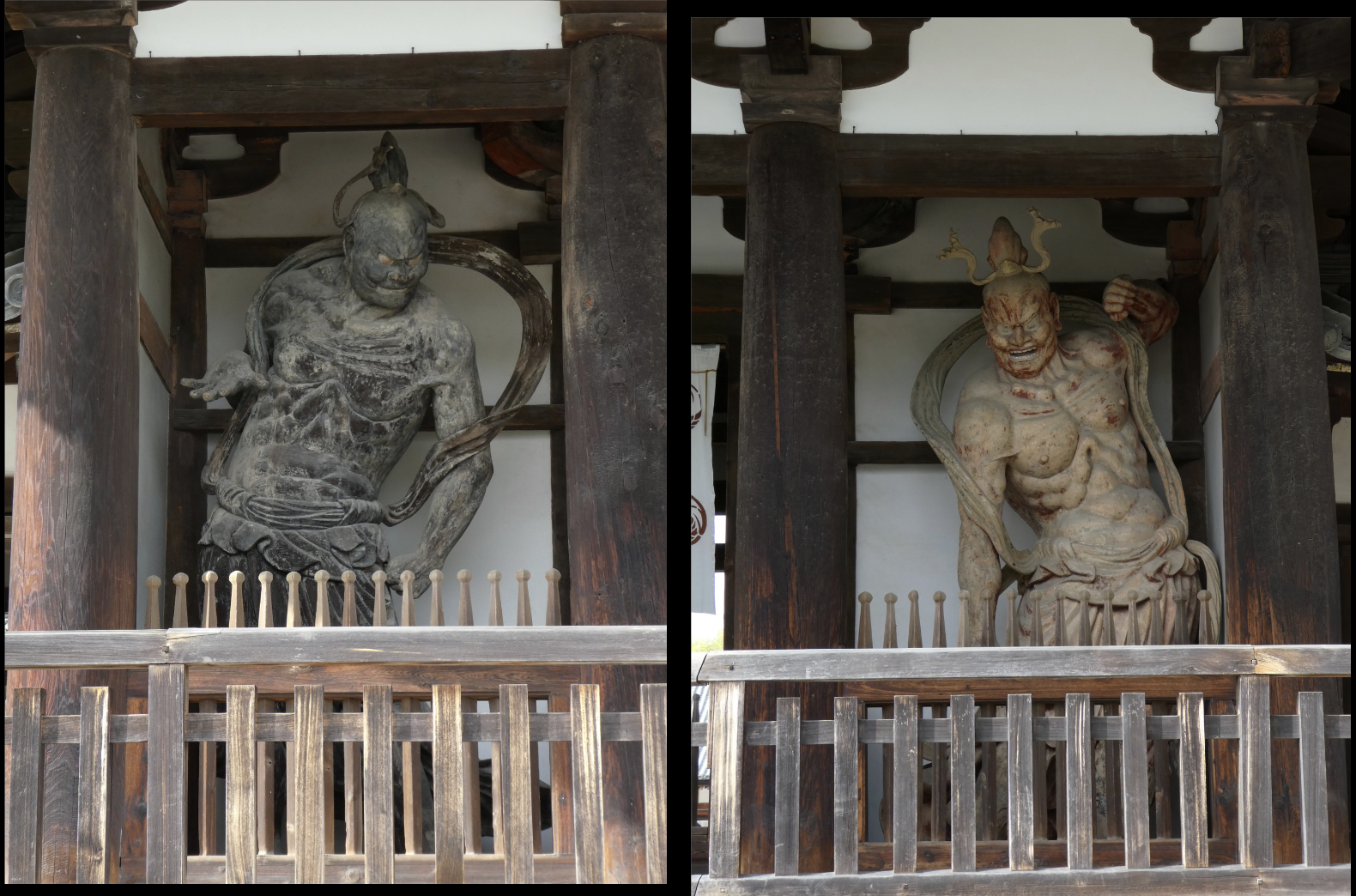
GUARDIAN KINGS (NIŌ) Japan
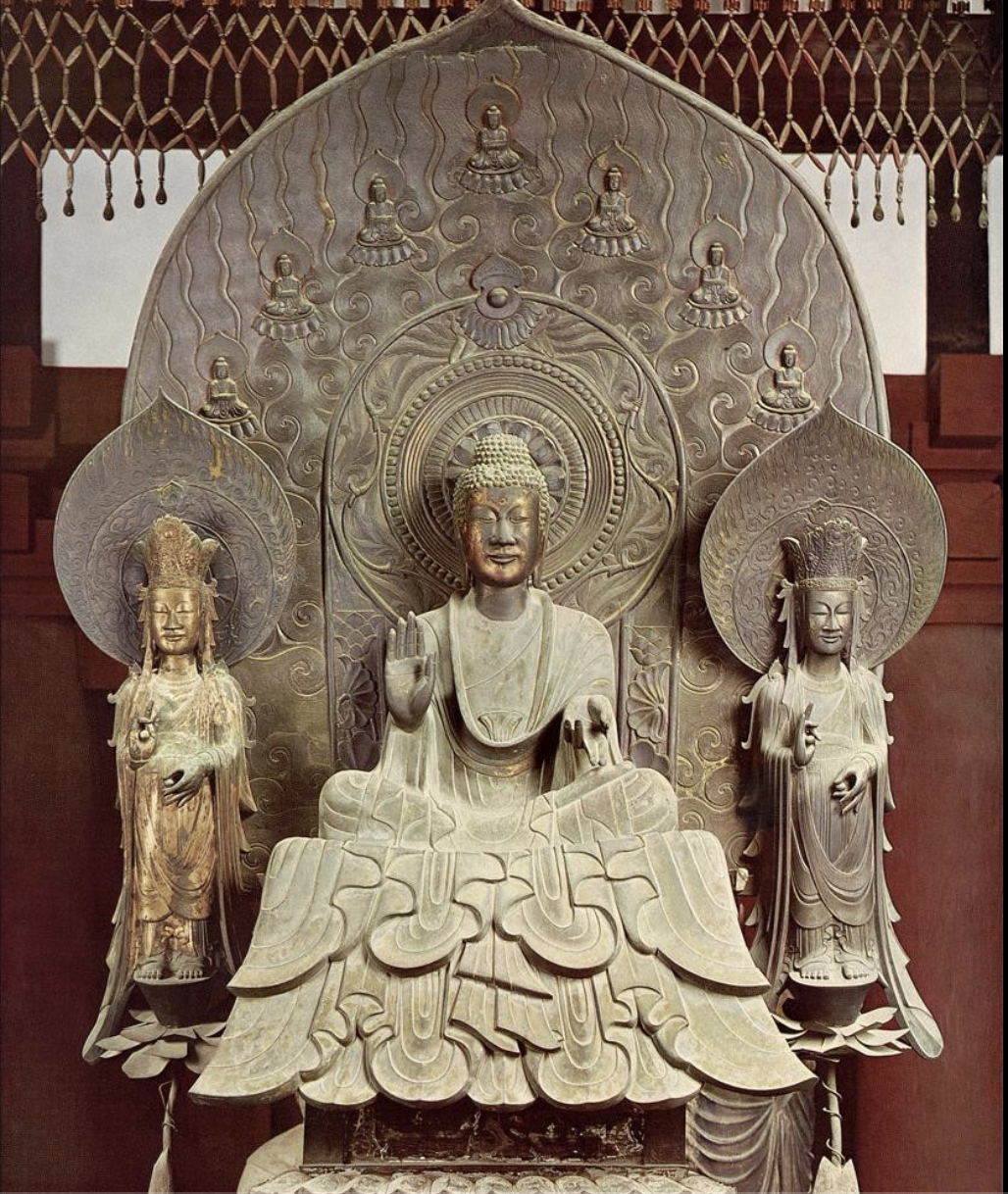
Tori Busshi, Shaka Triad, 623, gilt bronze
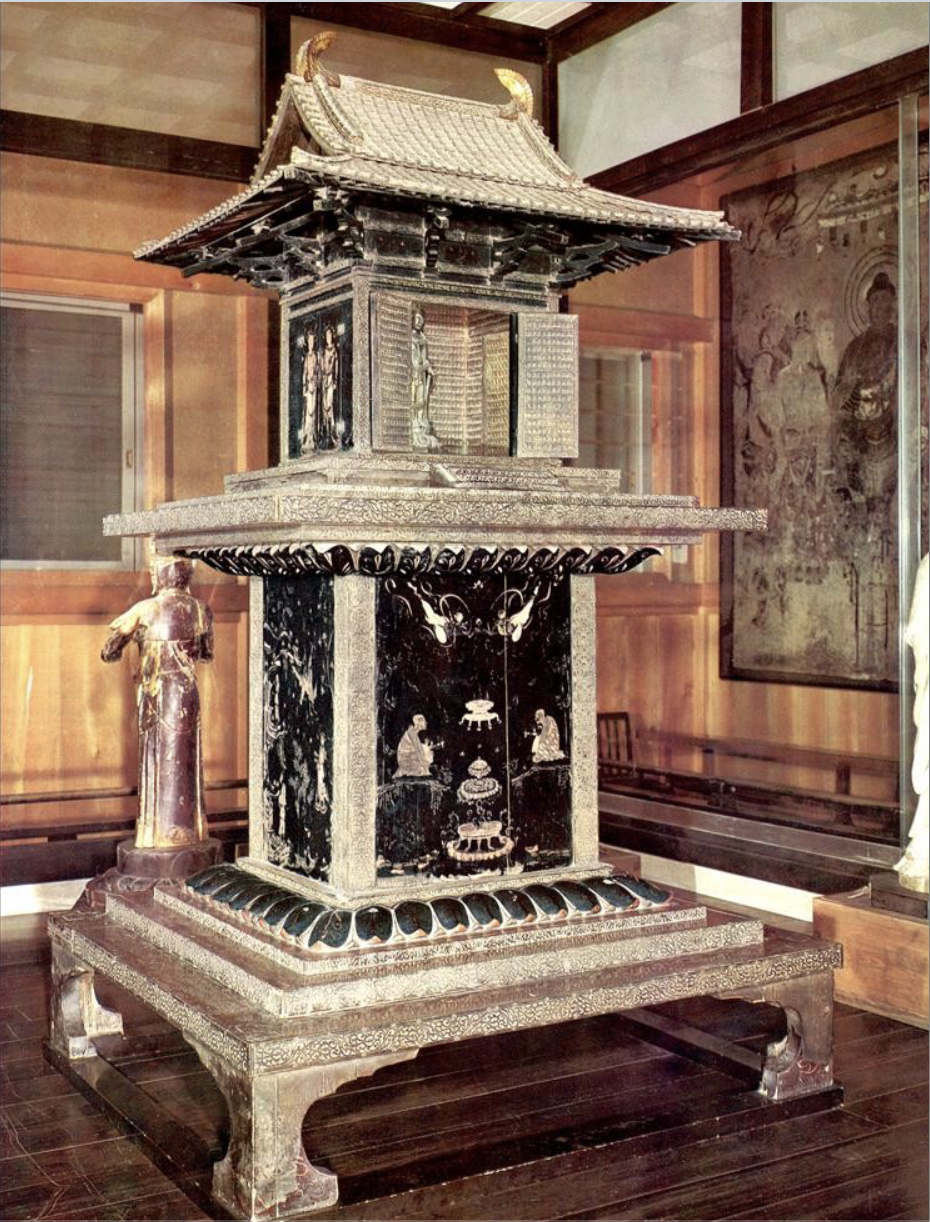
Tamamushi Shrine
Ca. 650, cypress and
Camphor wood
with
Lacquer decoration, Japan
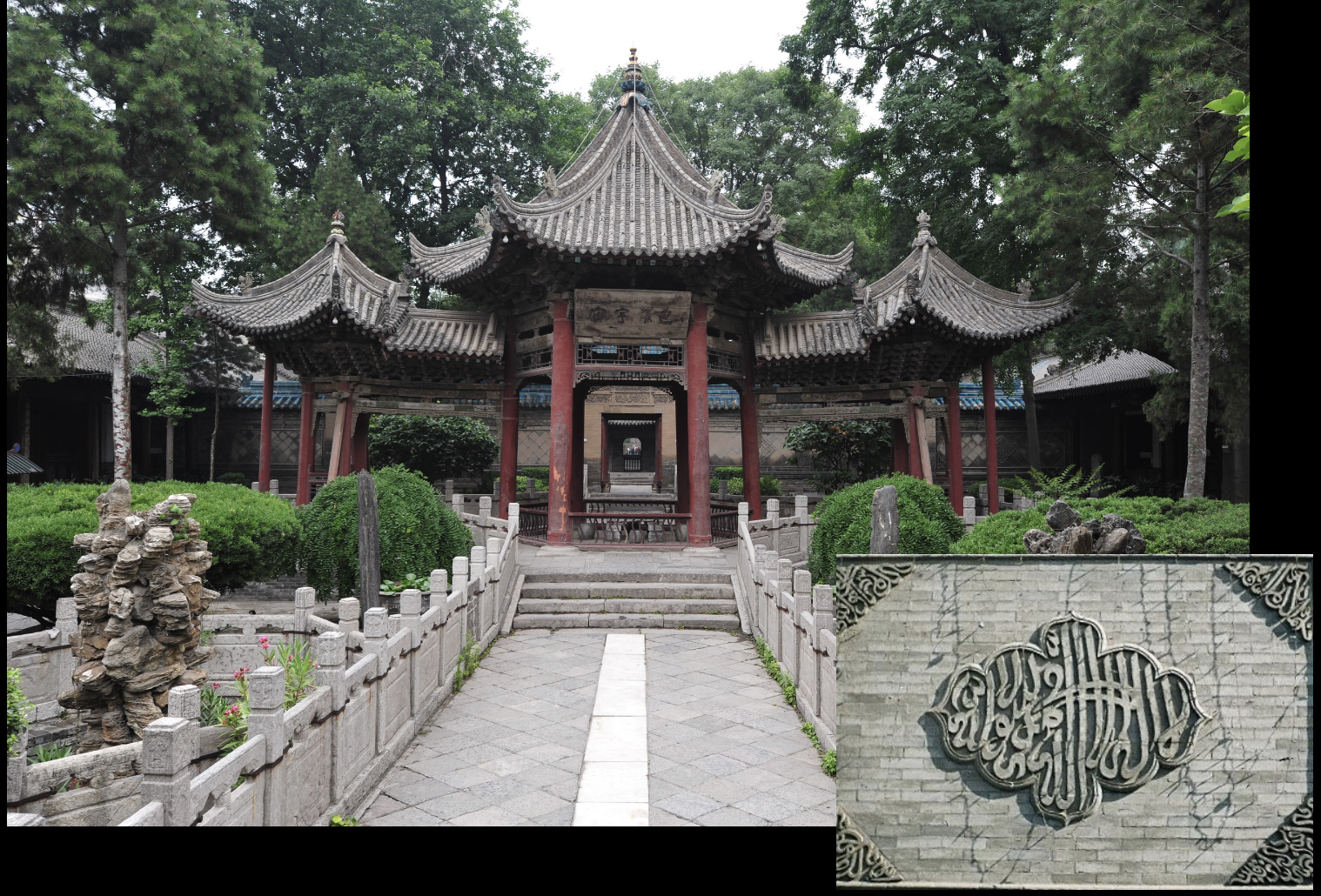
The Great Mosque, built in 742, in Chang’an, the Capital of the Tang Empire
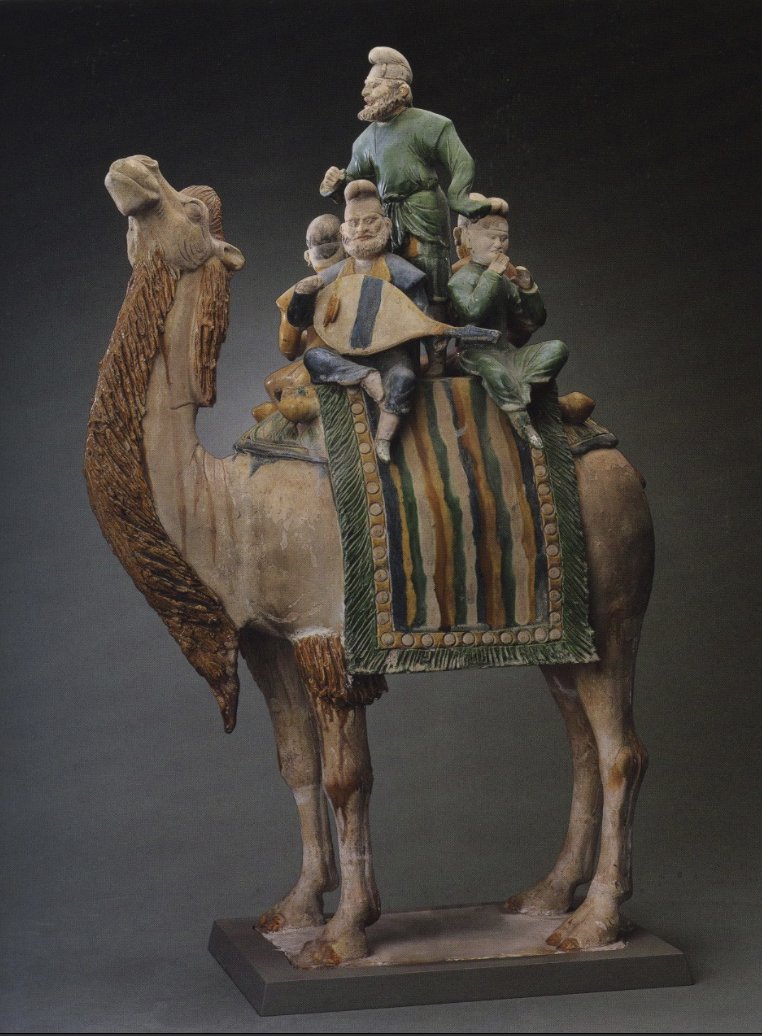
Tomb Figurine of a Kneeling Camel with Driver,
8th century, earthenware with pigments,
h. 9 ¾ in, Minneapolis Institute of Arts
Tomb Figurine of Entertainers, 7th c.,
Glazed earthenware, Beijing
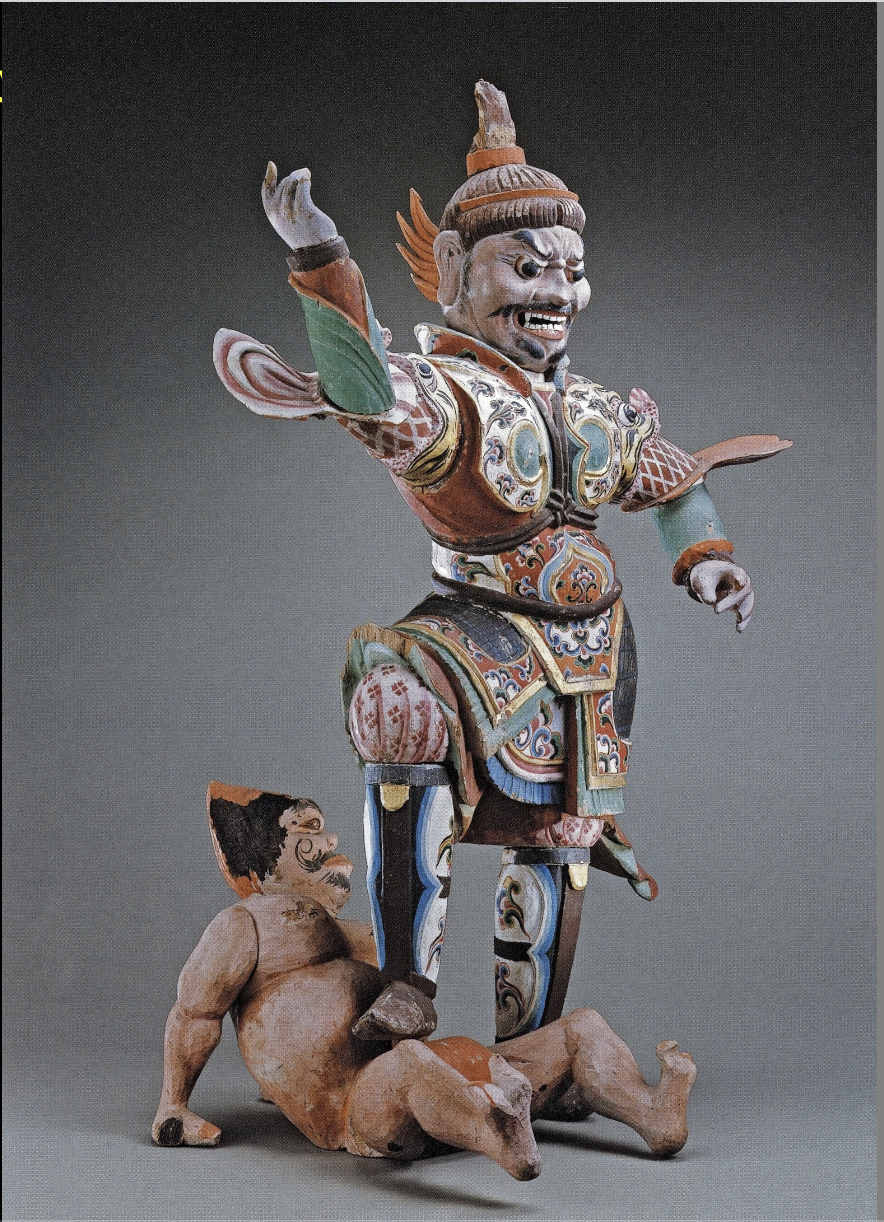
Guardian Warrior
688, wood with
Pigments and guilding
86 cm, Astana Tombs
Xinjiang Autonomous Region
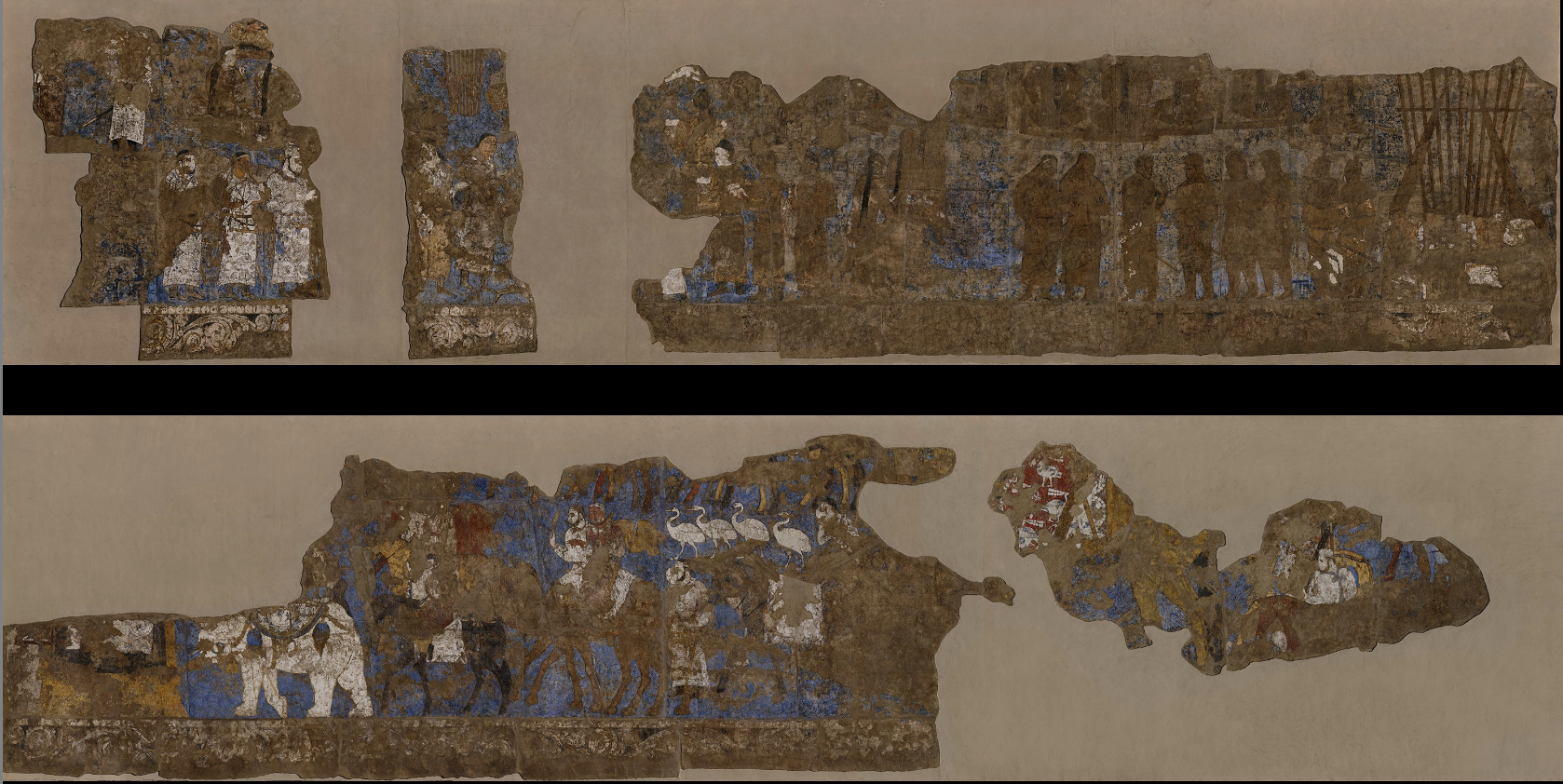
Fragments of the Murals of the Hall of Ambassadors, mid. 7th c. Afrasiab, Uzbekistan
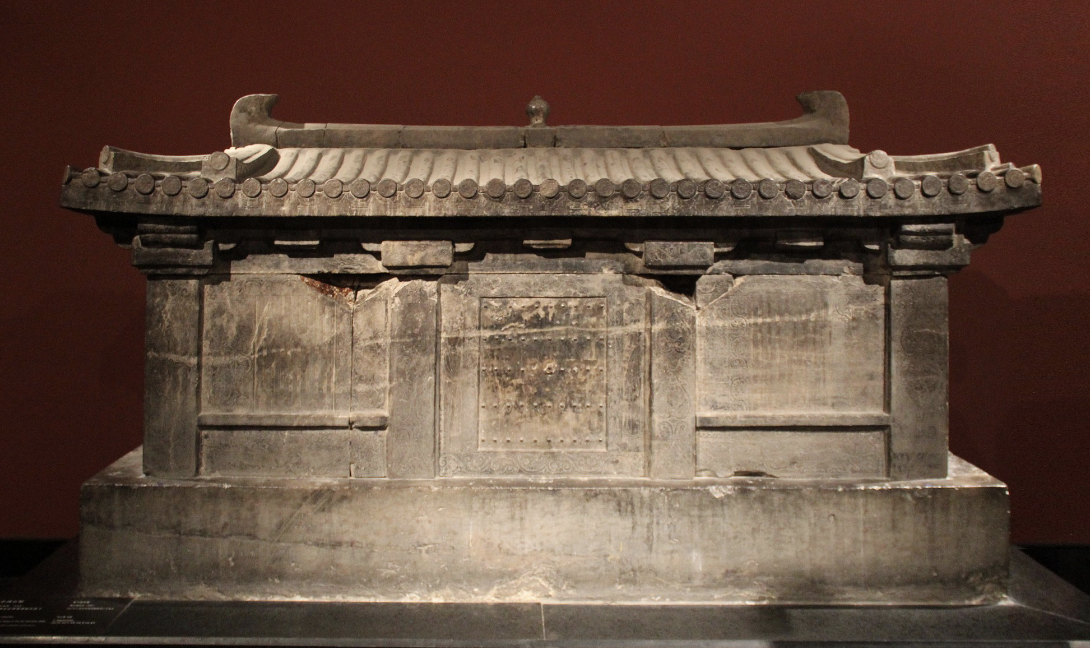
Tomb of Li Jingxun 李靜訓 (600-608), 608,
Xi’an, Shaaxi Provinc
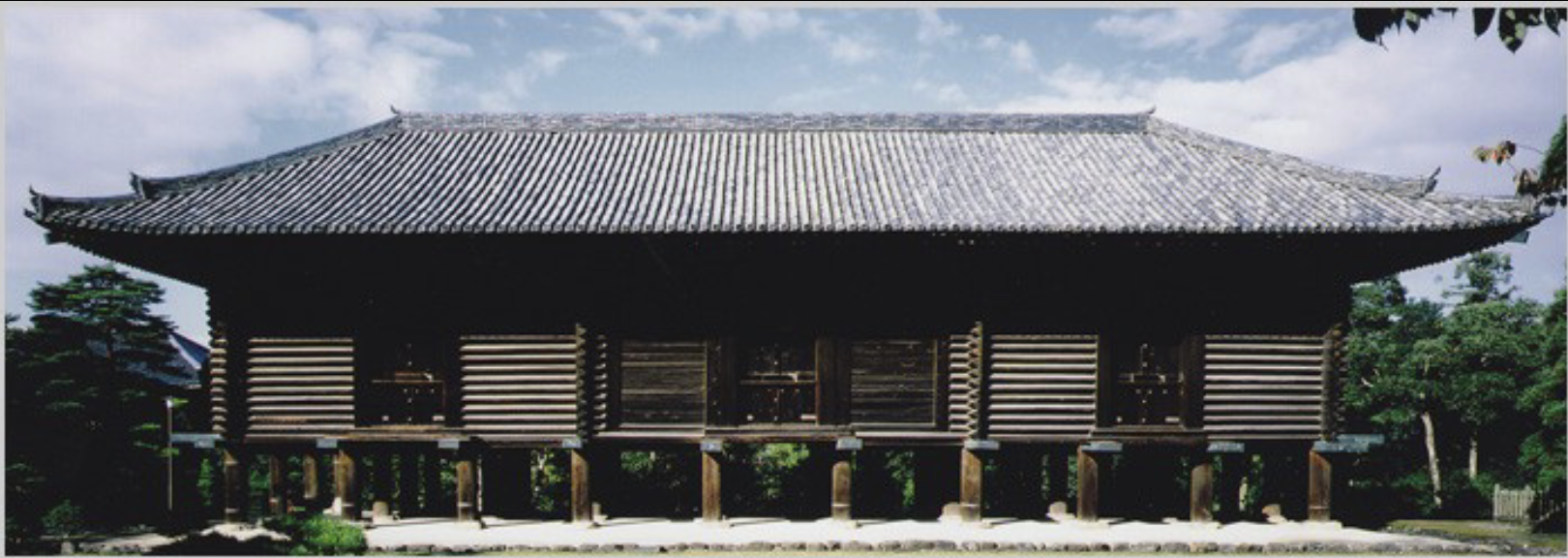
Shōsōin 正倉院 [lit. Granary], ca. 756, cypress wood and tiles, l. 144.8 x 45.9f, Nara: Tōdai
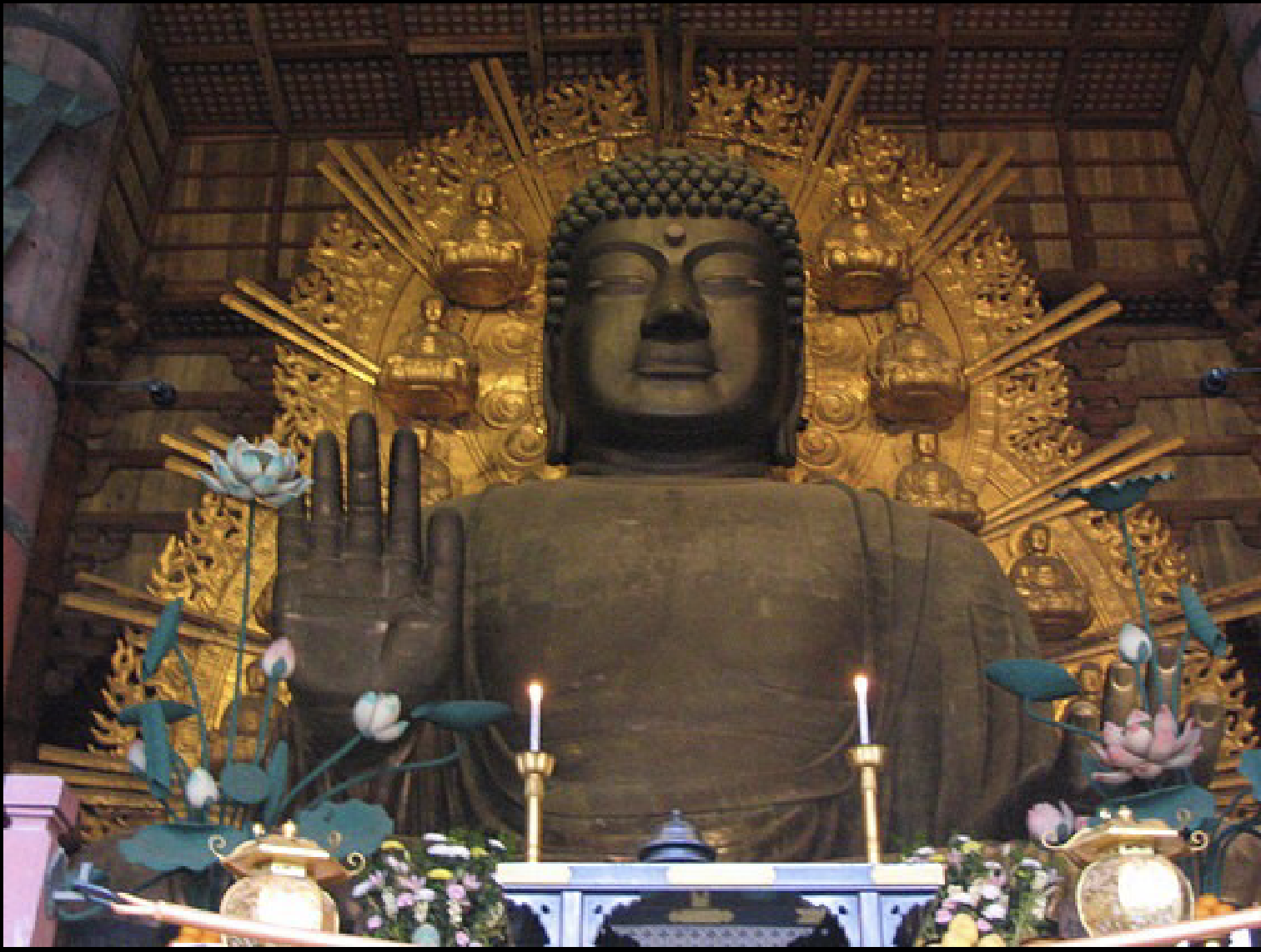
The Great Buddha 大佛 [Daibutsu], 749-771, bronze, h. 52 Japan
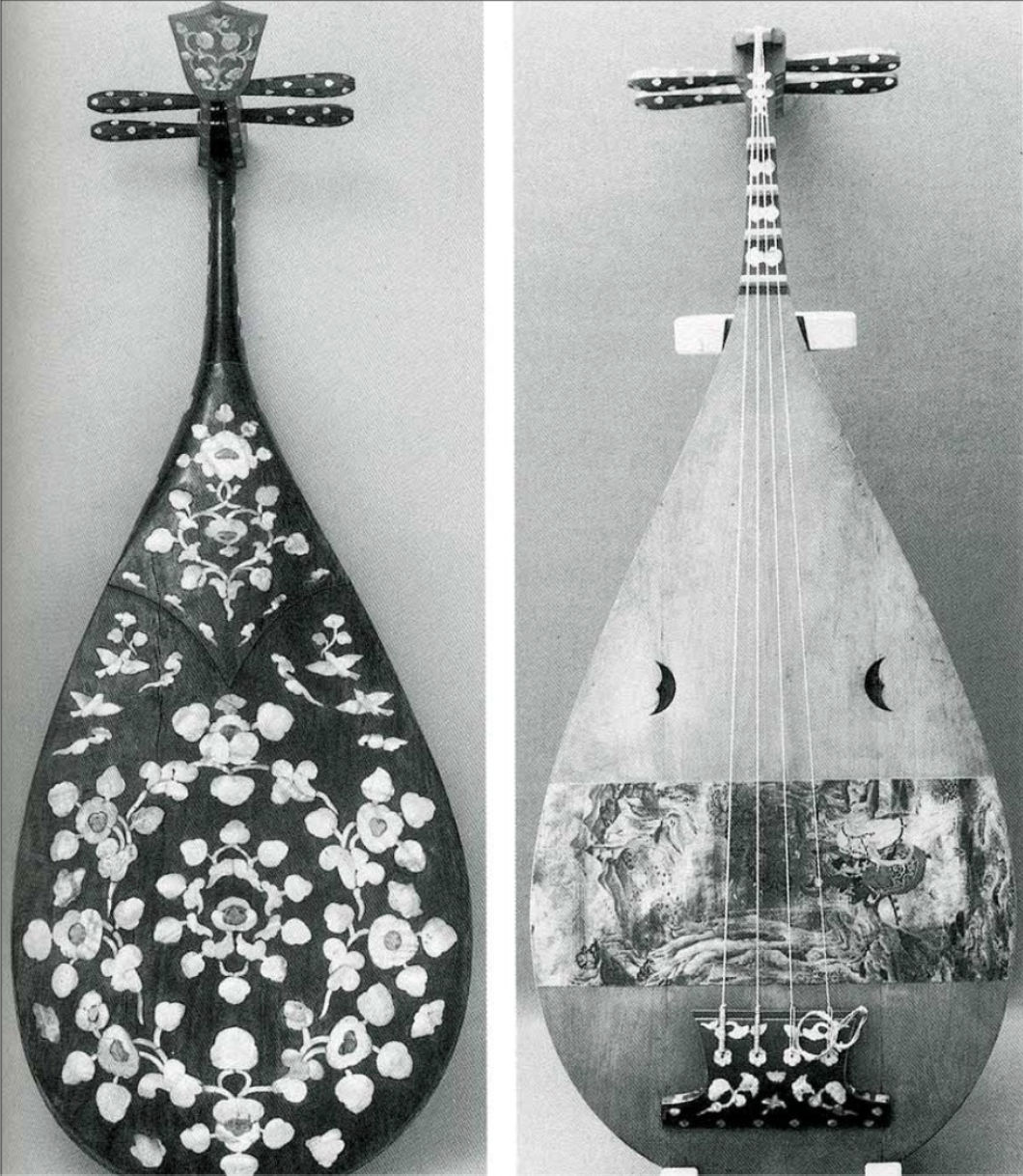
Biwa Lute, 8th c.
wood with painting
on leather, l. 97 cm
Shōsōin Repository
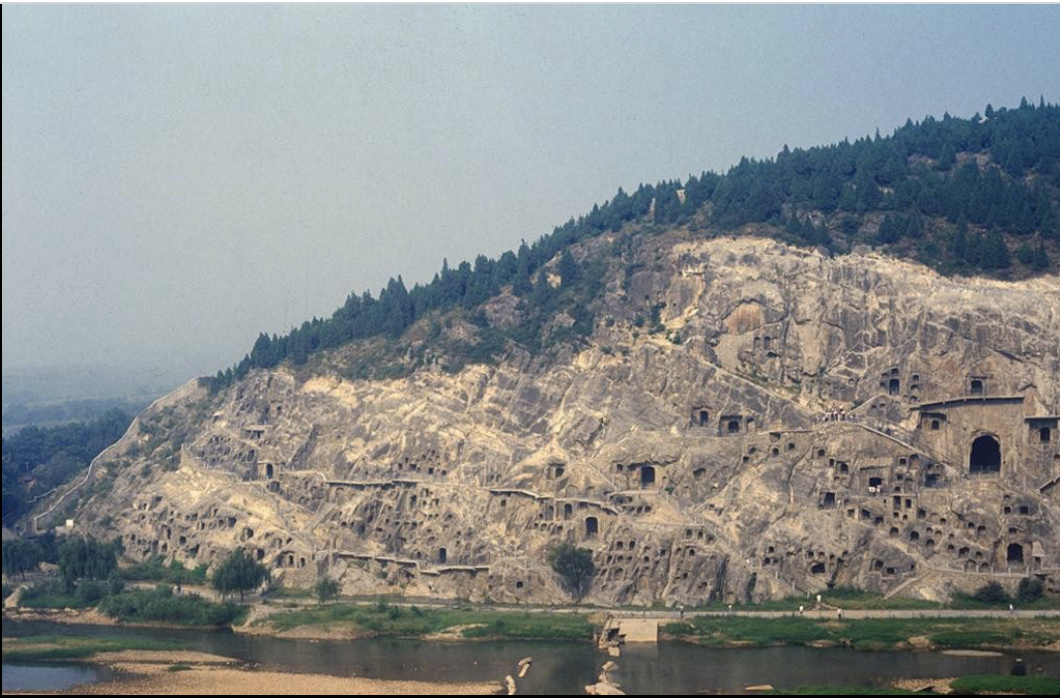
Longmen Caves 龍門石窟
493-1127
Luoyang, Henan Province
2,345 caves
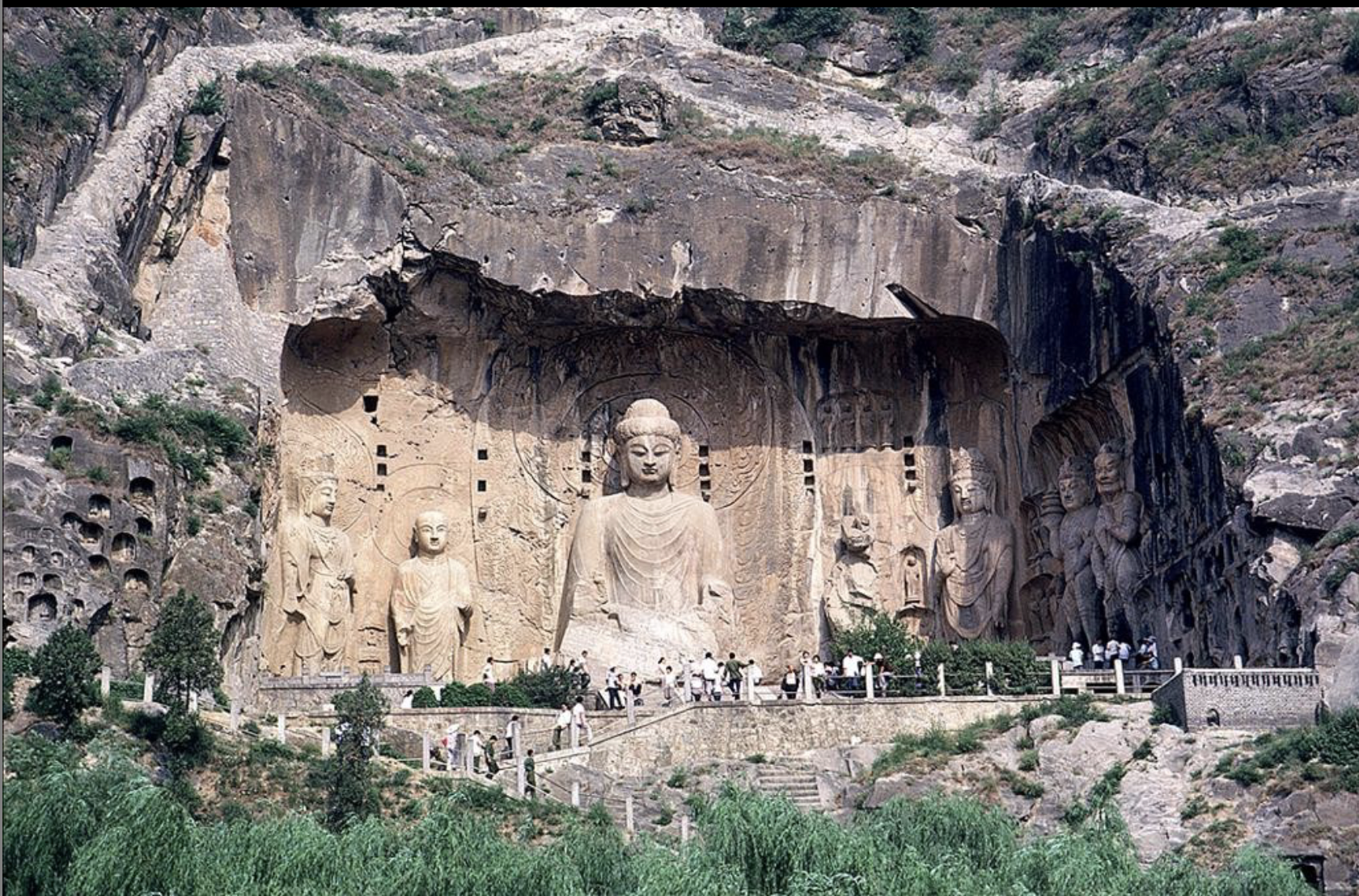
Fengxian Temple [Cave 19], 672-676, Depth (east-west): 109.9ft; width (south-north): 109.9ft; Longmen
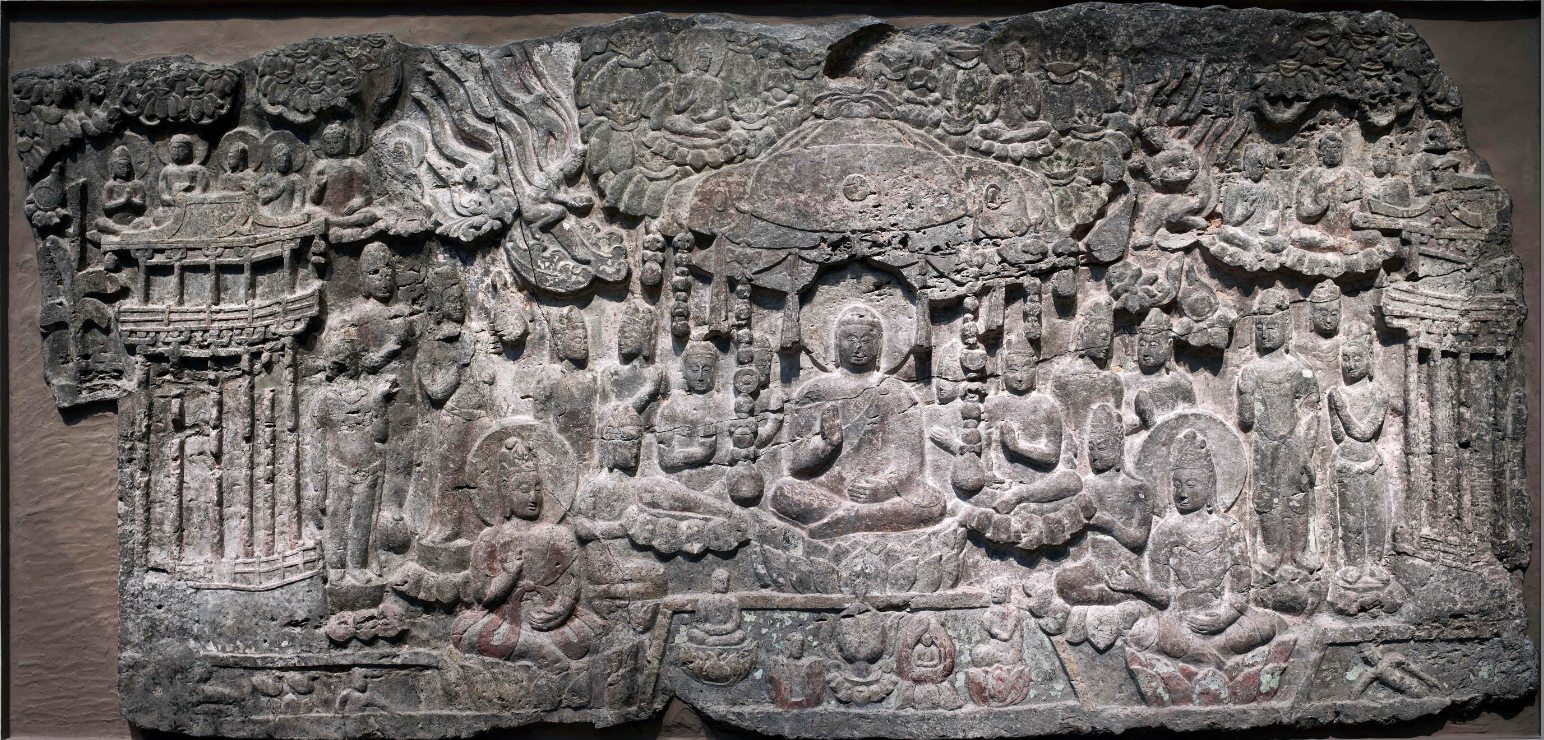
Buddha Amitabha, The “Buddha of Infinite Light” residing in the Western Paradise
Later Buddhist School known as “Pure Land” popular across East Asia
Western Paradise of Buddha Amitabha, Northern Qi, 550-577, limestone with traces
Of pigments, from Xiangtangshan, Hebei Province, National Museum of Asian Art, DC
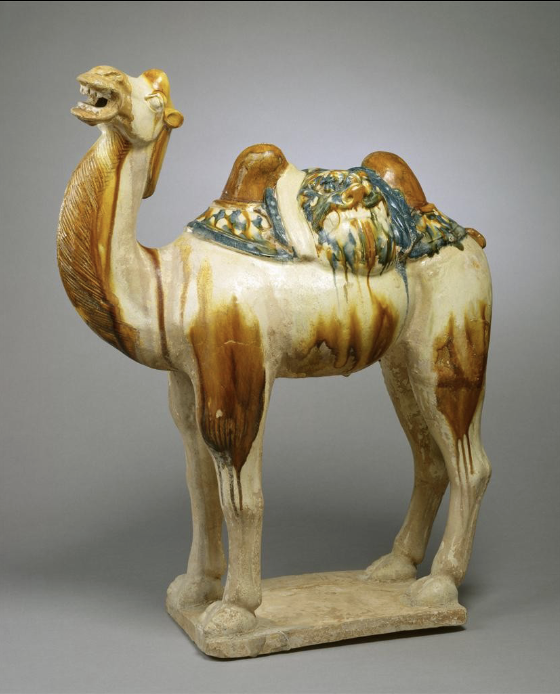
Camel, 7th-8th c., earthenware with sancai
Glazes
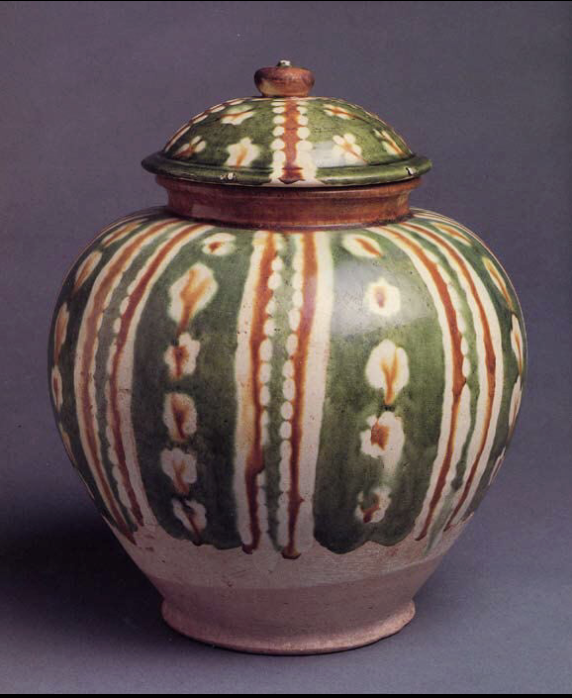
Covered Jar, late 7th c., earthenware
With sancai glazes,
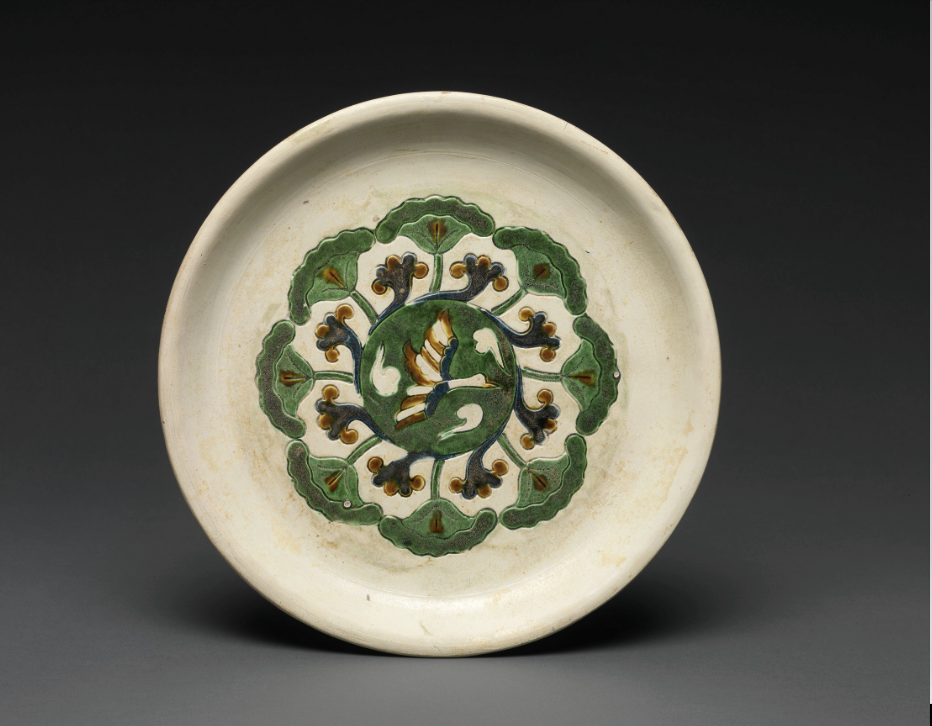
Tray with Goose, Clouds, and Lotuses, 8th century, Tang China
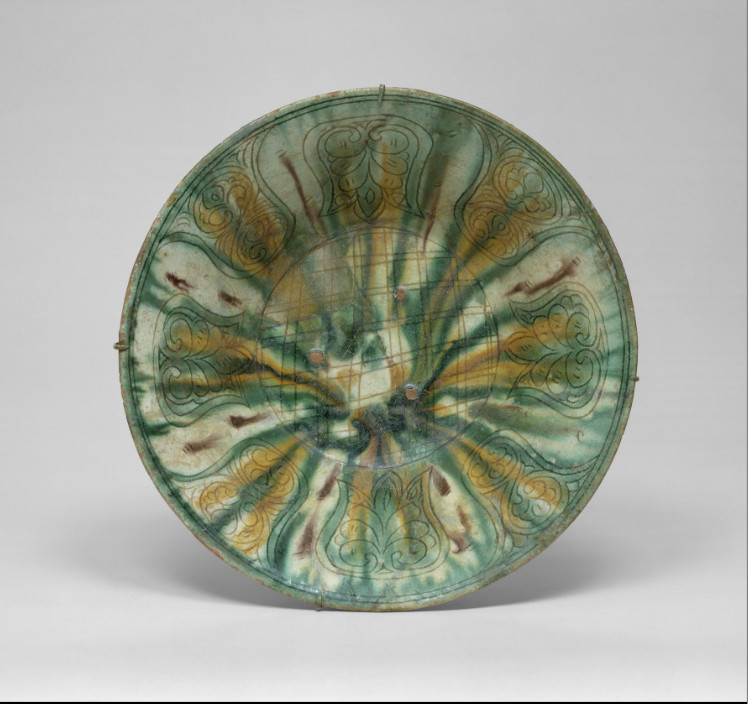
Bowl with Green, Amber, and Brown-Splashed Decoration,
Iran, Nishapur, 10th century,
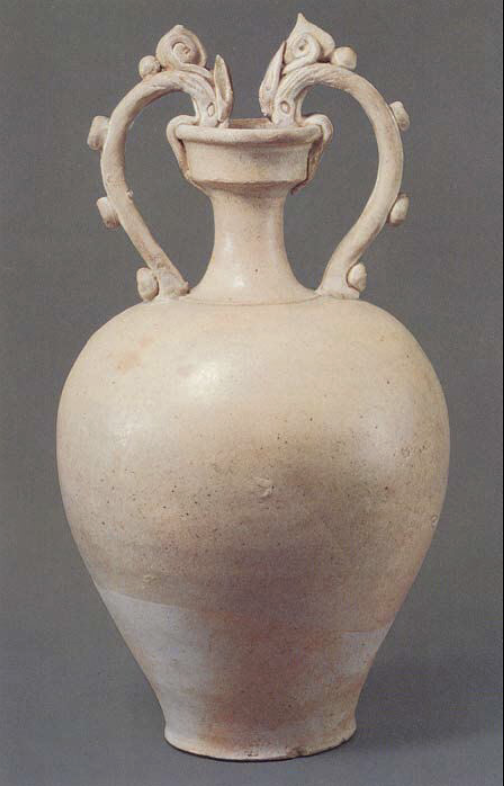
Bird-headed Ewer With Molded Decoration 8th century, Tang China, Proto-Porcelain (white clay called Kaolin)
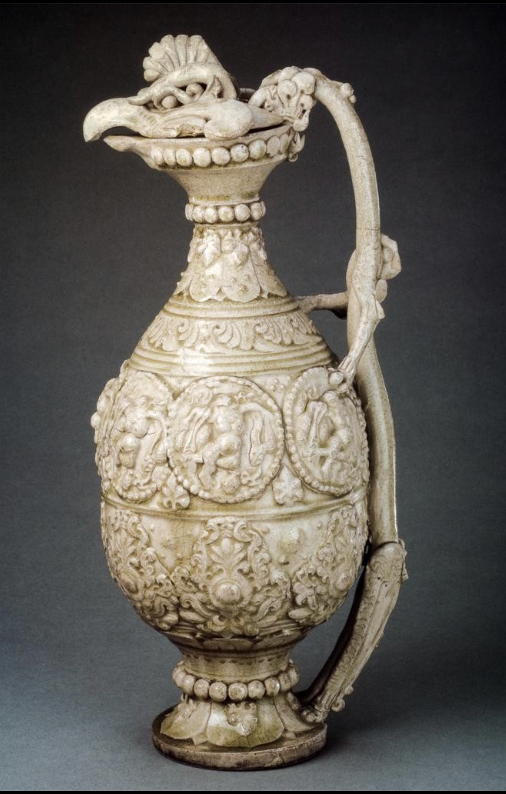
Jar with Handles In the Shape of Dragons, 8th c. Tang China proto-porcelain (white clay called kaolin)
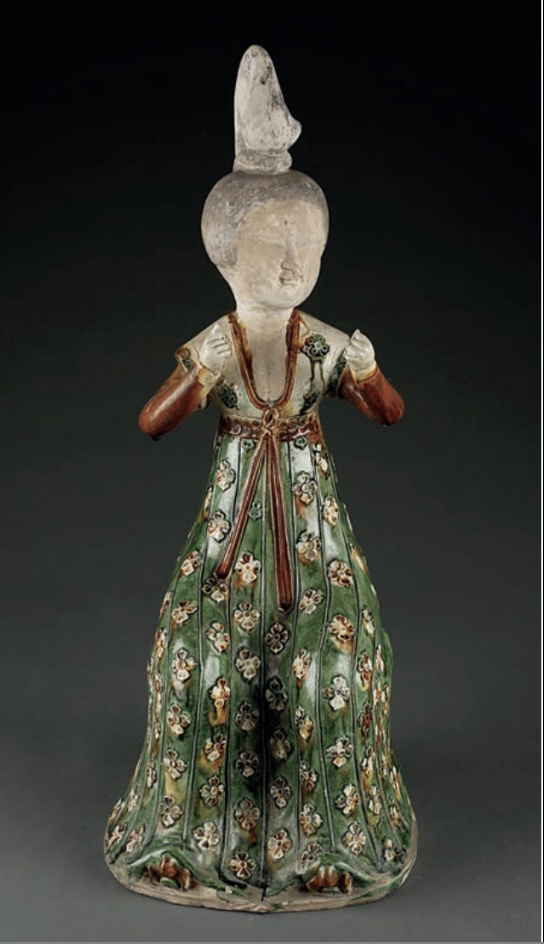
Seated Female Attendant, early 8th c., earthenware with sancai glaze
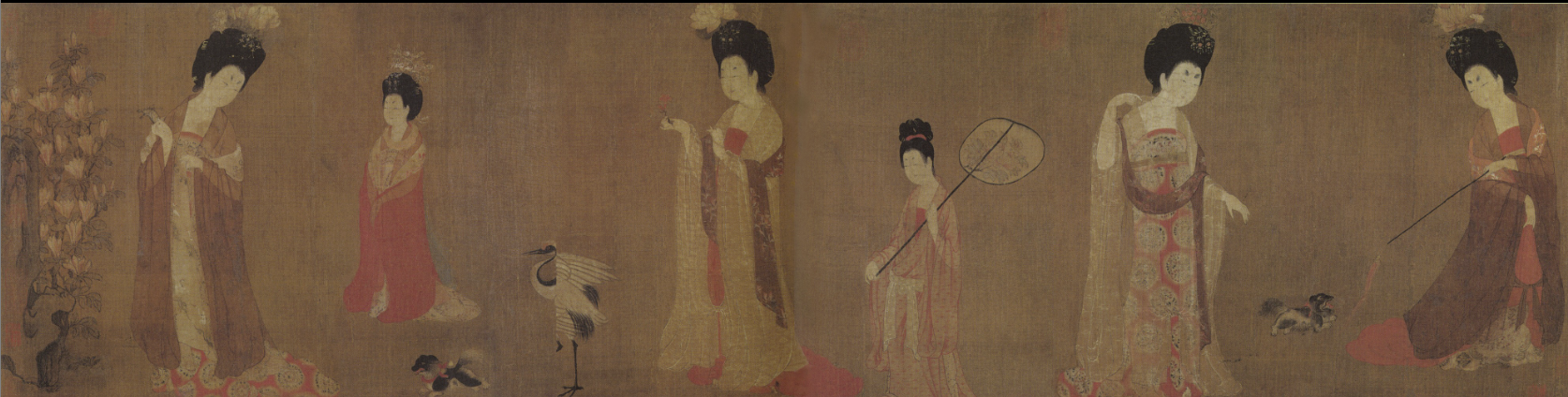
Zhou Fang (attribution). Ladies Wearing Flowers in their Hair. 10th c.? ink and color on
Silk.
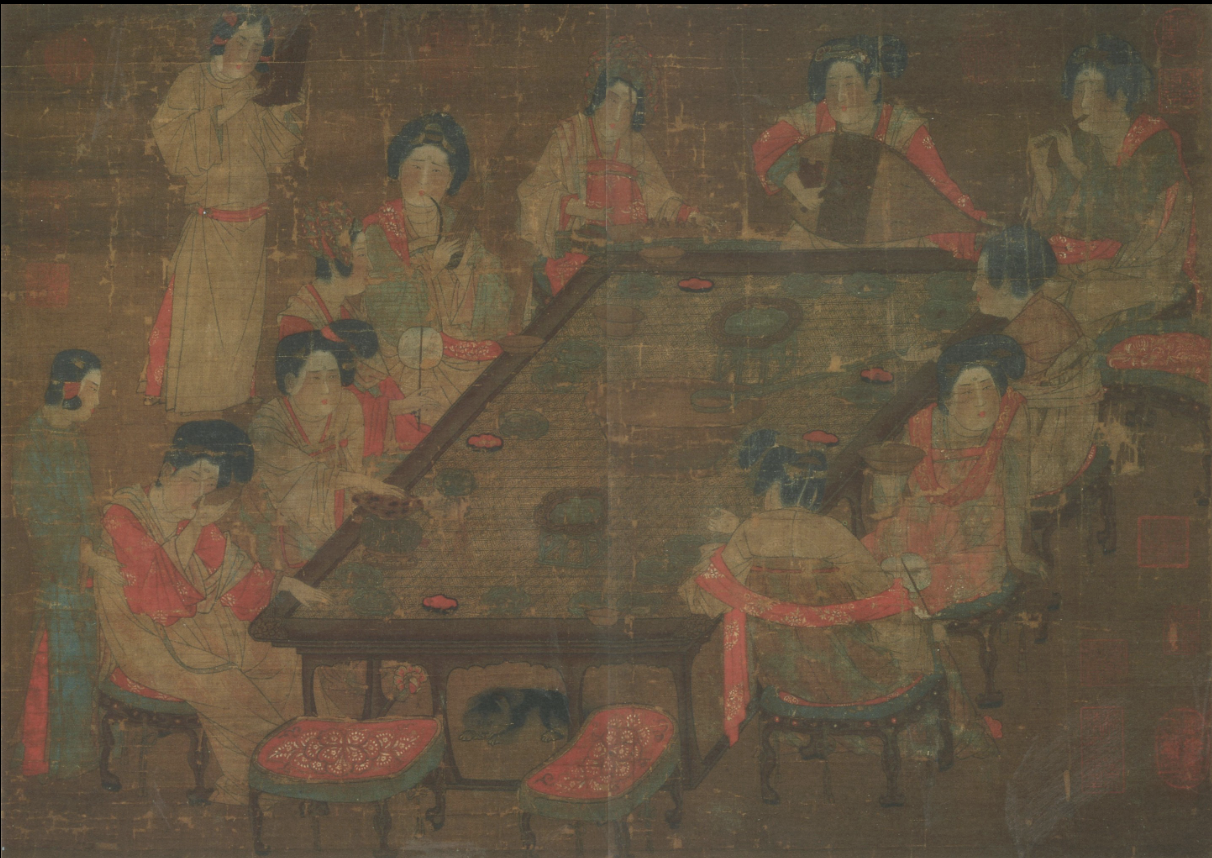
Unidentified Artist. A Palace Banquet. Late 9th/early 10th c. hanging scroll. Ink and color on silk
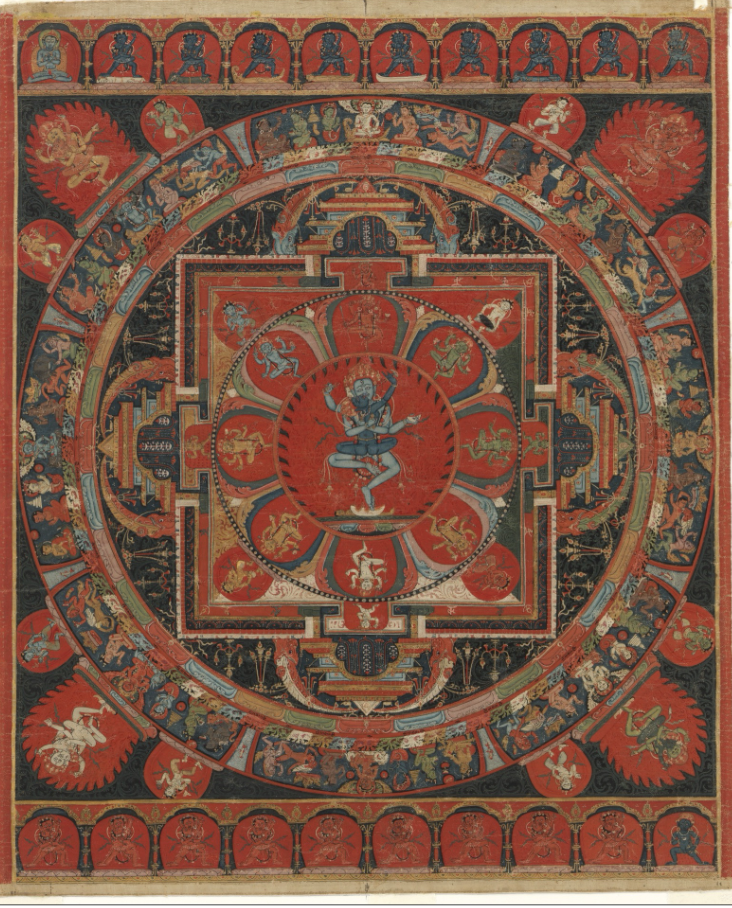
MANDALA OF HEVAJRA
15th c., tempera on cloth
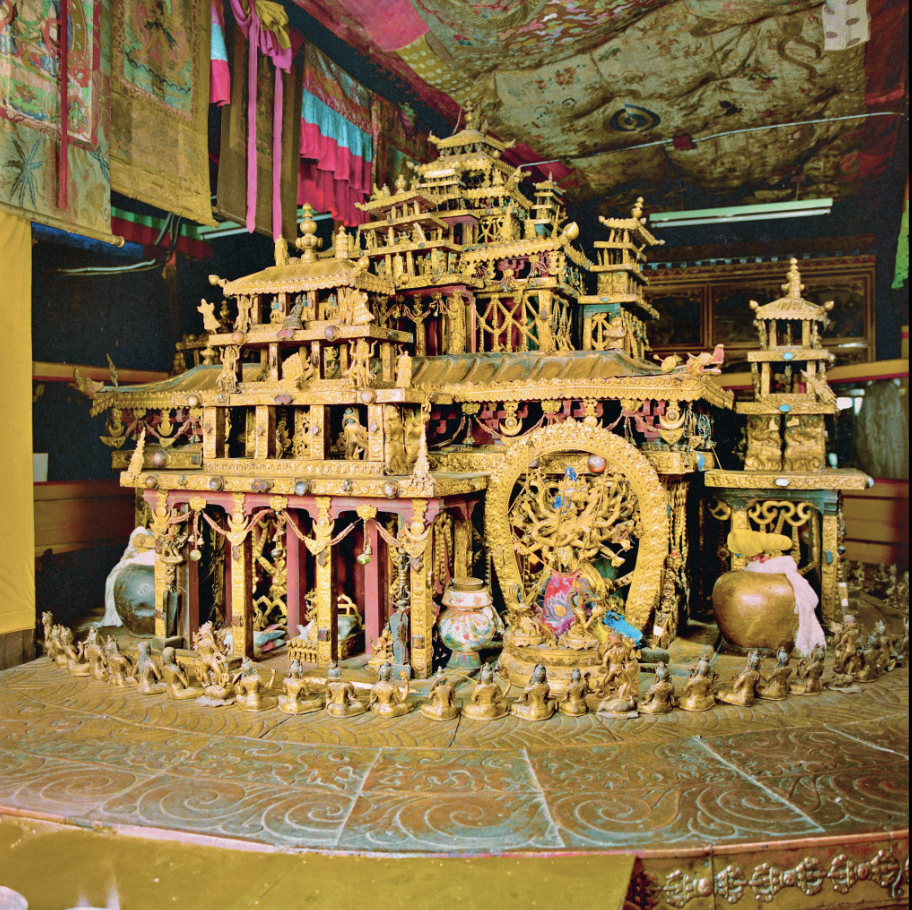
THE KALACHAKRA MANDALA, 1690s
Gilt-brass with vast figures on wooden
Armature, precious stones, glass
d. 20ft, Potala Palace, Lhasa
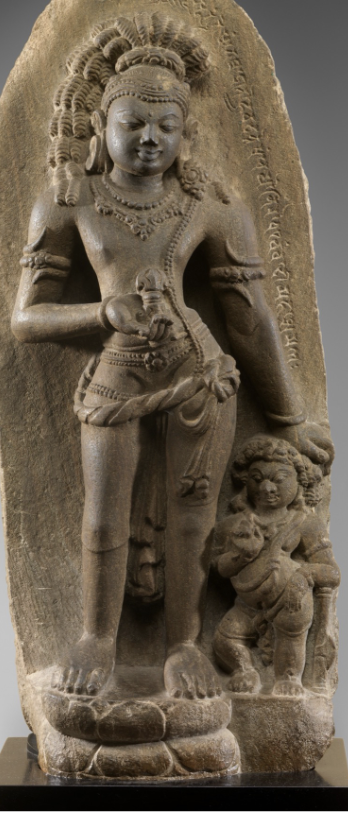
Bodhisattva Vajrapani
Eastern India, 8th c, Himalayan
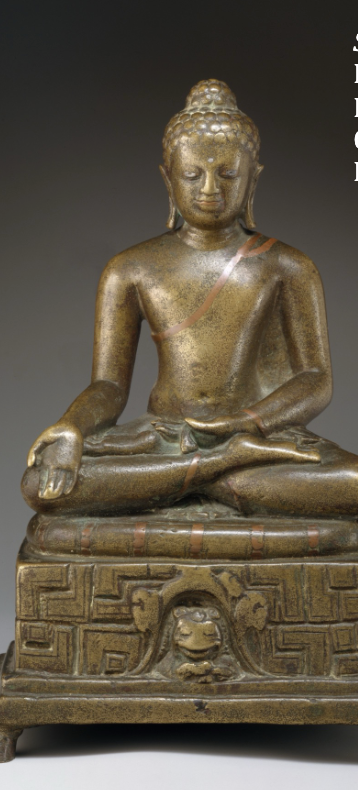
Seated Buddha
Late 6th-7th c.
Bronze with silver and
Copper inlay,
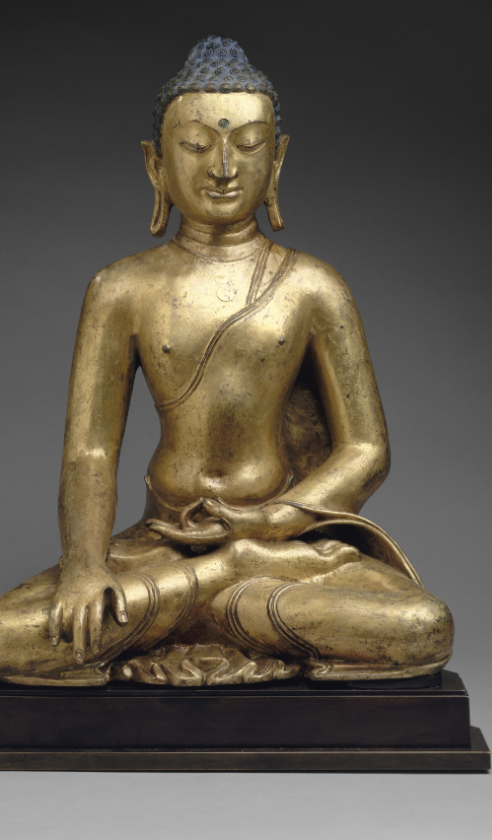
BUDDHA
Tibet, 11th-12th c.
Gilt copper
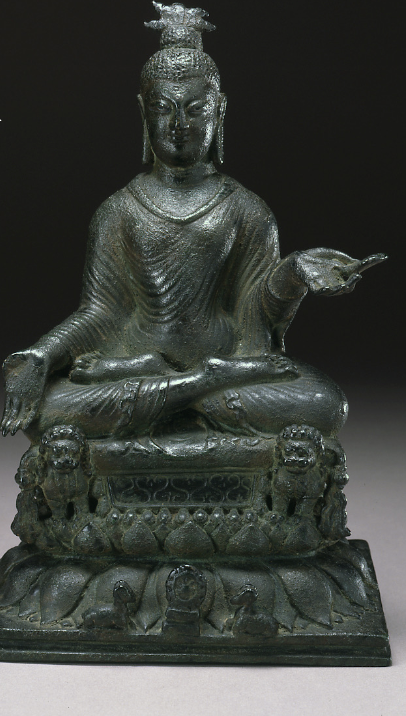
Seated Buddha,
Kashmir, 9th c,
Bronze,
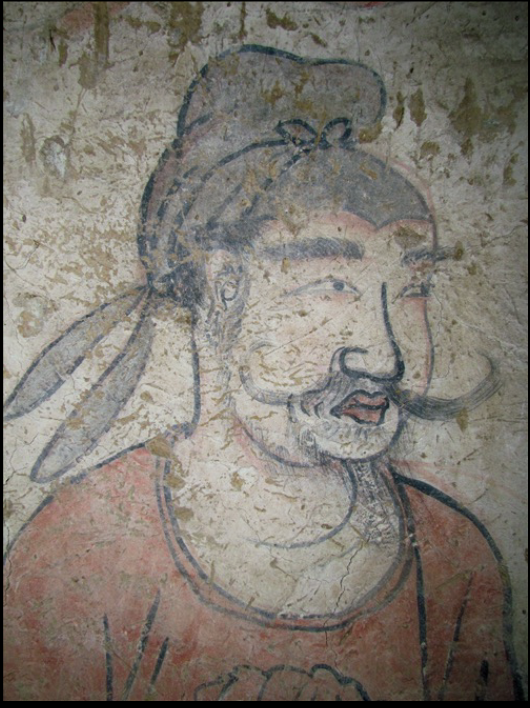
Detail of the mural in the ramp of the tomb at Shoron Bumbagar, 7th-8th c.
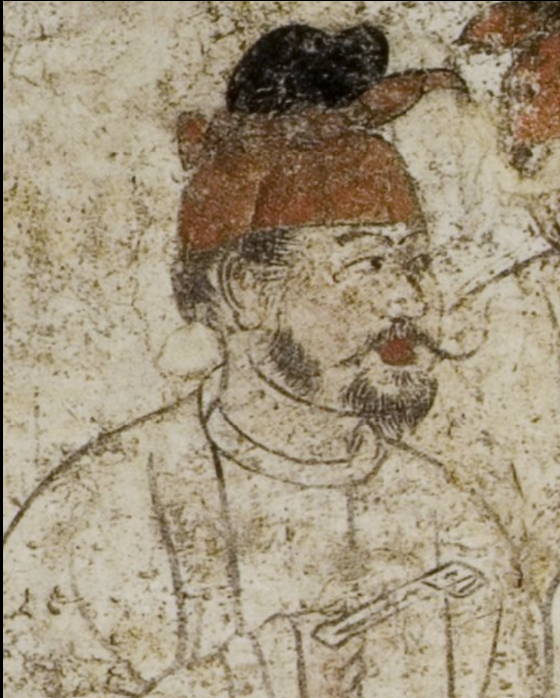
Detail of the mural in the ramp of the tomb of Prince Zhanghuai, Qianling, Xi’an, 706
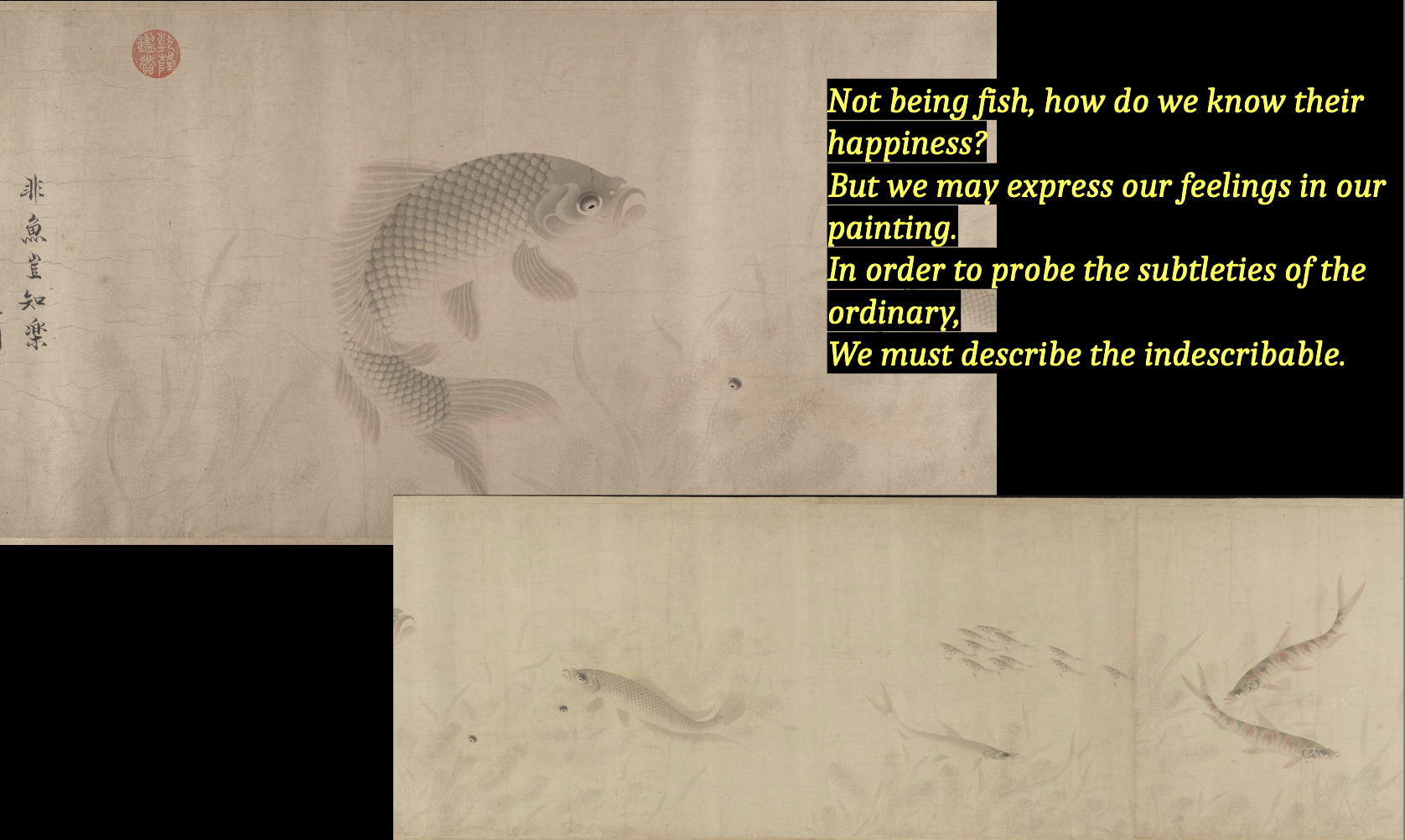
Zhou Dongqing, The Pleasures of Fishes, 1291, handscroll, ink and light color on paper
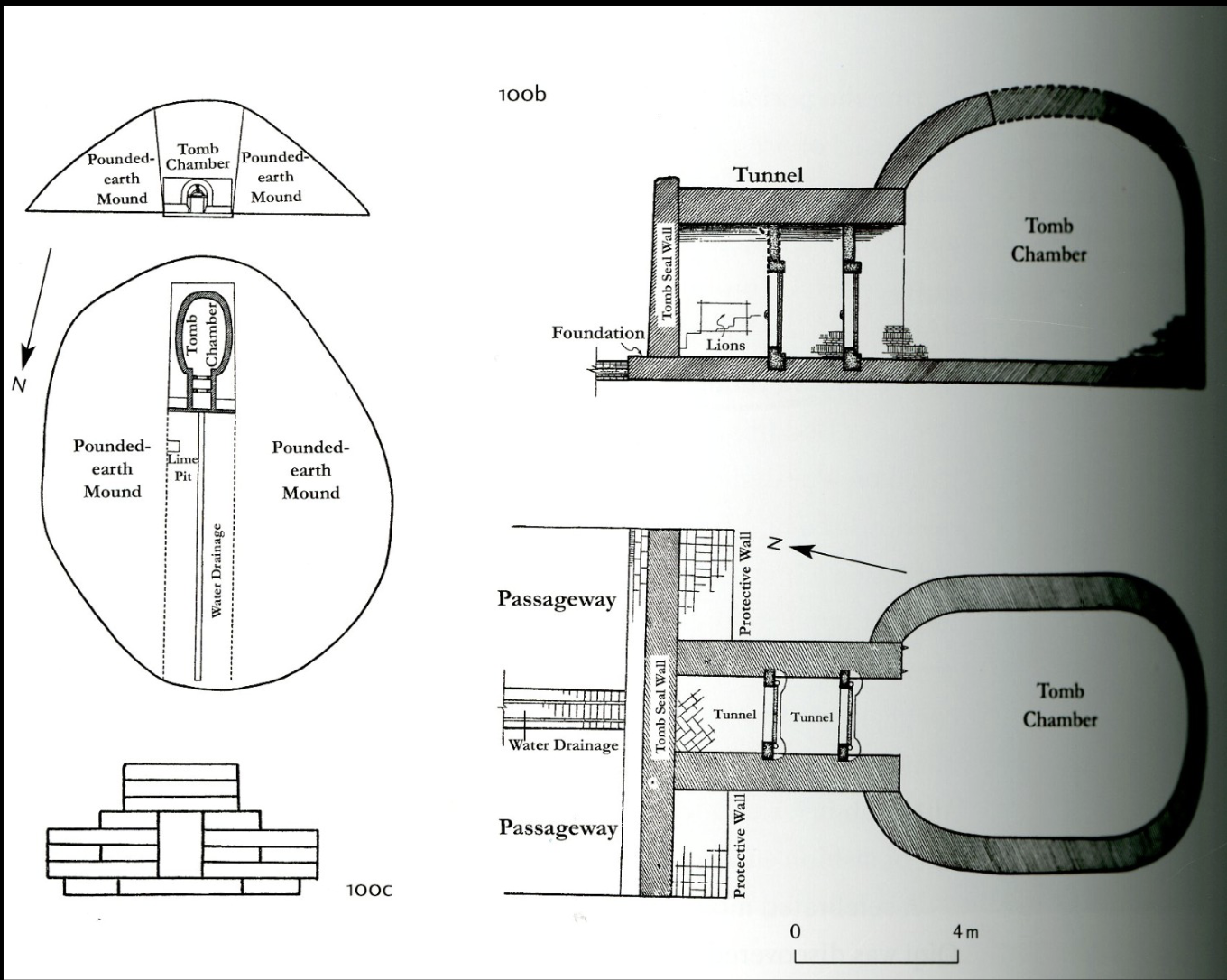
Plan and cross section of Tomb at Xishanqiao (Nanjing), late 400s exc 1960
 Note
Note  Flashcards (71)