DAT Biology Evolution
 Call Kai
 Learn
Learn Practice Test
 Spaced Repetition
 Match
Match Flashcards
 Knowt Play
1/45

There's no tags or description
Looks like no tags are added yet.
Name | Mastery | Learn | Test | Matching | Spaced | Call with Kai |
|---|
No analytics yet
Send a link to your students to track their progress
46 Terms
evolution
the change in the genetic makeup of a population with time
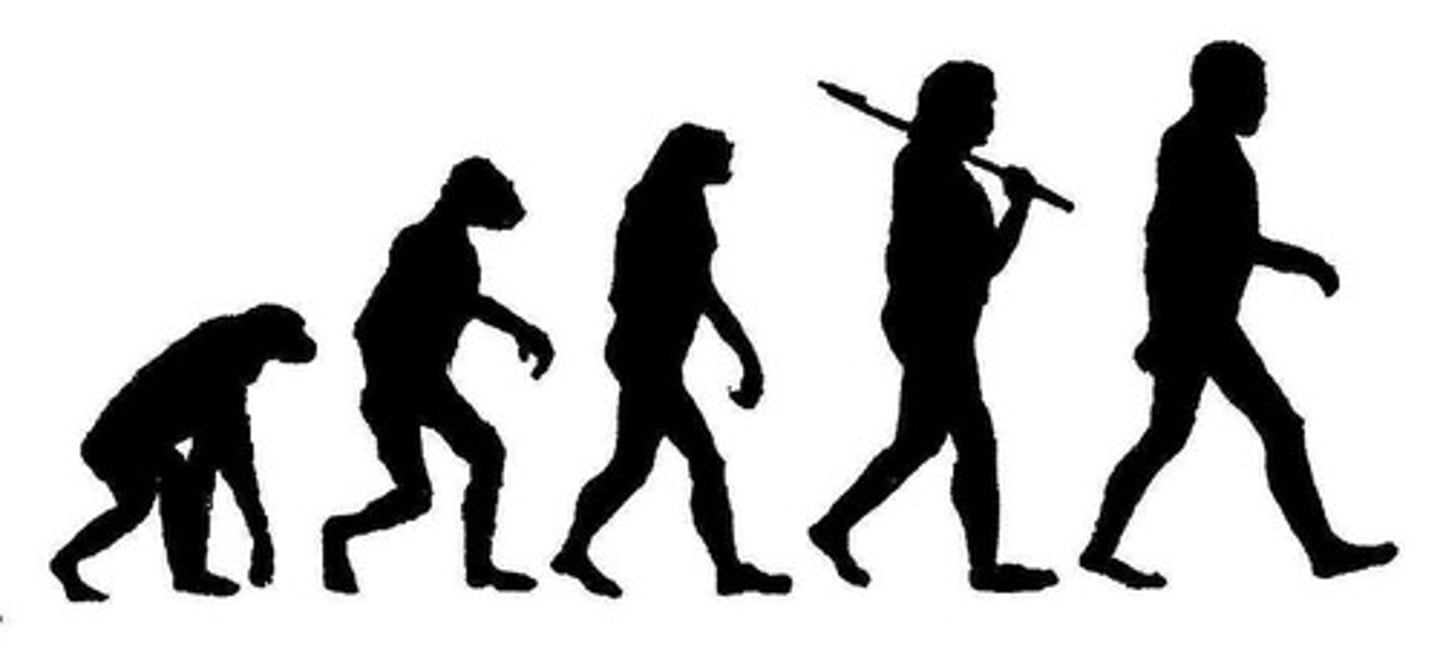
Lamarckian Evolution
the discredited theory of evolution stating that the amount of change was based on the use or disuse of an organ
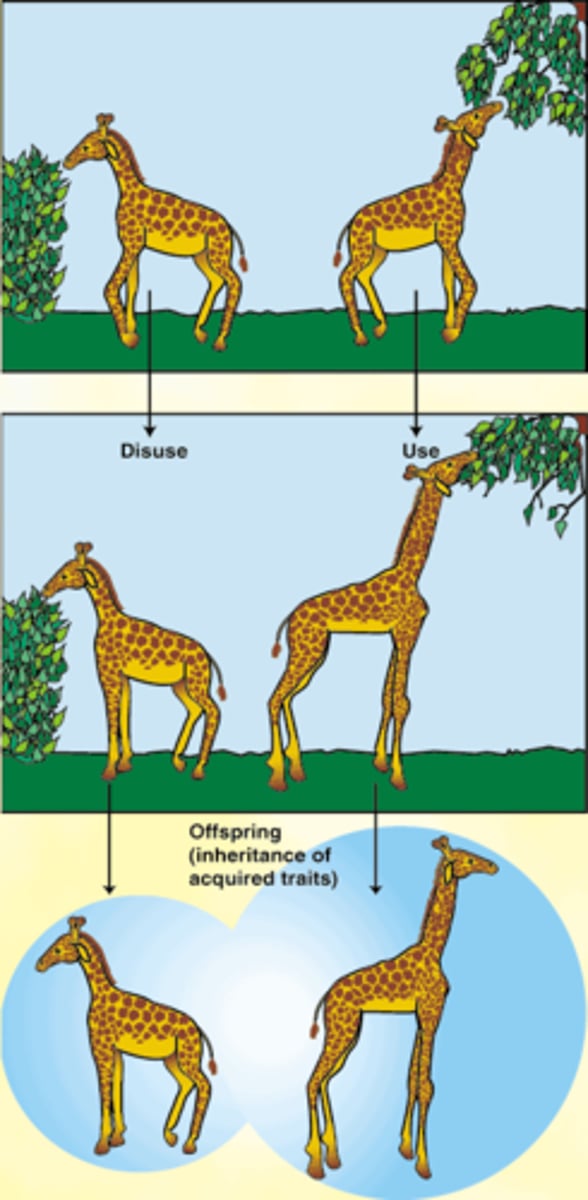
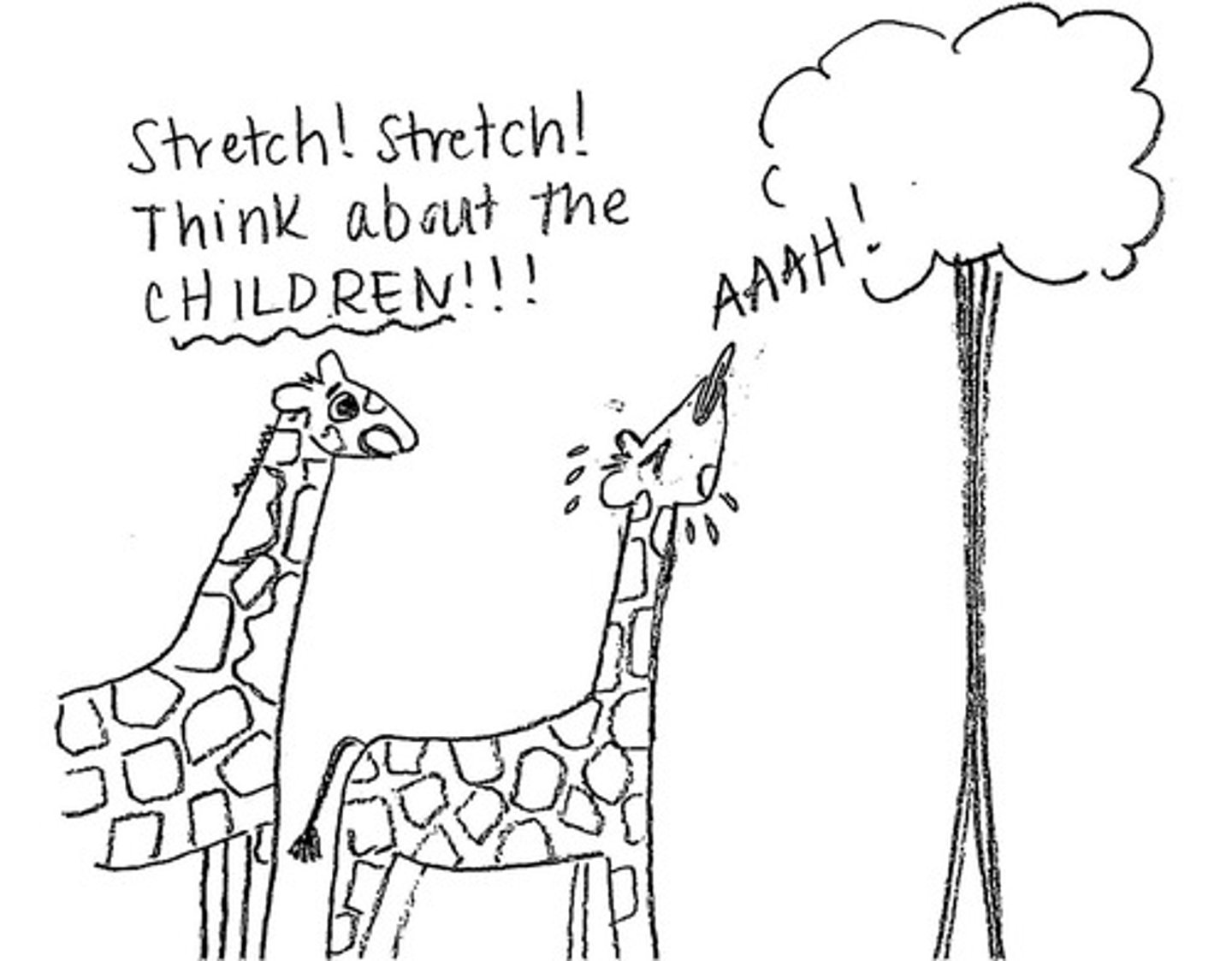
acquired characteristic
A characteristic that an organism developed in their lifetime based on their surroundings; not inherited
fitness
Ability of an organism to survive and reproduce in its environment
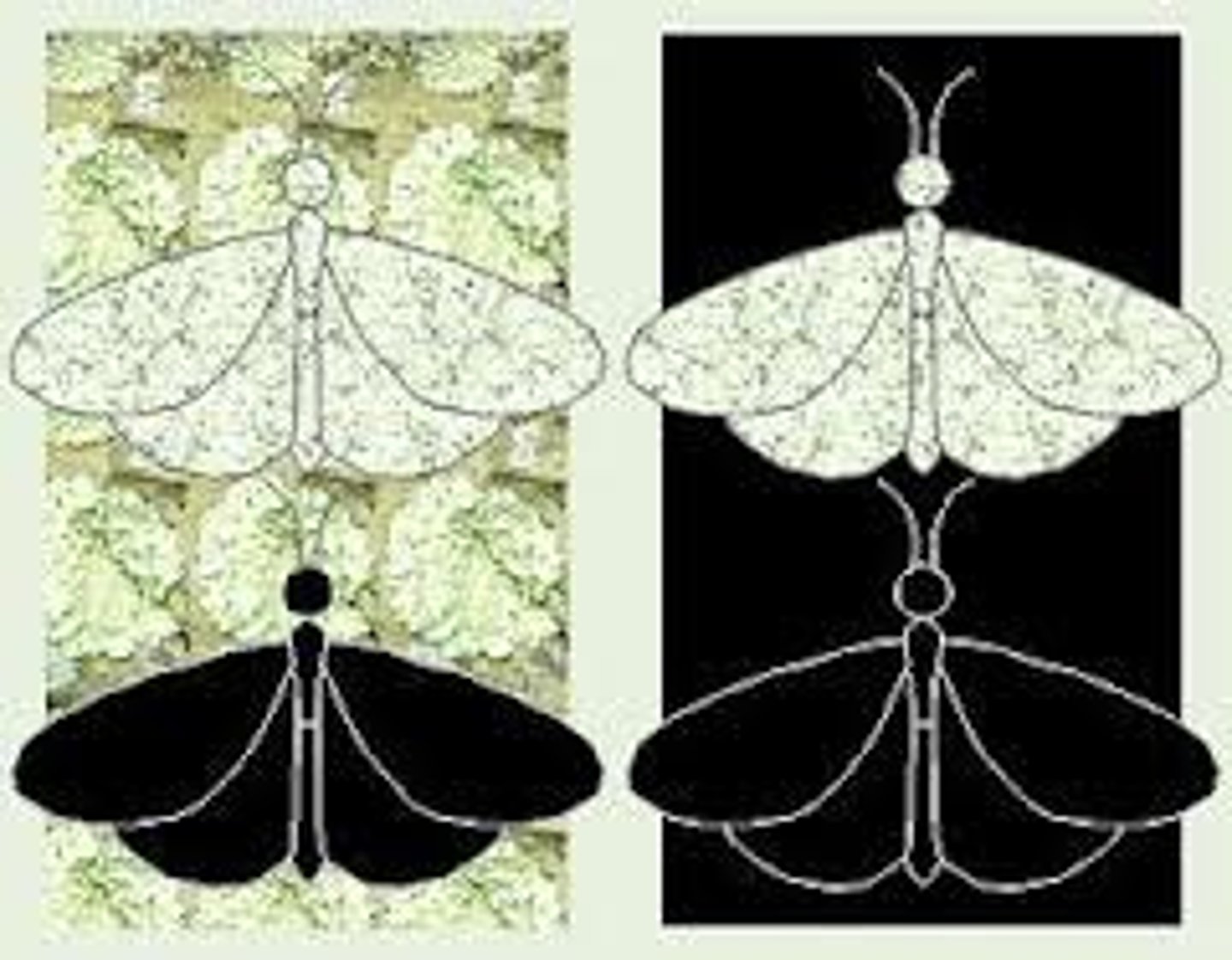
natural selection
A natural process resulting in the evolution of organisms best adapted to the environment.
overpopulation, variations, competition, natural selection, inheritance of variations, speciation
list Darwin's 6 basic agents leading to evolutionary change
speciation
the evolution of new species
species
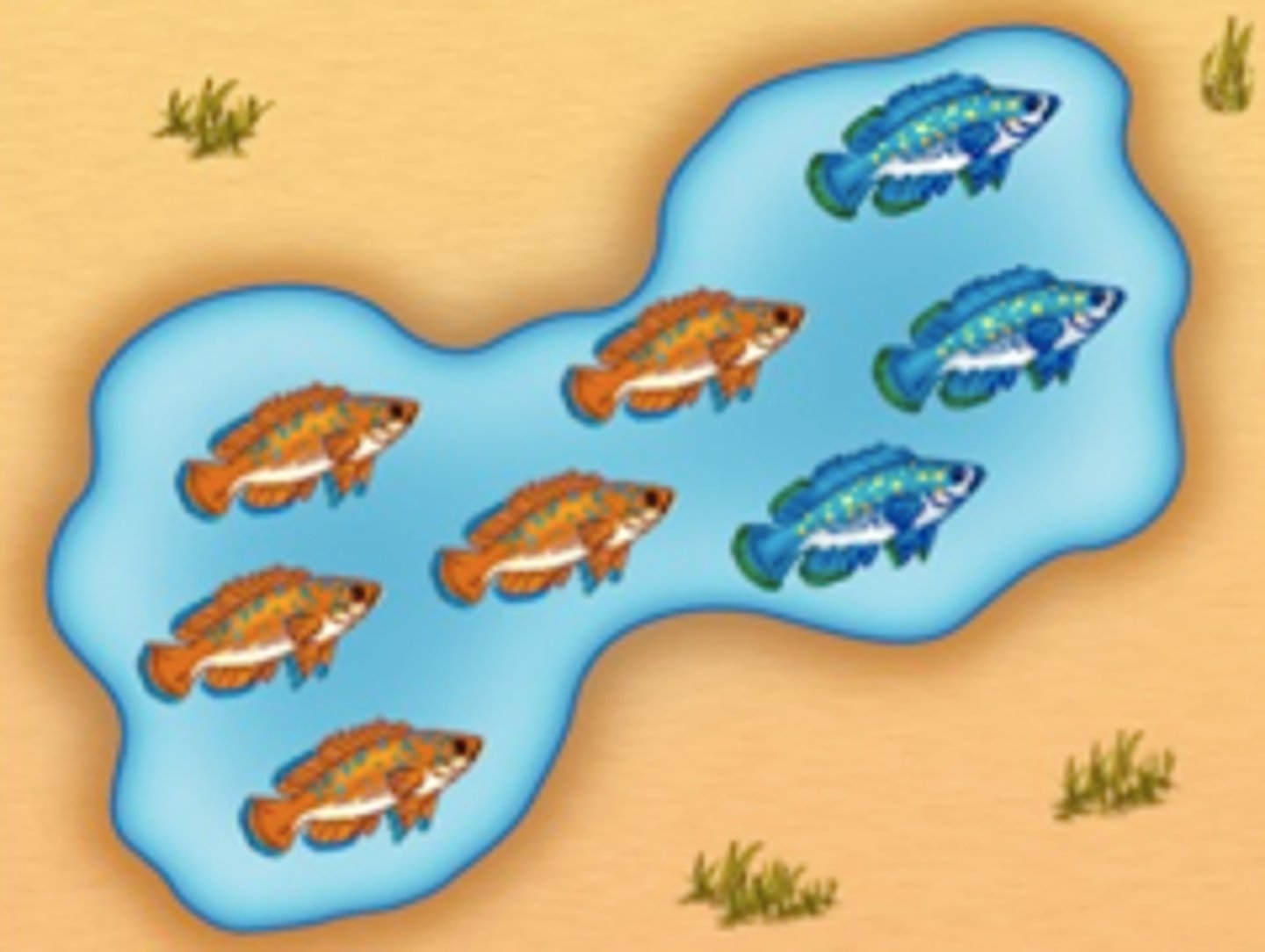
groups of individuals that can interbreed freely with each other but not with members of other groups
genetic variation, changes in environment, migration, adaptation, natural selection, genetic drift, isolation
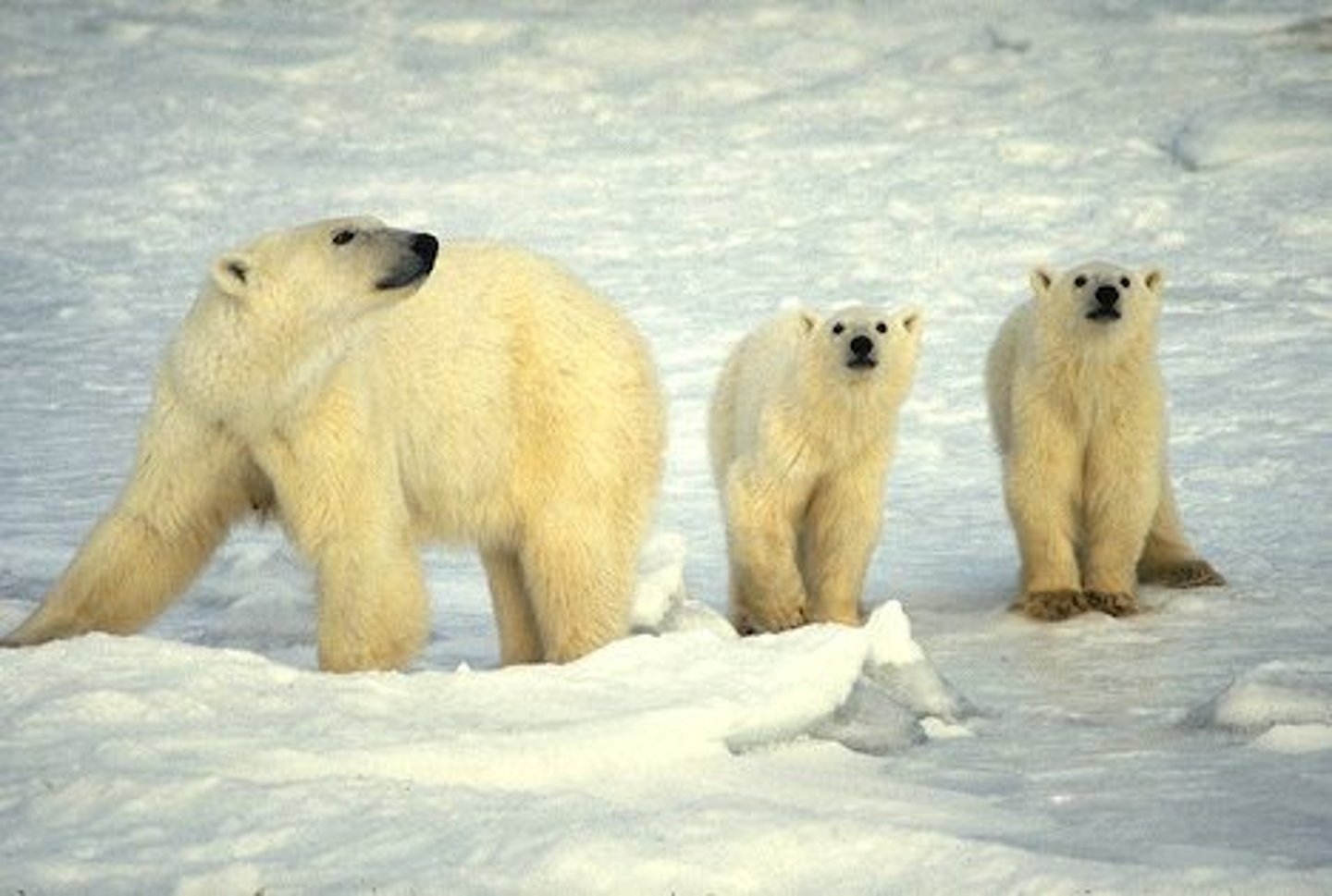
list 7 factors that can lead to speciation
demes
before speciation, small, local populations called _____ often form within a species
phylogeny
The study of evolutionary relationships among organisms
convergent evolution
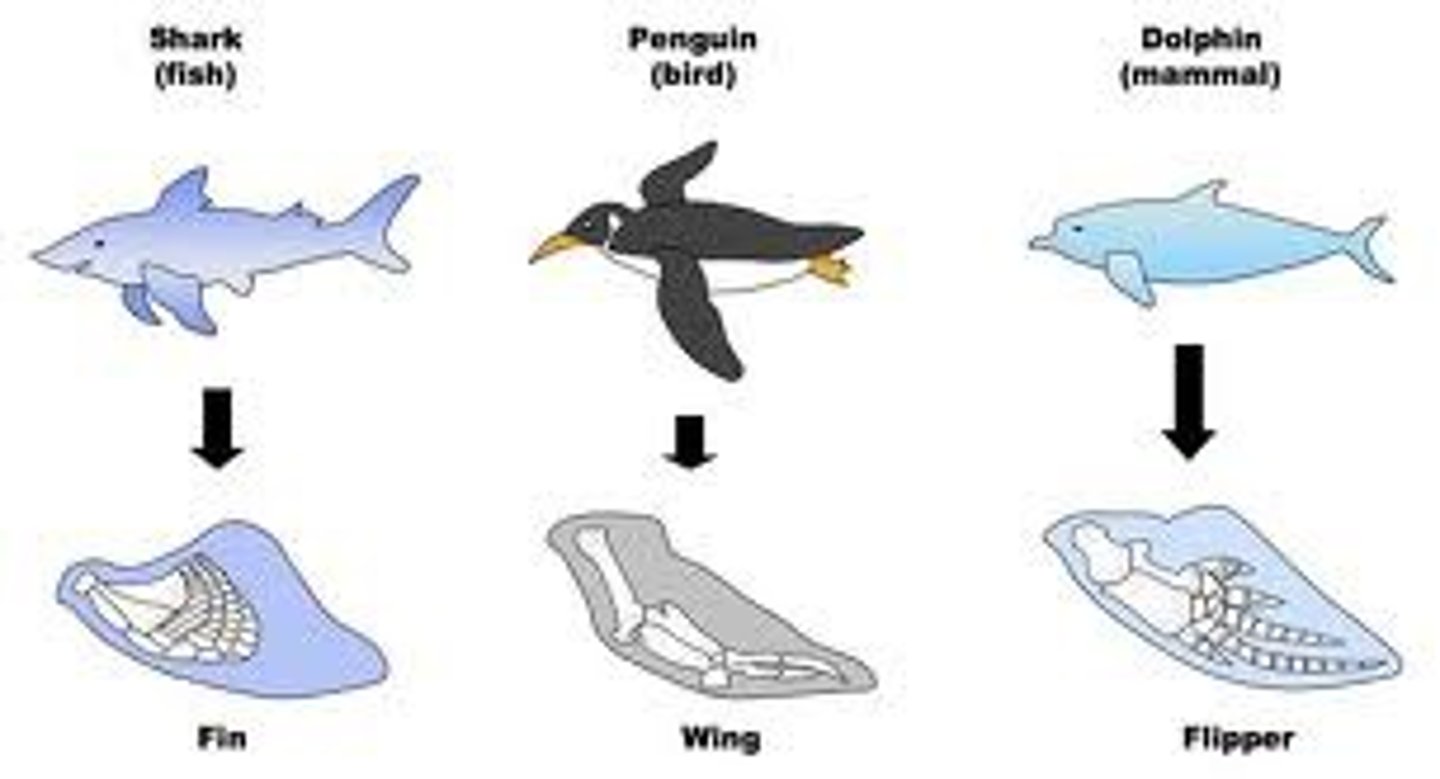
evolution in which two species from different ancestors develop similar traits due to similar environments (i.e. sharks and dolphins)
parallel evolution
evolution in which two species from a similar, recent ancestor develop similar traits due to a similar environment
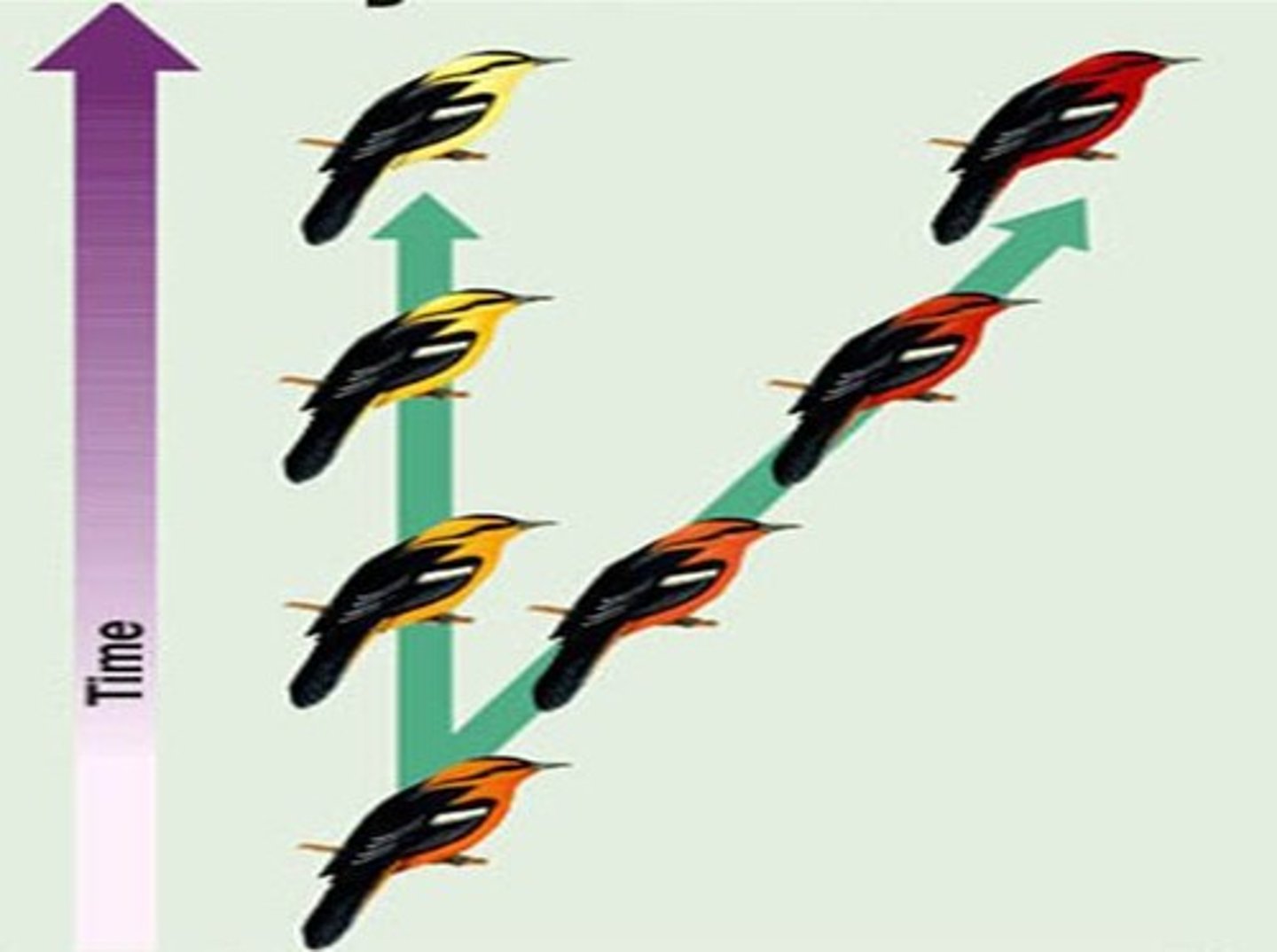
divergent evolution
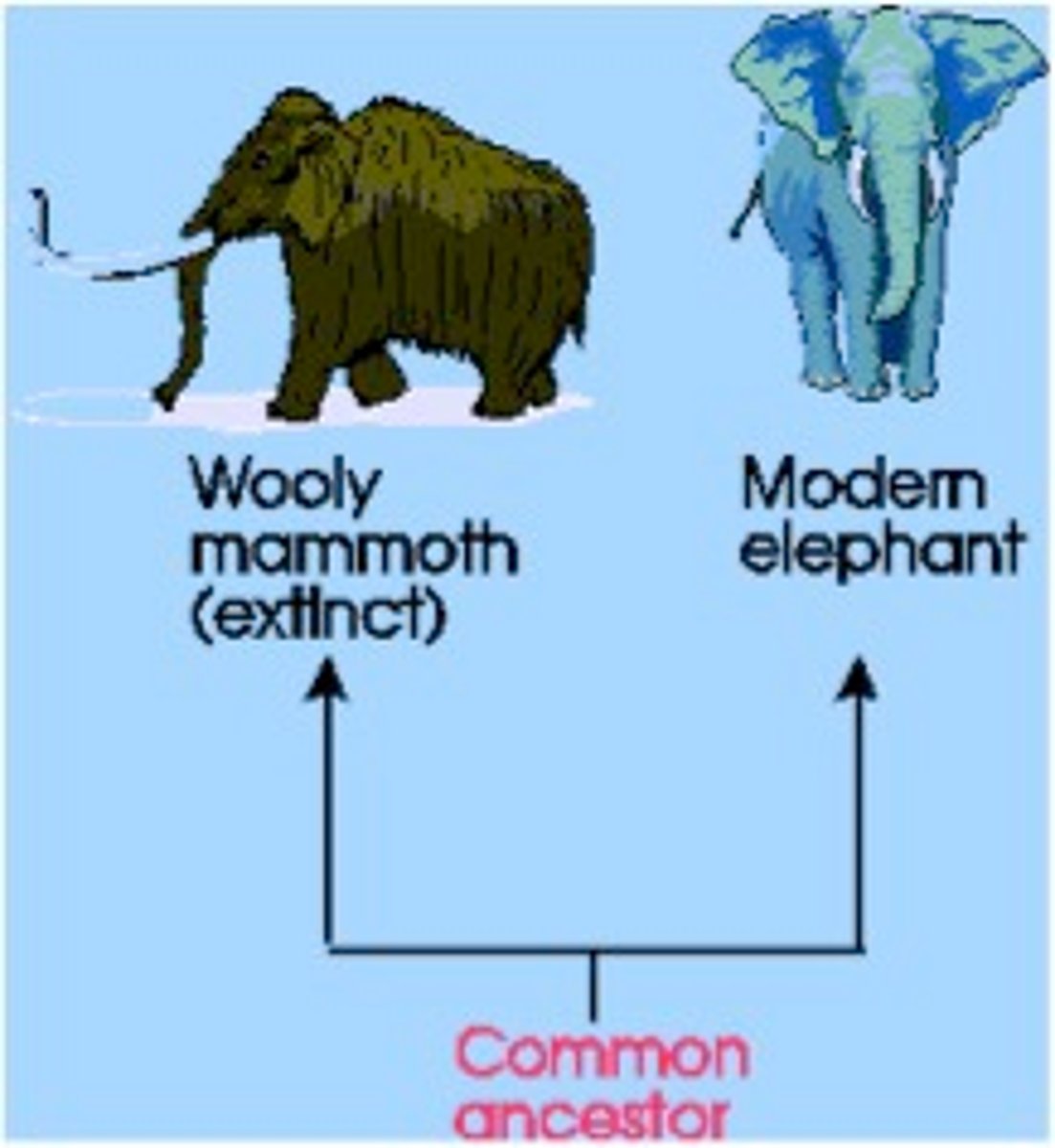
evolution in which species with a shared ancestor develop differing traits due to dissimilarities between their environments
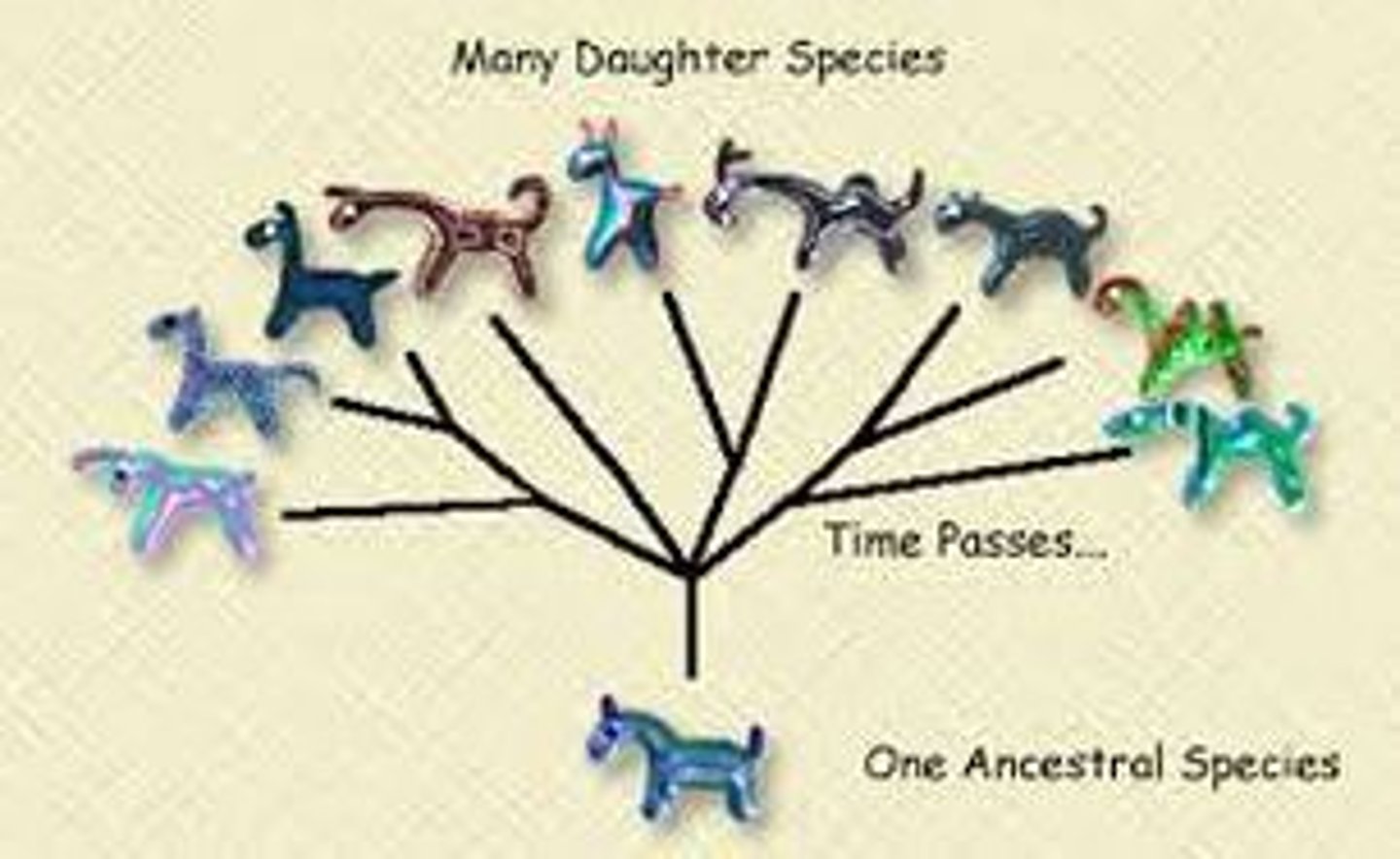
adaptive radiation
An evolutionary pattern in which many species evolve from a single ancestral species
niche
An organism's particular role in an ecosystem, or how it makes its living.
population
all members of a particular species inhabiting a given location
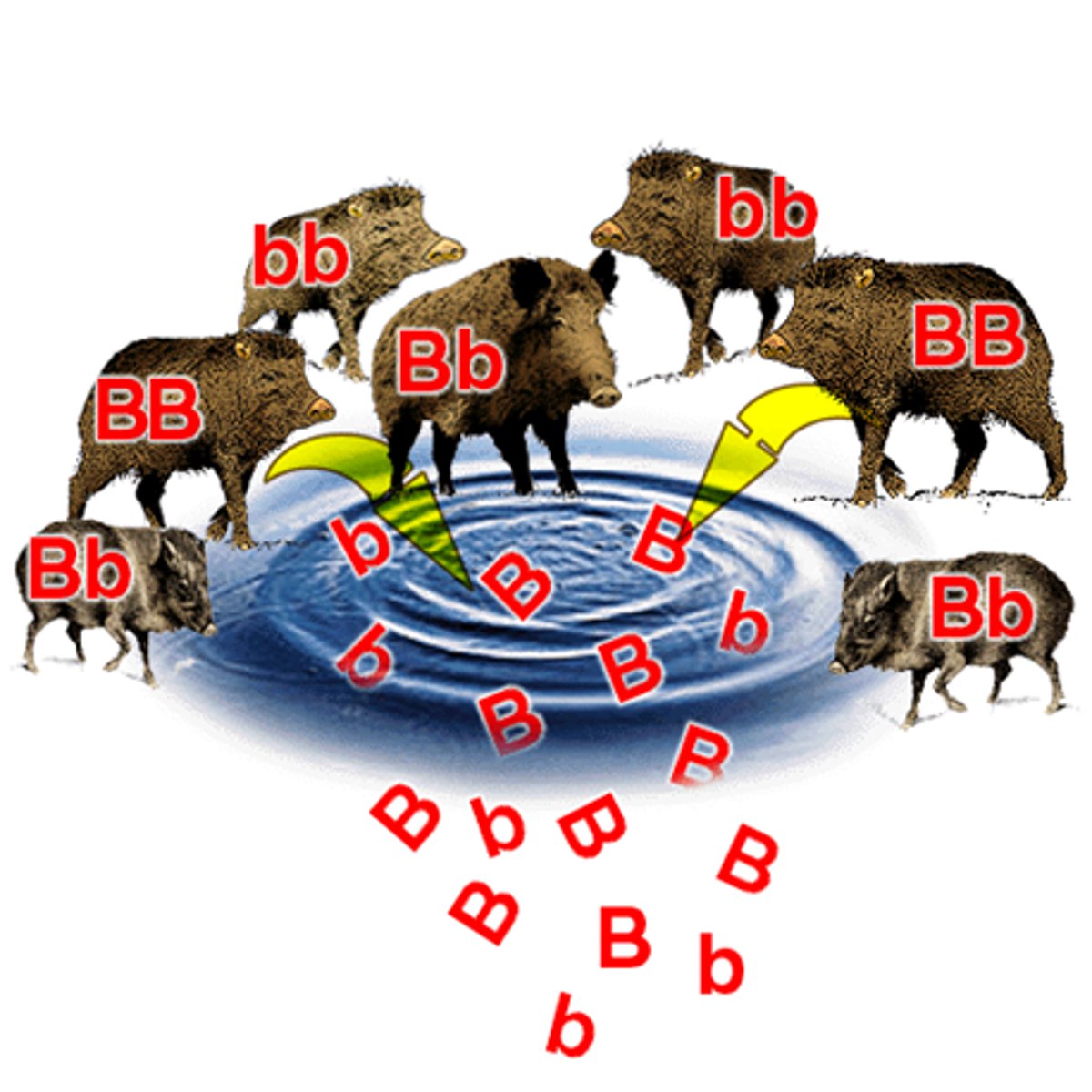
gene pool
the sum total of all the alleles for any given trait in the population
gene frequency
the decimal fraction representing the presence of an allele for all members of a population that have a particular gene
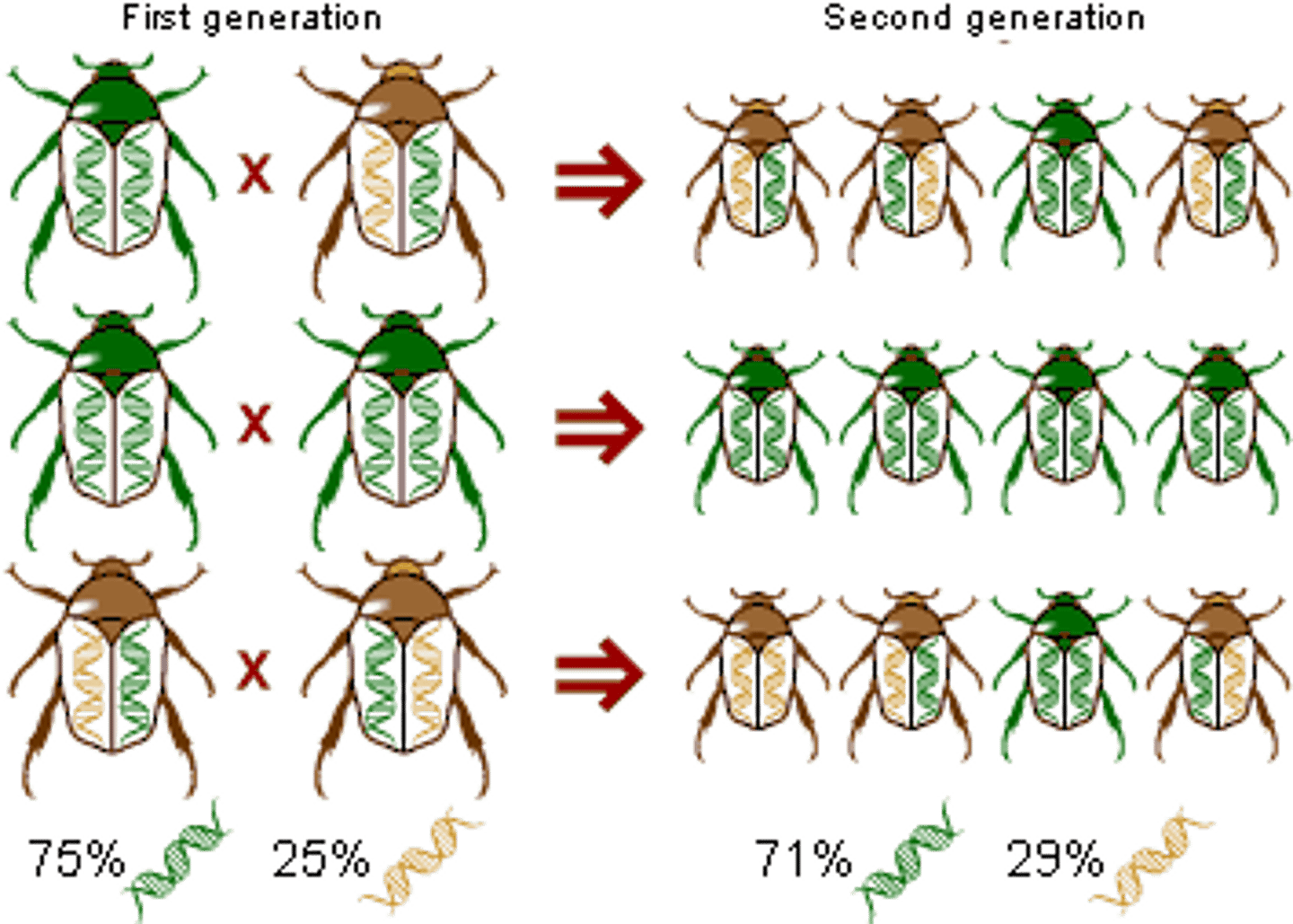
p
letter representing the dominant allele when discussing gene frequency
q
letter representing the recessive allele when discussing gene frequency
Hardy-Weinberg equation
equation used to determine gene frequencies in a large population in the absence of microevolutionary change
p²+2pq+q²=1
write out the Hardy-Weinberg equation
microevolution
Changes in a population's gene pool from generation to generation
natural selection
idea that genotypes with low adaptive values tend to disappear
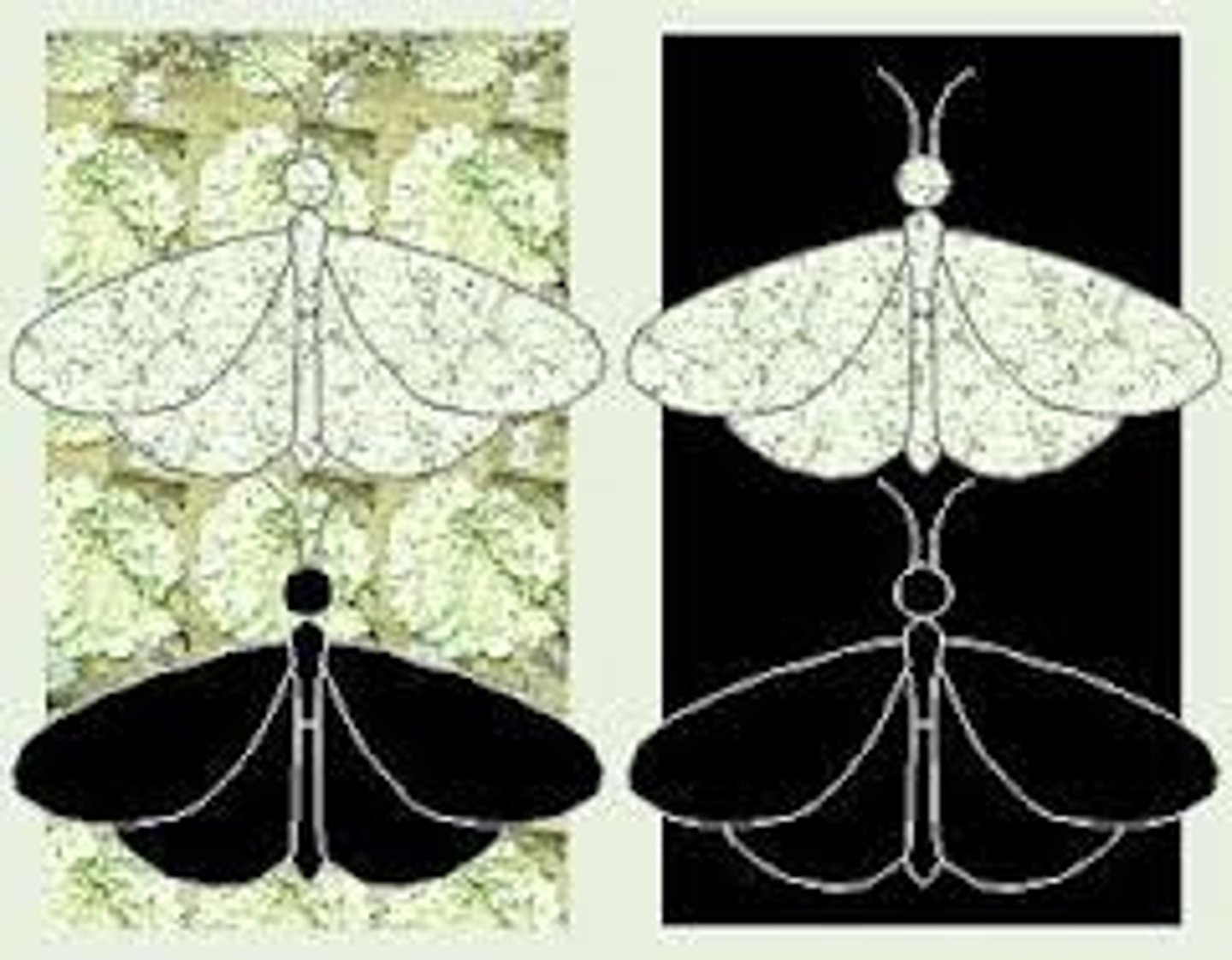
natural selection, mutation, assortive mating, genetic drift, gene flow
list 5 factors causing deviations from the ideal conditions necessary for the Hardy-Weinberg equation
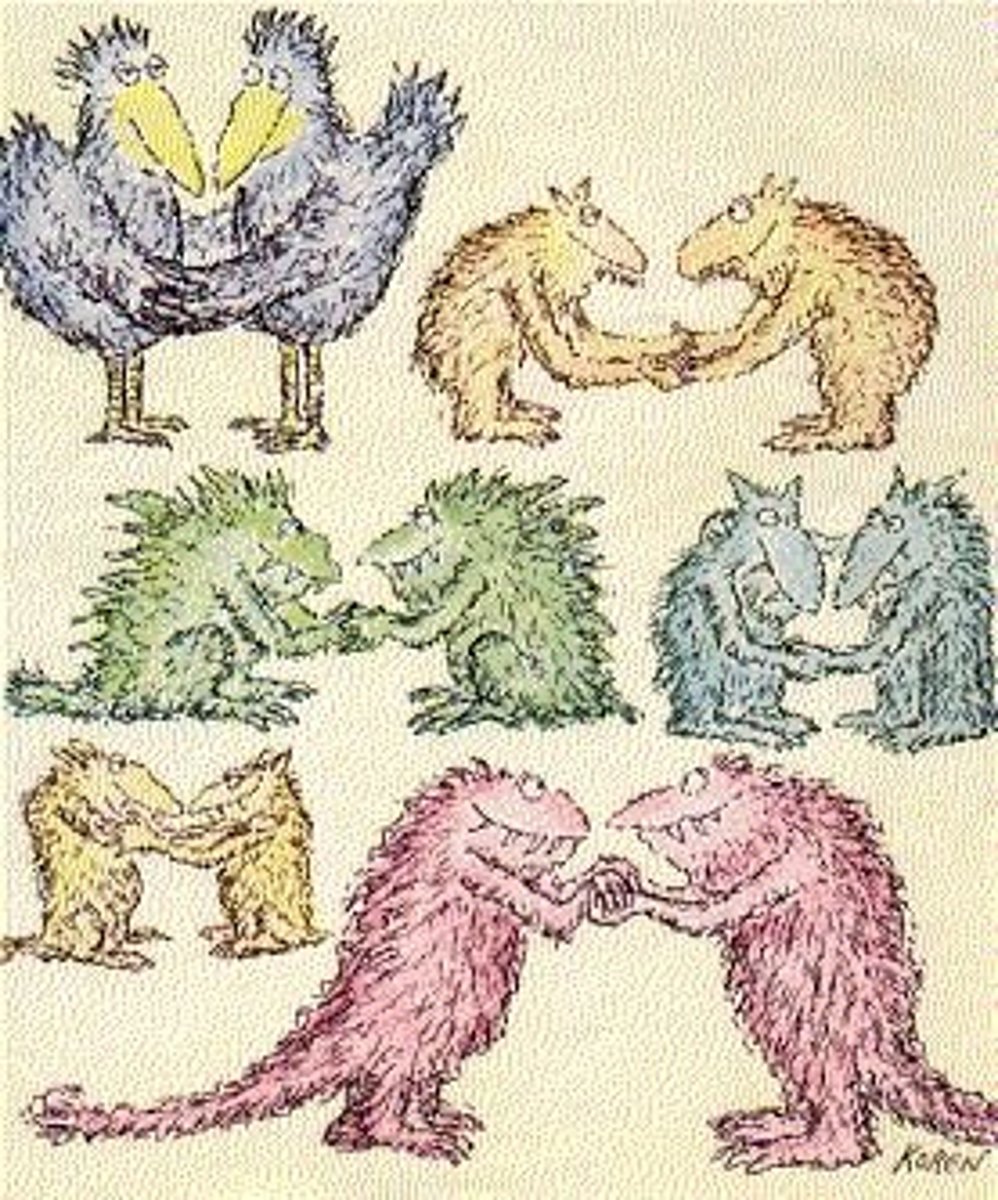
assortive mating
the mating of phenotypically similar organisms
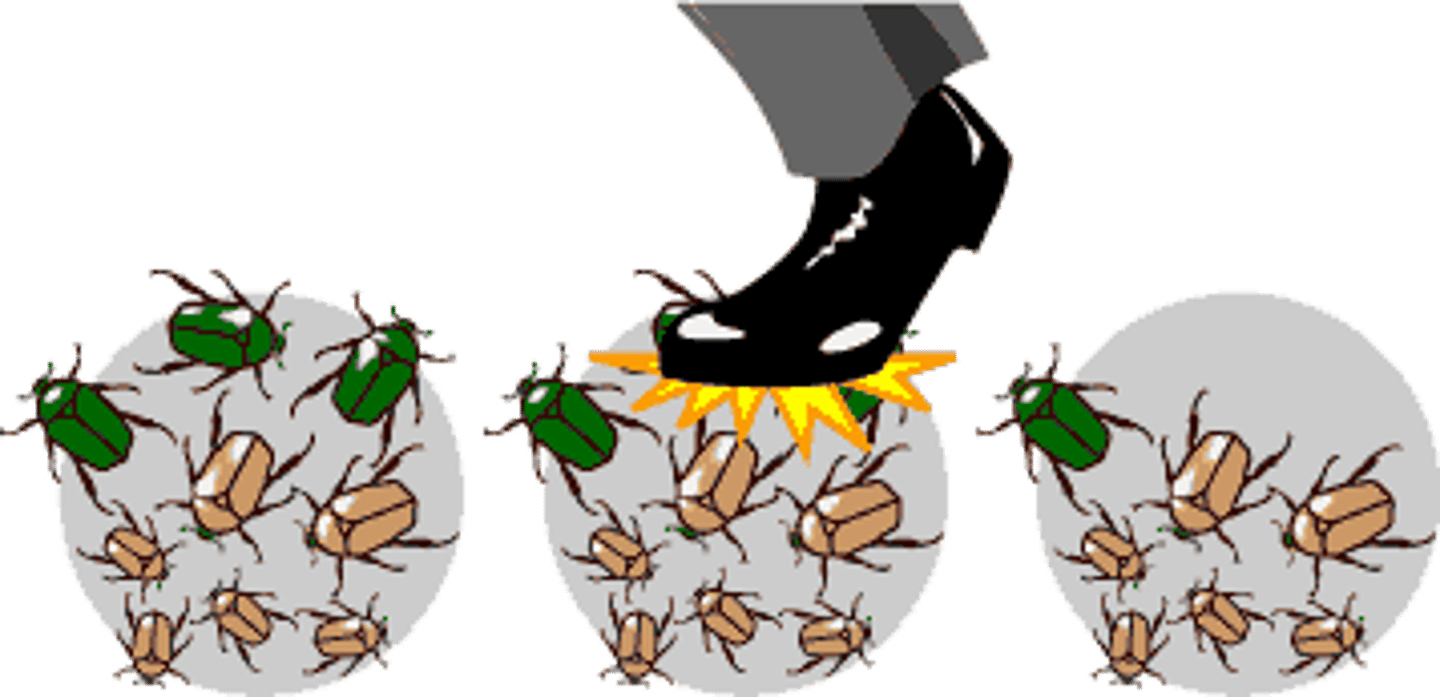
genetic drift
A change in the gene pool of a population due to chance
sexual selection
when individuals choose mates based on phenotype and proximity
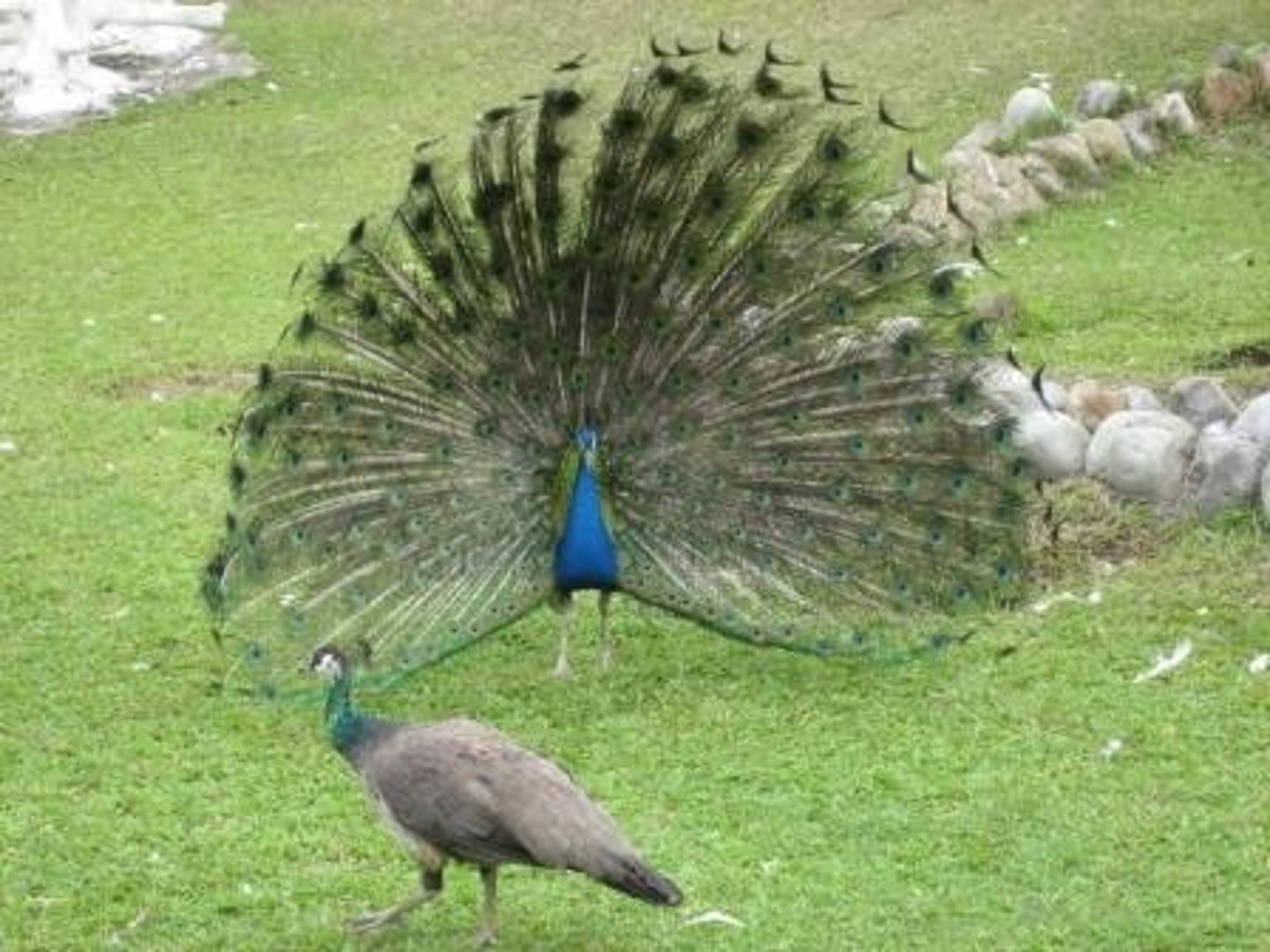
founder effect
Genetic drift that occurs after a small number of individuals colonize a new area
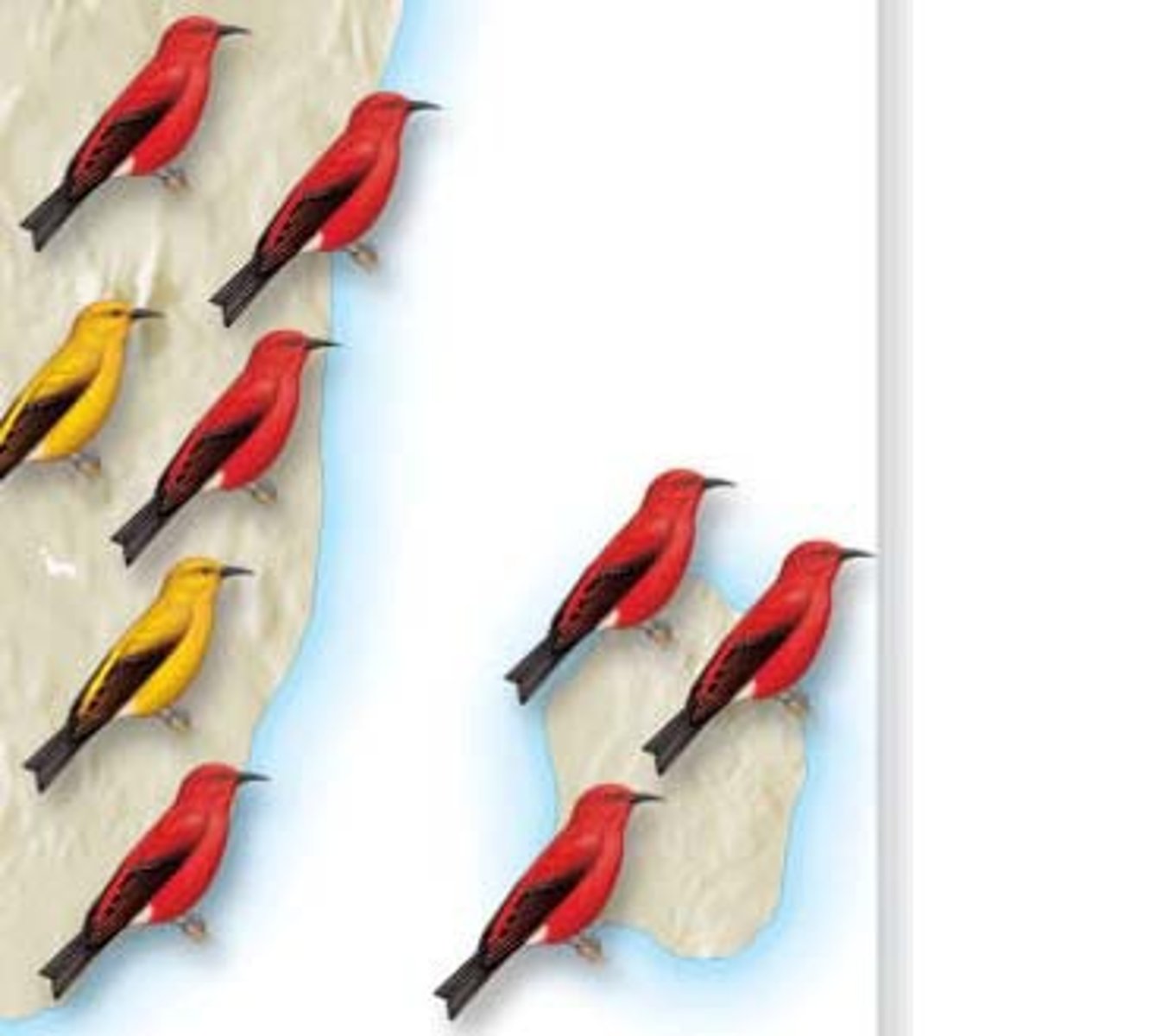
gene flow
the movement of genes into or out of a population due to interbreeding
petrification
Occurs when the organism's tissues are completely replaced by minerals.
imprints
impressions left by an organism (e.g. footprints)

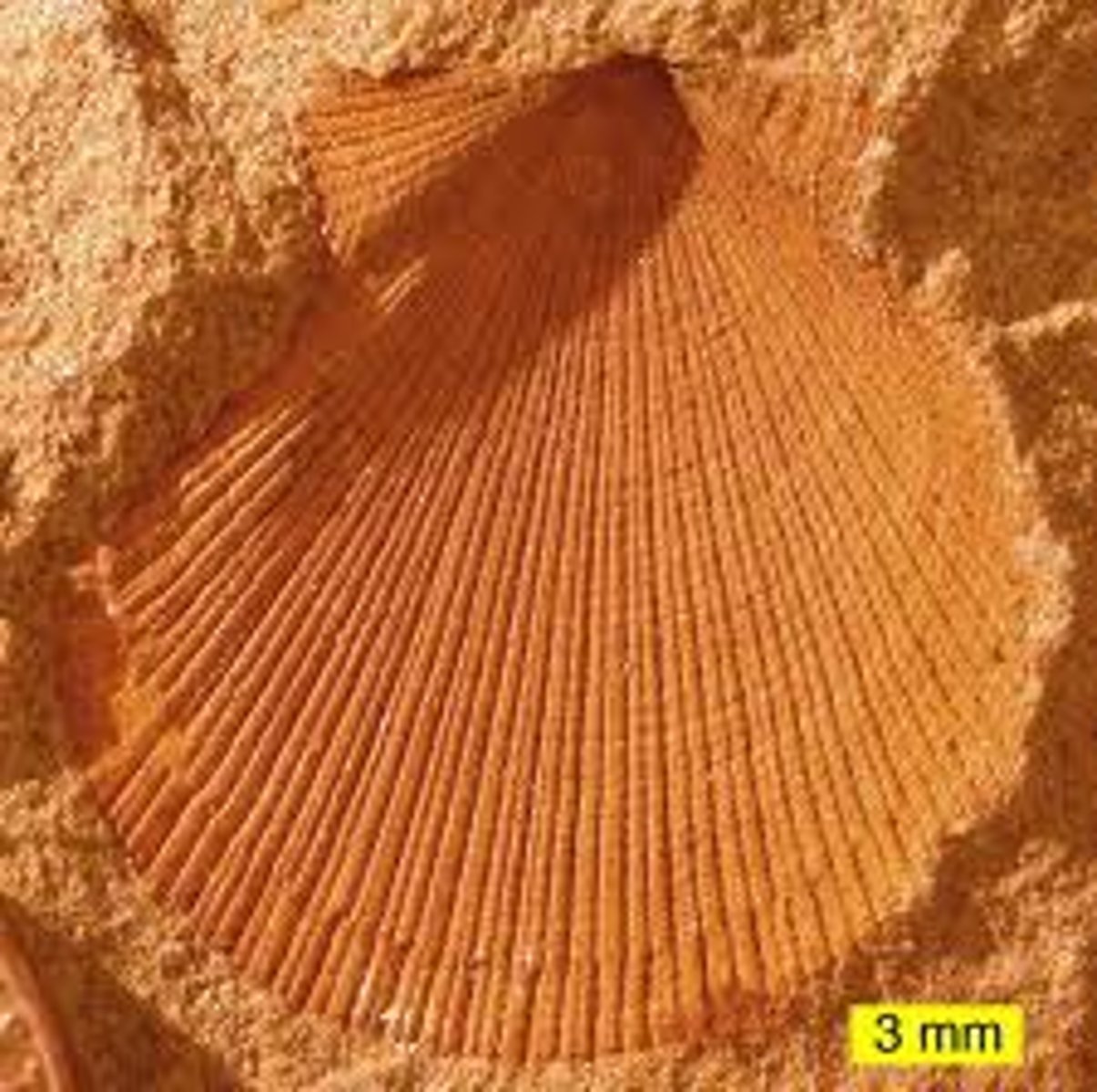
molds
hollow spaces in rocks as the organisms within decay
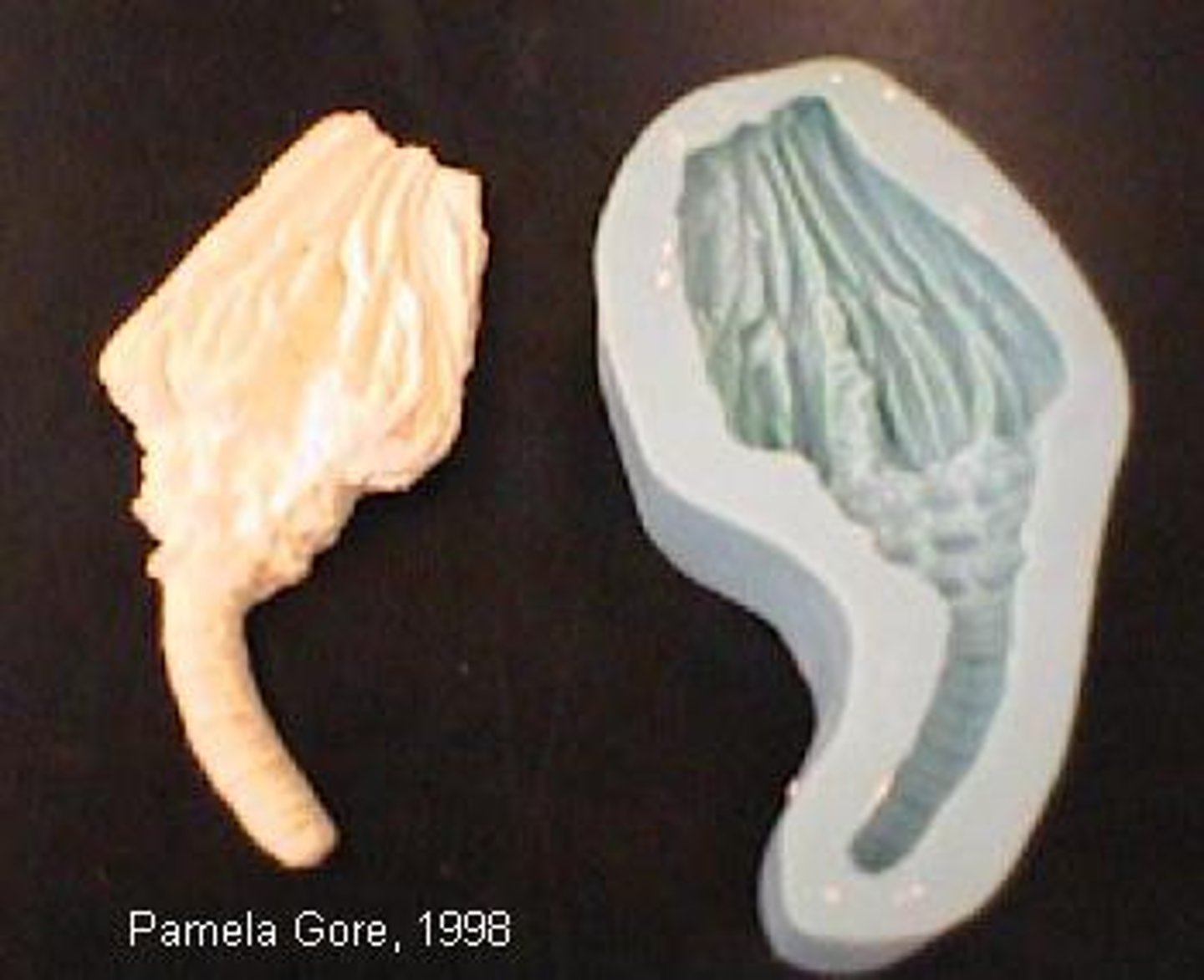
casts
formed by minerals deposited in molds
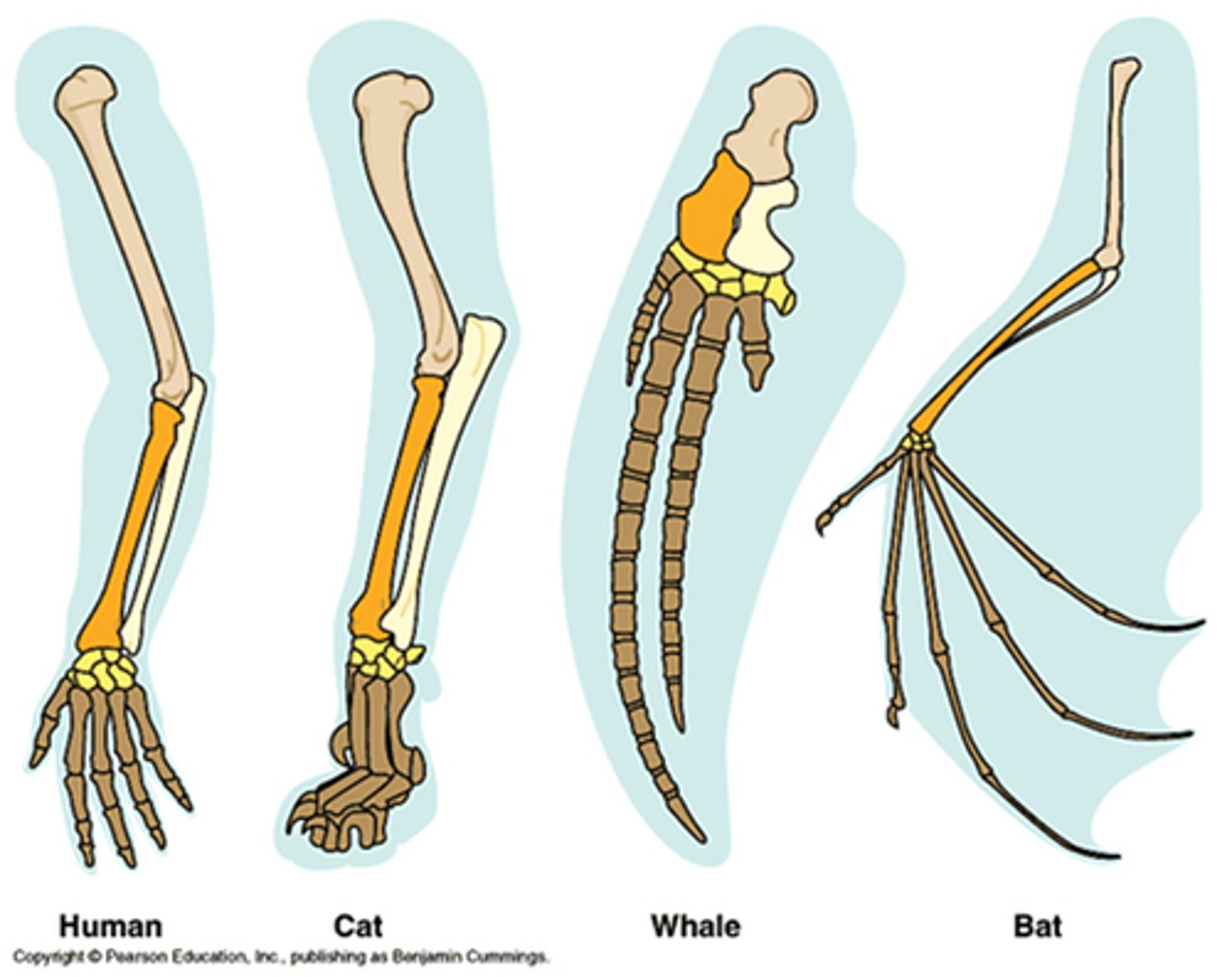
homologous structures
structures that have the same basic anatomical features and evolutionary origins; origins and features are similar even if functions may not be
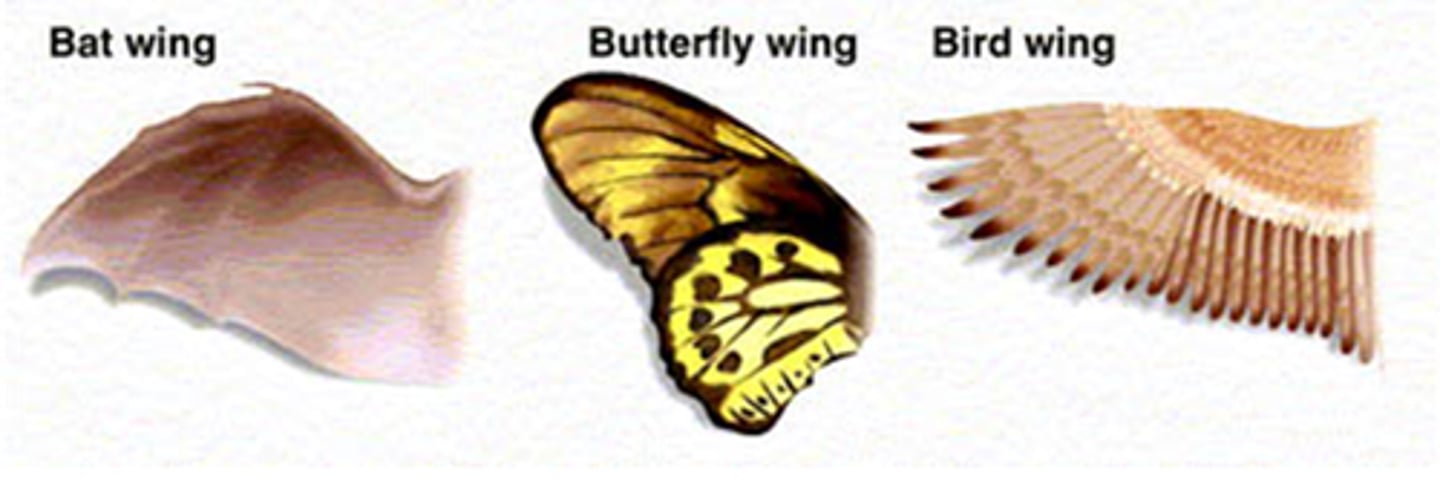
analogous structures
structures that have similar functions but may have different evolutionary origins and patterns of development
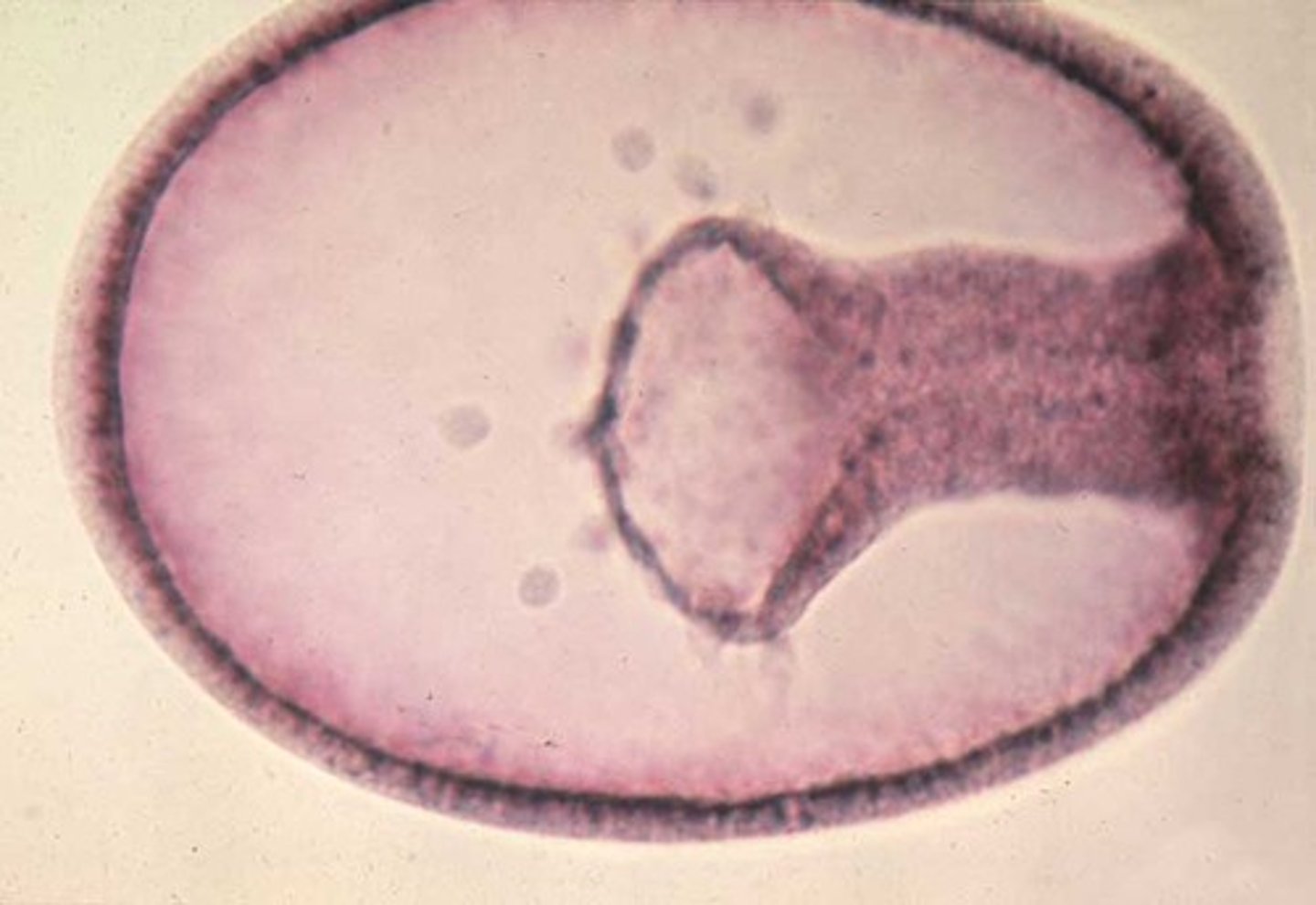
gastrula
a multilayered embryo; its structure suggests a common ancestry with other organisms
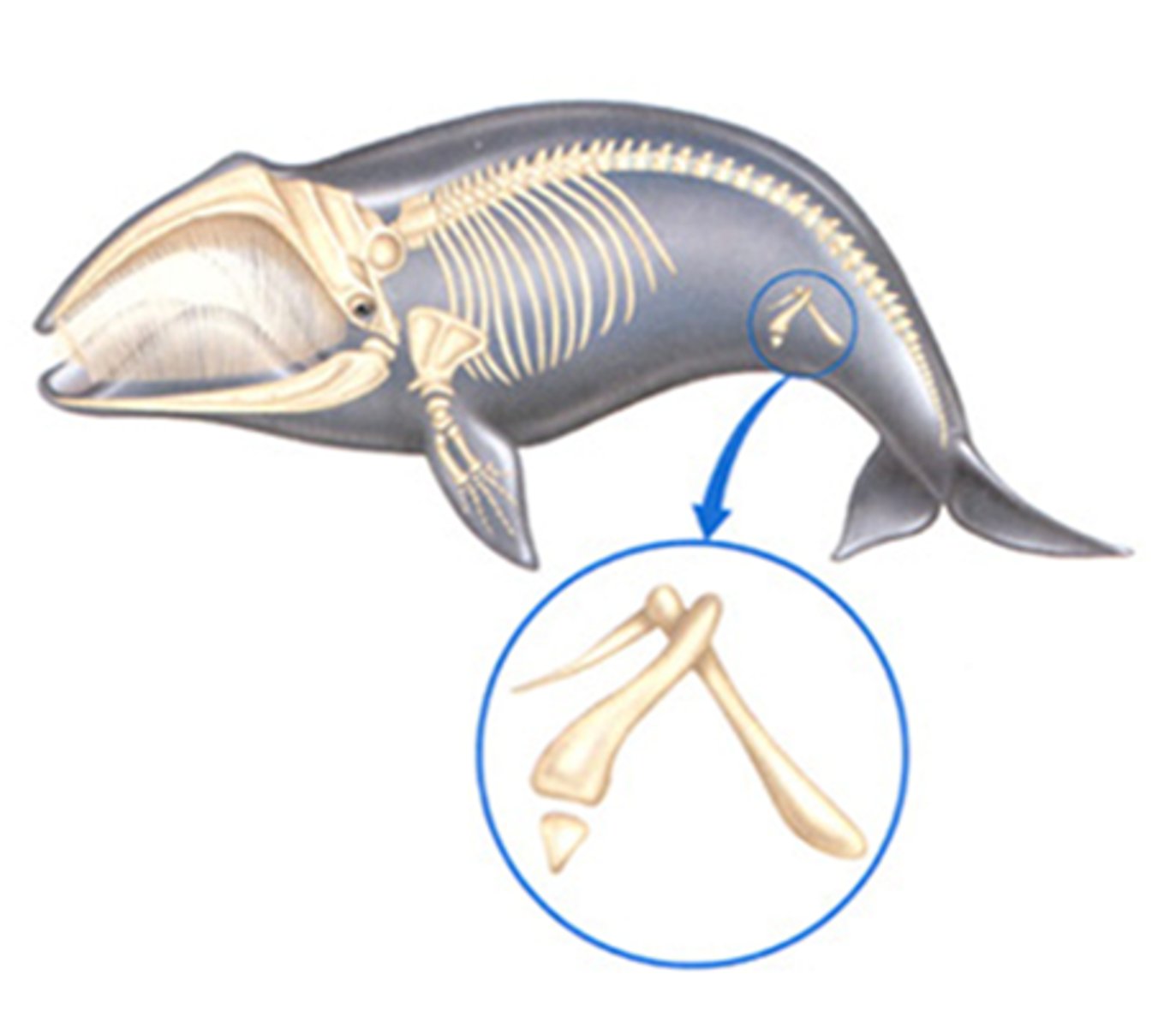
vestigial structure
remnants of an organ or structure that functioned in an earlier ancestor but currently has no known or important function
intraspecific competition
competition between members of the same species
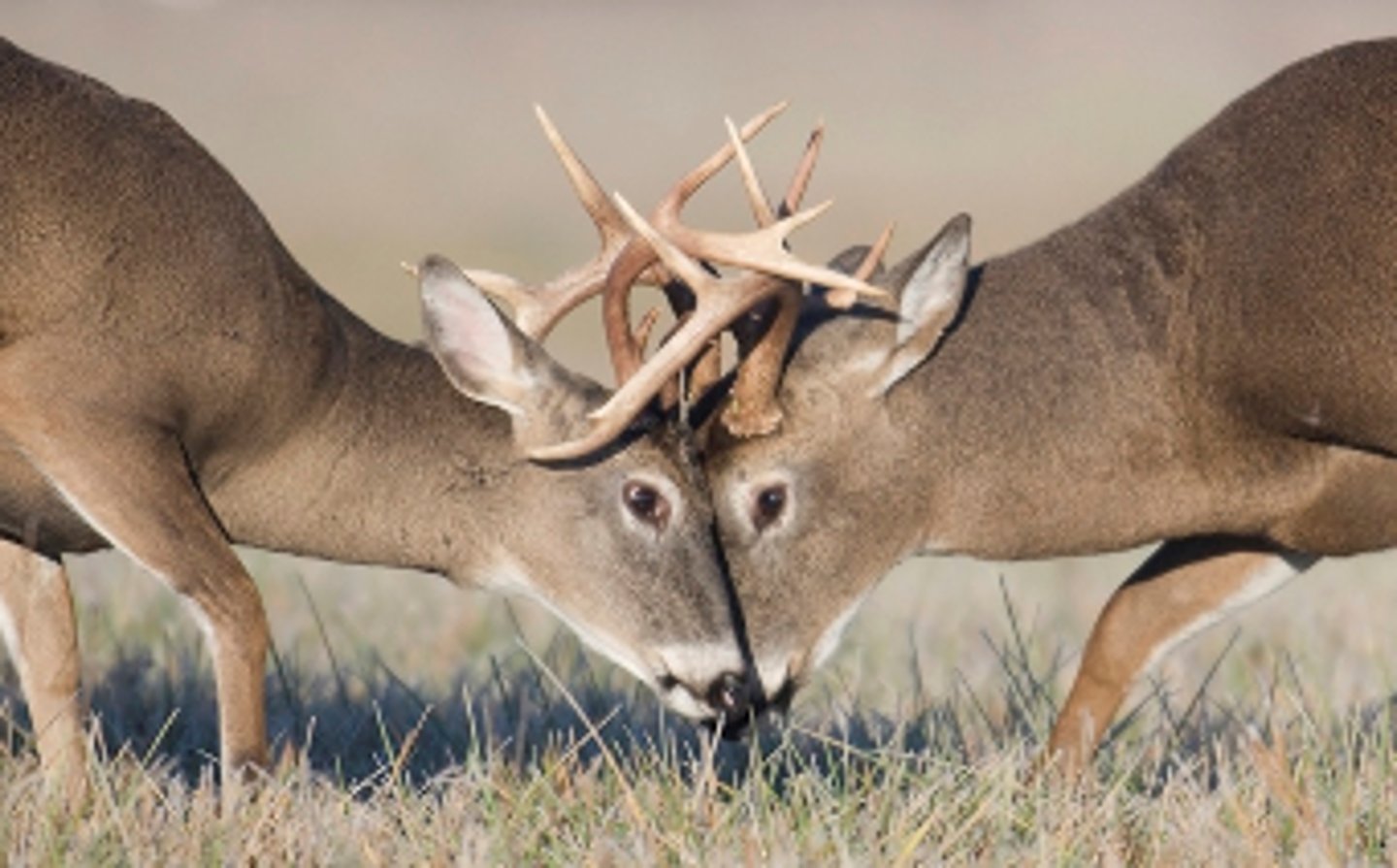
reproductive isolation
isolation that is not geographical in nature and the members of two populations cannot interbreed and produce fertile offspring
heterotroph
An organism that cannot make its own food and gets food by consuming other living things and macromolecules
autotroph
An organism that makes its own food
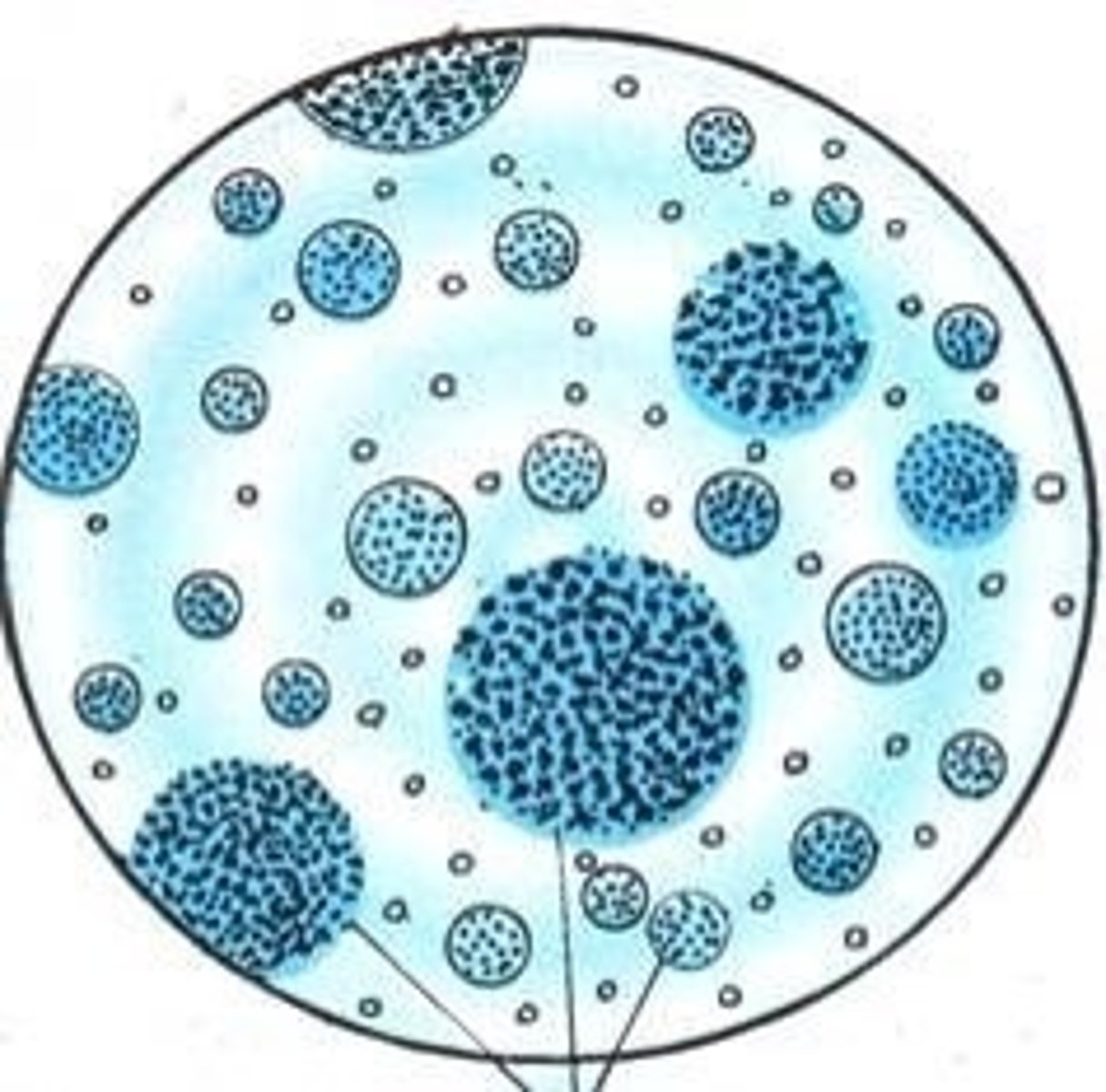
coacervate droplets
clusters of colloidal molecules surrounded by a shell of water; tend to absorb and incorporate substances from the surrounding environment; possible predecessors of cells
biochemical pathways
A series of chemical reactions that occur in a specific order to carry out a life function
reducing, oxidizing
the addition of molecular oxygen to the atmosphere converted the atmosphere from a _____ one to an _____ one

