Reproduction, Insect Evolution, Ground and Aquatic Insects, predation & parasitism, insect defenses
 Studied by 0 people
 Call Kai
 Learn
Learn Practice Test
 Spaced Repetition
 Match
Match Flashcards
 Knowt Play
1/176

There's no tags or description
Looks like no tags are added yet.
Name | Mastery | Learn | Test | Matching | Spaced | Call with Kai |
|---|
No analytics yet
Send a link to your students to track their progress
177 Terms
Reproduction Steps
Mate finding, Courtship, Copulation, Fertilization, Ovipositing
synchronized emergence
extreme synchronicity if emergence and sexual readiness, males and females emerge at the same time and near each other, insect adult life may end as soon as they mate
calling
using sounds communication to find a mate through stridulation, forced air, etc.
long range call
initial call to come closer
short range call
used to convince an individual to mate
visual signaling
involves bright colors and unusual structures on body, most are useful during courtship behavior after mate is already found (except light is used for mate finding)
swarming
aerial aggregation of males near resource likely to be visited by females, when female visits males all swarm to initiate copulation or perform a ritual
example of swarming
male midges swarm over rivers for mates, male mosquitos swarm animals and other food that females may feed from
sex pheromones
used for long and short range mate finding and recognition
leks
occurs when mate defends territory that has no resources but females are likely to be present, male will fight anyone who enters lek
example of leks
Darwin’s stag beetle and Madagascar hissing cockroaches
Mate finding behaviors
synchronized emergence, calling, visual signaling, swarming, sex pheromones, leks
courtship
close range intersexual behaviors that induce sexual receptiveness prior to or during mating where one or both sexes seek to facilitate fertilization by influencing the behavior of the other
courtship can involve…
leks, dancing, visual displays, stridulation, close range calls, nuptial gifts
copulation
ensures sperm is exchanged but not necessarily directly from male to female
primitive copulation
male lays a spermatophore in the environment for female to accept and insert into vaginal opening
Origin of spermatophore
In primitive insects like Collembola, evolved from aquatic environments and must still be moist or will dry up, why Collembola are limited to wetter environments
Internal copulation
Males aedeagus and penis insert into bursa copulatrix to eject sperm, sperm then transfers to spermatheca to be stored. Reason insects dominated terrestrial environments
Traumatic insemination
males insert aedeagus directly through body wall into burse copulatrix
spermalege
In bed bug females, on abdomen and guides aedeagus into specific place on abdominal wall to avoid damage
Steps to fertilization
Egg ready→ released from ovary→ passes spermatheca→ sperm swims to micropyle→ micropyle is capped→ most eggs laid outside of body through ovipositor
ovipositing
act of placing eggs in the environment, ovipositor is formed from sclerotized plates at the apical end of abdomen, length and shape depend on where eggs are laid
Common places to oviposit
On a plant (lacewings, katydids), in the plant (cicadas, katydids), on in or near water (mosquitos), carrying them on the body (giant water bugs), inside a host
sex determination
determined by genes, environment, whether egg is fertilized or not
Male vs female chromosomes
Females are XX, males are XO. Female offspring have one X from mom and one X from dad, male offspring only have one X from mom
parthenogenesis
Animals produce egg but offspring may develop from unfertilized egg
haplo-diploidy
Some generations of offspring are haploid, some are diploid. Haploid offspring undergo meiosis, diploid offspring don’t undergo meiosis
hermaphroditism
male and female organs in one individual or when males and females can swap, can be reciprocal or one acts as male/female, very rare in bugs and may be parthenogenic
polyembryony
insects can increase offspring number by laying only a few eggs, allows females who cannot readily find multiple hosts to get in and get out fast
adenotropic viviparity
Occurs in certain true flies, eggs hatch within females and are nourished by special milk glands, When mature they are laid and immediately pupate
Where do we find ground-dwelling insects?
leaf litter (decaying vegetative material), humus (upper A horizon), A to B horizons, caves
Why do insects live in the ground?
foraging, living there (foraging and mating), laying eggs, pupating, escaping the elements and overwintering
Most abundant insects in leaf litter
Collembola, ground beetles, rove beetles, earwigs
Most abundant insects in soil (mostly larvae)
Adults: ants, termites, mole crickets, ground wasps, ground crickets Juveniles: crane and robber flies, weevils, dung beetle, scarab beetle
xylophagous
wood eating (wood boring beetles, carpenter bees)
pyrophilous
attracted to burnt wood (fire wasps)
coprophagous
dung-eating (ding beetle larvae)
troglobiants
living in caves to escape cold, heat, aestivation, or hibernation
troglobites
insects restricted to caves (blind cave beetle with very reduced eyes)
soil living adaptation for Collembola
soft bodied
soil living adaptation for adult insects
fossorial limbs, harder exoskeleton, elytra in beetles, mycangium, antifungal and antimicrobial agents
mycangium
structure on insects to transport symbiotic fungi
What roles do insects play in below ground living?
primary decomposers, parasites and predators, fungus propagation
example of ground dwelling parasitism
red velvet ants parasitize ground nesting wasp larvae by laying eggs on them, so hatched babies can eat larvae
example of ground dwelling fungal propagation
- mountain pine beetles spread blue stain fungus among conifers resulting in accidental disease vectoring
- leaf cutter ant cultivate leaves and fecal matter in fungus garden for food
insect groups prevalent in aquatic environments
Ephemeroptera, Odonata, Trichoptera, Diptera, Hemiptera (adults too), Coleoptera (adults too), Neuroptera
Explain how O2 transfers from air to water
Enters by diffusion or as a byproduct, highest at water surface and depends on wind, ~30% of air is made of O2
How does water density effect O2 transfer?
Higher water density makes O2 extraction much more difficult, requires higher expenditure of energy
How does water temp affect chemical rxn rates in insects?
Affects foraging, digestion, mating, reproduction, growth (when temp is highest insects have fast chemical reactions)
How does water temp effect O2 concentration in insects?
When water temp is high oxygen concentration goes down (when O2 is high in cold waters, insects have slow chemical reactions)
turnover
In spring and fall surface water becomes dense at 39degrees, so it sinks. Brings oxygenated and nutrient dense water to the bottom layers
thermoclines
In summer and winter upper and lower water temps are very different, leading to different water densities and O2 unable to circulate into other water densities
Effect of water depth on O2 availability
Upper layers have more sunlight penetration for photosynthesis and wind cycling, at certain depths water is so dense its not effected by wind cycling, decaying organisms at the bottom are decomposed by O2 consuming bacteria
lentic water body
standing water (ponds, marshes, tree holes), O2 saturation low, very little water circulation, organic matter not washed away and accumulates. O2 drops significantly with each layer
lotic water body
running water with high O2 saturation, movement of water over irregular surface folds gas into water layers, organism matter is washed away and doesn’t accumulate, high turnover
Aquatic juvenile adaptations
Have respiratory system even if no spiracles, spiracle adaptations, hold on to things in moving water, obtaining food
arthrodial membrane
oxygen diffuses across porous membrane, serves as respiratory organ
oligopneusic
juveniles with one or two spiracles
apneustic
juveniles with only direct diffusion across exoskeleton, no spiracles
polypneustic
adults with multiple spiracles on thorax and abdomen
example of arthrodial membrane in aquatic insects
bloodworms lack tracheal systems, O2 diffuses directly into hemolymph and gets circulated, have heme protein to maximize
example of aquatic insect adaptation in moving water
Diptera larvae attach to rocks with silk and filter feed on food passing by
Example of aquatic insect adaptation for obtaining food
Mosquito larvae hang down from water surface and filter feed on organic matter using feathery mouthparts
Adult aquatic insect adaptations
respiratory systems and ability to obtain air, getting around, laying eggs
example of adult aquatic insect adaptation to obtain air
Hydrophilidae beetles have hydro fugal hairs called a plastron, it traps air between hairs of plastron and surrounding spiracle
Example of adult aquatic insect in getting around
Anteapical claws in Gerridae and Veliidae, paddle like metathoracic legs in Corixidae
1st (minor) adaptive radiation
300 mya of herbivory by hexapods, first lineage of insects and lots of decaying food
1st adaptive radiation of gymnosperms
lower Paleozoic and Mesozoic, led to an increase in Orders
2nd adaptive radiation of angiosperms
lower Mesozoic and Cenozoic, high diversity, plant feeders, and pollinators
Proof of plant insect coevolution
plant feeders, pollinators, seed dispersers, living commensally with plants
Groups most likely to interact with plants
Diptera, Orthoptera, Lepidoptera, Coleoptera, Hymenoptera (bees, wasps, ants)
Structures allowing adhesion to plant surface
claws and pre-tarsal spines helped insects evolve off of forest floor, and empodia, arolia, pulvilli on heavier insects
How did insects evolve to drier environments
Thick layer of scales (1st to arise) trap moist air around body and lower water loss, heavier sclerotization for fully terrestrial adults
Evolution of specialized mouthparts for plant diet
early hexapods mandibulate for detritus feeding, then scratching piercing, lastly piercing sucking
Evolution of digestive system for plant diet
gut microorganisms assist in plant cell-wall breakdown, filter chamber concentrates plant nutrients and eliminates sugar and water
allelochemicals
either metabolic byproducts or used for something else but now for defense
Insects counter allelochemicals by…
Breaking down toxins in fat bodies or sequestering it in blood and fat bodies for defense
ways secondary metabolites effect insects
recruit predators and parasitoids of insects, reduce nutrient absorption, feeding deterrent, stop development or kill
Plant mechanical defenses
Oftentimes the primary defense preventing feeding in the first place since insects usually avoid, trichomes, gaseous chemicals to attract then impale, spines prevent large bugs, extra floral nectaries attract predators of pests
phytophagy
plant feeding
monophagous insects
specialists that only feed on one species of plant or maybe a few closely related species, most insects due since they had to adapt to every single plant defense
oligophagous insects
Feed on several species within a plant genera, only occasionally cross into different genera. Small number of insects
polyphagous insects
Generalists that feed on many genera and sometimes different families
leaf chewing
entire sections of leaf or entire leaves consumed by mandibulate insects (Lepidoptera, Coleoptera, Orthoptera, Sawfly larvae)
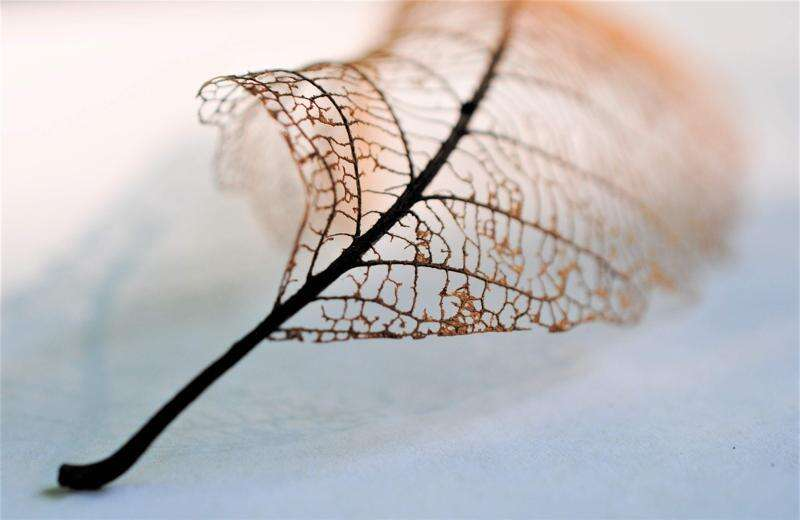
leaf skeletonization (type of leaf chewing)
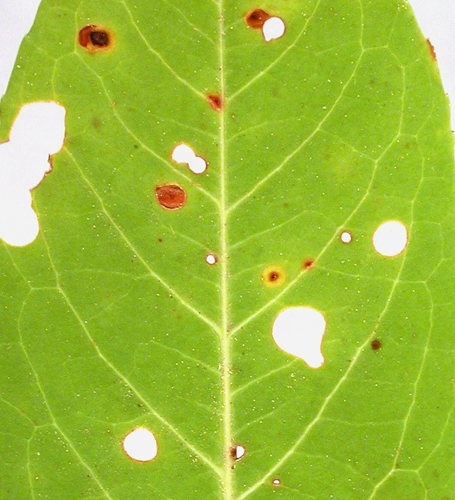
shot hole (type of leaf chewing)
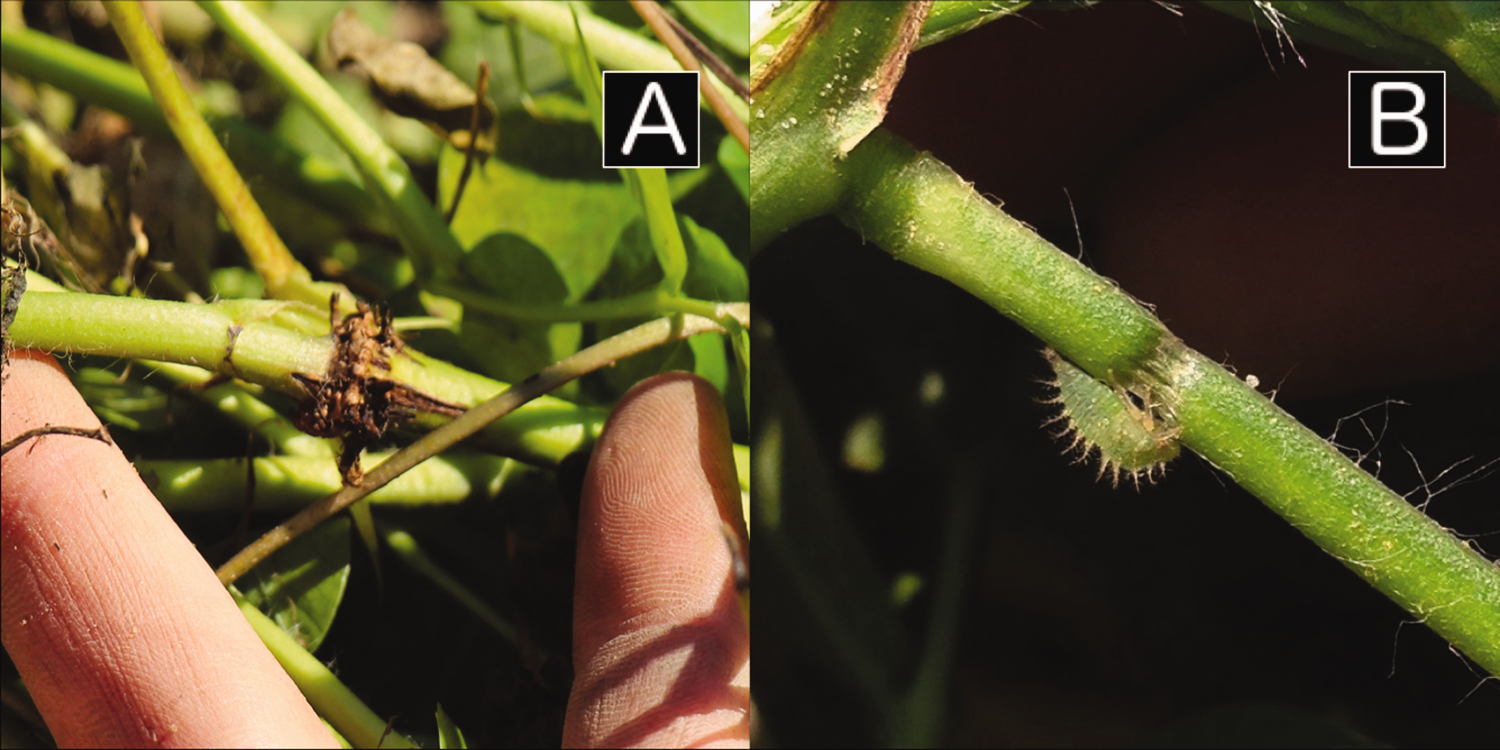
girdling (type of leaf chewing)
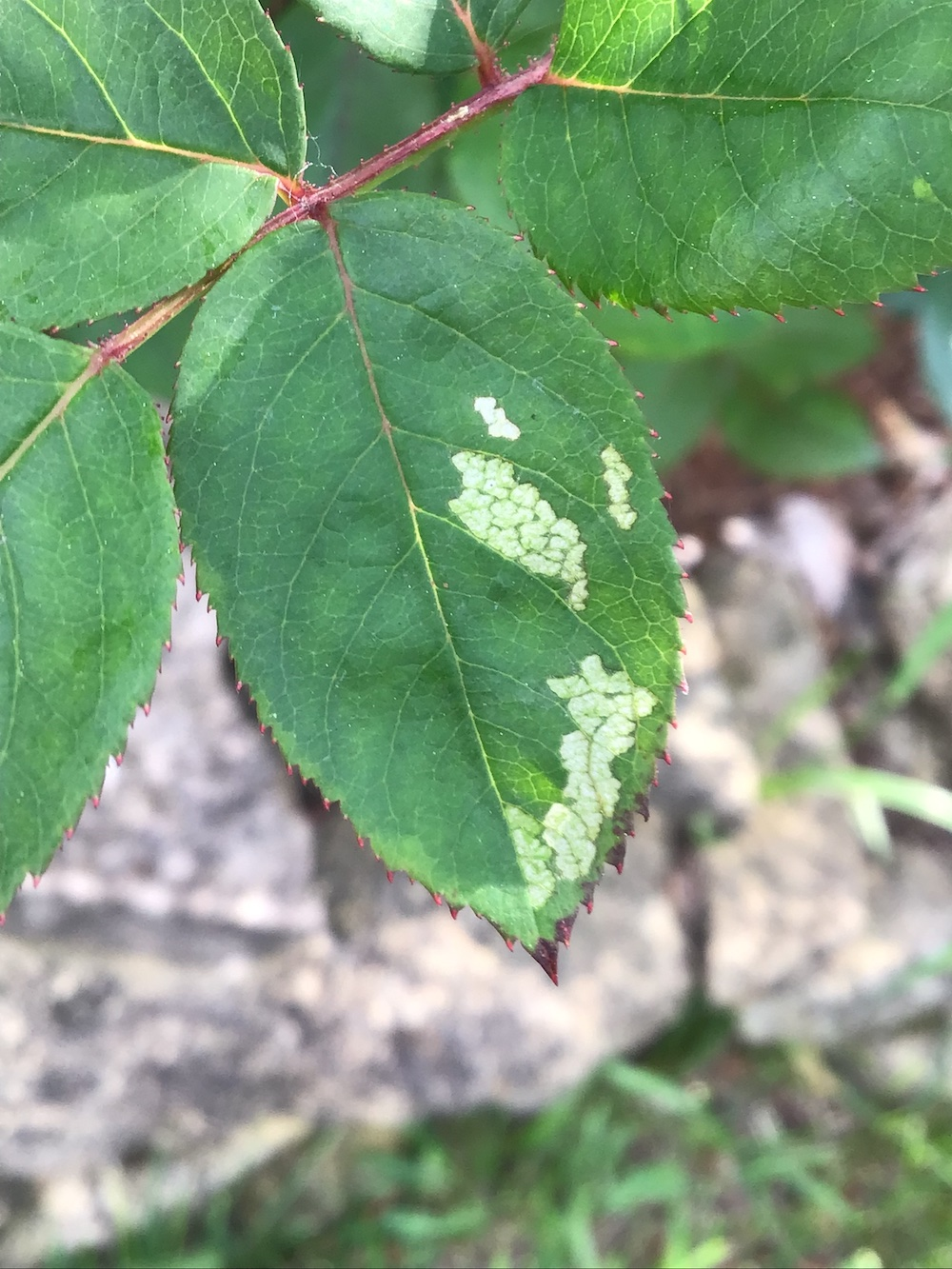
window panning (type of leaf chewing)
leaf mining
between upper and lower epidermis of leaf, just under epidermis of stems and other organs (larvae of Diptera, Lepidoptera, Coleoptera, Hymenoptera)
leaf boring
penetrate deeper into plant tissue, occurs in stems, roots, fruits, bugs, etc (Coleoptera and Lepidoptera)
girdling
significant feeding around a stem, adult lays eggs in terminal end of stem and juveniles may overwinter in fallen dead stem
seed feeding & boring
consuming whole seed, part of a seed, or bore into seed to feed on the inside
root feeding
chewing roots or sucking fluids (beetle larvae, aphid and scale insects)
fluid feeding in plant tissues
Piercing/sucking of phloem, xylem, and cellular fluid. Lapping fluids of ripe fruits (Hemiptera, beetles, mosquitoes, Hymenoptera adults)
galling
Provides extra food for juveniles, structural defense and moist microclimate. Induced by insects, bacteria, nematodes, fungi, mites, viruses by chemical secretions from mouth or fecal matter
galls
Pathologically developed cells, tissues, or organs of plants that arise by hypertrophy or hyperplasia as a result of stimulation from foreign organisms (Aphids, Coccoids, Diptera, Hymenoptera, Thysanoptera)
hypertrophy
increase cell size
hyperplasia
increase cell number
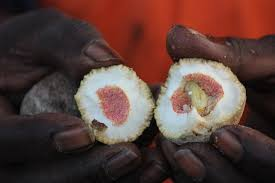
covering gall
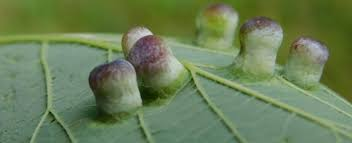
nipple gall
 Note
Note  Flashcards (72)