Week 3 SOL Review- Cells Organelle and Cell Theory
 Call Kai
 Learn
Learn Practice Test
 Spaced Repetition
 Match
Match Flashcards
 Knowt Play
1/12

There's no tags or description
Looks like no tags are added yet.
Name | Mastery | Learn | Test | Matching | Spaced | Call with Kai |
|---|
No analytics yet
Send a link to your students to track their progress
13 Terms
Cytoskeleton*
cytoskeleton* is an intricate network of protein fibers that gives cells their shape, structure, and ability to move and change.
Rough ER
The rough ER is a network of flattened sacs that serves as the cell's main protein factory, working closely with the nucleus to carry out genetic instructions.
Cell Theory Core
*All living things are made of cells
*Cells are the basic unit of structure and function in living things
*All cells come from preexisting cells
Other parts of Cell Theory
All cells made of same common elements: CHONP
DNA is passed from one cell to another
Metabolism: cells transfer and use energy for life processes
Cell Specialization
the process wherein “general” or “common” cells evolve to form specific cells that have specific functions.
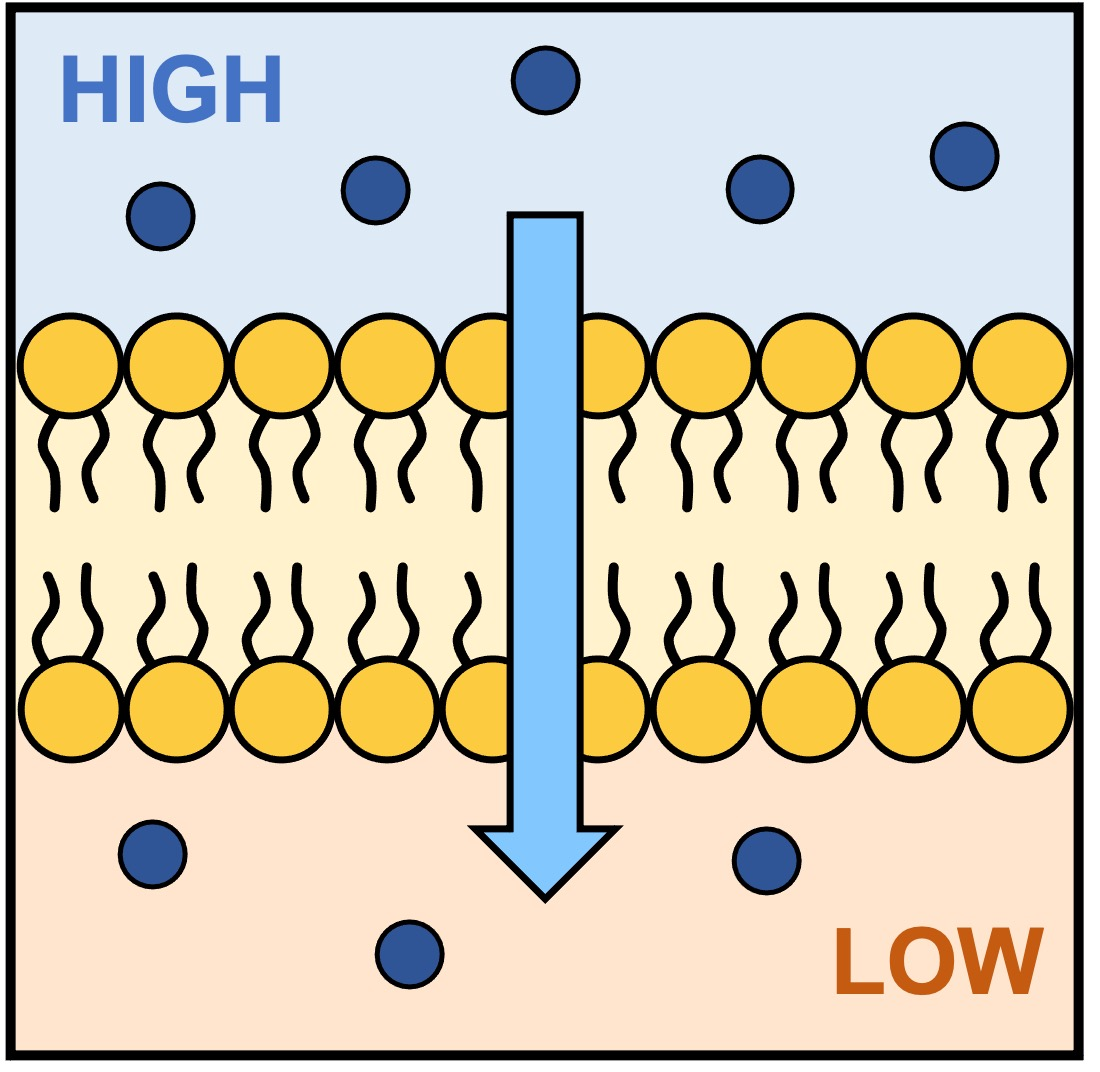
Simple Diffusion
The movement of small, uncharged molecules across a cell memebrance from high to low concentration. It is passive/ does not require energy.
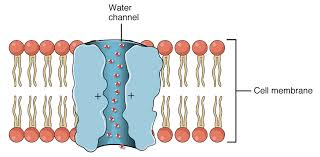
Facilitated Diffusion
Movement of large and/or charged molecules across a cell membrance using a protein channel. From high to low concentration. Passive transportation/ does not require energy.
Osmosis
Movement of water across a semipermeable membrane from high to low concentration. Passive transport/does not require energy
Active Transport
Movement of molecules across a cell membrane agains the concentration gradient (from low to high concentration) Requires the use of ATP or energy.
Endocytosis
Movement of large particle into the cell using a vesicle (active transport)
Exocytosis
Movement of large particle out of the cell using a vesicle
Pinocytosis
The ingestion of liquid into a cell by small vesicles from the cell membrane. Active transport
Phagocytosis
The ingestion of bacteria or other material by phagocytes and vesicles
Explore top notes

