AP Art History - Rome
 Studied by 0 people
 Call with Kai
 Learn
Learn Practice Test
 Spaced Repetition
 Match
Match Flashcards
 Knowt Play
1/12

There's no tags or description
Looks like no tags are added yet.
Name | Mastery | Learn | Test | Matching | Spaced | Call with Kai |
|---|
No analytics yet
Send a link to your students to track their progress
13 Terms
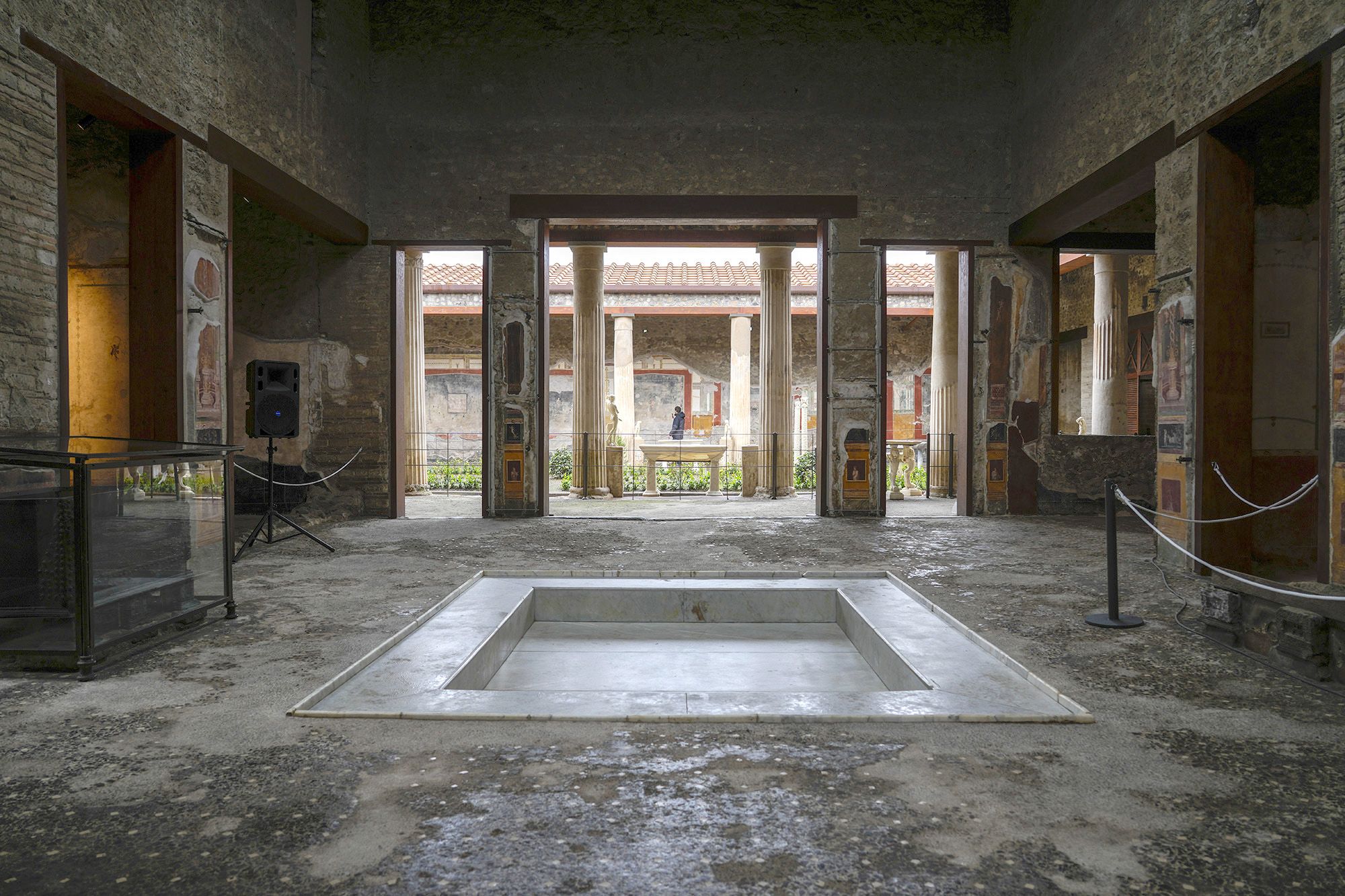
House of the Vettii
2nd century BCE – 1st century CE
Imperial Rome
cut stone and fresco
Pompeii, Italy
Private citizen’s home, built during the Republic and given additions in the Empire
Owners were brothers and freedmen (former slaves) who made money as merchants
Extravagant home shows off wealth
Axial symmetry
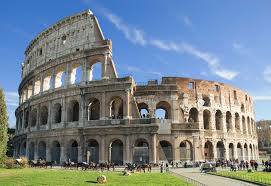
The Colosseum (Flavian Amphitheatre)
72-80 CE
Imperial Roman
stone and concrete
Concrete core, brick casing, travertine facing
76 entrances, could seat 50,000
Arches and barrel and groin vaults allow for a large structure
Engaged columns – each level of a different order
Brackets held staffs that anchored a retractable canvas roof
Sand (arena) absorbed blood shed during shows
Building illustrates Roman entertainment
Stadium used for dangerous spectacles – gladiatorial combat, animal hunts, mock battles – but not religious persecution
Assigned seating (seats are numbered)
Entrances and seating separated by social class and sex
Much of original marble was pulled off during Middle Ages
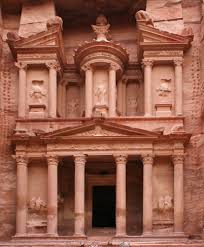
Treasury and Great Temple of Petra, Jordan
c. 400 BCE – 100 CE
Nabataean Ptolemaic and Roman
cut rock
Petra was a Nabatean city until Roman occupation in 106 CE (city named by Roman Emporer Hadrian: Hadriane Petra)
500 tombs found, but no remains
Great Temple (right) a tomb and not a treasury
3 stories, Greco-Roman elements
Greek, Egyptian, Assyrian gods depicted on façade
It like tombs is carved into the cliff face
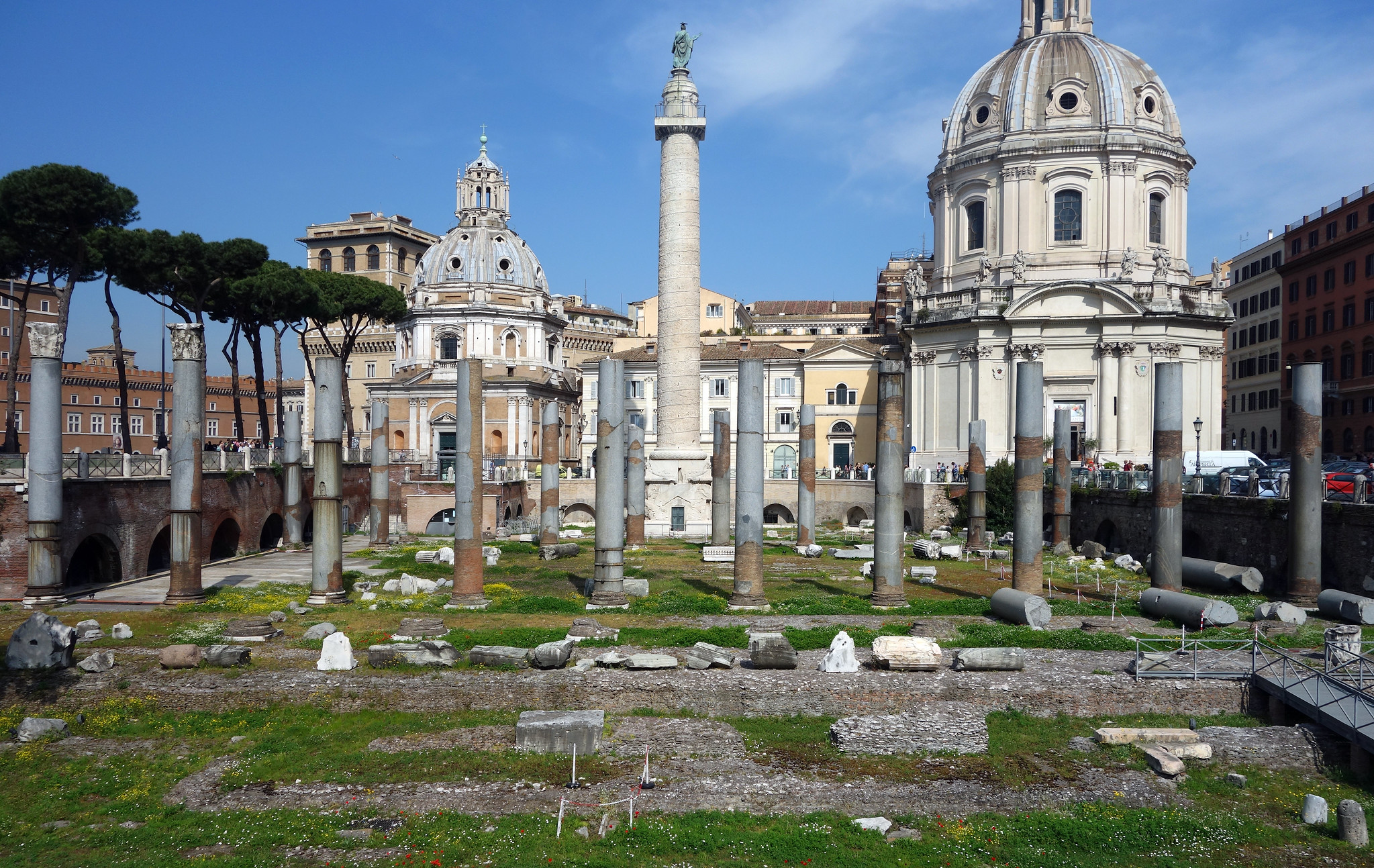
Forum of Trajan (Apollodorus of Damascaus)
106 – 112 CE
Imperial Rome
brick and concrete
Central plaza flanked by stoas
Once held an equestrian monument of Trajan
Contained a shrine for Trajan’s deified aspect
Part of a complex that included the Basilica of Ulpia, Trajan’s markets, and Column of Trajan
Marcus Ulpius Traianus, one of the “good emporers” and very popular
Funded building projects with profits from war with the Dacians (modern Romania)
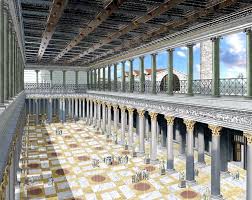
Basilica Ulpia (Apollodorus of Damascaus)
c. 112 CE
brick and concrete
HUGE interior space: 385’x182’, two apses
Wide, spacious nave
Timbered, coffered roof 80 feet across
Legal courts held here; apse at each end for judges
Ulpia is Trajan’s family name
Basilicas will later form the basis for Christian churches (more on that later)
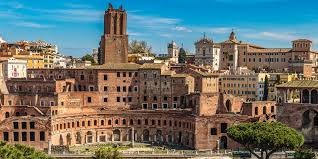
Trajan Markets (Apollodorus of Damascaus)
106 – 112 CE
brick and concrete
Semicircular, multi-level structure
Main area is groin vaulted; shops are barrel vaults
Originally 150 shops
City space had been cleared to build the forum; these markets may have been built to replace those shops lost to the clearing
Use of exposed brick shows a more accepted view of the material (as opposed to covering with marble or other stone)
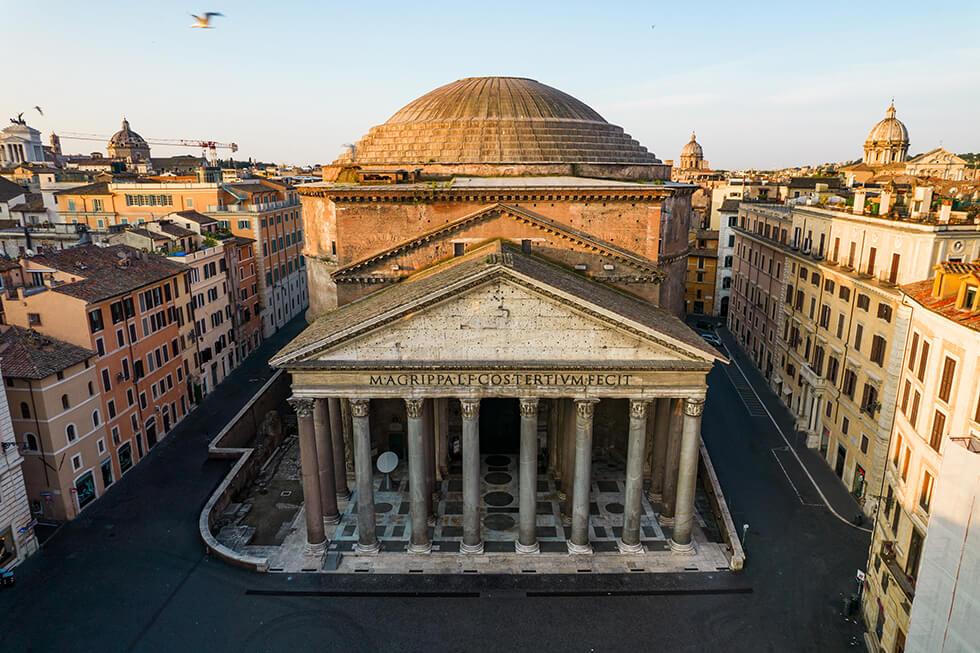
Pantheon
118-125 CE
Imperial Rome
concrete with stone facing
Originally believed to be a temple for all gods (Pan=all, theo=deity)
Now thought to have been dedicated to a select group including a deified Julius Caesar
Now serving as a Catholic Church, Santa Maria Rotonda
Inscription: “Marcus Agrippa, son of Lucius, having been consul three times, built it”
Originally had a large atrium in front and was built on a high podium; modern Rome has been built up to this level
Corinthian capital porch in front, 2 pediments
Interior floor is slightly convex for drainage
Square coffers in ceiling match floor tiles, provide unifying element (may have once contained rosettes to mimic stars)
Walls are 20’ thick at base, thinner at top (coffers reduce weight)
Oculus measures 27’, allows sun to act as a spotlight
7 niches to house statues of gods
Effectively a 140’ empty sphere
Considered a triumph of concrete construction
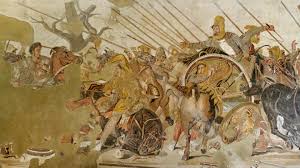
Alexander Mosaic
Republican Roman copy o foriginal mosaic
c. 100 BCE
Depicts Alexander’s defeat of Darius
Alexander is calm and assured, contrasts with panic shown by Darius
Very crowded composition, use of spatial illusions
Use of tesserae instead of pebbles to allow for more complex shading and composition
Possibly made by Helen of Egypt
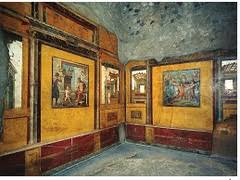
Pentheus Room
62-79 CE
Imperial Roman
fresco
Pompeii Italy
A triclinium in the House of the Vettii
4th Style painting of the death of Pentheus
Pentheus opposed the cult of Dionysus and was literally torn apart by the god’s followers
Illusions of windows and city scenes
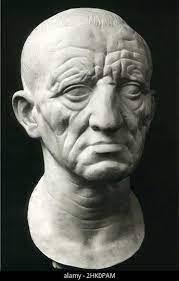
Head of a Roman Patrician
c. 75-80 BCE
Republican Roman
marble
A veristic portrait, heavily realistic
Funerary altars would be adorned with busts like this
Busts also housed in shrines to honor the dead
Realism shows Hellenistic influence
Aged features probably exaggerated
Demonstrates favored virtues of stoicism and determination
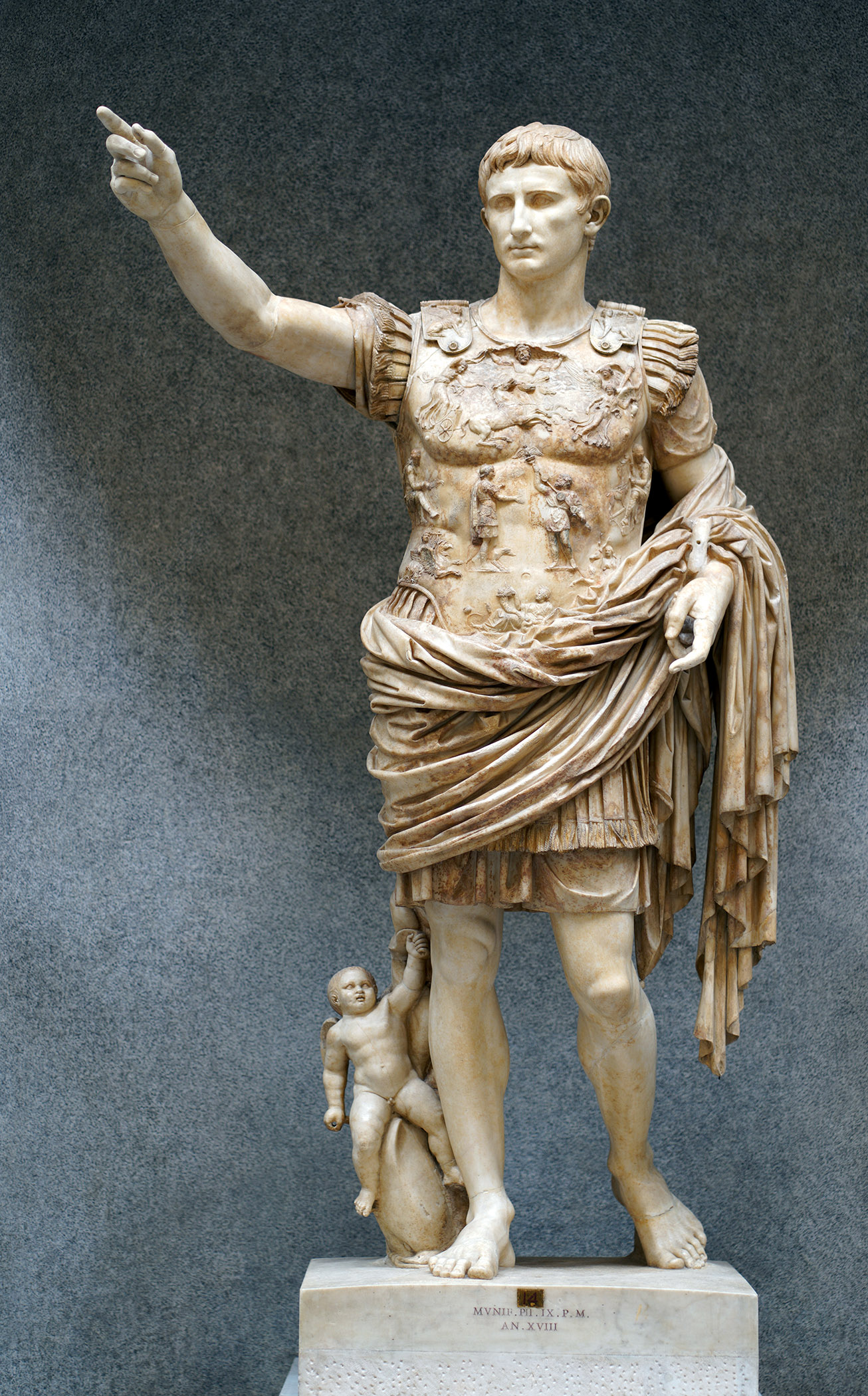
Augustus of Prima Porta
early 1st century CE
Imperial Roman
marble
Contrapposto, referencing Doryphorous
Depicts the Emperor’s characteristic hair style
Larger than life; meant to be placed against a wall
Oratorical pose
One of perhaps 2 dozen copies, found in his widow’s home
Idealized view of a semi-divine emperor
Barefoot, on sacred ground
Armor and robes suggest multiple roles
Cupid on dolphin show divine heritage
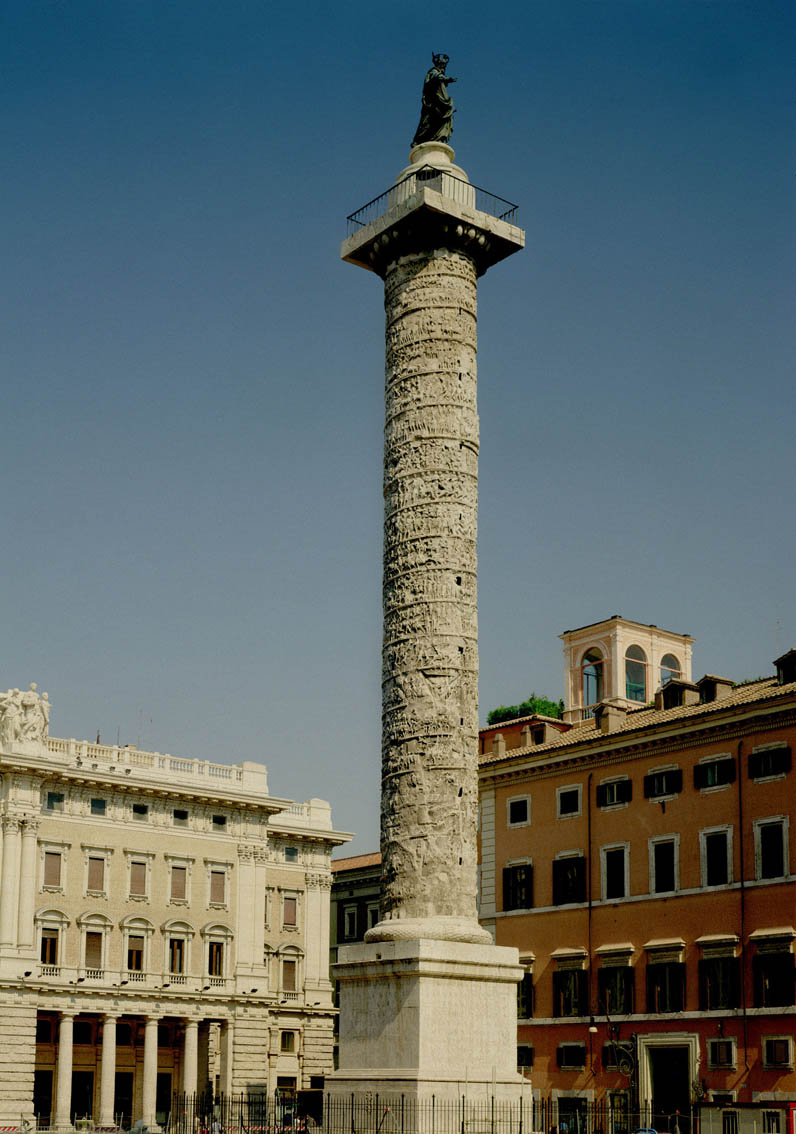
Column of Trajan
113 CE
Imperial Roman
marble
Column is 128 feet high, contains 625-foot narrative of Trajan’s victory over Dacians; oak wreath at base for victory
Carved in low relief, making upper registers hard to read.
Column is hollow with a spiral staircase inside (visitors intended to climb up to viewing platforum)
Once mounted with a heroic statue of Trajan, replaced with one of St. Peter
Contains ashes of Trajan and his wife
Stands in what was Trajan’s forum, flanked by libraries of Greek and Roman works
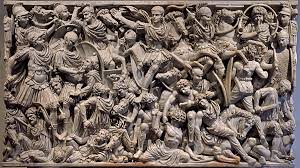
Ludovisi Battle Sarcophagus
c. 250 CE
Imperial Roman
marble
Very crowded composition (horror vacui)
Classical composition abandoned in favor of greater animation
Most figures lack individuality
Roman army defeats Goths
Roman commander in center without helmet or weapons, suggesting invincibility
Used to inter the dead; patron probably had a military background
Named for the 17th-Century Cardinal who collected it
 Note
Note  Flashcards (124)