GCSE Pearson Edexcel Separate Science Chemistry: Ionic and Covalent Structures
 Studied by 0 people
 Call with Kai
 Learn
Learn Practice Test
 Spaced Repetition
 Match
Match Flashcards
 Knowt Play
1/19

There's no tags or description
Looks like no tags are added yet.
Name | Mastery | Learn | Test | Matching | Spaced | Call with Kai |
|---|
No study sessions yet.
20 Terms
Simple covalent molecules
Molecules that contain only a few atoms held together by covalent bonds
Giant covalent structures
Contain many atoms held together by covalent bonds and arranged as a regular lattice
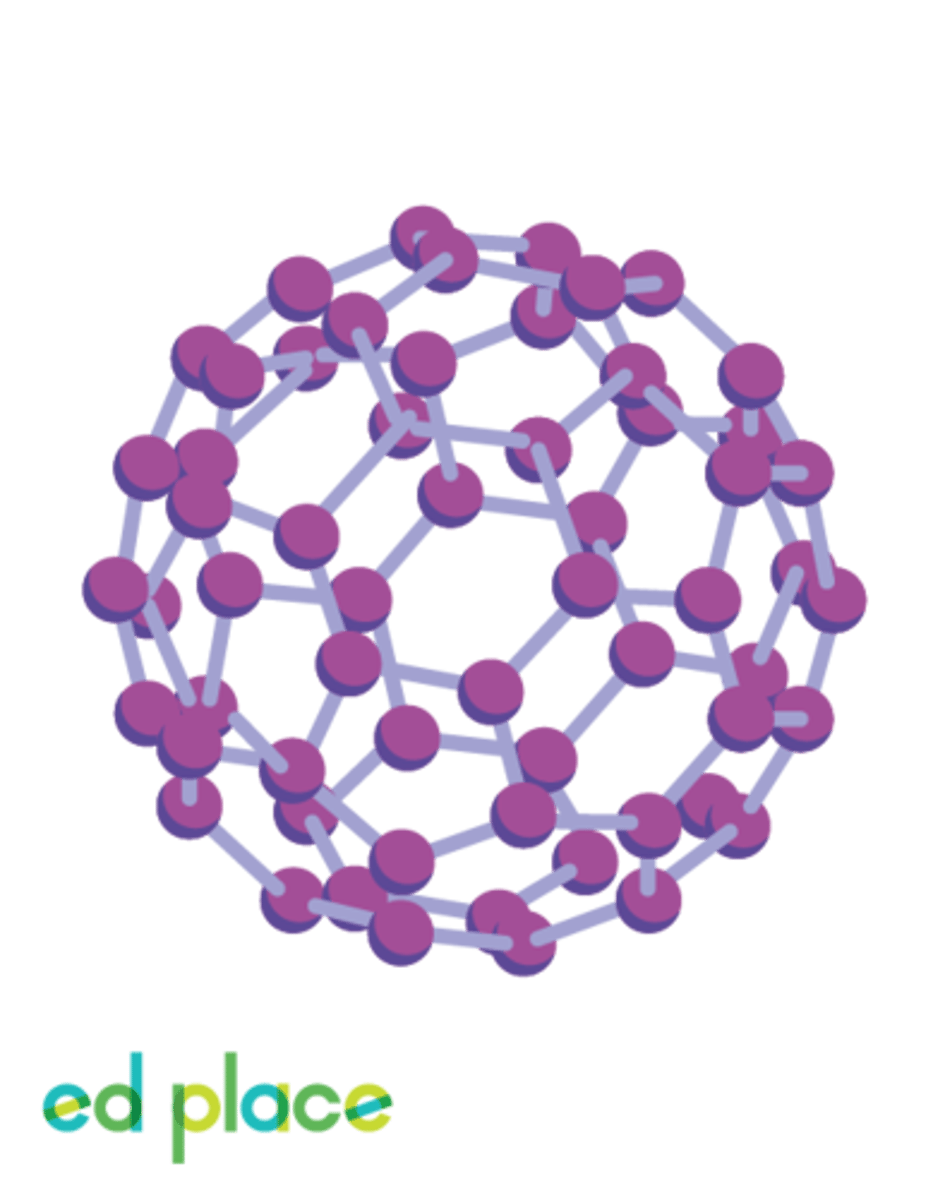
Intermolecular forces
The forces between molecules
Intramolecular forces
The forces inside a molecule, holding the atoms together
Polymer
A structure made of very large molecules, arranged in repeating patterns eg. plastics
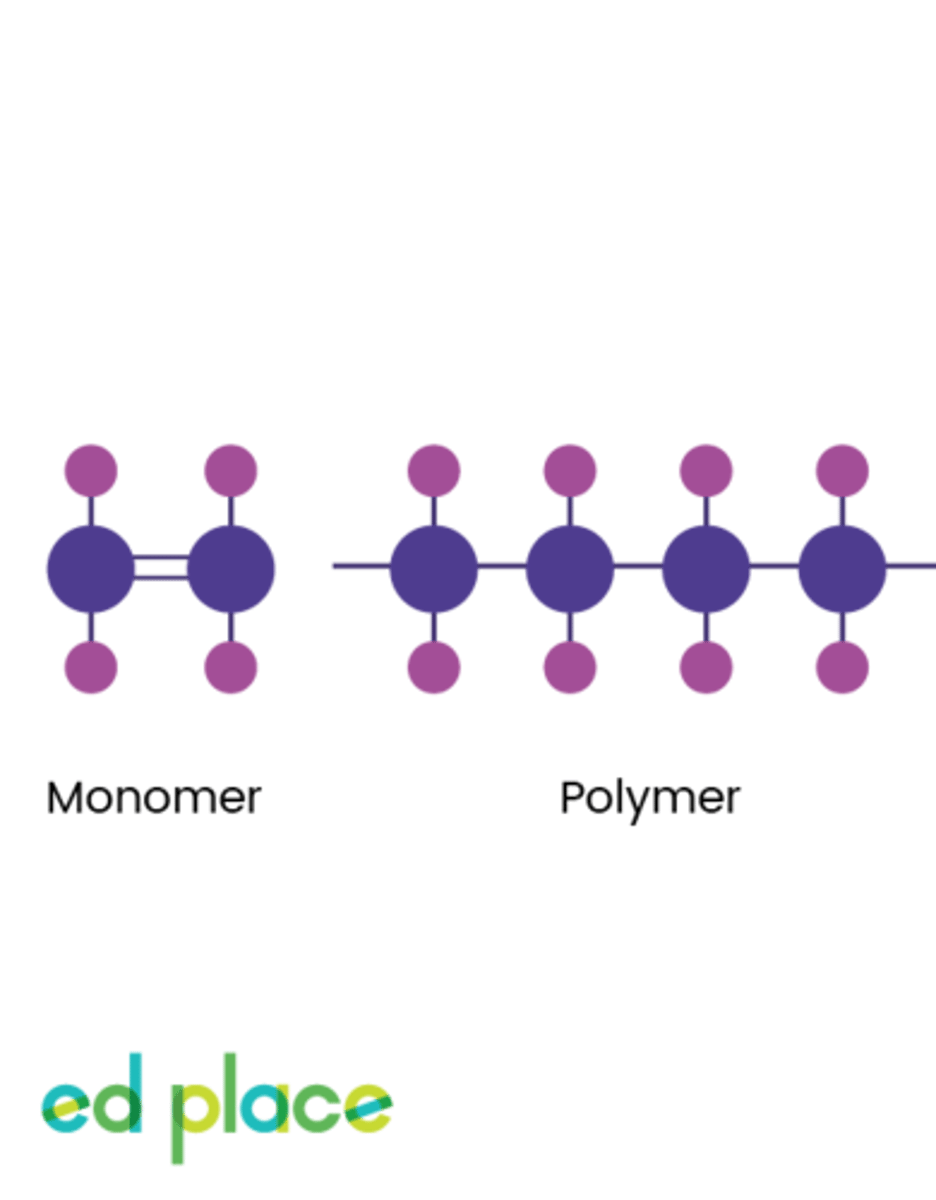
Monomer
A molecule that can be bonded to other identical molecules to form a polymer
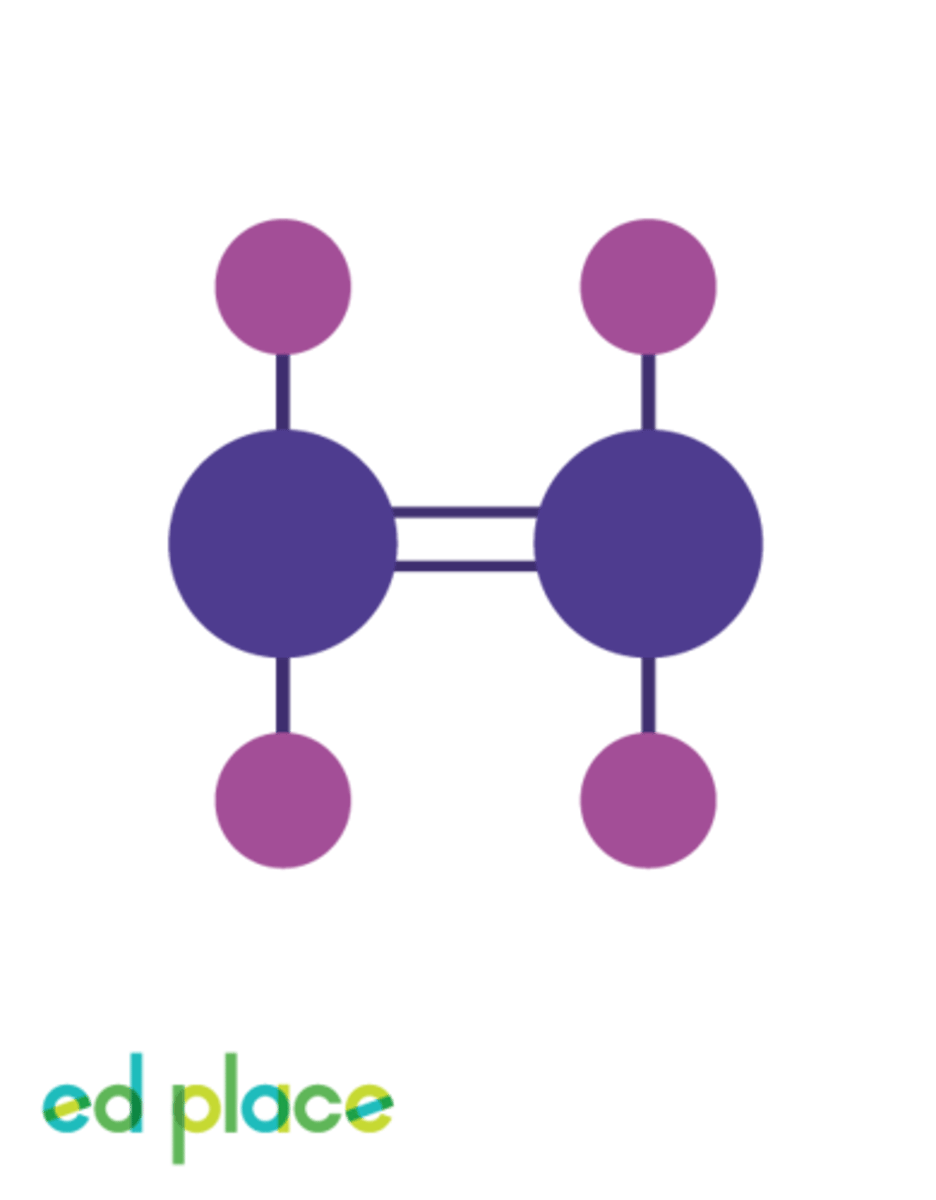
Natural polymers
Polymers that occur in nature eg. DNA, proteins and cellulose
Addition polymers
Polymers that are formed from simple linking of monomers
Displayed formula
A chemical formula showing all the bonds in the molecules as individual lines
Polymerisation
The reaction of monomer molecules to form long polymer chains
Alkene
A compound containing only carbon and hydrogen that contains a carbon-carbon double bond
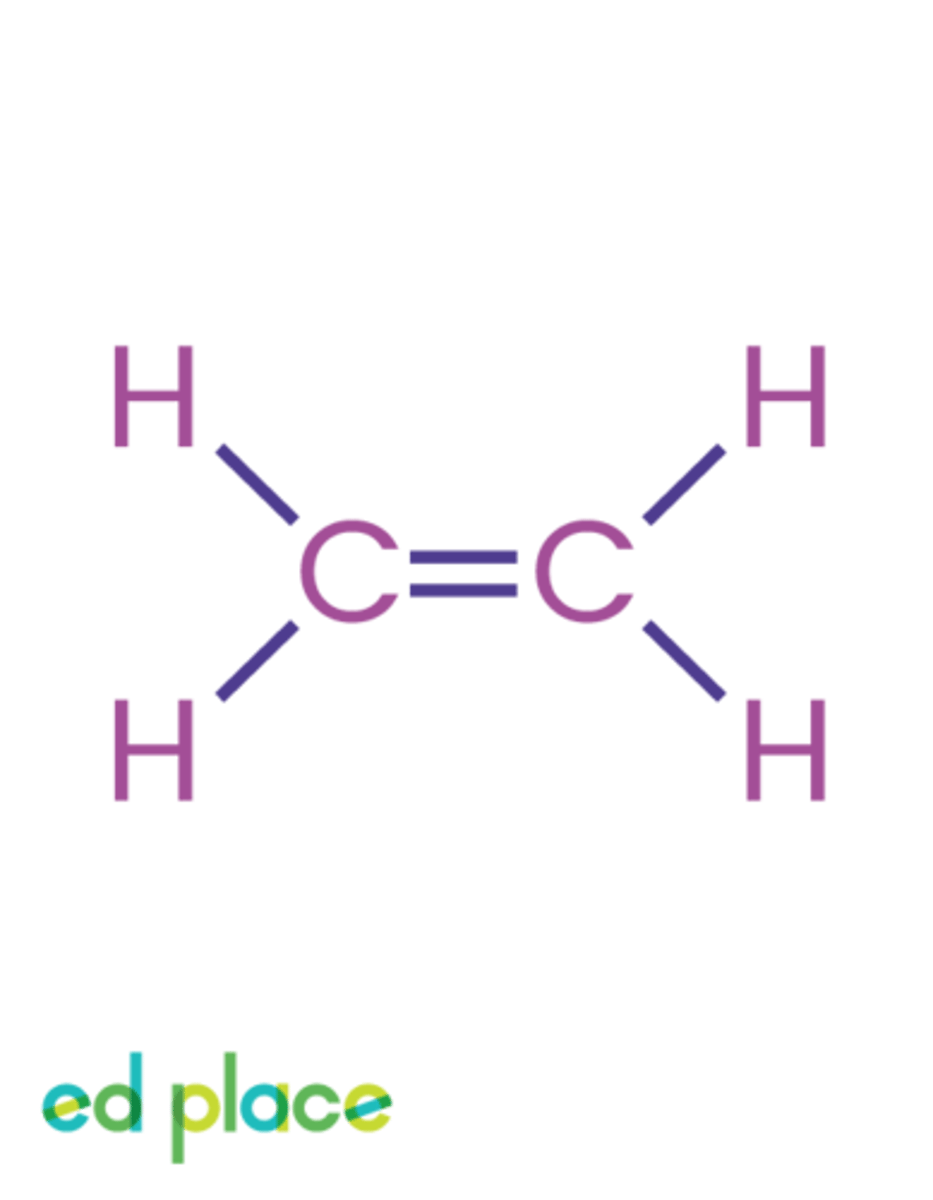
Graphene
A form of carbon consisting of a single layer of atoms

Fullerenes
A form of carbon with fused rings making a partially closed mesh
Nanotubes
Tube-shaped molecules made up of carbon atoms

Conductor
A material that allows the flow of electrical charge through it
Insulator
A material that does not allow the flow of electrical charge through it
Catalyst
A substance that speeds up a chemical reaction but is not used up by it
Biodegradable
Description of a substance that can be decomposed by bacteria or other living organisms
Delocalised
Description of an electron that is not fixed to a particular atom but is free to move about
Anisotropic
Description of a material that has different values when measured in different directions e.g graphite
 Note
Note  Flashcards (90)