Lecture 9- Art of Early Mesoamerica
 Studied by 1 person
 Call Kai
 Learn
Learn Practice Test
 Spaced Repetition
 Match
Match Flashcards
 Knowt Play
1/17

There's no tags or description
Looks like no tags are added yet.
Name | Mastery | Learn | Test | Matching | Spaced | Call with Kai |
|---|
No analytics yet
Send a link to your students to track their progress
18 Terms
Intro to Mesoamerica: Cosmology
vertical level universe
above: upperworld
middle: earth
below: underworld
Intro to Mesoamerica: Cosmology- Axis Mundi
AKA World Tree
conduit between the 3 layers of the universe
vertical axis connecting the multiple tiers of the universe
tree or mountain
vertical line that connects the horizontal planes
fundamental to the way that mesoamerican cultures look at the world
Intro to Mesoamerica: Pre Classic Period- Olmec
changes in the way that people related to their enviornments
nomadic to settled way of life due to neolithic revolution
shift in how ppl engaged with material culture
rise of new media
economy based on farming and trade
obsidian, jade
world axis cosmology
caves = portals to underworld
mountains = access to celestial realm
polytheistic
gods are mostly associated with natural phenomena: rain, life cycle of animals
animals like jaguars, eagles, snakes had great significance and spiritual power to the Olmec people
gods emphasized the importance of maize or corn, the main agri products of the olmec ppl
source of life
life cycle of maize
Medium
the materials and/or methods used to create an artwork
Megalithic
art or architecture that is created from large stones (megaliths)
Intro to Mesoamerica: Pre-classic period- Life Cycle of Maize
represented the cyclical nature of the universe
a lot of symbolism in mesoamerican nature has to do with maize
Intro to Mesoamerica: Pre-classic period- San Lorenzo
capital of Olmec
sat on a plateau
man made mountain that they built Lorenzo on = symbolic rep of the cosmic monster, or the Olmec dragon, or the Earth monster
social zoning
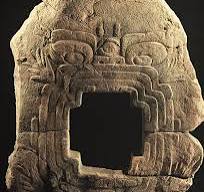
Intro to Mesoamerica: Pre-classic period- Olmec Earth Monster
mouth open represents a gateway to the underworld with the 3 bands around the mouth = opening of the cave
Intro to Mesoamerica: Pre-classic period- Social Zoning
people live in sections of the city corresponding to their social status
rich people lived ON the platuea
middle class lived farther down the plateau
poorest citizens didn’t even get to be on the plateau— lived in flat land around the plateau
Intro to Mesoamerica: Pre-classic period: Group E
ritual complex
represents the unclear separation between the natural and built environment
certain structures, ritual artworks were placed in way that gave the environment significance
if they were placed in the right way in relation to each other and the land, the olmec thought that they could effectively recreate the moment of creation and the structure of the cosmos through their architecture
thought that if they put things in the right places, they could recreate certain events in olmec history and myth
4 elevated platforms representing the cardinal directions
square/rectangular shaped open space for ceremony
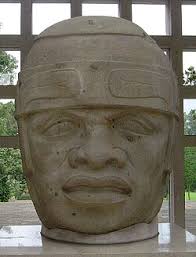
Intro to Mesoamerica: Pre-classic period- Olmec Colossal Heads
carved in round AKA free standing and not attached to anything, not a relief sculpture
thought to be heads of specific olmec rulers, commissioned by olmec rulers themselves
carved without metal tools and had to use stones from the mountains
that’s why scholars think that only the most powerful olmec rulers could commission this bc of the resources they had to expend
share broadly similar facial features
wide and flattened nose
full lips
still individual
slant and depth of the eyes are different
specific shape of the lip and nose is different
wearing different headdresses
identifies the person as a ruler but the individual components of the headdress that aren’t repeated on other sculptures are characteristics of a specific ruler
naturalistic
close to the appearance of the person that existed
portrayal of ruler that was “larger than life”
new medium in art bc of transition to settled life
rulership
physical presence projecting the pwoer of the ruler
special access to the divine
Intro to Mesoamerica: Pre-classic period- Jade
highly prized by the olmec
valued for its rarity and blue-green color
durable
cyclical view of time and how the universe is made up of natural cycles of birth, growth, death, which is manifested everywhere in the natural world- typified by life cycle of maize
common jade depictions: human figures, human-animal hybrids, kelts, personal ornament (beads, pendants, and ear flares)
mark of status
precious material
ritualistic/ceremonial
Intro to Mesoamerica: Pre-classic period- Jade: blue green color
symbolized water AKA source of life
symbolized cycle of maize
symbolized cycle of birth, growth, death, and regeneration
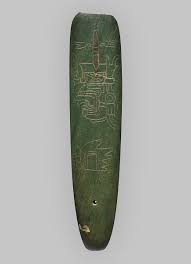
Intro to Mesoamerica: Pre-classic period- Jade: Kelts
ceremonial axe heads
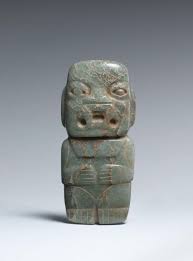
Intro to Mesoamerica: Pre-classic period- Jade: Were-Jaguar
type of jade celt (ceremonial axe head)
distinctive supernatural being and artistic motif central to olmec religion, mythology, and elite symbolism
Appears in numerous sculptures, carvings, and jade figurines, usually featuring characteristic traits: a cleft head, almond shaped eyes, downturned mouth, and a mix of human and feline features
Could symbolize supernatural power, royal lineage
Moving from earth to celestial realms: shows that shamans and rulers have special access to other realms
Possesses power of creation
jaguars = significant creature to olmec ppl
power and royal authority
symbol of elite status
royal lineage, supernatural power
transformation of moving from earthly to celestial realm
could rep the special access that shamans and rulers had to the celestial realm
reps a human embryo
symbolic of the spirit/seed that creates all life
power of creation
Intro to Mesoamerica: Pre-classic period- La Venta
La Venta = great Olmec city
civic and ceremonial center
pyramid made of rammed earth, representation of the sacred mountain, which is a symbol of the earth monster from the Olmec pantheon of gods
Example of monumental architecture that can now evolve bc ppl have settled
pyramid is surrounded by a closed plaza
representation of a sacred mountain
has 4 colossal heads
Intro to Mesoamerica: Pre-classic period- La Venta: Rammed Earth
a building technique in which damp earth is compressed usually within a frame or mold, to form a solid structure
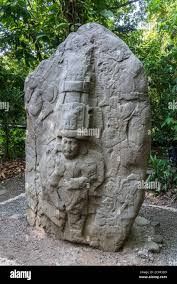
Intro to Mesoamerica: Pre-classic period- La Venta Stele
south of the great pyramid
central human figure, holding a curved stick and wearing a really elaborate, really large headdress
beings floating around a central figure
small figures rep specific olmec deities
this whole scene is related to ritual
figure in the center = ruler/shaman
commemoration of a ritual
important event
placed in public space to share with the people
tool for reinforcing the power of the ruler
Form of art able to evolved bc ppl have settled now and able to create larger pieces of art now
 Note
Note  Flashcards (24)