Health Exam 3. - Neurological
 Call Kai
 Learn
Learn Practice Test
 Spaced Repetition
 Match
Match Flashcards
 Knowt Play
1/140

There's no tags or description
Looks like no tags are added yet.
Name | Mastery | Learn | Test | Matching | Spaced | Call with Kai |
|---|
No analytics yet
Send a link to your students to track their progress
141 Terms
What are the 2 branches of the nervous system?
1. Central Nervous System
2. Peripheral Nervous System
What does the central nervous system include?
Brain and spinal cord
How many pairs of cranial nerves is there?
12 pairs
How many pairs of spinal nerves ?
31 pairs
What are the 2 branches of the peripheral nervous system?
1. Somatic NS
2. Autonomic NS
What 2 branches fall under the autonomic NS?
1. Sympathetic NS
2. Parasympathetic NS
What does the peripheral NS do?
Carries out sensory (AFFERENT) messages to the CNS from sensory receptors
What does the somatic NS do?
Transfer impulses from CNS to skeletal muscles (voluntary)
What does the autonomic NS do?
Relays impulses from CNS to involuntary organs, smooth muscles, cardiac and glands
What NS regulates homeostasis?
Peripheral NS
Where is the parasympathetic NS located?
Anterior in the head and neck and posterior in the sacral region
Sympathetic NS consists of what?
Nerves arising from the spinal cord between the neck and waist region
What do AFFERENT neurons do?
Carry sensory info from receptors to CNS
What do EFFERENT neurons do?
Carry motor info from brain to peripheral nervous system
What happens to neurons in an aging adult?
Atrophy with steady loss of neurons
What happens to nerve conduction in an aging adult?
Velocity of nerve conduction decreases = Slower reactions
What happens to the synapses in an aging adult?
Increased delay at synapse = Diminished sensation of touch, taste, smell, pain
What happens to the motor system in an aging adult?
Slows down movement, strength, and agility decreases
What causes dizziness and loss of balance in an older adult?
Decrease in cerebral blood flow and oxygen consumption
What should perform in a pt with NO significant findings from history?
Screening neurological examination
What do you perform in a pt with neurological concerns?
Complete neurological examination
You perform a neurological recheck exam in what pt?
A pt with neurological deficits who require periodic assessments
What is the sequence for a neurological exam?
1. Mental status
2. Cranial nerves
3. Motor system
4. Sensory system
5. Reflexes
What is cranial nerve 1 (I) name, type and function?
Name - Olfactory
Type - Sensory
Function - Smell
What is cranial nerve 2 (II) name, type and function?
Name - Optic
Type - Sensory
Function - Vision
What is cranial nerve 3 (III) name, type and function?
Name - Oculomotor
Type - Mixed
Function -Motor = Extra ocular movement/ opening of eyelid
Function - parasympathetic - Pupil constriction/ lense shape
What is cranial nerve 4 (IV) name, type and function?
Name- Trochlear
Type - Motor
Function - Down and inward movement of the eye
What is cranial nerve 5 (V) name, type and function?
Name - Trigeminal
Type - Mixed
Function - Motor - Muscle mastication (chewing)
Function - Sensory - sensation of face/scalp/cornea/ mucous membrane of mouth and nose
What is cranial nerve 6 (VI) name, type and function?
Name - Abducens
Type - Motor
Function - Lateral movement of eye
What is cranial nerve 7 (VII) name, type and function?
Name - Facial
Type - Mixed
Function - Motor - facial muscles/ closed eye/ speech/ close mouth
Function - Sensory - Taste buds on anterior 2/3s of tongue
Function - Parasympathetic - Saliva and tears
What is cranial nerve 8 (VIII) name, type and function?
Name - Acoustic
Type - Sensory
Function - Hearing and equilibrium
What is cranial nerve 9 (IX) name, type and function?
Name - Glossopharyngeal
Type - Mixed
Function - Motor- Pharynx (swallowing)
Function - Sensory - Taste buds on 1/3 posterior of tongue
Function - parasympathetic - Parotid gland, carotid reflex
What is cranial nerve 10 (X) name, type and function?
Name - Vagus
Type - Mixed
Function - Motor - pharynx and larynx (talking and swallowing)
Function - Sensory - Sensation of carotid/ carotid sinus/ pharynx/ viscera
Function - Parasympathetic - Carotid reflex
What is cranial nerve 11 (XI) name, type and function?
Name- Spinal accessory
Type - Motor
Function - Movement of trapezius and sternomastoid muscles
What is cranial nerve 12 (XII) name, type and function?
Name - Hypoglossal
Type - Motor
Function - Movement of tongue
What nerves are used to test for Nystagmus?
Nerves III, IV, VI
What does nystagmus in both eyes indicate?
Disease of vestibular system, cerebellum or brainstem
How do you test for cranial nerve V trigeminal MOTOR function?
Asses muscles of mastication by palpating temporal and master muscles as a person clenches teeth
How do you test for cranial nerve V trigeminal SENSORY function?
Close eyes, light touch with cotton on ophthalmic/ maxillary/ mandibular
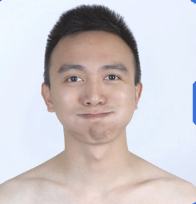
How do you test for cranial nerve VII facial nerve MOTOR function?
Have pt puff cheeks then press to see if air escapes equally
How do you test for cranial nerve VII facial nerve SENSORY function?
Test taste by applying sugar/salt/lemon to tongue
How do you test for cranial nerve VIII Acoustic nerve?
Whispered test / Tuning fork
How do you test for cranial nerve IX glossopharyngeal and X vagus nerve MOTOR function?
Depress tongue and assess uvula (should rise midline)
Also touch posterior pharyngeal and assess gag reflex
Can the cranial nerve IX glossopharyngeal and X vagus nerve SENSORY be tested?
Mediates taste on posterior 1/3 of tongue, but difficult to test
How do you test for cranial nerve XI spinal accessory nerve?
Examine equality of sternomastoid and trapezius muscles
Check strength by shrugging shoulders upon resistance
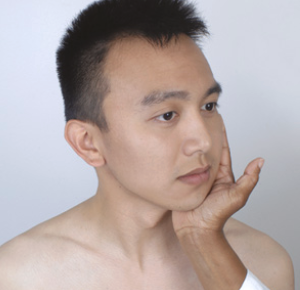
How do you test for cranial nerve XII hypoglossal nerve?
Ask person to say light/tight/dynamite (speech is clear and distinct)
Inspecting and palpating motor sys muscles should be:
normal tension in relaxed muscles
Should there be involuntary movements when inspecting and palpating motor system muscles?
Normally none occur. If present, note location, frequency, rate, and amplitude; note movements can be controlled at will
What is a Tic?
involuntary, compulsive, repetitive twitching of a muscle group d/t neurologic cause (tardive dyskinesias, Tourette syndrome)
What is fasciculation?
Rapid, sudden jerk at regular intervals
What is Myoclonic?
Rapid, continuous twitching of resting muscle without movement of limb
Fine
Occurs w/ LMN disease, associated w/ atrophy and weakness
Coarse
Occurs w/ cold exposure or fatigue and is not significant
What is Athetosis?
Sudden, rapid, jerky, irregular, purposeless movement of involving limbs/trunk/face
What is Chorea?
Abnormal involuntary, irregular movement disorder of quick movements of the feet/hands. (Looks like dancing)
What is a tremor?
involuntary contraction of opposing muscle groups, rhythmic
What are the 2 types of Fasciculation?
1. Fine - occurs with LMN disease (atrophy and weakness)
2. Coarse - Occurs with cold exposure or fatigue
What is hunting's disease?
Degeneration of nerve cells in the brain
What is Sydenham chorea?
Neurological disorder that kids get after rheumatic fever or strep
What is cerebral palsy and what is it associated with?
Slow, twisting, continuous movement, resembling a snake or worm. Involved distal more than proximal limbs
Associated with athetosis
What is Dysdiadochokinseaia?
Lack of coordination, slow, clumsy, sloppy ROM
What does dysdiadochokinesia occur with?
Cerebellar disease
What is ataxia?
Uncoordinated or unsteady gait (checked in cerebellar function)
What is Multiple sclerosis (MS)?
Immune mediated disease in which axons undergo inflammation, demyelination, degeneration and sclerosis
What nerves are affected in MS and what does it result in?
Nerves II and III - Results in nystagmus and diplopia
What is Romberg sign and what does it test for?
Ask pt to stand for 20 seconds with eyes closed
What does a positive Romberg test look like?
Loss of balance occurs with cerebellar ataxia
Cerebellar Fxn Tests
Shallow knee bend or hop in place, first on one leg, then the other
Unable to perform a knee bend is?
weakness in quadriceps muscle or hip extensors
What should the eyes be doing during all sensory sys tests?
closed
What is hypoalgesia/analgesia/hyperalgesia?
Decreased pain
Absent pain
Increased pain
What is hypoesthesia, anesthesia, and hyperesthesia?
Decreased touch sensation
Absent touch sensation
Increased touch sensation
What does Anterolateral spinothalamic tract do?
Carries our pain, temperature, crude touch, and pressure from skin to somatosensory area of THALAMUS!
What does dorsal column tract do?
Conveys sensation of fine touch, vibration, two point discrimination, proprioception (body position)
What does loss of vibration sense occur with?
Peripheral neuropathy (diabetes/alcoholism)
Peripheral neuropathy is worse where?
at the feet
What does loss of position sense occur with?
Peripheral neuropathy (DM), multiple sclerosis, spinal cord lesions
What is Streregnosis?
Ability to recognize objects for their forms/size/weight like a coin
What is Astereognosis?
inability to recognize objects by touch
What is graphesthesia?
Ability to read a number traced on skin (tactile discrimination)
Two-point discrimination
Ability to distinguish separation of two simultaneous pinpoints on skin
Extinction
Simultaneously touch both sides of body at same point; normally both sensations are felt
Point location
Touch skin and withdraw stimulus promptly; ask the person to put finger where you touched
What is a deep tendon reflex?
A muscle tendon is tapped and muscle contracts d/t passive strectch of muscles d/t a two-neuron reflex arc involving the spinal or brainstem segment that innervates the muscle
What is the DTR point scale?
0 - No response
1+ = Diminished
2+ = Normal
3+ = Brisk, but no clinical signifiance
4+ = very brisk, hyperactive
What does grade 4+ in DTR indicate?
Indicates upper motor neuron lesion
What is reinforcement of a DTR?
Reflex fail, try to further relax by switching pt position or increase strength of the hit
What is an alternative technique to help elicit reflexes?
Can also try isometric exercise in a diff muscle group
Testing bicep reflex uses what?
C5 and C6
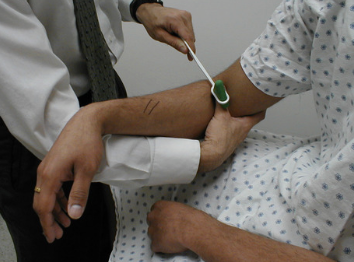
Testing tricep reflex uses what
C7 and C8
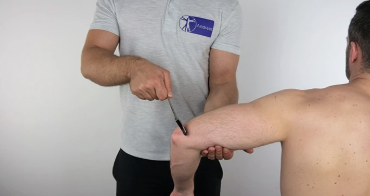
Testing quadriceps uses what?
L2 to L4 (knee)
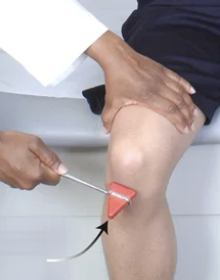
Testing achilles reflex uses what?
L5 to S2 (ankle jerk)
Hold foot in dorsiflexion
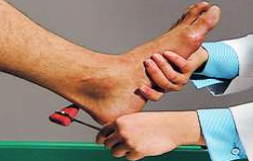
Testing brachioradialis reflex uses what? (wrist)
C5, C6
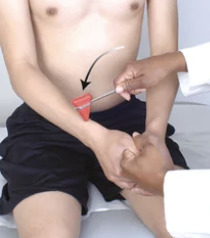
What is a clonus?
A set of rapid, rhythmic contractions of same muscle, main in arms and hands
What is hyperreflexia?
Exaggerated reflex occurs with upper motor neuron lesions
what is hyporeflexia?
Absence of reflex is a lower motor neuron problem
What does hyporeflexia occur with ?
Interruption of sensory afferents to destruction of motor efferents and anterior horn cells
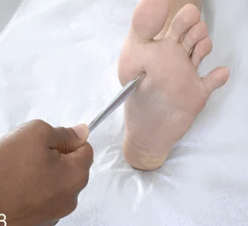
Plantar reflex tests what?
L4 to S2 (Babinski’s reflex)
What is a normal reflex in a plantar test?
Toes move downward
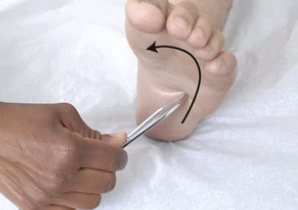
What is an abnormal response to a plantar reflex?
Toes fan outward and move move upward