Eduqas Alevel RS Christianity 4F Liberation Theology
 Studied by 0 people
 Call with Kai
 Learn
Learn Practice Test
 Spaced Repetition
 Match
Match Flashcards
 Knowt Play
1/31

There's no tags or description
Looks like no tags are added yet.
Name | Mastery | Learn | Test | Matching | Spaced | Call with Kai |
|---|
No analytics yet
Send a link to your students to track their progress
32 Terms
what is liberation theology
The belief that the church should be active in the struggle for economic and social equality.
who is the key scholar for lib theology
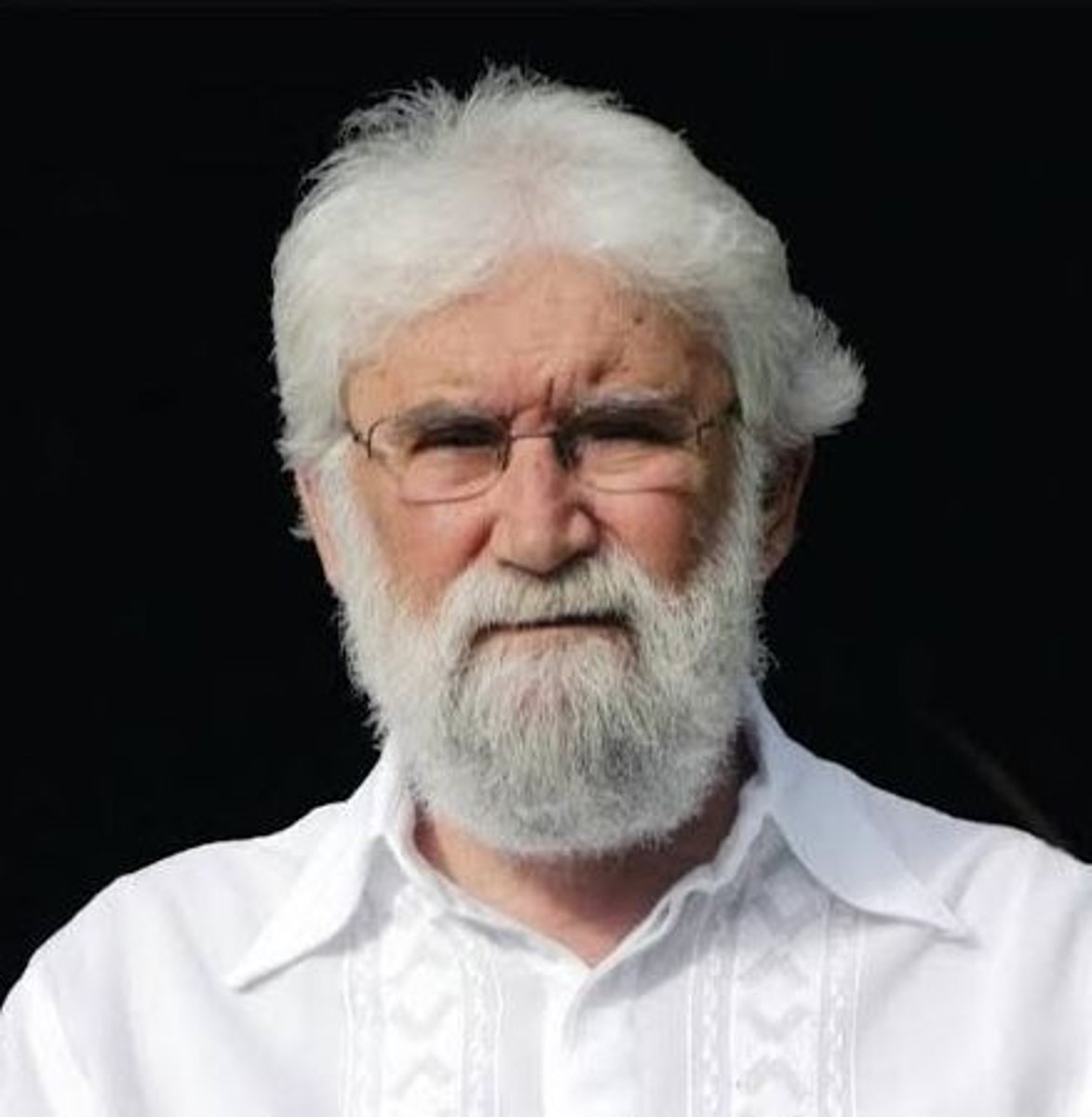
Leanardo Boff
who is Leonardo Boff
what is the political backdrop of liberation theology
South America, Latin America, Mexico, Brazil, Argentina
- long standing economic exploitation at the hands of colonial powers such as Britain and Portugal.
- church was associated with the elite and ruling power
- 1950's had hope for change in latin America due it them becoming more self sufficient and not relying on imports and heavily and the hope that wealth would distribute more evenly
- The reality was different, capitalism dictated that labour was cheap and pay was poor so there was no social economic movement.
what are the origins of liberation theology
- born out of necessity.
- 1960's Gustavo Gutierrez (priest and theologian)wrote a book with the main believe that theology must start with the fact that human suffering rather than the intellectual rational reflection. Its context lies with people dying at oppression and the call for people to fight for justice.
- result of faith confronted by oppression
- Leonardo Boff was a RC Priest in 1964 and is an advocate for liberation theology and supporter of Gutierrez, he was highly critical of the hierarchy in the church
what was South America like during liberation theology
It was an area of enormous poverty where there were big disparities between the rich and the poor, the RC church was also very prominent.
- The area was also being shaped by Marxism - a political movement where everything is supposed to be equal - however marxism is a problem because force is used to bring about the change.
- marxism is atheistic, the RC and marxism came into conflict in Poland
what does liberation theology think of the church
they don't like the church because the church is seen as controlling that likes to keep thing sin order. The hierarchy that is used makes people seem so much more important than others. Liberation Theology wanted to set up base communities that had no authority or leaders. The church responded by say that they are working against the message of God, and that you have to know what you are doing is right
what scripture supports Liberation Theology
1. The God of exodus is the God of history and of political liberation more than he is the God of nature - Gutierrez
God called people to be liberated:
- Moses being sent to free the Israelite slaves from Egypt in Exodus
- Parable of the sheep and the goat shows that salvation s based on how people help this in need with humility and kindness
- Acts shows the early church librating people and combing resources to ensure everyone had access to
- 1 John shows that it is impossible to Love God if you do not love others too
- Jesus salvation himself he liberated man kind from sin
- the great commandment
how is Jesus shown in Liberation Theology
Liberation Theology criticises how he is shown, emphasis o his divinity and kingship states the church wrongfully show him as they never accurately show his struggle. They also show him as impassible
how does Liberation Theology believe Jesus should be shown
- passable, human and able to suffer, born into poverty
- shown as a political and social liberator
- political figure that had complex relationships with Zealots
- he was prepared to challenge and die for others, facing
authority
what was Gutierrez's view on the problem with orthodoxy and his view on praxis
he believed that Christians should behave like Jesus, the church is focused on teaching and the intellect that it misses the point of the faith. Energy should be directed towards helping people. practice of putting faith into the life of others with good ethical conduct
what is orthodoxy
correct beliefs or common beliefs of a religion
what is praxis in religion
practice of putting faith into the life of others
what is the preferential option for the poor
A preferential love for the poor that allows one to give priority to the needs of the poor and to make a commitment to transform unjust social structures that are the causes of poverty. A term coined by Gutierrez "first will be last and last will be first" Matthew 20:16
what is the significance of the base ecclesial communities
This was introduced by Leonardo Boff:
Base communities religious experience groups of 20 ish families who gather and read scripture and engage in praxis, fighting oppression. They give responsibility to the lay people and helped to fix the problem of no priests in latin America. The government became suspicions because such groups enhanced literacy rates and made many more people politically aware and active. There was no leader, they all worked together for the same thing
what was the purpose of base ecclesial communities
1. educate the poor which in turn will liberise them
2. emphasised community work and support
3. teach people abbey how to engage in social questioning
4. acts as a means to disseminate Liberation Theology ideas (the Vatican accepted this in a bid to include the laity more)
what were the issues that Liberation Theology had towards the catholic church
- ecclesia centrism = centres in the church (Liberation Theology aim)
- celercism = viewing the ordained clergy as more important than the laity
1. dispersion of power that exists in the church, the hierarchy that exists where the Pope sits at the top
2. the way the pope is recognised as God on earth
3. Argue that Christ has been mischaracterised now seen as an emperor
4. criticise dogma and tradition a problem thatch CC focus on orthodoxy
- above all the church is only concerned with protecting the churches power rather than to librate the people who are being oppressed. Always align with the wealthy rather than than all humanity equals, not serving the people
according to Leonardo Boff how should the church be like the Trinity
Coexist and coequal
- The trinity is a mystery yet encompasses fellowship
- humans also very much a mystery in the universe but should also embrace fellowship and sharing
- why do we separate humans in sections
- the church must follow the model of the trinity
what was the Catholic Churches response to Liberation Theology
- generally well received by priests
- gained some momentum
- Pope John Paul beloved it moved too far away from God and focused too much on societal problems, prioritising them and ignoring eschatological means and condemned any form of violence for social change
what was Joseph Ratzinger's response to Liberation Theology
Ratzinger argues that it is too idealistic to believe that a perfect time is possible in this world. We cannot establish the golden age of politics now. This age will be brought about by God at the end of time. Liberation Theology is therefore seeking a void goal. They place their hope in a new institution and not God.
1. He does not believe that structural or economic change can bring about salvation. Those who fight for it are often the ones who become oppressors.
2. marxism is an atheist ideology and should not be linked with christianity, linking the two brings terrible contradictions
3. marxism makes everyone an enemy who does not fight for the poor and encourages violence
4. we should not politicise events in the bible to support the message of Liberation Theology. Such as exodus focuses on God's relationship with Egypt rather than the pharaohs rule
what is marxism
radical type of socialism
How has Pope Francis rejected the theology but during his papacy shown sympathy directly to its cause
He is Argentinian so familiar with the oppression in South Africa. He speaks passionately about the dangers of capitalism greed, materialism and excess but also is a critique of Liberation Theology. He has devoted himself to acts of charity as a priest but has deterred others from doing Liberation Theology.
he invited Gutierrez to the Vatican in 2015 and commented positively after his passing
what are the similarities between Liberation Theology and marxism
Gutierrez does not explicitly mention marxism however there are many ideas that there are similarities between Liberation Theology and political belief systems:
1. Liberation Theology recognises that there are 2 classes, dominating and dominated
2. explorations of the poor happens by the rich
3. capitalist model does not work
how did Boff create links between marxism and christian ideas with Historical practice of class struggle
Marxists share the ideal of a classless society with no struggle, that you should fight oppression - fight to the death to end the struggle and use force when needed.
Christians also shared the dream of no class struggles and that you should fight oppression but only peacefully not in a violent way
how did Boff create links between marxism and christian ideas with an economical and political practice
marxism has been seen in countries in the Soviet Union such as Russia, Ukraine and Azerbaijan. Many were pressed during this time and human rights or freedom of speech was limited.
liberation theologians have criticised the society form of marxism where it suppresses individual freedom and leads to a tyranny.
how did Boff create links between marxism and christian ideas with an atheistic viewpoint
freidlrich Engels who collaborated with Marx, denied the existence of God and reduced God to an empty syllable. They both believe that religion will stop progress ad persuade people to accept a lower place in society due to the 'lie' that they will go to Heaven. It overrides they desire to change
Liberation Theology and Boff reject entirely this aspect of marxism. The catholic church wants to distant from Liberation Theology and marxism as both are quite political
how did Boff create links between marxism and christian ideas with a form of social and material analysis
marxism is to be valued for its critique of capitalism. uneven distribution of wealth
Liberation Theology also critiques capitalism. the answer to ending poverty is some form of socialism. The long lasting impact of capitalism on South America has led to the exploitation of many and subsequent humanitarian crisis.
what does Oscar Romero say about Liberation Theology
- he did not call himself a Liberation Theology yet was inspired by the teachings in the Bible
- he was a catholic bishop
- he became a priest, there was a influx in violent in El Salvador and the government had started killing poor people who stood up for their rights
- when the army killed people in his town he comforted the families and wrote to the president.
- he spoke out about it at a mass and was murdered during his speech
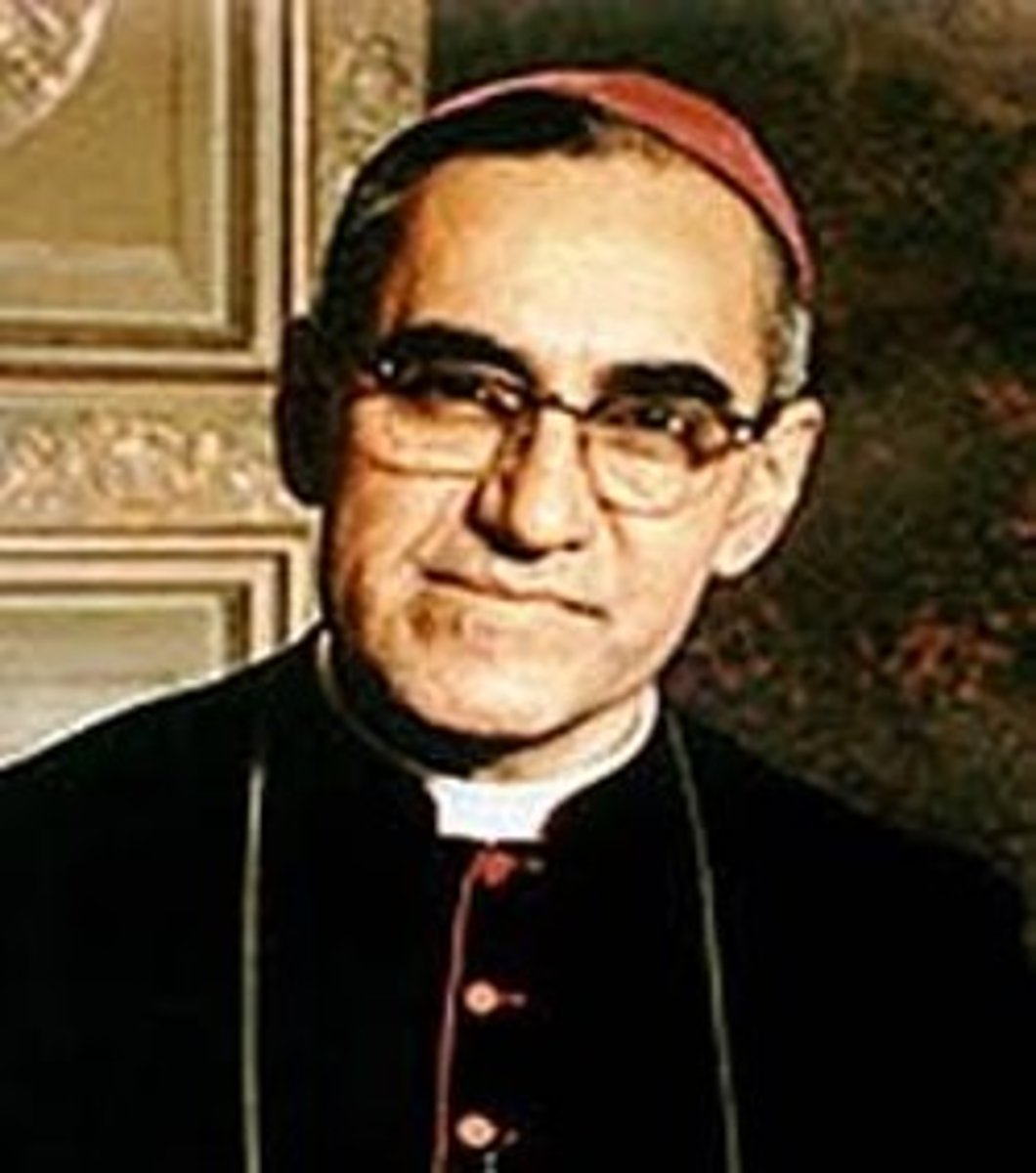
who is Oscar Romero
Archbishop of San Salvador
whether the political and ethical foundations of liberation theology are more important than any religious foundation - agree
- there have been many links with Liberation Theology and marxism made - Karl Marx was concerned with the same as a theist. His approach was that there must be action rather than thinking the problem which would result in no change. This then suggests that the political links and similarities with Liberation Theology mean the religious foundations are secondary to the ethical ones actions are seen as more important than faith.
- At the very core of Liberation Theology is the idea of the orthopraxy over orthodoxy. The Liberation Theology followed Marx's notion of praxis (action over faith)
- Liberation Theology if not rooted in Marxism is rooted in political ideas. If not Marxism it wold appear that with the daily evidence before it many Liberation Theology would lean on socialist direction
- Gutierrez willingness to suggest that salvation is political librations, for some is misguided. Salvation in christianity Is the ultimate aim for Gutierrez to suggest that this can be bought about in this life time, by humans and not God is overset Hersey and explains why many argue that it shows Liberation Theology places political foundations above religious. To believe political libration and salvation are synonymous is highly offensive to many Christians, by saying that it downplays the idea of religious salvation
- Further to this Liberation Theology had no air time or momentum before Pope Francis was elected as pope. This confirms that politics does have a stronger foundation than religious ones in Liberation Theology because all popes have a smiler theologian and eschatological views BUT it is clear the pope Francis is more sympathetic movement. The catholic church agues that there is to much political element and they don't align with a party so will comment less
whether the political and ethical foundations of liberation theology are more important than any religious foundation - disagree
- the response is that they had no intention of reducing God but of redressing an imbalance in the church. Liberation Theology only critics the ecclesia view of the church and not its dogma or doctrine. Liberation Theology argued that t=all are as important as eachother and that good ethics and politics support eachother
- Instead the inspiration for Liberation Theology was Biblically based showing the religious foundation
- Boff declaims that he can be both christian and Marxist by adopting those parts of marxism that can co exist with his faith and rejecting others such as violence and such he remains a man of faith.
- Jesus was a political figure and it is impossible and also not necessary to always separate political views and religious view so often. They inform each other. Jesus was sentenced to death by political figures and died due to corrupt political backdrops. Liberation Theology agrued that the church cannot and should not turn a blind eye to poverty and those In need, they must want to address the cause of poverty which mostly was rooted in politics. Liberation Theology did not prioritise one over the other but instead realised that to address a religious foundation you must explore political too
- the church was born out of poverty. the early church was created to defend the poor who were oppressed against the romans so if we don't understand theology having religious and political foundations then we are mis understanding church history.
did Liberation Theology challenge the roman catholic church
yes:
- Liberation Theology has influenced the language of the church, preferential option for the poor
- base ecclesial communities are still in existence today, the Vatican has accepted these communities as long as they are spiritual in nature not political
- Pope Francis has not be overly supportive of Liberation Theology is it is difficult to say that he has been influence. His papacy however has marked a change in the church's focus toward helping the poor and it has been more active in poorer worldwide communities such as pope not living in papal apartment to show humbleness
no:
- Boff would ague that there has been no challenge to the RCC in terms of dogma but only in relation to the centralised institution and organisation of power. Liberation Theology never set out to challenge the culture of the church only the realignment of power
- There has not been a big influence outside of the church if Latin America - it soi not seen in Europe much due to its narrow spread
- the vatical silenced body and investigated Gutierrez - they squashed it before it could impact them
- both can co exist (Liberation Theology isn't going anywhere) and its impact is questioned through its acceptance
- power still sits at the centre and it is never going to change to meet the Liberation Theology
 Note
Note  Flashcards (20)