AP Psychology 2.1-2.3 Quiz
 Studied by 0 people
 Call Kai
 Learn
Learn Practice Test
 Spaced Repetition
 Match
Match Flashcards
 Knowt Play
1/70

There's no tags or description
Looks like no tags are added yet.
Name | Mastery | Learn | Test | Matching | Spaced | Call with Kai |
|---|
No analytics yet
Send a link to your students to track their progress
71 Terms
Perception
the process of organizing and interpreting sensory information, enabling us to recognize meaningful objects and events
Bottom-Up processing
analysis that begins with the sense receptors and works up to the brain's integration of sensory information (you begin by examining small details and piece them together into a larger picture)
Top-Down processing
information processing guided by higher-level mental processes (when we construct perceptions drawing on our experience and expectations)
Perceptual set
a tendency to perceive or notice some aspects of the available sensory data and ignore others.
Schemas
mental filters or maps that organize our information about the world are called - they can impact our perceptual sets
Context Effects
states that the context (environmental factors) that surrounds an event affects how an event is perceived and remembered (is this a B or a 13? it depends on the context if you're perceiving it as a letter or a number)
Selective attention
the focusing of conscious awareness on a particular stimulus
The Cocktail Party Effect
phenomenon of being able to focus one's auditory attention on a particular stimulus while filtering out a range of other stimuli
Gestalt
an organized whole. Gestalt psychologists emphasized our tendency to integrate pieces of information into meaningful wholes.
Proximity
Objects close together will be viewed together visually

Closure
the brain is good at filling in gaps to create a whole

Similarity
2 items that share attributes will be visually grouped together
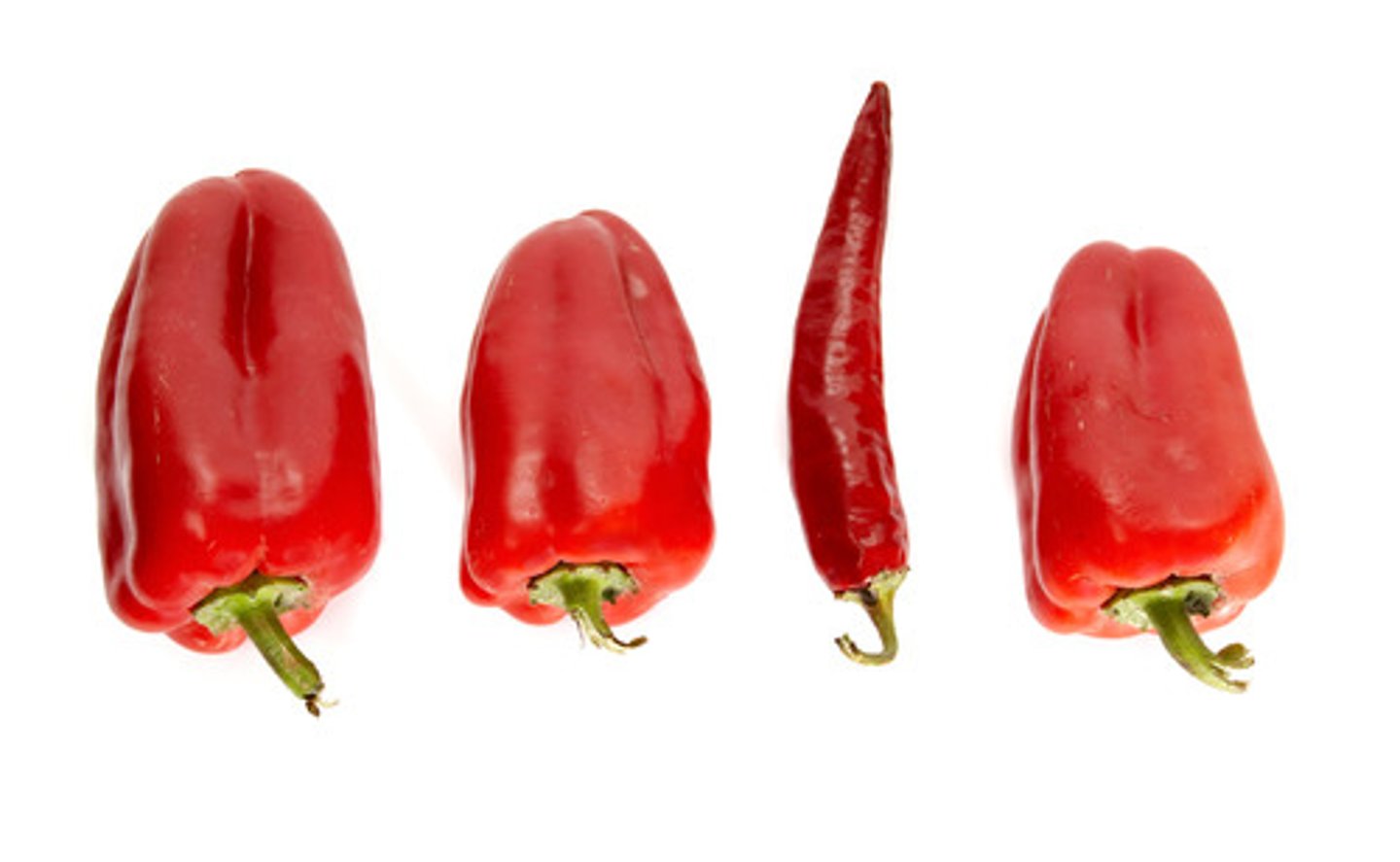
Figure and Ground
People instinctively perceive objects as either being in the foreground or the background

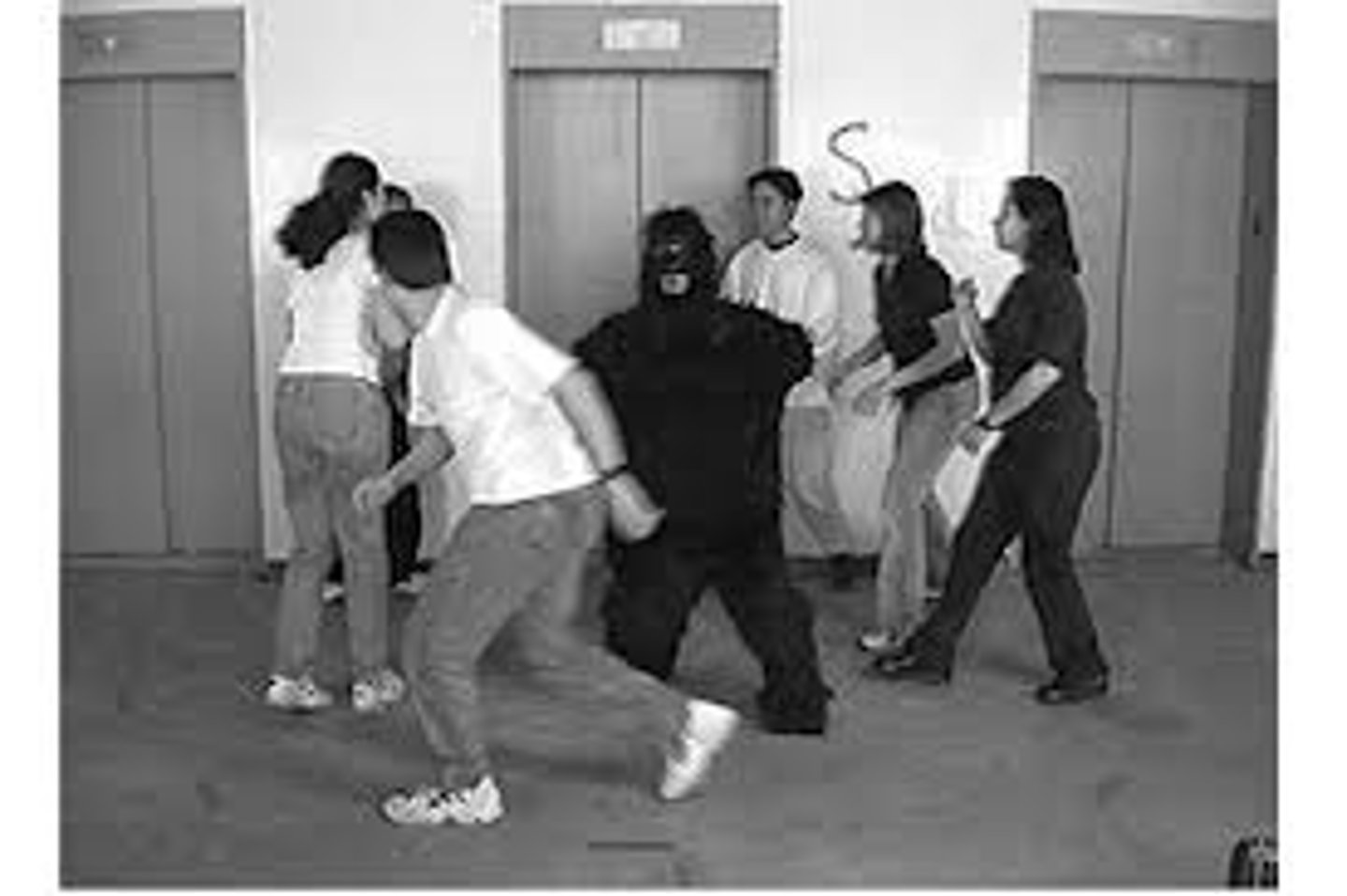
Inattentional blindness
failing to see visible objects when our attention is directed elsewhere
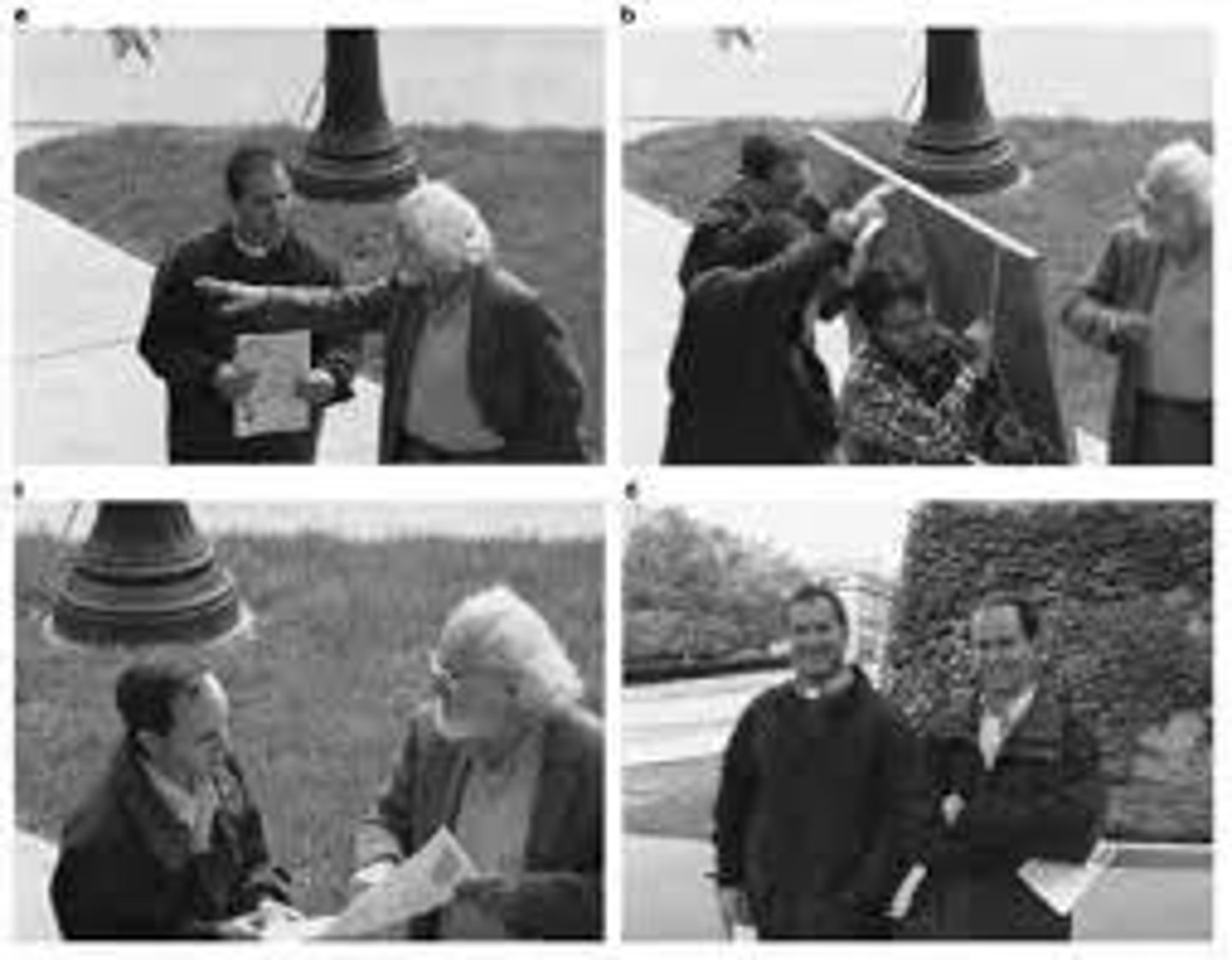
Change blindness
failing to notice a change in the environment around us
Binocular cues
depth cues, such as retinal disparity, that depend on the use of 2 eyes
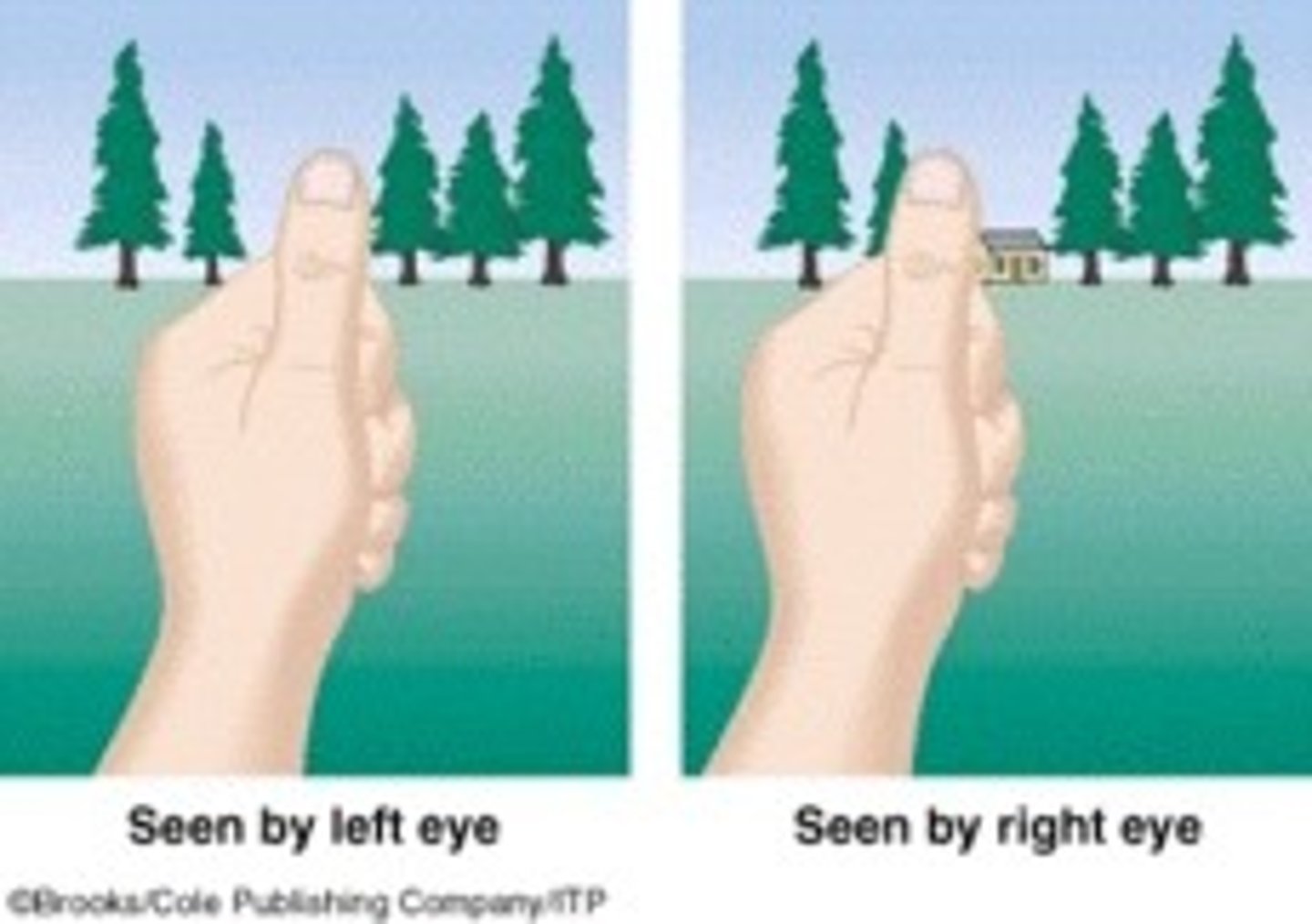
Retinal disparity
a binocular cue for perceiving depth: by comparing images from the retinas in the 2 eyes, the brain computes distance - the greater the disparity between 2 images, the closer the object
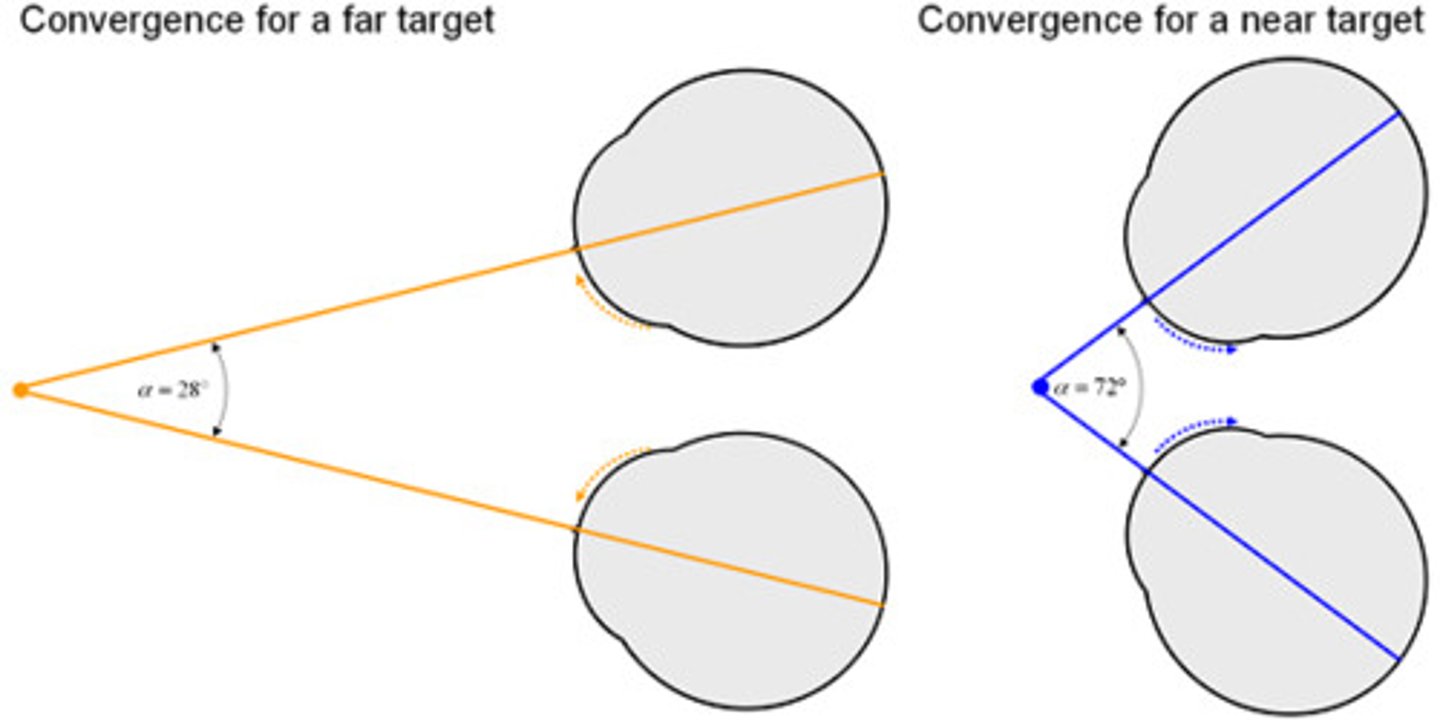
Convergence
When 2 eyes move inward to see near objects and outward to see faraway objects (more convergence - closer the object)
monocular cues
depth cues, such as interposition and linear perspective, available to either eye alone
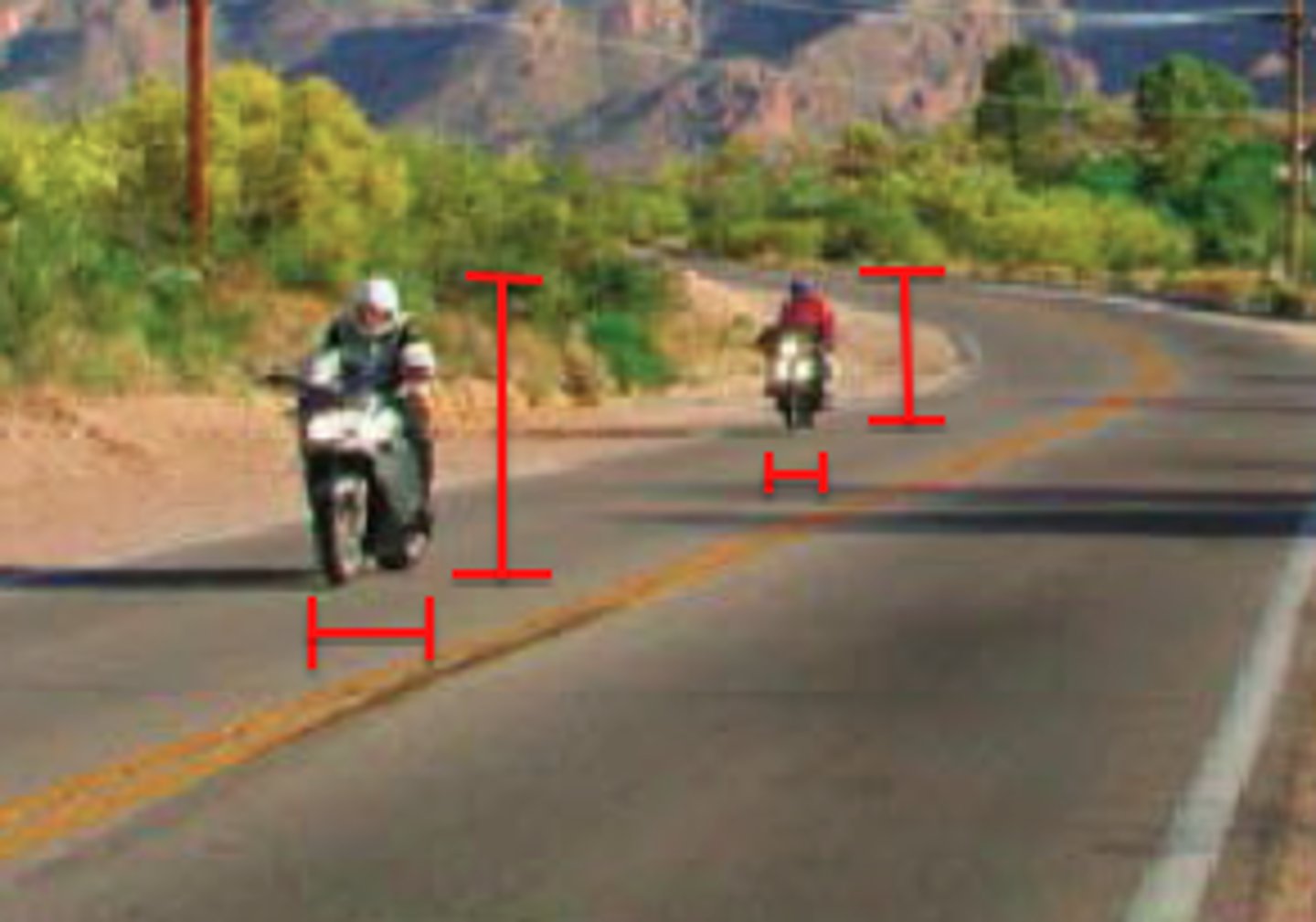
Relative size
if two objects are similar in size, we perceive the one that casts a smaller retinal image to be farther away
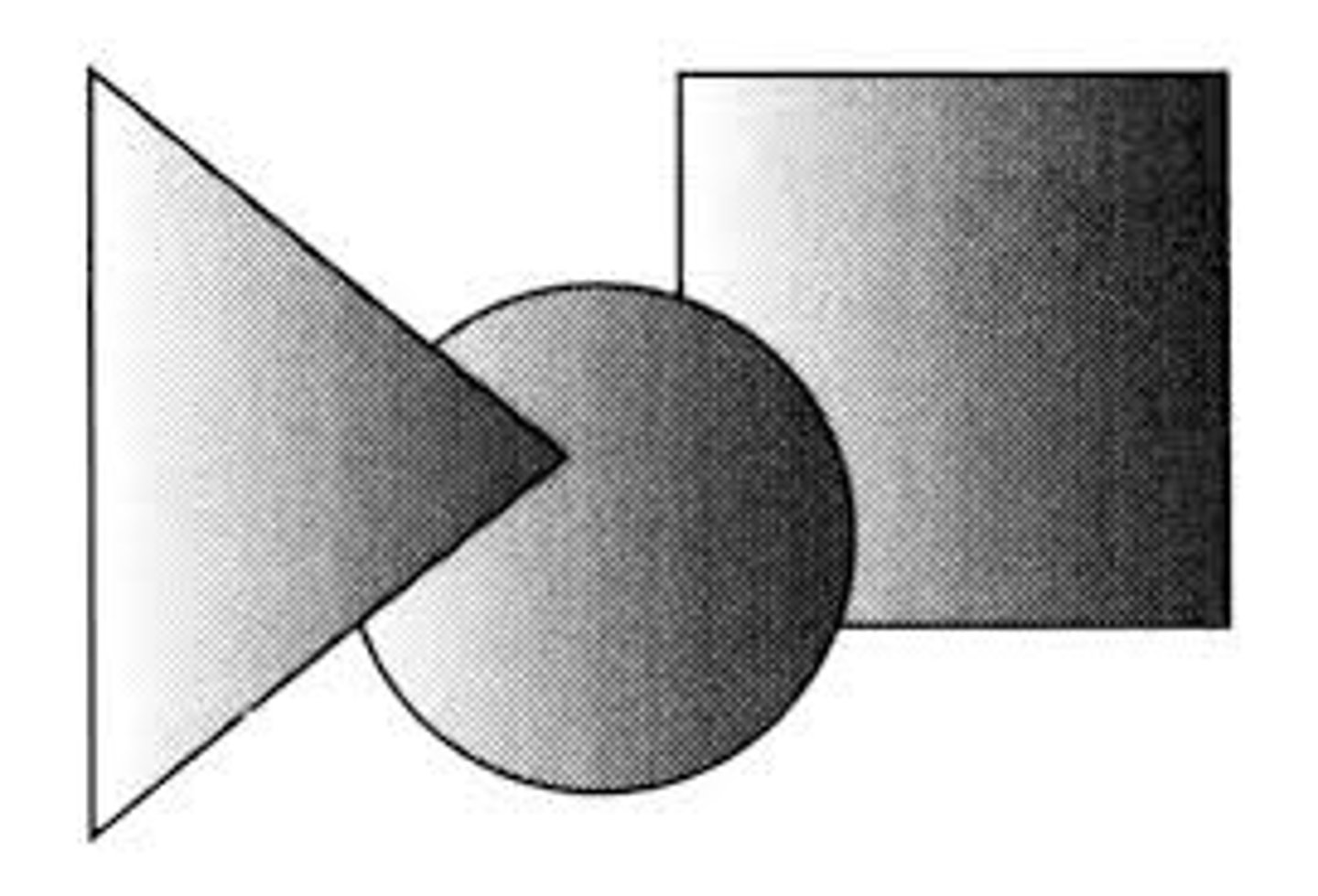
Interposition
objects that block other objects tend to be perceived as closer
Relative clarity
Because more light passes through objects that are farther away, we perceive these objects as hazy

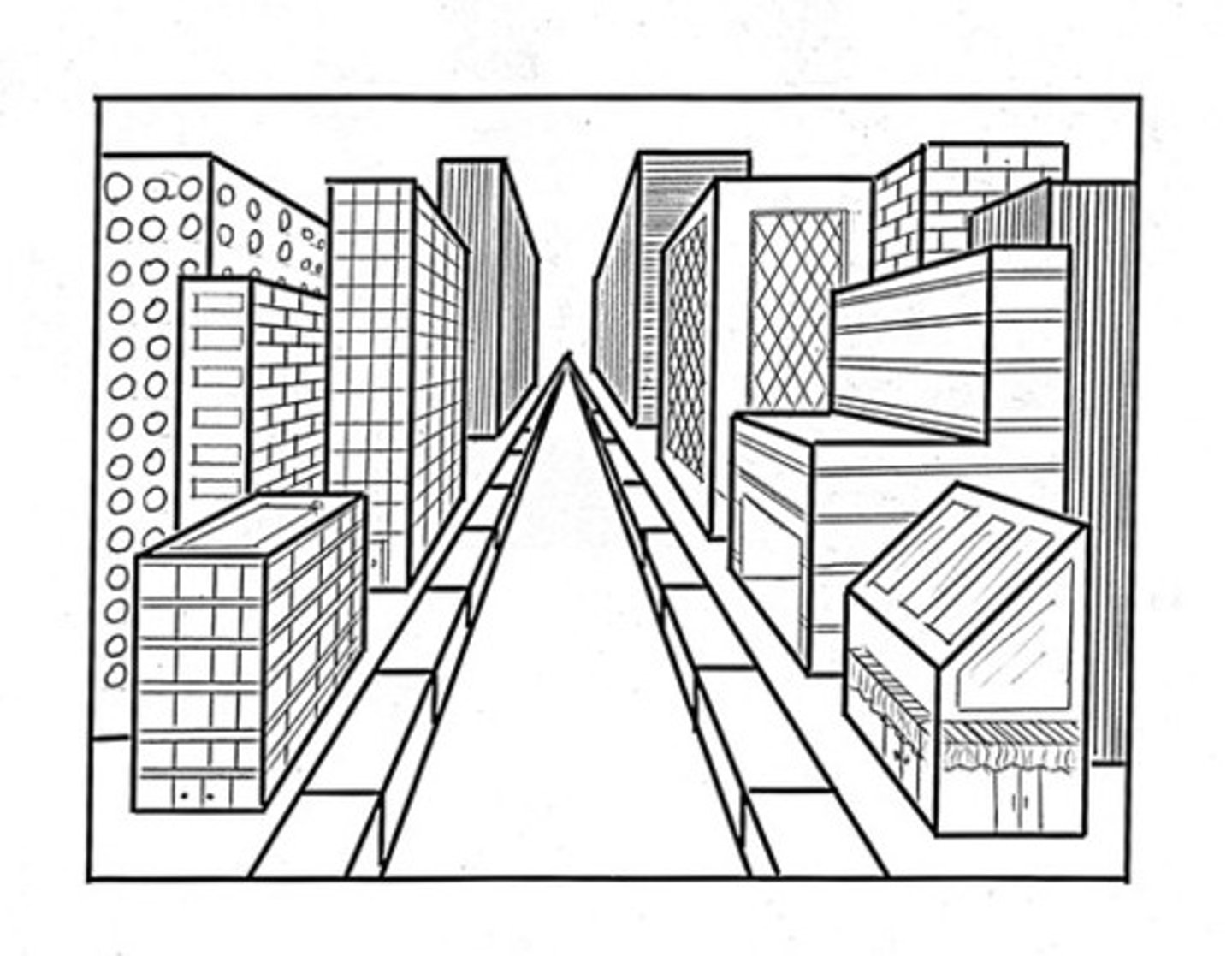
Linear perspective
Parallel lines, such as railroad tracks, appear to converge with distance. The more the lines converge, the greater the perceived distance
Texture gradient
Indistinct (fine) texture signals an increasing distance. Less detail shows closeness; finer and denser is further away

Perceptual constancy
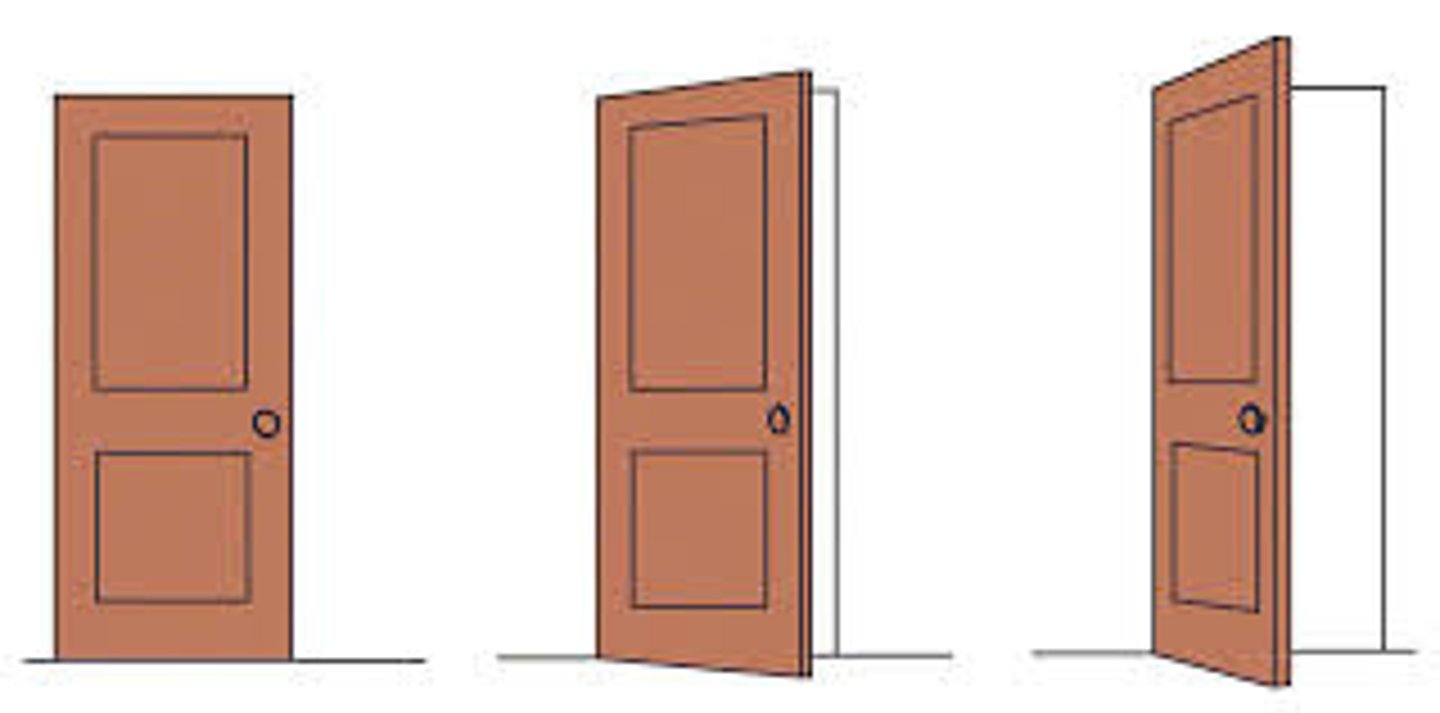
our ability and need to perceive objects as unchanging, even as changes may occur in distance, point of view, and illumination (color, size, shape, and light constancy)
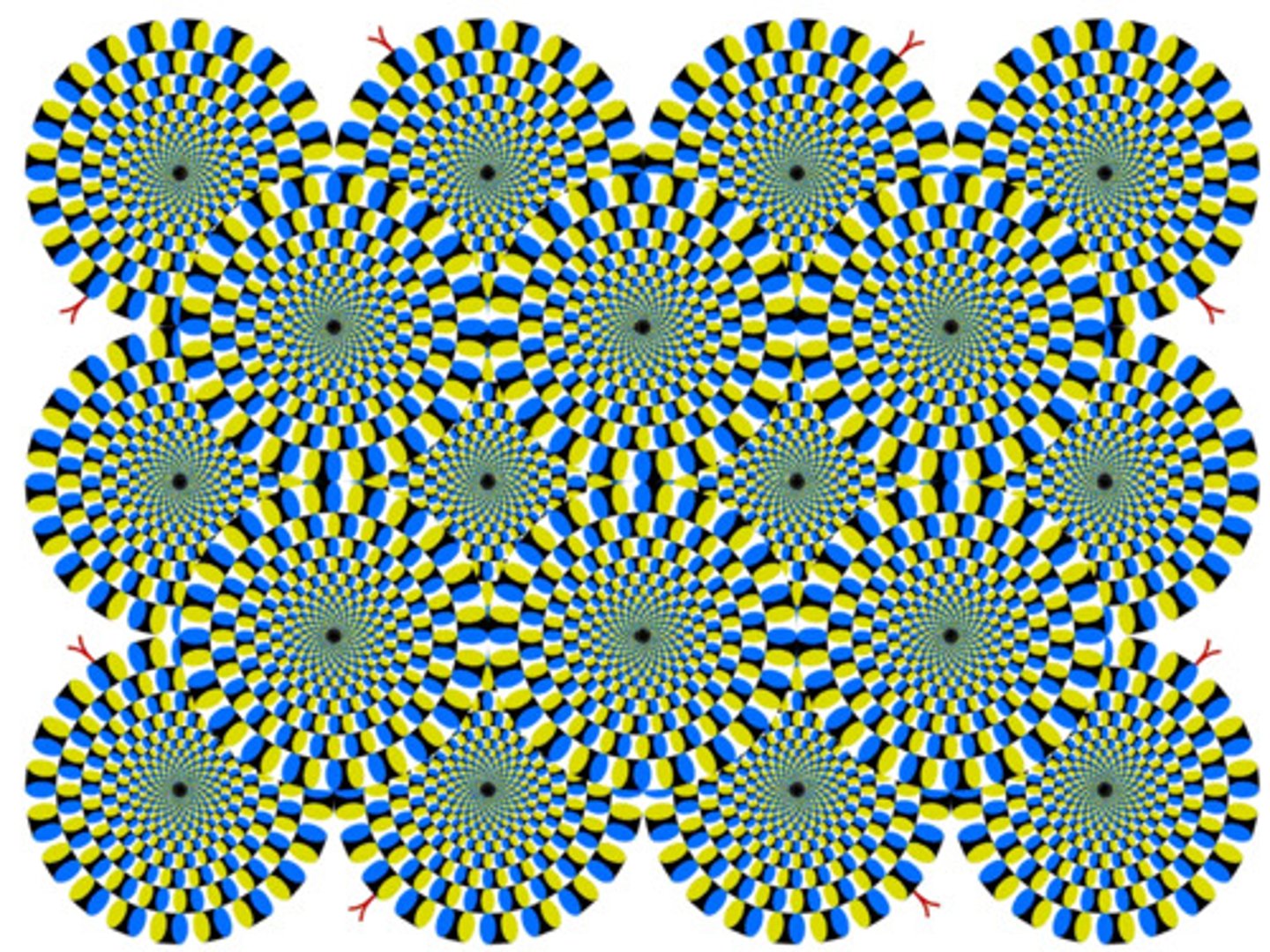
Apparent motions
an optical illusion that makes a stationary object appear to move
Concept
a mental grouping of similar objects, events, ideas, or people. There are a variety of chairs, but their common features define the concept of the chair itself
Prototype
mental image or the best example of a category
Schema
a concept or framework that organizes and interprets information
Assimilation
the process of absorbing new information into an existing schema
Accommodation
the process of adjusting old schemas or developing new ones to incorporate new information
Algorithm
A methodical, logical rule or procedure that guarantees solving a particular problem because it explores ever possibility
Heuristic
simple thinking strategy that often allows us to make judgements and solve problems efficiently (rule of thumb)
Representative heuristic
When we judge how something represents, or matches, certain prototypes we have
Availability heuristic
a mental shortcut where people judge the likelihood of an event based on how easily examples come to mind
mental set
a tendency to approach a problem in one particular way, often a way that has been sucessful in the past
priming
a technique whereby exposure to one stimuls infueces a response to a subsequent stimulus, without conscious guidance or intention
framing
The way an issue is posed, how an issue is framed, can significantly affect decisions and judgments
functional fixedness
inability to perceive a new use for an object associated with a different purpose
Gamblers fallacy
the mistaken belief that, in independent events, a past outcome influences future probabilities
sunk cost fallacy
The phenomenon whereby a person is reluctant to abandon a strategy or course of action because they have invested heavily in it, even when it is clear that abandonment would be more beneficial.
creativity
ability to produce novel and valuable ideas
convergent thinking
narrows the available problem solutions to determine the single best solution
Divergent thinking
expands the number of possible problem solutions
Memory
learning that has continued over time
implicit memory
retention independent of conscious recollection. (memories located in the ganglia and cerebellum) (examples: muscle memory, riding a bike, remembering words to a song)
Procedural memory
the memory of how to do repetitive everyday tasks. (Implicit memory)
Explicit memory
memory of facts and experiences that one can consciously know and "declare"
Episodic memory
the stories of our lives and experiences that we can recall and tell someone
Semantic memory
personal memories that are not drawn from personal experience but rather from everyday, common kinds of knowledge (names of colors, states, facts)
prospective memory
remembering to perform actions in the future
long-term potentiation
an increase in a cell's firing potential after brief, rapid stimulation. Believed to be a neural basis for learning and memory
Working memory
a newer understanding of short-term memory that focuses on conscious, active processing of incoming auditory and visual-spatial information, and of information retrieved from long-term memory
Phonological loop
a part of working memory that holds and manipulates auditory information for a short time
visuospatial sketchpad
refers to our ability temporarily to hold visual and spatial information
multi-store model
suggests our memories are processed through 3 distinct storage systems - sensory memory, short-term/working memory, and long-term memory
Sensory memory
processing everything we sense
Iconic memory
the brief, fleeting visual memory that retains a perfect, short-term snapshot of sensory information
Echoic memory
auditory signals
Short-term memory
activated memory that holds a few items briefly, such as the seven digits of a phone number while dialing, before the information is stored or forgotten
Long-term memory
the relatively permanent and limitless storehouse of the memory system. Includes knowledge, skills, and experiences
Encoding
get information in (prepares for storage)
Storage
keeps information
Retrieval
gets information back
Automatic processing
unconscious encoding of incidental information, such as space, time, and frequency, and of well-learned information, such as word meanings
Effortful processing
encoding that requires attention and conscious effort
shallow processing
simple memorization of something without attaching meaning to it (remembering a word by its font or rhyming word but not actually knowing the definition of the word)
structural encoding
involves using physical and visual characteristics to encode information - appearance of words, such as whether they are long or short
Phonemic encoding
a type of shallow processing that focuses on the sound of the words, or phonemes, to distinguish one word from another. For example, the "p" at the beginning of the word "pat" is a phoneme that distinguishes pat from bat and hat
Deep processing
involves elaborate rehearsal along with meaningful analysis of the ideas and words being learned
Semantinc encoding
involves converting sensory input into long-term memories by associating new information with existing knowledge and experiences
 Note
Note  Flashcards (27)