AP Art History Works
 Studied by 0 people
 Call Kai
 Learn
Learn Practice Test
 Spaced Repetition
 Match
Match Flashcards
 Knowt Play
1/116

Earn XP
Description and Tags
help
Name | Mastery | Learn | Test | Matching | Spaced | Call with Kai |
|---|
No analytics yet
Send a link to your students to track their progress
117 Terms
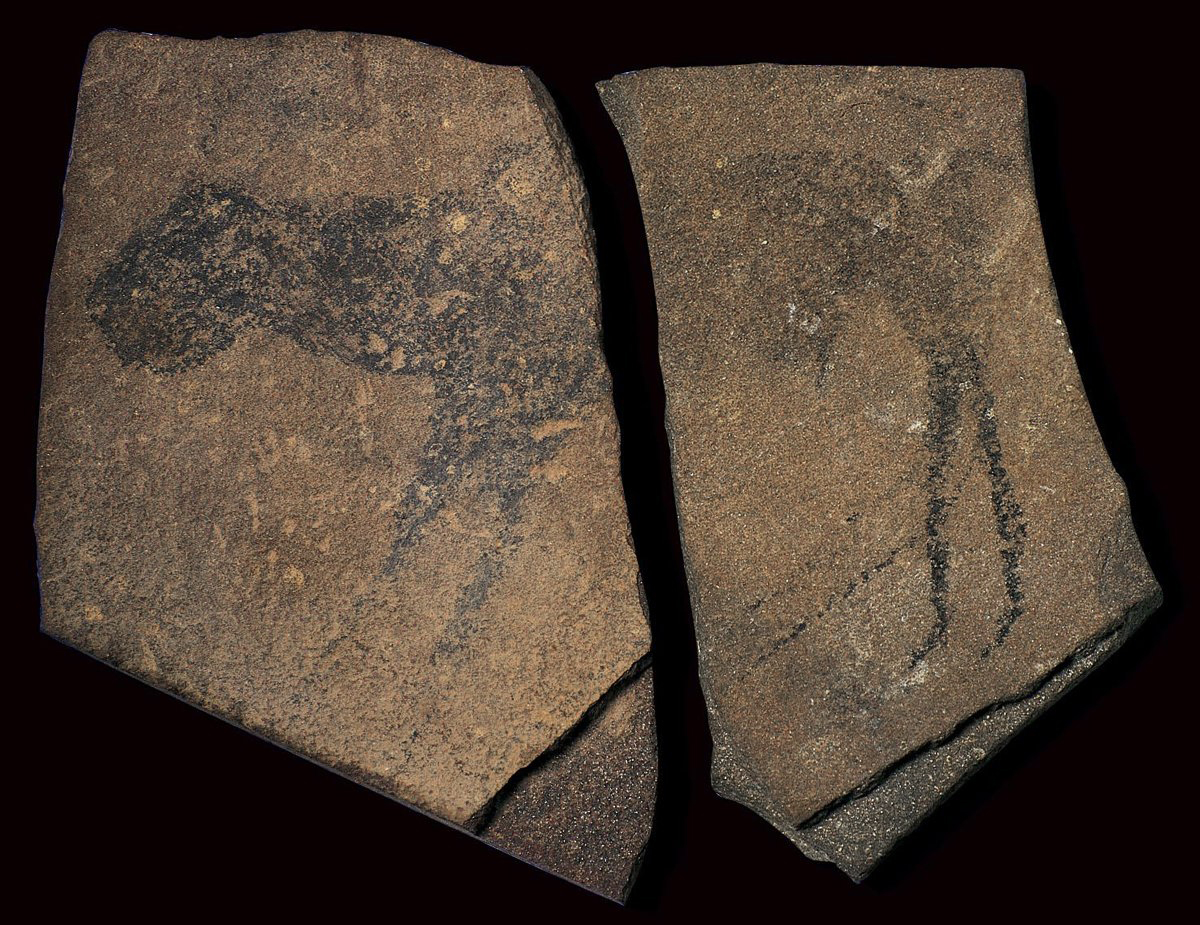
Charcoal drawings on stone
Simplified animal forms
Emphasis on outline rather than realism
Early use of representation over decorationAnimals likely symbolized power, survival, or spirituality
Shows early human desire to record and interpret the world
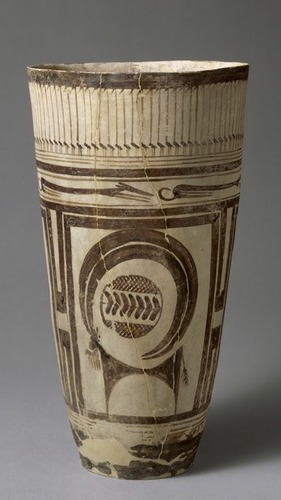
Likely used for ceremonial or elite purposes
Reflects social stratificationStylized animal motifs arranged in horizontal registers
Repetition creates rhythm and pattern
Flat, abstracted formsIbex (mountain goats) symbolize fertility and abundance
Registers suggest early narrative organization
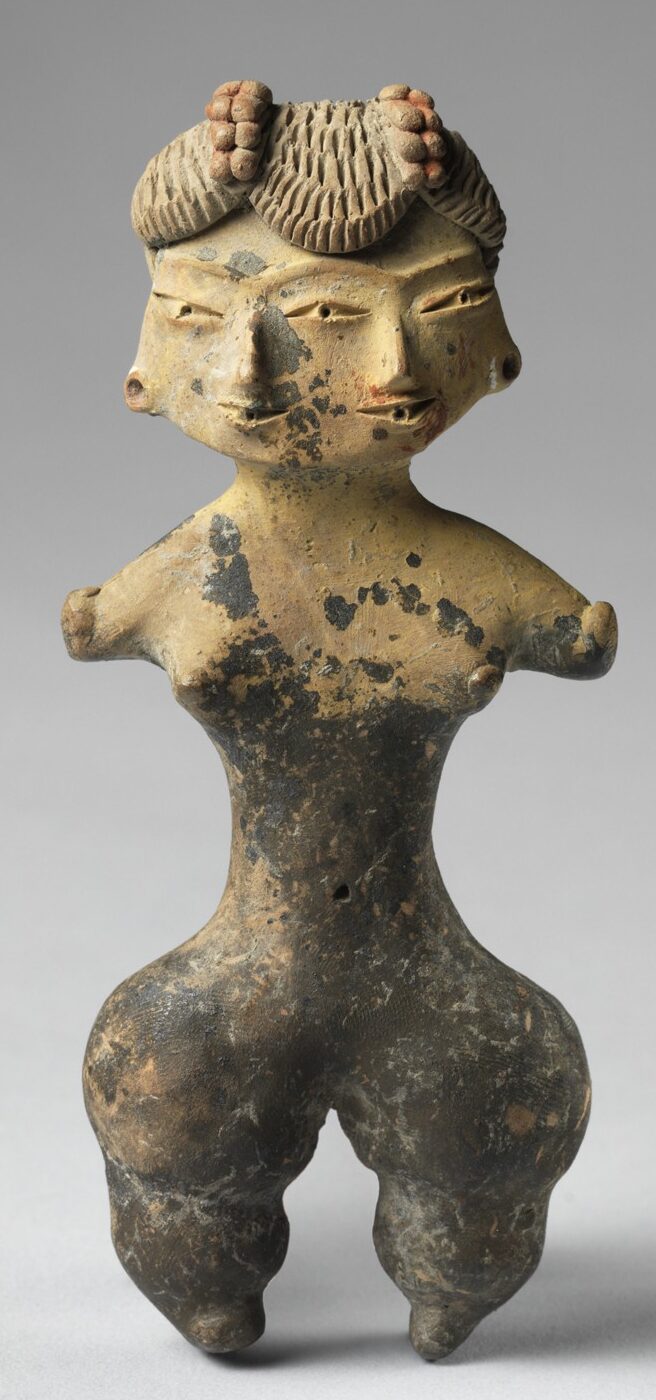
Associated with fertility and ritual
May have been placed in graves
Reflects gender roles and spiritual beliefsExaggerated hips and thighs
Small-scale, hand-modeled ceramic
Dual faces may indicate dualityEmphasis on reproduction = fertility
Two faces could symbolize life/death or spiritual dualism
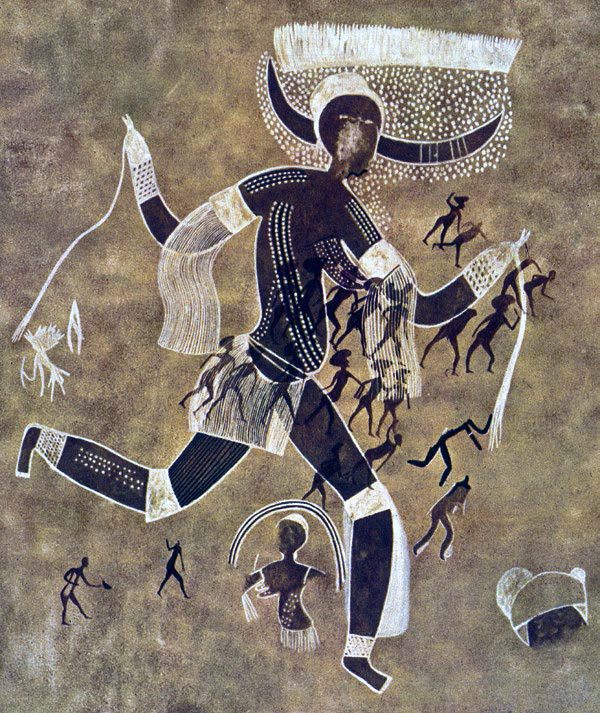
Created by hunter-gatherer society
Likely had ritual or shamanistic purpose
Suggests early religious practicesDynamic pose → sense of movement
Combination of human and animal traits
Flat silhouettes, minimal detail
Horns suggest supernatural power
Running motion may symbolize ritual dance or transformation
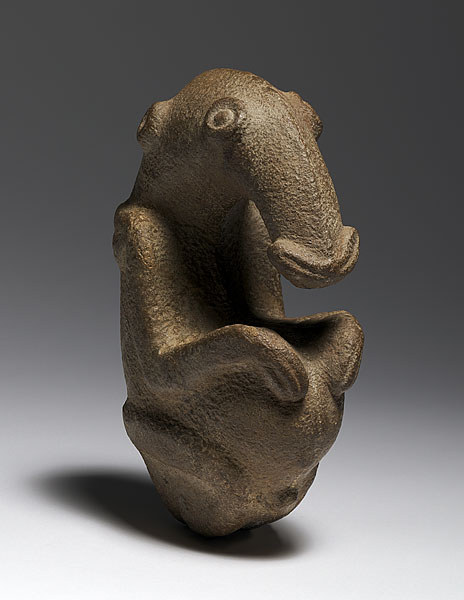
Used in rituals related to ancestors or fertility
Rare example of early three-dimensional sculptureRounded, abstracted form
Carefully polished surface
Focus on simplified anatomyPossibly represents embryo or spirit figure
Emphasizes life force and continuity
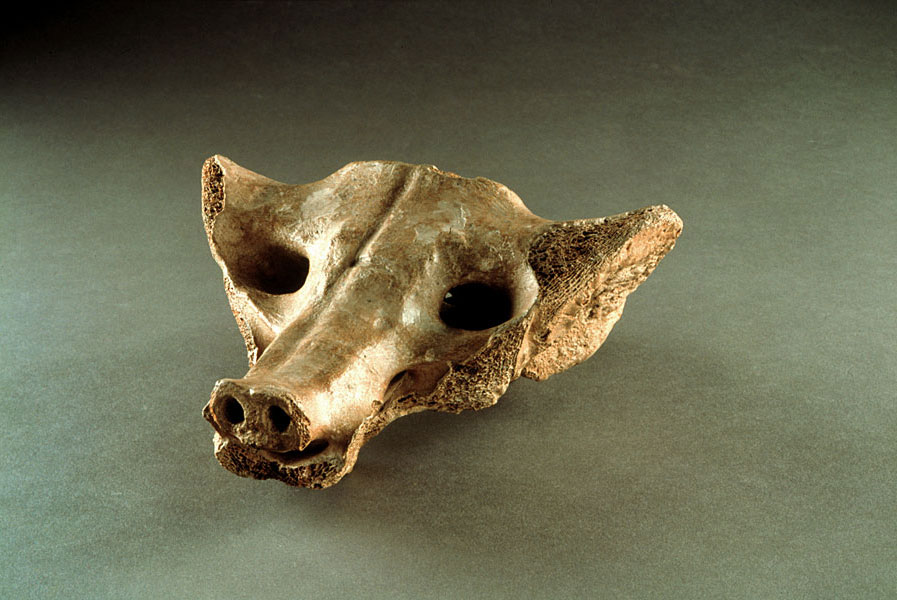
Made from animal bone → ritual object
Reflects animistic belief systemsNatural bone shape enhanced by carving
Suggestive rather than realistic formCanine form associated with protection or afterlife
Combines natural and symbolic transformation
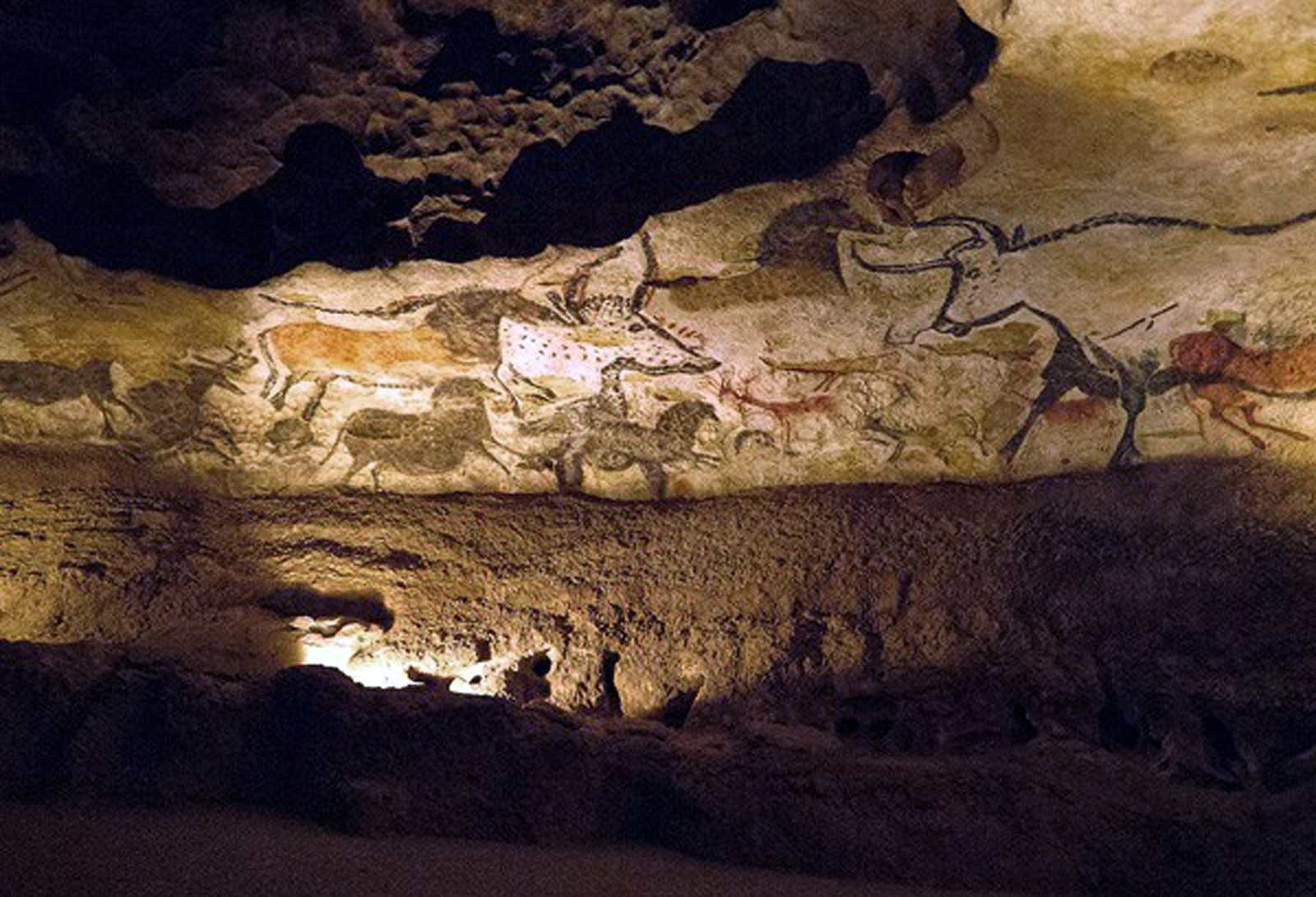
Likely used for ritual or hunting magic
Not domestic → ceremonial space
Created by Paleolithic huntersLarge-scale animal figures
Use of natural rock contours
Overlapping figures → movementAnimals symbolize survival and power
No landscapes → focus on spiritual essence
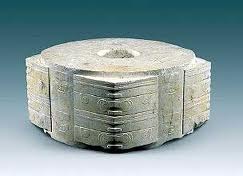
Used in burial rituals
Associated with elite status
Reflects early Chinese cosmologyCylindrical interior, square exterior
Precise carving = advanced craftsmanshipCircle = heaven, square = earth
Taotie face may ward off evil spirits
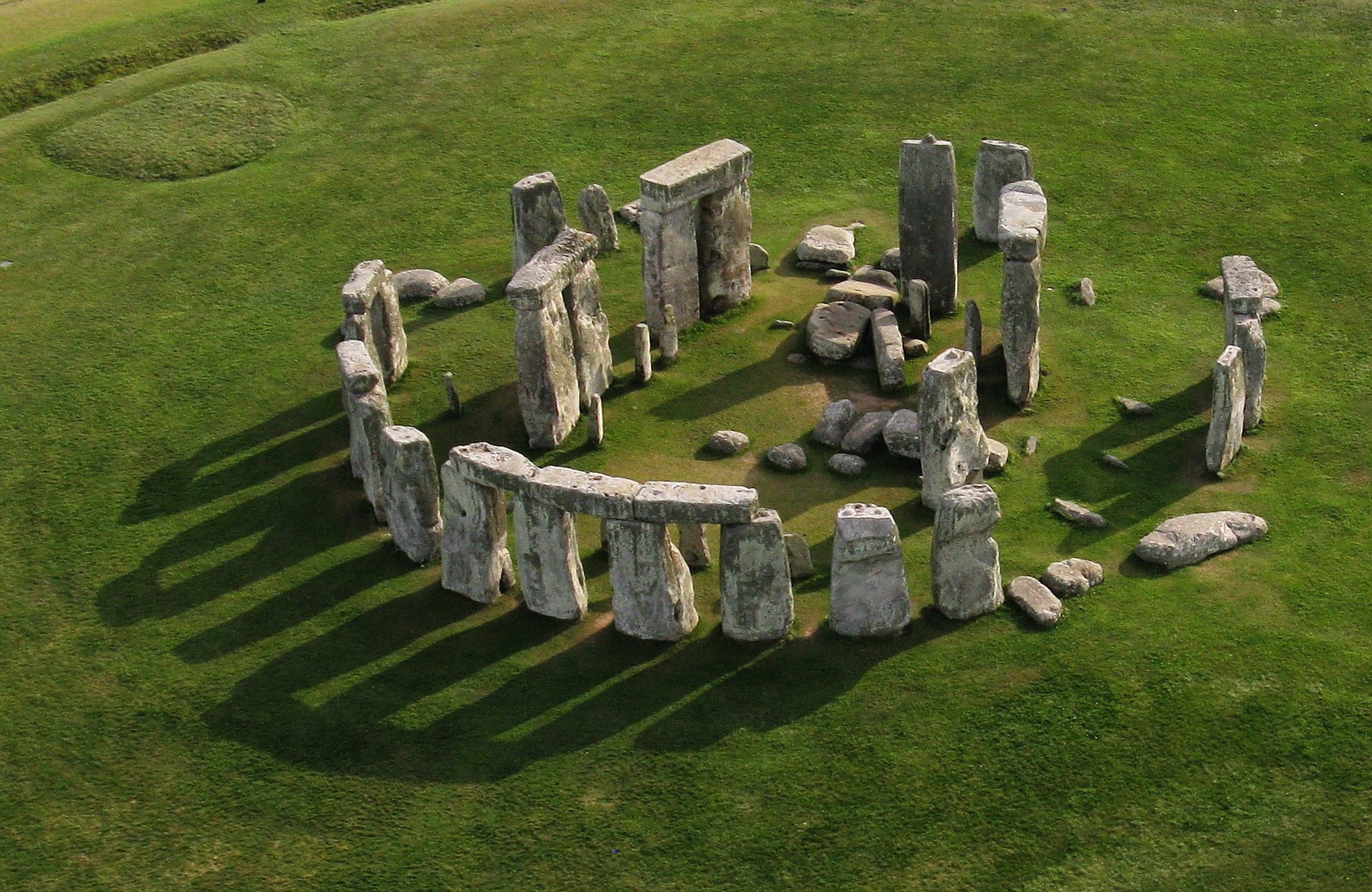
Built over centuries → communal effort
Used for astronomical and ritual purposes
Indicates complex social organizationPost-and-lintel construction
Monumental scale
Aligned with solsticeStones symbolize cosmic order
Orientation reflects human control over nature
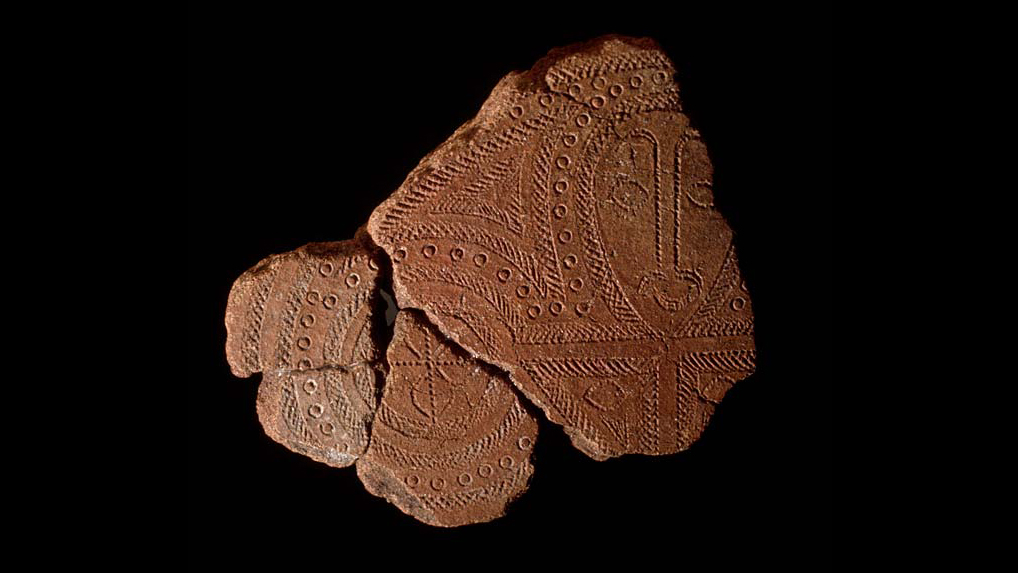
Contextual Context
Used by seafaring Lapita peoples
Indicates migration and cultural exchange
Visual Context
Incised geometric patterns
Repetition and symmetry
Symbolism / Details
Designs may represent identity or ancestry
Early form of cultural marking

Contextual Context
Likely funerary or commemorative
Reflects early human representation
Visual Context
Simplified human form
Minimal facial features
Symbolism / Details
Represents presence of the dead
Abstraction emphasizes spiritual over physical
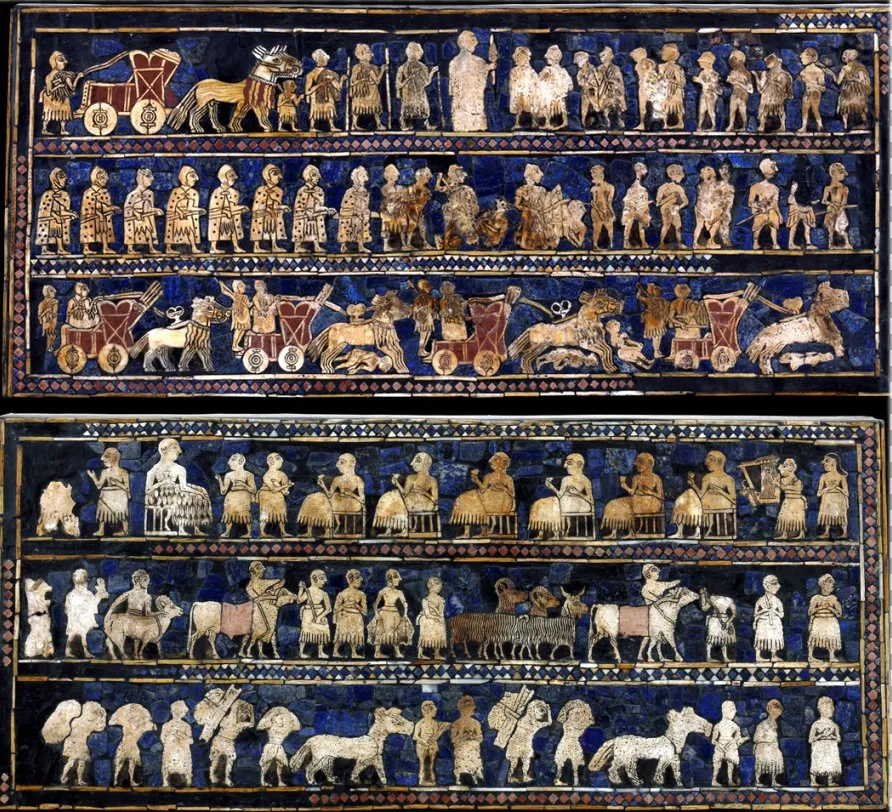
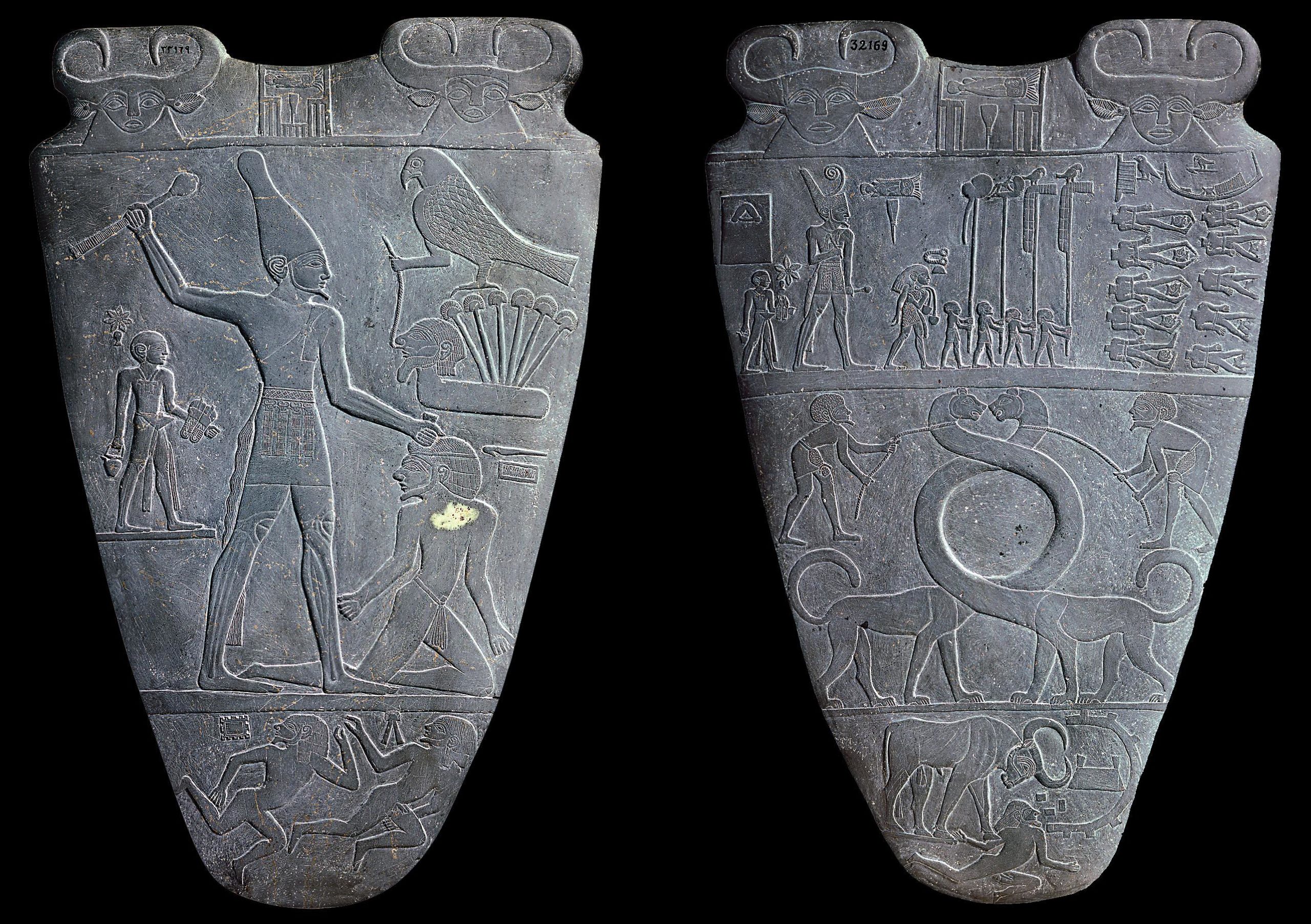
Peace side (left) War side (right)



 Note
Note  Flashcards (355)