Test 10
 Call Kai
 Learn
Learn Practice Test
 Spaced Repetition
 Match
Match Flashcards
1/77

There's no tags or description
Looks like no tags are added yet.
Name | Mastery | Learn | Test | Matching | Spaced | Call with Kai |
|---|

78 Terms
astronomy
study of God’s creation beyond our atmosphere
perihelion
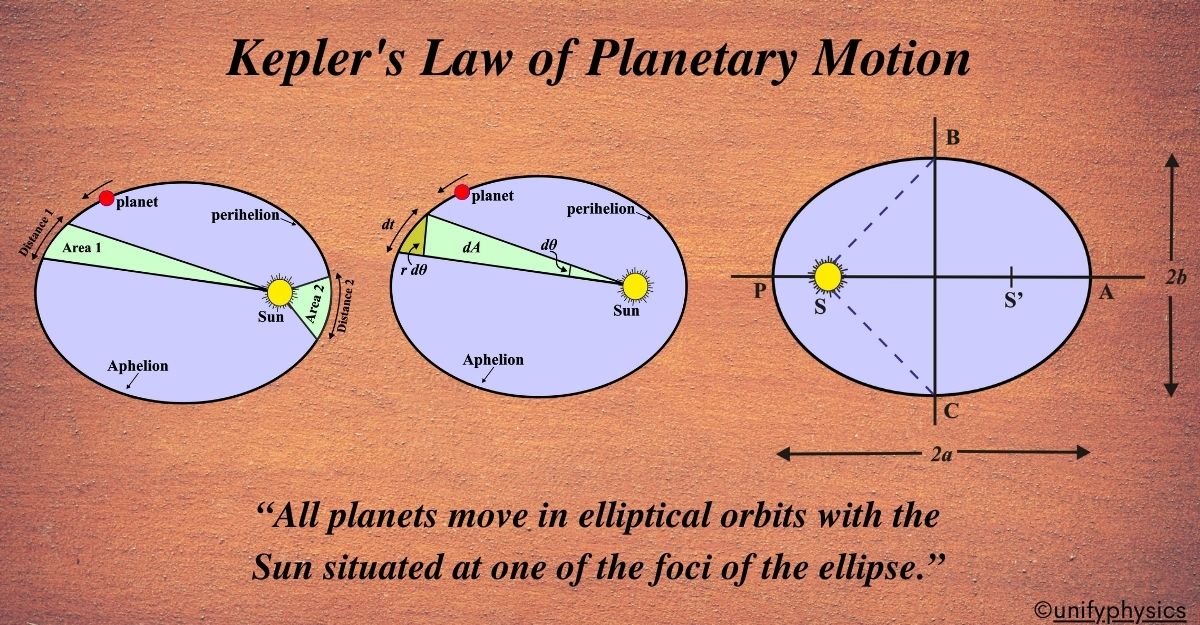
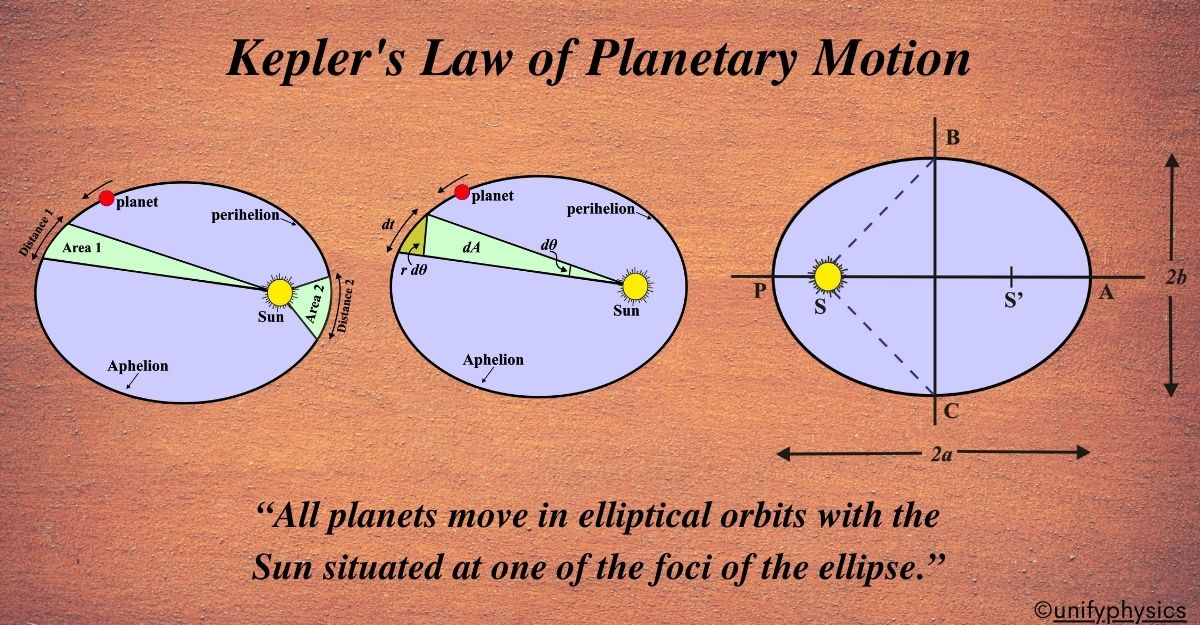
closest point of an orbit around the sun
aphelion
most distant point of an orbit around the sun
period
the amount of time required for a planet (or other satellite) to complete its orbit
Astronomical units
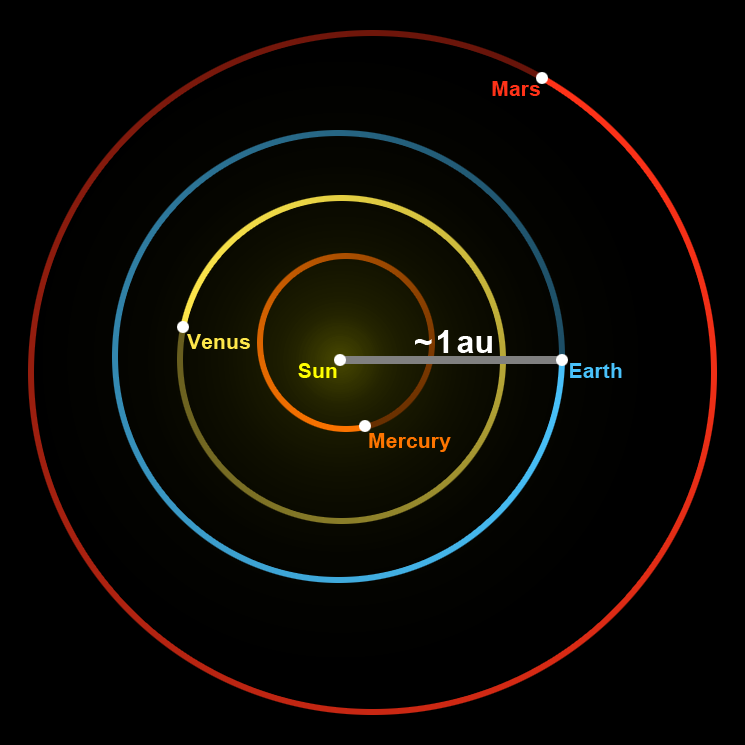
distance unit approximately equal to the distance between the earth and the sun (150 million km or 93 million mi)
Interplanetary space
space between the planets
vacuum
a space that does not contain any matter
retrograde
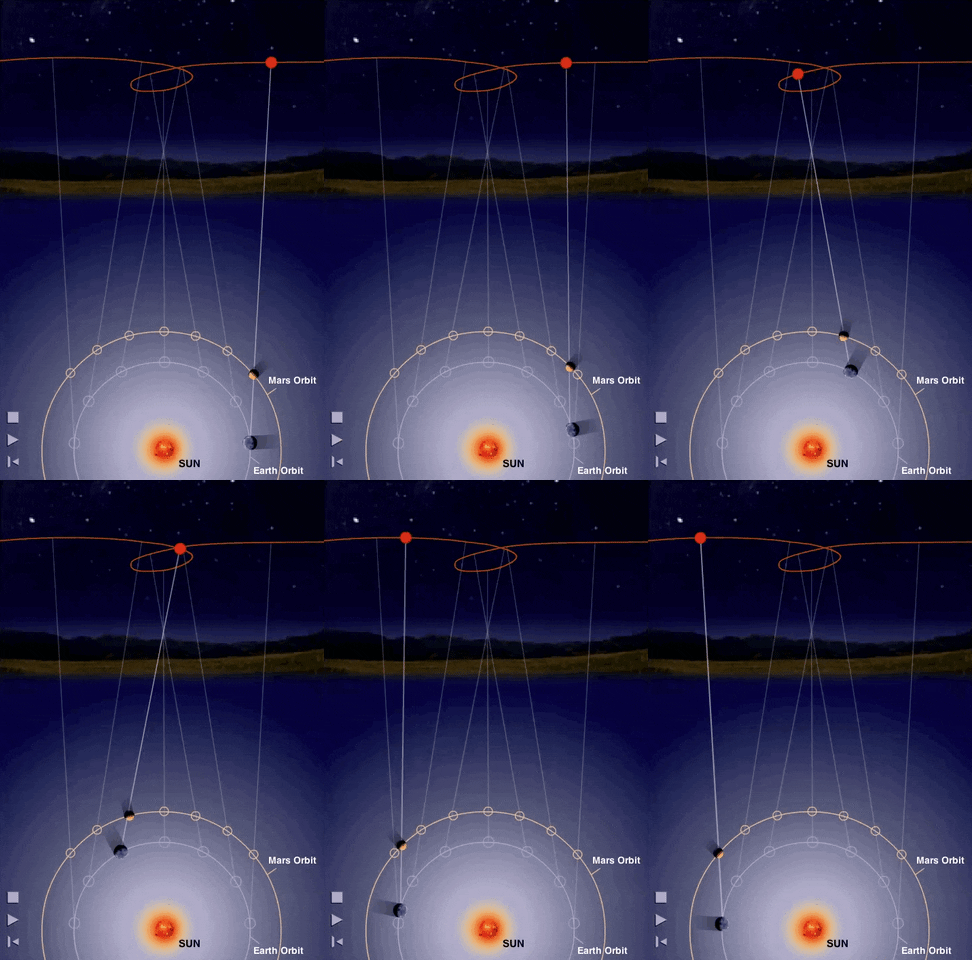
rotation of a planet that moves backward, from east to west
Solar system
the sun and all natural objects that orbit it
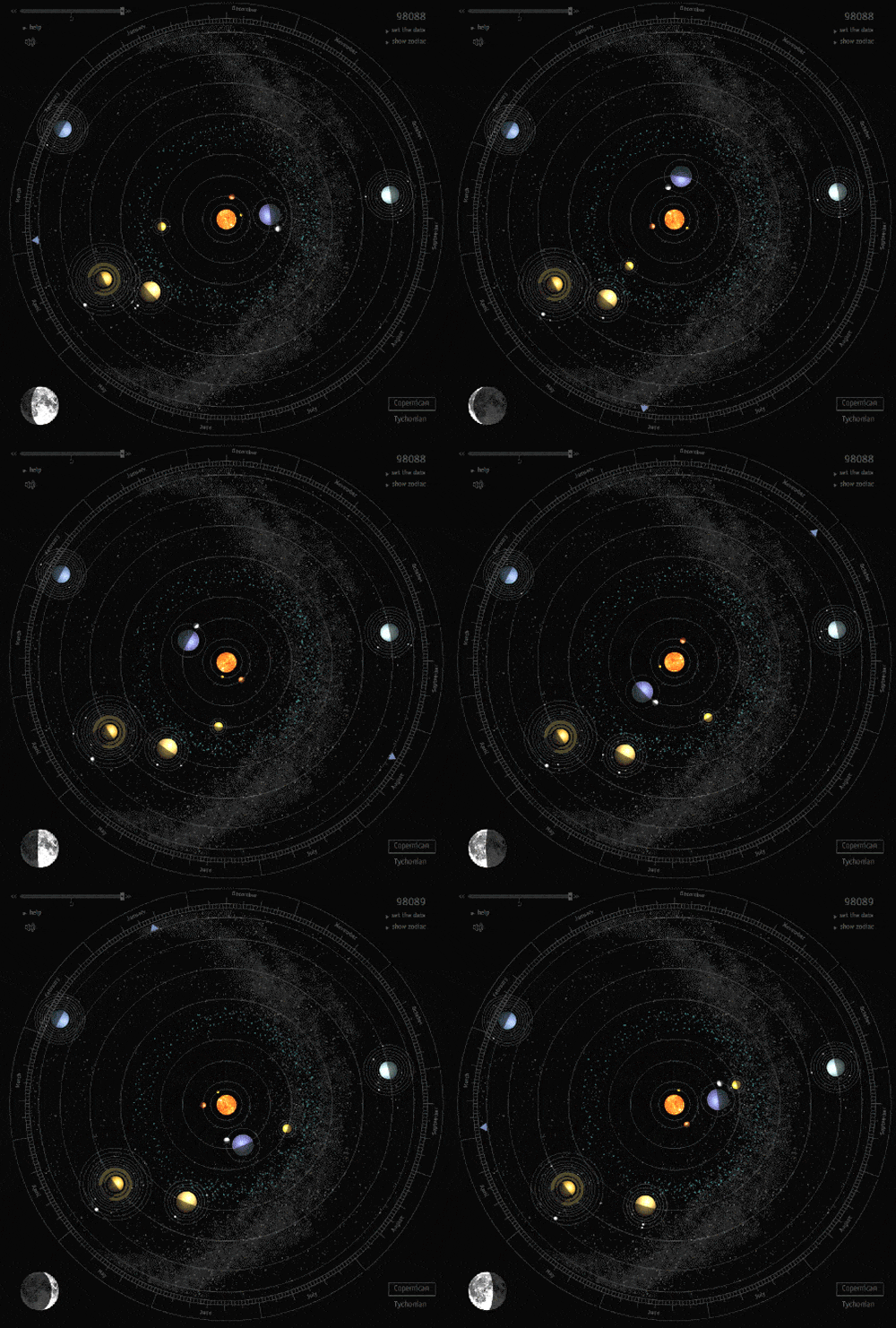
orbit
to circle around due to gravity; the path of an orbiting object
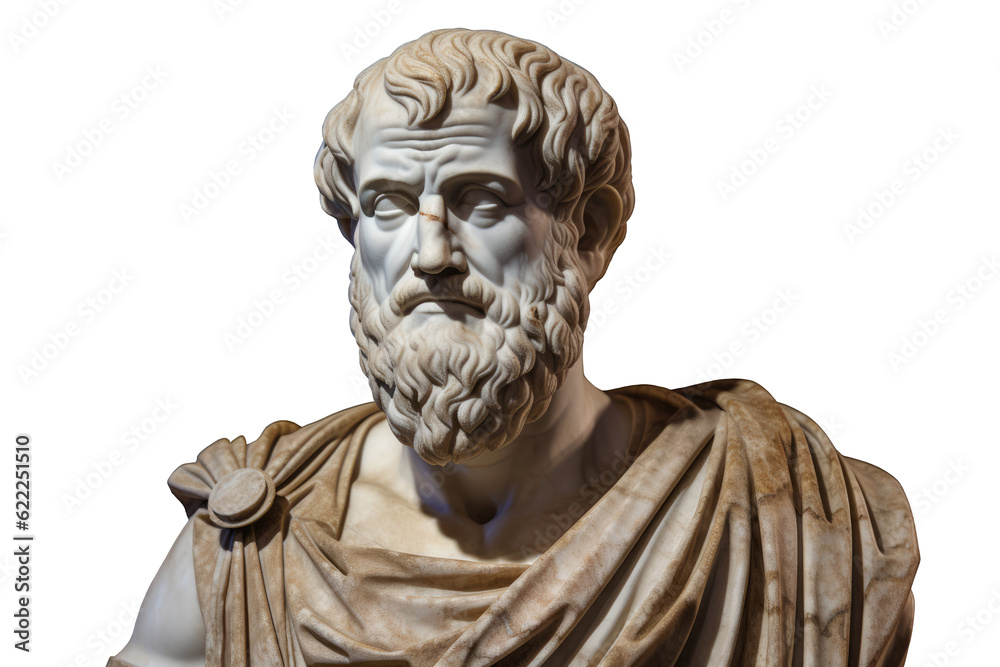
Aristotle
Greek philosopher who popularized the idea that the universe is geocentric
geocentric
earth centered
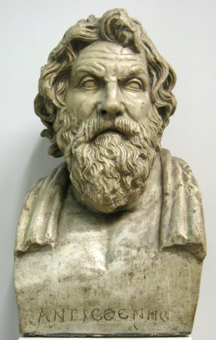
Aristarchus
Greek astronomer who proposed that earth orbits the sun
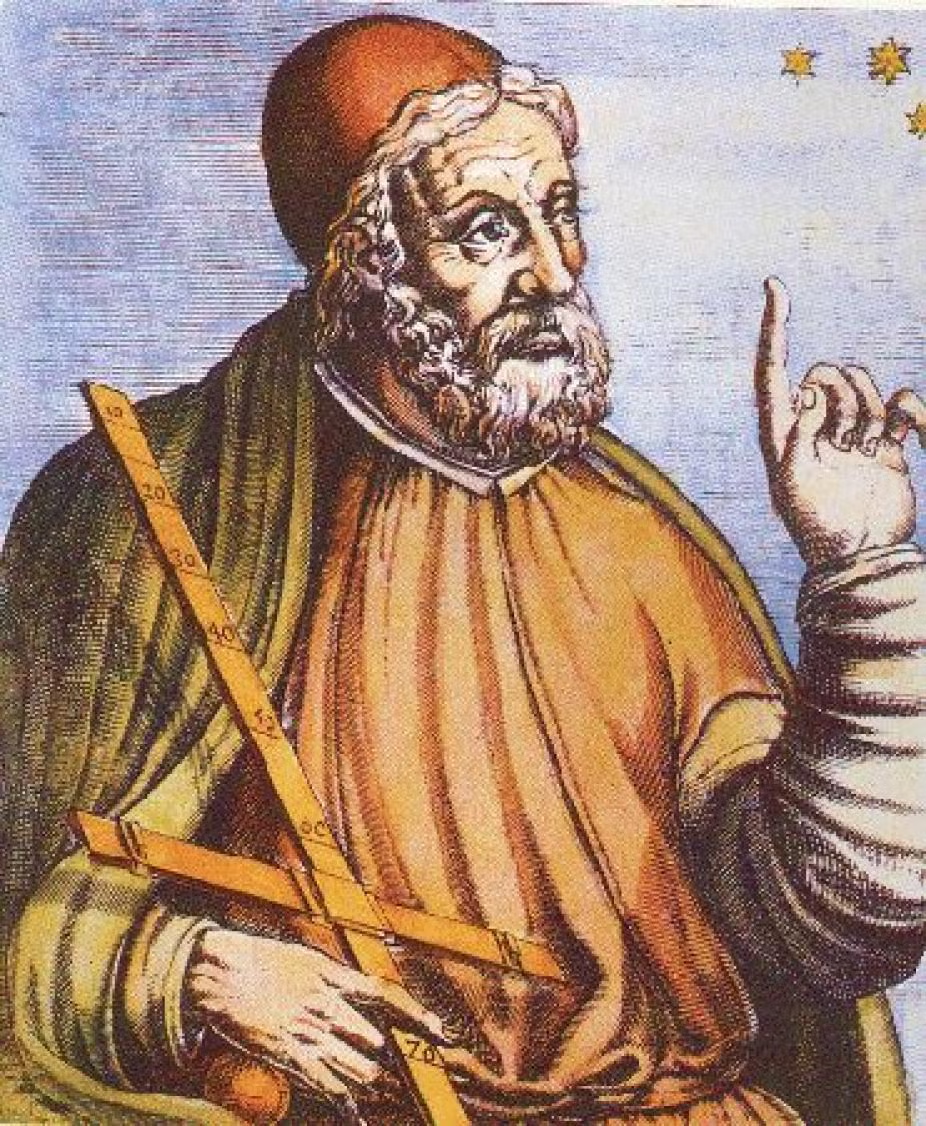
Ptolemy
ancient astronomer from Alexandria, Egypt, who adopted and expanded Aristotle’s geocentric view in his book Almagest
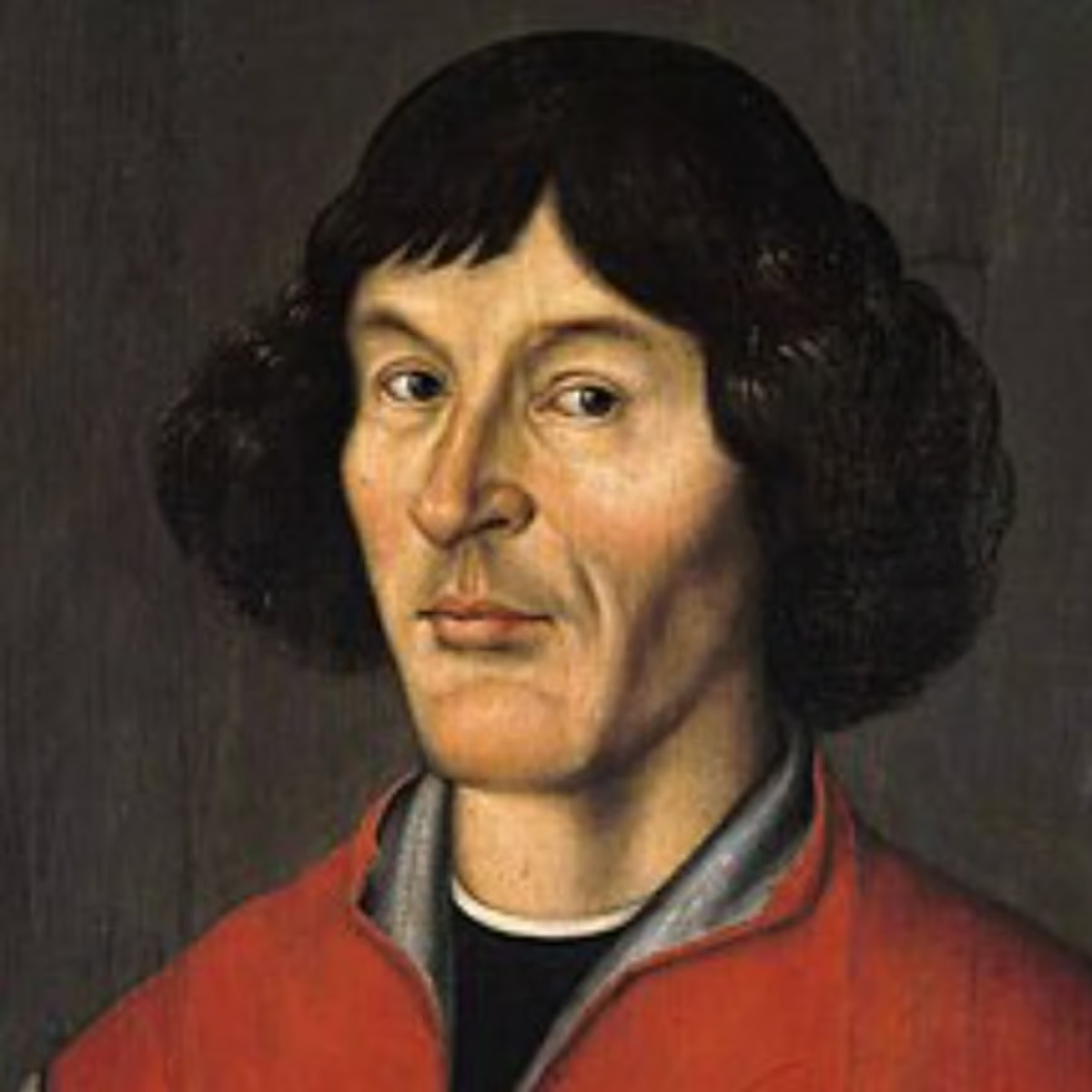
Nicolaus Copernicus
Polish astronomer who proposed the heliocentric theory
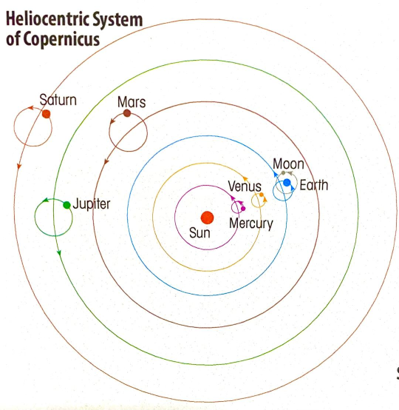
heliocentric
sun centered
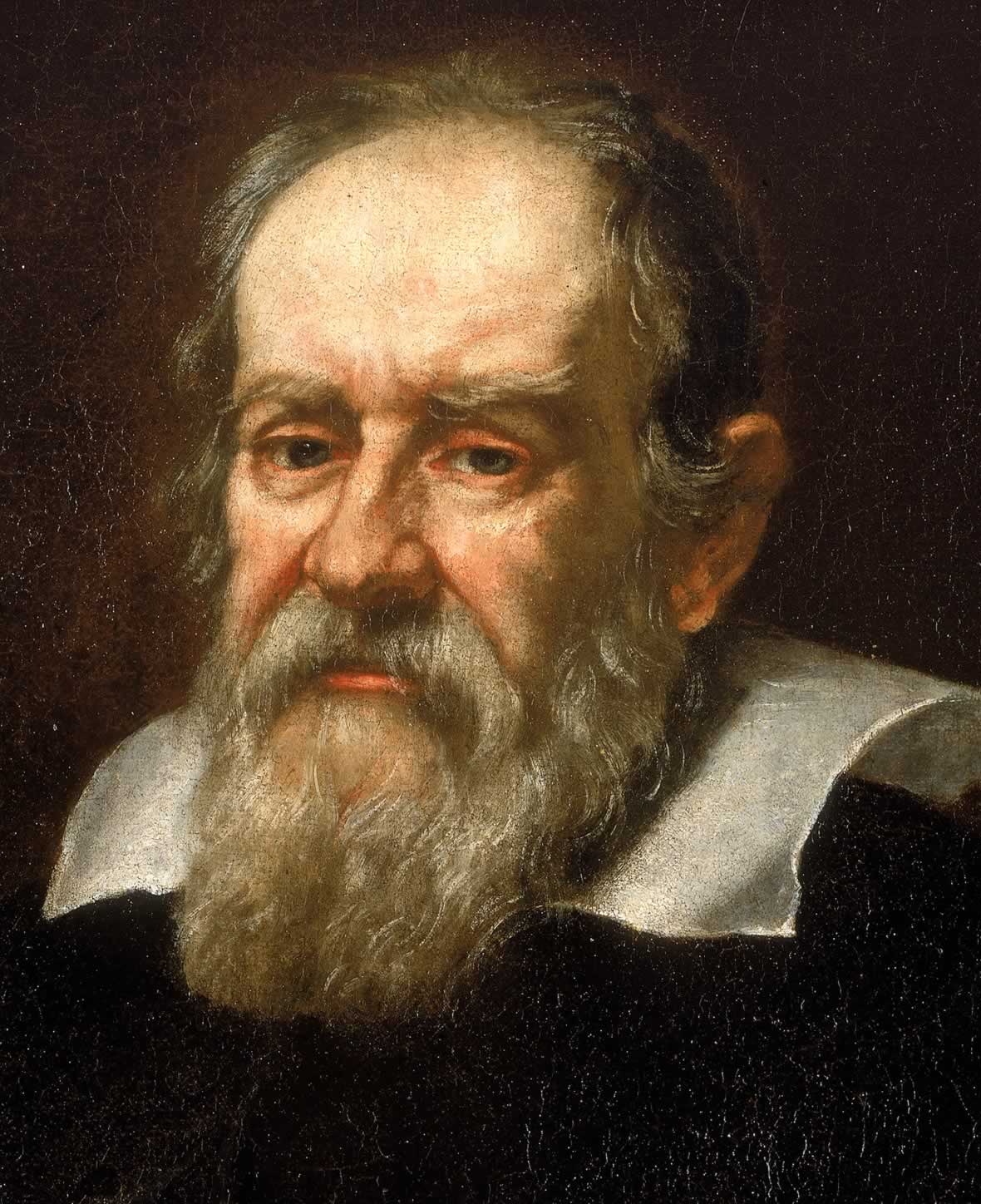
Galileo
Italian astronomer who built one of the first telescopes and used it in his astronomical investigations
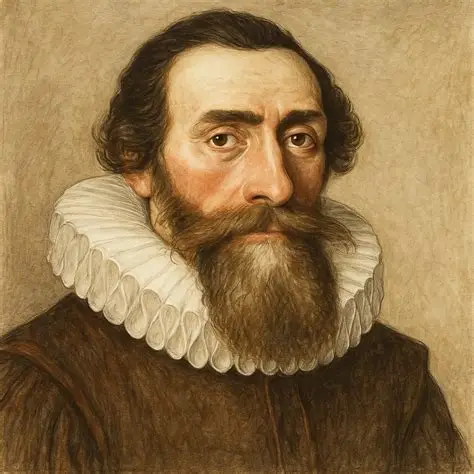
Johannes Kepler
Lutheran astronomer who developed the laws of planetary motion
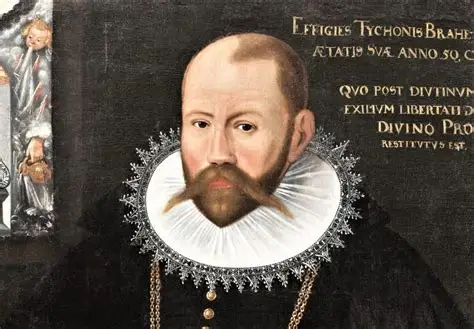
Tycho Brahe
Danish astronomer whose accurate records helped Kepler prove Copernicus’s ideas
ellipse
symmetrical oval defined so that the sum of the distances from the two foci to a point on the ellipse is constant
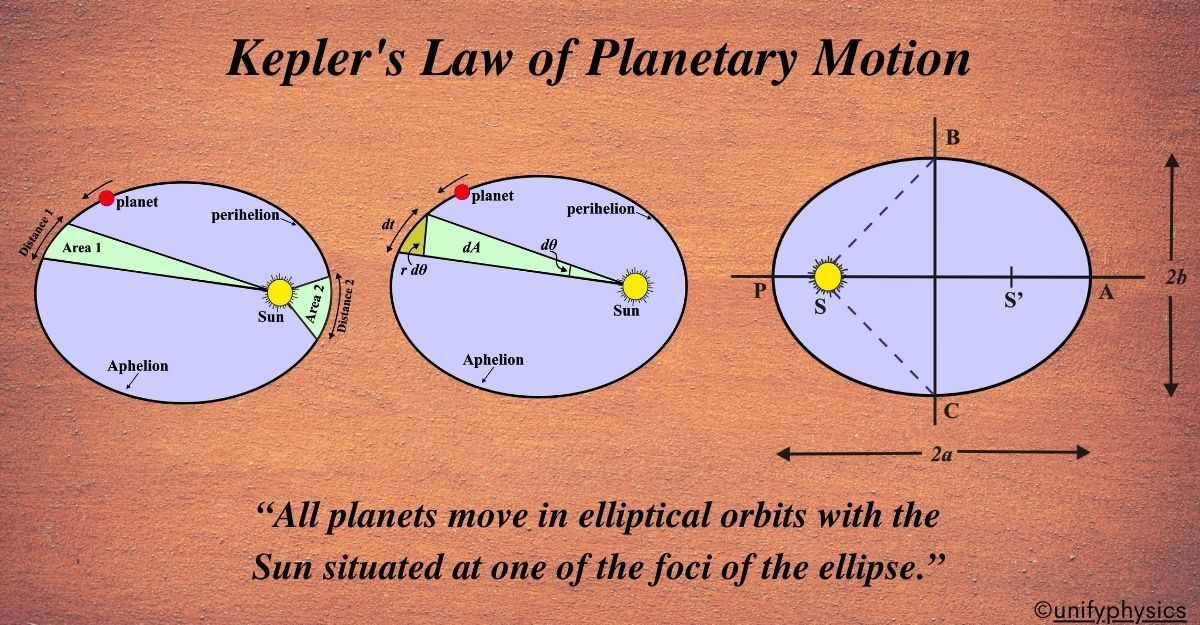
Laws of planetary motion
three laws formulated by Johannes Kepler to help explain astronomers’ observations of the planets’ paths
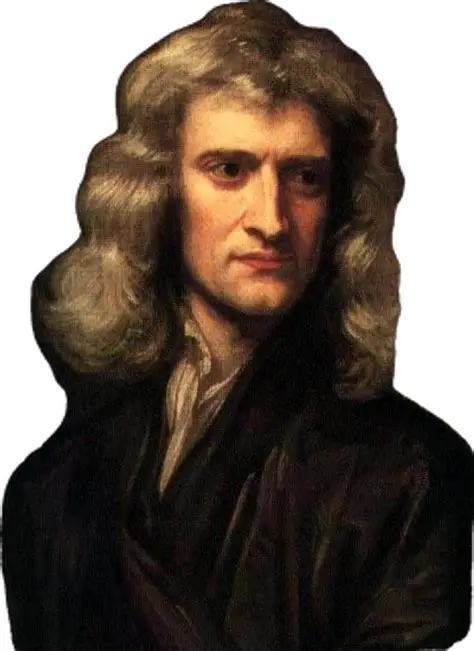
Sir Isaac Newton
scientist who discovered the law of universal gravitation
gravity
force of attraction that exists between any two objects
Law of universal gravitation
law stating that the strength of the gravitational force between two objects depends on their masses and the distance between them
Nebular hypothesis
evolutionary idea that the solar system began forming 4.6 billion years ago when a massive cloud of gas and dust began collapsing inward and rotating, eventually forming the sun and planets
planets
objects that orbit the sun, have enough gravity to be a sphere, and have removed small objects from their orbit
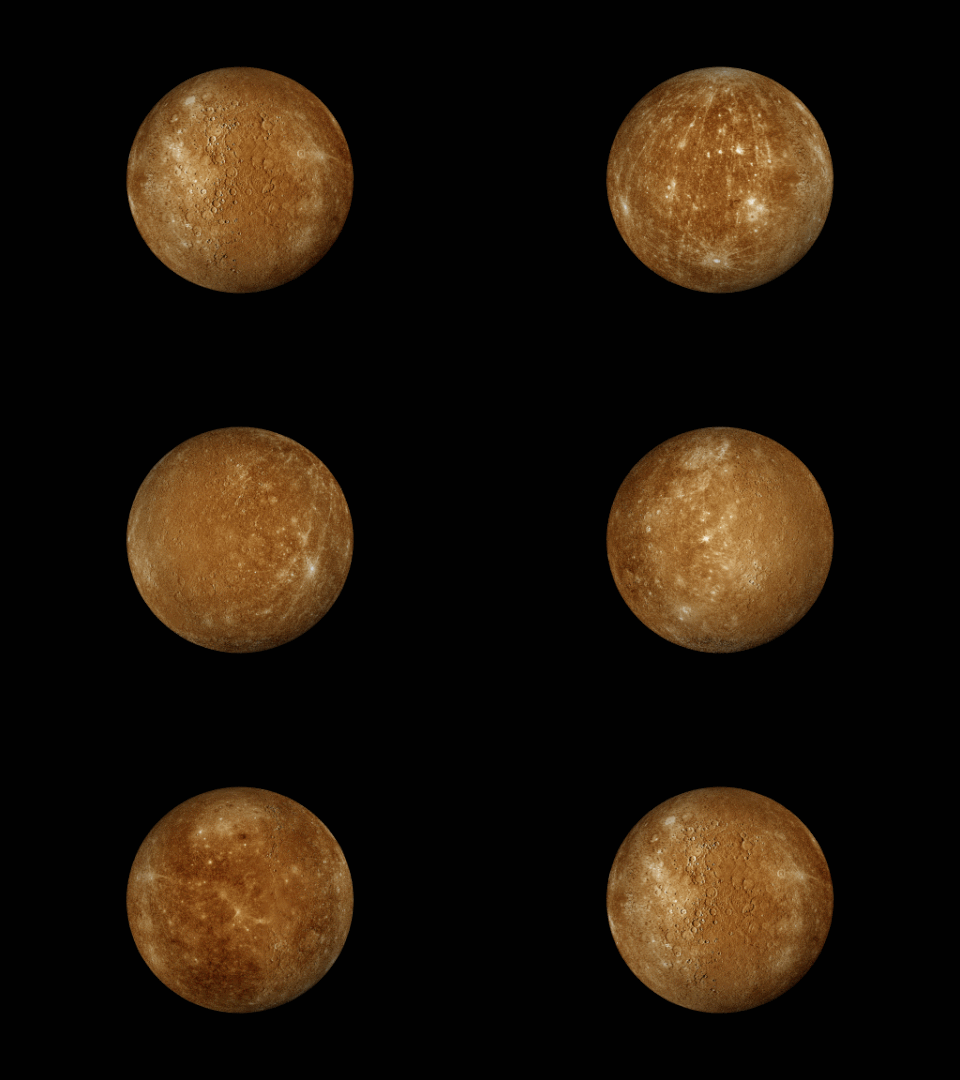
Mercury
closest planet to the sun
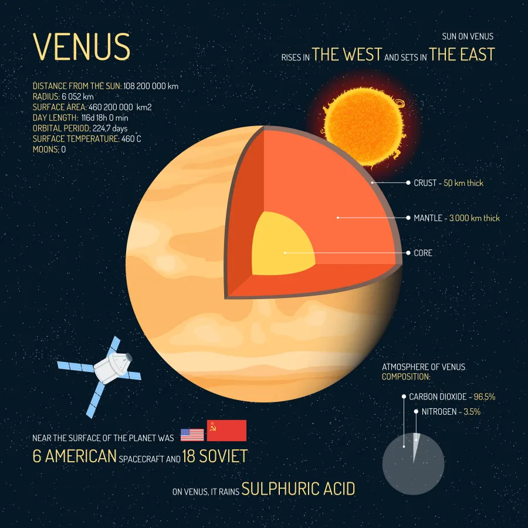
Venus
second planet from the sun, which is often the brightest object in the night sky except for the moon
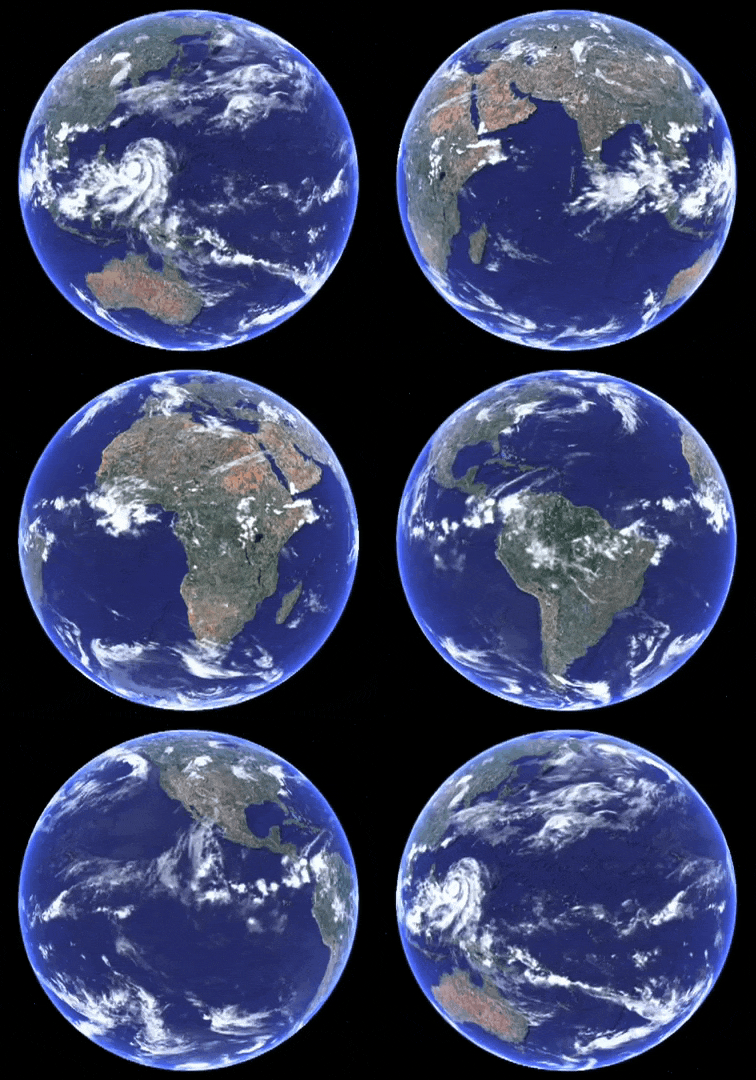
Earth
3rd planet from the sun; the only planet in the solar system that is suitable for life
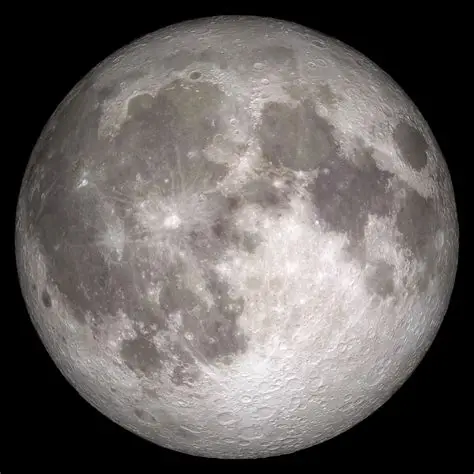
moon
Earth’s only natural satellite
satellite
any object that orbits a larger object
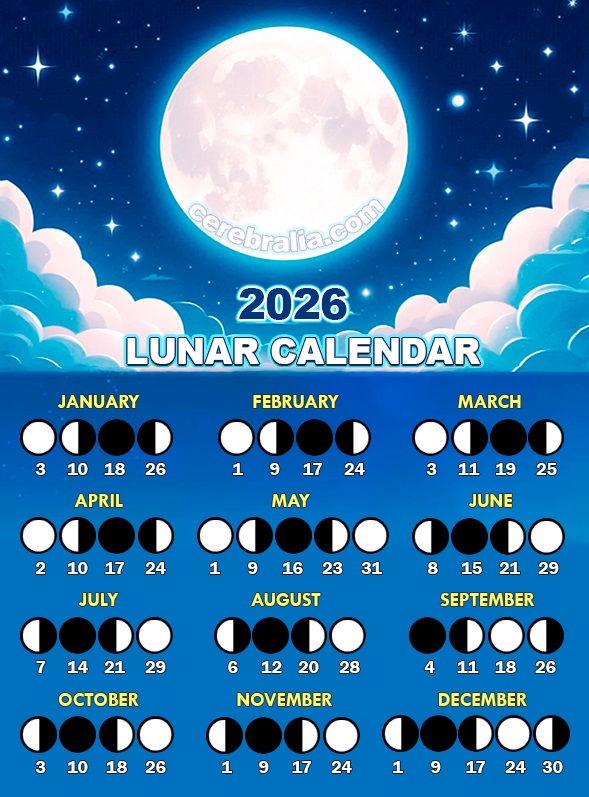
Lunar month
period of the moon’s elliptical orbit
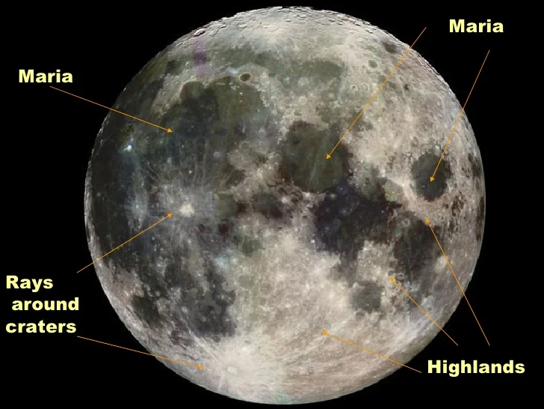
maria
the moon’s dark patches
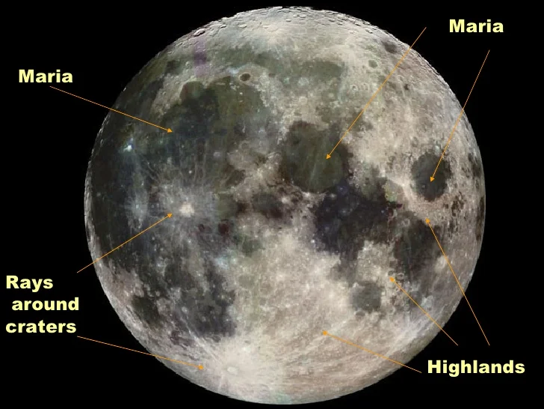
rays
streak around a lunar crater that is made up of light-colored powder that was hurled away from the crater when the crater formed
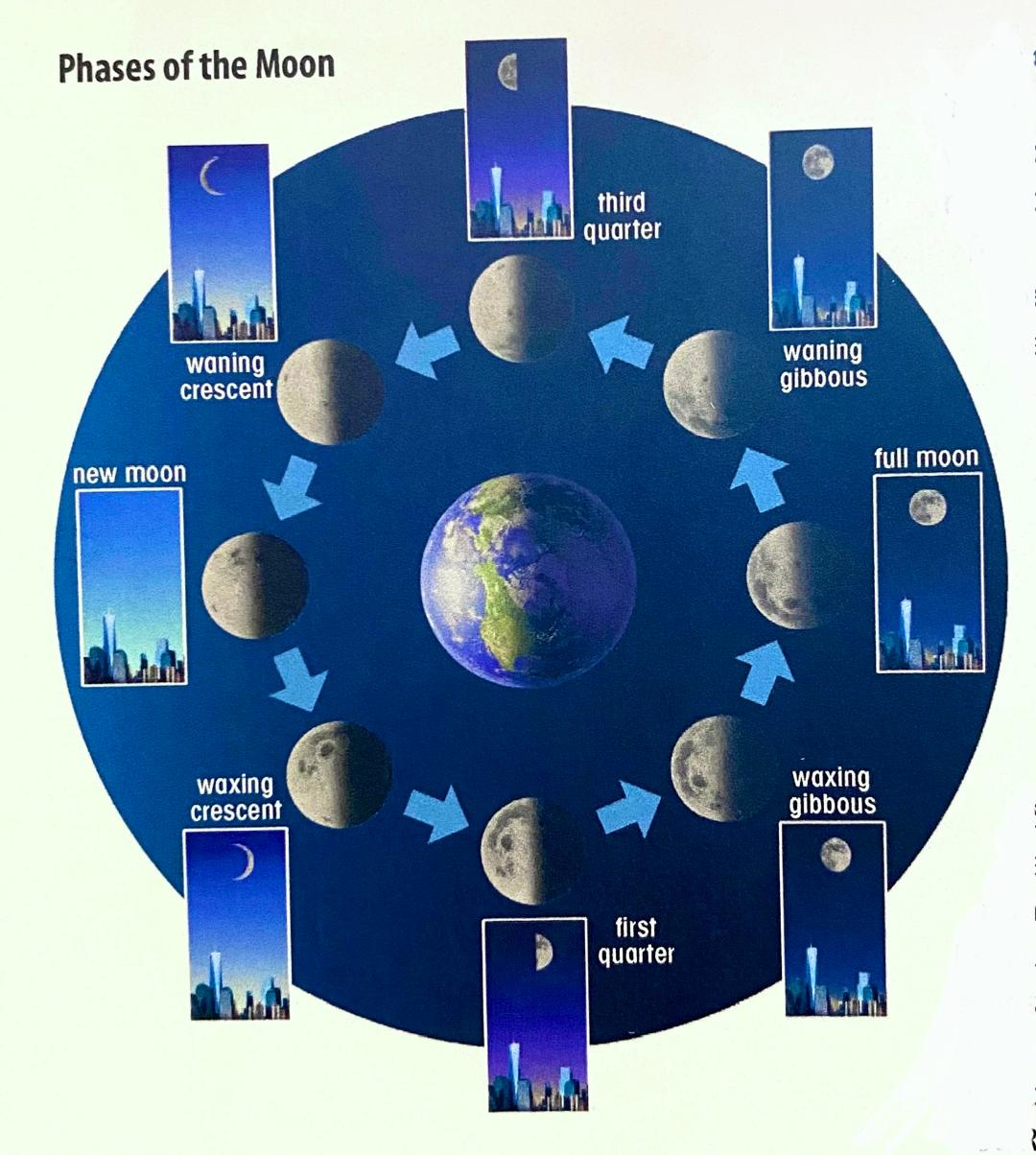
New moon
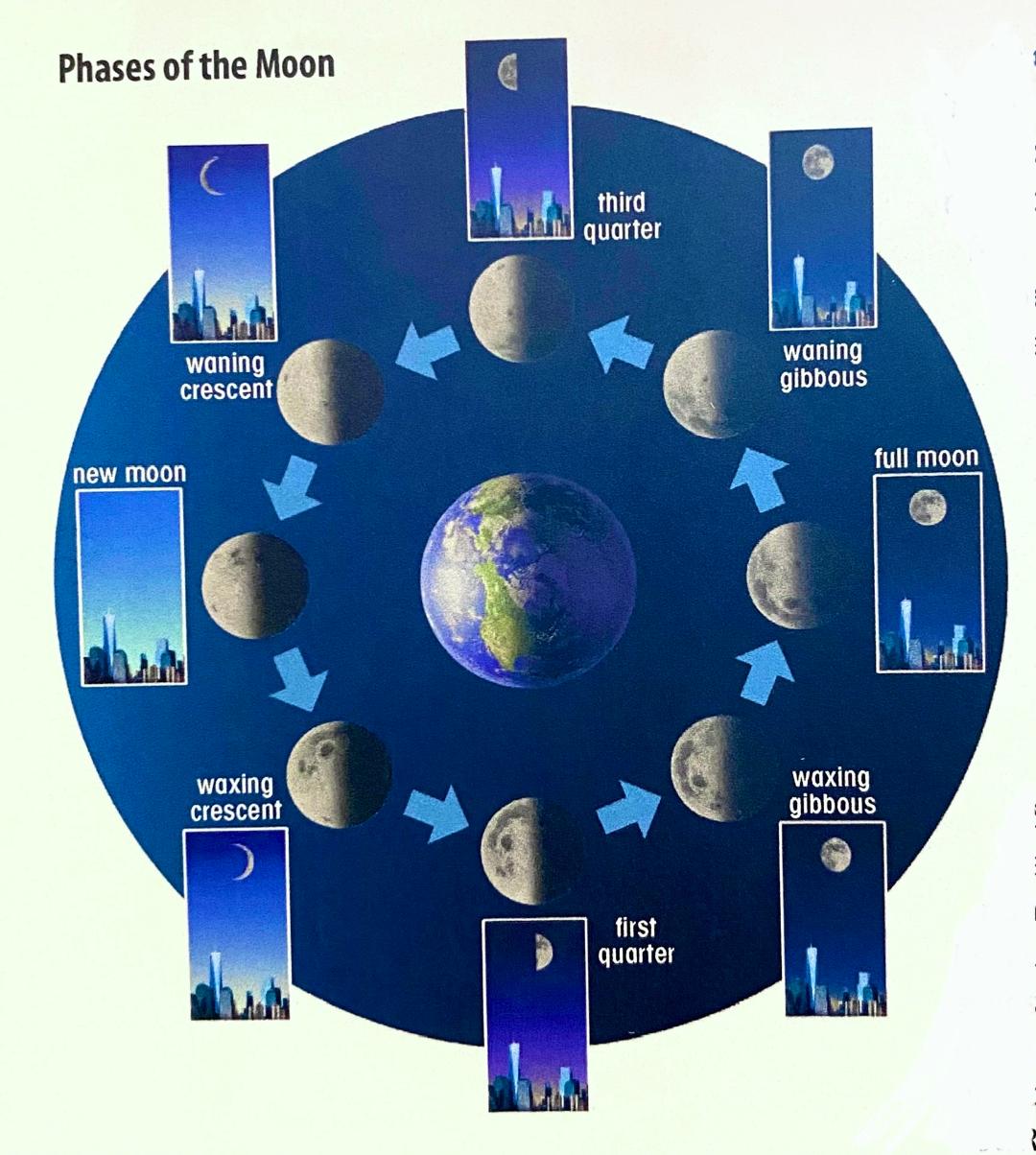
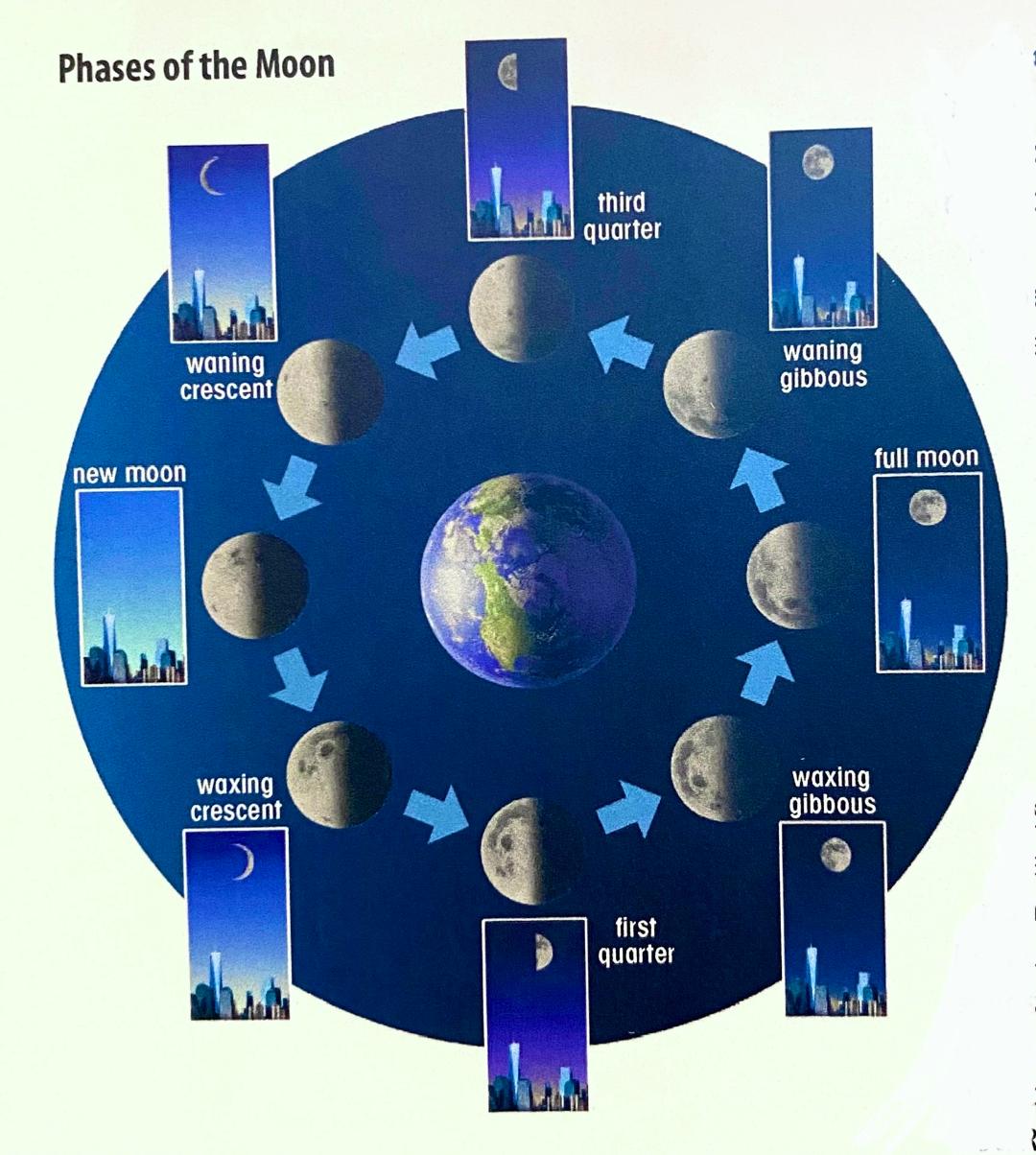
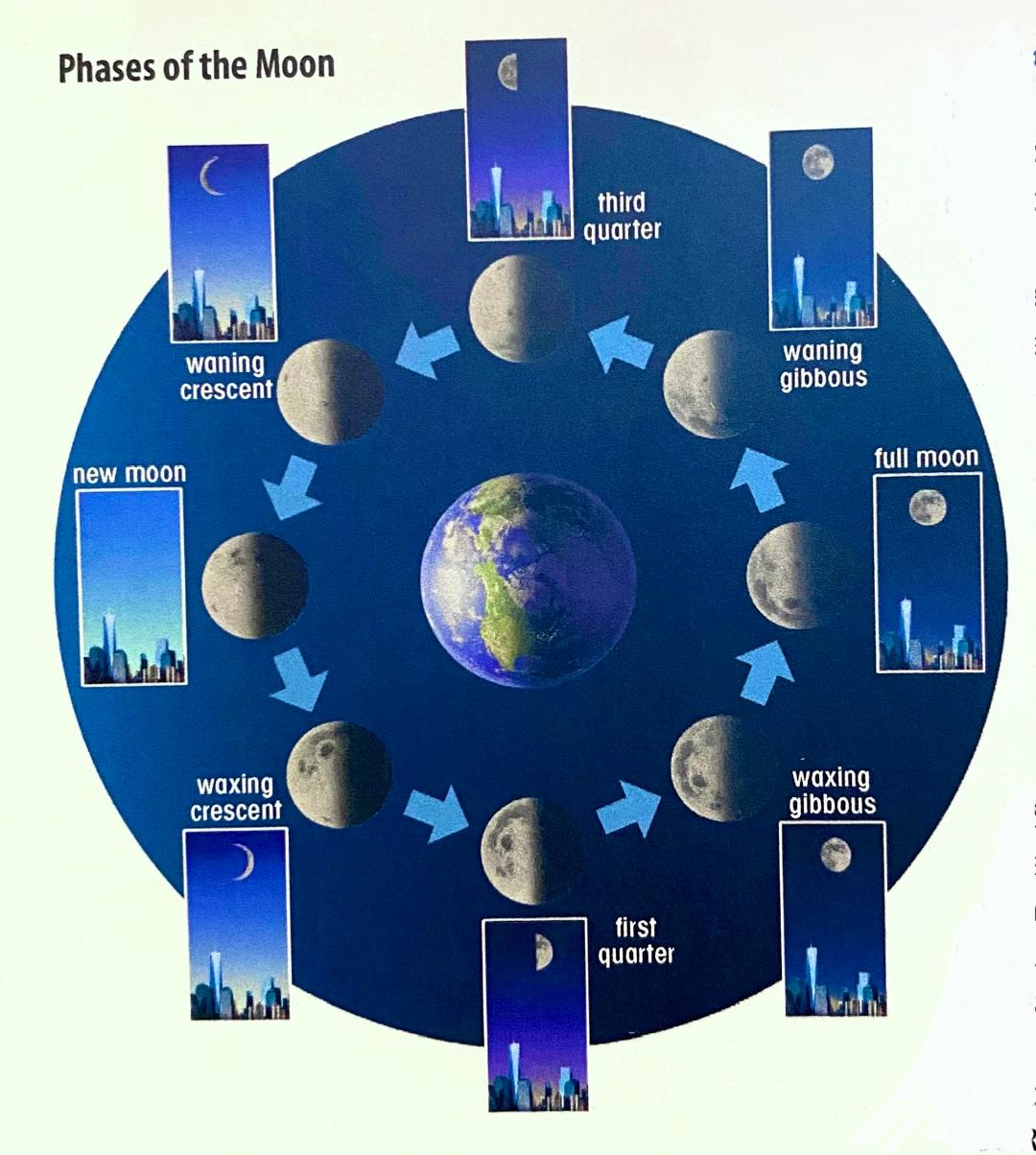
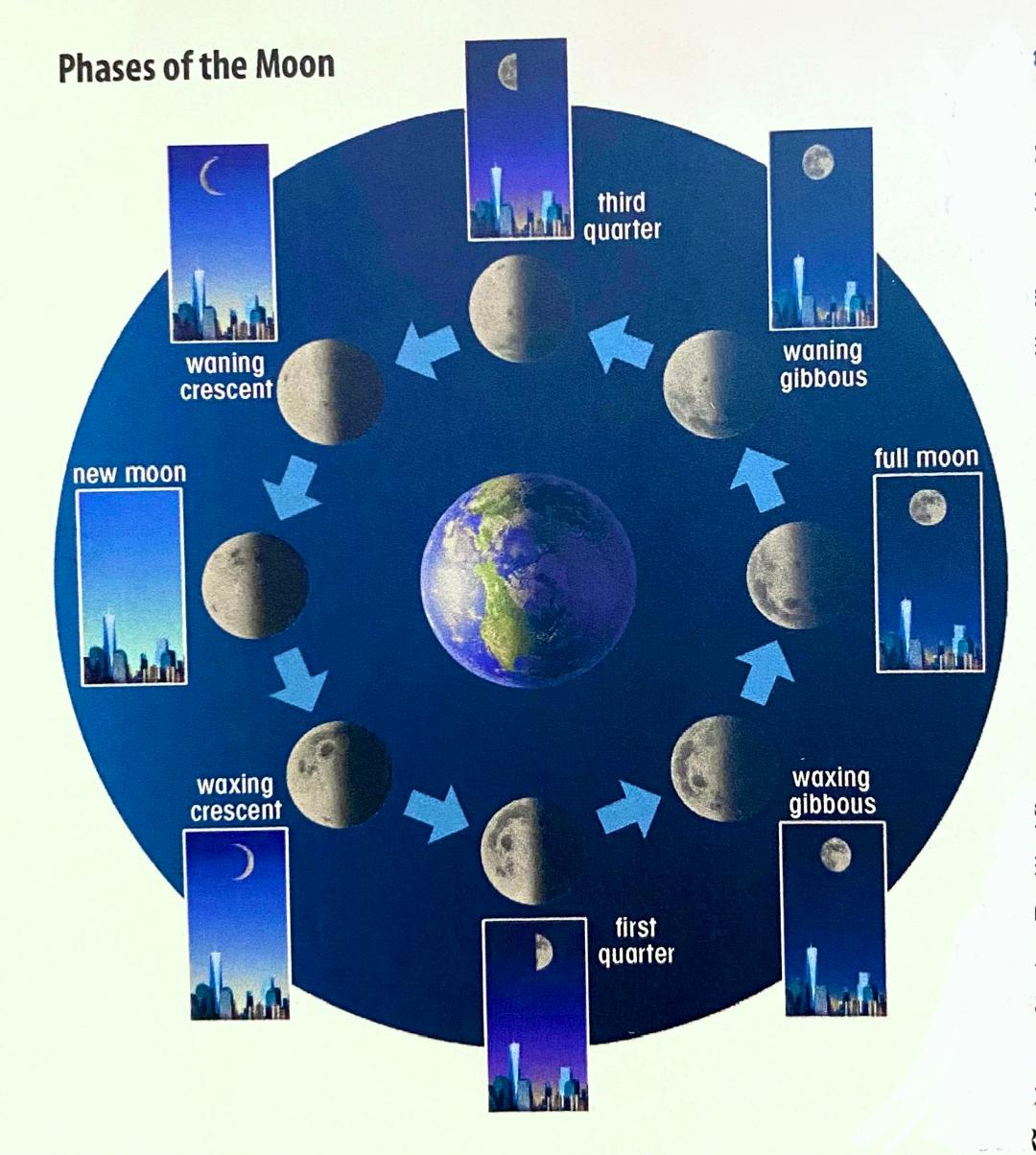
phase of the moon that occurs when the sunlit side of the moon is turned away from the earth and completely hidden
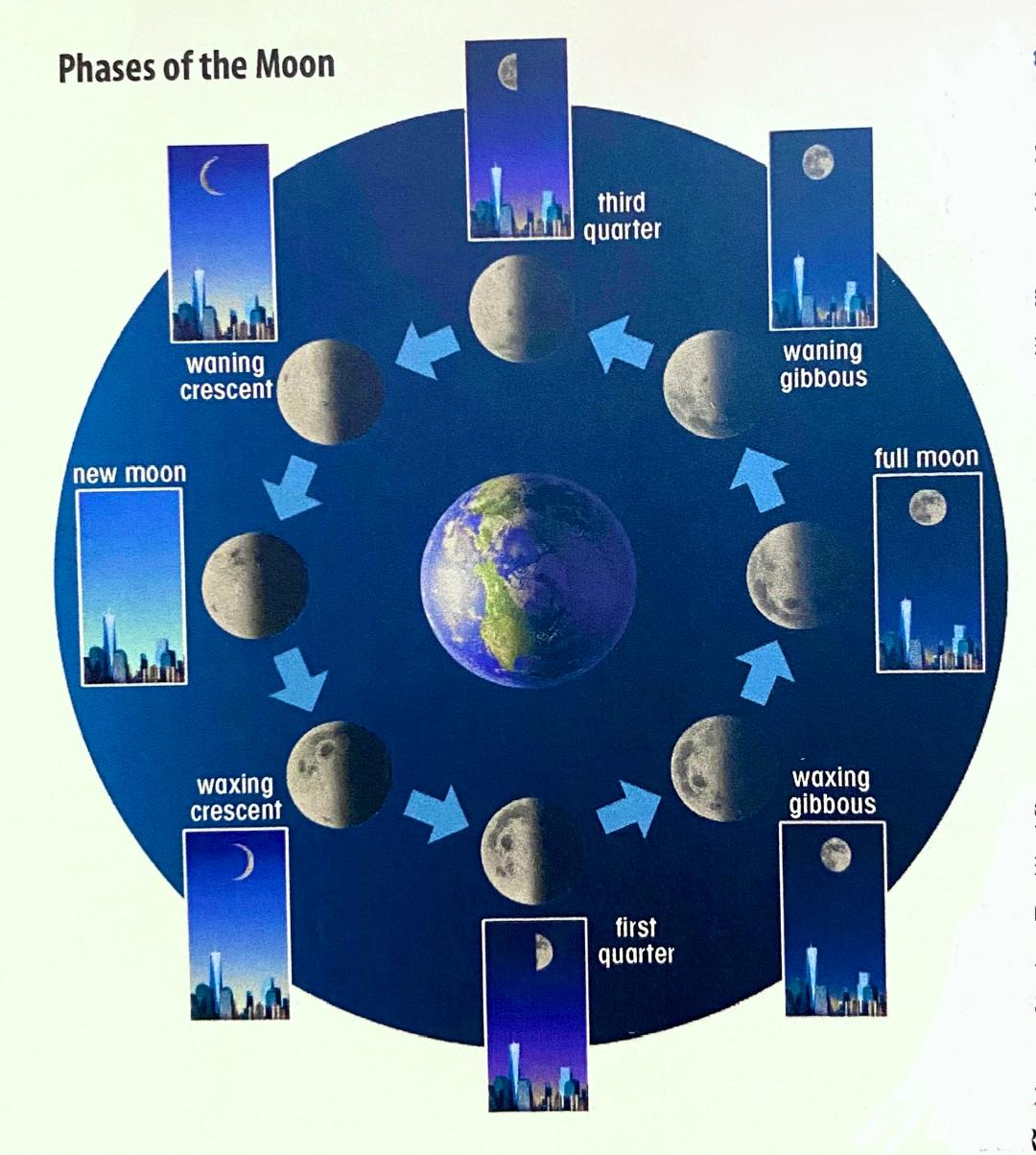
Waxing crescent
phase of the moon between new moon and first-quarter moon, in which less than half of the moon’s sunlit side is visible from Earth and becoming larger
First-quarter moon
phase of the moon that occurs when half of the moon is visible directly after the waxing crescent phase ends
Waxing gibbous
phase of the moon between first-quarter moon and full moon, in which more than half of the moon’s sunlit side is visible from Earth and becoming larger
Waning gibbous
phase of the moon between full moon and third-quarter moon, in which more than half of the moon’s sunlit side is visible from Earth and is becoming smaller
Third-quarter moon
(also called last-quarter moon) phase of the moon that occurs when only half of the moon is visible directly after the waning gibbous phase
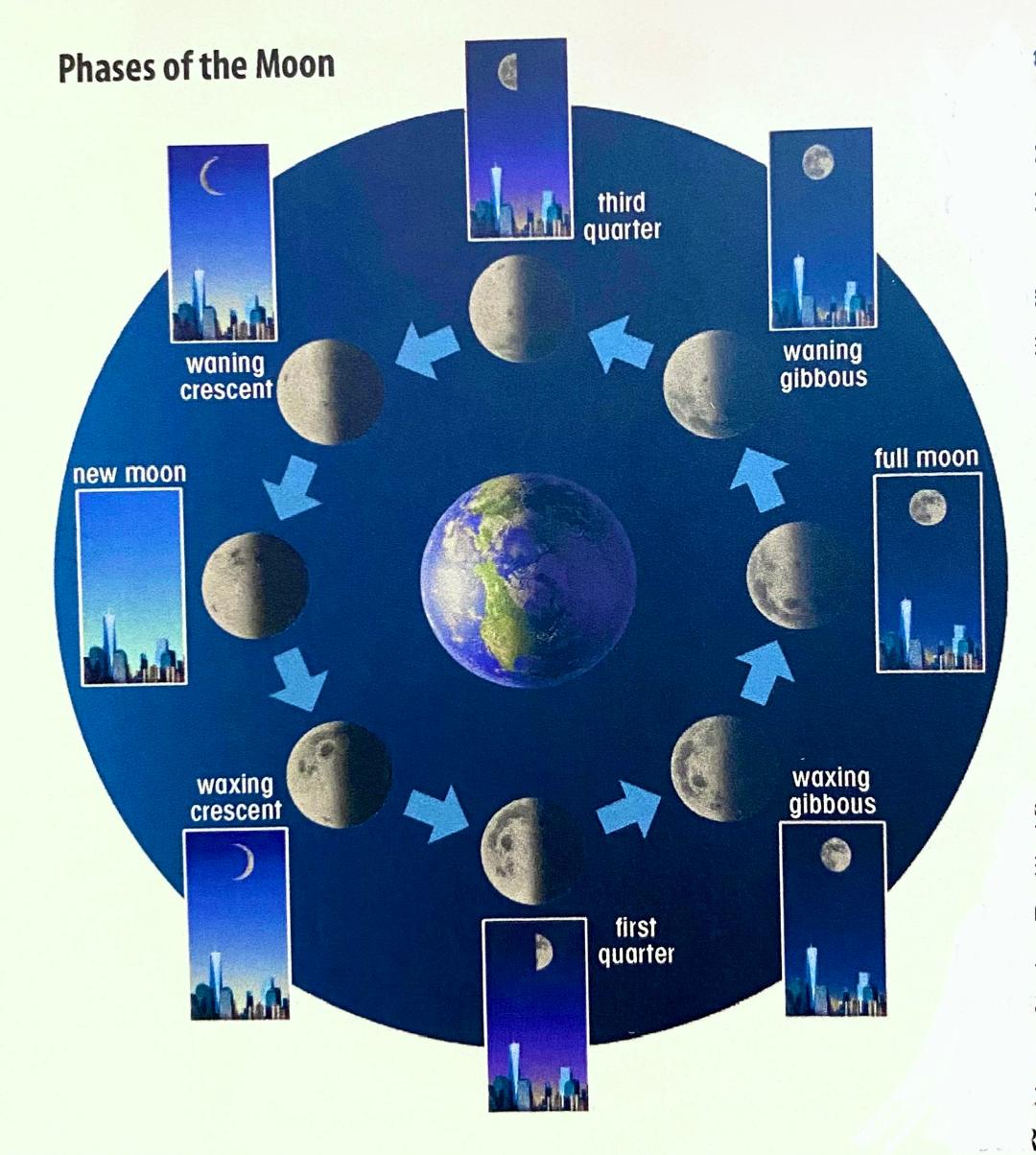
Waning crescent
phase of the moon between third-quarter and new moon, in which less than half of the moon’s sunlit side is visible from Earth and is becoming smaller
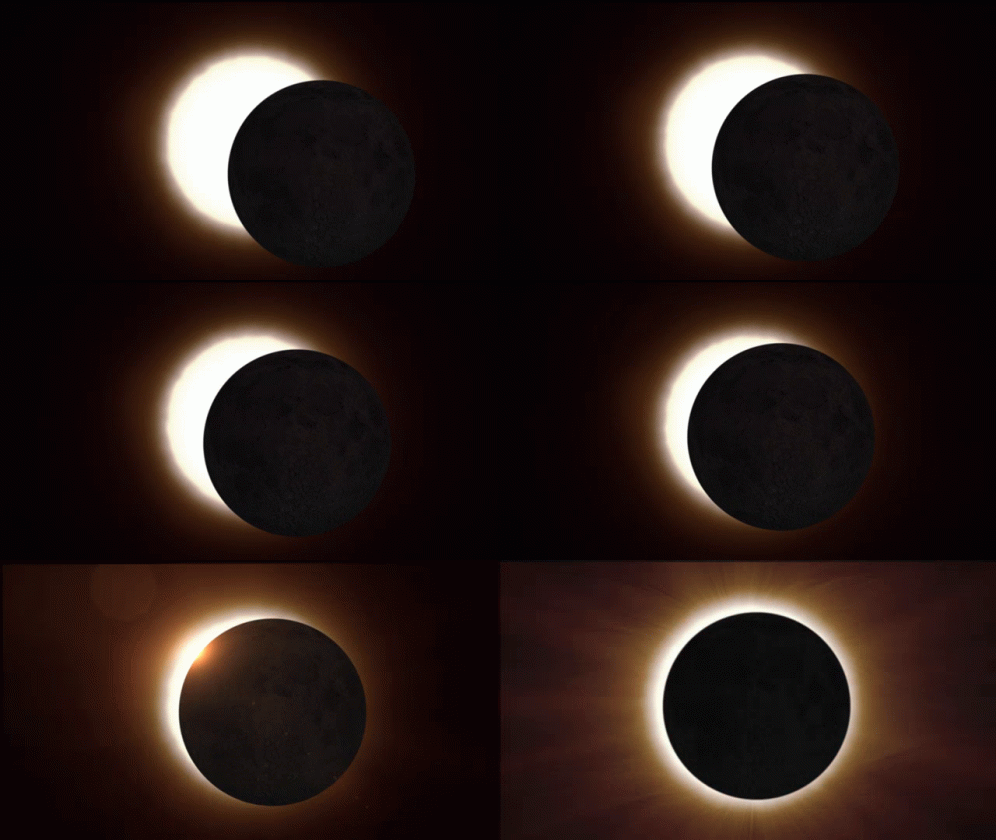
Solar eclipse
phenomenon that occurs when a new moon moves directly between the earth and the sun and blocks part or all of the sun from our view
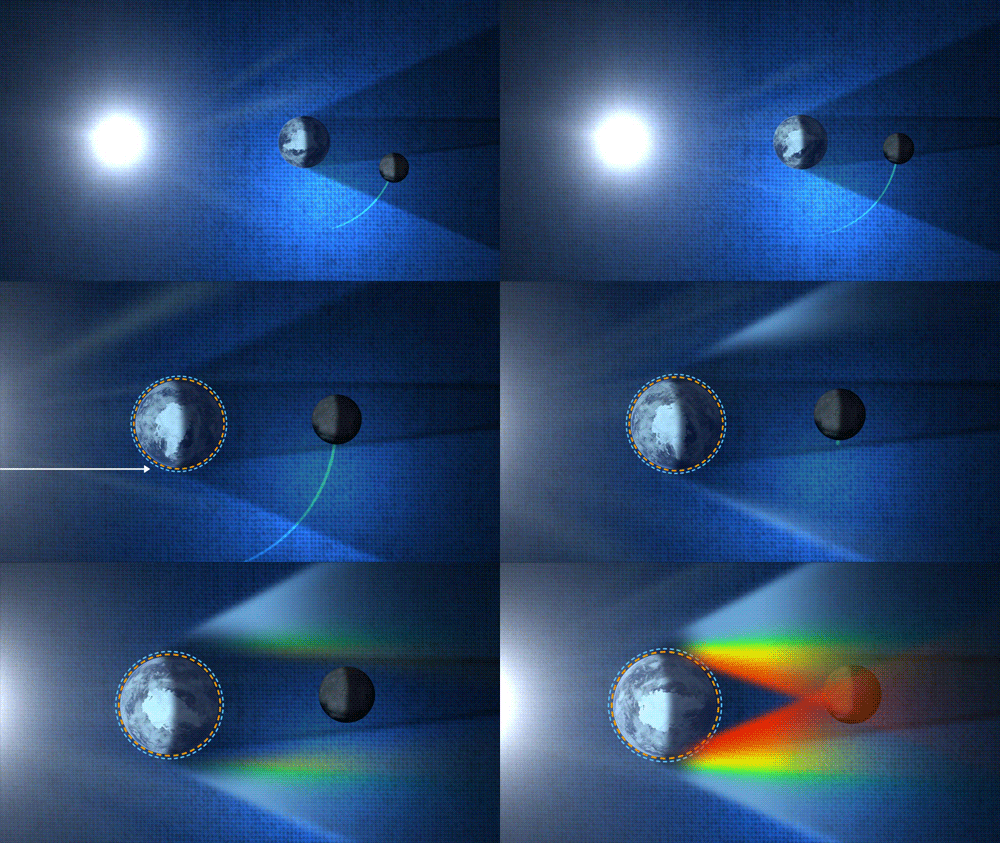
Lunar eclipse
phenomenon that occurs when the full moon passes through the earth’s shadow and the moon darkens because it can no longer reflect the sun’s light
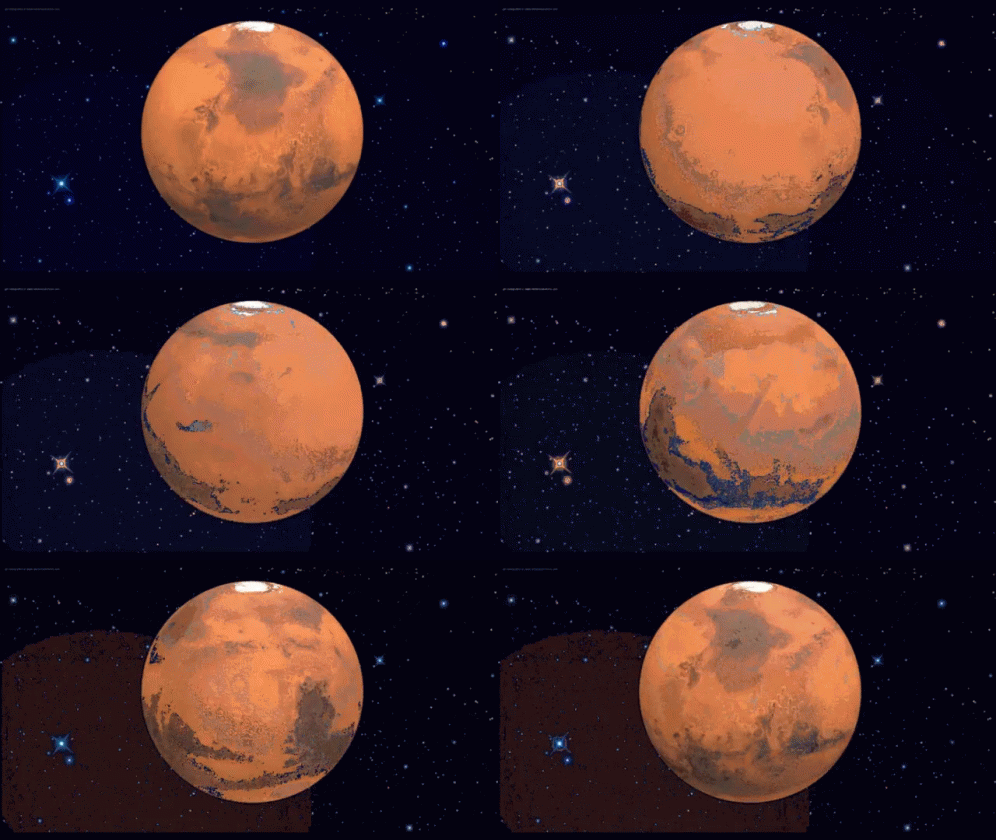
Mars
4th planet from the sun, known for its reddish-orange color
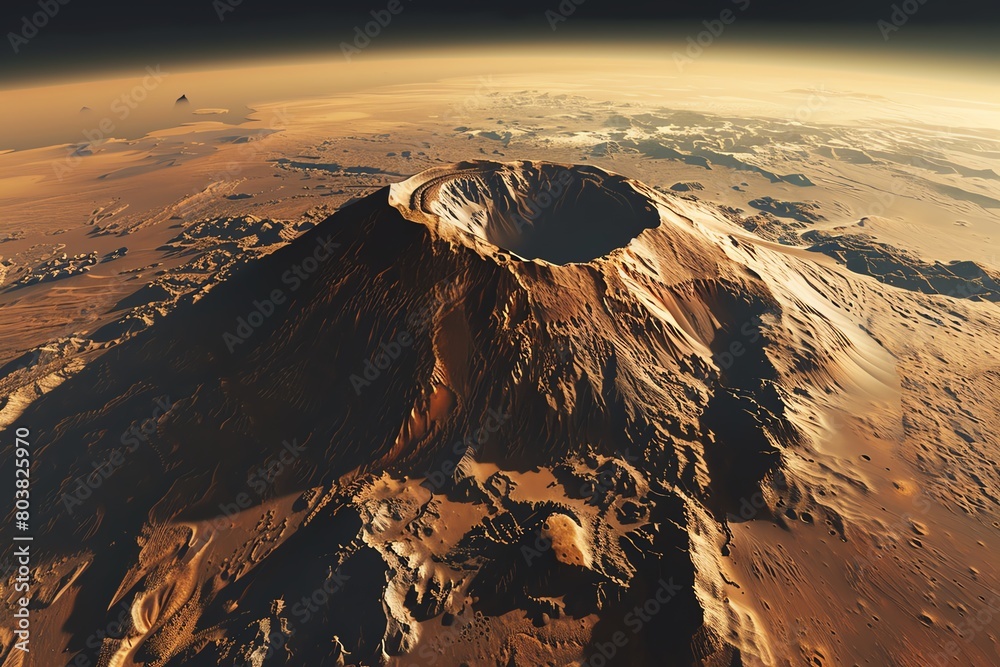
Olympus Mons
Martian shield volcano that is the largest known mountain in the solar system
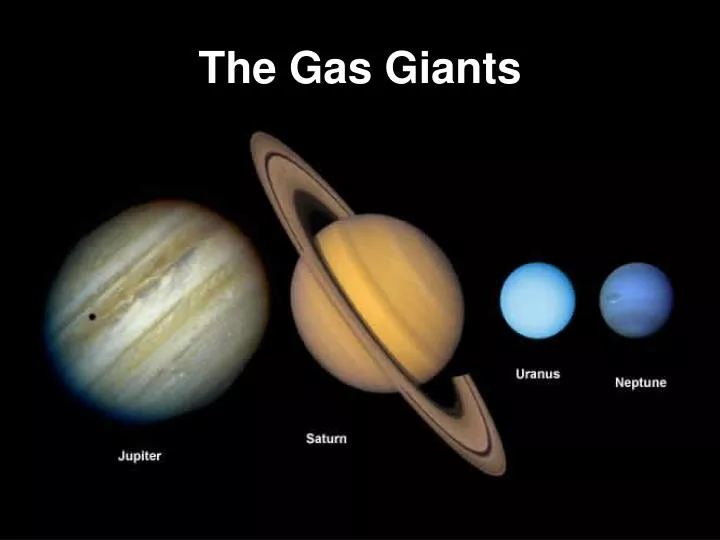
Gas giants
any of the planets that are primarily made of gases and are much larger than Earth
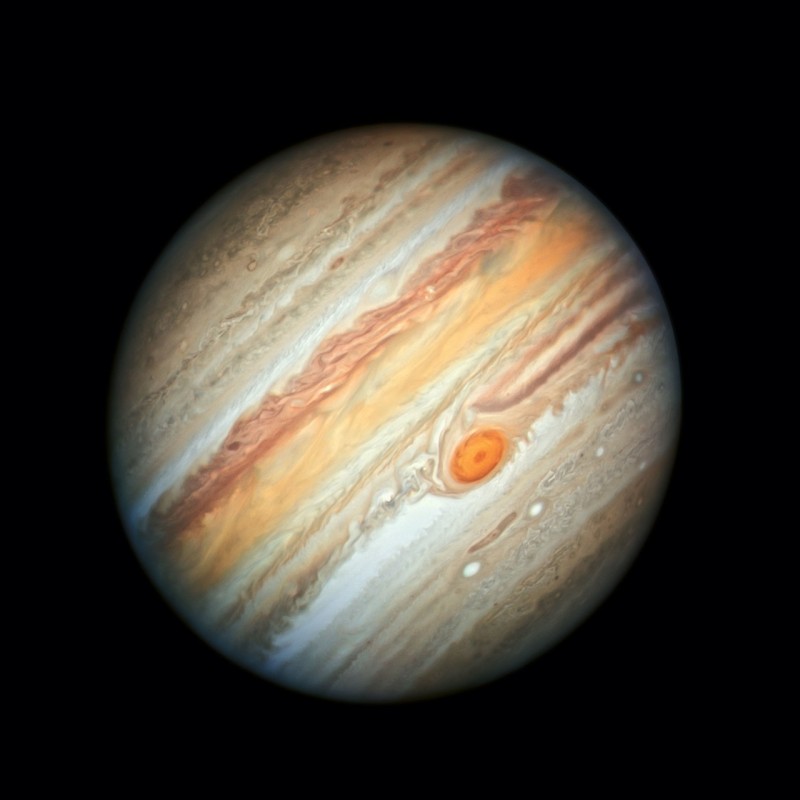
Jupiter
5th planet from the sun; the largest planet in the solar system
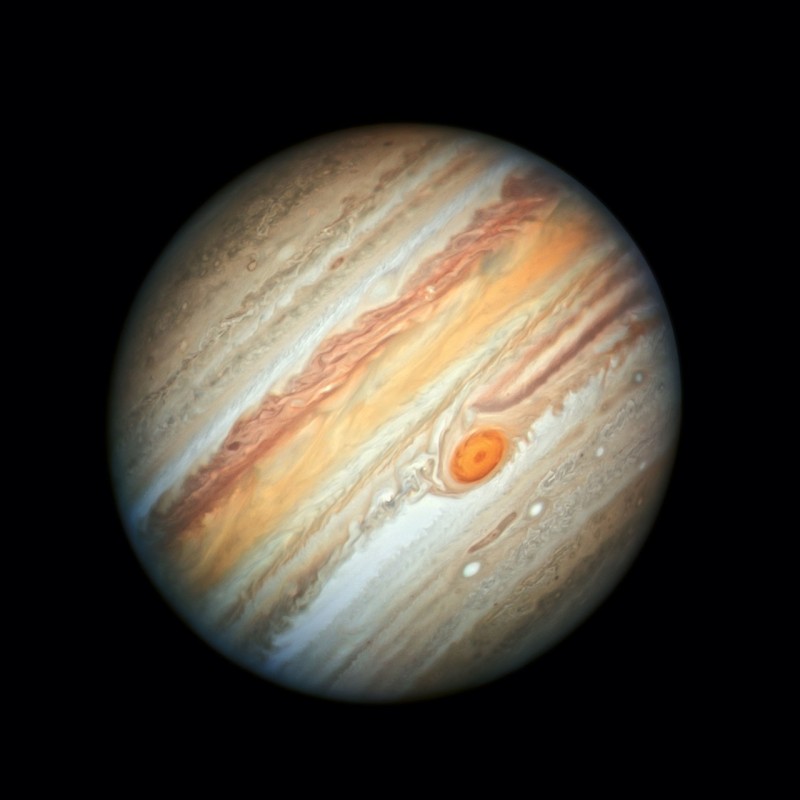
Great Red Spot
biggest storm seen on the planet Jupiter
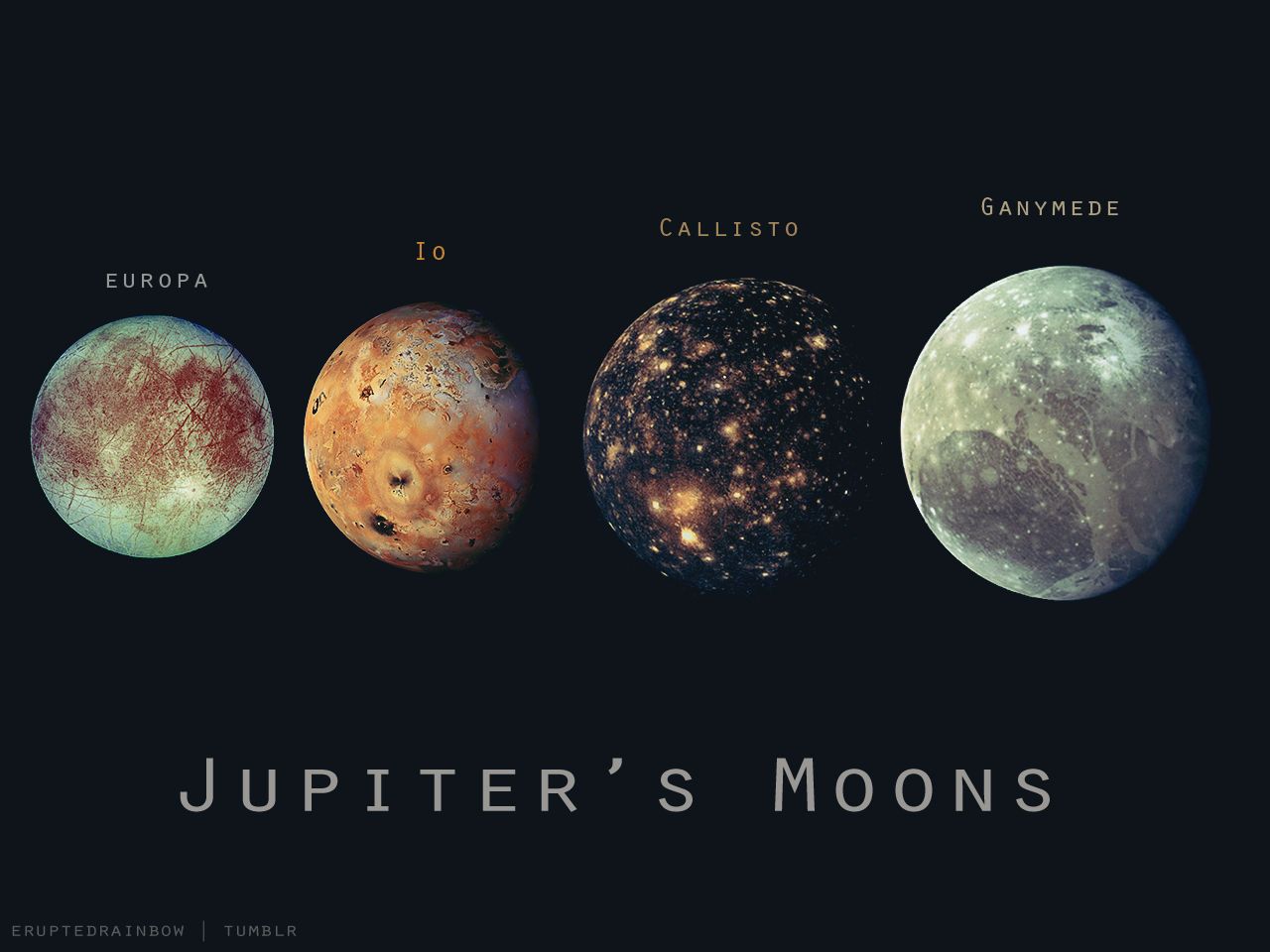
Galilean satellites
four largest moons of Jupiter, which were discovered by Galileo
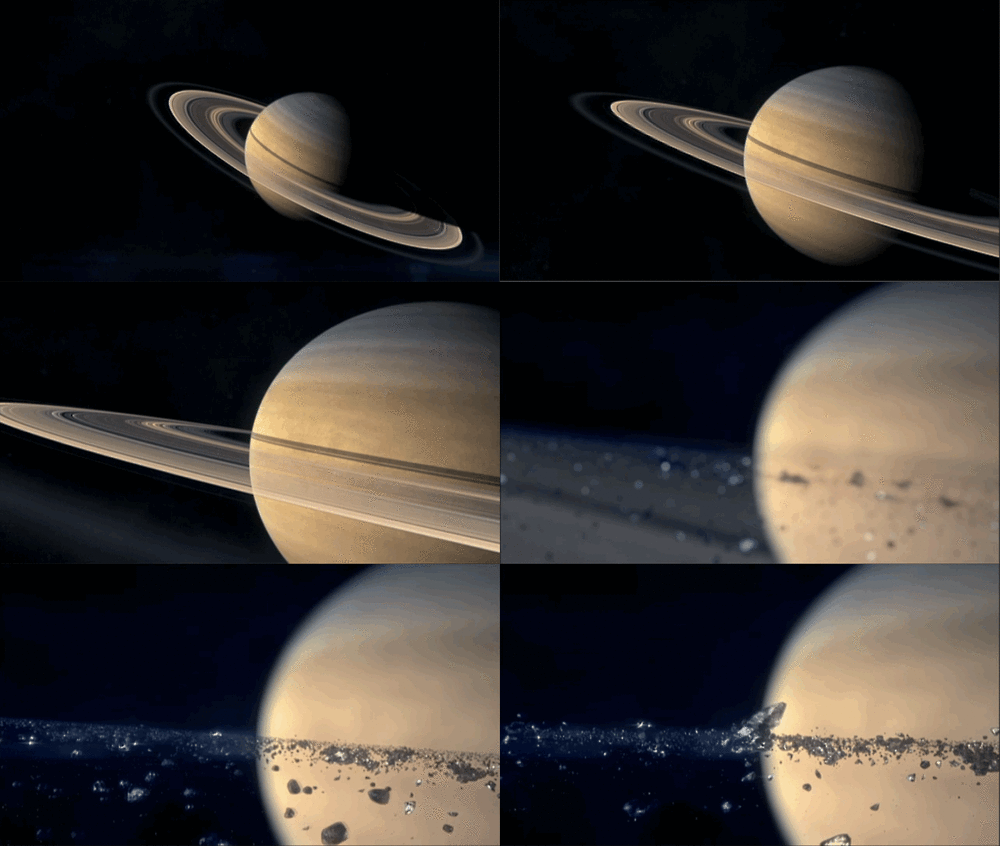
Saturn
6th planet from the sun and the second largest planet in the solar system
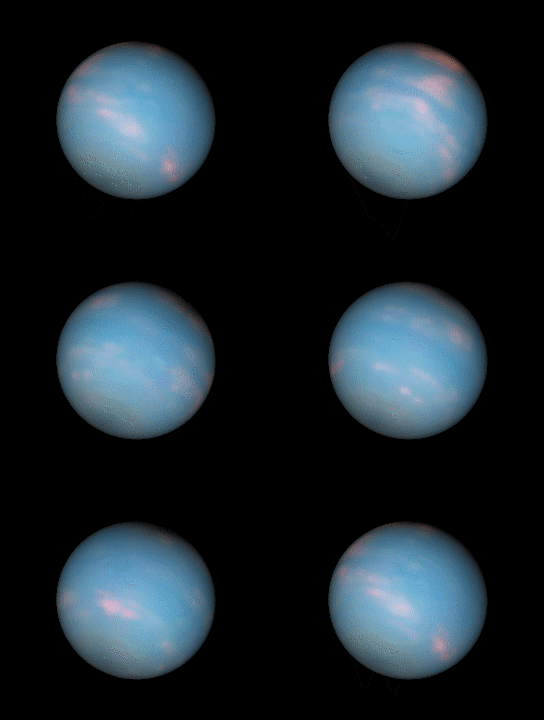
Uranus
7th planet from the sun; first planet to be discovered that was not known since ancient times
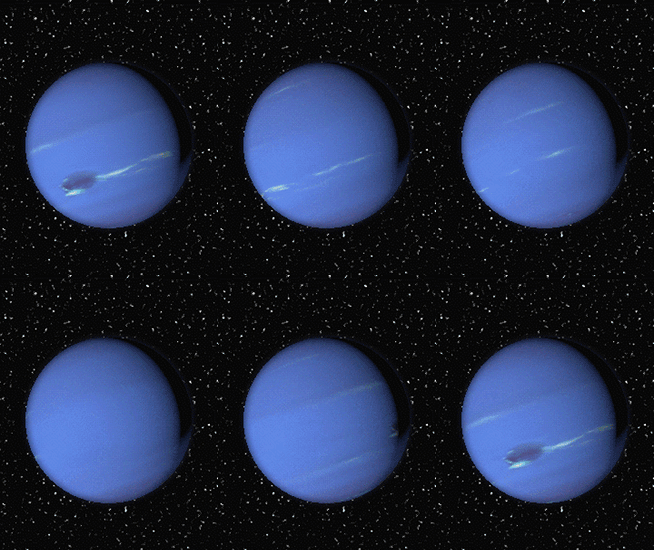
Neptune
8th planet from the sun; the only planet discovered mathematically before it was seen
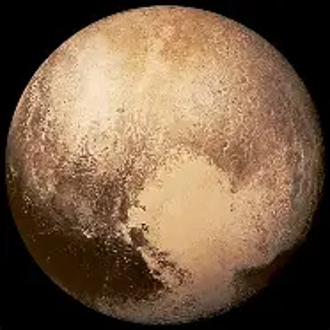
Pluto
solar system object considered the 9th planet when it was discovered in 1930; now considered a dwarf planet
Eris
trans-Neptunian body larger than Pluto
planet
object that orbits the sun, has enough gravity to be a sphere, and has removed small objects from its orbit
Dwarf planet
object that orbits the sun, has enough gravity to be a sphere, has not removed certain smaller objects from around its orbit, and is not orbiting around another object (besides the sun)
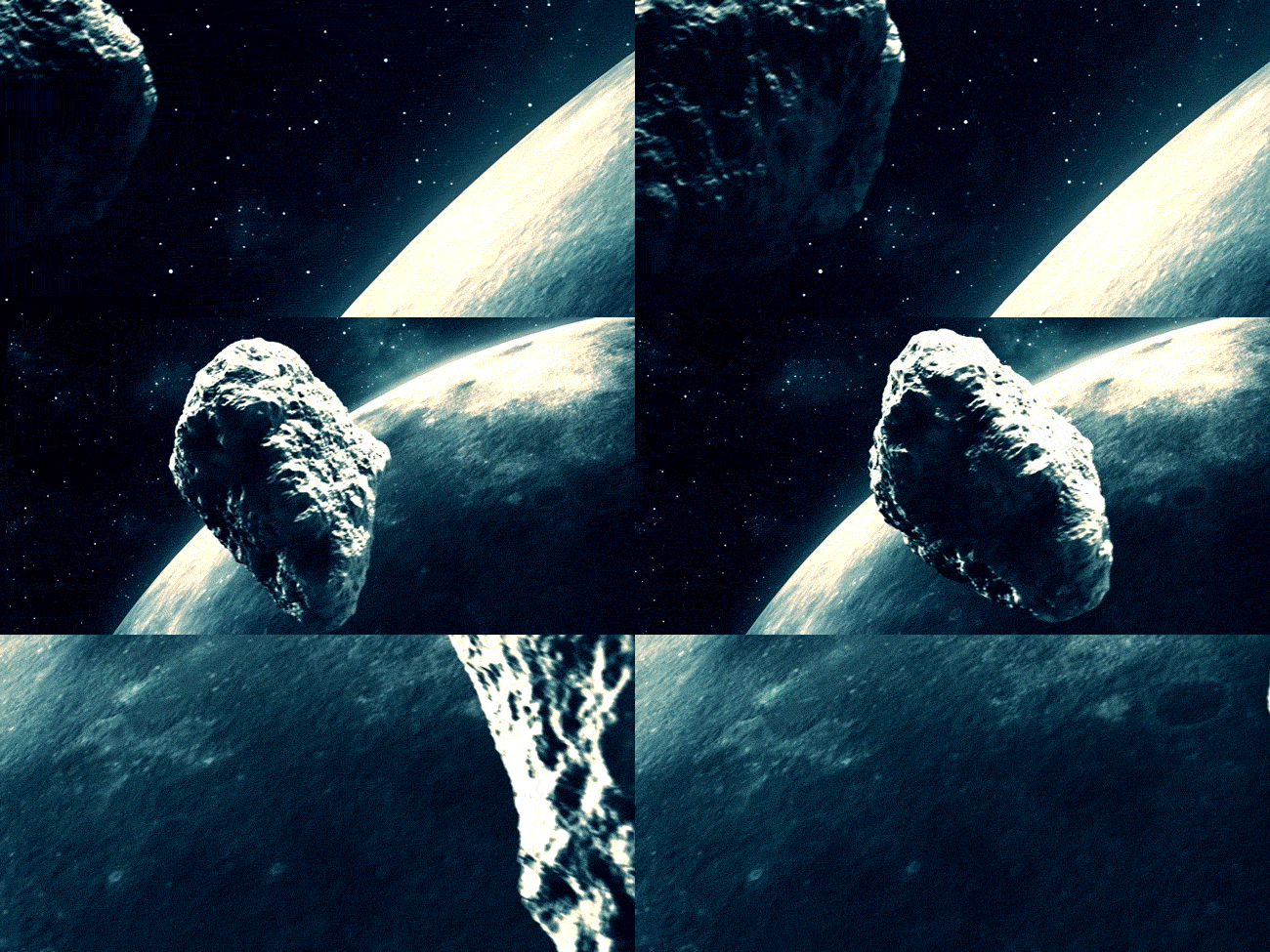
Asteroid
stony or metallic object that is smaller than the planets and orbits the sun
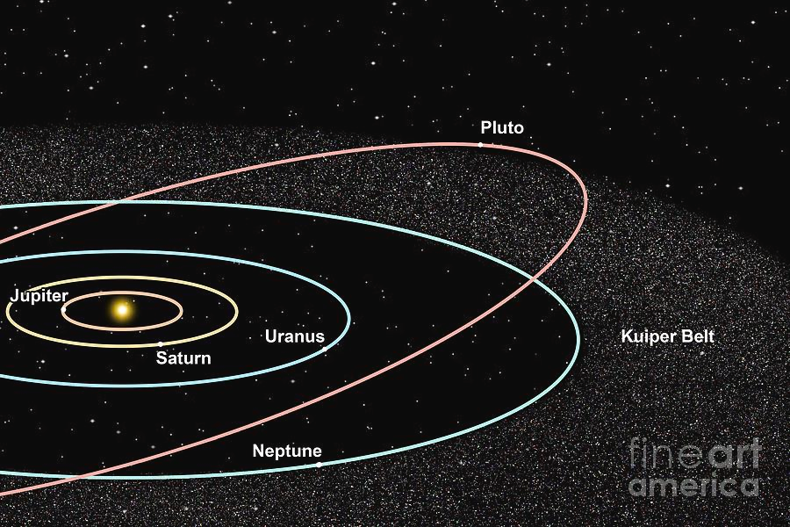
Kuiper belt
belt, similar to the asteroid belt but located outside Neptune's orbit, containing objects that resemble comet nuclei
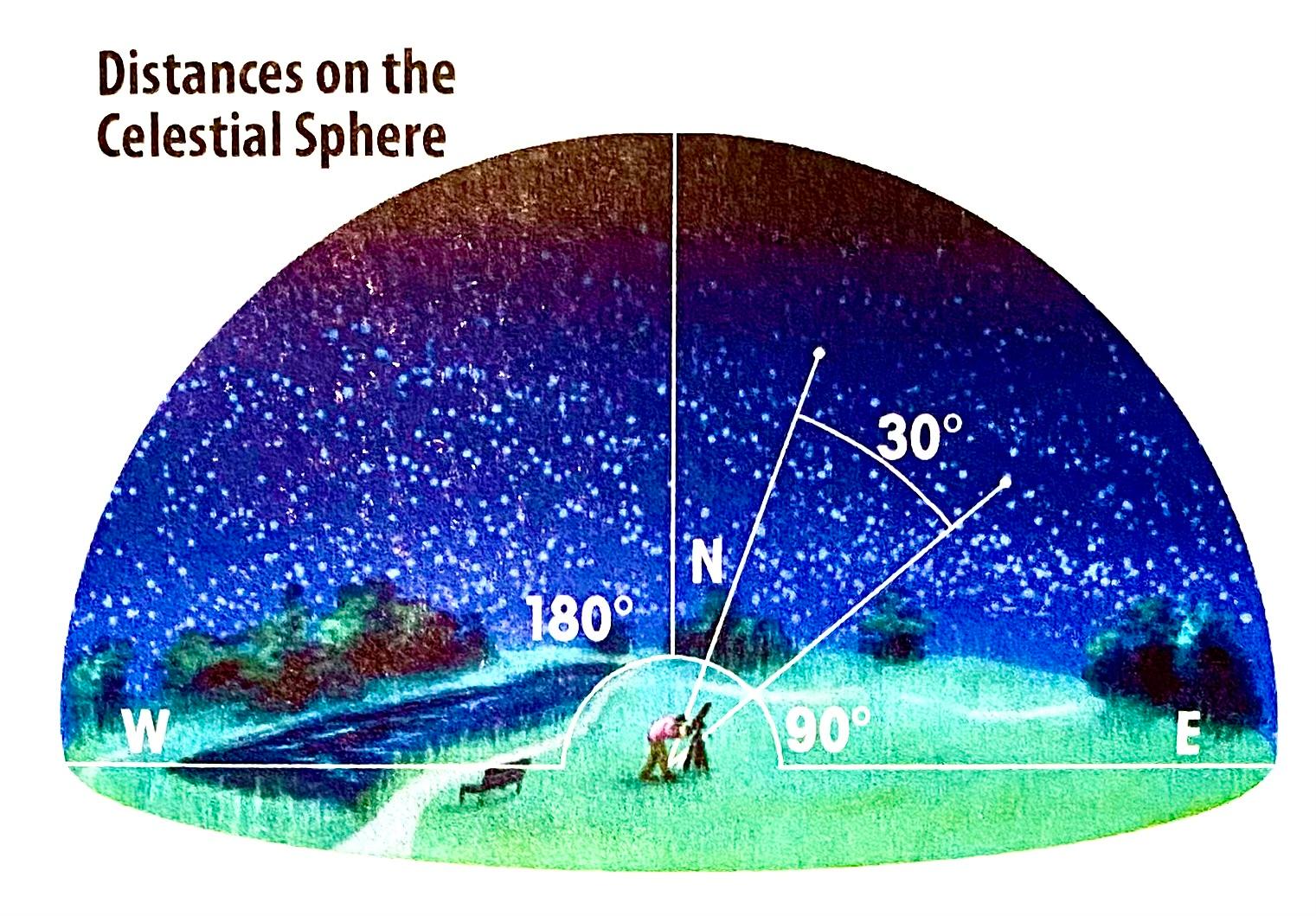
Celestial sphere
imaginary, giant, hollow sphere with Earth at the center and the sun, moon stars, and other planets on its inner surface
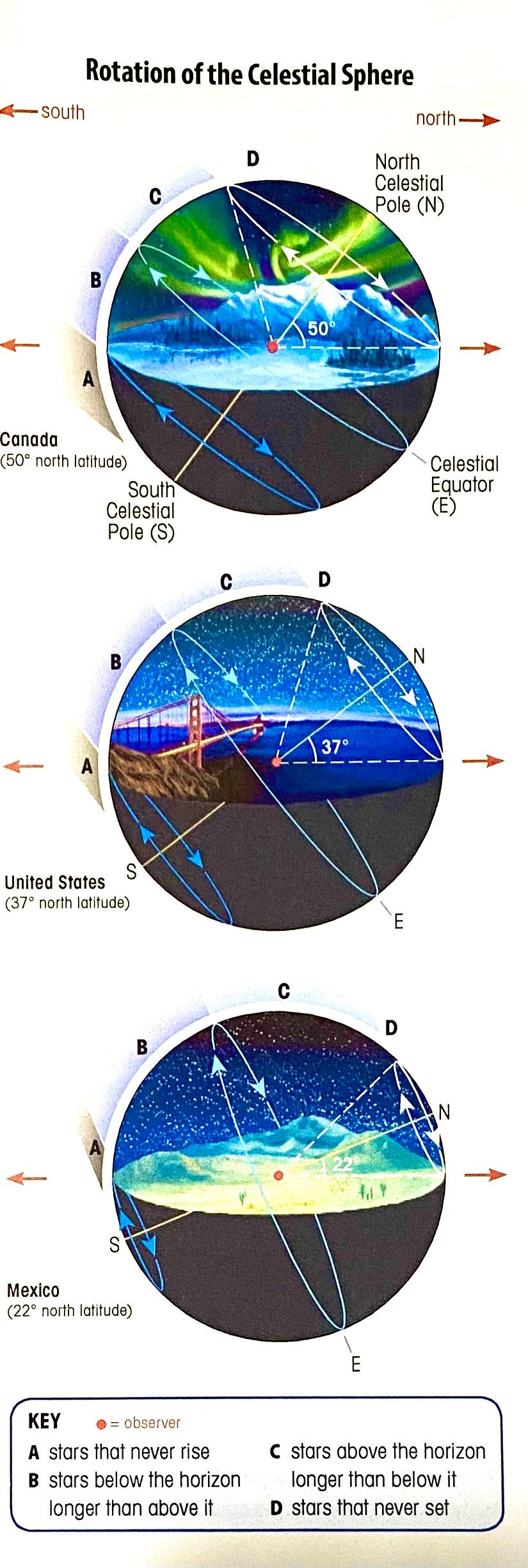
horizon
the line that separates the visible portion of the celestial sphere from the part that we cannot see
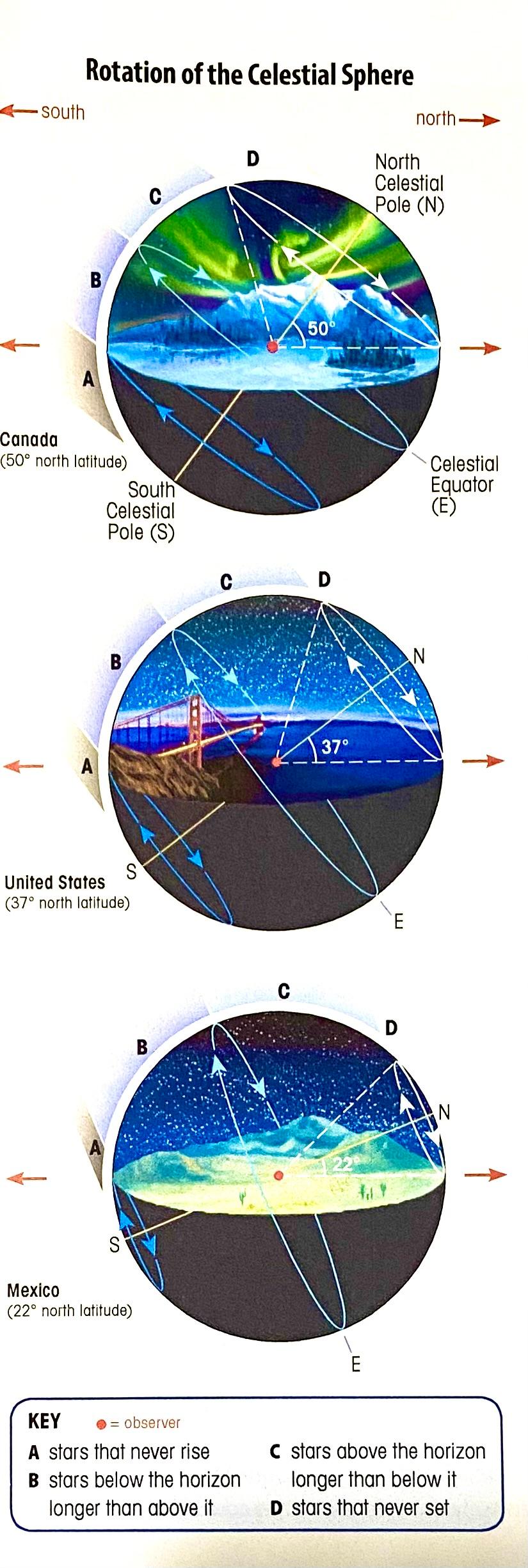
Celestial equator
line on the celestial sphere halfway between the celestial poles and directly above Earth’s equator
Circumpolar
refers to stars that are always above the horizon
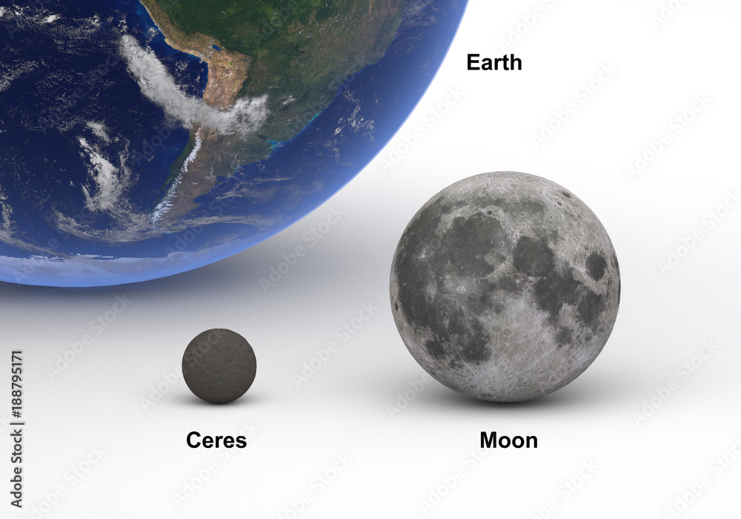
Ceres
first and largest asteroid discovered (now considered a dwarf planet)
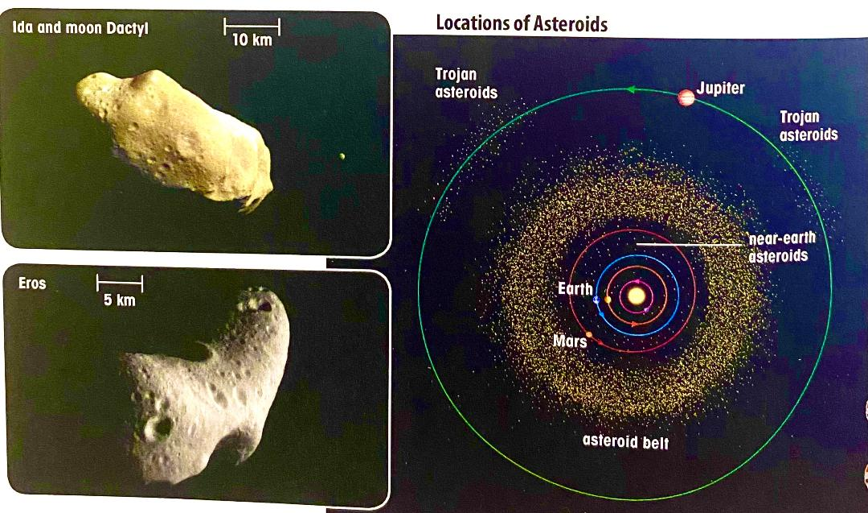
Asteroid belt
large ring of asteroids located between the orbits of Mars and Jupiter
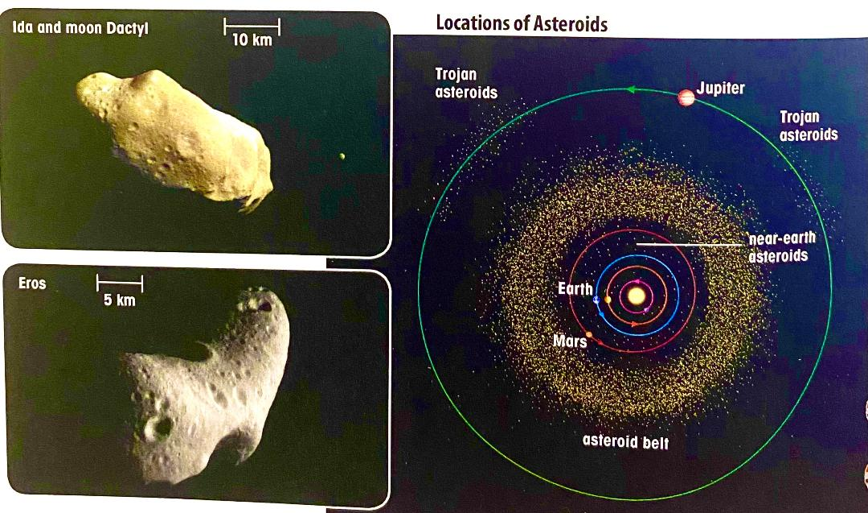
Trojan asteroids
two groups of asteroids that travel in Jupiter’s orbit, one group in front of Jupiter and the other group behind
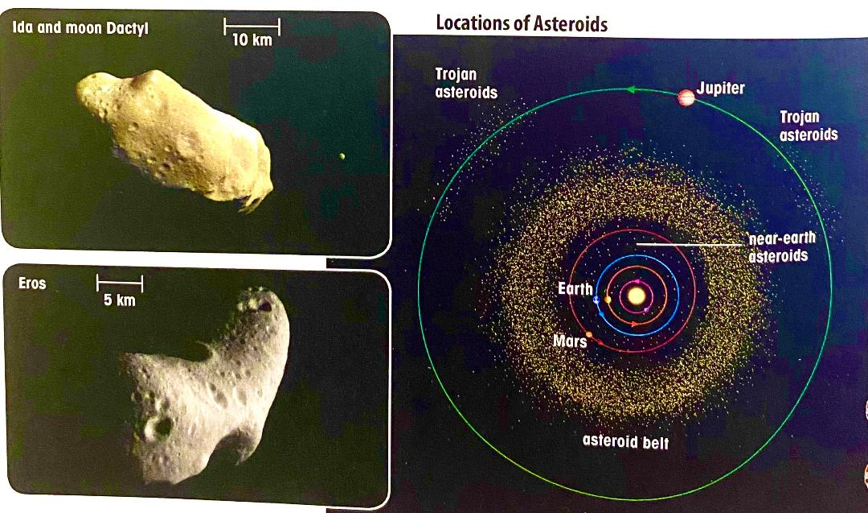
Near-earth asteroids
(abbreviated NEA) any of a group of asteroids that are located in the inner solar system
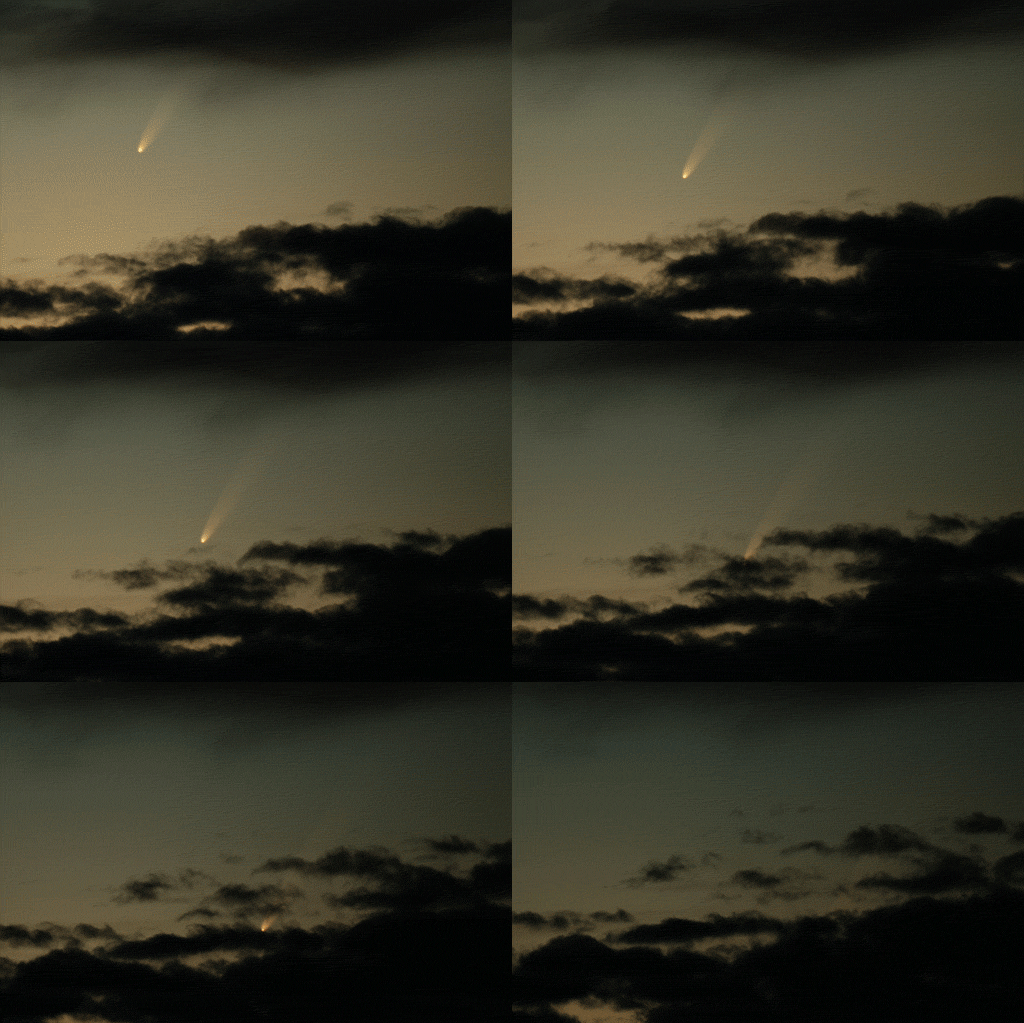
comet
asteroid-sized object that is made of rock and frozen materials and forms a bright tail
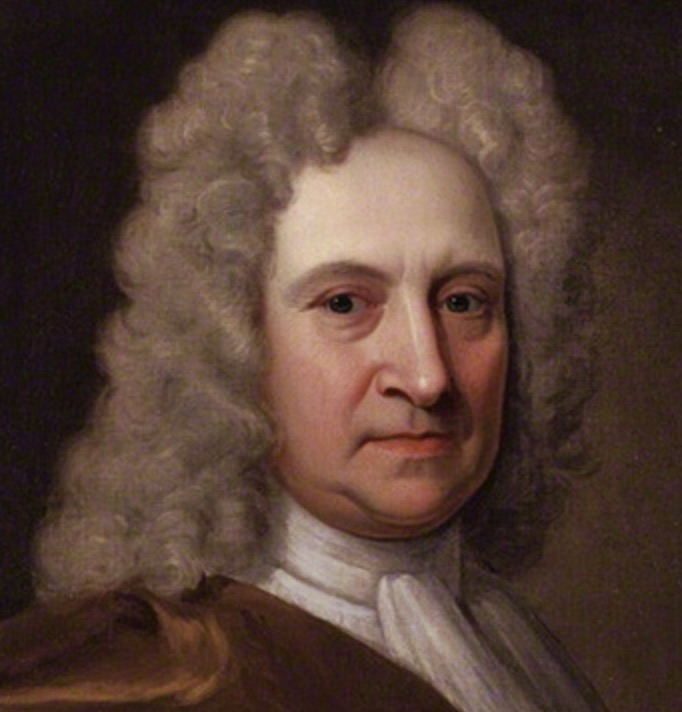
Edmond Halley
astronomer who correctly calculated the orbit of the comet now known as Halley’s comet
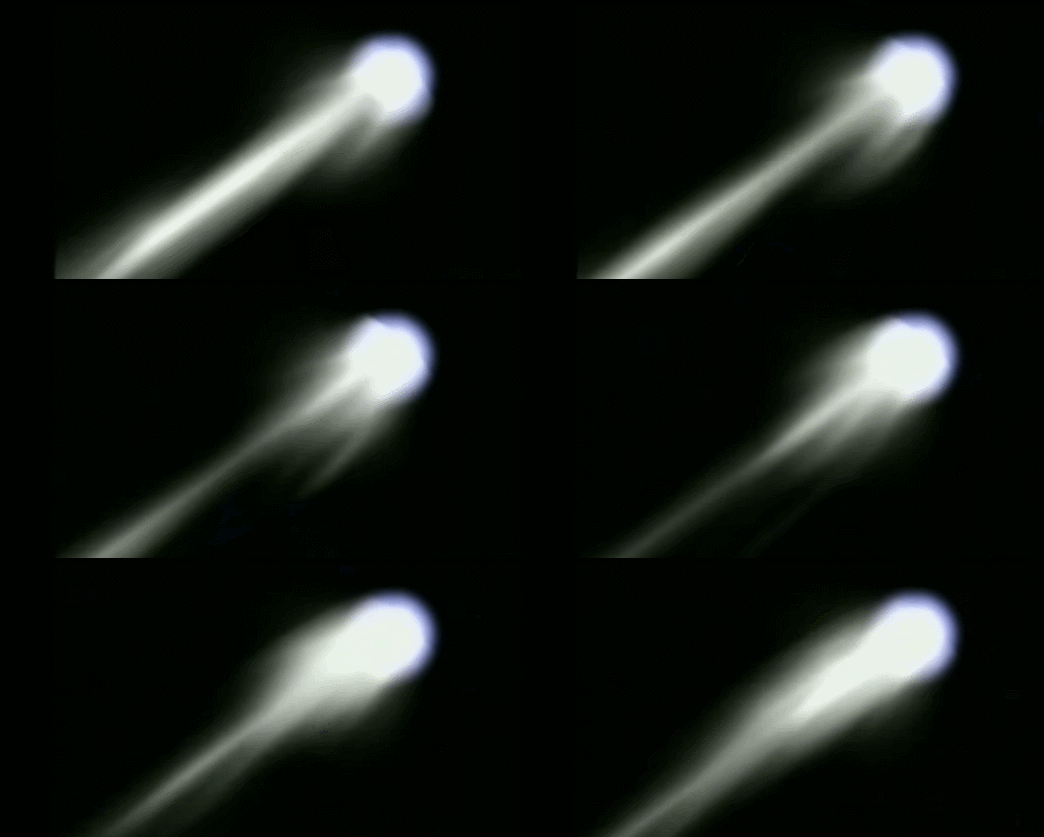
Halley’s comet
comet named after Edmond Halley, who correctly calculated its orbit
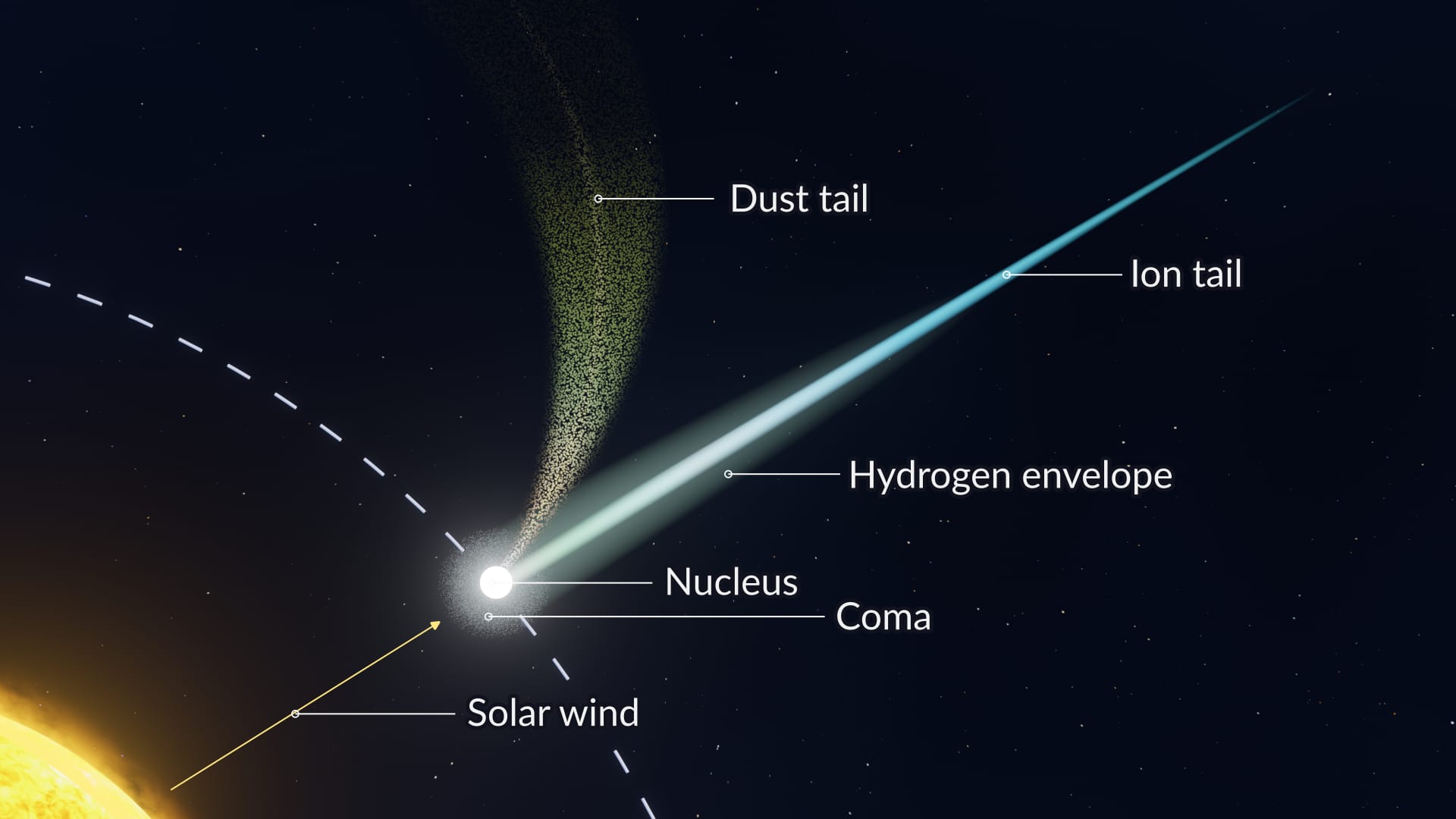
nucleus
central structure, such as the ice and dust that forms the heart of a comet, the flattened ball at the center of a spiral galaxy, or the core of an atom
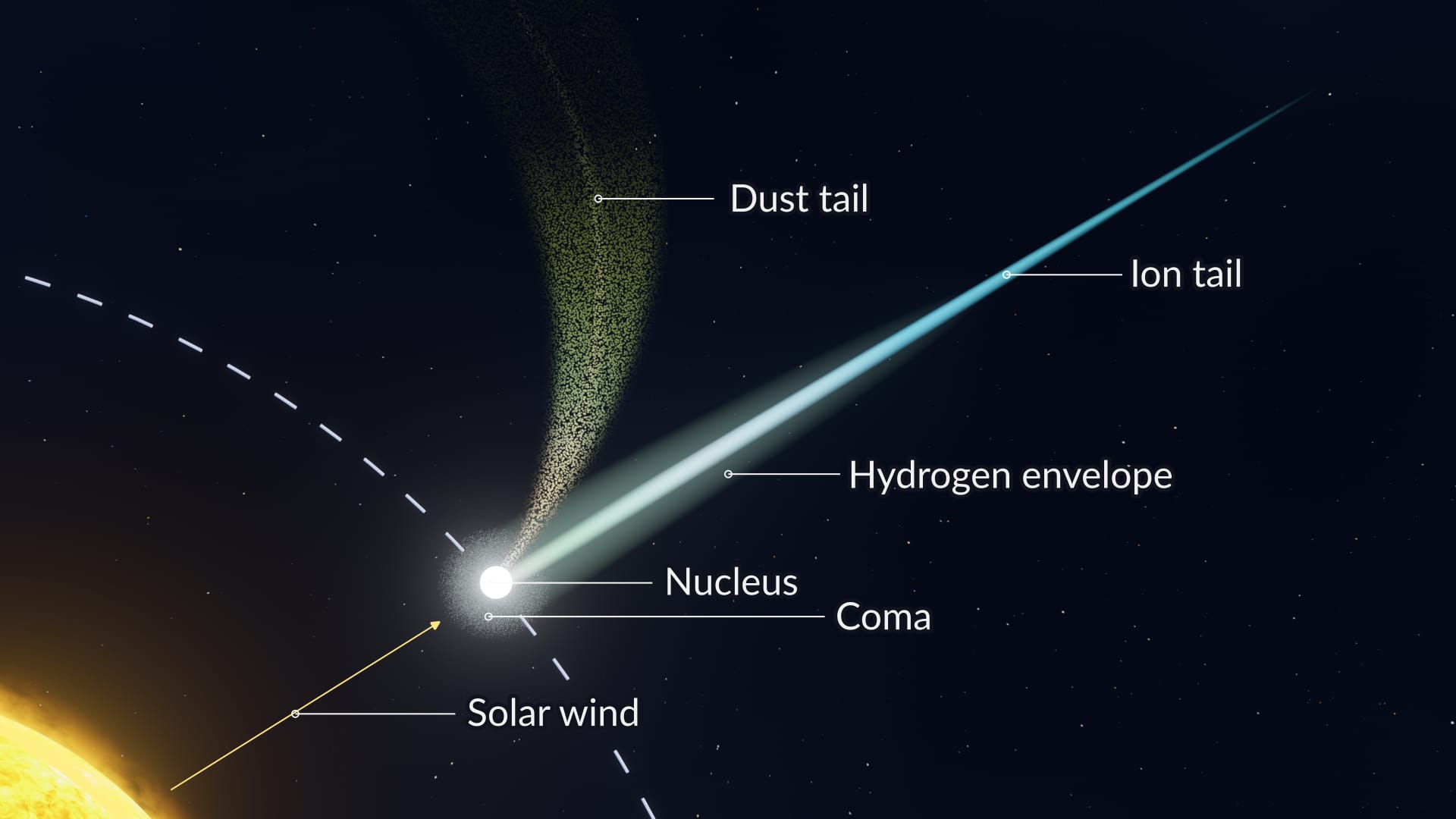
coma
gas and dust cloud around the nucleus of a comet
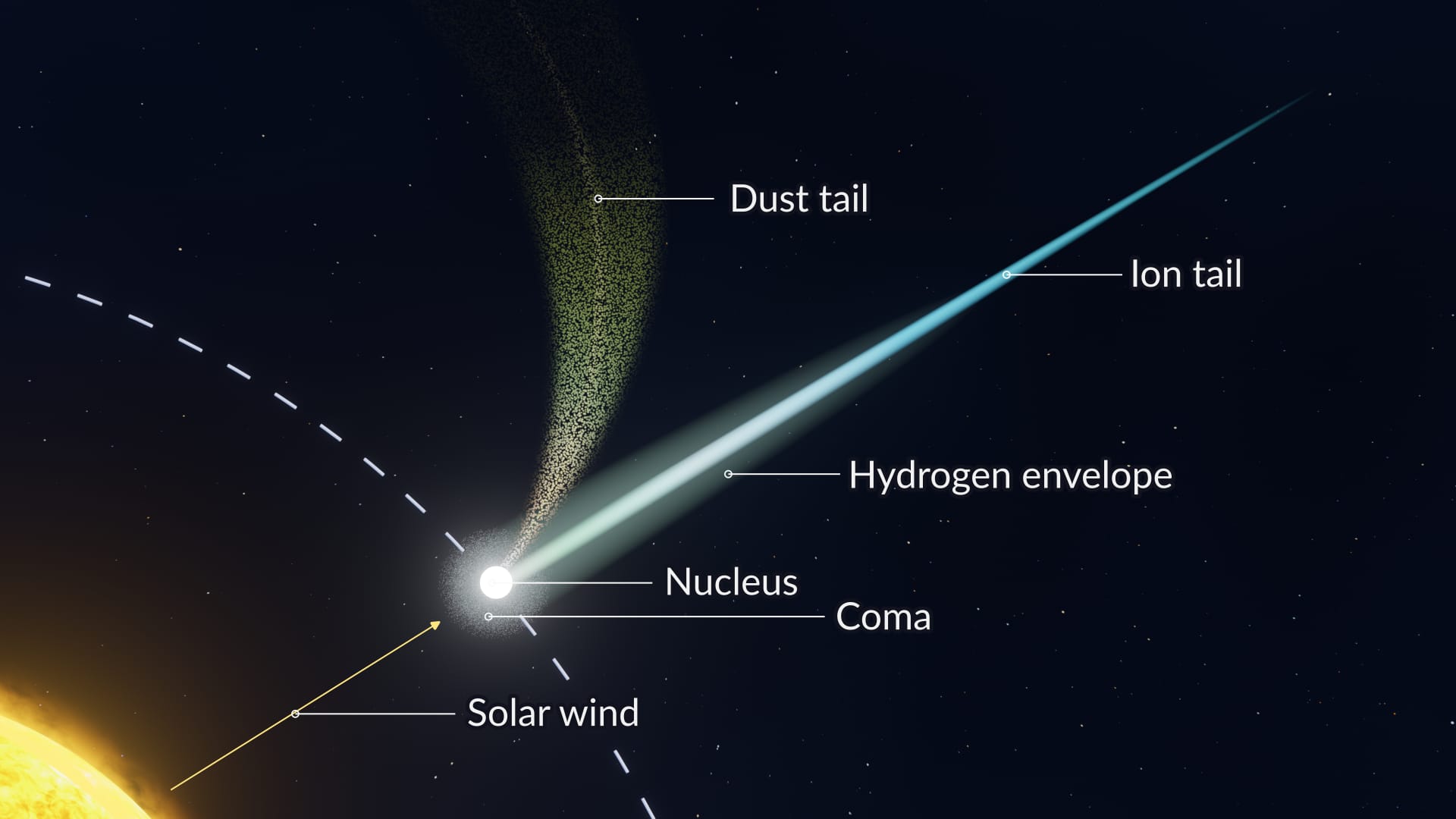
tail
highly reflective streamer emitted from a comet
Short-period comet
comet that has a period shorter than 200 years
Long-period
comet that has a period longer than 200 years
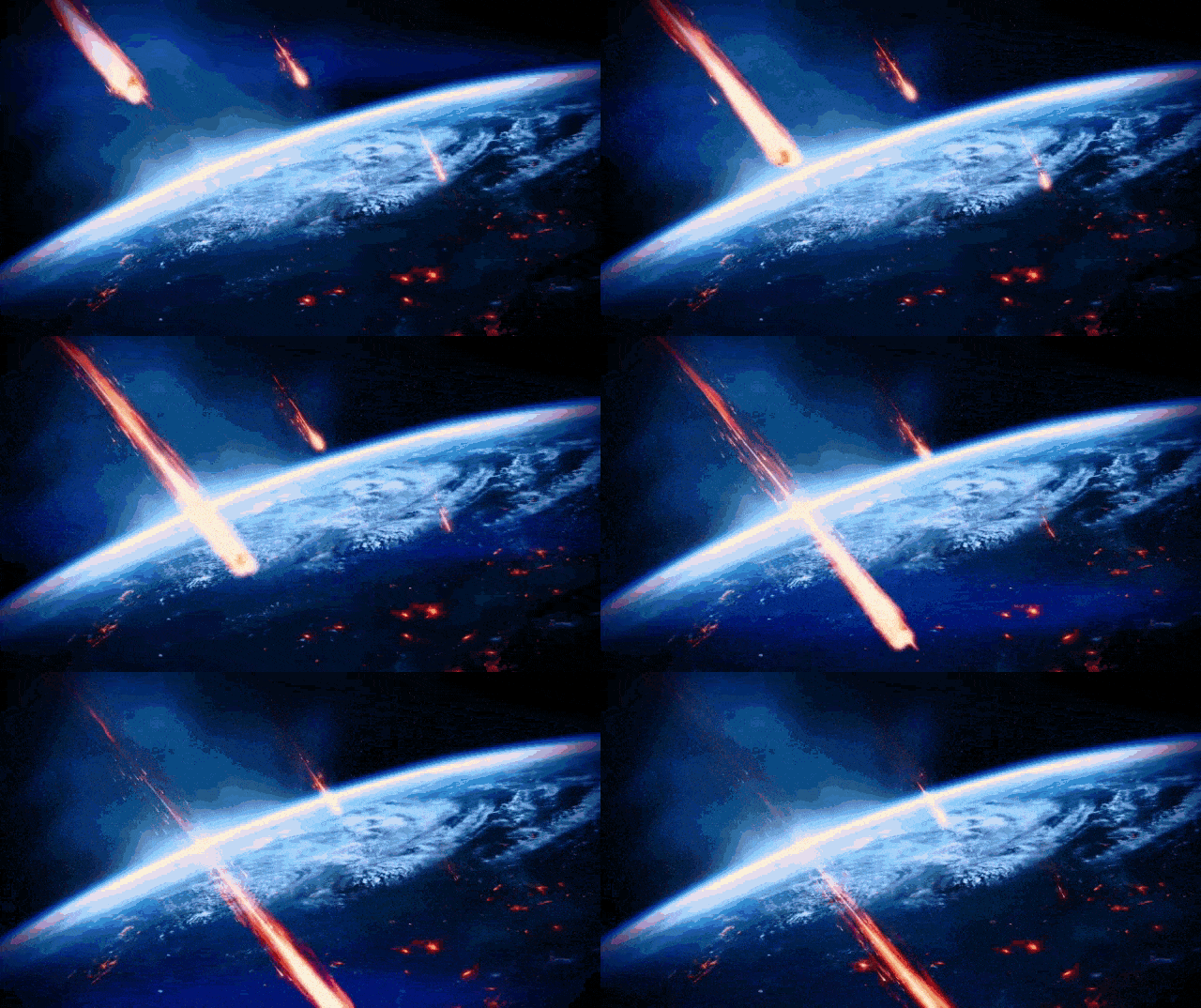
meteoroid
small chunk of rock or metal in space

meteor
meteoroid that has entered earth’s atmosphere
Meteor shower
phenomenon that occurs when the earth passes through a meteoroid stream and meteors fall much faster than normal
fireball
extremely bright meteor that can be observed over a much larger portion of the earth than an ordinary meteor

