Flower Anatomy and Function
 View linked note
 Call Kai
 Learn
Learn Practice Test
 Spaced Repetition
 Match
Match Flashcards
 Knowt Play
1/26

Earn XP
Description and Tags
This set of flashcards covers key vocabulary terms related to flower anatomy, function, and processes essential for reproduction in flowering plants.
Name | Mastery | Learn | Test | Matching | Spaced | Call with Kai | Chat |
|---|
No analytics yet
Send a link to your students to track their progress
27 Terms
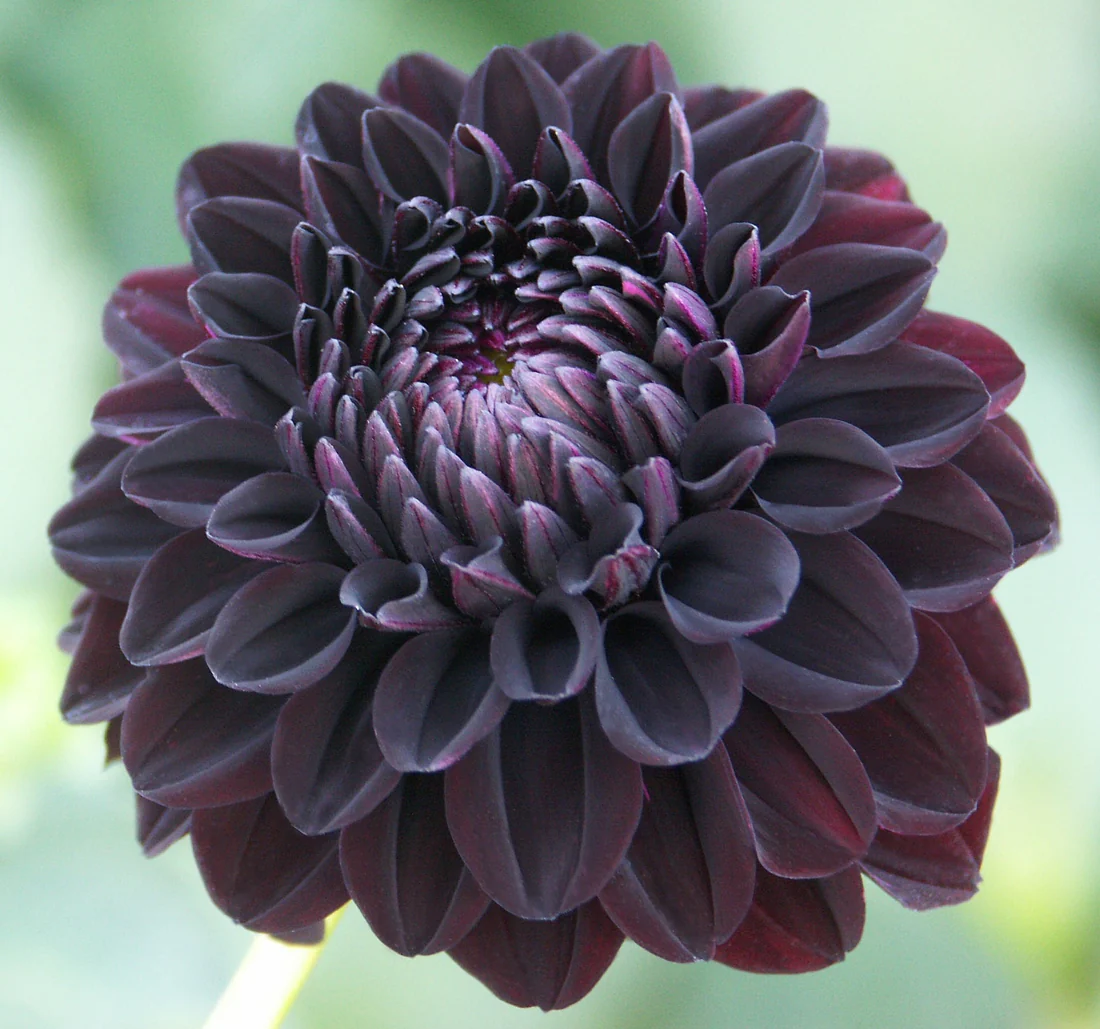
Flower Anatomy
The various structures and their functions within flowers, which are the reproductive parts of plants.
Stamen
The male reproductive structure of a flower, consisting of anther and filament.
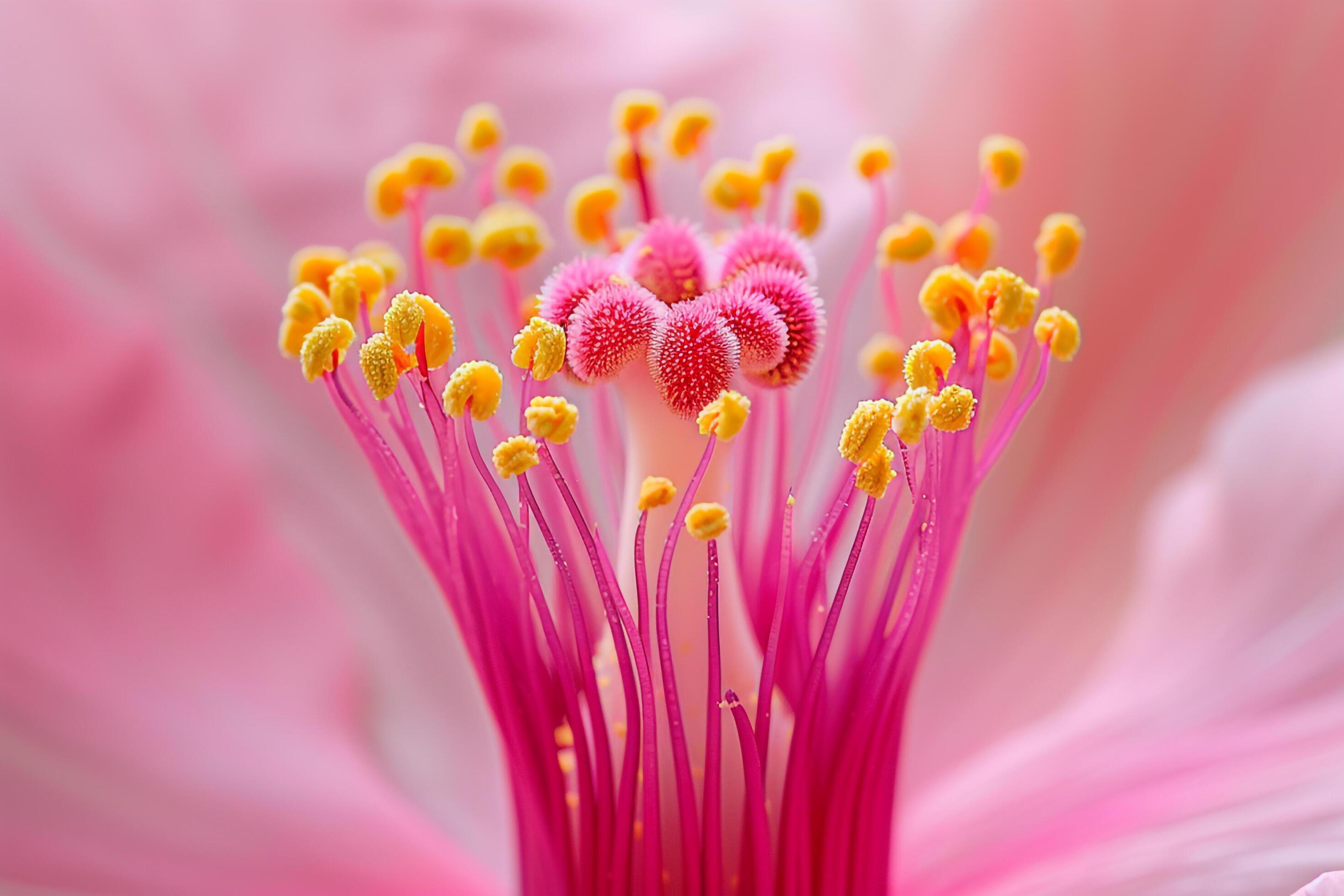
Anther
The part of the stamen that contains pollen, which carries male genetic material.
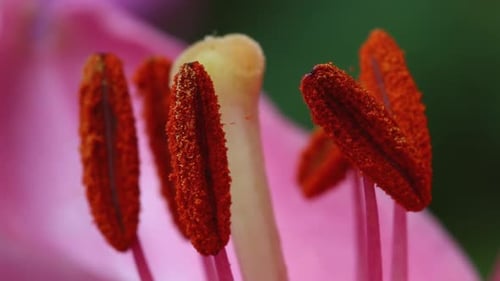
Filament
A stalk that supports the anther, attaching it to the receptacle of the flower.
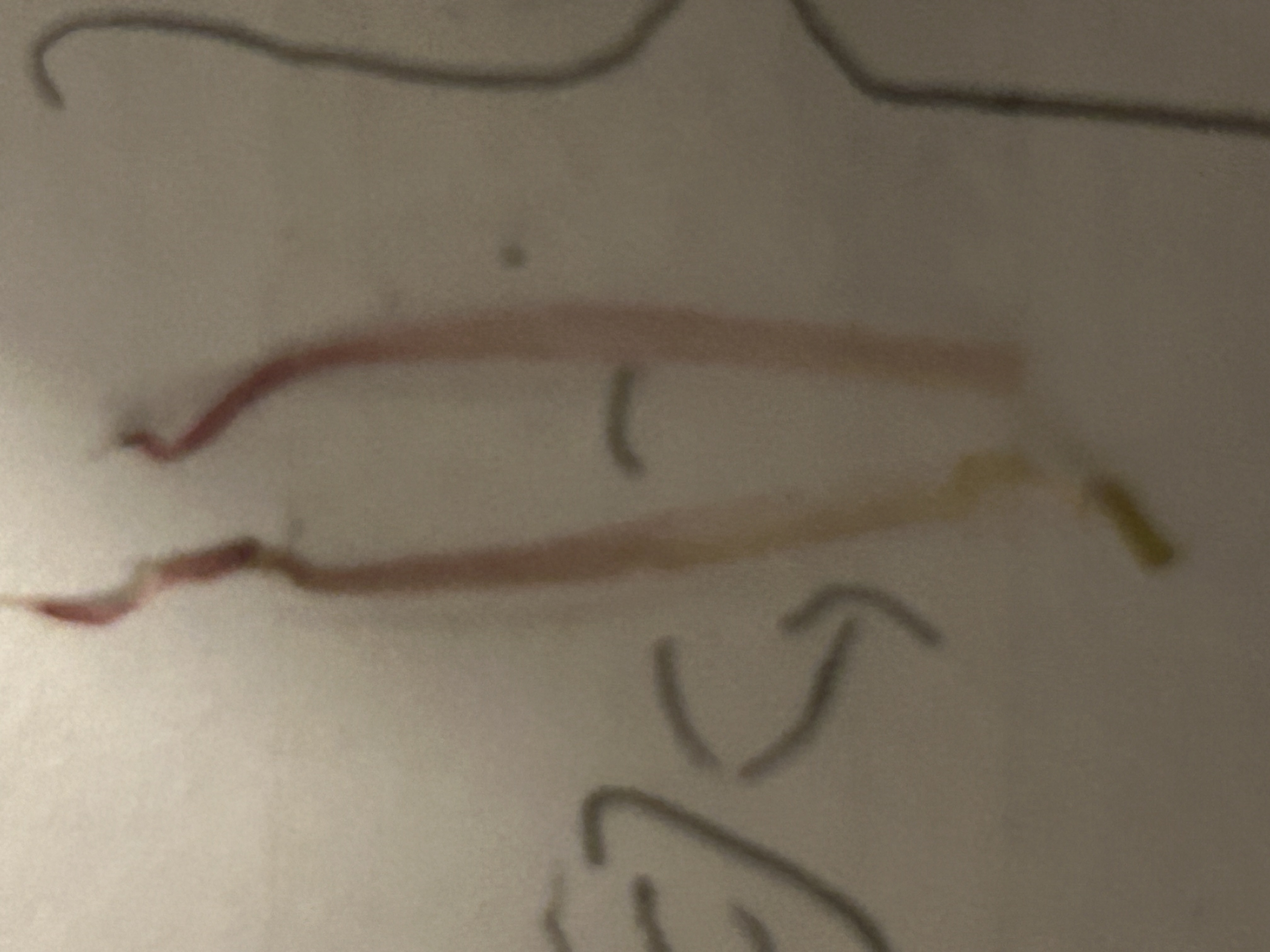
Pistil
The female reproductive structure of a flower, consisting of stigma, style, and ovary.
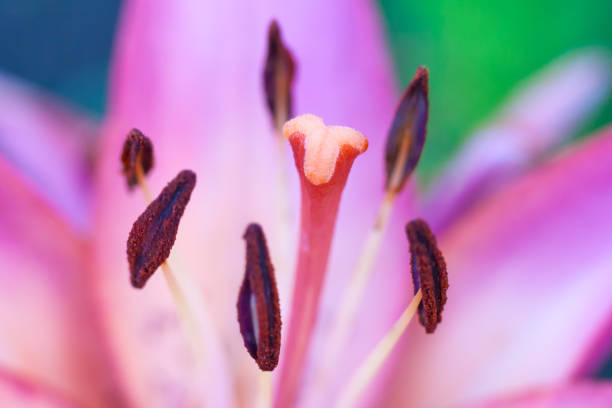
Stigma
The sticky surface of the pistil where pollen grains attach.
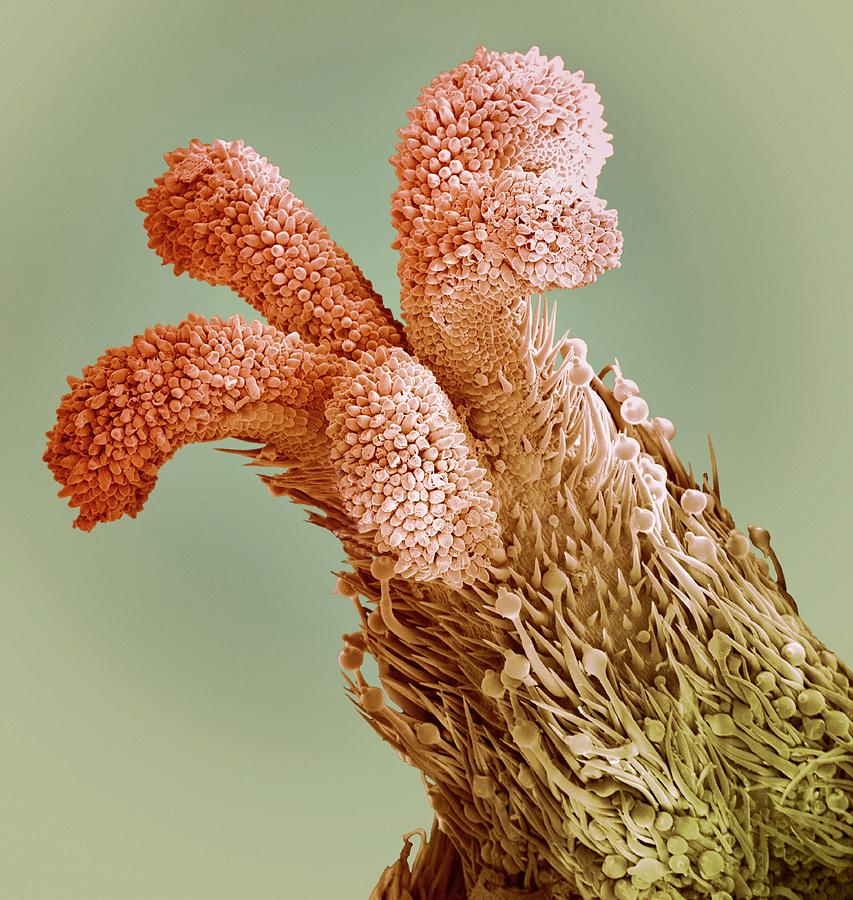
Style
The structure that connects the stigma to the ovary and serves as a pathway for the pollen tube.
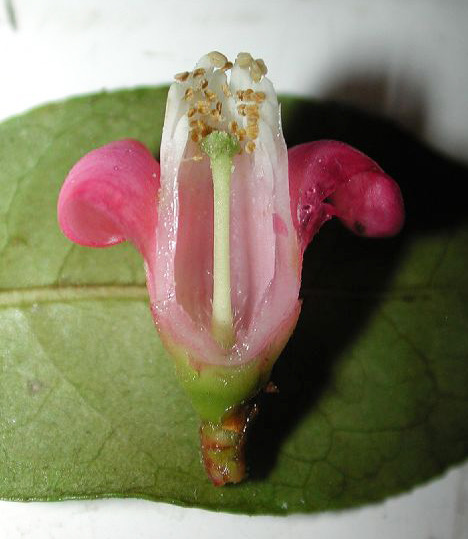
Ovary
The part of the pistil that contains ovules and develops into fruit after fertilization.
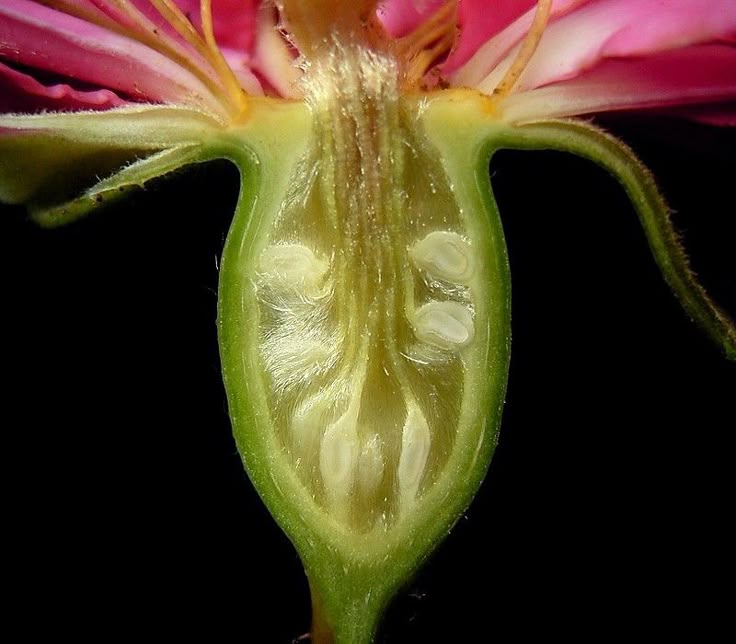
Sepals
Protective structures that encase and protect the developing flower bud before it opens.
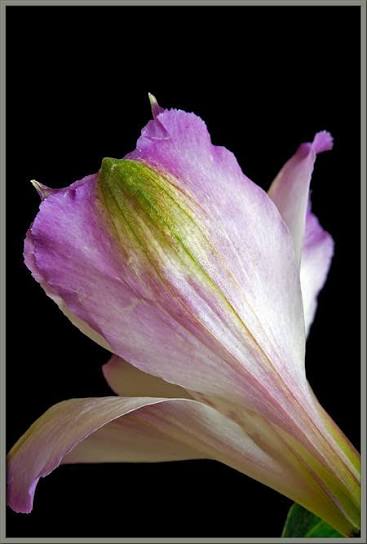
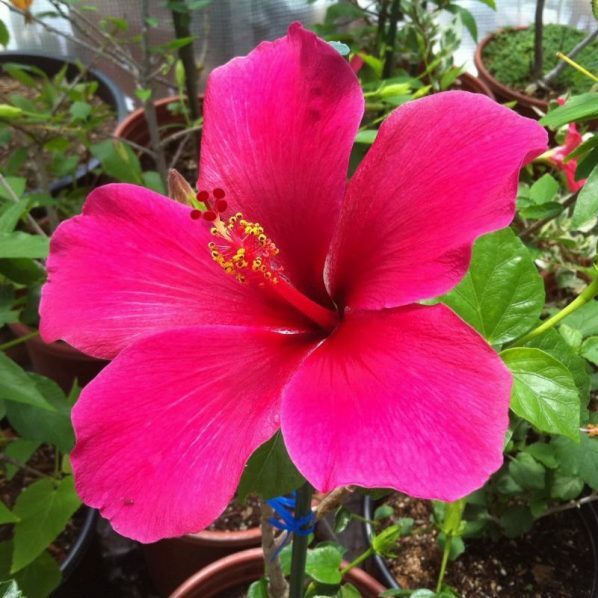
Complete Flower
A flower that possesses all four main parts: sepals, petals, stamens, and pistil.
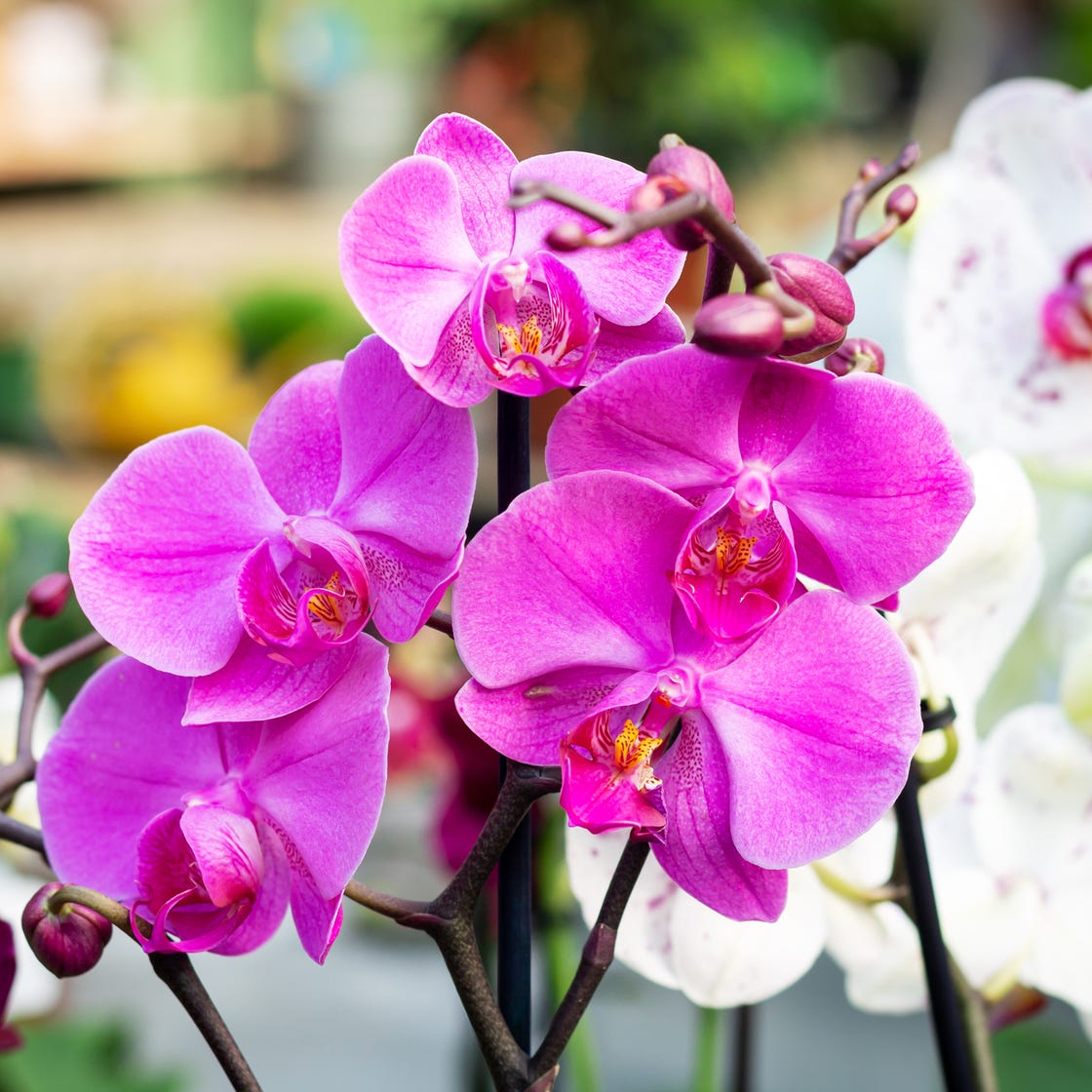
Perfect Flower
A flower that contains both stamens and pistil, allowing for potential reproduction.
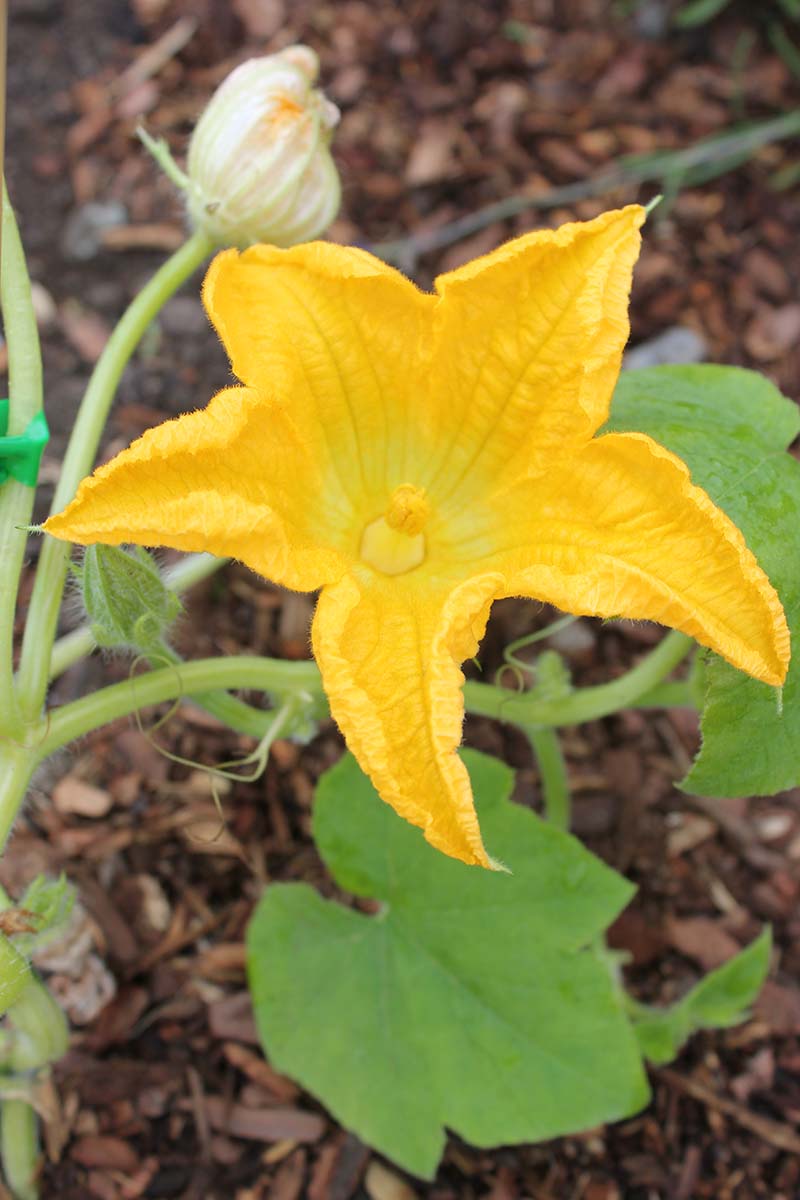
Imperfect Flower
A flower that has either stamens or pistil, but not both.
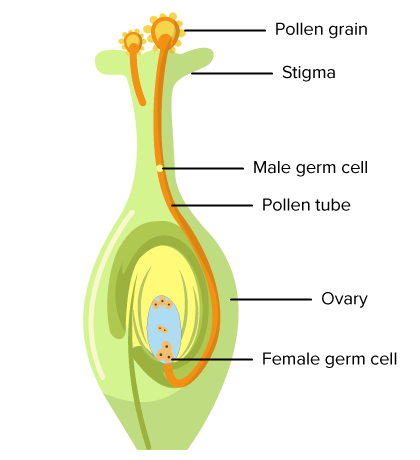
Double Fertilization
A unique process occurring in angiosperms involving two fertilization events: one forming a zygote and the other forming endosperm.
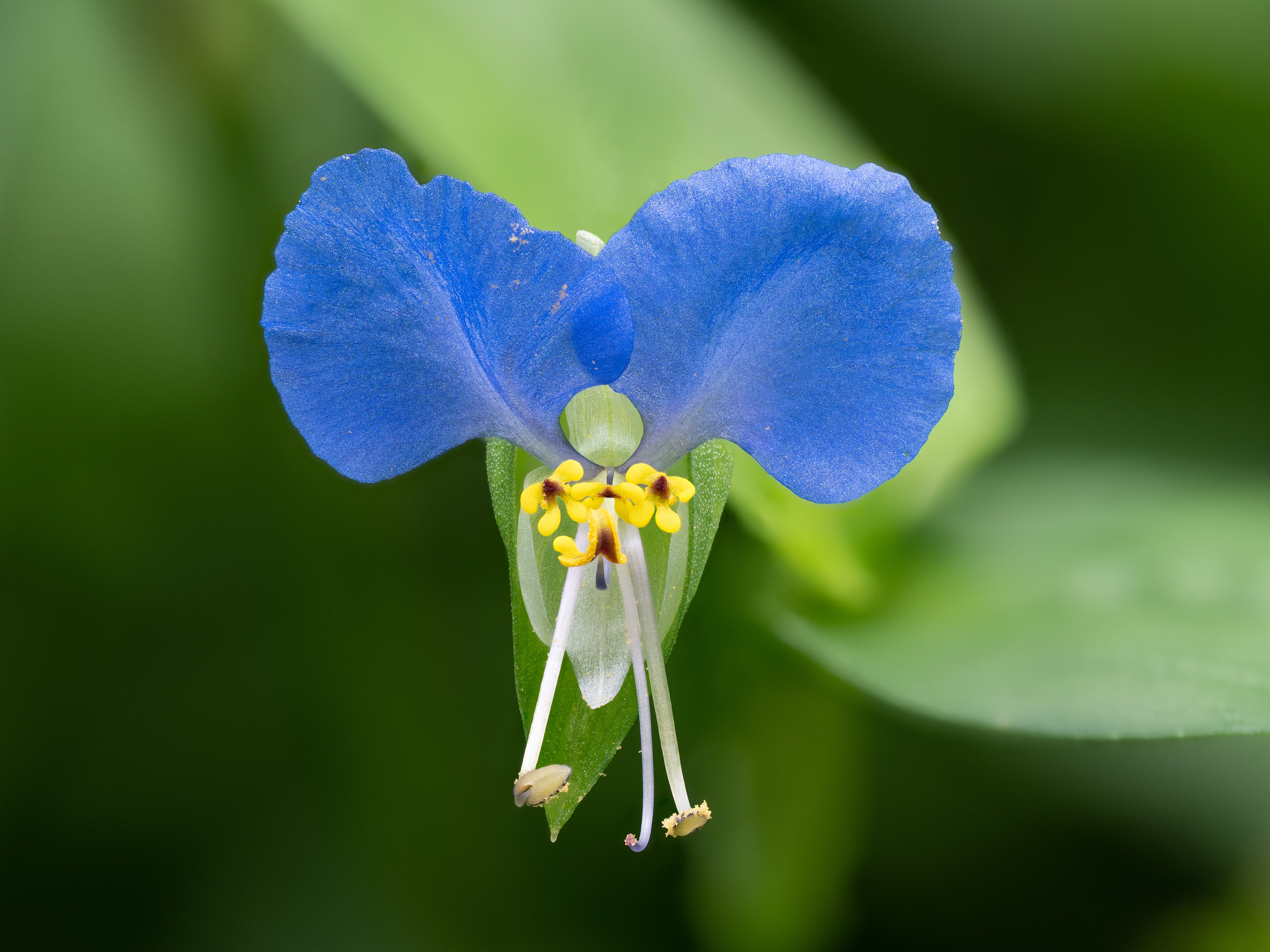
Microgametophyte
The male gametophyte in flowering plants, which develops within the anther and produces sperm or pollen. (stamen)
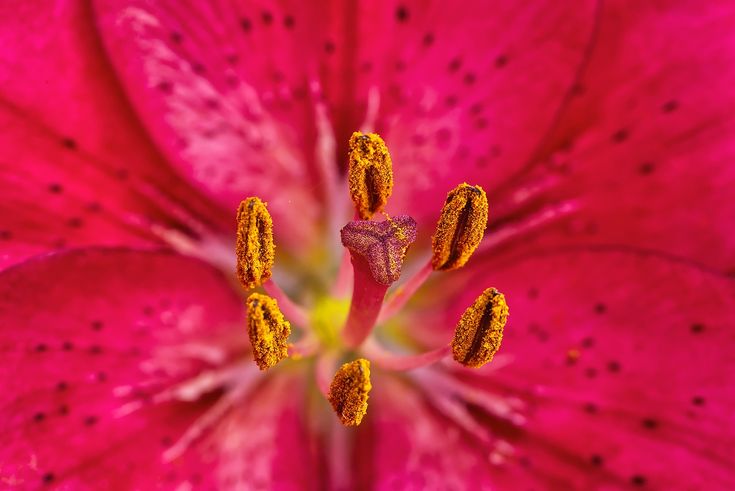
Megagametophyte
The female gametophyte in flowering plants, which develops from the ovule and produces eggs. (Pistil)
Pollination
The process of transferring pollen from the male part of a flower to the female part, leading to fertilization.
Fruiting
The process by which the ovary of a flower develops into fruit containing seeds after fertilization.
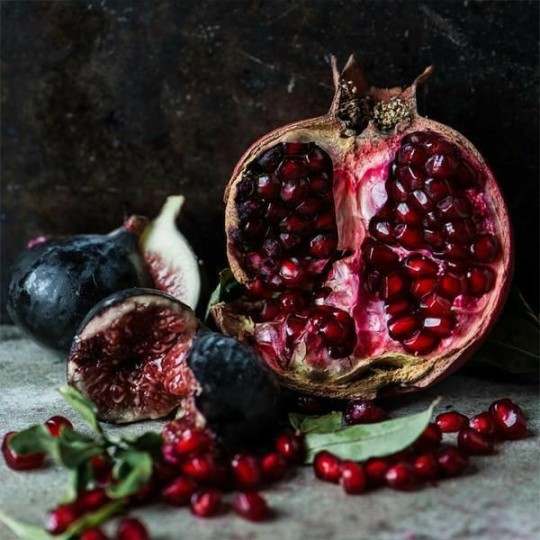
Simple Fruits
develop from a single mature ovary within a single flower
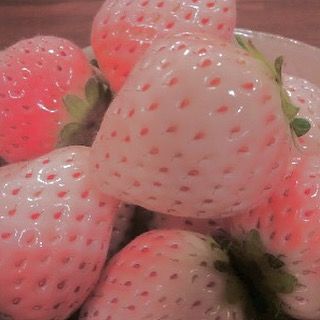
Compound Fruit
Include both aggregate and composite fruits
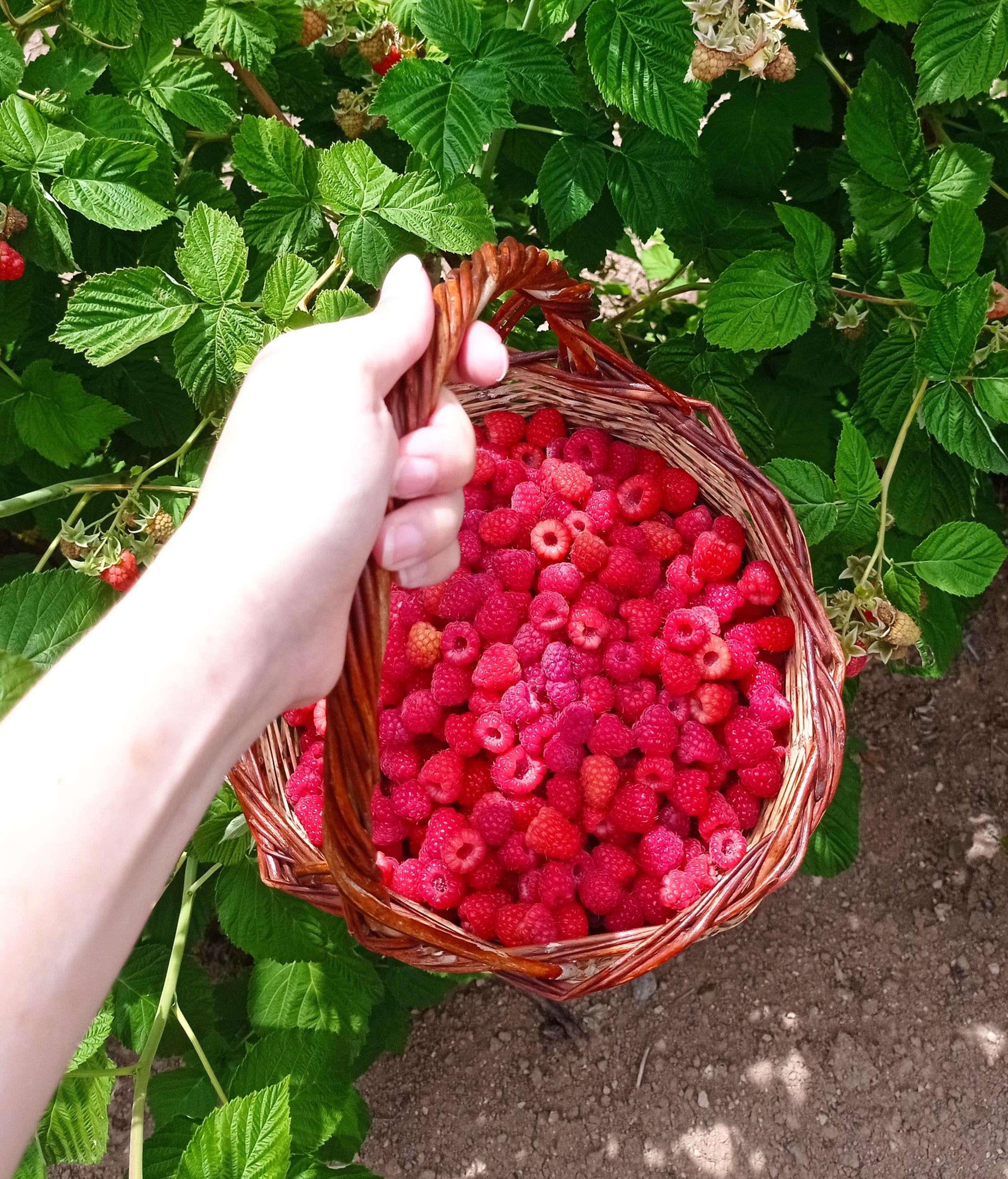
Aggregate Fruit
Develop from multiple pistils (each containing one or more ovaries) within a single flower.
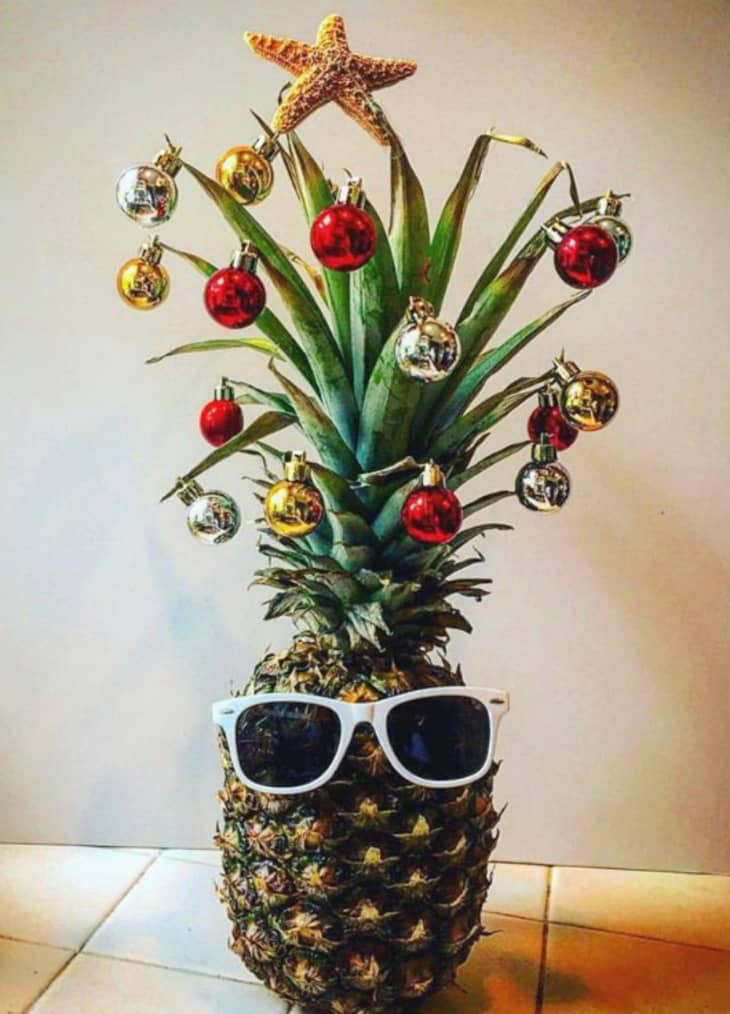
Composite Fruits
Develop from multiple flowers in a single inflorescence. This means the fruit is formed from the fused ovaries of many flowers clustered together
Fleshy Fruits
Characterized by a soft, fleshy pericarp at maturity
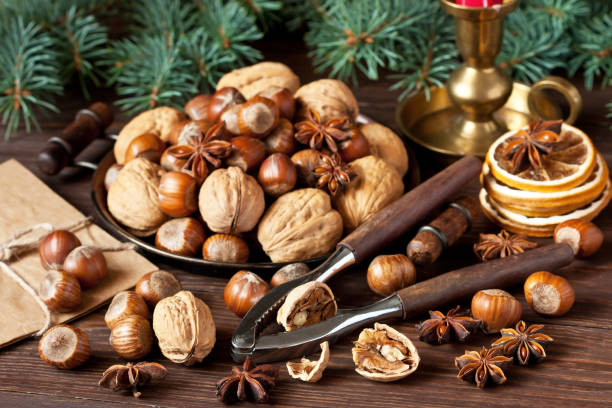
Dry Fruits
Characterized by a dry, non-fleshy pericarp at maturity. Examples include nuts, grains, and legumes
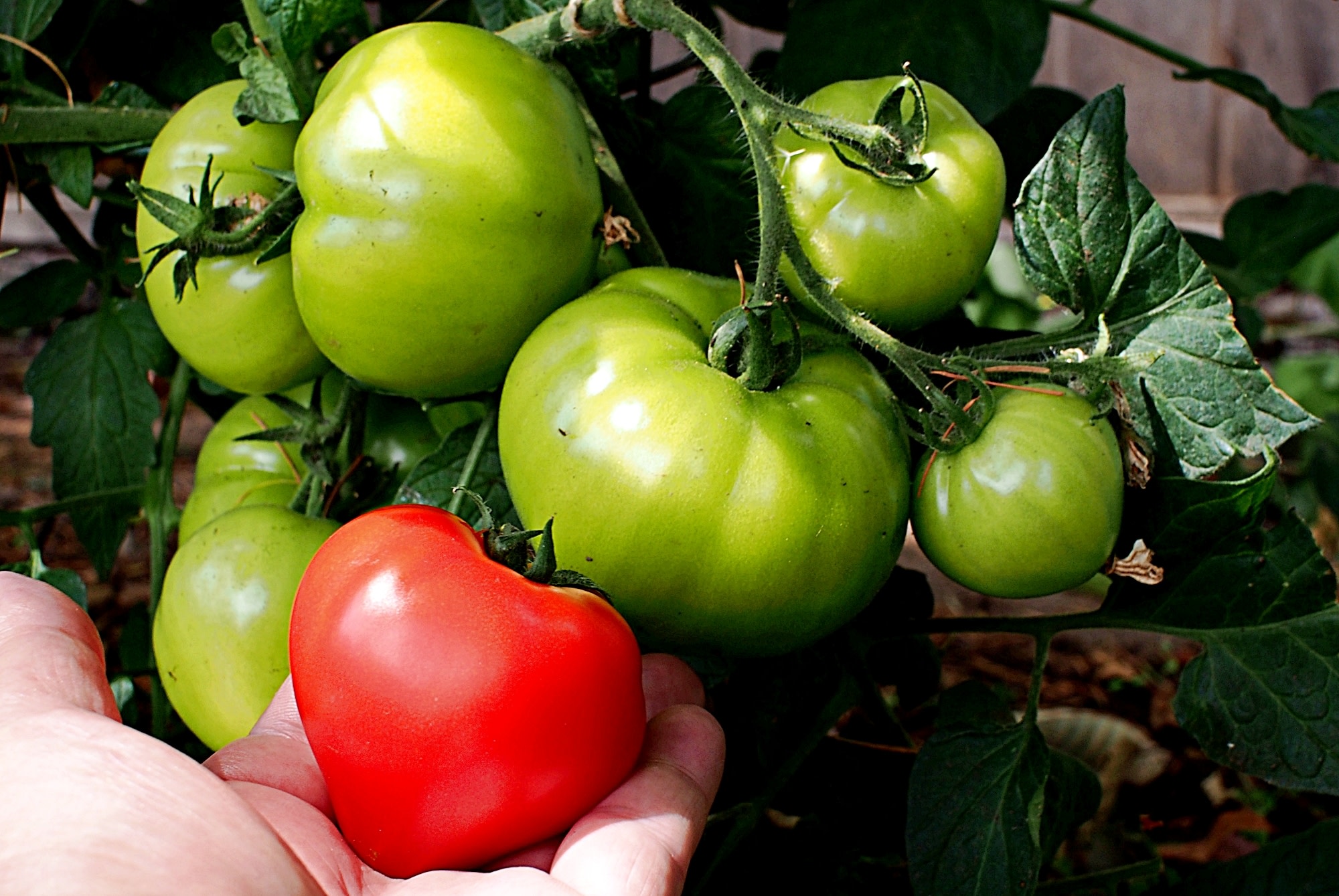
Simple Fleshy Fruits
Characterized by a fleshy pericarp (fruit wall)
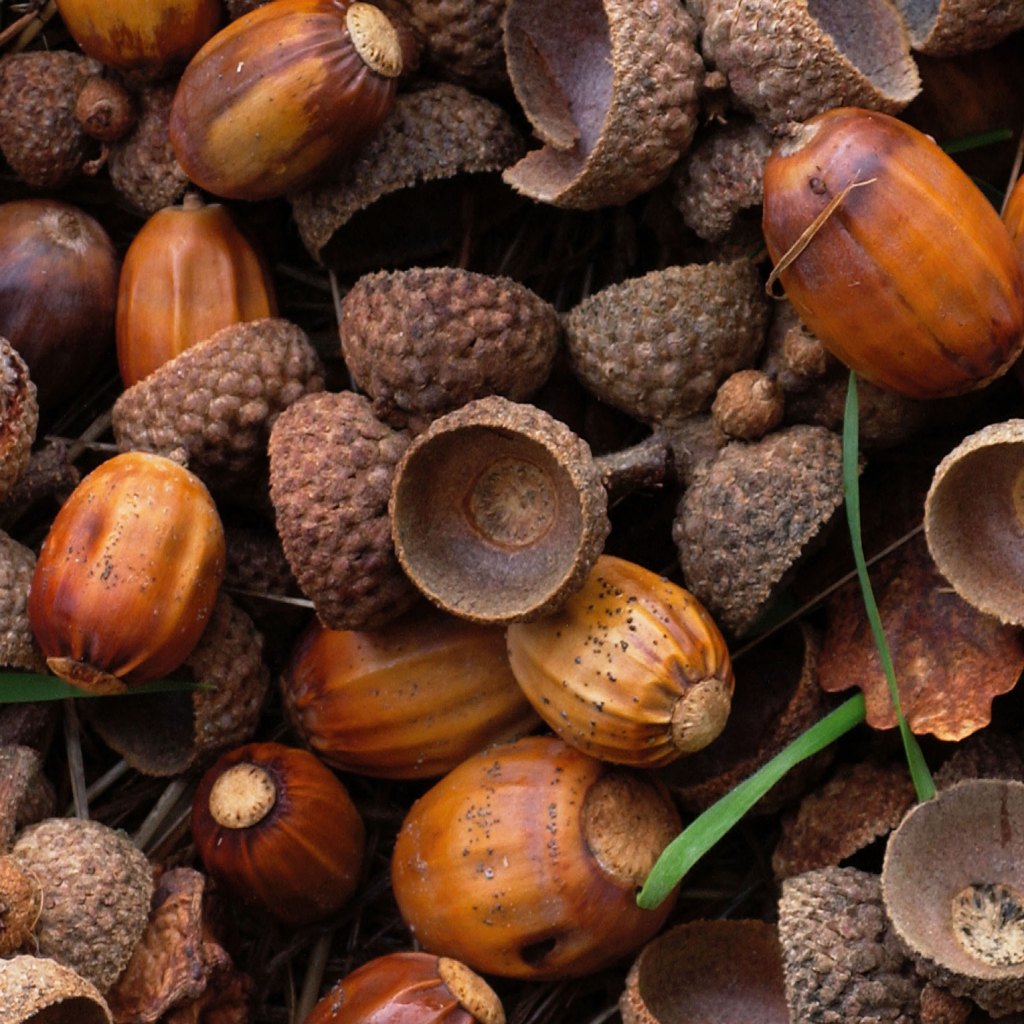
Simple Dry Fruits
Characterized by a dry pericarp
Dehiscent Dry Fruits
Fruits that open to release seeds
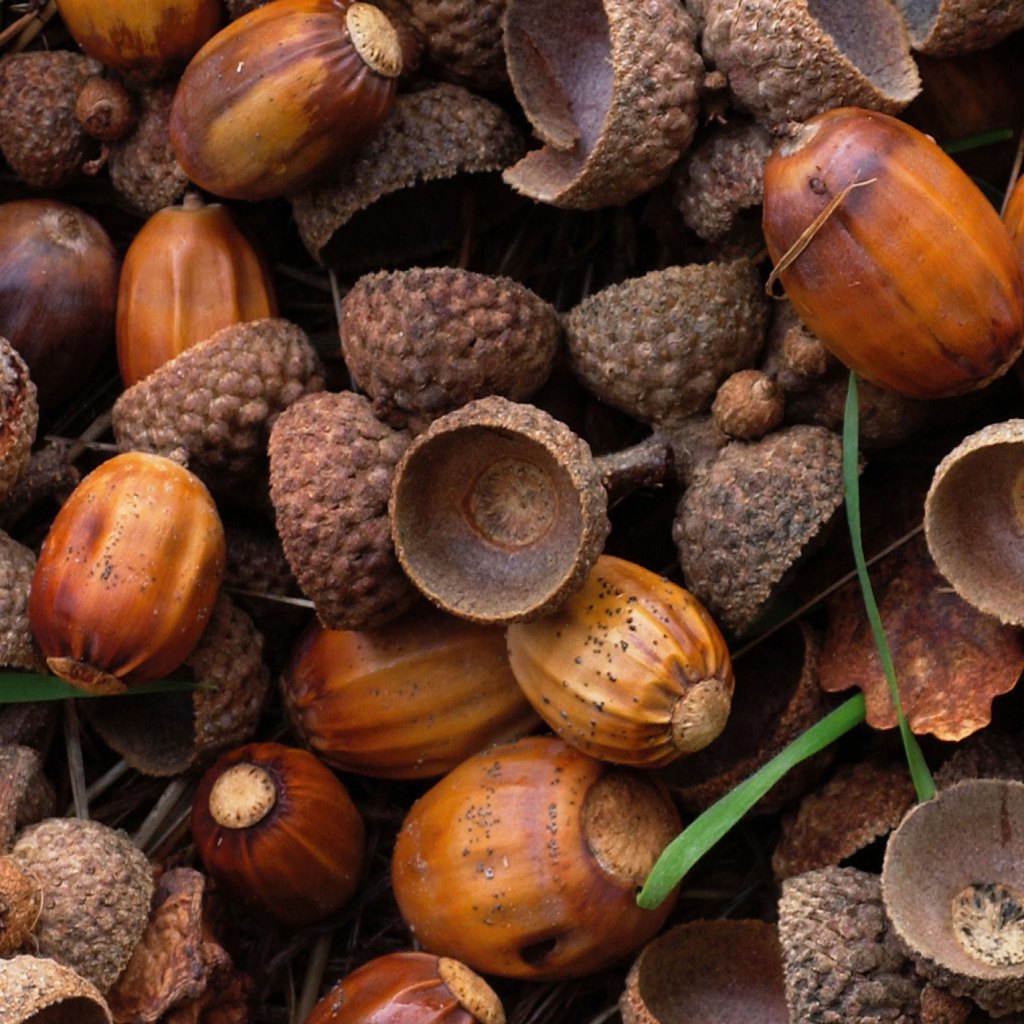
Indehiscent Dry Fruits
Seeds stay intact throughout their span as a seed; fruits that do not open to release seeds