(4) Holy Roman Empire: Notable Art and Architecture (and Notable Artists and Architects)
 Studied by 0 people
 Call Kai
 Learn
Learn Practice Test
 Spaced Repetition
 Match
Match Flashcards
 Knowt Play
1/7

There's no tags or description
Looks like no tags are added yet.
Name | Mastery | Learn | Test | Matching | Spaced | Call with Kai |
|---|
No analytics yet
Send a link to your students to track their progress
8 Terms
Romanesque (All Facts)
Roman-inspired style of architecture that came to dominate Christian Europe by 1100
Style that was derived from the round Roman arch, which it repeats in series to divide church naves and abbey cloisters into bays
Style characterized by its carved capitals, which appeared on church columns and around the arches of churches
Architectural style that possessed a grandiose quality that derived from the use of stone vaults below the roofs and partly from a more unified concept of the church
Developed in response to the needs of the clergy, monks, and pilgrims who used them
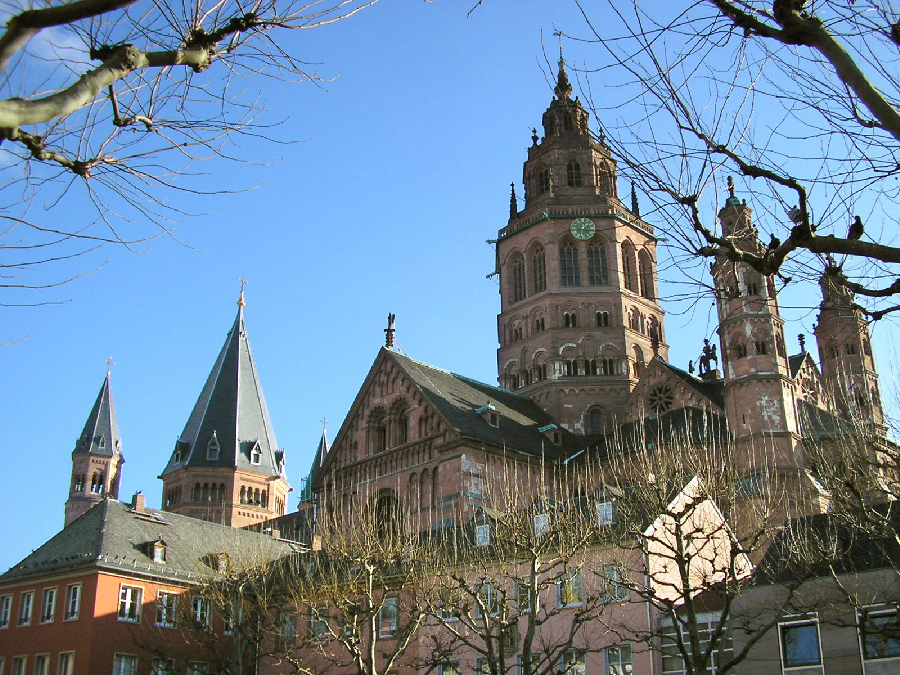
1009 - Mainz Cathedral (All Facts)
Catholic Cathedral in the Romanesque style
960 - 1022 - St. Bernard of Hildesheim (All Facts)
Bishop famous for his commission of the St. Michael’s Church of Hildesheim
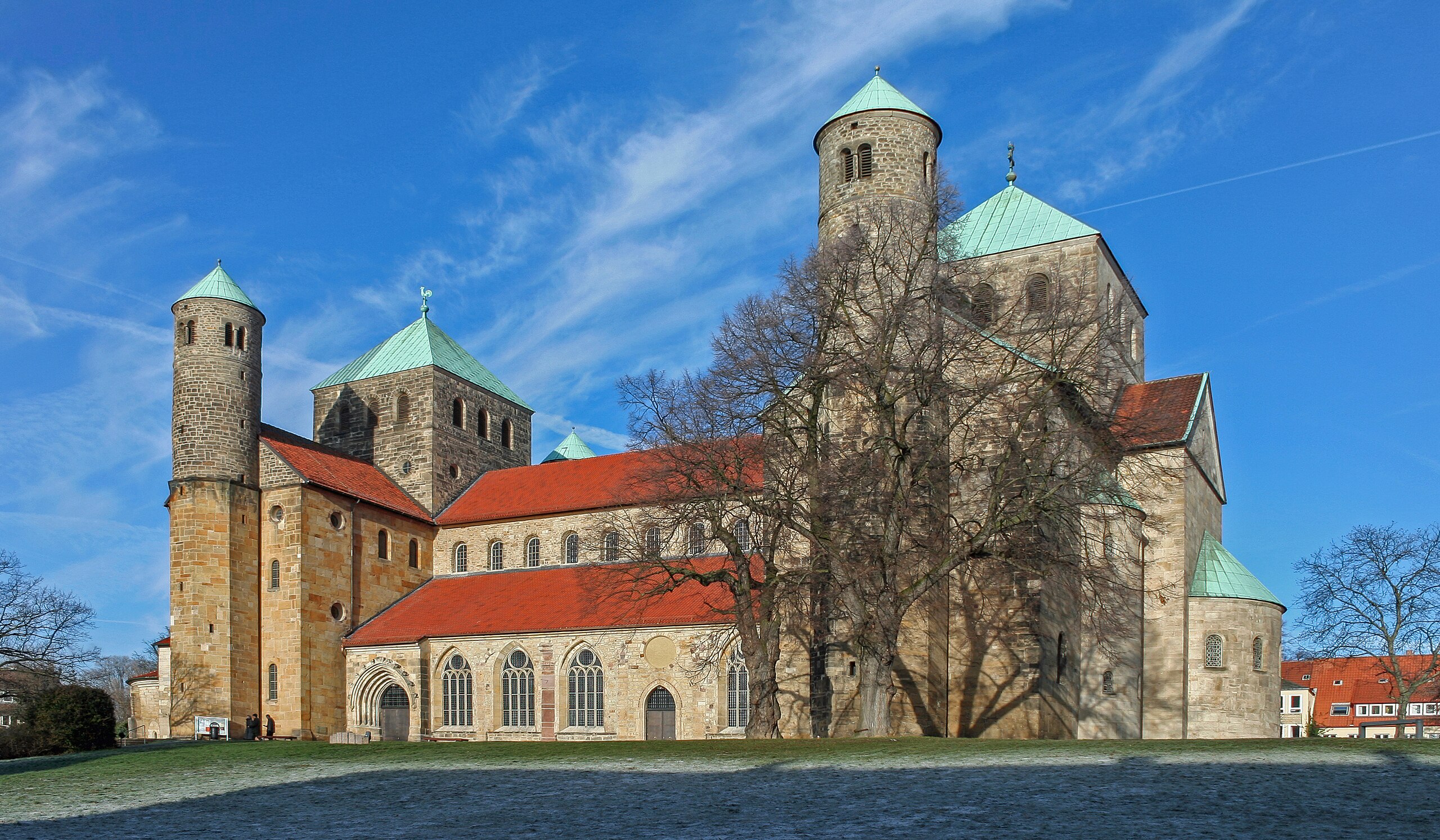
1022 - St. Michael’s Church of Hildesheim (All Facts)
When it was built, it was a Catholic Church with a Romanesque style
Features unvaulted double choirs and arcades of square piers alternating with round, short columns
Commissioned and designed by Bishop Bernward of the namesake town
Influenced other architecture of the Ottonian Dynasty of the Holy Roman Empire
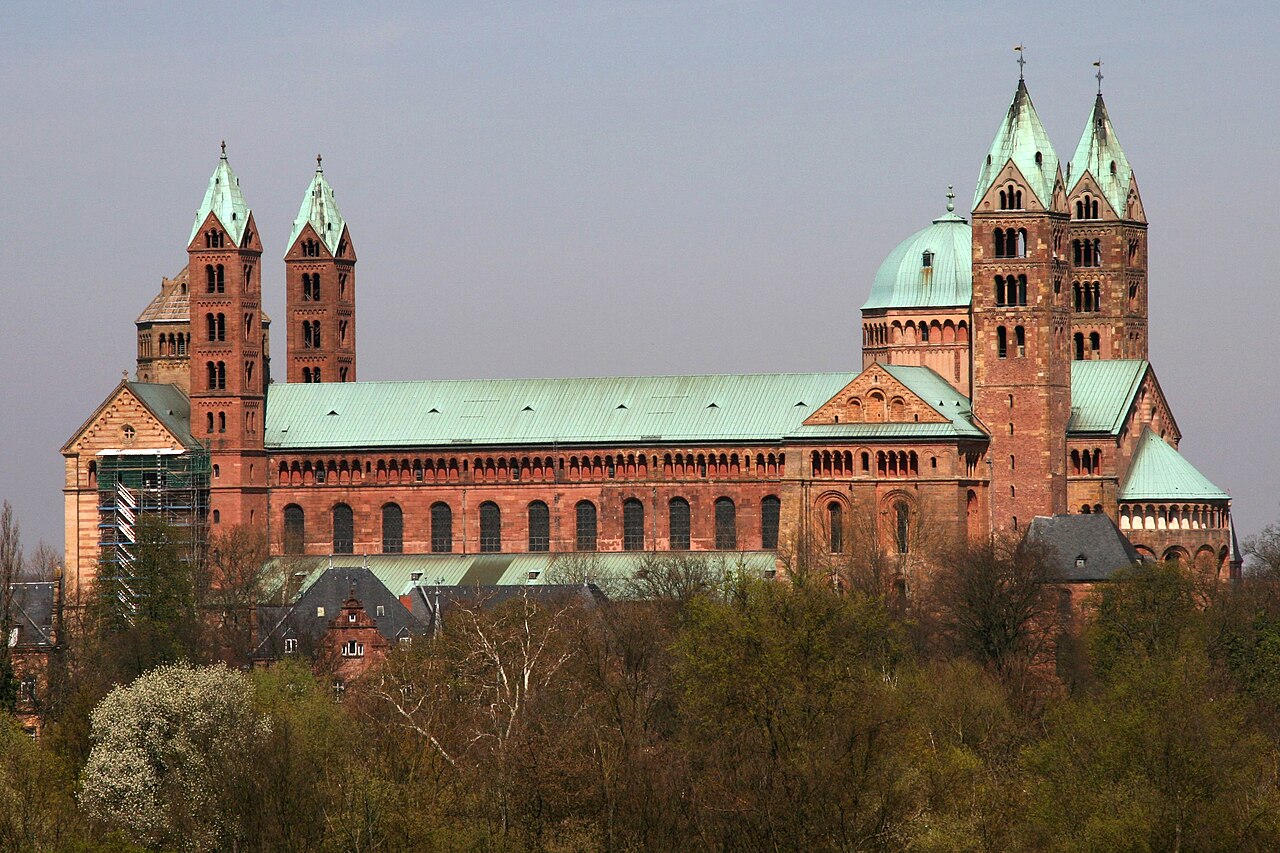
1030 - Speyer Cathedral (All Facts)
Catholic Cathedral
Built during the reign of Holy Roman Emperor Conrad II
Expanded, having been built to be the tallest cathedral in Europe, during the reign of Holy Roman Emperor Henry IV
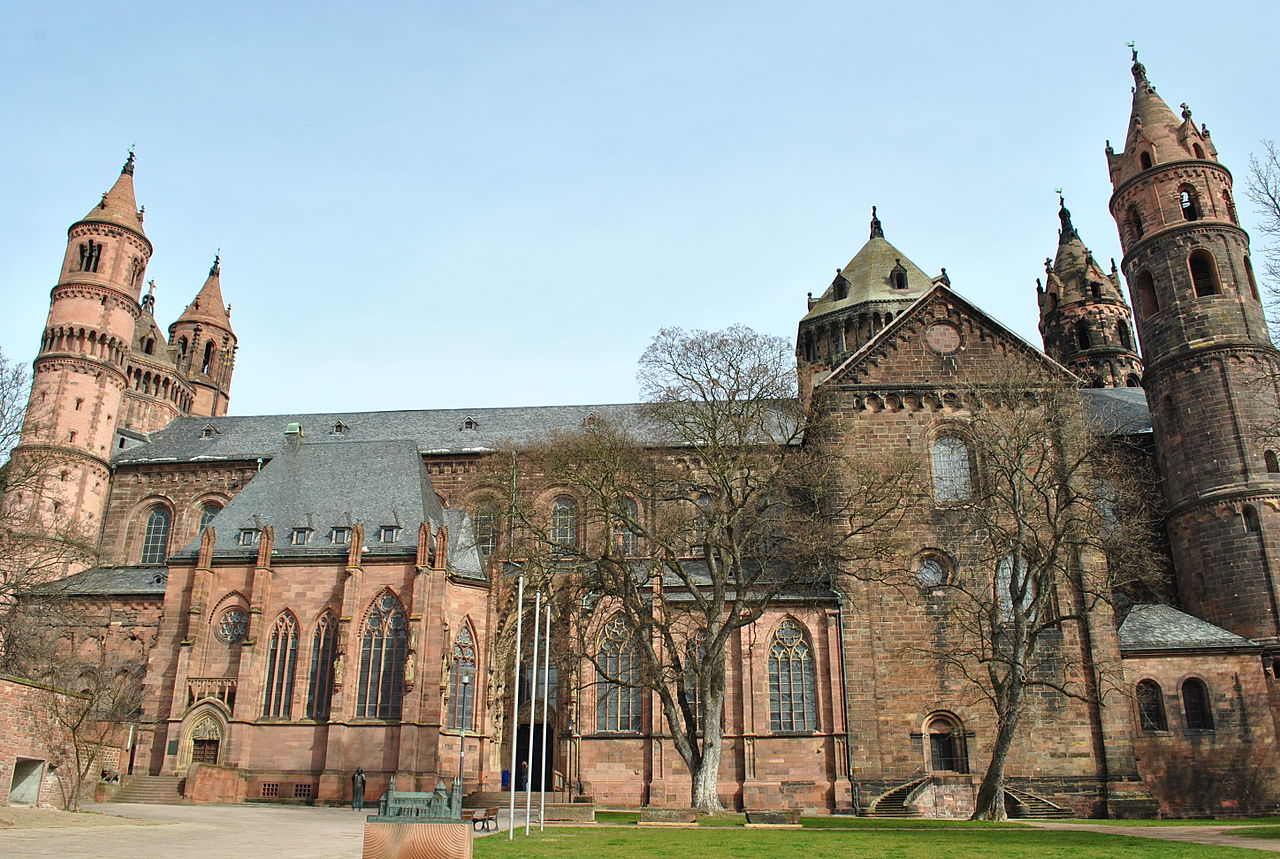
1181 - Worms Cathedral (All Facts)
Catholic Cathedral commissioned by Bishop Burchard of the namesake city
Many famous historical events took place here including
1048 - Nomination of Leo IX as Pope
1122 - The namesake “Concordant” which ended the Investiture Controversy
1521 - The namesake “Diet,” which condemned Martin Luther as a heretic
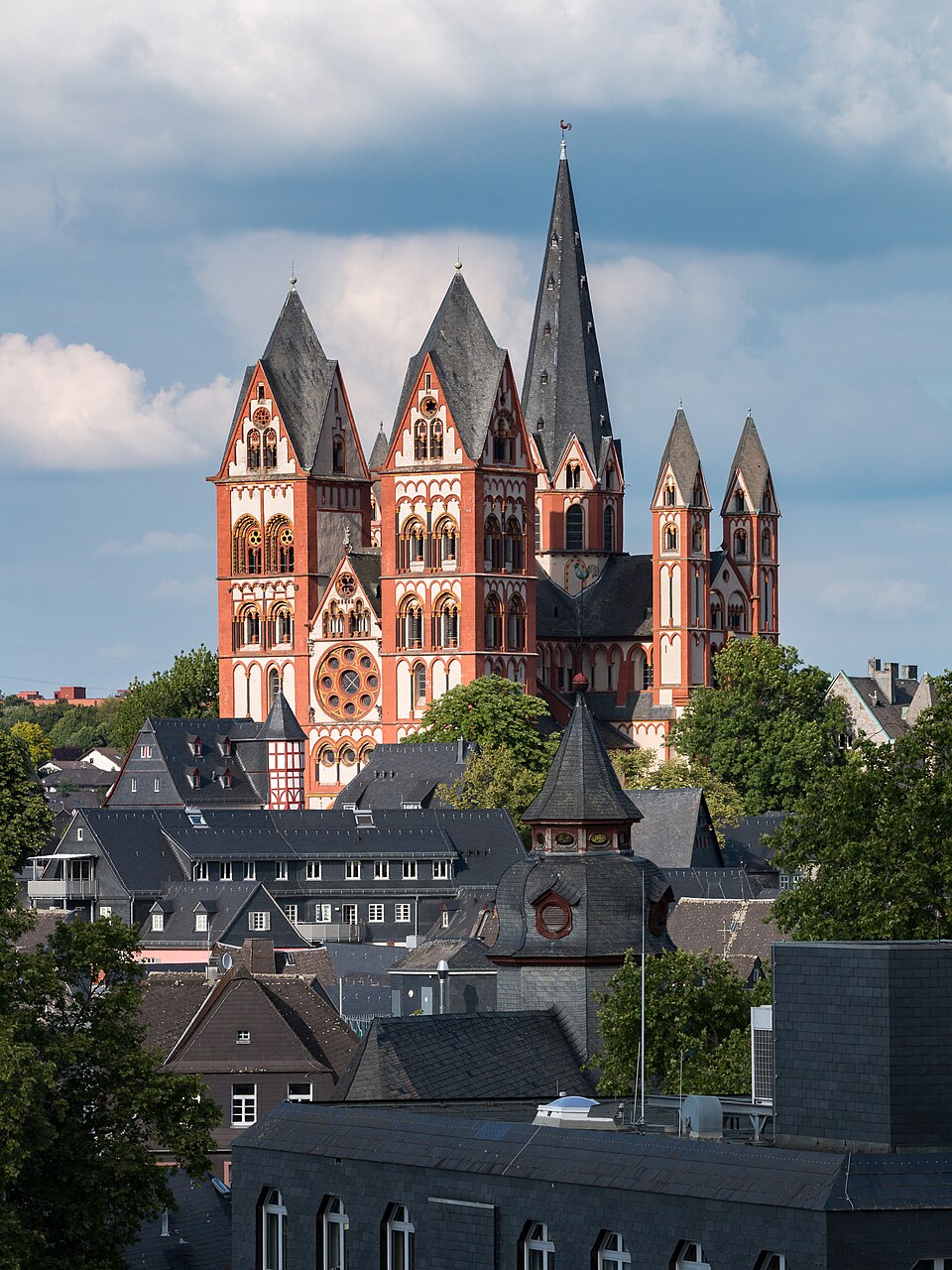
1235 - Limburg Cathedral (All Facts)
Catholic Cathedral in the Romanesque-Gothic style
 Note
Note  Flashcards (86)