Antiseptics: Becoming a surgeon and the progress to aseptic surgery, including Carbolic Acid: A revolution in medicine, c 1800-1900: History: GCSE (9:1)
 Studied by 0 people
 Call Kai
 Learn
Learn Practice Test
 Spaced Repetition
 Match
Match Flashcards
 Knowt Play
1/21

There's no tags or description
Looks like no tags are added yet.
Name | Mastery | Learn | Test | Matching | Spaced | Call with Kai |
|---|
No analytics yet
Send a link to your students to track their progress
22 Terms
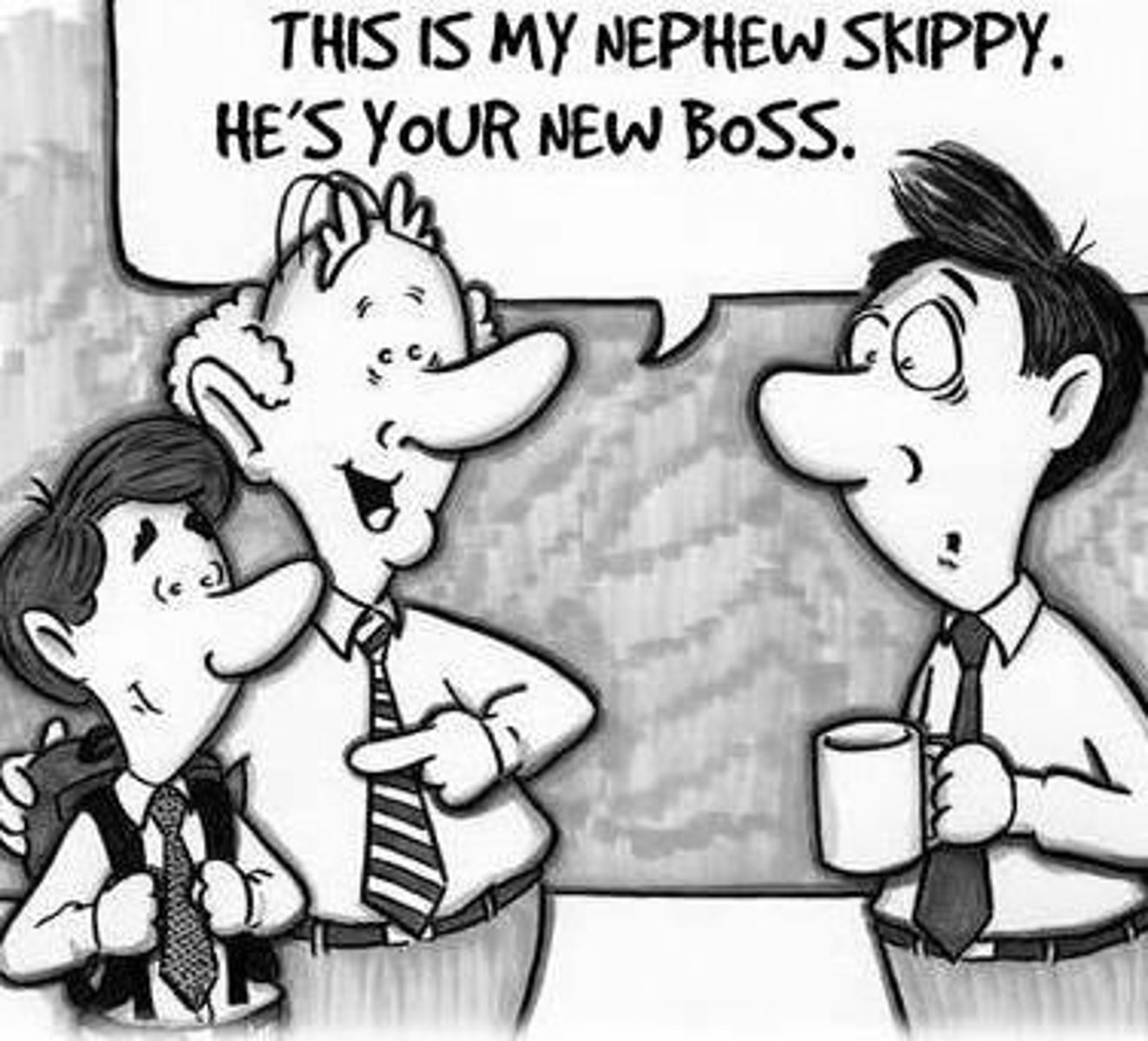
Nepotism
When someone is given a job based on who they know, not how good they were. ie) Bransby Blake Cooper, a doctor who did a bladder stone operation in 1hr instead of 6 minutes. The patient died. A report suggested he had been employed because he was the nephew of a good surgeon and wasn't well qualified himself.
General Medical Council (1858)
Created to put rules in place and oversee who was employed / set rules

Institutional Sexism
When an organisation in an industry / sector / area of government discriminates against or doesn't employ the opposite gender, as with the medical profession in the 1800s

Elizabeth Garrett Anderson (Education and barriers)
Got a medical education privately due to British universities rejecting her. Passed the Society of Apothacaries exam to get a license - they changed the rules to block others. Learnt French to get her medical degree in France. Was the only female member of the British Medical Association for 20 years.
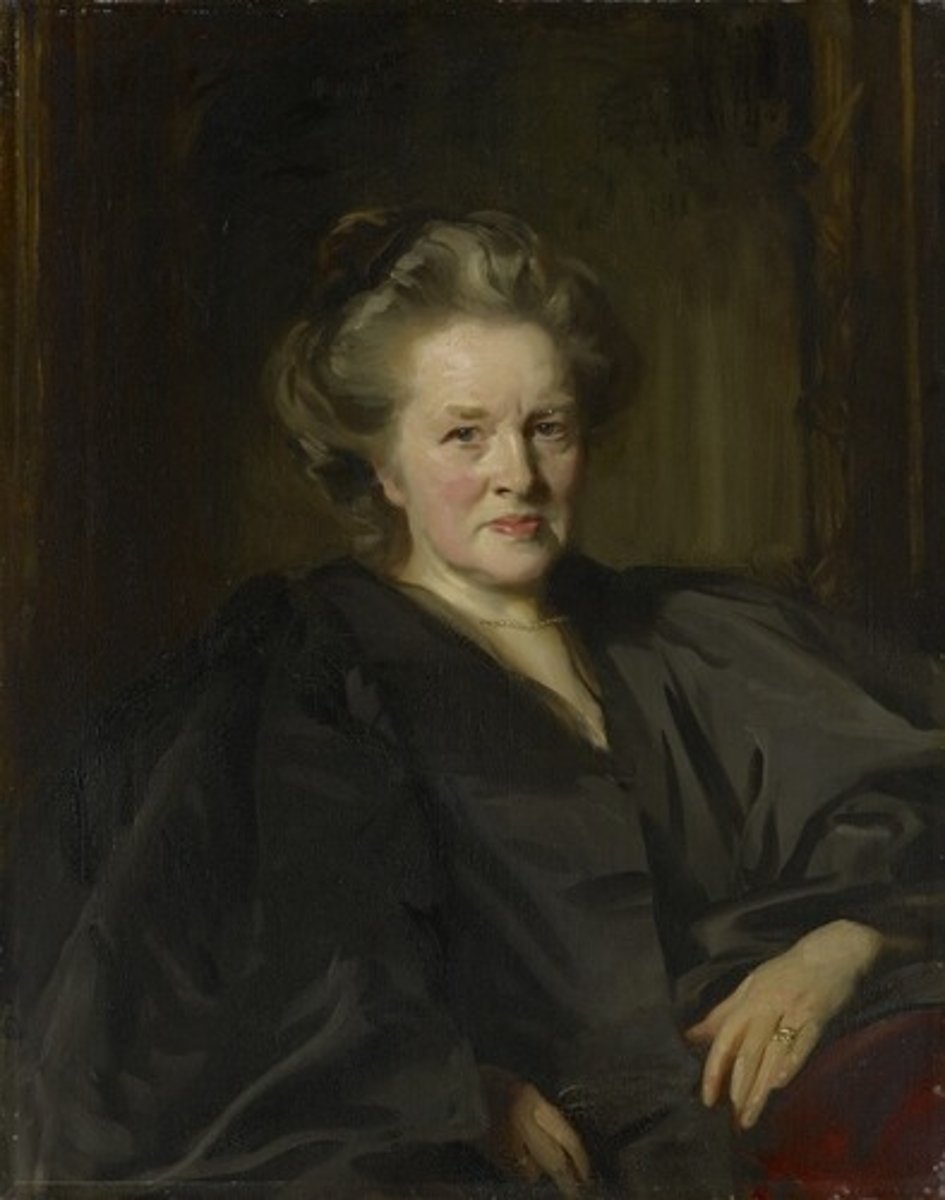
Elizabeth Garrett Anderson (Achievements)
Opened the New Hospital for Women and Children in 1872 and The London School of Medicine for Women in 1874. Total of 495 women on the medical register by 1911.
Sophia Jex-Blake (UK Education and barriers)
Applied to Edinburgh Uni to study medicine and was rejected until she gathered another 6 women - together labelled the Ediburgh 7. Pelted with mud and rubbish by male peers at the Surgeon's Hall Riot in 1870. University then refused to issue degrees to them upon completion
Sophia Jex-Blake (Achievements)
She studied in Switzerland to get her medical degree in 1877. Became the 3rd female doctor in the Uk in 1878. Worked with Elizabeth Garrett Anderson and set up equivalent in Edinburgh.
Antiseptics
A liquid or spray that kills germs ie) bleach
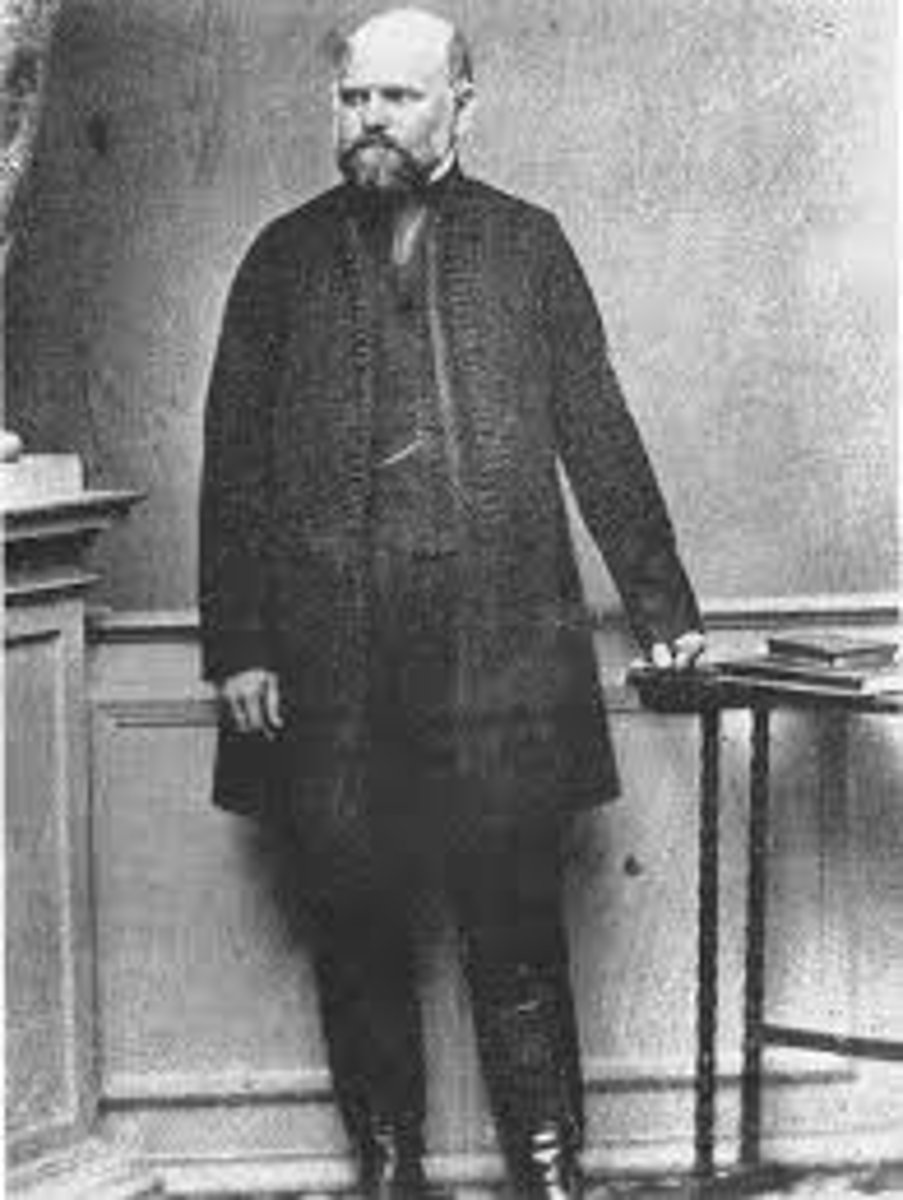
Ignatz Semmelweiss
A Hungarian doctor in Vienna General Hospital in Austria who showed that washing things in Calcium Chloride solution reduced the death rate from 35% to 1%. He was largely ignored and ended up out on the street.
Joseph Lister's Dad
How Lister's dad had a large effect on the medical world because he was a medical pioneer who improved microscopes to enhance magnification and the engineering process
Germ Theory
The theory that backed up Lister's need for aseptic surgery (Pasteur). This was furthered when Koch discovered the microbe that caused Septicemia in 1878 using his dye technique.
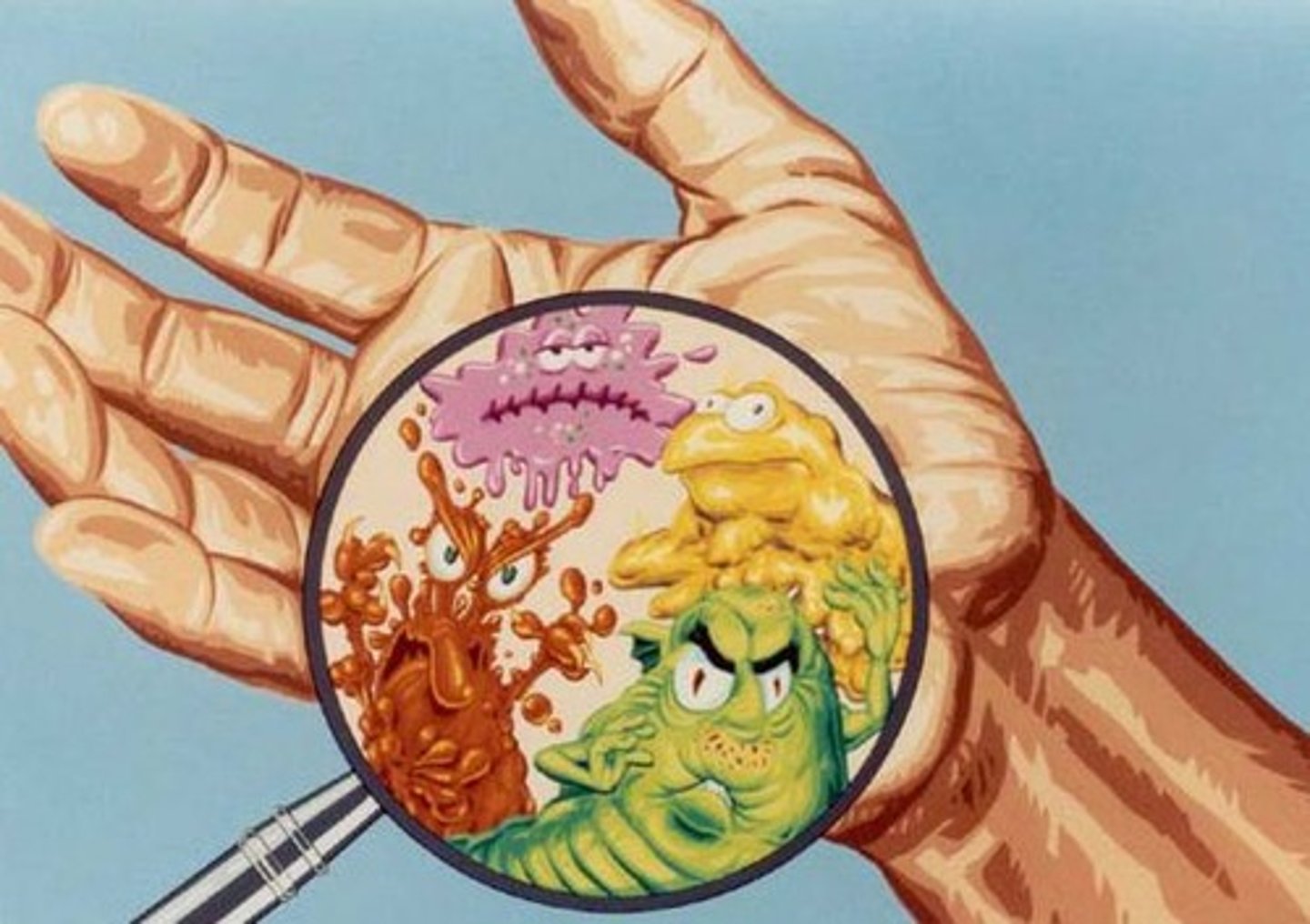
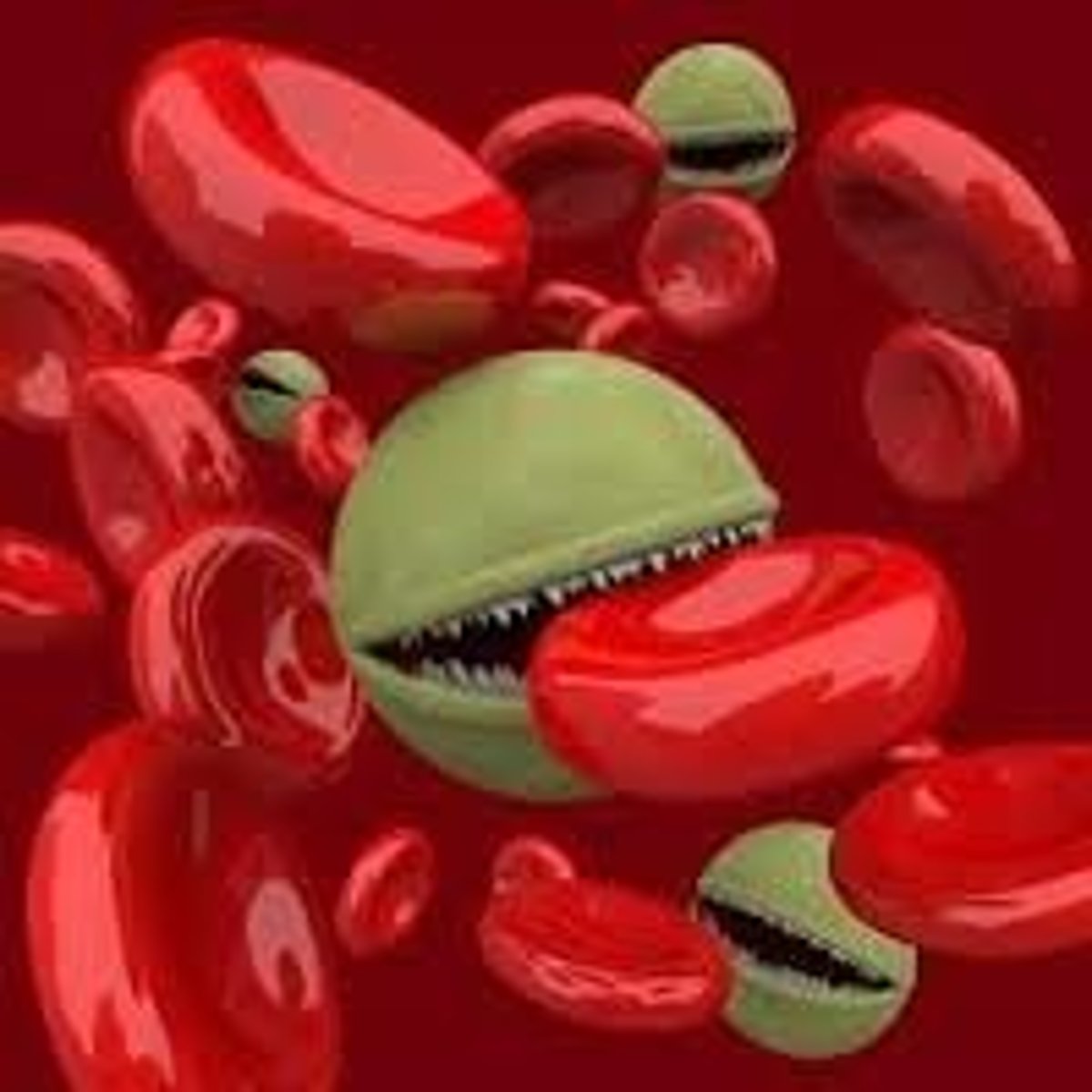
Septicemia Microbe
Causes a serious bloodstream infection (blood poisoning). It is a bacterial infection that can lead to fever, breathing difficulties, confusion, blood circulation issues. It can be life-threatening.
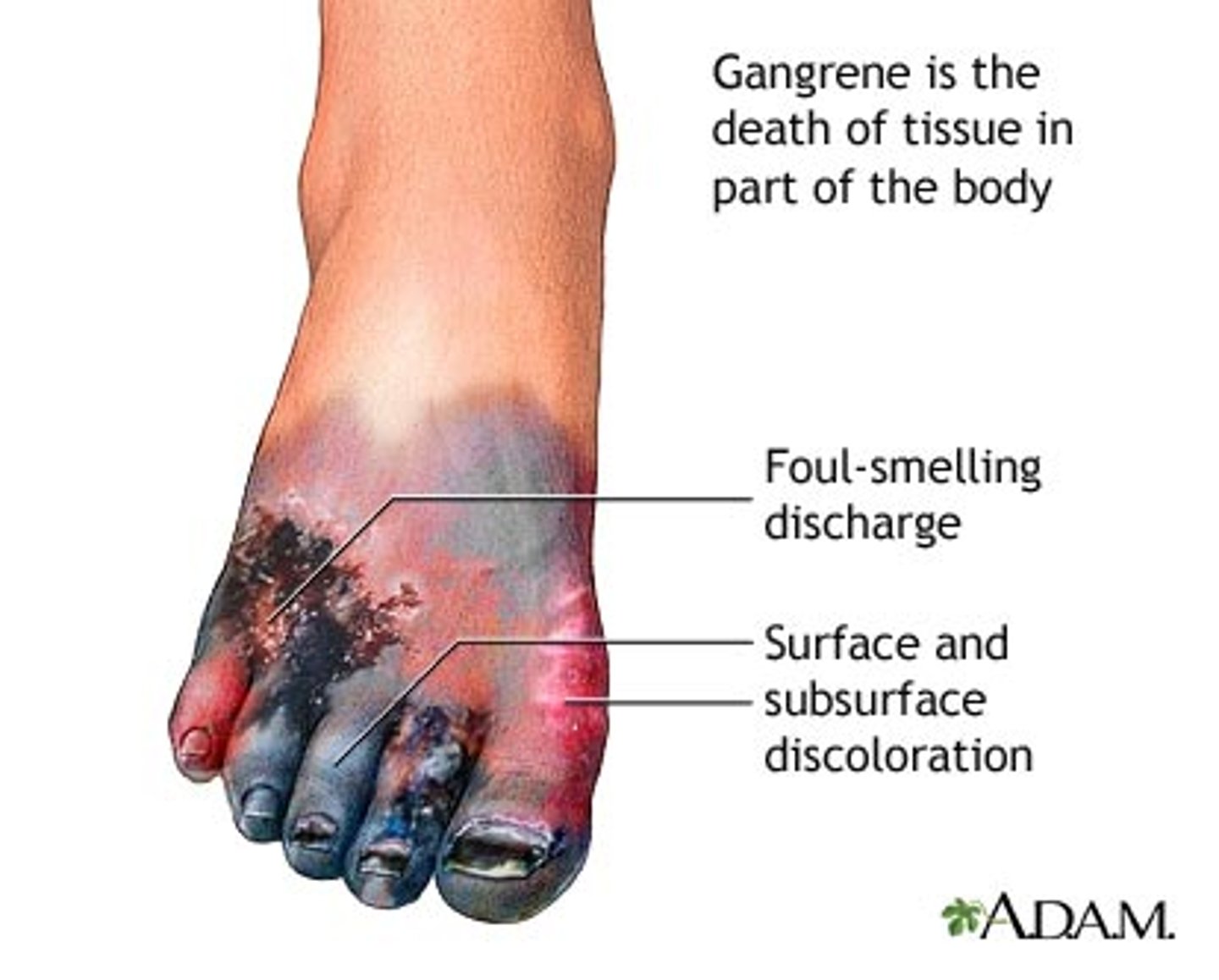
Gangrene
A common condition where a limb dies and the rot spreads to other limbs
Carbolic Acid
Lister started experimenting with this in operations to kill germs in 1865. He started experimenting with cold blooded animals, so he could monitor the effects at a more gradual speed.
Statistical Data
By keeping records of the outcomes of his operations Lister proved that his use of antiseptics worked. Deaths after surgery fell from 46% to 15% in 3 years
Sterilised
When germs on an object have been killed by an antiseptic
Carbolic Acid Opposition
Initially there was opposition because it made the surgery wet, smelled terrible (causing difficulties breathing) and caused the skin on the hands to rapidly dry out and crack. Also Lister was terrible at communicating or even rude, meaning some people disliked him.
Carbolic Spray (1871)
In 1871 Lister developed a sprayer which meant the acid could be applied in a more diluted and light-touch way
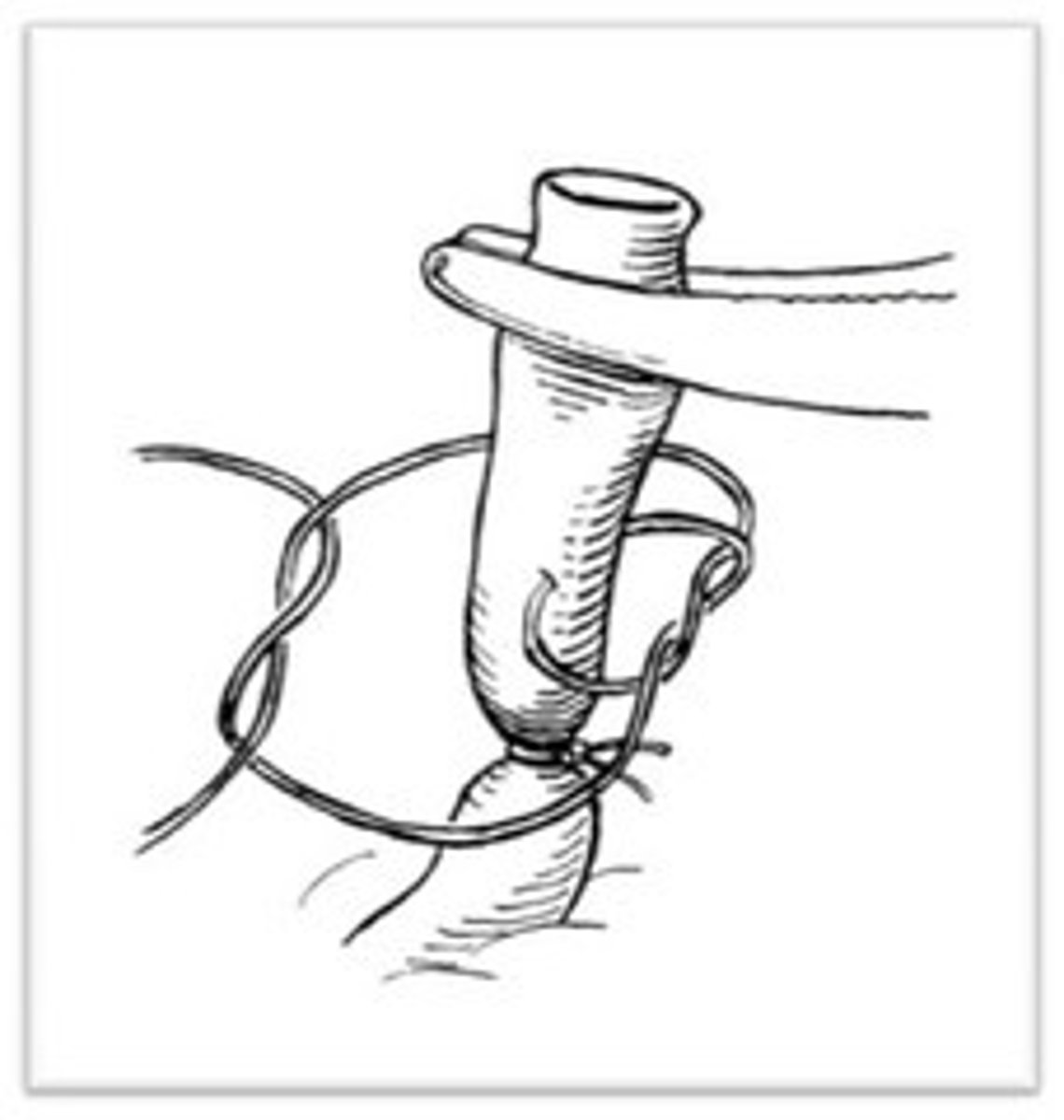
Sterilised Catgut Ligatures
Lister used ligatures that had been soaked in carbolic acid as ligatures to stem bleeding during surgery
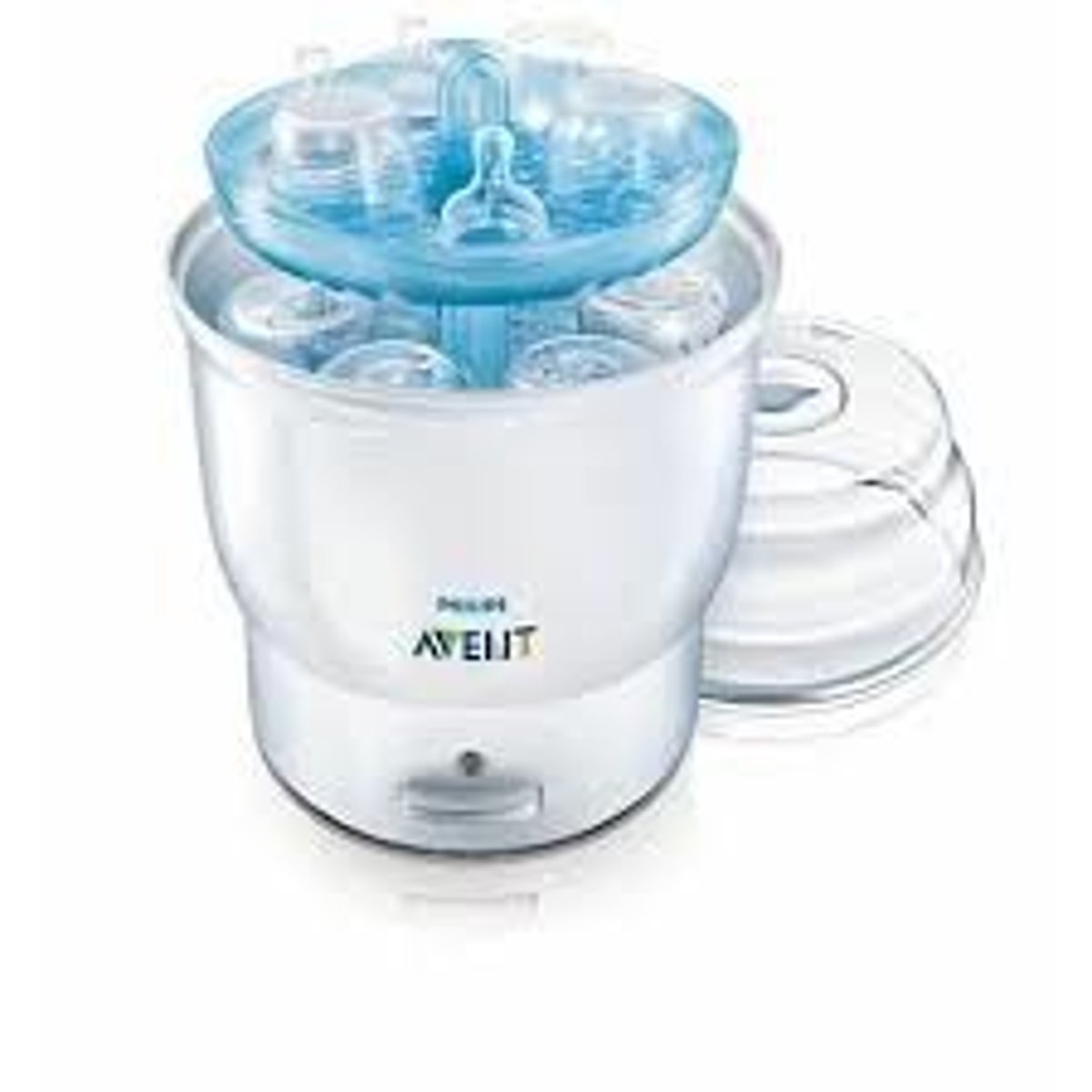
Steam Steriliser (1881)
Charles Chamberland invented a machine that heated objects at 140 degrees for 20 minutes, removing all germs
Sterile Operating Theatre (1886)
Gustav Neuber had his operating theatre scrubbed and even the air sterilised before operating. His works were published in 1886 and set the gold standard for aseptic (germ free) surgery
Surgical Clothing
Surgical rubber gloves were used by William Halsted in America, manufactured by Goodyear. Berkeley Moyniham was the first surgeon in Britain to wear gloves for an operation and then change clothes between operations. His wife was once presented with a bouquet made of rubber gloves

 Note
Note  Flashcards (75)