Laws of motion 3 with ncert
 Call Kai
 Learn
Learn Practice Test
 Spaced Repetition
 Match
Match Flashcards
 Knowt Play
1/30

Earn XP
Description and Tags
physics
Name | Mastery | Learn | Test | Matching | Spaced | Call with Kai |
|---|
No analytics yet
Send a link to your students to track their progress
31 Terms
Object is thrown with velocity v on a rough horizontal surface. Find time and distance after which the particle comes to rest
acc= u g
v=at time= v/a= v/ug
s=v²/2a= v²/2ug
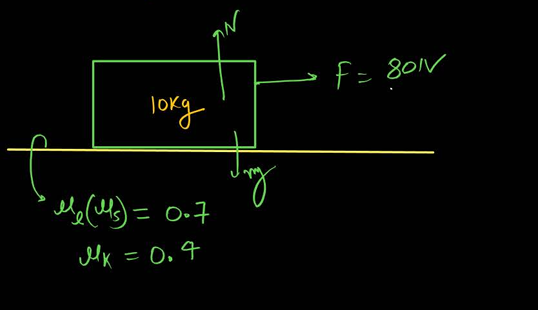
Find acceleration of block
limiting friction= 70
force= 80 so block will accelerate
kinetic friction= 40
acc= 80-40/10= 40/10= 4
Acceleration can be non zero only if there is a net external force on the body.
true false
true
An astronaut accidentally gets separated out of his small spaceship accelerating in inter stellar space at a constant rate of 100 m s–2. What is the acceleration of the astronaut the instant after he is outside the spaceship ?
Since there are no nearby stars to exert gravitational force on him and the small spaceship exerts negligible gravitational attraction on him, the net force acting on the astronaut, once he is out of the spaceship, is zero. By the first law of motion the acceleration of the astronaut is zero.
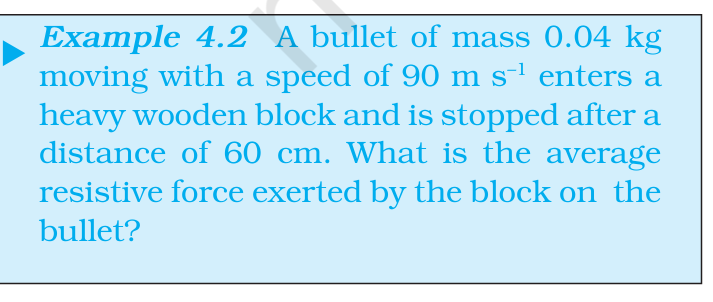
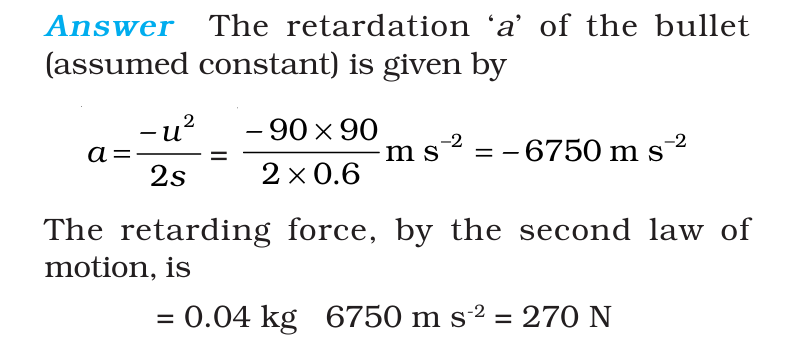
conservation of momentum is shown by which two laws of motion
second and third
when there is no applied force, there is static friction
true false
false
no applied force, no static friction
static friction opposes impending motion
kinetic friction opposes actual relative motion
true false
true
It is found experimentally that when relative motion has started, the frictional force decreases from the static maximum value (fs)max
true false
true
because max static friction is limiting friction
and kinetic is decreased of limiting
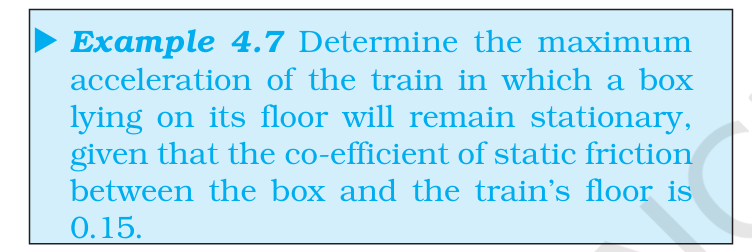
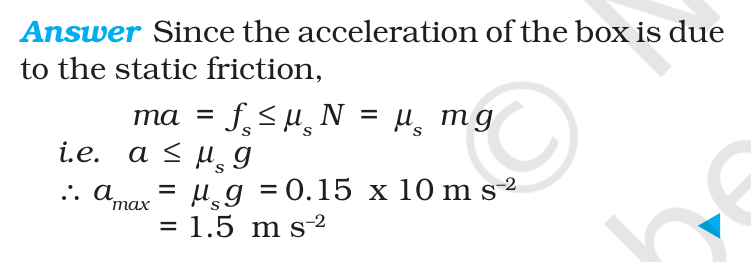
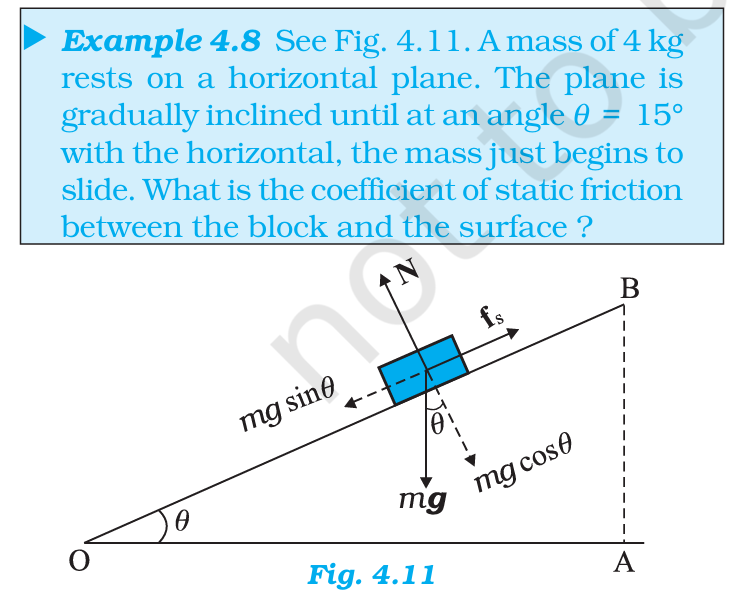
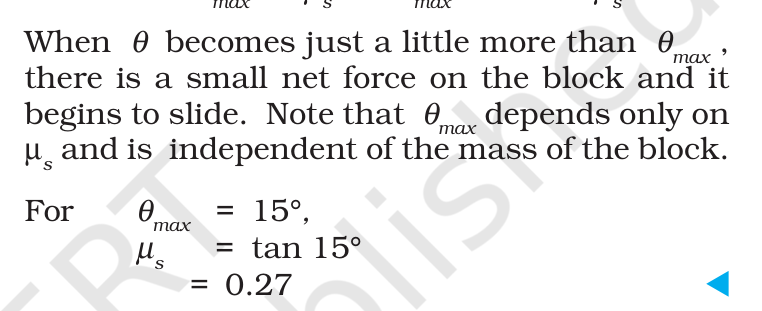
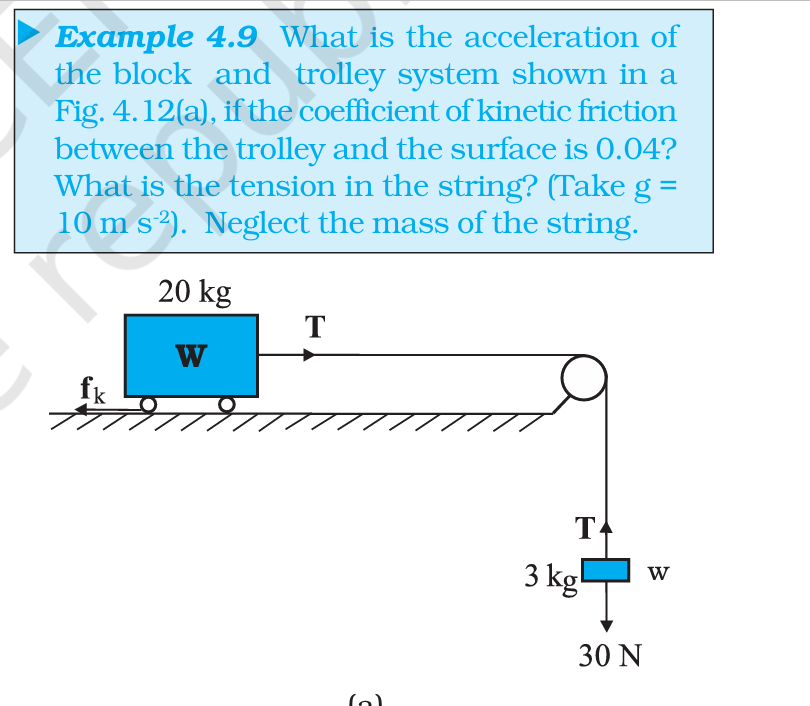
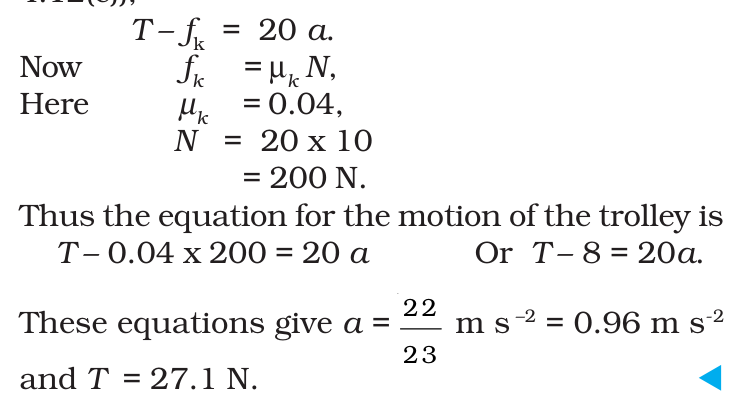
A body like a ring or a sphere rolling without slipping over a horizontal plane will suffer no friction
true false
true
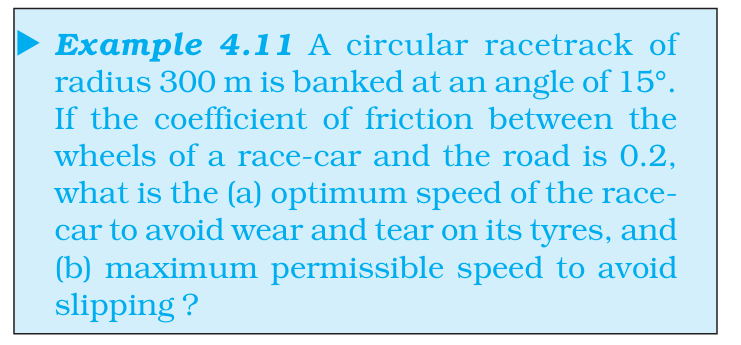
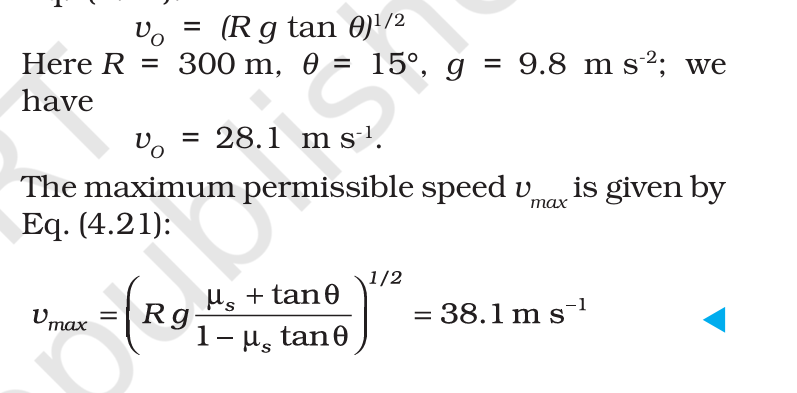
are these statements true regarding second law of motion
(a) The second law is consistent with the First Law (F = 0 implies a = 0)
(b) It is a vector equation
yes
value of static force is always uN
true false
Static friction is a self-adjusting force up to its limit µs N (fs ≤ µs N). Do not put fs = µs N without being sure that the maximum value of static friction is coming into play.
Action and reaction act on same bodies.
true false
false
Action and reaction act on different bodies.

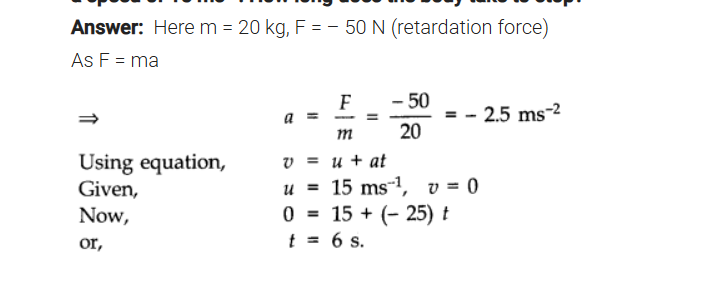

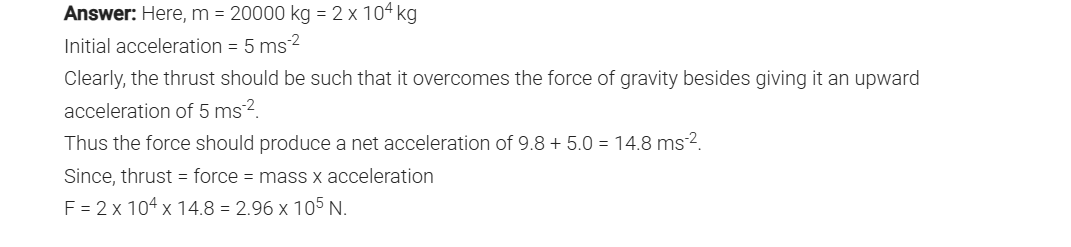

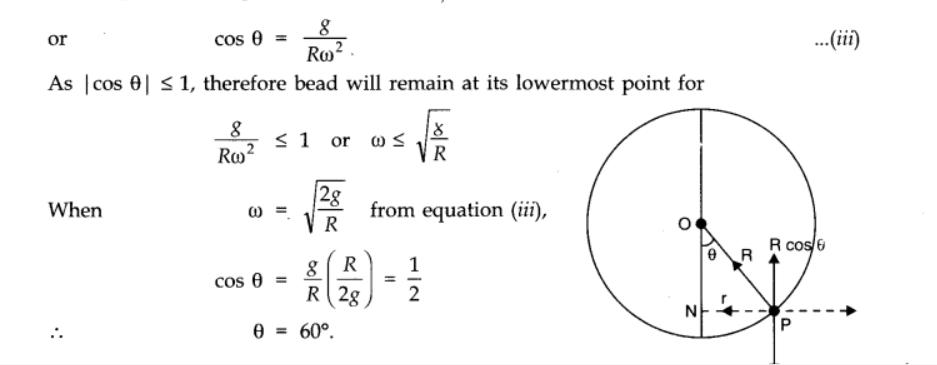
a]velocity
v = 0 + 2 x 10 = 20 ms-1
The only force acting on the stone is force of gravity which acts vertically downwards.
Its horizontal component is zero. Moreover, air resistance is to be neglected. So, horizontal motion is uniform motion.
.-. vx = v = 20 ms-1
![<p>a]velocity</p><p><span><span>v = 0 + 2 x 10 = 20 ms</span></span><sup>-1</sup><br><span><span>The only force acting on the stone is force of gravity which acts vertically downwards.</span></span><br><span><span>Its horizontal component is zero. Moreover, air resistance is to be neglected. So, horizontal motion is uniform motion.</span></span><br><span><span>.-. vx = v = 20 ms</span></span><sup>-1</sup></p>](https://knowt-user-attachments.s3.amazonaws.com/7008e2cd-6e86-482a-8e49-c166659876c9.png)

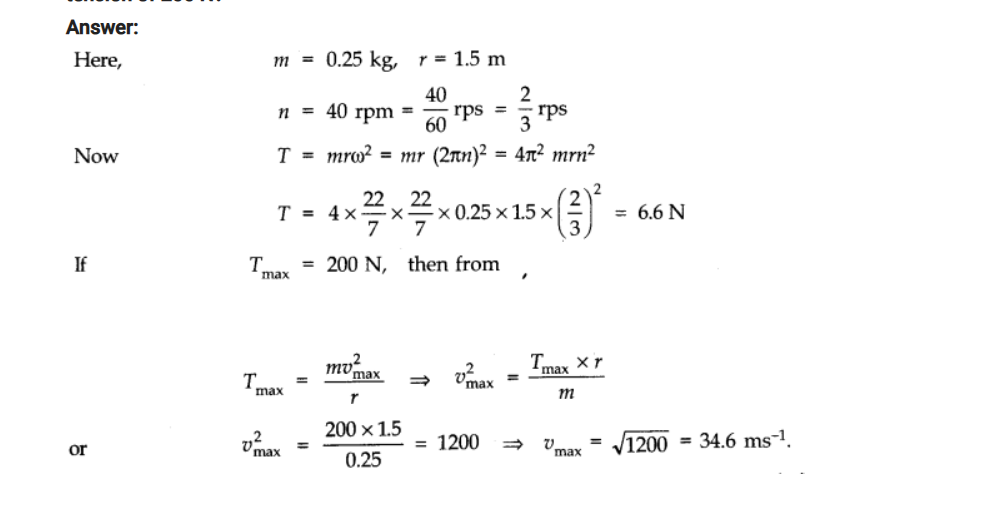
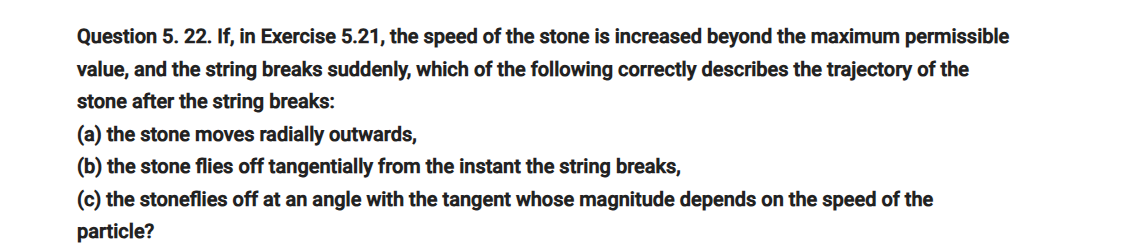

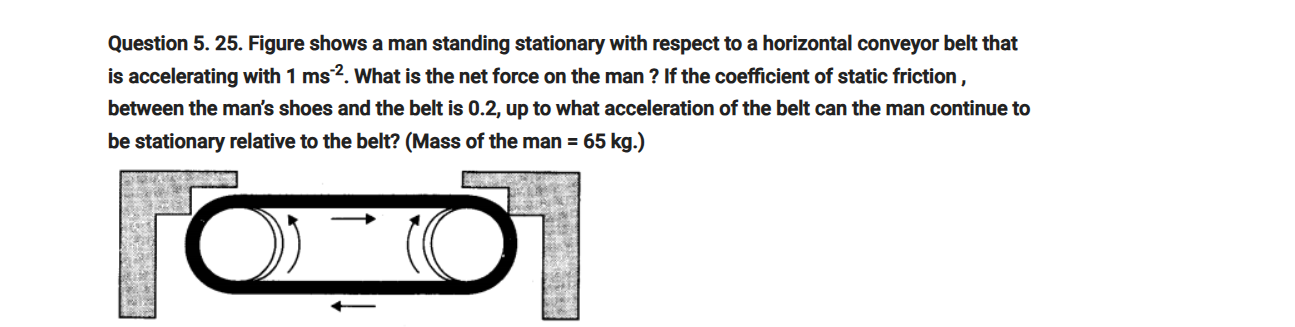
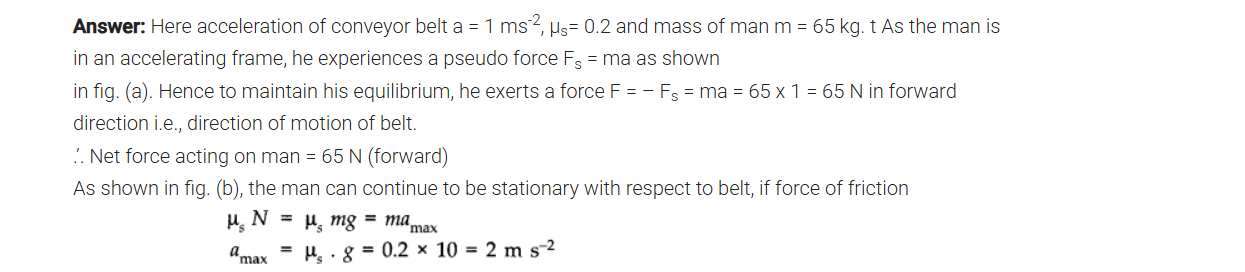
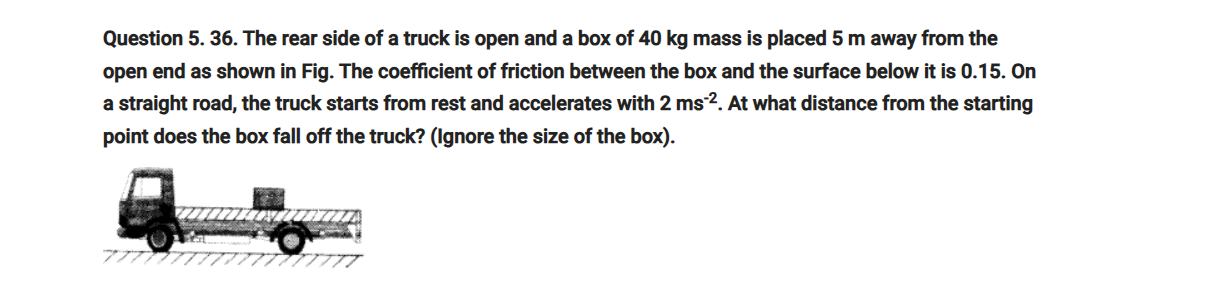
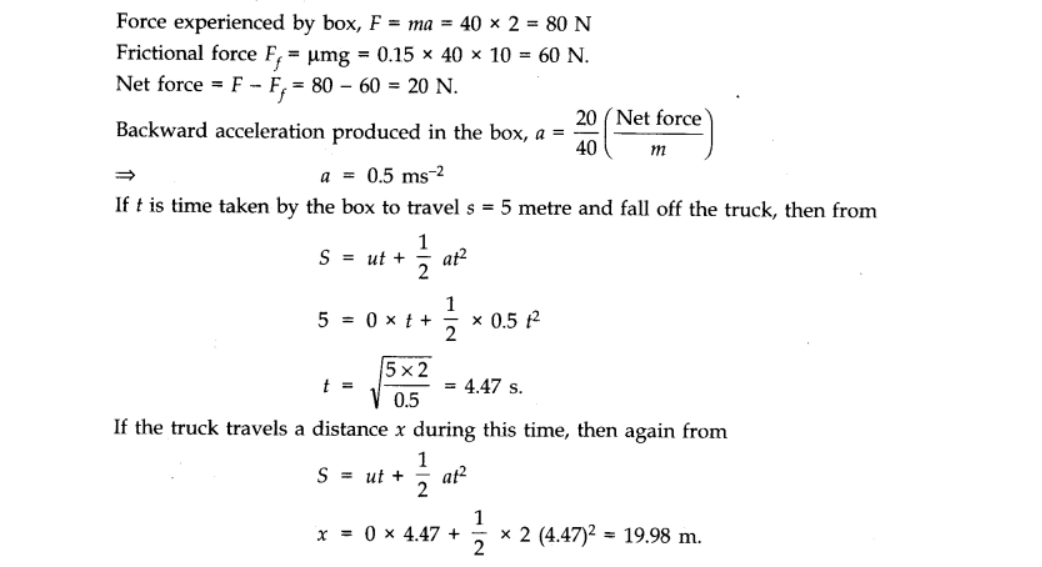

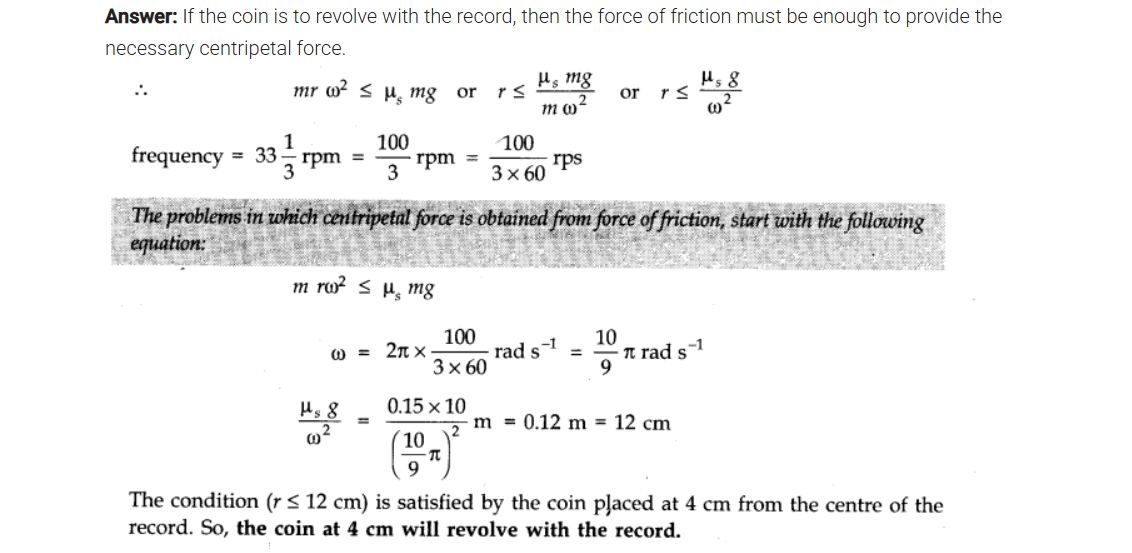

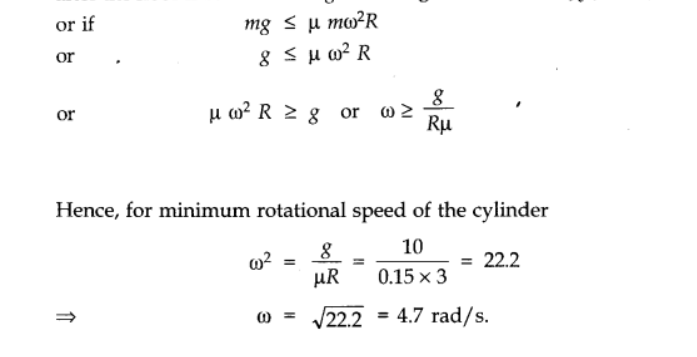

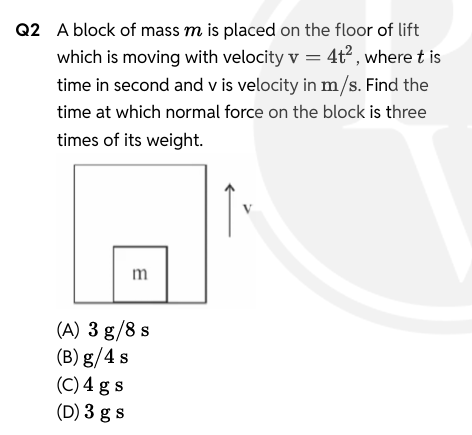
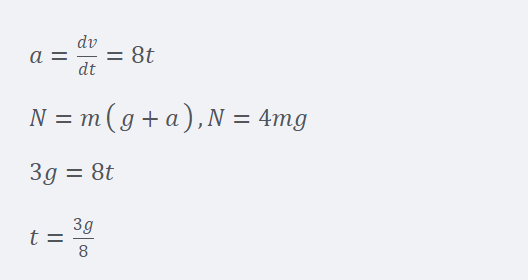
This is answer for if normal is four times its weight
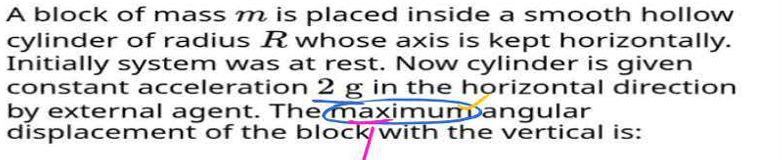
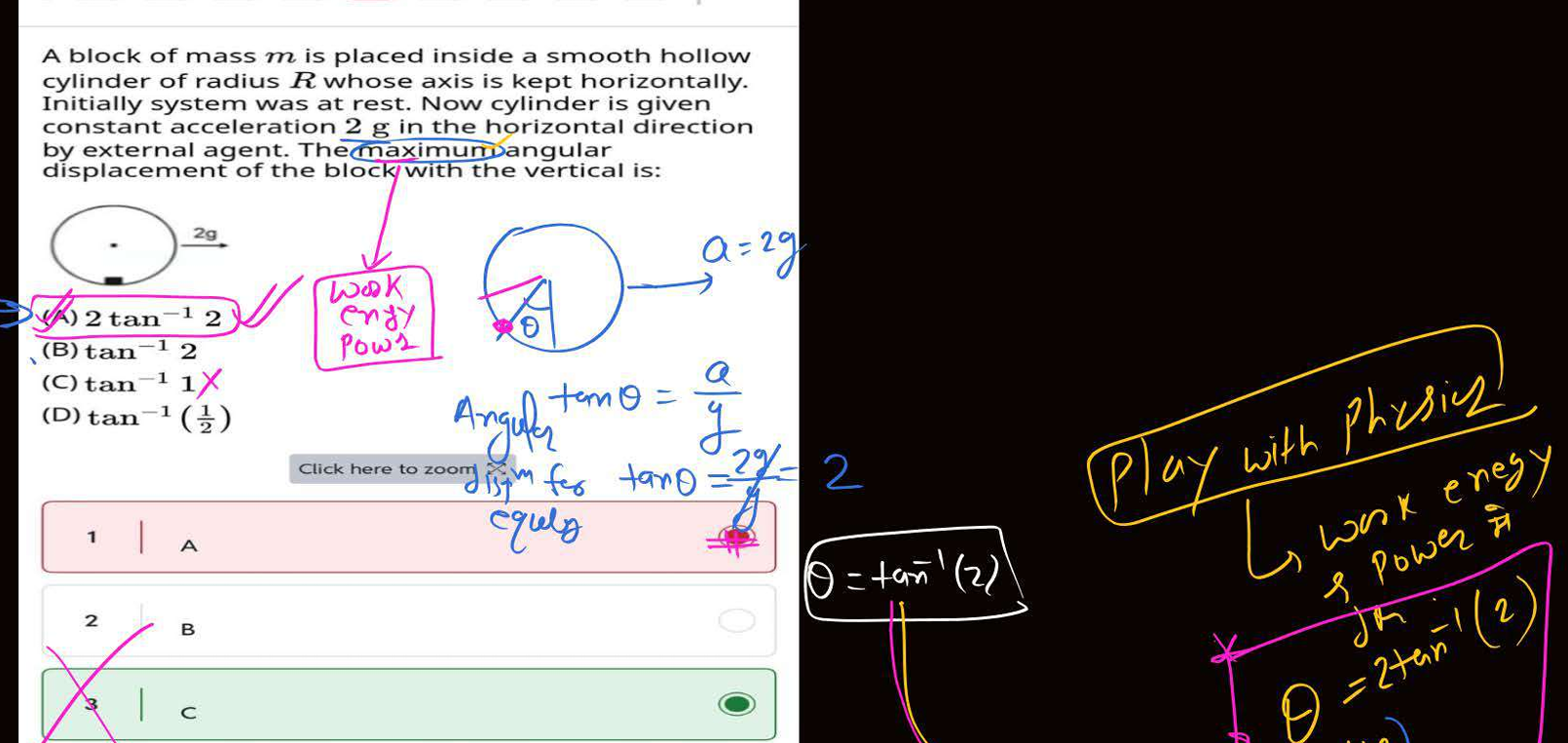
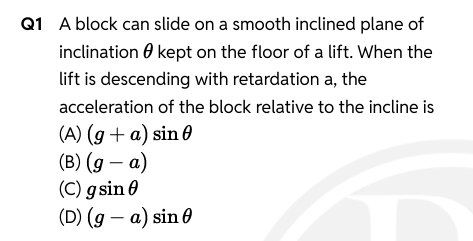
the answer to this question is B
A