Lecture 2- Canine and feline breeds and life stages
 Studied by 2 people
 Call Kai
 Learn
Learn Practice Test
 Spaced Repetition
 Match
Match Flashcards
 Knowt Play
1/97

There's no tags or description
Looks like no tags are added yet.
Name | Mastery | Learn | Test | Matching | Spaced | Call with Kai |
|---|
No analytics yet
Send a link to your students to track their progress
98 Terms
Why is signalment important?
Provides essential information about species, breed, age, sex, reproductive status, and helps guide diagnostics, differentials, and expected normal values.
What does signalment help identify?
The correct patient, breed predispositions, age-related diseases, and normal vs abnormal findings.
What organization classifies dog breeds into groups?
American Kennel Club (AKC).
What are the seven AKC dog breed groups?
Sporting, Working, Herding, Hound, Toy, Terrier, Non-sporting.
What traits define the Sporting Group?
Naturally active, alert, require regular exercise, strong instincts in water and woods; includes spaniels, pointers, retrievers, setters.
What traits define the Working Group?
Strong, intelligent, protective, quick learners; bred for guarding, sled pulling, water rescue; require training and socialization.
What traits define the Herding Group?
Instinct to control movement of animals, high energy, intelligent, may herd family members; includes Collies, Aussies, GSDs.
What traits define the Hound Group?
Sighthounds and scent hounds; used for hunting, tracking, stamina, baying; strong scenting ability.
What traits define the Toy Group?
Small size, big personality, affectionate, sociable, adaptable, energetic.
What traits define the Terrier Group?
Feisty, energetic, bred to hunt vermin, strong-willed, protective.
What traits define the Non-sporting Group?
Diverse group with varying sizes, personalities, and appearances.
What is brachycephalic syndrome?
Combination of elongated soft palate, stenotic nares, and everted laryngeal saccules.
What breeds are brachycephalic?
Bulldog, French Bulldog, Boston Terrier, Pug, Boxer, Chow Chow, Bullmastiff, American Bully.
What are dolichocephalic breeds?
Elongated nose; Greyhound, Whippet, Dachshund, Italian Greyhound, Borzoi.
What disease are dolichocephalic breeds predisposed to?
Aspergillosis (nasal fungal infection).
What are mesocephalic breeds?
Square-skulled; Beagle, Dalmatian, Rottweiler, Australian Shepherd, Saint Bernard.
What are the four canine life stages?
Puppy, Young Adult, Mature Adult, Senior.
When does the canine puppy stage occur?
Birth to 6-9 months; rapid growth.
When does the canine young adult stage occur?
6-9 months to 3-4 years; physical and social maturity.
When does the canine mature adult stage occur?
3-4 years to last 25% of lifespan.
When does the canine senior stage occur?
Last 25% of estimated lifespan.
How do life stages differ between breeds?
Small breeds age slower; large breeds age faster (e.g., Chihuahua mature at 8 yrs, Rottweiler senior at 8 yrs).
What is the Animal Hospice Care Pyramid?
A model describing physical, social, and emotional needs at end of life.
What are the three components of the Hospice Care Pyramid?
Physical care, social wellbeing, emotional wellbeing.
What are common domestic cat categories?
Domestic Longhair, Medium-hair, Shorthair.
What are common feline coat patterns?
Tabby, calico, tortoiseshell, tuxedo, solid, dilute, bi-color, tri-color, pointed.
What is a polydactyl cat?
Not a breed; cat with extra toes.
What organizations recognize cat breeds?
TICA (The International Cat Association) and CFA (Cat Fanciers' Association).
What are common brachycephalic cat breeds?
Persian, Himalayan.
What are common mesocephalic cat breeds?
Maine Coon, Bengal, DLH, DSH, DMH.
What are common dolichocephalic cat breeds?
Abyssinian, Siamese, Somali, Sphynx.
What are the feline life stages?
Kitten (0-1 yr), Young Adult (1-6 yrs), Mature Adult (7-10 yrs), Senior (>10 yrs), End of Life.
How often should kittens be examined?
Minimum once per year; more frequently during vaccination series.
How often should senior cats be examined?
Every 6 months.
What is included in a good history?
Lifestyle, owner concerns, OTC meds, diet, oral health, parasite control, vaccination history, litter box use, behavior.
What should be discussed during a canine puppy exam?
Microchipping, congenital disorders, vaccinations every 3-4 weeks, spay/neuter.
What should be discussed during a canine young adult exam?
Congenital issues, working/service dog needs, OA prevention, exam every 6-12 months.
What should be discussed during a canine mature adult exam?
OA signs, activity level, exam every 6-12 months.
What should be discussed during a canine senior exam?
Cognitive function, OA, diagnostics, more frequent exams.
What should be evaluated in kitten exams?
Congenital issues, murmurs, hernias, dentition, weight, BCS/MCS, spay/neuter, microchipping.
What should be evaluated in young adult cats?
Vomiting, hairballs, diarrhea, grooming, periodontal disease, tooth resorption, baseline labs.
What should be evaluated in mature/senior cats?
Appetite, hydration, PU/PD/PP, vomiting, diarrhea, nocturnal activity, cognition, mobility, masses, oral exam, fundic exam, thyroid/kidney palpation.
What labs are recommended for older cats?
CBC, chemistry, urinalysis, T4.
What safety risks apply to puppies/young dogs?
Foreign bodies, toxic plants, household hazards.
What safety risks apply to kittens/young cats?
String, lilies, pyrethrin/pyrethroid insecticides, rodenticide.
What safety risks apply to senior pets?
Mobility issues, vision/hearing loss, cognitive decline, litter box access.
What behavior topics should be discussed for puppies?
Socialization, handling, grooming, bite inhibition, crate training.
What behavior topics should be discussed for young adult dogs?
Separation anxiety, aggression, storm phobias, training classes.
What behavior topics should be discussed for senior dogs?
Cognitive dysfunction, anxiety, changes in sleep/wake cycles.
What behavior topics should be discussed for kittens?
Socialization, grooming, nail trimming, carrier training, positive reinforcement.
What behavior topics should be discussed for young adult cats?
Inter-cat interactions, stress-related behavior changes.
What behavior topics should be discussed for senior cats?
Cognitive decline, vocalization, inappropriate elimination.
What litter box issues apply to kittens?
Litter preferences, normal elimination behavior.
What litter box issues apply to young adult cats?
Litter box size, number of boxes.
What litter box issues apply to senior cats?
Box size, location, DJD concerns.
What nutrition topics apply to puppies?
Breed/size-specific diets, feeding habits, growth monitoring.
What nutrition topics apply to young adult dogs?
Weight control, post-spay/neuter weight gain, activity level.
What nutrition topics apply to mature adult dogs?
MCS vs BCS, OA prevention, ideal weight.
What nutrition topics apply to senior dogs?
Comorbidities, mobility, therapeutic diets.
What nutrition topics apply to kittens?
Quality diet, amount, frequency, textures, puzzle feeders.
What nutrition topics apply to young adult cats?
Weight gain, enrichment, disease predispositions.
What nutrition topics apply to senior cats?
Weight gain/loss, appetite changes, therapeutic diets.
What zoonotic diseases should be discussed at all life stages?
Intestinal parasites, dermatophytes, toxoplasmosis, leptospirosis.
What is Cutaneous Larva Migrans caused by?
Ancylostoma caninum, A. braziliense, Uncinaria stenocephala.
What parasite control is recommended year-round?
Intestinal parasite control, heartworm prevention, flea/tick prevention.
How often should fecal exams be performed?
1-4 times per year.
When should puppies/kittens begin deworming?
At 2 weeks of age, every 2 weeks until on year-round control.
When should heartworm prevention begin?
As early as label allows, usually 8 weeks.
When should flea/tick prevention begin?
6-8 weeks depending on product.
What are core canine vaccines?
CDV, CPV, CAV-2, Rabies.
What is the core feline vaccine schedule?
FVRCP at 8, 12, 16 weeks; booster at 6-12 months; then q 1-3 years.
What is the FeLV vaccine schedule?
12 and 16 weeks; booster at 1 year; then q 1-3 years based on risk.
When is rabies vaccine given in cats?
12 or 16 weeks depending on label; booster at 1 year; then q 1-3 years.
What dental topics apply to puppies?
Deciduous teeth, occlusion, missing/extra teeth.
What dental topics apply to kittens?
Acclimation to mouth handling, brushing.
What dental topics apply to young adults?
Preventative care, gingivitis, resorption lesions.
What dental topics apply to seniors?
Resorption lesions, masses, dental pain.

how would you classify the color of this cat?
tabby
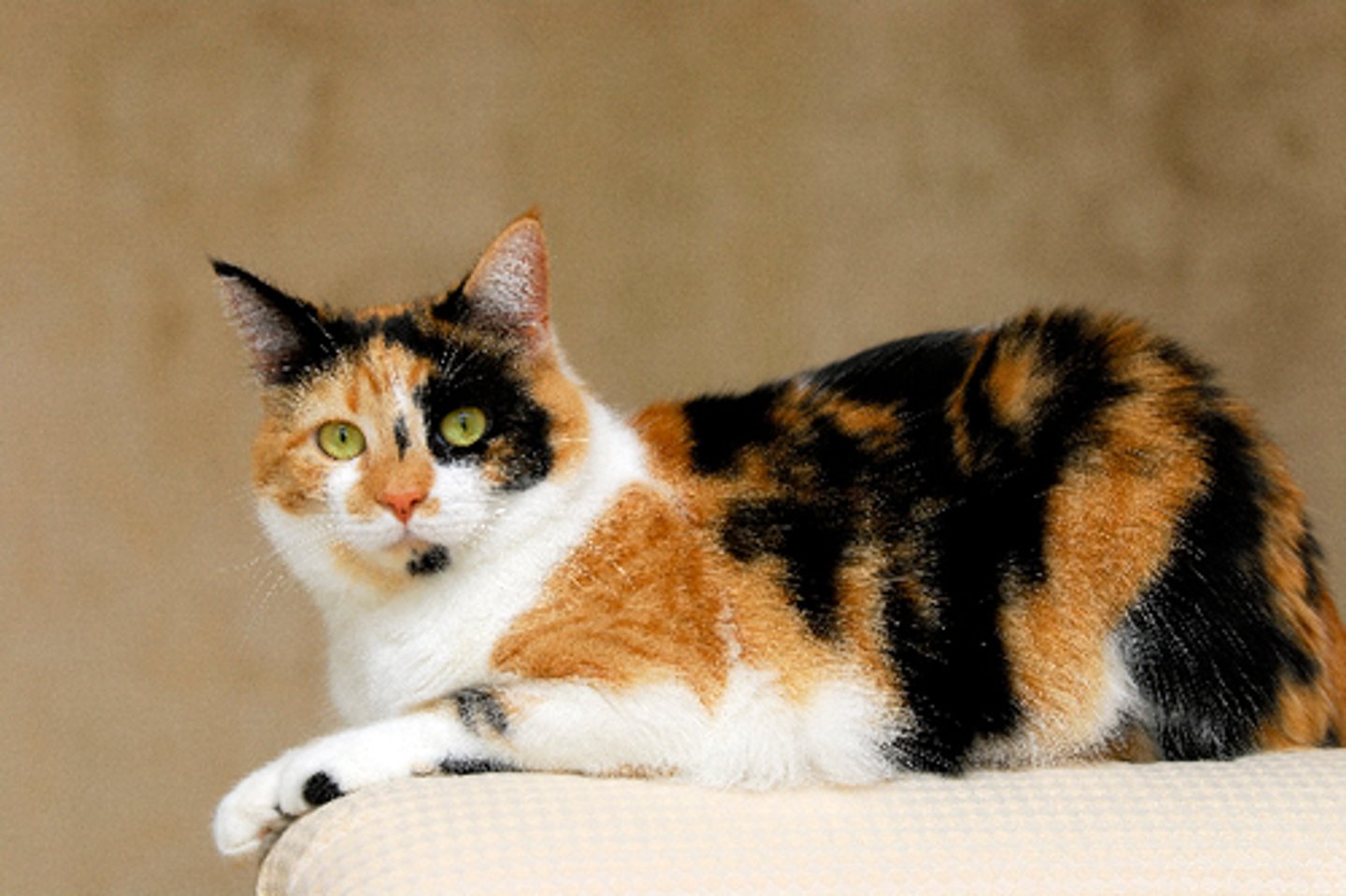
how would you classify the color of this cat?
calico (orange/red, black and white)

how would you classify the color of this cat?
tortoiseshell (little to no white)

how would you classify this cat?
a) domestic short-hair
b) domestic medium-hair
c) domestic long-hair
a) domestic short-hair

how would you classify the color of this cat?
solid

how would you classify the color of this cat?
dilute

how would you classify the color of this cat?
tuxedo (black and white)
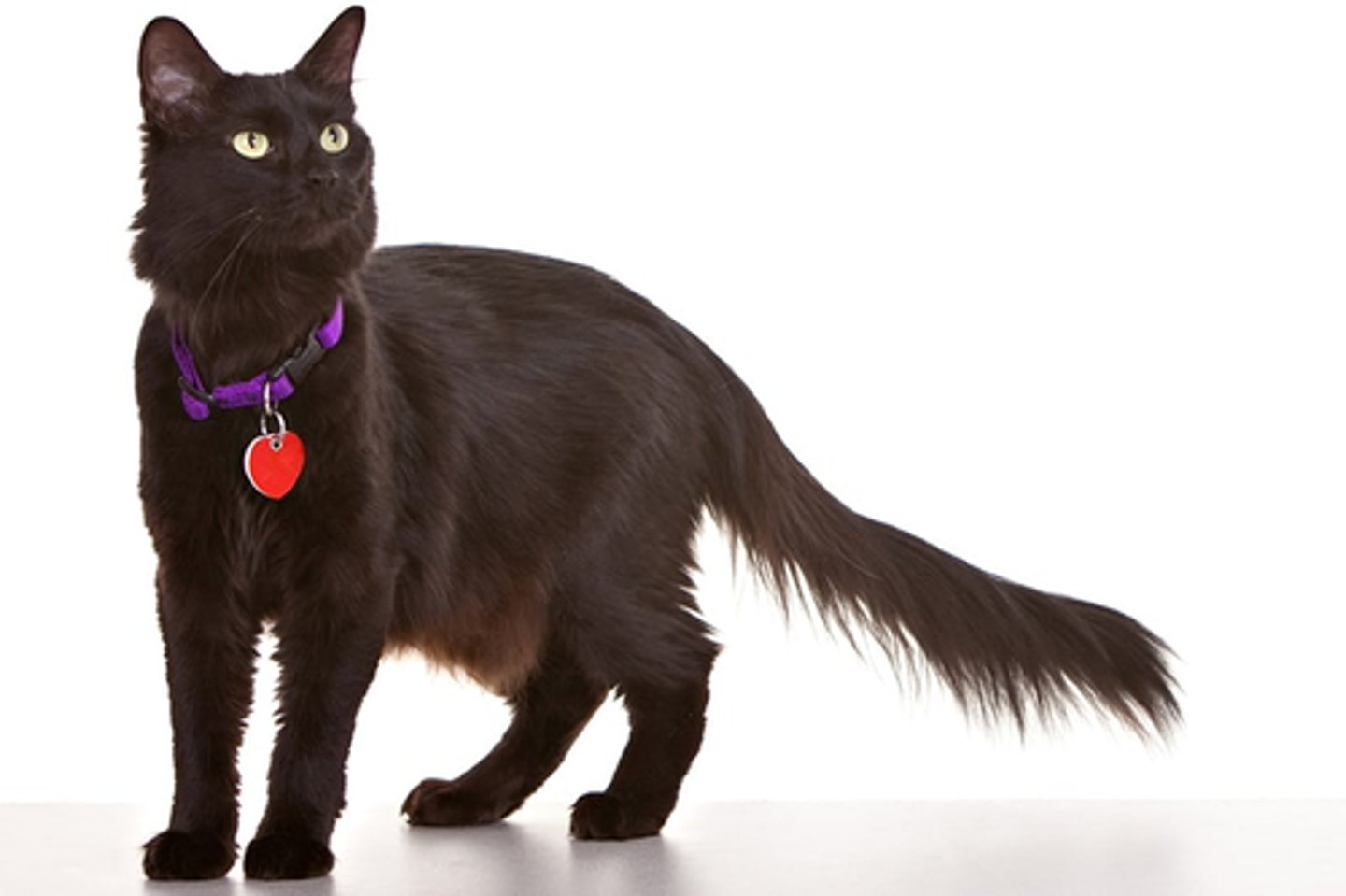
how would you classify this cat?
a) domestic short-hair
b) domestic medium-hair
c) domestic long-hair
b) domestic medium-hair
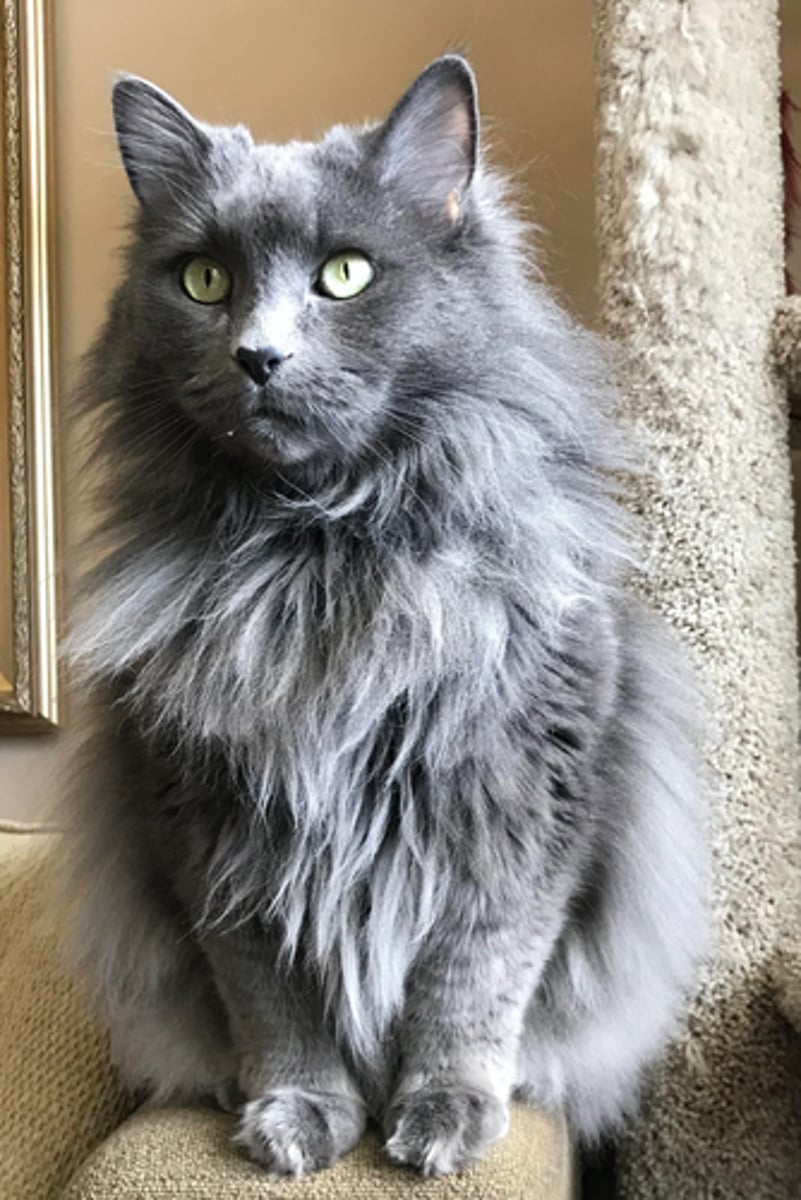
how would you classify this cat?
a) domestic short-hair
b) domestic medium-hair
c) domestic long-hair
c) domestic long-hair

what cat breed is this?
Ragdoll
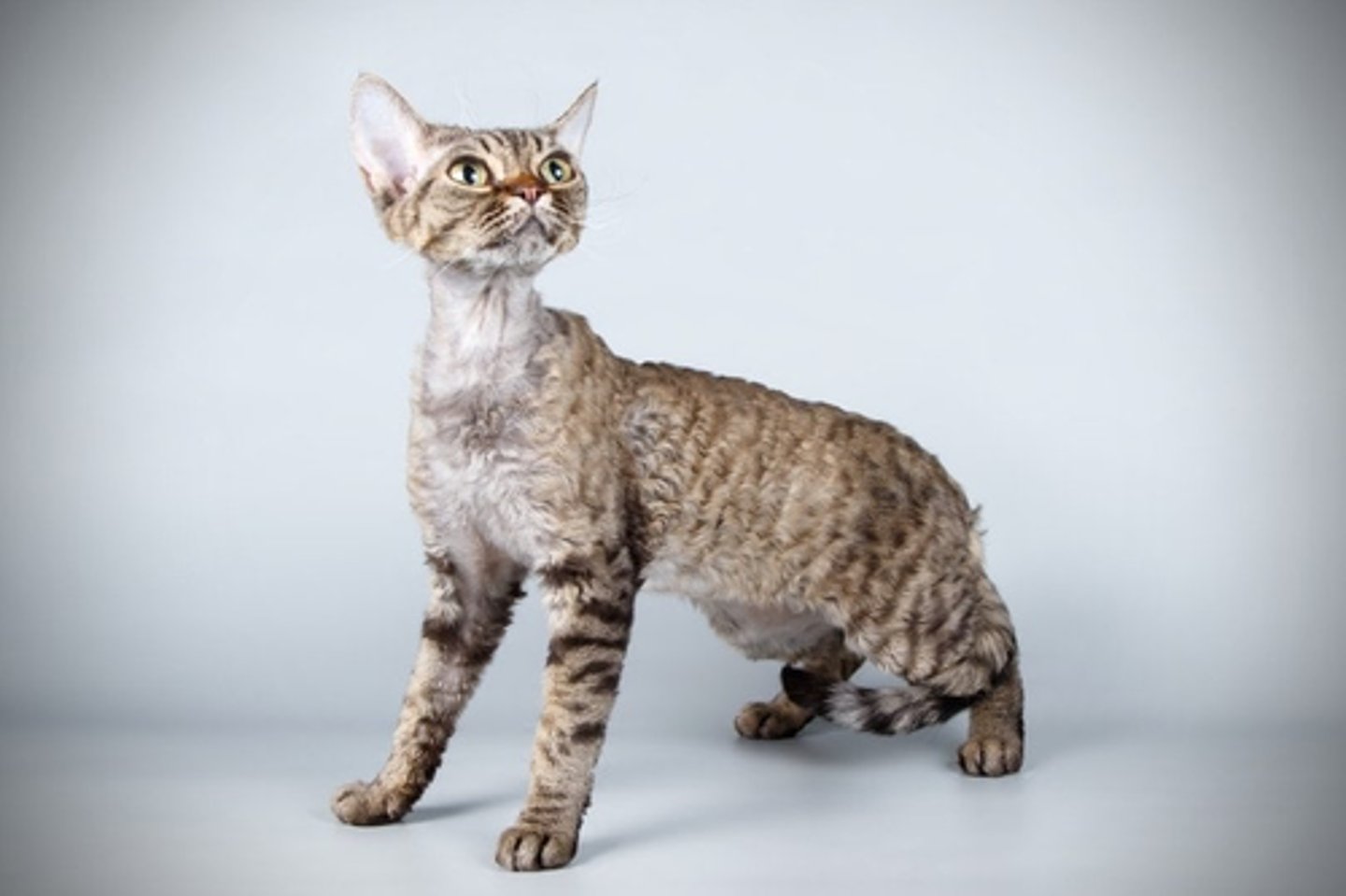
what cat breed is this?
Devon Rex

what cat breed is this?
Abyssinian
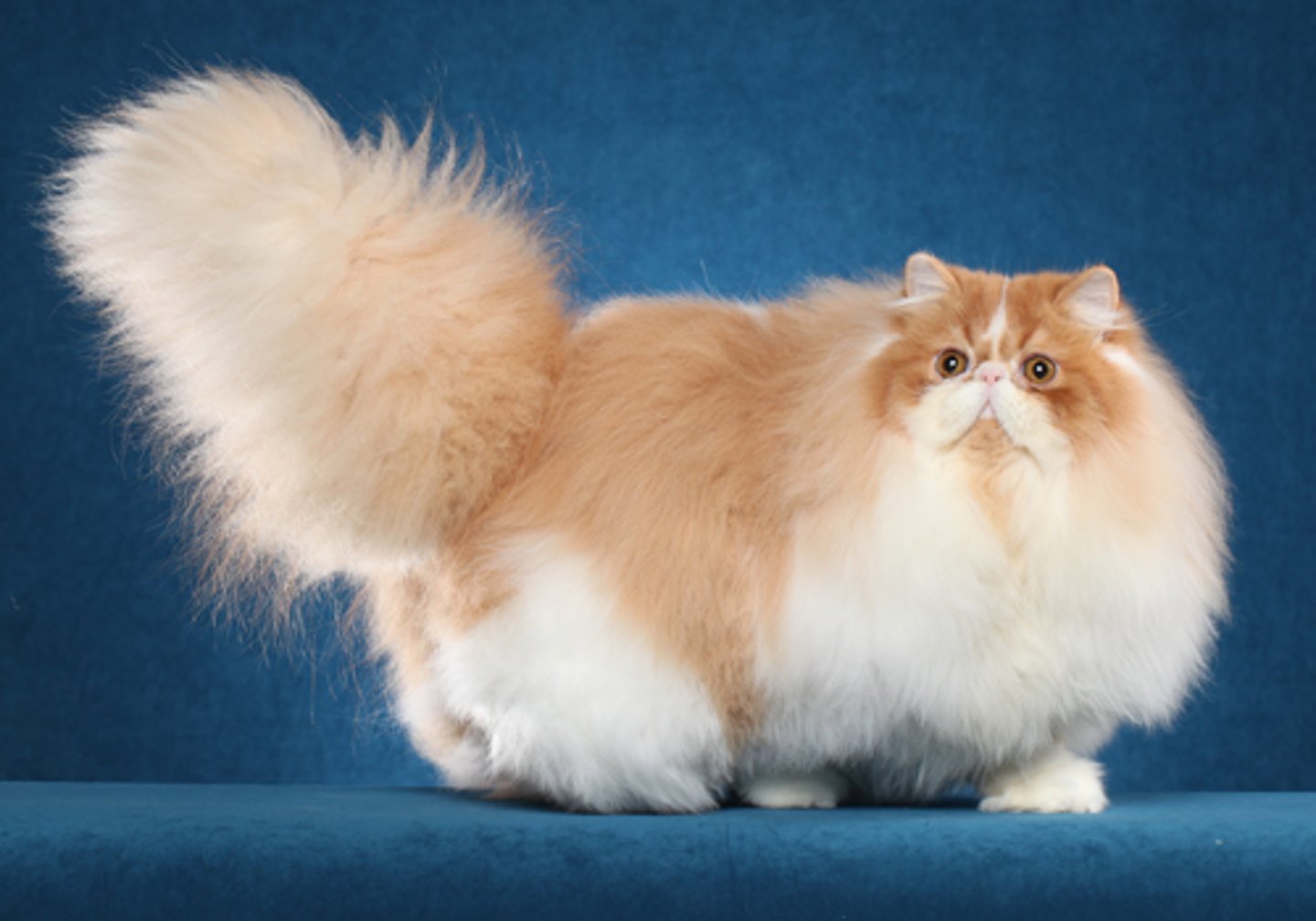
what cat breed is this?
Persian (including Himalayan)

what cat breed is this?
Siamese
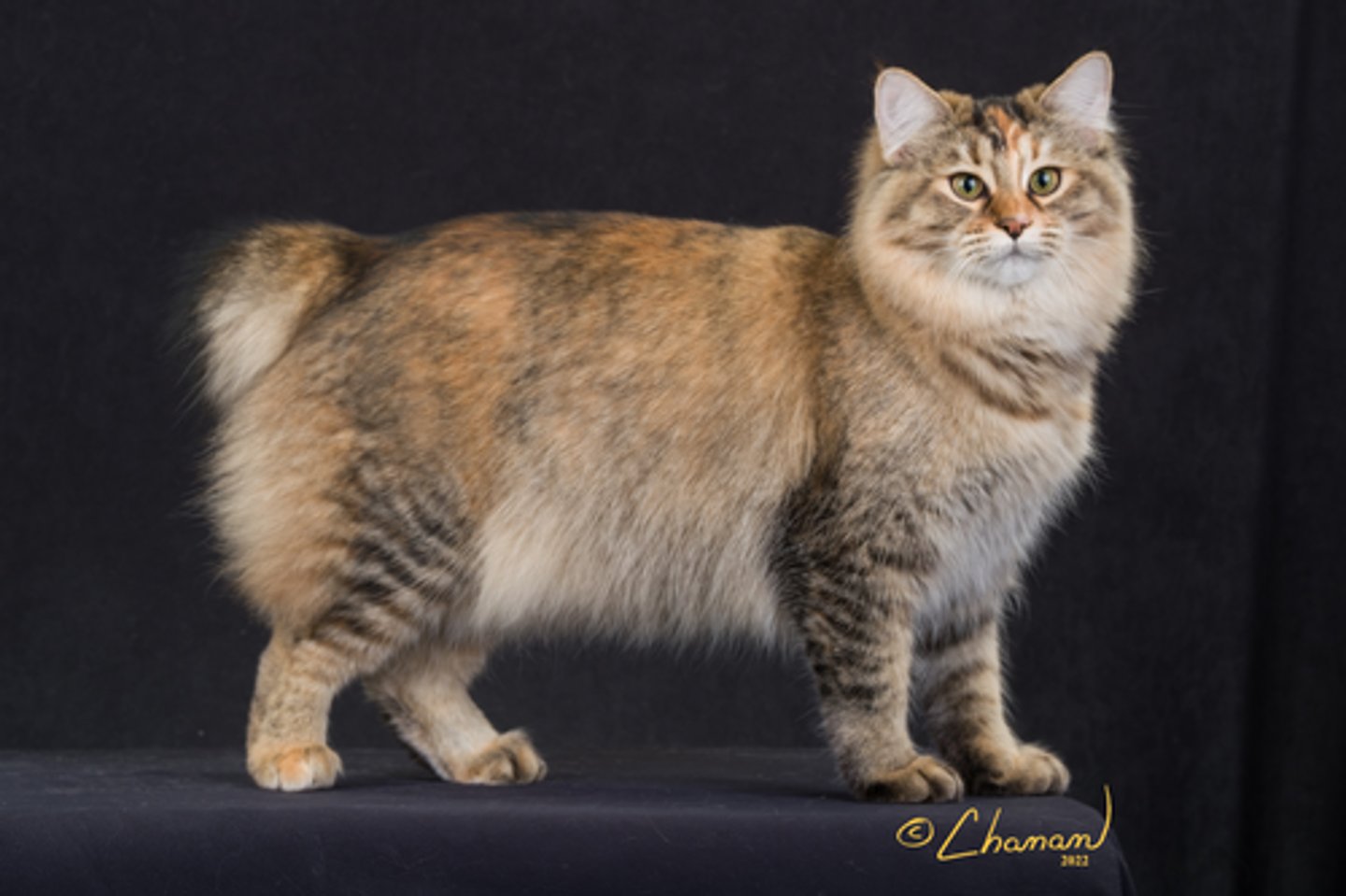
what cat breed is this?
American Bobtail
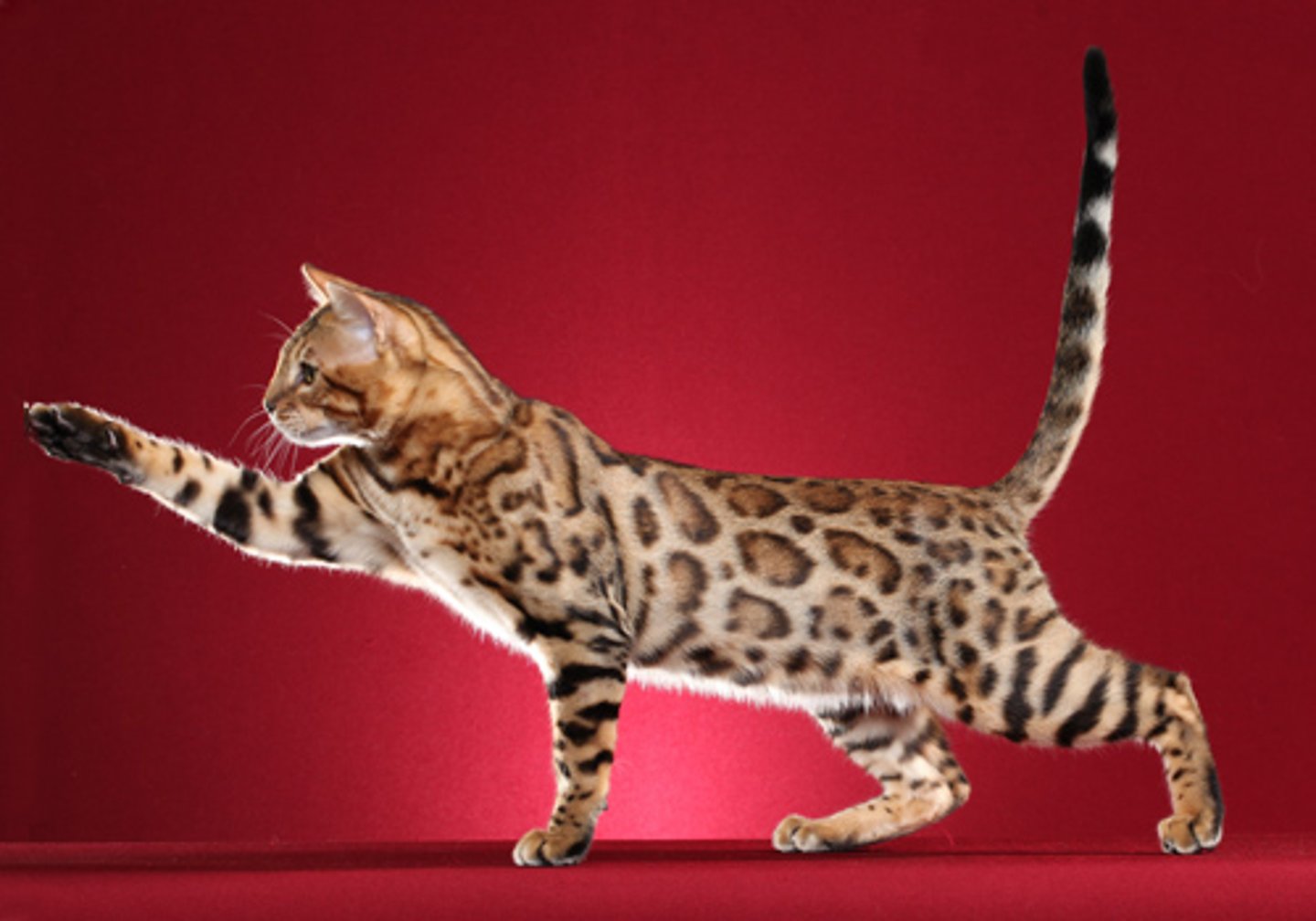
what cat breed is this?
Bengal
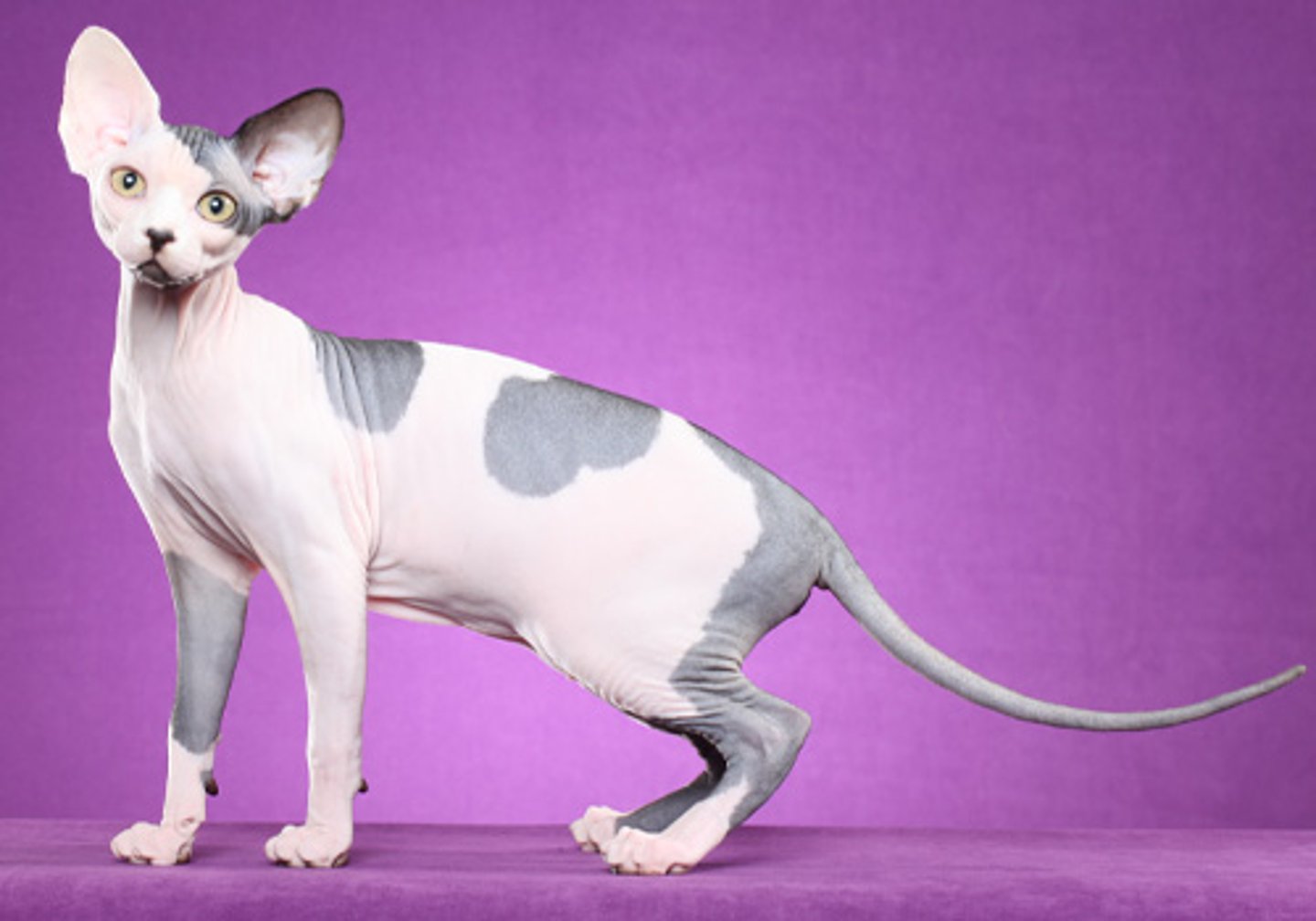
what cat breed is this?
Sphynx

what cat breed is this?
Maine Coon

what are these breeds predisposed to?
cardiac diseases

what are these breeds predisposed to?
cardiac diseases

what disease is this breed predisposed for?
intervertebral disc disease
 Note
Note  Flashcards (33)