AP05: Cervical Vertebrae
 Studied by 0 people
 Call Kai
 Learn
Learn Practice Test
 Spaced Repetition
 Match
Match Flashcards
 Knowt Play
1/23

There's no tags or description
Looks like no tags are added yet.
Name | Mastery | Learn | Test | Matching | Spaced | Call with Kai |
|---|
No analytics yet
Send a link to your students to track their progress
24 Terms
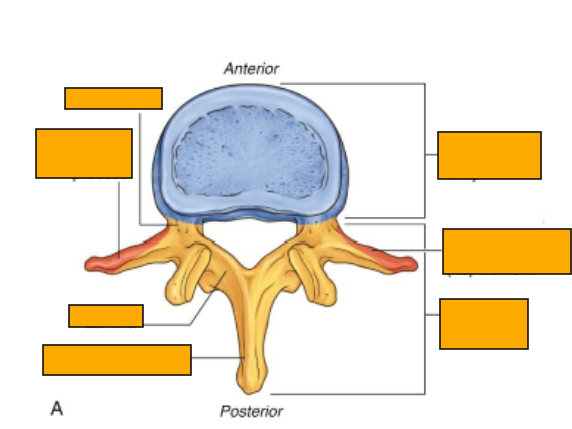
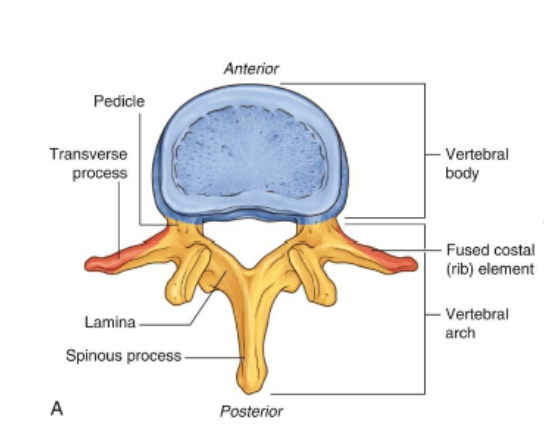
Label this image
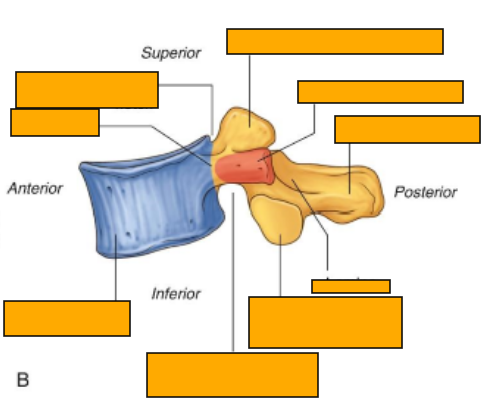
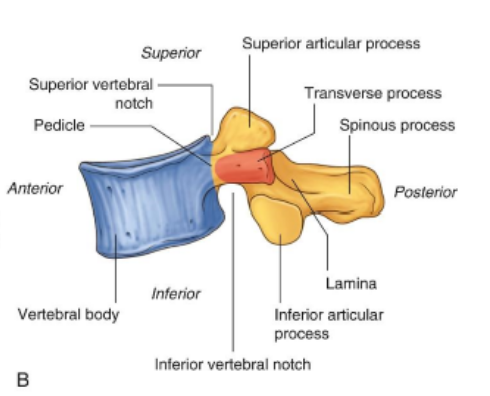
Label this diagram
How do typical cervical vertebrae differ from those of the thoracic and lumbar regions
They have features including:
-bifid spinous process
-triangular spinal canal
-transverse foramen
which are not present in the cervical vertebrae of the thoracic and lumbar regions
cervical vertebrae are also smaller and weigh less
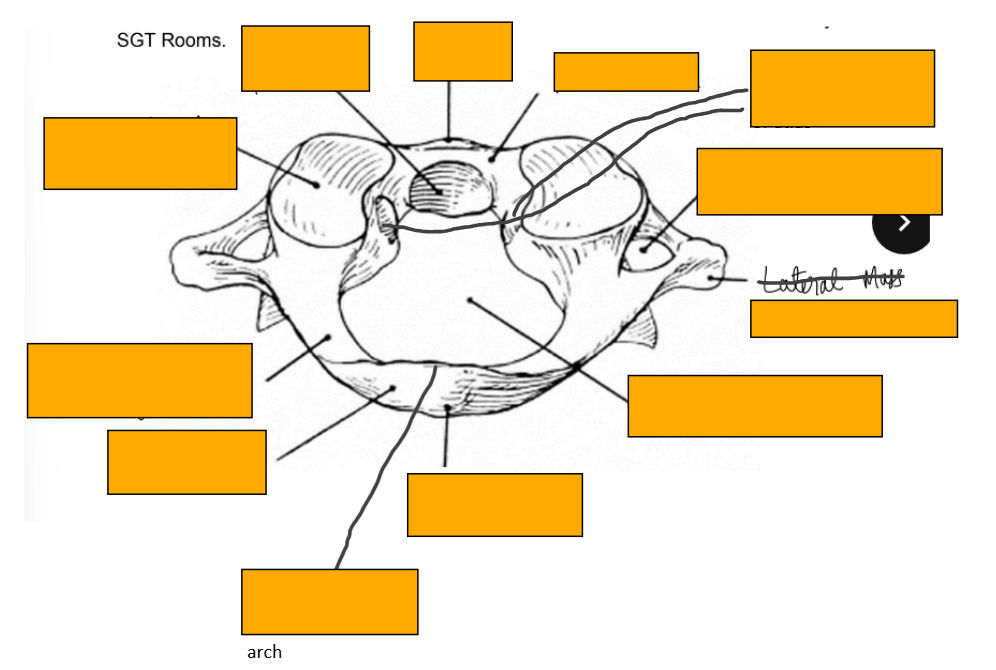
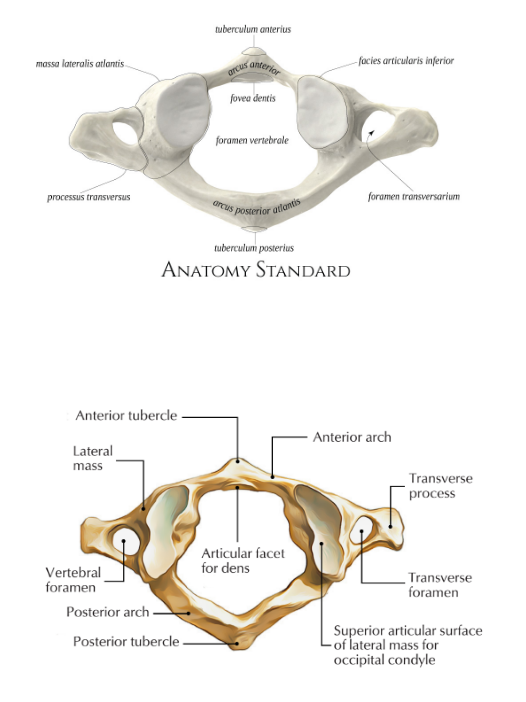
Which cervical vertebrae is this, label this diagram
Atlas
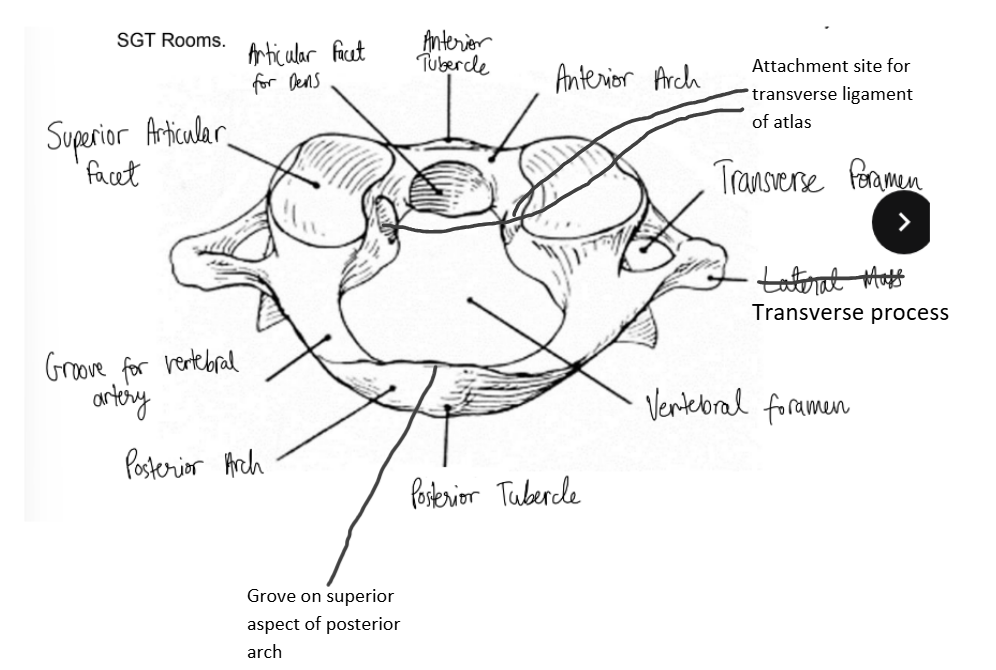
Which structure runs through the groove on the superior aspect of the posterior arch and how does it enter the cranial cavity
vertebral artery
enters the cranial cavity via the foramen mangun
Contents of the vertebral foramen
spinal cord
surrounding meninges
spinal nerve roots
adipose tissue
blood vessels (e.g. vertebral venous plexus which drains blood from the vertebrae and spinal cord and the spinal arteries)
Contents of the transverse foramen
vertebral artery and vein
sympathetic nerve plexus
How would you distinguish between the superior and inferior articular facets of the atlas
superior facets- more curved, articulate with the occipital condyles, look for the superior groove on the posterior arch of atlas
inferior facets- more flat
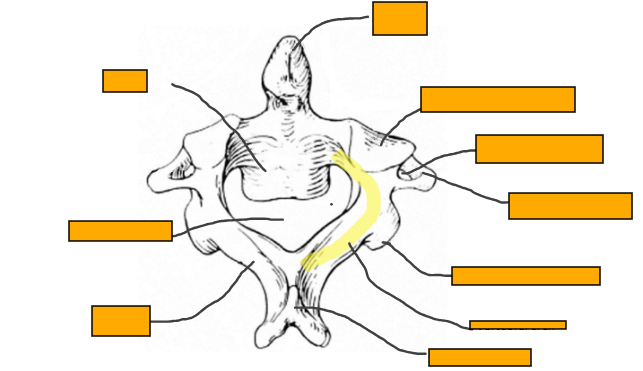
Which cervical vertebrae is this, label this image
Axis
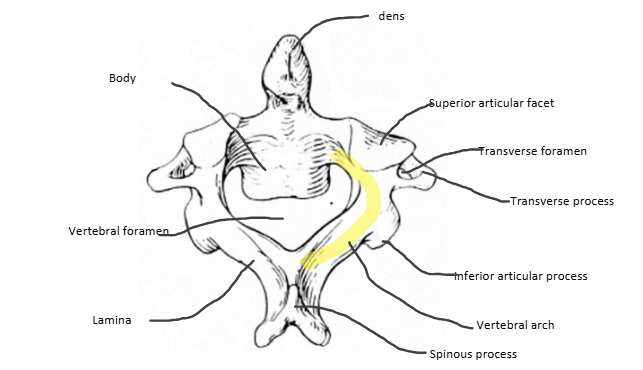
What prevents the horizontal displacement of axis
transverse ligament
From which structure is the dens derived?
fusion of the former body of the atlas with the body of axis
What is the advantage of having a bifid spinous process
increased surface area for attachments of ligaments and muscles
What is the main function of short ligaments
stabilise adjacent vertebrae by limiting excessive movement
What are the 4 major short ligaments of the vertebral column
nuchal ligaments
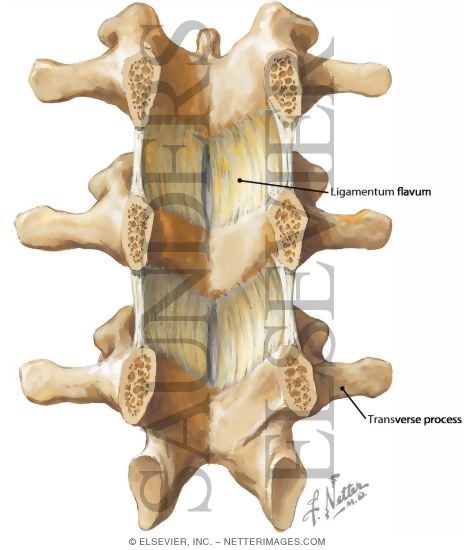
ligamentum flavum
supraspinous
interspinous
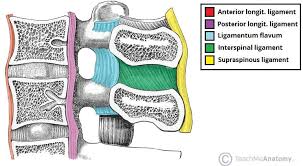
Ligamentum flavum
pair of highly elastic, yellow-colored ligaments connecting the laminae of adjacent vertebrae from C2 to S1
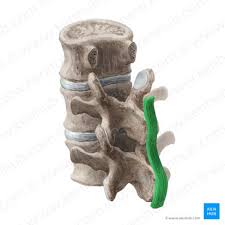
Supraspinous ligament
a strong, fibrous cord running along the tips of the vertebral spinous processes from C7 to the lumbar region (usually L3-L4)
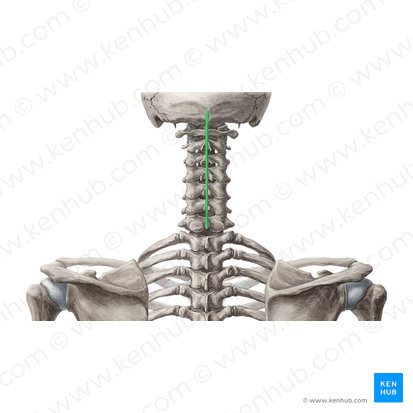
Nuchal ligament
-continuation of the supraspinous ligament in the cervical spine
-extends from the spinous process of C7 vertebra to the external occipital protuberance
Interspinous ligament
a series of thin, membranous connective tissues spanning between adjacent spinous processes from the cervical to the lumbar spine
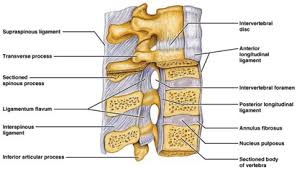
What are the 2 major long ligaments of the vertebral column
anterior and posterior longitudinal ligament
anterior longitudinal ligament
attached to anterior surfaces of vertebral bodies from axis to sacrum
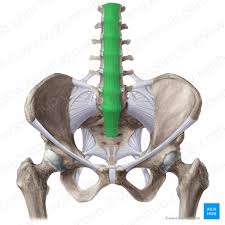
posterior longitudinal ligament
attached to posterior surface of vertebral bodies from axis to sacrum, within vertebral foramina
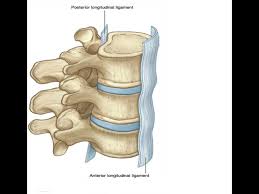
Ligaments diagram
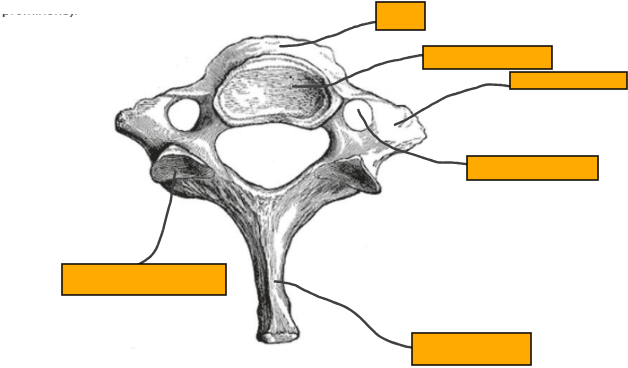
Which cervical vertebrae is this, label this diagram
C7- vertebra prominens
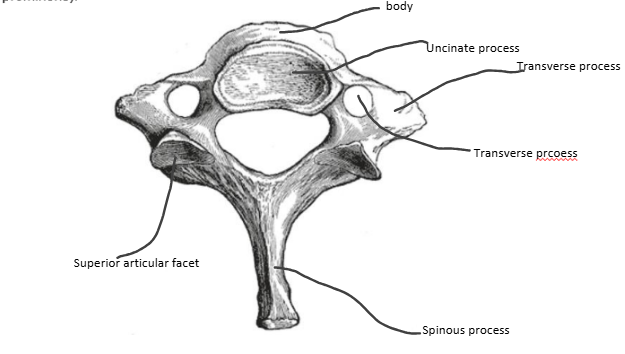
How is C7 morphologically and anatomically different from typical cervical vertebrae
-Smaller transverse foramina
-Vertebral artery doesn’t pass through the transverse foramina
-Larger non-bifid spinous process
 Note
Note  Flashcards (62)