1

0.0(0)
Studied by 0 people
call kaiCall Kai
learnLearn
examPractice Test
spaced repetitionSpaced Repetition
heart puzzleMatch
flashcardsFlashcards
GameKnowt Play
Card Sorting

1/7

encourage image

There's no tags or description

Looks like no tags are added yet.

Last updated 4:59 PM on 3/31/26
Name
Mastery
Learn
Test
Matching
Spaced
Call with Kai

No analytics yet

Send a link to your students to track their progress

8 Terms
1
New cards
<p>admenmint 1</p>

admenmint 1

freedom of religionis the right to practice any religion or no religion at all without government interference.
<p>freedom of religionis the right to practice any religion or no religion at all without government interference. </p>
2
New cards
<p>amenmint 2</p>

amenmint 2

the right to own gunsas protected by the Second Amendment.
<p>the right to own gunsas protected by the Second Amendment. </p>
3
New cards
<p>Amendment 3</p>

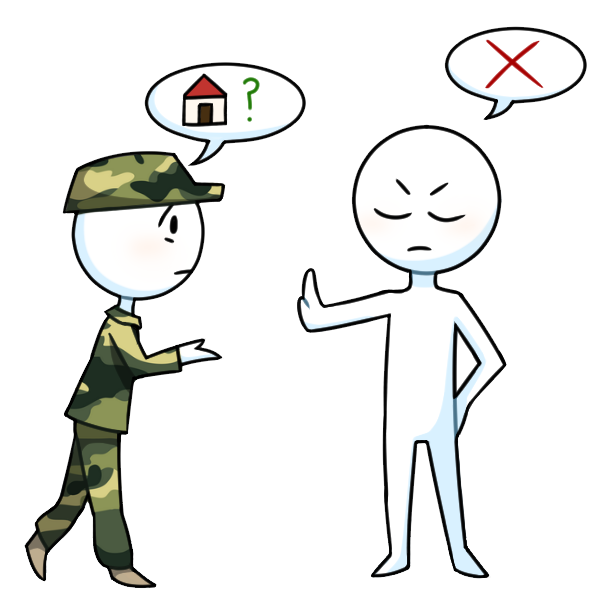
Amendment 3

the right to be free from the forced quartering of soldiers in private homes during peacetime.
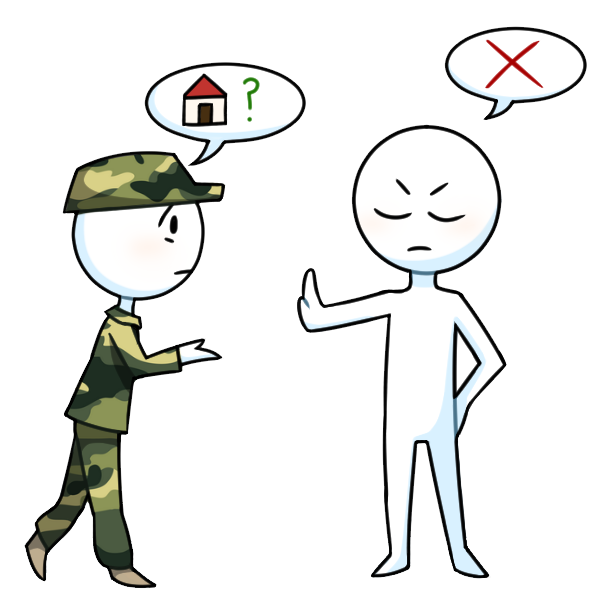
<p>the right to be free from the forced quartering of soldiers in private homes during peacetime. </p>
4
New cards
<p>Amendment 4</p>

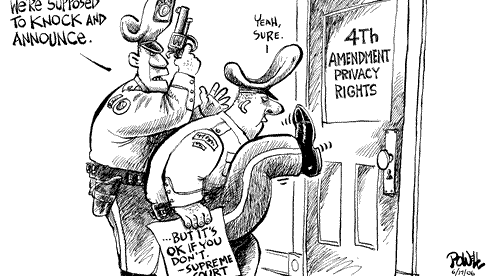
Amendment 4

protects against unreasonable searches and seizures without a warrant or probable cause.
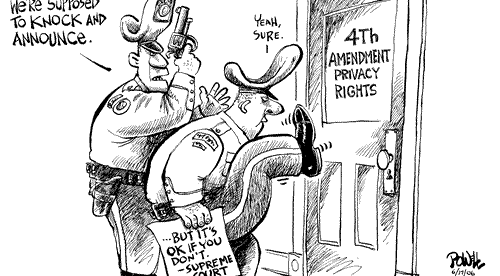
<p>protects against unreasonable searches and seizures without a warrant or probable cause. </p>
5
New cards
<p>Amendment 5</p>

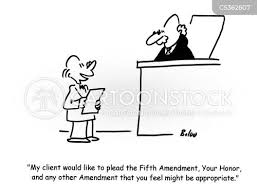
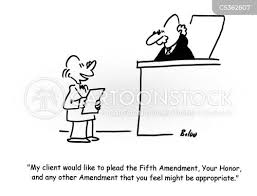
Amendment 5

protects against self-incrimination and guarantees due process of law.
<p>protects against self-incrimination and guarantees due process of law. </p>
6
New cards
<p>The executive branch</p>

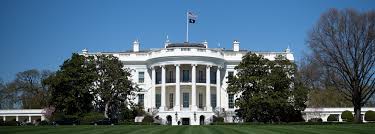
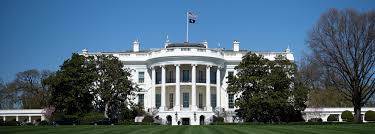
The executive branch

The executive branch is responsible for enforcing and administering the laws of the United States. It is headed by the President, who is elected to a four-year term and can serve a maximum of two terms. The President is supported by the Vice President and the Cabinet, which consists of the heads of federal departments such as Defense, Education, and Health. This branch has the power to sign legislation into law, veto bills, grant pardons, and appoint federal judges. Additionally, the executive branch conducts foreign policy, directs military operations, and oversees federal agencies that implement governmental programs. Through executive orders and agreements, the President can also manage the executive branch's operations and influence legislation without the need for Congressional approval.
<p><span>The executive branch is responsible for enforcing and administering the laws of the United States. It is headed by the President, who is elected to a four-year term and can serve a maximum of two terms. The President is supported by the Vice President and the Cabinet, which consists of the heads of federal departments such as Defense, Education, and Health. This branch has the power to sign legislation into law, veto bills, grant pardons, and appoint federal judges. Additionally, the executive branch conducts foreign policy, directs military operations, and oversees federal agencies that implement governmental programs. Through executive orders and agreements, the President can also manage the executive branch's operations and influence legislation without the need for Congressional approval.</span></p>
7
New cards
<p>The legislative branch</p>

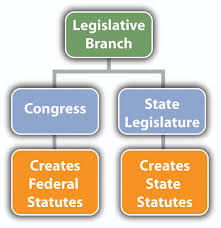
The legislative branch

The legislative branch of government is responsible for making laws. It consists of two chambers: the House of Representatives and the Senate. Members of the House are elected to serve two-year terms, while Senators serve six-year terms. The legislative branch has the power to draft, debate, and pass legislation, as well as to approve budgets and declare war. Additionally, this branch holds the authority to create and amend laws, oversee the executive branch through hearings and investigations, and represent the interests of the citizens in the governing process.
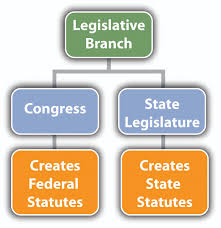
<p><span>The legislative branch of government is responsible for making laws. It consists of two chambers: the House of Representatives and the Senate. Members of the House are elected to serve two-year terms, while Senators serve six-year terms. The legislative branch has the power to draft, debate, and pass legislation, as well as to approve budgets and declare war. Additionally, this branch holds the authority to create and amend laws, oversee the executive branch through hearings and investigations, and represent the interests of the citizens in the governing process.</span></p>
8
New cards
<p>The judical branch</p>

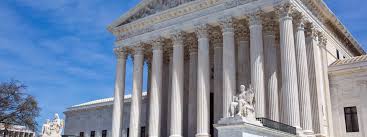
The judical branch

The judicial branch of government is responsible for interpreting and applying the law. It consists of a system of courts, with the Supreme Court being the highest court in the United States. This branch ensures justice by resolving disputes, protecting individual rights, and maintaining the rule of law. Additionally, it reviews laws and executive actions for constitutionality.
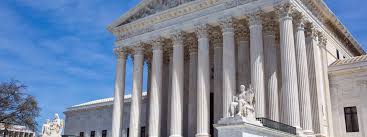
<p><span>The judicial branch of government is responsible for interpreting and applying the law. It consists of a system of courts, with the Supreme Court being the highest court in the United States. This branch ensures justice by resolving disputes, protecting individual rights, and maintaining the rule of law. Additionally, it reviews laws and executive actions for constitutionality.</span></p>

Explore top flashcards

flashcards
MDC1 Exam 2 Questions & Stuff
175
Updated 953d ago
0.0(0)
flashcards
So sagt man das! Lektion 1
25
Updated 896d ago
0.0(0)
flashcards
unit 1 ap hug
37
Updated 1085d ago
0.0(0)
flashcards
Spanish Test 1
20
Updated 895d ago
0.0(0)
flashcards
QCM Classiques
68
Updated 811d ago
0.0(0)
flashcards
MDC1 Exam 2 Questions & Stuff
175
Updated 953d ago
0.0(0)
flashcards
So sagt man das! Lektion 1
25
Updated 896d ago
0.0(0)
flashcards
unit 1 ap hug
37
Updated 1085d ago
0.0(0)
flashcards
Spanish Test 1
20
Updated 895d ago
0.0(0)
flashcards
QCM Classiques
68
Updated 811d ago
0.0(0)



