ARH 302 Exam 3 Keyterms
 Studied by 0 people
 Call Kai
 Learn
Learn Practice Test
 Spaced Repetition
 Match
Match Flashcards
 Knowt Play
1/28

There's no tags or description
Looks like no tags are added yet.
Name | Mastery | Learn | Test | Matching | Spaced | Call with Kai |
|---|
No analytics yet
Send a link to your students to track their progress
29 Terms
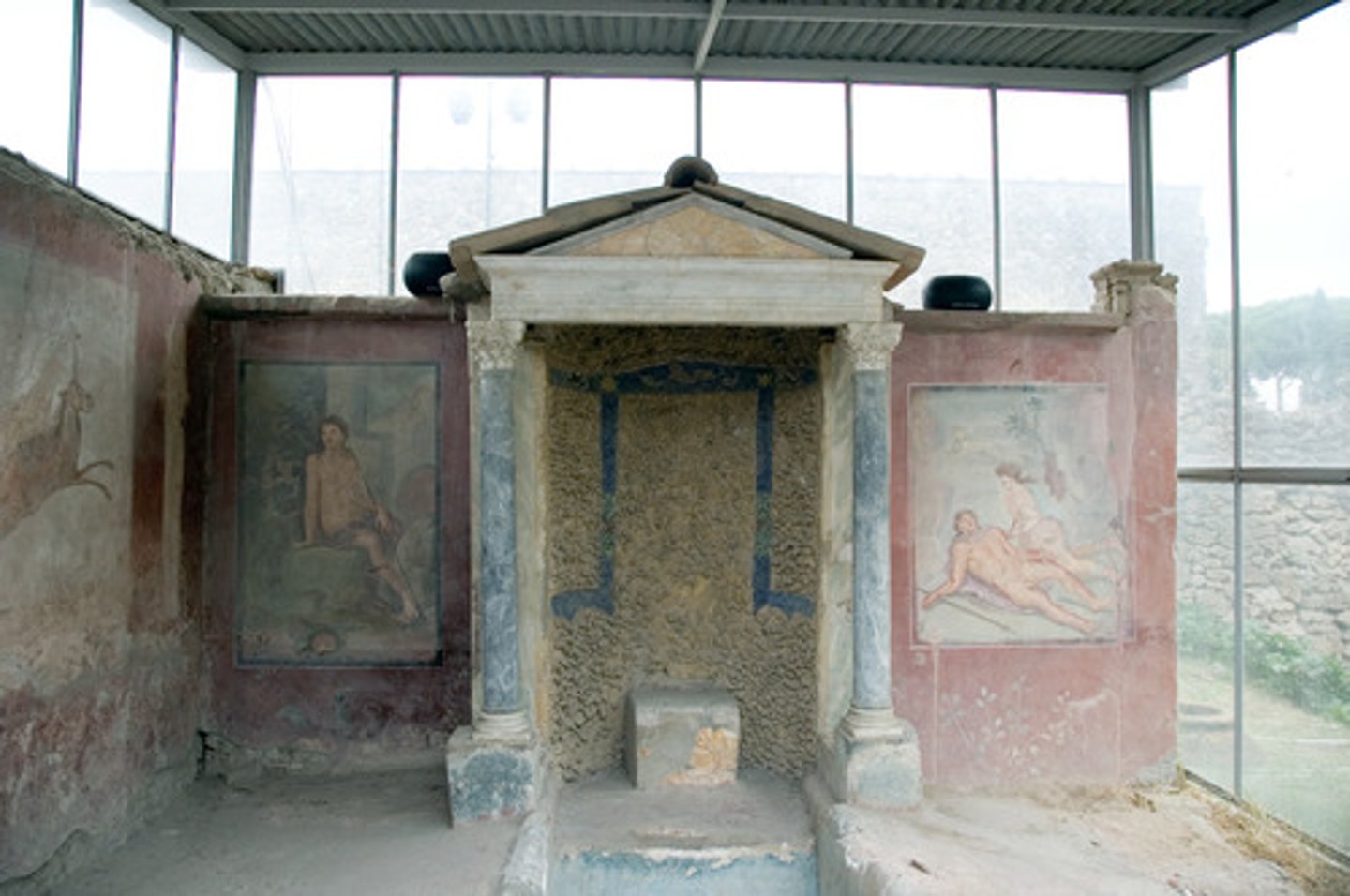
Aedicula
a miniature building or architectural frame; often a niche marked by columns and pediments
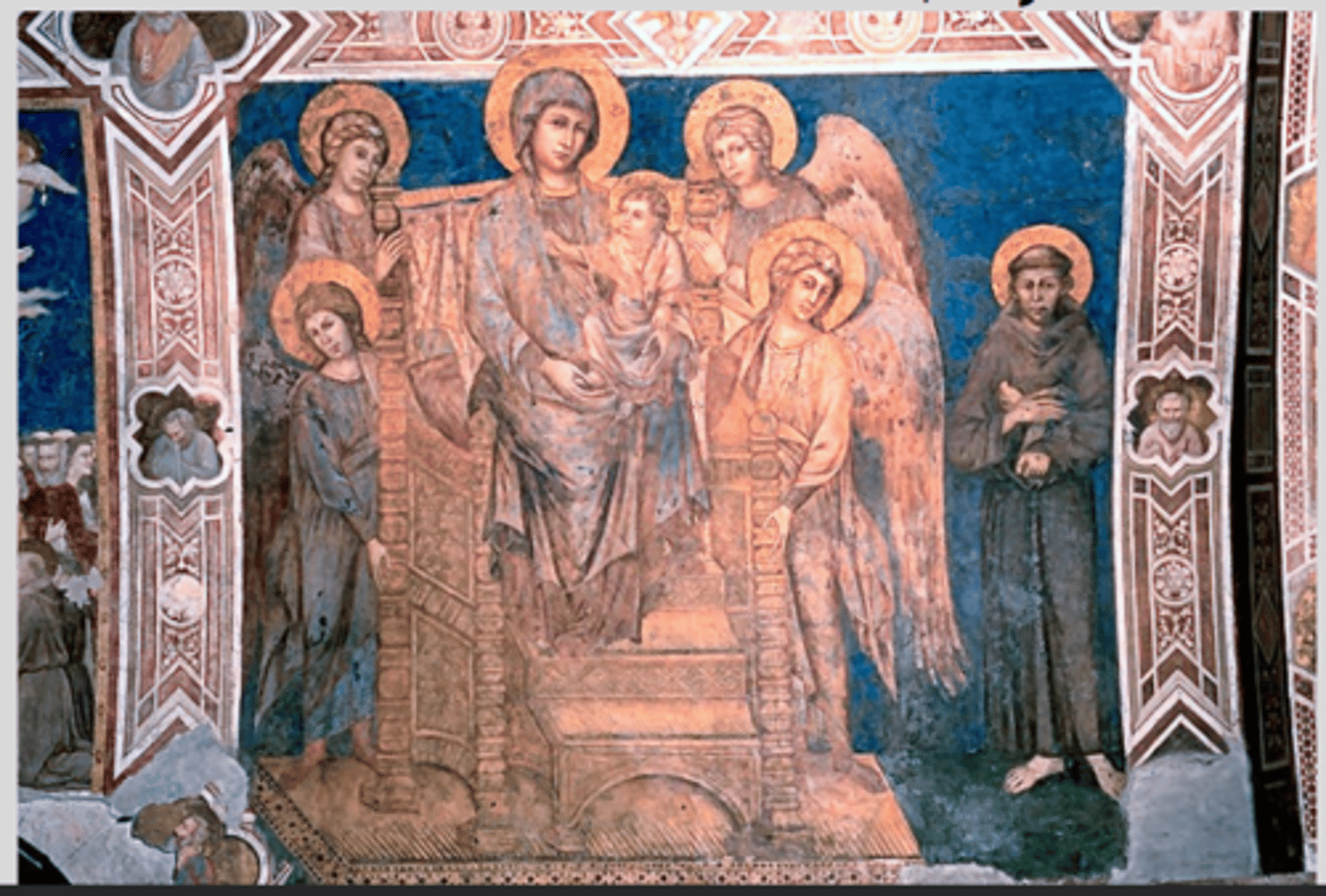
Dry Fresco
wall or ceiling paintings that are done on dry plaster( a secco), as opposed to on wet plaster (true or buon fresco)
"Hands of God" Iconography
a symbol for God's intervention or approval of human affairs, it is also possible that the hand of God reflects the anthropomorphic conceptions of the deity that may have persisted in late antiquity.
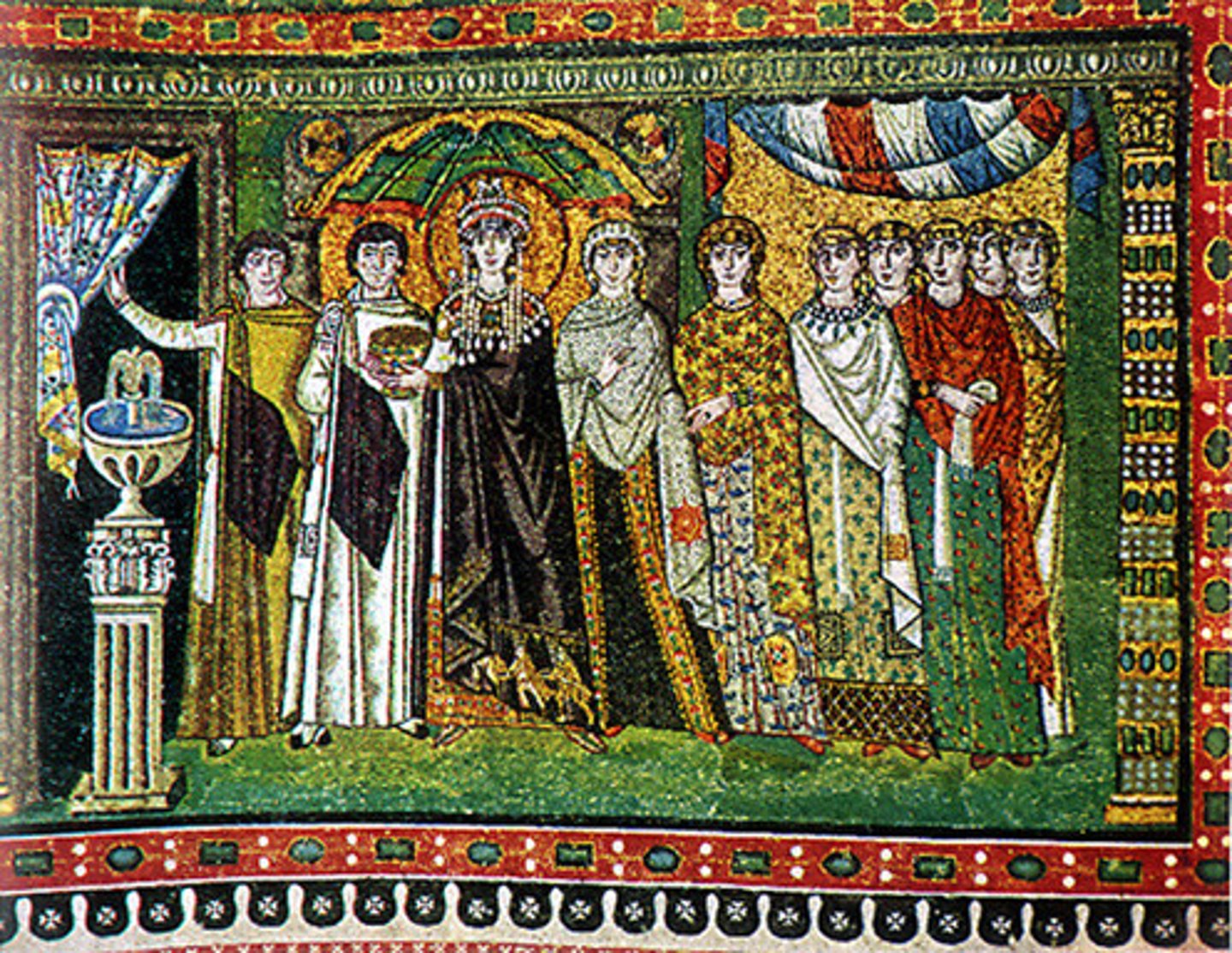
mosaic
A medium in which small, roughly cubic pieces of colored material (usually stone or glass) are
embedded in mortar to create patterns or images. The small pieces are called tesserae
Typology
A method of biblical interpretation in which persons, events, or institutions in the Old Testament
(called "types") are seen as foreshadowing or anticipating persons, events, or institutions in the New Testament.
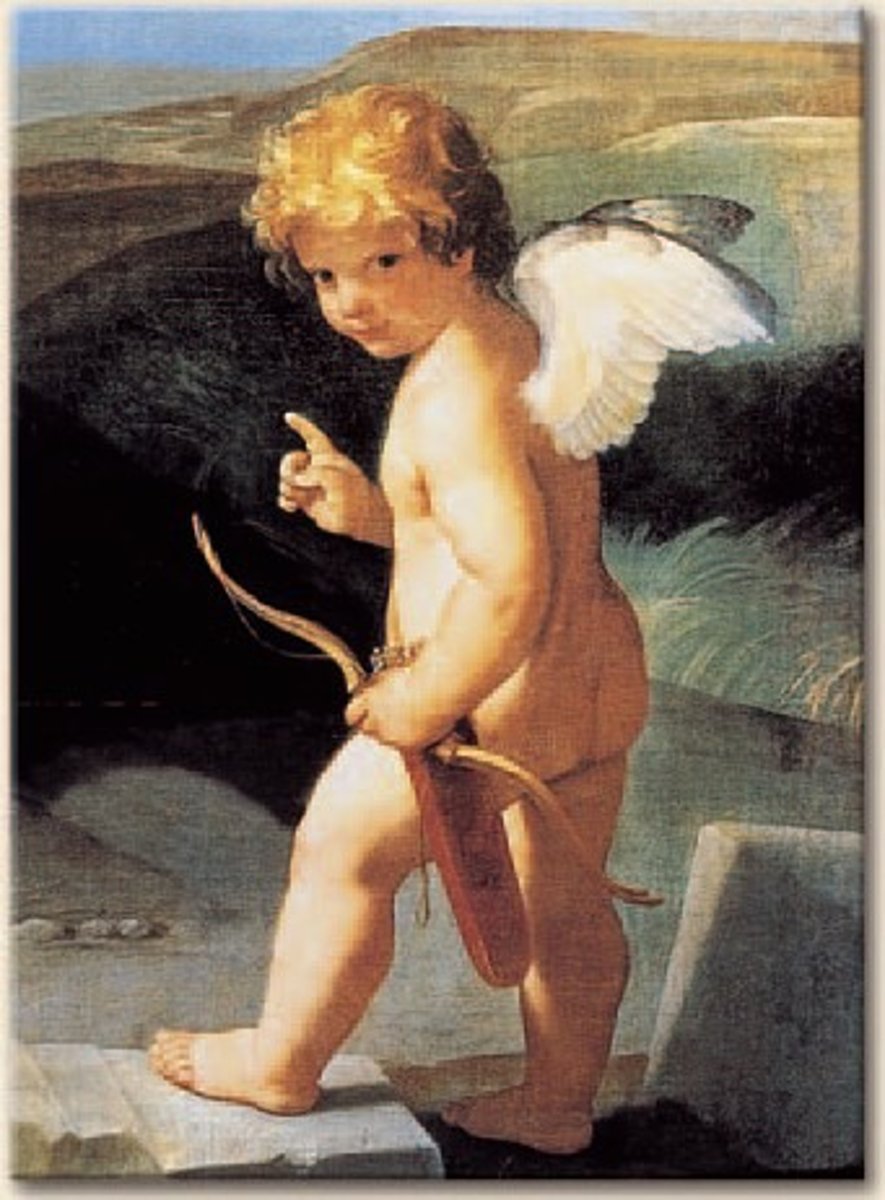
Putto
a figure in a work of art depicted as a chubby male child, usually naked and very often winged.
Staurogram (tauro)
The staurogram combines the Greek letters tau-rho to stand in for parts of the Greek words for "cross" (stauros) and "crucify" (stauroō) in Bodmer papyrus P75. Staurograms serve as the earliest images of Jesus on the cross, predating other Christian crucifixion imagery by 200 years.

Christogram
is a monogram or combination of letters that forms an abbreviation for the name of Jesus Christ, traditionally used as a religious symbol within the Christian Church.
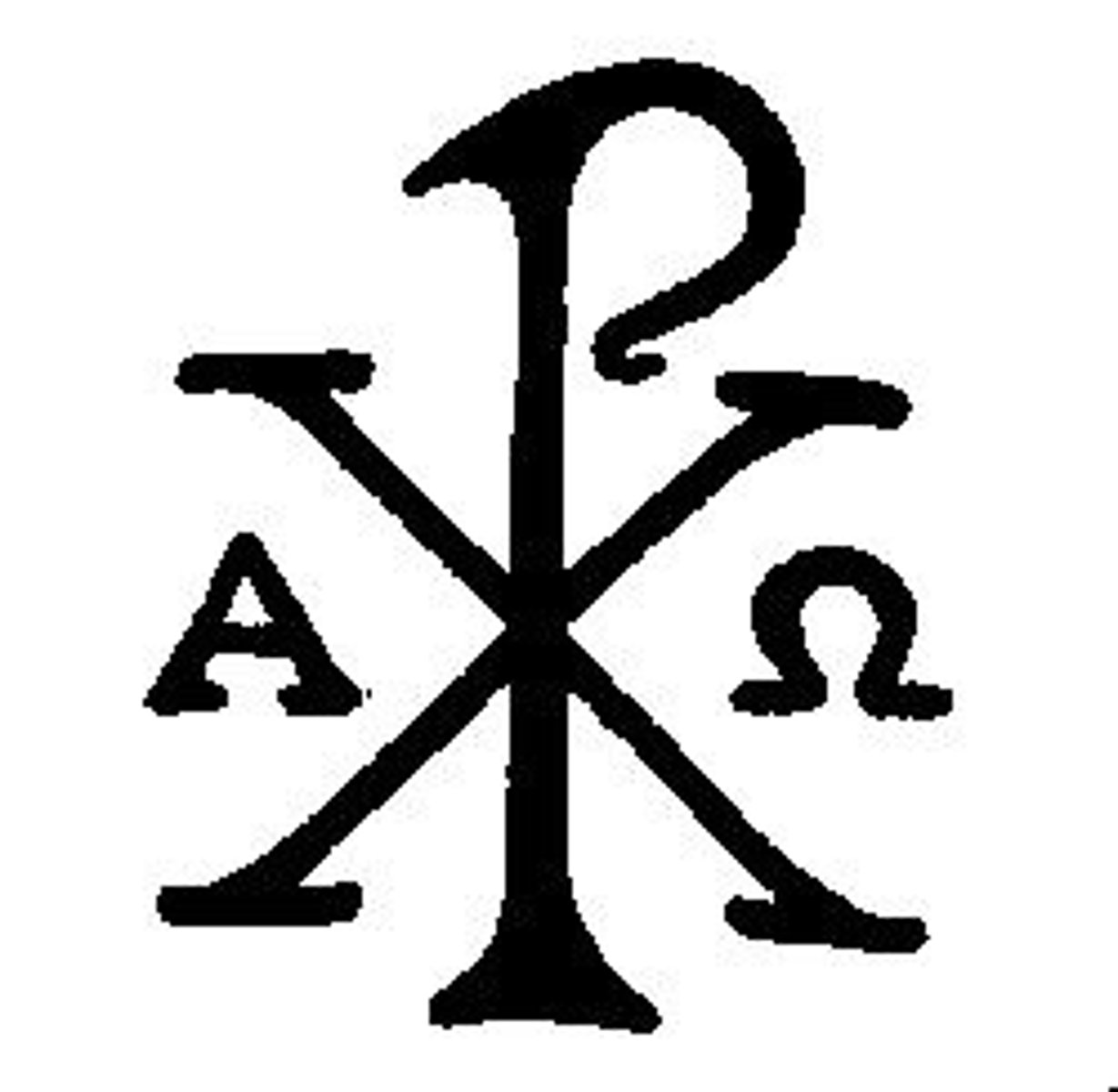
Chi-rho symbol
a Christogram made up of the Greek letters "chi" and "rho", the first two letters of the Greek word for Christ (Christos)

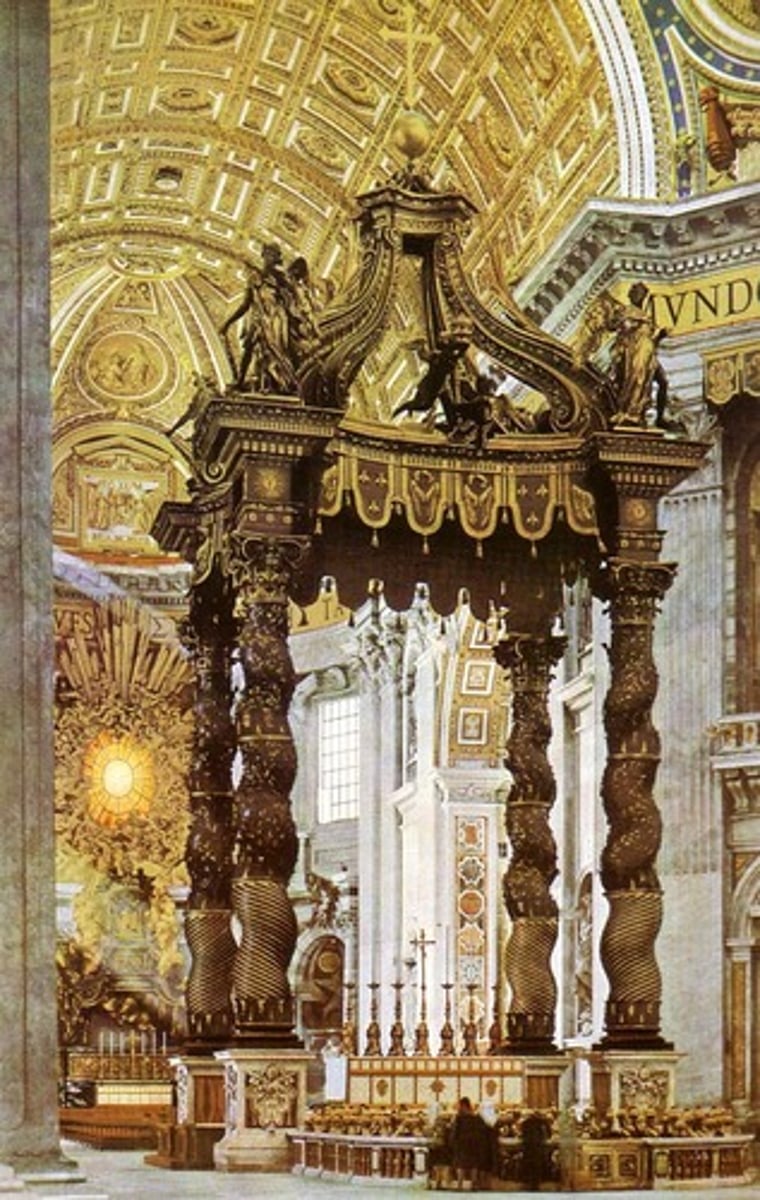
Baldachin
an ornamental canopy, often made of cloth or as a permanent architectural feature, positioned over
An altar, throne, or sacred object.
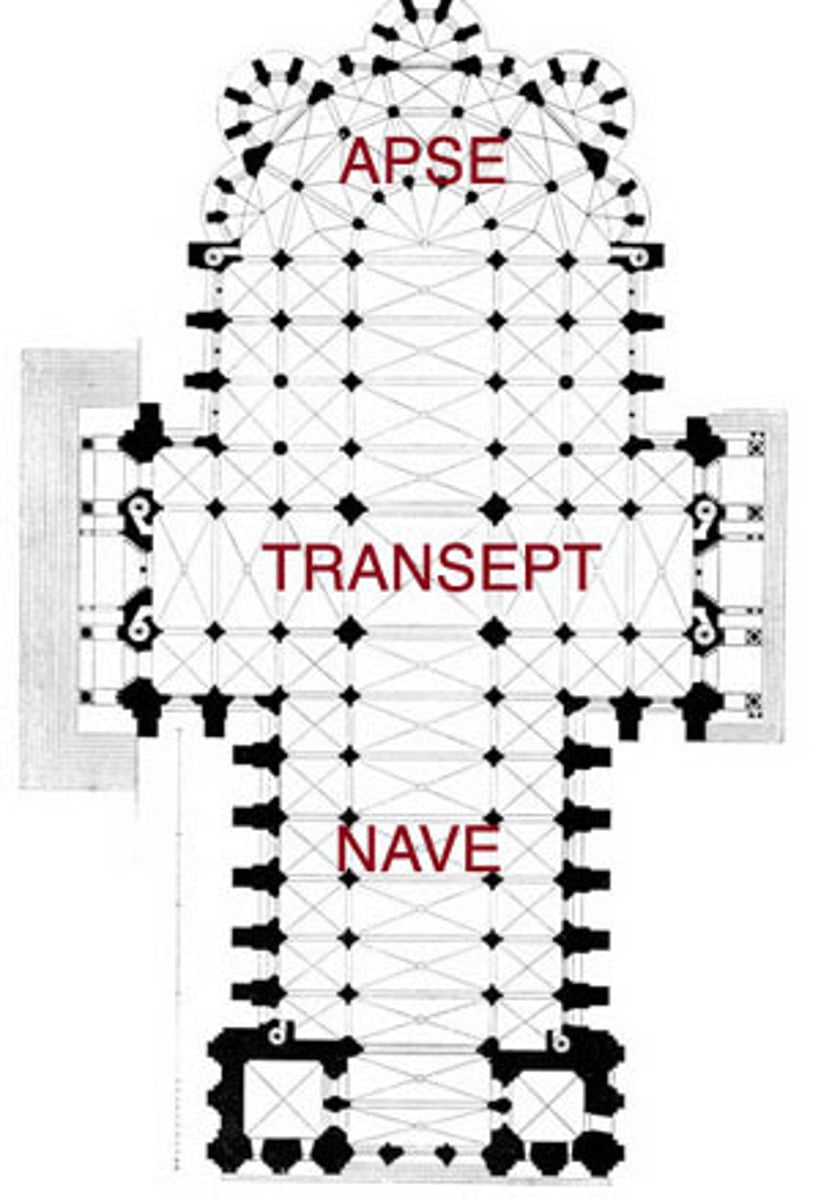
Transept
in a cruciform (cross-shaped) church, the part of the building oriented perpendicular to the nave.
Oratory
a private place of worship for Christian individuals, family, or community
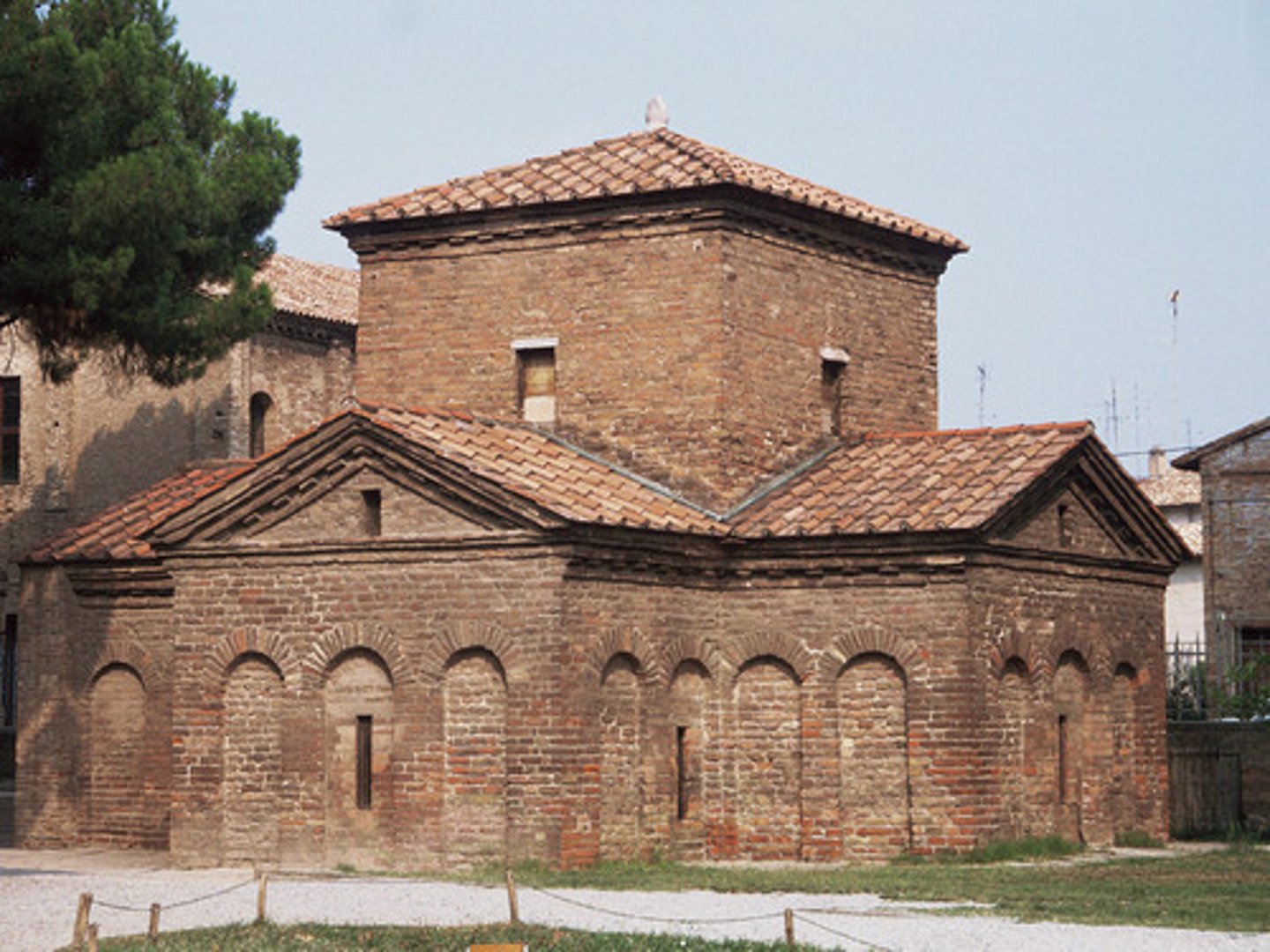
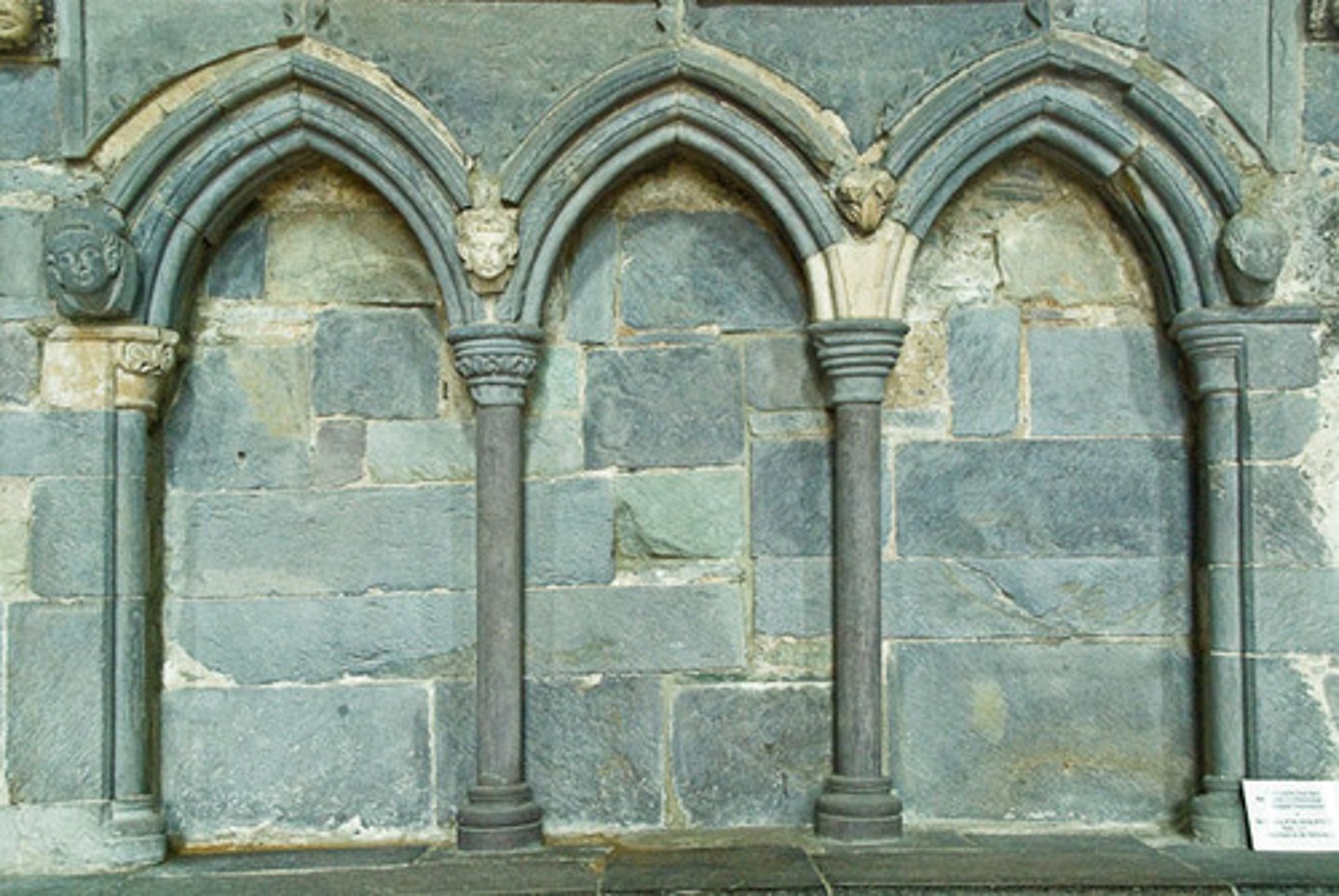
Blind Arcade
In architecture, an arcade( a series of arches carried by columns or piers) having no actual openings, applied as decoration to a wall surface
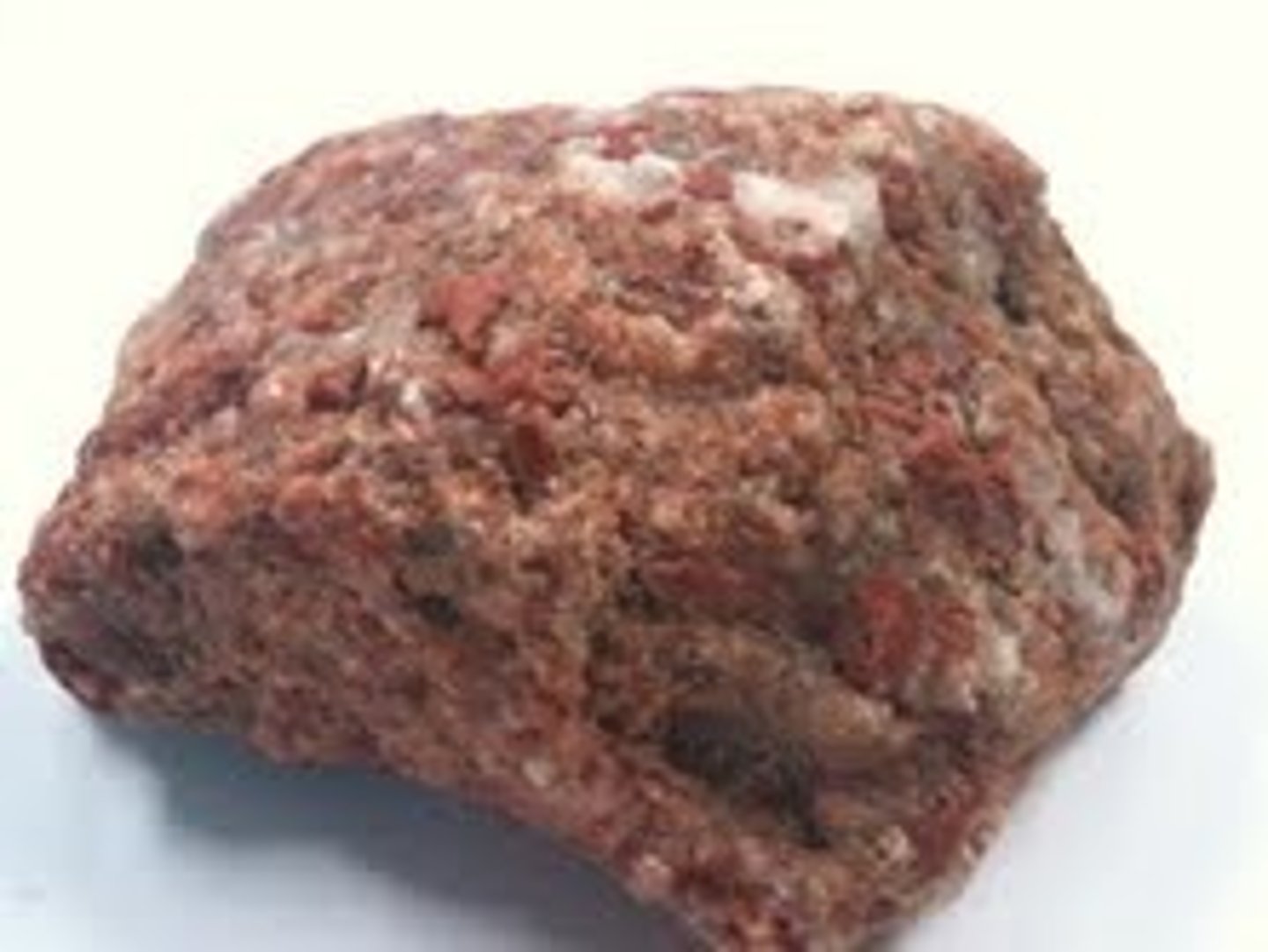
Alabastor
a form of fine-grained gypsum that is white and translucent.
Attribute
a symbolic object that is conventionally used to identify a person or deity.
Agnus Dei "Lamb of God" Iconography
The symbol is a representation of Christ's sacrifice, as demonstrated by the lamb, and his victory, as demonstrated by the cross

Pendentive
an architectural element in the shape of a triangular segment of a sphere, used to make the transition from a square room to a circular base for a dorm.

Revetment
In architecture, a decorative facing of stone, stucco, or other material covering a surface constructed of a less attractive material,such as a brick or concrete.
Iconclasm
destruction of religious images known as icons to prevent worship of the image rather than the diety
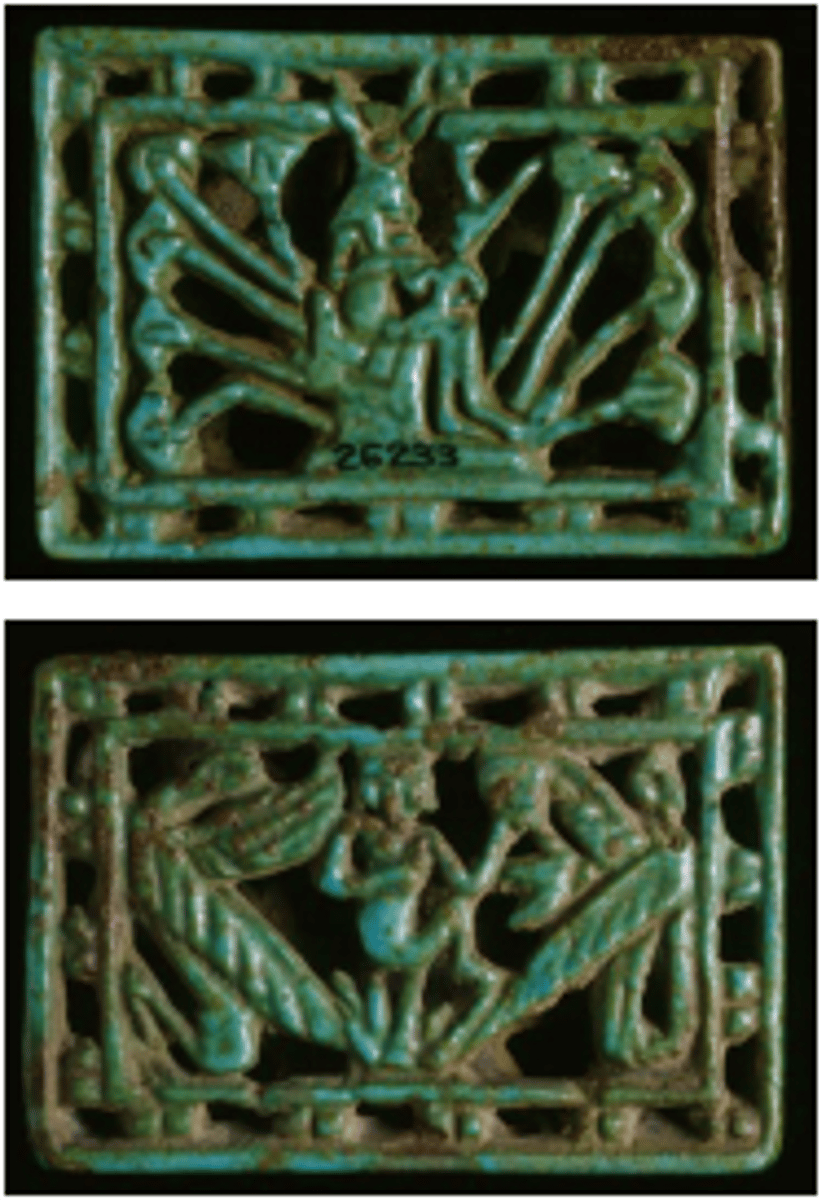
Open Work
A decorative technique in which openings or voids are incorporated into an object, creating a lattice or pierced effect. This technique is used in a variety of materials, including metal, wood, pottery, glass, ivory, and stone.
Rock Crystal
The term used for the clear, colorless form of the mineral quartz. Rock crystal can be used as a gemstone or carved into objects of various kinds.
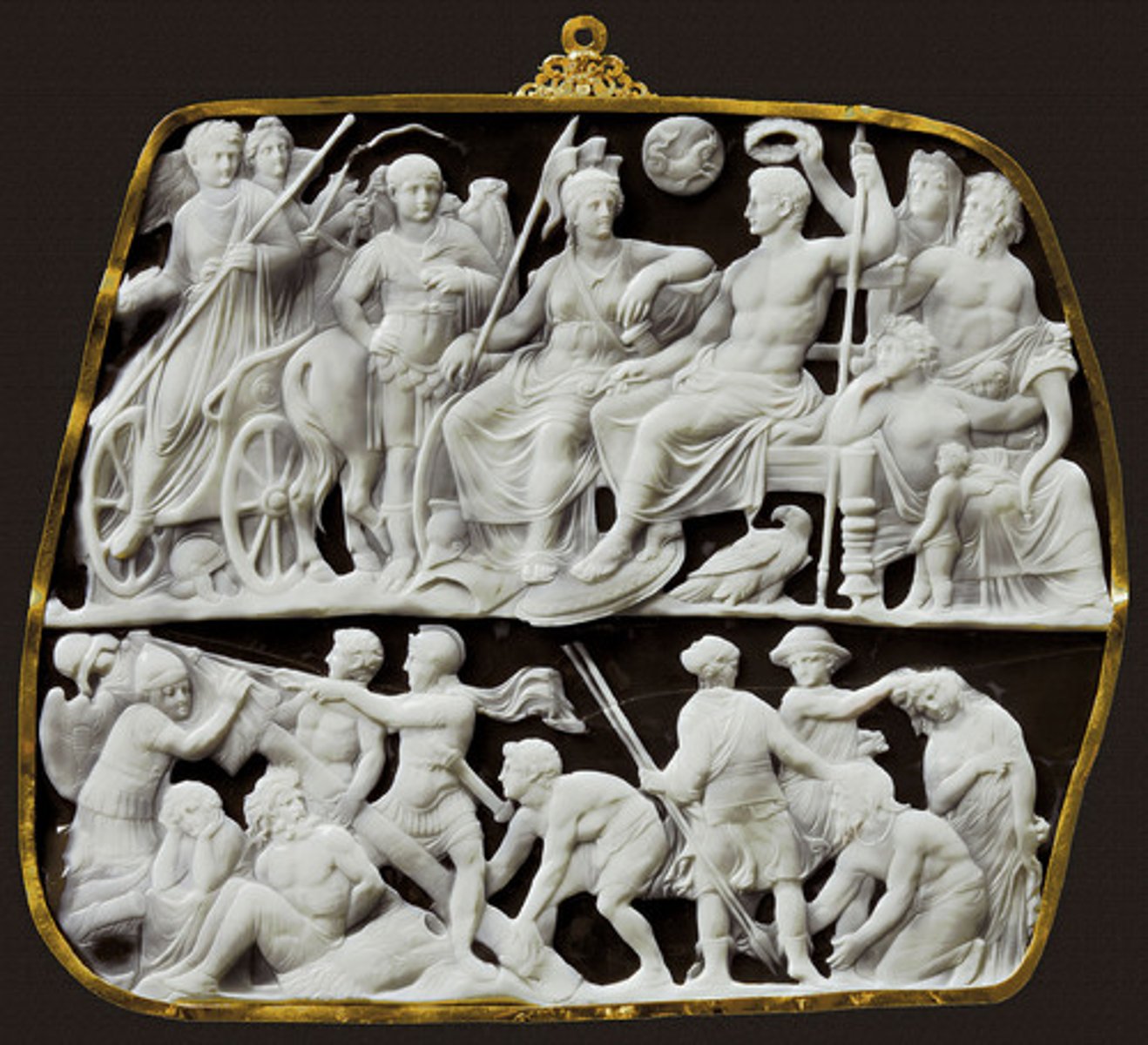
Cameo
A small-scale, low relief carved in a stratified or banded material, usually a gemstone such as onyx or sardonyx, but also in shell, class or glass. The cameo technique results in a background of one color and an image in relief of another color.
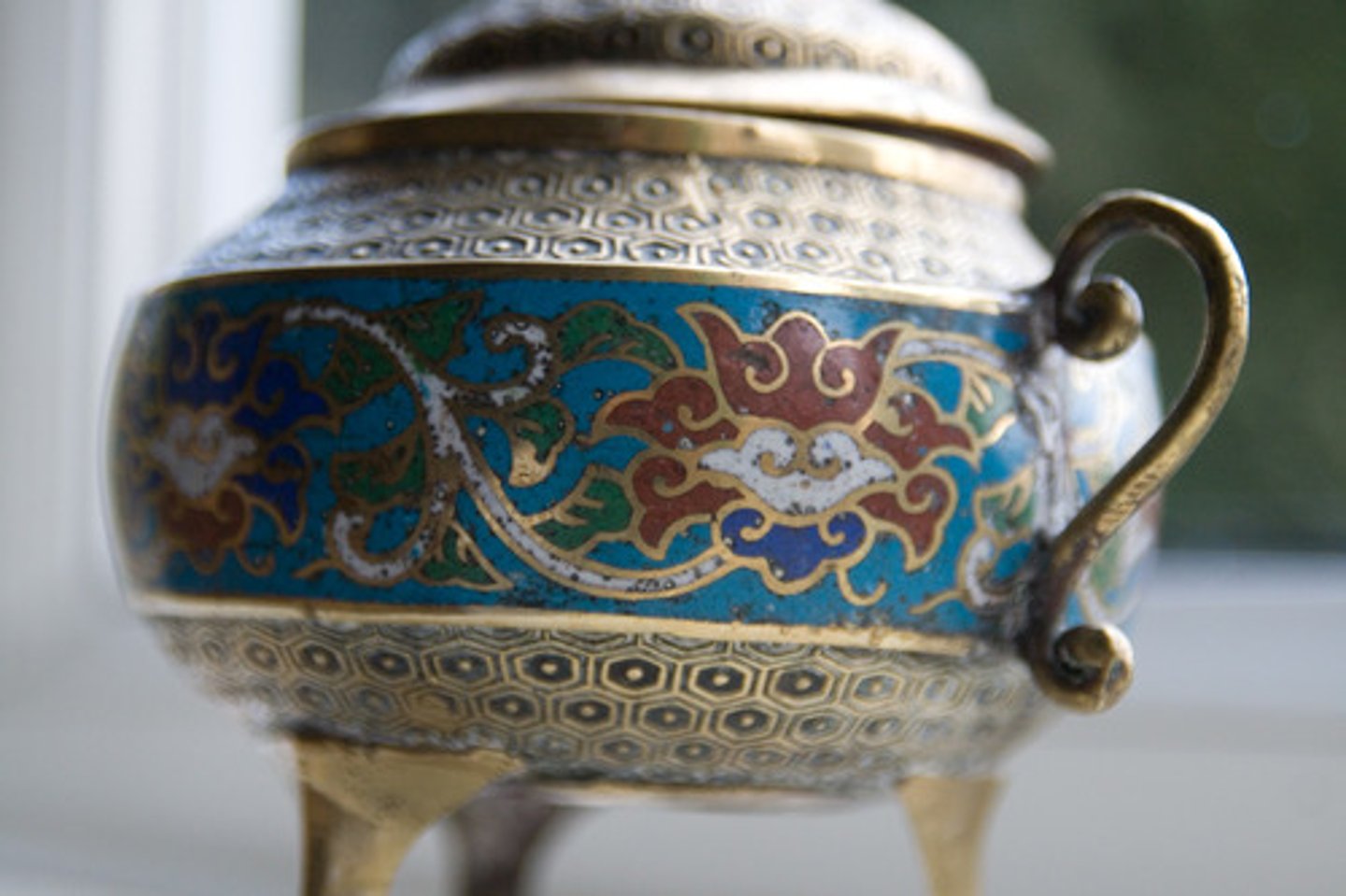
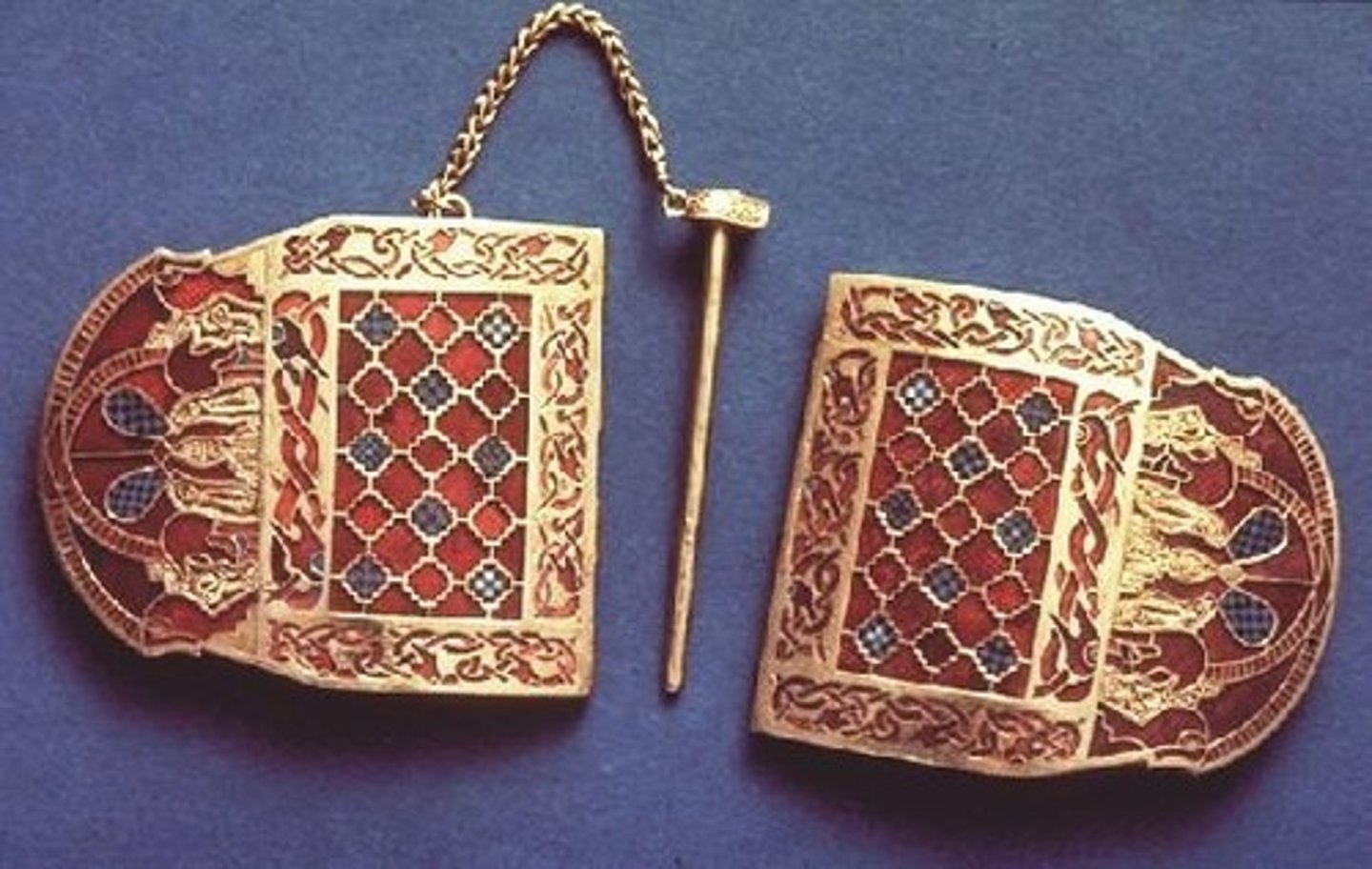
Cloisonne
A metalwork technique in which wires are soldered onto a metal surface to form compartments(cloisons). The compartments are filled with enamel or cut gemstones.
Millefiori
A glassmaking technique that produces complex decorative patterns. The technique begins with production of a glass cane with multicolored patterns viewable only at the cut ends of the cane. The cane is heated and pulled, then cooled and cut into discs. The discs are then re-heated and fused in a mold.
Ground
the surface or background on which the work of art is created that serves as a foundational layer supporting the main elements of the artwork, influencing its overall appearance and texture.
Insular Art
derives from the Latin word insula, meaning "island," in reference to Great Britain and Ireland.The name highlights that these islands shared a common artistic style, largely distinct from the rest of continental Europe during the period (from roughly the 5th to the 11th centuries)
Hiberno-Saxon Art
the name reflects the geographical and cultural fusion of the two primary peoples who produced the style: the Irish (Hibernians) and the Anglo-Saxons of Great Britain.
Interlace
a decorative motif characterized by intricate, overlapping designs, typically featuring looped, raided, or knotted bands, cords, or stylized animal forms that create a complex, continuous visual pattern
Liturgy
(n.) a religious service or rite; the form of a ritual or other act of public worship
 Note
Note  Flashcards (244)