Alberta Prehistory

0.0(0)
studied byStudied by 0 people
0.0(0)
call kaiCall Kai
learnLearn
examPractice Test
spaced repetitionSpaced Repetition
heart puzzleMatch
flashcardsFlashcards
GameKnowt Play
Card Sorting

1/14

encourage image

There's no tags or description

Looks like no tags are added yet.

Last updated 7:08 PM on 1/17/26
Name
Mastery
Learn
Test
Matching
Spaced
Call with Kai

No analytics yet

Send a link to your students to track their progress

15 Terms

1
New cards

Trends in Alberta Prehistory

  • Lithic Technology : Large spear points → small notched projectile points.

  • Technology: Spears → atlatls → bows & arrows; appearance of tipis and pottery.

  • Subsistence: From megafauna hunting → bison hunting → communal hunts.

  • Environment: General warming with cooler periods.

2
New cards

Early Precontact Period

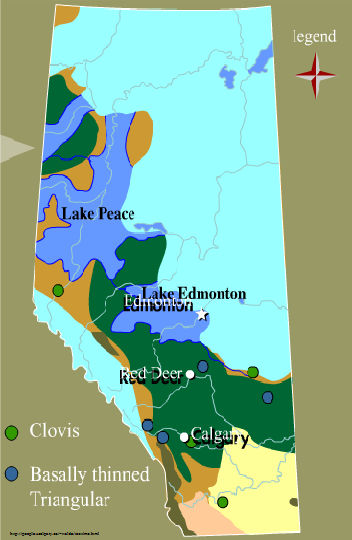
  • Alberta’s human history dates back ~12,000 years (after glacial retreat).

  • Ice-Free Corridor (11,500–11,000 years ago) opened migration routes.

  • Early lithic technologies evolved as glaciers retreated and climates changed.
<ul><li><p><span>Alberta’s human history dates back ~12,000 years (after glacial retreat).</span></p></li></ul><ul><li><p><span>Ice-Free Corridor (11,500–11,000 years ago) opened migration routes.</span></p></li><li><p><span>Early lithic technologies evolved as glaciers retreated and climates changed.</span></p></li></ul><p></p>
3
New cards

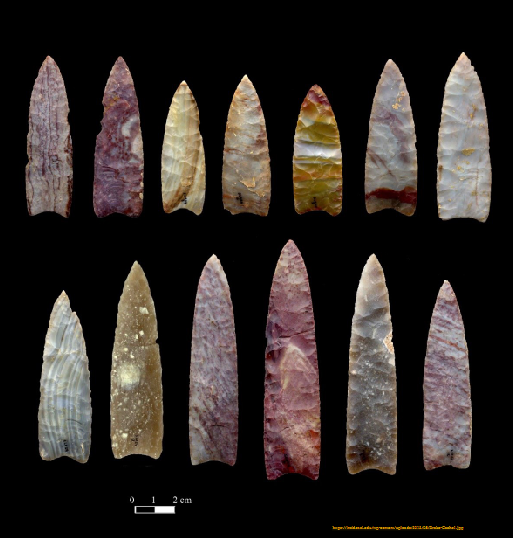
Clovis Points

  • 11,500-11,000 years ago.

  • Found in southern Alberta.

  • Fluted points, hafted onto spear shafts or knives.

  • Used to hunt megafauna: mammoth, mastodon, giant bison.
<ul><li><p><strong>11,500-11,000 years ago.</strong></p></li><li><p><span>Found in southern Alberta.</span></p></li></ul><ul><li><p><span>Fluted points, hafted onto spear shafts or knives.</span></p></li><li><p><span>Used to hunt megafauna: mammoth, mastodon, giant bison.</span></p></li></ul><p></p>
4
New cards

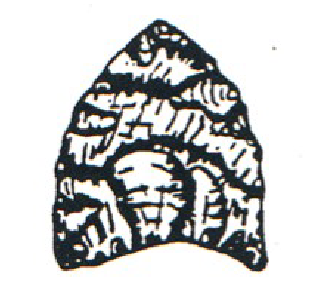
Basally Thinned Triangular Points

  • 11,500-10,000 years ago.

  • Created by removing flakes from the base for easier hafting.

  • Used for spear and knife tips.

  • Associated with megafauna hunting during glacial retreat.
<ul><li><p><strong>11,500-10,000 years ago.</strong></p></li><li><p><span>Created by removing flakes from the base for easier hafting.</span></p></li></ul><ul><li><p><span>Used for spear and knife tips.</span></p></li><li><p><span>Associated with megafauna hunting during glacial retreat.</span></p></li></ul><p></p>
5
New cards

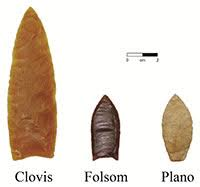
Folsom and Plainview Points

  • 11,000-10,000 years ago.

  • Period of warm climate and boreal forest cover.

  • Folsom points: leaf-shaped, concave base, fluted grooves.

  • Plainview points: concave base, basally thinned (not fluted).
<ul><li><p><strong>11,000-10,000 years ago.</strong></p></li><li><p><span>Period of warm climate and boreal forest cover.</span></p></li></ul><ul><li><p><span>Folsom points: leaf-shaped, concave base, fluted grooves.</span></p></li><li><p><span>Plainview points: concave base, basally thinned (not fluted).</span></p></li></ul><p></p>
6
New cards

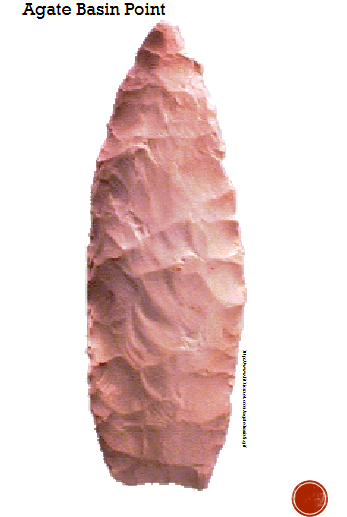
Agate basin points

  • 10,500-9,500 years ago.

  • Period of cooler, wetter weather.

  • Human populations spread across Alberta.

  • Points: Elongated, lanceolate, thick cross-section, straight/rounded base.

  • Used for hunting large game.

<ul><li><p><strong>10,500-9,500 years ago.</strong></p></li><li><p><span>Period of cooler, wetter weather.</span></p></li></ul><ul><li><p><span>Human populations spread across Alberta.</span></p></li><li><p><span>Points: Elongated, lanceolate, thick cross-section, straight/rounded base.</span></p></li><li><p><span>Used for hunting large game.</span></p></li></ul><p></p>
7
New cards

Cody and Alberta Points

  • 9,500-8,500 years ago.

  • Climate became warmer and drier.

  • Evidence of specialized bison hunters.

  • Cody & Alberta points: stemmed, used for efficient hunting.
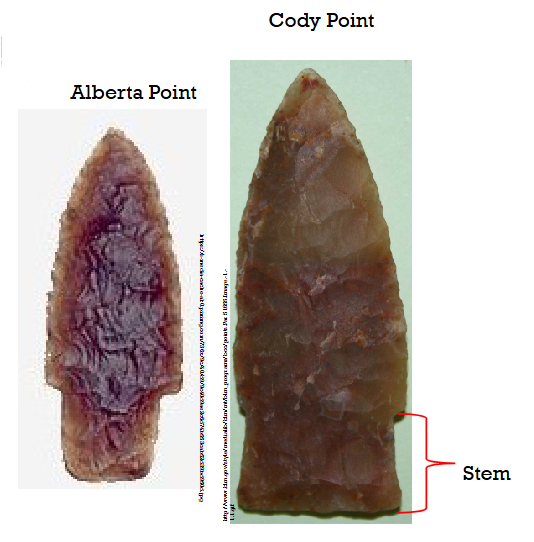
<ul><li><p><strong>9,500-8,500 years ago.</strong></p></li></ul><ul><li><p>Climate became warmer and drier.</p></li><li><p>Evidence of specialized <strong>bison hunters.</strong></p></li><li><p>Cody &amp; Alberta points: stemmed, used for efficient hunting.</p></li></ul><p></p>
8
New cards

Bison Hunting Dominance

  • 9,500–7,500 years ago.

  • Bison hunting = main subsistence strategy.

  • Diverse regional lithic traditions: Frederick, Lusk, Jimmy Alan, Eden, Scottsbluff points.

  • Represents regional cultural variation.
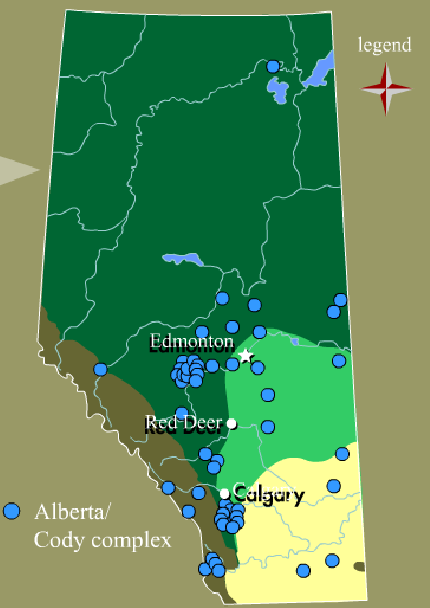
<ul><li><p><span><strong>9,500–7,500 years ago.</strong></span></p></li><li><p><span>Bison hunting = main subsistence strategy.</span></p></li></ul><ul><li><p><span>Diverse regional lithic traditions: Frederick, Lusk, Jimmy Alan, Eden, Scottsbluff points.</span></p></li><li><p><span>Represents regional cultural variation.</span></p></li></ul><p></p><p></p>
9
New cards

Middle Precontact Period

  • 7,500–5,000 years ago.

  • Known as the “Mummy Cave Period.”

  • Hotter, drier climate with droughts.

  • Bison jumps (e.g., Head-Smashed-In) appear.

  • Introduction of the atlatl (spear-thrower) → increased accuracy and speed.
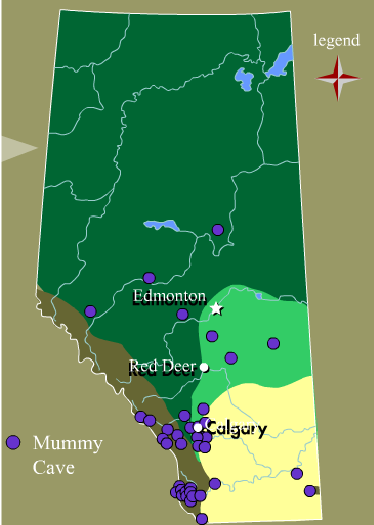
<ul><li><p>7,500–5,000 years ago.</p></li><li><p>Known as the <strong>“Mummy Cave Period.”</strong></p></li><li><p><strong>Hotter, drier climate</strong> with droughts.</p></li><li><p><strong>Bison jumps</strong> (e.g., Head-Smashed-In) appear.</p></li><li><p>Introduction of the <strong>atlatl</strong> (spear-thrower) → increased <strong>accuracy and speed</strong>.</p></li></ul><p></p>
10
New cards

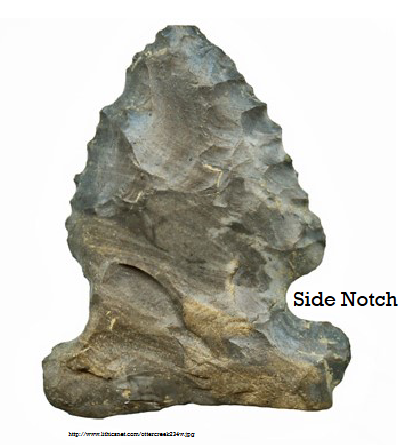
Side-Notched Points

  • Mummy Cave Period.

  • Variety of side-notched points suggest cultural variation.

  • Made from local and exotic materials.

<ul><li><p>Mummy Cave Period.</p></li><li><p><strong>Variety of side-notched points</strong> suggest cultural variation.</p></li><li><p>Made from <strong>local and exotic materials</strong>.</p></li></ul><p></p>
11
New cards

Oxbow Points

  • 5,000–2,500 years ago.

  • Period of colder climate and glacial advance (~4000 BP).

  • Technology and subsistence remain constant (bison hunting).

  • Oxbow points: base has distinctive “ears.”
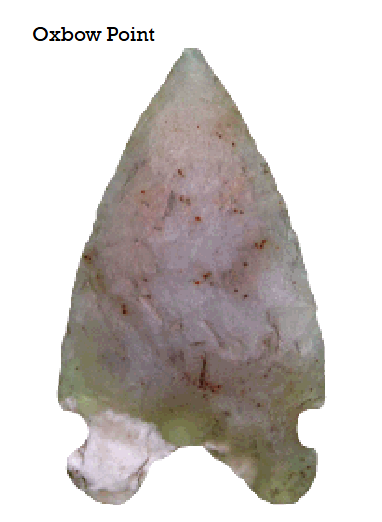
<ul><li><p>5,000–2,500 years ago.</p></li><li><p>Period of <strong>colder climate</strong> and <strong>glacial advance (~4000 BP)</strong>.</p></li><li><p><strong>Technology and subsistence</strong> remain constant (bison hunting).</p></li><li><p><strong>Oxbow points:</strong> base has distinctive <strong>“ears.”</strong></p></li></ul><p></p>
12
New cards

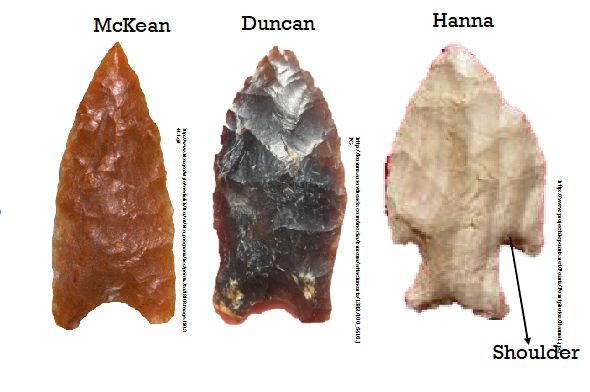
Hanna, Duncan, McKean Points

  • 5,000–3,500 years ago

  • Subssistence: Bison, plus antelope, deer, dog.

  • McKean: deeply notched base, no side notches.

  • Duncan: distinct stem, sloping shoulder.

  • Hanna: stem with pronounced shoulder.

<ul><li><p><strong>5,000–3,500 years ago</strong></p></li></ul><ul><li><p>Subssistence: <strong>Bison</strong>, plus <strong>antelope, deer, dog</strong>.</p></li><li><p><strong>McKean:</strong> deeply notched base, no side notches.</p></li><li><p><strong>Duncan:</strong> distinct stem, sloping shoulder.</p></li><li><p><strong>Hanna:</strong> stem with pronounced shoulder.</p></li></ul><p></p>
13
New cards

Pelican Lake Points

  • 3,250–1,500 years ago

  • Period of cooler, wetter winters.

  • Evidence of tipi structures (stone rings).

  • Pelican Lake points: corner-notched, “Christmas tree-like” form.
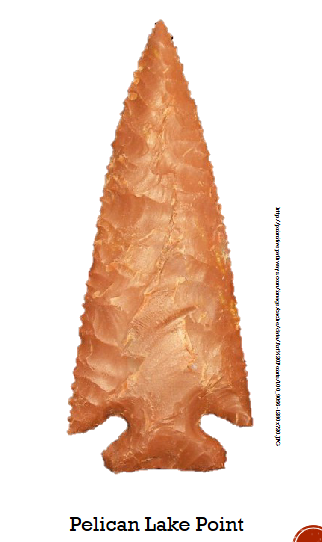
<ul><li><p><strong>3,250–1,500 years ago</strong></p></li></ul><ul><li><p>Period of <strong>cooler, wetter winters</strong>.</p></li><li><p>Evidence of <strong>tipi structures</strong> (stone rings).</p></li><li><p><strong>Pelican Lake points:</strong> corner-notched, “<strong>Christmas tree-like</strong>” form.</p></li></ul><p></p>
14
New cards

Besant Phase

  • 2,500–1,000 years ago

  • Drier, warmer climate.

  • Known for highly efficient bison hunters.

  • Pottery appears → indicates more sedentary life.

  • Dog travois and sled technology emerge.

  • Stone tools made from Knife River Flint.

  • Besant side-notched points are diagnostic.
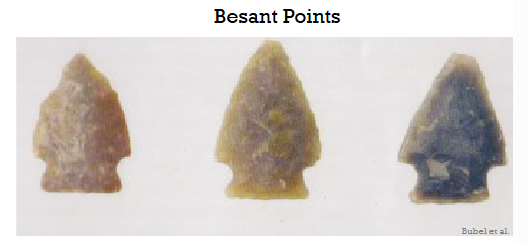
<ul><li><p><strong>2,500–1,000 years ago</strong></p></li></ul><ul><li><p><strong>Drier, warmer climate.</strong></p></li><li><p>Known for <strong>highly efficient bison hunters</strong>.</p></li><li><p><strong>Pottery</strong> appears → indicates <strong>more sedentary life</strong>.</p></li><li><p><strong>Dog travois</strong> and <strong>sled technology</strong> emerge.</p></li><li><p>Stone tools made from <strong>Knife River Flint</strong>.</p></li><li><p><strong>Besant side-notched points</strong> are diagnostic.</p></li></ul><p></p>
15
New cards

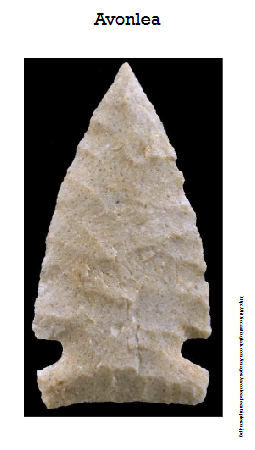
Late Precontact Period

  • 1,500–500 years ago

  • Dry, warm climate persists early on.

  • Pottery shows regional variation.

  • Bow and arrow technology appears (~1,500–1,000 BP).

  • Avonlea points: small, side or corner-notched arrow points.

  • Later period (1,000–500 BP): Plains/Prairie side-notched points dominate.

  • Increasing ceramic regionalism.

<ul><li><p><strong>1,500–500 years ago</strong></p></li></ul><ul><li><p><strong>Dry, warm climate</strong> persists early on.</p></li><li><p><strong>Pottery shows regional variation.</strong></p></li><li><p><strong>Bow and arrow</strong> technology appears (~1,500–1,000 BP).</p></li><li><p><strong>Avonlea points:</strong> small, side or corner-notched <strong>arrow points</strong>.</p></li><li><p>Later period (1,000–500 BP): <strong>Plains/Prairie side-notched points</strong> dominate.</p></li><li><p>Increasing <strong>ceramic regionalism</strong>.</p></li></ul><p></p>