Animal models of anxiety-depression
 Call Kai
 Learn
Learn Practice Test
 Spaced Repetition
 Match
Match Flashcards
 Knowt Play
1/33

There's no tags or description
Looks like no tags are added yet.
Name | Mastery | Learn | Test | Matching | Spaced | Call with Kai |
|---|
No analytics yet
Send a link to your students to track their progress
34 Terms
Creative validity to model anxiety and depression in animals
Social interactions and learning.
Curiosity: animals like to explore.
Fearful: mice are naturally afraid of heights and large, empty, open spaces.
Behavioural tests
Anxiolytic activity: elevated plus maze, open field, and light-dark case.
Mixed activity: novelty suppressed feeding.
Antidepressant activity: forced swim test.
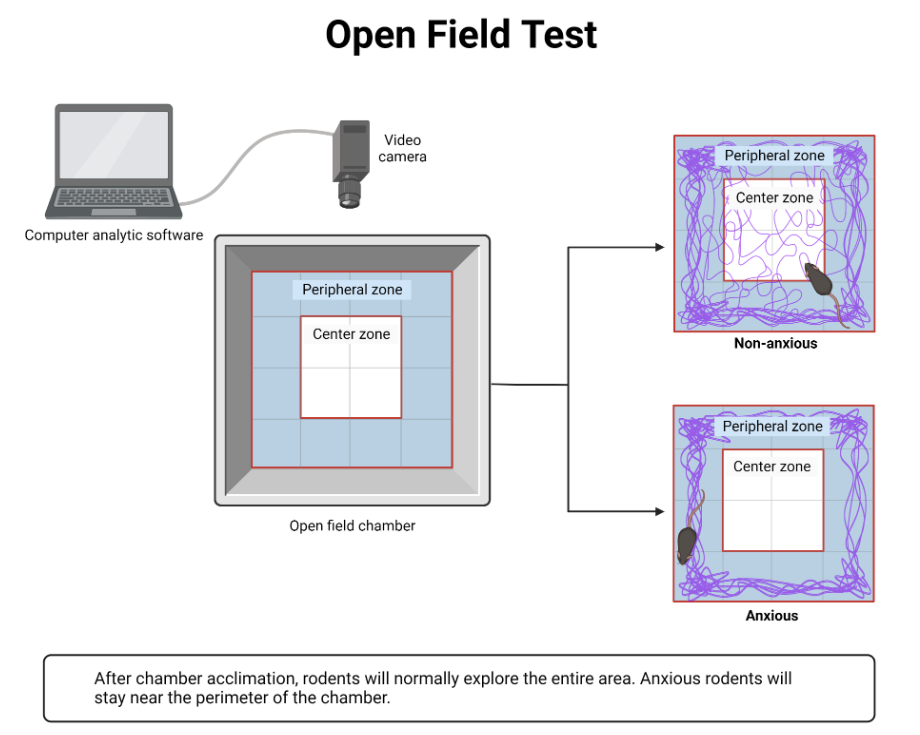
Open field test
Animals display a natural aversion to brightly lit open areas. However, they also have a drive to explore a perceived threatening stimulus.
Decreased levels of anxiety lead to increased exploratory behavior.
Increased anxiety will result in less locomotion and a preference to stay close to the walls of the field.
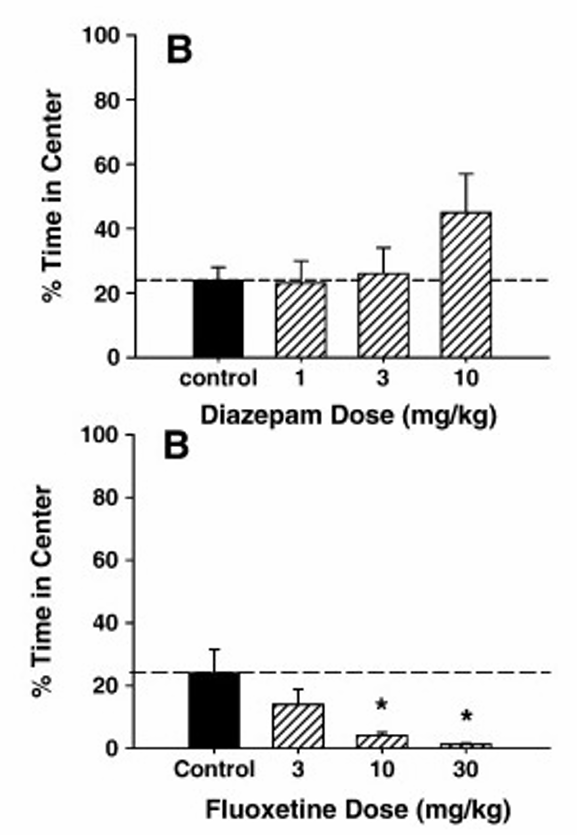
Results of open field test
Diazepam (anti-anxiety drug) increases time in the center, while acute fluoxetine (antidepressant) can actually have an initial pro-anxiety effect.
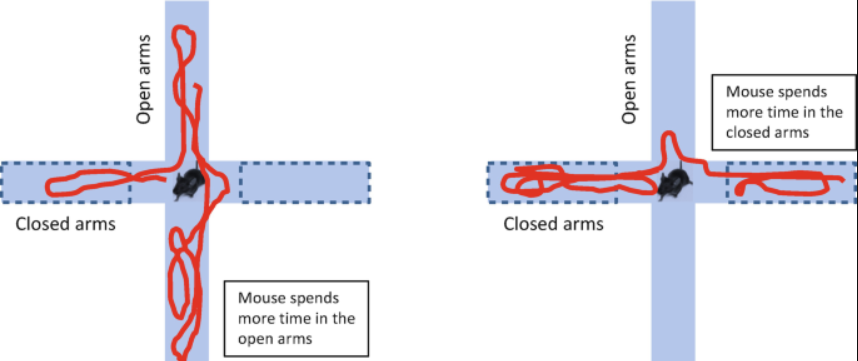
Elevated plus maze
The model is based on the test animal's aversion to open spaces and tendency to be thigmotaxic (tend to stay in the perimeter).
In the EPM, this anxiety is expressed by the animal spending more time in the enclosed arms and increased entries into them.
Anxiety reduction is indicated by increased time spent in the open arms.
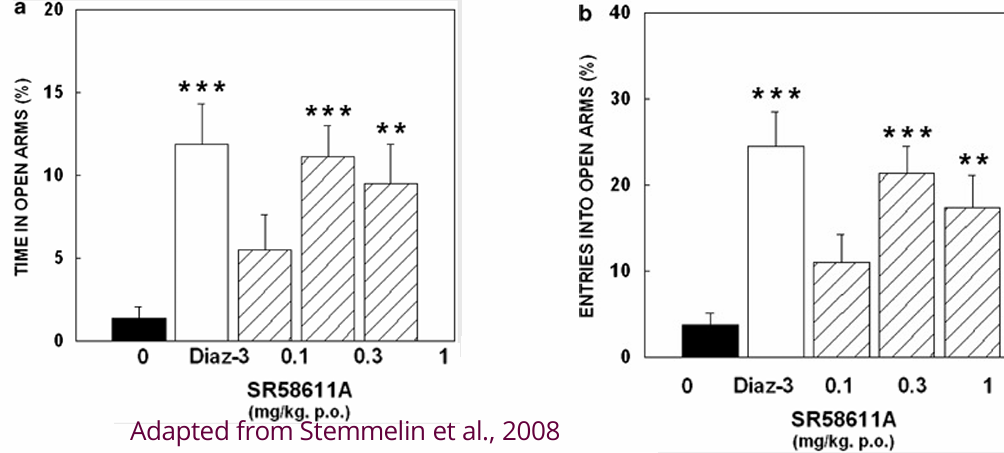
Elevated plus maze results
Anxiolytic molecules like Diazepam or SR58611A significantly increase entries and time spent in the open arms.
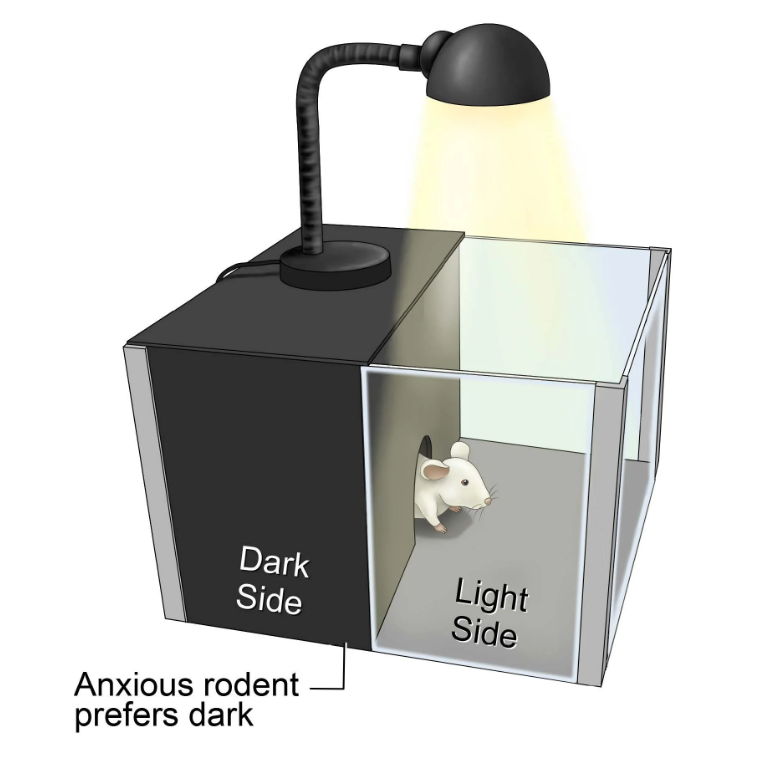
Light-dark case test
Assess preferences by measuring the time spent in dark versus light zones.
Based on the innate aversion of rodents to brightly illuminated areas and on the spontaneous exploratory behaviour of rodents in response to mild stressors.
Rodents typically spend more time in the dark compartment than in the light compartment.
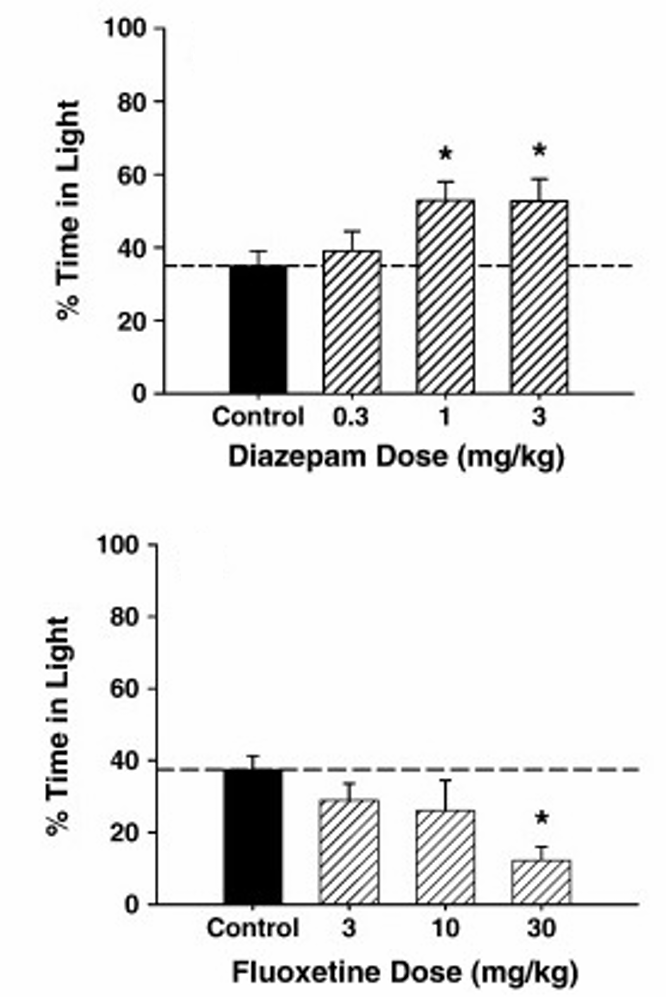
If rodents are injected with anxiolytic drugs, the percentage of time spent in the light compartment will increase.
Light-dark case test results
Anxiolytics increase time in the light, while acute fluoxetine decreases it.
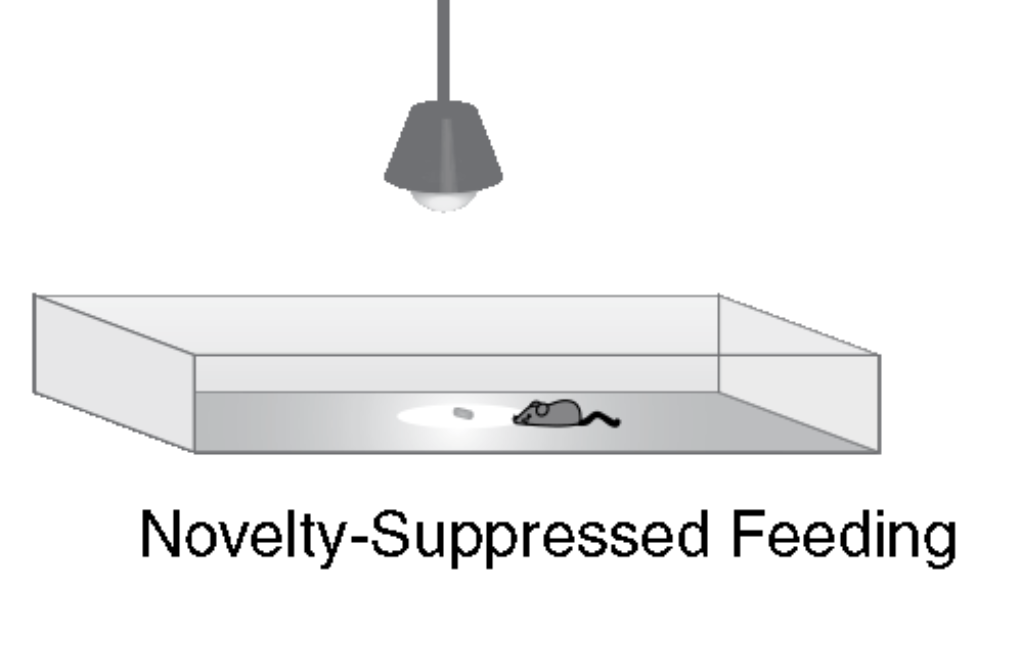
Novelty suppressed feeding test
Conflict-based test in which an animal that has been deprived of food for a full day faces a choice of approaching and consuming a piece of food in the center of a brightly lit, novel open arena or staying to the side and avoiding the center of this anxiogenic environment.
Measures the latency to feed (how long it takes to start eating).
Significantly longer latency to eat than control animals is usually described as more anxious.
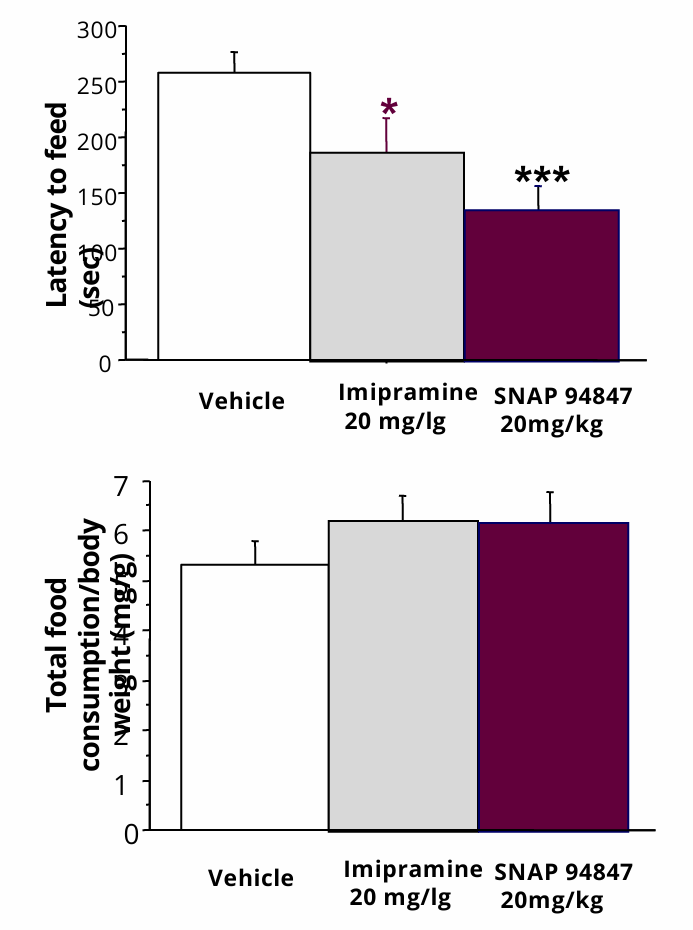
Novelty suppressed feeding test results
Chronic treatment with antidepressants like Imipramine decreases this latency.
To ensure it isn't just increased hunger, researchers also measure food consumption in the home cage. No significant increase means that their willingness to eat is not affected.
Forced swimming test
Centered on a rodent's response to the threat of drowning, after initial escape attempts, adopt an immobile posture.
Each mouse is placed in a glass beaker filled with water. The water depth must be sufficient to prevent the mouse from reaching the bottom of the container. The test lasts 6 min after which the mouse is dried off and returned to their cage.
Only measures the last 4 min, as the 2 first 2 min they’ll always try to escape.
Increased immobility indicates depressive-like states.
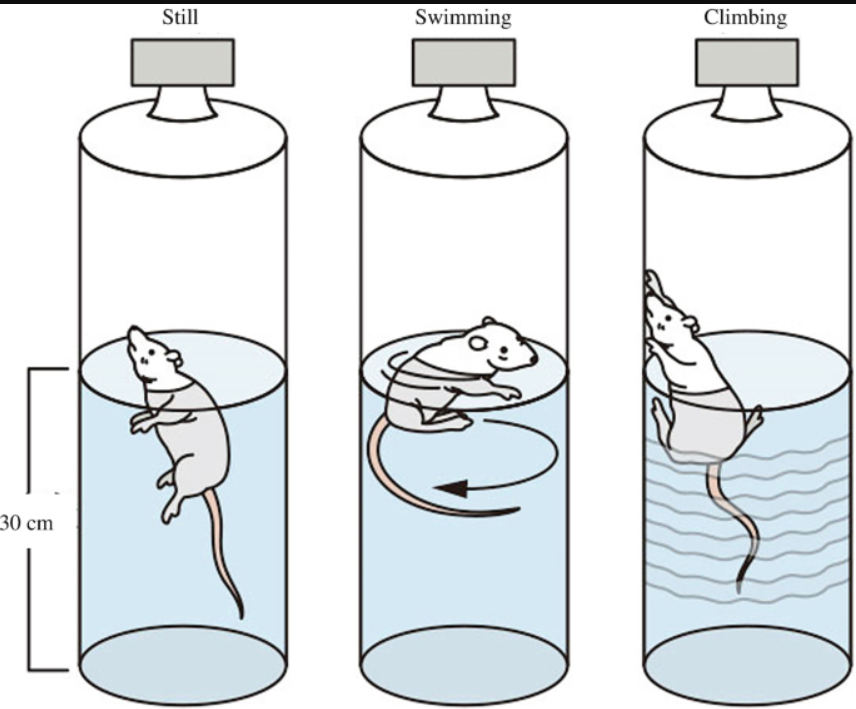
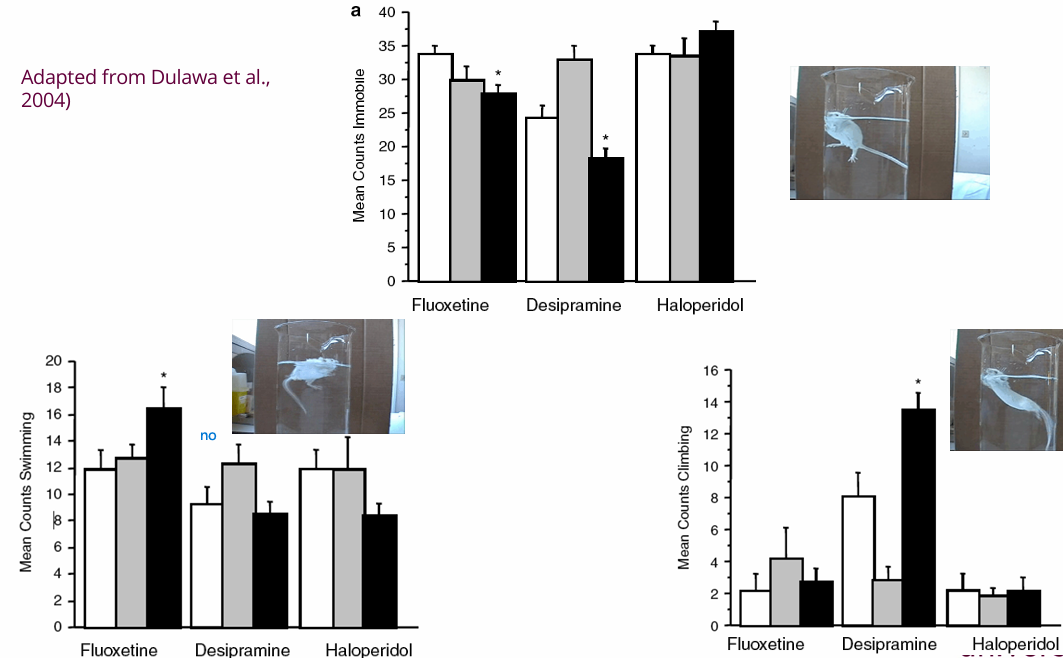
Forced swimming test results
Different drugs affect different behaviors. For example, fluoxetine (which targets serotonin) increases swimming, while desipramine (which targets norepinephrine) increases climbing.
Tails suspension test
Measures stress in rodents.
Based on the observation that if a mouse is subjected to short term inescapable stress, then the mouse will become immobile.
Decreased immobility indicating potential antidepressant effects.
It is used less frequently due to ethical concerns.
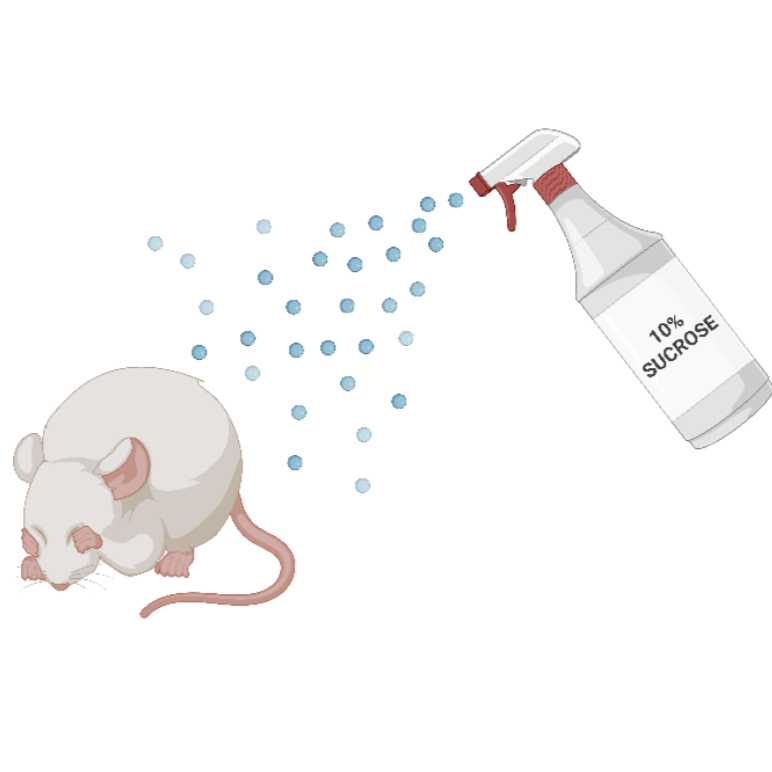
Splash test (grooming activity)
Grooming is an innate behavior that serves multiple purposes and has a dual nature, reflecting both comfort and stress.
Mice are removed from their cages and sprayed to coat the fur in a 10% sucrose solution before being placed into a clean cage. Their behavior is recorded for 15 min.
Alterations in total time spent grooming, frequency of grooming bouts, or latency to begin grooming may suggest depression-like behavior.
Fluoxetine increases grooming duration, which is seen as a sign of improved self-care/reduced depression.
Considerations to perform a screening protocol
Specie.
Test: targeted screening vs non-targeted screening (without a specific molecular target).
Animal number: reduced, but maintaining the statistical difference. Consider the size of the effect you expect to have. Under 15%: no biological interest.
Choose the reference: positive/negative control.
Control group.
Ways of administration.
Doses.
Acute vs. chronic administration.
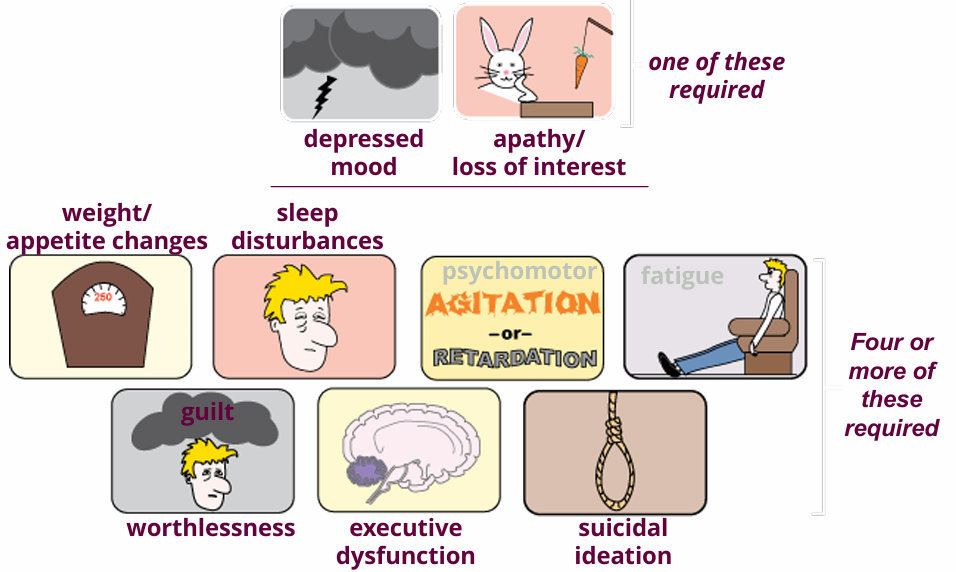
Major depresive disease
Period characterized by symptoms of major depressive disorder. For a diagnosis, a patient must present at least five total symptoms for a period of at least one week.
Endophenotype
Heritable, quantifiable intermediate behavioral phenotypes that serve as a causal link between genes and observable symptoms in neuropsychiatric and neurological disorders.
Animal endophenotypes linked to human symptoms
Anhedonia: no longer enjoys their favorite hobbies, food, or social activities. In animals, loss of reward-seeking behavior.
Behavioral despair: a state observed in animals, characterized by a tendency to exhibit prolonged immobility in response to inescapable stressors, reflecting a degree of helplessness or resignation.
Change in the feeding/weight.
Neuroanatomical: physical, structural changes in the brain.
Endocrine changes: hormonal dysregulation. In humans, this manifests as chronically high cortisol levels. In rodents, it translates to high corticosterone.
Sleep alterations.
Anxious behaviours.
Etiological models of the depression
Etiological: causing or contributing to the development of a disease or condition.
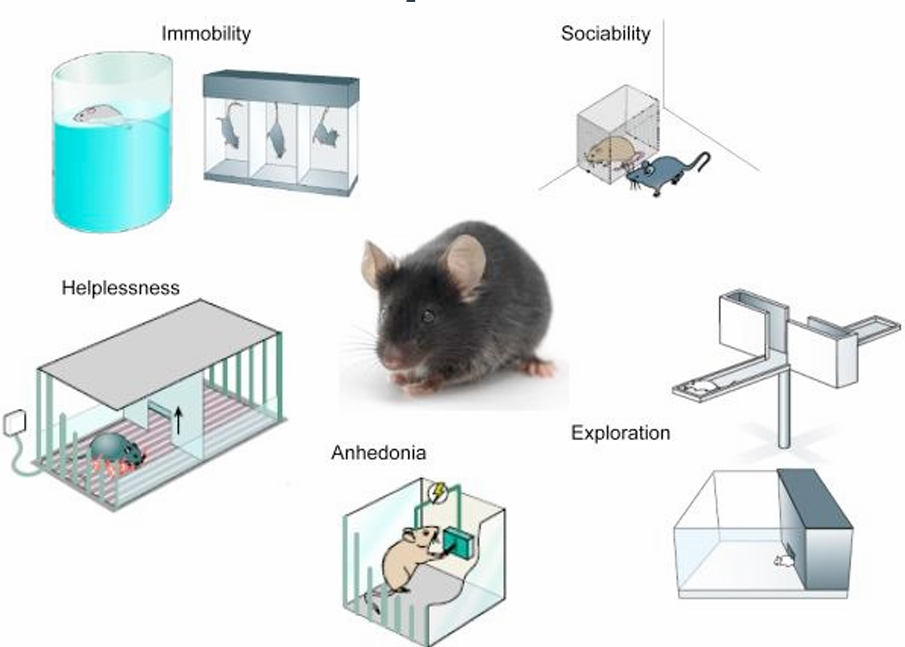
Unpredictable chronic stress
Animals are subjected to varied stressors (water deprivation, strobe lights, white noise) for several weeks to induce a depressive-like state before testing treatments.
Randomized schedule of stressors.
Intense stressors.
Chronic mild stress
Its primary goal is to induce anhedonia.
Stressors are intentionally non/lethal and relatively minor.
HPA axis
Major neuroendocrine system that controls reactions to stress.
It involves a chain reaction of hormones between hypothalamus, pituiary gland and adrenal glands.
Has been implicated in the pathophysiology of anxiety and depression.
In depression, upregulated with a down-regulation of its negative feedback controls
Normal stress response
Healthy negative feedback loop in presence of a stressful situation.
Hypothalamus release CRH hormone.
CRH travels to the pituitary gland and release ACTH hormone.
ACTH travels through the bloodstream to the adrenal glands promoting the release of cortisol (in humans) or corticosterone (mice).
When the stressor is gone, cortisol travels back to the brain to stop the CRH release.
HPA in depression
Feedback loop breaks down.
The hypothalamus keeps pumping out increased CRH.
Chronically high levels of cortisol/corticosterone.
Constant high levels of stress hormones.
CORT model
Based on repeated CORT administration to mimic the effects of stress, which allows for the stringent control of hormone levels.
Disturb the HPA axis instead of depressing the animals.
More repeatable model.

