Week 2 - research methods and attraction
 Studied by 0 people
 Call Kai
 Learn
Learn Practice Test
 Spaced Repetition
 Match
Match Flashcards
 Knowt Play
1/31

There's no tags or description
Looks like no tags are added yet.
Name | Mastery | Learn | Test | Matching | Spaced | Call with Kai |
|---|
No analytics yet
Send a link to your students to track their progress
32 Terms
what are the different type of measures?
self report measures
observational measures
physiological measures
archival measures
pros and cons of self report
pros
allows us to “get inside people’s heads’/understand personal points of view
inexpensive and easy to obtain
Cons
difficulties in recall and awareness
social desirability bias (esp for sensitive topics e.g. cheating)
purpose of observational methods
gather data about relationship events without having to ask people who are experiencing those events directly
can be home-based, in-lab, or any other location
purpose of physiological methods
can give an insight into the body involuntary reactions and ultimately, how people feel and react in romantic relationships
includes measuring heart rate, muscle tension, brain activity, hormone levels
what are archival methods?
publicly available documents such as marriage licenses
sample types
convenience sample (anyone who is readily available)
representative sample (a group of people who resemble the entire population of interest)
volunteer bias in research
people who agree to participate in research may differ from those that refuse
one study found that volunteers tended to be better educated, employed in higher-status jobs, more likely to have lived together, and consisted of more committed couples participating together (Park et al., 2020)
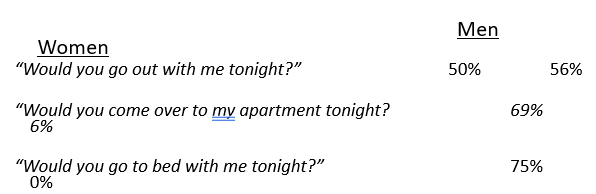
trusting results (Clark and Hatfield, 1989)
men were significantly more likely to agree to go on a date, go over to an apartment, or sleep with an attractive female confederate than women with an attractive male confederate
these results were replicated in other studies involving more than 20,000 people from every major region of the world
what are the main design types used by relationship researchers?
correlational (includes cross-sectional, daily experience, longitudinal)
experimental
describe Aron et al. (2001) - experimental cross-sectional study example
couples randomly assigned to novel-arousing task or mundane task (control)
after task, relationship satisfaction measured
couples in the novel-arousing condition were more satisfied
describe Carson et al. (2004) - experimental longitudinal study example
mindfulness intervention study - couples assigned to intervention or wait-list (control)
8 weekly sessions + 1 full-day retreat
couples in mindfulness group had greater increases in relationship satisfaction at 3-month follow up
pros and cons of experiments
pros
showing cause and effect
able to isolate variables of interest
Cons
lack of external (ecological) validity
limited in the types of processes that can be studied
what is attraction?
evaluating another person positively (not necessarily romantic)
we are often attracted to those whose presence is rewarding (Clore & Byrne, 1974)
what are the forces that cause attraction?
reciprocity
similarity
familiarity/proximity
evidence for reciprocity
we like people who like us
we like others more after knowing they like us (Backman & Secord, 1959; Birnbuam et al., 2018)
they like us specifically (not just everyone)
evidence for similarity
we like people who are like us, esp people with similar backgrounds (e.g. age, race), interests, attitudes and values (Hampton et al., 2019)
we trust others when they are more similar (Singh et al., 2017)
feel assured others will like us and enjoy spending time with similar others (Hampton et al. 2019)
evidenced against similarity
personality vs similarity
actual traits matter (e.g. agreeableness, emotional stability) more than than similarity on traits (Weidman et al., 2017)
these traits generally make it more enjoyable to interact with people (Watson et al., 2014)
similarity vs perceived similarity
perceived similarity makes people like each other more than actual similarity (Tidwell et al., 2013)
perceived similarity increases the more relationships progress (Goel et al., 2010)
outside observers may see actual dissimilarities and wrongly conclude that opposites attract when in reality couples just aren’t perceiving these dissimilarities
what is familiarity/proximity?
the people who, by chance, you see and interact with the most (more familiar) are more likely to become friends or romantic partners
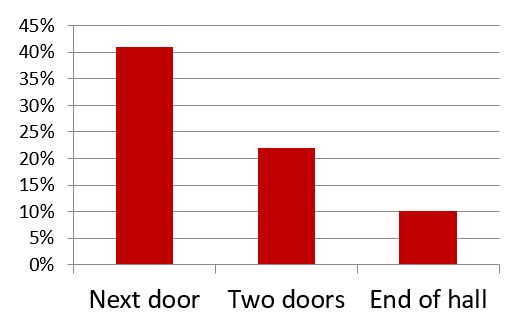
evidence for familiarity - MIT housing study (Festinger et al., 1950)
students at MIT were randomly assigned to 1 of 17 housing buildings on campus knowing almost no one else beforehand
researchers asked participants to list their three closest friends
65% of residents had at least one friend who lived in their own building despite those living in the same building only representing 5% of all residents
of those with a friend in their housing complex, most said that their friend lived next door
how does familiarity work?
we have an increased opportunity to meet people who live close to us
we tend to like things more after we have been repeatedly exposed to them and they become more familiar to us (mere exposure effect)
but there are limits - initial disliking may breed contempt after further exposure
physical attraction - symmetry
symmetry is attractive (Fink et al., 2006)
symmetrical people have higher levels of estradiol (greater fertility; Jasienska et al., 2006)
symmetrical people get sick less often (Thornhill & Gangestad, 2006)
better physical and mental health (Perilloux et al., 2010)
but correlational data only (e.g. better mental health may occur if people are nicer to you due to attractiveness)
evolutionary explanation of symmetry preferences
symmetry is an indicator of physical health (poor nutrition, disease, injury often led to asymmetry)
tendency to associate with symmetrical people would have led to better survival and reproductive outcomes
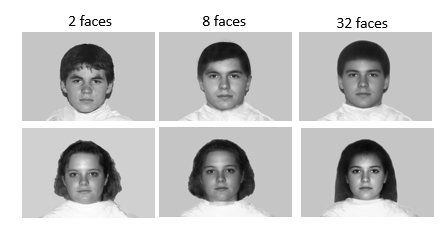
‘average’ faces
average faces (not average-looking; the average of faces across people) are more attractive (Rubenstein et la., 2002)
possibly because they feel more familiar
full body attractiveness
for women, a waist-to-hip ratio of 0.7 is preferable (signal fertility)
for men, waist-to-hip ratio of 0.9 is preferable and a shoulder-to-hip ratio of 1.2 (signal strength and status)
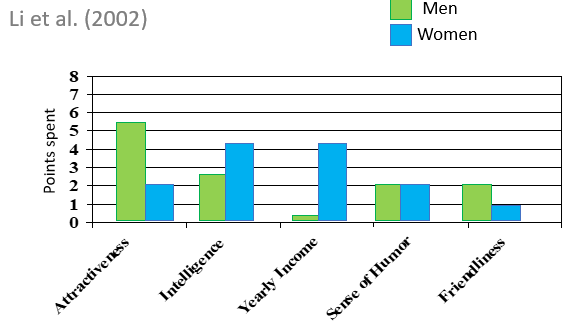
differences in the importance of (physical) attractiveness (Li et al., 2002)
attractiveness is most important to men in an ideal partner
yearly income is most important to women in an ideal partner (closely followed by intelligence)
gender differences in the importance of attractiveness across cultures (Buss et al., 1990)
mate preferences looked at across 37 different cultures
men prefer slightly younger partners and prioritise physical attractiveness
women prefer slightly older partners and prioritise resources
evolutionary explanations in differences in importance of attractiveness (women)
securing resources was more difficult, and so was more important
women (and their children) were more likely to survive if they prioritised partners with resources
evolutionary explanations in differences in importance of attractiveness (men)
partners’ resources were less important
partners’ fertility was more important
men who prioritised fertility cues had greater reproductive success
evolutionary explanations in differences in importance of attractiveness (both)
both prioritise attractiveness in short-term relationships
partners’ resources are unimportant if they won’t be seen again
social-role explanations of differences in the importance of attractiveness (Eagly & Wood, 1999)
in most societies, women have less resources/power and so rely more on partner support
and so they should prioritise partner resources
sex differences are reduced in societies where women have equal power/resources
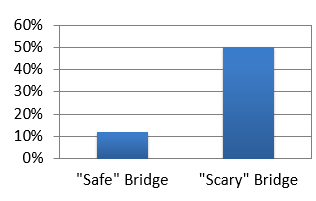
Capilano bridge study (Dutton & Aron, 1974)
85 men visited one of two bridges in Vancouver - safe vs scary bridge
female experimenter asks him to fill out survey and then gave phone number to call later for debriefing
more men called experimenter after interacting on the scary bridge vs the safe bridge
 Note
Note  Flashcards (62)